26 Golden Retriever Mixes: Pictures and Choosing Guide
Explore 26 Golden Retriever mixes with pictures, compare practical care and household needs, and learn which ancestry details, observations and health records to check before choosing.
Begin with the individual dog when comparing Golden Retriever mixes.
Petful is reader supported. As an affiliate of platforms like Amazon and Chewy, we may earn a commission when you buy through links on this page. There is no extra cost to you.
A Golden Retriever mix can combine Golden ancestry with Labrador, Poodle, Husky or many other breeds. Finding a good match means looking at the individual dog's size, daily habits, coat care and history alongside those parent names.
These 26 combinations give you a starting point for comparison. Each section identifies a practical question to discuss with the caregiver, helping you connect the dog's appearance with its daily care and household needs.

Sign up for expert-backed reviews and safety alerts all in one place.
What is a Golden Retriever mix?
What are some mixed breed dogs that are Golden Retrievers?
A Golden Retriever mix is a dog with Golden Retriever ancestry and ancestry from another breed or breeds. Familiar examples include the Goldador (Labrador Retriever), the Goldendoodle (Poodle), the Goberian (Siberian Husky), the Golden Shepherd (German Shepherd), the Golden Cocker (Cocker Spaniel), the Golden Pyrenees (Great Pyrenees), the Coltriever (Border Collie) and the Golden Newfie (Newfoundland).
Some dogs have a documented Golden Retriever parent. Others receive an appearance-based label from a shelter, previous owner or seller. Ask which applies. A dog with unknown or multiple ancestry does not need to fit a tidy two-parent formula to be a suitable companion.
Our Golden Retriever breed guide explains the purebred background. For mixes, individual dog variation matters: parent names cannot establish an exact adult size or complete personality. Research by Morrill and colleagues shows that ancestry explains only part of individual behavioral variation. Use the named parent combinations below to organize your questions:
- What is documented about the dog's background?
- What has its caregiver observed in an ordinary home?
- Which measurements and care needs are already known?
- What remains uncertain, particularly with puppies?
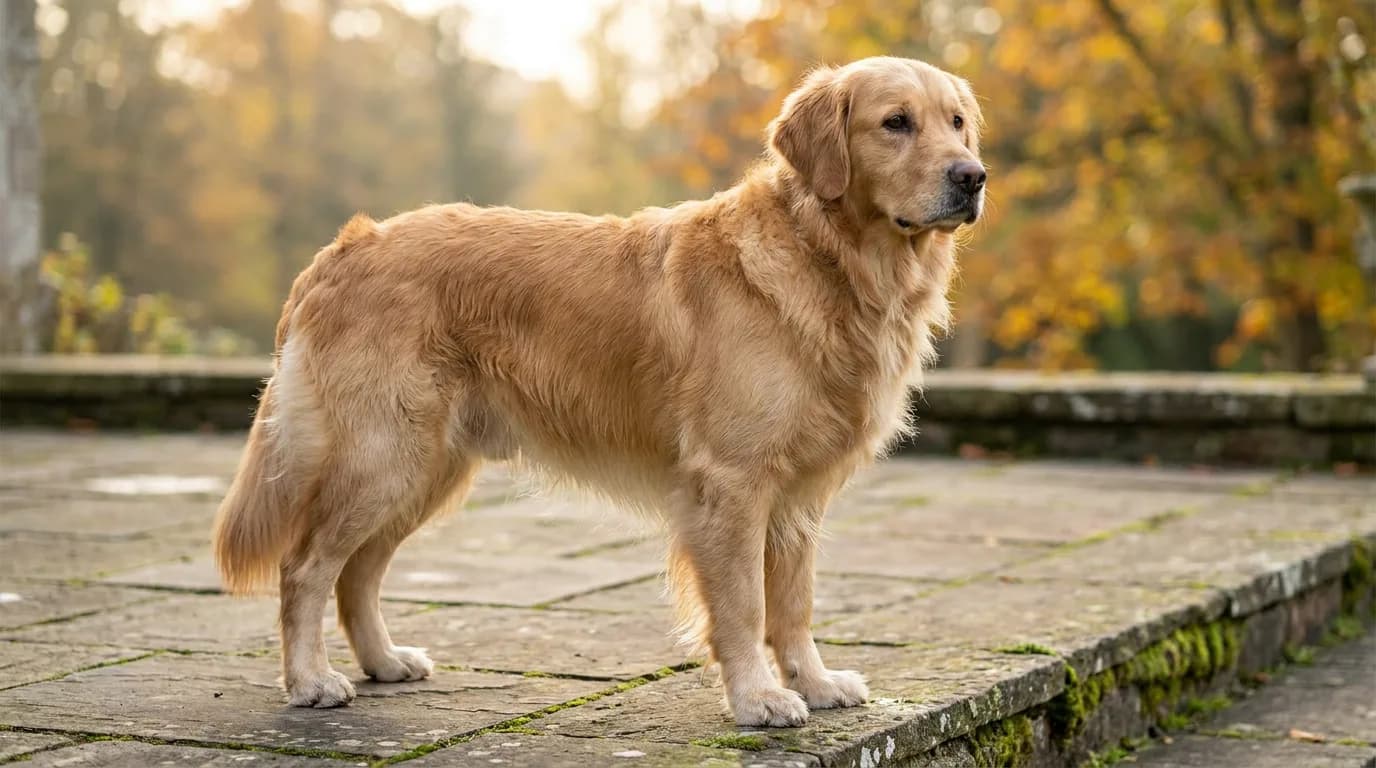
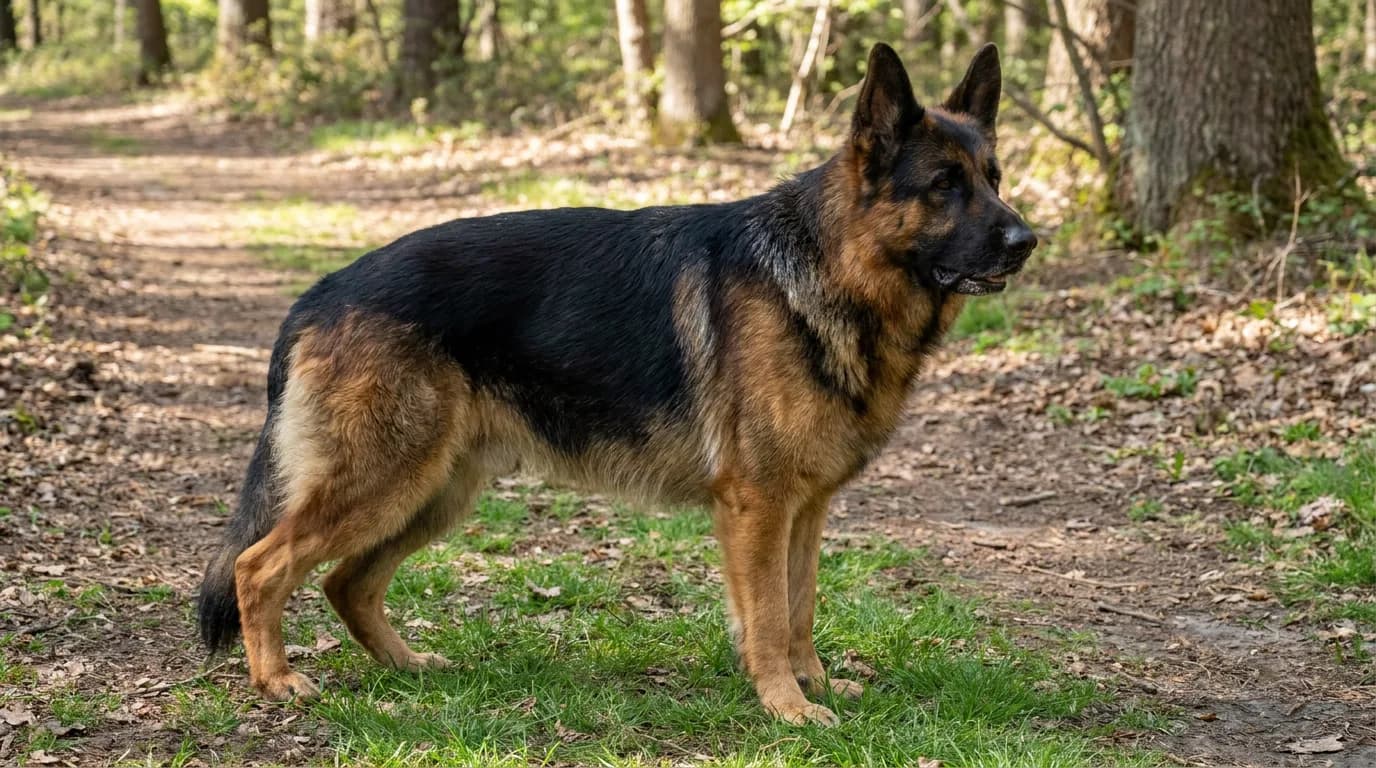
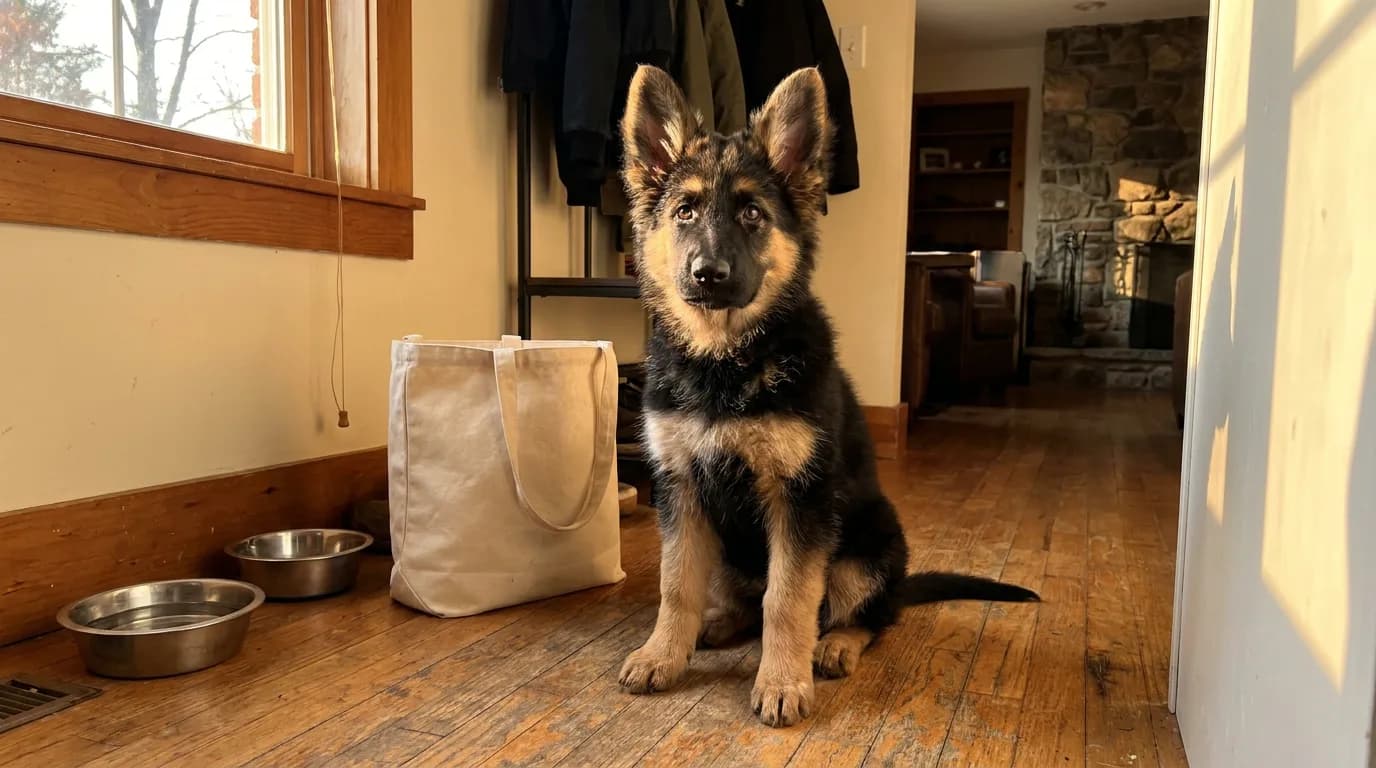
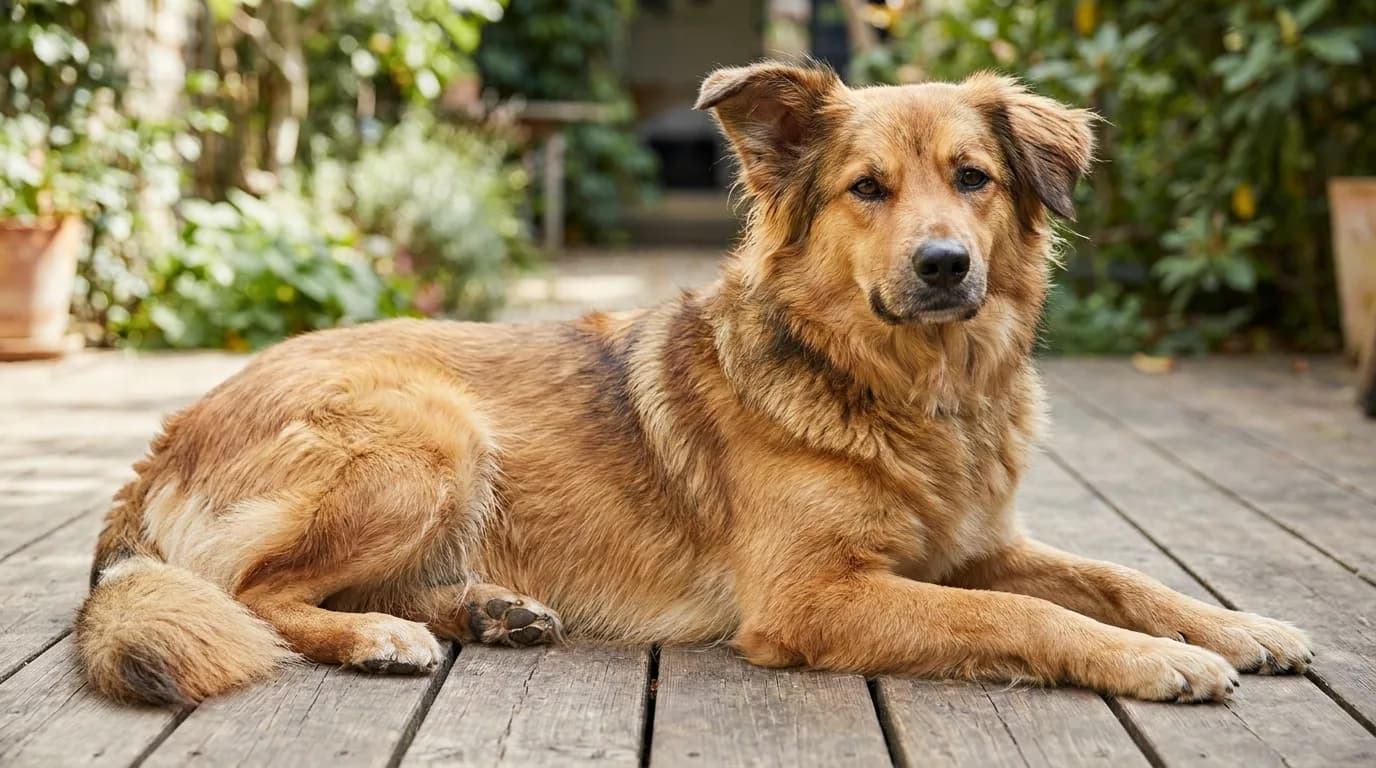
The photographs illustrate different coat appearances and proportions. They are visual references, not evidence of a photographed dog's pedigree or a promise about how another puppy will look.
Many of these crosses pair two retrieving or working parents, so plan supervised chewing outlets sized to the adult. A KONG Classic in Large is one optional enrichment item to evaluate for the dog's size and chewing behavior; it does not establish that a dog can settle or stay comfortable alone.
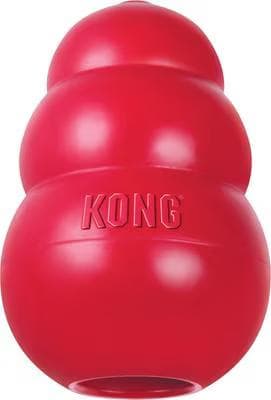
A durable rubber dog toy that can be stuffed with treats and selected by the manufacturer's size guide; supervise use and retire it when damaged.
Petful may earn a commission when you click through to Chewy, at no extra cost to you.
- 1Ask what supports the reported parent breeds.
- 2Use individual dog history, measurements and care needs to assess fit.
- 3Treat a photograph as an appearance reference, not an ancestry test.
| Other parent | Other parent size (AKC standard) | Other parent coat (AKC) | Useful comparison | Practical decision |
|---|---|---|---|---|
| Labrador (Goldador) | 21.5–24.5 in; 55–80 lb | Double, short | Retriever background; coat may look shorter | Check undercoat care and activities the dog enjoys |
| Poodle (Goldendoodle) | Toy up to 10 in, 4–6 lb; Miniature 10–15 in, 10–15 lb; Standard over 15 in, 40–70 lb | Curly, long | Poodle variety and coat texture vary | Confirm parent variety and a realistic grooming routine |
| Pit bull-type dog | American Pit Bull Terrier (UKC): about 17–21 in; 30–60 lb | Smooth, short | Parent label may identify different breeds | Clarify ancestry and observe actual interactions |
| Boxer | 21.5–25 in; males 65–80 lb, females about 15 lb less | Smooth, short | Short-coated muscular parent versus Golden feathering | Check coat density and the physical style of greetings |
| Dalmatian | 19–24 in; 45–70 lb | Smooth, short | Distinctive spotting does not prove ancestry | Use records and current hearing information |
| German Shorthaired Pointer | 21–25 in; 45–70 lb | Smooth, short | Active gundog background | Plan activity and trained recall around distractions |
| Irish Setter | 25–27 in; 60–70 lb | Silky, medium | Lively, swift gundog with a red coat | Compare outdoor engagement and rest between outings |
| Australian Shepherd | 18–23 in; 40–65 lb | Double, medium | Herding-parent background | Observe responses to household movement |
| Corgi | Pembroke: 10–12 in; up to 30 lb | Double, short | Smaller parent does not set adult dimensions | Measure the individual and inspect proportions |
| Pug | 10–13 in; 14–18 lb | Smooth, short | Different muzzle and frame proportions | Discuss breathing and activity with the veterinarian |
| Basset Hound | Up to 15 in; 40–65 lb | Smooth, short | Different leg and body proportions | Check actual movement and access to household spaces |
| Shiba Inu | 13.5–16.5 in; 17–23 lb | Double, short | Distinct parent breed and care background | Use the detailed owner guide and individual history |
| Great Dane | 28–32 in; 110–175 lb | Smooth, short | Very large parent; height affects access | Measure headroom, doorways and transport access |
| Saint Bernard | 26–30 in; 120–180 lb | Double; rough or smooth | Large parent with variable coat length | Assess space, cleaning and coat maintenance |
| Mastiff | 27.5 in and up; 120–230 lb | Double, short | Broad frame and substantial head | Check width and harness shape as well as height |
| Samoyed | 19–23.5 in; 35–65 lb | Double, long | Thick-coated northern parent | Budget for brushing, drying and grooming |
| Husky (Goberian) | Siberian: 20–23.5 in; 35–60 lb | Double, medium | Northern-breed activity and coat context | Assess containment, coat care and daily routines |
| German Shepherd | 22–26 in; 50–90 lb | Double, medium | Herding/working parent context | Review training, handling and both parent records |
| Dachshund | Standard 8–9 in, 16–32 lb; Miniature 5–6 in, 11 lb and under | Smooth, longhaired or wirehaired | Different leg and body proportions | Use measured fit and the specialist cross guide |
| Great Pyrenees (Golden Pyrenees) | 25–32 in; 85 lb and up | Double, medium | Large guardian-breed background | Compare space and documented household behavior |
| Cocker Spaniel | American Cocker: 13.5–15.5 in; 20–30 lb | Silky double, long | Spaniel background and variable coat | Inspect ear/coat care and individual measurements |
| Chow Chow (Golden Chow) | 17–20 in; 45–70 lb | Double; rough or smooth | Dense-coat and handling comparison | Use the owner guide and demonstrated grooming routine |
| Beagle | 13 in and under (under 20 lb) or 13–15 in (20–30 lb) | Smooth, short | Scent-hound background | Plan managed sniffing and secure walks |
| Newfoundland | About 26–28 in; 100–150 lb | Double, medium | Large water-working parent | Assess resting space and practical coat care |
| Belgian Malinois | 22–26 in; 40–80 lb | Smooth, short | Working-parent background | Assess current skills and sustained training support |
| Border Collie (Coltriever) | 18–22 in; 30–55 lb | Double, medium | Herding-parent background | Compare activity, learning and responses to movement |
The size and coat columns give the other parent's breed standard as listed on its AKC breed page, or the UKC standard for the American Pit Bull Terrier, checked October 29, 2026. For reference, the AKC lists the Golden Retriever at 21.5 to 24 inches and 55 to 75 pounds with a medium-length double coat. These are parent ranges, not predictions for a cross.
Goldador: Golden Retriever and Labrador mix
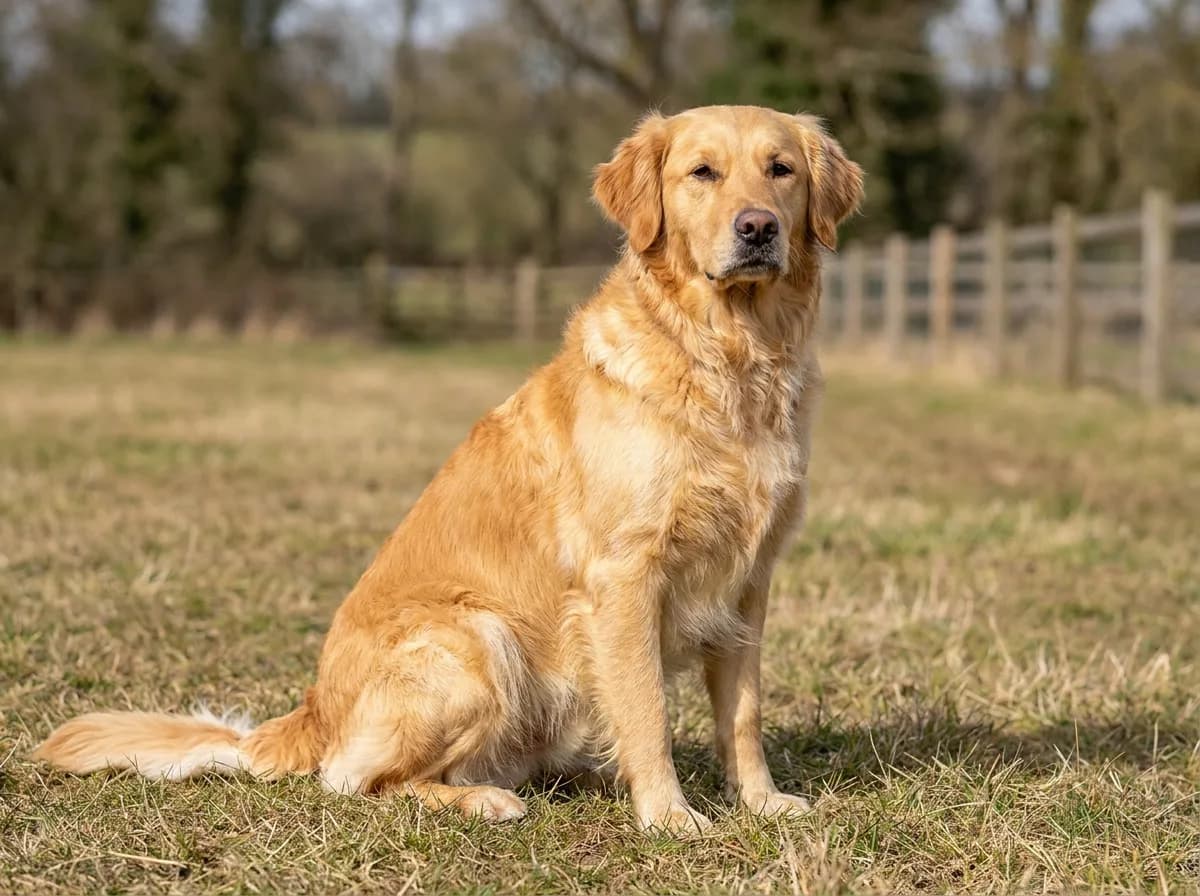
The Goldador is a Golden Retriever and Labrador cross. Black Labrador and yellow Labrador descriptions refer to the Labrador side of that same combination, rather than separate mix breeds. For a Golden Retriever and Labrador mix puppy, ask what is known about both parents and which early routines the puppy has experienced. The Labrador side adds a short, dense double coat and a retrieving background, as described in the AKC Labrador guide. The Golden parent has a longer coat with feathering. A Goldador can therefore need substantial loose-hair care even when its coat looks shorter than a Golden's. Compare actual density and feathering before choosing tools. For walking equipment, compare actual measurements with the listed size: A Ruffwear Flagline harness is one option to evaluate. Check this Medium variant against the manufacturer's instructions and the dog's chest measurements instead of choosing by the Goldador name.
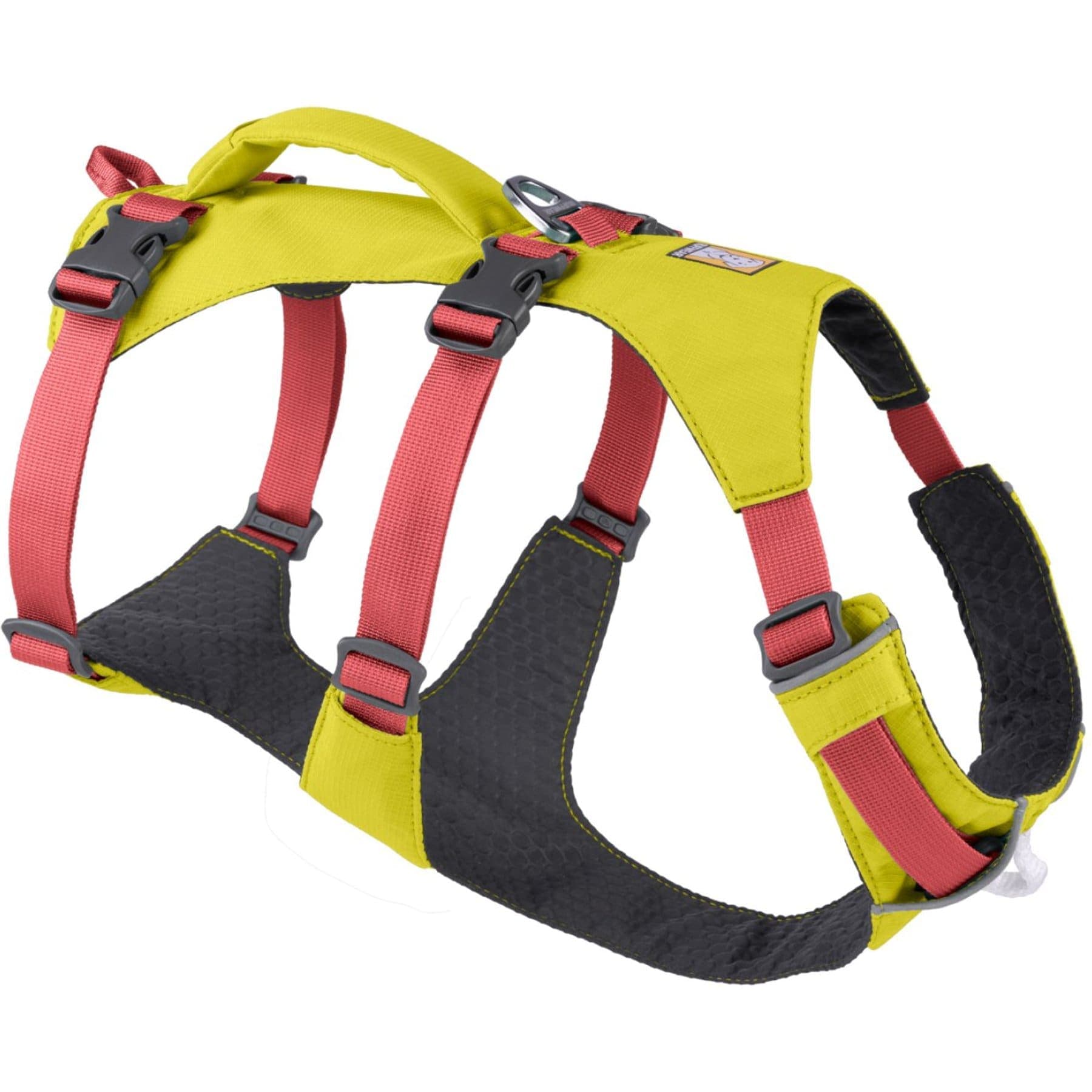
Lightweight body harness with a padded lift handle, load-dispersing chest and belly panel, debris-resistant liner and a front clip, per the listing.
Petful may earn a commission when you click through to Chewy, at no extra cost to you.
The AKC breed standards put the two parents in almost the same size band, so a Goldador's likely size mostly follows its own parents' measurements:
- Golden Retriever: 23 to 24 inches and 65 to 75 pounds for males, 21.5 to 22.5 inches and 55 to 65 pounds for females; life expectancy 10 to 12 years.
- Labrador Retriever: 22.5 to 24.5 inches and 65 to 80 pounds for males, 21.5 to 23.5 inches and 55 to 70 pounds for females; life expectancy 11 to 13 years.
How expensive is a golden lab?
As of October 29, 2026, the three Goldador breeders we checked publish puppy prices from $1,575 to $3,400, while three Golden and Labrador rescues charge $175 to $700 to adopt, depending on the dog’s age. Prices change, so treat this as a dated sample rather than a national average:
| Source | Type | Published price | What the page lists |
|---|---|---|---|
| Lovin' Labs | Breeder | $1,575–$1,775 | Cream-yellow Goldador puppies ready in December 2026 |
| Oregon Goldadors | Breeder | $2,500 | One flat price for its Goldador puppies |
| Cottage Garden Goldadors (southwestern Virginia) | Breeder | $3,400 | First 2027 litter; $700 deposit with the application |
| Safe Harbor Lab Rescue | Labrador rescue | $175–$450 | $450 to age 1, $400 ages 1–6, $350 ages 7–10, $175 age 11 and up |
| Arizona Golden Rescue | Golden and retriever-mix rescue | $400–$500 | $500 under age 2, $475 ages 2–5, $450 ages 5–9, $400 over 9, plus a $25 application fee |
| Retrieve a Golden of the Midwest (RAGOM) | Golden rescue | $200–$700 | $700 to age 1, $600 ages 1–7, $200 age 8 and up, for dogs placed domestically |
Each figure comes from the seller's own page: Lovin' Labs, Oregon Goldadors and Cottage Garden Goldadors for breeders, and Safe Harbor Lab Rescue, Arizona Golden Rescue and RAGOM for rescues. RAGOM notes that its fee covers only part of what it spends on microchipping, spay or neuter surgery, wellness checks and vaccinations.
Keep the Goldador acquisition quote separated from recurring care costs: a purebred Golden or Labrador price is not a substitute, and a breeder price usually stops at pickup. Obtain a written acquisition quote for the particular dog, then ask the breeder or rescue to itemize:
- The purchase or adoption fee.
- Veterinary care already provided.
- Any transport charges.
- Supplies included with the dog.
- Conditions attached to deposits or payments.
Then obtain your own estimates for food, veterinary visits, training, grooming and replacement equipment. Comparing an adoption fee that includes care with a puppy price that excludes it can be misleading. A named seller's price is not a national average; compare what each written quote includes before using it in your budget.
Goldendoodle: Golden Retriever and Poodle mix
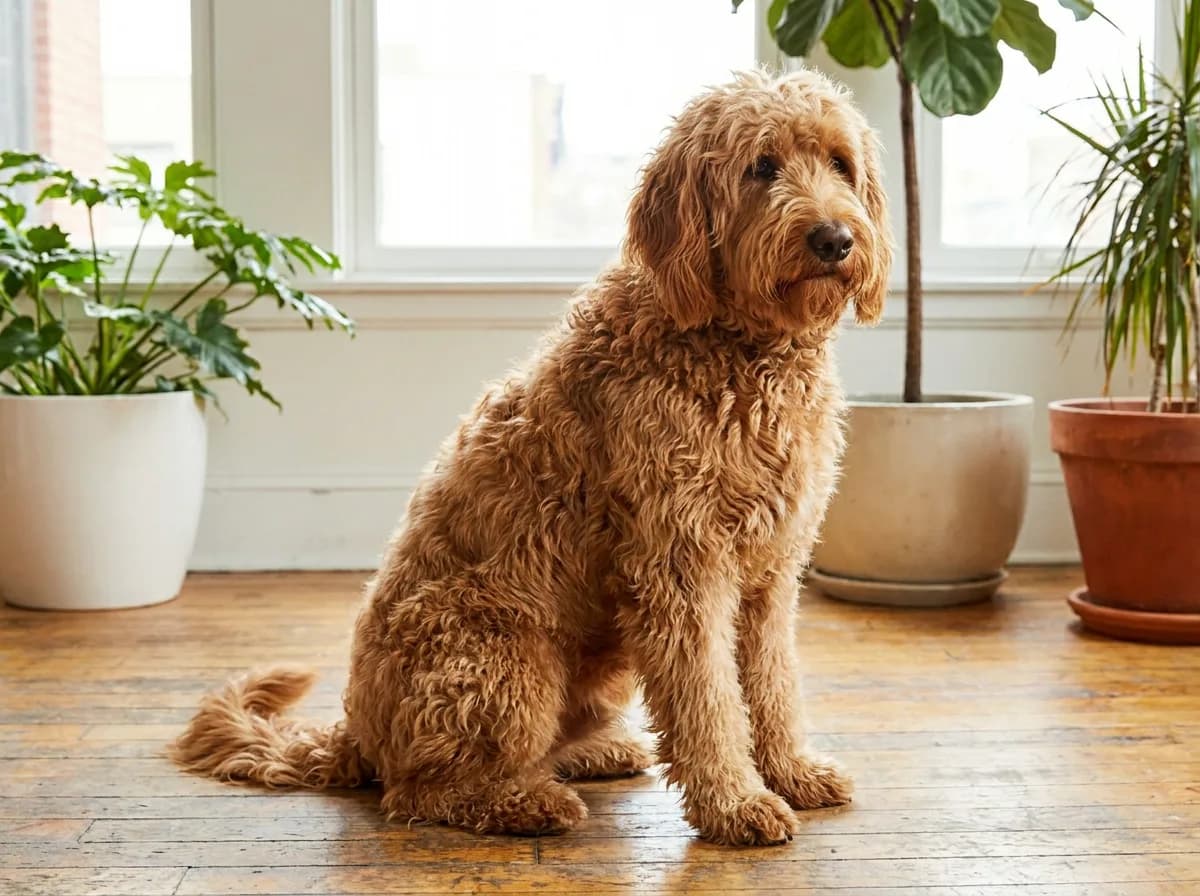
The Goldendoodle is a Golden Retriever Poodle mix. When comparing puppies, ask about the documented Poodle parent, adult parent dimensions and the grooming routine appropriate to the coat. The doodle label does not establish one size or texture.
Our Poodle mixes guide covers the Goldendoodle in more detail. For specific questions, see:
Before choosing, obtain a grooming quote for the actual dog or discuss the uncertainty around a puppy's developing coat. A coat you enjoy looking at should also fit the maintenance time and professional care you can provide.
Compare activity, handling and settling
These six crosses raise different questions about daily life. Compare observed household behavior with your schedule, rather than using a parent name as a shortcut for “active,” “easy” or “good with children.”
Golden Retriever and Pit Bull
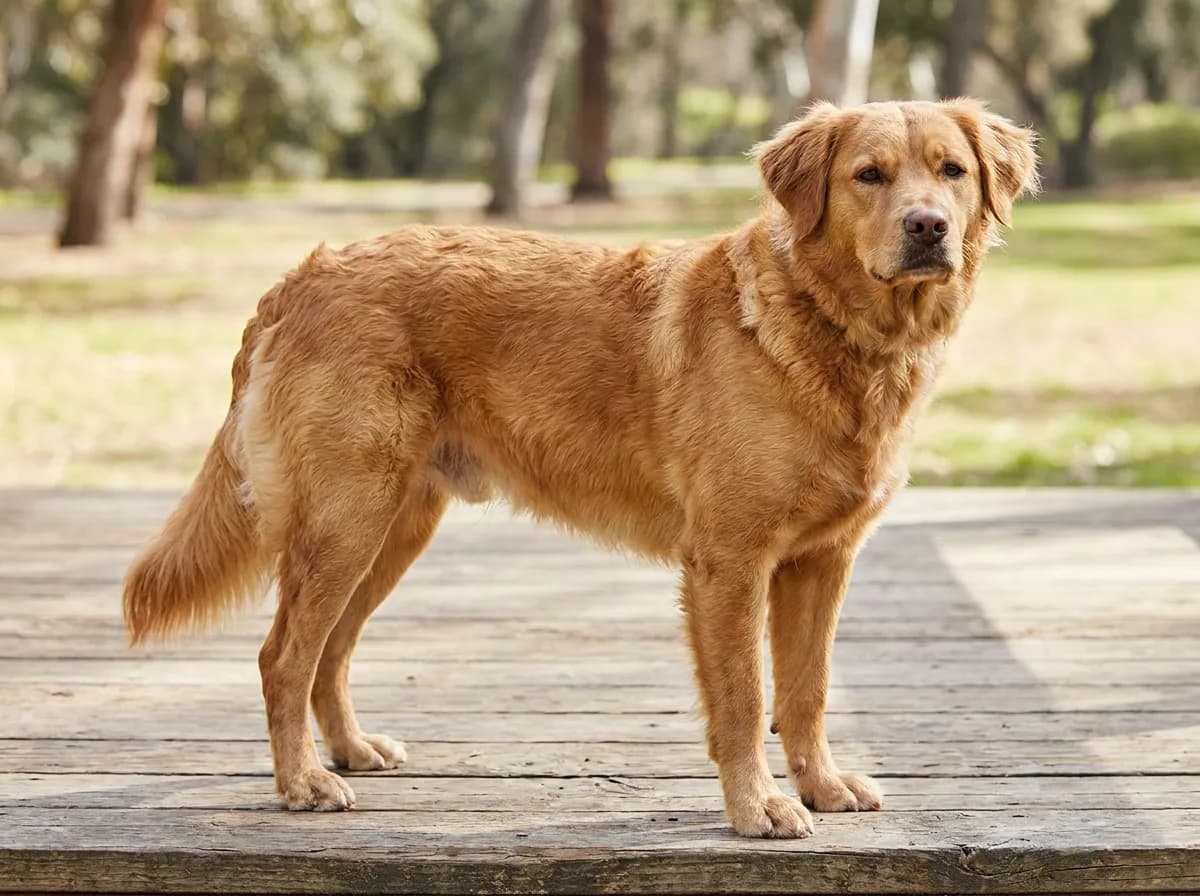
For a Pit Bull Golden Retriever mix, clarify what “Pit Bull” means in the available records. It may identify a documented parent or a broader appearance-based description.
Then ask about actual interactions. “Good with other dogs” becomes more useful when you know which dogs, where they met and whether they lived together. Discuss how introductions, food and resting spaces were managed. If you already have a pet, arrange an introduction plan with the caregiver or a qualified professional rather than relying on a general temperament claim.
Golden Retriever and Boxer
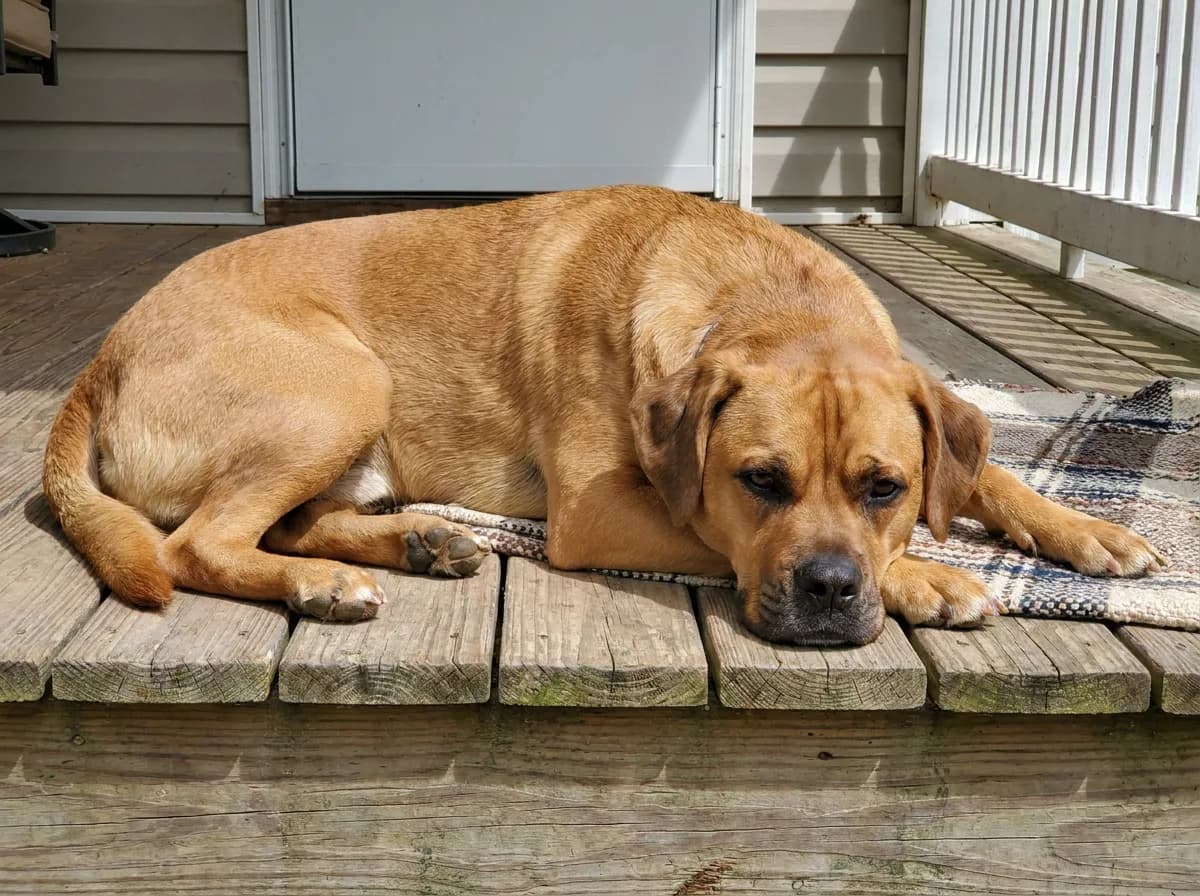
The Boxer parent is a muscular, short-coated working breed, while the Golden Retriever brings a longer, feathered coat and retrieving background. Our Boxer breed profile explains the Boxer traits behind this comparison. Check whether the individual cross has feathering or dense hair before assuming a quick wipe is its entire grooming routine. For family life, compare the physical style of greetings and play with the space and handlers available; Golden ancestry does not make an excited Boxer cross automatically gentle.
Golden Retriever and Dalmatian
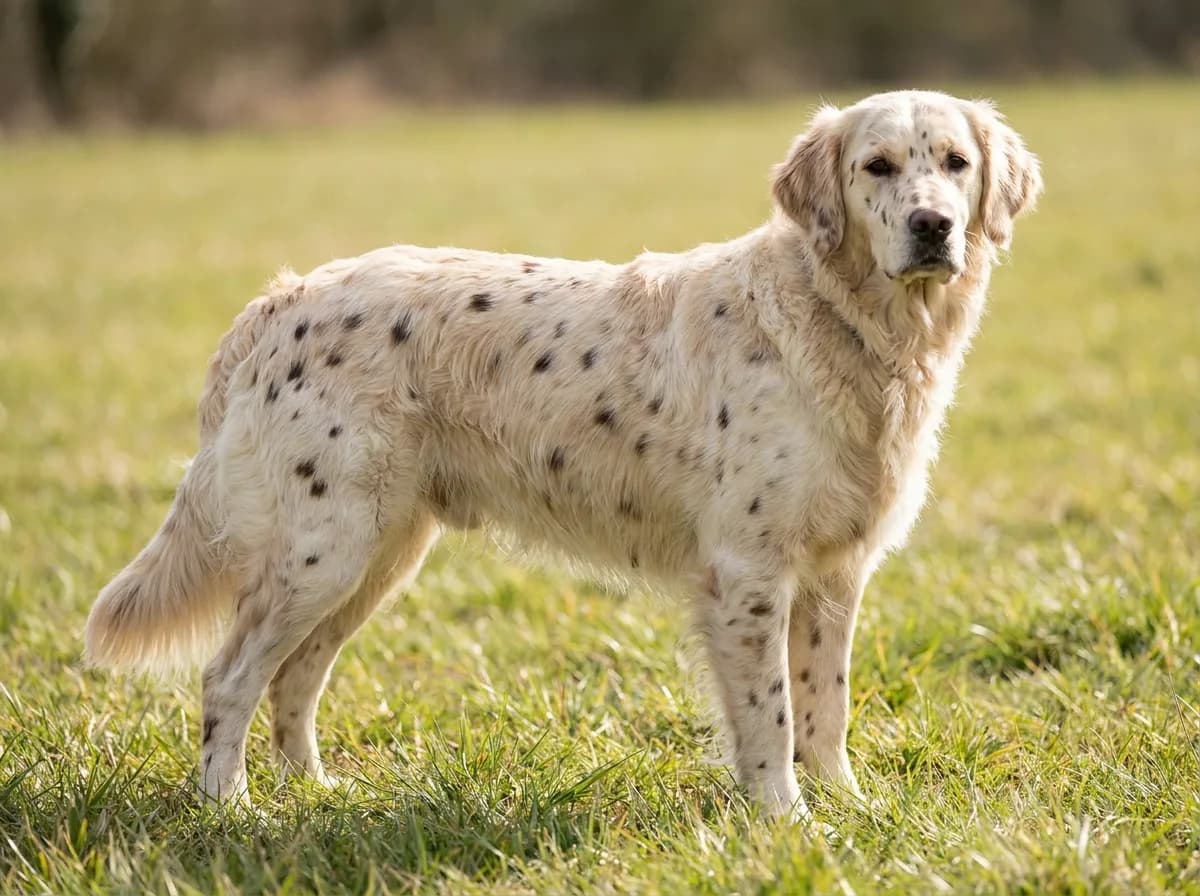
For a Dalmatian Golden Retriever mix, request the individual's veterinary and hearing history rather than drawing conclusions from coat markings. Ask whether any findings affect how the caregiver communicates with the dog or manages daily activities.
Observe the cues already in use and ask which situations are familiar. If the caregiver reports a hearing difference or another medical concern, review the records with your veterinarian and discuss the practical care involved. Neither a spotted coat nor the absence of spots tells you what a particular dog can hear or which conditions it has.
Golden Retriever and German Shorthaired Pointer
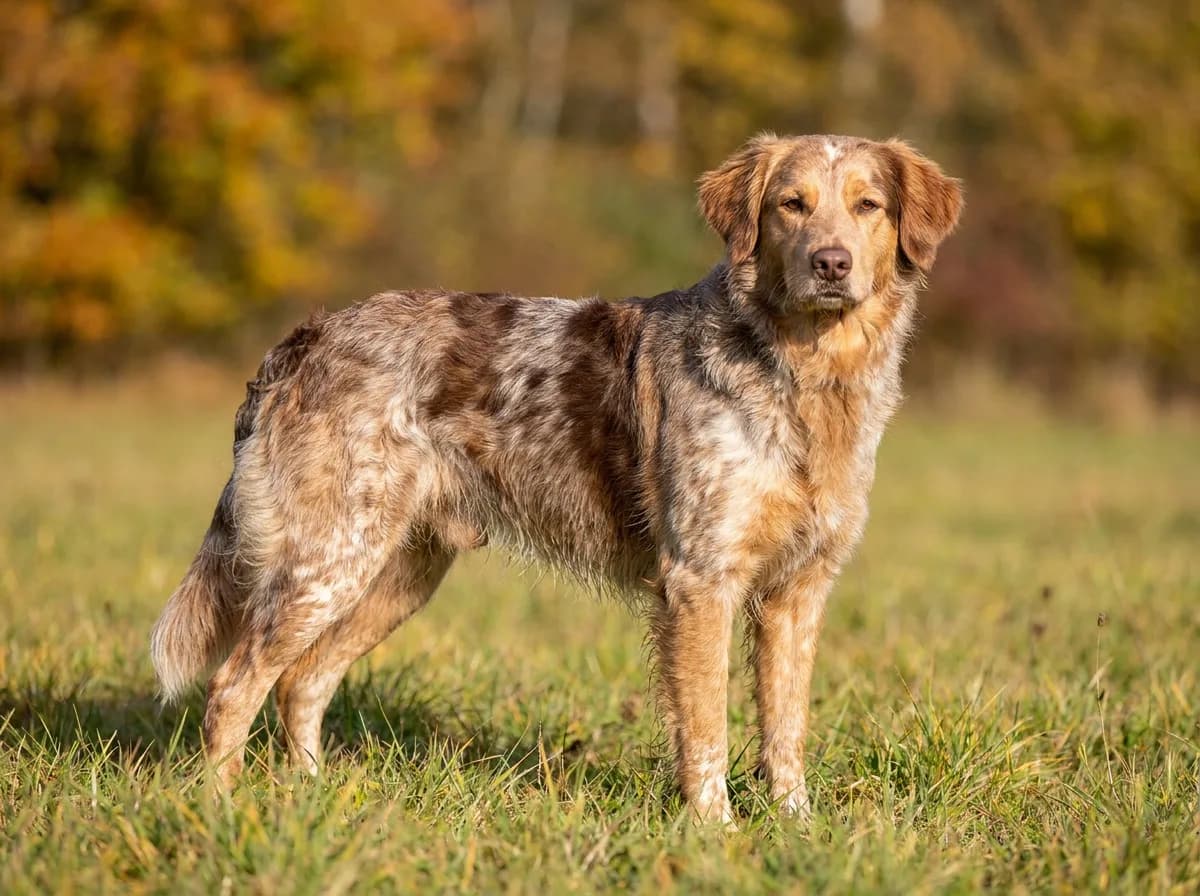
The AKC describes the German Shorthaired Pointer as an energetic, versatile gundog that needs substantial activity and positive training. Combined with Golden Retriever ancestry, that makes outdoor engagement a central fit question. A household interested in scent games, retrieving or sustained outings can assess which activities the dog actually enjoys. Recall around wildlife still needs training; having two sporting parents is not evidence that the dog is safe off leash.
Find out where the caregiver walks, what equipment is used and which distractions the dog has encountered. If your plans include outdoor activities, describe them plainly and ask which parts are supported by experience. Keep a secure setup while learning about the individual. A retriever or pointer parent does not, by itself, establish reliable off-leash behavior.
Golden Retriever and Irish Setter
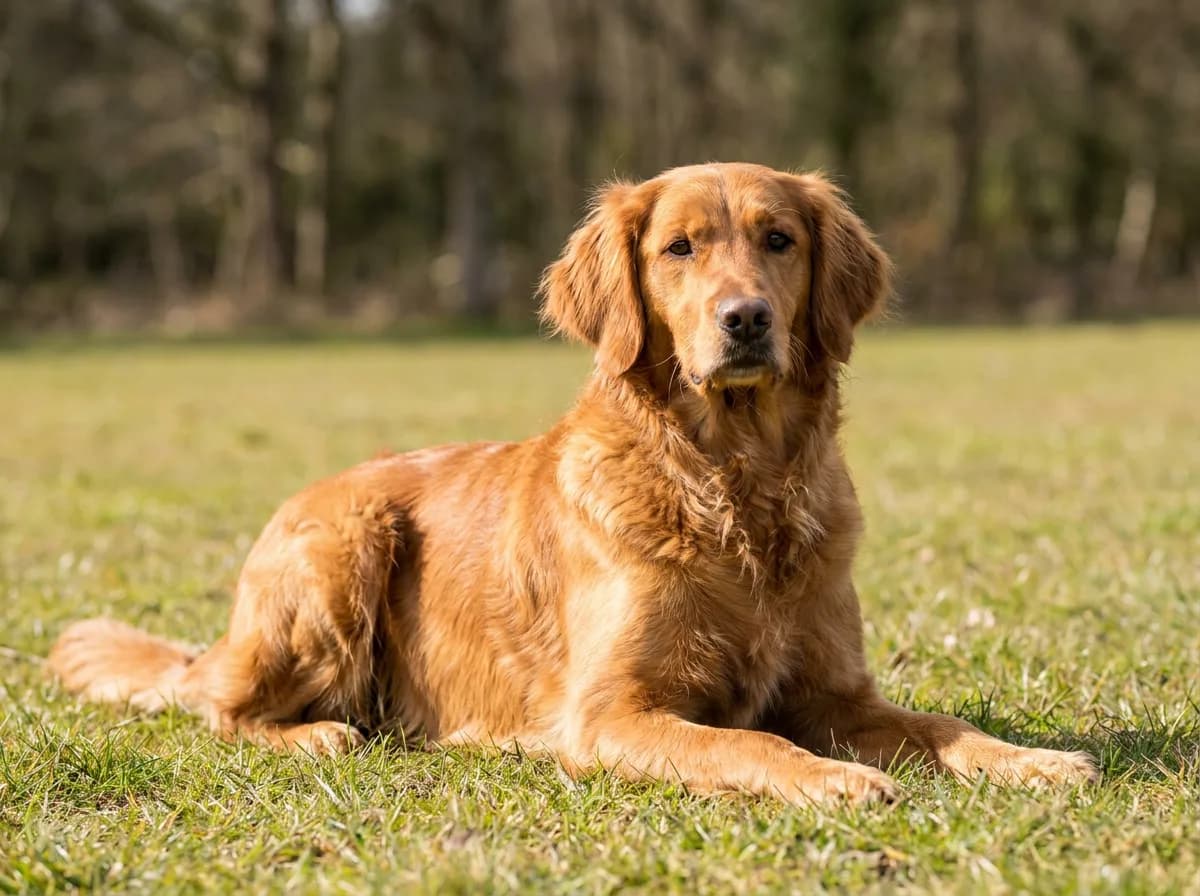
The Golden Setter combines Golden Retriever and Irish Setter ancestry. The AKC Irish Setter introduction emphasizes a swift, lively gundog and its red coat. The comparison is especially relevant to an active household that enjoys games and outdoor activity, while checking how the individual rests between outings. Red or golden coloring is a possible appearance cue, not proof of parentage or a guarantee of a particular shade. Our Golden Retriever colors guide covers the purebred shades.
Ask what an ordinary day looks like, including the periods between walks and games. Does the caregiver provide a familiar resting place, a predictable routine or help transitioning away from activity? Discuss quieter days as well as busy ones. You want to understand a sustainable routine, not simply whether the dog enjoys an exciting outing.
Golden Retriever and Australian Shepherd
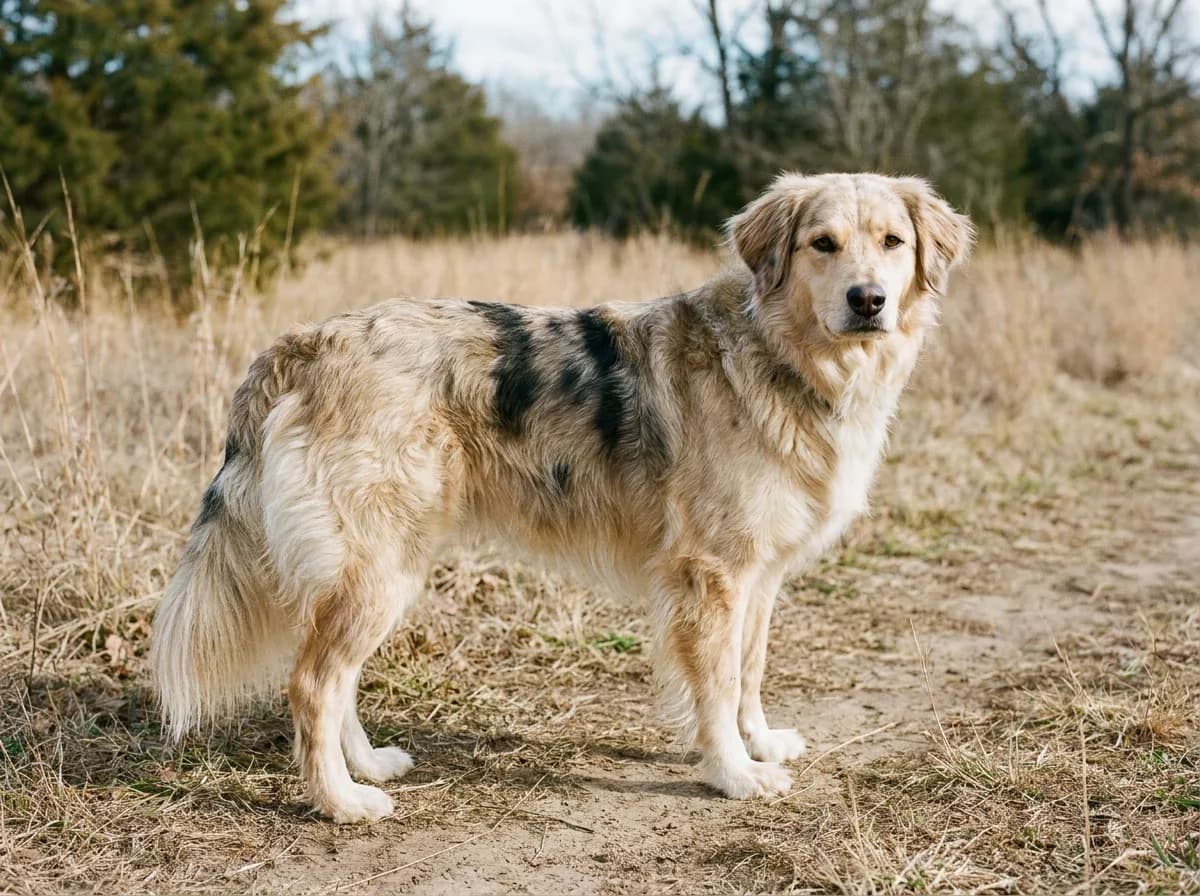
An Australian Shepherd and Golden Retriever mix is sometimes called an Australian Retriever. Ask for observations around moving children, bicycles and other animals rather than assuming a particular response from the parent breeds.
Discuss what happened, how the caregiver responded and which routines helped. A household with frequent visitors or active children may present different demands from the dog's current home. Include quiet-time skills in the conversation: what does the dog do while people work, eat or relax? Those details help you plan support without turning a breed label into a prediction.
Smaller parent breeds do not guarantee a small dog
For these combinations, actual adult measurements are more useful than averaging parent-breed sizes. With a puppy, ask what is known about the parents and leave room for growth uncertainty when choosing equipment and making long-term plans.
Golden Retriever and Corgi
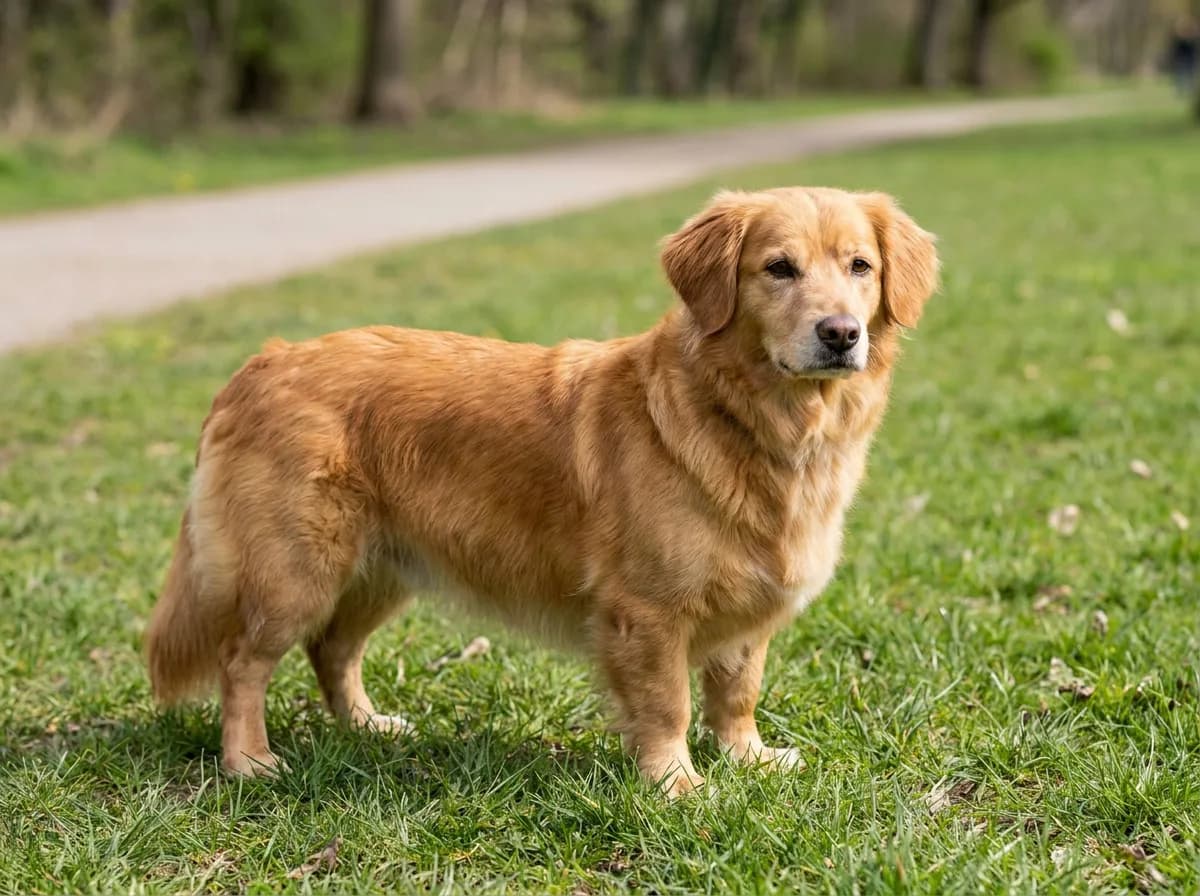
A Golden Retriever Corgi mix does not have one guaranteed height or body shape. Look at the individual's proportions and comfortable movement, then consider vehicle entry, stairs and the walking routes in your daily routine.
Our Corgi mixes guide provides a fuller introduction. For your own decision, ask about current measurements, handling needs and any veterinary recommendations. A small-parent label is less useful than knowing what the particular dog can comfortably manage.
Golden Retriever and Pug
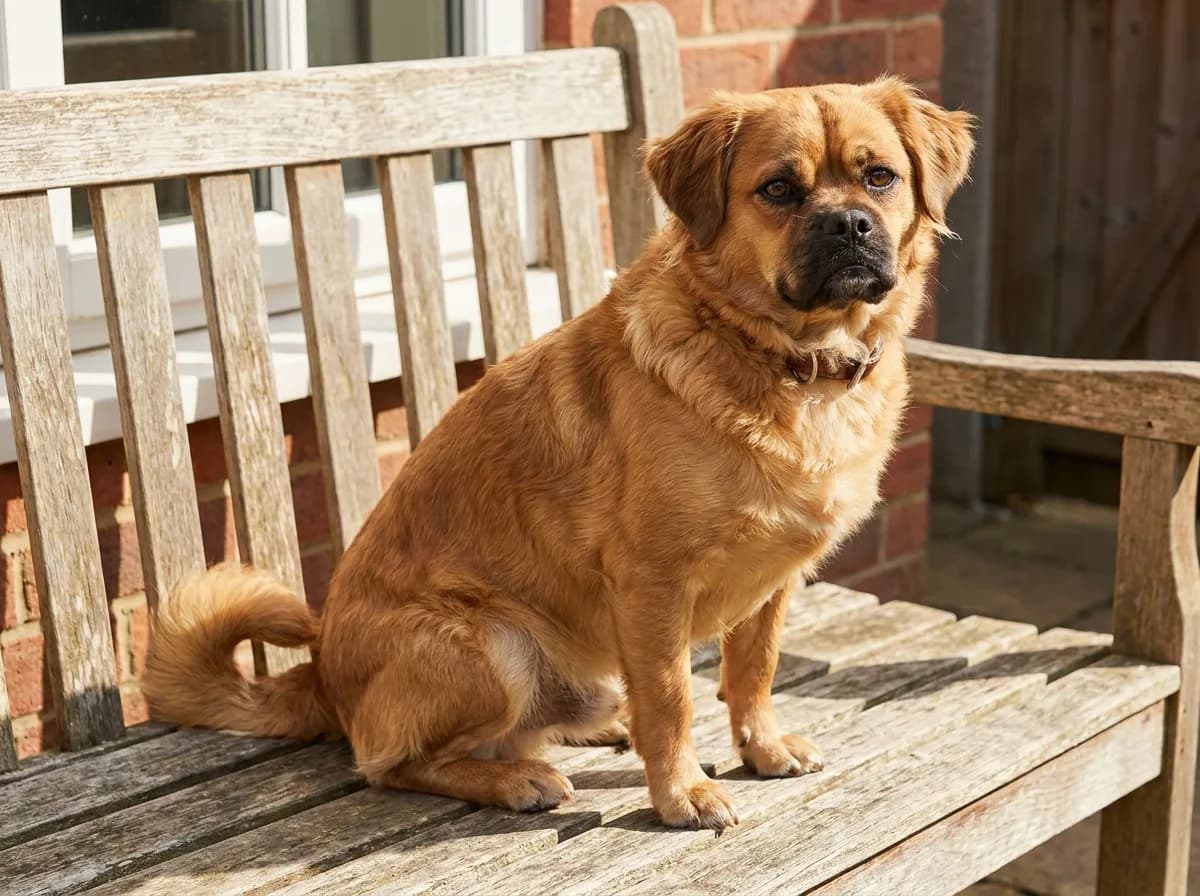
For a Pug and Golden Retriever mix, discuss the actual dog's structure and veterinary history. A photograph of the muzzle cannot establish breathing health, and the Pug parent does not automatically make the cross suitable for a particular activity level or home.
Ask what the veterinary team has assessed, which care instructions exist and what routine the caregiver currently follows. If the dog is described as a Pug Golden Retriever cross with special exercise or handling needs, request those details in writing. Choose from the individual's assessed needs rather than a low-maintenance promise.
Golden Retriever and Basset Hound
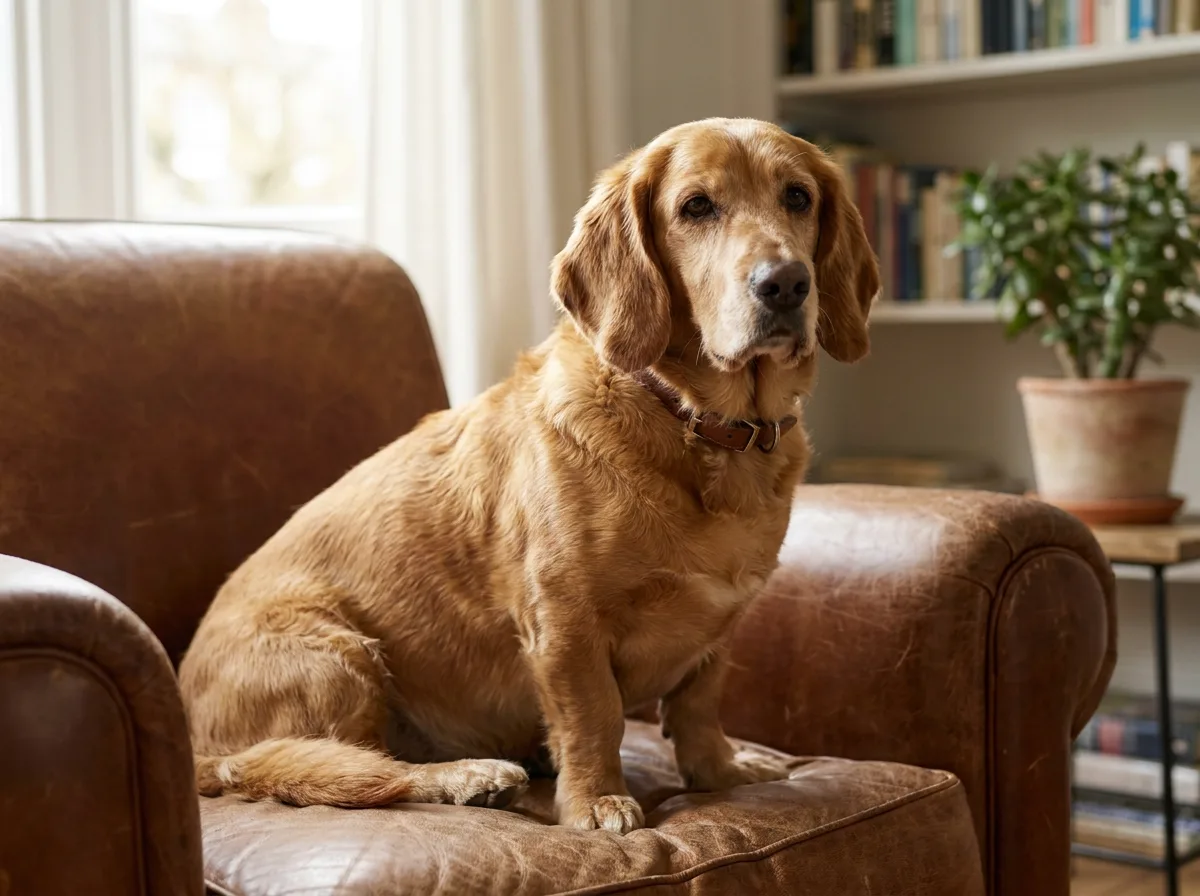
For a Basset Hound and Golden Retriever mix, evaluate body shape alongside everyday access. Watch the dog move comfortably, then ask how it enters a vehicle, reaches its resting area and uses the equipment already provided. On scent-led walks, a PetSafe 4-foot nylon leash is one specified option to evaluate; equipment supports the routine you teach but does not establish recall by itself.
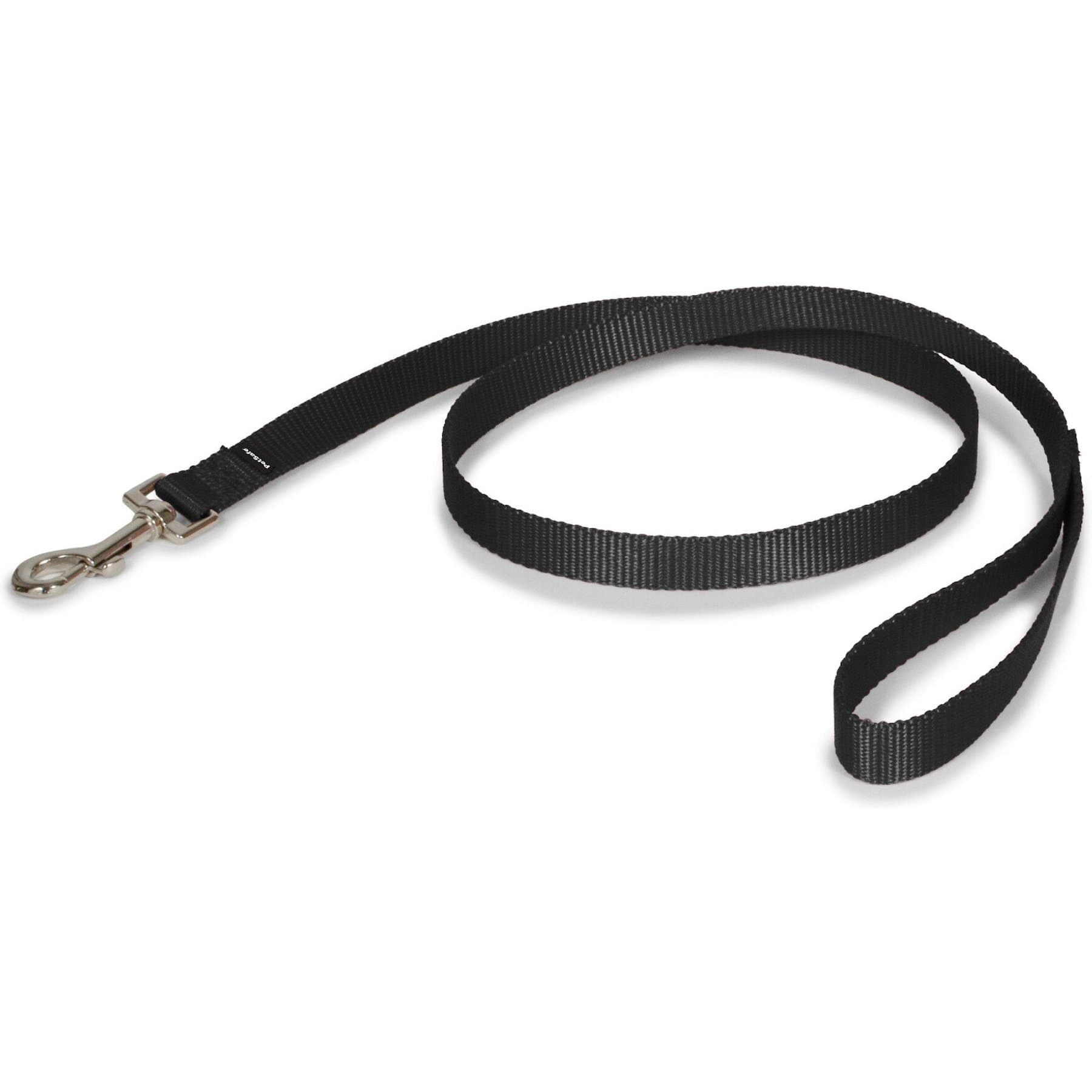
Soft nylon in a short 4-ft, 3/4-in size with a hand loop and a twisting snap bolt clip, light enough not to drag on a small collar.
Petful may earn a commission when you click through to Chewy, at no extra cost to you.
Measure the actual chest and usable body length before shopping. An item labeled “medium” or “large” may have the wrong proportions even when its advertised weight range sounds plausible. Ask the caregiver to demonstrate a familiar routine and discuss any assistance the dog needs. That is more informative than assuming every cross will have the same leg length or outline.
Golden Retriever and Shiba Inu
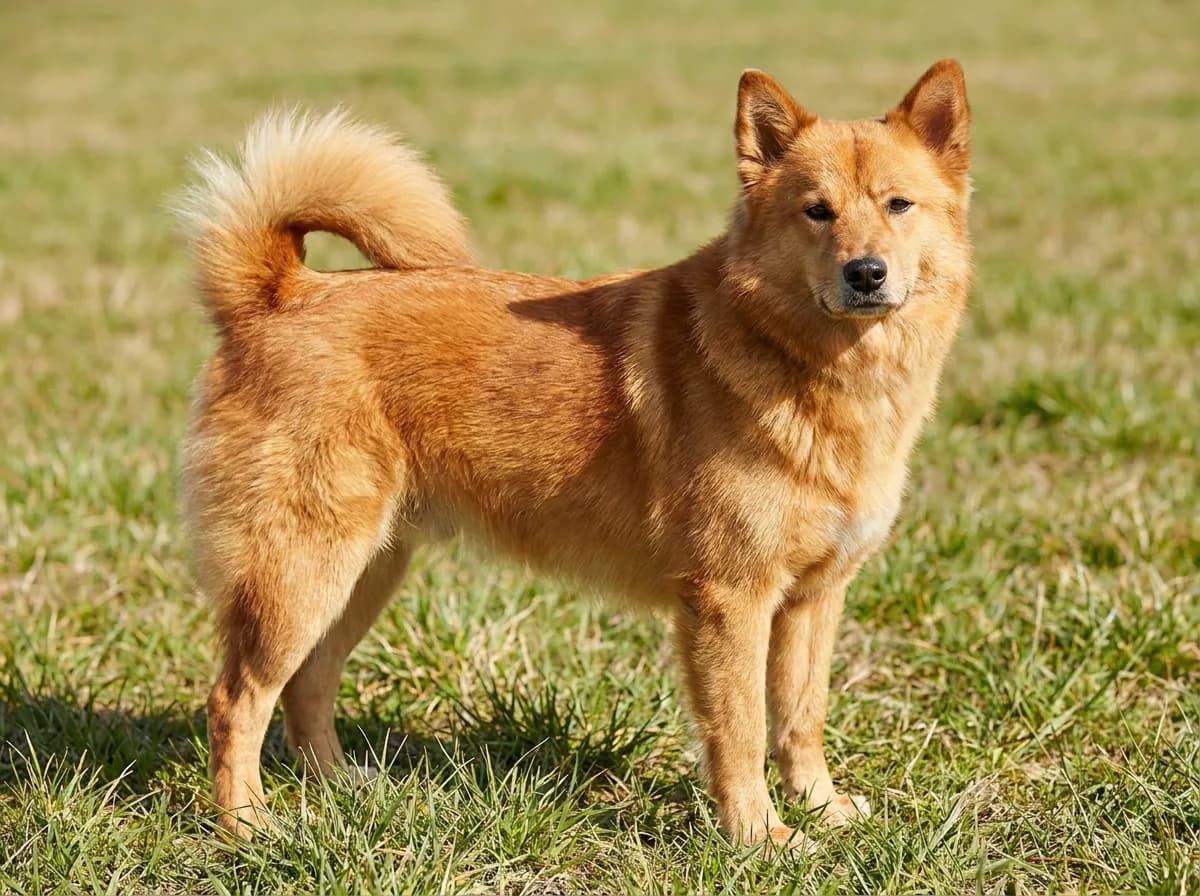
For a Shiba Golden Retriever mix, ask how the individual responds to routine handling and unfamiliar situations. Find out how equipment is fitted, which care tasks are comfortable and what happens when the dog needs a break.
The Golden Retriever and Shiba Inu discussion offers more detail. Use the caregiver's observations to plan introductions and everyday care. A distinctive face or coat does not tell you how a particular dog will respond to a new home.
Compare adult frame and coat maintenance
Space and grooming decisions become easier when you can inspect the individual. Measure usable resting and transport areas, and ask what coat maintenance involves now rather than budgeting from a cross nickname alone.
Golden Retriever and Great Dane
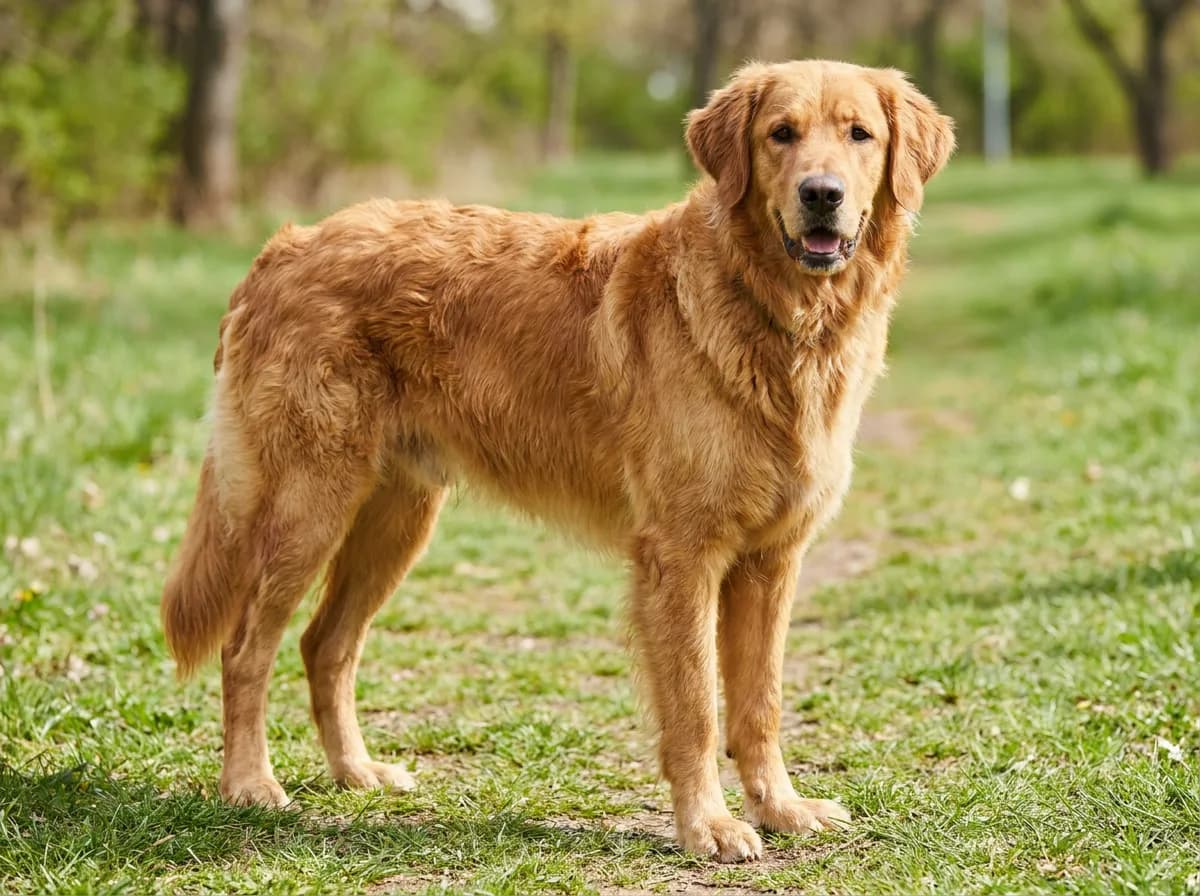
The AKC Great Dane introduction highlights the practical commitment created by the breed's size and strength. In a Great Dane Golden Retriever mix, check vertical clearance as well as floor space: a roomy vehicle floor can still have an awkwardly low opening. Compare the adult's standing height and relaxed resting position with the actual route into your home and transport. No precise adult range follows automatically from combining the parent names.
A bed or vehicle compartment may have less usable room than its exterior measurements suggest. Think through how the dog reaches those spaces and whether another person can help when needed. For a puppy, discuss the known parent history with your veterinarian and plan to reassess equipment as growth continues. A precise-looking cross weight range cannot replace that process.
Golden Retriever and Saint Bernard
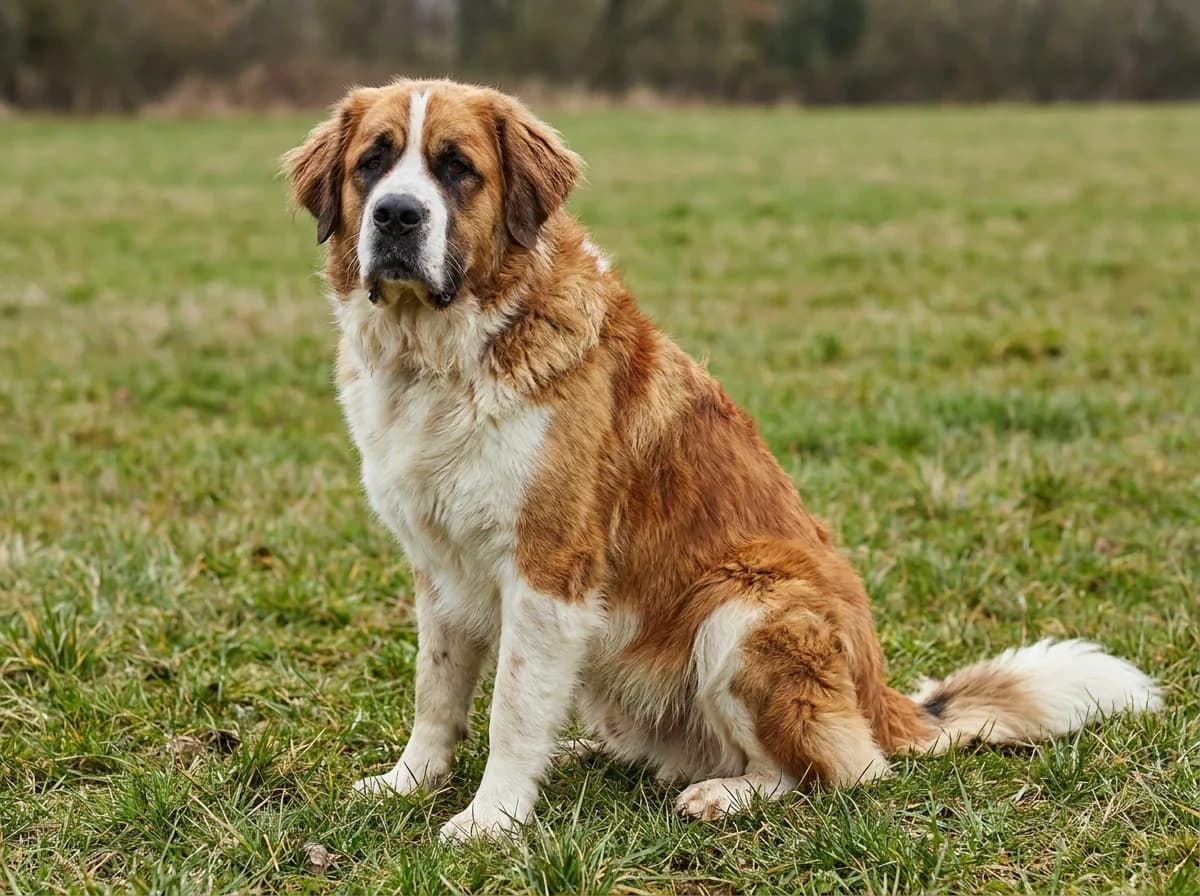
Ask the caregiver of a Saint Bernard Golden Retriever mix what is actually brushed, washed and wiped during a normal week. Coat length and drool management should come from that experience, not from an assumption that every puppy will inherit the same features.
Check where the dog rests and how bedding is cleaned. Discuss transport and handling when the usual caregiver is unavailable. If the routine depends on equipment, professional grooming or physical assistance you do not currently have, arrange those resources before bringing the dog home.
Golden Retriever and Mastiff
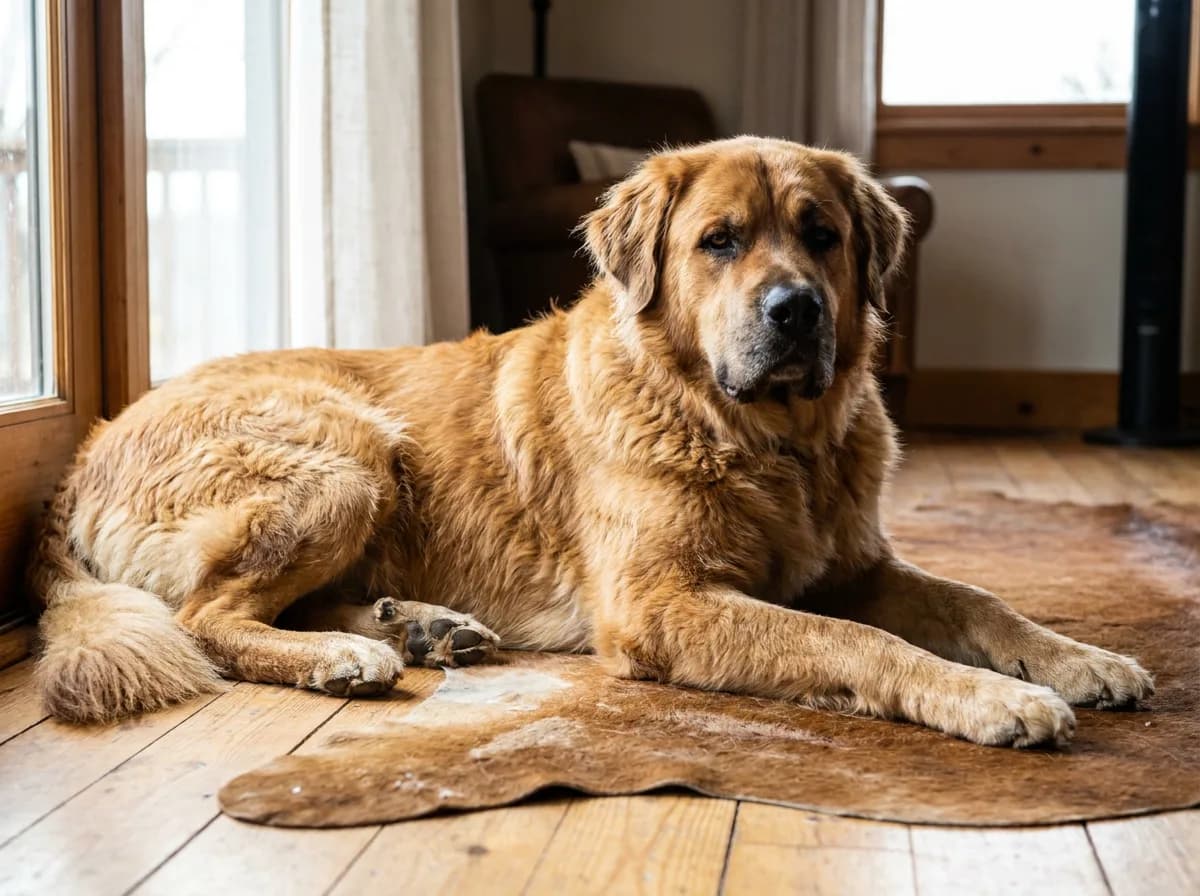
Clarify whether a Golden Retriever Mastiff mix has a documented Mastiff parent or only a broad mastiff-type label. The UKC Mastiff standard describes a broad, heavily built dog with a substantial head and short coat. That makes width, harness shape and handling capacity useful distinctions from simply buying equipment labeled for a tall dog. Golden ancestry can change the coat picture, so inspect density and feathering rather than assuming a short-coated result.
For an adult, assess current dimensions and handling needs with the caregiver. Watch an ordinary walk and ask who can safely provide transport and backup care. For a puppy, keep uncertainty visible instead of treating an unspecified Mastiff label as a reliable adult-size forecast. The important question is whether your household can meet this dog's actual needs.
Golden Retriever and Samoyed
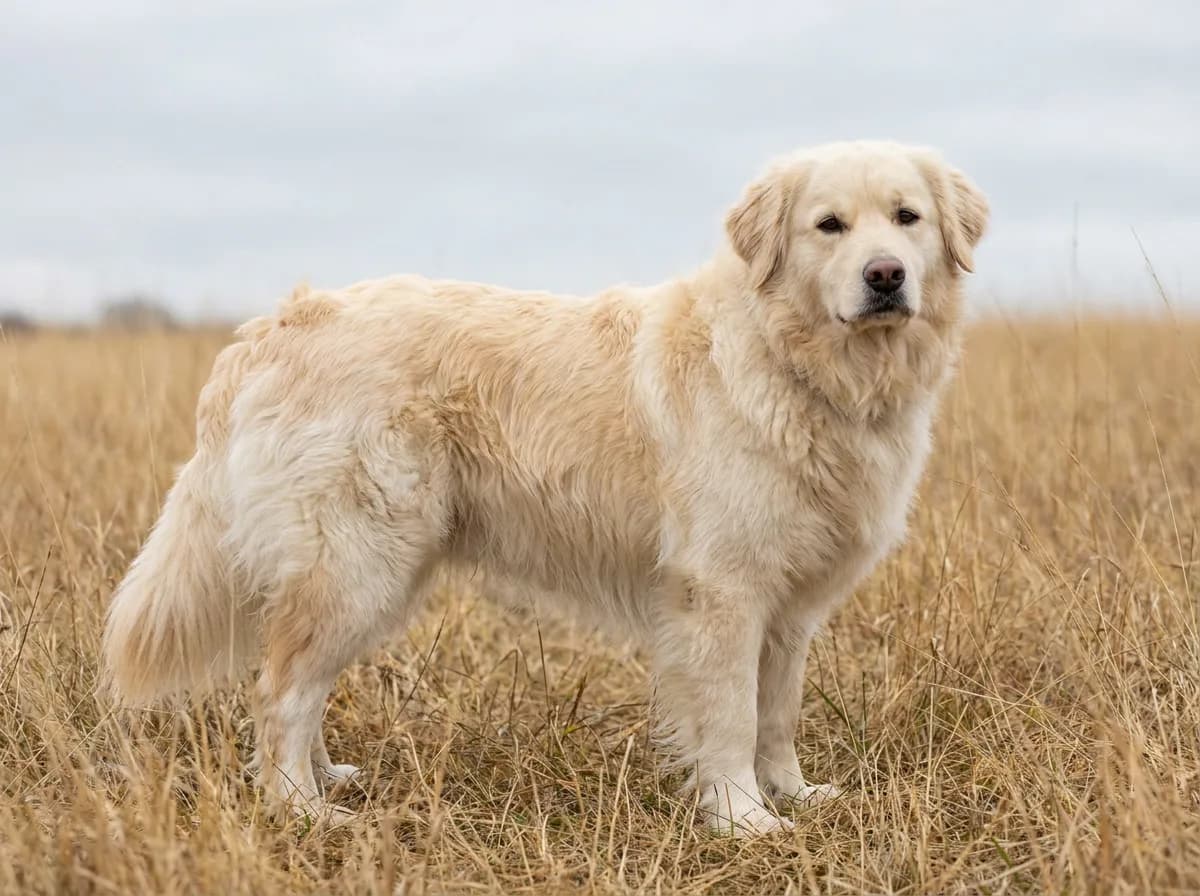
The AKC Samoyed introduction describes a thick-coated northern dog. Alongside the Golden Retriever's feathered coat, that makes grooming time a substantial consideration for this cross, even though the exact texture and color vary. Ask to see how the actual coat is parted, brushed and dried, and get a maintenance quote if you will use a groomer. This is a more useful comparison than assuming a pale fluffy dog has an easy-care coat.
Obtain a grooming quote and a realistic home-care demonstration before deciding that the coat fits your available time.
A Frisco Large slicker brush is one option to discuss with a groomer if it suits the actual coat. It should not be selected simply because of the parent names or used to force through resistant tangles.
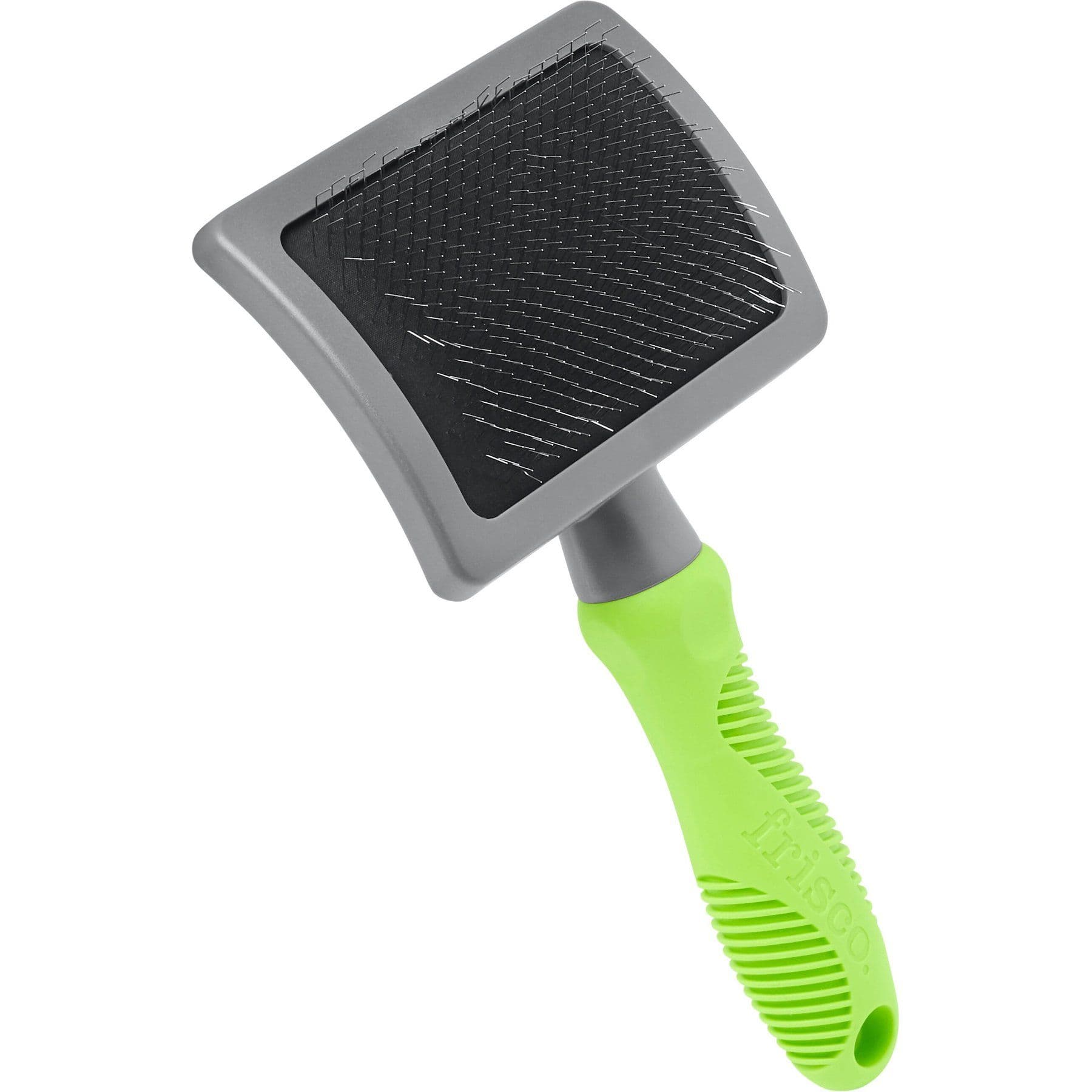
A slicker brush to consider for a suitable coat. Ask for a gentle-use demonstration and do not force the pins through tight mats.
Petful may earn a commission when you click through to Chewy, at no extra cost to you.
More Golden mixes with detailed Petful guides
Golden Retriever and Husky
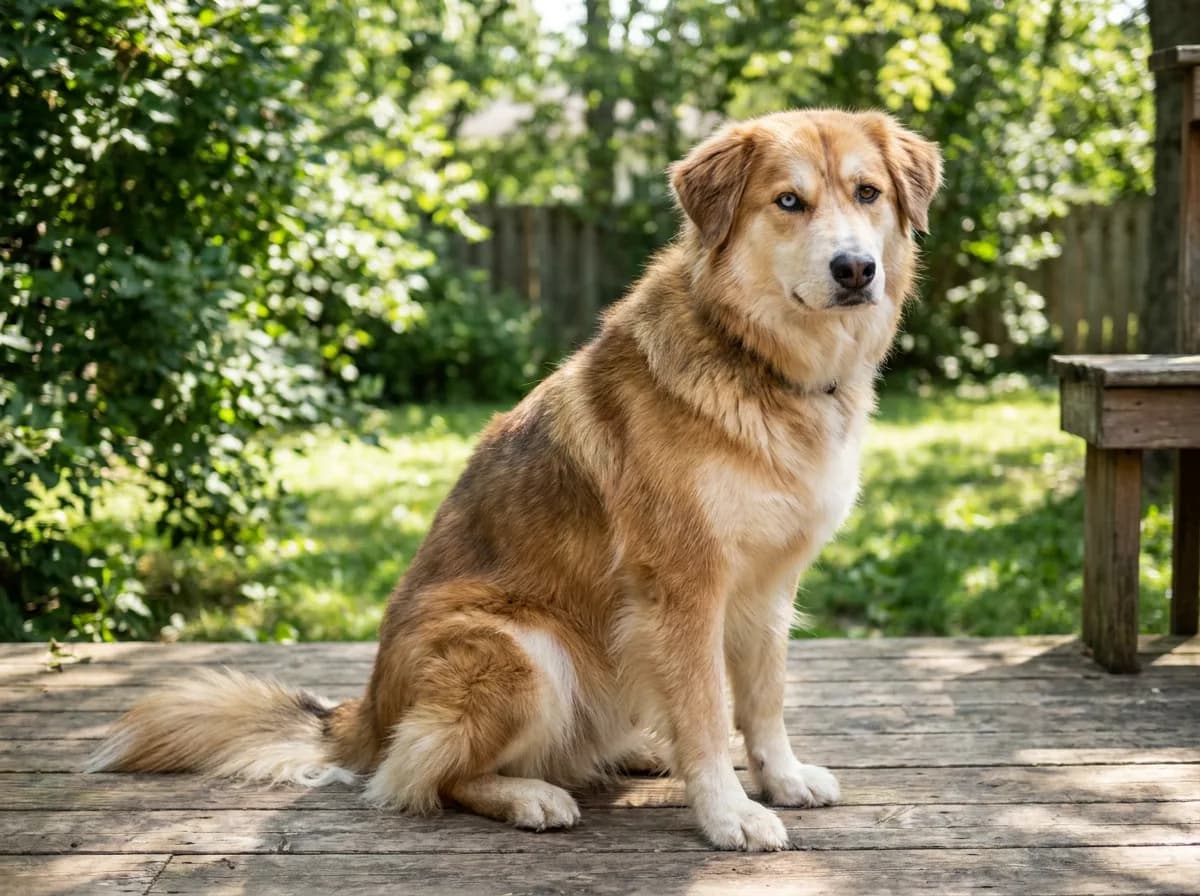
The Golden Retriever and Siberian Husky mix is often called a Goberian. If you are considering one for adoption, ask about the individual's vocalization, walking routine and ability to settle in its current home.
Our Golden Retriever and Husky mix coverage explores the combination further. A foster's account of ordinary days is especially useful when comparing your home with the dog's current setting, including neighbors, visitors and time without company.
Golden Retriever and German Shepherd
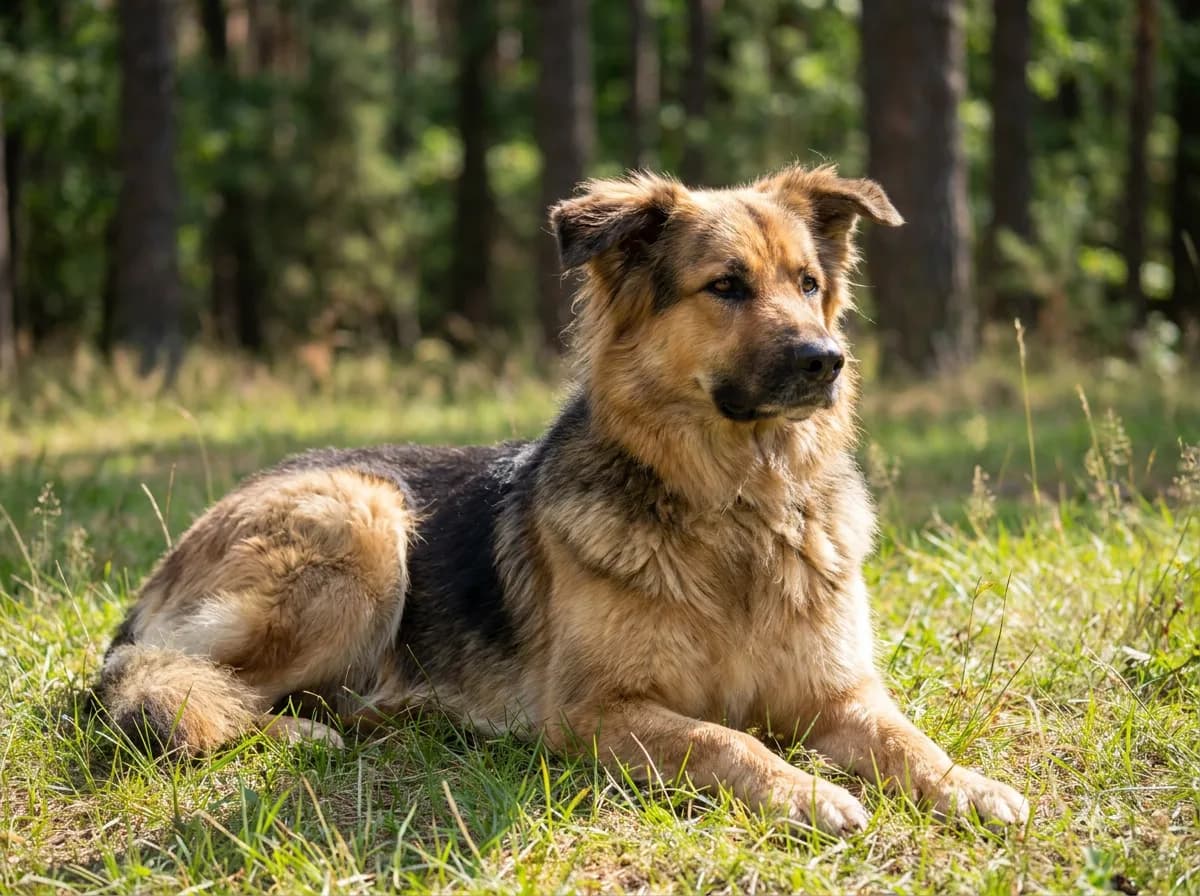
A German Shepherd Golden Retriever mix is sometimes called a Golden Shepherd. Ask how the dog greets people and which coat-care tasks it already accepts. For a puppy, discuss early handling and the routines you will need to continue teaching.
The Golden Retriever and German Shepherd mix section provides more detail. Assess the individual rather than assuming that the parent combination guarantees a particular family temperament, adult size or grooming workload.
Golden Retriever and Dachshund
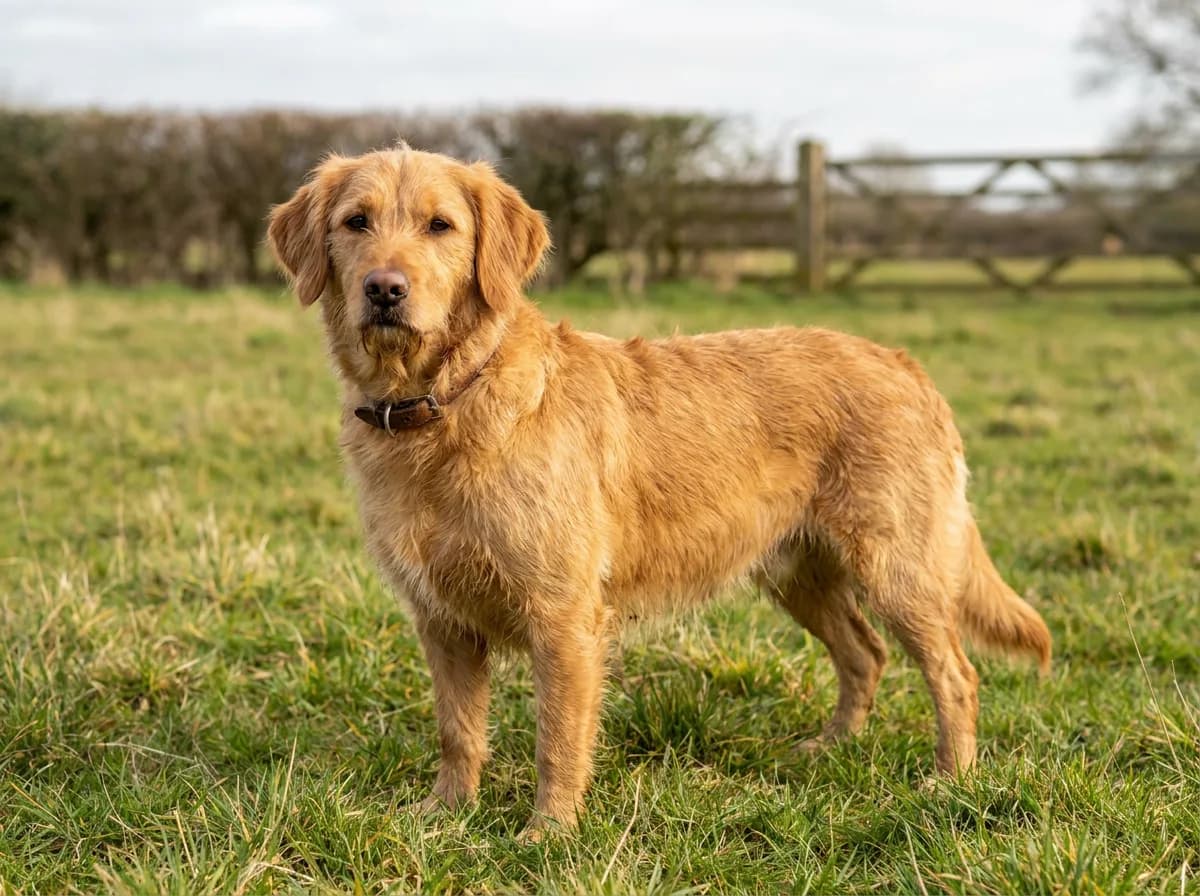
A Golden Retriever Dachshund cross, also described using wiener-dog or sausage-dog wording, does not have one fixed body shape. Observe the actual dog moving comfortably and discuss stairs, vehicle entry and equipment fit with its caregiver.
Our Golden Retriever and Dachshund mix coverage offers the fuller introduction. Use measurements and any existing veterinary recommendations to plan care rather than choosing the cross because you expect a short-legged Golden Retriever.
Golden Retriever and Great Pyrenees
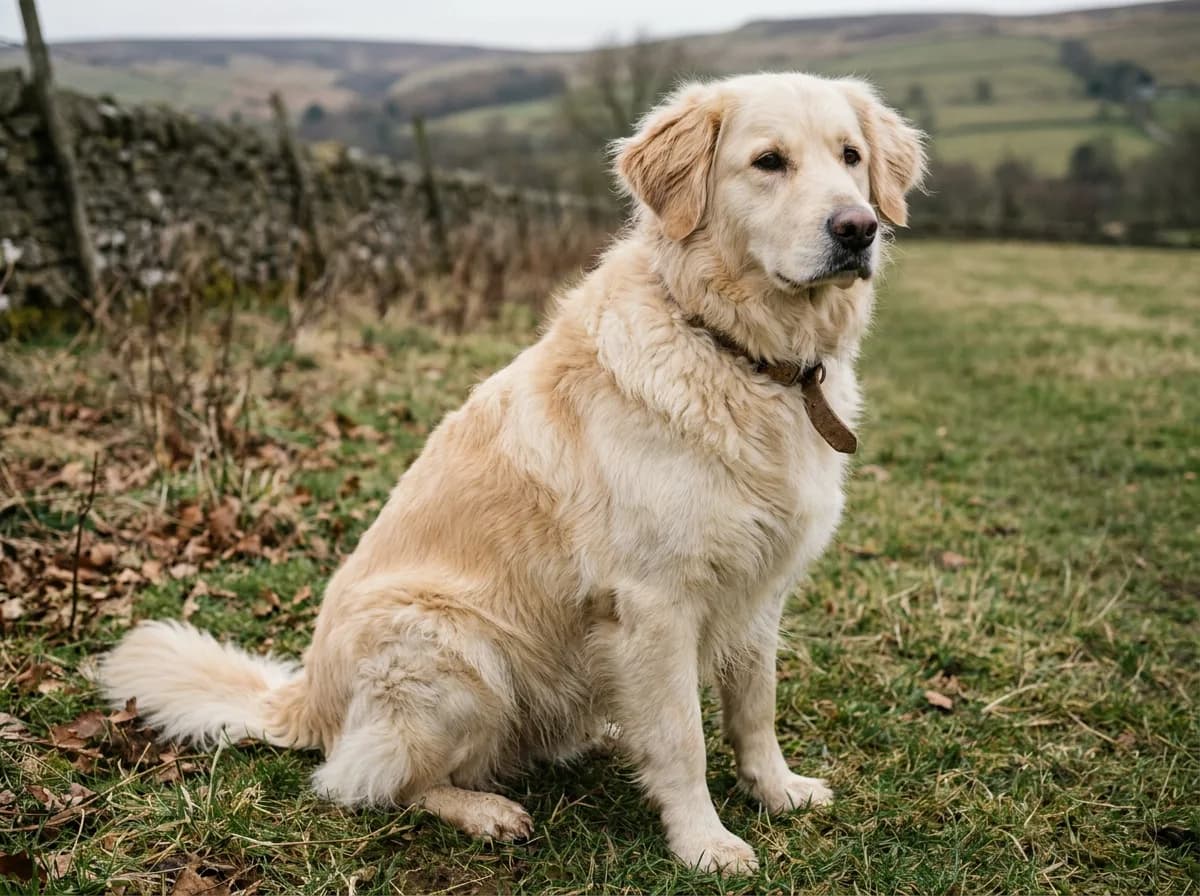
The Golden Pyrenees label combines Golden Retriever and Great Pyrenees ancestry. Ask about the individual dog's nighttime routine, barking and response to activity around the property. Those observations help you assess fit with nearby neighbors and frequent visitors.
See our Golden Pyrenees coverage for more context. Before committing, compare the dog's current home arrangement with yours and identify which routines would need support during the transition.
Golden Retriever and Cocker Spaniel
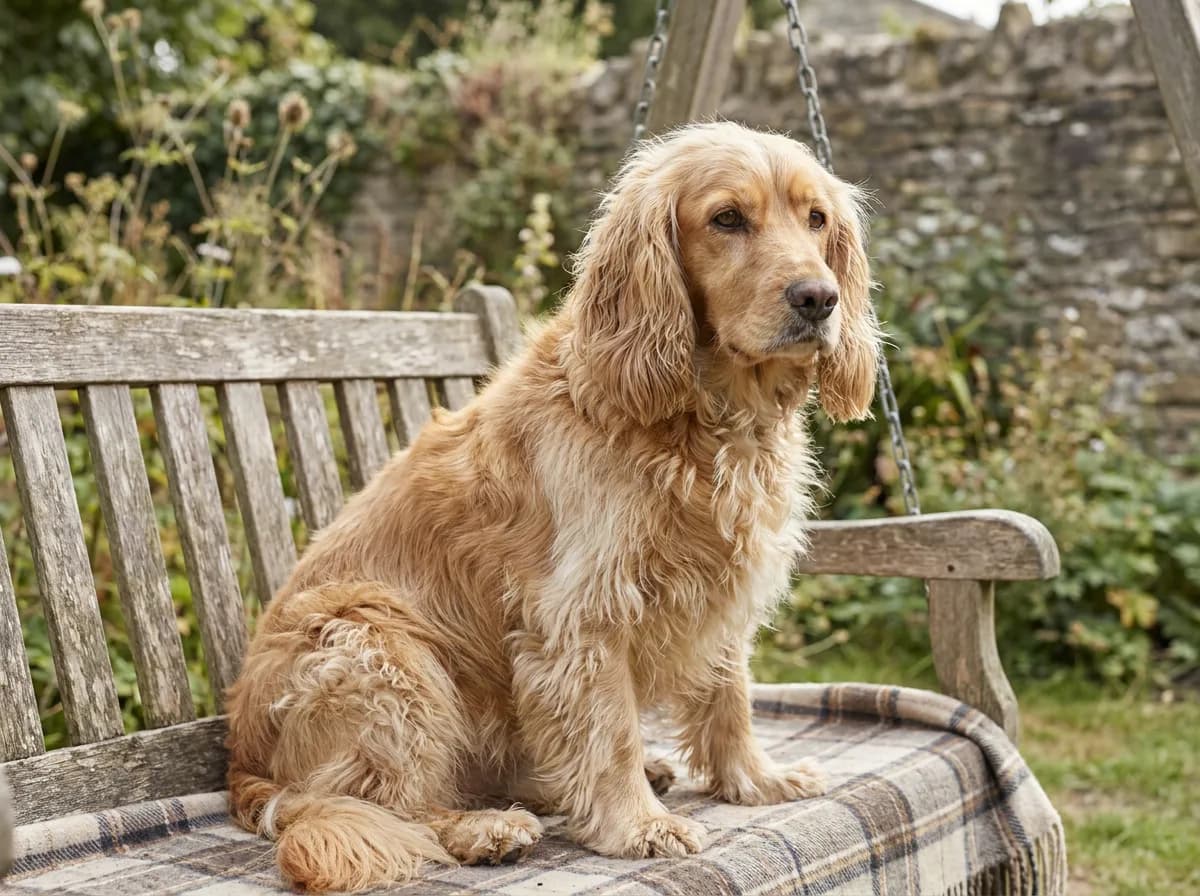
A Golden Retriever Cocker Spaniel mix may be called a Golden Cocker. Ask which parentage is documented and what grooming the individual currently needs, including how it responds to handling around its ears and feathering.
The Golden Retriever and Cocker Spaniel mix discussion provides more detail. Do not use the Cocker parent as a guaranteed small-adult forecast; known measurements and a realistic care routine are more useful for choosing equipment and planning your time.
Golden Retriever and Chow Chow
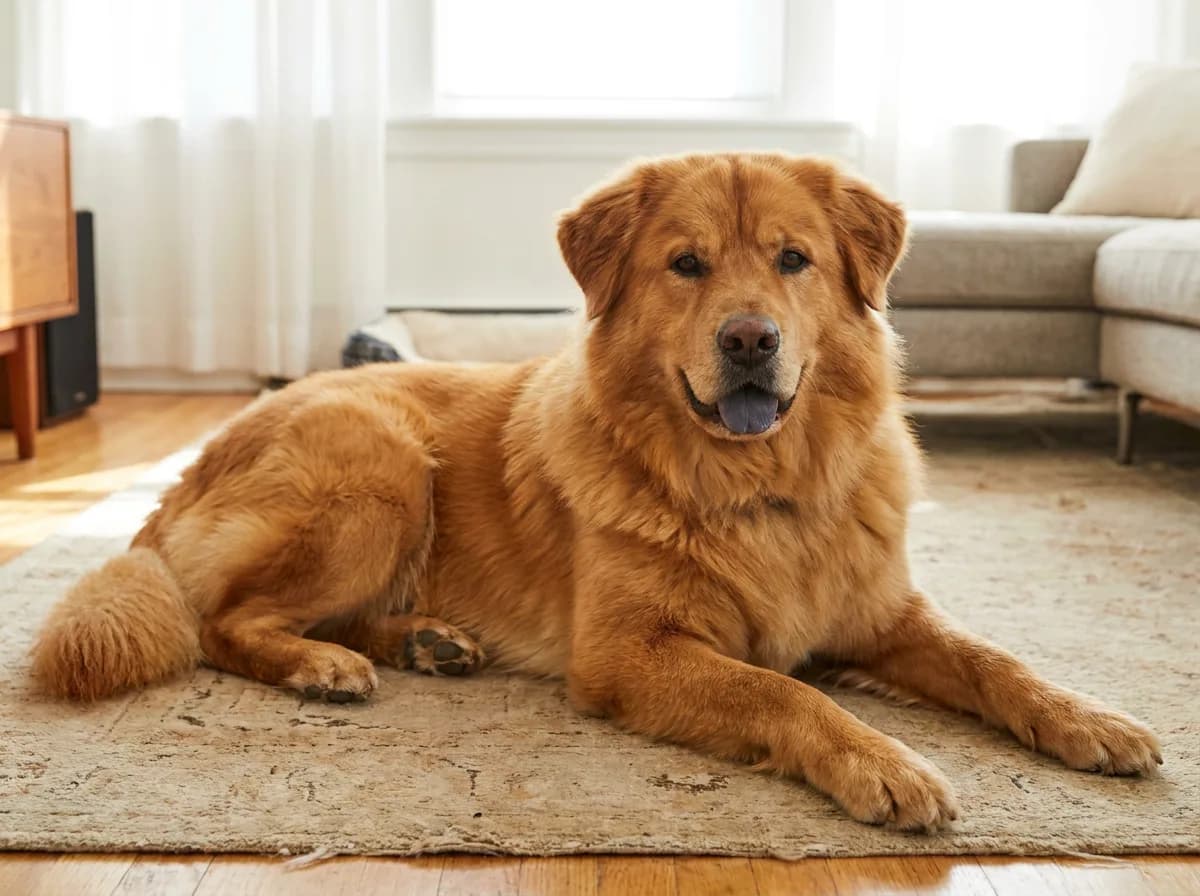
For a Chow Chow Golden Retriever mix, sometimes called a Golden Chow, ask how brushing and other routine care are managed. Which areas does the dog accept comfortably, when are breaks needed and does a professional groomer help?
Our Golden Retriever and Chow Chow mix coverage expands on this combination. A photograph of a substantial coat cannot reveal the maintenance time or handling support involved, so request a practical account from the current caregiver.
Golden Retriever and Beagle
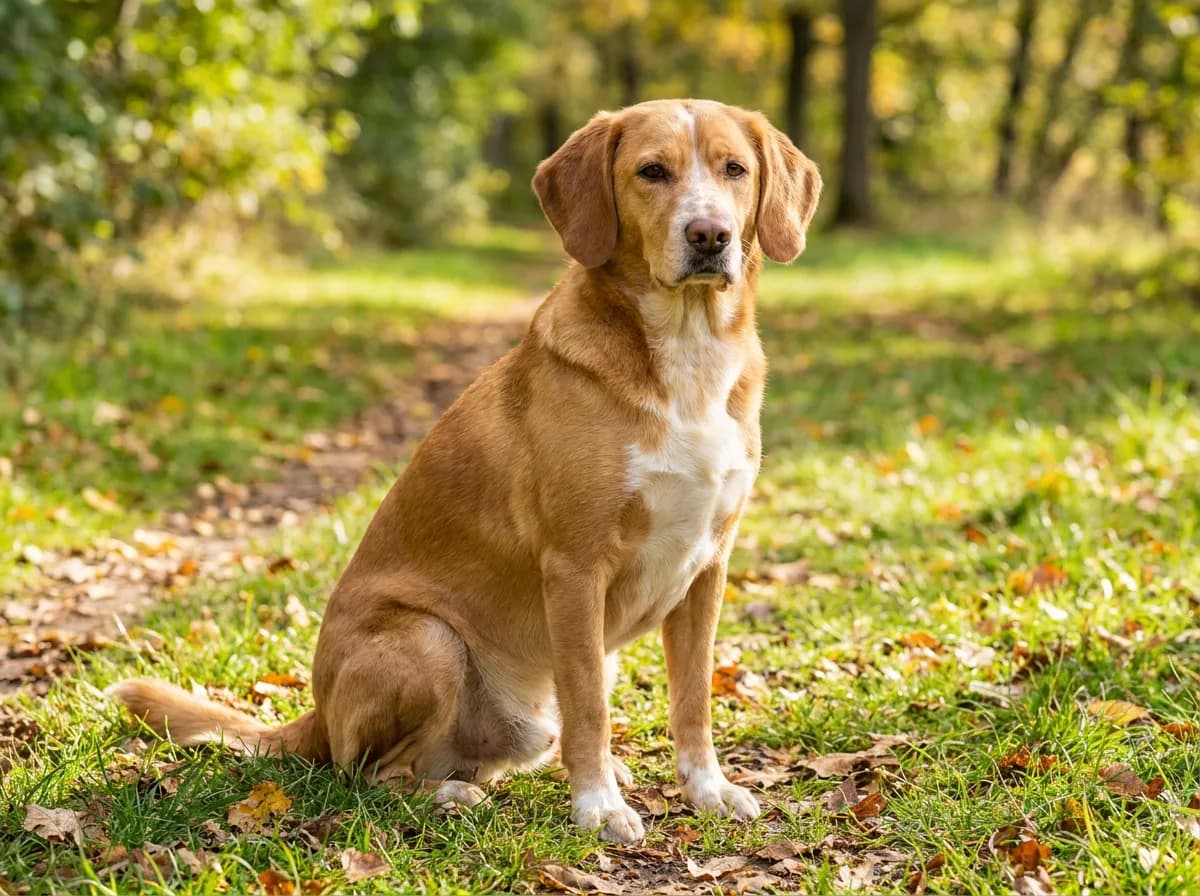
For a Golden Retriever Beagle mix, ask about the walking routine, scent-following and response when called. A caregiver should be able to explain where those observations occurred and what equipment was used. Our Golden Retriever and Beagle mix guide provides more context.
Golden Retriever and Newfoundland

A Newfoundland Golden Retriever mix is sometimes called a Golden Newfie. Compare the actual dog's resting and transport dimensions with your available space, and ask what bathing, drying and household cleanup involve.
The Newfoundland mixes guide offers more detail. A current caregiver can help you separate essential care tasks from assumptions based on the parent names, particularly when you are planning grooming appointments, washable bedding and backup handling support.
Golden Retriever and Belgian Malinois
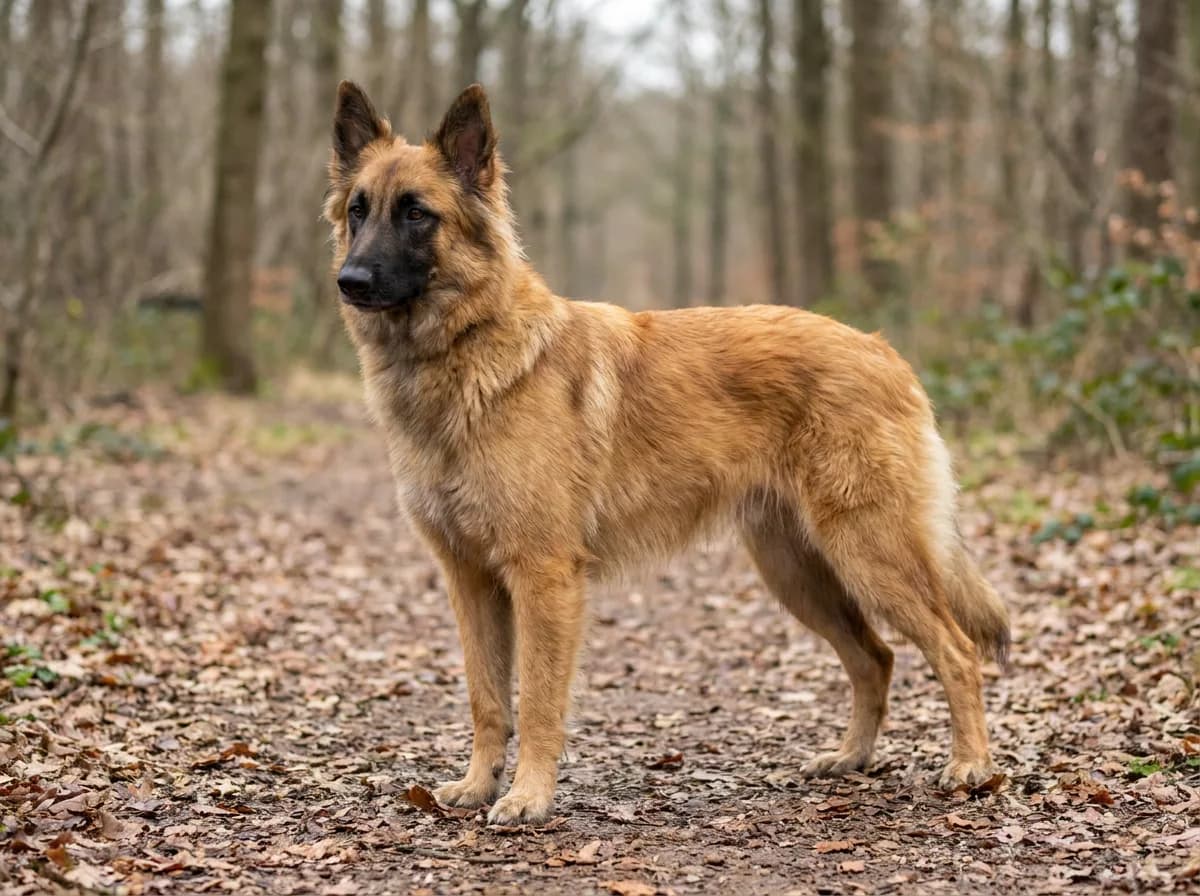
For a Belgian Malinois Golden Retriever mix, ask which activities and quiet routines the individual has learned. Find out how a normal day is structured and what happens when the schedule changes.
Our Golden Retriever and Belgian Malinois mix coverage provides the deeper introduction. Avoid choosing from a working-dog or easy-family-dog promise. Discuss the actual training, handling and care support you would need to continue successfully in your own household.
Golden Retriever and Border Collie
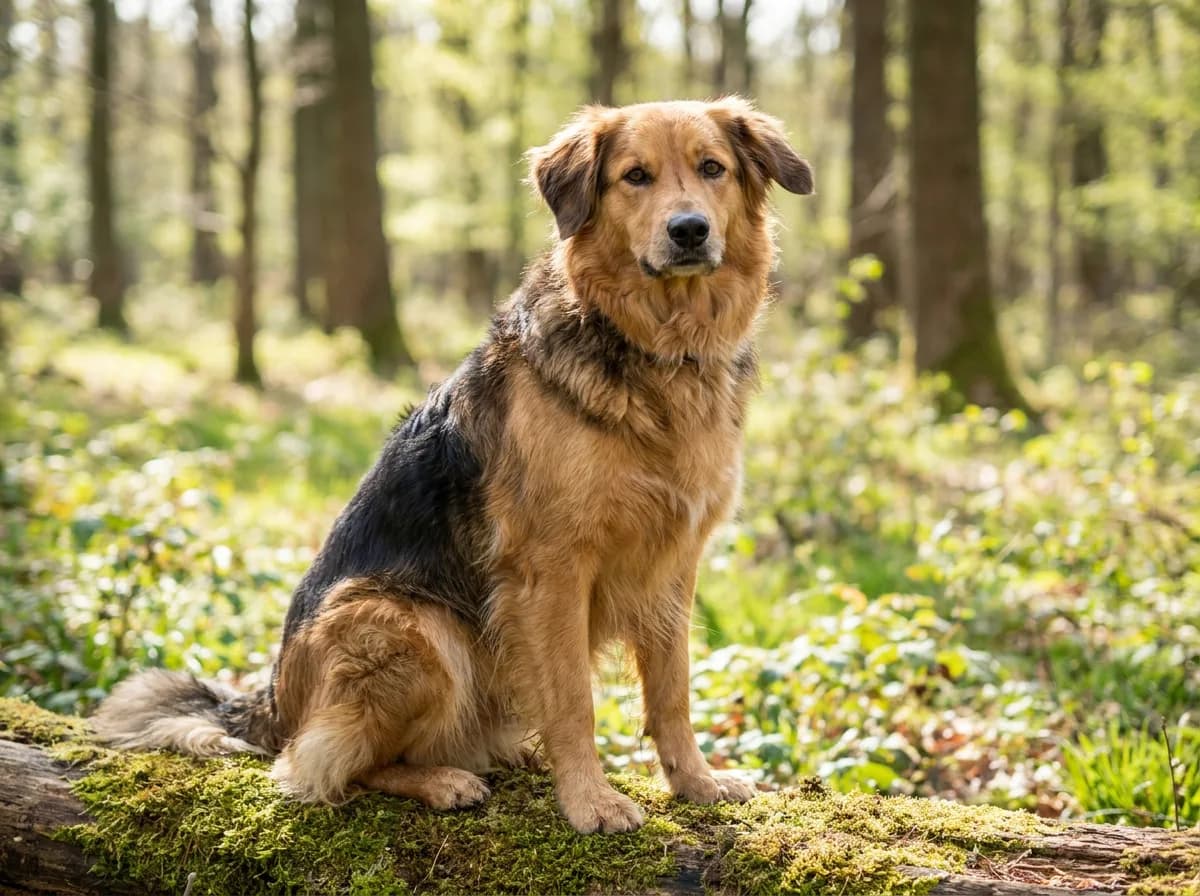
The Coltriever name refers to a Border Collie Golden Retriever mix. Ask which activities the dog enjoys, how games end and what it does while people are occupied with something else.
The Golden Retriever and Border Collie mix discussion explores the combination further. A list of learned tricks is only part of the picture. Familiar walking cues, comfortable handling and an established resting routine may have more immediate value in daily home life.
What does a miniature Golden Retriever label mean?
“Miniature Golden Retriever” is a description that needs clarification. It does not, on its own, tell you the actual parent breeds, how many breeds are involved or the dog's eventual dimensions. Ask what the seller or rescue means before comparing one listing with another.
Breeders who sell the label describe a smaller Golden-type cross, not a downsized purebred. GoldenQuest Comfort Retrievers, whose site credits founder Kathy Burgess with creating the mini Golden, crosses Golden Retrievers only with Poodles and quotes adults of 30 to 45 pounds and 14 to 20 inches. The Mini Golden Retrievers site describes a Golden crossed with a Cavalier King Charles Spaniel or a Poodle at 20 to 45 pounds and 14 to 18 inches, and Big Hearted Breeders quotes 20 to 45 pounds and 14 to 20 inches. Those are the sellers' advertised ranges, checked October 29, 2026; the AKC Golden standard is 55 to 75 pounds.
The three small-Golden labels describe different dogs:
- Mini Golden Retriever: a seller’s label, most often a Golden and Poodle or Golden and Cavalier cross. Ask for the parent breeds and the generation.
- Mini Goldendoodle: a Golden Retriever crossed with a Miniature or Toy Poodle, where the Poodle variety sets much of the size range.
- Golden Cocker: a Golden Retriever and Cocker Spaniel cross; the AKC lists the Cocker Spaniel at 13.5 to 15.5 inches and 20 to 30 pounds. Our Cocker Spaniel mixes guide covers it further.
“Teacup Golden Retriever” wording likewise should not substitute for measurements or documented parent information, whichever formula a seller uses.
For miniature Golden Retriever dogs or puppies, request:
- The actual parent breeds and available ancestry records.
- Adult parent measurements when known.
- The puppy's dated weight and age records.
- A clear distinction between measured facts and estimates.
- Request the actual parent breeds and adult parent measurements. Miniature and teacup wording does not establish one parent formula or guarantee the puppy's adult size.
If a specific adult size is essential for your home, consider an adult whose dimensions are already known. That answers a practical constraint more directly than a confident size promise attached to a puppy.
Choose the individual dog for your household
Use observations rather than a mix nickname
Ask for foster observations with dates and context. “Lived with a cat for several months” provides different information from “saw a cat once without reacting.” Both can be reported honestly, but they should not be treated as equivalent evidence.
Use the following table to connect your household's needs with questions the caregiver can answer. You are looking for a workable plan, including clear acknowledgment of anything that has not been observed.
| Your constraint | Evidence to request | Do not assume |
|---|---|---|
| Limited space | Actual adult measurements and resting-space needs | A smaller parent guarantees a small adult |
| Handling strength | Observed leash handling and a supervised fit check | A friendly label means easy physical handling |
| Other pets | Dated foster observations and a managed introduction plan | One parent breed guarantees compatibility |
| Children | Observed interactions and an adult supervision plan | A family-dog nickname replaces supervision |
| Coat-care time | A coat care demonstration and grooming quote | Low shedding means low maintenance |
| Time away from home | Foster observations of the individual when alone | Exercise alone proves the dog can settle alone |
Discuss who will handle walks, grooming, veterinary appointments and backup care. If a routine depends entirely on one person, work out what happens when that person is unavailable. A clear division of responsibilities makes the adoption decision more concrete.
Compare a puppy with an adult adoption
A puppy gives you the opportunity to teach routines from an early stage, while leaving important questions about adult dimensions and developing behavior open. Ask which experiences the puppy has already had and what support will be available as it grows.
An adult may come with known measurements and a longer care history. That can be valuable when your household has firm constraints, although a new setting still requires a thoughtful transition. An adult dog's existing observations describe its experience so far, not every future situation.
Compare the available evidence:
- Current age and measurements.
- Time spent in the present home.
- Familiar people, animals and routines.
- Established training cues.
- Unanswered care or behavior questions.
Choose the stage of life whose needs you can realistically accommodate, rather than assuming that either a puppy or an adult will automatically be easier.
Plan the actual coat-care routine
Request a coat care demonstration before buying a collection of tools. Watch how the caregiver brushes, where attention is needed and how the dog signals that it wants a break. Ask a groomer which tasks are appropriate at home and what professional appointments would involve. For trimming decisions, our Golden Retriever haircut guide explains which areas to tidy and why the body coat stays on.
Keep shedding, maintenance and allergy planning as separate decisions. A coat can require regular maintenance even when loose hair is less noticeable around the house. A short or curly appearance does not establish a simple care routine.
Also ask how the dog has learned to participate in handling. The American Veterinary Society of Animal Behavior recommends reward-based training. Small, manageable care sessions and appropriate help are more useful than forcing a difficult task because the dog supposedly belongs to an easygoing mix.
Check health records for both sides of the family
Read the actual screening results
The Golden Retriever Club of America's parent health-screening guidance covers hips, elbows, eyes and heart screening for Golden parents. When considering a puppy with documented parents, request those records and the other parent's appropriate screening results.
Check the registered parent identity against the record rather than accepting an unrelated certificate or a general “health tested” statement. OFA health records can help you verify what was tested and the reported result. The appropriate tests depend on the documented breeds; there is no single universal panel for all 26 combinations.
The OFA CHIC program also makes an important distinction: completing the program's testing and disclosure requirements does not mean every result is normal. Read the actual CHIC screening results and discuss questions with your veterinarian.
- Match the registered parent identity to the record, then read the actual screening results. Completed screening is not the same as every result being normal.
Bring the individual veterinary history
Parent screening provides useful background, but the dog also needs its own veterinary history and assessment. Collect available vaccination records, previous findings, medications and care instructions. Ask the caregiver to explain any ongoing concerns and which veterinary practice holds the records.
For a rescue with unknown parents, work with the information that exists. Missing ancestry records do not establish a disease, and a mixed label does not establish protection from inherited problems. Bring the available history to your veterinarian so the individual dog's needs can guide care.
Keep unresolved questions in a short written list. This makes it easier to distinguish what has been assessed, what needs clarification and what is simply unknown.
Golden Retriever mix questions
The sources for these separate decisions include the AAAAI's pet-allergy guidance, AAHA's discussion of breed identification and the AKC Canine Partners program.
The most common Golden Retriever mixes are the Goldador (a Labrador Retriever mix), the Goldendoodle (a Poodle mix), the Goberian (Siberian Husky), the Golden Shepherd (German Shepherd), the Golden Cocker (Cocker Spaniel), the Golden Pyrenees, the Coltriever (Border Collie) and the Golden Newfie (Newfoundland). This guide pictures 26 combinations in all. The other parent’s breed standard in the comparison table says more about likely size and coat than the nickname does.
In our October 29, 2026 sample, Goldador breeders listed puppies at $1,575 to $3,400, while Golden and Labrador rescues charged $175 to $700, with puppies at the top of each rescue’s scale. RAGOM, for example, says its fee helps cover microchipping, spay or neuter surgery, wellness checks and vaccinations. Ask for a written acquisition quote and budget recurring care costs, such as food, veterinary visits and training, separately.
Suitability requires individual allergy assessment; there is no hypoallergenic guarantee from a mix name, coat texture or shedding description. Allergy planning should involve the affected person's clinician rather than treating one comfortable meeting as clearance. Consider the practical consequences for the household before committing, especially if symptoms could make living with the dog difficult.
Treat the rescue label as a reported ancestry estimate unless it was supported by documented parentage. Keep the DNA ancestry results with the dog's records and discuss relevant questions with your veterinarian. New ancestry information does not erase the dog's observed behavior history, established relationships or existing medical findings. Use it as additional context rather than a replacement personality description.
Yes. AKC Canine Partners provides a participation route for mixed dogs, distinct from full purebred registration. Check the current event eligibility requirements for the activity you want to try. Mixed dog sports should be chosen around the individual's health, comfort, interests and training experience, rather than an assumption that a particular parent combination must enjoy a particular sport.

Coreen Saito is a pet writer and longtime shelter volunteer with more than a decade in animal rescue. She covers cat behavior, breed care, and the small, ordinary science of sharing a life with companion animals, with a particular focus on honest takes about the products and decisions that actually matter. At home in Arizona, she's outranked by Mac (a dog with the loudest opinion in the house), Rebel (a cat who governs by quiet authority), and Meri (an orange tabby who runs the late shift and the laundry basket). She writes about all three, plus the rescues that keep coming through her life, at LifeWithMinty.com.
Sign up for expert-backed reviews and safety alerts all in one place.