Do English Bulldogs Shed? Coat and Grooming Guide
English Bulldogs shed short hair throughout the year. A weekly grooming map helps manage loose hair, protect skin folds and separate a normal coat cycle from warning signs.
Petful is reader supported. As an affiliate of platforms like Amazon and Chewy, we may earn a commission when you buy through links on this page. There is no extra cost to you.
Do English Bulldogs shed? Yes. Their coat is short, but loose hair can appear year-round on bedding, clothing and floors. Some dogs release more hair during seasonal changes, while nutrition, parasites, allergies, infection, stress and other health problems can also change the coat.
A weekly grooming map makes normal shedding easier to manage and creates a regular skin check. Use gentle tools, bathe only as needed, dry folds carefully and learn the difference between loose hair and abnormal hair loss.

Sign up for expert-backed reviews and safety alerts all in one place.
Do English Bulldogs shed? The short answer
- 1Expect loose hair throughout the year.
- 2Use a gentle weekly brushing routine and adjust it to the individual coat.
- 3Inspect folds, feet, ears and the tail area while grooming.
- 4Dry moisture-trapping areas carefully after bathing.
- 5Ask a veterinarian about bald patches, inflamed skin, intense itching, odor or sudden coat change.
Yes, year-round, but not heavily: the AKC rates the breed 3 on its 5-point shedding scale, the middle of the range. English Bulldogs shed short, stiff hairs that can cling to fabric even when the total amount looks modest, and they are not a non-shedding or hypoallergenic breed. A short coat may take less time to brush than a long double coat, but the dog’s skin folds and individual dermatologic needs can make the overall care routine substantial.
Plan washable resting areas, a gentle brush and a repeatable check of the skin beneath the coat rather than expecting a hair-free home.
Keep shedding separate from broader breed fit
Shedding is only one part of household fit. Questions about whether Bulldogs are good house dogs, suited to outdoor living or likely to prefer one person belong in the English Bulldog breed profile. This guide stays focused on coat, folds and grooming.
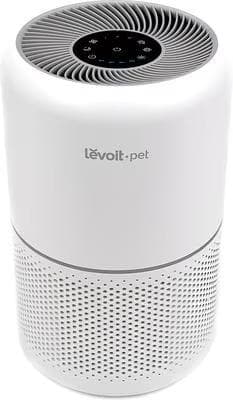
Petful may earn a commission when you click through to Chewy, at no extra cost to you.
A breeder may describe an English Bulldog puppy as low shedding, but no seller can promise a hair-free adult. Assess the puppy in front of you and plan for normal loose hair as the coat matures.
What normal shedding can look like
- Individual hairs on bedding and furniture
- More loose hair during a brushing session
- A gradual seasonal increase without bald spots
- An even coat with comfortable, unbroken skin
- Normal appetite, energy and behavior
How the short coat sheds
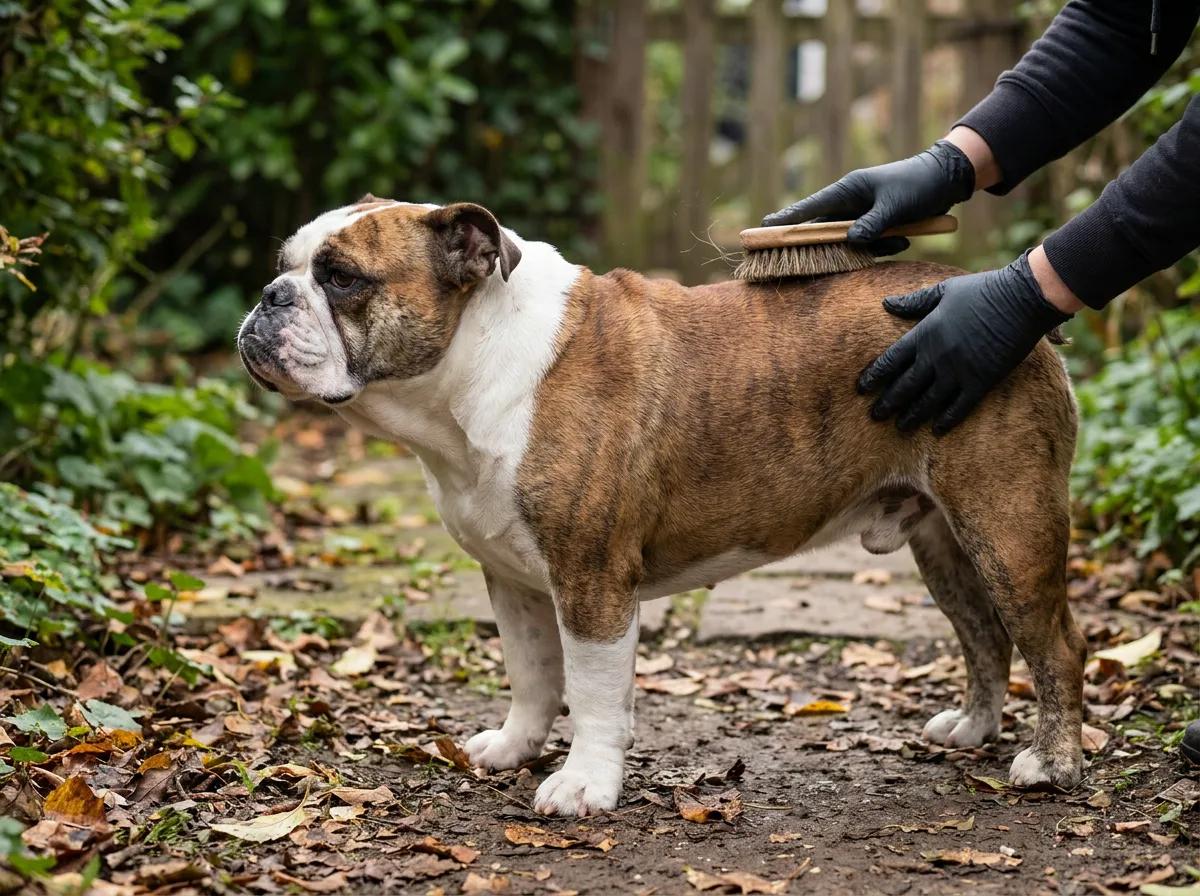
The American Kennel Club Bulldog overview describes a short, straight, smooth coat. Hair still moves through a growth and shedding cycle. Because each strand is small, owners may underestimate the total until it accumulates in fabric, corners or the car.
Short hair can also feel prickly and weave into upholstery. Regular removal from the dog before it falls helps, but no brush can stop the normal cycle. Use washable bedding, vacuum appropriate surfaces and keep grooming sessions brief enough that skin stays comfortable. A cordless pet stick vacuum makes a quick daily pass over upholstery and the car easier than hauling out a full-size machine.
English Bulldog puppies may change coat texture and shedding as the puppy coat gives way to a more mature coat. The English Bulldog puppies guide explains how to introduce handling, brushing and fold checks without turning grooming into restraint.
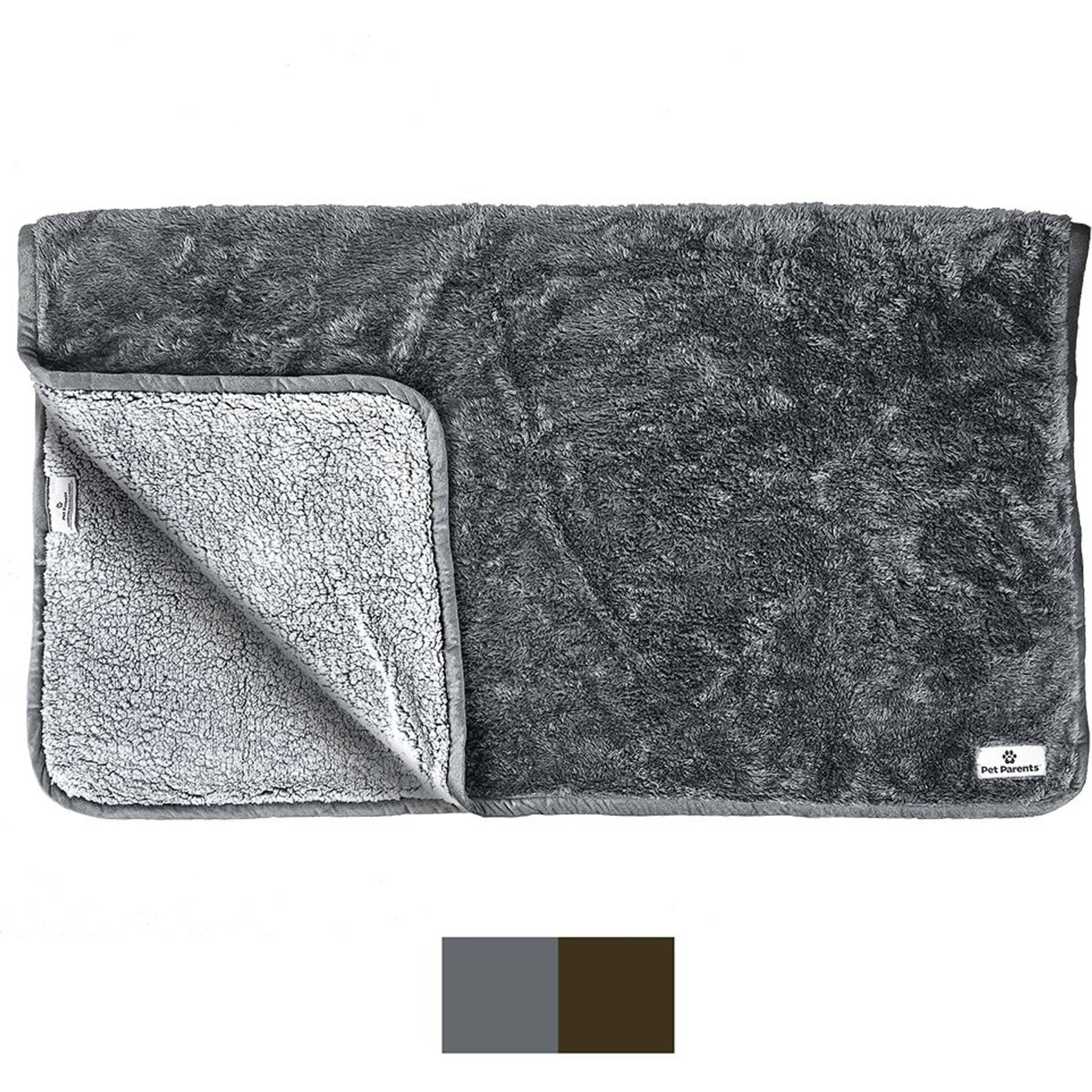
Pawtect Large includes a waterproof barrier; manufacturer size guidance identifies Large for couches.
Petful may earn a commission when you click through to Chewy, at no extra cost to you.
Why short hair is still noticeable
- It can stick into woven upholstery instead of forming easy-to-lift clumps.
- Light hair shows on dark fabric, while dark hair shows on pale fabric.
- Drool and skin oils can make loose hair cling to surfaces.
- A dog that uses several beds spreads hair across more rooms.
- Seasonal release can briefly exceed the household's usual cleaning rhythm.
Coat color changes visibility rather than shedding biology. The English Bulldog colors guide explains base colors, patterns and markings. A white dog may appear to shed more on navy clothing simply because the contrast is stronger.
When shedding increases
Shedding may rise gradually with seasonal light and temperature changes, even in dogs that spend much of the day indoors. A healthy seasonal increase should still leave an even coat over comfortable skin. The amount varies, so use the individual dog's usual pattern as the baseline.
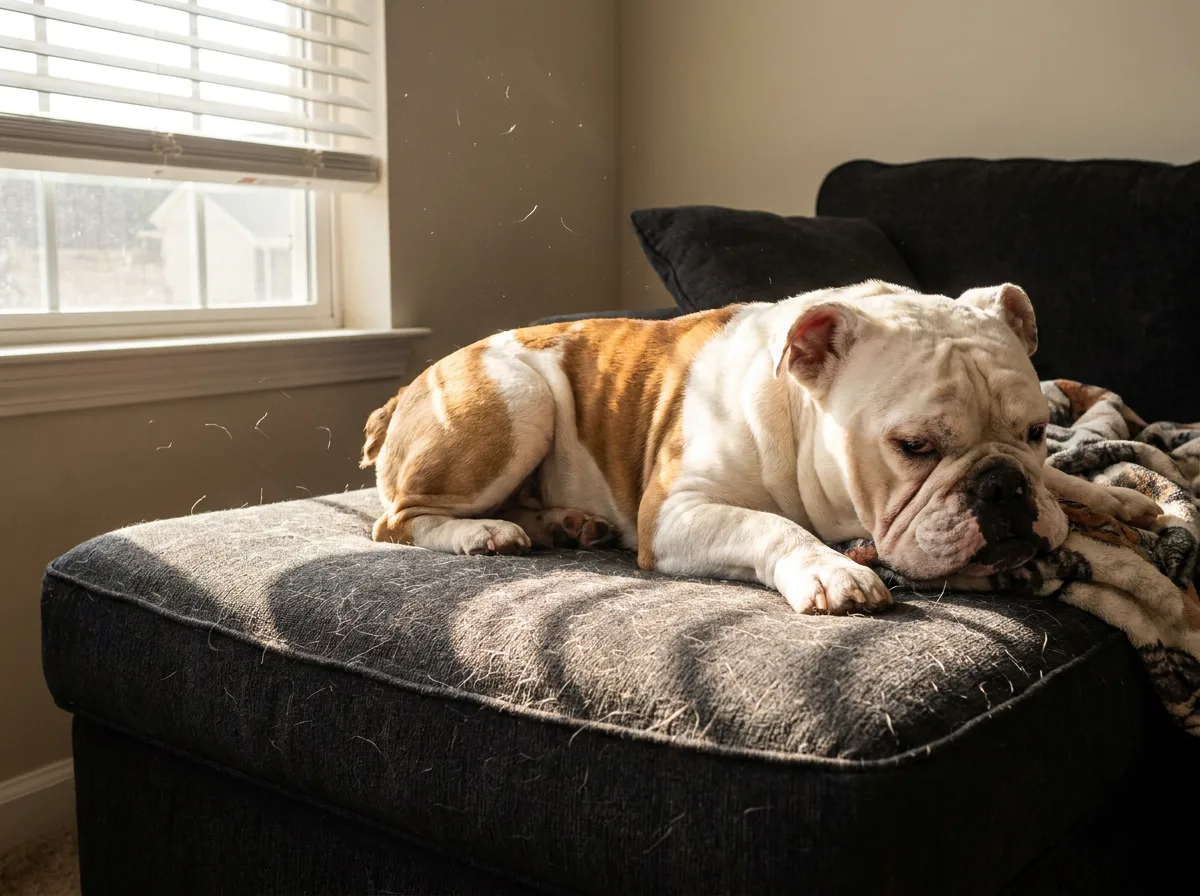
Health-related changes often look different. Patchy loss, broken hairs, redness, odor, greasy scale, crusting or relentless scratching suggests more than a normal coat cycle. A sudden increase combined with appetite, weight, thirst, energy or behavior changes also deserves professional attention.
Judge shedding against the dog’s own baseline. Shedding that becomes patchy, painful or paired with inflamed skin belongs on a normal-versus-abnormal hair-loss checklist and may need veterinary assessment. Record the location, timing, itch, odor, products and health changes so the veterinary team receives more useful evidence than a general statement that the dog is shedding more.
| Check | Normal baseline | Escalate when |
|---|---|---|
| Loose hair | Even release without exposed skin | Sudden increase, bald patches or broken hairs |
| Skin | Comfortable, intact and mild-smelling | Redness, swelling, crusts, sores, pain or strong odor |
| Folds | Clean and dry for the individual routine | Persistent moisture, discharge, rubbing or tenderness |
| Behavior | Relaxed or easily settled during care | New avoidance, guarding, intense scratching or distress |
Common contexts for a coat change
- Seasonal hair-cycle shifts
- A recent change in grooming frequency or product
- Parasites or infectious skin disease
- Environmental or food-related allergy investigation
- Stress, illness or recovery from a procedure
- Hormonal or metabolic disease
- Friction from poorly fitted equipment
This list is not a diagnostic tool. Several causes can create similar signs, and more than one problem may be present. Photograph the change, note when it started and bring the timeline to the veterinarian.
A practical brushing schedule
Start with one gentle brushing session each week. If loose hair increases and the skin remains comfortable, add a shorter session rather than using more pressure. Some dogs need a different schedule because of skin disease, veterinary treatment or sensitivity.
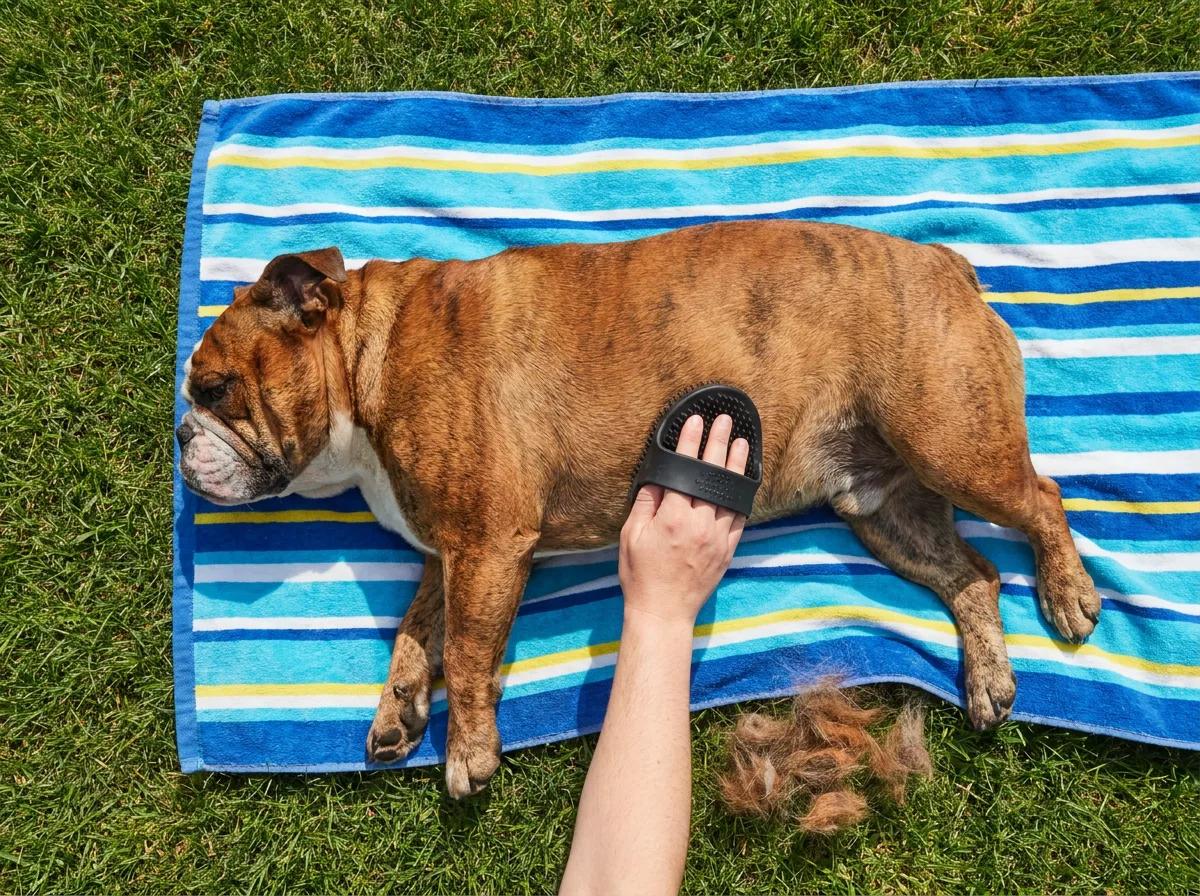
Combine the weekly grooming map with gentle brushing, fold checks, nail and ear observation, and careful drying. More pressure is not a substitute for a schedule that the dog can tolerate comfortably. The map should show what is normal, what changed and which finding needs a veterinary call instead of another grooming pass.
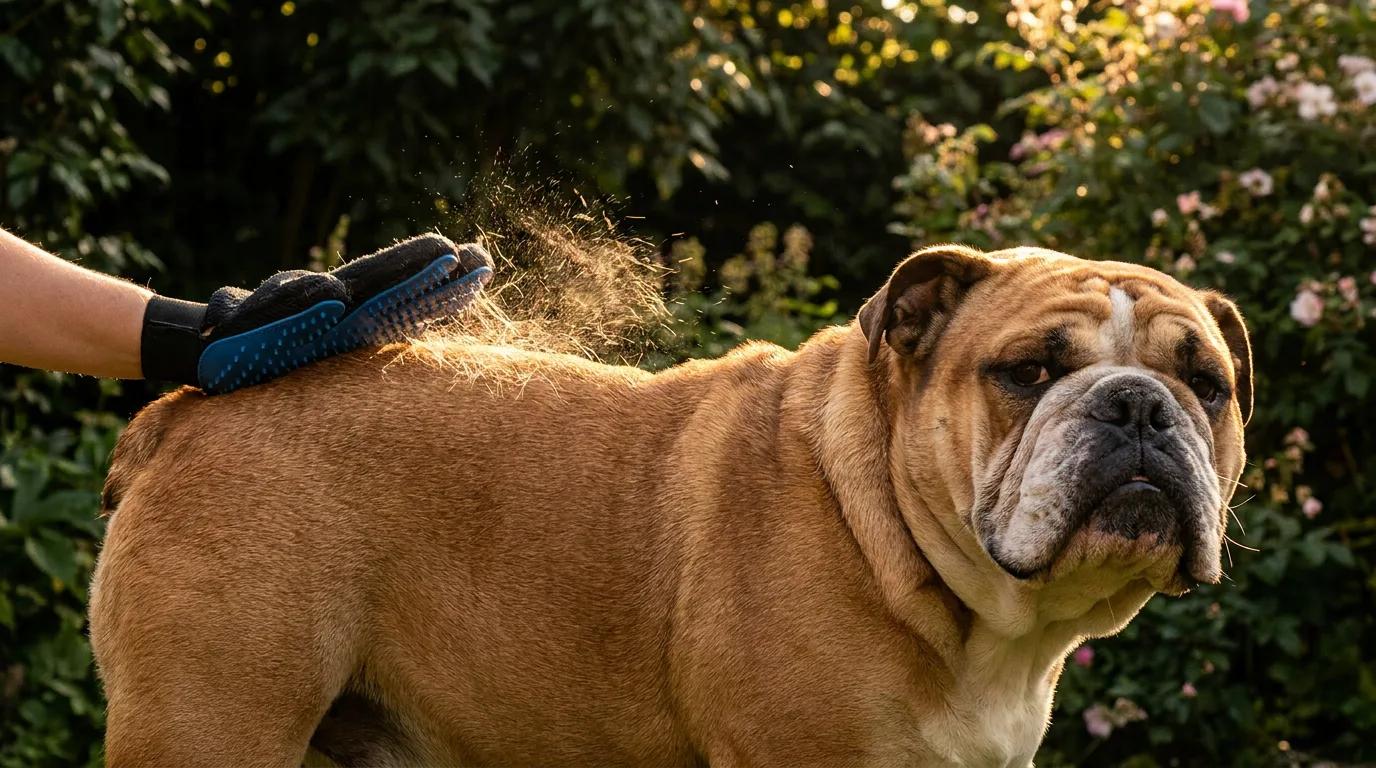
Brush in the direction the hair lies. Work over a well-lit, non-slip surface and check the tool after a few passes. Stop if the skin becomes red, the dog flinches or the tool pulls at folds and loose tissue.
Five-minute brushing sequence
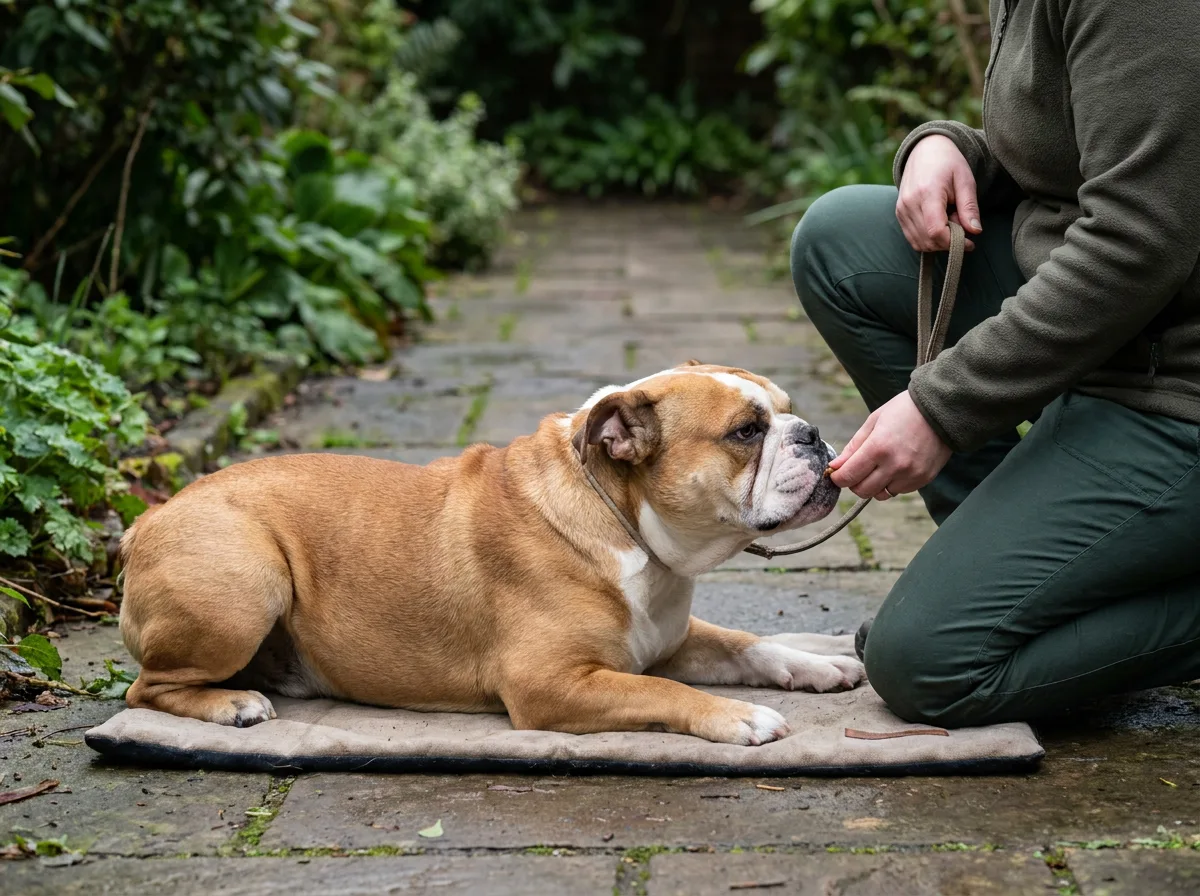
- Let the dog inspect the tool and reward calm contact.
- Brush the shoulders and back with light pressure.
- Move to the sides and chest while avoiding irritated areas.
- Use the free hand to feel for lumps, scabs, heat or dampness.
- Finish before the dog becomes restless and record anything unusual.
Frequency is not the only variable. Tool firmness, pressure, number of passes and coat condition all matter. A soft glove may be useful for one dog while another tolerates a flexible brush better. Unscented grooming wipes can lift dust and loose hair from the coat between brushing sessions without a full bath.
Tools for coat and skin folds
Choose tools by the individual dog's coat and skin, not by a “Bulldog” label on the package. A short coat does not need aggressive stripping. Test any new tool on a small area, use light pressure and inspect the skin afterward.
- Bald areas, inflamed skin, sores, discharge, pain, strong odor or intense itching need veterinary assessment. More brushing, harsher shampoo or repeated fold wiping can worsen already irritated skin.
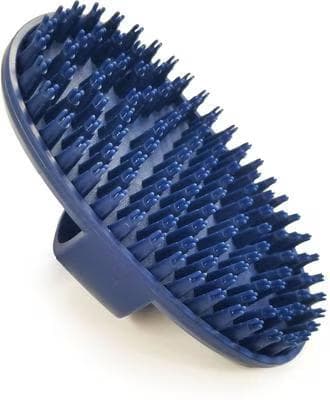
A Four Paws Magic Coat wet-and-dry glove and curry brush is one gentle option for a short coat, and a Frisco bone curry brush is a firmer rubber alternative for loosening dead hair. Product type does not override the dog’s response.
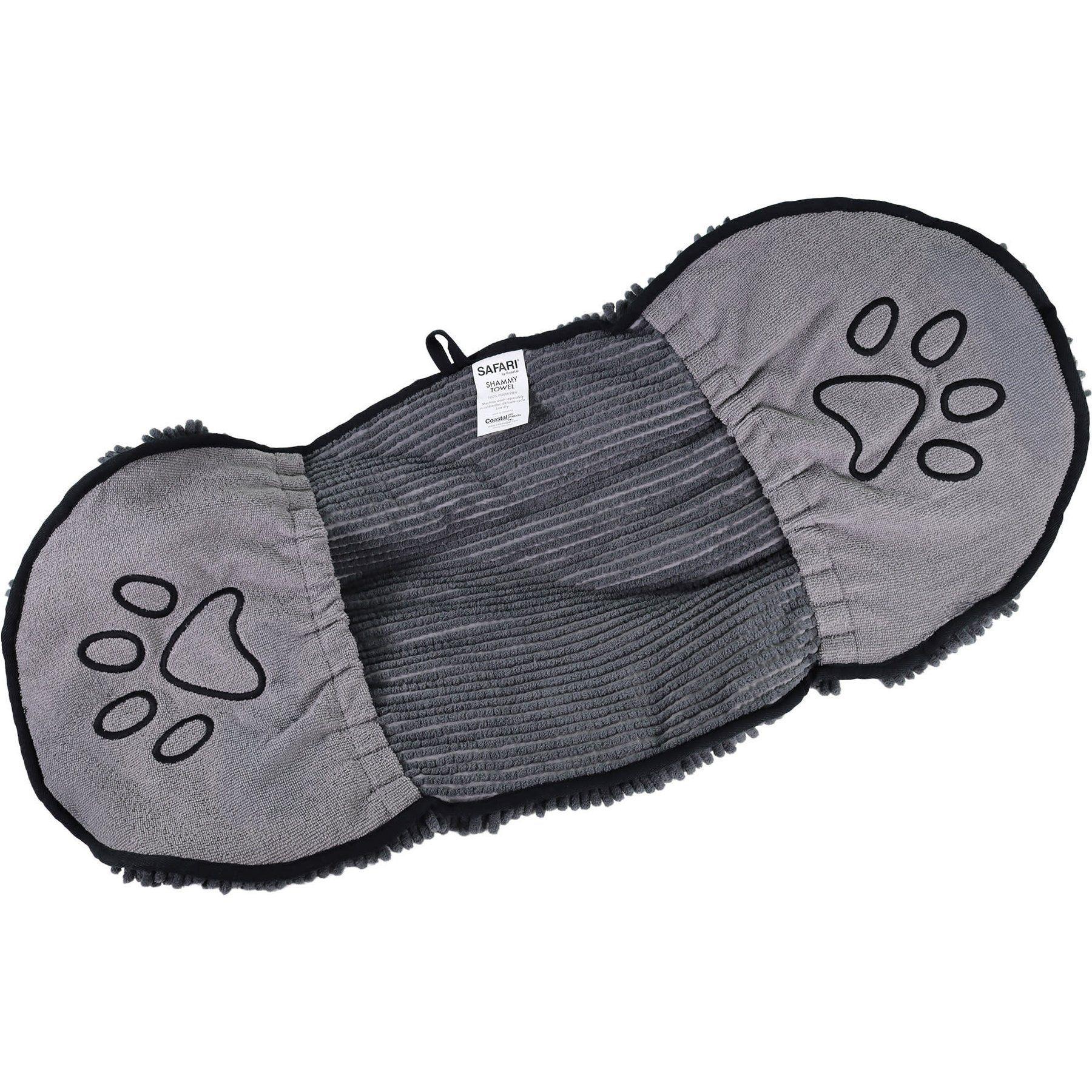
Safari Shammy Dog Towel, Grey
Petful may earn a commission when you click through to Chewy, at no extra cost to you.
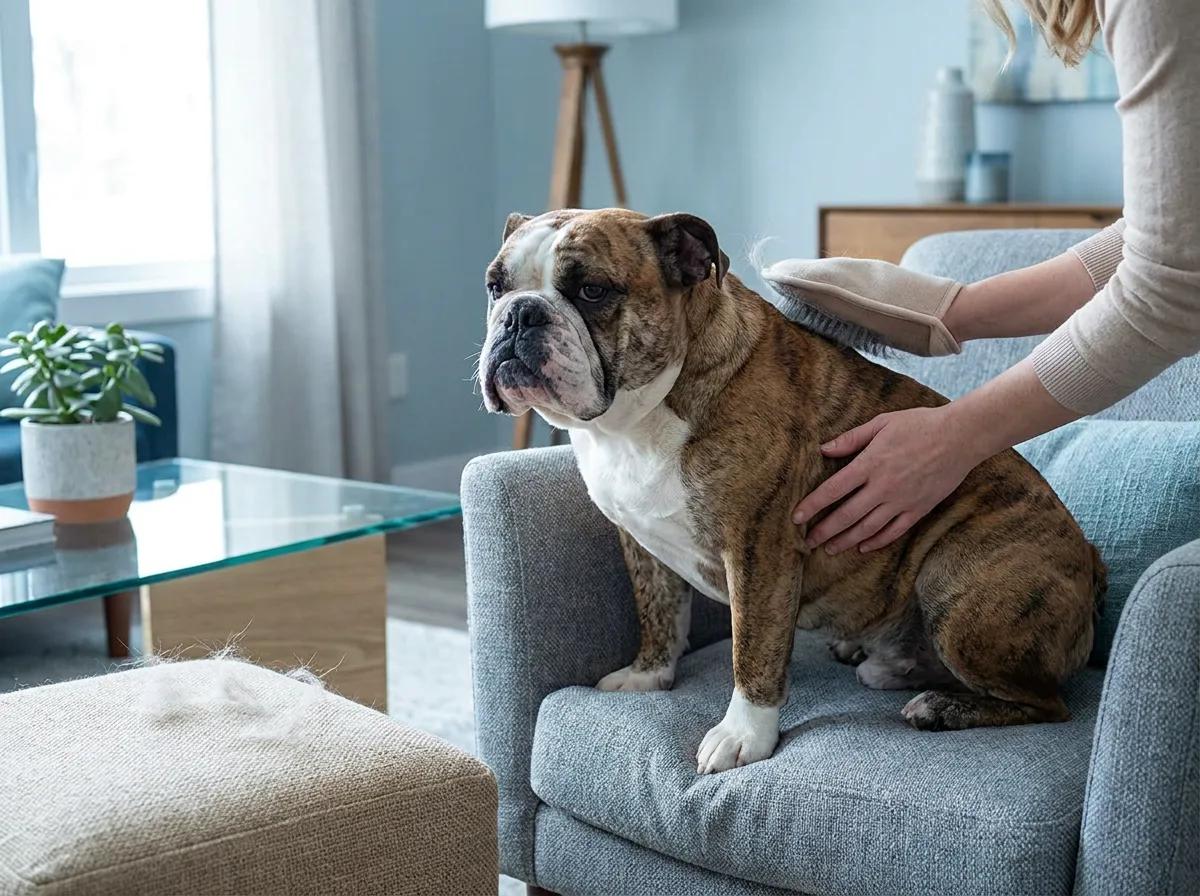
Tool-selection questions
- Does the surface flex or have edges that could scrape skin?
- Can pressure be kept light across a short coat?
- Will the tool catch in folds or loose skin?
- Can it be cleaned and dried completely after use?
- Does the dog remain comfortable during and after brushing?
A Safari double-row flea comb can help inspect a small area or remove fine debris, but it does not replace veterinarian-guided parasite prevention. Never drag a fine comb through inflamed skin.
Bathing and drying safely
Bathe when the dog needs it or when the veterinary or grooming plan calls for it. Excessive bathing, harsh products and incomplete rinsing can irritate skin. Dogs receiving treatment for skin disease may need a specific product, contact time and schedule that differs from ordinary grooming.
Use lukewarm water, protect the eyes and ears, and rinse thoroughly. An Earthbath fragrance-free oatmeal shampoo is one general product option, not a treatment for infection, allergy or unexplained hair loss.
Dry the body with clean towels and pay special attention to moisture-trapping areas. Do not rub inflamed skin. Warm, damp folds can become uncomfortable, while hot forced air can add heat and respiratory stress.
Fold-safe drying sequence
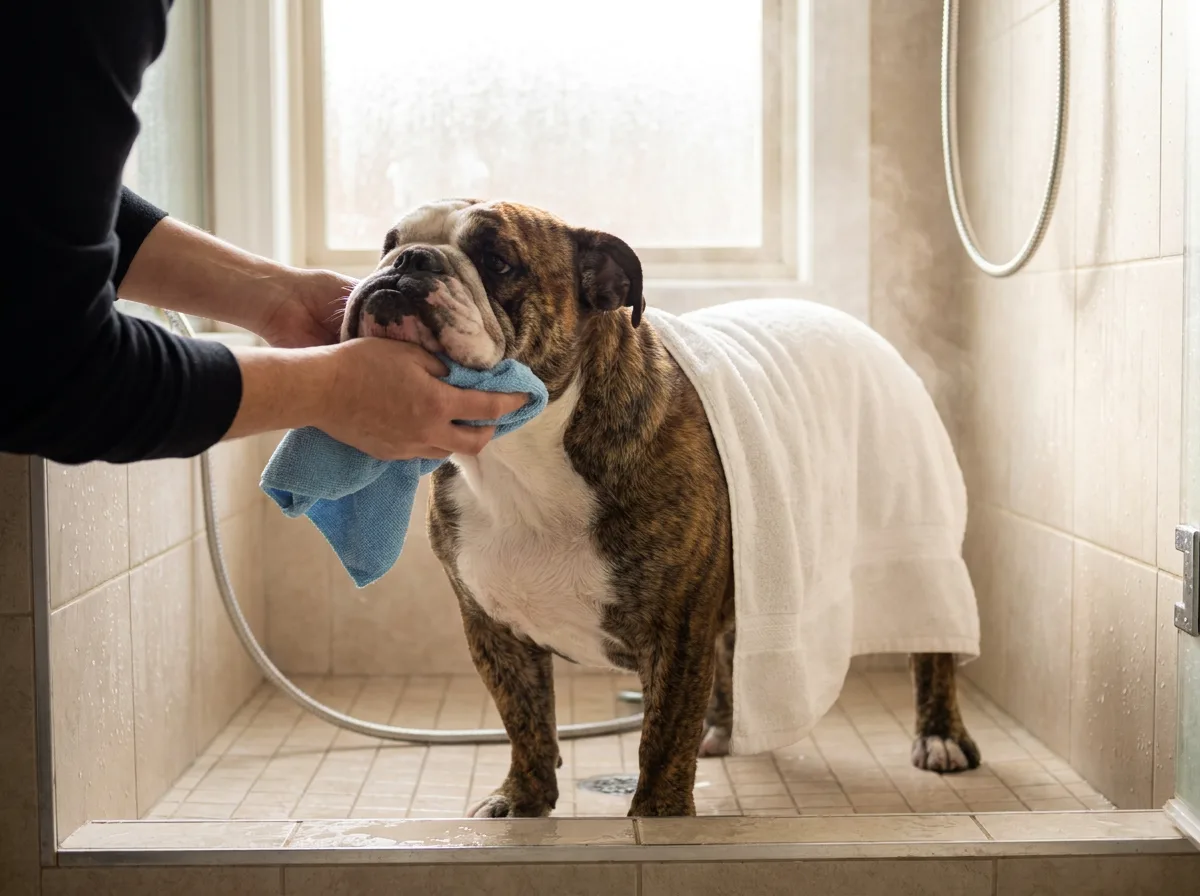
- Pat the body dry rather than rubbing vigorously.
- Use a separate clean, soft cloth for facial folds.
- Lift only enough to see and reach the area without stretching skin.
- Pat moisture away and leave the fold comfortably dry.
- Check the tail area, feet and any other deep folds.
- Note redness, odor, discharge or pain and contact the veterinarian when present.
The exact fold-care routine depends on anatomy and medical history. Some dogs need veterinarian-prescribed treatment. More frequent cleaning is not automatically safer if friction or residue is causing irritation.
Why shaving is not a shedding solution
Shaving a healthy short Bulldog coat does not stop hair production. It simply cuts the hair closer to the skin and may make skin easier to injure or expose. It also removes the opportunity to monitor the natural coat unless clipping is medically necessary.
A veterinarian may clip an area for treatment or a procedure. Follow aftercare instructions and expect regrowth to take time. Do not apply dyes, fragrances or harsh products to make regrowth match the surrounding coat.
Petful may earn a commission when you click through to Chewy, at no extra cost to you.
For routine shedding, use gentle brushing, washable surfaces and realistic expectations. If loose hair is accompanied by bald patches or discomfort, the solution begins with diagnosis rather than a closer clip.
Allergy expectations
English Bulldogs are not hypoallergenic. Allergy boundaries begin with the fact that people may react to proteins in dander, saliva or urine rather than the hair itself, so a short coat and modest shedding do not guarantee a symptom-free home. Individual dogs and people vary. Set realistic dog-free spaces, cleaning responsibilities and a medical plan before adoption, because brushing can reduce loose hair without eliminating allergen exposure.
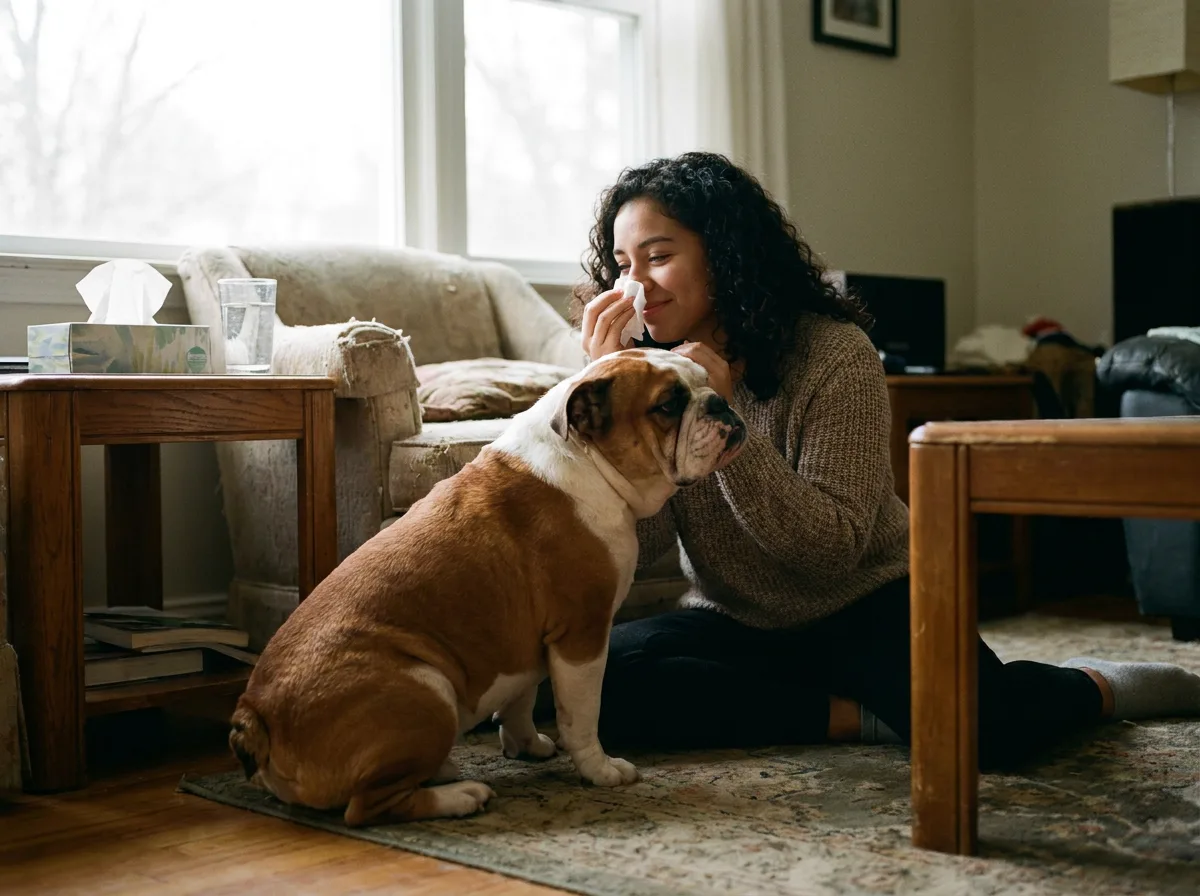
Before commitment, the allergic household member should spend meaningful time around adult Bulldogs in realistic indoor settings and discuss medical questions with their clinician. A brief outdoor meeting cannot reproduce exposure to bedding, saliva and indoor dander.
Cleaning and grooming may reduce environmental load but cannot promise prevention. Keep the dog out of the allergic person's bedroom if advised, wash hands after contact, launder bedding and use appropriate cleaning methods. Do not bathe the dog excessively in an attempt to make the breed hypoallergenic. A pet air purifier with a HEPA filter can capture some airborne hair and dander in a shared room, but it cannot make the home allergen-free.
Questions for an allergy plan
- What triggers has the person's clinician identified?
- Which rooms need dog-free boundaries?
- Who will brush and bathe the dog?
- How will bedding and upholstery be cleaned?
- What happens if symptoms increase after adoption?
The English Bulldog breed profile covers broader household fit. Shedding is only one part of living with the breed.
Skin and coat warning signs
The normal-versus-abnormal hair-loss checklist protects against treating disease as grooming. Normal loose hair leaves the coat broadly even and the skin comfortable. Abnormal loss may be patchy, painful, inflamed, odorous or accompanied by changes elsewhere in the body. WebVet’s dog skin problems pictures guide shows how common skin conditions look at different stages.
Arrange a veterinary assessment for
- Bald patches or rapidly thinning areas
- Red, hot, swollen, crusted or weeping skin
- Strong odor or persistent moisture in folds
- Repeated ear or paw irritation
- Intense licking, chewing, rubbing or scratching
- Pain or sudden resistance to handling
- Coat change with weight, thirst, appetite or energy changes
The English Bulldog health and lifespan guide provides a broader life-stage health plan. Bring photographs, product names and a timeline to the appointment. Do not stop prescribed treatment or add multiple new products without guidance.
A weekly grooming routine
Are English Bulldogs high maintenance? Their short coat is simple to brush, but the full care routine can be demanding.
Regularly check and care for:
- Skin folds, ears and the tail area.
- Feet, nails and teeth.
Expect some loose short hair year-round, with individual and seasonal variation. Even coverage over comfortable skin is reassuring, while bald patches, redness, odor, sores, pain or intense itching need veterinary assessment.
The weekly grooming map is a repeatable inspection, not a beauty ritual. Choose the same well-lit area and move through the same zones. Consistency makes a new change easier to notice and gives the dog predictable expectations. A nail trimmer with a safety stop makes the weekly foot check easier to finish in short, calm sessions.
Brush lightly, feel over shoulders, back, sides and chest, and note loose hair. Look for bald areas, lumps, heat or pain. Use the same general pressure each week so the comparison means something.
Inspect for moisture, odor, redness and discharge. Clean only according to the individual plan and dry carefully. Keep products away from the eyes.
Look for new odor, discharge, swelling or discomfort. Lift the lips briefly during cooperative handling and follow the dental-care plan. Do not insert tools deep into the ear canal.
Check between toes, pads and nails. Long nails can affect movement, while inflamed paws can drive licking. Trim only at a level the dog tolerates safely or seek professional help.
Inspect skin and hygiene without forcing a painful position. Some Bulldogs have anatomy that makes the area difficult to reach. Ask the veterinarian or groomer for a safe individualized routine.
Record and respond
Write one sentence after the session: shedding level, skin and fold condition, tool used and dog comfort. Compare with the previous week. A persistent change is more useful evidence than a vague memory.
The weekly grooming map should remain short enough to sustain. Split it into two sessions if the dog becomes tired or stressed. Cooperative care matters more than completing every task in one sitting.
Grooming tools for an English Bulldog
These products fit the article's grooming decisions, but the dog's skin and veterinarian's plan determine whether each is appropriate.
- Frisco bone curry brush for loosening dead hair from a short, smooth coat
- Four Paws Magic Coat wet-and-dry glove and curry brush for gentle short-coat brushing
- Safari double-row flea comb for localized inspection without replacing parasite prevention
- Earthbath oatmeal and aloe fragrance-free shampoo as a general bathing option, not medical treatment
Related English Bulldog guides
Sources
- American Kennel Club Bulldog breed information
- Bulldog Club of America health testing
- Royal Veterinary College VetCompass English Bulldog research summary
- OFA CHIC program
Questions readers ask
English Bulldogs shed short hair throughout the year, and some release more during seasonal changes. The AKC rates the breed 3 of 5 for shedding. Their short coat does not make the breed non-shedding or hypoallergenic. Use a weekly grooming map with gentle brushing, fold checks and careful drying. Normal shedding leaves an even coat over comfortable skin; bald patches, redness, odor, pain or intense itching need veterinary attention.
For coat care, no; for overall care, yes. The short coat needs only a brief weekly brushing, but skin folds, ears, the tail area, feet, nails and teeth all need regular checks, and folds must be dried carefully after every bath. Add heat management and veterinary follow-up, and most owners should budget a few short care sessions each week rather than a single quick brush.
Call for bald patches, rapidly thinning hair, inflamed or painful skin, persistent fold moisture, strong odor, sores, discharge or intense scratching. A coat change paired with altered appetite, weight, thirst, energy or behavior also deserves assessment. Bring dated photos and the names of every grooming product used.

Coreen Saito is a pet writer and longtime shelter volunteer with more than a decade in animal rescue. She covers cat behavior, breed care, and the small, ordinary science of sharing a life with companion animals, with a particular focus on honest takes about the products and decisions that actually matter. At home in Arizona, she's outranked by Mac (a dog with the loudest opinion in the house), Rebel (a cat who governs by quiet authority), and Meri (an orange tabby who runs the late shift and the laundry basket). She writes about all three, plus the rescues that keep coming through her life, at LifeWithMinty.com.
Sign up for expert-backed reviews and safety alerts all in one place.