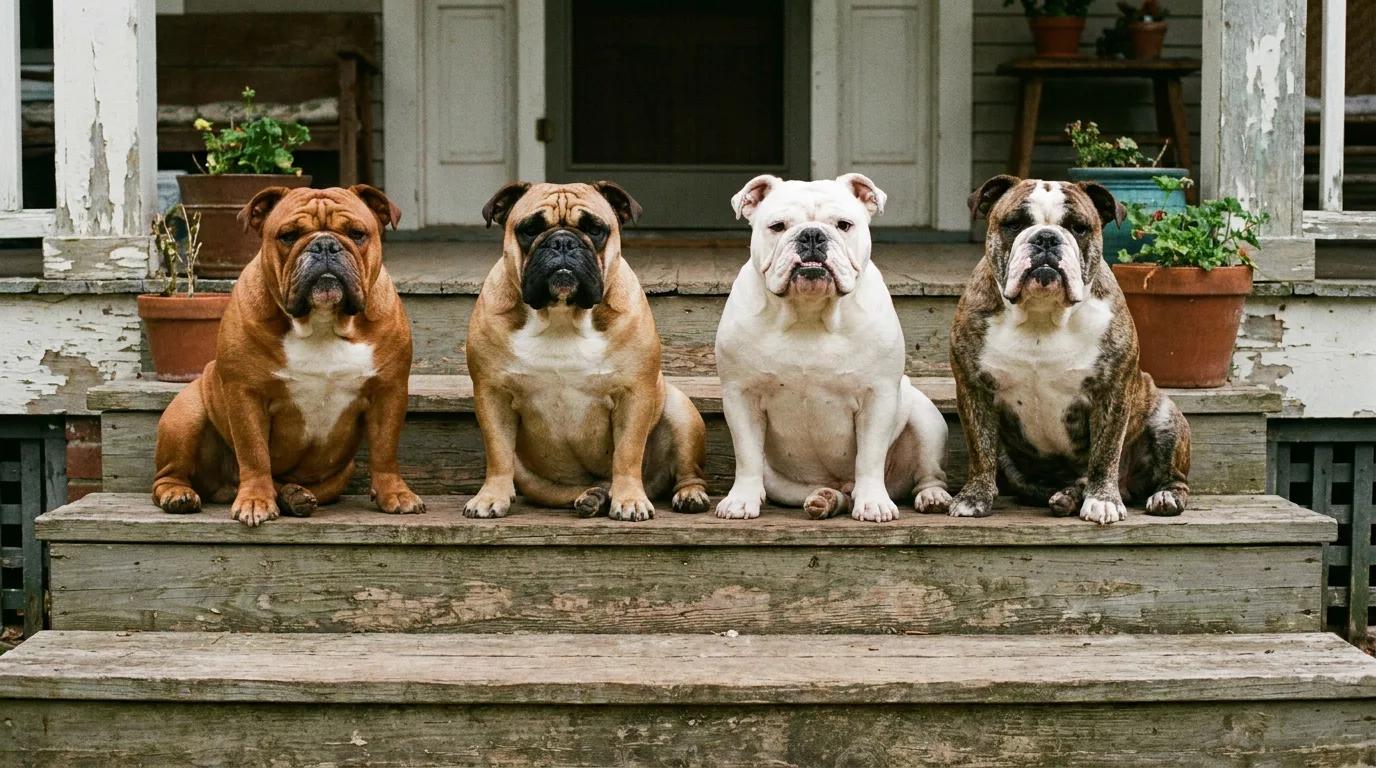
English Bulldog Price: Puppy Cost and Lifetime Budget
The English Bulldog price is only the first line in a larger budget. Compare acquisition, setup, recurring care and health-risk reserves before deciding whether the breed is financially sustainable.

Petful is reader supported. As an affiliate of platforms like Amazon and Chewy, we may earn a commission when you buy through links on this page. There is no extra cost to you.
The English Bulldog price is only the first line in a much larger budget. A puppy or adoption fee may be visible before commitment, but setup, routine care, training, grooming, insurance choices, veterinary treatment and emergency reserves determine whether the household can support the dog over time.
As of November 2026, Lemonade’s English Bulldog breed guide puts a puppy from a reputable breeder at $1,500 to $4,000 and a rescue or shelter adoption at $50 to $300. Expect roughly $650 to $1,300 more in one-time first-year costs, then about $1,100 to $2,300 a year for food, routine veterinary care, grooming and supplies before insurance or treatment. The first purchases are usually a crate, a supportive bed and, for an adult dog, a medium-breed adult food.

Sign up for expert-backed reviews and safety alerts all in one place.
English Bulldog price at a glance
- 1Breeder puppy: about $1,500 to $4,000; rescue or shelter adoption: about $50 to $300 (as of November 2026).
- 2First-year setup adds roughly $650 to $1,300 for initial veterinary care, supplies and training classes.
- 3A typical year of care runs about $1,100 to $2,300 before insurance premiums or treatment.
- 4A high price proves nothing: verify parent health records before paying a deposit.
- 5Test affordability against a higher-care year, not only an average month.
How much does an English Bulldog cost from purchase to old age? This English Bulldog price chart uses Lemonade’s English Bulldog breed and insurance guides (both updated October 2026) and the AKC’s life expectancy of 8 to 10 years. The lifetime rows simply add the purchase and setup ranges to 8 to 10 years of typical annual care. Treat every figure as a national estimate as of November 2026 and replace it with local quotes once you have a specific dog in mind.
| Cost line | Low | High | What it includes |
|---|---|---|---|
| Puppy from a reputable breeder | $1,500 | $4,000 | Purchase price only; transport, deposit fees and tax are extra |
| Rescue or shelter adoption | $50 | $300 | Adoption fee; what it covers varies by group |
| First-year one-time setup | $650 | $1,300 | Initial vet care $300 to $600, supplies $200 to $400, training classes $150 to $300 |
| Annual care, typical year | $1,100 | $2,300 | Food and treats, routine vet care, grooming, toys and supplies |
| Insurance premium, optional | $660 a year | $1,560 a year | About $55 a month at age 1 up to $130 a month at age 7 |
| Higher-care year | $1,500 | $10,800 | Typical year plus one treatment, from skin allergies or dental disease, $400 and up, to a cruciate ligament tear, up to $8,500 |
| Lifetime, breeder puppy | $10,950 | $28,300 | Purchase, setup and 8 to 10 years of typical care; no insurance or treatment |
| Lifetime, adopted puppy | $9,500 | $24,600 | Adoption fee, setup and 8 to 10 years of typical care; no insurance or treatment |
Why is an English Bulldog so expensive? Responsible breeding can involve health screening, veterinary reproductive care, small litters, intensive early care, registration, socialization and support after placement. Those inputs can raise a legitimate breeder's costs. They do not mean every expensive puppy was bred responsibly, and they do not excuse pricing based mainly on color rarity or seller urgency.
Lemonade’s breed guide lists $1,500 to $4,000 for a puppy from a reputable breeder. Individual listings can sit well outside that range, especially when sellers market rare colors, and an advertised number may omit transport, deposits, tax or required services.
Treat the price of an English Bulldog as a figure tied to one named source. A usable purchase price records the exact seller or rescue, date, puppy, contract, inclusions, exclusions and payment terms. A broad internet range can help with planning, but only written terms tell you what a specific transaction costs.
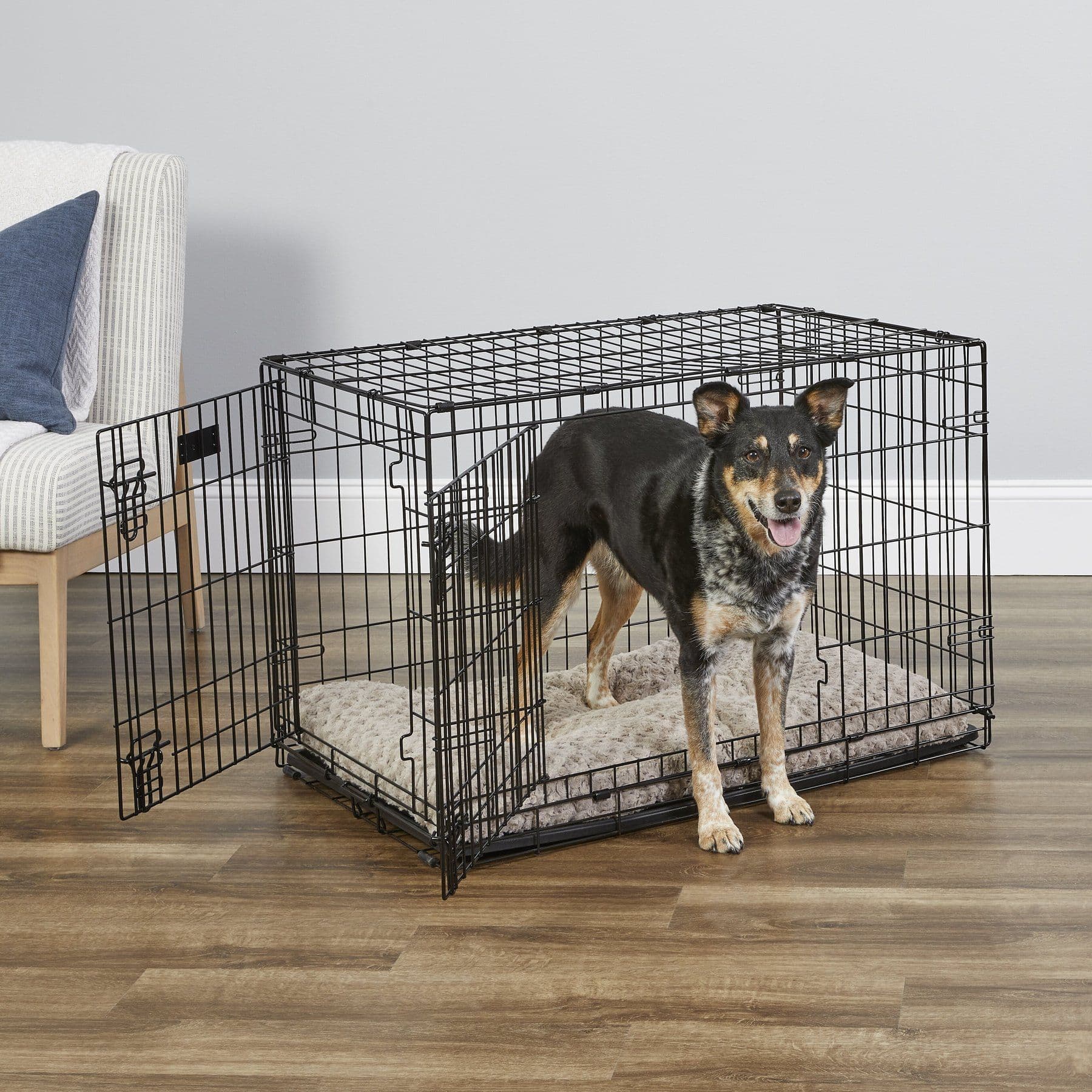
A folding double-door wire crate with a divider and removable tray. Measure your dog and the intended floor space before selecting the 36-inch size.
Petful may earn a commission when you click through to Chewy, at no extra cost to you.
Four-bucket worksheet template
To turn the English Bulldog price chart into a budget for one specific dog, copy these four buckets into a worksheet and fill each line with dated local quotes before paying a deposit.
- Acquisition total: fee, deposit, tax, transport and any required add-ons
- First-year setup: restraint, sleep area, gates, bowls, grooming tools, training and initial veterinary care
- Recurring annual care: food, routine veterinary care, prevention, grooming, pet care and replacement supplies
- Risk reserve: insurance costs and exclusions, deductible, co-insurance or accessible emergency savings
Adoption, rescue and breeder costs
Adoption and breeder prices buy different bundles, so the headline number cannot be compared fairly without an inclusion list. A rescue fee may cover some veterinary care, identification or sterilization. A breeder price may include registration, initial care, a microchip, limited support or none of those. Ask for a written itemization before deciding one path is less expensive.
Separate the cost of getting the dog from every later obligation. A current written quote answers what one transaction costs, while the price chart above shows what keeping the dog is likely to cost each year.
Build the complete acquisition total
Start with the acquisition total. Include every payment required to bring the dog home, even when it is collected by another business. A low listing can become much higher after transport, a mandatory supply package or payment fees. A higher fee may still exclude the next veterinary visit and every household setup item.
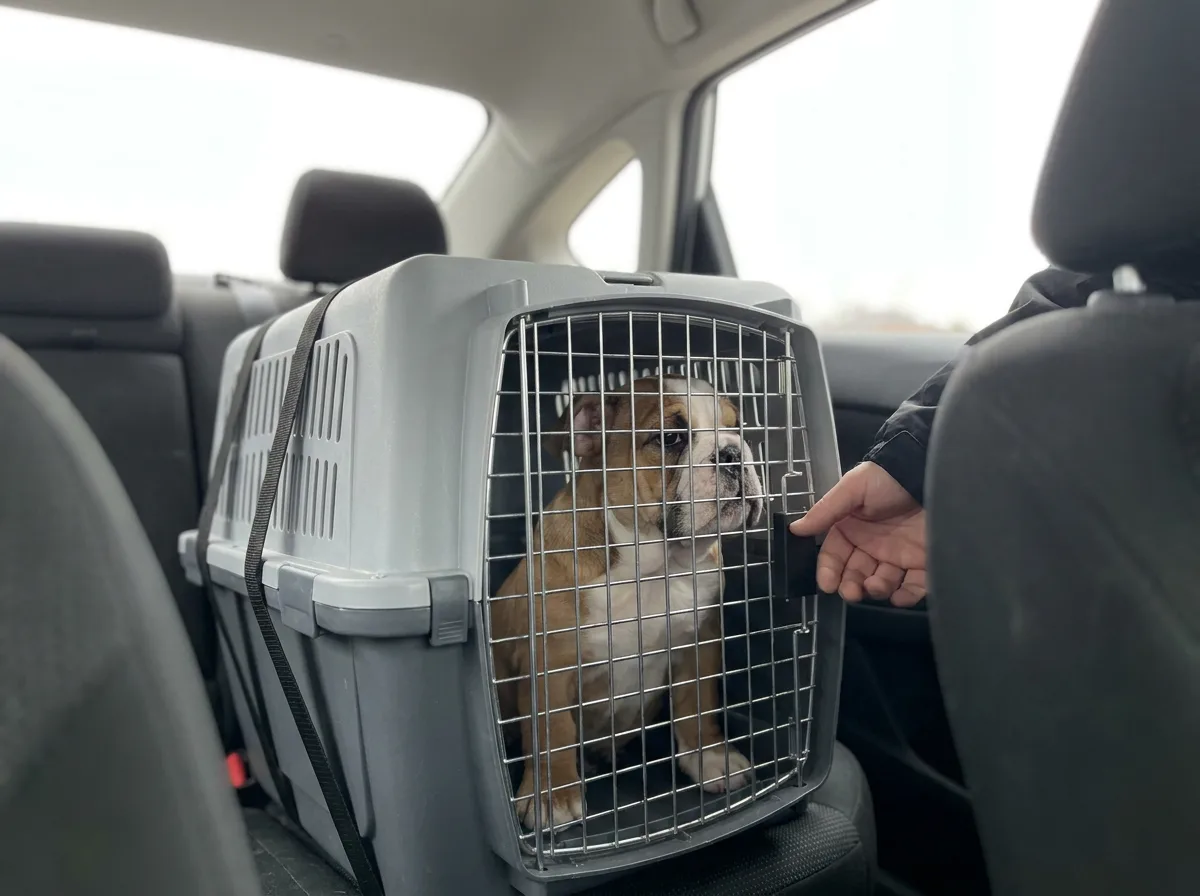
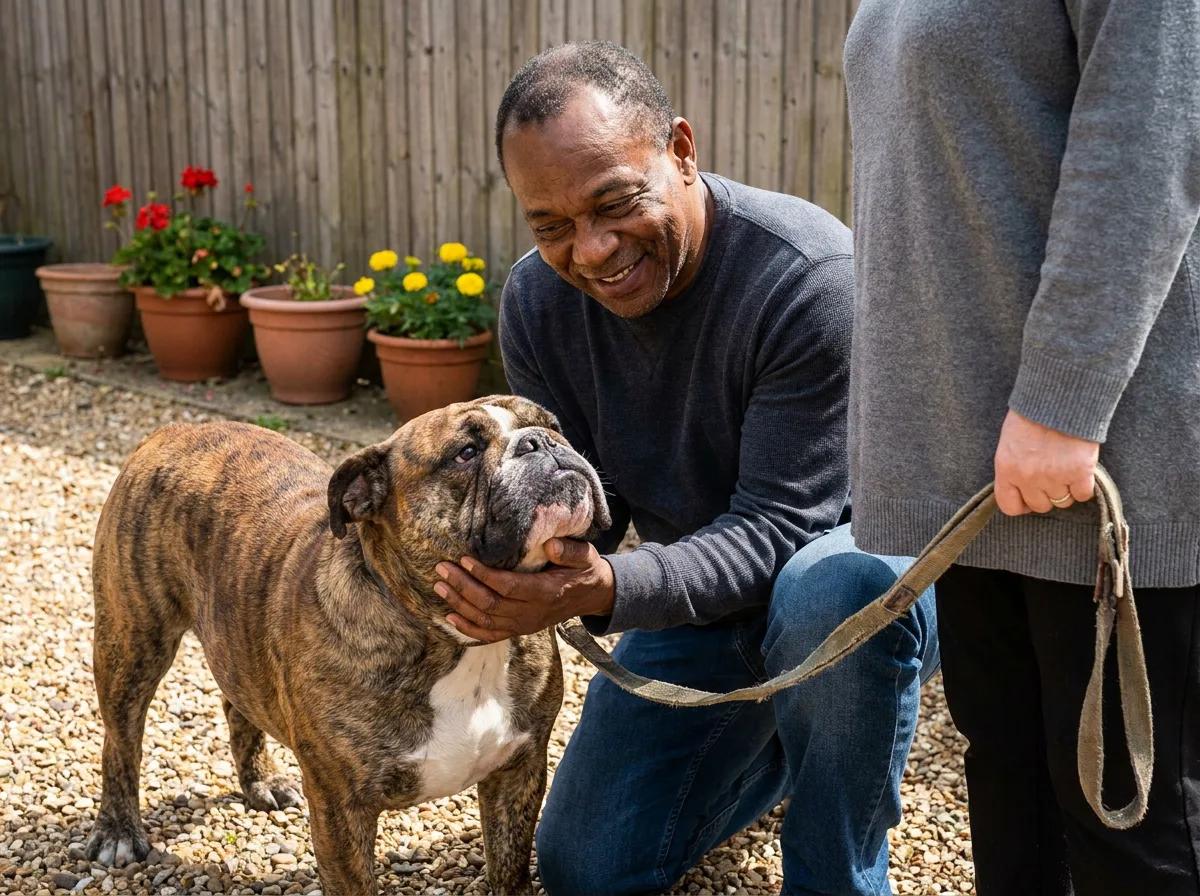
Rescue adoption may lower the acquisition cost, but it does not erase the need for health planning. An adult dog may arrive with useful veterinary records and observed behavior, or with limited history and an immediate need for evaluation. Ask what is documented, what is estimated and what follow-up has already been recommended.
What a rescue fee may include
- Intake examination and treatment already completed
- Vaccination or parasite-control records
- Microchip and registration instructions
- Spay or neuter status, or a documented medical reason for deferral
- Behavior observations from foster or shelter settings
- Return support and adoption counseling
Confirm each item rather than assuming it is universal. Also ask about known medications, diet, mobility, skin, eyes, breathing and scheduled rechecks. A rescue can be transparent without having a complete history.
What a breeder price may include
- The individual puppy and written sales contract
- Registration terms and permanent identification
- Veterinary record, vaccine and parasite-control dates
- Copies or links to parent health-screening results
- A starter amount of familiar food or transition instructions
- A return provision and support after placement
The Bulldog Club of America health-testing guidance and the OFA CHIC program help buyers understand what screening records can be checked. A verbal promise that parents were healthy is not the same as identifiable results.
Questions to ask about a deposit
- Is it refundable, transferable or nonrefundable, and under what exact conditions?
- Does it apply to one named puppy, a litter position or a future litter?
- What happens if the breeder does not offer a puppy matching the contract?
- When is the remaining balance due, and which payment methods are accepted?
- Does the agreement change if a veterinary concern is found before pickup?
- Never let the deposit deadline replace due diligence. Review the full contract, parent records, pickup terms and refund language first. A seller who will not allow enough time to read documents is creating a risk that no discount can fix.
What changes the purchase price
English Bulldog prices can change with location, pedigree, breeder program, contract rights, age, training, transport and demand. Some factors represent real costs. Others are marketing choices. Separate verifiable value from a label designed to create urgency. For a comparison with a related flat-faced breed, see our French Bulldog price guide.
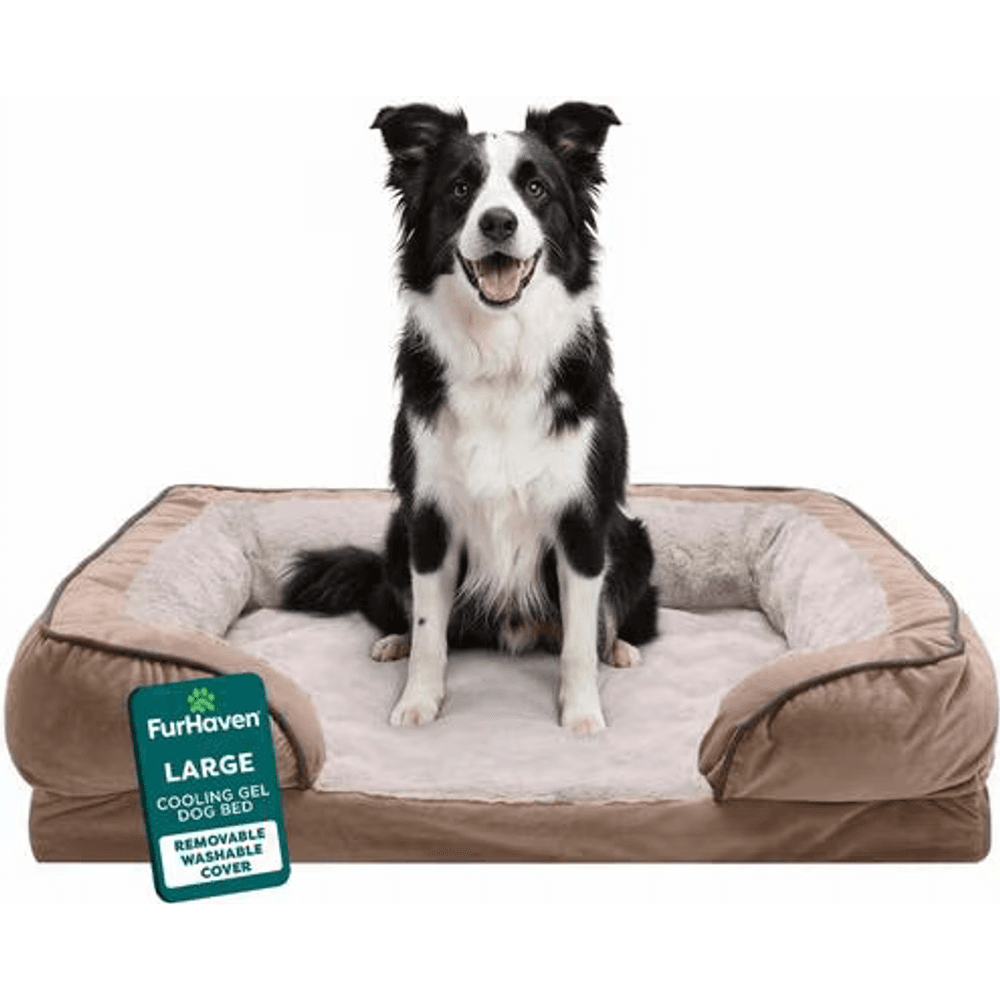
An orthopedic sofa bed with three bolstered sides for dogs who like to rest their head and joints against a cushion. The supportive foam base cradles hips and elbows, a comforting spot for an older or shaky dog to settle.
Petful may earn a commission when you click through to Chewy, at no extra cost to you.
Responsible health screening and veterinary care cost money, but the price itself cannot prove that those steps happened. Ask for names, dates and results. Then evaluate whether the puppy and parents appear able to breathe, move and recover comfortably. The English Bulldog puppies guide provides a functional-conformation checklist and source-verification decision tree.
Health evidence versus price signals
Strong evidence includes registered parent identities, public screening records, veterinary documentation, a transparent contract and direct observation of the dogs. Weak signals include an impressive website, celebrity association, a high fee, a rare-color claim or a guarantee that no health problem will ever occur.
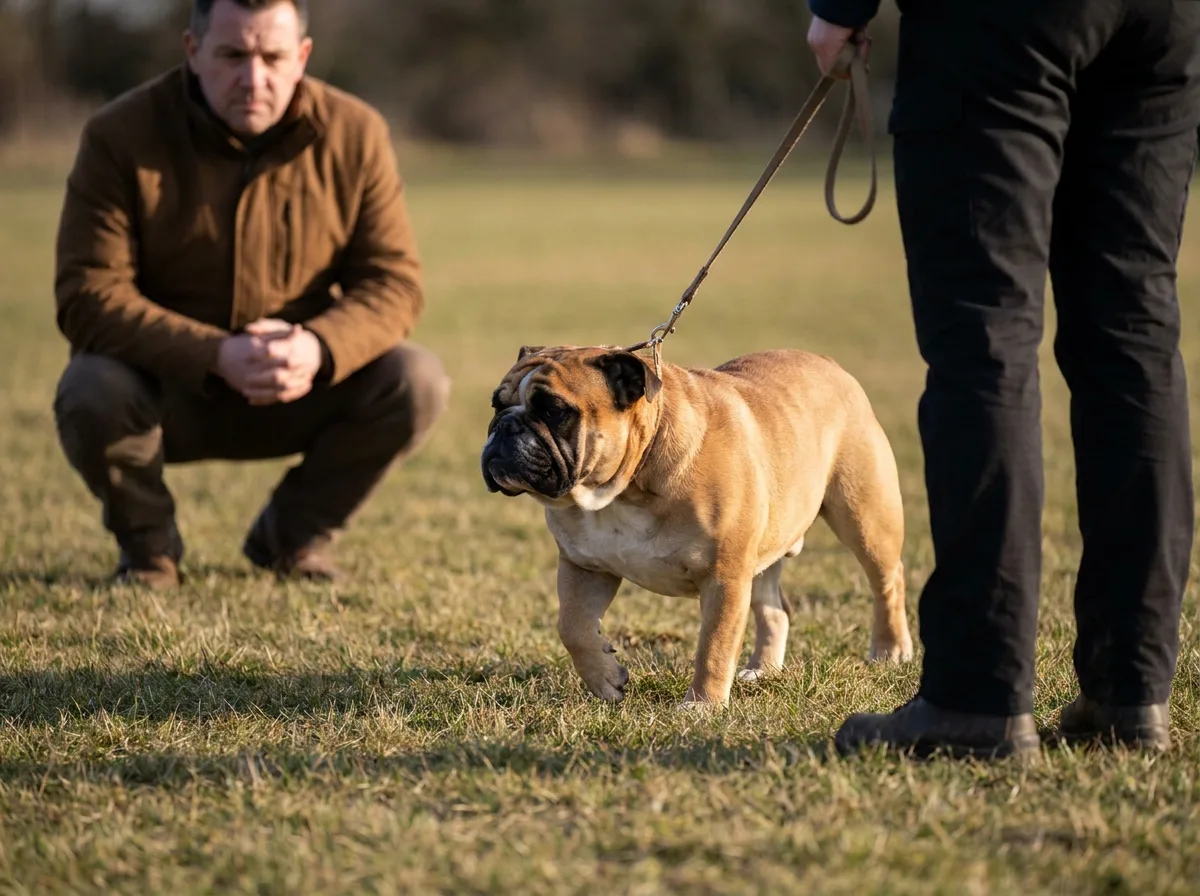
The Royal Veterinary College's VetCompass English Bulldog research summary reports substantially higher disorder risk in the breed than in other dogs. That population finding does not predict one dog, but it makes functional anatomy and a realistic care reserve more important than paying for prestige.
Color and markings
Some sellers price puppies differently by color, markings or presumed rarity. A higher color-based price is not a health credential. The English Bulldog colors guide explains standard colors and markings, pigment, merle-related cautions and why appearance should remain secondary to welfare and records.
Ask for the total price of the puppy you are considering, then compare health and contract evidence without adding value simply because a color is marketed as scarce. If a seller's entire explanation centers on color genetics while avoiding airway function, movement and screening, the conversation is missing the more important evidence.
Pedigree and registration terms
A documented pedigree can help identify ancestry, but it does not guarantee health or household fit. Registration also comes with different contract terms. A companion placement may have different rights from a breeding agreement, and the price can reflect that distinction.
Most households seeking a pet do not need breeding rights. Taking on breeding rights adds health-testing, veterinary, legal, ethical and placement responsibilities that cannot be reduced to an upgrade fee. Read the contract and ask a qualified veterinarian and experienced breed mentor what the responsibility actually involves.
Age and training
An older puppy or adult may be priced differently from a young puppy. That is not automatically a bargain or a concern. Ask why the dog is available, what training has been completed, and what has been observed about breathing, movement, handling, house training and time alone.
Training claims should be demonstrated in ordinary settings. A dog described as house trained may still need transition support, and a dog described as leash trained may behave differently in a new neighborhood. Pay for transparent evidence and support, not a vague label.
Location and transport
Regional demand and business costs affect asking prices. Transport can add airfare, ground travel, lodging, health certificates, a travel crate or professional service fees. It can also add heat and stress risk, particularly for a brachycephalic dog.
Compare a distant puppy with a local option using the full acquisition total. Include the ability to meet the dogs, verify the setting and travel safely. A lower remote price can be poor value if the source cannot be verified or the transport plan is unsuitable.
Seller support and return terms
Lifelong return support has practical value because it gives the dog a safer fallback if circumstances change. Ask exactly what the breeder will do, whether the agreement requires notification before rehoming and what support is offered for training or health questions.
A health guarantee should be read as a contract, not a promise. Note required examination deadlines, exclusions, remedies and whether the only remedy is another puppy. No contract can prevent illness, and a replacement clause does not pay the current dog's veterinary bill.
First-year setup budget
The first-year budget combines one-time setup with costs that repeat before the first anniversary. The most useful list starts with safety and daily care. Decorative items and convenience upgrades come later, after the dog is measured and the routine is known.
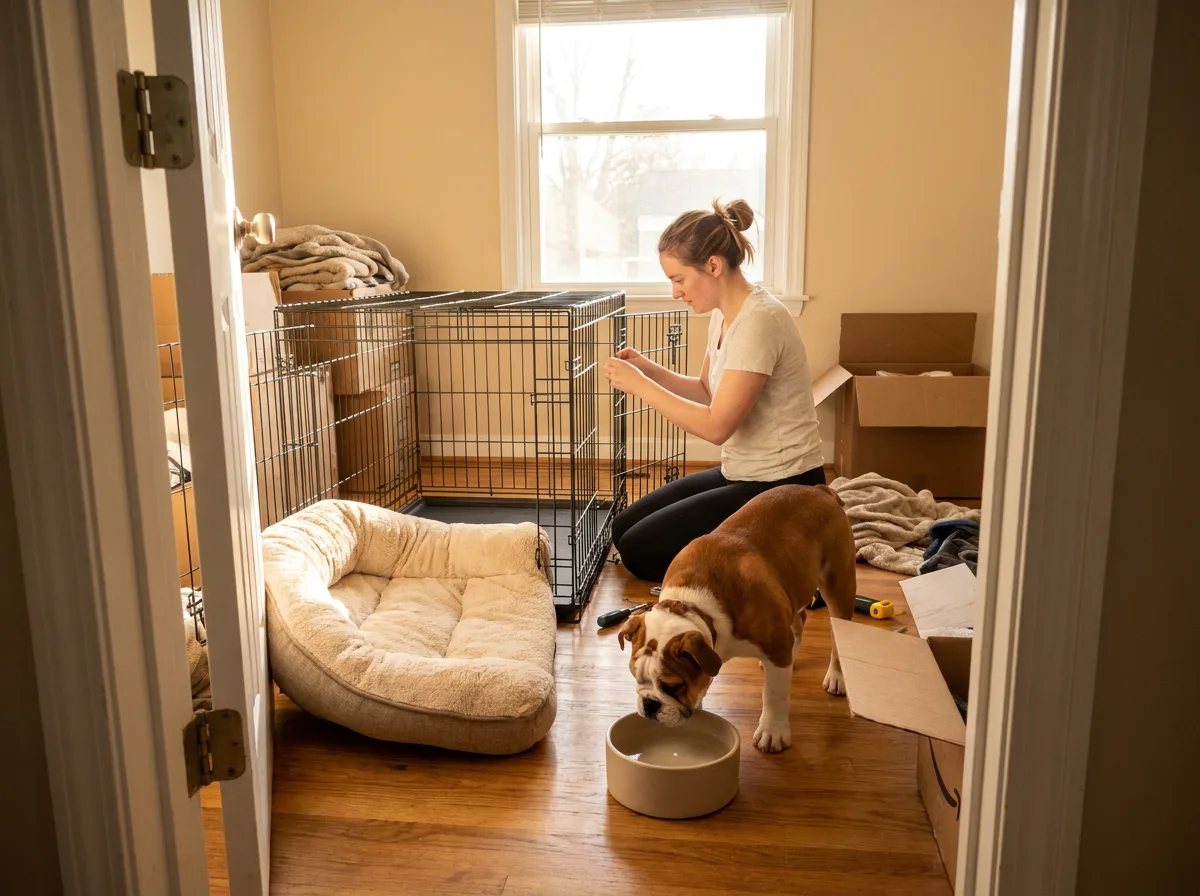
English Bulldogs vary in size and mobility, so generic breed labels are not enough for equipment. Measure chest, neck, length and sleeping position. Choose non-slip surfaces, an accessible bed, climate control and restraint that does not put unnecessary pressure around the neck.
Essential setup categories
- Secure car restraint or appropriately sized travel crate
- Safe sleep area and washable, accessible bedding
- Gates or barriers for stairs and unsupervised rooms
- Food and water bowls suited to the individual
- Harness and leash checked for fit and movement
- Grooming, nail and dental-care supplies
- Identification and local licensing when required
- Reliable cooling and a heat-emergency plan
A MidWest iCrate fold-and-carry crate in the 36-inch size, rated for dogs of 41 to 70 pounds, suits most adults at the AKC standard weights of about 40 to 50 pounds. The crate must allow comfortable standing, turning and lying down. It does not make long confinement appropriate, and airflow and temperature still require supervision.
An accessible FurHaven orthopedic sofa bed is one rest-surface option after checking size, step-in height and washability. An expensive bed is not essential if a simpler washable surface provides support and the dog uses it comfortably.
First veterinary costs
The first visit establishes a relationship and reviews records, body condition, breathing, eyes, skin, joints, parasite prevention and other individual needs. Puppies may have multiple preventive-care visits during the first year. Adult rescue dogs may need diagnostics, dentistry, treatment or medication soon after adoption.
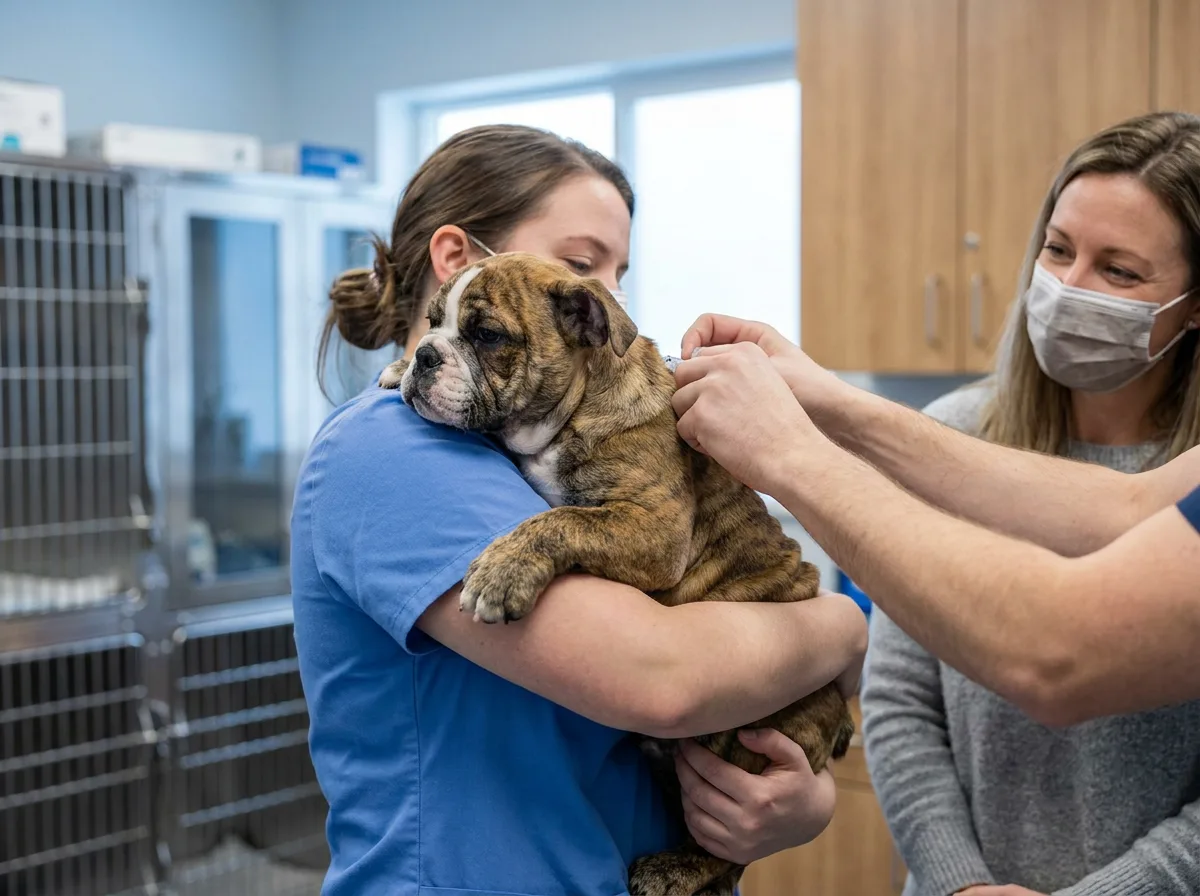
Ask local clinics for exam fees and typical ranges for planned services. Prices vary by region and case. Use written quotes for budgeting while recognizing that an examination can reveal a need that was not predictable from a list.
Insurance research
Pet insurance is a contract, not a general promise to pay veterinary bills. Compare enrollment age, waiting periods, preexisting-condition language, exclusions, annual limits, deductible type, reimbursement percentage, exam-fee handling and claims process.
The premium is only one number. Model a claim by applying the deductible, reimbursement percentage and excluded items to a realistic invoice. Confirm whether the household can pay the clinic before reimbursement and whether premiums may change at renewal. Lemonade’s October 2025 rate data show how typical English Bulldog premiums climb with age.
| Dog's age | Typical monthly premium |
|---|---|
| 1 year | $55 to $60 |
| 2 years | $55 to $60 |
| 3 years | $60 to $65 |
| 4 years | $70 to $75 |
| 5 years | $90 to $95 |
| 6 years | $100 to $105 |
| 7 years | $125 to $130 |
Training setup
Training costs can include puppy class, private help, online instruction, safe transportation and time away from work. Budget for reward-based support early rather than waiting until a repeated behavior becomes difficult. The English Bulldog temperament and training guide helps match support to the actual behavior and household.
Classes should account for vaccination guidance, temperature, flooring and the dog's breathing. More expensive training is not automatically better. Observe methods, credentials and how the professional responds to signs of fear, pain or respiratory effort.
Optional first-year purchases
Optional purchases can include extra beds, apparel, cameras, subscription boxes, specialty storage, decorative bowls and multiple versions of the same toy. Delay them until the dog's size, chewing style and routine are clear.
Put each optional item through three questions: Does it solve a real problem? Is it safe for this dog? Does buying it reduce the health reserve? If the third answer is yes, the reserve wins.
Monthly and annual care
Recurring costs should be converted into monthly sinking funds even when bills arrive annually. Add food, routine veterinary care, parasite prevention, licensing, insurance, grooming, training refreshers, pet care and replacement supplies. Then include a contingency for price changes.
| Category | Per year | Monthly set-aside |
|---|---|---|
| Food and treats | $400 to $700 | About $35 to $55 |
| Routine veterinary care | $500 to $1,000 | About $42 to $83 |
| Professional grooming | $100 to $300 | About $8 to $25 |
| Toys and supplies | $100 to $300 | About $8 to $25 |
| Typical year, total | $1,100 to $2,300 | About $92 to $192 |
Monthly set-aside is the yearly range divided by 12 and rounded; the food row uses Lemonade’s own monthly estimate.
Ownership costs differ by individual because anatomy, age, health, location and household logistics change the service mix. One dog may need mostly home grooming and routine visits. Another may need regular dermatology care, medication, specialty consultation or help with mobility.
- Ask local providers for current quotes, read the insurance contract and track the dog’s actual spending. Revisit the budget every six months and after any diagnosis, move, policy renewal or care-plan change.
Food and treats
Food cost depends on the product, amount fed, body condition and veterinary plan. Measure portions and include training treats. Avoid estimating from bag price alone because bag size, calorie density and daily amount determine the actual cost per day.
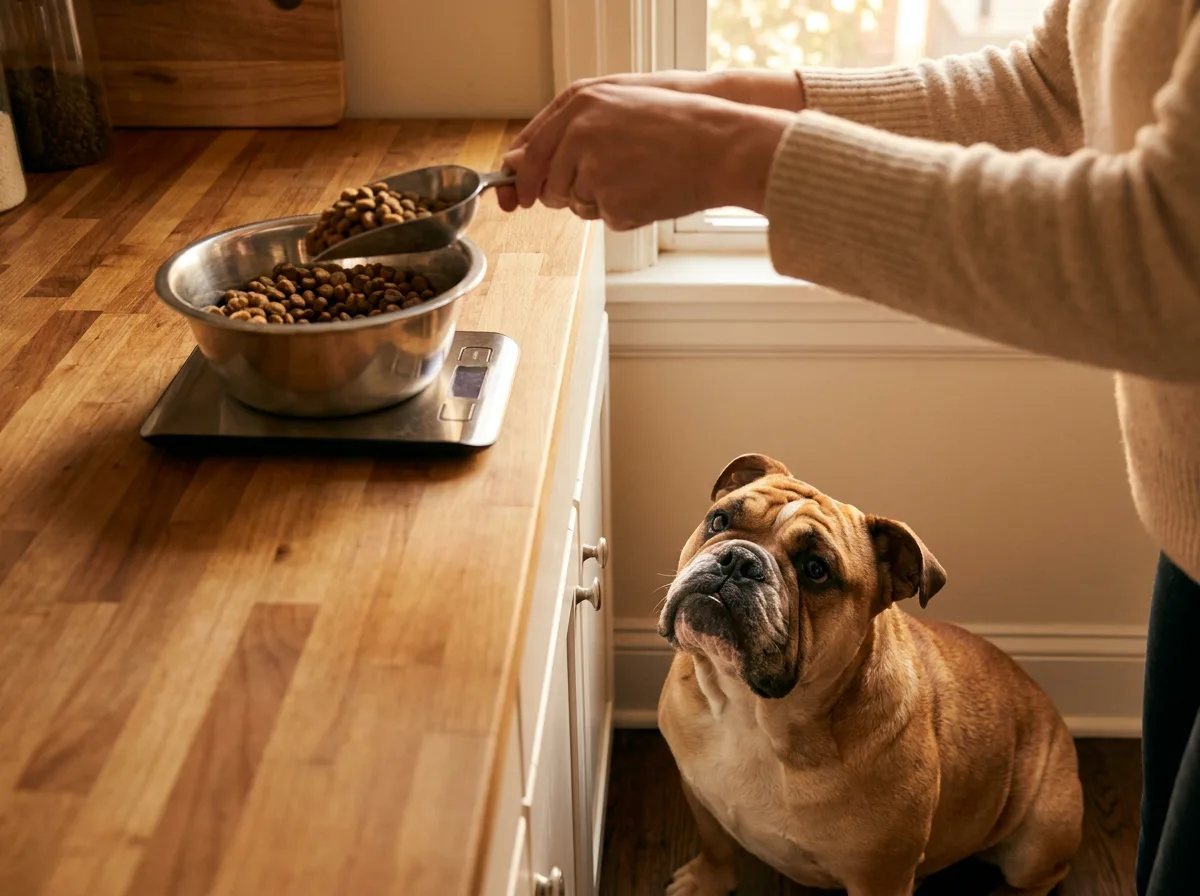
For food budgeting, record the exact current diet, price, amount consumed and waste. A therapeutic diet, if prescribed, can change the recurring budget substantially.
Preventive veterinary care
Annual or more frequent examinations, vaccination decisions, parasite prevention, laboratory work and dental planning vary by age, health and local risk. Ask the veterinarian for a written preventive-care plan and update the sinking fund from that plan.
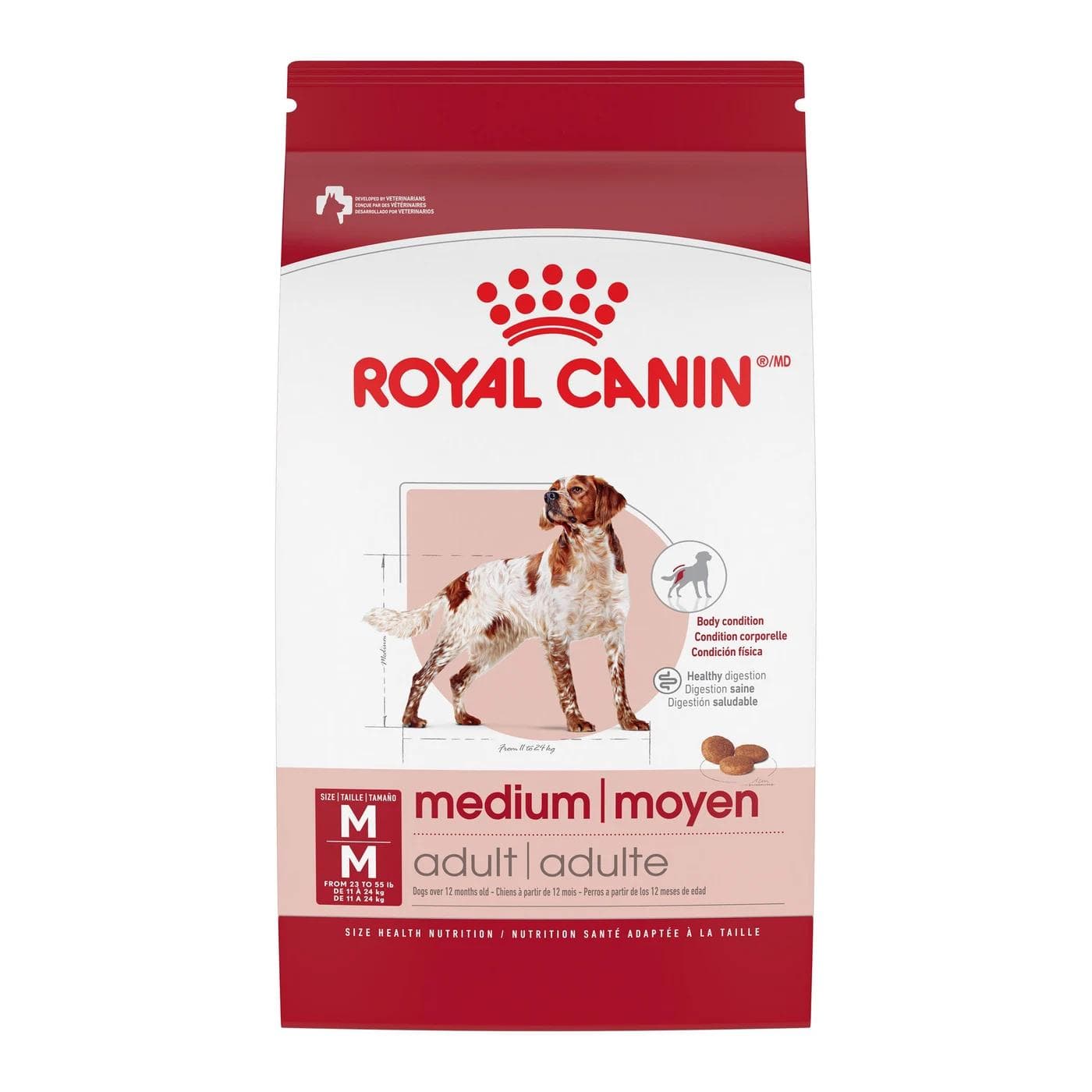
Precision nutrition for 23-55 lb dogs from the most science-heavy brand in the aisle. Vets recommend it; ingredient-readers wince at the deck. Both are reacting to the same food.
Petful may earn a commission when you click through to Chewy, at no extra cost to you.
Routine care is not interchangeable with the emergency reserve. Using all savings for a planned annual visit leaves no capacity for an eye injury, breathing episode or gastrointestinal emergency. Keep the categories separate even when the money sits in the same account.
Medication and chronic-care costs
Some dogs need ongoing medication, prescription products, monitoring tests or specialist follow-up. Prices vary by dose, pharmacy and region. Ask for the expected monitoring schedule as well as the medication price, because bloodwork or rechecks can be a large part of chronic-care spending.
Do not reduce or stop prescribed treatment to meet a budget without speaking with the veterinarian. Ask about safe alternatives, generic options, pharmacy comparison and staged diagnostic plans when appropriate. A transparent budget conversation is part of care.
Home maintenance and cleaning
Short coats still shed, and Bulldogs may drool or need skin-fold care. Budget for washable bedding, laundry, suitable cleaning products and replacement grooming tools. The English Bulldog shedding guide distinguishes routine coat work from skin signs that need veterinary assessment.
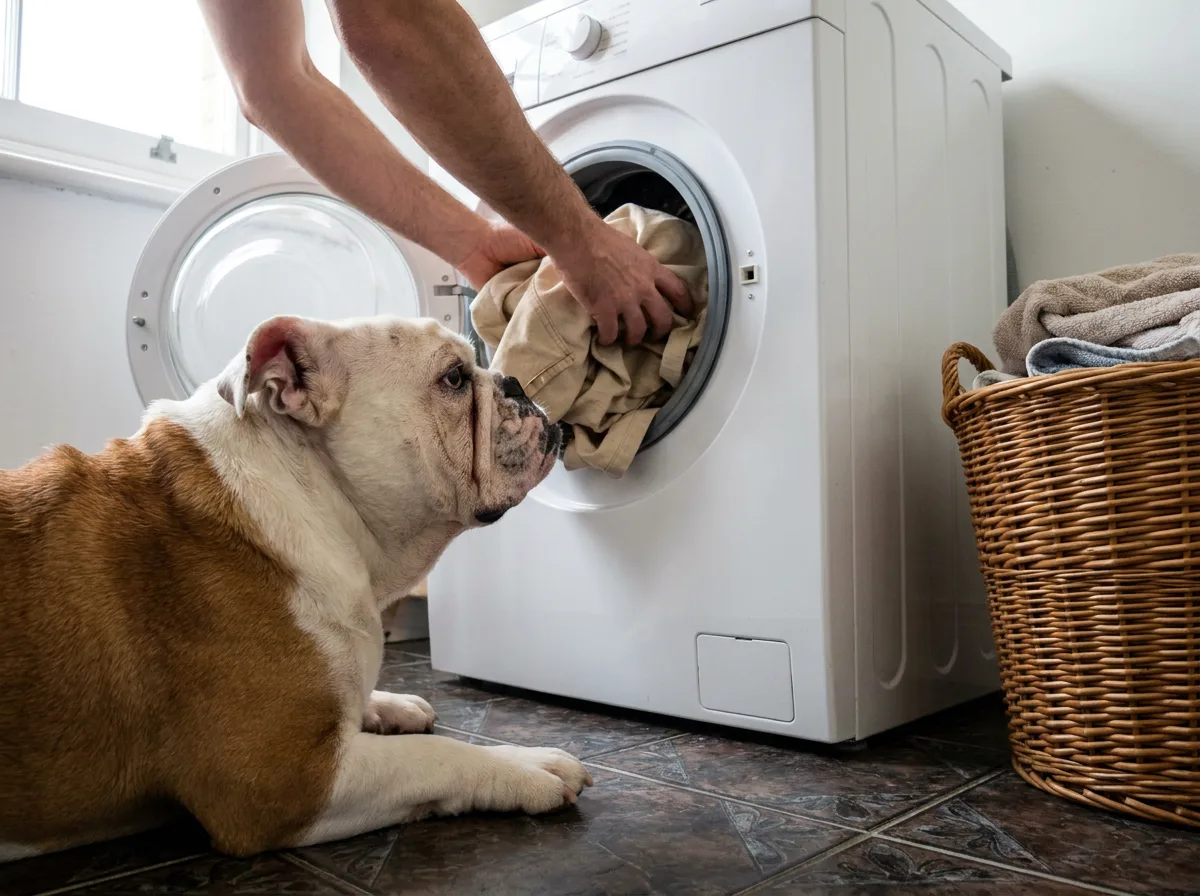
Home care can reduce professional-grooming frequency when it is safe and effective, but it still consumes time and supplies. Treat time as a real resource. A low-cost plan that no one can sustain is not an affordable plan. A quiet nail grinder is one home tool that can replace some paid nail trims once the dog accepts it.
Pet care, boarding and travel
Day care, dog walking, sitting and boarding can become major recurring costs for households with long workdays or frequent travel. Not every facility is appropriate for a brachycephalic dog. Ask about climate control, supervision, exercise, medication and emergency procedures.
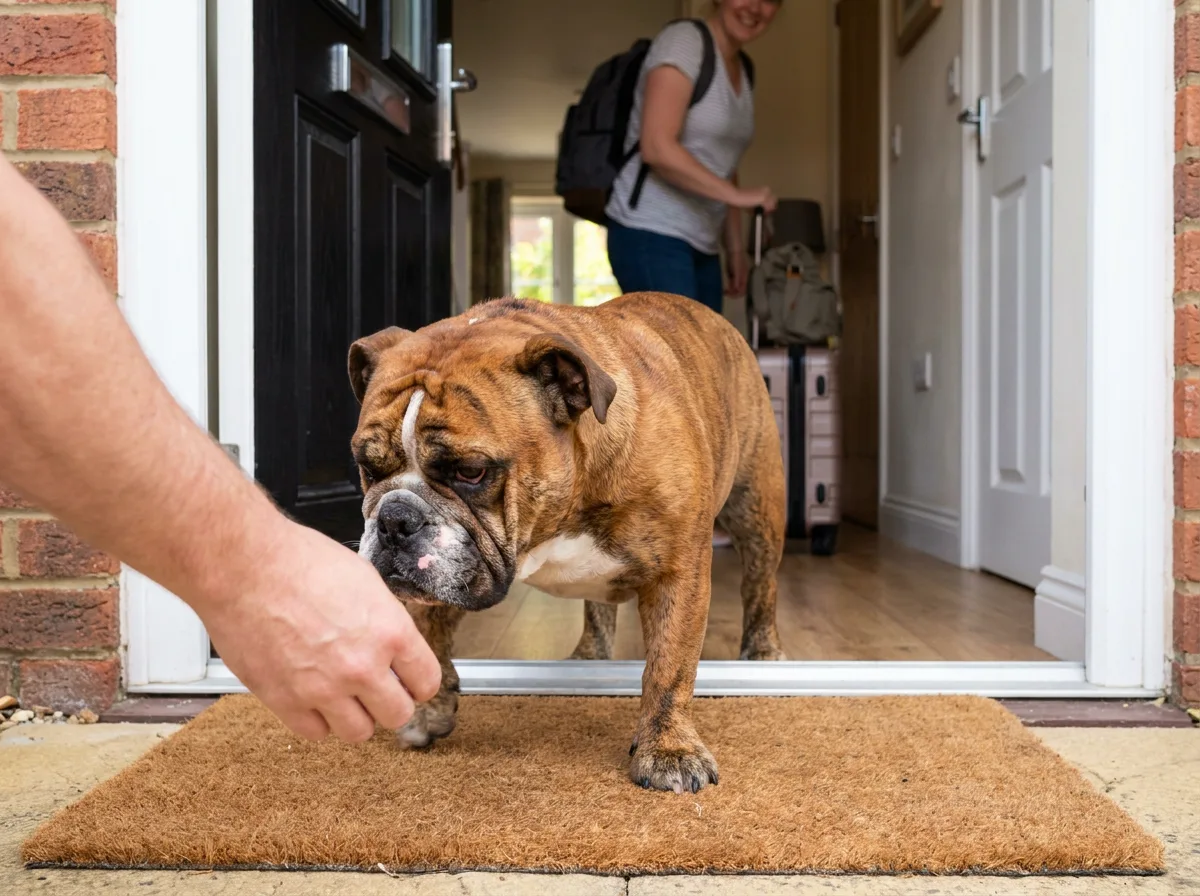
Travel with the dog can include vehicle restraint, climate control, pet fees and route changes. Air travel may be restricted or unsuitable. Price the actual recurring travel pattern before assuming family or friends will provide free care.
Licensing and housing
Local licensing, deposits, pet rent, liability rules and insurance restrictions vary. Obtain housing terms in writing before commitment. A move can turn a previously small line into a major cost if suitable pet-friendly housing is limited.
The broader English Bulldog breed profile covers apartment, stair, climate and household fit. Those practical constraints can be more important than the purchase amount.
Training and grooming expenses
Training and grooming costs are often underestimated because owners expect to do everything at home. Home care can work, but the budget should include instruction, equipment and backup help. Illness, injury, behavior or schedule changes may make professional support necessary.

Training expenses by stage
Puppy costs may include socialization class, foundation manners and one or two private sessions to address the home setup. Adolescents may need help with leash walking, visitors or frustration. Adults may benefit from cooperative-care training or support after adoption.
Ask whether the trainer uses reward-based methods, has experience recognizing health-related behavior changes and can adapt sessions for breathing and heat. Price follow-up, travel and equipment as well as the first appointment. A treat pouch and a long training leash for recall practice are small one-time equipment lines worth adding.
Grooming expenses by task
Routine coat brushing may be inexpensive at home. Skin-fold, ear, nail and dental care require skill and consistency. Professional nail trims, bathing or grooming may be useful when handling is difficult, but new pain, odor, redness or discharge belongs with a veterinarian.
Keep separate lines for routine grooming and medical skin care. Shampoo, wipes and brushes cannot treat every problem, and repeatedly buying new products can cost more than an appropriate examination.
Equipment fit and replacement
Bulldogs can have broad chests and individual movement limitations. Harnesses, beds and crates need actual measurements. Puppies may outgrow equipment quickly, while adults may need changes after weight or mobility shifts.
A PetSafe Easy Walk harness is one possible walking item after checking shoulder clearance, chest fit and skin contact. Equipment should support training and comfort, not be used to pull a struggling dog through exercise.
Veterinary care and emergency reserves
Veterinary planning is the part of an English Bulldog budget most likely to expose false affordability. Routine visits can be estimated from local quotes. Urgent and specialist care is unpredictable, so the household needs a method for absorbing a large bill without delaying treatment.
The English Bulldog health and lifespan guide explains airway, skin, eye, orthopedic and life-stage considerations in depth. Use it to identify questions for the veterinarian, not to self-diagnose or predict a particular dog's lifetime cost.
Choose a risk-financing method
Most households use one or more of these approaches:
- Pet insurance plus funds for deductible, co-insurance and excluded care
- A dedicated emergency savings account
- An accessible credit option with understood interest and limits
- A combination that covers immediate payment and longer reimbursement timing
The method only works if the funds are available when the emergency occurs. A credit limit already used for household expenses is not a reserve. An insurance policy that excludes the current condition may still help with unrelated future events, but the exclusion must be understood.
Model a difficult invoice
Do not stop at “we have insurance.” Work one hypothetical invoice through the policy:
- Pick a realistic bill, such as cherry eye or disc disease from the treatment-cost table below.
- Subtract every item the policy excludes.
- Apply the deductible, then the reimbursement percentage.
- Calculate what the household pays at the clinic and how long reimbursement may take.
Repeat the exercise for a condition excluded by the policy. The purpose is not to predict a specific disease. It is to test whether the financing plan still protects the dog when the contract does less than expected.

Collapsible silicone travel bowl with a carabiner that clips to a leash or bag, so your dog always has fresh water on walks, hikes, and car trips.
Petful may earn a commission when you click through to Chewy, at no extra cost to you.
Emergency access
Know which emergency clinic can evaluate a brachycephalic dog, how far away it is and how payment works. Keep transport and climate control available. Breathing difficulty, blue or gray gums, collapse, repeated unproductive retching, severe weakness, uncontrolled bleeding or obvious eye pain can require urgent care.
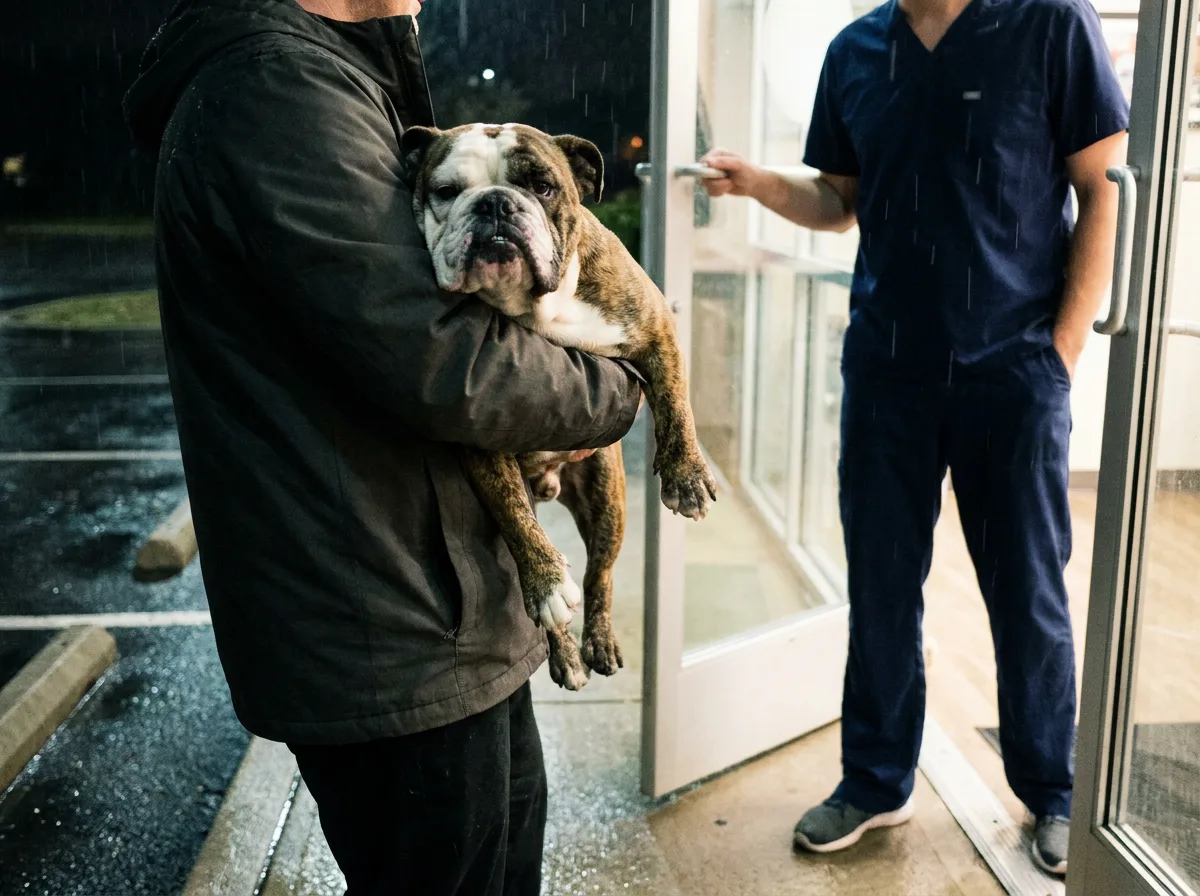
An emergency reserve should not be tied up in a deposit, vacation or optional supplies. Keep it in its own budget line and restore it after use. If maintaining it is impossible, the timing of acquisition may be wrong even when the purchase fee is affordable.
Specialist and referral planning
A primary veterinarian may recommend ophthalmology, dermatology, surgery, rehabilitation or another specialty. Ask about consultation fees, diagnostics, follow-up and travel. Some regions require a long drive or overnight stay, which adds logistics and cost.
Referral does not mean every dog will need surgery. It means the budget recognizes that expertise and advanced diagnostics may be appropriate. Early planning creates more choices than searching for funds during a crisis.
A realistic lifetime budget
A realistic lifetime budget is a range of scenarios, not one impressive total. Using the chart above, a Bulldog bought as a puppy from a breeder costs roughly $10,950 to $28,300 over an 8 to 10 year life before insurance and treatment, and adopting a puppy lowers that to about $9,500 to $24,600. Then build a higher-care year and a transition year and decide whether the household can fund all three without sacrificing essential care.
- Keep purchase, setup, yearly care and the health reserve in separate budget lines. Recalculate with dated local quotes and confirm essential care stays affordable in a higher-care year, which the chart above puts at $1,500 to $10,800.
Separating these costs matters because they arrive at different times. Acquisition happens once. Setup is front-loaded but repeats when equipment wears out or needs change. Recurring care continues every year. The health-risk reserve must remain available throughout life.
Scenario 1: Baseline adult year
Include routine food, prevention, examinations, licensing, insurance or reserve contributions, grooming supplies, replacement equipment and ordinary pet care. Use actual local quotes and the individual dog's consumption. Using Lemonade’s category estimates, that baseline lands around $1,100 to $2,300 a year before insurance premiums.
Then add a price-change buffer. Food, premiums, services and housing costs can rise. A plan that balances only when every price stays fixed is too narrow.
Scenario 2: Higher-care year
Add an urgent visit, diagnostics, medication, specialist consultation, repeated rechecks or professional help with care. Do not assume insurance pays everything. Apply the real policy terms or fund the scenario directly from accessible savings. Lemonade’s published treatment ranges for English Bulldogs show how wide a single bad year can be.
| Condition | Typical treatment cost |
|---|---|
| Cherry eye | $500 to $900 |
| Entropion (rolled-in eyelids) | $500 to $2,000 |
| Skin allergies | $400 to $1,500 |
| Dental disease | $400 to $1,500 |
| Hemivertebrae | $800 to $3,500 |
| Heat stroke | $1,500 to $4,500 |
| Bloat (GDV) | $2,500 to $7,500 |
| Intervertebral disc disease (IVDD) | $2,500 to $8,000 |
| Cruciate ligament tear | $1,200 to $8,500 |
This scenario tests resilience. It is not a prediction that the dog will have a particular disorder. It acknowledges the breed's documented health burden and the universal possibility of accidents or illness.
Scenario 3: Household transition year
Model a move, job change, pregnancy, caregiver illness or extended travel. Add pet deposits, dog walking, boarding, transportation and schedule support. The dog still needs care when the household's time and income are under pressure.
Write down who can help and what that help would cost if family support disappears. Backup care is more reliable when it is practiced before an emergency.
Scenario 4: Senior year
Older dogs may need more frequent examinations, diagnostics, medication, mobility support, dental care or changes to the home. They may also need professional pet care from someone able to manage medication and observe breathing or comfort.
The exact pattern is individual. Create a senior sinking fund while the dog is younger rather than waiting for age-related needs to arrive. Pet stairs for a favorite sofa or bed are a common senior-year purchase worth pricing early.
Convert annual costs to monthly targets
List every annual or irregular expense, divide it into monthly contributions and automate transfers when possible. Keep separate labels for routine care and emergencies. This makes a large renewal or preventive-care bill part of the plan rather than a surprise.
Review the worksheet every six months. Replace estimates with actual spending, update policy terms and adjust for diagnoses, moves or new care needs. A budget is useful because it changes with evidence.
Run a household cash-flow stress test
Affordability depends on timing as well as the lifetime total. Put each expected charge on a calendar: deposit, final payment, first veterinary visit, insurance premium, preventive care, licensing, training and any annual renewals. Then compare those dates with income and existing household obligations.
Next, move one large veterinary invoice into the same month as a household repair or income disruption. Decide which funds cover immediate payment and which expenses can be postponed safely. Food, prescribed medication, climate control and necessary care stay in the essential column.
The stress test should also include time. A lower-cost home-grooming or training plan still requires a capable adult and a workable schedule. If overtime, travel or caregiving reduces that time, price the backup service rather than leaving the task blank.
Set decision thresholds before shopping
Choose a maximum acquisition total that leaves the setup budget and risk reserve intact. Choose a minimum emergency balance that cannot be used for a deposit. Define which health and contract evidence must be present regardless of price.
These thresholds reduce the influence of a charming puppy or limited-time claim. They also make two offers easier to compare. An option that exceeds the acquisition cap or fails the evidence threshold is not made affordable by reducing the veterinary reserve.
Track cost per care outcome
Record what each recurring expense accomplishes. A training session should produce a plan the household can practice. A grooming appointment should complete tasks safely and identify concerns. An insurance premium should be evaluated against the actual contract, not simply kept because it has always been paid.
This review is not an invitation to remove care that is working. It is a way to replace unused subscriptions, duplicate supplies and poor-fit services with spending that protects the dog. Ask the relevant professional before changing a veterinary, nutrition or behavior plan.
Essential versus optional spending
Essential spending protects health, safety, nutrition, identification, housing and humane daily care. Optional spending adds convenience, variety or style. The categories can change by dog. A ramp may be optional for one adult and essential for another with mobility needs.
Use the veterinarian and the dog's behavior to classify borderline items. Avoid calling a product essential because it is marketed for Bulldogs. Breed-branded packaging is not evidence that the item fits the individual.
Usually essential categories
- Appropriate food and water access
- Veterinary care and prescribed treatment
- Safe restraint, identification and housing
- Climate control and a heat-safety plan
- Basic grooming and cooperative-care support
- Training or behavior help when safety or welfare requires it
- Emergency payment capacity
Usually optional until proven useful
- Multiple decorative collars or outfits
- Subscription boxes
- Breed-themed furniture and accessories
- Duplicate toys that serve the same purpose
- Premium features that do not improve fit or safety
- Color-based purchase premiums
A small Frisco silicone collapsible travel bowl can be a low-cost outing tool when its capacity suits the dog, but reliable water access is the essential outcome. The specific bowl is optional.
Ways to lower costs without lowering welfare
The safest savings come from planning, prevention and avoiding purchases that do not fit. They do not come from skipping veterinary care, choosing an unverifiable source or ignoring early warning signs.
Use records before paying
Verification costs little compared with acquiring a dog from an irresponsible source. Confirm identities, health results, contract terms and pickup arrangements before a deposit. Walk away when evidence is missing, even if the price is framed as a limited bargain.
Buy after measuring
Measure before buying crates, harnesses and beds. Keep receipts and return windows. Delay duplicate accessories until the dog's preferences and chewing behavior are known.
Learn routine care correctly
Ask the veterinary team or groomer to demonstrate safe brushing, fold inspection, nail care and toothbrushing. Cooperative-care training can make home maintenance more practical. New pain or infection signs still need professional assessment.
Compare total cost, not unit price
A larger food bag may cost less per pound but create waste. A low insurance premium may have a high deductible or broad exclusions. A distant puppy may add transport and lodging. Compare the cost per useful outcome. An airtight food storage container keeps a large bag fresh until the last scoop.
Maintain body condition
Follow the veterinary nutrition and exercise plan. Appropriate body condition supports mobility and breathing and can prevent wasteful overfeeding. It is not a guarantee against disease, but it is a controllable part of care. Weighing each serving of a medium-breed adult dog food keeps portions from creeping upward.
Address problems early
Delaying evaluation can allow a manageable concern to become more complex. Keep baseline notes and contact the veterinarian when breathing, eyes, skin, movement, appetite or behavior changes. Early care is a welfare decision first and may also reduce avoidable cost.
Financial warning signs before acquisition
Pause if the purchase requires using the emergency reserve, carrying high-interest debt without a repayment plan or assuming future income. Also pause if the household cannot quote local routine care, insurance terms or emergency payment options.
Financing can make a fee look smaller by converting it into a monthly payment. Calculate total interest, fees, late-payment terms and whether the loan competes with the dog's care budget. Approval for credit does not prove affordability.
A practical pause checklist
- The deposit would empty savings intended for emergencies.
- The plan depends on insurance covering a preexisting concern.
- Housing permission or pet fees are not confirmed.
- No one has priced emergency or specialist access locally.
- The seller's deadline prevents record and contract review.
- The household is counting on free pet care that has not been agreed.
Choosing to wait protects both the household and the dog. The market will offer other opportunities. A rushed commitment can lock in costs and welfare risks for years.
Compare two English Bulldog options fairly
Create one worksheet per dog. Use the same headings, the same time horizon and the same evidence standard. Do not let one seller's polished package hide excluded costs that another source states openly.
Acquisition comparison
Record the asking price, deposit, refund terms, tax, transport, registration, records, identification, included care and pickup requirements. Mark every unknown. Unknown is not zero.
Evidence comparison
List parent identities, health results, contract protections, current veterinary findings and observations of breathing and movement. Do not convert a higher price into a better evidence score.
First-year comparison
Add equipment, veterinary care, food, training, licensing, insurance and pet care. One dog may need different equipment or immediate treatment. Use the individual information available.
Lifetime-risk comparison
Model recurring costs and a higher-care year. Do not claim that one puppy will cost less over life because of appearance, sex or color. Health screening reduces uncertainty in a breeding decision but does not create a guarantee.
Related English Bulldog decisions
Price cannot answer whether the breed fits the household. The English Bulldog breed profile covers breathing, heat, grooming and daily life. Family compatibility and handling preferences belong in the temperament and training guide, not in a seller's price explanation.
Lifespan estimates and health planning belong in the English Bulldog health guide. Appearance questions, including claims about rare colors, belong in the English Bulldog colors guide. Mixed-breed variability, adult size and grooming workload each have separate evidence needs.
Related English Bulldog guides
Sources
- American Kennel Club Bulldog breed information
- Bulldog Club of America health testing
- Royal Veterinary College VetCompass English Bulldog research summary
- OFA CHIC program
- Lemonade English Bulldog breed guide: purchase, setup and annual cost estimates (updated October 2026)
- Lemonade English Bulldog pet insurance guide: premiums by age and typical treatment costs (updated October 2026)
Questions readers ask
Plan on about $1,500 to $4,000 for a puppy from a reputable breeder, or $50 to $300 to adopt, based on Lemonade’s breed estimates as of November 2026. Add roughly $650 to $1,300 for first-year setup and about $1,100 to $2,300 for each year of routine care. Over an 8 to 10 year life, a breeder puppy totals roughly $10,950 to $28,300 before insurance and treatment.
The English Bulldog price reflects costly breeding. Parent health screening, veterinary reproductive care, small litters and weeks of intensive early care all raise a breeder’s costs, and strong demand plus color marketing push some listings higher still. A high price alone proves nothing, though. Ask for named parent screening results, read the contract and watch the puppy and parents breathe and move before you pay a deposit.
A typical adult year runs about $1,100 to $2,300: food and treats $400 to $700, routine veterinary care $500 to $1,000, professional grooming $100 to $300 and toys and supplies $100 to $300, according to Lemonade’s breed estimates. Insurance premiums and treatment come on top, and a single problem such as cherry eye or disc disease can add hundreds to several thousand dollars.
Lemonade reports English Bulldog owners typically paying about $55 to $60 a month at ages 1 and 2, $70 to $75 at age 4 and $125 to $130 at age 7, based on October 2025 rate data. Your quote depends on location, deductible and reimbursement level. Run one realistic invoice through the policy terms, including any preexisting-condition exclusions, before deciding the premium is worth it.

Coreen Saito is a pet writer and longtime shelter volunteer with more than a decade in animal rescue. She covers cat behavior, breed care, and the small, ordinary science of sharing a life with companion animals, with a particular focus on honest takes about the products and decisions that actually matter. At home in Arizona, she's outranked by Mac (a dog with the loudest opinion in the house), Rebel (a cat who governs by quiet authority), and Meri (an orange tabby who runs the late shift and the laundry basket). She writes about all three, plus the rescues that keep coming through her life, at LifeWithMinty.com.
Sign up for expert-backed reviews and safety alerts all in one place.