English Bulldog Mixes: Traits, Sizes and Care
English Bulldog mixes can inherit a wide range from both parents. Compare likely size, coat, exercise, temperament, health questions and household fit without trusting a designer label to predict one dog.

Petful is reader supported. As an affiliate of platforms like Amazon and Chewy, we may earn a commission when you buy through links on this page. There is no extra cost to you.
English Bulldog mixes attract people who like the Bulldog’s compact presence but hope another breed will change size, coat, energy or health. That hope is not a prediction. Mixed inheritance is variable, and the responsible approach is to evaluate both parent breeds and the individual dog.
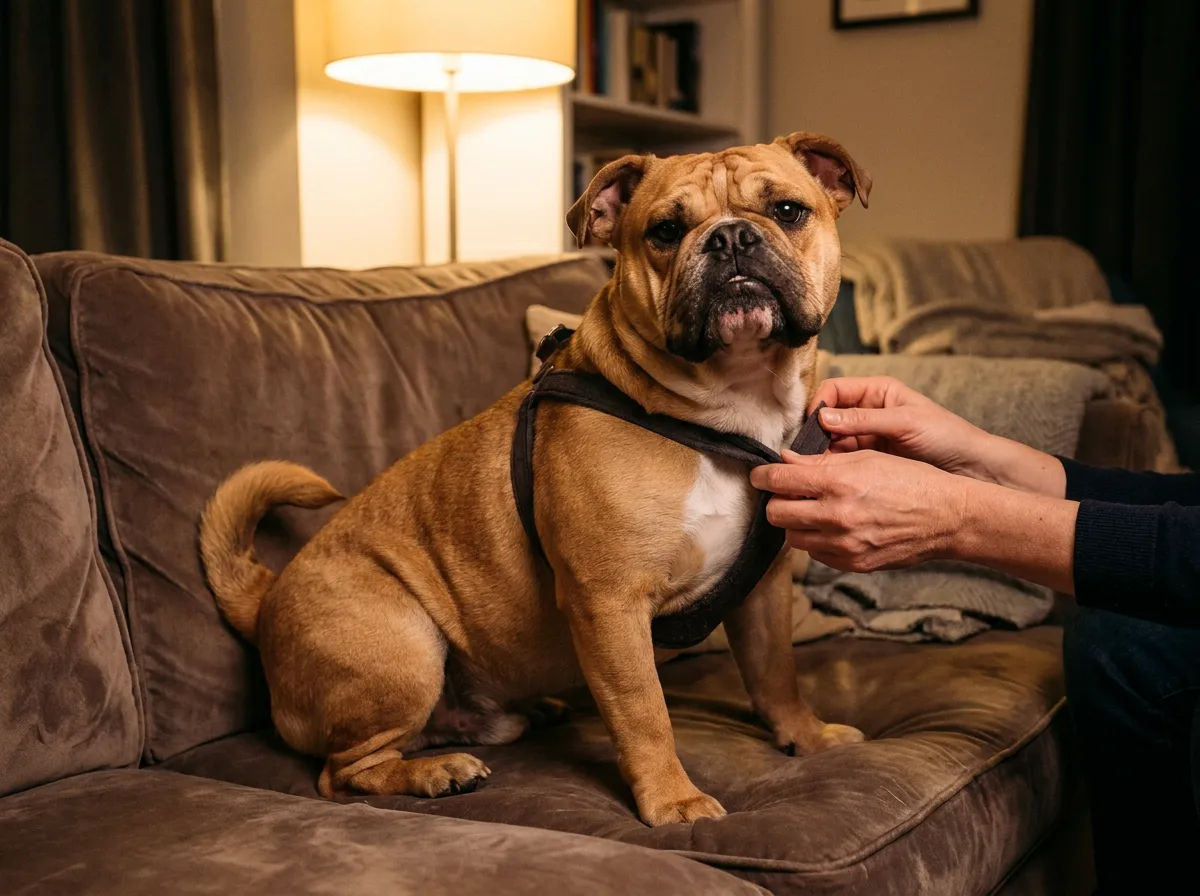
This guide compares common mix categories while keeping uncertainty visible. It helps a household plan for adult size, exercise, grooming, health evidence and everyday handling without pretending a designer name creates a standardized breed. Gear should match the dog that grows, starting with an adjustable harness fitted to the actual chest.

Sign up for expert-backed reviews and safety alerts all in one place.
English Bulldog mixes: what can vary
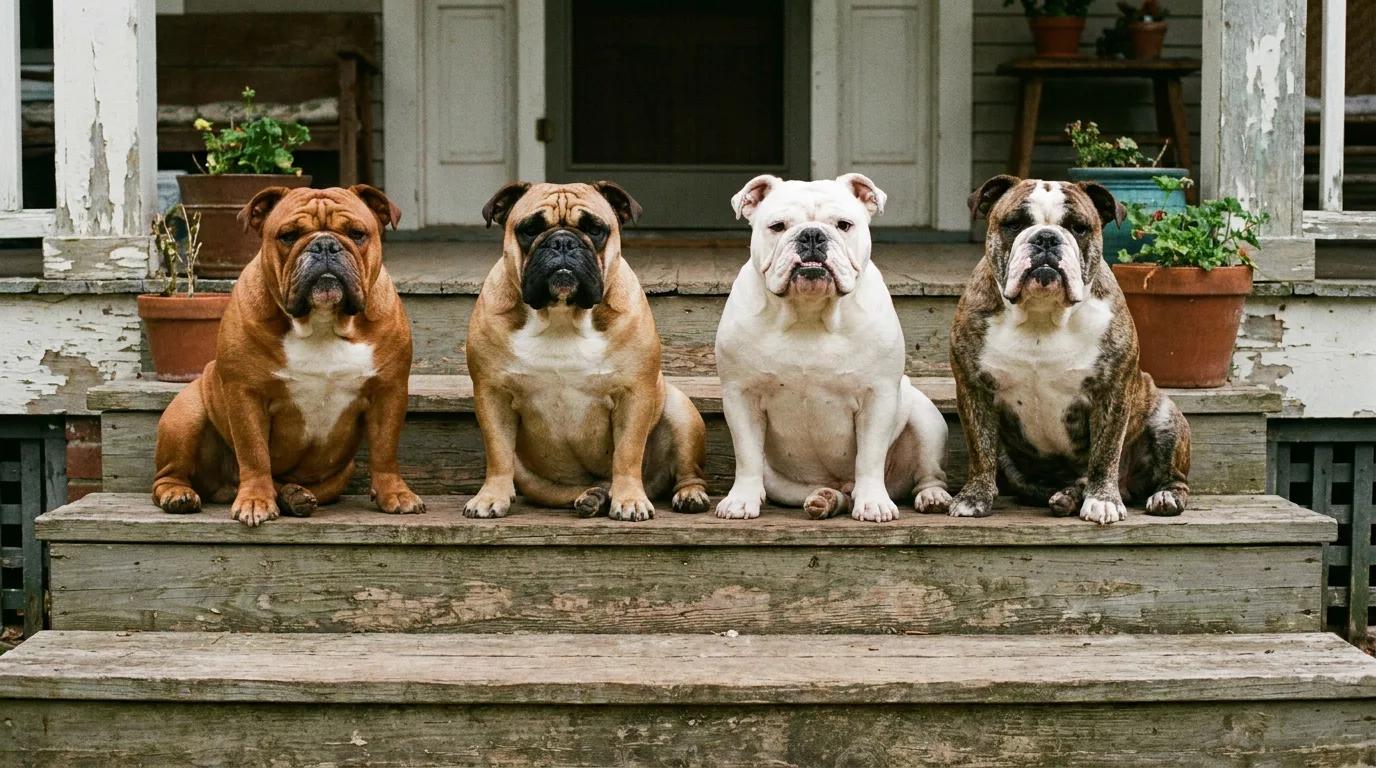
An English Bulldog mix can inherit any blend of traits from the Bulldog and the other parent breed. Coat, height, adult weight, muzzle length, airway function, energy, sociability and training style may land anywhere within a broad family range. A cross is not a predictable halfway point and hybrid vigor is not a guarantee that parent-breed risks disappear. As a starting point, the AKC standard puts the Bulldog at 14 to 15 inches and about 50 pounds for males and 40 pounds for females, so most crosses land somewhere between that and the other parent’s standard range.
What is the best English Bulldog mix? There is no universal winner. The best match is the individual dog whose size, breathing, movement, coat, behavior and care needs fit your household. Because a mix can inherit any combination from either parent, plan for the more demanding end of both parents’ ranges for exercise, grooming, training, medical care and adult handling, then confirm what is known about the actual dog.
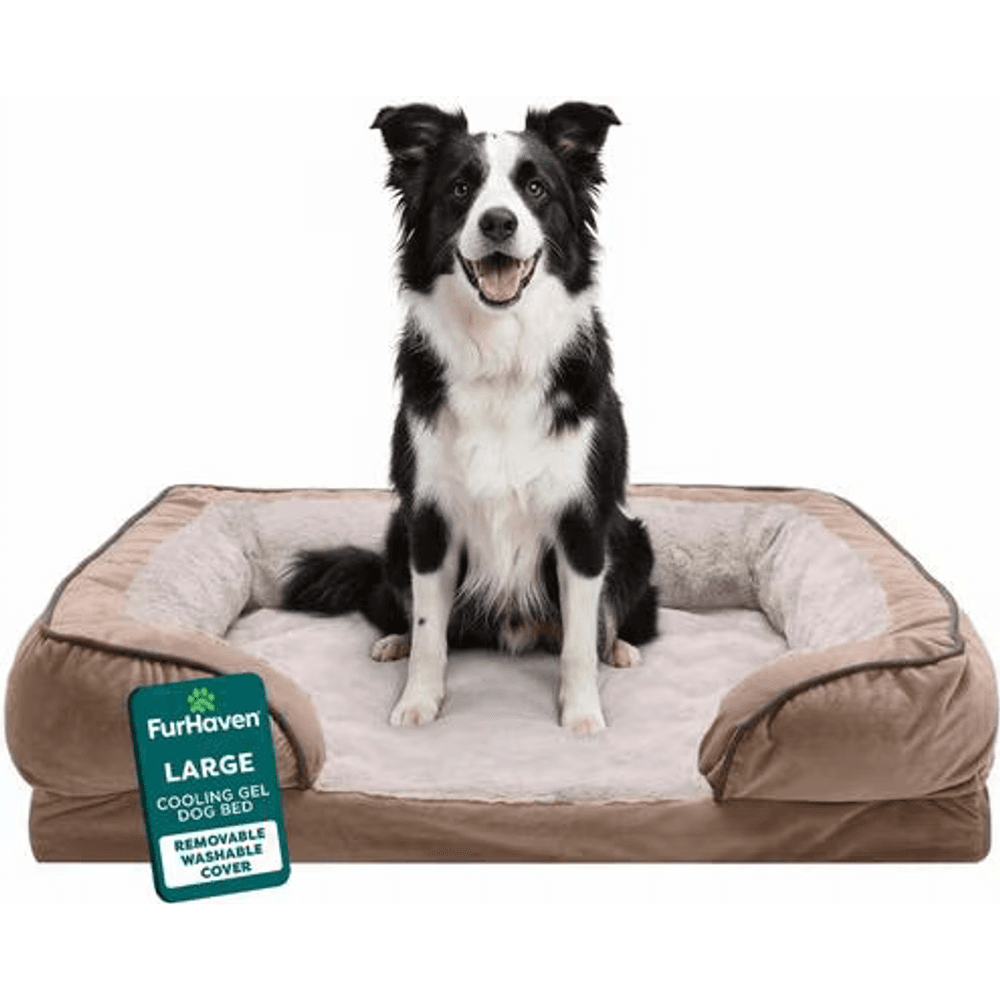
An orthopedic sofa bed with three bolstered sides for dogs who like to rest their head and joints against a cushion. The supportive foam base cradles hips and elbows, a comforting spot for an older or shaky dog to settle.
Petful may earn a commission when you click through to Chewy, at no extra cost to you.
- 1Plan for the widest plausible range from both parents.
- 2Assess the individual dog in front of you.
- 3Verify health information for both sides of the cross.
- 4Budget for the more demanding size, grooming and medical outcome.
- 5Treat mix names as descriptions, not promises.
Use a two-parent variability matrix
Are Bulldog mixes good dogs? Many are rewarding companions, but a cross label cannot guarantee temperament, health or household fit. Record what is known about both parents, what is observed in the dog and what remains unknown. Then use a mix-label verification checklist to confirm parent identities, available records, adult size evidence, medical history and the source's follow-up practices. This approach avoids treating one appealing trait as a promise and keeps planning grounded in the real dog.
Apply the matrix to the individual
Puppies from one litter can express different combinations of the two parents. Write down both parents’ smallest and largest adult size, shortest and longest coat, lowest and highest exercise need and major health concerns, then ask whether your home could live with the demanding end of each range.
How to assess a mixed-breed dog
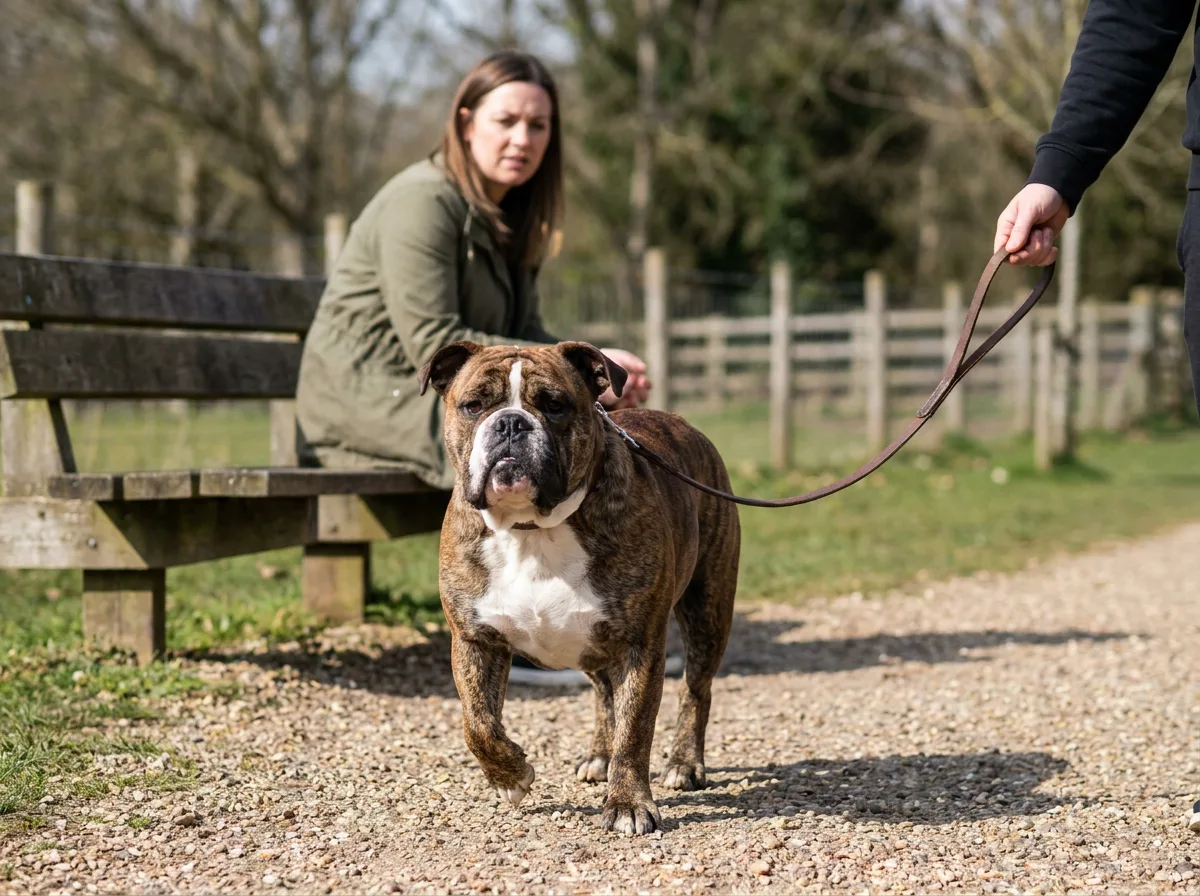
Begin with facts that can be observed or documented. For an adult, watch breathing at rest, movement, recovery, handling, response to people and the ability to settle. For a puppy, meet the mother when possible, ask for both parents’ identities and review how the litter was raised. Appearance can suggest ancestry, but it cannot establish a medical forecast.
Separate known, likely and unknown
Sort every claim into documented parentage, traits visible now and guesses based on appearance. A rescue label is useful shorthand, not a pedigree, and a consumer DNA test may inform ancestry without replacing a veterinary assessment. Base immediate care on the dog’s current anatomy, health and behavior.
Popular English Bulldog mixes
The crosses below use informal labels, not registered breeds, and the same name can describe different family lines. Each size bracket comes from the two parents’ AKC breed standards as of November 2026. A mix can land anywhere inside the bracket and occasionally outside it, so treat it as a planning range, not a promise.
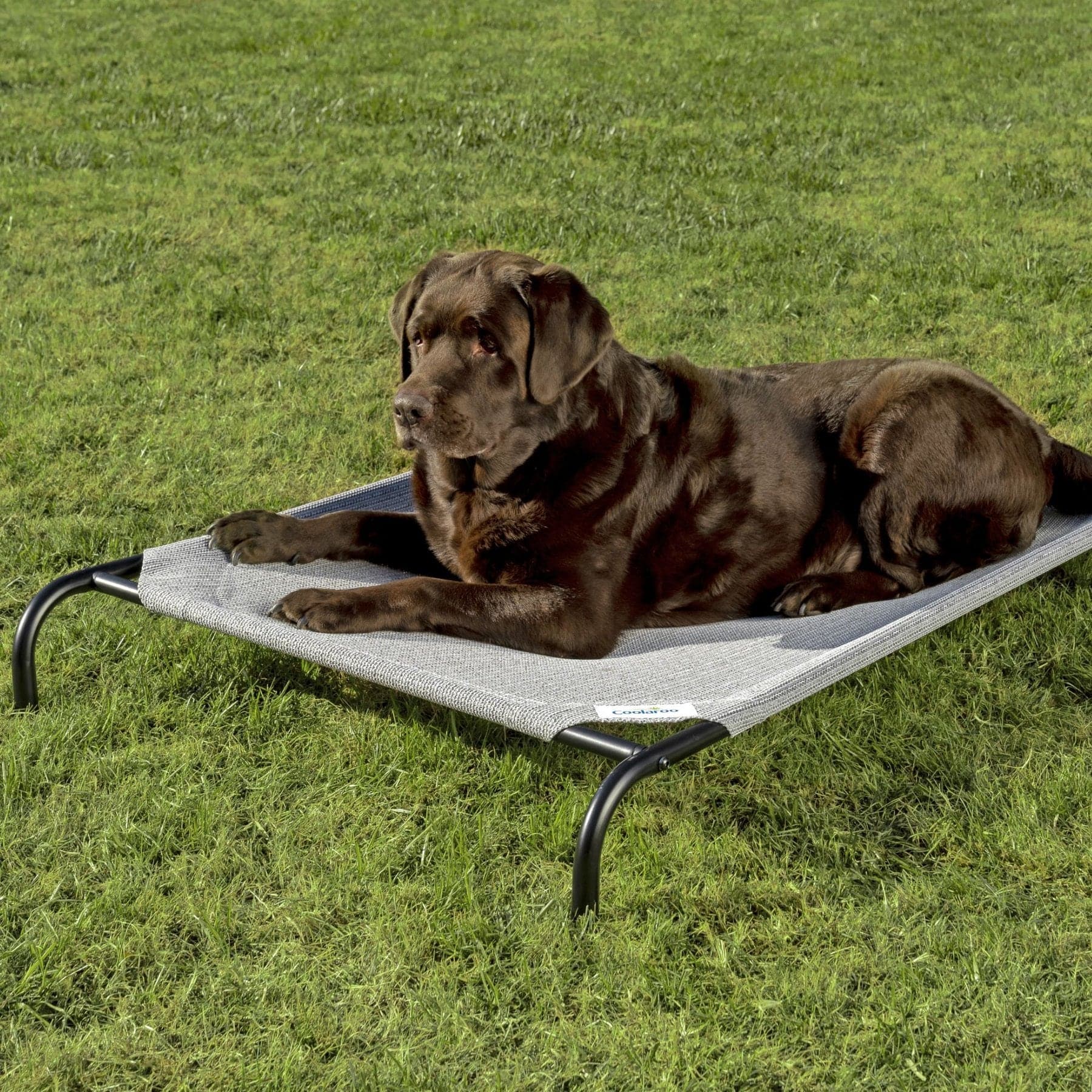
An elevated fabric bed for an airy resting surface indoors or outside. Check the frame footprint and fabric area separately.
Petful may earn a commission when you click through to Chewy, at no extra cost to you.
| Cross | Other parent (AKC height; weight) | Parent-range bracket | Parents' life expectancy (AKC) | What may broaden the plan |
|---|---|---|---|---|
| English Bulldog (baseline) | 14 to 15 in; about 50 lb males, 40 lb females | Baseline | 8 to 10 years (UK VetCompass life tables: 7.39 years) | Airway, heat, skin folds, mobility |
| Bulldog x Standard Poodle | Over 15 in; 60 to 70 lb males, 40 to 50 lb females | 14 in and up; 40 to 70 lb | 8 to 10 and 10 to 18 years | Coat that may keep growing; higher activity |
| Bulldog x Miniature Poodle | 10 to 15 in; 10 to 15 lb | 10 to 15 in; 10 to 50 lb | 8 to 10 and 10 to 18 years | Very wide weight spread; grooming |
| Bulldog x Pug | 10 to 13 in; 14 to 18 lb | 10 to 15 in; 14 to 50 lb | 8 to 10 and 13 to 15 years | Two flat-faced parents: airway, eyes, heat |
| Beabull (Beagle) | Under 13 in or 13 to 15 in; up to 30 lb | under 13 to 15 in; under 20 to about 50 lb | 8 to 10 and 10 to 15 years | Scent drive, baying, ear care |
| Bullador (Labrador Retriever) | 21.5 to 24.5 in; 55 to 80 lb | 14 to 24.5 in; 40 to 80 lb | 8 to 10 and 11 to 13 years | Larger body, retrieving drive, joints |
| Bull-Pei (Chinese Shar-Pei) | 18 to 20 in; 45 to 60 lb | 14 to 20 in; 40 to 60 lb | 8 to 10 and 8 to 12 years | Heavy folds from both sides, eyelids, guarded behavior |
| English Bull Springer (English Springer Spaniel) | 19 to 20 in; about 40 to 50 lb | 14 to 20 in; 40 to 50 lb | 8 to 10 and 12 to 14 years | Stamina, feathered coat, training demand |
| Bully Basset (Basset Hound) | Up to 15 in; 40 to 65 lb | Up to 15 in; 40 to 65 lb | 8 to 10 and 12 to 13 years | Long, low back, long ears, scent behavior |
| Bulldog x French Bulldog | 11 to 13 in; under 28 lb | 11 to 15 in; up to 50 lb | 8 to 10 and 10 to 12 years | Two flat-faced parents: airway, heat, spine |
| Bulldog x Boston Terrier | 10 to 12 in; 12 to 25 lb | 10 to 15 in; 12 to 50 lb | 8 to 10 and 11 to 13 years | Airway, eyes, heat |
English Bulldog and Poodle mix
An English Bulldog and Poodle mix has the widest size range of any common Bulldog cross because Poodles come in three AKC varieties: the Standard at over 15 inches and 40 to 70 pounds, the Miniature at 10 to 15 inches and 10 to 15 pounds, and the Toy at no more than 10 inches and 4 to 6 pounds. Ask which Poodle variety is in the family before anything else. The coat can be smooth, wavy or curly, so the cross is not automatically low-shedding, and a coat that keeps growing will need regular professional grooming. A longer muzzle is possible but not guaranteed, so judge breathing in the actual dog. Our Poodle mixes guide shows how the Poodle side plays out in other crosses.
Five other common crosses
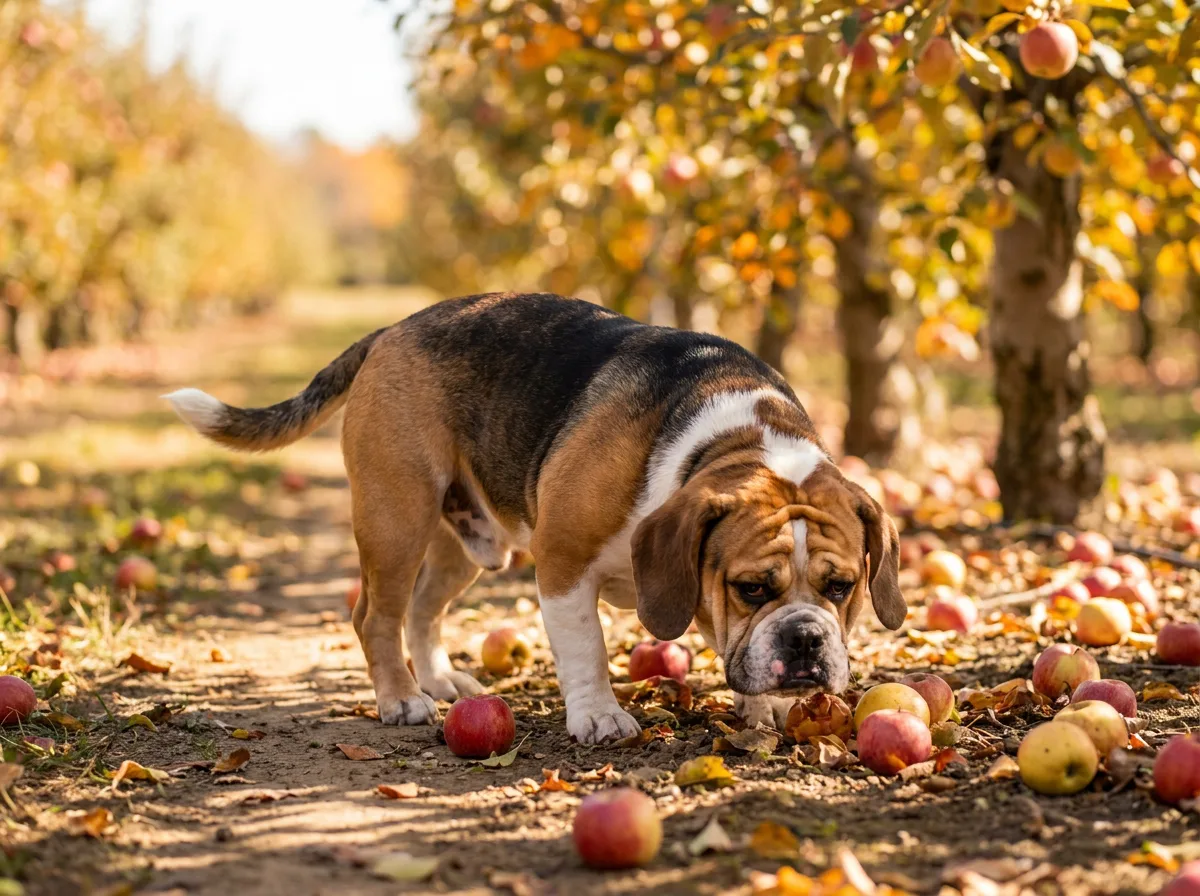
- Beabull (Beagle cross): AKC Beagles come in an under-13-inch variety that weighs under 20 pounds and a 13-to-15-inch variety that weighs 20 to 30 pounds, so expect anywhere from under 13 to 15 inches and under 20 to about 50 pounds, with scent drive, baying and ear care to plan for. Our Beagle mixes guide compares the Beagle side across crosses.
- Bullador (Labrador Retriever cross): Labradors stand 21.5 to 24.5 inches and weigh 55 to 80 pounds, so this cross can outgrow the Bulldog by 30 pounds. Plan crates, vehicles and joint care for the larger possibility. A double-door wire crate with a divider panel can grow with a pup that may end up closer to Labrador size.
- Bull-Pei (Chinese Shar-Pei cross): the Shar-Pei is 18 to 20 inches and 45 to 60 pounds, and both parents bring heavy skin folds, so fold care and eyelid problems such as entropion deserve direct questions. Unscented grooming wipes make the daily fold check quicker on a dog with this much loose skin.
- English Bull Springer (English Springer Spaniel cross): Springers are 19 to 20 inches and about 40 to 50 pounds, close in weight but taller and built for far more stamina, so exercise demand is the main variable.
- Bully Basset (Basset Hound cross): Bassets stand up to 15 inches but weigh 40 to 65 pounds, a heavy, low build that puts the back and joints first and adds long-ear care. Dog ear wipes help keep those long, low-hanging ears clean between checks.
Compare families, not cute names
Even a familiar cross varies between litters, so the best predictors are adult relatives, earlier offspring, parent health records and the breeder’s goals for the cross. Photographs are supplementary evidence, and a seller who leans on rarity or appearance is offering the weakest evidence available.

Petful may earn a commission when you click through to Chewy, at no extra cost to you.
Small companion crosses
English Bulldog and Pug mix
An English Bulldog and Pug mix combines two flat-faced breeds, so a smaller body does not mean lower care needs. AKC standards put the Pug at 10 to 13 inches and 14 to 18 pounds, so a Bulldog and Pug cross usually brackets 10 to 15 inches and 14 to 50 pounds. Both parents carry airway, eye and skin-fold risks, which makes heat tolerance, eye exposure and fold care central rather than optional. Evaluate breathing at rest and after gentle movement, eye comfort, skin folds and free movement, and fit equipment only after measuring the individual body.
Crosses involving Pugs, French Bulldogs, Boston Terriers or other small companion breeds are often marketed as compact apartment dogs. AKC standards put the French Bulldog at 11 to 13 inches and under 28 pounds and the Boston Terrier at 10 to 12 inches and 12 to 25 pounds, so these crosses can still approach the Bulldog’s weight. If both parents are flat-faced, breathing and heat risk stay central, along with stairs, eye protection and separation training. Our French Bulldog mixes guide covers that side of the family.
Fit the equipment to the body that develops
Focus on chest depth, neck shape, shoulder movement and current weight rather than the size printed for a breed. Fit should be checked again through growth and weight change, because mixed proportions can make standard sizing unreliable. For daily walks, a well-fitted dog harness is a practical starting point.
Choose adjustable walking gear and check for rubbing after short trials. A front-clip harness may suit some broad-chested dogs, but it must not restrict the shoulders or shift into the throat. WebVet’s no-pull harness guide explains how front-clip designs reduce pulling without loading the neck.
Sporting and working crosses
A Labrador, Spaniel, Boxer, German Shepherd or herding-breed parent can widen the exercise, arousal and training range. The resulting dog may want more scent work, retrieving, movement or structured tasks than a household expected from the Bulldog side. The opposite is also possible: a willing mind in a body that cannot safely sustain intense heat or endurance. A snuffle mat gives a scent-driven cross a short sniffing job that does not depend on stamina.
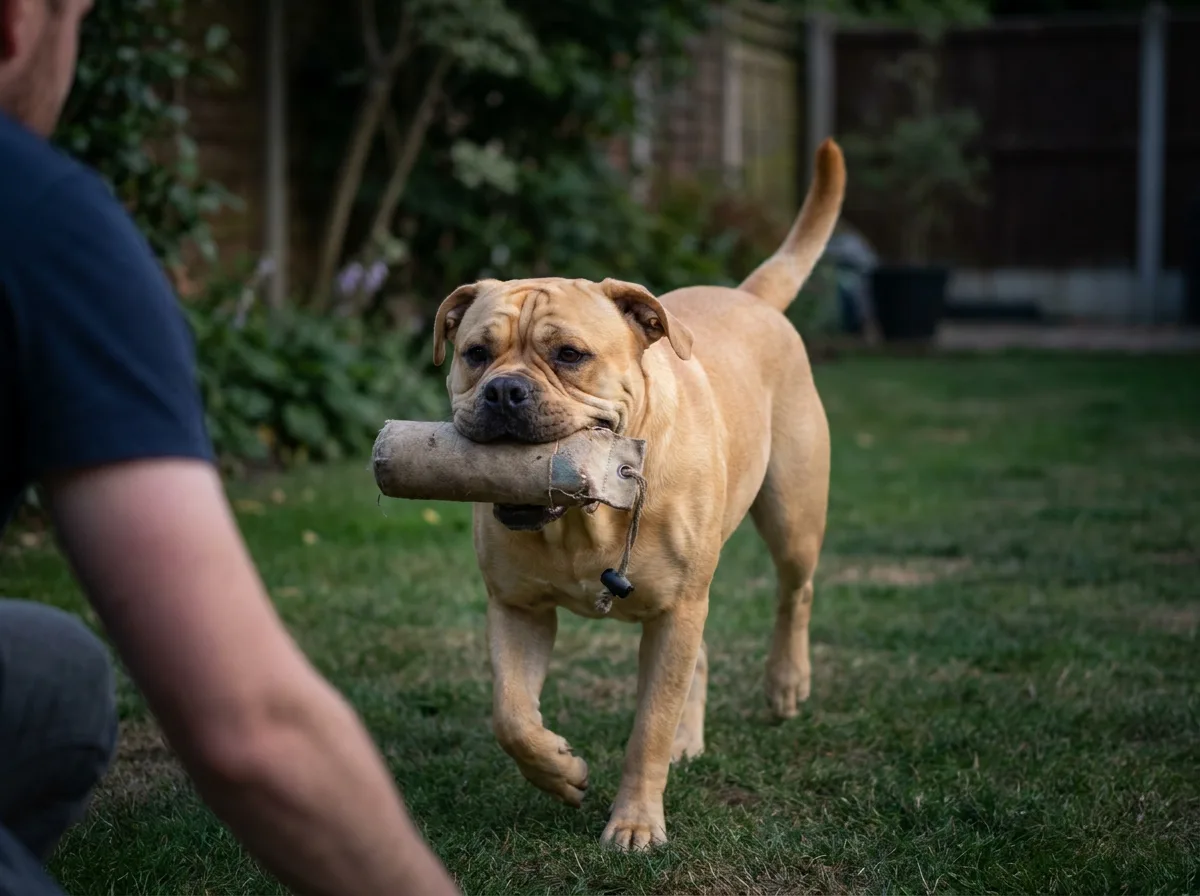
- A mixed dog may remain eager after airway, joint or heat tolerance has reached its safe limit. Train a stop-and-recover routine and let physical function, weather and veterinary guidance set intensity.
Plan a low-impact job
End each task while movement and breathing are still comfortable. Searching, carrying, pattern games, short skill chains and controlled tug can satisfy motivation without depending on endurance, and a stuffed KONG Classic toy offers supervised food enrichment before a predictable rest.

A durable rubber dog toy that can be stuffed with treats and selected by the manufacturer's size guide; supervise use and retire it when damaged.
Petful may earn a commission when you click through to Chewy, at no extra cost to you.
Likely coat and grooming differences
Bulldog crosses can have a smooth coat, a denser double coat, longer feathering, loose skin, facial folds or some combination. Shedding may be light or substantial. Coat length does not reveal allergy risk, and a short coat does not eliminate grooming. The skin underneath remains the priority.
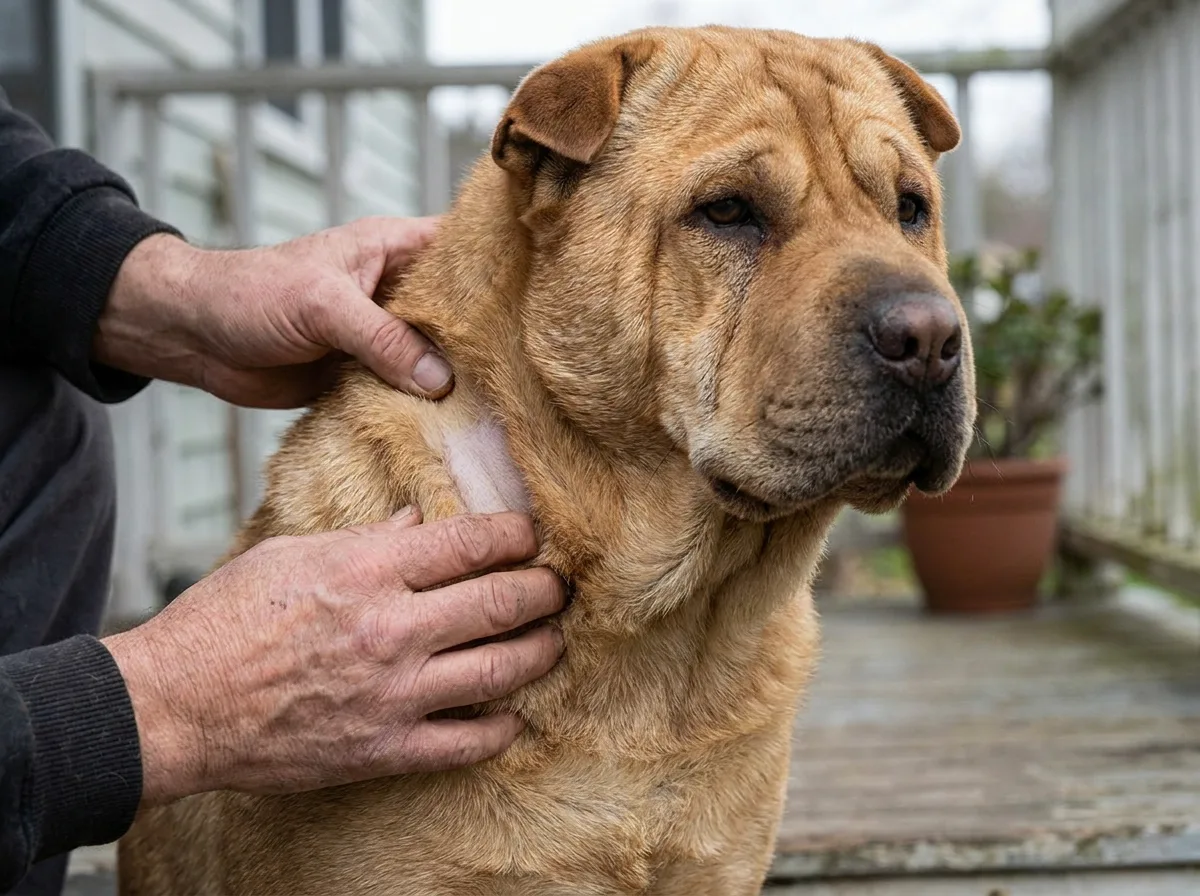
Build care from the dog’s actual coat
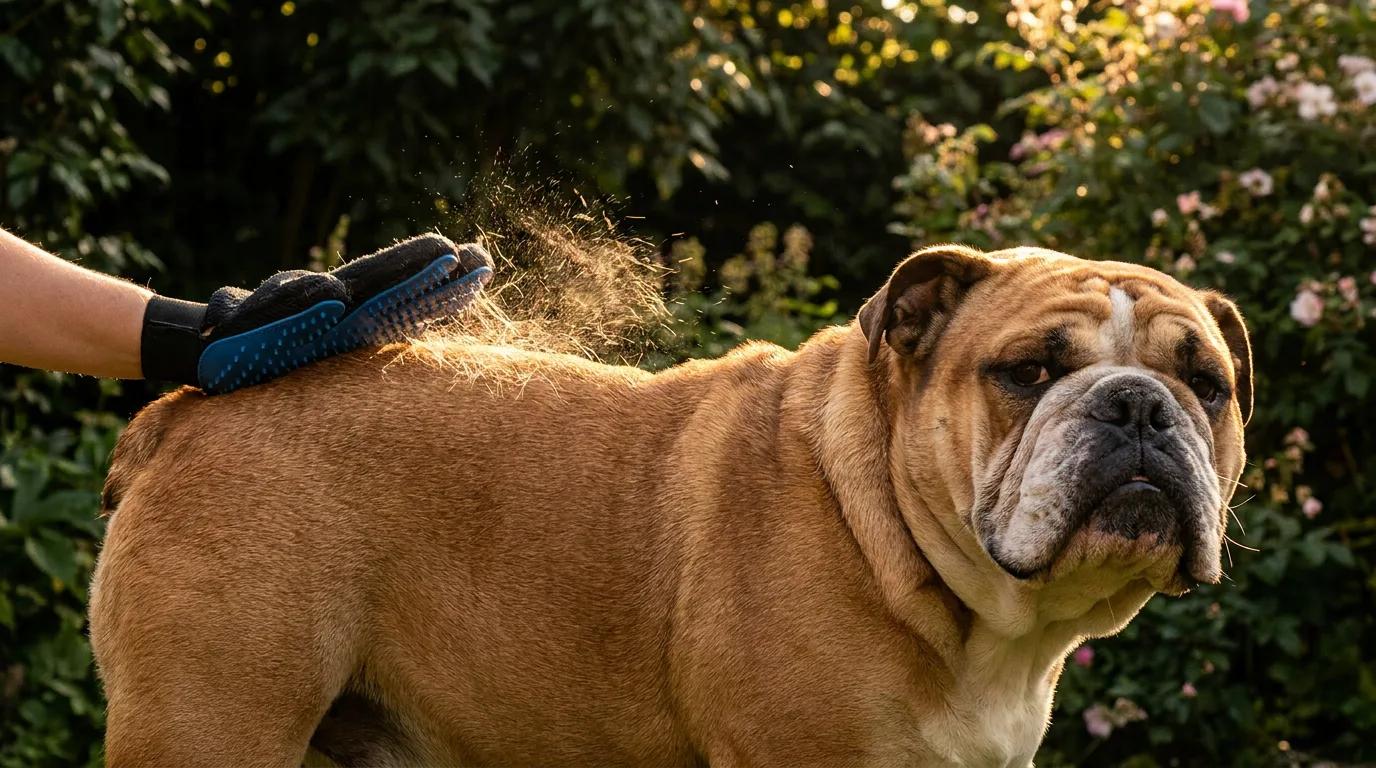
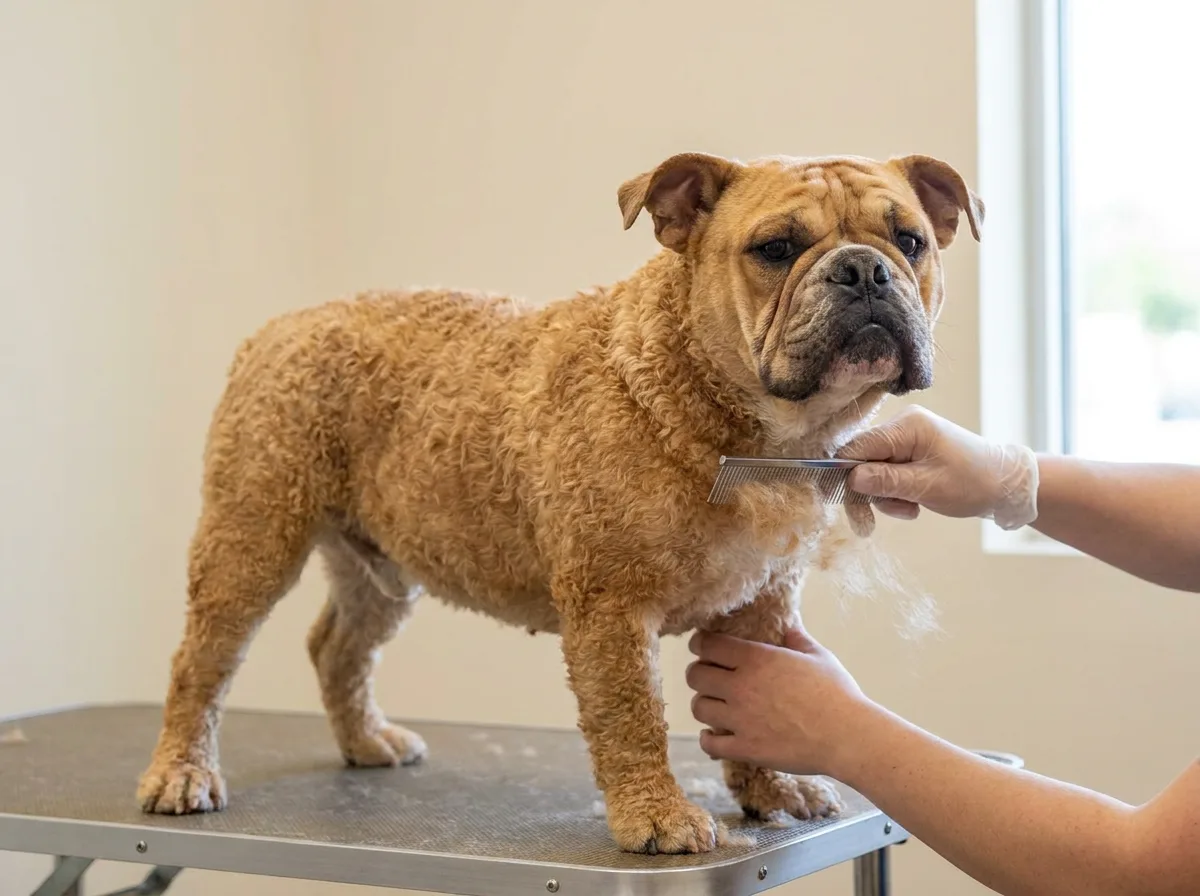
Start with the individual’s undercoat, feathering, fold depth and seasonal shedding, and expect the puppy coat to change as the adult coat comes in. A rubber grooming glove suits a smooth Bulldog-type coat, while a denser or longer coat from the other parent may need a slicker or undercoat tool. Dry folds and dense areas thoroughly with an absorbent dog towel after bathing or swimming, and change the plan if odor, sores, hair loss or persistent itching develops.
Exercise and training range
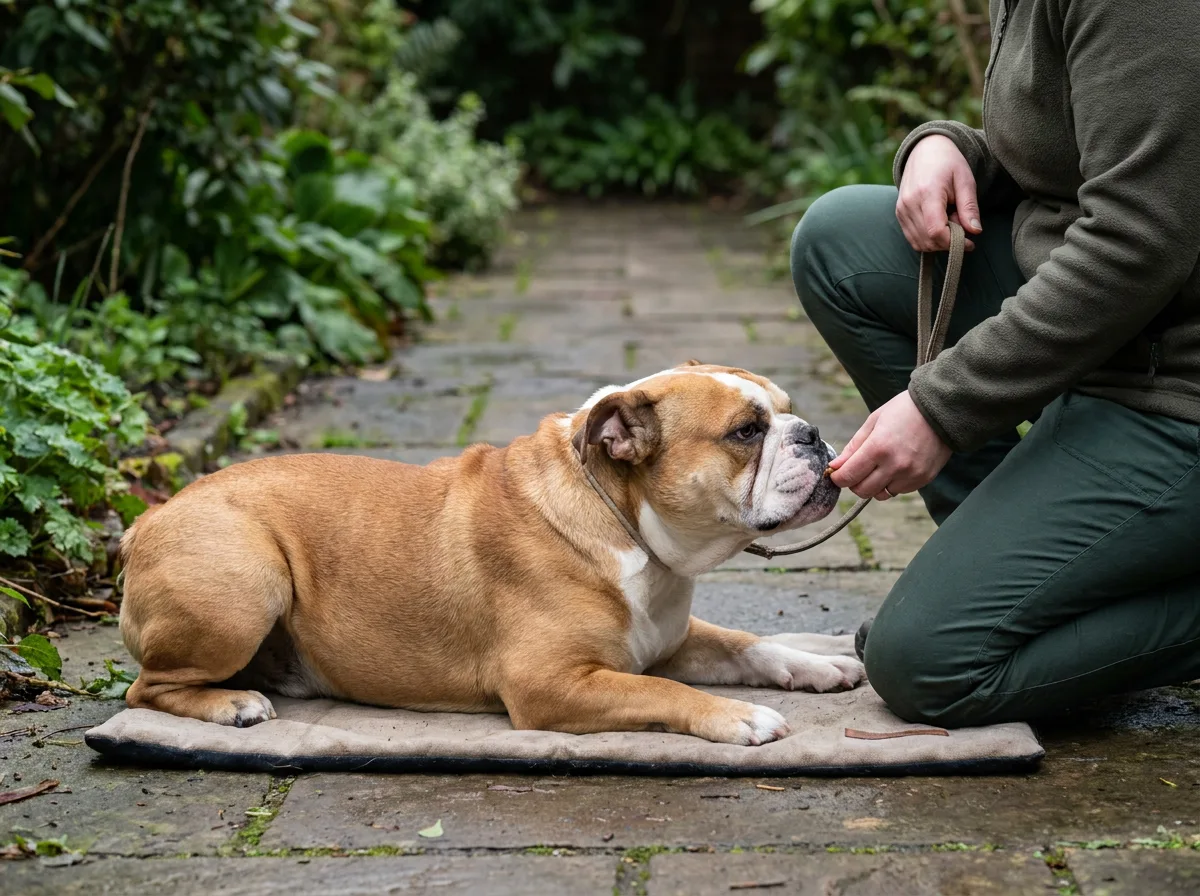
Exercise should be based on airway function, weather, age, joints and observed recovery. Training should be based on motivation and learning history, not on claims that one parent is stubborn or the other is easy. Short reward-based sessions, sniffing and structured rest allow the household to learn what the dog can sustain. Soft training treats broken into small pieces keep those sessions quick and frequent.
Use recovery as the exercise metric
A high-drive mix may need the person to end activity before enthusiasm fades. Watch breathing, gait, willingness to continue and the time needed to return to the dog’s resting baseline, since distance alone cannot show whether an outing was appropriate.
Begin below the expected limit and increase only one factor at a time. Plan cool recovery after every outing, with water from a collapsible travel bowl and a raised mesh dog cot in the shade.
Size and handling range
Adult size may sit near either parent or outside an imagined midpoint. A puppy described as medium could mature into a dense dog that is difficult to lift. Plan crate, vehicle, stair and emergency handling for the larger plausible adult, especially where one person must manage the dog.
Test the real handling plan
Focus on whether an adult can guide, restrain or move the dog safely without lifting by the collar or limbs. Broad chests and short legs can make awkward carrying unsafe for dog and person, and an emergency plan fails when it depends on strength the household does not have.
Teach cooperative loading and use barriers before force is needed. Size rest areas and vehicles to the standing and turning dog. A folding car ramp taught in short, rewarded steps saves lifting a heavy adult into the vehicle.
Health questions for both parent breeds
The mix should be evaluated for relevant risks from both parent breeds. Ask which screening was recommended, what was completed, when it was done and where the result can be verified. A general vet check or consumer DNA panel is not a substitute for defined orthopedic, eye, cardiac or other evaluations. The OFA CHIC program can help identify public records, while breed clubs provide parent-breed context. On the Bulldog side, a 2022 Royal Veterinary College VetCompass study of 2,662 English Bulldogs found 2.04 times the odds of at least one diagnosed disorder compared with other dogs, led by skin fold dermatitis, cherry eye and an undershot jaw.
Build one combined screening sheet
Some risks overlap and others belong to one side, so build one screening sheet for the whole cross:
- List every recommended evaluation for each parent breed.
- Add each parent’s registered identity and the actual result.
- Mark each item verified, missing or not applicable.
- Ask a veterinarian to explain unfamiliar findings.
Treat the word hybrid offered in place of records as a warning sign.
Choosing a responsible source or rescue
Responsible source verification starts with identity-linked records for both sides of the cross and honest disclosure of what is unknown. Ask for the parents' registered names or identifiers, original screening results, veterinary records, the contract and the return policy. A responsible source does not claim that mixing two breeds automatically removes inherited risk. Rescue records may be incomplete, but staff should distinguish observation from guesswork and share known medical and behavior history without turning a visual breed label into certainty.
Look for evidence after the sale too
Start with a written return policy, follow-up support, identification records and willingness to take the dog back if placement fails. No source can guarantee adult traits, but a good one can disclose what is known, and its responsibility covers the dog’s lifetime, not only the transaction.
Read the agreement before paying and ask how previous placements were supported. The English Bulldog price guide explains why a high fee is not proof of quality.
Which English Bulldog mix fits your home?
Score your household against the larger possible adult size, higher possible exercise need, more demanding grooming and more expensive plausible health outcome from the size table above, then check the actual records and observations. Compare climate control, stairs, activity goals, handling ability, grooming tolerance, other animals, time alone and medical budget. If the home can meet only the easiest predicted outcome, the match is fragile.
- A longer muzzle is possible when the other parent is not flat-faced
- Wider size choice, from Pug crosses near 14 lb to Labrador crosses near 80 lb
- An adult mix from a rescue shows its size and behavior already
- Size, coat and energy cannot be predicted from the label
- Two flat-faced parents can combine airway, eye and heat risk
- Health records are needed from both parent breeds
- Some coats, such as Poodle crosses, need regular professional grooming
Run a worst-plausible-case check
List the outcomes the home can and cannot absorb before meeting a litter: the higher exercise need, larger body, heavier shedding, harder training and greater medical risk that the two parents make plausible. Include recurring care and a savings reserve for unexpected bills, and choose bedding such as an orthopedic dog bed only after the dog’s adult size and heat comfort are known.
Related English Bulldog guides
Compare any cross with the English Bulldog breed profile, the English Bulldog puppy guide, the English Bulldog price guide and the dedicated English Bulldog health and lifespan guide.
Sources
- OFA CHIC programs: health-screening framework and searchable records
- Bulldog Club of America health testing: English Bulldog parent-breed screening context
- American Kennel Club Bulldog breed page: breed standard and parent-breed context
- Royal Veterinary College VetCompass Bulldog health summary: population-level welfare context for the Bulldog side of a cross
Questions readers ask
No single English Bulldog mix is best for every home. Choose the individual dog whose breathing, size, coat and energy fit your household, and plan for the more demanding parent. A Bulldog crossed with a Standard Poodle or Labrador can reach 70 to 80 pounds, while a Pug, French Bulldog or Boston Terrier cross can be much lighter but keeps flat-faced breathing risk. Meet the parents and verify their health records before deciding.
Many are affectionate, adaptable companions, but a mix is not automatically healthier or calmer than either parent. Crossing does not erase inherited risks, and a cross between two flat-faced breeds can carry the airway and heat problems of both. Judge the individual dog’s breathing, movement and temperament, and ask for health records from both parents rather than relying on the idea of hybrid vigor.
Most land between the two parents’ AKC ranges. The Bulldog standard is 14 to 15 inches and about 40 to 50 pounds, so a Labrador cross can reach 80 pounds, a Shar-Pei or Basset Hound cross 60 to 65 pounds, and a Pug, Boston Terrier or French Bulldog cross can be far lighter. Plan crates, vehicles and lifting for the larger parent, because a puppy can mature outside the expected midpoint.

Coreen Saito is a pet writer and longtime shelter volunteer with more than a decade in animal rescue. She covers cat behavior, breed care, and the small, ordinary science of sharing a life with companion animals, with a particular focus on honest takes about the products and decisions that actually matter. At home in Arizona, she's outranked by Mac (a dog with the loudest opinion in the house), Rebel (a cat who governs by quiet authority), and Meri (an orange tabby who runs the late shift and the laundry basket). She writes about all three, plus the rescues that keep coming through her life, at LifeWithMinty.com.
Sign up for expert-backed reviews and safety alerts all in one place.