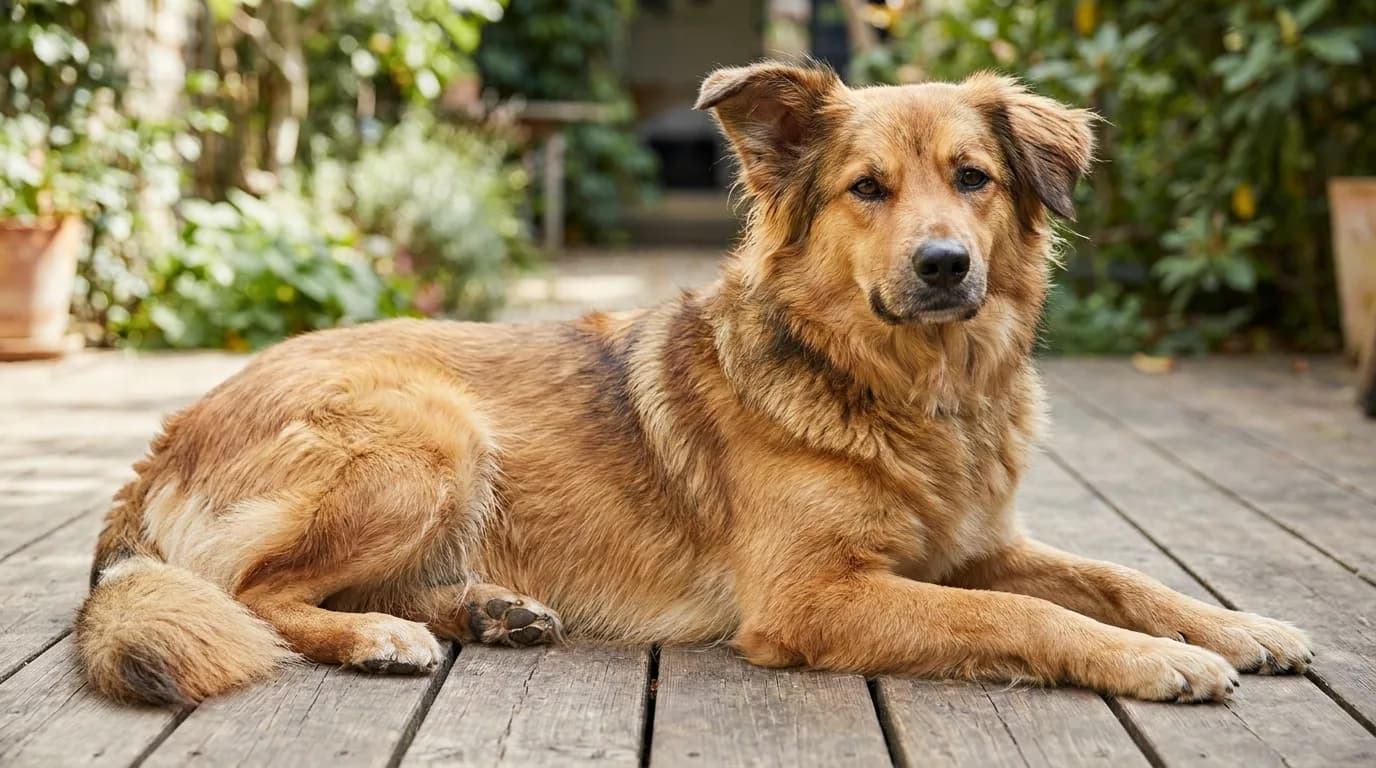
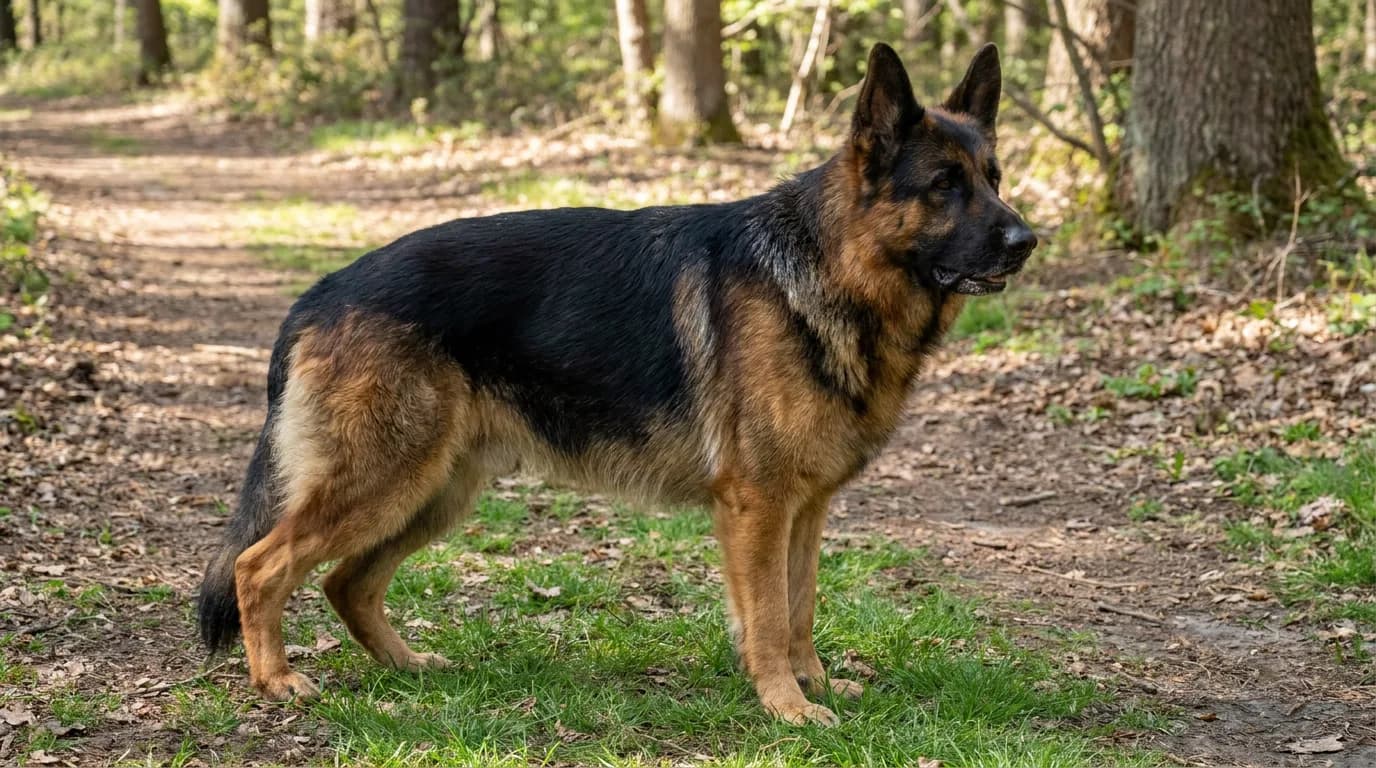
French Bulldog Mix: 10 Crosses, Pictures and Care
Explore ten French Bulldog crosses through pictures, parent-breed differences and practical care decisions, with guidance on size, grooming, health records and choosing the individual dog.
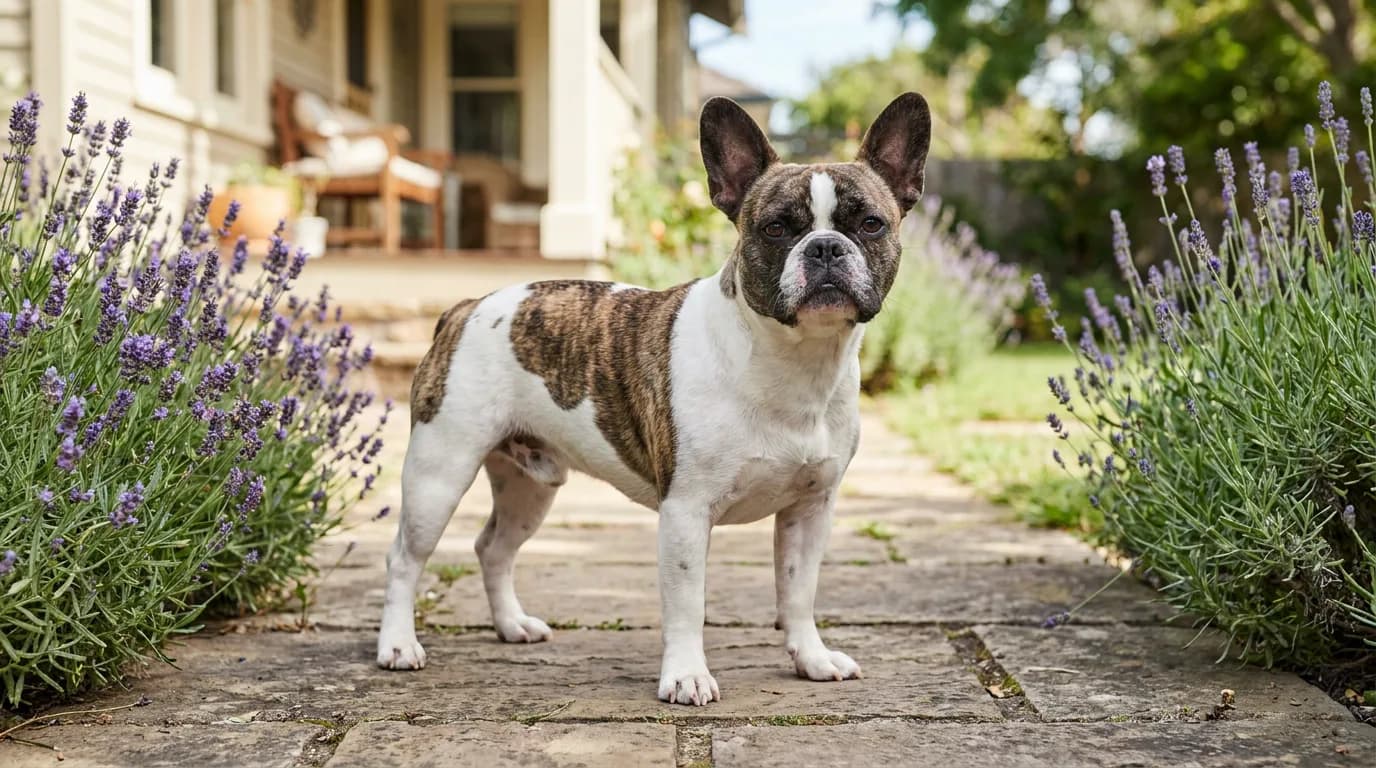
French Bulldog mixes can vary in build, coat and daily care needs.
Petful is reader supported. As an affiliate of platforms like Amazon and Chewy, we may earn a commission when you buy through links on this page. There is no extra cost to you.
A French Bulldog mix has French Bulldog ancestry combined with another breed or breeds. Common pairings include the Chihuahua, Poodle, Pug and Boston Terrier, but a cross name cannot tell you exactly how large, curly-coated, energetic or sociable an individual dog will become.
The useful comparison is more specific: what each parent brings to the picture, which differences matter in daily life, and what you can establish about the dog in front of you. These ten crosses offer different starting points for that decision.

Sign up for expert-backed reviews and safety alerts all in one place.
What does French Bulldog mix mean?
The label may describe documented parentage, a reported family history or an appearance-based guess. Those are different kinds of information. A breeder who identifies both parents is making a more specific claim than a shelter using “French Bulldog mix” to describe an unfamiliar dog.
Even broad terrier labels need clarification. “French Bulldog terrier mix” does not name a single cross: a Chihuahua, Boston Terrier and Staffordshire Bull Terrier are not interchangeable parent identities. Ask which breed is actually recorded rather than relying on a shortened advertisement or nickname.
AAHA's breed-specific guidance explains that visual breed identification can be unreliable. French Bulldog ancestry may inform a veterinary conversation, but ears, color or a short muzzle cannot establish the whole family history. Our French Bulldog guide covers the purebred parent.
- 1Separate documented parentage from a visual breed label.
- 2Use parent-breed information to identify useful questions, not guaranteed outcomes.
- 3Base individual care on the dog's actual build, coat, behavior and health records.
With French Bulldog mix puppies, you also have less information about the finished adult. Keep records of growth and changing care needs rather than treating a puppy photograph as a permanent description. An adult dog's measurements and established routine can make some of those decisions more concrete.
Compare ten French Bulldog mixes
The table gives parent context and one practical care decision for each pairing. The photographs show representative appearances for the selected crosses; they are not ancestry tests or a catalogue of every possible outcome.
| Parent pairing | Parent context | Practical care decision |
|---|---|---|
| Chihuahua | Small parent with smooth and long coat varieties | Assess the actual build, coat and walking-equipment fit. |
| Poodle | Toy, Miniature and Standard varieties differ | Establish the parent variety before discussing size and coat maintenance. |
| Pug | Small, solid companion parent | Put breathing and comfort ahead of a preferred face shape. |
| Pit Bull | A broad label unless the parent breed is documented | Clarify identity and evaluate actual strength and handling. |
| Shih Tzu | A different coat and facial appearance | Plan maintenance for the hair and skin the dog actually has. |
| Labrador Retriever | Larger retrieving parent with a dense short coat | Consider adult scale, preferred play and shedding. |
| Corgi | Clarify the Corgi breed; Pembrokes have herding background | Examine body proportions, movement and responses to household activity. |
| Boxer | Larger, alert and playful parent context | Consider physical space and comfortable greetings. |
| Boston Terrier | Frenchton | Follow the linked Boston Terrier guide for the detailed comparison. |
| Beagle | Frengle | Follow the linked Beagle mixes guide for the detailed comparison. |
A short list of suitable dogs is more useful than ranking cross names from best to worst. Begin with the differences that would change your choice: grooming commitments, adult scale, the setting where you live and the support you can provide.
French Bulldog and Chihuahua
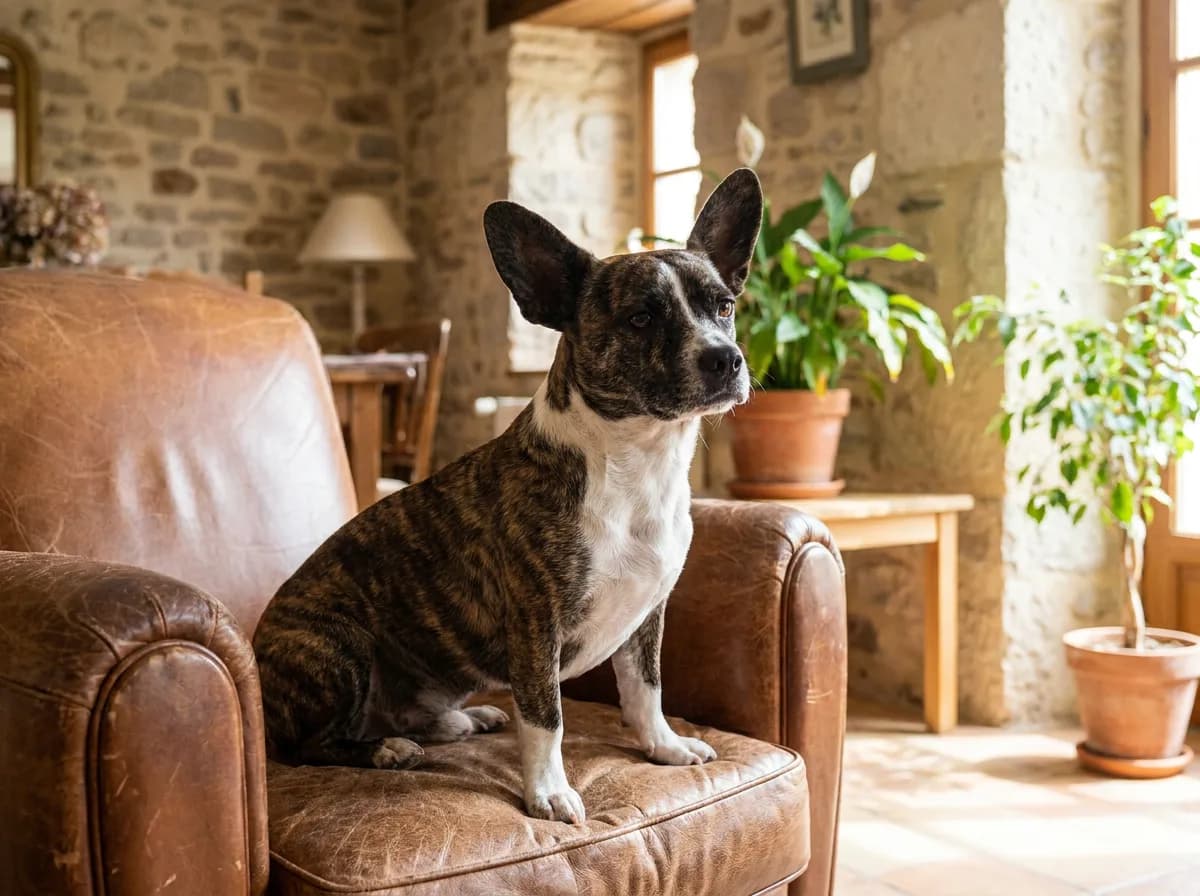
The French Bulldog Chihuahua mix is often called a French Bullhuahua. The Chihuahua contributes a very small parent to the pairing, but that does not establish a standardized miniature Frenchie. Look at the actual dog's proportions, including chest width, leg length and overall frame.

A padded dog harness to assess against your dog's chest measurements and the current size chart. Check secure adjustment and comfortable movement.
Petful may earn a commission when you click through to Chewy, at no extra cost to you.
Coat variation is another useful distinction. The UKC Chihuahua standard recognizes smooth and long coats. Knowing the Chihuahua parent's coat is helpful background, while the mixed dog's own hair determines what you will brush and maintain.
For walking equipment, compare measurements with the manufacturer's chart. A small Frisco padded harness is one specific option to evaluate, not a default size for this cross. Its product name does not guarantee that it will stop pulling or suit every compact chest. When fitting one, check:
- Can the dog move its front legs comfortably?
- Does the harness remain in position rather than rotating?
- Is the fastening accessible without awkward handling?
- Is there adjustment available if the puppy is still growing?
The Chihuahua comparison is also useful when planning the home. Look at gaps in gates and barriers, access to a resting place and how the dog will move through busy rooms. A small dog can disappear beneath a chair or approach a doorway unnoticed; the practical answer is a clear layout and attentive handling.
If lifting will be part of daily care, ask someone familiar with the dog to demonstrate comfortable support. Do not assume that being small means enjoying being picked up. Teaching the dog to approach for equipment or care can make those moments easier than repeatedly reaching down and taking control of its body.
The appeal of this pairing may be its compact appearance, expressive ears or combination of coat features. Let those draw your interest, then check whether the dog's actual size and handling preferences fit your home. The nickname alone cannot settle those questions.
French Bulldog and Poodle

A French Bulldog Poodle cross may be called a French Boodle, Froodle or Frenchiepoo. The first useful question is which Poodle variety appears in the family history. The AKC Poodle standard distinguishes Toy, Miniature and Standard Poodles; “Poodle parent” is therefore incomplete size information. Our Poodle mixes guide compares other Poodle crosses.

A stainless steel dog and cat grooming comb for gentle coat checks. Work in small sections and stop at tight tangles or discomfort.
Petful may earn a commission when you click through to Chewy, at no extra cost to you.
How big is a Frenchie Poodle mix?
A Frenchie Poodle mix usually lands between its two parents in size, so the documented Poodle variety is the fact that matters most. The AKC lists these parent sizes:
- French Bulldog: 11 to 13 inches tall and under 28 pounds.
- Toy Poodle: no more than 10 inches tall and 4 to 6 pounds.
- Miniature Poodle: 10 to 15 inches tall and 10 to 15 pounds.
- Standard Poodle: over 15 inches tall; 60 to 70 pounds for males and 40 to 50 pounds for females.
A Frenchie crossed with a Toy or Miniature Poodle therefore comes from two parents of roughly 4 to 28 pounds, while a Standard Poodle parent can weigh more than twice the French Bulldog limit. Measure the actual parents and keep the puppy’s dated weights, and do not take the midpoint between two breed descriptions as a promise.
A grown dog is easier to assess for immediate practical needs. Measure its height, body length and chest for equipment, and record its weight with veterinary guidance. For a puppy, keep purchases adjustable where appropriate and revisit the fit as it grows.
- Establish the documented Poodle variety and available parent measurements before discussing adult size. Neither a cross nickname nor a puppy photograph supplies that information.
Coat care is the other major decision. A curly parent does not mean every puppy will have the same curl, density or maintenance needs. Inspect the coat you will actually be caring for, including areas where longer hair meets equipment or collects around the legs.
An aumuca stainless steel grooming comb is one tool to consider if a groomer demonstrates that it suits the coat. The goal is comfortable maintenance, not forcing a comb through a knot.
At the grooming consultation, ask for a practical demonstration:
- Which areas need regular attention?
- How should the coat be separated and checked?
- Which tools suit its present texture?
- What should prompt a professional appointment rather than further brushing at home?
Watch the demonstration before agreeing that the routine is manageable. A coat can look easy to maintain immediately after professional grooming while requiring more work between appointments than its new owner expects.
Keep appearance and maintenance separate when choosing a finish. Explain whether you want to preserve longer hair, simplify particular areas or improve access for routine care. Agree on the actual work rather than assuming a familiar Poodle haircut name describes every mixed coat.
French Bulldog and Pug
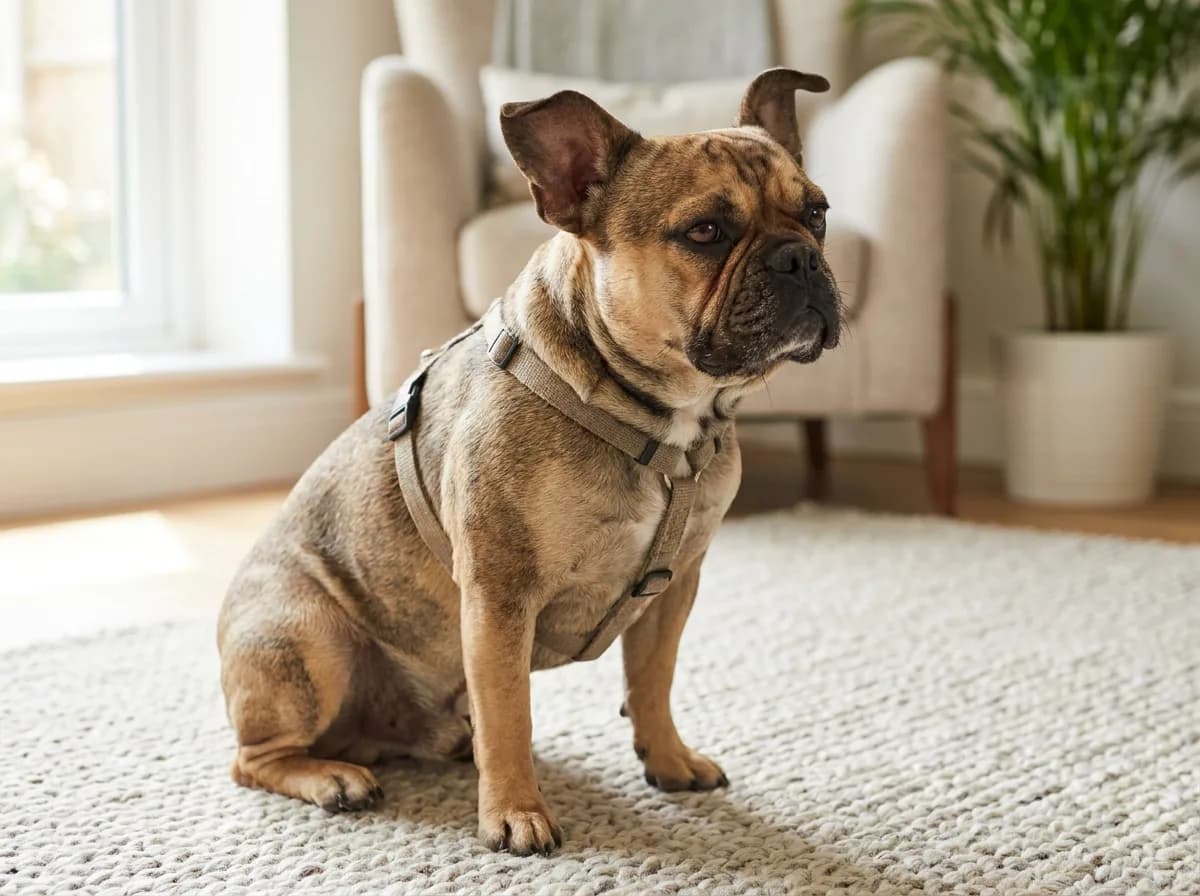
The French Bulldog Pug mix is commonly called a Frug. Both parent descriptions lead people toward a small companion dog; the AKC describes the Pug as small and solid. That background helps explain the attraction, but it does not establish a uniform adult body or a particular energy level. Our Pug breed profile covers that parent.
A full-grown French Bulldog Pug mix should be assessed as the adult it is. Its measurements, movement and daily comfort are more useful than trying to decide which parent it resembles most. In a puppy, a rounded body or short legs in one photograph do not predict finished proportions.
When looking beyond the portrait, distinguish three questions:
- Appearance: what visible features appeal to you?
- Function: how does the dog move, rest and manage ordinary activity?
- Care: what does its veterinary history say about its present needs?
Breathing deserves particular attention before a preferred face shape becomes the deciding factor. Combining two short-faced parent breeds is not evidence that airway concerns have been removed. The shared health section below explains what Cambridge's BOAS guidance supports and why a calm meeting is not a substitute for assessment.
For the daily routine, consider companionship in concrete terms. A dog resting beside someone during a visit may be comfortable in that moment; it does not show how the dog manages a different home or a period without people. Find out what arrangements are already working rather than assuming a companion-dog description promises easy time alone.
A useful home plan includes a quiet resting area that does not require the dog to stay involved in every interaction. Allow it to choose rest while people continue their day. Enjoyable company can include sleeping nearby, gentle play and learning simple cues, not only continuous attention.
French Bulldog and Pit Bull
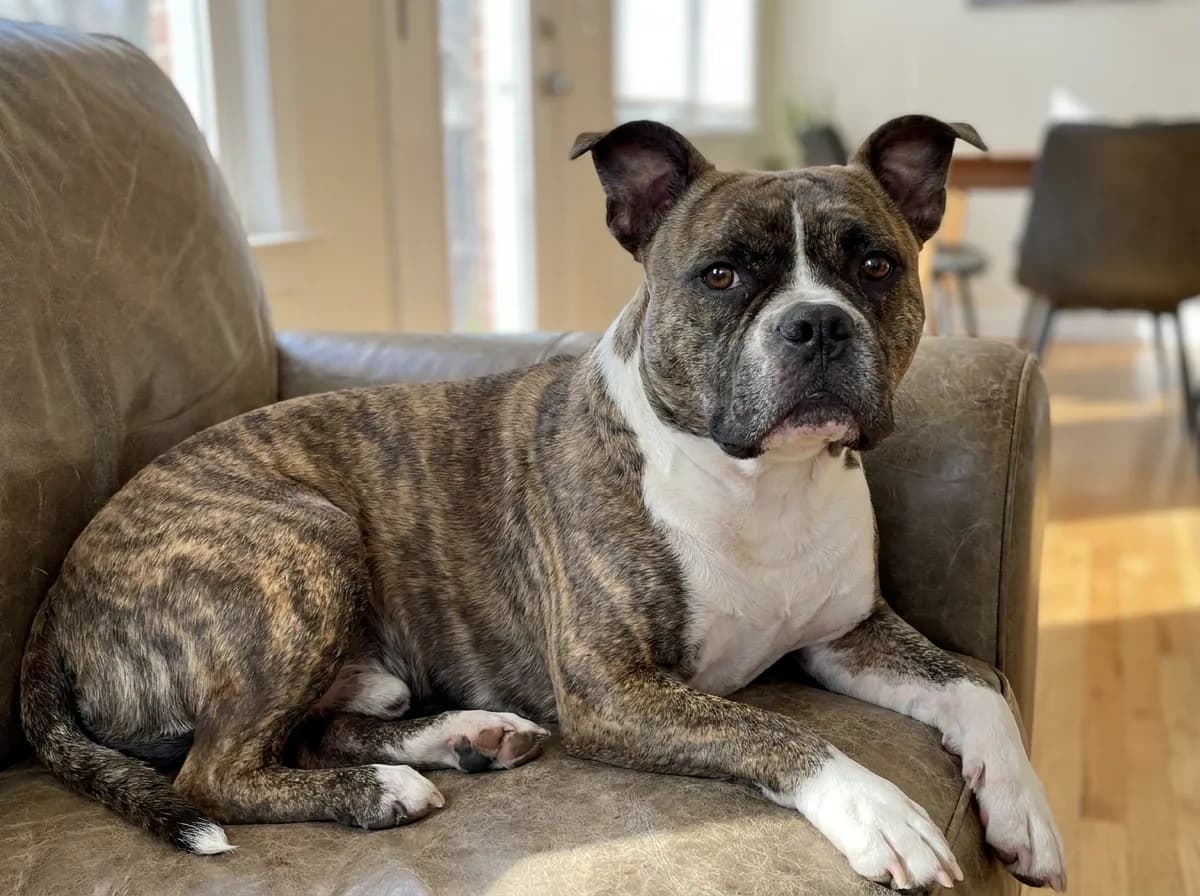
A French Bulldog Pitbull mix description needs a clear account of the second parent. “Pit Bull” may identify a known breed in the records or be used loosely for a dog with a particular build. It should not automatically be expanded into American Pit Bull Terrier without supporting information.
The UKC American Pit Bull Terrier standard describes an athletic, short-coated breed. That is useful parent context when the identity is documented. An American Bulldog, Staffordshire Bull Terrier and Bull Terrier are different names and should not be silently substituted for one another.
For French Bulldog Pitbull mix puppies, keep the ancestry record and the growth record together. You can plan around a puppy's current measurements without claiming its adult strength or dimensions are already known. With an adult, the immediate question is whether the responsible people can comfortably manage the dog's actual size. On a walk, watch how the dog manages:
- Passing through the doorway without crowding people.
- Moving along a route with enough space.
- Pausing while the handler checks the surroundings.
- Returning to a quieter activity after an exciting moment.
A 4-foot PetSafe nylon leash is one length to compare with your walking environment. This variant is 3/4 inch wide. Choose equipment for the individual and your handling needs; neither the width nor the cross name establishes that the arrangement is suitable.
Behavior also needs context. Research on dog ancestry and behavior shows why breed ancestry cannot reliably predict an individual dog's disposition. That does not make parent background meaningless, but it rules out treating a name as a temperament certificate.
Separate different kinds of information:
- A friendly greeting describes an interaction with that person.
- Comfortable play with one familiar dog describes that relationship.
- Previous difficulty around an item needs its own explanation and management.
- Skills already learned can provide a starting point for the new household.
If other animals live at home, discuss introductions and separate resting or feeding spaces before arrival. Do not use an uncontrolled encounter to test whether animals will simply work things out. The value of a careful conversation is that it reveals what support and arrangements are actually needed.
This pairing should not be sold as a protection guarantee or rejected on an invented behavior score. A clear history, realistic handling plan and individual observations offer a sounder basis for deciding whether the dog belongs in your household.
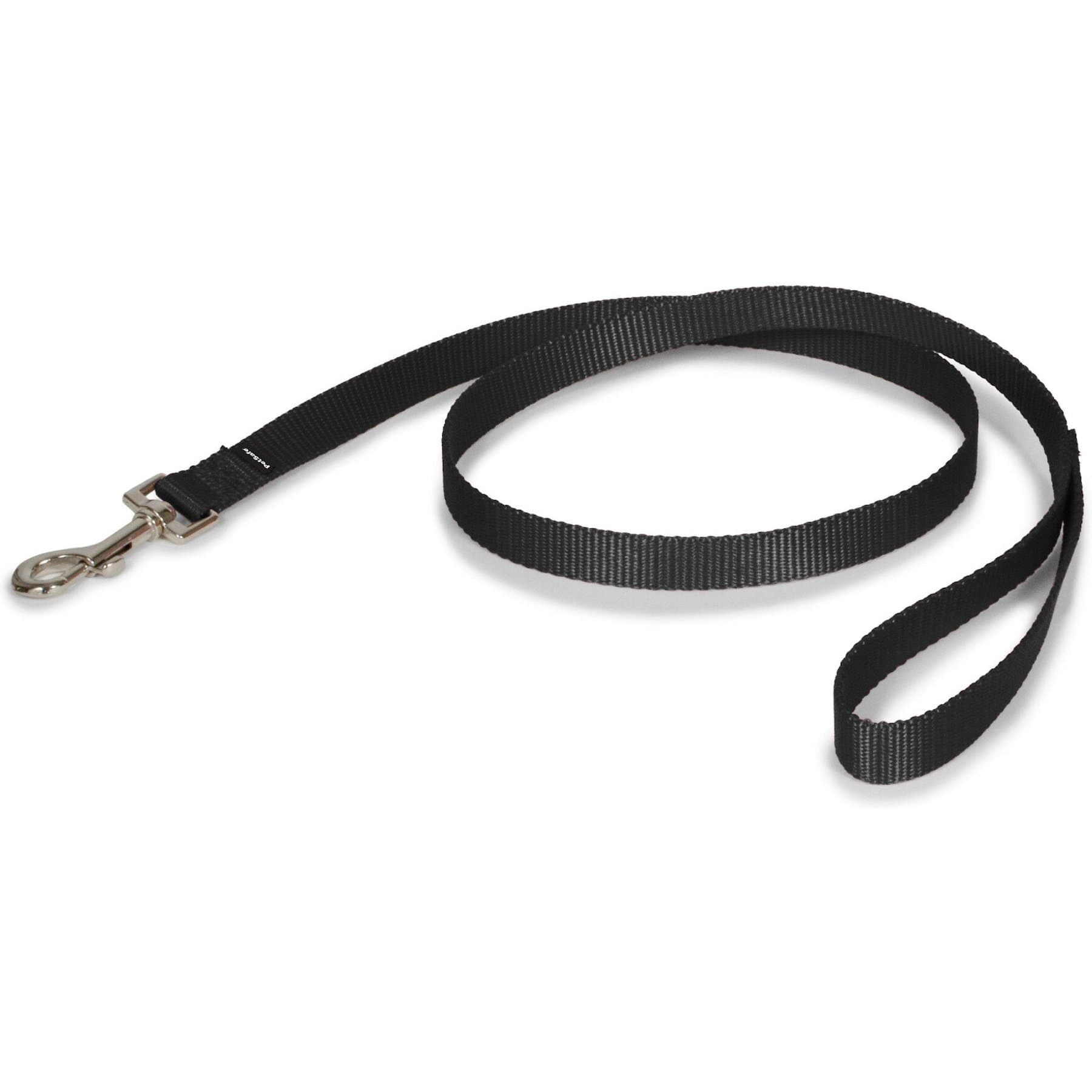
Soft nylon in a short 4-ft, 3/4-in size with a hand loop and a twisting snap bolt clip, light enough not to drag on a small collar.
Petful may earn a commission when you click through to Chewy, at no extra cost to you.
French Bulldog and Shih Tzu

The French Bulldog Shih Tzu mix is sometimes called a French Bull Tzu. The Shih Tzu parent adds a different coat and facial appearance to the comparison. The AKC's Shih Tzu introduction highlights the breed's large dark eyes and companion history, but it does not establish what every cross will inherit. Our Shih Tzu profile covers that parent.
For this pairing, look closely at the maintenance around the face. Longer hair, visible folds or prominent eyes each create different questions. Start by identifying what is present instead of assuming every dog described as a French Bull Tzu needs the same grooming routine.
Ask the groomer to separate the work into useful areas:
- Body coat: brushing, combing and any professional trimming.
- Face hair: keeping maintenance manageable without improvising close cutting.
- Equipment contact points: checking where straps meet the coat.
- Feet and legs: noticing hair that catches debris or becomes difficult to maintain.
A neat-looking face is not necessarily proof that routine care will be easy. Find out how the current finish is maintained and what the dog is comfortable having done. If the coat is kept short, ask what happens between appointments and whether any areas need more frequent attention.
Keep skin or eye concerns separate from cosmetic styling. A newly sore-looking area or reluctance to be touched is a reason to seek appropriate advice, not simply request a closer trim. Avoid selecting a product or procedure on the assumption that every mark around the face has the same cause.
Make the coat-care commitment part of choosing the dog: decide whether you enjoy regular grooming, can arrange professional appointments and have a comfortable place to practice cooperative handling. Establish the present coat, the routine it requires and what may need reassessing as a puppy matures; those details say more about life with this mix than a promised teddy-bear appearance.
French Bulldog and Labrador Retriever

A French Bulldog Lab mix brings together parents with noticeably different scale and background. The AKC's Labrador guidance describes an active retrieving dog with a short, dense double coat. That provides reasons to discuss preferred activities and shedding, not a promise that the cross will be a small Labrador.
Adult scale affects practical choices well beyond the label on a harness. Think about the sleeping space, vehicle arrangement and how the dog will move around people at home. If you are considering a puppy, ask for the actual parents' information without converting their measurements into a guaranteed midpoint.
Play can help you learn what the dog enjoys. Retrieving ancestry does not mean that every individual wants to chase, return and release a toy in exactly the same way. Break the game into its parts:
- Does the dog enjoy following the moving object?
- Does it prefer carrying the object?
- Will it exchange the item for something else?
- Is a short search more engaging than repeated throws?
Choose the version the dog enjoys and can manage. A game can end while it is still comfortable and successful; there is no need to make every session an endurance exercise. Building a clear beginning and end also makes it easier to fit play around an ordinary day.
For an optional quieter activity, a LickiMat Classic Buddy can be considered for supervised food enrichment. Use an appropriate portion of the dog's existing food and stop if the dog begins chewing the mat. It is an activity choice, not a treatment for anxiety or proof that the dog can be left alone.
The Labrador's coat is also a reminder to look beyond hair length:
- Examine the actual coat density.
- Notice loose hair during ordinary care.
- Ask which grooming tools are already comfortable for the dog.
- Reassess the routine if a puppy's coat changes.
A short-haired dog can still leave substantial loose hair around the home. Decide whether the maintenance you observe is something you can accommodate rather than choosing solely from an impression of a sleek coat.
This mix may appeal to someone who enjoys interactive play but is open about the dog's eventual appearance and scale. The important distinction is between wanting a dog with a particular combination of parents and expecting a predictable reduced-size version of one parent.
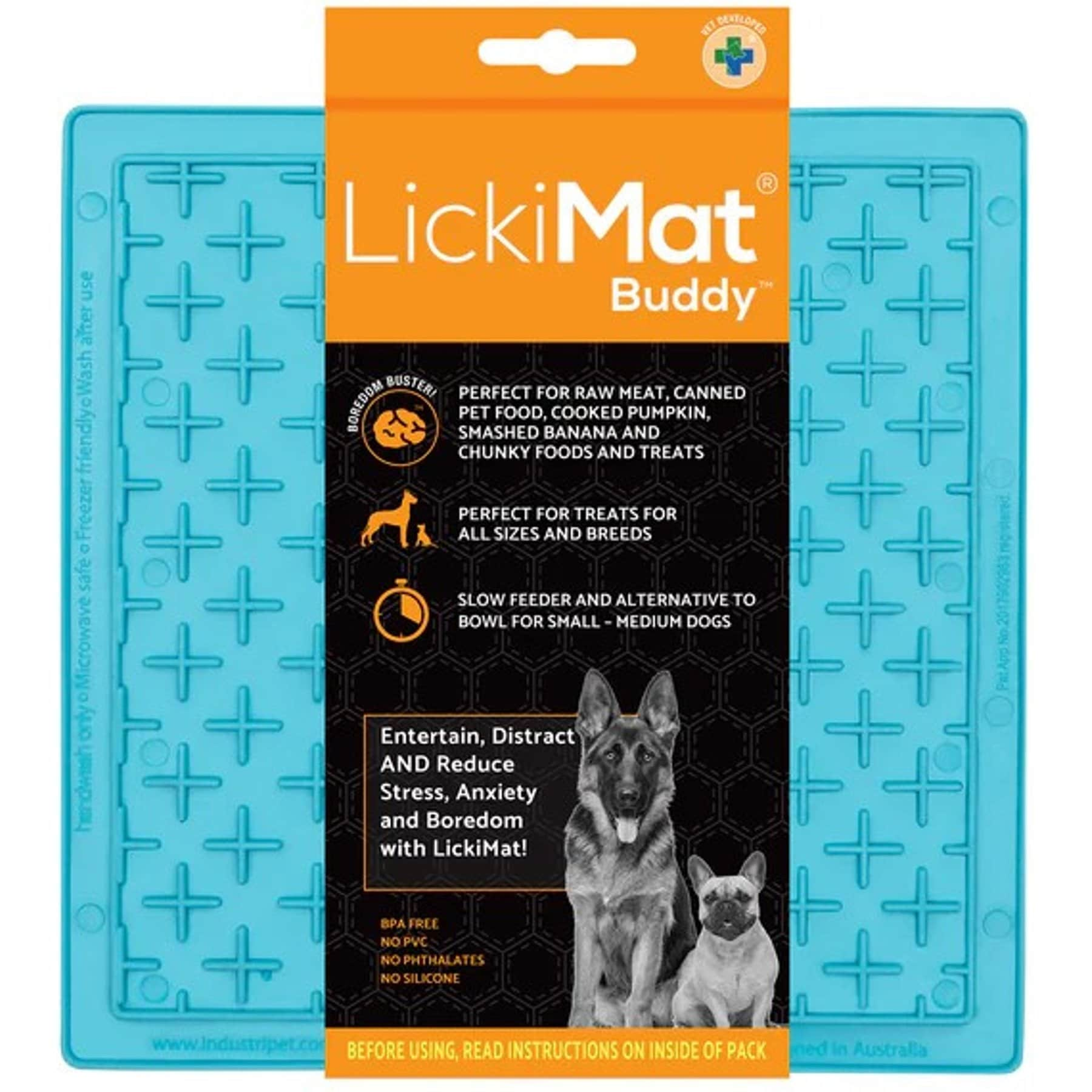
A textured lick mat for supervised food-based activity. Use suitable portions and remove it if your dog chews the material.
Petful may earn a commission when you click through to Chewy, at no extra cost to you.
French Bulldog and Corgi
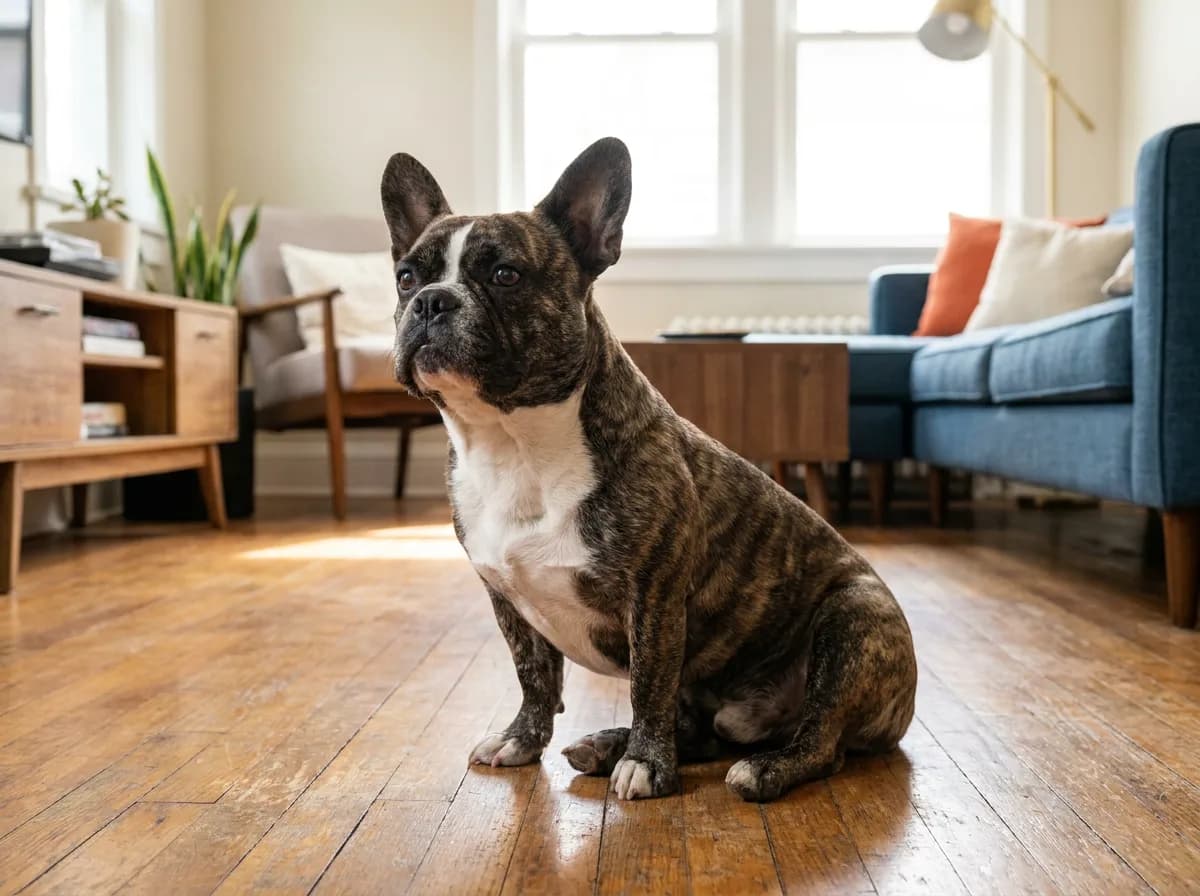
A Corgi French Bulldog mix should prompt a parent-identity question: Pembroke Welsh Corgi or Cardigan Welsh Corgi? “Corgi” alone does not supply that detail. The AKC describes the Pembroke as an athletic herding dog, which is useful background when that is the documented parent. Our Pembroke Welsh Corgi profile covers that parent.
Do not assume the cross will have a particular combination of short legs, long body and upright ears. Examine the actual proportions and comfortable movement. A familiar outline can attract attention without explaining how the dog manages its surroundings.
In a home assessment, watch ordinary movement rather than staging a performance:
- Turning in a hallway or beside furniture.
- Walking across the surfaces used every day.
- Lying down and rising in the resting area.
- Passing calmly through a doorway with someone nearby.
These observations help you plan space and access; they do not diagnose a problem, so bring any movement concern to your veterinarian. The herding parent background also makes household movement a useful topic: ask what happens when people hurry through a room, visitors arrive or another pet begins playing, rather than assuming every Corgi cross will chase, bark or nip.
For training, choose a clear alternative behavior that fits the situation. Rewarding a dog for moving to a comfortable place while a door opens is more useful than repeatedly objecting to where it stands. The American Veterinary Society of Animal Behavior supports reward-based methods; practical routines should make it possible for the dog to succeed.
A household that values a compact appearance still needs to consider the whole dog. Body proportions, responses to movement and opportunities to rest each affect the experience of living together. Keeping those decisions separate prevents an attractive photograph from doing all the work.
French Bulldog and Boxer
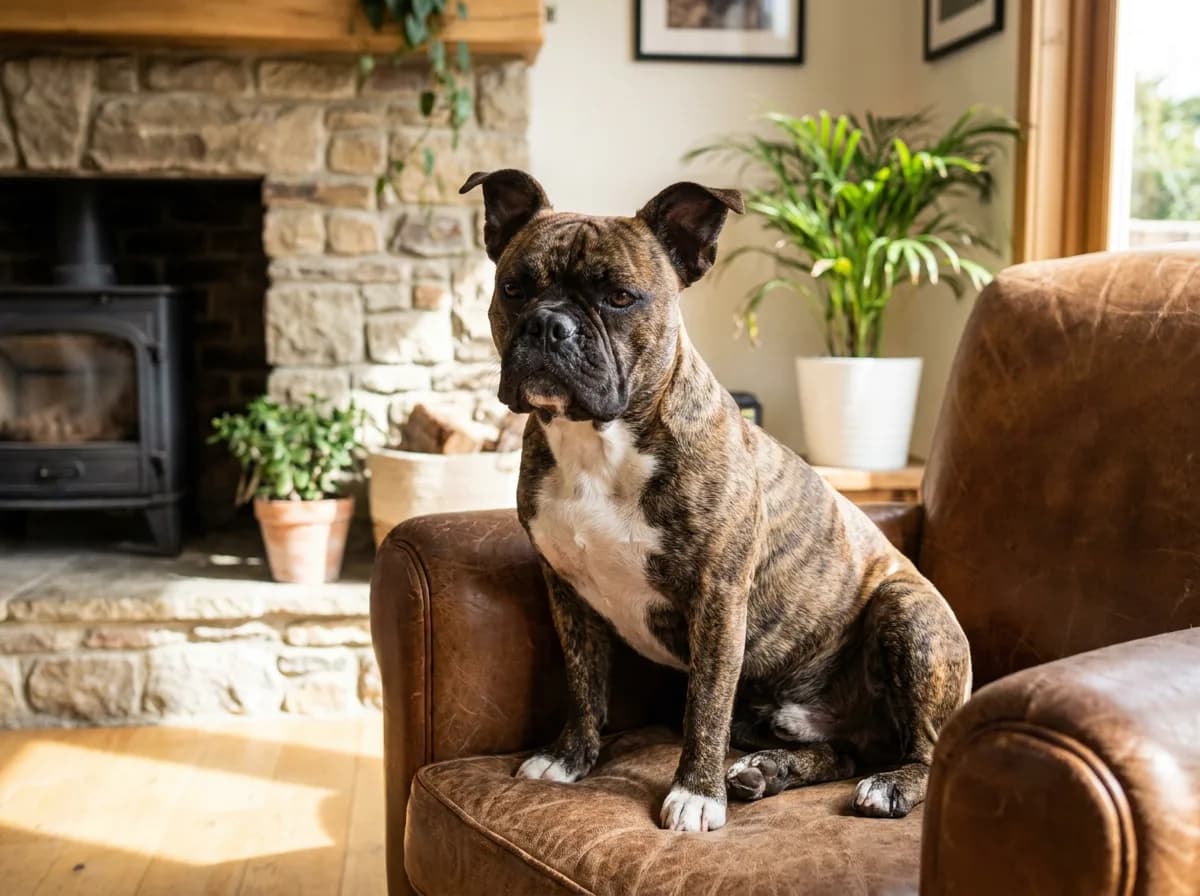
The French Bulldog Boxer mix combines the Frenchie's compact parent background with a substantially larger parent. The AKC Boxer introduction describes an alert, sometimes silly dog. That helps frame questions about play and physical interaction, but this is not a standardized miniature Boxer. Our Boxer breed profile covers that parent.
Start with the space the dog occupies during everyday activities. A resting dog, a dog turning around and an excited dog greeting someone can use the same room very differently. A suitable home does not need a particular floor-area claim; it needs a workable arrangement for that individual.
Consider greetings as a practical interaction:
- Can the responsible adults manage the dog's physical enthusiasm?
- Is there room for a visitor to enter without crowding?
- Can the dog move toward a quieter activity?
- Is there an established cue or routine that helps?
An enjoyable greeting is only one part of living together. Notice what follows it. A dog may be ready to rest, want to continue playing or need help understanding what happens next. Learning the existing routine gives you something specific to continue.
For play, look for activities with a manageable transition at the end. Putting a toy away and moving to a resting area can be part of the sequence, rather than waiting until everyone becomes frustrated. If the dog already knows an exchange or a settling cue, ask how that skill was taught and which signals it understands.
Growth can make the physical arrangement change quickly enough that equipment deserves another look. A bed that suited the puppy may not allow the adult to stretch comfortably, and walking gear should be checked against current dimensions. Do not buy the permanent setup solely because “French Bulldog” appears first in the cross name.
Two mixes with detailed Petful guides
The following pairings have established Petful coverage. These brief comparisons identify the useful distinction, then point you to the fuller guide.
French Bulldog and Boston Terrier

The Boston Terrier French Bulldog mix is commonly called a Frenchton. The name identifies a reported pairing, not a fixed adult size or a standardized balance of the parents' features. Assess a full-grown dog from its actual dimensions; keep a puppy's size forecast provisional.
Our Boston Terrier guide covers the parent and its mixes. Use that background alongside the dog's records, with attention to comfortable breathing, normal activity and the care already in place. A cross name alone does not establish that either parent's health concerns have disappeared.
French Bulldog and Beagle

A French Bulldog Beagle mix is usually called a Frengle. The Beagle's scent-hound background makes sniffing, searching and the dog's responses to interesting smells useful topics to explore. Do not assume a Frenchie parent removes those interests or produces a uniformly quiet companion.
The Frengle entry in our Beagle mixes guide provides the fuller comparison. For your own decision, look at the established walking routine and the dog's actual build rather than assigning a size or personality from its nickname.
Choose the individual dog
The most useful next step after comparing crosses is to assemble what you know about one dog. Separate confirmed information from assumptions and decide which unanswered questions would materially change your choice.
Compare the daily routine
Start with an ordinary day rather than a best-case weekend. Consider when people are available, how walks and grooming will happen, and where the dog can rest while the household is busy. A workable plan should cover routine commitments as well as enjoyable outings.
Ask for examples behind broad descriptions. “Playful” might mean a short toy game, persistent invitations to interact or lively greetings. “Quiet” might describe a dog at rest in a familiar place. Those words become more useful when attached to situations.
Record known records and individual observations separately, then give each uncertainty a practical next step:
| Decision | Known records or individual observations | Next step |
|---|---|---|
| Size and equipment | Age, current measurements and documented parent information | Measure before ordering and keep puppy forecasts provisional. |
| Coat care | Present texture, tangling and comfort with handling | Obtain a demonstration of suitable maintenance. |
| Daily routine | Walking, play, settling and time alone in the current home | Compare that routine with your actual schedule. |
| Health | Veterinary history and available parental screening | Ask what the records mean for the individual dog. |
| Ancestry | Breeder records, rescue history or DNA information | Separate documented facts from a visual label. |
A useful comparison can reveal a good fit without requiring every characteristic to be predictable. You may be comfortable with uncertain adult coat texture but need clear information about managing the dog alongside an existing pet. Someone else may have flexibility in their schedule but little capacity for frequent grooming appointments.
Choose which issues are essential before becoming attached to a particular appearance:
- The amount of regular care you can provide.
- The physical handling required from each adult.
- The arrangements for existing animals.
- The hours when help may be needed.
- The costs and appointments already identified.
Then work through the practical gaps. If the dog needs a midday arrangement, identify who will provide it. If regular coat care is unfamiliar, arrange a demonstration. If an important health question remains unanswered, obtain the relevant veterinary advice before treating the choice as settled.
Avoid turning a brief meeting into a series of improvised tests. A familiar walk or ordinary interaction can provide useful context without introducing crowds, unfamiliar equipment or deliberate provocation. Ask what the dog already knows and observe how those skills are used.
Your preferences matter too. Enjoying grooming, scent games, gentle companionship or teaching new skills can influence which routine feels sustainable. The aim is a satisfying everyday life for both the dog and the people, rather than a perfect score against a breed description.
Check breathing and health records
Put an individual breathing assessment ahead of appearance preferences. Cambridge's BOAS guidance explains that marked respiratory noise warrants veterinary examination and that some affected dogs show signs during activity while appearing comfortable at rest. A quiet adoption meeting therefore cannot rule out an airway problem.
BOAS means brachycephalic obstructive airway syndrome. Do not attempt to diagnose it from the shape of a photograph or perform a home exercise test. Discuss the dog's breathing and available veterinary history with the veterinarian. Our French Bulldog health and lifespan guide provides parent-breed background without establishing a cross-specific diagnosis.
For a puppy with known parents, ask for the actual parental screening records rather than a general statement that the parents were checked. Useful documentation identifies:
- The dog that was examined or tested.
- The assessment performed.
- The date.
- The result.
- Any interpretation or follow-up already supplied.
If a breeder points you toward OFA records, make sure the identity matches the parent being discussed and bring the individual results to the veterinary conversation. A name, badge or list of tests is less informative than the underlying record. Different parent breeds may have different relevant screening considerations.
For an adopted adult, parental information may be unavailable. The dog's own veterinary history, current examination and known care needs remain valuable. Missing ancestry information is not proof of either good or poor health, and it should not stop you from asking clear questions about present care.
Keep any reported limitations visible in the home plan. An activity the dog enjoys does not override advice about what it can comfortably manage. Likewise, a seller's description of “hybrid vigor” is not a substitute for individual evidence; AAHA cautions against assuming that crossbreeding predictably removes genetic risks.
Measure for equipment and coat care
Measure the dog before selecting the permanent setup. A cross description can suggest questions, but measured equipment selection depends on the actual body. Use the sizing instructions for each product and check how it works once fitted.
For a puppy, note when you measured and revisit the fit as it grows. Do not assume that moving to the next named size will solve every issue: different products have different proportions and adjustment ranges. A size label is a starting point for comparison.
Check each item for its purpose:
- Harness: current dimensions, adjustment and comfortable movement.
- Leash: a manageable length and grip for the person using it.
- Resting area: enough room for the dog's preferred positions.
- Grooming tools: suitability for the actual coat and comfortable handling.
- Enrichment items: appropriate use, supervision and condition.
Coat-care differences should be assessed just as practically. A smooth-looking coat, longer face hair and a curly body coat do not call for identical tools. Ask for a demonstration on the dog, then describe honestly how much maintenance you can provide between professional appointments.
Separate decorative preferences from necessary care. You may enjoy longer hair in some areas but find it difficult to maintain around equipment or during messy outings. A groomer can help you describe a manageable finish without assuming that every cross needs a named haircut.
Color is another appearance detail that should stay in its proper place. Our French Bulldog colors guide explains the purebred discussion. A mixed dog's coat color does not prove its complete ancestry, recognized registration status or future care needs.
French Bulldog mix questions
It depends mainly on the Poodle parent. With a Toy or Miniature Poodle, both parents sit between about 4 and 28 pounds under AKC standards, so expect a small dog; a Standard Poodle parent (40 to 70 pounds) can produce a much larger cross. Ask for the actual parents’ weights and track the puppy’s growth rather than relying on the nickname.
No cross can be promised to be hypoallergenic. The American Academy of Allergy, Asthma & Immunology explains that there are no truly hypoallergenic dog breeds, so allergy expectations should not rest on curl, hair length or a low-shedding label. An individual allergic response is a separate issue from grooming maintenance. If allergies affect someone in the household, discuss that person's needs with their clinician before treating a Poodle cross as a solution.
Not reliably. The AKC lists the French Bulldog at 10 to 12 years and the Poodle at 10 to 18 years, but a lifespan estimate built by averaging parent figures ignores the individual dog’s health history and condition. Use its records and a veterinary assessment to plan care, and treat any parent-breed figure as background rather than a promised age.
Keep both pieces of ancestry information with their context. A shelter label may have been based on appearance or an incomplete history, while a DNA result provides a different form of evidence. Ask what the shelter records actually establish and share relevant information with your veterinarian. Neither account replaces the dog's observed behavior and medical history.
Not necessarily. Fluffy Frenchie is a coat description, not proof of another breed in the family history. Our fluffy French Bulldog guide explains the long-haired label and its background. Establish ancestry from the available records rather than assuming that long hair proves a cross or that a short coat proves purebred status. The actual coat still needs an appropriate maintenance plan, whatever name is used.

Coreen Saito is a pet writer and longtime shelter volunteer with more than a decade in animal rescue. She covers cat behavior, breed care, and the small, ordinary science of sharing a life with companion animals, with a particular focus on honest takes about the products and decisions that actually matter. At home in Arizona, she's outranked by Mac (a dog with the loudest opinion in the house), Rebel (a cat who governs by quiet authority), and Meri (an orange tabby who runs the late shift and the laundry basket). She writes about all three, plus the rescues that keep coming through her life, at LifeWithMinty.com.
Sign up for expert-backed reviews and safety alerts all in one place.