French Bulldog Colors: Standard vs. Rare Guide
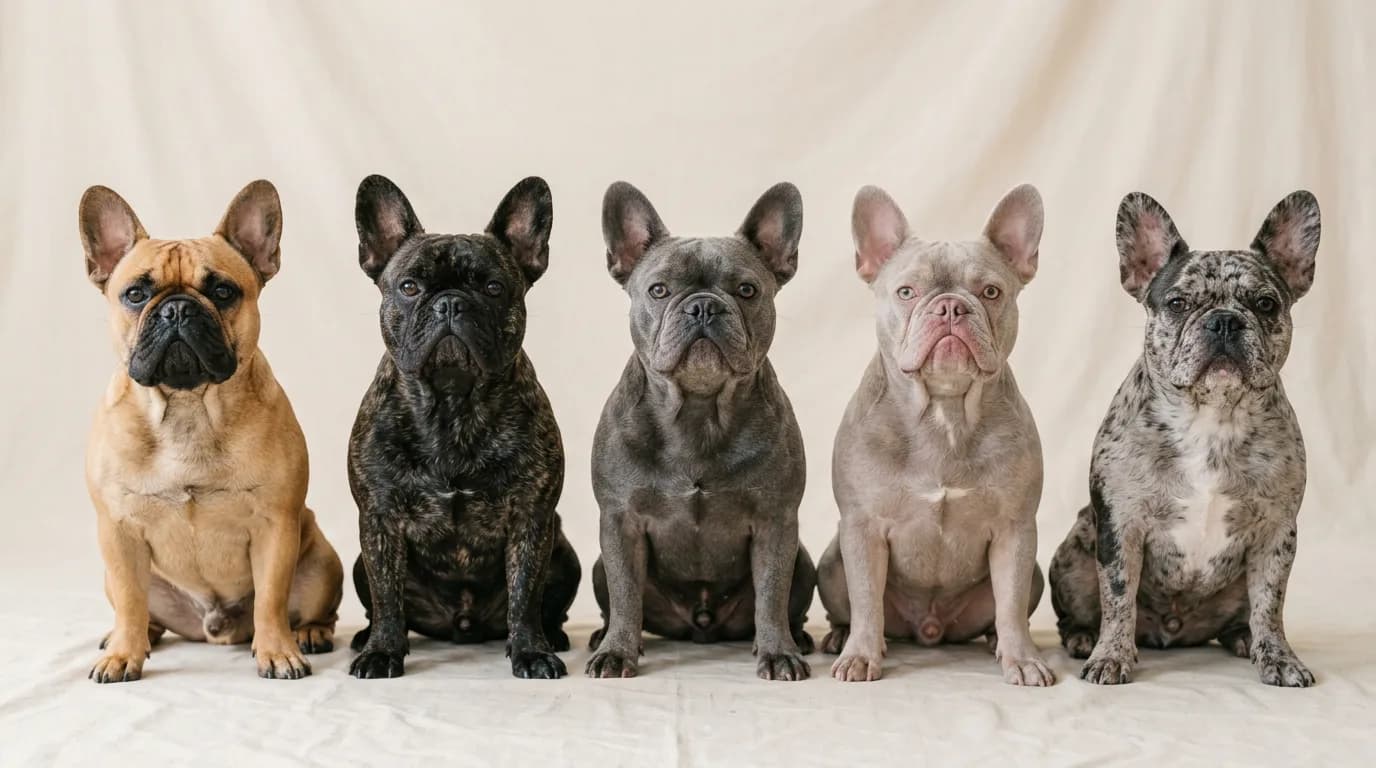
French Bulldog colors span the four standard shades the show ring accepts and a whole rainbow of pricey "rare" colors like blue, lilac, chocolate, merle, and fluffy.
Petful is reader supported. As an affiliate of platforms like Amazon and Chewy, we may earn a commission when you buy through links on this page. There is no extra cost to you.
French Bulldog colors run from the four the show ring recognizes (fawn, brindle, cream, and white) to a whole rainbow of "rare" shades like blue, lilac, chocolate, and merle that no kennel club will register. Knowing which is which matters for more than looks. The exotic colors carry a higher price tag and, in several cases, a documented health cost. This guide walks through every standard and rare Frenchie color, what each one actually costs, and where the color of a dog crosses from cosmetic to a genuine welfare concern.
We will keep the two questions separate the whole way through: what color is this dog, and is that color tied to a health risk. Those are not the same question, and conflating them is how buyers end up paying a premium for a puppy that is more likely to need a dermatologist.
- 1The French Bull Dog Club of America recognizes only a short list of standard colors, brindle, fawn, white, and combinations of those, plus cream.
- 2"Rare" or "fad" colors (blue, lilac, chocolate, merle, Isabella, fluffy) are disqualifications in the show ring and are not tied to a healthier dog, only a pricier one.
- 3Two health flags are real and evidence-based: double merle (merle bred to merle) and color dilution alopecia in dilute blue and lilac dogs. Neither is guaranteed, but both are documented.

Sign up for expert-backed reviews and safety alerts all in one place.
How French Bulldog coat color works
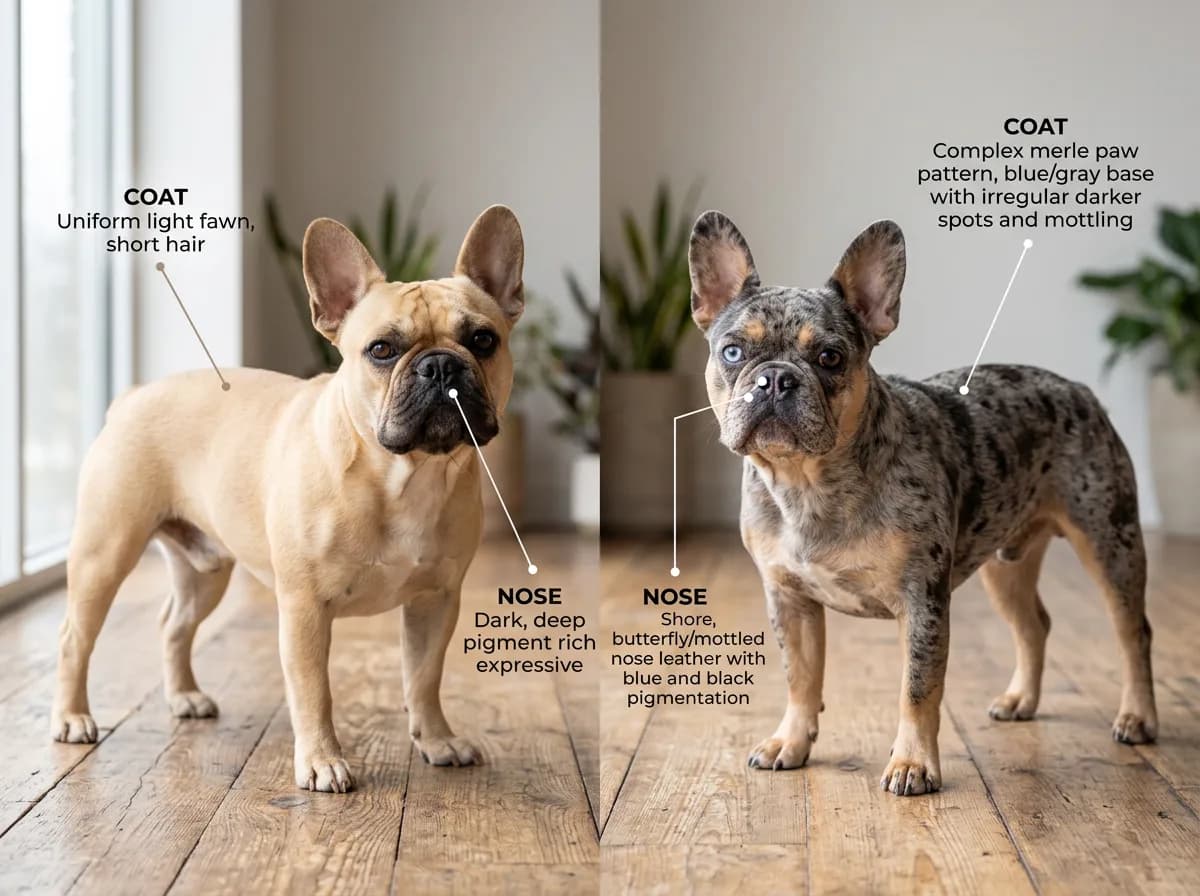
Every French Bulldog coat is the output of a handful of genes stacked on top of one another. Two of them decide the base pigment: one controls black-based pigment (eumelanin) and one controls red-based pigment (pheomelanin). On top of the base sit the pattern genes (brindle, piebald, and the agouti-locus patterns like fawn and sable) and, critically, the dilution and merle genes that turn an ordinary color into a "rare" one.
The dilution gene (the D locus) is the single most important one to understand, because it is the engine behind the priciest colors. A dog that inherits two copies of the recessive dilution allele has its black pigment lightened to gray (this is "blue") and its brown pigment lightened toward a soft silvery tone. Stack dilution on top of a chocolate base and you get lilac. So blue and lilac are not separate paints. They are standard pigments that have been genetically faded, and that fading is exactly what some dogs' skin does not tolerate well.
Merle is a different mechanism entirely. It is a pattern gene that randomly dilutes patches of pigment, giving the mottled, marbled look, and it does not occur naturally in the purebred French Bulldog gene pool at all. Where it appears, it was introduced through outcrossing, which is one reason kennel clubs treat it as a disqualification.
Petful may earn a commission when you click through to Chewy, at no extra cost to you.
- A "standard" color means the French Bull Dog Club of America will register and show the dog. A "rare" or "fad" color means it will not. That line is about breed standards and show eligibility. It is separate from whether the individual dog is healthy, which comes down to the specific genes involved and the breeder's testing, not the coat shade by itself.
The standard French Bulldog colors
These are the colors the French Bull Dog Club of America (FBDCA) accepts under the breed standard. If a Frenchie is going to be shown, its color has to come from this list. The FBDCA breed standard lists acceptable colors as all brindle, fawn, white, brindle and white, and any color except those that constitute a disqualification. Cream is the other widely recognized solid.
Brindle
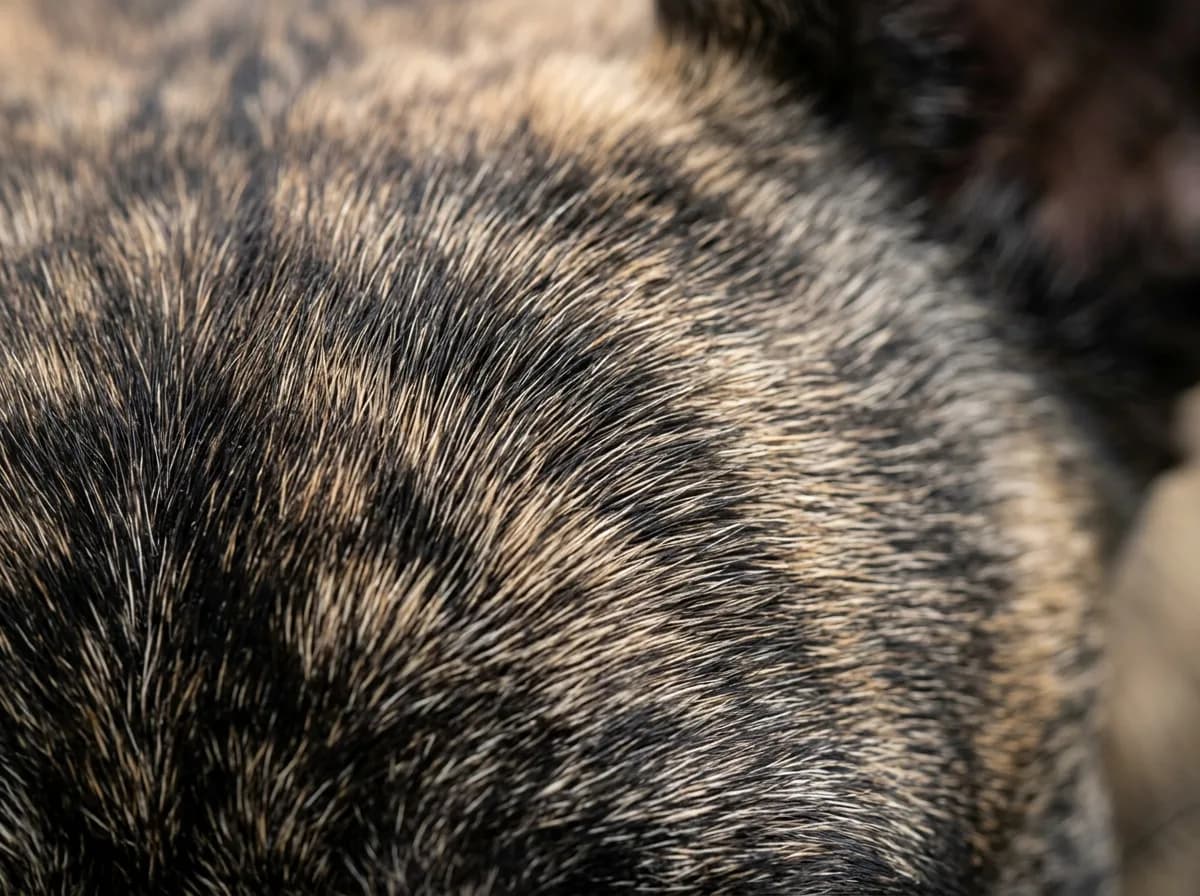
Brindle is the oldest and most classic Frenchie coat. It is not a single color so much as a pattern: a base of fawn hairs shot through with darker black hairs, giving a striped, tiger-like effect. Brindle ranges from "light" (mostly fawn with sparse dark striping) to "heavy" or "seal" brindle so dense the dog looks almost solid black until the light hits it. Reverse brindle flips the ratio, with lighter striping over a darker base. Brindle is dominant, which is part of why it is so common.
Fawn
Fawn is a solid coat that runs from a pale, light tan through to a rich, deep red fawn. Many fawns carry a black mask over the muzzle and ears, and some show a faint dark shading along the back. Fawn is a clean, breed-standard color with no dilution involved, which is exactly why it stays affordable relative to the exotics.
Cream
Cream is a solid, soft off-white to light ivory coat with no brindling and no mask. It is genetically distinct from white: a true cream is a recessive dilution of fawn pigment across the whole coat, so the dog is uniformly pale rather than patchy. Cream is FBDCA-recognized and is one of the more sought-after standard colors, which nudges its price up within the standard range.
Petful may earn a commission when you click through to Chewy, at no extra cost to you.
White and pied
Pure white coats and pied (piebald) patterning both fall in or beside the standard set. Pied is a largely white coat broken up by distinct patches of fawn or brindle, most often on the head and back. Because piebald is linked to the same pigment-reducing genetics that can affect the inner ear, heavily white and pied dogs are worth asking a breeder about specifically, since congenital deafness is more common where pigment is largely absent around the ears.
| Color | Description | Show status |
|---|---|---|
| Brindle | Fawn base with interwoven black hairs, striped effect | Standard, fully accepted |
| Fawn | Solid light tan to deep red, often with a black mask | Standard, fully accepted |
| Cream | Uniform soft off-white ivory, no mask or brindling | Standard, accepted |
| White and pied | Solid white, or white broken by fawn or brindle patches | Standard, accepted (ask about deafness) |
The rare and exotic French Bulldog colors
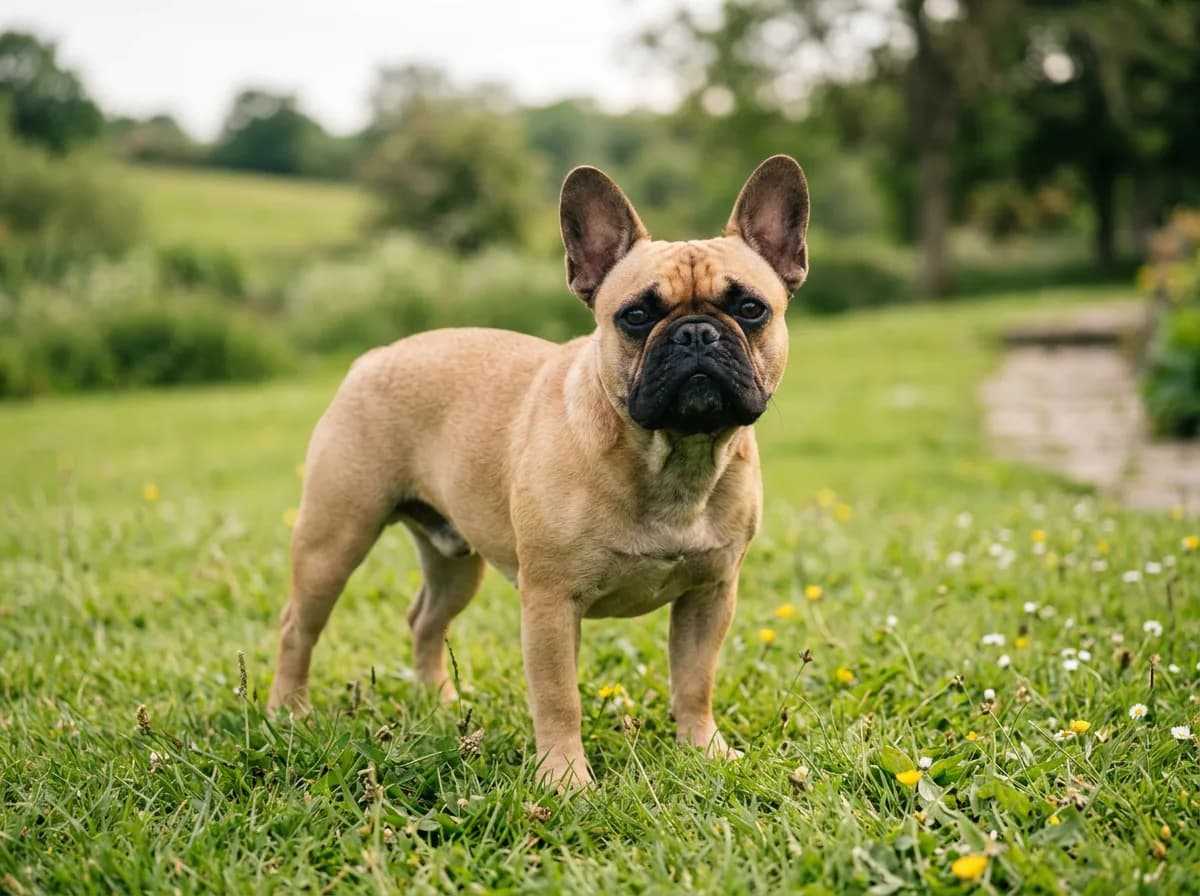
Everything below is where the money and the marketing live, and where buyers need to slow down. These colors are disqualifications in the show ring. That does not make them less real, and it does not automatically make the dog unhealthy, but "rare" is a pricing word here, not a quality word.
Blue
Blue is the gateway exotic. It is a solid coat where the black pigment has been diluted to a smoky, slate gray. Genetically it is a black dog carrying two copies of the recessive dilution allele. Blue Frenchies are common enough now that "rare" is a stretch, but they still command a premium over standard colors. Blue is also the color most associated with color dilution alopecia, covered in the health section below.
Lilac (Isabella)
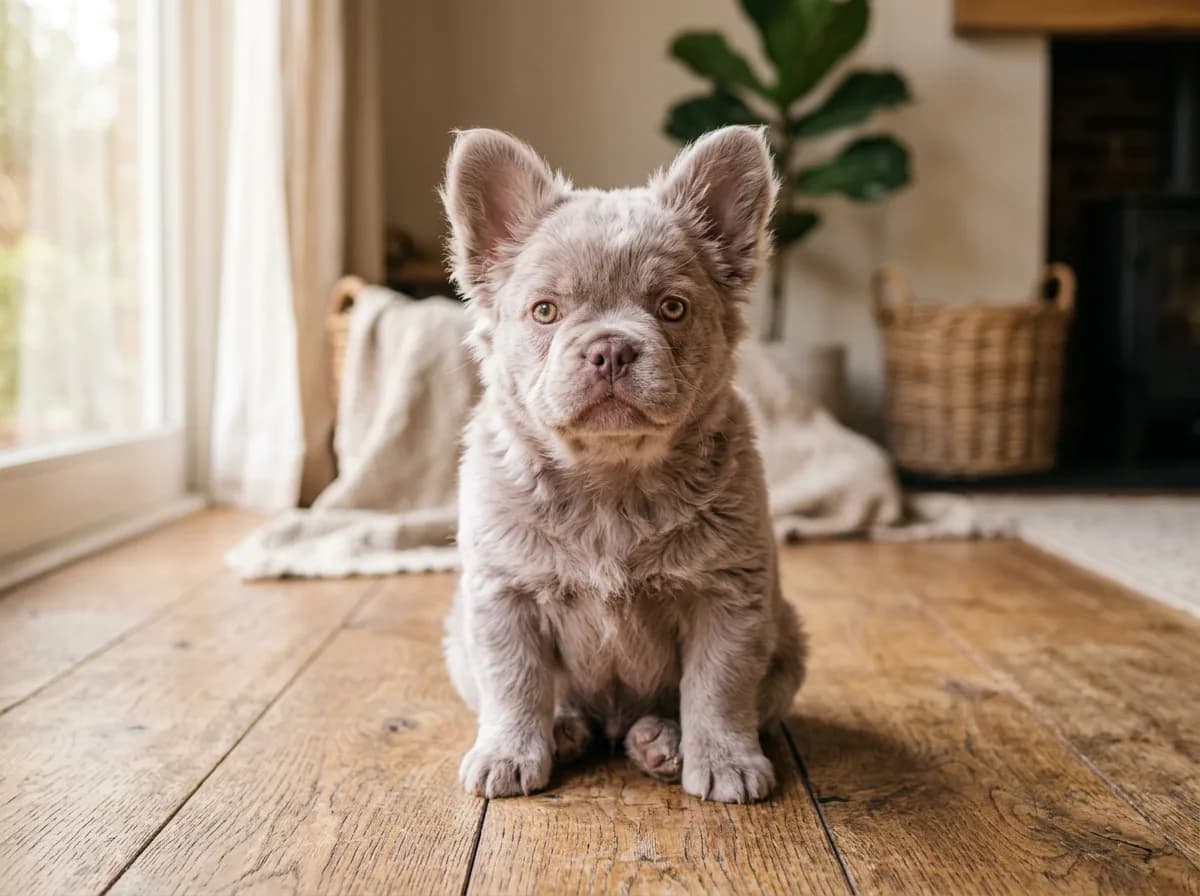
Lilac is dilution stacked on chocolate: a chocolate-based dog that also carries two copies of the dilution allele, producing a pale, silvery gray with a faint warm or purple cast, often paired with light amber or green eyes and a pinkish nose. Lilac is one of the priciest single colors in the breed. Isabella is closely related and sometimes used interchangeably, though some breeders reserve "Isabella" for a specific dual-dilute combination. Both rely on the same dilution machinery as blue, so both carry the same skin-coat risk profile.

Petful may earn a commission when you click through to Chewy, at no extra cost to you.
Chocolate (and testable vs. non-testable brown)
Chocolate is a rich, warm brown across the whole coat, typically with lighter eyes and a brown rather than black nose. There is an important nuance most listings skip: there is a common "testable" chocolate gene that standard DNA panels detect, and a separate "non-testable" or "cocoa" brown that panels historically missed. A responsible chocolate breeder can tell you which their line carries. Chocolate on its own is not a dilute, so it does not carry the dilution-alopecia risk unless it is combined with the dilution gene (which then makes it lilac).
Merle
Merle is the most visually dramatic and the most genuinely risky pattern in the breed. It produces mottled, marbled patches of diluted pigment over a solid base, often with blue eyes. Merle does not exist in the purebred Frenchie gene pool, so a merle Frenchie carries introduced genetics. A single copy of merle (a dog bred merle-to-non-merle) is generally healthy in appearance. The serious danger is double merle, covered below, where two merle parents are bred together.
Fluffy (long-haired)
The "fluffy" Frenchie is not a color at all. It is a coat length: a long-haired Frenchie produced by a recessive gene (a variant of the FGF5 gene) that gives the dog soft, longer fur, especially around the ears, chest, and legs. Fluffies can appear in any color, and a "fluffy lilac merle" stacks a coat-length gene, a chocolate base, dilution, and merle all in one dog, which is why those puppies carry the highest prices in the breed. The fluffy gene itself is not tied to a health defect, but the color genes stacked alongside it may be.
Platinum, sable, and tan-point variations
Beyond the headline colors, breeders market platinum (an extremely washed-out cream-adjacent dilute), sable (fawn hairs tipped in black), and tan-point patterns (a solid base with defined tan markings over the eyes, muzzle, chest, and legs, like "blue and tan" or "lilac and tan"). These are combinations of the same base, pattern, and dilution genes already covered, priced by how many rare genes are stacked.

Petful may earn a commission when you click through to Chewy, at no extra cost to you.
| Color | Genetic basis | Health flag |
|---|---|---|
| Blue | Black base plus double dilution | Higher color dilution alopecia risk |
| Lilac / Isabella | Chocolate base plus double dilution | Same dilution alopecia risk as blue |
| Chocolate | Brown base, not diluted on its own | Low unless combined with dilution |
| Merle | Introduced merle pattern gene | Double merle is high-risk (deaf/blind) |
What French Bulldog colors cost
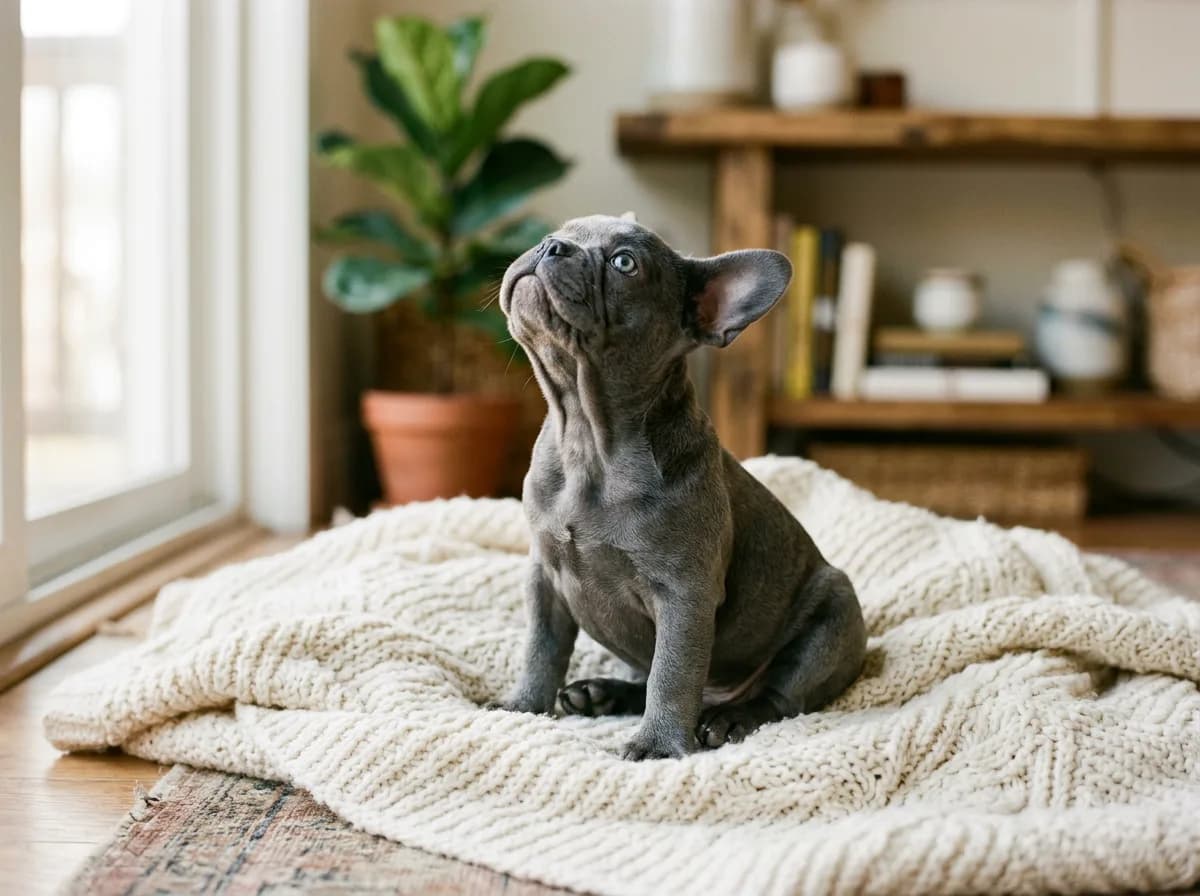
Price in this breed tracks rarity of the color genes far more than it tracks the dog's health or temperament, which is the uncomfortable core of the "fad color" problem. Standard-colored Frenchies (fawn, brindle, standard pied) from a health-testing breeder generally sit at the lower end of the breed's already high range. Each rare gene stacked on top pushes the price up.
The rough hierarchy that most breeders and buyers report, lowest to highest: standard fawn and brindle at the bottom, then cream, then blue, then chocolate, then lilac and Isabella, then merle, with fluffy-plus-rare-color combinations (a fluffy lilac merle, for example) at the very top. Exotic and stacked-gene puppies routinely list for several times the price of a standard-colored puppy from the same quality of breeder.
- The colors that cost the most (blue, lilac, merle) are exactly the ones with the documented health flags. Paying a premium buys the rare coat, not a healthier dog. A fawn from a breeder who genetic-tests both parents is a safer bet than a bargain lilac merle from one who does not.
If price is what is driving the search, the single most useful move is to shift the question from "what is the rarest color" to "what has this breeder tested for." A reputable breeder of any color will screen both parents (labs like Embark, UC Davis, or Orivet) and will talk openly about what their line carries. A breeder who leads with color and dodges the health testing is the actual red flag, regardless of price.
The health of rare French Bulldog colors
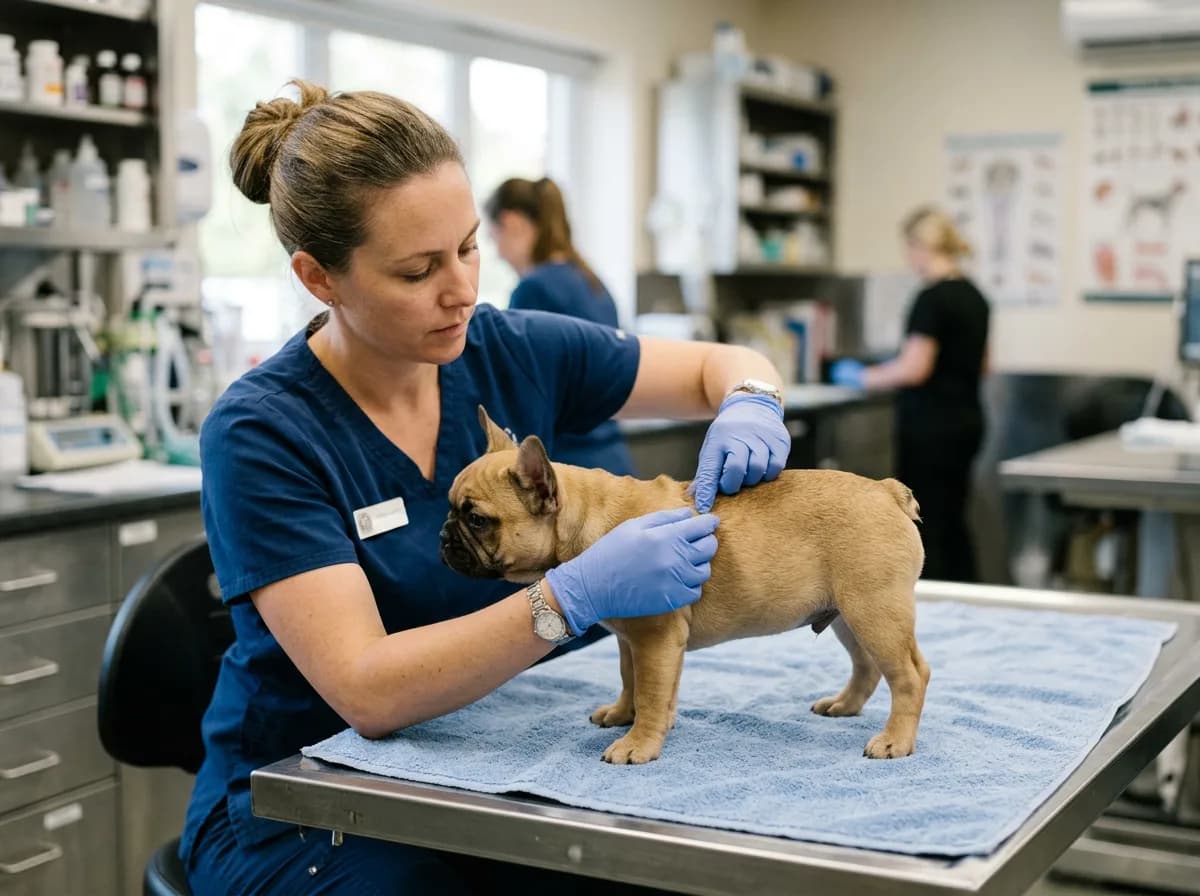
This is the part that matters most, so we will be precise. Color by itself does not make a dog sick. But two specific mechanisms behind the priciest colors are tied to documented problems, and one health issue applies to every French Bulldog regardless of color.
Color dilution alopecia (blue and lilac)
Color dilution alopecia (CDA) is a genetic skin condition seen in dogs carrying the dilution gene, the same gene that produces blue and lilac coats. In affected dogs, the diluted hair shafts are structurally weak and the follicles are malformed, leading to progressive hair loss (often starting along the back), dry flaky skin, and recurring follicular skin infections, typically beginning in the first two years of life. Not every blue or lilac dog develops CDA, but the condition is essentially confined to dilute-coated dogs, which is why the dilute colors carry a skin-health asterisk that fawn and brindle do not. The Merck Veterinary Manual describes CDA as a hereditary condition of color-dilute dogs, so this is a documented veterinary risk, not breeder folklore. (See merckvetmanual.com.)
Petful may earn a commission when you click through to Chewy, at no extra cost to you.
Double merle (merle bred to merle)
A single merle gene, in a dog bred merle-to-non-merle, is usually cosmetic. The serious welfare problem is the double merle: when two merle dogs are bred together, roughly a quarter of the litter inherits two copies of the merle gene, and those double-merle puppies have dramatically elevated rates of congenital deafness and blindness (including missing or malformed eyes) because the merle gene, in a double dose, disrupts the development of pigment cells the inner ear and eye depend on. This is why responsible breeders never pair two merles, and why a merle-heavy breeding program is a warning sign. The link between the merle gene and auditory-pigmentation defects is documented in veterinary genetics literature (see the NIH/PubMed record on merle and PMEL17/SILV, ncbi.nlm.nih.gov).
The health issue that applies to every color: brachycephaly
Whatever color a French Bulldog is, it is a brachycephalic (flat-faced) breed, and that face shape is the breed's defining health concern. The shortened skull crowds the airway and causes Brachycephalic Obstructive Airway Syndrome (BOAS), which shows up as noisy breathing, exercise intolerance, and a serious vulnerability to overheating. This has nothing to do with coat color. A fawn Frenchie and a lilac merle Frenchie share the same flat-faced airway risk. The American College of Veterinary Surgeons documents BOAS as a common, treatable-but-serious condition in brachycephalic breeds (acvs.org). It is worth naming here so that no one walks away thinking a "healthy standard color" is free of the breed's biggest health issue.
- 1Color dilution alopecia is confined to the dilute colors (blue, lilac, Isabella) and is documented by the Merck Veterinary Manual.
- 2Double merle, from breeding two merles together, carries high rates of congenital deafness and blindness and is the single most serious color-linked welfare issue.
- 3Brachycephaly and BOAS affect every French Bulldog of every color, so no coat shade makes a Frenchie a low-health-risk dog.
How to read a French Bulldog color listing without getting fooled
Because color drives price, color is also where listings stretch the truth. A few practical checks:
- Ask for the DNA color panel, not just the label. A reputable breeder can show a coat-color DNA result from Embark, UC Davis, or a comparable lab that spells out exactly which base, dilution, and pattern genes the dog carries. "Lilac merle fluffy" as a label with no panel behind it is marketing.
- Match the nose and eyes to the claimed color. Genetics leave tells. Blue dogs have gray noses, chocolate and lilac dogs have brown or pinkish noses and often lighter eyes, and a "blue" dog with a solid black nose is likely a mislabeled standard color.
- Treat "exotic" and "rare" as price words. They describe the market, not the dog's health or the breed standard. Some of the most heavily marketed "rare" colors are now fairly common.
- Walk away from any breeder pairing two merles. This is the clearest ethical line in the whole color conversation. Merle-to-merle breeding produces double merles on purpose or through negligence, and neither is acceptable.
For a sense of how a breed club draws the line between recognized coat variation and marketed "rare" colors in another breed, our guide to Rhodesian Ridgeback colors walks through the same standard-versus-fad distinction, and the pattern (a short recognized list, plus a marketing layer of "rare" shades) repeats across many breeds.
- Instead of "what color is the puppy," ask "can I see the coat-color DNA panel and the health testing on both parents." A breeder who answers that openly, for any color, is worth your time. A breeder who pivots back to how rare the color is, is not.
Standard vs. rare French Bulldog colors, side by side
To pull the whole guide together, here is the core distinction one more time, framed the way a buyer should hold it: registry status on one axis, health flag on the other.
| Group | Example colors | What a buyer should weigh |
|---|---|---|
| Standard | Fawn, brindle, cream, white, pied | Show-eligible, no color-linked health flag, most affordable |
| Dilute rare | Blue, lilac, Isabella | Color dilution alopecia risk; premium price; not show-eligible |
| Pattern rare | Merle | Never breed merle-to-merle; single merle usually cosmetic |
| Stacked rare | Fluffy lilac merle and similar | Highest price; every stacked risk of its parts |
Frequently asked questions about French Bulldog colors
How a French Bulldog's color changes from puppy to adult
A Frenchie's color genes are fixed at conception, but the coat you see on an eight-week-old puppy is not always the shade it will wear as an adult. The underlying genetics never change. What shifts is the visible tone, which settles as the soft puppy coat is replaced and the pigment matures, usually over the first six to twelve months.
A few patterns are worth knowing before you judge a puppy by its current color:
- Fawn puppies often move, either deepening toward a richer red or lightening toward a paler tan, and a black mask can fade or grow more defined with age.
- Brindle striping frequently develops as the coat comes in. A puppy that looks nearly solid can reveal clearer striping over time, while heavy or seal brindle tends to darken.
- Blue, lilac, and the other dilute shades are present from birth, since dilution is congenital, but the tone can read more charcoal on a young puppy before it settles into its final smoky gray.
- White, pied, and merle patterns are set at birth and do not spread or fill in later.
Eye color follows its own timeline. Many Frenchie puppies are born with cloudy blue eyes that darken to brown within the first few months. Dilute and merle dogs are the common exception, often keeping lighter amber, green, or blue eyes into adulthood.
Grooming and skin care by coat type
Coat care is one place where color genuinely changes the routine, and it is worth planning for before the puppy comes home.
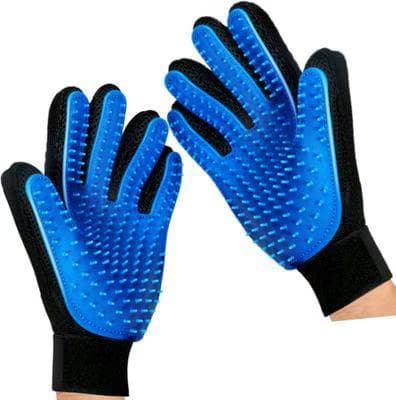
Every French Bulldog, whatever the color, needs its facial folds and any body or tail-pocket folds wiped clean and dried on a regular schedule, since trapped moisture there breeds yeast and fold dermatitis. A weekly pass with a soft brush or rubber curry handles the short standard coat and keeps loose hair down.
The dilute colors ask for closer skin attention. Because blue and lilac coats carry the same dilution gene linked to color dilution alopecia, watch for early thinning along the back, flaky skin, or small blackhead-like bumps, and lean on a gentle or vet-recommended moisturizing shampoo rather than frequent harsh baths.
Fluffy (long-haired) Frenchies need the most upkeep of all. Their longer fur mats behind the ears, on the chest, and around the legs, so a few brushing sessions a week plus regular ear checks keep the coat comfortable. Pale coats like cream, white, and blue also sunburn more easily on thin-haired spots, so limit midday sun, which happens to help with overheating too.
- A dilute or fluffy Frenchie is not harder to love, just a little more hands-on. Budget a few minutes for fold cleaning and brushing several times a week, and check dilute-coated dogs' skin monthly so you catch any coat thinning early.
Related on Petful
- The Merle French Bulldog: Genetics, Health, Price
- Merle Dog Guide: Genetics, Breeds, and Health
- Poodle Colors: Every Shade, Pattern, and Fade
- Doberman Colors: Every Coat, Rarity, and Genetics
- Blue Nose Pitbull: Facts, Health, Price, and Myths
Within single colors, lilac (dilution stacked on a chocolate base) is generally considered the rarest widely recognized color, and blue merle is often called the rarest pattern. In practice the truly rarest dogs are stacked-gene combinations, such as a fluffy lilac merle, which pile a long coat, a chocolate base, dilution, and merle into one dog. None of these are registry-recognized colors; they are the priciest because the gene combination is uncommon, not because they are healthier.
French Bulldogs settle with predictable routine, adequate but short exercise, mental enrichment like puzzle feeders and gentle training, and a cool, quiet resting spot (they overheat easily, so a calm Frenchie is often a cool Frenchie). Because they are a flat-faced brachycephalic breed that tires and overheats quickly, several short calm sessions beat one long strenuous one. Coat color has no bearing on temperament. If anxiety is persistent, ask your veterinarian rather than relying on color-based breeder claims.
Yes, plain cooked white rice is generally safe for French Bulldogs in small amounts and is often recommended by veterinarians as a bland food to help settle a mild upset stomach, usually paired with a plain protein. It should be an occasional addition, not a large part of the diet, and it must be plain, with no butter, salt, oil, or seasoning. Check with your vet before adding rice regularly, especially if your Frenchie has a weight or grain-sensitivity issue.
French Bulldogs are strongly companion-oriented and many do prefer to sleep near or with their owners, since the breed forms close attachments and can be prone to separation-related stress. Whether to share the bed is an owner choice; some owners prefer a crate or a dog bed in the same room, which still satisfies the Frenchie's desire to be close. This is a temperament trait of the breed and is unrelated to coat color.
The most expensive French Bulldogs are typically the stacked-gene exotics, with fluffy plus a rare dilute color plus merle (for example a fluffy lilac merle) commanding the highest prices. Among single colors, lilac and Isabella tend to be the priciest, followed by merle and chocolate, then blue, with standard fawn and brindle at the bottom of the range. Remember that the price reflects rarity of the color genes, not the dog's health, and the priciest dilute and merle colors carry the documented health flags.
To avoid a misrepresented or mixed-breed "Frenchie," ask for the coat-color DNA panel and the health testing on both parents, and check that the physical traits match the claimed color (a "blue" dog should have a gray nose, not a solid black one). Verify registration paperwork, be wary of unusually low prices or "rare color" hard sells, meet at least one parent where possible, and use a lab like Embark to confirm breed and color genetics. A breeder who dodges DNA and health-testing questions is the real warning sign.
Tire a French Bulldog with short, low-intensity activity spread through the day: several brief walks, gentle indoor play, scent games, and puzzle feeders that work the brain rather than the airway. Because they are brachycephalic and overheat and tire quickly, avoid long runs, midday heat, and strenuous exercise, and always keep water and a cool spot available. Mental enrichment tires a Frenchie as effectively as physical exercise, with far less risk of overheating.
French Bulldogs are commonly sensitive to loud noises such as thunderstorms, fireworks, and vacuum cleaners, and can react with trembling, hiding, or seeking comfort from their owners. Some are also wary of unfamiliar dogs, new environments, or being left alone. Gradual, positive desensitization and a calm, predictable routine help, and persistent fear or anxiety is worth discussing with your veterinarian. As with everything behavioral, this is a breed trait and has nothing to do with coat color.
The bottom line on French Bulldog colors
The French Bulldog color conversation is really two conversations wearing one coat. There is the registry conversation (a short standard list of fawn, brindle, cream, and white, versus everything the show ring disqualifies) and there is the health conversation (dilute colors and their skin risk, merle and its breeding danger, and brachycephaly that touches every color). The colors are beautiful across the board, and there is nothing wrong with loving a blue or a lilac or a fluffy Frenchie. The mistake to avoid is letting the color do the talking. Pick the breeder, the DNA panel, and the health testing first, and let the color be the part you enjoy after the important boxes are checked.

Coreen Saito is a pet writer and longtime shelter volunteer with more than a decade in animal rescue. She covers cat behavior, breed care, and the small, ordinary science of sharing a life with companion animals, with a particular focus on honest takes about the products and decisions that actually matter. At home in Arizona, she's outranked by Mac (a dog with the loudest opinion in the house), Rebel (a cat who governs by quiet authority), and Meri (an orange tabby who runs the late shift and the laundry basket). She writes about all three, plus the rescues that keep coming through her life, at LifeWithMinty.com.
Sign up for expert-backed reviews and safety alerts all in one place.