Corgi Size and Full-Grown Weight Chart
Compare full-grown Pembroke and Cardigan size, learn why no official monthly growth chart exists, measure correctly, and interpret a 40-pound Corgi safely.
Petful is reader supported. As an affiliate of platforms like Amazon and Chewy, we may earn a commission when you buy through links on this page. There is no extra cost to you.
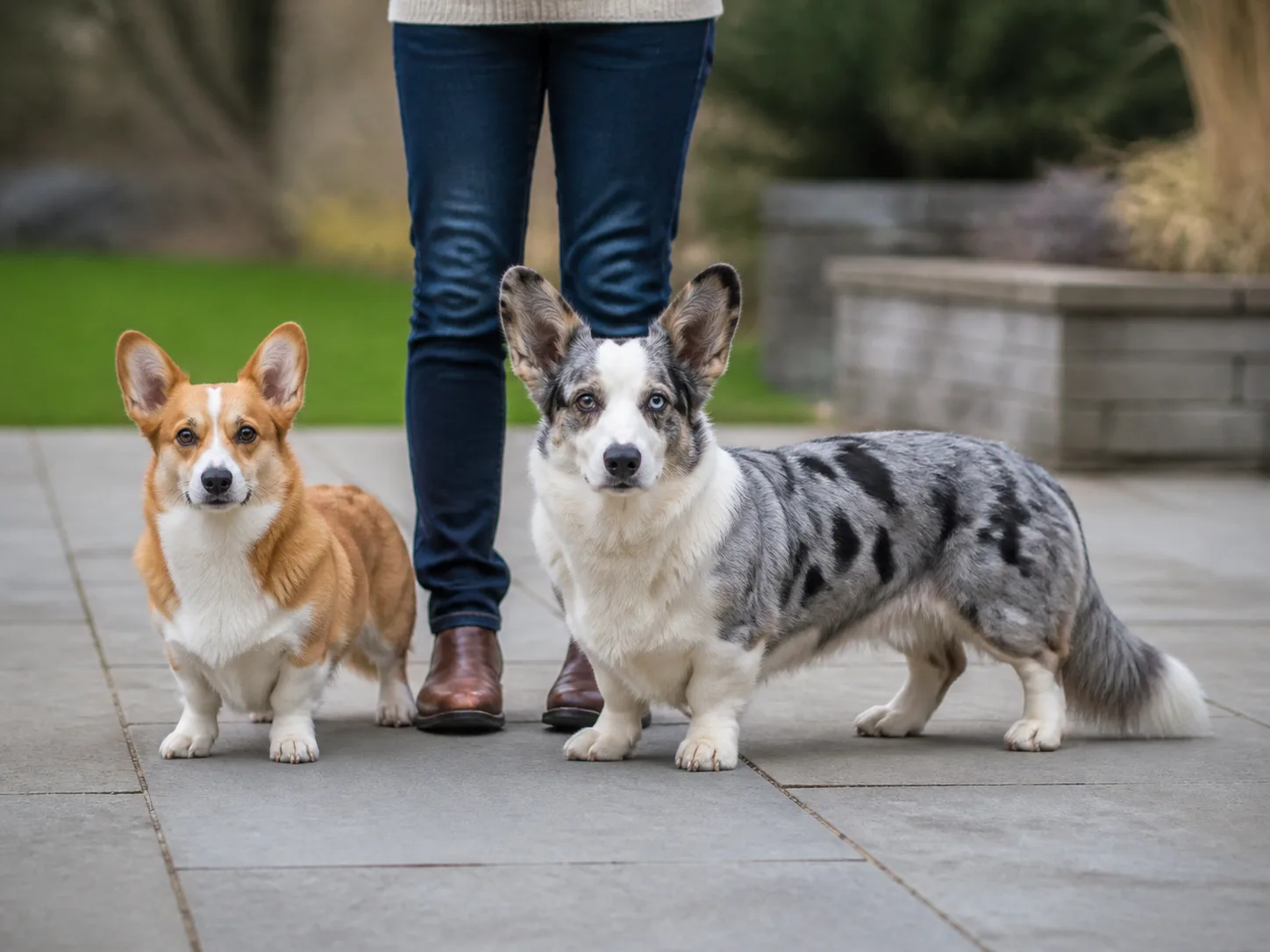
Corgi size is 10–12 inches at the withers and no more than 30 pounds for a male Pembroke, while an adult Cardigan is 10.5–12.5 inches and ideally 30–38 pounds for a male, according to the official breed standards. The female ranges differ too, so a single generic Corgi number can mislead owners comparing growth, body condition, or gear.

Sign up for expert-backed reviews and safety alerts all in one place.
Corgi size and full-grown weight at a glance
- 1Corgi size must be split into Pembroke and Cardigan measurements
- 2A full grown Corgi is measured at the withers, not the ears or top of the head
- 3No authoritative AKC or parent-club month-by-month Corgi growth chart was found
- 4Forty pounds is above the listed breed ranges but weight alone cannot diagnose obesity
- 5Choose harnesses, collars, gates, and bowls from the individual dog's measurements
The official Pembroke Welsh Corgi standard sets adult height at 10–12 inches at the withers. It allows no more than 30 pounds for males and 28 pounds for females. The official Cardigan Welsh Corgi illustrated standard gives 10.5–12.5 inches at the withers, with ideal weights of 30–38 pounds for males and 25–34 pounds for females.
A full grown Corgi is therefore low to the ground but not one uniform size. A full-grown Pembroke should be interpreted against the Pembroke standard, and a full-grown Cardigan against the Cardigan standard. Cardigans are modestly taller at the upper limit and can be substantially heavier, especially adult males.
How big is a full-size Corgi? In official terms, the answer spans 10–12.5 inches at the withers and sex-specific weights from the mid-20s through the upper 30s, depending on breed. That does not create one target for every dog. Height, sex, frame, muscle, condition, and family line all affect the individual's adult picture.

Petful may earn a commission when you click through to Chewy, at no extra cost to you.
Is 40 pounds heavy for a Corgi? Forty pounds is above the Pembroke maximums and above the Cardigan ideal ranges listed in these standards. It is a reason to check the dog's breed, sex, current body condition, and trend. It is not enough to diagnose obesity, because the scale cannot separate frame, muscle, fluid, and body fat.
- Use official adult endpoints as reference points, then use the individual dog's measurements, growth trend, and veterinary body-condition assessment for decisions.
For a broader breed comparison, the Pembroke Welsh Corgi vs Cardigan Welsh Corgi guide explains why these are two distinct breeds, not large and small versions of one Corgi.
Pembroke and Cardigan adult size
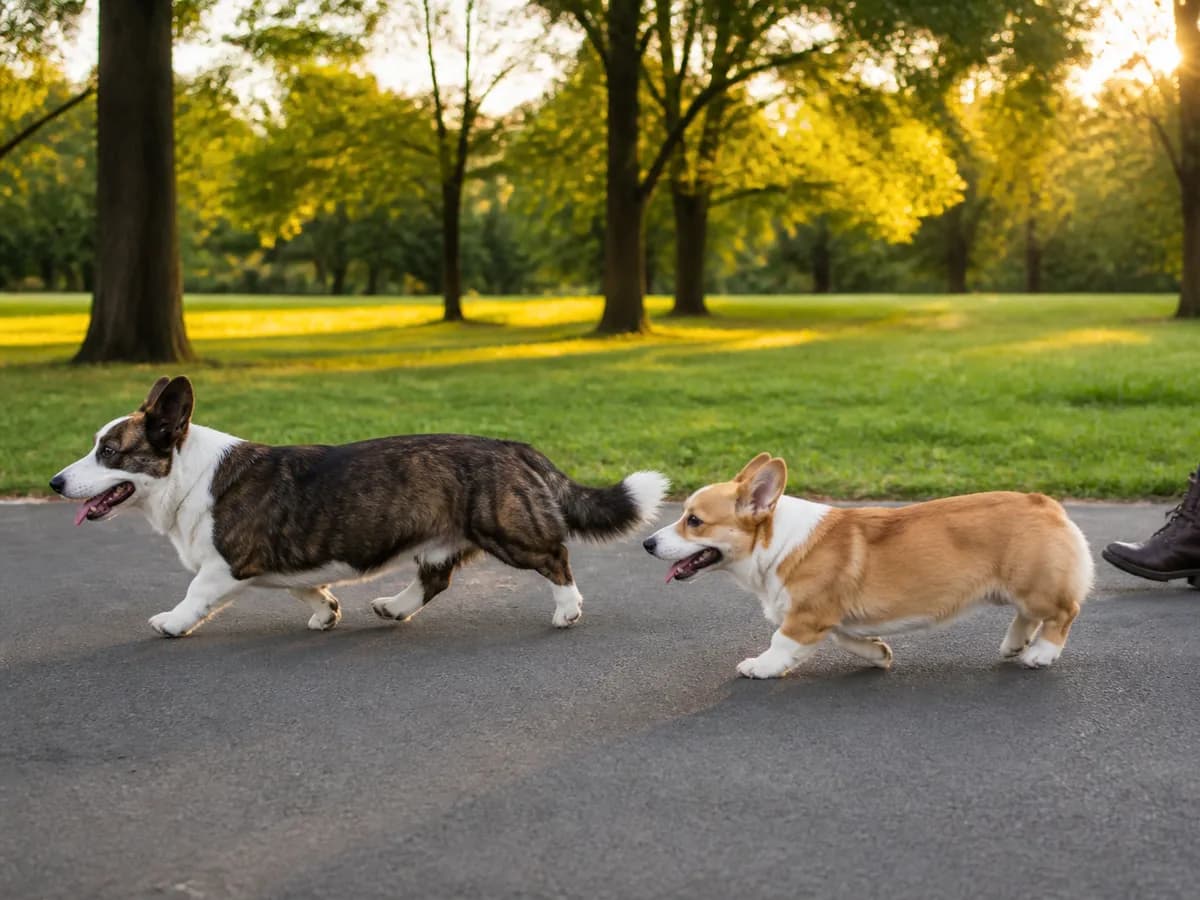
Pembroke Welsh Corgi size is compact and relatively light for the dog's sturdy appearance. The standard's height is 10–12 inches at the highest point of the shoulder blades. Males cannot exceed 30 pounds and females cannot exceed 28 pounds under the standard. A pet may fall outside a show standard, but the number should be described honestly rather than relabeled as a new size variety.
Cardigan Welsh Corgis share the low, long outline but are heavier-boned. Their standard allows a slightly taller 10.5–12.5-inch height and lists 30–38 pounds for males and 25–34 pounds for females as ideal. A 36-pound adult Cardigan male and a 26-pound adult Pembroke female can both be plausible examples of their breeds.
What the standards do not mean
The standards describe adult breed type, not a prescription for feeding a puppy toward a number. They also do not create Mini, Toy, teacup, or miniature Corgi varieties. Sellers may use those labels informally, but neither recognized Corgi breed has an official miniature size division. For recipe and portion comparisons, see our guide to the best dog food for Corgis.
An official range is not a home diagnosis of healthy or unhealthy weight. A dog can sit inside a breed range and still carry excess fat, or sit outside it because of frame, muscle, mixed ancestry, or a health issue. The number is a comparison point. Body-condition and muscle assessments explain more about the individual.
Use the endpoints as references, not predictions
Standards also do not predict the exact endpoint of a puppy. A maximum, ideal range, or height band cannot tell you which week growth will slow, how much chest and muscle will develop later, or what number is healthiest for that dog. Parent measurements can narrow expectations when they are verified, but littermates still differ. Use the adult ranges as identification context and the puppy's repeated measurements as an individual record.
Measurement method matters when comparing a dog with a written standard. Height is taken at the withers on level ground, not to the head or ear tips. Scale weight can shift with equipment, calibration, meals, hydration, and time of day. If a number seems surprising, repeat it under similar conditions before treating the difference as growth. A stable method makes a smaller real change easier to distinguish from ordinary measurement noise.
Document the measurement source
Keep the comparison date visible as well. A verified adult parent measurement may help frame a puppy's likely range, while an old puppy weight does not describe that parent's mature size. Ask whether weights were taken by a veterinary clinic, breeder, or owner and whether height was measured at the withers. When the source or method is unknown, label the number as reported rather than presenting it as a precise endpoint.
The dedicated Pembroke Welsh Corgi profile covers Pembroke temperament and care. This page stays focused on size, growth, and measurement.
Is a Corgi small or medium?
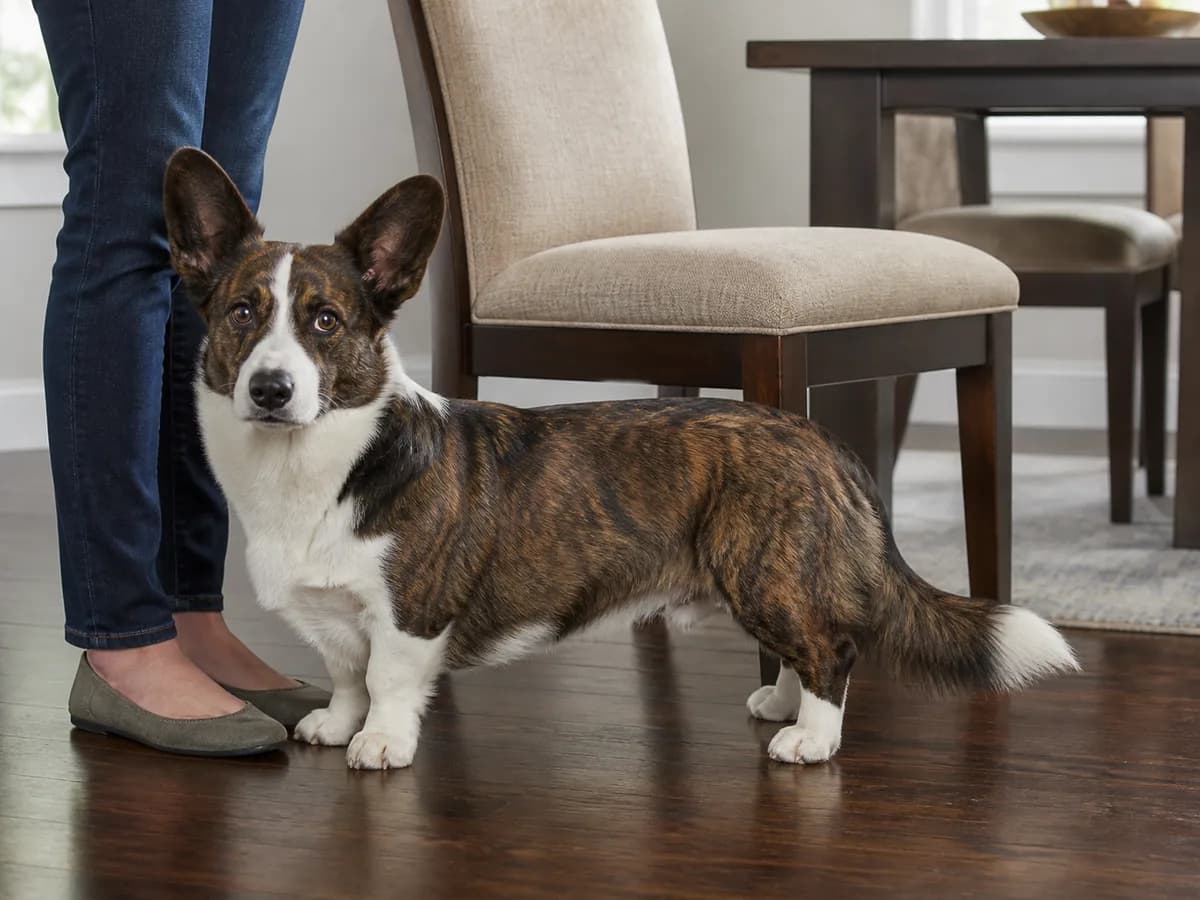
There is no universal official answer to whether a Corgi is small or medium. Breed standards publish dimensions, while retailers, airlines, apartments, boarding facilities, and veterinary practices may apply their own category cutoffs. A Pembroke may fall in a small-dog product band, while a heavier Cardigan may fall in a medium band from the same company.

Petful may earn a commission when you click through to Chewy, at no extra cost to you.
The practical answer is to stop at the label and check the measurement that controls the decision. Height at the withers describes stature. Chest and neck girth select fitted gear. Body length matters for crates, beds, and clothing. Current weight may influence product limits, food calculations, or transport rules, but it does not replace those dimensions. For example, fit a PetSafe Easy Walk Dog Harness from current chest and girth measurements and a GoTags Nylon Personalized Dog Collar from current neck measurements instead of relying on a generic small or medium label.
| Decision | Pembroke reference | Cardigan reference | What to use |
|---|---|---|---|
| Breed-standard height | 10–12 inches at the withers | 10.5–12.5 inches at the withers | A level height measurement to the withers |
| Breed-standard adult weight | Males no more than 30 pounds; females no more than 28 pounds | Males ideally 30–38 pounds; females ideally 25–34 pounds | Breed, sex, scale trend, frame, muscle, and body condition |
| Retail size label | Often small or medium depending on the brand | Often medium, but the cutoff varies | The specific product's current size chart |
| Gear choice | Never choose from breed name alone | Never choose from breed name alone | Neck, chest, length, weight limit, and fit check |
This decision table is a Corgi weight chart for adult endpoints, not a puppy-growth prescription. It keeps official Pembroke and Cardigan adult size separate and shows why the phrase small Corgi or big Corgi cannot choose gear or determine healthy condition by itself.
A configurable steel dog gate and playpen should be selected from the actual opening, panel dimensions, height, and the dog's behavior, not from a small-or-medium label. No barrier is escape-proof for every dog, so setup and supervision still matter.
When is a Corgi full grown?
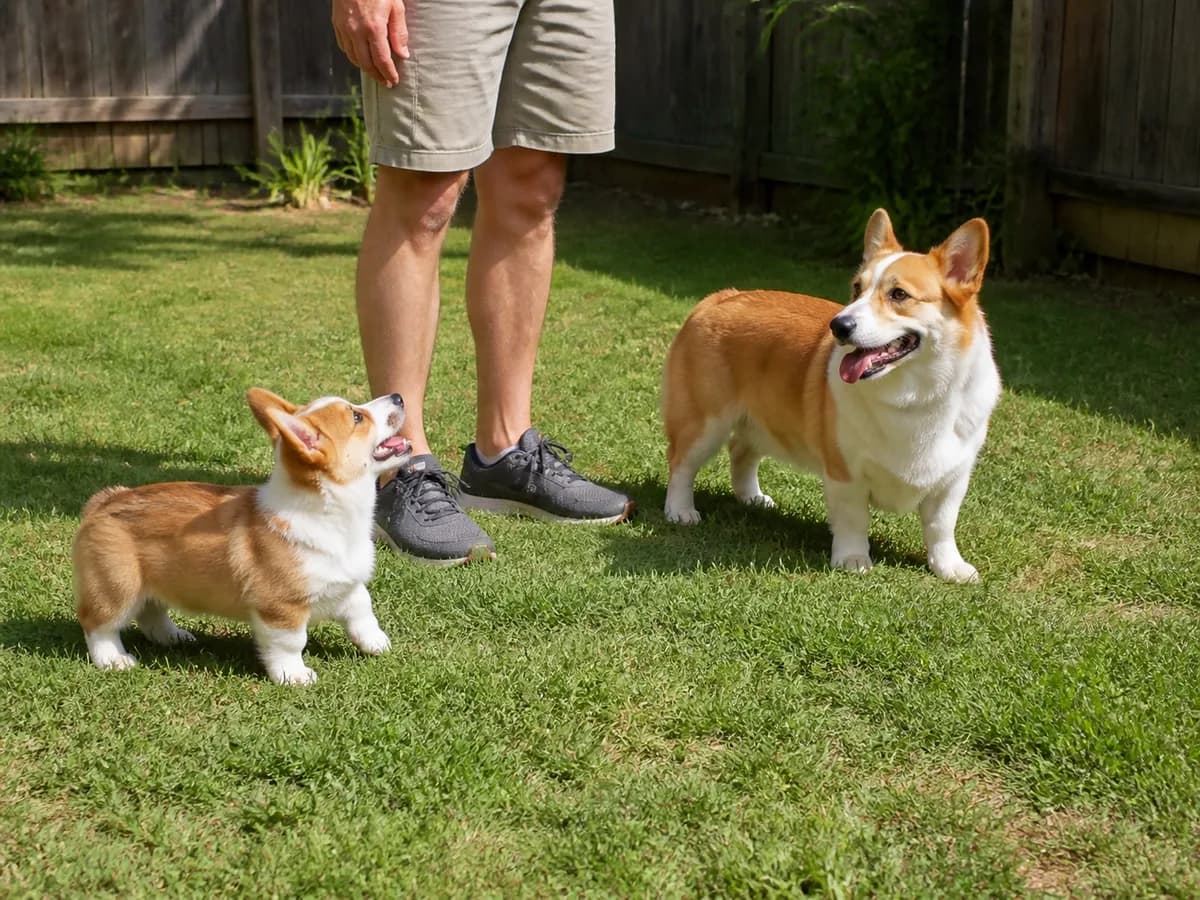
There is no official AKC month that defines when every Corgi is full grown. Height, weight, chest development, muscle, and overall maturity do not finish on the same day. Many owners first notice height leveling, then continued filling out, but the timing varies by breed, sex, family, nutrition, health, and the individual growth curve.
A useful definition separates three endpoints:
- Adult height: repeated withers measurements stop increasing meaningfully
- Adult weight trend: serial weights settle into a stable range without inappropriate gain or loss
- Mature build: chest, muscle, coat, and overall proportions continue to look more adult
A Corgi dog full grown in height may still change in weight and body composition. Likewise, a welsh Corgi full grown in age can gain excess fat later, which is not the same as healthy maturation. One birthday cannot settle every part of the question.
If timing matters for nutrition, exercise after injury, reproductive decisions, or a medical plan, ask the dog's veterinarian. An internet estimate cannot determine whether growth plates are closed, whether weight gain is appropriate, or whether a gait change is normal development.
A practical puppy growth record
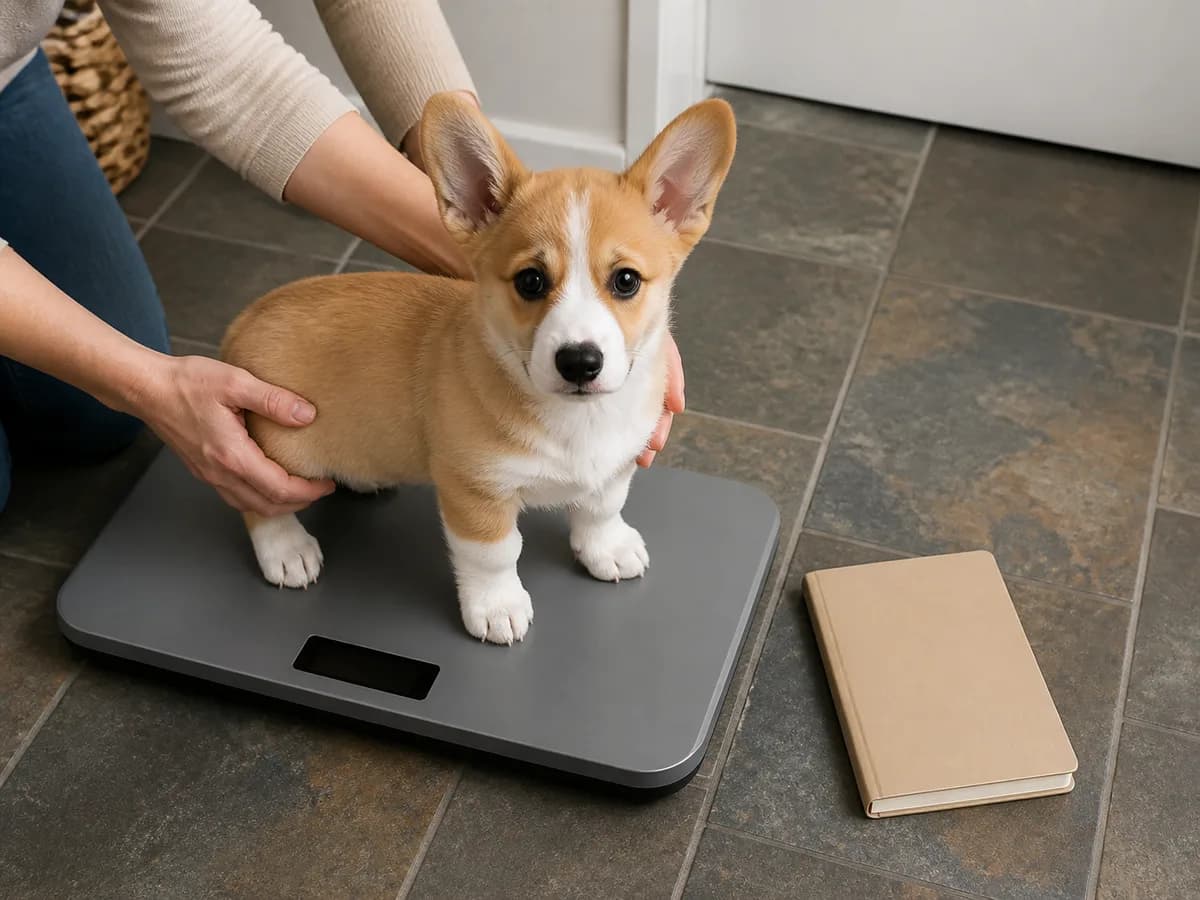
A practical puppy growth record follows the puppy's own trend rather than forcing it toward an online number. Record measurements consistently, bring the log to routine veterinary visits, and ask whether the trend fits the puppy's body condition and development.
Use a simple repeatable process:
- Weigh on the same reliable scale when practical
- Measure height on the same level surface and to the same withers point
- Record the date, age, weight, height, appetite, food amount, and health changes
- Note whether the puppy had just eaten, exercised, or used the bathroom
- Photograph the standing side and top view under similar conditions
- Ask the veterinarian to record a body-condition assessment at visits
The record is most useful when the method stays stable. A one-pound difference between two household scales may be a measurement issue, while a persistent change on the same scale is easier to interpret. Never reduce food sharply or add calories solely to match an unofficial Corgi growth chart.

Petful may earn a commission when you click through to Chewy, at no extra cost to you.
Choose one repeatable measurement window, such as before breakfast on the same day of the week, when the veterinarian agrees that frequency is appropriate. Zero the scale, remove heavy gear, and record which device was used. For a small puppy, an owner-and-puppy calculation on a human scale may be less precise than a veterinary or pet scale; label the method so later numbers are not presented as equivalent. Height is even more sensitive to posture, so take two or three calm readings and record the consistent result rather than the tallest one.
Do not smooth away every fluctuation. Record illness, appetite changes, medication, a food transition, unusually hard activity, and the measurement conditions beside the number. Those notes can help a veterinarian decide whether a change reflects development, intake, fluid balance, a different method, or a reason to examine the puppy. They also prevent an owner from comparing a post-meal weight with a fasting measurement and calling the difference a growth spurt.
A useful record shows direction over time, not a race toward the breed maximum. Review several points together. A plateau can be normal as growth slows, while a sudden jump may be fat gain, measurement error, or something that needs assessment. If the puppy's ribs, waist, energy, appetite, stool, gait, or comfort change, bring the entire record to the veterinary team rather than altering food to chase a chart line.
- A growth record is a trend tool. It cannot diagnose a problem, predict final Corgi size, or prove that one puppy should match another puppy at the same age.
Why there is no official month-by-month Corgi chart
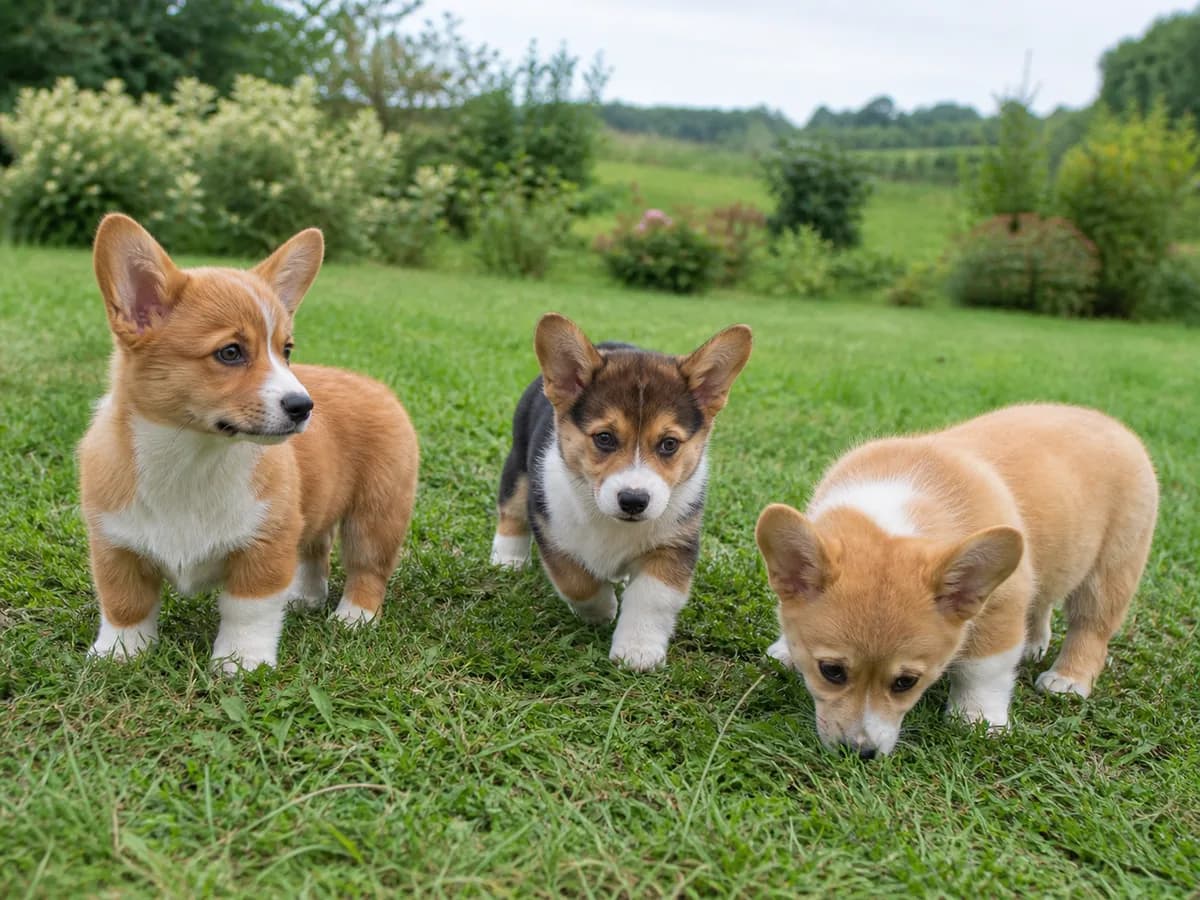
No authoritative AKC, parent-club, or veterinary month-by-month Corgi chart was located for this guide. The official standards describe adult endpoints. They do not publish exact weights for 8 weeks, 3 months, 6 months, or every later month.
Many ranking pages display a precise Corgi growth chart without showing where each figure came from. That precision can look official even when it is an estimate, a proprietary dataset, or an unsourced average. It may also combine Pembrokes and Cardigans despite their different adult ranges.
An honest chart should distinguish between:
- Official adult breed-standard measurements
- Observational ranges collected from a named population
- A veterinarian's target for one known puppy
- A commercial calculator's estimate
- An owner's individual growth log
This page provides the first and recommends the fifth. It does not invent the middle categories. If a future high-quality dataset publishes age, breed, sex, sample size, measurement method, and distribution, those details would be necessary before presenting it as a meaningful month-by-month reference.
Test any online chart before using it
When reading any online Corgi size chart, look for those details before using it. A table that does not identify whether its dogs were Pembrokes, Cardigans, or mixes cannot support a breed-specific comparison. A table that gives one weight for each month without percentiles hides normal variation. And a calculator that asks only age and current weight cannot account for body condition, sex, parent size, illness, or a change in measurement method. Treat its output as an estimate, never as a feeding instruction.
The puppy's veterinary record is the safer comparison surface. Ask whether weight, height, and condition are developing coherently for that individual. If the veterinarian sets a target, record the reason, monitoring interval, and what signs should prompt an earlier check. That advice can change as the puppy matures; it is not an unofficial breed rule for every Corgi.
Even a well-designed dataset would show a range rather than one required number. To be genuinely useful, a study would need enough Pembrokes and Cardigans to report them separately, define whether ages were exact, explain how scales and withers measurements were standardized, and show percentiles rather than only an average. Without that context, apparent precision can create a false target.
Sex, family, and individual variation

Sex is built into both standards' weight language. Pembroke males have a higher maximum than females, and Cardigan males have a higher ideal range. Family line, skeletal frame, muscle, condition, and health add further variation. Two dogs of the same breed and sex can differ without either being a new size variety.
- Do not force a puppy toward the heaviest breed-standard number and do not market an undersized dog as a recognized Mini or Toy Corgi. Standards describe breed type; a veterinarian assesses the individual growth and body condition.
Neuter status, calorie intake, activity, illness, medications, and measurement error can also affect a weight trend. Those factors should be discussed carefully rather than used to explain every difference without evidence. A sudden or persistent change deserves individual assessment.
Parent size can provide context but not a guaranteed final result. Ask a breeder for verified adult weights and heights from both parents and close relatives, plus their current health screening records. A family estimate remains a range, not a promise about one puppy.
Petful may earn a commission when you click through to Chewy, at no extra cost to you.
Mixed ancestry adds another layer. A dog described as a Corgi mix may inherit a taller frame, a different chest shape, or a wider adult-weight range from the other parent. Do not apply the Pembroke or Cardigan standard as if it were a health target for a mixed dog. Use the individual measurements and veterinary assessment, then visit the dedicated mix guide for parentage and household-fit questions.
For a Corgi–Poodle cross, use our separate Corgipoo full-grown size guide to understand the parent and individual evidence.
Body condition versus scale weight
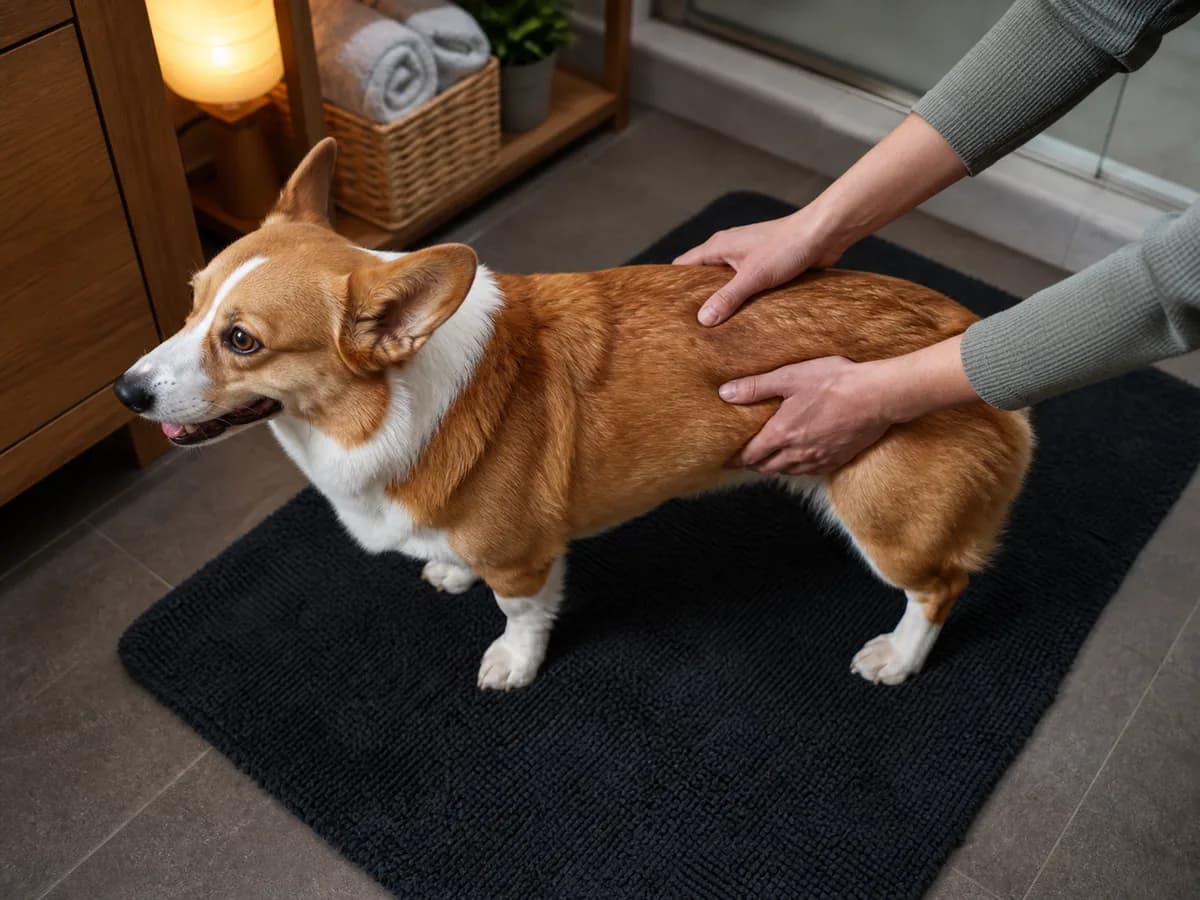
Body weight tells you how heavy the dog is at that moment. Body condition considers where tissue is carried and whether ribs, waist, and abdominal tuck can be assessed appropriately. Muscle condition is another part of the picture. A single scale number cannot separate those components.
Monitor condition beneath the coat
Use consistent hands-on landmarks rather than judging only through the coat. Thick hair can disguise the waist or make the ribs look less accessible than they feel. The veterinary team can demonstrate the body-condition scale it uses, show where to assess the ribs and tuck, and document a baseline. Owners can then monitor for change between visits without assigning a diagnosis from a photograph.
Growth and condition should be interpreted together. A puppy can gain weight while staying appropriately lean as bone and muscle develop; an adult can maintain the same weight while losing muscle and gaining fat. That is why a Corgi weight chart, tape measurement, standing photographs, and professional body-condition assessment answer related but different questions.
Put the scale number in context
Cornell's obesity and weight loss guidance for dogs explains that a veterinary assessment combines weight with body-condition evaluation and an individualized plan. Thick Corgi coats can make visual judgment harder, so hands-on assessment by a veterinary professional is valuable.
For a 40-pound Corgi, start with questions rather than a conclusion:
- Is the dog a Pembroke, a Cardigan, or a mix?
- What is the dog's sex, age, height, frame, and muscle condition?
- Has the weight changed, and over what period?
- Can the veterinary team assess ribs, waist, abdominal tuck, and muscle?
- Are appetite, thirst, activity, medications, or health signs changing too?
Do not crash-diet a dog because 40 pounds exceeds a breed-standard range. Ask the veterinarian for a target condition and a safe, individualized feeding and monitoring plan. Equally, do not dismiss extra weight as big bones without an assessment.
How to measure height, chest, neck, and length
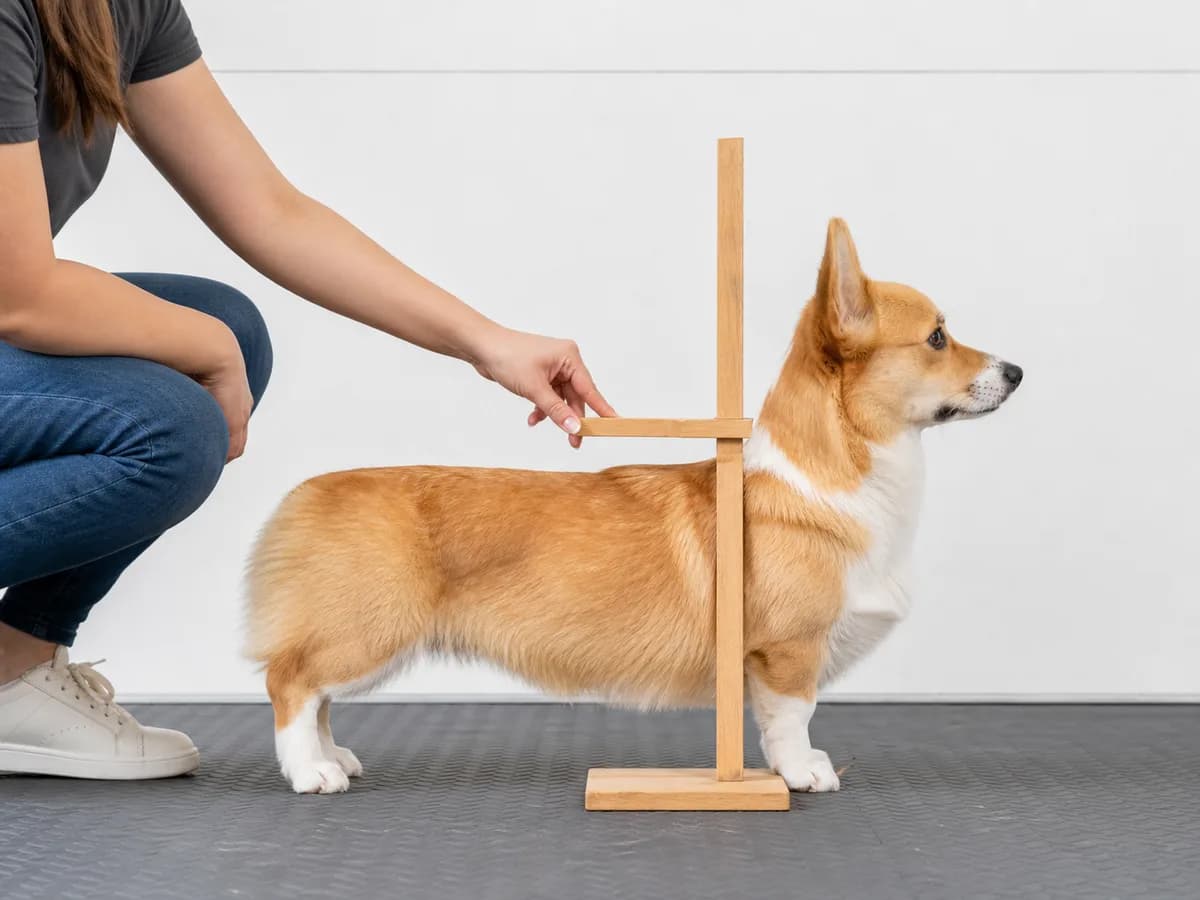
Measure the dog while standing squarely on a level, nonslip surface. Use a flexible tape for girths and a rigid straightedge or level for height. Do not measure Corgi height to the ears or top of the head.
Follow the product maker's instructions when they differ, but these landmarks are a practical starting point:
- Height at the withers: floor to the highest point of the shoulder blades
- Chest girth: around the widest part of the rib cage, usually behind the front legs
- Neck girth: where the collar or harness neckline will sit, without pulling the tape tight
- Body length: from the relevant shoulder or back landmark to the point named by the product chart
- Current weight: from a reliable scale, within the product's stated limit
Repeat any surprising number. Keep the tape level, fit one or two fingers as directed for the item, and measure the dog rather than an old collar. Coat compression and posture can shift the result enough to change a retail size.
Record the landmarks, not just the number
Write each result with the date and measurement point, because “length” is not standardized across products. One maker may measure from the base of the neck to the tail, while another names a shoulder-to-rump distance. Do not transfer the number unless the landmarks match. For chest and neck girth, repeat the tape path and check that it is snug without compressing the coat or skin. A second person can reward calm standing and reduce twisting.
If the dog falls between retail sizes, use the manufacturer's instructions and ask its support team which dimension controls the choice. Do not automatically size up when extra fabric, a loose neckline, or a shifting harness could create a safety problem. Do not automatically size down when tight straps could rub or restrict movement. Keep the unaltered packaging until the item has been checked indoors, and review return terms before ordering anything customized.
A PetSafe Easy Walk dog harness still needs the dog's current chest and neck measurements matched to the maker's chart. A personalized nylon dog collar likewise needs a current neck measurement and a fit check. Breed averages cannot choose either item.
Choosing gear from actual measurements
Retail categories are not breed standards. A medium harness from one company can overlap a small or large from another, and weight may be only one input. Measure first, compare every required dimension, then check the product's return or exchange terms before personalizing an item.
Create a small fit record for frequently used equipment: product and model, stated size, neck and chest settings, date checked, and any rubbing or shifting observed. Recheck after a growth spurt, coat change, weight change, or adjustment to the straps. This record is more useful than remembering that the dog “usually wears medium,” because the same label can describe different dimensions across brands and product types.
For fitted walking gear:
- Check neck and chest ranges rather than choosing from the Corgi label
- Make sure straps do not sit in the armpits or restrict normal movement
- Recheck fit as a puppy grows or an adult's condition changes
- Inspect hardware and fabric for wear
- Follow the maker's fitting and use instructions
The PetSafe Easy Walk dog harness is one example where the current girth measurements matter more than a generic size word. The personalized nylon collar should be measured before ordering because customized products may have different return rules.
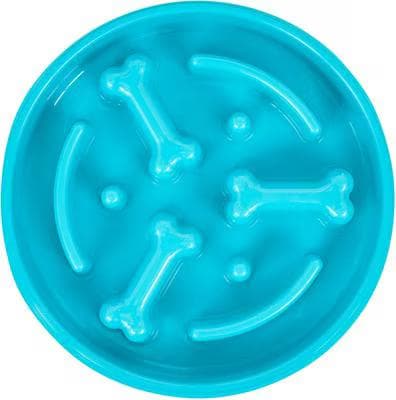
For household equipment and feeding items, use the decision-specific dimensions. Gate width and height control a barrier setup. Interior length, width, and standing room control a crate. A ridged slow-feed dog bowl should fit the individual dog's muzzle and meal plan, with feeding choices discussed with the veterinarian when health needs are involved.
Check growing puppies and travel gear
Growing puppies need repeat checks because a product that fit last month can become restrictive or unstable. Put a recurring reminder on the calendar, inspect the skin under straps, and watch normal walking and shoulder movement during the fit check. If gear rubs, shifts, restricts movement, or appears damaged, stop using it until the fit or product is reassessed.
Do not size a crate or travel carrier from body weight alone. Follow the maker's standing, turning, and length instructions, plus any airline or transport rules that apply. For an adult with an unusual build, actual internal dimensions are more informative than a breed recommendation in a product description.
- A Corgi's breed name can narrow the search, but the actual neck, chest, length, height, weight limit, and product chart determine fit. Recheck growing puppies frequently.
When growth or weight needs veterinary advice
Contact the dog's veterinarian when growth or weight changes unexpectedly, the puppy repeatedly crosses its established trend, or the dog has other signs such as appetite changes, vomiting, diarrhea, marked thirst, weakness, pain, a changed gait, or reduced activity. Seek urgent advice for collapse, breathing difficulty, inability to stand, severe pain, or rapidly worsening weakness.
Bring the growth record, food labels and amounts, treat list, medication and supplement list, recent measurements, and videos of any movement concern. Those records provide context. They do not diagnose the cause or justify changing food, supplements, or exercise without guidance.
How to interpret a change
One odd measurement may reflect a full stomach, a different scale, posture, coat, or simple recording error. Repeat the method before drawing a conclusion, unless the dog is ill or has an urgent sign. A repeated downward or upward trend, especially with appetite, thirst, toileting, energy, pain, or gait changes, gives the veterinary team a clearer reason to investigate.
For puppies, ask the veterinarian how often to weigh and assess condition based on the current health plan. For adults, establish a reliable baseline and compare like with like. The goal is not perfect numbers. It is to notice meaningful change soon enough to ask the right question.
- The related guides own corgi mixes, corgi price, corgi lifespan, corgi colors, pembroke welsh corgi vs cardigan welsh corgi, pembroke welsh corgi, and cardigan welsh corgi questions so this page can stay focused on size and growth.
Use the exact sibling guide for the next question:
- Compare likely parentage and variation in Corgi mixes.
- Plan acquisition and ownership expenses in the Corgi price guide.
- Review the separate breed estimates in the Corgi lifespan guide.
- Identify standard coats in the Corgi colors guide.
- Compare both breeds in Pembroke Welsh Corgi vs Cardigan Welsh Corgi.
- Read the broad Pembroke Welsh Corgi profile.
Frequently asked questions
How big a full-size Corgi is depends on the breed. A full-size Pembroke Welsh Corgi is 10–12 inches at the withers and no more than 30 pounds for males or 28 pounds for females under the official standard. A Cardigan is 10.5–12.5 inches, with ideal weights of 30–38 pounds for males and 25–34 pounds for females. Measure an individual dog because these are breed-level adult references.
A Corgi weighing 40 pounds may be heavy for its frame and is above the official Pembroke maximums and the Cardigan ideal ranges. That makes the number worth checking, but weight alone cannot diagnose obesity. Breed, sex, height, frame, muscle, body condition, and weight trend all matter. Ask a veterinarian to assess condition before changing food or exercise.
Cardigan Welsh Corgis are generally a little taller and heavier under the official standards. Cardigans are 10.5 to 12.5 inches at the withers, with ideal weights of 25 to 34 pounds for females and 30 to 38 pounds for males. Pembrokes are 10 to 12 inches, with maximums of 28 pounds for females and 30 pounds for males. Individual dogs still vary.
Measure height at the withers, the highest point of the shoulder blades, while the dog stands squarely on level ground. Do not measure to the top of the head or ears. Record the date and method so later measurements are comparable, and ask a veterinarian or experienced handler for help if the dog's posture makes the result uncertain.

Coreen Saito is a pet writer and longtime shelter volunteer with more than a decade in animal rescue. She covers cat behavior, breed care, and the small, ordinary science of sharing a life with companion animals, with a particular focus on honest takes about the products and decisions that actually matter. At home in Arizona, she's outranked by Mac (a dog with the loudest opinion in the house), Rebel (a cat who governs by quiet authority), and Meri (an orange tabby who runs the late shift and the laundry basket). She writes about all three, plus the rescues that keep coming through her life, at LifeWithMinty.com.
Sign up for expert-backed reviews and safety alerts all in one place.