Corgi Mixes: 20 Popular Crosses, Traits, and Care
Compare 20 popular Corgi mixes by likely parentage, possible size, coat and activity, plus what to verify before choosing an individual mixed-breed dog.
Petful is reader supported. As an affiliate of platforms like Amazon and Chewy, we may earn a commission when you buy through links on this page. There is no extra cost to you.
Corgi mixes can be bright, active companions, but a crossbreed name cannot promise an adult dog's size, coat, temperament, or health. The useful way to compare these dogs is to treat each parent breed as a range of possibilities, then judge the individual dog in front of you.
This guide covers 20 popular crosses, from the Cowboy Corgi and Corgi Husky mix to smaller companion crosses. It also shows what to verify before adopting, which traits require observation, and why a photograph or clever name is never proof of ancestry.

Sign up for expert-backed reviews and safety alerts all in one place.
Corgi mixes at a glance
- 1Corgi mixes are not standardized breeds, so two dogs sold under the same mix name can look and behave very differently.
- 2Use the parent breeds to plan questions about size, coat, activity, and health, then rely on the individual dog's age, behavior, veterinary history, and condition.
- 3If ancestry matters, a DNA test may provide clues, but it cannot predict personality or guarantee future health.
Corgi mixes cover many different parent-breed combinations, so the shared label is only a starting point. The most useful comparison combines verified parent information with the individual dog's observed behavior, current condition, and care history.
Are Corgi mix good dogs? Many can be excellent pets when their actual energy, handling comfort, training needs, and social behavior fit the home. A label alone cannot tell you whether one will enjoy children, tolerate another dog, settle in an apartment, or need hours of activity. Those decisions require observation and, when possible, a foster or shelter history.
The word "Corgi" may refer to either a Pembroke Welsh Corgi or a Cardigan Welsh Corgi. They are separate breeds, not two sizes of the same dog. Before comparing a cross, learn the practical differences in our Pembroke Welsh Corgi vs Cardigan Welsh Corgi guide.

Popular Corgi mix breeds span several broad planning groups:
- Herding crosses, including the Cowboy Corgi, Corgi Australian Shepherd mix, and Border Collie Corgi mix
- Working and northern crosses, including the Corgi Husky mix and Corgi German Shepherd mix
- Hound and terrier crosses, including the Corgi Dachshund mix, Basset Hound Corgi mix, Beagle cross, and Corgi Jack Russell mix
- Sporting crosses, including the Golden Retriever Corgi mix, Corgi Lab mix, and Cocker Spaniel cross
- Companion crosses, including the Corgi Chihuahua mix, Corgi Poodle mix, Corgi Pomeranian mix, and Shih Tzu cross
Petful may earn a commission when you click through to Chewy, at no extra cost to you.
What a Corgi mix label can and cannot tell you
A mix label can suggest which traits are possible. It cannot tell you which genes a puppy inherited, how those genes will interact, or how socialization and experience will shape behavior. Even littermates can mature into noticeably different dogs.
Research published in the journal Science found that breed ancestry was much more predictive of physical traits than of an individual dog's behavior. That is a strong reason to avoid statements such as "this mix is always cuddly" or "this cross is guaranteed to be easy to train." Read the peer-reviewed dog genomics study for the underlying evidence.

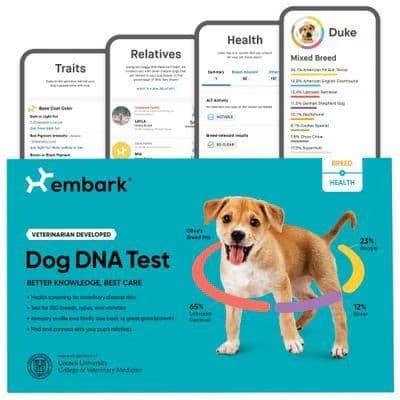
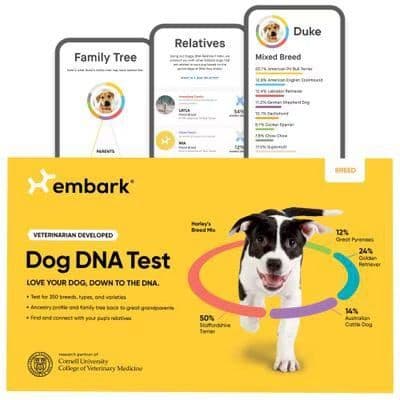
An Embark Breed and Health Dog DNA Test Kit, Wisdom Panel Essential Breed Identification DNA Test, or another consumer test may provide an ancestry estimate. Results should not override a veterinary exam, a known pedigree, or the behavior you observe. A DNA result also does not certify that a dog will develop or avoid any condition.
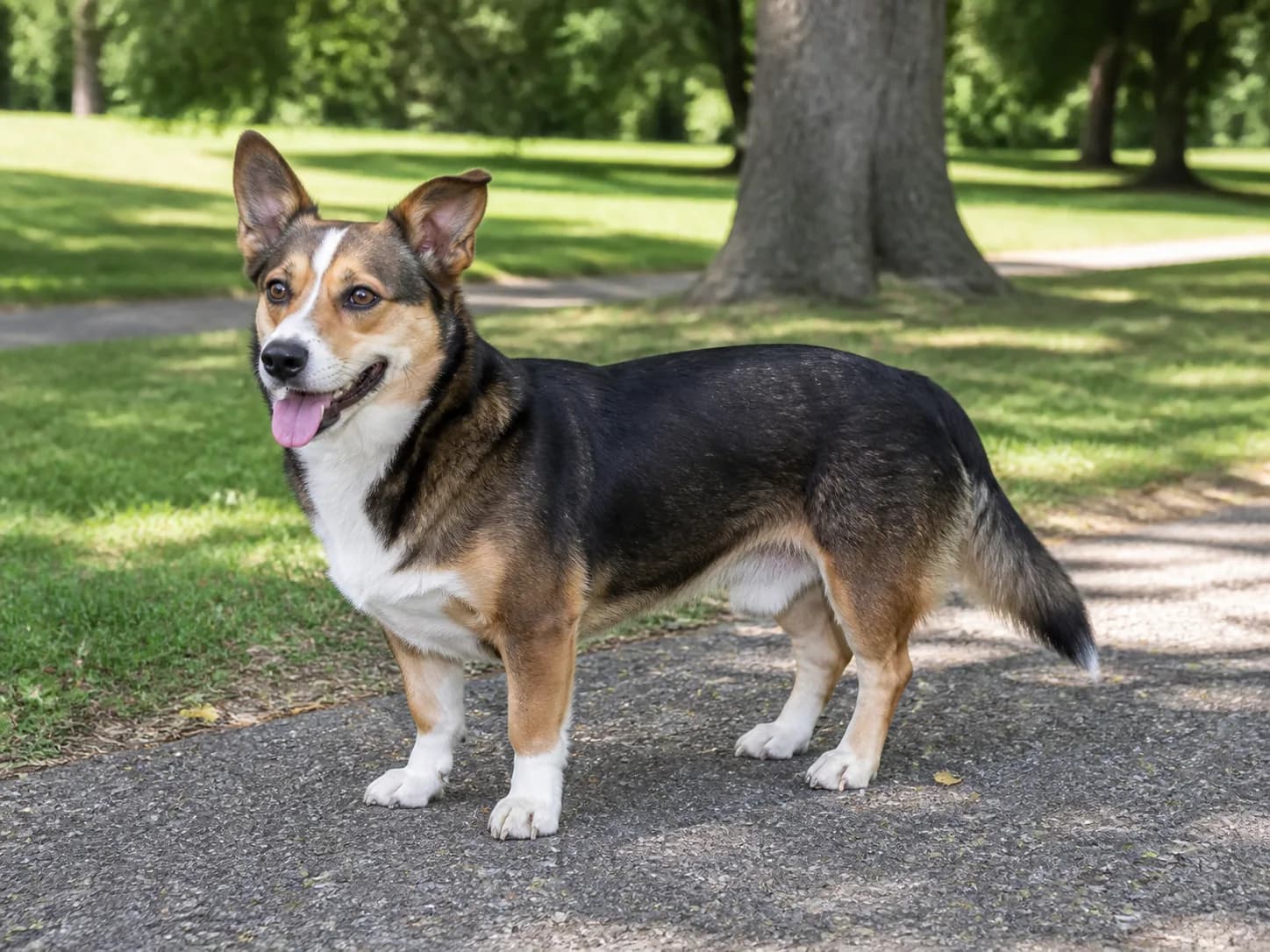
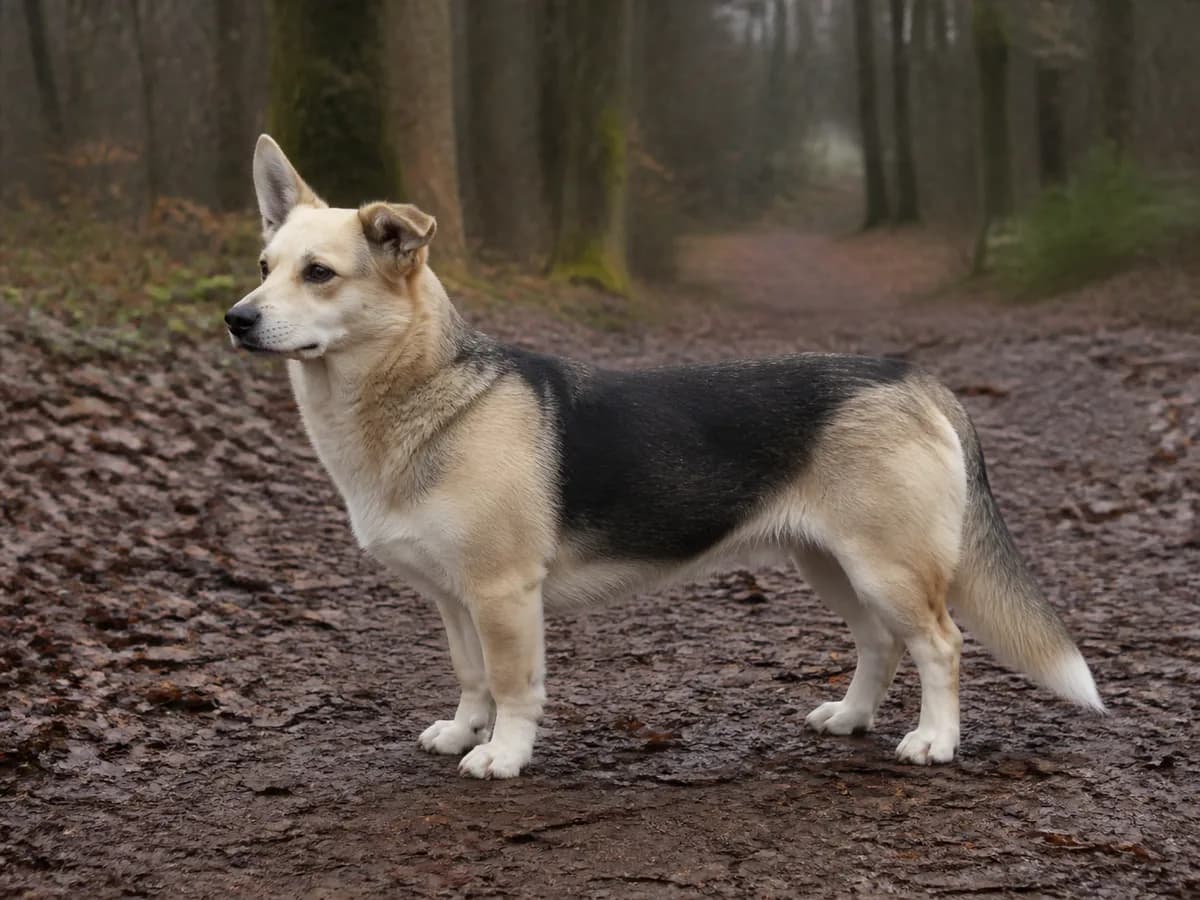
Appearance is equally uncertain. A dog with short legs and upright ears may have Corgi ancestry, but those features are not exclusive to Corgis. A photo of a supposed cross is one possible outcome, not a template for the next litter.
How to assess a mixed-breed dog
Assess the dog, not the nickname. For an adult, current size, coat, gait, handling response, and recovery after excitement are more useful than a guess about the parents. For a puppy, ask for both parents' verified identities and health records, then leave room for the puppy to mature outside an expected range.
The Embark Breed Identification Dog DNA Test Kit is one tool for an ancestry question, while a veterinary visit addresses present health. If the dog is newly adopted, a GoTags Nylon Personalized Dog Collar can carry readable contact information while you establish the dog's routine. Neither product replaces a microchip, training, supervision, or veterinary care.
| Evidence to collect | What it can tell you | What it cannot guarantee |
|---|---|---|
| Verified identities of both parents | Which parent-breed ranges are relevant to the puppy | The puppy's exact adult appearance, behavior, or health |
| DNA ancestry estimate | Plausible ancestry groups and useful questions to investigate | A registered pedigree, exact family tree, personality, or disease-free future |
| Current age, weight, and body condition | The dog's present physical needs and a baseline to monitor | A puppy's final adult size or shape |
| Observed gait and comfort | How the dog moves and handles activity today | Lifelong orthopedic or spinal health |
| Coat texture and shedding now | The grooming the present coat needs | A puppy's final coat length, curl, or seasonal shedding |
| Behavior in several settings | How this individual responds to people, dogs, novelty, handling, and recovery | Behavior in every future home or situation |
| Veterinary and parent-screening records | What was examined or tested, when, and for which identified dog | Protection from every inherited or acquired condition |

Petful may earn a commission when you click through to Chewy, at no extra cost to you.
Read parent evidence as a range
Verified parent identities narrow the questions without producing a blueprint. Compare the adult height, weight, coat, working history, and breed-club screening recommendations of both documented parents. If the parents differ greatly in size or build, plan equipment, transport, and housing for the wider plausible outcome rather than the smallest estimate in a listing.
Pedigrees and original screening records are more useful than a seller's verbal summary. Confirm that the registered name or permanent identification on a result belongs to the represented parent. A completed test tells you what was examined and reported; it does not promise that the puppy will avoid every condition.
Read the individual dog's evidence separately
For an adult or fostered dog, present-day evidence can answer questions a mix label cannot. Observe the dog walking, turning, settling, taking food, meeting unfamiliar people, and recovering after excitement. Ask whether the same behavior has appeared repeatedly in a home, because one quiet shelter meeting may reflect stress rather than an ordinary baseline.
For a puppy, record dated weight, body condition, coat texture, and veterinary findings without converting them into an exact adult forecast. Growth can be uneven, and the larger parent can matter even when the puppy currently looks compact. Choose adjustable or replaceable equipment instead of buying an adult-size setup from a photograph.
Use each source for the question it can answer
A veterinarian evaluates current health, body condition, gait, symptoms, and appropriate follow-up. A qualified trainer or behavior professional can help assess observable behavior and build a plan. A foster caregiver may know how the dog sleeps, toilets, settles, handles visitors, and responds to other animals. DNA tests address ancestry estimates and selected genetic variants, not the whole decision.
Keep those evidence lanes separate. When a source cannot show parent identities, original records, or repeated observations, label the uncertainty instead of filling it with a confident breed stereotype. That approach is slower than choosing by nickname, but it produces a more realistic care plan.
Ask the rescue, shelter, or breeder for concrete evidence:
- The dog's age and how it was estimated
- Any known parent records or DNA results
- Vaccination, parasite-control, and veterinary records
- Health screening performed on known parents
- Behavior notes from a foster home, not only a kennel meeting
- How the dog responds to handling, other animals, children, traffic, and being alone
20 popular Corgi mixes
The descriptions below are planning prompts, not standards. Each cross may favor either parent, land between them, or combine traits in an unexpected way.
1. Cowboy Corgi
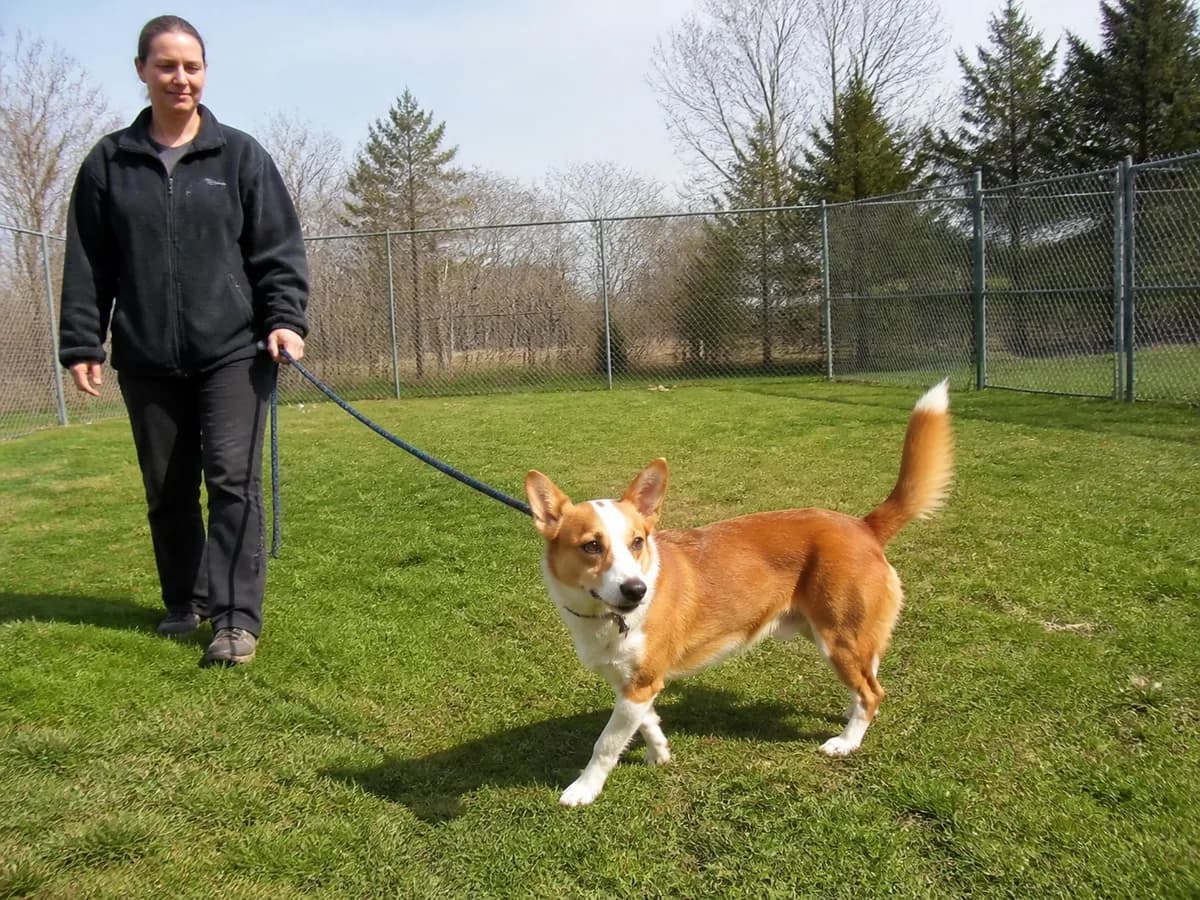
A Cowboy Corgi usually refers to a Corgi crossed with an Australian Cattle Dog, also called a Heeler. Some sellers use the name loosely, so ask which Corgi breed and which Cattle Dog parent are actually documented. A dog from two herding backgrounds may need substantial mental work and may rehearse chasing or heel-directed behavior, but those tendencies still have to be evaluated in the individual.
Plan for an alert dog that may enjoy structured training, sniffing games, and controlled movement rather than exercise alone. The phrases Corgi Heeler mix and Corgi Blue Heeler mix often point to the same general pairing, not separate standardized breeds.
2. Corgi Husky mix
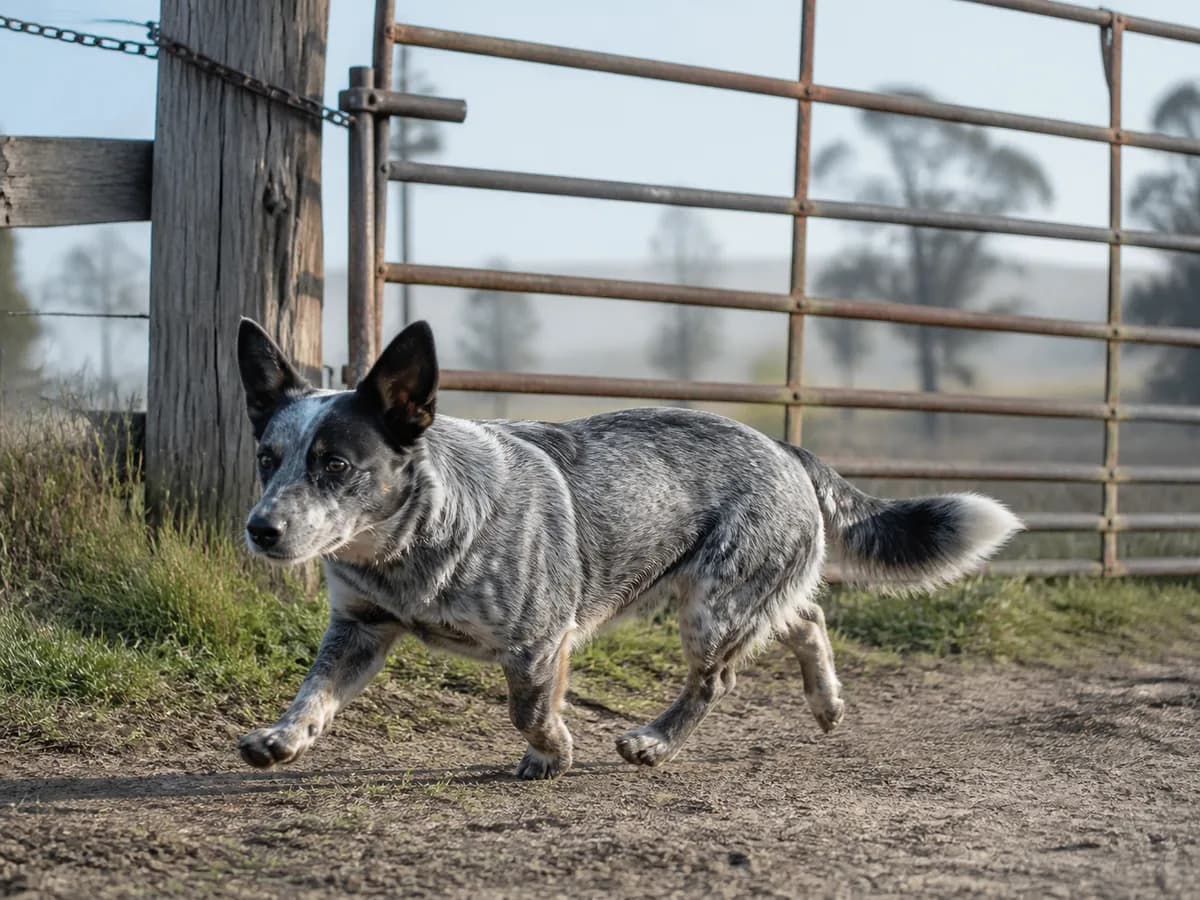
A Corgi Husky mix may inherit a thick double coat, a vocal style, strong interest in movement, or a body that falls anywhere between the parents. It does not automatically have blue eyes, short legs, or a miniature Husky outline. Ask how the dog handles warm weather, grooming, barriers, recall, and quiet time in the home.
This cross is a poor choice for anyone buying only from a dramatic photograph. Meet the adult dog or both documented parents whenever possible, and budget for shedding tools and training without assuming a specific coat or activity level.
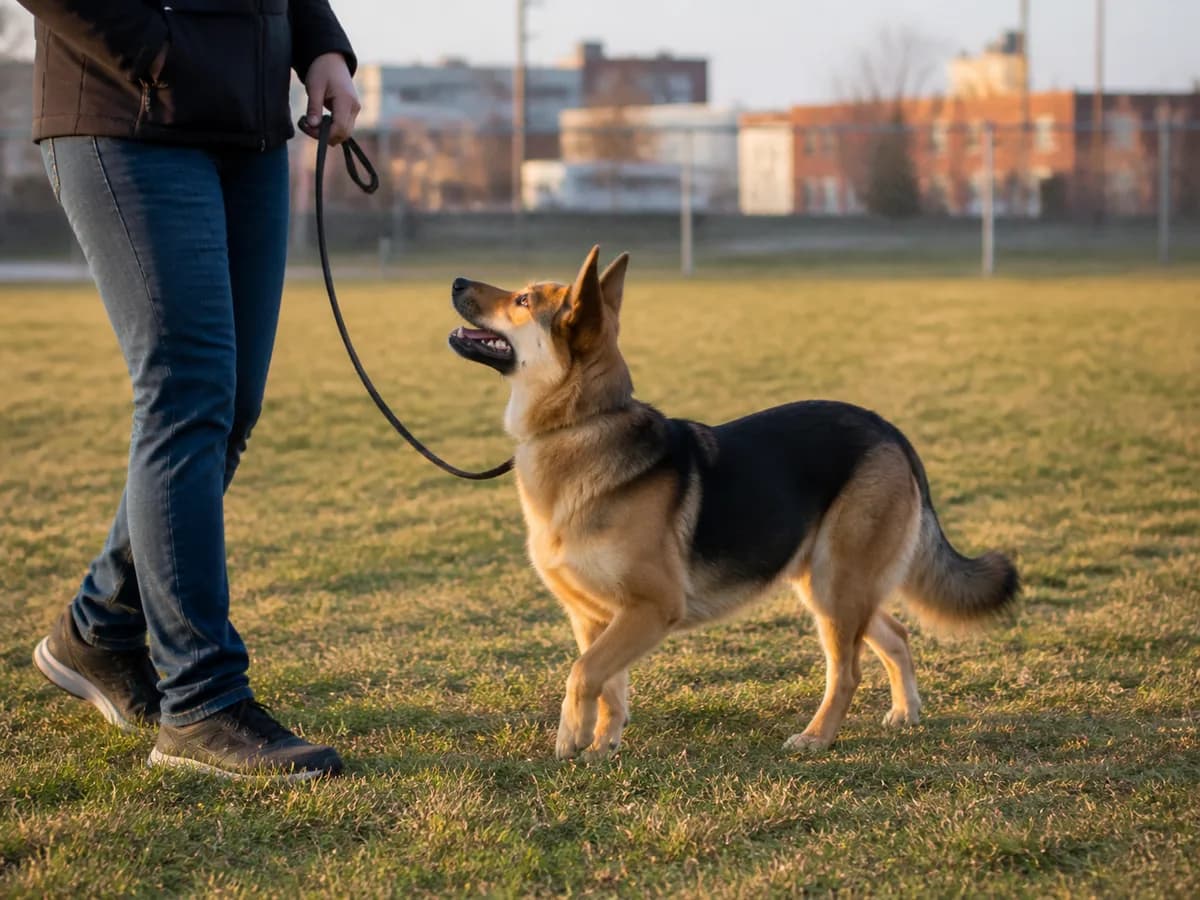
3. Corgi German Shepherd mix
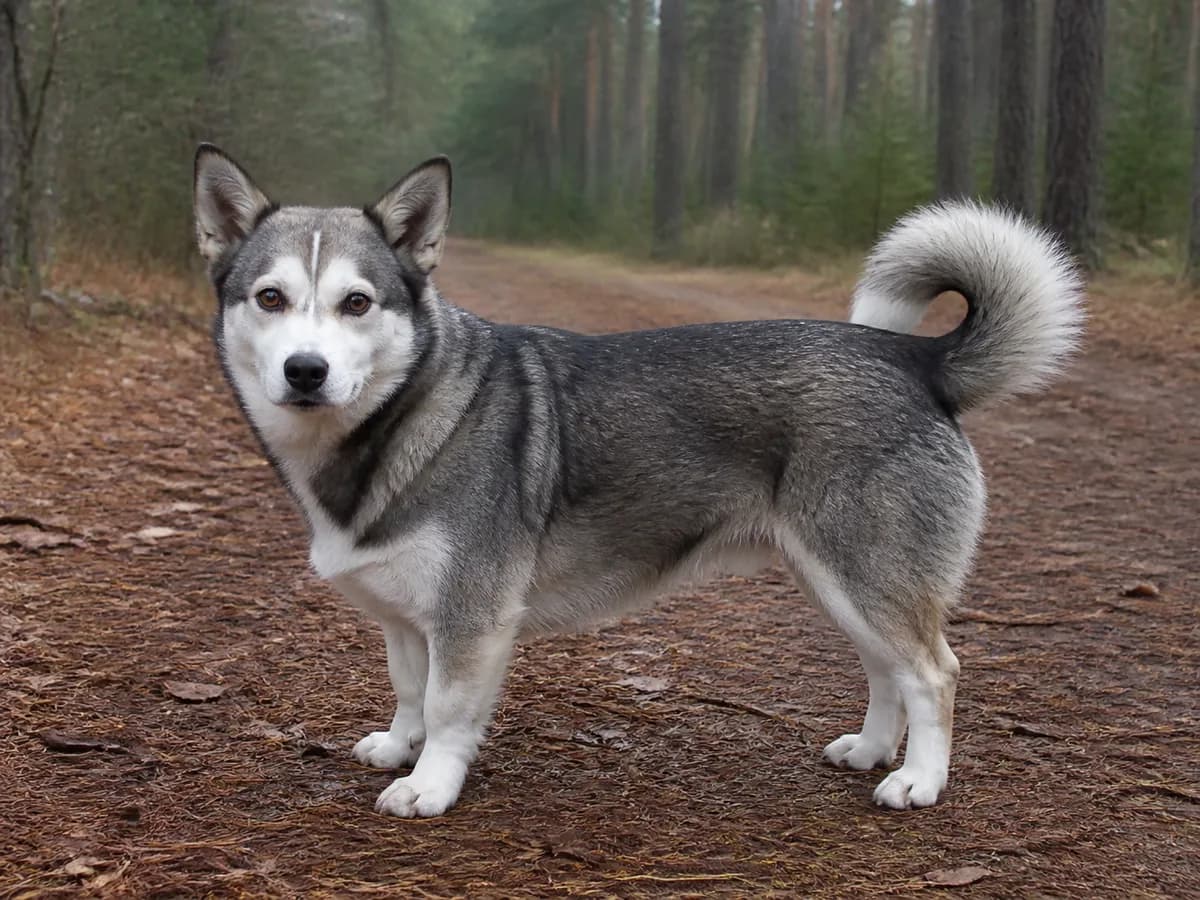
A Corgi German Shepherd mix can vary greatly in height, bone, coat, and confidence. The German Shepherd parent is much larger than either Corgi breed, so a puppy's adult proportions are especially difficult to predict. Avoid breeders who promise a precise "small German Shepherd" result.
Petful may earn a commission when you click through to Chewy, at no extra cost to you.
Ask to see comfortable, balanced movement and stable behavior around ordinary sounds and strangers. Training should prioritize calm observation, loose-leash skills, recall, and an off switch instead of trying to exhaust the dog.
4. Corgi Dachshund mix
A Corgi Dachshund mix, often called a Dorgi, combines two breeds known for a long, low outline. That does not make every puppy extra short or predict a safe body shape. Evaluate the individual dog's weight, gait, willingness to move, and any history of back or neck pain with a veterinarian.
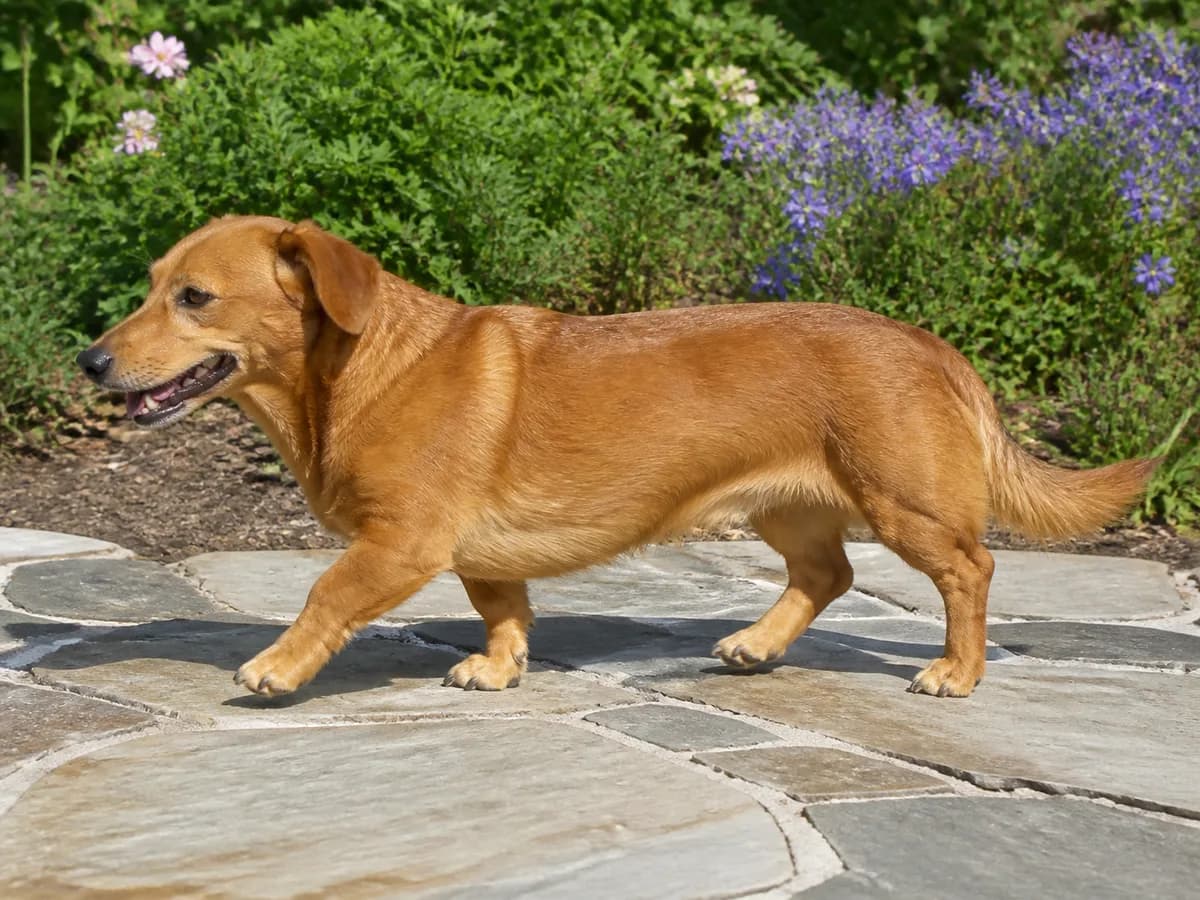
- Do not seek exaggerated short legs or an extremely long back. Keep the dog at a veterinarian-guided body condition, use sensible handling, and seek prompt veterinary advice for pain, weakness, wobbling, or a sudden change in movement.
A Dorgi's appeal should never depend on exaggeration. Choose comfortable movement, responsible sourcing, and a body the individual dog can carry well over a promised novelty silhouette.
5. Corgi Chihuahua mix
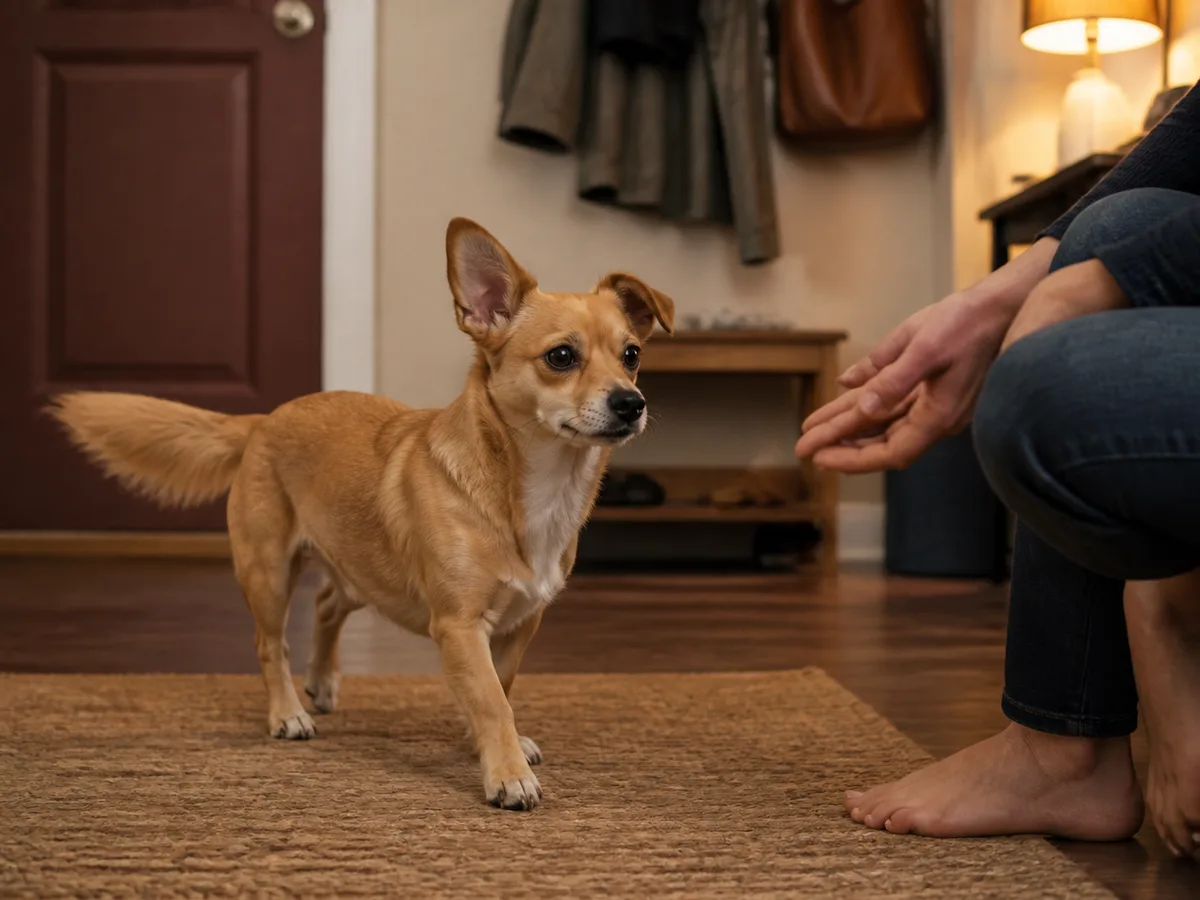
A Corgi Chihuahua mix, sometimes called a Chigi, may be small, but size does not predict confidence, sociability, or tolerance for handling. Ears may stand or fold, coat length can vary, and the dog may favor either parent's proportions.
Meet small crosses at floor level and let them approach rather than lifting them immediately. Ask about barking triggers, house-training history, resource guarding, and comfort around larger animals. A compact dog still needs training, enrichment, and respectful handling.
6. Corgi Pit Bull mix
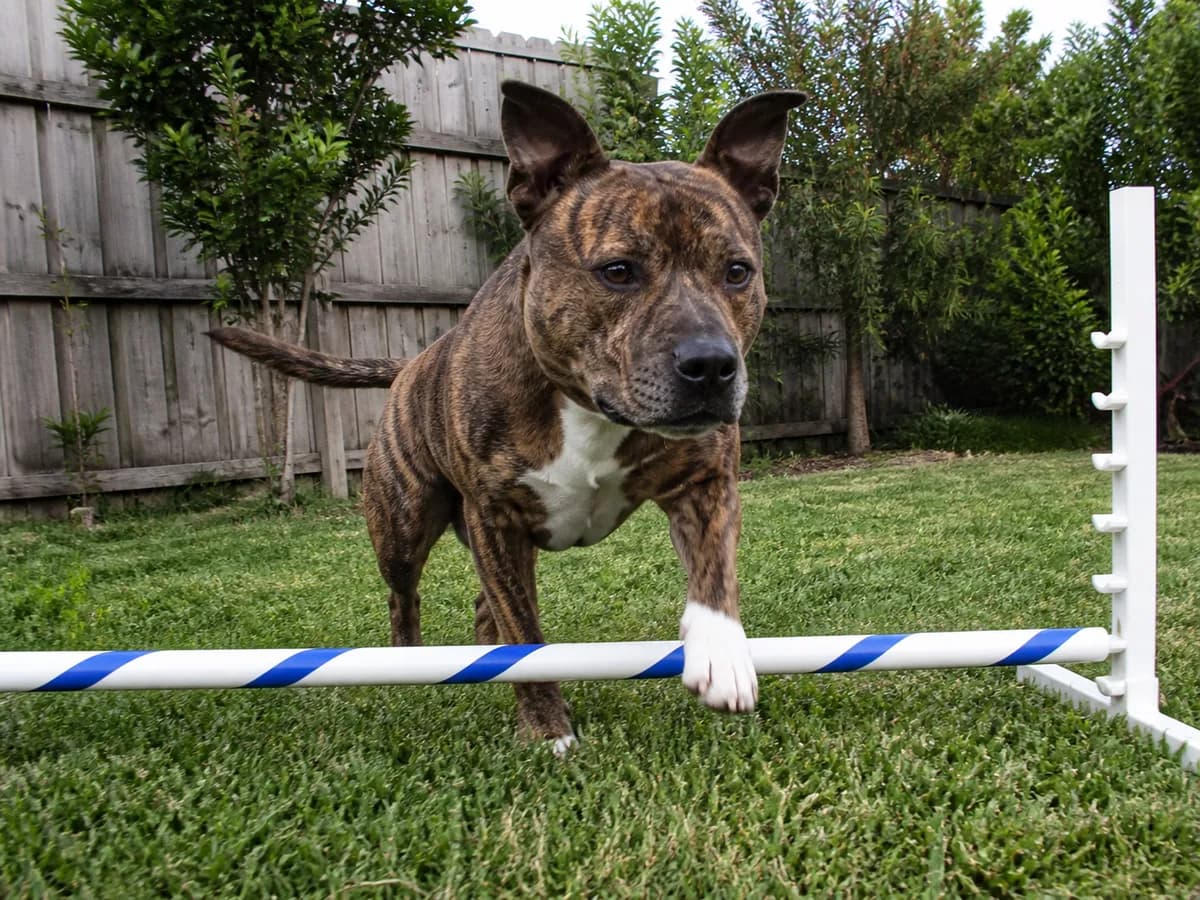
A Corgi Pit Bull mix may have a broader chest, short coat, muscular build, or moderate-to-high activity needs, but appearance cannot prove either parent's identity. "Pit Bull" is also used for several breeds and mixed dogs, so ask for records instead of relying on a shelter label.
Evaluate comfort with handling, frustration recovery, play style, and behavior around other animals. Check local housing or insurance rules before adopting any dog affected by breed-label restrictions, while remembering that those labels may be uncertain.
7. Corgi Australian Shepherd mix
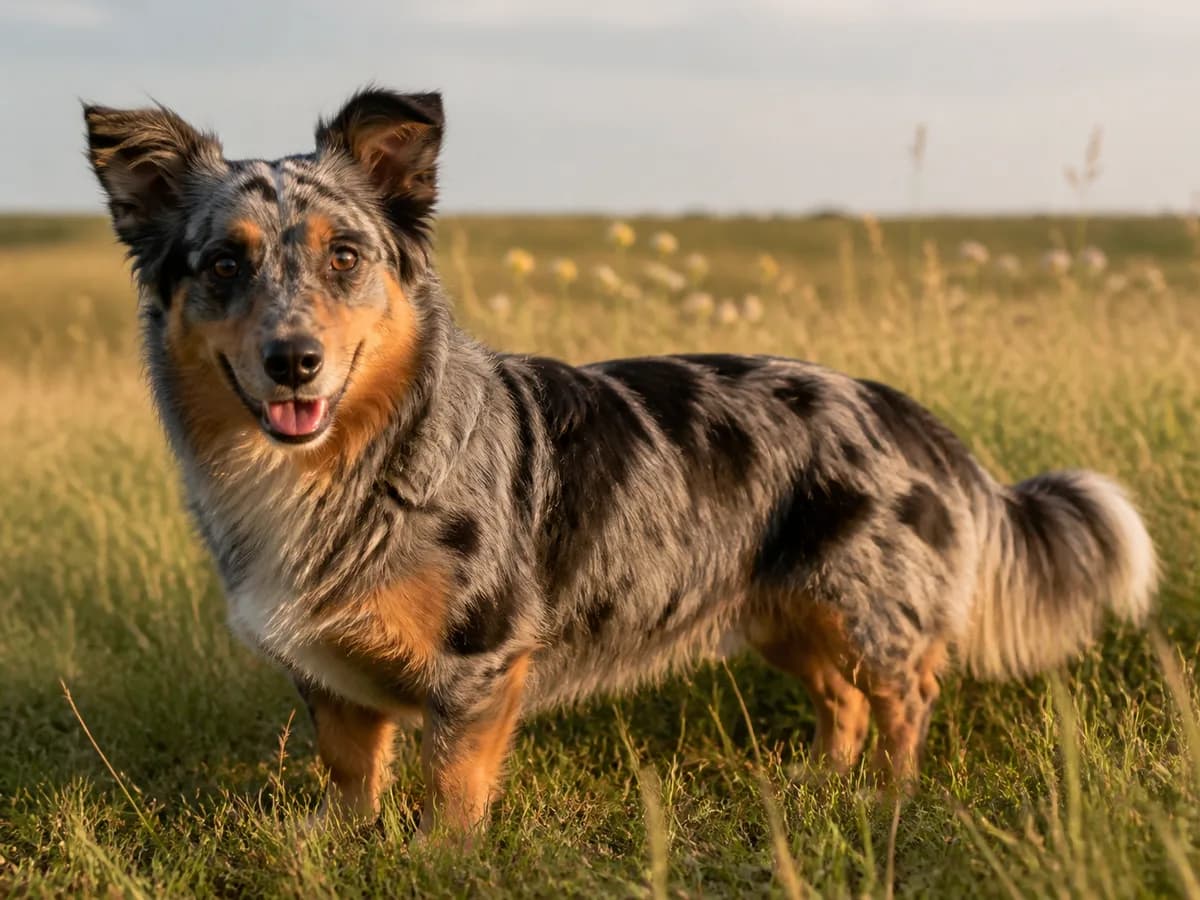
A Corgi Australian Shepherd mix is often called an Auggie. Coat, eye color, ear set, tail, height, and herding behavior can all vary. Merle can come from the Australian Shepherd side, but a merle coat is never evidence of a purebred Pembroke Welsh Corgi.
These dogs may enjoy training that combines movement and problem-solving. Ask whether the individual can settle after activity and how it responds to fast movement from children, bicycles, or other pets.
8. Golden Retriever Corgi mix
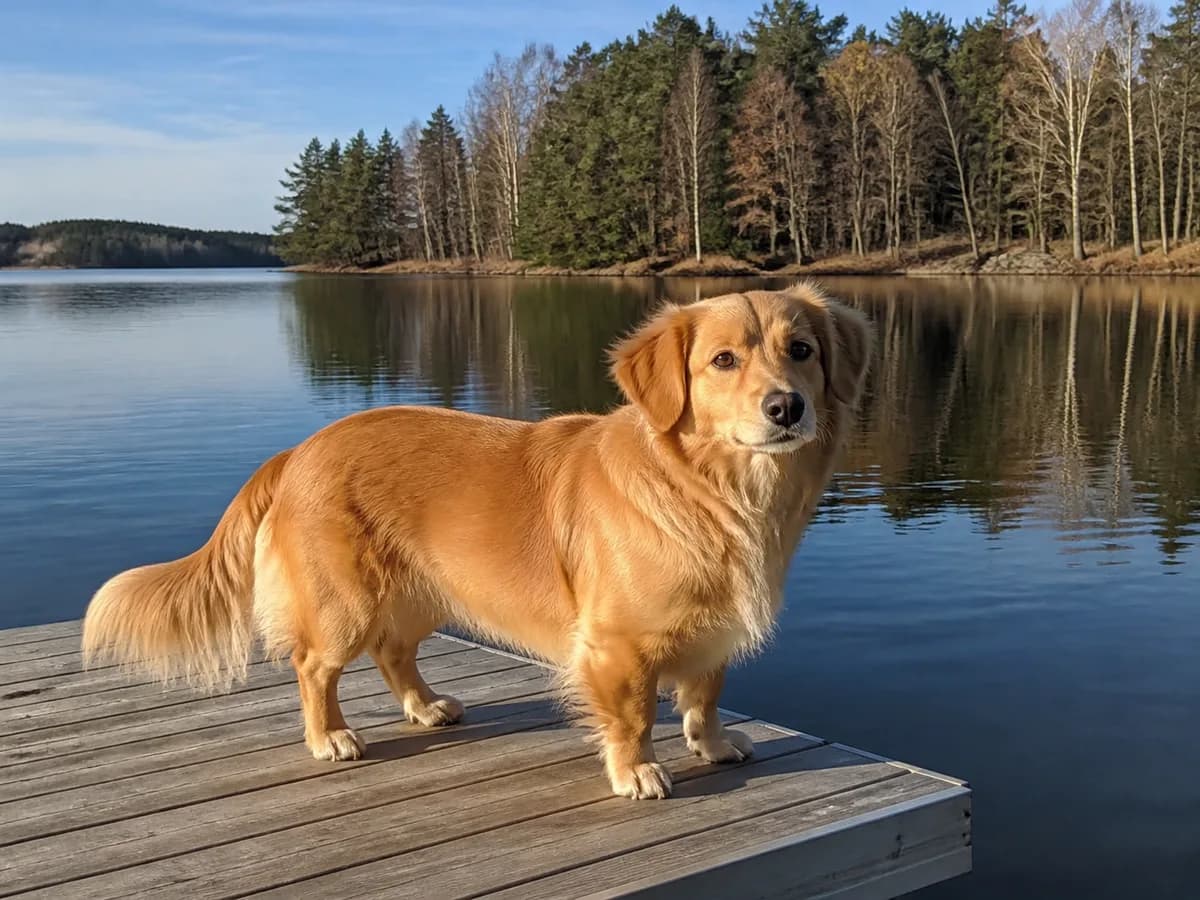
A Golden Retriever Corgi mix may mature well above a typical Corgi's weight or retain a lower frame with a heavier body. Coat length, feathering, retrieving interest, sociability, and activity are not fixed by the cross name.
Look beyond the appealing golden coat. Ask about adult size in related dogs, orthopedic screening in documented parents, grooming needs, and the dog's response to people and animals outside the home.
9. Corgi Poodle mix
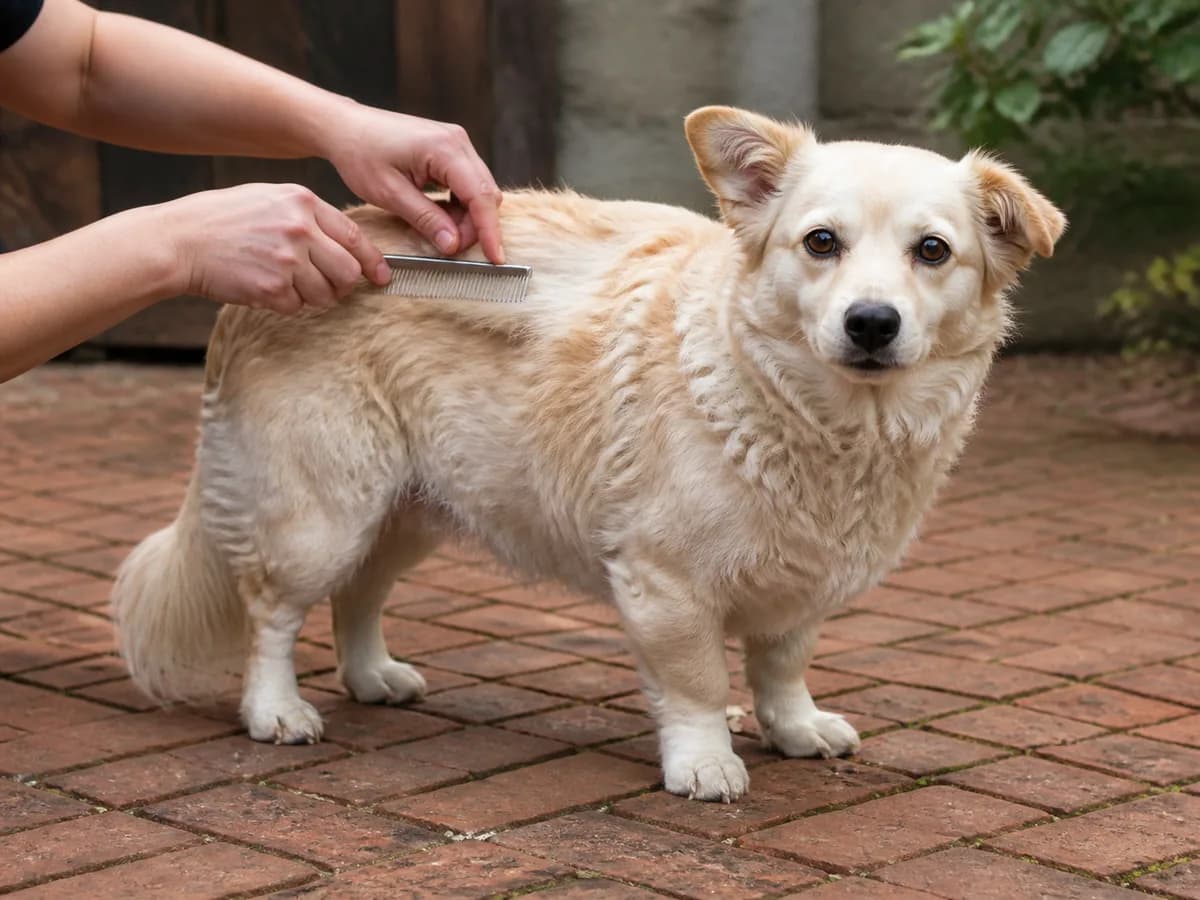
A Corgi Poodle mix may be called a Corgipoo or Corgidoodle. It is not guaranteed to be low-shedding or suitable for a person with dog allergies. The Poodle parent's size also matters, and the adult coat may be straight, wavy, curly, dense, or a difficult combination that mats easily.

Petful may earn a commission when you click through to Chewy, at no extra cost to you.
Ask to handle the coat down to the skin and discuss brushing and professional grooming before adoption. Do not wait for mats to reveal what the coat requires.
Our Corgipoo guide explores this cross in more detail, including temperament, care and household fit.
10. Corgi Labrador mix
A Corgi Labrador mix, sometimes called a Corgidor, may have a short dense coat, a larger chest, strong food motivation, or a love of carrying objects. It may also look nothing like the low black-dog photos commonly used online.
Plan around the actual adult body and energy level. Ask about swimming comfort, retrieval interest, impulse control, and how much daily activity helps the dog settle without overloading an immature puppy.
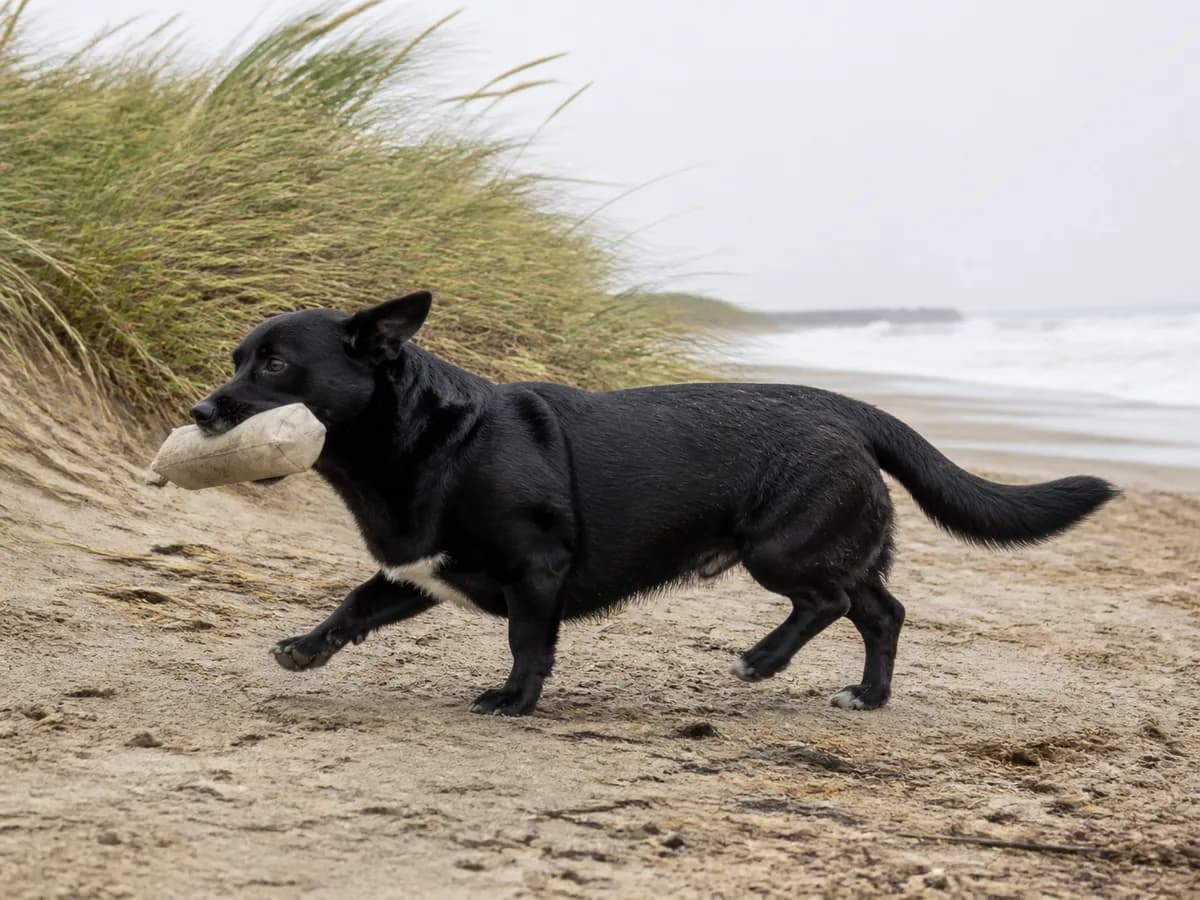
11. Border Collie Corgi mix
A Border Collie Corgi mix may be intensely attentive to motion or may be much more moderate. Coat, height, ear set, and working interest can vary, and black-and-white markings alone do not identify this cross.
Look for the ability to disengage from movement and relax. Training can include scent work, cooperative care, pattern games, and controlled herding outlets when suitable, not endless ball throwing that keeps arousal high.
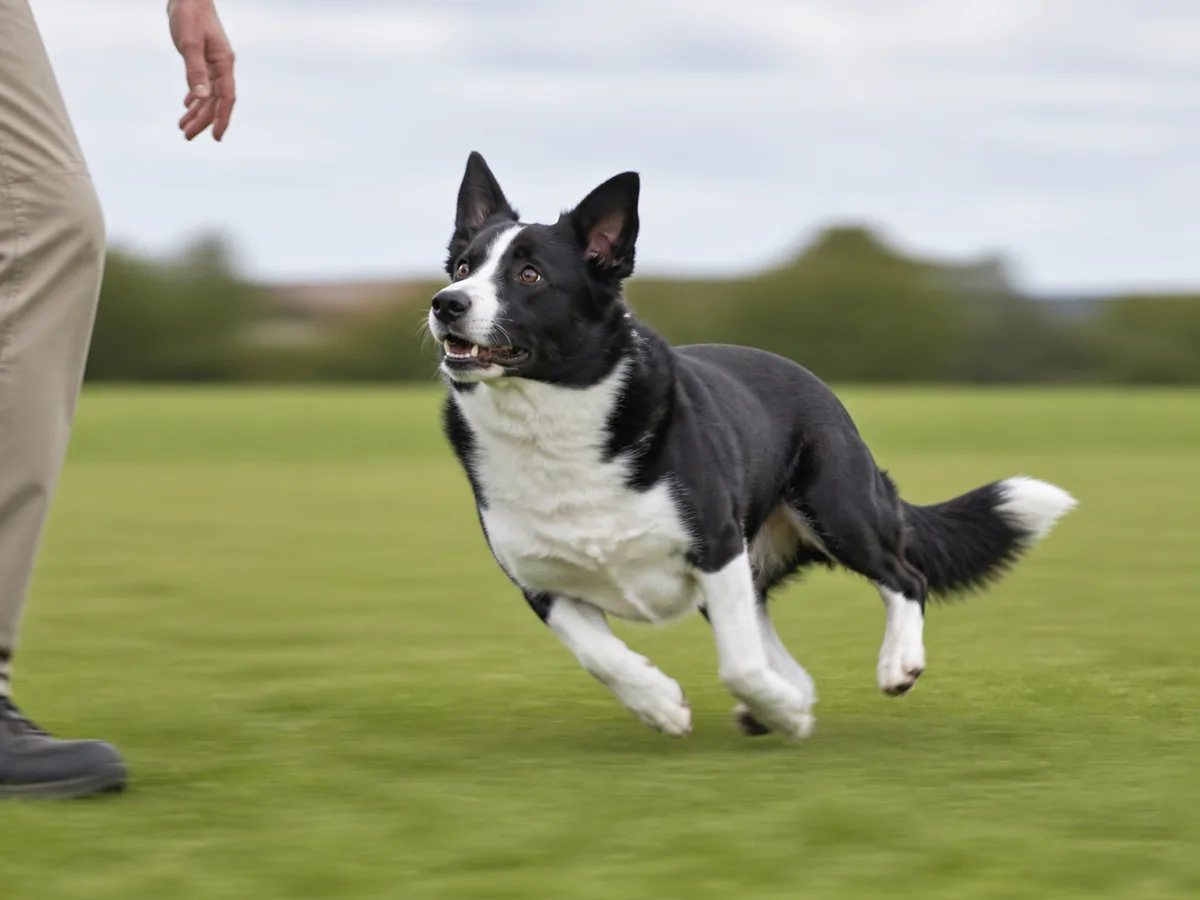
12–20. Other popular Corgi mixes
A Corgi Pomeranian mix may have a plush coat and small-to-medium frame, while a Corgi Shiba mix may show a red coat, upright ears, or a curled tail. Neither label predicts sociability or ease of training. The Corgi Terrier mix is even broader because "terrier" can describe many very different parents; a Corgi Jack Russell mix is more specific but still variable.
Basset Hound Corgi mixes and Beagle Corgi mixes may show hound-like scent interest or voice, but those behaviors must be observed. Boxer, Shih Tzu, Bernese Mountain Dog, and Cocker Spaniel crosses can differ sharply in size, face shape, coat, and care needs. For every pairing, confirm the named parents and avoid any seller promising a perfect miniature version of the larger breed.

The remaining nine crosses in this guide are:
- Corgi Pomeranian mix
- Corgi Shiba mix
- Corgi Jack Russell mix
- Basset Hound Corgi mix
- Beagle Corgi mix
- Boxer Corgi mix
- Shih Tzu Corgi mix
- Bernese Mountain Dog Corgi mix
- Cocker Spaniel Corgi mix
Size, coat, and care comparison
Mixed-breed planning works better in ranges than exact predictions. The larger the difference between the parent breeds, the wider the plausible adult outcome. A puppy with one large parent can outgrow the small or medium estimate attached to an online listing.
For the recognized adult endpoints of the two Corgi breeds, use our Corgi size and full-grown weight chart. Then compare the other documented parent and the puppy's growth with your veterinarian. Do not call a cross "mini," "toy," or "teacup" unless the term accurately describes a recognized parent variety rather than a marketing promise.
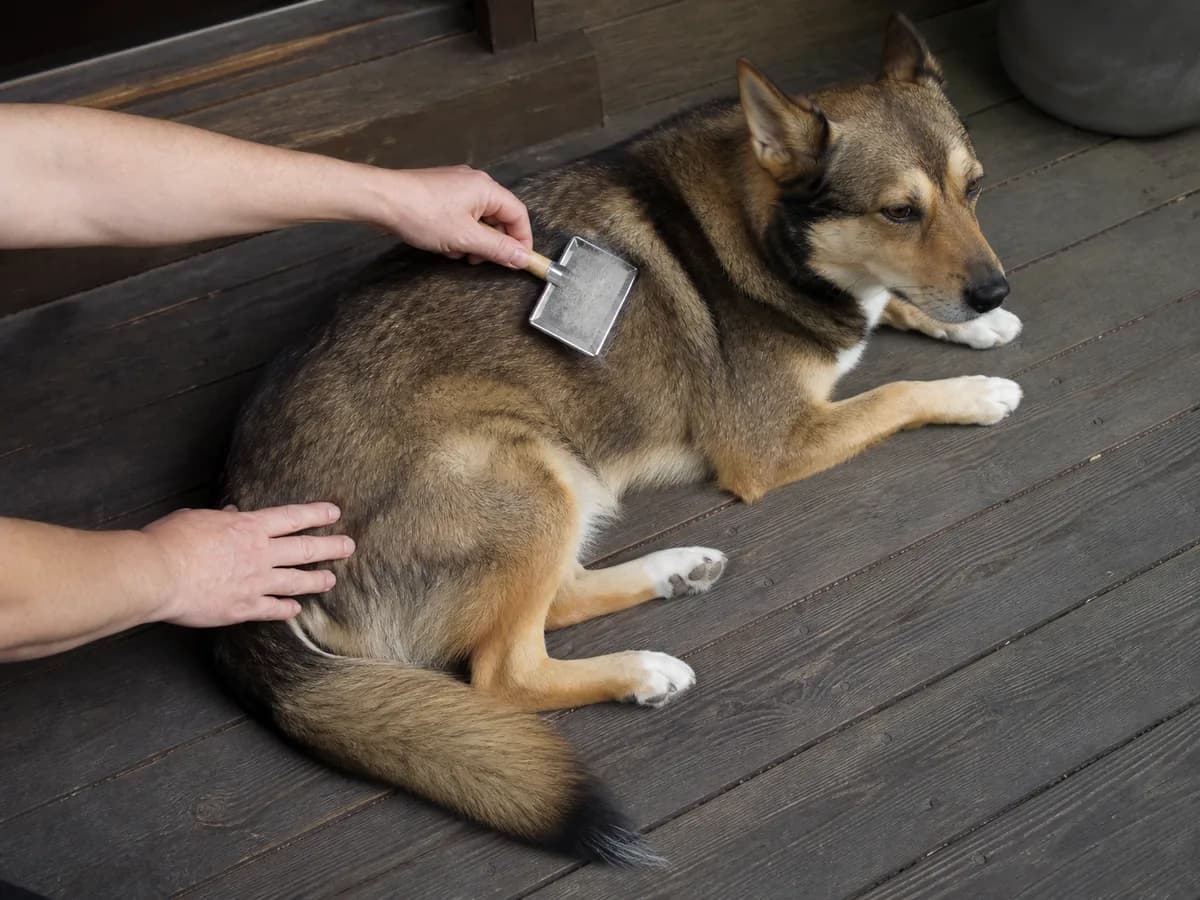
Coat care depends on what is actually growing:
- A dense double coat may shed heavily and need regular brushing
- A curly or mixed-texture coat may mat and require professional grooming
- A short coat may still shed and needs skin checks
- Feathering behind the ears, legs, and tail can tangle even when the body coat stays manageable
The Corgi colors guide explains the standard palettes of Pembrokes and Cardigans. A mixed dog's color may fall outside either standard, and color does not establish temperament, value, or health.
Health questions for both parent breeds
A mixed dog can inherit health risks from either parent. Crossbreeding does not automatically erase inherited disease, and a breeder's use of the phrase "hybrid vigor" is not a substitute for relevant health screening. A 2024 study of three Poodle-cross populations found little support for a blanket claim that crosses are always healthier, although the study did not examine Corgi mixes. See the peer-reviewed PLOS ONE study for its exact scope.
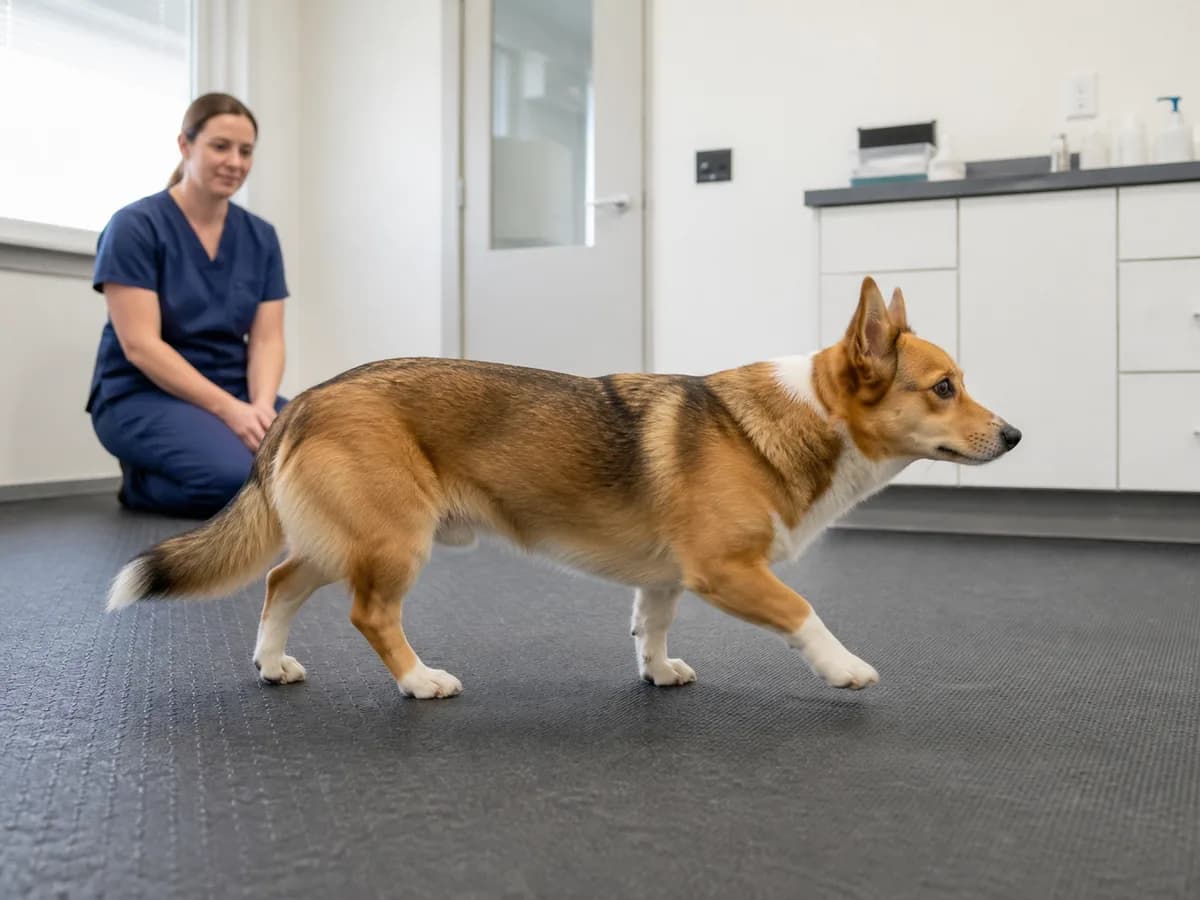
If both parents are documented, ask which screening the relevant breed clubs recommend and request the actual results. The official Pembroke standard and Cardigan illustrated standard define breed structure and appearance, but they are not personal health certificates.
An Embark Breed and Health Dog DNA Test Kit can add information for some inherited-risk questions, but a result is not a diagnosis. Ask a veterinarian to interpret any health finding in the context of the dog's age, exam, family history, and symptoms.
Seek veterinary care promptly for pain, weakness, a wobbly gait, reluctance to move, sudden behavior change, or loss of bladder or bowel control. This article cannot assess an individual dog.
Which Corgi mix fits your home?
Choose by the adult or fostered dog's demonstrated needs whenever possible. A confident small dog can be more demanding than a relaxed medium dog, and a photogenic puppy can mature into a size or coat the listing never predicted.
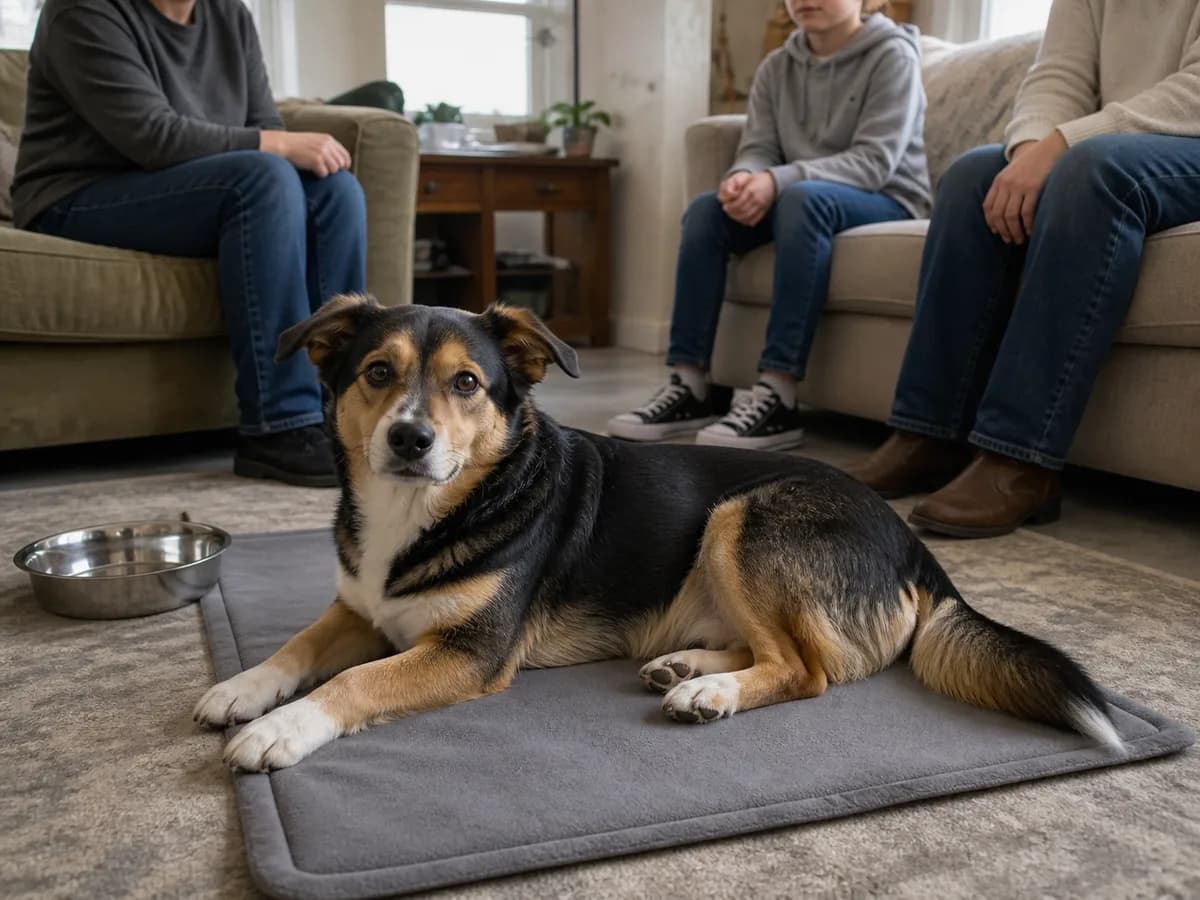
Use this fit checklist:
- Can the dog settle after activity?
- How does the dog respond to handling, children, visitors, dogs, cats, and fast movement?
- What grooming does the current coat require?
- Is the home prepared for the likely adult size and strength?
- Can the household manage training, noise, shedding, and veterinary costs?
- Are the dog's identification and contact details current?
A Wisdom Panel Essential Breed Identification DNA Test may satisfy an ancestry question, but a foster report and repeated meetings usually tell you more about household fit. A GoTags Nylon Personalized Dog Collar can add visible contact information, while a registered microchip provides a separate permanent identification layer.
Budget, lifespan, and breed identity deserve their own answers. Review current Corgi price and lifetime expenses before committing, and use the Corgi lifespan guide for breed-level estimates and healthy-aging context.
- Compare the two recognized breeds: Pembroke Welsh Corgi vs Cardigan Welsh Corgi
- Learn the Pembroke profile: Pembroke Welsh Corgi temperament and care
- Plan an adult range: Corgi size and full-grown chart
- Identify standard coats: Corgi colors
- Understand longevity estimates: Corgi lifespan
- Build a realistic budget: Corgi price
Frequently asked questions
A Corgi mix can be a good dog for the right home, but the label is not a fit guarantee. Judge the individual dog's energy, handling comfort, social behavior, recovery after excitement, grooming needs, and medical history. When possible, use foster-home observations and more than one meeting. Parent breeds help you prepare questions, while the dog's demonstrated behavior should drive the decision.
How big Corgi mixes get depends on the other parent and the genes inherited, so they can range from small to much larger than either recognized Corgi breed. A puppy's short legs or current weight cannot guarantee adult height, length, or mass. Use verified parent identities, dated growth records, body condition, and veterinary guidance, then plan housing, transport, and equipment for a wider range rather than one seller estimate.
Not necessarily. Adult size depends on the non-Corgi parent, the genes the dog inherits, sex, frame, and body condition. Even littermates can finish at different sizes, and short legs do not guarantee a small adult. Use verified parent sizes, dated growth records, and veterinary guidance, then choose housing and equipment with room for uncertainty.
Some do, but the mix label cannot predict a coat. A dog may inherit a dense double coat and substantial seasonal shedding, a lighter or curlier coat from the other parent, or something between. Assess the individual dog's coat and skin, introduce grooming gradually, and budget for the maintenance that dog actually needs.

Coreen Saito is a pet writer and longtime shelter volunteer with more than a decade in animal rescue. She covers cat behavior, breed care, and the small, ordinary science of sharing a life with companion animals, with a particular focus on honest takes about the products and decisions that actually matter. At home in Arizona, she's outranked by Mac (a dog with the loudest opinion in the house), Rebel (a cat who governs by quiet authority), and Meri (an orange tabby who runs the late shift and the laundry basket). She writes about all three, plus the rescues that keep coming through her life, at LifeWithMinty.com.
Sign up for expert-backed reviews and safety alerts all in one place.