Corgi Colors: Pembroke and Cardigan Coats
Corgi colors differ by breed. Compare official Pembroke and Cardigan coats, merle rules, tricolor labels, white markings, puppy changes, and rarity claims.
Petful is reader supported. As an affiliate of platforms like Amazon and Chewy, we may earn a commission when you buy through links on this page. There is no extra cost to you.
Corgi colors make sense only after you identify the breed. Pembroke Welsh Corgis and Cardigan Welsh Corgis have different accepted color lists, so a coat that is standard for a Cardigan may be outside the Pembroke standard.
This guide separates the two breeds, explains red, sable, fawn, black and tan, brindle, blue merle, tricolor, and white markings, and shows where informal labels can mislead. Color can help with identification, but it cannot prove pedigree, health, temperament, rarity, or source quality.

Sign up for expert-backed reviews and safety alerts all in one place.
Corgi colors at a glance
- 1Pembroke Welsh Corgis are accepted in red, sable, fawn, and black and tan, with or without permitted white markings.
- 2Cardigan Welsh Corgis may be red, sable, brindle, black with or without tan or brindle points, or blue merle with or without tan or brindle points; permitted white must not predominate.
- 3Blue merle is a Cardigan color, not a recognized purebred Pembroke color. No official breed standard provides a universal rarest-color ranking.
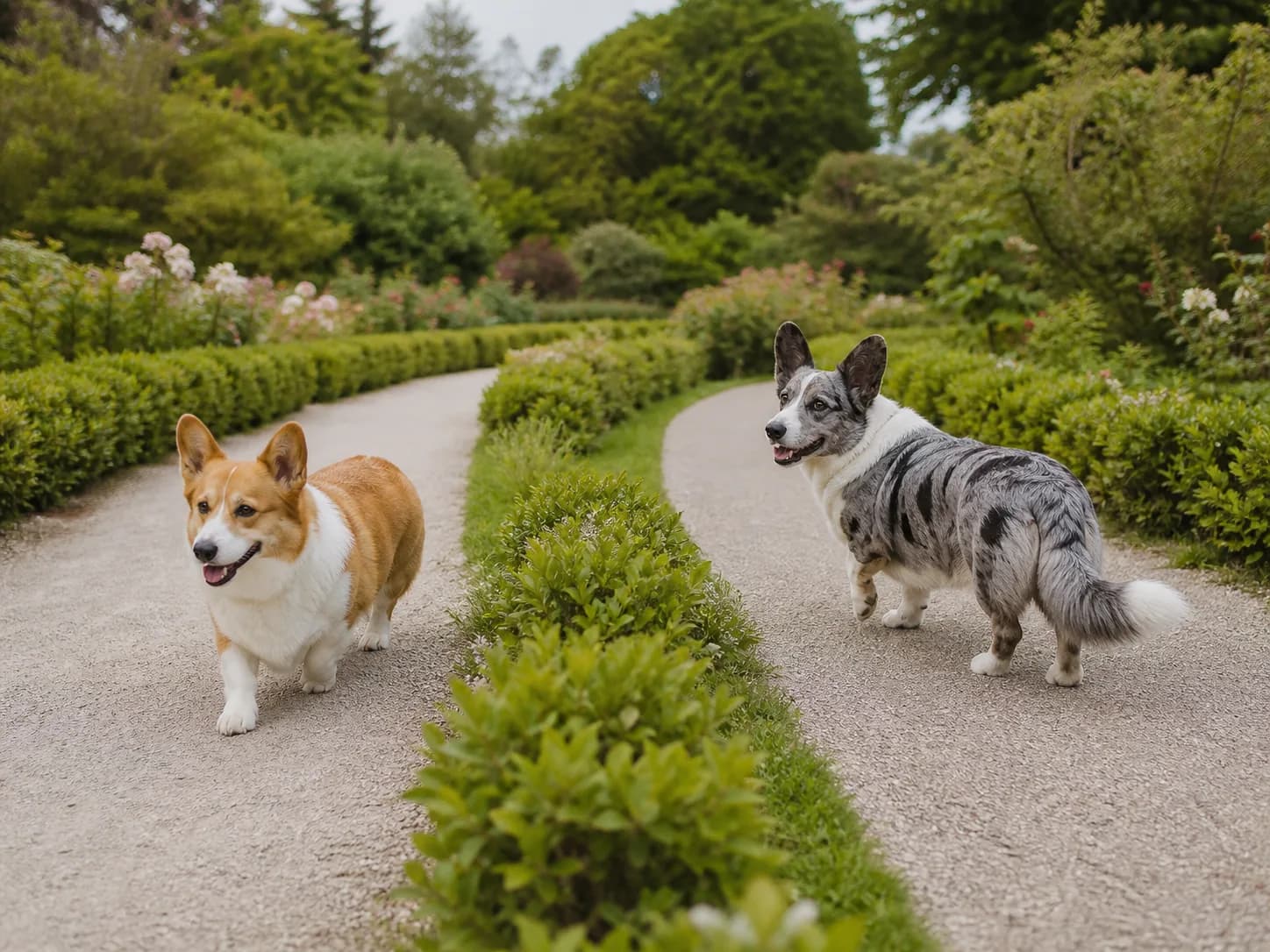
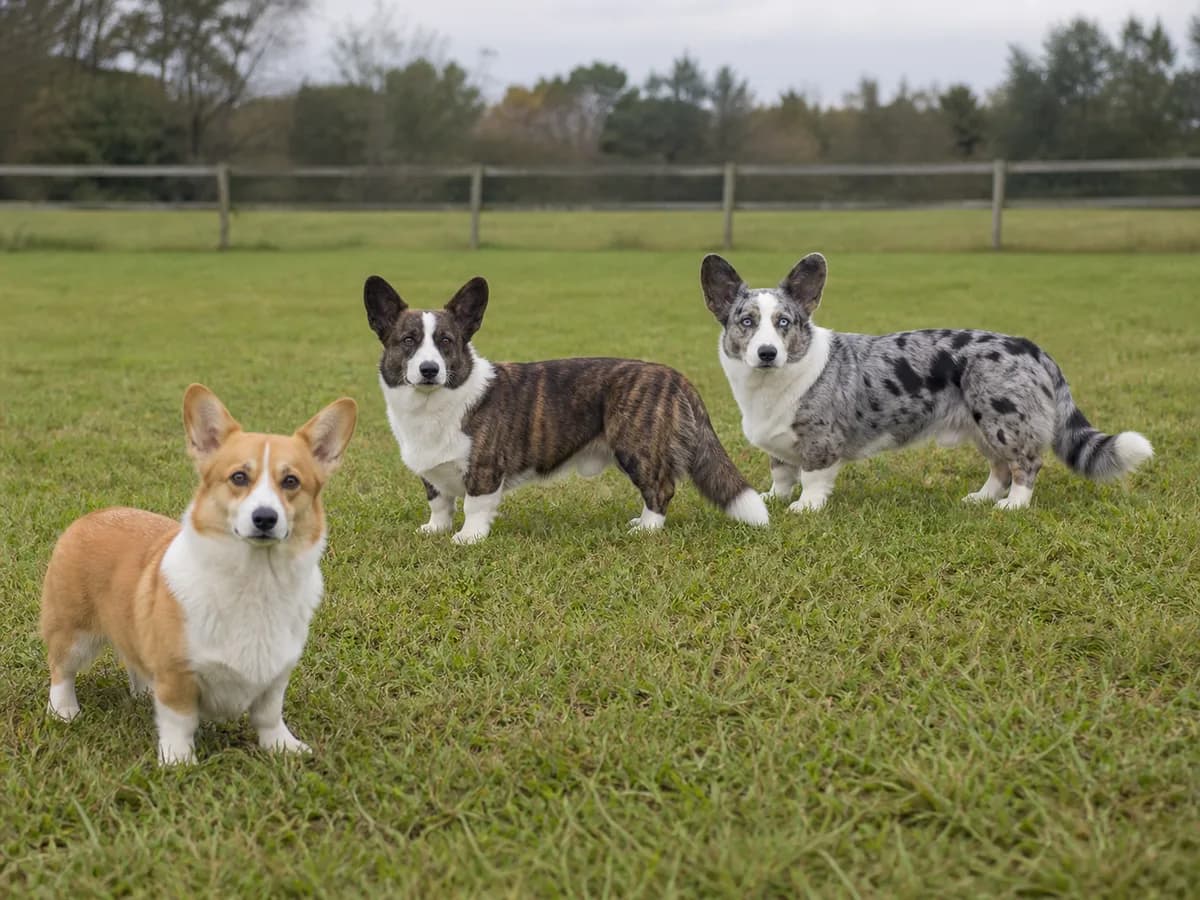
What are the different colors of Corgis? For Pembrokes, the official base-color list is red, sable, fawn, and black and tan, with or without permitted white. For Cardigans, it is red, sable, brindle, black with or without tan or brindle points, and blue merle with or without tan or brindle points. The lists are not interchangeable.
What are all the Corgi colors? The complete answer still has to name the breed, because everyday labels such as tricolor, black corgi, black-and-white Corgi, or merle Corgi may describe visible features without matching the exact language of a standard. White placement, the dog's underlying base color, and breed identity all matter.
What is the rarest Corgi color? No current official registry-frequency source in the evidence reviewed provides one universal ranking across both breeds. Local litter availability is not a population census, and a seller's "rare" label is a marketing claim unless it comes with a defined dataset. Rarity also does not establish quality, health, or value.
Use a simple identification order:
- Decide whether records identify the dog as a Pembroke or Cardigan.
- Identify the underlying base color before naming the white pattern.
- Compare white placement and amount with the correct breed standard.
- Treat terms such as red-headed tri or black-and-white as descriptions, not separate breeds.
- Use pedigree or ancestry evidence when appearance is ambiguous.

Petful may earn a commission when you click through to Chewy, at no extra cost to you.
Pembroke and Cardigan color standards
The official Pembroke Welsh Corgi standard and the Cardigan Welsh Corgi illustrated standard are the controlling references for show-standard color descriptions in the United States. They describe ideal breed presentation, not a test of whether a pet deserves care or affection.
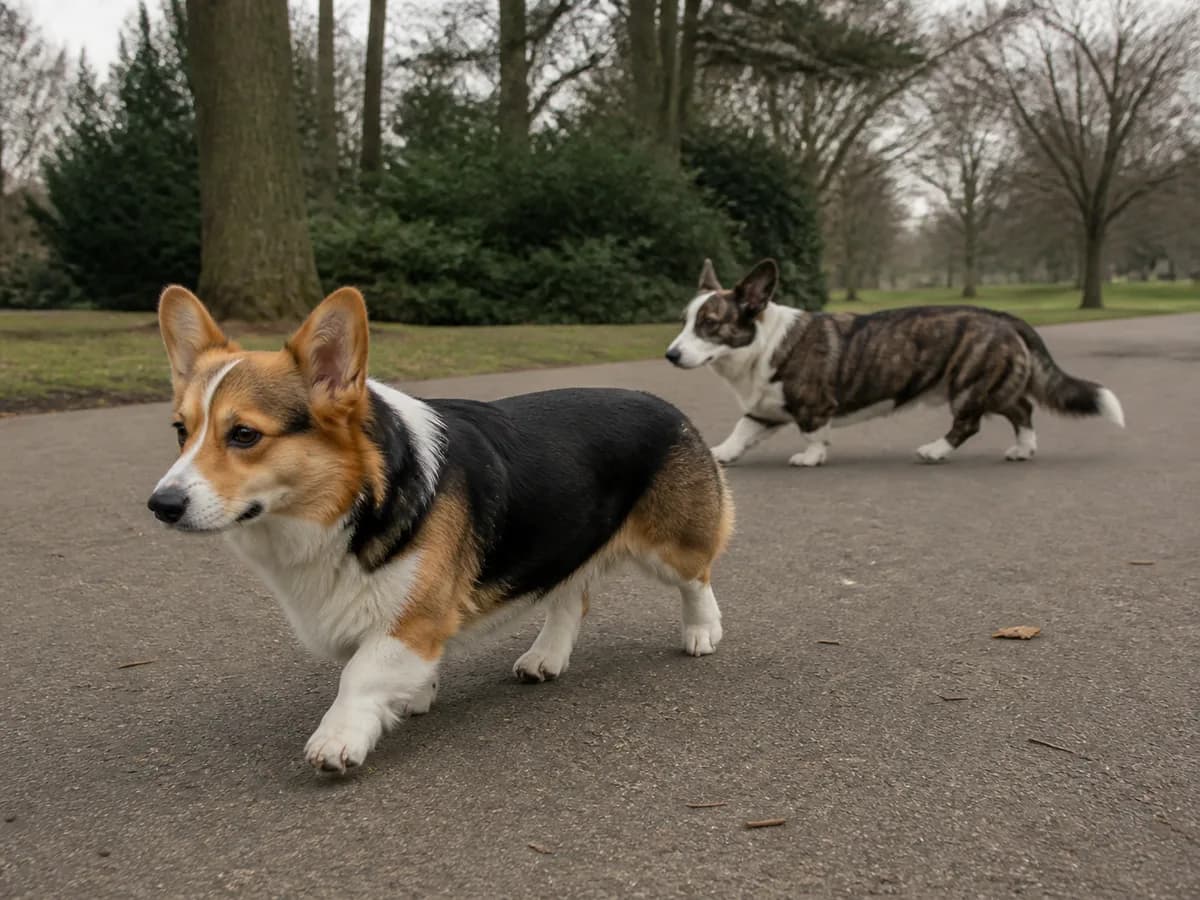
The standards differ in several practical ways:
- Pembroke accepted colors do not include brindle or blue merle.
- Cardigan accepted colors include brindle and blue merle.
- Both breeds may have white markings, but the permitted placement and balance must be read in that breed's standard.
- A Cardigan's long, fox-brush tail and generally larger rounded ears add important identity clues.
- A full tail does not by itself prove Cardigan identity because a Pembroke may also have a natural full tail.
The dedicated Pembroke Welsh Corgi vs Cardigan Welsh Corgi comparison covers body, ears, tail, size, and temperament context. Color should be one clue in that larger comparison, not the only clue.
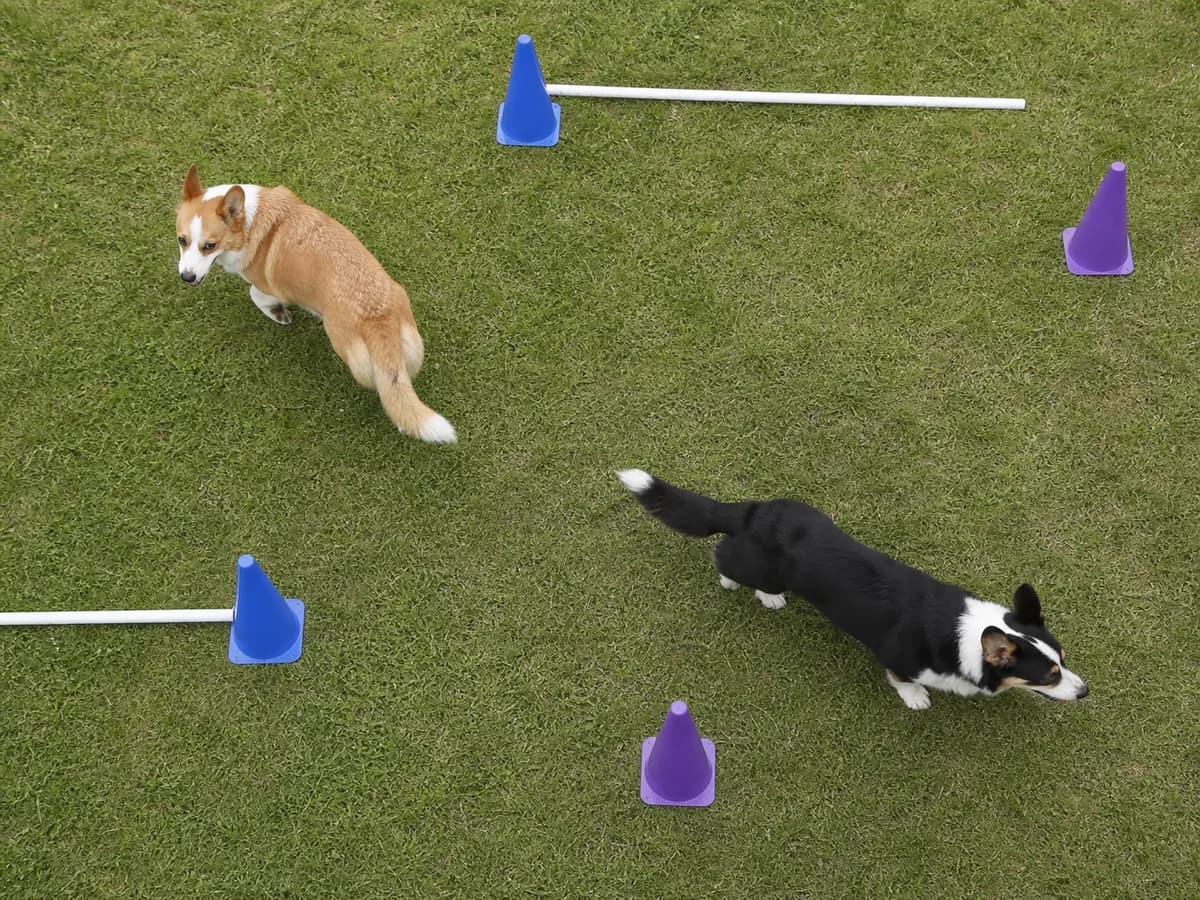
Standard does not mean common or guaranteed
An accepted color can be locally uncommon, and a common-looking coat can still be misidentified. Standards also do not rank colors by health, personality, working ability, or household fit. They are useful for naming visible coat categories and evaluating breed-standard presentation.
Photographs introduce another limit. Screen calibration, shade, warm indoor bulbs, wet fur, seasonal coat, and camera processing can shift how red, fawn, sable, gray, or black appears. Use a color-managed photo as a reference, then inspect the actual dog in neutral daylight and check the records. For a clearer look before comparing shades, gently remove loose undercoat with a Frisco Deshedding Cat and Dog Brush or Four Paws Magic Coat Wet and Dry Dog Glove and Curry Brush when either tool suits the dog's coat and handling comfort; neither changes genetic color or verifies breed.
Pembroke Welsh Corgi colors
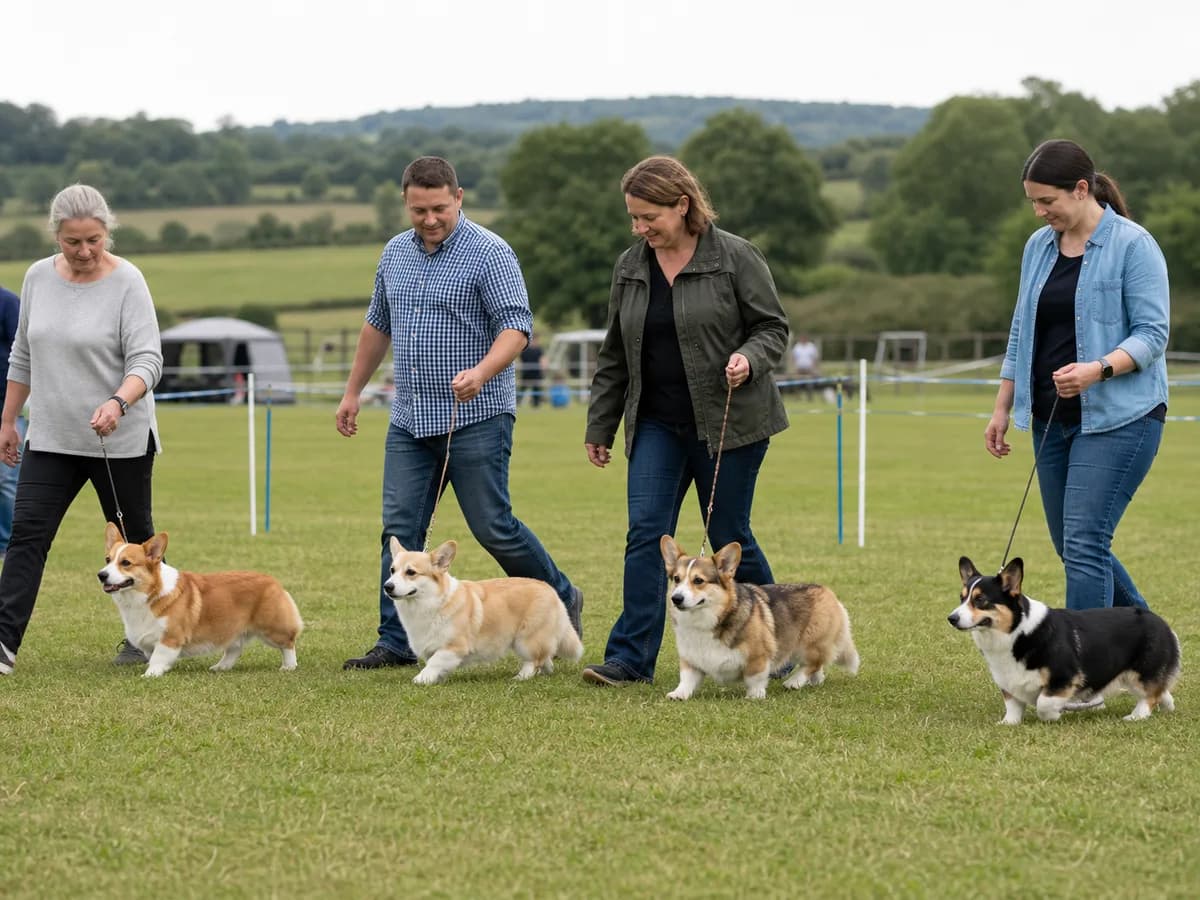
Pembroke Welsh Corgi colors are red, sable, fawn, and black and tan, with or without permitted white markings. A red Corgi may range in visible warmth, while fawn is lighter. A sable Corgi has darker-tipped hairs that can create shading over a red or fawn ground. Black and tan supplies the base for many dogs casually called tricolor when white is also present.
| Visible label | Pembroke standard context | Cardigan standard context | Identification boundary |
|---|---|---|---|
| Red | Accepted, with or without permitted white | Accepted, with or without permitted white | Red shade alone does not identify the breed |
| Sable | Accepted, with or without permitted white | Accepted, with or without permitted white | Look at structure, tail, ears, and records too |
| Fawn | Named in the Pembroke accepted-color list | Not separately named in the Cardigan standard color list | Do not transfer the Pembroke label automatically |
| Black and tan | Accepted Pembroke base color, often seen with white | Black is accepted with or without tan or brindle points | Everyday "tricolor" wording needs breed context |
| Brindle | Not an accepted Pembroke color | Accepted Cardigan color | A brindle Corgi claim should prompt Cardigan identity verification |
| Blue merle | Not an accepted Pembroke color | Accepted Cardigan color | A purebred blue merle claim belongs to Cardigan context |
The phrase Pembroke Welsh Corgi tricolor usually refers to black and tan with white. Some enthusiasts further describe black-headed or red-headed tri patterns according to how much black or red is visible around the head as the coat matures. Those are helpful appearance descriptions, but they do not add new base colors to the official list.
Petful may earn a commission when you click through to Chewy, at no extra cost to you.
A purebred black Pembroke is another place where casual language can blur the standard. The Pembroke list says black and tan, not solid black. White may also be present. If a puppy is advertised simply as black, ask for clear photographs in neutral light, the registered color, parent identities, and an explanation of the markings rather than guessing from one dark image.
Cardigan Welsh Corgi colors
Cardigan Welsh Corgi colors cover a broader standard palette: all shades of red, sable, and brindle; black with or without tan or brindle points; and blue merle with or without tan or brindle points. The standard gives no preference among accepted colors. White may occur in specified areas, but it should not predominate.

A brindle Corgi should show dark striping on a lighter ground rather than merle's irregular marbling. In Corgi context, a breed-accurate brindle example points toward the Cardigan standard. It does not, by itself, prove pedigree or breeder claims.
Black Cardigans may be described casually as black, black and white, black with tan points, or black with brindle points. The useful identification question is not which short label sounds best. It is whether the dog's visible coat, white balance, structure, and records fit the official Cardigan description.
The Cardigan Welsh Corgi Club of America color resource provides breed-specific examples. Compare those examples with the individual dog while remembering that one photograph cannot show every acceptable shade or marking distribution.
Blue merle Corgis: the breed matters
A blue merle Corgi that fits an official Corgi standard is a Cardigan Welsh Corgi. Blue merle in the Cardigan standard is black and gray marbling, with or without tan or brindle points. White may also appear within the breed's marking limits.
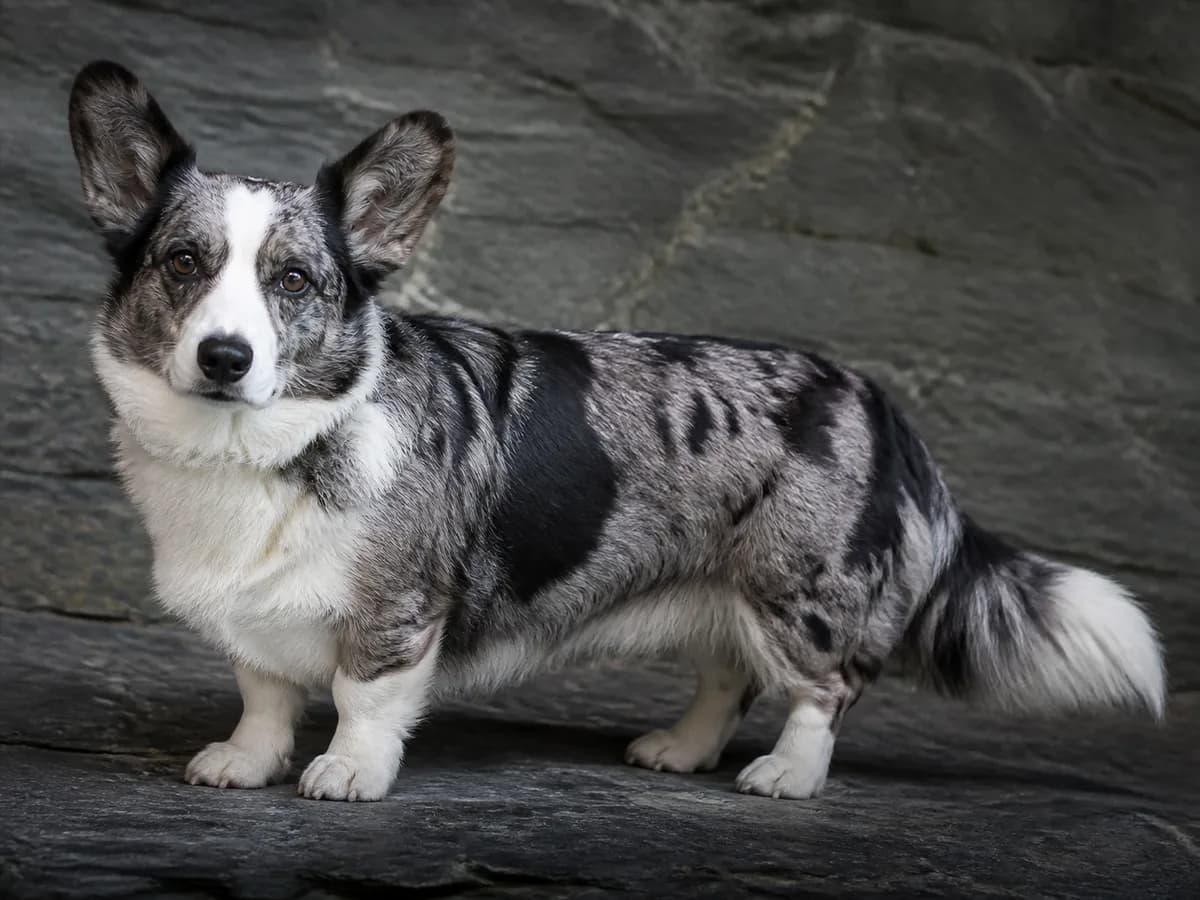
Blue merle is not a recognized Pembroke Welsh Corgi color. A listing for a "merle Pembroke" therefore needs more than a color photograph. The dog may have ancestry outside the recognized Pembroke breed, the label may be inaccurate, or the seller may be using Pembroke loosely. Ask for the registered identities of both parents and verifiable pedigree information.
Eye color also requires breed context. Blue eyes are associated with blue merle Cardigans in the standard. Do not add blue eyes to an image of a red, sable, brindle, or black Cardigan as a generic decorative trait, and do not use blue eyes to make a Pembroke look unusual.
Black, black-and-white, and tricolor Corgis

Petful may earn a commission when you click through to Chewy, at no extra cost to you.
Black Corgi search results often mix several visibly different coats. A Pembroke may be black and tan with white and be called tricolor. A Cardigan may be black with or without tan or brindle points, again with permitted white. A dark mixed-breed dog may also receive a Corgi label from appearance alone.
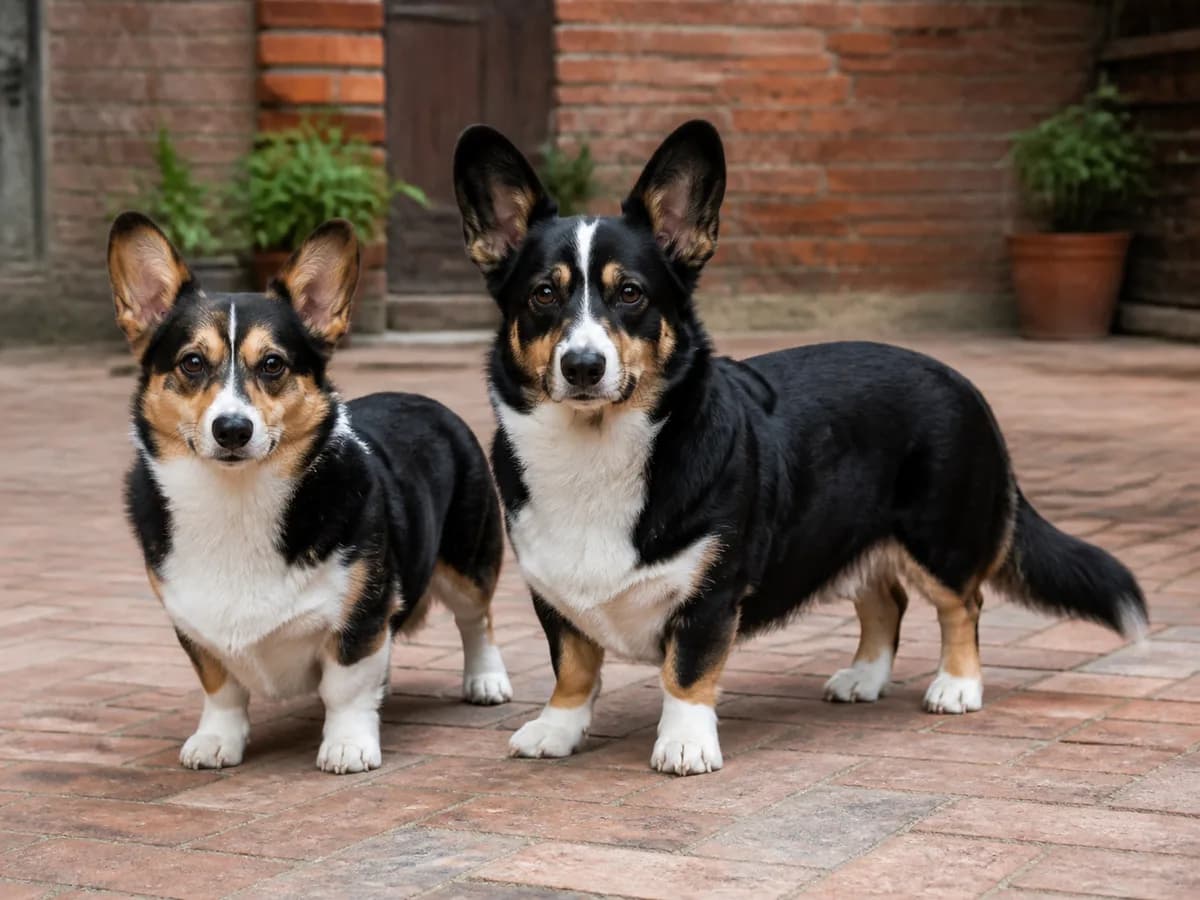
A black-and-white Corgi label leaves out information. Look for tan points, brindle points, the amount and placement of white, ear shape, tail, proportions, and the paperwork attached to the dog. Under bright glare, deep red or shaded sable can also photograph darker or flatter than it looks in person.
Red-headed tri color Corgi is an informal Pembroke description often used when the head appears predominantly red while black remains over the body. Puppy shading may change as the adult coat develops, so do not promise a precise adult head pattern from a newborn photograph.
Red, sable, fawn, and brindle coats
Red and sable occur in both recognized Corgi breeds, while fawn is named in the Pembroke standard and brindle is named in the Cardigan standard. That makes this group especially useful for seeing why color words must remain attached to breed identity.

Red and white Corgis
A red and white Corgi may be a Pembroke or a Cardigan. White should be evaluated under the correct breed's placement rules, and the dog's anatomy and records still matter. "Red and white" is a coat description, not a complete breed identification.
Sable Corgis
Sable hairs have darker tips that create visible shading, often along the head, shoulders, or back. The amount can change as a puppy coat matures, and it can look stronger in damp fur or directional light. Sable is accepted in both breeds, so it cannot distinguish Pembroke from Cardigan on its own.
Fawn Pembrokes and brindle Cardigans
Fawn sits within the Pembroke color list and can appear pale beside a richer red dog. Brindle belongs to the Cardigan list and shows striping, not merle marbling. When an advertisement crosses those boundaries, verify the breed claim instead of accepting a creative color name.
- Do not select or reject a puppy because one indoor photo makes the coat look redder, paler, darker, or more unusual. Ask for neutral-daylight images, parent identities, registered color information, and original health records before making a source decision.
White markings and mismarks
White is a marking color in both standards, but it is not an unlimited blank canvas. On Pembrokes, permitted white may appear on the legs, chest, neck, muzzle, underparts, and as a narrow blaze on the head. The Pembroke standard treats a white body with red or dark markings, called a whitelie, and nonlisted coat colors as very serious faults.
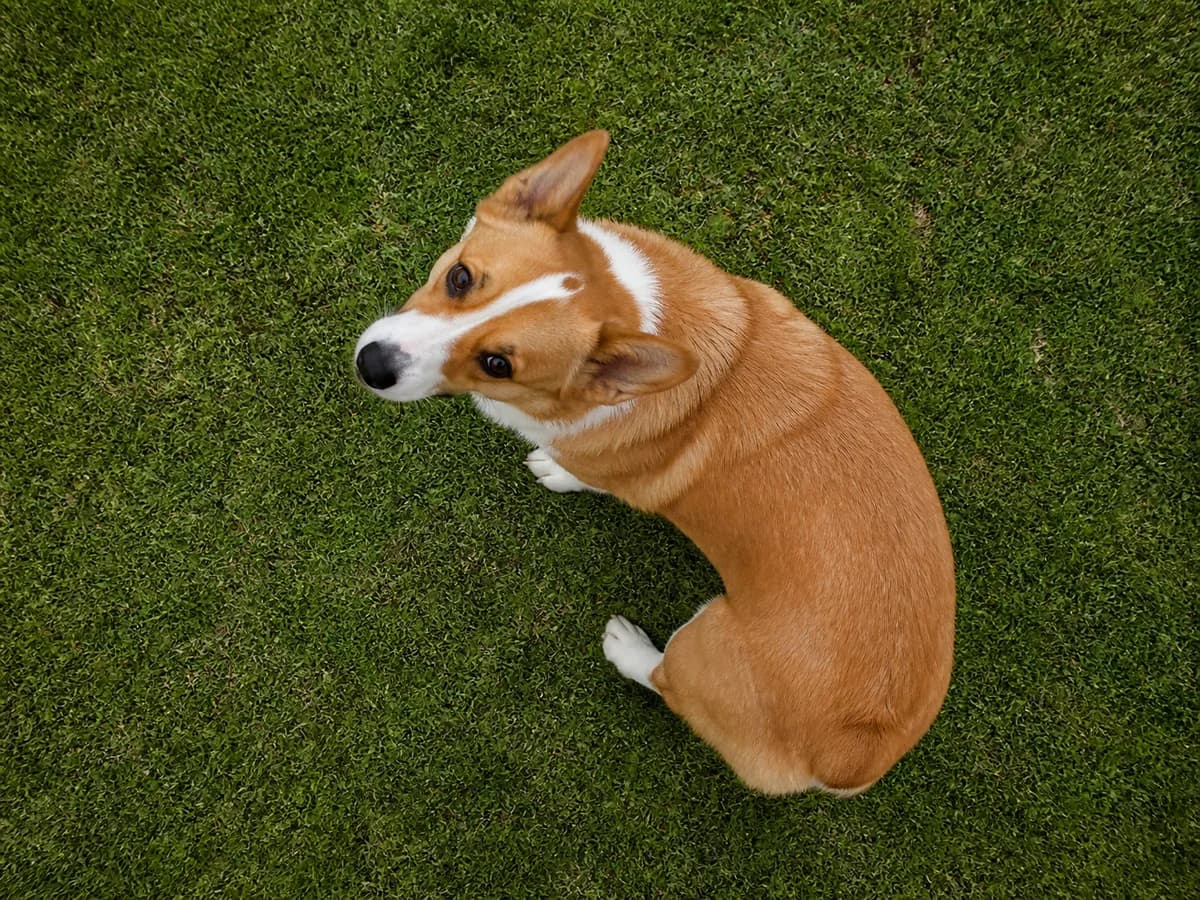
On Cardigans, white may occur on the neck in part or as a collar, the chest, legs, muzzle, underparts, tail tip, and as a blaze. White should not predominate, and the head should remain predominantly colored rather than having white surround the eyes.
White Corgi is therefore an incomplete and potentially misleading label. A predominantly white dog may fall outside the relevant standard, may be a mix, or may simply be described imprecisely. Show faults do not reduce a pet's worth, but a seller should still represent identity and color honestly.
How puppy coats and lighting change color
Petful may earn a commission when you click through to Chewy, at no extra cost to you.
Puppy coats can change in visible shade and pattern as guard hairs develop and early dark overlay recedes or redistributes. A red-headed tri Pembroke puppy, for example, may show more black around the head early than it carries as an adult. The direction and degree of change cannot be guaranteed from one photo.
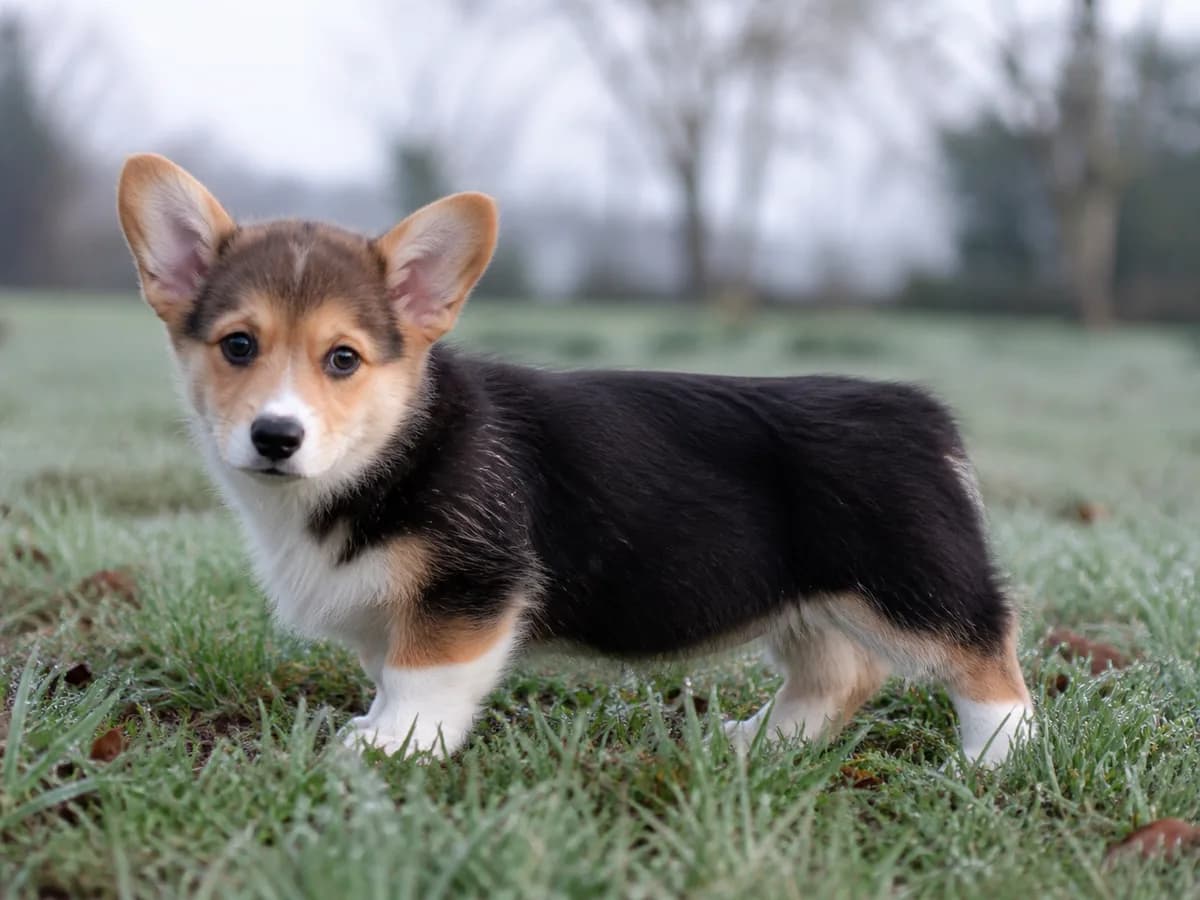
Lighting changes perception even when the coat has not changed. Warm bulbs can push fawn toward red, shade can make red look brown, backlight can wash out black, and phone processing can increase contrast or saturation. Wet coat clumps hairs together and often looks darker.
For a useful photo set, ask for:
- Full-body views from both sides in indirect daylight
- A front view that shows blaze, muzzle, chest, and leg markings
- A rear view that shows tail and hindquarter color
- Close views of merle, sable, brindle, or point pattern when relevant
- A current date and the puppy's age for each image set
Rare-color marketing claims
Rare-color marketing often turns an undefined local observation into a sales claim. A seller may have fewer puppies of one accepted color, but that does not establish national rarity. The Pembroke and Cardigan standards do not provide population frequencies or a single rarest-color ranking.

Treat these phrases as prompts for evidence:
- "Rare merle Pembroke" should trigger verification because blue merle is not in the Pembroke standard.
- "Solid black Pembroke" should trigger a closer look because the listed Pembroke base is black and tan.
- "Exotic" or "designer" says nothing measurable about pedigree, health, or responsible breeding.
- "Last one in this color" describes one seller's inventory, not breed-wide rarity.
If price is part of the claim, use the separate Corgi price guide to evaluate current asking-price evidence and total ownership costs. Do not pay a color premium as a substitute for parent health screening, source transparency, or a suitable individual dog.
Color is not proof of breed or quality
A dog's coat can be consistent with a breed without proving ancestry. Several genes and breeds can produce red, sable, black and tan, brindle, merle, white spotting, upright ears, or a low outline. A shelter label or marketplace title may be an educated guess.
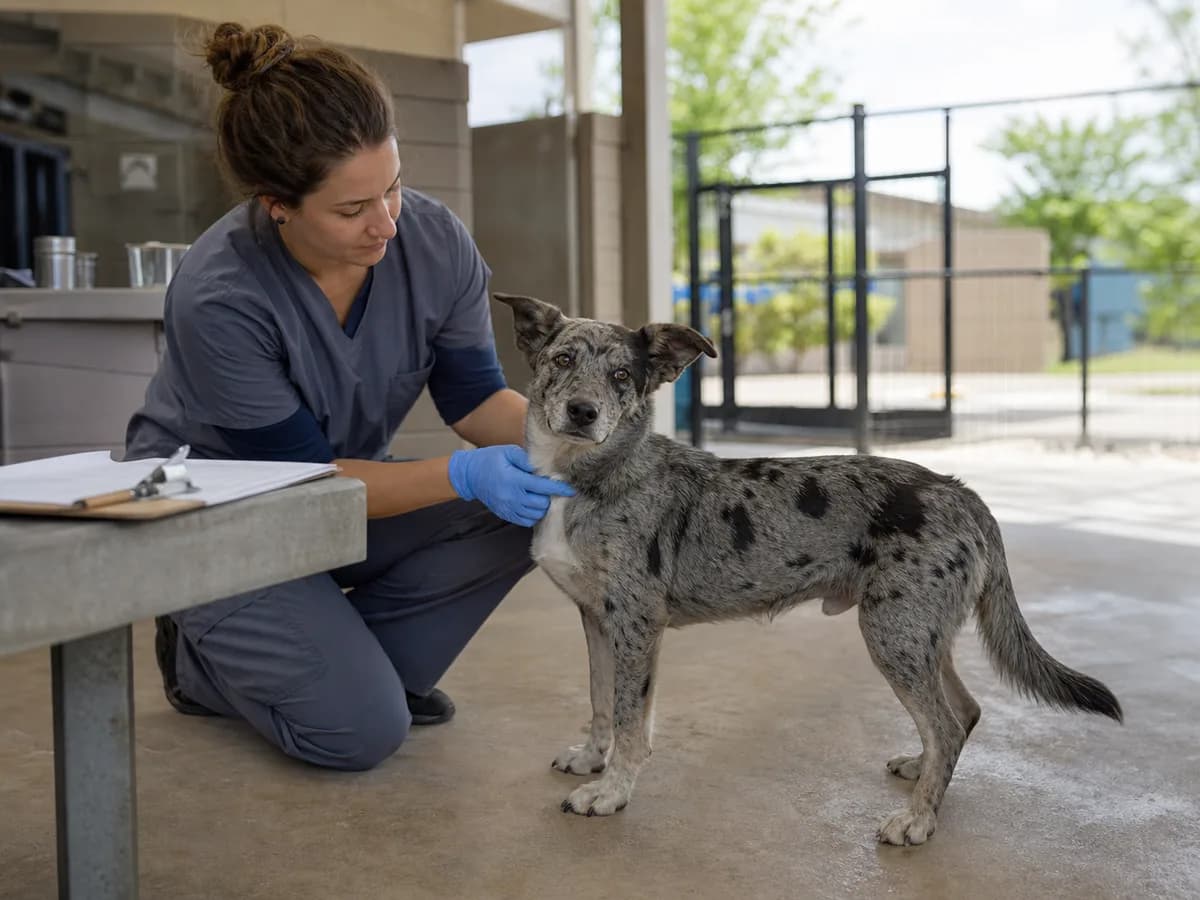
Pedigree records are the appropriate evidence for a registered purebred claim. When ancestry is genuinely unknown, an Embark Breed Identification Dog DNA Test Kit may provide an ancestry estimate, but it cannot certify every pedigree claim, predict temperament, or guarantee health. Interpret the result alongside veterinary findings and known records.
Color also does not establish responsible breeding. Evaluate verifiable parent identities, breed-recommended health results, puppy-raising practices, the living environment, veterinary records, contract, matching process, and return support. An accurate coat label is one small part of an honest source.
Coat care
Coat care is based on the individual double coat, shedding, skin, activity, and handling comfort, not on whether the color is fashionable. Brushing removes loose hair and helps you inspect the skin, while bathing frequency should follow the dog's needs and any veterinary advice.
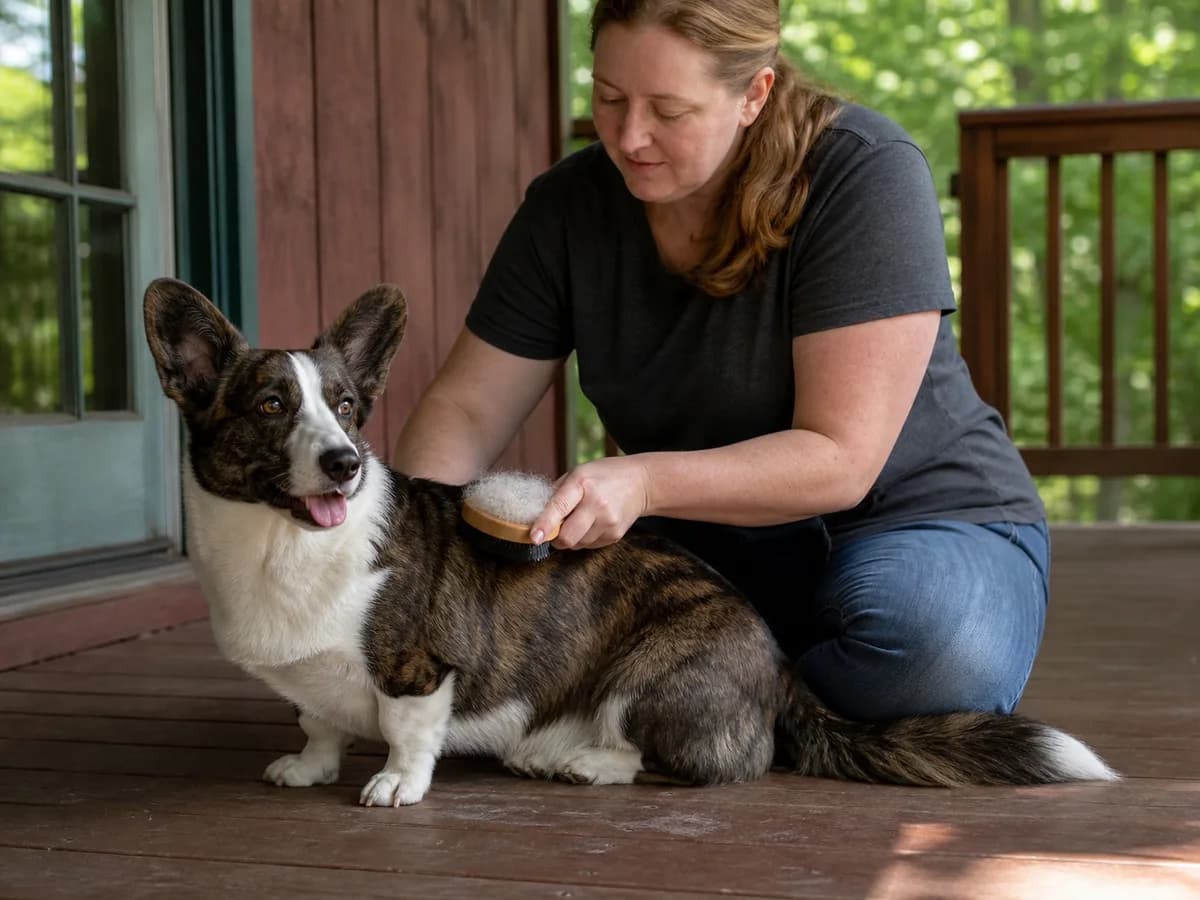
A Frisco Deshedding Cat and Dog Brush can suit a loose-undercoat pass when used gently and according to the current directions. For a hand-friendly option, compare the Four Paws Magic Coat Wet and Dry Dog Glove and Curry Brush. Stop if a tool catches, scrapes skin, or causes pain.
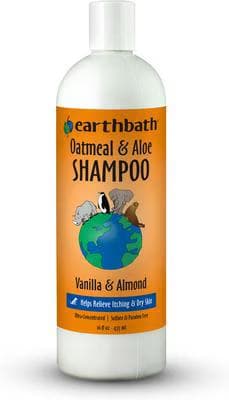
When bathing is appropriate, Earthbath Oatmeal and Aloe Dog and Cat Shampoo is one product to compare against the dog's skin needs and the current label. Shampoo does not treat an undiagnosed skin condition, and coat products should never be used to exaggerate or change color for identification.
Build a simple routine:
- Brush in sections and check that the tool reaches loose undercoat without scraping skin.
- Inspect for redness, odor, flakes, parasites, tenderness, or sudden coat loss.
- Rinse shampoo thoroughly and dry the dense coat completely.
- Photograph unusual color or skin changes in neutral light for the veterinarian.
- Seek veterinary help for persistent itching, sores, odor, pain, or abrupt coat change.
The Frisco Deshedding Cat and Dog Brush and Four Paws Magic Coat Wet and Dry Dog Glove and Curry Brush offer different handling experiences, while Earthbath Oatmeal and Aloe Dog and Cat Shampoo is a bath product rather than a brushing tool. Choose by the individual coat and response, not by color.
Coat planning also connects to the rest of the cluster. Review Corgi size and full-grown measurements before choosing fitted equipment, and use the Corgi lifespan guide for age-based planning rather than assuming a color changes longevity.
If ancestry is uncertain, the Corgi mixes guide explains why a crossbreed name cannot promise an adult coat. For breed-specific context, visit the Pembroke Welsh Corgi profile.
- Related Corgi guides own the separate questions about mixes, price, lifespan, size, breed comparison, and full breed profiles. Use those pages for the deeper answer rather than treating coat color as a shortcut.
Frequently asked questions
The different colors of Corgis depend on the breed. Pembroke Welsh Corgis are accepted in red, sable, fawn, and black and tan, with or without permitted white. Cardigan Welsh Corgis may be red, sable, brindle, black with or without tan or brindle points, or blue merle with or without tan or brindle points. Because the official lists differ, identify the breed before applying labels such as tricolor, merle, brindle, or black and white.
The rarest Corgi color cannot be named from a current official registry-frequency source reviewed for this guide. No universal ranking covers both Pembroke and Cardigan Welsh Corgis. Local availability and one breeder's litter history are not population rankings. A rare claim does not prove health, pedigree, quality, or value, so check the correct breed standard, parent identities, health records, and source practices instead.
Blue merle is not a recognized Pembroke Welsh Corgi color under the official US breed standard; it is accepted in Cardigan Welsh Corgis. A dog advertised as a merle Pembroke needs more than a color photograph to establish identity. Check pedigree and ancestry evidence, and do not treat color as proof of health, temperament, or quality.
For Pembroke Welsh Corgis, tricolor usually describes black and tan with white, sometimes further described as black-headed or red-headed tri. Cardigans may also have black coats with tan or brindle points and permitted white, but casual labels vary. Name the breed and underlying standard color first; tricolor is a coat description, not a separate Corgi breed.
The most accurate color name begins with the correct breed. Use the standards for terminology, photographs for visible comparison, and records for identity, then keep color in its proper place as one feature rather than a quality score.

Coreen Saito is a pet writer and longtime shelter volunteer with more than a decade in animal rescue. She covers cat behavior, breed care, and the small, ordinary science of sharing a life with companion animals, with a particular focus on honest takes about the products and decisions that actually matter. At home in Arizona, she's outranked by Mac (a dog with the loudest opinion in the house), Rebel (a cat who governs by quiet authority), and Meri (an orange tabby who runs the late shift and the laundry basket). She writes about all three, plus the rescues that keep coming through her life, at LifeWithMinty.com.
Sign up for expert-backed reviews and safety alerts all in one place.