Golden Retriever Haircut: Trims, Photos and Groomer Tips
Compare Golden Retriever trims with photos, learn what summer and puppy-cut requests mean, see the ear, foot and tail details that matter, and take a clear request to your groomer.
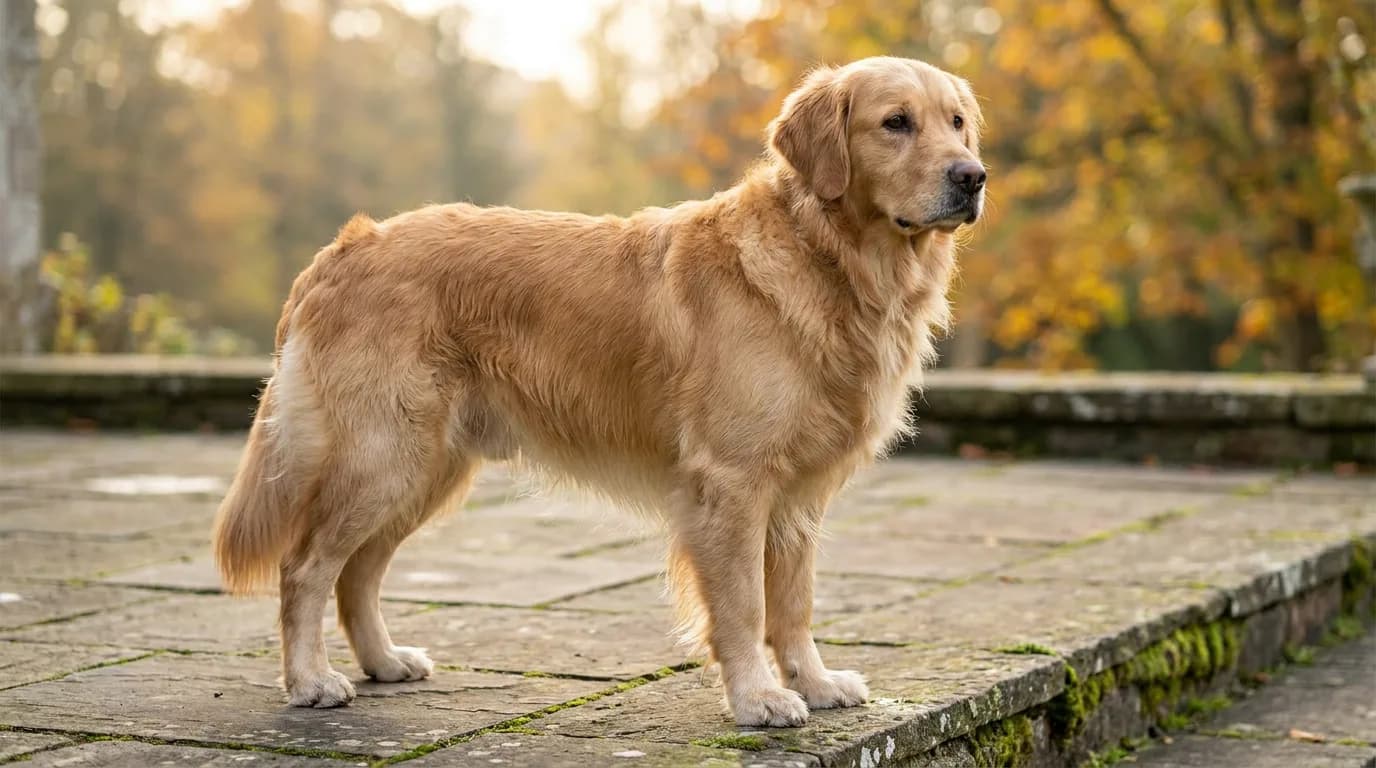
A Golden Retriever's finished coat can look tidy while keeping its natural length and outline.
Petful is reader supported. As an affiliate of platforms like Amazon and Chewy, we may earn a commission when you buy through links on this page. There is no extra cost to you.
A Golden Retriever haircut usually means selective tidying around the ears, feet and feathering, with the natural double coat left intact. The most useful choice is a finish you can describe: which areas need attention, what should remain full, and how you will maintain the coat afterward.
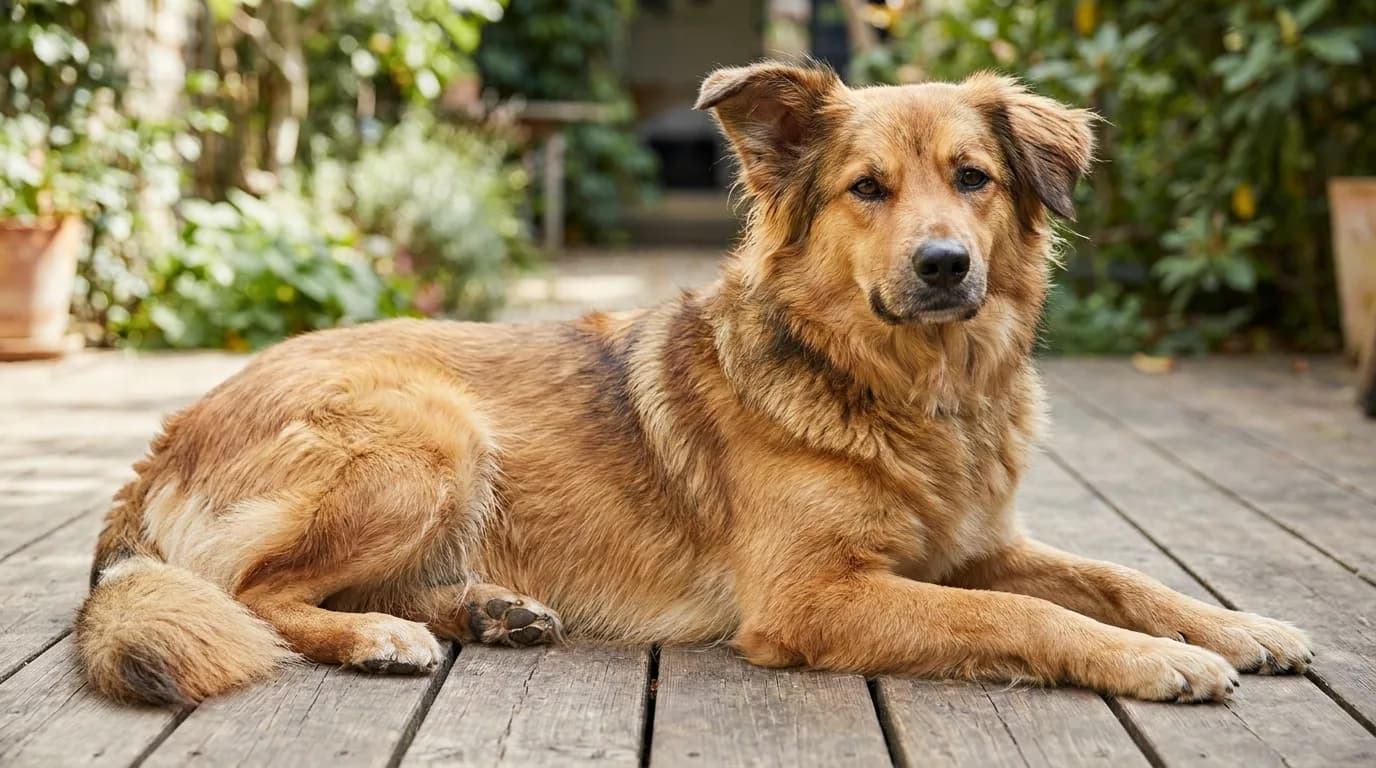
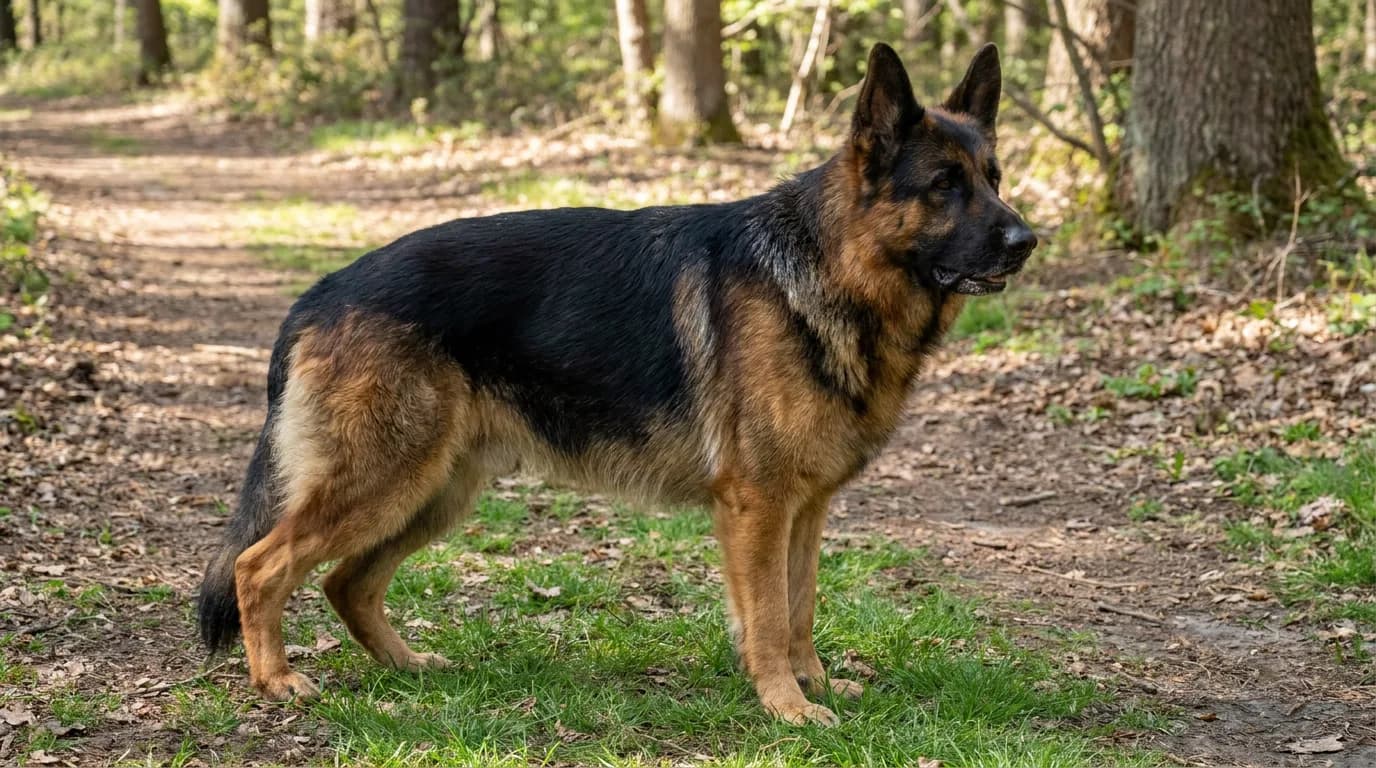
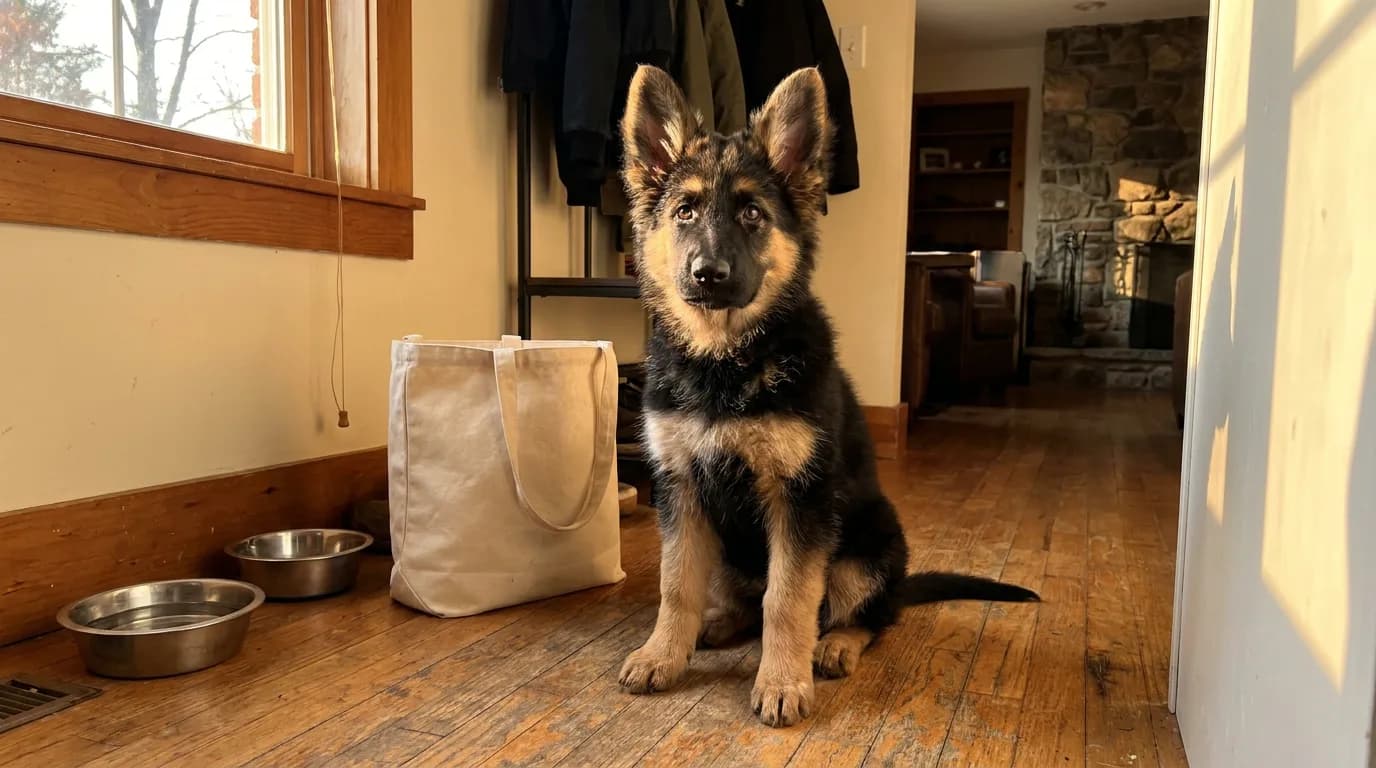
Use the three pictured finished trims and the summer, puppy-cut and feathering requests in the comparison table to choose an appearance, then take the matching request to your groomer. A style name alone is less useful than agreeing on the actual work.

Sign up for expert-backed reviews and safety alerts all in one place.
Should you cut a Golden Retriever's hair?
Are you supposed to cut Golden Retriever hair?
Yes, but selectively. The best golden retriever haircut is selective tidying of the feet, ear edges and uneven feathering, with the natural coat left on: tidy feet and a full double coat, not a shaved body. How much trimming a dog needs depends on its coat, its condition and the purpose of the appointment.
The Golden Retriever Club of America's breed standard describes a water-repellent coat with an undercoat, a natural ruff and feathering. For the show ring, feet and stray hairs may be neatened while the natural appearance remains. Pet owners can use that distinction to understand a restrained finish without treating every home companion as a show dog.
- 1Preserve the Golden's double coat and natural body coat.
- 2Ask for selective tidying of agreed areas rather than an unspecified all-over haircut.
- 3Choose the finish from your dog's actual coat and maintenance needs.
What the two coat layers do
The longer guard hairs form the outer layer; the softer undercoat sits beneath them. These are different from the longer feathering you notice behind the legs and beneath the tail. When someone suggests taking length off, ask which of those areas they mean. Removing a few uneven ends from feathering is a different decision from running clippers over the torso. Mixed coats vary more; see our Golden Retriever mix guide.
The American Kennel Club's guidance on shaving explains why double-coated dogs should not routinely be shaved for summer. That does not mean leaving the coat untouched. Regular care still involves checking through the hair, removing loose coat, cleaning it and addressing tangles before they become difficult to manage.
Tidying stray hair versus shortening the body coat
A useful consultation starts with a visible problem. Perhaps the feet look fringed, the tail ends are uneven, or the coat behind an ear catches debris. Point to the area and describe the difficulty. “The foot hair spreads over the floor” tells a groomer more than “make him shorter.”
Separate your priorities before choosing the finish:
- Appearance: which outlines look untidy to you?
- Practical care: where does debris collect or combing become difficult?
- Comfort: which areas does your dog dislike having handled?
- Maintenance: what can you realistically brush and check between appointments?
Keep discomfort separate from styling. A newly sensitive patch is not simply another place to trim more closely. Tell the groomer what you have noticed so the appointment can be adjusted appropriately. For the broader care picture, our Golden Retriever breed guide covers the dog behind the coat.
Which Golden Retriever haircut should you choose?
What is the best haircut for a Golden Retriever?
For most pet Goldens, the best haircut is a natural tidy trim: retain the body coat and neaten the specific edges that need attention. A show trim puts more emphasis on preserving the breed's natural outline for presentation. A paw and sanitary trim concentrates on practical areas instead of changing the whole silhouette.
These are descriptions of the result to discuss, not three completely different coats you can create on any dog. One Golden may need very little trimming after a thorough bath and brush-out. Another may have fuller feathering that needs more regular attention. Match the request to the dog in front of you.
| Finish | Areas to discuss | What stays | Groomer request |
|---|---|---|---|
| Natural tidy trim | Uneven ear, foot and feathering edges | Full body coat and natural outline | Neaten the edges we identify; retain the body coat. |
| Show trim | Restrained finishing appropriate to the dog's presentation | Natural ruff and balanced feathering | Preserve the natural outline; discuss preparation with someone experienced in Goldens. |
| Paw and sanitary trim | Feet and specific hygiene-related areas | Body coat and useful rear feathering | Tidy only the areas we agree on; explain any closer work first. |
| Summer tidy | Loose undercoat, feet, ear edges and feathering ends | Full body coat and natural outline | Bath, thorough brush-out and complete drying; tidy the agreed edges; no body clipping. |
| Puppy cut or teddy bear request | Often an all-over shorter clip at salons that use these names | Only what you agree in advance; confirm the body length before booking | Ask what length the salon means; request softened feet and ear edges instead of a body clip. |
| Feathering trim | Uneven or soiled ends on the chest, legs, belly and tail | Body coat and the feathering’s natural shape | Remove only the ends we point out; keep the tail fan and leg feathering full. |
Natural tidy trim
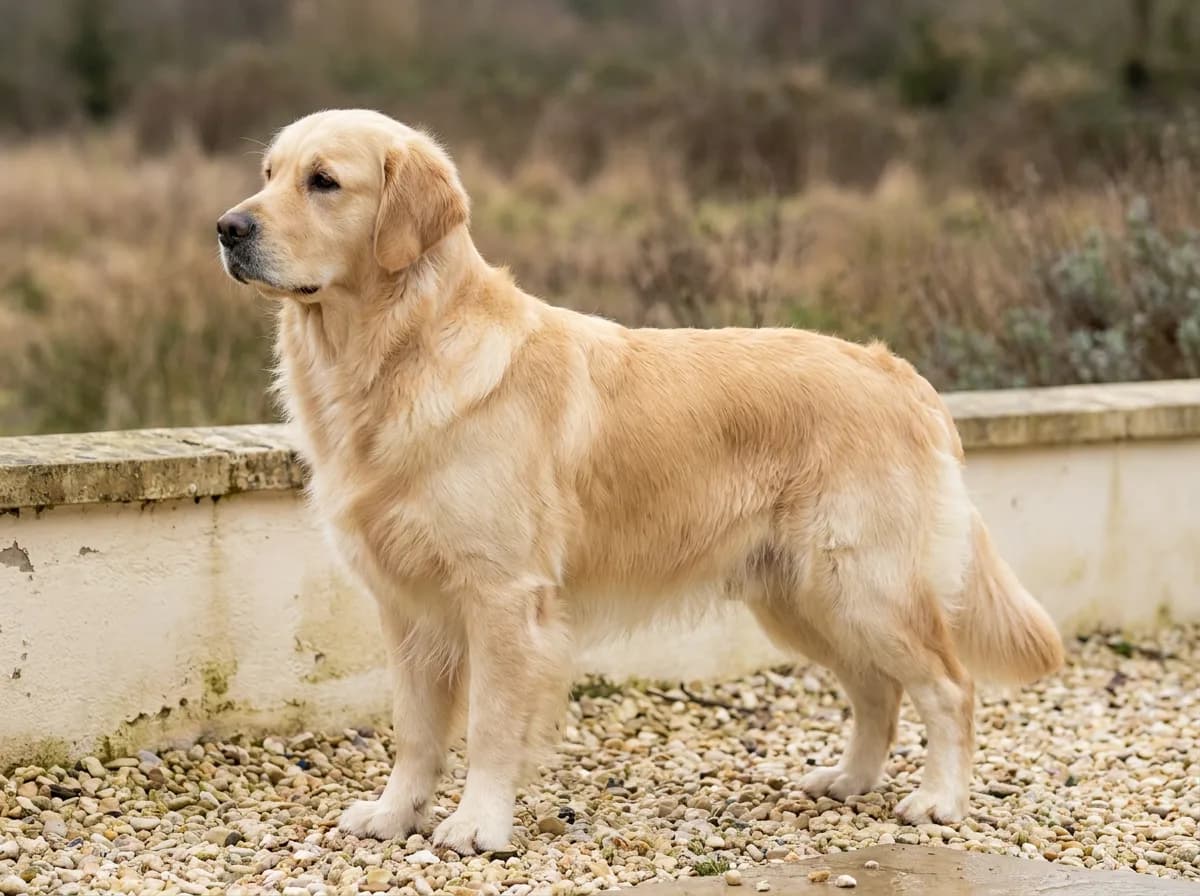
Look for a dog that still looks recognizably like itself. The body coat follows its usual shape, the ruff remains visible, and the feet look more compact. The change is concentrated around details rather than a new all-over length. There should be no need to make a straight-coated Golden resemble a curlier dog from a reference photograph.
Petful may earn a commission when you click through to Chewy, at no extra cost to you.
This is a practical starting point if you like your Golden's coat and mainly want it easier to inspect and keep orderly. Discuss the feathering separately. “Tidy the ends” should not become permission to remove a large amount from the backs of the legs, chest or tail.
Make the groomer request specific:
- Leave the body coat at its natural length.
- Neaten the foot outline and the ear edges that need attention.
- Keep the feathering, with only the agreed uneven ends tidied.
- Point out any tangled or sensitive areas before deciding how to handle them.
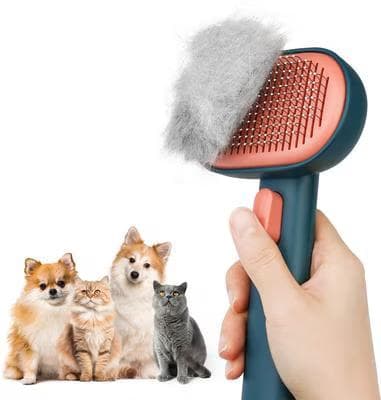
A slicker brush is one possible maintenance tool, depending on the coat and your dog's tolerance. The aumuca Self Cleaning Slicker Brush is an option to discuss with your groomer; ask them to demonstrate suitable pressure and where they would use it. Repeated brushing over one resistant patch is not a substitute for checking what is caught underneath.
Afterward, notice which areas become untidy first. If the feet need attention before the rest of the coat does, a targeted visit may suit you better than repeating the entire service. Keeping a simple note helps you discuss the next appointment in terms of actual needs rather than automatically asking for a shorter version.
To decide how restrained the tidy should be, describe an ordinary week rather than only the appearance you want on collection day. These examples give the groomer a practical starting point:
- If your Golden spends much of the week walking on clean paths, and the coat is easy to comb, the appointment may mainly involve preparation and a few uneven edges. Ask the groomer to point out which areas actually need trimming instead of treating every part of the dog as a cutting task.
- If walks regularly leave seeds or small pieces of vegetation in the feathering, show where they collect. Discuss inspection and maintenance of those particular areas. Removing more length everywhere can change the appearance without addressing the place that causes the difficulty.
- If you can manage brushing but your dog dislikes having the feet handled, tell the groomer that the feet are your priority. Ask for a demonstration of comfortable handling, and decide which parts of the routine you can maintain without turning every session into a struggle.
Your preferred result can stay consistent while the work changes from visit to visit. A groomer may do less trimming after a period of good maintenance and spend more time preparing a fuller coat at another appointment. Ask what was needed this time so you can understand the service as care for your own dog rather than a fixed haircut package.
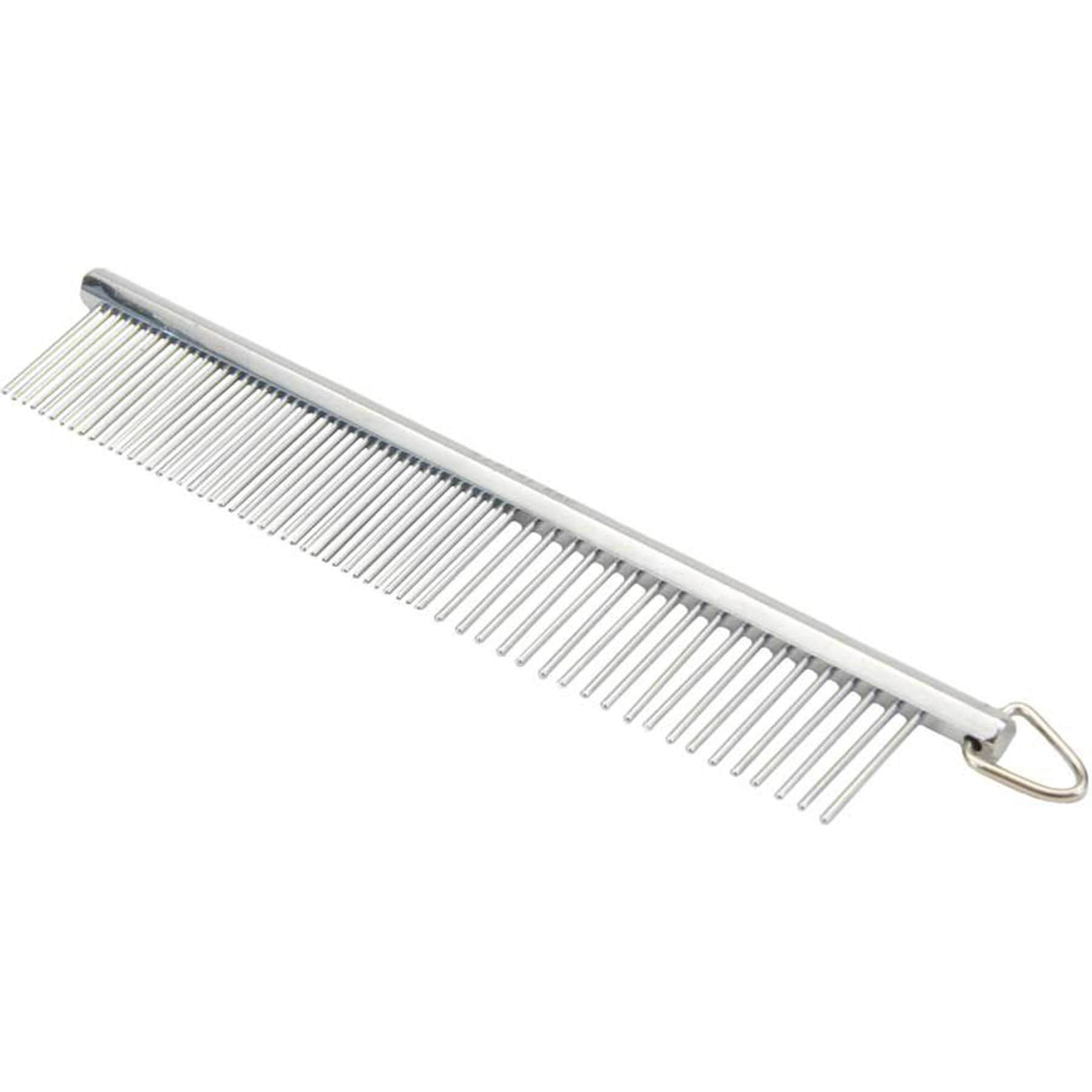
A fine-coat comb for checking through brushed hair. Work gently in small sections and stop at tight mats or discomfort.
Petful may earn a commission when you click through to Chewy, at no extra cost to you.
Show trim
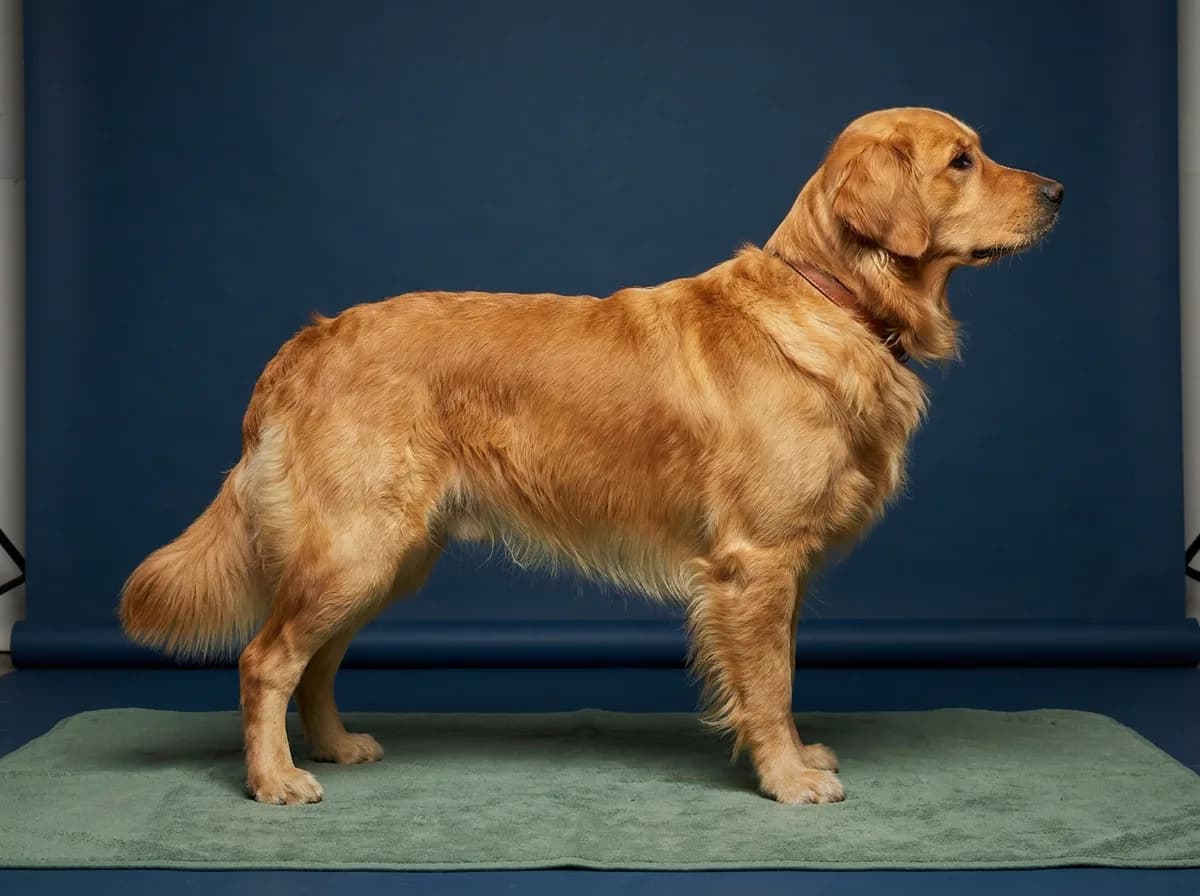
A show trim is a careful finishing approach, not a separate standardized haircut length. The aim is a well-prepared coat and a natural outline, with attention to how the ear, feet and tail details fit the whole dog. An exaggeratedly sculpted appearance is not the result described by the Golden standard.
Choose this discussion if you participate in conformation or want to understand that style of presentation. If your dog will actually enter a show, ask someone experienced with Golden Retrievers to assess the coat and explain the preparation. A photograph from another breed's show ring is not a useful cutting specification.
The maintenance commitment also matters. A polished photograph shows one moment, after preparation and positioning. Your dog will walk, lie down, play and get damp again. Decide whether you want a practical everyday approximation or preparation for a particular event, because those are different services. Use these questions during the consultation:
- Which details need tidying on this dog, rather than on the reference dog?
- How much of the finish comes from brushing and drying?
- Which feathered areas will remain full?
- What maintenance will keep the coat comfortable before the event?
A metal comb helps check prepared feathering, but it should not be pulled through resistance. The Safari Fine Comb for Dogs can be considered for a finishing check after brushing. Ask your groomer whether its tooth spacing suits the area you intend to maintain.
Paw and sanitary trim
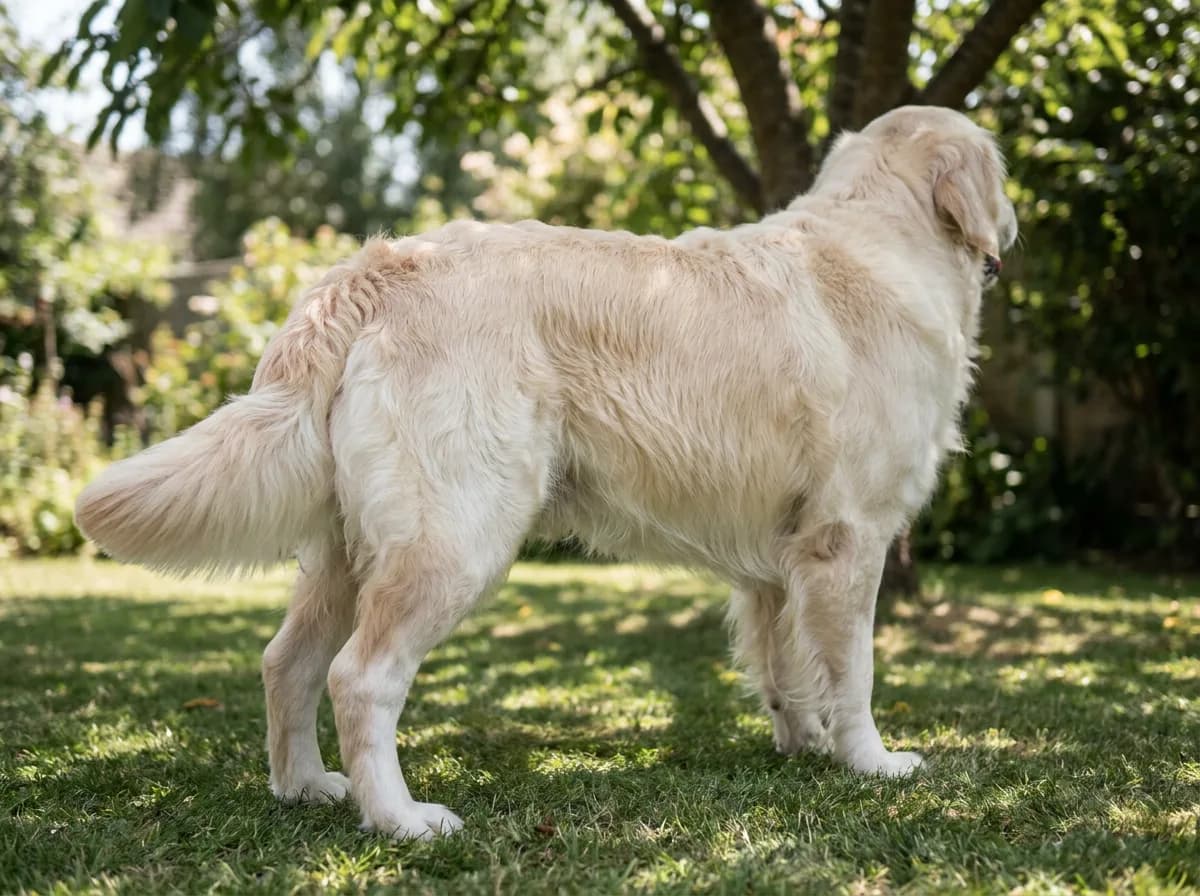
This option focuses on the places that create a practical cleaning problem. It might involve tidying the feet and discussing specific hair that repeatedly becomes soiled. The phrase “sanitary trim” is not permission for a broad shaved patch or an automatic change to the tail base.
Ask the groomer to identify the exact area before work begins. That is particularly important if you are trying to solve a recurring mess: the location, coat condition and cause matter more than the name of the service. Mention any skin irritation, sensitivity or unusual soiling rather than assuming a closer trim will solve it.
A useful request is: keep the body and rear feathering full, tidy the feet, and discuss any hygiene-related trimming before removing additional coat. The finished result should look restrained from the side as well as from behind. For maintenance, concentrate on observation:
- Look at the feet after muddy walks and remove surface debris gently.
- Check that the rear feathering remains clean and comfortable.
- Note whether the same area repeatedly becomes tangled or soiled.
- Report changes rather than trimming progressively closer at home.
This targeted service can also be useful when you want less work done in one appointment. Explain that priority during booking so the groomer can tell you whether the planned service fits the dog's current coat condition.
Clarify summer and puppy-cut requests
Summer cut and puppy cut can mean different services at different salons. Agree on the work before choosing a name: whether the body coat stays intact, which feathering will be tidied and which finished details you want.
What to request instead of a short summer cut
Not as a standard style. No agreed summer-cut length or technique exists for Goldens, and the AKC advises against shaving double-coated dogs because the coat insulates against heat and protects the skin from sunburn. The useful summer service is a summer tidy: a thorough bath, removal of loose undercoat, complete drying and selective tidying of the feet, ears and feathering, with the body coat left on. Ask the groomer what their summer service includes before accepting an all-over shortening.
Begin with the problem you are trying to solve. If your Golden returns from walks with debris caught in the feet, discuss foot maintenance. If the coat feels packed or difficult to work through, ask for a coat assessment and an appropriate brush-out. Neither concern tells the groomer that you want the torso clipped.
A practical summer appointment brief can include:
- Check through the coat before deciding on the work.
- Remove loose hair with tools suited to the coat.
- Tidy the agreed foot, ear and feathering edges.
- Keep the natural body coat and tail outline.
- Explain any change needed because of the coat's actual condition.
At home, adapt the routine to the outings your dog actually takes. After a swim, inspect the feathering and allow time for drying. After a dusty walk, check for debris before it becomes worked into the coat. A service that looks good on collection day still needs maintenance between appointments.
Grooming is only one part of summer comfort. Follow the AKC's shaving guidance, which also covers water, shade and exercising during cooler parts of the day. Do not use a fresh trim as a reason to extend an outing in the heat.
What puppy cut and teddy bear cut mean for a Golden
“Puppy cut” and “teddy bear cut” are not precise instructions for a Golden Retriever. A salon may use either label for a short pet clip, while an owner may simply mean a soft, tidy appearance. Before booking a puppy cut for a Golden Retriever, ask what will happen to the body coat, feathering, ears and tail.
Bring a photograph if it helps explain what you like, but describe the feature rather than asking for an identical dog. You might like the tidy feet or smooth ear edges while wanting to keep your own Golden's longer feathering. Coat texture, fullness and natural proportions affect the result. Doodle coats are a different case; our Goldendoodle grooming guide covers teddy bear cuts on curlier coats.
Clarify the request with three questions:
- Does this name mean an all-over clip at your salon?
- Can you achieve the details I like through selective tidying?
- Which parts of my dog's coat would look different afterward?
A first puppy appointment is a separate decision. Its value may be learning to tolerate the surroundings, handling and routine care, rather than producing a dramatic haircut. Tell the groomer about previous experiences and ask what is realistic for the individual puppy.
For an adult, avoid using “make him look like a puppy” as the entire brief. It leaves too much open to interpretation. Point out the exact features you want softened or neatened, and ask what can be achieved while keeping a natural coat. You can decline a proposed change without abandoning the useful parts of the grooming appointment.
How to prepare and maintain your Golden's coat
How should a Golden Retriever be groomed?
Golden Retriever grooming works as a sequence: settling the dog for handling, checking the coat, brushing and combing in sections, bathing when needed, thorough rinsing and complete drying, and only then assessing the trim. The AKC's Golden grooming guide suggests weekly brushing (daily with a pin brush during heavy shedding), a monthly bath for home companions and a groomer visit every four to six weeks. Our Golden Retriever breed guide covers general grooming and daily care; the steps here focus on preparing the coat for a careful trim and maintaining its finished shape.
Prepare for the work you can do calmly, not the largest session you can fit into a free afternoon. An interrupted session that leaves your dog comfortable is more useful than rushing to finish every area. Keep a record of places that need professional attention so they are not repeatedly worked over at home.
Set up comfortable handling and the right tools
Choose a stable, nonslip area with enough room to move around your dog. Put supplies within reach before beginning. A Golden should not have to balance on a slippery surface while you search for a comb or towel, and you should not have to reach awkwardly across the dog to change tools.
Introduce handling before demanding a full grooming session. Touch an area briefly, reward calm participation and pause. The AKC's Golden grooming guide emphasizes getting the dog comfortable with being handled. Build from what your dog accepts rather than expecting cooperation simply because a tool is gentle.
For routine coat care, organize a small working kit:
- A brush selected for your dog's coat and demonstrated by the groomer.
- A metal comb for checking already brushed areas.
- Dog shampoo and any conditioner appropriate to the coat.
- Absorbent towels and access to suitable drying equipment.
- A way to note sensitive areas or questions for the next appointment.
Inspect tools before using them. Rough or damaged teeth, clogged brush pins and a handle that slips in your hand make the work harder. Clean away collected hair during the session so you can see what the tool is doing. You do not need to keep brushing until no hair comes out.
Brush in sections and check the feathering with a comb
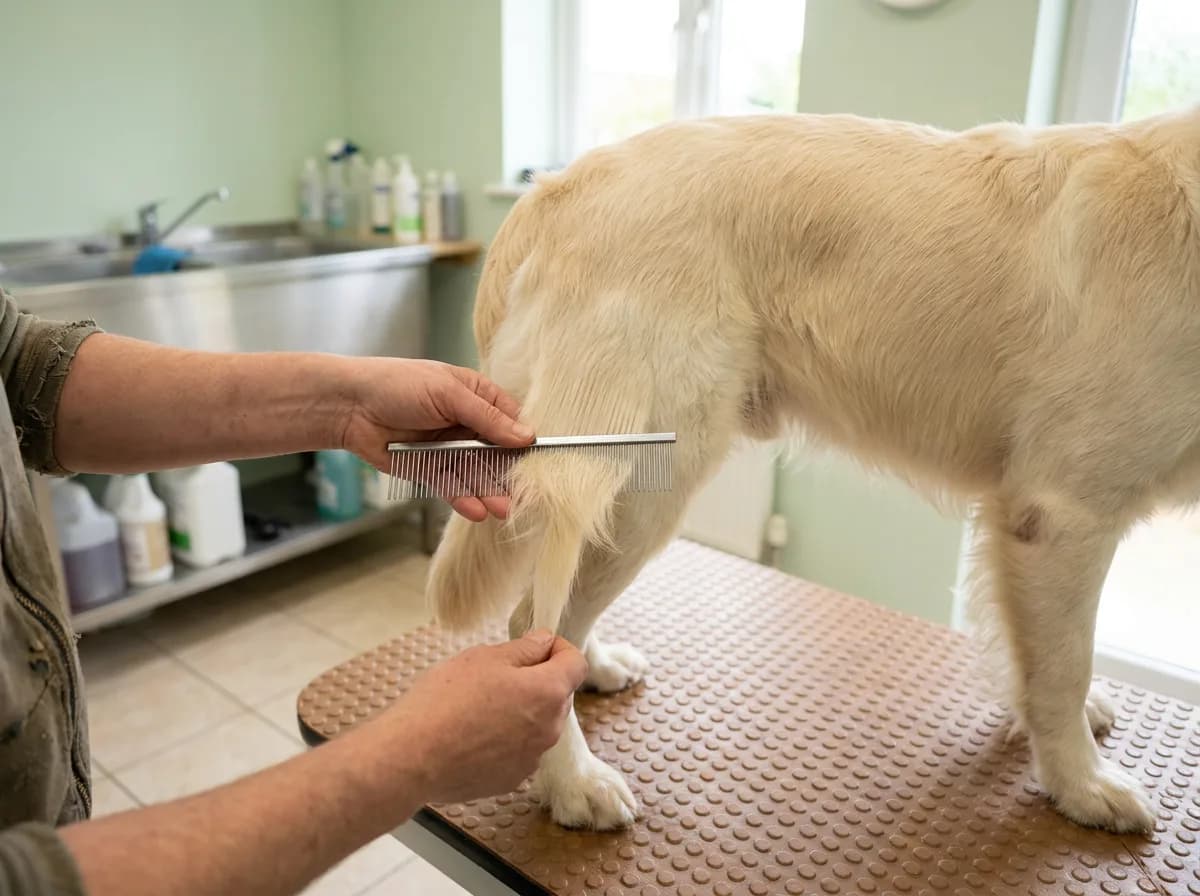
Work through manageable sections rather than sweeping quickly over the surface of the whole dog. The aim is to understand how the hair lies and whether the area is comfortable to maintain. A coat can look smooth from above while a small section of feathering still catches a comb.
Start with an area your dog accepts easily. Keep the brush movement controlled and the pressure light. Notice how the dog responds, not just how much hair appears in the brush. Turning toward your hand, moving away or repeatedly changing position are reasons to pause and reassess what you are doing.
- 1Brush in small sections so you can see and feel the area you are working on.
- 2Follow with a gentle comb check through already brushed feathering.
- 3Stop at resistance or discomfort rather than pulling harder.
Use the comb as a check, not as a lever. If it stops, separate the hair with your fingers enough to see whether there is a loose tangle, debris or something closer to the skin. Do not keep dragging the comb through the same place in the hope that the obstruction will disappear.
A repeatable route makes forgotten areas less likely:
- Check the coat behind each ear.
- Work through the chest and front-leg feathering.
- Inspect the underbody and the areas your dog tolerates being handled.
- Check the backs of the legs.
- Finish with the tail feathering, supporting it comfortably.
The route is a reminder, not a requirement to complete everything in one sitting. If your Golden finds a particular position difficult, change the setup or ask for a demonstration. Older dogs and dogs with handling concerns may need shorter sessions or a different position.
Distinguish an easy maintenance job from a task that is escalating. A small loose tangle that separates without pulling is different from a dense mat you cannot see beneath. Stop before a simple brush-out turns into repeated pressure against the skin. Tell the groomer where the difficulty starts and which tool catches, rather than reporting only that the coat is “matted.”
Bathe, rinse and dry all the way through
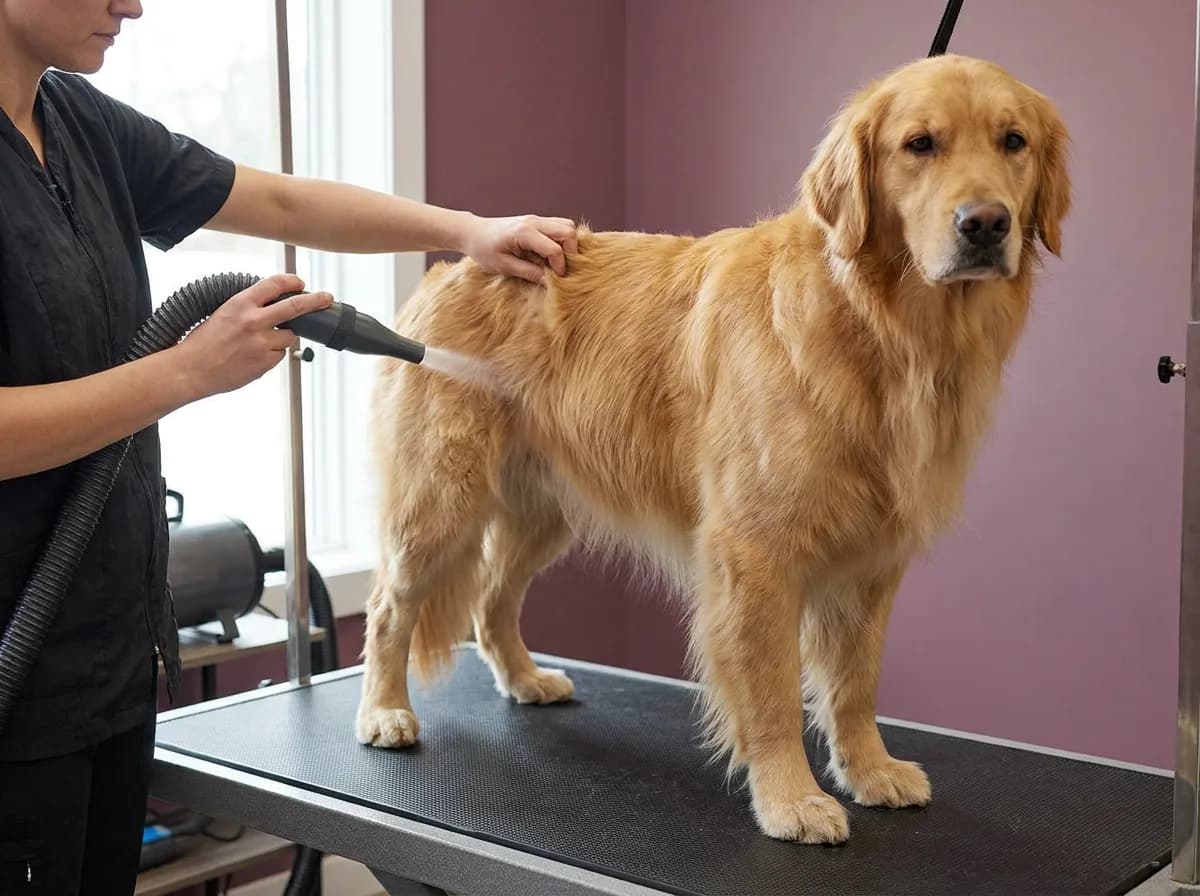
Decide whether you have the time and equipment to complete the bath, including drying, before getting the coat wet. A large dog, wet towels and a thick coat create a different practical job from a quick paw rinse. If the coat already has tight tangles, ask the groomer how to proceed rather than hoping the bath will resolve them.
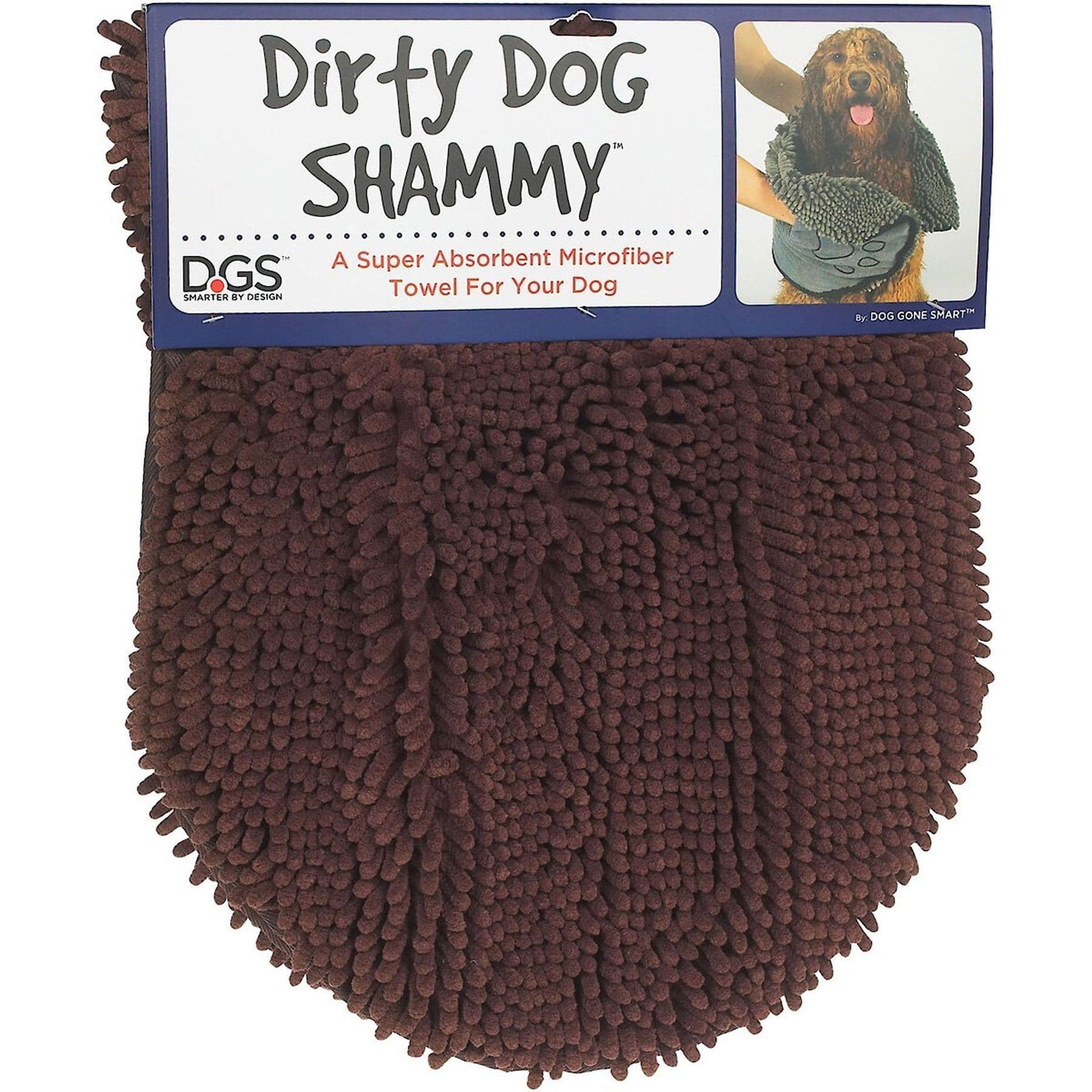
A washable microfiber shammy for blotting water from the coat after a bath. Continue drying as needed rather than leaving dense hair damp.
Petful may earn a commission when you click through to Chewy, at no extra cost to you.
Use a product intended for dogs according to its label. Burt's Bees Oatmeal Dog Shampoo is one routine shampoo option; its place here is cleaning the coat, not treating a skin condition. If your veterinarian has prescribed a particular product or bathing method, follow that plan instead.
Prepare the bath in an orderly way:
- Put a nonslip surface under the dog's feet.
- Have towels and the chosen products ready.
- Keep water at a comfortable temperature.
- Follow the label's application and rinsing directions.
- Keep the dog supervised throughout the process.
- Wash methodically: The coat behind the front legs, beneath the chest and around feathering can be easy to overlook when most of your attention is on the back. Use your hands to follow the coat and check the work rather than judging cleanliness from the amount of foam.
- Rinse thoroughly: Continue until the product has been removed as directed, checking through the coat rather than only over it. The AKC's grooming guidance emphasizes thorough rinsing and drying for Goldens. A pleasant scent does not tell you that the coat has been rinsed properly.
An absorbent towel can help remove excess water before drying the coat fully. The Dog Gone Smart Dirty Dog Shammy is a reusable option for this step. Press and blot gently, then check beneath the outer hair; a towel-dried surface does not establish that the undercoat is dry.
Towel away excess water gently, then use a drying approach your dog tolerates and that you can supervise. Suitable canine drying equipment differs from assuming a hot human hairdryer is appropriate. Ask your groomer to demonstrate the equipment and settings if you intend to use a dryer at home. Check progress in several places:
- Part the body coat and feel below the outer hairs.
- Check the fuller chest and rear feathering.
- Inspect behind the ears without directing air into the ear openings.
- Check the tail feathering and areas that stayed close to the floor.
- Pause if your dog becomes uncomfortable with the sound, airflow or handling.
Do not judge the whole dog by one dry patch on the back. Equally, do not copy a professional's elapsed drying time as a target for your own equipment and coat. What matters is the condition of the hair and the dog's comfort, not reaching a particular number of minutes.
Once the coat is prepared, let it settle and check the outline again. Some apparent unevenness was simply hair lying in different directions. This is the point at which the groomer can judge which ends need attention without trying to shape a tangled or half-dry coat.

Petful may earn a commission when you click through to Chewy, at no extra cost to you.
What careful ear, foot and tail tidying looks like
The detail work should make the coat look orderly without making every edge unnaturally sharp. Joanne Lastoka's GRCA grooming tutorial demonstrates preparation and restrained finishing around the ears, feet and tail. Use the references here to understand the result and discuss the work, rather than attempting close scissor techniques from a photograph.
A professional can judge the skin beneath the hair, control the dog's position and select an appropriate tool. Those details are difficult to infer from a finished image. At home, you can still do something valuable: keep the area clean and gently combed, notice where it catches, and describe that accurately at the appointment.
Ears: preserve a soft, natural edge
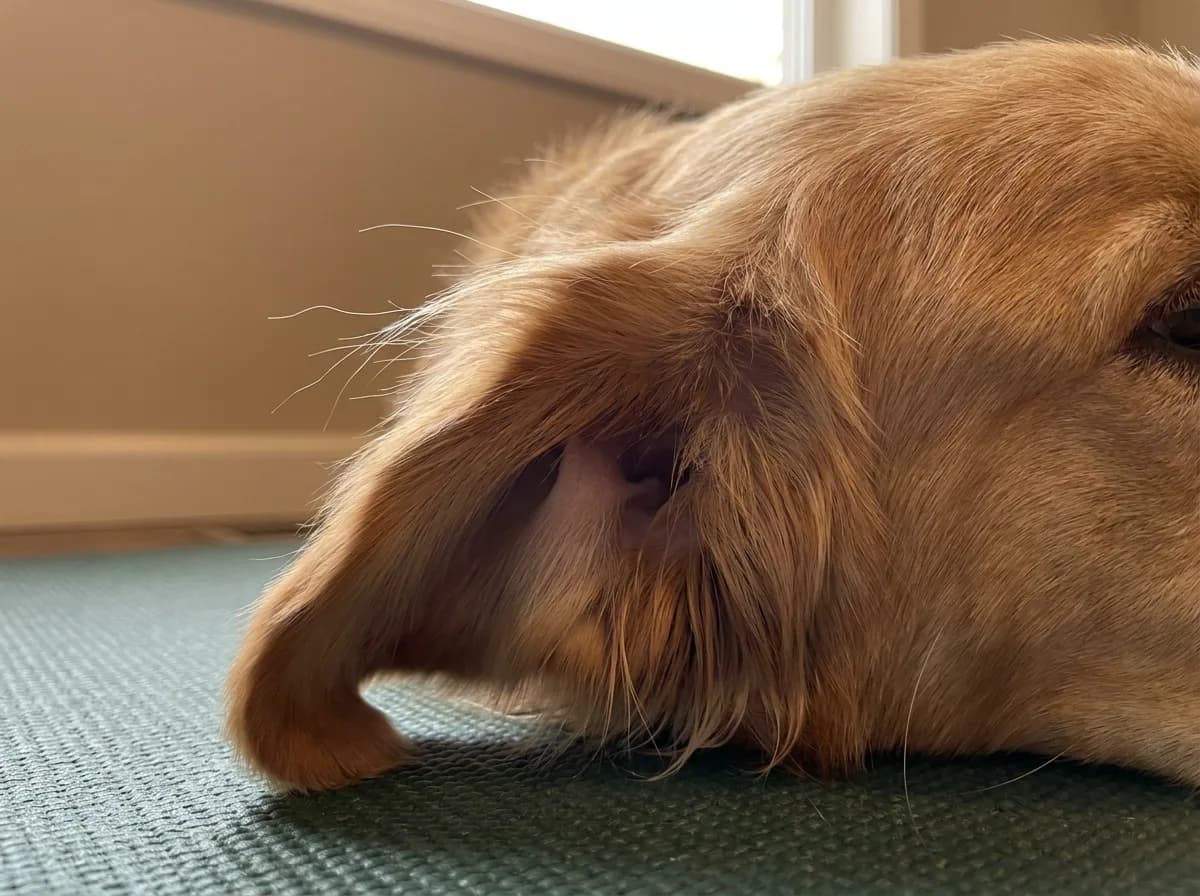
A Golden's ear should not become a sharply outlined shape simply because some wispy hair needs tidying. Look at the ear in its relaxed position against the head. Hair that sticks out when you lift or turn the ear may lie differently when the dog stands normally, so the finished appearance needs to be assessed in that natural position.
There are several different areas that owners often describe as “the ear”: the outer flap, its edge, the hair behind the base and the opening. Be precise about which one concerns you. A request to tidy hair behind the ear should not be interpreted as permission to remove the covering from the whole flap.
Before the appointment, make a simple observation:
- Is the issue an uneven outer edge?
- Does the comb catch behind the ear?
- Is there debris in the surrounding hair?
- Is your dog newly uncomfortable when that area is touched?
The last question changes the conversation. Mention sensitivity, unusual odor or discharge to your veterinary team rather than treating it as a cosmetic trimming problem. A tidy exterior is not evidence that the ear itself is healthy.
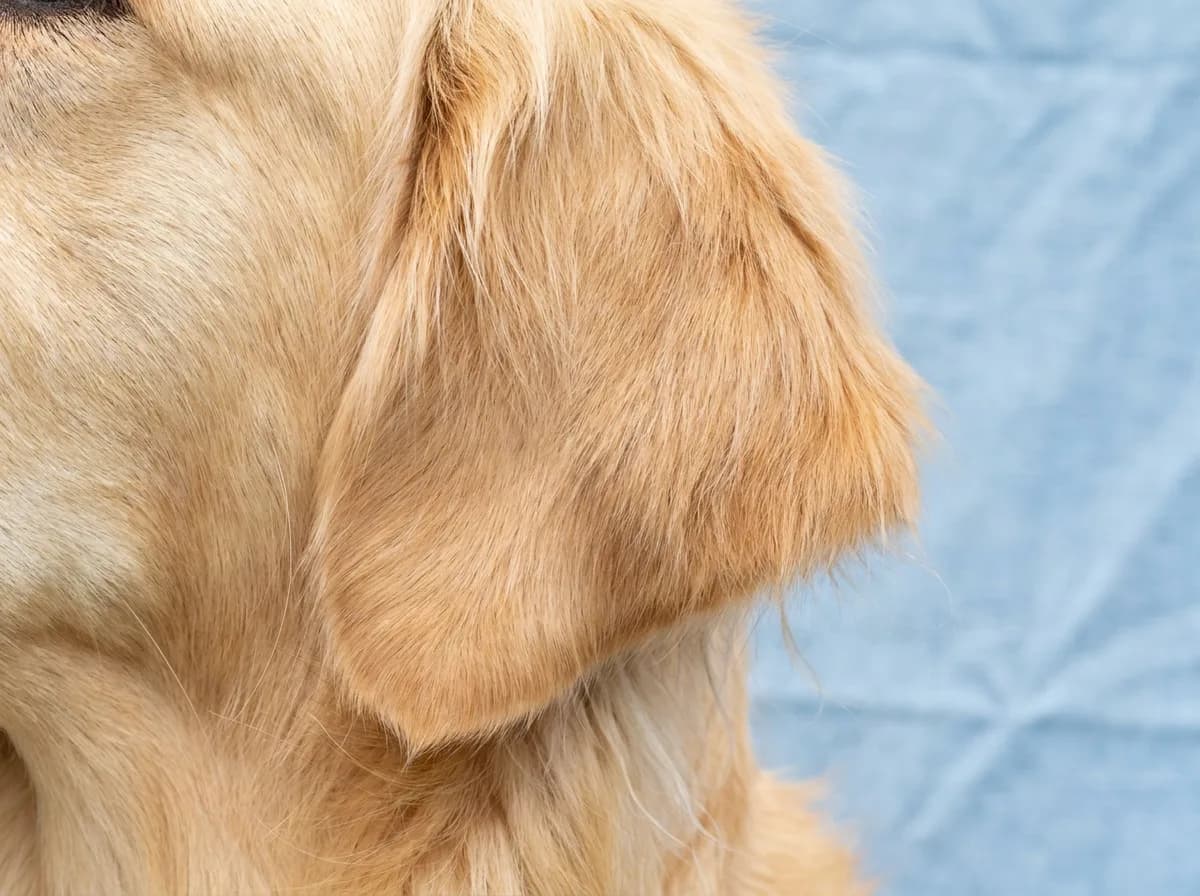
For an ordinary tidy finish, ask the groomer to retain the ear's natural appearance and explain which surrounding wisps need attention. You should be able to identify the change without seeing a dramatically different ear shape. Compare the two ears when the dog is relaxed, allowing for how each ear is being held.
At home, concentrate on the surrounding coat your groomer has shown you how to maintain. Avoid pushing a comb or scissor tip toward the opening, and do not pull out hair because it looks untidy in a close-up. Ear cleaning and hair finishing are separate tasks with different purposes.
A useful note for the next appointment might be, “The brush moves comfortably over the flap, but the comb catches in the hair behind the left ear.” That gives the groomer a specific location to examine. It is more actionable than asking for both ears to be cut shorter because one spot has become difficult.
Feet: reveal the compact outline and clear excess pad hair
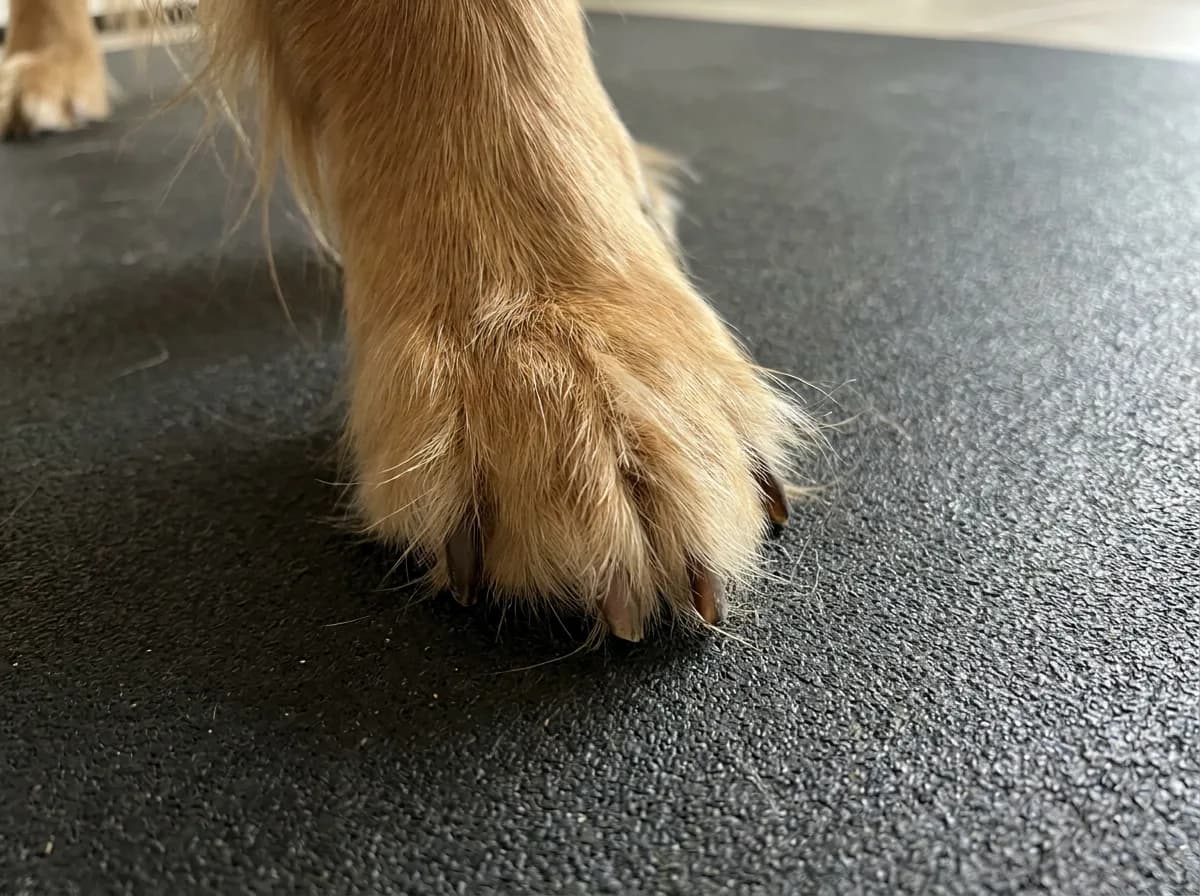
Foot tidying involves both appearance from above and practical attention underneath. The top and sides should follow the foot's natural outline; excess pad hair is a separate detail to assess. Ask to see both views when discussing the service rather than assuming that a neater top means the underside has been checked.
Nails also belong in the foot-care conversation, but a coat trim does not establish the correct nail length. Ask your groomer to demonstrate appropriate nail care for your dog. A clipper's safety stop does not guarantee avoiding the quick, and tool ownership is not a reason to continue when you cannot judge where to cut.
Describe your goal in practical terms: a compact outline, excess hair around the pads addressed appropriately, and a dog that can place the foot comfortably. If your Golden pulls the foot away, has difficulty balancing or dislikes a particular toe being touched, tell the groomer before the work starts. Look for these details in the finished result:
- The visible outline follows the paw rather than creating a large round pompom.
- Long stray hair no longer spreads conspicuously beyond the foot.
- The underside has been checked, not merely hidden by a tidy top.
- Nail care has been discussed separately.
- The dog stands and walks comfortably after the appointment.
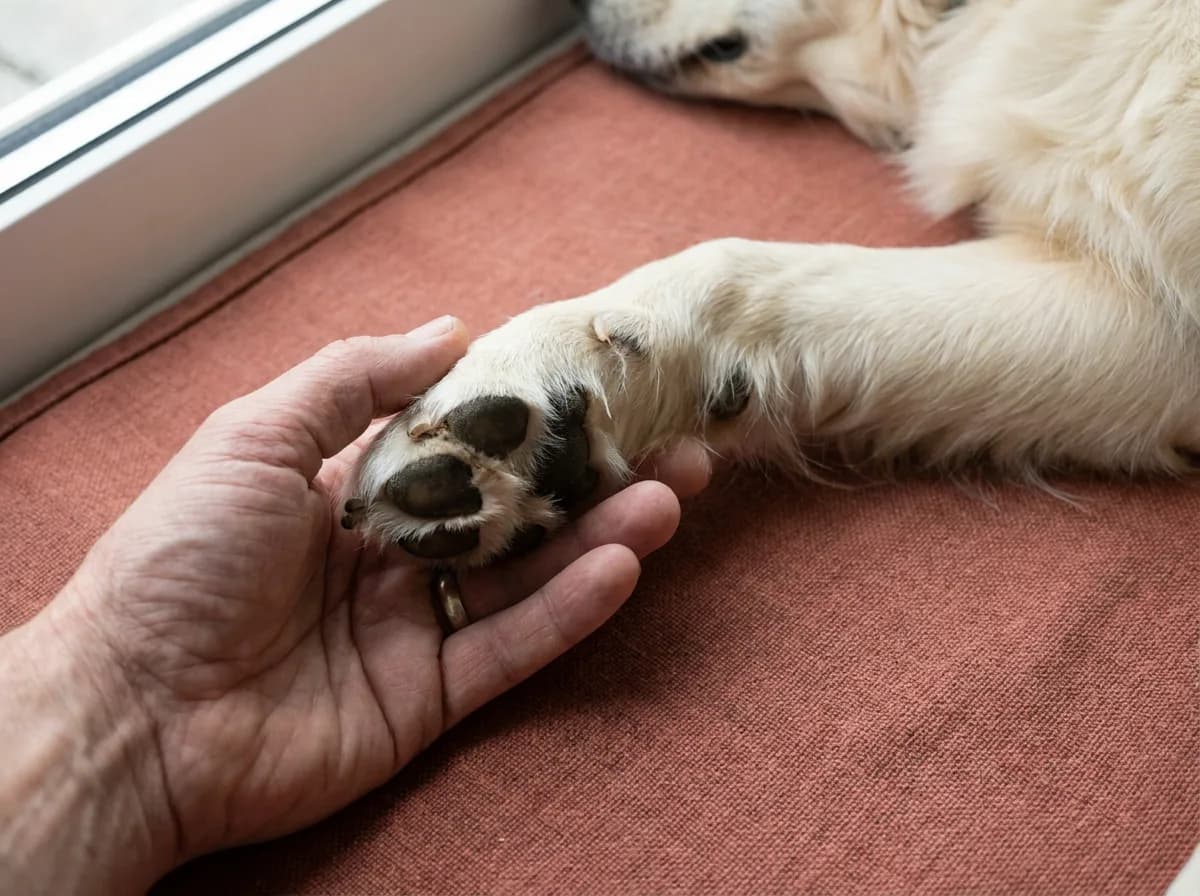
Do not use a picture to decide how far to work between the pads. Skin folds and the dog's movement make that a close handling task. Ask the groomer to demonstrate what you should inspect at home, and leave trimming to them if you cannot see or control the area comfortably.
The most useful home habit is a brief, regular inspection. After an outing, look for surface debris and changes in how the foot is being used. A dog repeatedly licking one foot or avoiding weight on it needs more than another cosmetic tidy. Avoid repeatedly lifting and manipulating a sore foot to complete your grooming routine.
Pay attention to the working position, too. Holding a foot much higher than necessary may make a dog uncomfortable even when the tool has not touched it. Let your groomer show you a position suited to your dog's balance. A calm inspection with the foot supported is more informative than a struggle to obtain a perfect photograph. Use your observations at the next appointment:
- Ask about targeted foot maintenance if the feet become untidy first.
- Explain any handling position that your dog found uncomfortable.
- Discuss a manageable care routine before requesting a closer trim.
Tail: retain a balanced fan
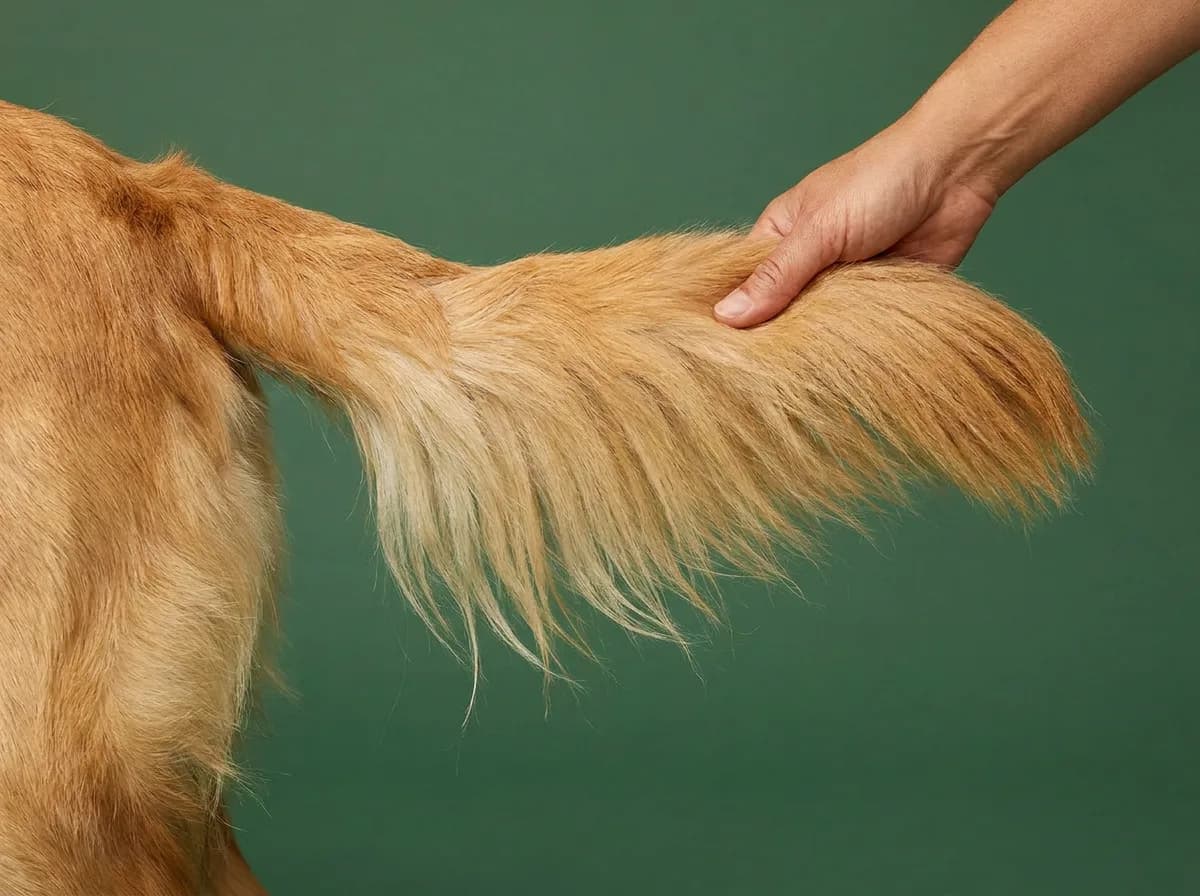
The tail's feathering forms a fan, not a narrow strip of hair along the bone. A careful finish preserves that overall shape while addressing ends that interrupt it. The Golden Retriever Rescue of Mid-Florida grooming guidance describes maintaining a fan-shaped tail. The amount of hair needed to achieve that depends on the individual tail.
Discuss the tail in relation to the rest of the dog. A very short tail fringe can look disconnected from full leg and chest feathering. Conversely, you do not need to make every strand exactly equal to achieve an orderly outline. Ask the groomer to show the proposed shape before removing noticeable length.
The preparation matters because tangled or twisted hair does not reveal the true outline. At home, support the tail comfortably and inspect the feathering without pulling the tail straight against the dog's movement. If you cannot comb an area gently, note the location and leave the finishing decision for the appointment. Useful points to agree on include:
- Keep a recognizable tail fan.
- Retain enough feathering to suit the natural outline.
- Discuss any substantial reduction before proceeding.
- Treat hair near the base as a specific area, not an automatic extension of the trim.
- Check the appearance with the dog standing naturally.
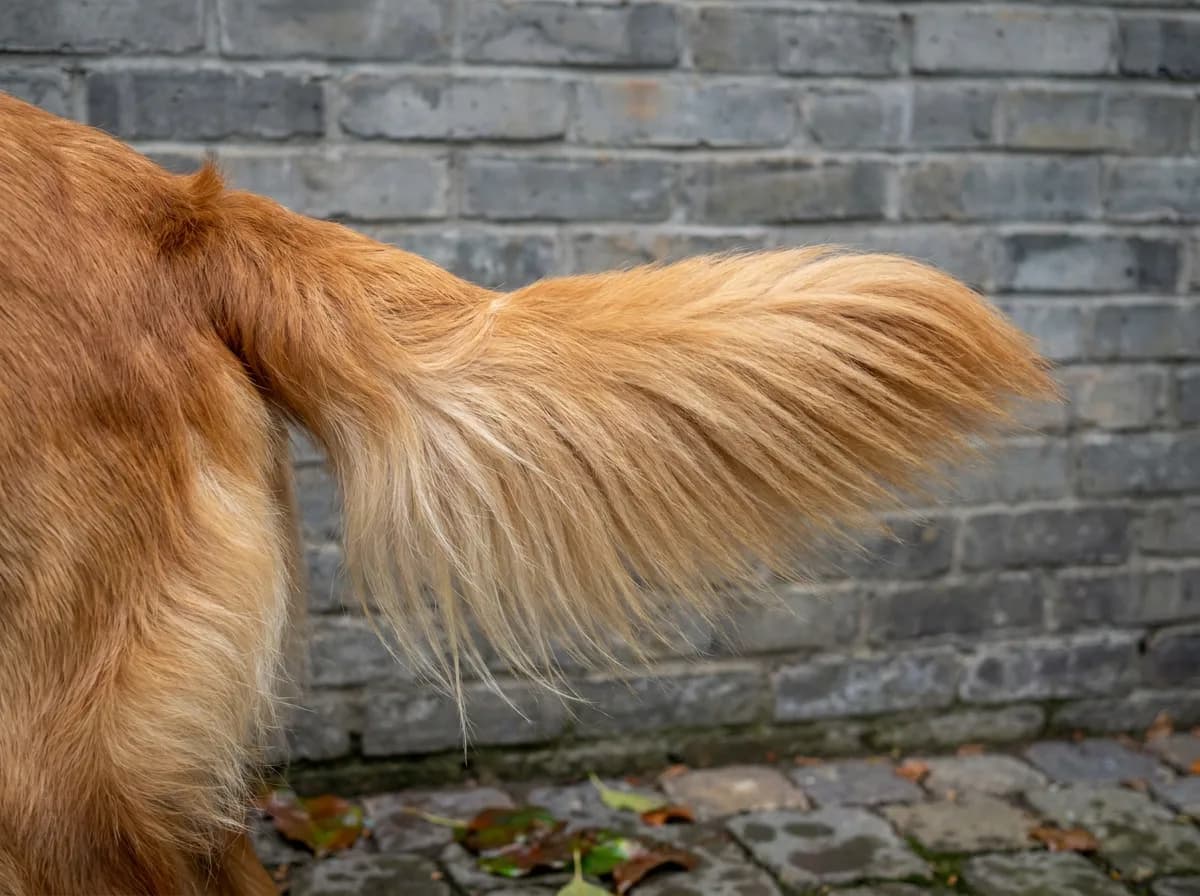
A tail held up for a grooming photograph is not necessarily how your Golden carries it through the house. At collection, look while the dog is standing and moving comfortably. This helps you understand the practical result rather than judging it only in the pose used during finishing.
Do not trim by guessing where the tail bone ends through thick hair. The professional's ability to locate and protect the underlying anatomy is part of the task. The photograph is a reference for the appearance you want, not a cutting line to reproduce with scissors.
Between appointments, check the tail after outings that leave it wet or full of debris. Separate easy surface tangles gently and dry the feathering as part of the coat routine. If one area repeatedly becomes difficult, describe the pattern before asking for the entire fan to be shortened.
Leave tight mats and close skin work to a professional
A mat can hold hair and skin together in a way that is difficult to judge from the surface. Do not slide scissors underneath it or try to create a gap by pulling harder. A grooming appointment should establish what can be comfortably maintained and what needs a different approach.
Give the groomer useful background instead of concealing the problem:
- Where did you first notice resistance?
- Which areas have you been able to brush comfortably?
- Has the dog started avoiding handling in a particular place?
- Has there been recent swimming, a missed appointment or a change in mobility?
- Has the coat been clipped previously?
The answers help explain the current condition without turning the consultation into a judgment about the owner. If your usual routine has become difficult, say so. A plan you can maintain comfortably is more useful than agreeing to an appearance that depends on care you cannot realistically provide.
Ask the groomer to explain any necessary departure from the original request before it happens. The goal is not to insist on preserving every strand regardless of condition. It is to understand the proposed work, why it is needed and how the remaining coat can be cared for afterward.
If the groomer identifies a skin concern or the dog is painful, follow up with your veterinarian. Keep that conversation separate from choosing a style. Cosmetic preferences should not determine how an uncomfortable area is assessed.
What to tell your Golden Retriever's groomer
What does a properly groomed Golden Retriever look like?
A properly groomed Golden Retriever has a clean, natural-length body coat, a visible ruff, compact tidy feet, softly neatened ear edges, balanced chest and leg feathering and a fan-shaped tail. That matches the GRCA breed standard, which allows feet and stray hairs to be neatened while the natural appearance stays. It does not require every hair to lie flat or every Golden to share one silhouette.
A ready-to-use grooming request
Tell the groomer what matters to you before describing a style name. If you like a full coat but struggle with the feet, say that. If you have a show coming up, explain the event and the preparation you expect. If handling has become difficult, make comfort part of the booking conversation rather than mentioning it after the service starts.
You can use the request below as a starting point, then adjust it with the groomer after the coat has been examined. It describes the desired result and leaves room to discuss the dog's actual needs. It does not assume that a photograph can reveal tangles, skin condition or tolerance of the equipment.
- Please leave the natural body coat and ruff intact. Tidy the feet, ear edges and the feathering we agree needs attention, keeping a balanced tail fan. Please contact me before changing that plan or removing substantially more coat. Aim for a natural, comfortable finish rather than an all-over short clip.
Bring two kinds of information: what you want the dog to look like, and what has been happening during care at home. The first sets the appearance. The second helps the groomer work out what is achievable in this appointment. A useful photograph and an honest description of the difficult areas accomplish different jobs.
Keep the brief short enough to discuss together:
- Name the finished trim you prefer and identify the features you like.
- Point out areas that catch the brush or become soiled.
- Describe handling concerns and previous reactions to grooming equipment.
- Confirm which areas will remain full.
- Agree how the groomer will contact you if the plan needs to change.
A reference photograph works best when you can explain why you chose it. “I like these compact feet and the full tail” is specific. “Make my dog look exactly like this” ignores differences in coat and build. You can also use a photograph of your own dog after a previous appointment, provided you remember which parts of that result worked well between visits.
Discuss the service description as well as the photograph. A booking called a full groom may include different tasks at different salons. Ask which preparation, drying, foot and nail services are included, and which require a separate conversation. That prevents an apparently simple request from becoming a disagreement about what was booked.
Agree on practical details before the appointment
Think about what the groomer needs to know to care for this dog today. A previous good visit does not automatically describe the current situation. A change in mobility, tolerance, coat condition or home routine can affect the way the appointment should be organized.
Useful booking details include:
- Whether your dog has visited this salon before.
- Which tools, sounds or handling positions have been difficult.
- Whether the coat has been clipped since the last visit.
- Any areas you have been unable to maintain comfortably.
- How you can be reached while the dog is there.
- Whether you need an estimate before additional work is agreed.
If you are uncertain what the coat needs, book the discussion rather than inventing a precise cutting instruction. You can say that you want a natural finish and would like the groomer to assess the ears, feet and feathering. An owner does not need professional terminology to explain a real maintenance problem.
Ask what you should do before arrival. Do not assume that bathing immediately beforehand will save work, especially if you cannot dry the coat thoroughly. Equally, do not attempt a last-minute home trim to make the dog appear easier to groom. Accurate information about the starting condition is more helpful.
Check the finished trim before leaving
Look at your dog standing comfortably, then watch a few ordinary steps. This is the time to understand the result while the person who performed the service can explain it. You are checking the agreed work and your dog's comfort, not searching for a perfectly symmetrical photograph.
Start with the overall appearance before focusing on details:
- Does the body coat retain the fullness you discussed?
- Do the feet and ears look like the agreed finish?
- Is the tail outline balanced with the remaining feathering?
- Were any areas treated differently from the original plan?
- Is there anything the groomer wants you to monitor or change at home?
Ask to be shown one maintenance task that will make the most difference before the next appointment. A short demonstration on your dog's own coat is more useful than leaving with several unfamiliar tools and no clear technique. It might be how to check the hair behind an ear or how to hold a comb for a particular feathered area.
If the result differs from what you expected, identify the specific feature while you are together. Explain whether the issue is the amount of coat removed, an area left unfinished or a misunderstanding about the service. A calm, concrete description gives the groomer something to respond to and helps establish a clearer plan for next time.
Keep a brief record afterward: the service, the areas tidied and any care advice. Notice which parts stay manageable and which become difficult first. That information can guide the next visit more effectively than repeatedly asking for the same named cut without considering how it worked in daily life.
Golden Retriever haircut questions
Not a standard one, and the AKC advises against shaving a double coat for summer because the coat helps insulate against heat and sunburn. Ask instead for a summer tidy: bath, deshedding brush-out, complete drying and neat feet, ears and feathering ends. Pair it with water, shade and walks in the cooler parts of the day.
Only selectively. Groomers trim the feet, ear edges, stray hairs and uneven feathering, while the body coat stays at its natural length, which is also how the GRCA breed standard describes a groomed Golden. Clipping the whole body is not routine care for this breed.
The AKC's Golden grooming guide suggests a groomer visit every four to six weeks for coat and foot care. Treat that as a starting point and adjust for the coat's condition, your dog's activities and the maintenance you manage at home. If the feet need attention before the rest of the coat, a targeted foot tidy between full appointments may suit you better.
No. A Golden still sheds after a haircut, because shortening the visible hair does not change the shedding cycle; the Golden Retriever Rescue of Mid-Florida specifically cautions against shaving as a shedding fix. Regular brushing and bathing remove loose hair and keep the coat orderly. If the amount or pattern of hair loss changes, especially with irritated skin or patchy areas, see your veterinarian.
No single timeline applies to every Golden. The AKC notes that the undercoat can regrow faster than the guard hairs after shaving, which can change the coat's texture and color and leave it looking patchy. Keep dated photos to track regrowth, and ask your veterinarian about areas that stay uneven or any skin changes.

Coreen Saito is a pet writer and longtime shelter volunteer with more than a decade in animal rescue. She covers cat behavior, breed care, and the small, ordinary science of sharing a life with companion animals, with a particular focus on honest takes about the products and decisions that actually matter. At home in Arizona, she's outranked by Mac (a dog with the loudest opinion in the house), Rebel (a cat who governs by quiet authority), and Meri (an orange tabby who runs the late shift and the laundry basket). She writes about all three, plus the rescues that keep coming through her life, at LifeWithMinty.com.
Sign up for expert-backed reviews and safety alerts all in one place.