Blue Nose Pitbull: Facts, Health, Price, and Myths
A blue nose pitbull is not a separate breed. It is a dilute-colored American Pit Bull Terrier whose gray coat comes from a recessive gene that also raises skin-health risks. Here is the honest picture on health, price, and the myths worth ignoring.
Petful is reader supported. As an affiliate of platforms like Amazon and Chewy, we may earn a commission when you buy through links on this page. There is no extra cost to you.
A blue nose pitbull is not a separate breed. It is a color variation of the American Pit Bull Terrier (and closely related Staffordshire types) whose coat and nose leather have been washed out to a soft slate-gray by a recessive dilution gene. The "blue" is a marketing name for that grayish coat, not a distinct pedigree, and no major kennel club recognizes "blue nose pitbull" as its own breed. If you strip away the sales language, you are looking at a standard pit bull that happens to carry two copies of the dilute allele.
That distinction matters, because a lot of what gets said about these dogs online is myth dressed up as fact. Breeders charge a premium for the color, some claim the dogs are rarer or gentler or tougher than other pits, and buyers pay for a story that genetics does not support. This guide walks through what a blue nose pitbull actually is, the health tradeoffs the dilute gene brings with it, honest price ranges, and the myths worth ignoring before you hand over a deposit.
- 1A blue nose pitbull is a dilute-colored American Pit Bull Terrier, not a separate breed or a rare bloodline.
- 2The gray "blue" coat comes from a recessive dilution gene, and that same gene raises the risk of a skin condition called color dilution alopecia.
- 3Coat color has no bearing on temperament, and the price premium some breeders charge for "blue" is about scarcity marketing, not genetic value.

Sign up for expert-backed reviews and safety alerts all in one place.
What "Blue Nose" Actually Means
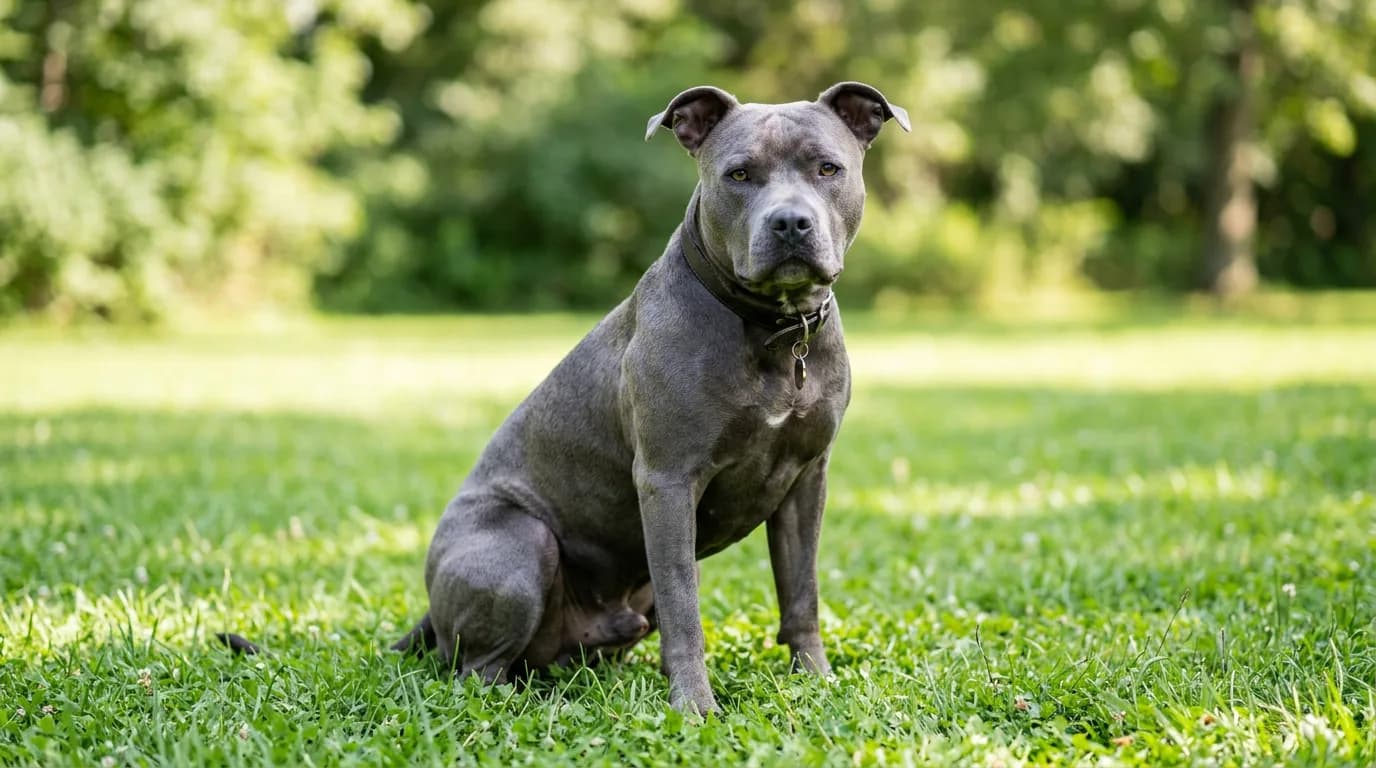
The term describes appearance, full stop. A blue nose pitbull has a coat that reads as gunmetal, charcoal, or silvery gray rather than the black you would expect, and the nose, lips, paw pads, and eye rims share that muted gray tone instead of solid black. The color is uniform dilution across the dog, so the "blue nose" is really just the most visible symptom of a whole-body pigment change.
Genetically, black pigment in a dog comes from a gene that produces eumelanin. A separate gene, the dilution locus (commonly written as the *D* locus, with *d* the recessive dilute allele), controls how tightly that pigment is packed into the hair shaft. A dog that inherits two copies of the recessive *d* allele clumps the pigment unevenly, which scatters light and makes a would-be black coat look blue-gray. This is the same mechanism that produces "blue" Weimaraners, Great Danes, and French Bulldogs. The American Kennel Club's own breed-color material treats dilute shades as coat variations within a breed, not as separate breeds, which is exactly how "blue" should be read here (see the AKC breed resources at akc.org).
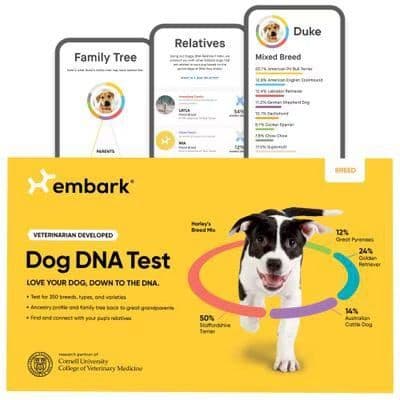
Petful may earn a commission when you click through to Chewy, at no extra cost to you.
Because dilution is recessive, both parents have to carry at least one copy of *d* for a litter to produce blue puppies, and two blue parents do not guarantee an all-blue litter. That is one reason the "rare bloodline" pitch falls apart: the color is a coin toss of Mendelian genetics, not a signature of an elite line.
Blue Nose vs. Red Nose vs. Black
Red nose and blue nose are two sides of the same coin: both are color labels, not breeds. A red nose pitbull carries copper or amber pigment (from the recessive red/liver locus) that turns the nose brick-red or pink-brown, while a blue nose carries the dilution allele that grays out black pigment. A standard black-coated pit is simply a dog without either recessive combination expressed. None of the three is healthier, calmer, or more valuable by virtue of color alone. If you want a deeper look at how dilute and non-standard coat colors get marketed inside a single breed, our breakdown of Rhodesian Ridgeback coat colors covers the same "rare color, premium price" pattern in another breed.
- When a breeder describes a "true blue nose bloodline," they are describing a recessive pigment gene, not a proven pedigree. Ask for the parents' registration and health testing, not the shade of the nose.
Where the Breed Comes From
The dog under the blue coat traces back to 19th-century England, where bull-and-terrier crosses were bred for tenacity and, in a dark chapter of the breed's history, for blood sports. When those dogs came to the United States, careful farm-and-family breeding steered the type toward the working, people-loyal dog we know as the American Pit Bull Terrier, formally recognized by the United Kennel Club. The American Staffordshire Terrier, a close cousin recognized by the American Kennel Club, split off from the same root stock. The "blue nose" line did not emerge as a separate historical breed; it is simply what you get when dilute-carrying dogs within these established lines are paired.
That history matters for two reasons. First, it explains why "pit bull" is really an umbrella for several closely related breeds and their mixes rather than one tidy pedigree, which is part of why color labels like "blue nose" filled the vacuum where a formal standard would be. Second, it debunks the idea that a violent past makes for a violent dog: decades of selective breeding for companionship, plus everything we now know about how upbringing shapes behavior, mean a modern well-raised pit is a family dog, not a fighting relic.
Appearance and Size
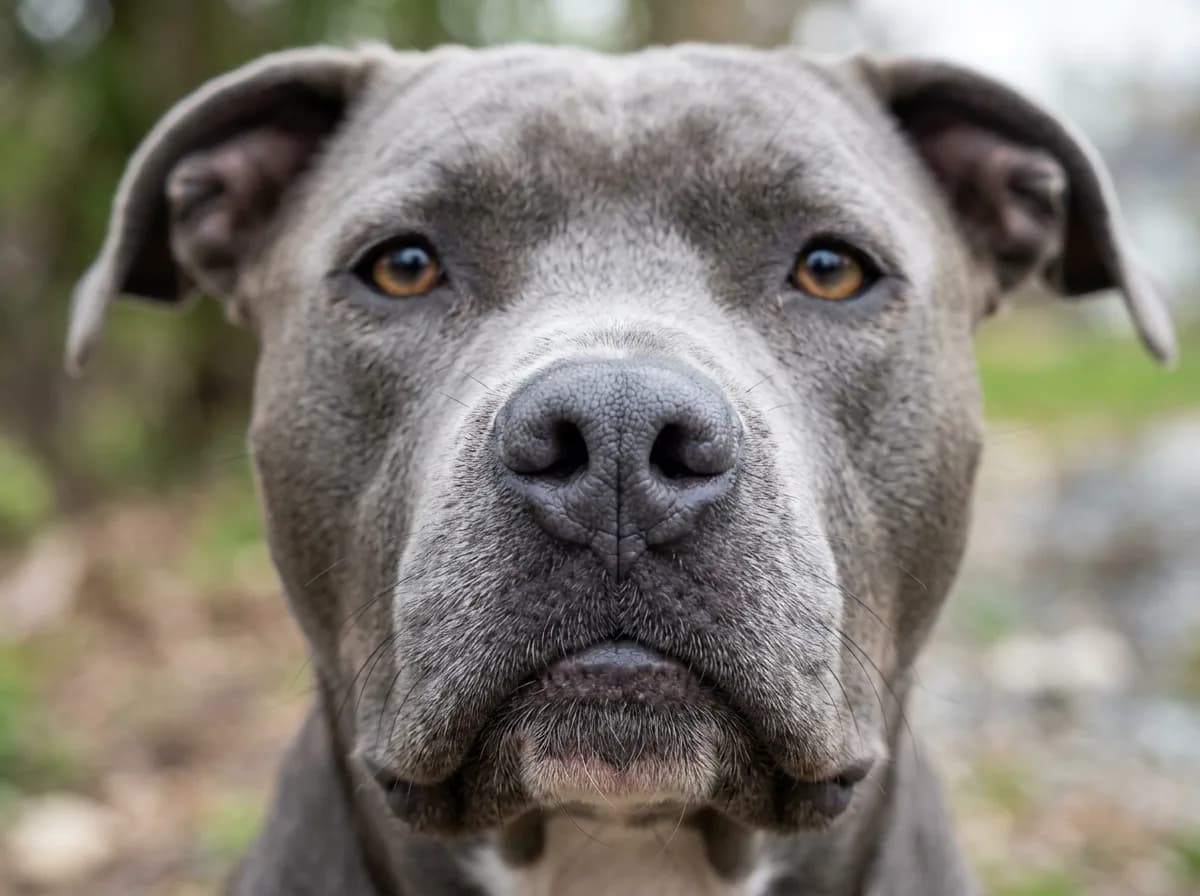
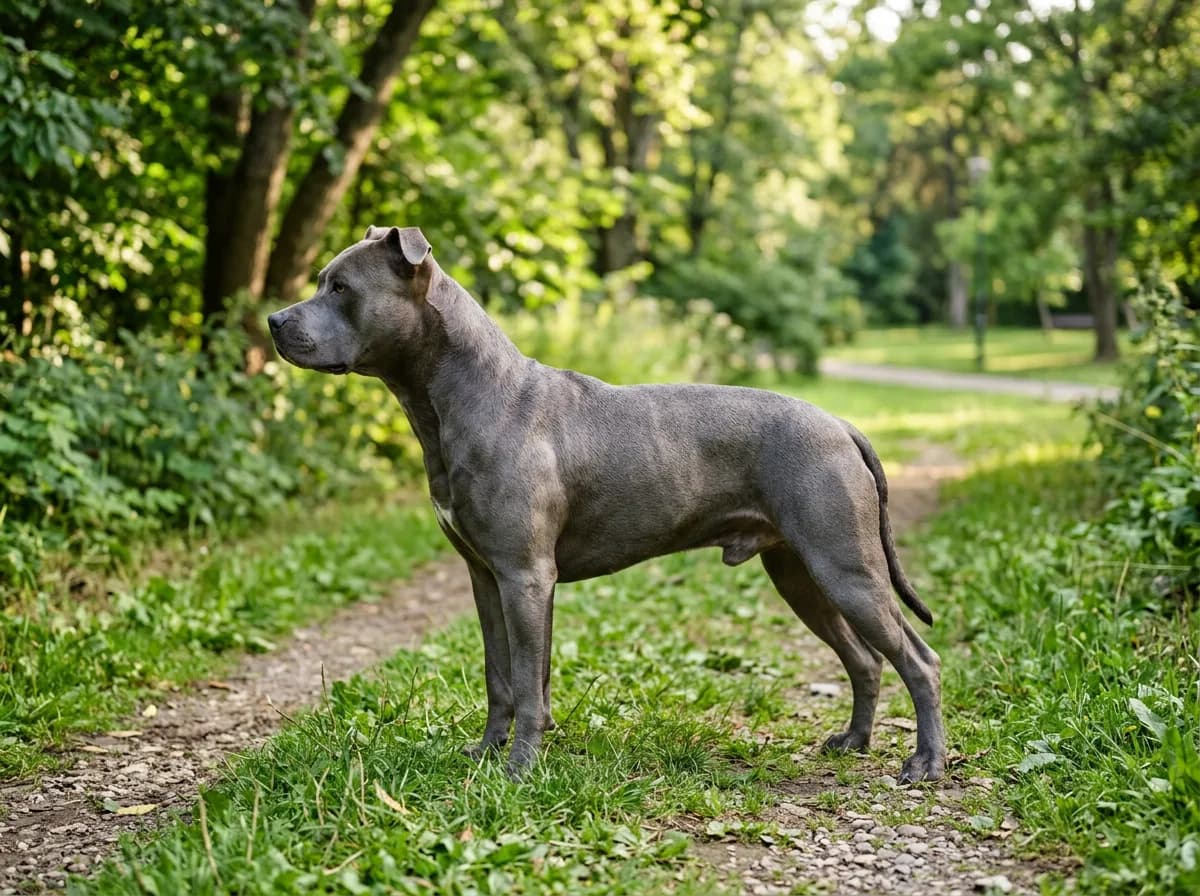
Under the gray coat, a blue nose pitbull is built like any other American Pit Bull Terrier: medium-sized, densely muscled, with a broad wedge-shaped head, a deep chest, and a short single-layer coat that lies close to the body. They are athletic rather than bulky, and a well-conditioned pit looks powerful without looking swollen.
Size varies with sex and line, but the numbers below reflect the typical range you will see across reputable descriptions of the breed. Note that dogs marketed as extra-large "XL blue" pits are usually American Bully crosses, which is a related but different bully-type breed, not a purebred APBT.
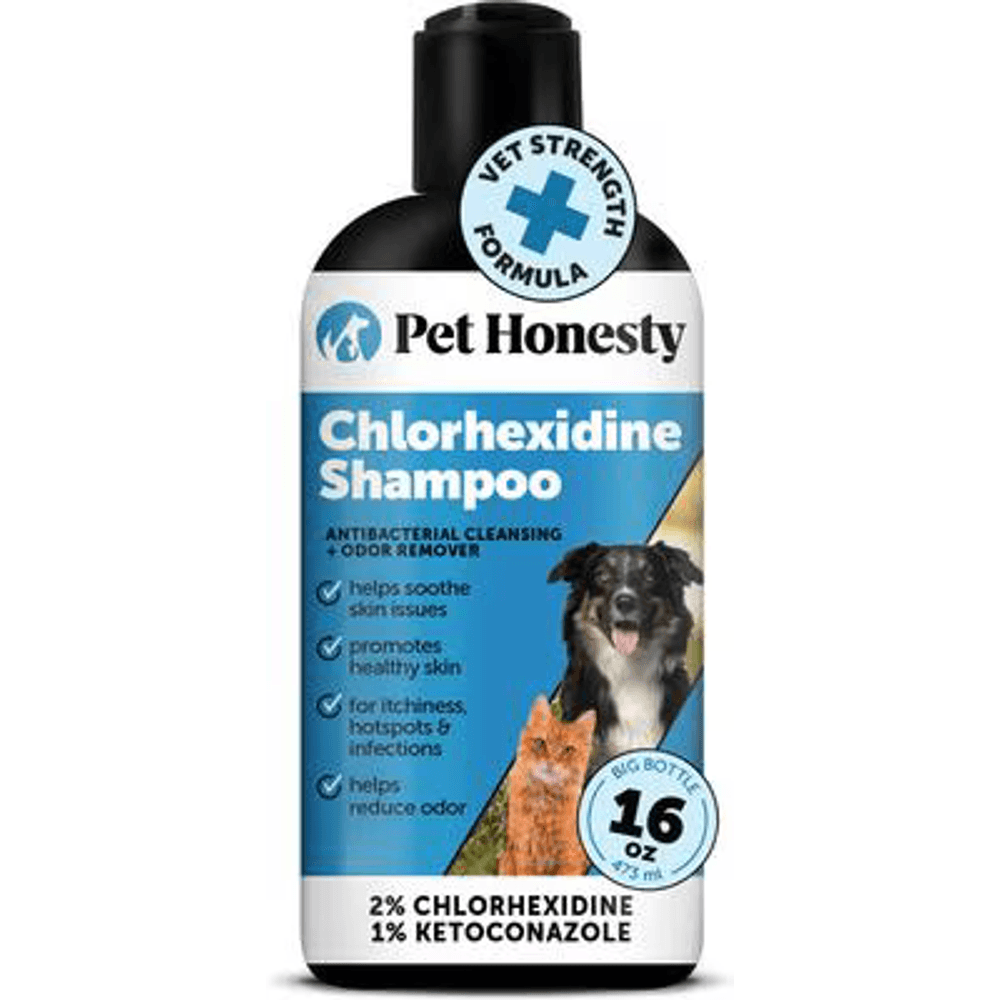
A vet-strength medicated shampoo with 2% chlorhexidine and 1% ketoconazole, the antifungal and antibacterial combination vets use to help clear ringworm and skin infections and to cut fungal spore shedding during treatment.
Petful may earn a commission when you click through to Chewy, at no extra cost to you.
| Trait | Males | Females |
|---|---|---|
| Height at shoulder | 18-21 inches | 17-20 inches |
| Weight | 35-60 pounds | 30-50 pounds |
| Coat | Short, single, close-lying | Short, single, close-lying |
| Typical lifespan | 10-15 years | 10-15 years |
The coat is short and smooth, which makes grooming genuinely easy: a weekly once-over with a rubber curry brush pulls loose hair and spreads skin oils, and a bath every four to six weeks is plenty unless the dog rolls in something. The catch is skin, not coat. Dilute-coated dogs are more prone to skin problems than their standard-colored littermates, which is where the health section below earns its keep.
Do Blue Nose Puppies Always Have Blue Noses?
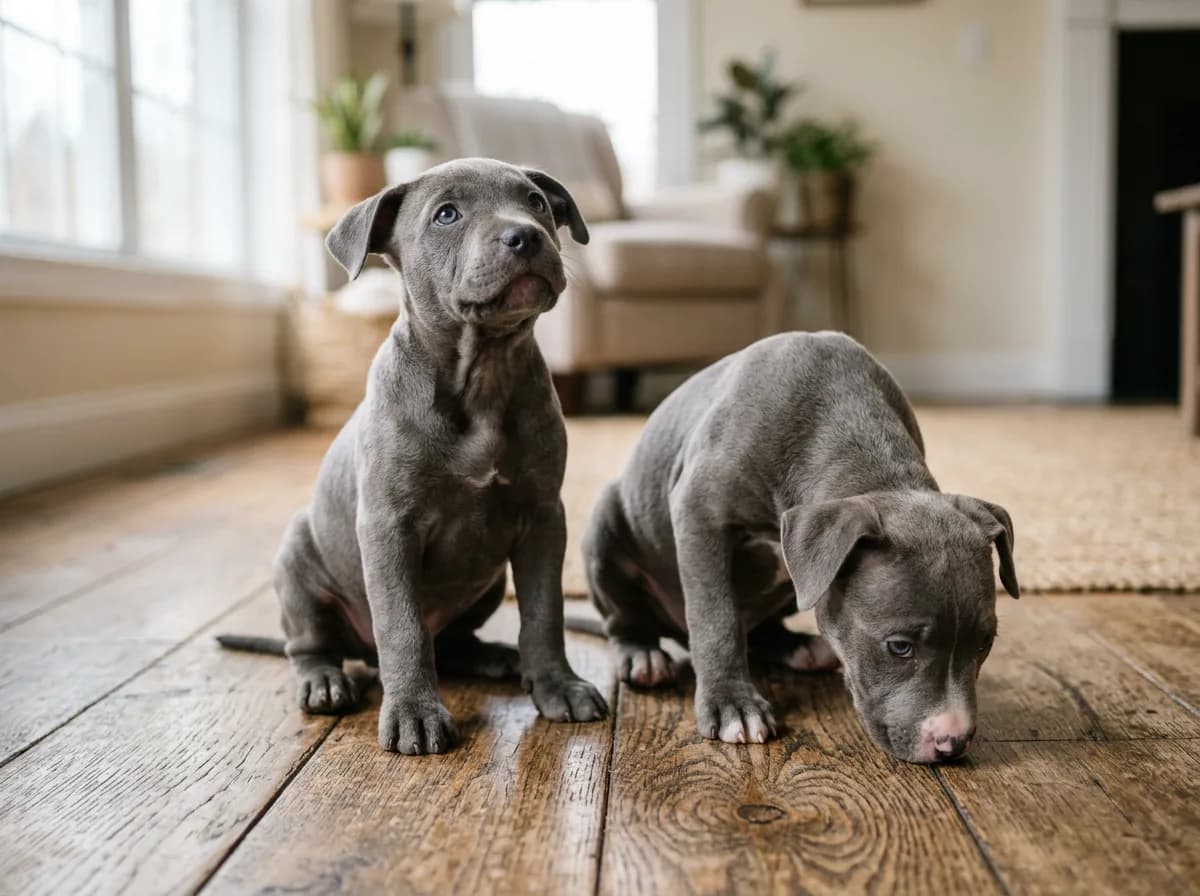
Not always, and this trips up a lot of first-time buyers. Puppy noses and coats can shift tone in the first weeks of life, and a puppy sold as "blue" can mature into something closer to a deep charcoal or even shift toward black if the dilution expression is partial. A slate-gray nose in an eight-week-old puppy is a reasonable indicator, but it is not a guarantee, and it is certainly not proof of a special bloodline.
Temperament and Personality
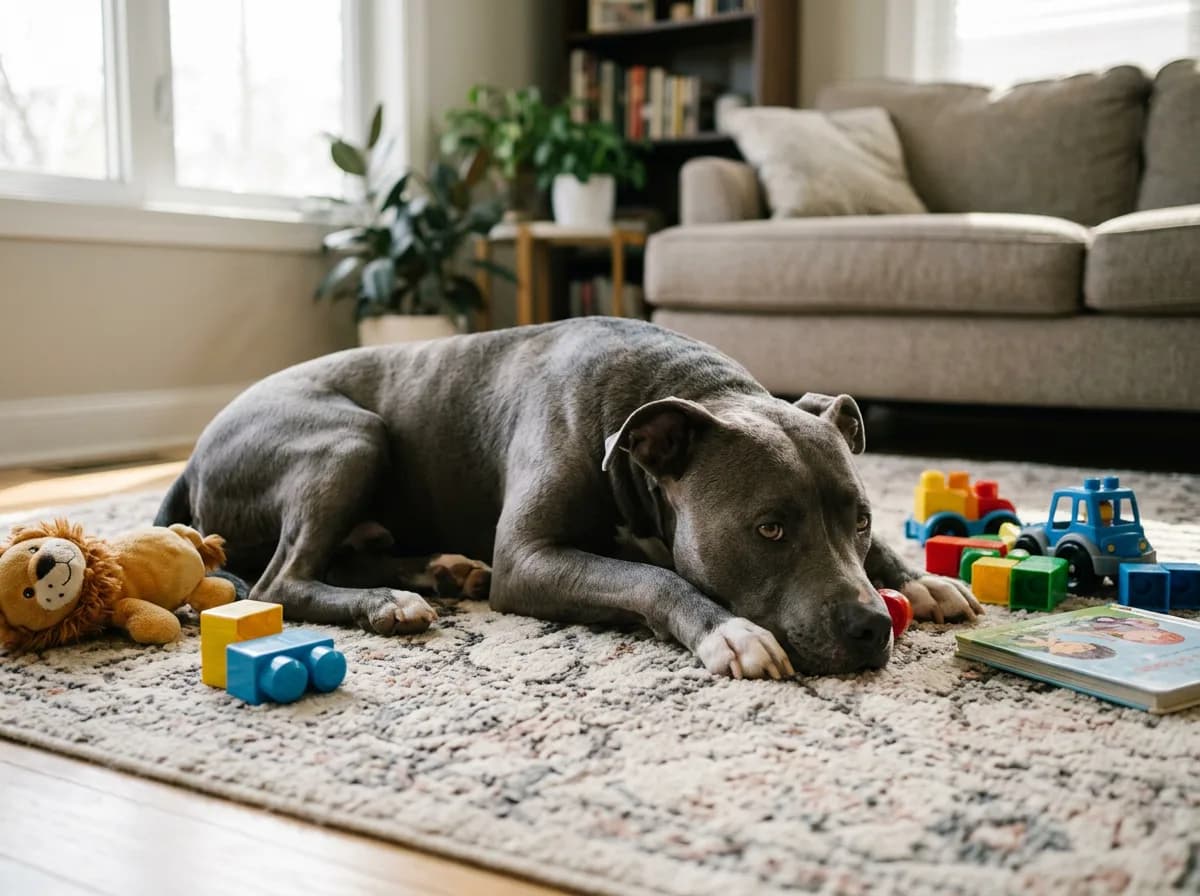
Here is the single most important thing to understand: coat color has zero influence on personality. A blue nose pitbull is temperamentally a pit bull, and the dilution gene affects pigment, not the brain. Any claim that blue pits are calmer, more loyal, more aggressive, or more "protective" than red or black pits is folklore.
What pit bulls actually are, as a type, is affectionate, people-oriented, and eager to please. They tend to bond hard with their families, lean into physical closeness, and thrive on being included in daily life. They are also energetic and strong, with a working-dog drive that needs an outlet. A bored, under-exercised, poorly socialized pit of any color is a recipe for problems, and that is a management issue, not a color issue.
Two traits deserve honest framing. First, many pit bulls carry a notable prey drive and can be selective about other dogs, so early socialization and careful introductions matter. Second, their strength means training is not optional: a 55-pound dog that pulls, jumps, or mouths without boundaries is hard to live with regardless of how sweet it is. Reward-based training started young pays off for the life of the dog.
Petful may earn a commission when you click through to Chewy, at no extra cost to you.
- 1Temperament tracks genetics of behavior and how the dog is raised, never coat color.
- 2Pit bulls are affectionate and biddable but strong and driven, so socialization and reward-based training are non-negotiable.
- 3Dog-selectivity and prey drive are common in the type, which makes controlled introductions and secure fencing part of responsible ownership.
Are Blue Nose Pitbulls Good Family Dogs?
Raised right, they can be excellent with their own families, including children, and they are often described as tolerant and cuddly. But "good with kids" is earned through supervision, socialization, and training, not assumed from breed or color. No dog of any breed should be left unsupervised with young children, and pit-type dogs in particular benefit from clear structure and calm handling. Their size and strength mean an accidental knock during play lands harder than it would from a small dog, so teaching both the dog and the kids how to interact is worth the effort.
Health: What the Dilute Gene Costs
This is where the blue label stops being cosmetic. The same recessive dilution that produces the gray coat is directly linked to a skin condition, and pit bulls as a type carry a handful of other health risks worth budgeting for. None of this makes a blue nose pitbull a fragile dog; most live full 10-to-15-year lives. But going in informed is how you avoid surprise vet bills and disappointment.
Color Dilution Alopecia
Color dilution alopecia (CDA) is a genetic, dilution-linked skin disease seen in blue-and-other-dilute-coated dogs. Affected dogs are born normal-looking, then gradually lose hair over the dilute-colored areas, usually starting between six months and three years of age, and often develop dry, flaky, or itchy skin and recurrent folliculitis (inflamed hair follicles) in the thinned patches. It is not curable and not contagious; it is managed with gentle skin care, medicated shampoos, moisturizers, and treatment of secondary infections. Veterinary dermatology references, including the Merck Veterinary Manual, describe CDA as a hereditary condition tied specifically to the dilute coat color, which is exactly why the blue coat is a risk marker and not just a look (merckvetmanual.com).
Not every blue nose pitbull develops CDA, and severity ranges from a barely noticeable thinning to significant hair loss. But because the risk rides along with the very gene you are paying a premium for, it belongs at the top of the health conversation, not buried at the bottom of a breeder's sales page.

Petful may earn a commission when you click through to Chewy, at no extra cost to you.
- If a blue-coated pup starts thinning over its gray areas in the first year or two, ask your vet about color dilution alopecia early. Consistent skin care and prompt treatment of secondary infections keep affected dogs comfortable, but the condition does not resolve on its own.
Skin Allergies and Other Common Issues
Beyond CDA, dilute and pit-type dogs are prone to general skin allergies (atopy), which show up as itching, ear infections, and hot spots, often triggered by environmental allergens or food sensitivities. Their short single coat offers little protection, so sun exposure and contact irritants reach the skin easily. Other conditions reported across pit-bull-type dogs include hip dysplasia (a malformation of the hip joint), certain heart conditions, hypothyroidism, and cataracts. Responsible breeders screen breeding stock for hip and heart issues, and asking for that testing is one of the clearest ways to separate a serious breeder from a color flipper.
A Note on "Merle" and Extreme Breeding
Blue nose is a dilution color and is not the same thing as merle, but the two get conflated in bully marketing, and it is worth flagging the difference because merle carries a much more serious warning. Merle is a separate pattern gene, and breeding two merle dogs together (a "double merle" cross) can produce puppies with deafness, blindness, and eye malformations. Reputable veterinary and breed-welfare sources warn specifically against double-merle breeding for exactly this reason (the American Kennel Club and veterinary sources at akc.org discuss the double-merle risk). Merle is not a natural APBT color at all, so a "merle pitbull" is a crossbred or intensely line-bred designer dog, and a "blue merle" pit is a red flag for the kind of appearance-first breeding that stacks health problems. Standard blue (dilute) pits do not carry the double-merle risk, but the takeaway is the same: buy for health and structure, not for a novelty coat.
While we are on extreme breeding, be wary of the "exotic bully" and heavily brachycephalic (short-muzzled, pushed-in-face) bully types being sold under the pit-bull umbrella. Brachycephalic conformation is linked to brachycephalic obstructive airway syndrome (BOAS), a well-documented breathing disorder, and veterinary bodies including the American College of Veterinary Surgeons describe how the shortened airway causes chronic breathing difficulty (acvs.org). A true American Pit Bull Terrier has a normal muzzle and should not struggle to breathe; if a "blue" bully puppy has a squashed face and noisy breathing, that is a breeding-for-looks warning sign, not a feature.
Grooming and Skin Care
The upside of the short single coat is that grooming is genuinely low-effort. A weekly brush with a rubber curry or grooming mitt lifts loose hair and distributes the skin oils that keep the coat glossy, and a bath every four to six weeks with a gentle, soap-free dog shampoo is usually enough. Overbathing strips those oils and can worsen the dry, flaky skin that dilute-coated dogs already lean toward, so more is not better here.
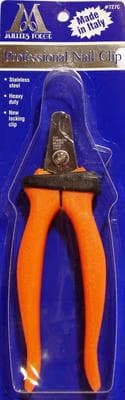
The real grooming job with a blue nose pitbull is skin monitoring, not coat maintenance. Run your hands over the dog weekly and look for thinning hair over the gray areas, redness, scaling, small crusty bumps, or itchiness, all early signs of color dilution alopecia or an allergy flare. Clean the ears when they look waxy, since pits are prone to ear infections, keep nails trimmed so the dog stands correctly, and use a dog-safe sunscreen on thin-coated pink-skinned dogs during long sun exposure. Catching a skin problem in week one is far cheaper and kinder than treating an infected, self-traumatized patch a month later.

Petful may earn a commission when you click through to Chewy, at no extra cost to you.
Diet and Exercise
A blue nose pitbull eats like any active medium dog: a complete, balanced diet formulated for the dog's life stage, fed to maintain lean body condition rather than free-fed to a soft, overweight frame. Pits are food-motivated and gain weight easily, and excess weight loads the joints they are already predisposed to strain, so portion control matters. Most adults do well on two measured meals a day. Because skin allergies are common in the type, some dogs benefit from a diet with a named single protein and added omega-3 fatty acids for skin support, but any diet change for a suspected allergy should be guided by your vet, not guesswork.
Exercise is not optional for this breed. Plan on at least 60 minutes of real activity a day, split between a couple of walks and some higher-intensity play or training. Pits excel at structured outlets like flirt-pole work, fetch, tug with rules, weight-pull sports, and scent games, all of which burn the working-dog drive that otherwise turns into destructive boredom. Mental work counts too: a 10-minute training session tires a smart pit as much as a walk.
- You should be able to feel a pit bull's ribs easily under a thin layer of fat and see a visible waist from above. If you cannot, cut the portions. Keeping a pit lean is the single cheapest thing you can do to protect its hips and heart over a 12-plus-year life.
Price: What a Blue Nose Pitbull Really Costs
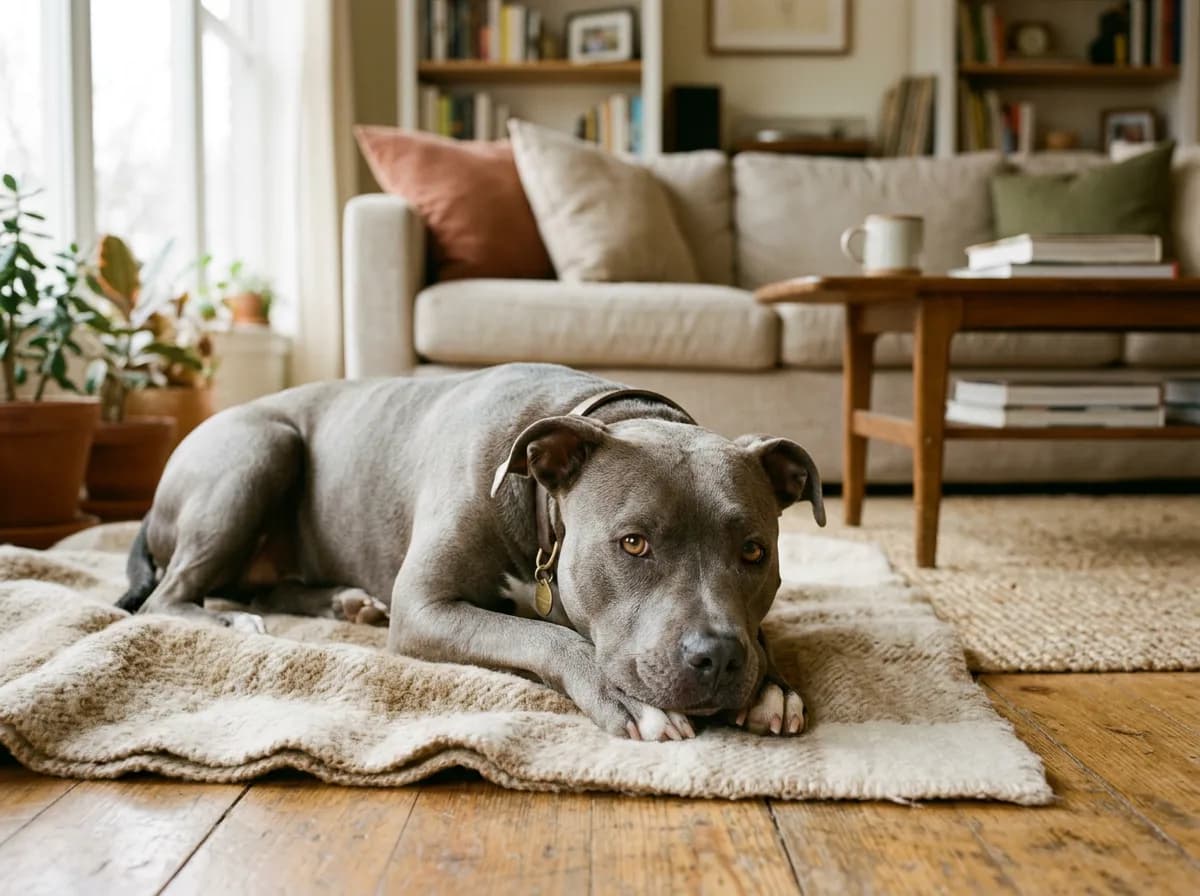
Price is where the myth-versus-reality gap is widest. Because "blue" is marketed as rare and desirable, breeders routinely charge a premium for the color, and prices swing hard based on lineage claims, region, and how much a breeder leans on hype.
| Source | Typical price | What you are paying for |
|---|---|---|
| Rescue or shelter adoption | $50-$350 | Vetting, spay/neuter, sometimes microchip; color not a factor |
| Average "blue" breeder | $500-$1,500 | A pet-quality dilute pup; often color-premium pricing |
| "Show" or hyped bloodline | $2,000-$5,000+ | Reputation, marketing, and pedigree claims, not guaranteed health |
The honest read: the color premium is scarcity marketing, not added value. A blue coat does not make a dog healthier, better tempered, or more trainable, and paying $3,000 for a nose color buys you nothing a $200 shelter dog of the same type lacks. Where money is genuinely well spent is on a breeder who health-tests parents (hips, heart, eyes), socializes litters, and stands behind the puppy, or on a rescue that has already vetted the dog. If you want a realistic picture of what breed ownership actually costs beyond the purchase price, our Rhodesian Ridgeback cost-of-ownership breakdown shows how food, vet care, and supplies add up over a dog's life, and the same math applies to a pit.
Also factor lifetime cost, not just sticker price. Skin-prone dilute dogs can mean more dermatology visits, medicated shampoos, and allergy management over the years, so the "cheap" color premium can quietly cost more downstream than a standard-coated pit.
For a Husky–Pit Bull cross, see our separate Pitsky price and ownership-budget guide.
Living With a Blue Nose Pitbull
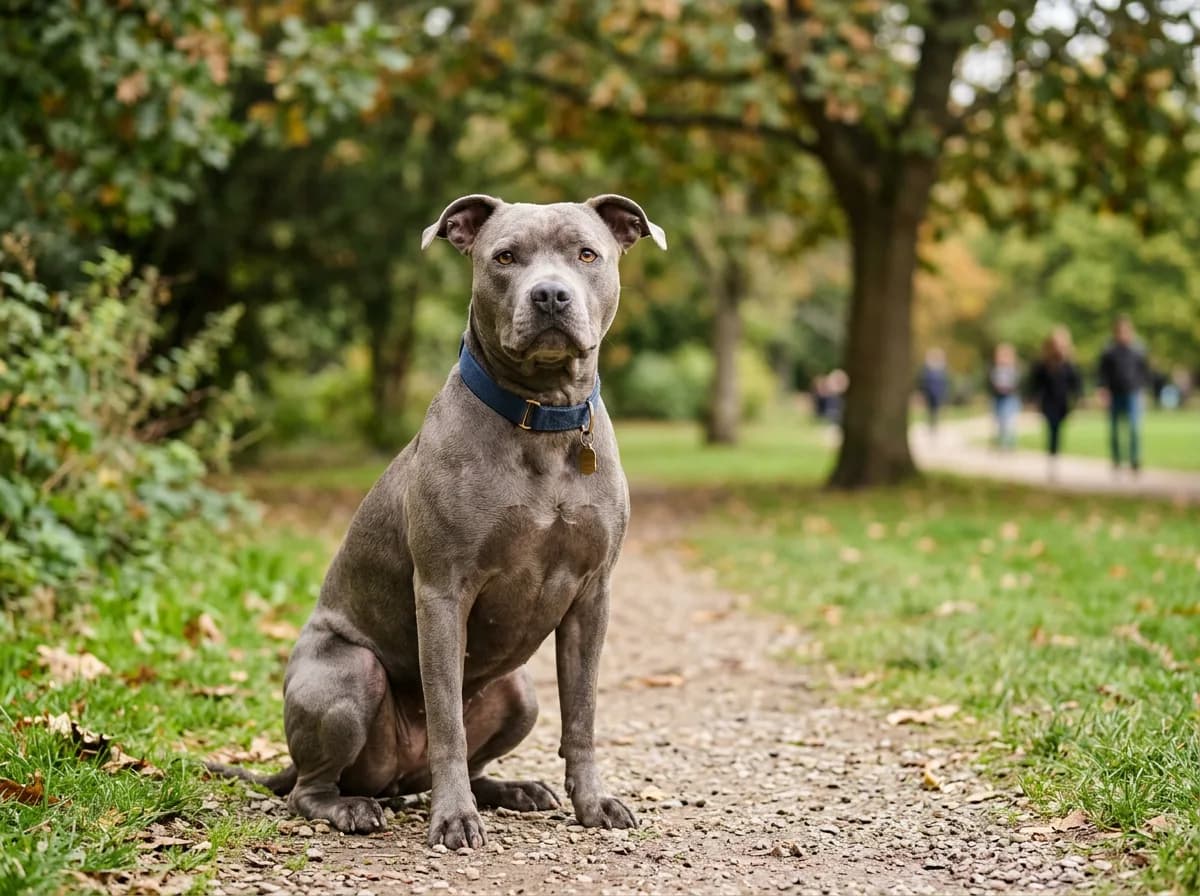
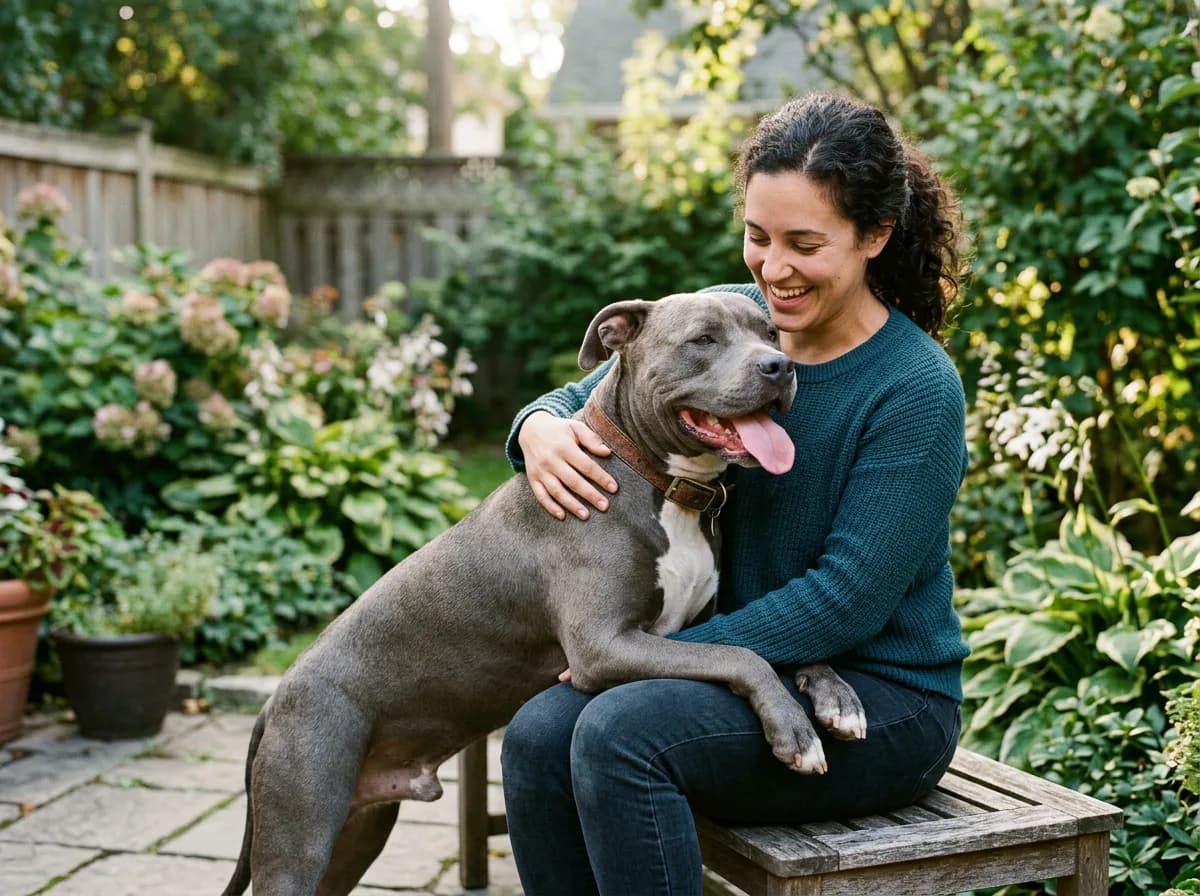
Day to day, life with a blue nose pitbull looks like life with any strong, affectionate, high-energy dog. They want to be with you, and they do best as inside dogs who are part of the household rather than yard dogs left alone, both because they crave company and because their short thin coat gives poor protection from cold and heat. Expect a dog that will follow you between rooms, wedge itself onto the couch, and lean its full weight against your legs as a greeting.
Housing and legal considerations are real and worth planning around before you commit. Breed-specific legislation still restricts or bans pit-bull-type dogs in some cities and countries, many rental properties and homeowner insurance policies exclude them, and some areas require additional liability coverage. None of that reflects the individual dog's character, but it does shape where and how you can live with one, so check local ordinances and your lease or policy before bringing a pit home. A secure, properly fenced yard (no invisible fences, which do nothing to stop a determined pit or to keep other animals out) rounds out a responsible setup.
The payoff for meeting those needs is one of the most devoted companions in the dog world. A well-socialized, well-exercised blue nose pitbull is a stable, goofy, deeply loyal family member that thrives on inclusion and rarely does anything by halves.
Finding One the Right Way
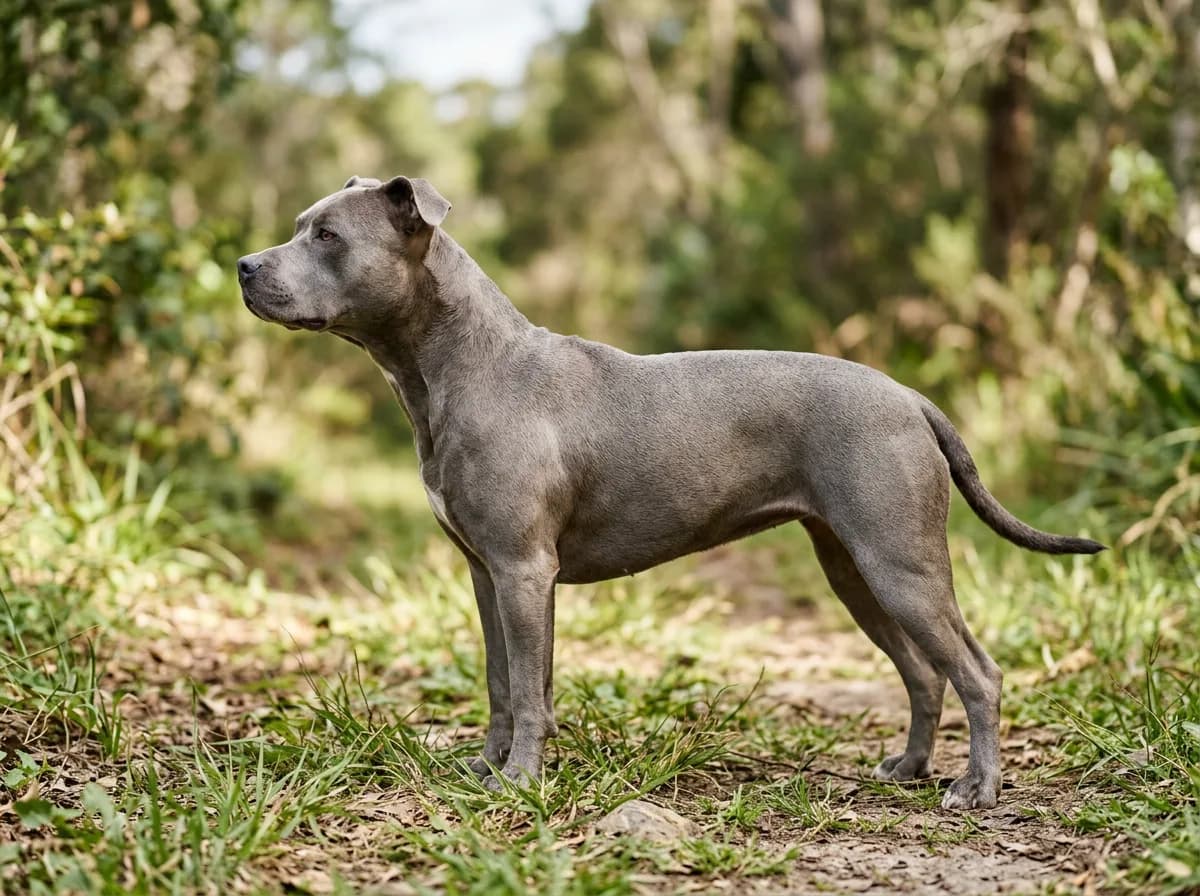
If a blue nose pitbull is the right dog for your household, get one the responsible way. Rescues and breed-specific pit bull rescues are full of wonderful gray-coated dogs whose color came free with the adoption fee, and you can browse general breed guidance and profiles through our dog breeds hub to compare what different breeds ask of an owner before you commit. If you go through a breeder, insist on meeting the parents, seeing health-test results for hips, heart, and eyes, and getting a written health guarantee. Walk away from anyone who sells "blue" as a rare bloodline, pushes double-merle or extreme brachycephalic "exotic" pups, or cannot show you the dog's living conditions.
- 1Adoption gets you the same dog, color included, for a fraction of a breeder premium.
- 2A responsible breeder health-tests parents and guarantees the puppy; a color flipper sells the nose and nothing else.
- 3Lifetime cost, especially skin care for a dilute-prone coat, matters more than the upfront price tag.
Frequently Asked Questions
Related on Petful
- Doberman Colors: Every Coat, Rarity, and Genetics
- Merle Dog Guide: Genetics, Breeds, and Health
- German Shepherd Colors: The Complete Guide
- French Bulldog Colors: Standard vs. Rare Guide
Not as rare as breeders imply. The blue coat comes from a recessive dilution gene, so it only appears when both parents carry the allele, which does make it less common than standard black. But it is a predictable genetic outcome, not a scarce elite bloodline. The "rare" framing is mostly marketing used to justify a higher price, and any breeder who pairs two dilute-carrying pits can produce blue puppies.
A complete, balanced diet formulated for the dog's life stage and fed to keep the dog lean is the foundation. Pit bulls gain weight easily and many are prone to skin allergies, so a quality diet with a named protein source and omega-3 fatty acids for skin support suits a lot of them. Any allergy-driven diet change should be guided by your veterinarian rather than trial-and-error, and portion control matters more than the specific brand.
Pit bulls are famously demonstrative. Signs of a bonded, happy pit include leaning into you and seeking physical contact, a loose wiggly "helicopter" tail, relaxed body language and soft eyes, following you room to room, bringing you toys, and settling calmly near you. Affection in dogs shows up as trust and proximity-seeking, and pit bulls tend to show it more openly than most breeds.
Dogs of every breed almost always give warning signals before they escalate, such as a stiff frozen body, hard staring, a low growl, lip-lifting, raised hackles, or a tucked or high stiff tail. Pit bulls are not an exception to canine body language. The real risk is that these early signals get missed or punished away, which teaches a dog to skip the warning. Learning to read canine stress signals and never punishing a growl are the best safeguards.
Expect roughly $50-$350 to adopt from a rescue or shelter, $500-$1,500 from an average breeder charging a color premium, and $2,000-$5,000 or more from breeders leaning on "show" or hyped-bloodline claims. The color itself adds no genuine value; you are paying for scarcity marketing at the high end. Money is far better spent on a breeder who health-tests the parents or on a vetted rescue dog.
No more than any other pit bull, and coat color has no effect on temperament whatsoever. Pit bulls are strong, energetic, and prey-driven, which means they need socialization and training, but well-raised pits are typically affectionate and people-oriented. Aggression in any dog traces to genetics of behavior, upbringing, socialization, and management, never to the color of the nose.
Keep pit bulls away from the same foods toxic to all dogs: chocolate, grapes and raisins, onions and garlic, xylitol (a sweetener in sugar-free gum and some peanut butters), macadamia nuts, alcohol, caffeine, and raw bread dough. Cooked bones that splinter, very fatty scraps that can trigger pancreatitis, and anything moldy are also off-limits. When in doubt about a food, check with your vet or a pet poison hotline before offering it.

Coreen Saito is a pet writer and longtime shelter volunteer with more than a decade in animal rescue. She covers cat behavior, breed care, and the small, ordinary science of sharing a life with companion animals, with a particular focus on honest takes about the products and decisions that actually matter. At home in Arizona, she's outranked by Mac (a dog with the loudest opinion in the house), Rebel (a cat who governs by quiet authority), and Meri (an orange tabby who runs the late shift and the laundry basket). She writes about all three, plus the rescues that keep coming through her life, at LifeWithMinty.com.
Sign up for expert-backed reviews and safety alerts all in one place.