Rhodesian Ridgeback Price & Cost of Ownership (2026)
Rhodesian Ridgeback price ranges $1,500-$3,500 from reputable breeders. Full 2026 cost breakdown: puppy, food, vet, training, lifetime ownership.

Petful is reader supported. As an affiliate of platforms like Amazon and Chewy, we may earn a commission when you buy through links on this page. There is no extra cost to you.
- Puppy price from reputable US breeders: $1,500 to $3,500. Champion bloodlines: $3,500 to $5,000+. First-year total (puppy + setup): $4,000 to $6,000. Annual ongoing cost: $1,500 to $2,500. Senior years add $500 to $1,200 per year. 10-year lifetime cost: $20,000 to $35,000 before emergencies. Adoption fee: $300 to $1,000 (varies by region and dog's age).
Rhodesian Ridgeback price typically runs $1,500 to $3,500 from a reputable US breeder, with show-quality and champion-bloodline puppies reaching $3,500 to $5,000 or more. Reputable breeder pricing reflects extensive health screening (OFA hips and elbows, thyroid panels, dermoid sinus screening), genetic testing, vaccinations, and breed-club registration. This guide covers the full cost of Rhodesian Ridgeback ownership in 2026: puppy purchase, first-year expenses, ongoing annual costs, senior care, and total lifetime investment. For the broader breed picture (size, temperament, health) start with our complete Rhodesian Ridgeback breed profile.

Sign up for expert-backed reviews and safety alerts all in one place.
Average Rhodesian Ridgeback Price From Breeders
Average Rhodesian Ridgeback puppy prices in the United States cluster between $1,500 and $3,500 from a reputable breeder. The AKC Marketplace listings, RRCUS-affiliated breeders, and major rescue surveys all converge on this range. Pet-quality puppies (companion only, not registered for breeding or show) fall at the lower end. Show-quality puppies (conformation potential, champion lines, registered for breeding) sit at the higher end and often above. The exact figure depends on bloodline reputation, geographic region, and the breeder's investment in pre-breeding screening.
Some listings under $800 to $1,000 appear on classified sites; these almost always indicate backyard breeders skipping the genetic and orthopedic screening that protects the puppy's long-term health. The upfront savings rarely hold up: a single hip surgery or surgical correction of an undetected dermoid sinus exceeds the savings many times over. Insurify's 2026 cost-of-ownership report places the average US Rhodesian Ridgeback price between $1,000 and $3,500, with regional variation of $500 in either direction.
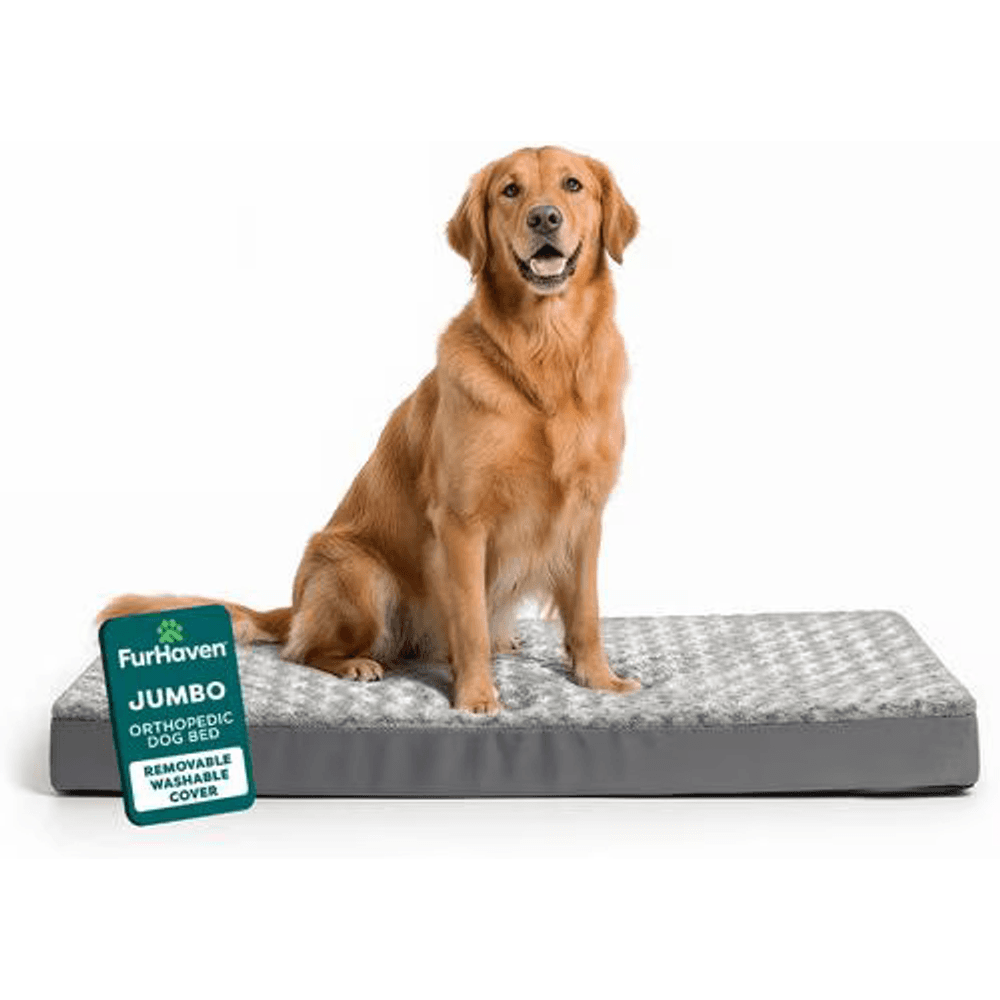
A plush orthopedic foam mattress that cushions aging joints and pressure points, giving a stiff or trembling senior dog warm, supportive rest.
Petful may earn a commission when you click through to Chewy, at no extra cost to you.
| Tier | Typical Price | What You Get | Notes |
|---|---|---|---|
| Pet quality | $1,500 to $2,500 | Companion-bred puppy, AKC limited registration | Most common purchase |
| Show quality | $2,500 to $3,500 | Conformation potential, full registration | Limited availability |
| Champion bloodline | $3,500 to $5,000+ | Direct champion ancestry, breeding rights | Often waitlist |
| Backyard / pet store | $500 to $1,200 | No health screening, often no papers | Avoid; high long-term cost |
| Rescue / adoption | $300 to $1,000 | Vetted adult or senior dog | Lower up-front, varies by region |
What Drives Rhodesian Ridgeback Pricing
Several factors push Rhodesian Ridgeback pricing above or below the average. Breeder reputation is the single biggest driver, followed by lineage (champion bloodlines command premiums), pre-purchase screening completeness, regional cost of living, and current breed popularity.
Show-Quality vs Pet-Quality
Pet-quality Rhodesian Ridgebacks are healthy, conformation-typical puppies bred for family companionship. They may have minor cosmetic features (a slightly off ridge pattern, color variation outside the show standard) that disqualify them from formal conformation showing but have no health impact. Pet-quality puppies are sold with limited AKC registration, which prohibits showing for championship or breeding (the puppy can still be neutered and registered as a household pet). Show-quality puppies are conformation-typical at a higher level: textbook ridge, ideal proportions, sound structure, eligible for the breeding registry. Most family buyers should look at pet-quality; the price difference reflects breeding rights, not pet quality of life.

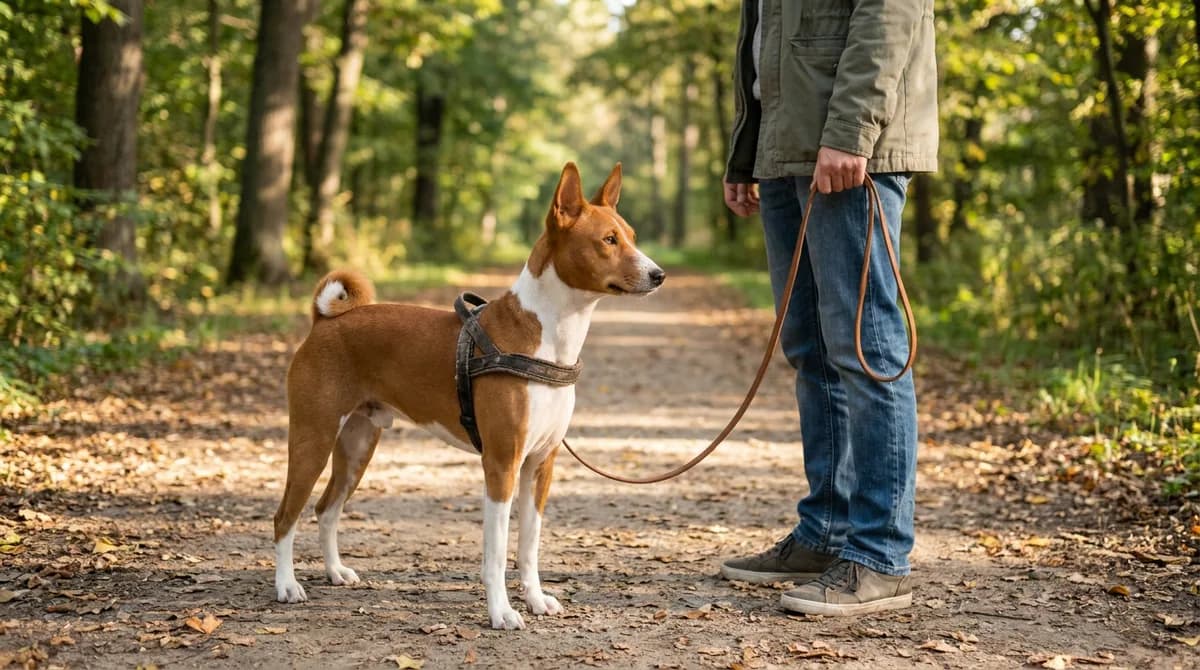
First-week essentials add quickly. A no-pull harness is one purchase you will use from week one onward; budget about $20 for a tool that prevents pulling injuries in a 70-plus-pound adult dog.
Petful may earn a commission when you click through to Chewy, at no extra cost to you.
Regional Pricing Variations
Rhodesian Ridgeback prices vary by US region. The breed has stronger breeder presence in California, Texas, Florida, and the Mid-Atlantic. Buyers in low-presence regions (mountain west, northern Plains) often pay travel or shipping costs on top of purchase price, sometimes adding $500 to $1,500. Some buyers fly to pick up a puppy from a top breeder; in those cases, factor in the breeder visit and a one-way airfare for the puppy. International buyers should expect additional import paperwork, quarantine, and shipping costs of $1,000 to $3,000.
First-Year Costs Beyond the Puppy Price
First-year expenses beyond the puppy purchase typically run $2,500 to $3,500 for Rhodesian Ridgebacks. The breakdown: initial vet visits and core vaccinations ($300 to $500), spay or neuter surgery ($300 to $700), microchip ($25 to $50), puppy training class ($150 to $300), large-breed puppy food for a year ($500 to $800), basic supplies including crate, leash, harness, bowls, bed ($300 to $500), and a contingency for unexpected vet visits ($300 to $500). For a full puppy-care timeline, see our Rhodesian Ridgeback puppy guide.
Some puppy expenses are optional but commonly bundled. Many breeders include initial vaccines in the puppy price; some include microchipping. Spay or neuter timing for large-breed dogs may be deferred to 18 to 24 months per recent veterinary guidance, which shifts that cost into year 2 or 3. A puppy training class is non-negotiable for this independent breed; group classes are $150 to $300, private training is $75 to $150 per session.
Optional but valuable first-year line items: dermoid sinus follow-up exam if not breeder-confirmed ($75 to $150), OFA preliminary hip and elbow radiographs at 12 months if breeding is considered ($250 to $400), and pet insurance enrollment ($30 to $80 per month, often best signed up before any condition is diagnosed and excluded as pre-existing).
- 1Puppy purchase: $1,500-$3,500 (reputable breeder)
- 2Initial vet + core vaccinations: $300-$500
- 3Spay/neuter (when timed): $300-$700
- 4Puppy training class: $150-$300
- 5First-year food + supplies: $800-$1,300
- 6Contingency + insurance enrollment: $400-$700
- 7Total first year (including puppy): $4,000-$6,000
Annual Costs During Adult Years (2 to 7)
After the first year, ongoing food costs run $500 to $800 annually for a quality large-breed adult formula. Premium fresh-food subscriptions (The Farmer's Dog and similar) run $1,500 to $3,000 annually for a Ridgeback's size, depending on portion and frequency. Mid-tier kibbles (Purina Pro Plan, Hill's Science Diet) and grain-free options (Orijen, Taste of the Wild) all fall in the $50 to $75 per 30-pound bag range, which a typical adult Ridgeback consumes in about 4 weeks.
Routine annual vet care averages $300 to $600 per year for an adult Ridgeback in good health: annual exam, core vaccinations, heartworm and parasite preventatives, dental cleaning every 1 to 2 years. Catching hypothyroidism, allergies, or early arthritis adds $200 to $500 in screening and medication. Most adult vet bills are predictable; the variance comes from unexpected events (foreign body ingestion, lameness investigation, dental extraction).
Grooming is low-maintenance for this breed: a short single coat means no professional grooming required. Basic at-home grooming supplies (slicker brush, nail clippers, dog shampoo, dental supplies) cost $50 to $100 annually. Replacement collars, leashes, beds, and toys run $100 to $200 per year for an adult dog who is not destructive.
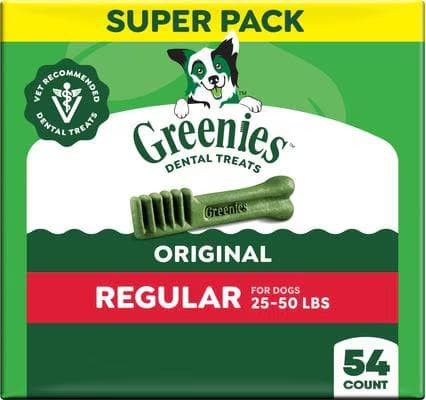
Daily dental chews accepted by the Veterinary Oral Health Council cost $40 to $60 per month. Cumulative cost across a 10-year lifespan: $4,800 to $7,200. Cheap insurance against periodontal disease that drives chronic inflammation.
Petful may earn a commission when you click through to Chewy, at no extra cost to you.
Pet insurance for a Rhodesian Ridgeback runs $30 to $80 per month depending on coverage level, deductible, and the dog's age at enrollment. Plans purchased before any breed-specific conditions develop (hip dysplasia, hypothyroidism) cover those conditions; plans purchased after diagnosis exclude pre-existing conditions. The math works in the dog's favor for owners who cannot self-fund a $5,000-plus emergency.
- Large-breed orthopedic emergencies (hip surgery, ACL repair, GDV emergency) routinely reach $3,000 to $8,000. Insurance premiums of $40 to $60 monthly across 10 years total $4,800 to $7,200, comparable to a single major surgery. Pick a plan with coverage for hereditary conditions specific to this breed: bloat (GDV), hip and elbow dysplasia, thyroid disease, dermoid sinus. Wellness add-ons (covering routine vaccines and exams) typically do not pay back. Major-medical coverage is the value tier.
Senior Year Costs (Age 8 and Up)
Senior care adds $500 to $1,200 annually starting around age 8. Twice-yearly vet visits replace annual visits ($300 to $600 added), baseline senior blood work and urinalysis become standard ($150 to $300 per panel), and orthopedic care for developing arthritis often requires daily supplements or prescription diets ($200 to $400 added). See the lifespan and health guide for full senior care detail.
Mobility aids extend quality of life: orthopedic bed ($75 to $200), pet ramp for car or stairs ($50 to $150), non-slip flooring solutions ($100 to $400). Senior-specific food adds 10 to 20 percent to monthly food cost. Medications for chronic conditions (NSAIDs for arthritis, levothyroxine for hypothyroidism) typically run $20 to $80 per month each.
Total Lifetime Cost
Total lifetime cost for a Rhodesian Ridgeback across a typical 10-to-12-year lifespan: $20,000 to $35,000 in routine and minor unexpected expenses, before any major emergency surgeries. Including a single major emergency (bloat surgery, ACL repair, cancer treatment), the lifetime figure climbs to $25,000 to $50,000. Multiple major events across the dog's lifespan push toward the upper end.
Breaking that down by phase: $4,000 to $6,000 first year (puppy plus setup), $1,500 to $2,500 annually across years 2 through 7, then $2,000 to $3,500 annually for years 8 and beyond. The first year is the most expensive single year for routine spending; the senior years are second most expensive. Owners who self-insure (set aside $50 to $100 per month from year 1) typically come out ahead vs paying insurance premiums for a healthy dog who never has a major claim. Owners who experience one or more major events come out ahead with insurance.
Specialty Equipment and Optional Spending
Some Rhodesian Ridgeback owners invest in specialty equipment beyond the basics. Heavy-duty crates ($150 to $300), elevated kennels for travel ($100 to $250), pulling harnesses for working or sport activity ($50 to $150), and GPS tracking collars for off-leash decompression ($100 to $300 plus monthly subscription) all fit into the optional bucket. None are required for a happy Ridgeback, but each adds quality-of-life or convenience for active owners.
Professional Training Tools and Behavior Costs
Most Rhodesian Ridgebacks respond best to force-free, positive-reinforcement training, which is consistent with veterinary behavior consensus and breed-club guidance. Group classes run $150 to $300 per 6-week series; private trainer sessions are $75 to $200 per hour. Most Ridgebacks benefit from group puppy class plus one or two private sessions to address breed-specific stubbornness. Some owners explore electronic training tools (e-collars) later in adulthood, typically with a credentialed trainer or veterinary behaviorist; these are specialized tools, not a starting point for most owners, and never appropriate for puppies under 6 months.

Pricing reference for one widely-sold static-vibration training collar. Most Ridgeback owners do not need this tool. Force-free methods (clicker training, lure-reward) handle typical training needs. If you do consider an e-collar, use it only under an experienced trainer's guidance, and never on puppies under 6 months.
Petful may earn a commission when you click through to Chewy, at no extra cost to you.
- Buy quality large-breed dry food in bulk (10 to 20 percent savings). Enroll in pet insurance before any conditions appear (lower premiums and full hereditary coverage). Use generic versions of common medications (levothyroxine, NSAIDs) at human pharmacies with vet prescription. Do dental cleanings every 18 to 24 months instead of annually unless plaque is severe. Learn basic at-home grooming and nail trimming. Avoid: ultra-premium boutique foods without clear nutritional advantage, dog-specific clothing, daycare unless it solves a real socialization or exercise problem.
- Adoption fee ($300-$600) vs breeder price ($1,500+)
- Dog is often already vaccinated, neutered, microchipped
- Adult dogs have established temperament with no guessing
- Rescue groups provide transition support
- Ethical alternative when breeder waitlists are long
- Limited availability of purebred Rhodesian Ridgebacks in rescue
- Adult dogs may have unknown history or training gaps
- Health screening status often unclear
- Breed-specific rescue wait times can stretch several months
- Senior or special-needs dogs may carry higher ongoing vet costs
Finding Reputable Rhodesian Ridgeback Breeders
The Rhodesian Ridgeback Club of the United States (RRCUS) maintains a breeder directory at rrcus.org. RRCUS members commit to health screening protocols (OFA hips and elbows, eye exams, thyroid panels, dermoid sinus screening, BAER hearing test in some lines) before breeding. Ask any breeder for: written health guarantee, OFA registration of both parents, dermoid sinus screening confirmation, and evidence of socialization through the critical 8-to-16-week window. Reputable breeders also screen you; expect a detailed questionnaire and a phone or in-person interview before they sell a puppy.
- Be cautious of any Rhodesian Ridgeback puppy listing well under $1,000 from a non-rescue source. The genetics of this breed (dermoid sinus, hip dysplasia, hypothyroidism, bloat predisposition) make pre-breeding screening essential, and that screening typically costs the breeder $1,500 to $2,500 per litter. Listings priced well below screening costs often indicate the breeder skipped these health checks, which can result in higher long-term vet bills that erase the upfront savings.
Adoption: The Lower-Cost Path
Rhodesian Ridgeback Rescue Inc (ridgebackrescue.org) and regional Ridgeback rescues offer adult and senior Ridgebacks for $300 to $1,000 in adoption fees, varying by region and the dog's age. Fees typically include vaccinations, neuter, microchip, and basic vet exam. Wait times depend on regional availability and can stretch from weeks to months. Mixed-breed Ridgebacks (often Lab or Pit crosses) appear regularly in general shelters at lower fees. For owners flexible on age or pedigree purity, rescue is the lowest-cost ethical path to Ridgeback ownership.
Rescue dogs come with partial or unknown medical history. A digital pet ID with vaccination records, medication history, allergies, and emergency contacts in one place is especially valuable for adopted dogs whose paper trail is incomplete.
Start Your Pet's ProfileMore Rhodesian Ridgeback Guides
- Pillar guide: Rhodesian Ridgeback Breed Profile
- Behavior: Rhodesian Ridgeback Temperament: The Cat-Like Hound
- Growth: Rhodesian Ridgeback Size Chart: Growth by Age & Weight
- Coat: Rhodesian Ridgeback Colors: All 6 Coat Variations + Ridge
- Puppy care: Rhodesian Ridgeback Puppies: First-Year Owner's Guide
- Lifespan + health: Rhodesian Ridgeback Lifespan: 10-12 Years (Vet-Reviewed)
- Family fit: Are Rhodesian Ridgebacks Good Family Dogs?
Rhodesian Ridgeback ownership is a 10-to-12-year financial commitment that adds up to $20,000 to $35,000 across the dog's lifetime, before emergencies. Budget honestly, screen breeders carefully, consider whether adoption fits your situation before paying breeder prices, and price in pet insurance early in the dog's life. For the broader breed picture, start with our complete Rhodesian Ridgeback breed profile covering size, temperament, lifespan, and care.
A Rhodesian Ridgeback puppy costs $1,500 to $3,500 from a reputable US breeder, with champion bloodlines running $3,500 to $5,000 or more. Adoption from a breed-specific rescue is $300 to $600. Total lifetime cost across a 10-to-12-year lifespan is $20,000 to $35,000 before any major emergency surgery.
Reputable Rhodesian Ridgeback breeders invest $1,500 to $2,500 per litter in pre-breeding health screening (OFA hips and elbows, thyroid panels, eye exams, dermoid sinus screening) and ongoing care of the breeding dogs. Champion bloodlines add years of show-ring investment. Litter sizes average 7 to 8 puppies, so per-puppy cost reflects that screening and care divided across the litter.
Adult Rhodesian Ridgeback monthly costs run $125 to $210 for routine care: food ($50 to $80), preventatives ($20 to $40), supplies and treats ($25 to $50), and vet care averaged across the year ($30 to $50). Add $40 to $80 monthly for pet insurance, $40 to $60 monthly for dental chews. Senior dogs add $40 to $100 monthly for additional vet visits and medications.
Pet insurance is worth it for Rhodesian Ridgeback owners who cannot self-fund a $5,000+ emergency without difficulty. Major-medical coverage of breed-specific conditions (bloat, hip dysplasia, hypothyroidism) pays off the first time a major event happens. Enroll before any condition appears so it is not excluded as pre-existing. Skip the wellness add-ons; they rarely pay back.
Yes. Rhodesian Ridgeback Rescue Inc and regional breed-specific rescues offer adult and senior Ridgebacks for $300 to $600. Wait times stretch from weeks to months depending on region. General shelters occasionally have Ridgeback mixes at lower fees. Adoption is the lowest-cost ethical path to Ridgeback ownership.
In 2026, a Rhodesian Ridgeback puppy from a reputable US breeder costs $1,500 to $3,500 for pet quality and $3,500 to $5,000+ for show quality or champion bloodlines. Any listing under $1,000 from a non-rescue source signals a backyard breeder skipping the screening that protects the dog's long-term health.

Coreen Saito is a pet writer and longtime shelter volunteer with more than a decade in animal rescue. She covers cat behavior, breed care, and the small, ordinary science of sharing a life with companion animals, with a particular focus on honest takes about the products and decisions that actually matter. At home in Arizona, she's outranked by Mac (a dog with the loudest opinion in the house), Rebel (a cat who governs by quiet authority), and Meri (an orange tabby who runs the late shift and the laundry basket). She writes about all three, plus the rescues that keep coming through her life, at LifeWithMinty.com.
Sign up for expert-backed reviews and safety alerts all in one place.