Belgian Malinois vs German Shepherd: Full Side-by-Side Comparison
Belgian Malinois vs German Shepherd is the most common comparison in working-dog circles. Here is the honest side-by-side breakdown on size, drive, training, exercise, health, and which breed actually fits your lifestyle.
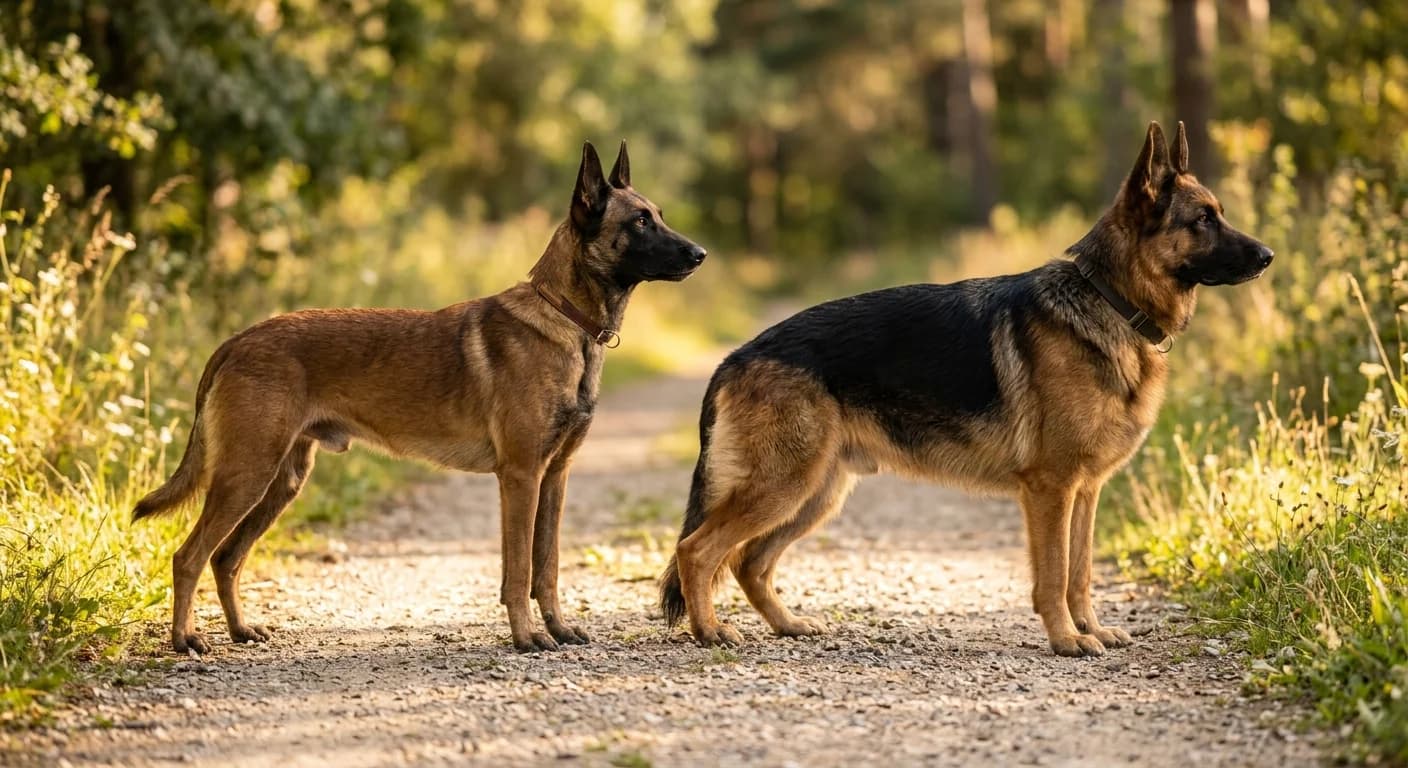
Belgian Malinois vs German Shepherd: similar history, very different working-dog profiles.
Petful is reader supported. As an affiliate of platforms like Amazon and Chewy, we may earn a commission when you buy through links on this page. There is no extra cost to you.
- Belgian Malinois: 60 to 80 lbs, 24 to 26 in, lifespan 12 to 14 years
- German Shepherd: 65 to 90 lbs, 22 to 26 in, lifespan 9 to 13 years
- Drive: Malinois > German Shepherd
- Agility: Malinois > German Shepherd
- Health: Malinois > German Shepherd (especially hips)
- First-time-owner friendliness: German Shepherd > Malinois
- Calm-at-home factor: German Shepherd > Malinois
- Cost (puppy): Comparable, $1,000 to $3,500 from reputable breeders
Belgian Malinois vs German Shepherd is the comparison every prospective Malinois owner runs first. Both breeds work police and military jobs, both originated as European herding dogs in the late 1800s, and both reach roughly the same size on paper. In real life they are very different dogs, and the wrong choice between them is one of the most common reasons large working breeds end up in rescues. There is more on this in Petful’s guide to Belgian Malinois navy seal.
This Belgian Malinois vs German Shepherd guide breaks down every meaningful difference, from size and drive to health and family fit, so you can pick the right breed before you bring the wrong one home. Both come from our broader Belgian Malinois breed guide, which is the right starting point if Malinois is your primary interest.
Considering a Belgian Malinois puppy in particular? The Belgian Malinois puppy guide covers the first 12 months and the early-life decisions that compound across the dog's decade-plus lifespan. Use this comparison to choose your breed; use the puppy guide once you have. If the Dutch Shepherd is also on your shortlist, compare Dutch Shepherd vs Belgian Malinois before deciding. Petful’s guide to Belgian Malinois lifespan has the full breakdown.

Sign up for expert-backed reviews and safety alerts all in one place.
Belgian Malinois vs German Shepherd: size and build
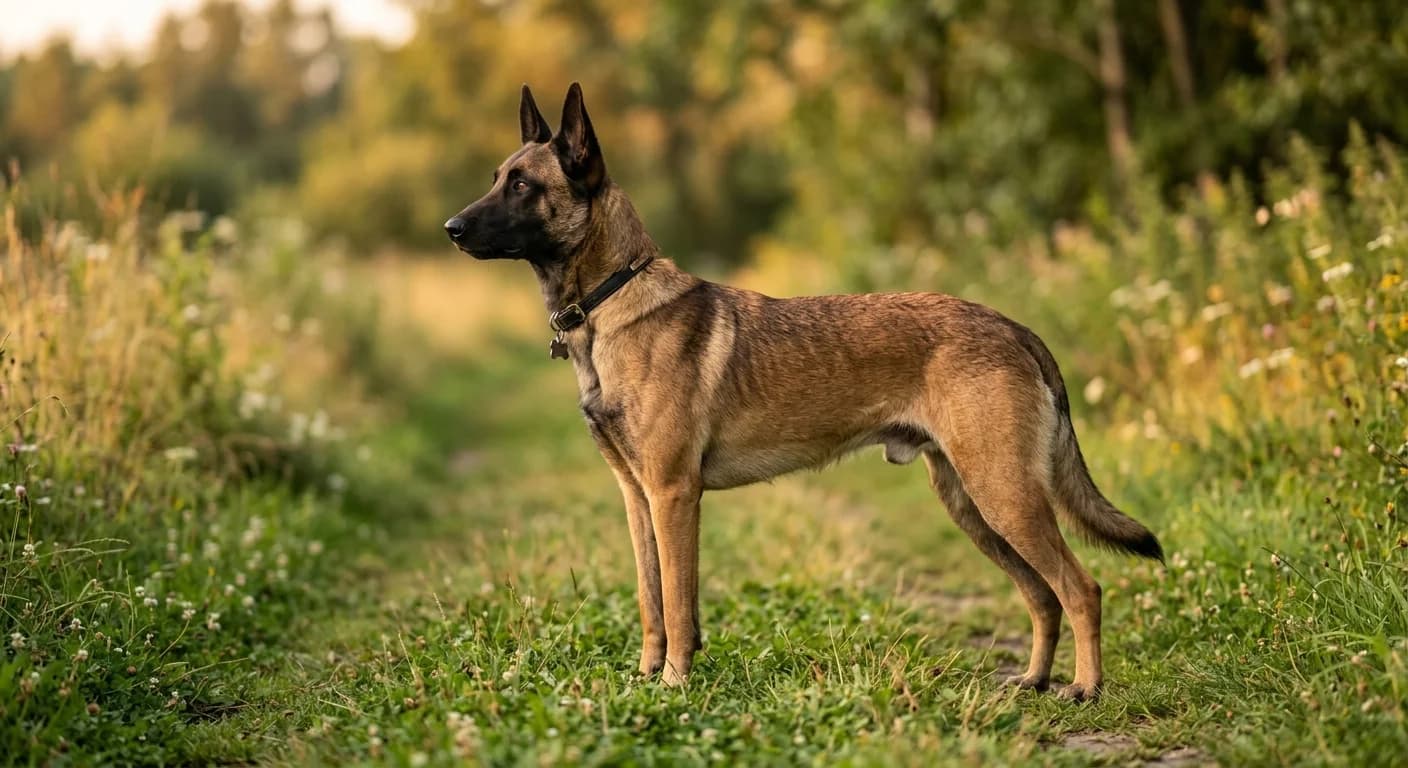
- Belgian Malinois: 24 to 26 in, 60 to 80 lbs (males). Square, lean, racehorse build.
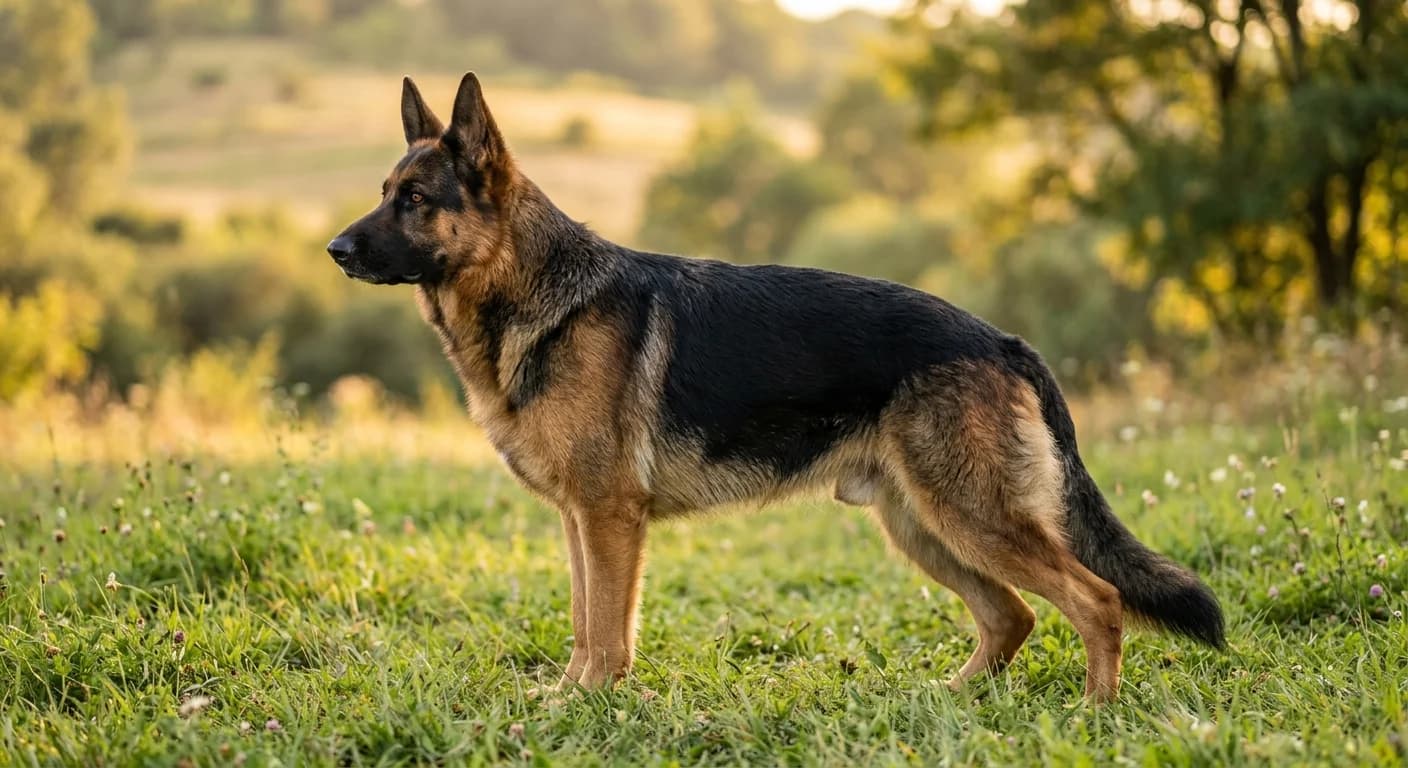
- German Shepherd: 24 to 26 in, 65 to 90 lbs (males). Longer back, sloped hindquarters.
- Female sizes: subtract 2 in and 15 to 20 lbs in both breeds.
The Belgian Malinois is significantly lighter and more athletic than the German Shepherd. Adult male Malinois stand 24 to 26 inches at the shoulder and weigh 60 to 80 pounds. Adult male German Shepherds reach 24 to 26 inches as well but carry 65 to 90 pounds, and show-line German Shepherds often hit the upper end. Females in both breeds run smaller.

Petful may earn a commission when you click through to Chewy, at no extra cost to you.
The build difference is more important than the weight number. The Malinois has a square, lean, racehorse build with everything optimized for explosive movement. The German Shepherd has a longer back, sloped hindquarters (in show lines), and a heavier overall frame. The Malinois will outrun and out-jump a German Shepherd by a wide margin in any controlled test. Petful’s guide to german Shepherd back legs has the full breakdown.
Belgian Malinois vs German Shepherd: temperament and drive
This is where the two breeds diverge most. The Belgian Malinois has a higher drive ceiling than almost any other breed in the world. Drive in working-dog terms means the relentless, internally-motivated need to engage with the environment, find work, and finish what they start. A Malinois will drive through pain, fatigue, distraction, and fear. A German Shepherd has plenty of drive, but with a lower ceiling and a calmer overall baseline.
In practical terms:
- A Malinois is harder to wear out. A 90-minute exercise session leaves a Mal slightly tired and a German Shepherd thoroughly tired.
- A Malinois is sharper to react. A new noise gets full attention immediately, every time.
- A German Shepherd has more of an off switch at home. A Malinois has one too, but it is harder to develop and has to be earned daily.
- A German Shepherd typically tolerates novice handler mistakes better. A Malinois will compound them rapidly.
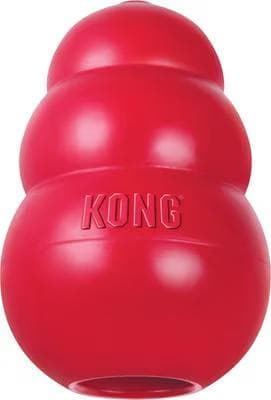
A durable rubber dog toy that can be stuffed with treats and selected by the manufacturer's size guide; supervise use and retire it when damaged.
Petful may earn a commission when you click through to Chewy, at no extra cost to you.
Both breeds form intense bonds with their primary handler. The Malinois bond tends to be more singular (one handler, the rest of the family is acceptable), while the German Shepherd often spreads loyalty more evenly across a household.
Belgian Malinois vs German Shepherd: training and intelligence
Both breeds are in the top tier of canine intelligence, ranking just behind Border Collies on most trainability scales. They both learn fast, retain commands for life, and excel at obedience, scent work, and protection sport. The differences are in how they learn and how they handle pressure.
Belgian Malinois training characteristics:
- Faster pickup of new commands (often 2 to 3 reps to learn versus 5 to 10 for the average dog).
- Lower tolerance for harsh correction; will shut down or redirect frustration.
- Higher reward drive (works hard for food, toys, prey-drive games).
- Will compound bad handler timing very quickly. A Mal trained inconsistently is brilliantly bad.
German Shepherd training characteristics:
- Slightly slower to pick up novel commands but equally retentive.
- Tolerates moderate correction without shutting down (within reason).
- More forgiving of inconsistent handling.
- Lower drive ceiling means the dog is generally more relaxed about training rhythm.
For first-time large-breed owners who want a serious working dog, the German Shepherd is the safer choice. For experienced handlers willing to do daily structured work, the Malinois delivers a higher performance ceiling. See our Belgian Malinois exercise needs guide for the daily training-and-exercise commitment a Mal actually requires.
Belgian Malinois vs German Shepherd: exercise needs
Both breeds are high-energy. Both need significantly more exercise than the average pet dog. The Belgian Malinois needs more, and the gap matters.
Daily minimum for a Belgian Malinois:
- 60 to 90 minutes of high-intensity aerobic work.
- 30 to 60 minutes of mental work (obedience, scent games, puzzle feeders).
- Ideally a structured working sport (Schutzhund, IPO, French Ring, agility, nosework) once or twice a week.
Daily minimum for a German Shepherd:
- 45 to 75 minutes of moderate-to-high-intensity exercise.
- 20 to 45 minutes of mental work.
- Working sport recommended but not mandatory for a calm pet-line German Shepherd.
If you have a 30-minute commute, a full-time job, and an hour of dog time at the end of the day, the German Shepherd will work. The Malinois will not. The energy is the energy. Trying to compress a Belgian Malinois's needs into a German Shepherd schedule produces a dog that destroys property and develops anxiety behaviors.
Belgian Malinois vs German Shepherd: health and lifespan
This is the comparison where the Malinois clearly wins. The Belgian Malinois averages 12 to 14 years of life. The German Shepherd averages 9 to 13 years, and many working German Shepherds wash out by age six because of orthopedic issues.
The biggest gap is hip dysplasia. Decades of show-ring breeding produced a German Shepherd hip structure that fails earlier and more often than any other working breed. The Malinois, bred almost exclusively for working performance, does not carry the same hip burden. OFA hip dysplasia statistics consistently show Malinois with significantly lower dysplasia rates than German Shepherds.
Other comparative health notes:
- Bloat (gastric dilatation-volvulus). Slightly higher risk in German Shepherds due to deeper chest. See our dog bloat timeline guide for warning signs in either breed.
- Degenerative myelopathy. More commonly diagnosed in German Shepherds; both breeds carry the gene.
- Hemangiosarcoma. Both breeds carry elevated risk in middle and senior age.
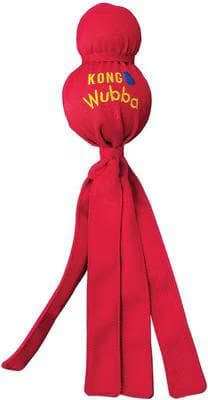
A large fabric-covered dog toy for supervised tug and fetch; choose the size for your dog and retire it if seams or material begin to fail.
Petful may earn a commission when you click through to Chewy, at no extra cost to you.
- Cancer. German Shepherds have a slightly higher overall cancer rate at older ages.
If lifespan and joint health matter (and they should), the Malinois has the better health profile.
Watch this Belgian Malinois vs German Shepherd comparison
Want to see the two breeds side by side in motion? This breed comparison covers the visual differences and working profiles:
Belgian Malinois vs German Shepherd: family fit
Both breeds can be excellent family dogs in the right household. The right household for a Belgian Malinois is narrower:
- Experienced large-breed owner.
- 90+ minutes of dedicated daily exercise and training time.
- Securely fenced yard (six-foot minimum).
- Older children (10+) or no children.
- Commitment to formal training and ideally a working sport for the dog's lifetime.
The right household for a German Shepherd is broader. Many first-time large-breed owners can successfully handle a German Shepherd with regular obedience training and committed daily exercise. Households with younger children can usually integrate a properly socialized German Shepherd.
Belgian Malinois vs German Shepherd: which should you get?
- First-time large or working breed owner: choose the German Shepherd. More forgiving of inconsistent handling, calmer baseline, easier first 18 months.
- Experienced handler with 90+ minutes daily exercise time and a working-sport plan: the Belgian Malinois delivers the higher performance ceiling. Same drive, harder edge, longer joint life.
Skip the Malinois if any of the following are true:
- This is your first large or working breed.
- You work full-time outside the home with no dog walker or daycare.
- You live in an apartment without a yard.

High-value training treats matter for a Belgian Malinois: the breed's drive demands a reward that genuinely earns the work. These triple-flavor kabobs (chicken, duck, chicken liver) hit the high-value tier without going to raw meat. 18-count bag carries a week of training sessions for a working-line Mal.
Petful may earn a commission when you click through to Chewy, at no extra cost to you.
- You have toddlers or young children at home.
- You want a dog who relaxes on the couch most of the day.
Choose the Malinois if all of the following are true:
- You have trained a high-drive working dog before.
- You have 90+ minutes of daily exercise and training time, every day.
- You have a securely fenced yard.
- You are committed to a structured working sport for the dog's lifetime.
- You want the highest-performance protection or working partner available.
If the answer to the second list is yes, also consider a Shepinois (Malinois & German Shepherd mix) as a possible middle ground, though hybrid vigor is not guaranteed and the lower-drive parent does not always dominate.
Frequently Asked Questions
Belgian Malinois vs German Shepherd for a first-time owner is not really a contest. Choose the German Shepherd. The Malinois requires experienced handling, daily structured work, and tight consistency that most first-time owners are not ready to deliver.
Not inherently. Both breeds are wary of strangers and protective of their family. Without proper socialization, the Malinois's higher drive can tip into reactivity faster, but properly raised dogs of either breed are stable and confident, not aggressive.
The Belgian Malinois. Decades of working-line breeding kept the Malinois's hips, elbows, and overall longevity in better shape than the German Shepherd, which suffers from a much higher rate of hip dysplasia.
Almost exclusively Belgian Malinois today. The Mal's drive, agility, and joint health hold up to extreme work where a German Shepherd would wash out. The 2011 Bin Laden raid dog (Cairo) was a Belgian Malinois.
They are not directly related, though both descend from European herding-dog populations of the 1800s. The Belgian Malinois is one of four varieties of the Belgian Shepherd, recognized as a separate breed by the AKC.
The mix is called a Shepinois and typically inherits a medium-length coat with intermediate color (tan with black saddle is common), the Malinois pricked ears, and an athletic build between the two parents. See our full Shepinois mix guide for details.
Pet-quality puppies of both breeds typically cost $1,000 to $3,500 from a reputable breeder. Working-line, titled, or imported pups can cost significantly more in either breed.
Continue your Belgian Malinois research
These deeper guides cover specific Belgian Malinois topics in detail. Each is a standalone read but they reinforce each other if you are seriously evaluating the breed.
Sources and further reading
These authoritative external sources informed this Belgian Malinois guide and are the right next stops for primary-source research.
Belgian Malinois vs German Shepherd: which lives where?
Geography and climate tilt the Belgian Malinois vs German Shepherd decision in ways most buyers do not think about up front. The short-coated Belgian Malinois handles moderate heat much better than the plush-coated German Shepherd and tolerates cold down to freezing temperatures without issue. The German Shepherd is built for temperate to cold climates and struggles in sustained southern US summer heat, especially during sport work or long outdoor sessions.
Altitude and elevation change matter too. Both breeds handle elevation fine, but the German Shepherd's heavier body mass creates more joint strain on sustained uphill hikes. The Belgian Malinois's lean build and shorter coat give it a meaningful edge for active mountain lifestyles in Colorado, Utah, Arizona, and the Pacific Northwest.
Urban vs rural is another split. In dense urban settings, the German Shepherd's calmer baseline makes it the easier pick for crowded sidewalks, elevator rides, and apartment-hall noise management. In rural or suburban settings with real yard access, the Belgian Malinois thrives and starts to show its advantages.
Belgian Malinois vs German Shepherd: the working-sport community
If you plan to compete in a working sport, the Belgian Malinois vs German Shepherd choice intersects with which community you want to join. IPO and French Ring clubs tend to be Malinois-heavy, especially at the higher competition levels. Schutzhund/IGP is more evenly split, with many GSD-only clubs still active. Agility and dock diving lean neutral, with both breeds competitive at the top levels.
Nosework and search-and-rescue clubs welcome both breeds but tend to skew Mal and Lab. Herding trials still favor the German Shepherd for traditional reasons, though Belgian Malinois do compete. If you have a specific community in mind, the local club's breed mix should shape your choice. Visit a training session for both breeds before committing.
Whichever breed wins your comparison, plan for a 3 to 5 year commitment to structured training and sport participation. Both the Belgian Malinois and the German Shepherd decompensate without real work, and neither is a casual companion breed.
Bringing it all together
Belgian Malinois vs German Shepherd is a real choice, not a marketing distinction. The Malinois is the higher-performance, lower-margin-for-error option. The German Shepherd is the more forgiving, more health-prone, slightly slower companion. Pick the breed that matches your experience, your schedule, and your living situation. The dog you bring home should be a fit for your real life, not the life you wish you had time for.

Coreen Saito is a pet writer and longtime shelter volunteer with more than a decade in animal rescue. She covers cat behavior, breed care, and the small, ordinary science of sharing a life with companion animals, with a particular focus on honest takes about the products and decisions that actually matter. At home in Arizona, she's outranked by Mac (a dog with the loudest opinion in the house), Rebel (a cat who governs by quiet authority), and Meri (an orange tabby who runs the late shift and the laundry basket). She writes about all three, plus the rescues that keep coming through her life, at LifeWithMinty.com.
Sign up for expert-backed reviews and safety alerts all in one place.