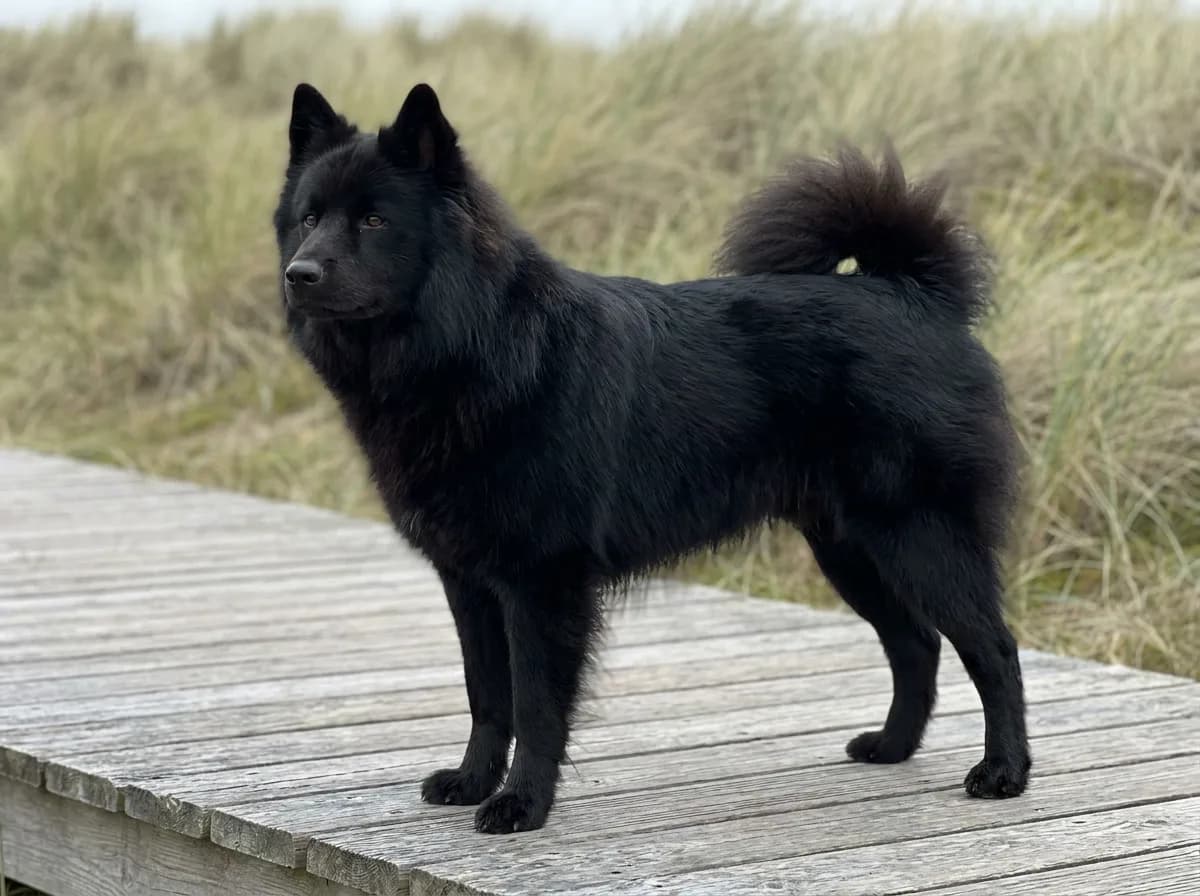
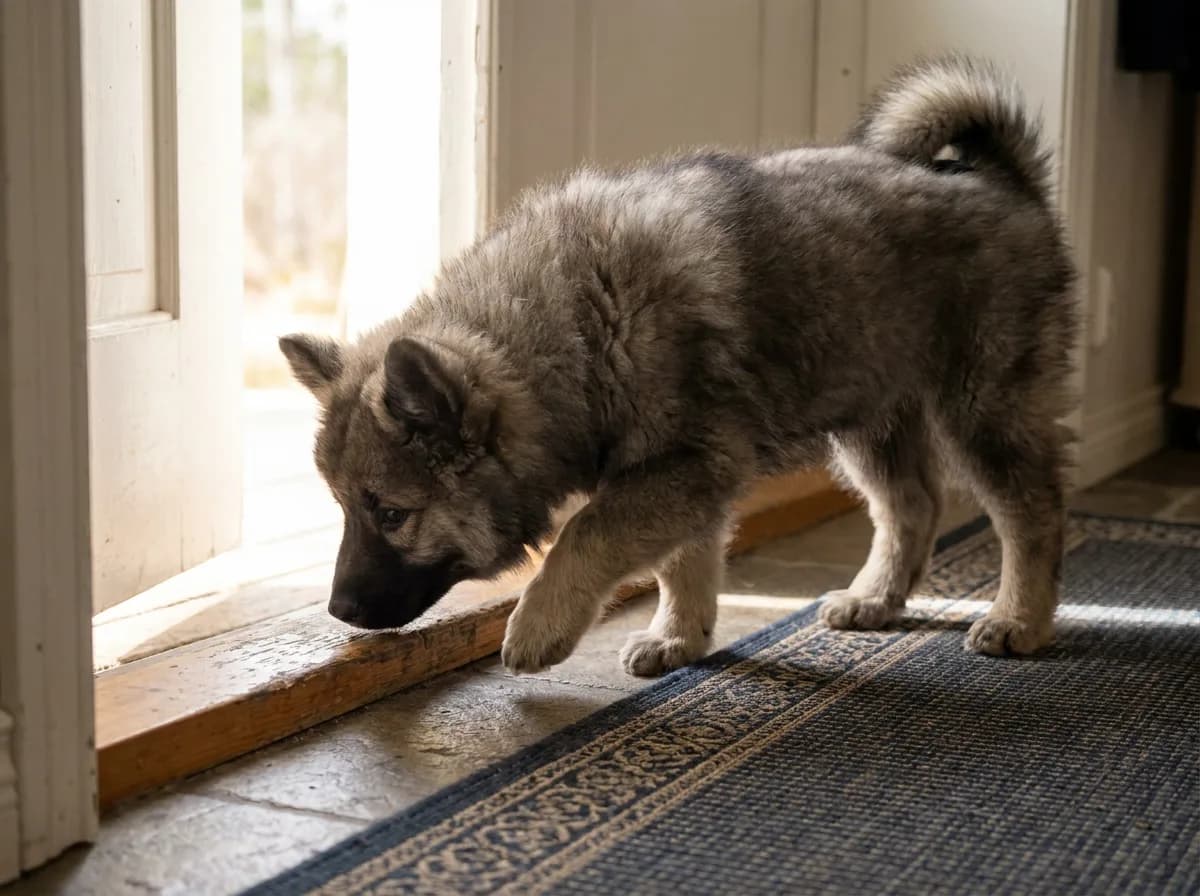
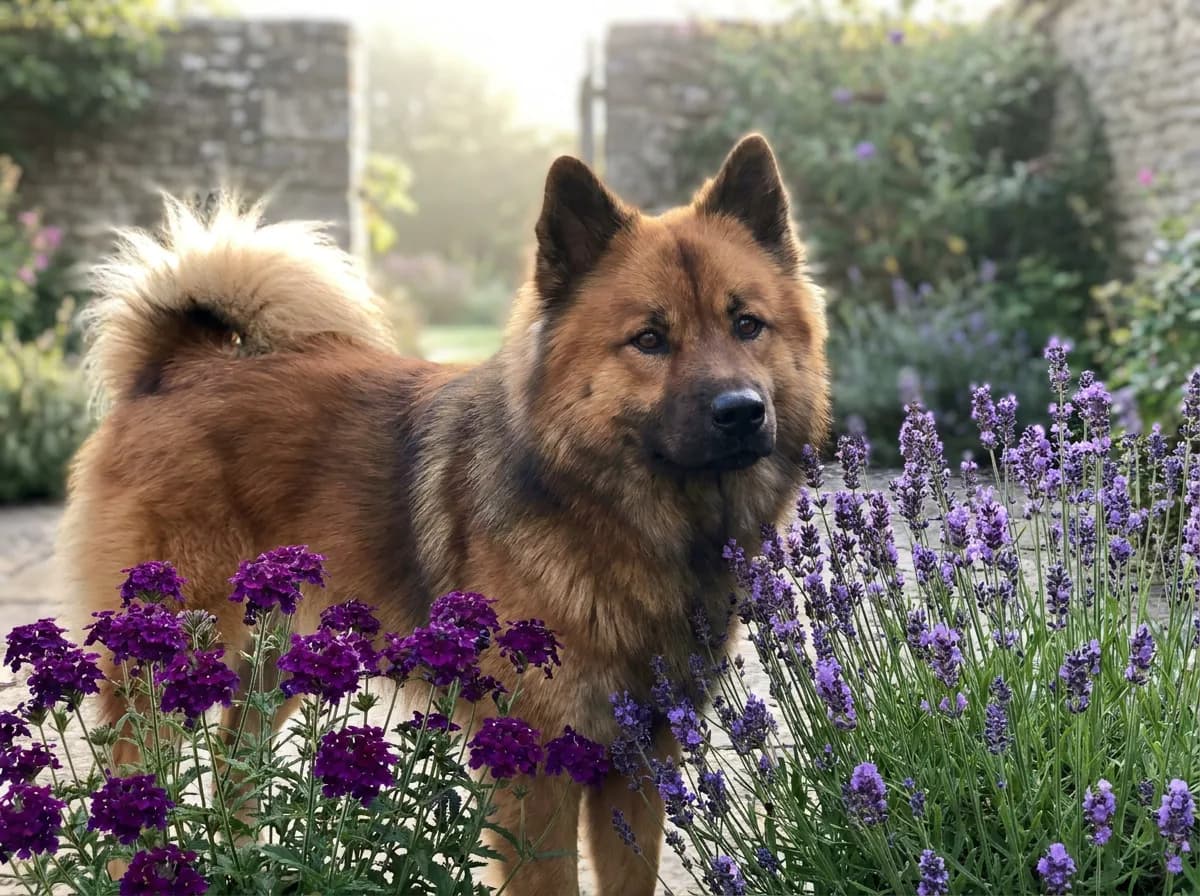
Dutch Shepherd vs Belgian Malinois: 9 Differences That Matter
Compare Dutch Shepherds and Belgian Malinois across nine differences that affect training, daily workload, sourcing, and household fit over a lifetime.
Petful is reader supported. As an affiliate of platforms like Amazon and Chewy, we may earn a commission when you buy through links on this page. There is no extra cost to you.
Dutch Shepherd vs Belgian Malinois is a close comparison on paper. Both are athletic European herding breeds with sharp working instincts, short coats, and the drive to learn complicated jobs. In daily life, however, differences in availability, handler sensitivity, coat, structure, and working style can change which dog is realistic for your home.
The best choice is not the breed that looks toughest or performs the flashiest routine. It is the dog whose individual temperament, breeding, and workload match what you can provide every day. Start with Petful's full Belgian Malinois guide if you need a baseline for the Malinois side of this comparison.

Sign up for expert-backed reviews and safety alerts all in one place.
Dutch Shepherd vs Belgian Malinois at a glance
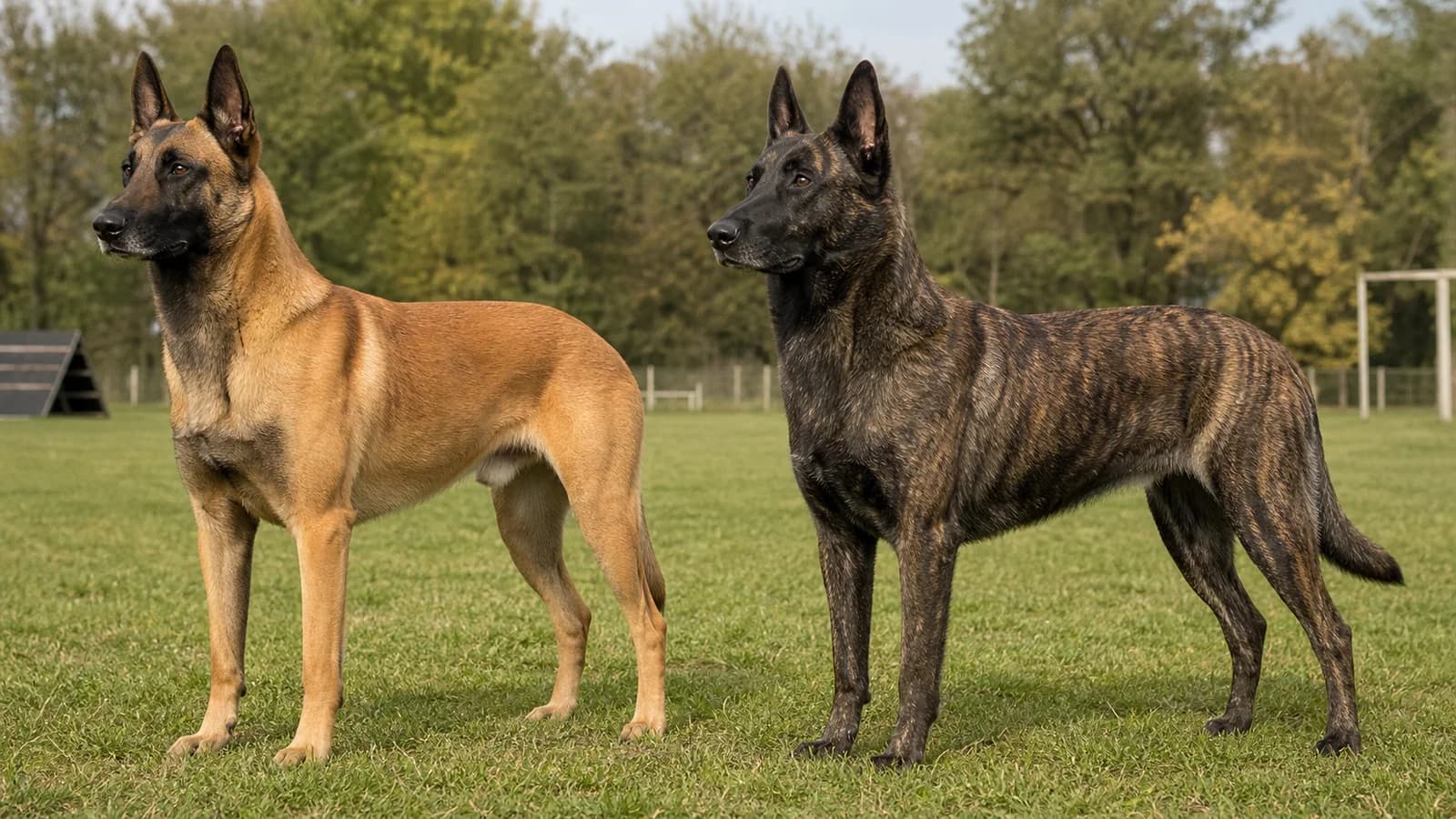
The concise summary is this: a Dutch Shepherd is usually brindle, is harder to find, and may feel slightly more adaptable in an experienced pet home. A Belgian Malinois is usually fawn to mahogany with a black mask and often brings a faster, more intense working response. That is a breed-level source boundary, not a promise about every dog. Working lines, early socialization, health, and the breeder's priorities can outweigh the label. For more, see Petful’s guide to black Belgian Malinois.
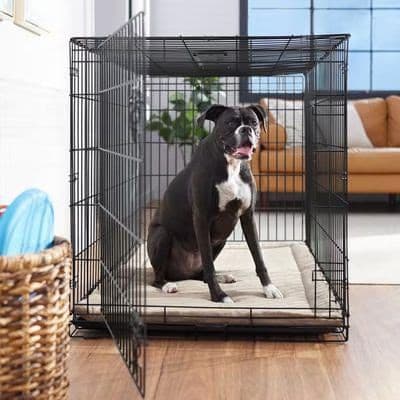
A secure rest space helps an intense young dog learn to switch off, but a crate is not a substitute for exercise or training. An appropriately sized extra-large wire dog crate can be useful for supervised crate training after you confirm the dimensions suit the individual dog.
Petful may earn a commission when you click through to Chewy, at no extra cost to you.
- 1Both breeds need an experienced handler and purposeful daily training
- 2A Dutch Shepherd is typically brindle and less common, while a Belgian Malinois is usually fawn with a black mask
- 3Choose the individual dog and breeding program for household fit, not the most dramatic working-dog image
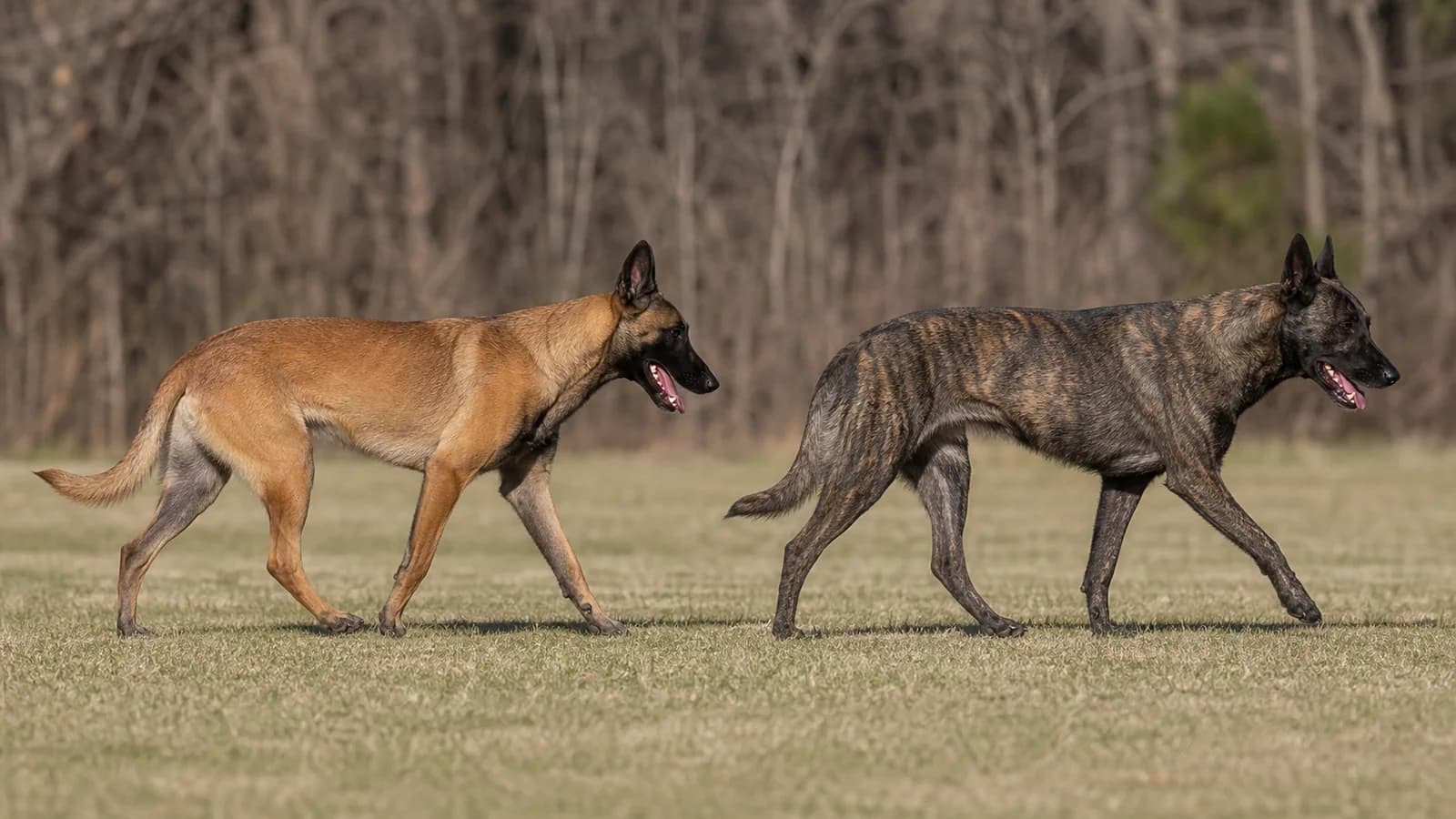
Size, temperament, training, and price differences
These nine differences form a practical method for making the reader decision. Treat each row as a starting point for questions to ask a breeder, rescue, or foster home. Breed tendencies help you screen, while the individual dog's history tells you what living together may actually feel like.
| Difference | Dutch Shepherd | Belgian Malinois |
|---|---|---|
| Origin | Netherlands, developed as an adaptable farm and herding dog | Belgium, developed as one Belgian Shepherd variety |
| Typical coat | Short, long, or rough brindle coat | Short fawn to mahogany coat, commonly with a black mask |
| Adult build | Medium-large, athletic, often slightly longer in outline | Medium-large, square and light on the feet |
| Handler style | Often responsive but may offer a little more independence | Often intensely responsive and quick to notice handler timing |
| Workload | High physical and mental workload | Very high physical and mental workload in many working lines |
| Grooming | Regular brushing, with coat-type differences | Simple short-coat care with seasonal shedding |
| Availability | Comparatively uncommon | More visible in sport, service, police, and protection circles |
| Price | Driven by health testing, line, training, and location | Driven by health testing, line, training, and location |
| Best fit | Experienced, structured home seeking a versatile worker | Experienced, structured home ready for speed, intensity, and repetition |
1. Origins and breed recognition
The Dutch Shepherd developed in the Netherlands as a versatile farm dog expected to herd, guard property, accompany livestock, and adapt to whatever work was needed. The Belgian Malinois developed in Belgium and is the short-coated Malinois variety within the broader Belgian Shepherd family under international systems.
Breed registries do not organize these dogs identically. The American Kennel Club treats the Belgian Malinois as its own breed, while the FCI places it among the Belgian Shepherd varieties. Petful's guide to the Belgian Shepherd varieties explains the Malinois, Tervuren, Laekenois, and Groenendael distinction in detail.
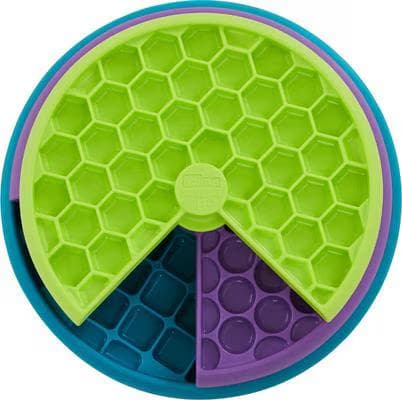
A food puzzle can turn part of a meal into calm problem-solving after active work. The Outward Hound Lickin' Layers puzzle is one existing option, but supervise its first uses and stop if the dog tries to chew the plastic.
Petful may earn a commission when you click through to Chewy, at no extra cost to you.
2. Coat color and texture
Brindle is the Dutch Shepherd's visual signature. Dark striping runs through a gold or silver base, although the pattern can look subtle at a distance. Dutch Shepherds may have short, long, or rough coats, so grooming needs differ more within the breed. For a gentle surface pass on a short coat, the Four Paws Magic Coat wet-and-dry glove and curry brush is one existing option; longer or rough coats may need a different tool.
Belgian Malinois typically have a short, straight coat with a dense undercoat. Fawn, mahogany, and black-tipped hairs are familiar, often paired with a dark mask and ears. Coat is useful for identification, but color says nothing reliable about trainability, courage, or suitability for a particular household.
3. Adult size and build
Both breeds occupy a similar medium-large range, so photographs can make them look nearly interchangeable. The Malinois standard generally describes a square, balanced dog, while the Dutch Shepherd may appear a little longer through the body. Sex, conditioning, and line still create visible variation.
Do not buy equipment from a breed-average estimate. Measure the actual dog's height, length, chest, and weight. The same-release Belgian Malinois size guide gives a fuller measuring framework for the Malinois.
4. Temperament and handler sensitivity
Both breeds can be alert, loyal, environmentally aware, and quick to react. Many Malinois working lines are exceptionally sensitive to movement, reward timing, and handler pressure. A correction that seems mild to a person can add conflict or frustration, while clear reinforcement can produce astonishing focus.
Dutch Shepherds can be equally serious workers, yet some experienced owners find a little more independence or flexibility in the average dog they meet. That is not a guarantee. Ask how the parents recover from surprise, settle after activity, handle strangers, and respond when a training problem is unclear.
5. Exercise and daily training load
Neither breed is satisfied by an occasional long walk. Most adults need a blend of aerobic movement, sniffing, obedience or sport practice, play, and recovery. More intensity is not always better. Repeating frantic ball throws can build a fitter, more aroused dog without teaching a quiet settle. For structured interactive play, the large KONG Wubba Classic gives a handler a toss-and-tug option. Use it with rules for starting, releasing, and stopping, supervise every session, and put it away if seams or fabric become damaged.
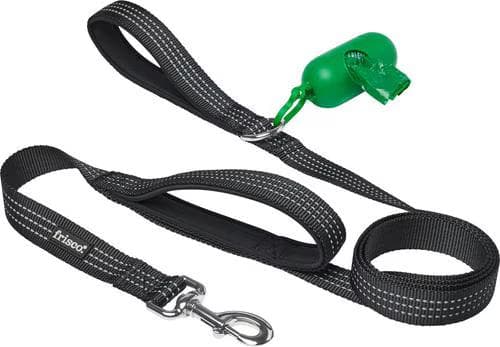
A dual-handle traffic leash gives an adult handler a standard walking length plus a closer handhold for controlled transitions. It does not replace loose-leash training, and children should not be placed in charge of either breed. A correctly fitted PetSafe Easy Walk harness is another existing walking option for a dog whose measurements fit the medium/large model. A front-clip harness is management equipment, not an automatic cure for pulling, and fit should be checked for rubbing and shoulder freedom.
Petful may earn a commission when you click through to Chewy, at no extra cost to you.
A realistic weekly time budget starts with two or three purposeful sessions most days, including lower-impact sniffing or skill work, plus planned rest. Puppies need shorter age-appropriate sessions and protection from repetitive impact. Individual needs vary, so adjust to behavior, conditioning, and veterinary guidance rather than chasing a universal minute target.
6. Training style
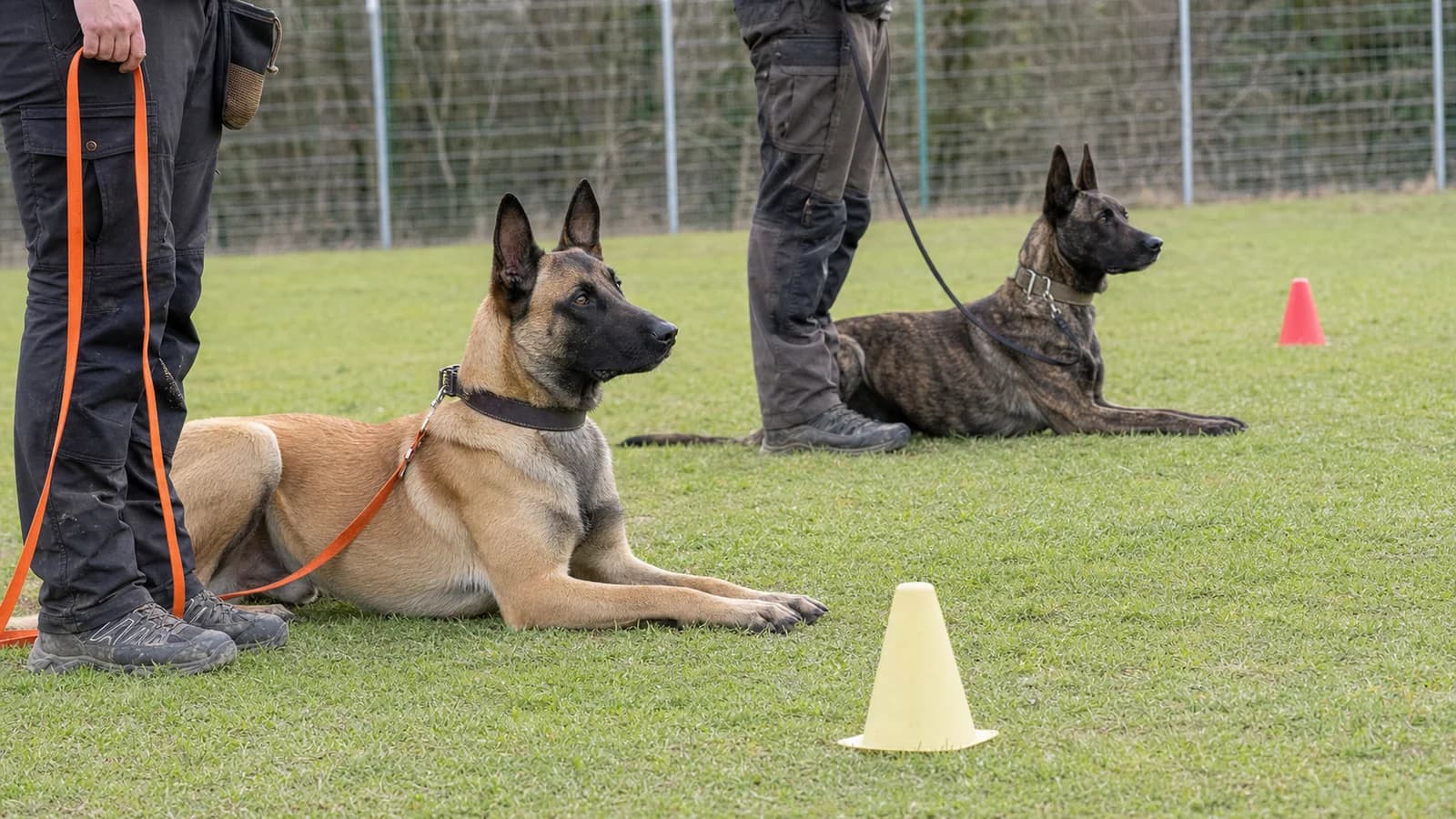
Dutch Shepherds and Malinois learn patterns quickly, including mistakes the handler did not intend to teach. Short sessions, clear criteria, and rewards the dog values usually beat endless drilling. The handler should be able to lower arousal, not merely create it.
Look for a trainer who understands working breeds without treating intimidation as expertise. Skills such as mat settling, recall, cooperative care, loose-leash walking, and leaving a toy on cue matter at home as much as flashy sport behaviors do on a field. A FurHaven orthopedic bed with a removable cover can provide a consistent settle station if its dimensions suit the dog, but the calm behavior still has to be taught and reinforced.
7. Family and pet fit
Either breed may live successfully with children or other animals when genetics, socialization, management, and the specific household align. Neither is automatically a carefree family dog. Fast movement, rough play, visitors, and inconsistent rules can be difficult for a high-drive herding dog.
Adults should supervise every dog-child interaction and give the dog a protected place to rest. Homes with cats or small dogs need an honest assessment of chase behavior. For a deeper household decision, use Petful's guide to Belgian Malinois family fit.
8. Availability and sourcing
Dutch Shepherds are less common, so buyers may travel farther or wait longer for a responsibly planned litter. The Malinois is more visible, but visibility can create a different risk: sellers may market intensity, oversized claims, or dramatic protection work without prioritizing stable nerves and everyday livability.
For either breed, request verifiable health testing appropriate to the line, meet the dam when possible, and ask why the pairing was made. A responsible breeder should be curious about your experience and should discuss mismatches openly. Rescue and foster descriptions can offer valuable owner context when the dog has already lived in a home.
9. Purchase price and lifetime cost
Dutch Shepherd vs Belgian Malinois price searches often produce broad numbers that age quickly. Location, pedigree, training, health screening, age, and proven working credentials can all change the asking price. A higher price does not automatically buy a sounder temperament, and a low price can become expensive if the dog arrives with untreated health or behavior needs.
A durable food-stuffable toy can support quiet decompression when used safely. The large KONG Classic is sized for many adult working dogs, but choose by the individual dog's mouth and chewing style, supervise use, and replace damaged rubber.

A durable rubber dog toy that can be stuffed with treats and selected by the manufacturer's size guide; supervise use and retire it when damaged.
Petful may earn a commission when you click through to Chewy, at no extra cost to you.
Compare documentation rather than headline cost. Budget for training, secure containment, veterinary care, food, travel, equipment replacement, and emergency care. The responsible choice is the dog whose full lifetime demands fit the household, not the puppy with the most persuasive sales page.
A sourcing conversation that reveals more than a puppy photo
Ask each breeder or rescue the same questions and write down the answers. What work were the parents selected to do? How do they behave after the work ends? What health results can be verified independently? What happens if the placement fails? For an adult, ask about bite history, resource guarding, separation behavior, house training, livestock or cat exposure, and reactions to unfamiliar people.
Then request an ordinary-life example. A video of a dog lying quietly while dinner is prepared may be more relevant to your home than a dramatic bite-work clip. If every answer returns to drive, power, or exclusivity, you still do not know whether the dog can recover, accept handling, and live safely through a normal week. A good source discusses both strengths and limits without pressuring you to commit.
Why Dutch Shepherds are rarer
The direct answer is that Dutch Shepherds come from a smaller global breeding population and have never achieved the same public visibility as the Belgian Malinois. Malinois appear frequently in police, military, sport, and media settings, which creates demand and supports more breeding programs. Dutch Shepherd programs remain fewer and can be geographically scattered.
That rarity is not proof of superior quality. Measured guidance is to evaluate a program's health testing, temperament goals, placement support, and owner context before treating a waitlist as a badge of excellence. A thoughtful breeder may have few litters because each match is deliberate. A scarce dog from a poor match is still a poor match.
Common challenges with Dutch Shepherds
What are the problems with Dutch Shepherds?
Common Dutch Shepherd challenges include high arousal, chase behavior, vocal or destructive boredom, suspicion without thoughtful socialization, and difficulty settling when every activity is exciting. Some dogs are forgiving; others notice every inconsistency. The breed's versatility can hide just how much structure a young working-line dog needs.
Use a clear boundary when sourcing. Ask for concrete examples of the parents living outside sport or work, not only videos of impressive performance. Request health documents, discuss return support, and observe recovery after a surprise. Choosing a dog for brindle color alone is not a responsible choice.
Those challenges are not a verdict on every Dutch Shepherd. They are screening questions. Ask how often the dog practices doing nothing, what happens after a startling sound, whether play stops cleanly on cue, and how the dog behaves when a familiar handler leaves. Specific ordinary-life answers reveal more than labels such as stable, social, or high drive. If the source cannot describe recovery and rest, the household is being asked to accept uncertainty without useful context.
How the Dutch comparison differs from Belgian Malinois vs German Shepherd
Adding the German Shepherd changes the question because it introduces a generally larger, more familiar breed with its own structure, health, coat, and working-line variation. This page owns only the Dutch Shepherd and Malinois decision. Petful's separate Belgian Malinois vs German Shepherd comparison covers that pairing and is the right place for three-way search intent.
The useful summary is that all three names contain wide line-to-line variation. Do not assume a German Shepherd is automatically easier, or that a Dutch Shepherd sits neatly between the other two. Compare the actual breeding goals, adults, and household history.
Which breed fits your life?
Choose a Dutch Shepherd if you have substantial training experience, can find a transparent program, and want a rare, versatile working dog without assuming "rarer" means easier. Choose a Belgian Malinois if you understand high handler sensitivity and can provide structured work, recovery, and management every day.
Before making the breed decision, write down three household limits:
- The amount of structured training and exercise you can provide on an ordinary workday.
- The behaviors your home cannot safely absorb, including uncontrolled chasing, dog conflict, or difficulty settling.
- The professional support, secure containment, and lifetime care budget you can maintain.
- A first-time owner should not choose either breed because of appearance or online working clips. Some individuals can fit exceptional, well-supported homes, but both breeds demand skilled handling, structured work, and a plan for teaching calm behavior.
Before committing, write down how the dog will spend a normal Tuesday, not an ideal Saturday. Include training, work hours, visitors, children, other pets, travel, rest, and backup care. Then ask the breeder or rescue to challenge the plan. The better match is the dog whose ordinary day you can meet consistently.
Use a three-day reality check before saying yes. On day one, log the time you already spend away from home. On day two, identify who can safely handle the dog if you are sick or traveling. On day three, price a qualified trainer, secure fencing or apartment management, routine veterinary care, and emergency savings. If the plan depends on every week being perfect, the match is too fragile. A strong placement still works when weather, work, or family demands disrupt the ideal routine.
Frequently asked questions about Dutch Shepherds and Belgian Malinois
No. They are separate breeds that developed in neighboring European countries for herding and other working roles. They share an athletic outline and may come from intense working lines, but their breed histories, coat standards, and registry classifications differ. Individual temperament and breeding goals can still create more variation within either breed than a simple label suggests.
There is no automatic easier choice. Some experienced pet owners find a thoughtfully bred Dutch Shepherd a little more adaptable, while others prefer the intense responsiveness of a Malinois. Compare the parents' ability to settle, the dog's recovery after stress, your daily training plan, and the recovery time you can protect after hard activity.
It is possible for the right individual with a highly committed owner, but floor space is not the main issue. An apartment dog still needs structured exercise, daily training, careful hallway and elevator manners, noise management, and a reliable quiet settle. A yard cannot replace those skills, and an apartment does not create them.
Their adult ranges overlap substantially, so neither breed is always bigger. Sex, frame, conditioning, and bloodline can matter more than the breed name when two individual dogs are compared. Use measured height and weight rather than photographs, then size crates, beds, harnesses, and vehicle space for the actual dog.
Some experienced handlers describe certain Dutch Shepherd lines as a little more independent or easier to settle, but that is not a dependable breed guarantee. Both breeds include very intense working dogs. Ask about the parents' recovery after excitement, behavior inside the home, response to frustration, and ability to rest, then evaluate the individual dog rather than buying an expected off switch.
Both shed, but coat type changes the comparison. A short-coated Dutch Shepherd and a Belgian Malinois may have similar routine care, while long- or rough-coated Dutch Shepherds have different brushing needs. Seasonal coat blows can increase loose undercoat in either breed. Meet the actual dog, inspect the coat, and choose grooming tools for its texture rather than relying on a breed-wide winner.
Usually neither is a forgiving first choice. Both can learn quickly, react quickly, and need structured training, exercise, recovery, and management. An exceptional first-time owner with strong professional support may succeed with a carefully matched individual, but appearance or online working clips are poor reasons to take that risk. Experience with ordinary household behavior matters as much as enthusiasm.
There is no stable winner because purchase price changes with location, health testing, pedigree, age, training, and working credentials. Dutch Shepherd scarcity can raise travel or wait costs, while trained Malinois can carry high prices. Compare lifetime expenses for training, containment, veterinary care, food, travel, and equipment instead of treating the puppy price as the full cost.

Coreen Saito is a pet writer and longtime shelter volunteer with more than a decade in animal rescue. She covers cat behavior, breed care, and the small, ordinary science of sharing a life with companion animals, with a particular focus on honest takes about the products and decisions that actually matter. At home in Arizona, she's outranked by Mac (a dog with the loudest opinion in the house), Rebel (a cat who governs by quiet authority), and Meri (an orange tabby who runs the late shift and the laundry basket). She writes about all three, plus the rescues that keep coming through her life, at LifeWithMinty.com.
Sign up for expert-backed reviews and safety alerts all in one place.