Pomeranian Lifespan and Health: What Owners Should Know
Pomeranian Lifespan and Health: What Owners Should Know with evidence-based guidance on daily fit, care, costs, training, grooming, health, and the individual decisions that matter most.

BVMS, MRCVS

Petful is reader supported. As an affiliate of platforms like Amazon and Chewy, we may earn a commission when you buy through links on this page. There is no extra cost to you.
A Pomeranian lifespan is commonly described as a range in the low-to-mid teens, but a breed average cannot predict one dog's future. Genetics, early care, body condition, dental health, injury prevention, veterinary access, and chance all matter. The useful question is not how to guarantee a certain birthday. It is how to protect comfort and function through every life stage.
This guide separates population-level context from decisions for an individual dog. It covers screening, common areas to monitor, preventive care, healthy aging, and urgent changes. It does not diagnose symptoms or promise that a dog without visible problems is free of disease.

Sign up for expert-backed reviews and safety alerts all in one place.
Pomeranian lifespan: the evidence-based range
- 1Record the source and date of any lifespan figure.
- 2Avoid promises about one puppy.
- 3Track function as well as age.
- 4Pomeranian-focused planning commonly includes kneecaps, heart, eyes, collapsing trachea, teeth, coat loss, thyroid function, neurologic signs, weight, and safe handling.
Can Pomeranians live to 20? An individual may be reported to reach an unusually advanced age, but 20 should be treated as an exceptional anecdote, not a normal expectation or a promise attached to a puppy. Claims about the longest-lived Pomeranian are difficult to verify consistently because public stories rarely provide complete identity and veterinary records. Plan for a long life while keeping the budget and care plan flexible.
Is 13 old for a Pomeranian? Thirteen is a senior age, but the number alone does not describe quality of life. A 13-year-old who eats comfortably, moves willingly, sleeps well, interacts normally, and maintains continence has different needs from a younger dog with serious disease. Track changes from that dog's baseline instead of assuming every symptom is “just age.”
Mortality rankings from different populations are not interchangeable, and a social-media list can hide how its data were collected. Ask the veterinarian which risks are most relevant to the dog's age, history, examination, and location. The Orthopedic Foundation for Animals is useful for understanding health-screening programs, but screening data and mortality data answer different questions.

Petful may earn a commission when you click through to Chewy, at no extra cost to you.
How to use a lifespan statistic
Check what the number actually represents before applying it. A median, an average, an insurance-claim sample, a veterinary-record study, and an owner survey can produce different answers even when all are reported honestly. Look for the population, dates, number of dogs, country, and whether the study includes dogs with incomplete records. A single kennel, memorial page, or list of celebrity pets cannot establish a breed-wide life expectancy.
Use a range to plan finances and senior support, not to schedule an ending. At every examination, ask what has changed in the individual dog's risk and function. A normal breed range should never be used to dismiss illness in a younger dog or to deny useful care to an older one. Calendar age is context; current comfort, diagnosis, response to treatment, and daily function drive the decision.
 Sponsored
Have a health question about your pet?
Talk to a licensed vet at Dutch over video or message, including nights and weekends.
Use code Pets30
Plans start at $11/month · covers up to 5 pets
- Licensed vets in most states
- Rx for 150+ conditions
- 4.7 on Trustpilot
What influences longevity
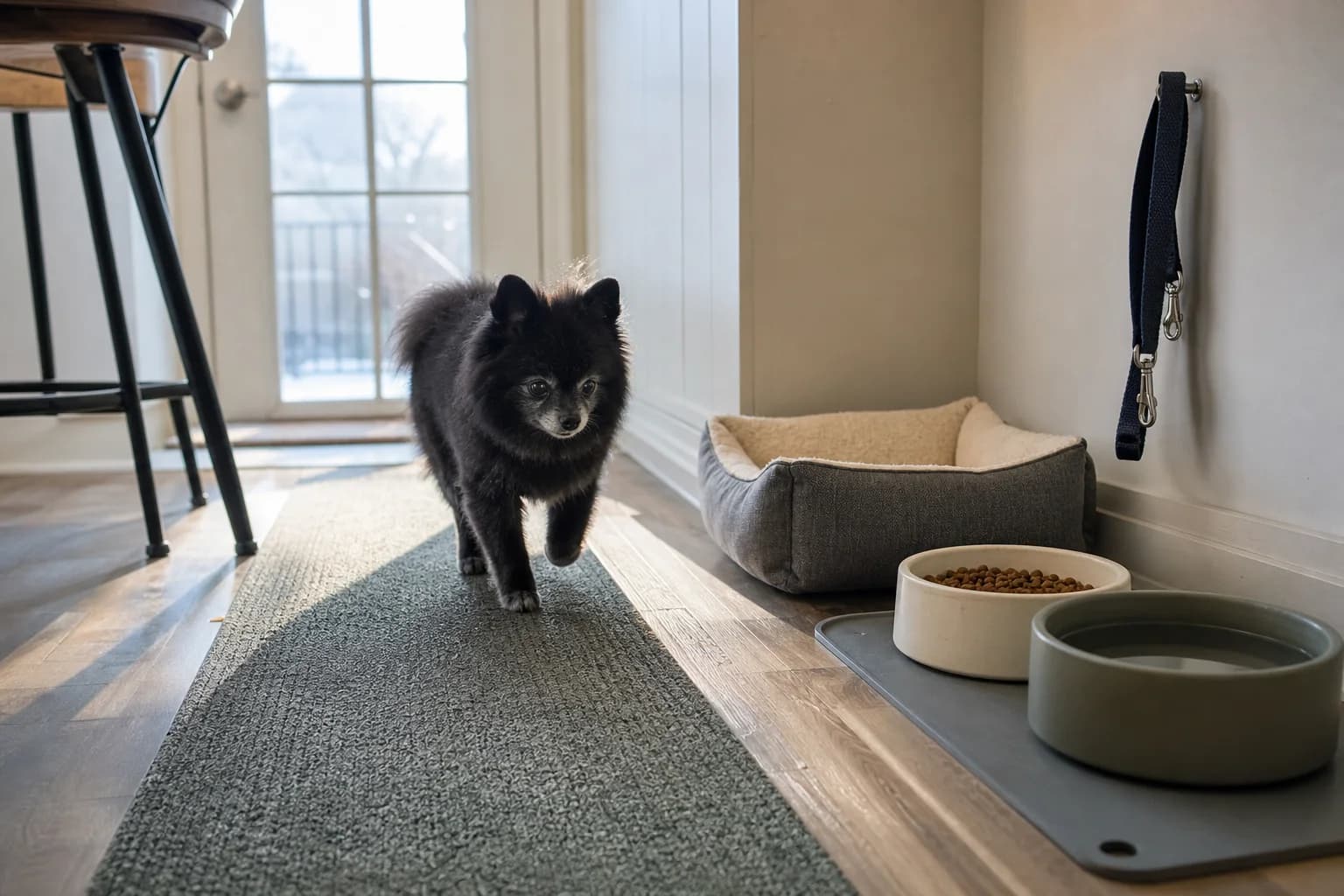
Longevity is shaped by factors an owner can influence and factors no owner controls. Responsible sourcing and relevant parent screening can reduce some avoidable uncertainty, but they cannot guarantee a disease-free dog. After placement, consistent preventive care, a lean body condition, safe exercise, dental care, and early attention to changes may protect function or allow treatment sooner.
Toy-breed safety matters throughout life. Falls from furniture, being stepped on, rough play with a much larger dog, and unsafe restraint can cause serious injury. Use secure transport, supervise interactions, add nonslip footing, and teach children to sit for calm contact. Do not let the dog's confidence disguise physical fragility. For ordinary close-control walks and safe transitions, compare the Frisco Traffic Leash with Dual Padded Handles by hardware, handle comfort, and the dog's strength; equipment does not replace door and gate habits.
Daily records are most useful when they are simple enough to maintain. Once a month, note:
- Weight and body-condition trend using the veterinarian's method.
- Appetite, thirst, stool, urination, and medication changes.
- Willingness to walk, climb, jump, play, and settle.
- Coughing, breathing noise, exercise recovery, or fainting.
- Dental odor, chewing changes, eye comfort, skin, and coat.
- New fear, confusion, irritability, isolation, or sleep disruption.
The AKC Pomeranian overview provides breed context, while the individual record shows what is changing now. A Petlibro Stainless Steel Dog and Cat Fountain may suit a dog who drinks comfortably from it, but measure actual intake when the veterinarian requests monitoring. A Jasper 360 Dog Finger Toothbrush and Storage Case is one dental tool to compare only if its size and handling method are comfortable for the dog.
Build an age-based care file
Keep the dog's identification, source records, screening results, vaccine history, laboratory results, imaging reports, dental procedures, medications, allergies, and insurance documents in one place. Add a one-page summary with current diagnoses and doses. The file should travel with the dog when a new clinic, sitter, or emergency hospital needs accurate information.
At the puppy and young-adult stages, emphasize safe development, handling skills, dental habits, and baseline findings. In mature adulthood, compare weight, dental status, heart and airway findings, mobility, eyes, skin, and behavior with prior visits. In the senior years, ask whether the examination and monitoring interval should change. This is not a rigid schedule. It is a prompt to notice that prevention and support need to evolve before a crisis forces the issue.
Include household capacity in the file. Record who can administer medication, who provides transport, where the carrier is stored, and which clinic is open after hours. A medical recommendation is only useful when the family can carry it out reliably. If a plan is too complex, ask the veterinary team to prioritize and demonstrate the steps.
Health screening before breeding
Searches for toy Pomeranian health problems often use “toy” as an informal size label, but the Pomeranian is already a toy breed and extra-small marketing terms do not create a separate health category. Ask for the same current breed-specific parent screening, identity records, veterinary documentation, and honest discussion of size-related risk. A tiny advertised weight is not a clearance, and screening results do not diagnose the puppy or adult in front of you.
| Evidence for this toy-spitz health-planning guide | What to record for health | What changes the health plan |
|---|---|---|
| Current Pomeranian observation | Date, setting, and exact behavior or measurement | A repeatable trend rather than one event |
| Professional health evidence | Named test, examination, record, or qualification | A revised risk assessment |
| Household capacity | Time, cost, supervision, and skill | A plan that works on ordinary weekdays |
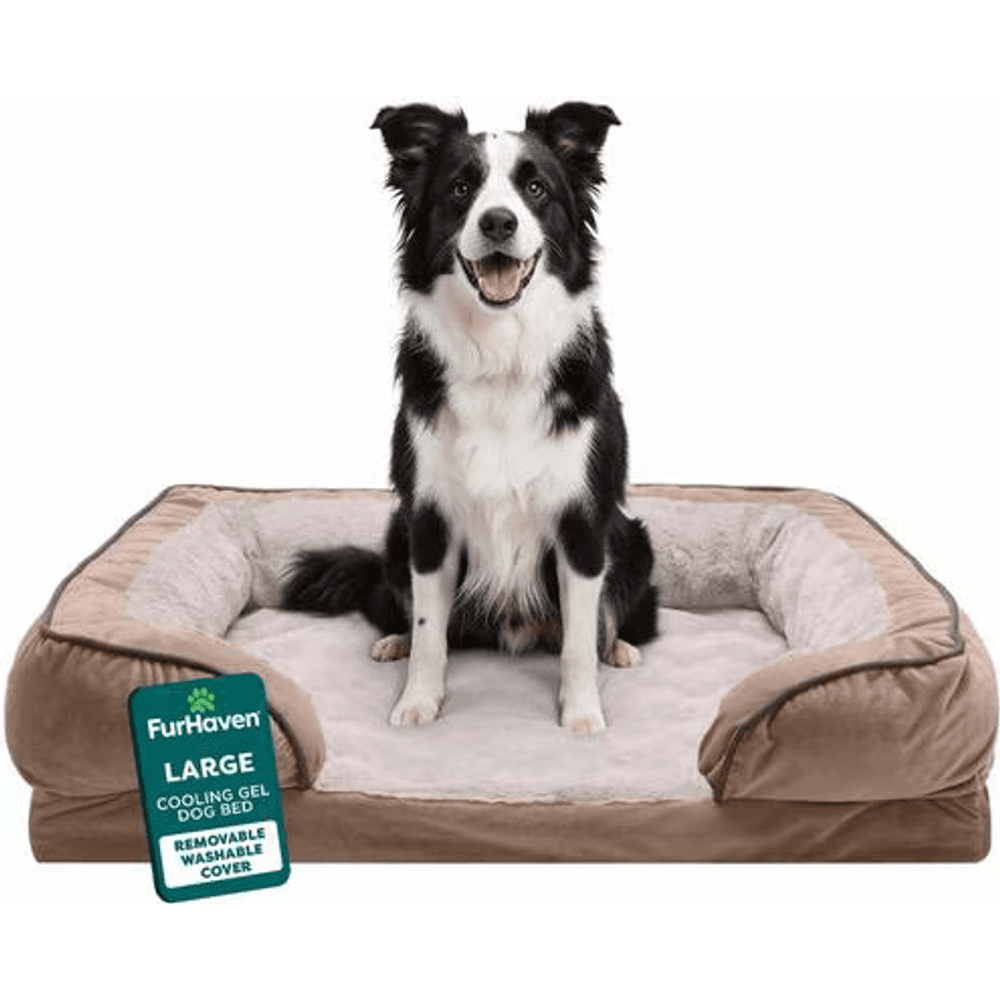
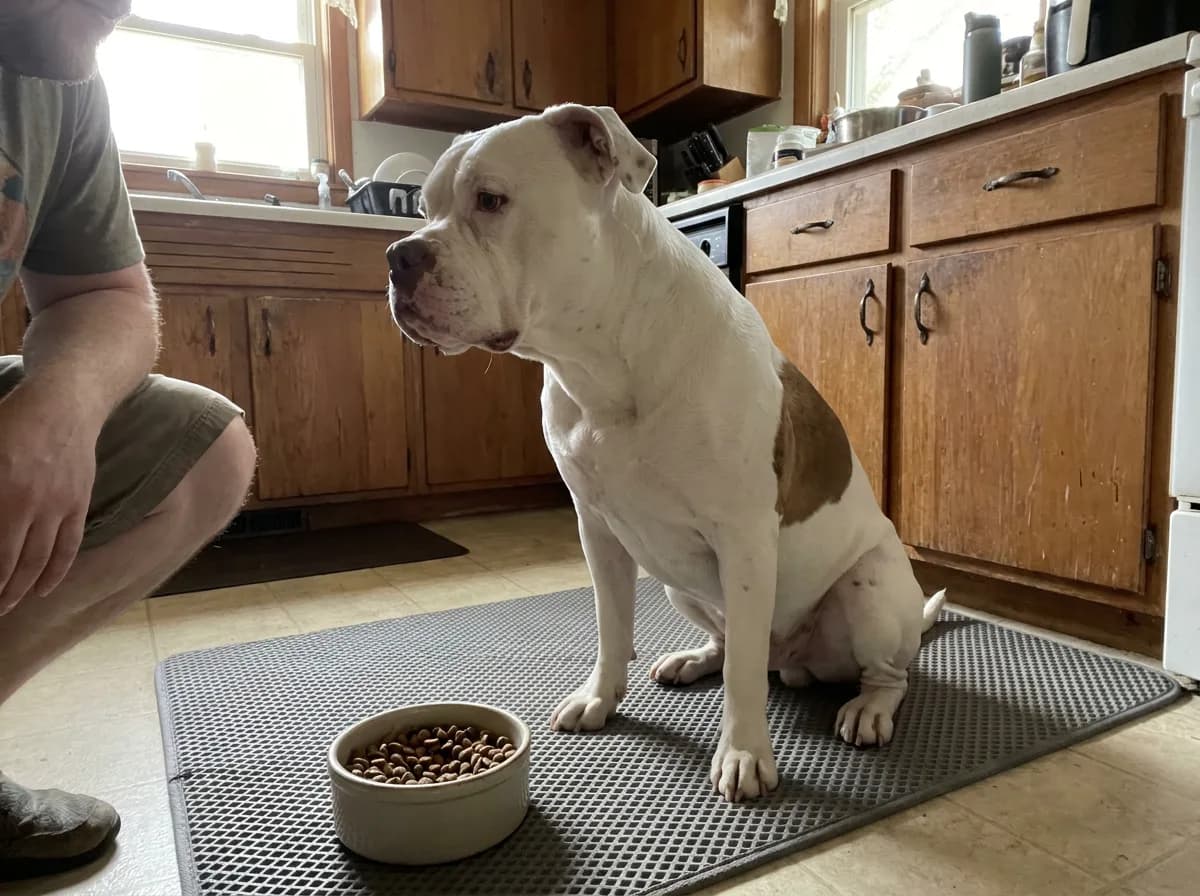
An orthopedic sofa bed with three bolstered sides for dogs who like to rest their head and joints against a cushion. The supportive foam base cradles hips and elbows, a comforting spot for an older or shaky dog to settle.
Petful may earn a commission when you click through to Chewy, at no extra cost to you.
Health screening is testing or evaluation performed for a named purpose, not a claim that a dog “has been vet checked.” The OFA breed health screening resources explain how participating breed programs identify recommended evaluations and how results may be recorded. Requirements can change, so verify the current program rather than relying on an old checklist in an advertisement.
Ask for the registered names or permanent identifiers of both parents and look up the actual results. A screenshot cropped away from identity is not equivalent to a matching database record. Learn which evaluations were completed, at what age, by whom, and whether a preliminary result is being presented as final. If a test was not performed, record it as missing rather than assuming the dog passed.
Screening improves a breeding decision when results influence mate selection and when breeders track health beyond puppy pickup. It does not cover every possible condition, and a clear DNA panel cannot replace orthopedic, cardiac, eye, or other clinical evaluations when those are relevant. Consumer DNA products and breeder screening programs also serve different purposes.
Verify timing and interpretation
The timing and examiner matter. Some findings can be assessed only after a minimum age or require a specialist's evaluation. A result from one life stage may not answer a different question years later. Confirm that the test name, result, date, dog identity, and examining body match the claim. “Parents are healthy” and “our veterinarian has never found a problem” are reassuring statements, but neither is a substitute for named screening results.
Also ask what the breeder did with the information. Testing every dog but breeding without regard to results is not the same as a health program. Responsible decisions consider the whole dog and genetic diversity, so a single imperfect result does not automatically explain the correct match. The buyer's role is to verify the process and understand the residual uncertainty, not to make breeding decisions from one database row.
Questions for a breeder should include:
- Which current Pomeranian screening recommendations were followed for each parent?
- Where can the original results be verified independently?
- What health concerns have appeared in close relatives and previous litters?
- What support and return commitment applies if a problem develops?
- How are puppies identified and matched to their individual records?
Eyes, joints, and mobility

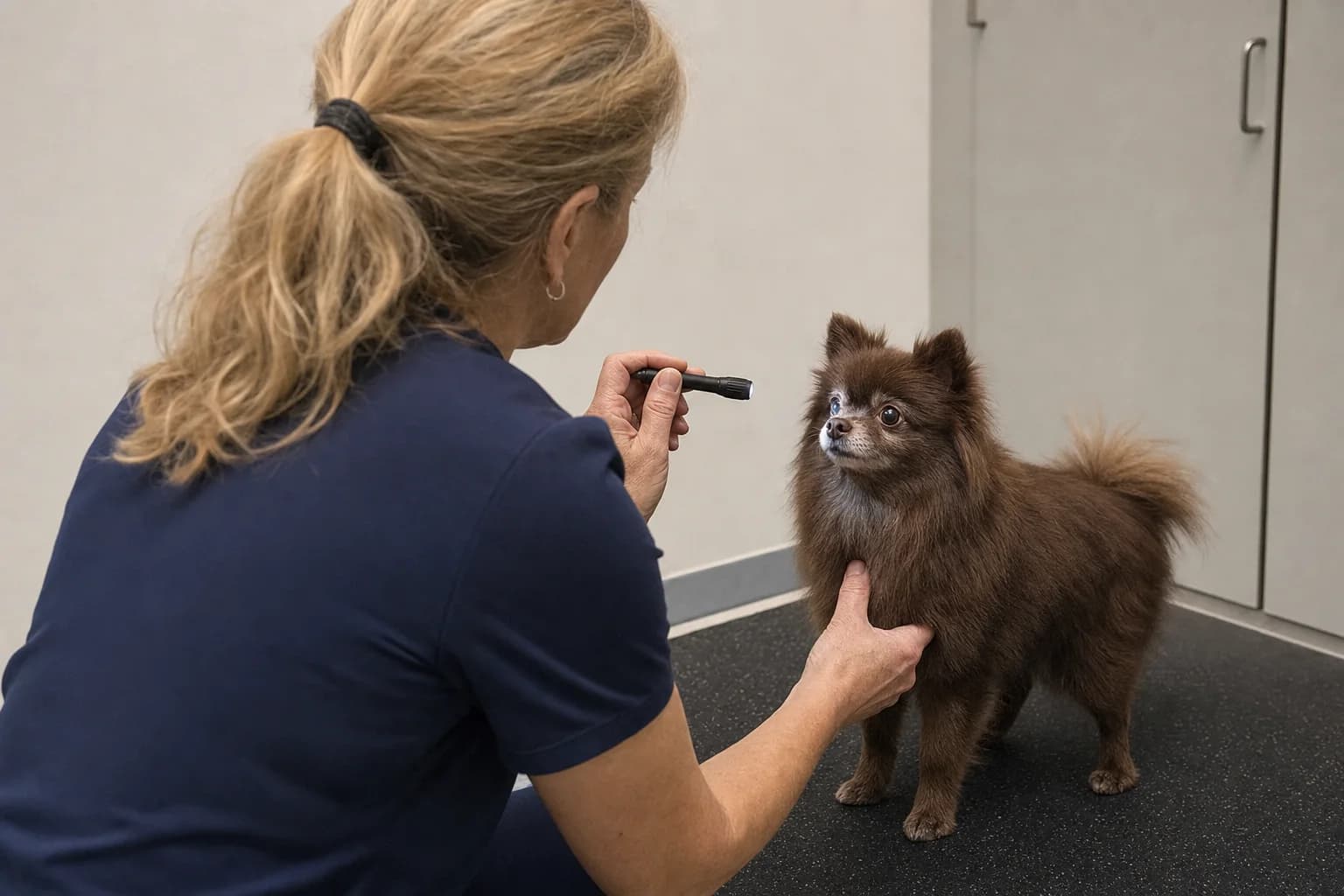
Eye comfort can change quickly. Squinting, redness, discharge, cloudiness, rubbing, a suddenly enlarged-looking eye, or difficulty navigating needs veterinary advice. Do not use a leftover eye medication because some products can worsen particular injuries. Photograph visible change in neutral light, but do not delay an examination while trying to capture a perfect image.
Pomeranian mobility planning often includes attention to the kneecaps as well as injury prevention. Skipping, briefly carrying a rear leg, reluctance to jump, stiffness after rest, and a changed gait are observations, not diagnoses. Record which leg, when it happens, how long it lasts, and whether pain, swelling, or trauma is present. A veterinary examination is needed to determine the cause and appropriate activity.
Protect movement without removing all activity. Keep nails and paw hair managed for traction, use nonslip runners on slick routes, block unsafe jumps, and provide a ramp or low step only when the dog uses it confidently. Maintain controlled walks and strength within veterinary guidance. Repeatedly carrying a dog who can walk comfortably may reduce normal activity, while forcing exercise through pain can worsen a problem.

304 food-grade stainless steel pet water fountain, 101 oz. The circulating, filtered water encourages cats to drink more, which supports urinary tract and kidney health.
Petful may earn a commission when you click through to Chewy, at no extra cost to you.
Compare mobility consistently
Compare performance under similar conditions. A longer walk on a hot day is not equivalent to a short morning route, and hesitation on a slick floor may disappear on a rug. Video the dog walking toward, away from, and across the camera on a safe level surface when the veterinarian requests it. Do not manipulate a kneecap, repeatedly flex a painful joint, or stage a jump for the video.
Mobility aids need a success criterion. A ramp helps only if its slope, surface, width, and location let the dog use it without fear. A bed helps only if the dog can enter, turn, rise, and leave comfortably. Reassess aids when vision, confidence, strength, or coat length changes. A tool that worked last year can become an obstacle later.
Watch function through ordinary tasks:
- Rising from bed and turning without slipping.
- Walking on several safe surfaces.
- Toileting posture and balance.
- Stepping over a low threshold.
- Recovering after a normal walk.
- Accepting gentle handling of feet and limbs.
Skin, coat, and allergy concerns
A thick coat can hide redness, sores, parasites, and localized hair loss. Part the hair to the skin during grooming and note symmetry, broken hairs, scale, odor, oiliness, and discomfort. Seasonal undercoat release should not create inflamed skin or sharply bald patches. Petful's Pomeranian shedding guide explains normal coat maintenance and when shedding stops looking routine.
Itching and coat loss can have many causes, including parasites, infection, allergy, hormonal disease, friction, self-trauma, medication effects, and breed-associated coat disorders. Similar-looking patterns may need different treatments. Avoid switching foods, adding supplements, applying essential oils, and changing shampoos all at once. Multiple simultaneous changes make the response impossible to interpret and may irritate the skin further.
Bring the veterinarian a dated timeline, photographs taken in consistent light, parasite-prevention history, grooming products, diet and treat list, medications, and whether other animals or people in the home are itchy. Follow diagnostic and treatment steps long enough to evaluate them unless the dog worsens or the veterinarian advises a change.
Measure treatment response
When a treatment trial is prescribed, ask what improvement should look like and when it should appear. Record itch frequency, sleep disruption, lesion size, odor, and new hair growth rather than judging only whether the coat looks prettier. Give medications exactly as directed and report adverse effects. Stopping early when the surface improves can allow some problems to return, while continuing an ineffective product without review wastes time.
Grooming should adapt during evaluation. Use clean tools, avoid fragranced products not approved for the plan, and keep sessions short enough to inspect the skin without abrading it. Wash bedding and manage parasites as directed, but do not assume household cleaning alone treats the underlying cause.
An Embark Breed and Health Dog DNA Test Kit can provide the specific information described in its current documentation, but it cannot diagnose an active skin problem or replace veterinary screening. A FurHaven Velvet Waves Orthopedic Sofa Cat and Dog Bed may provide a washable resting surface if its dimensions and materials suit the dog; laundering bedding is supportive hygiene, not treatment for unexplained hair loss.
Dental, heart, and airway care
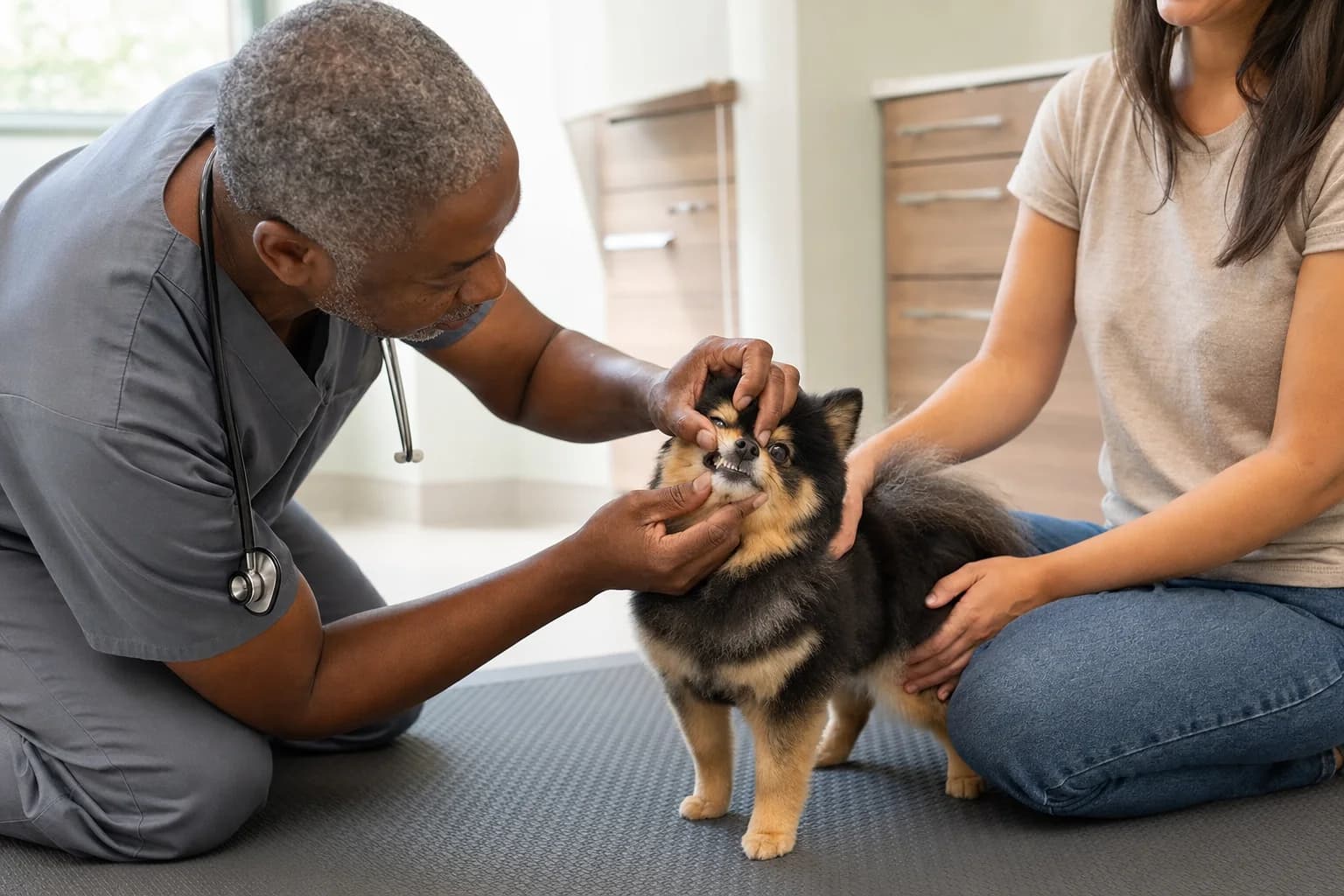
Small mouths can crowd teeth, and visible tartar is only part of dental health. Bad breath, red or bleeding gums, dropping food, chewing on one side, facial swelling, pawing at the mouth, or reluctance to eat deserves veterinary attention. Build cooperative tooth brushing with dog-safe toothpaste and short sessions, but understand that home care cannot remove disease below the gumline. Once handling is comfortable, compare a dog-safe product such as Virbac C.E.T. Enzymatic Dog & Cat Toothpaste by ingredients and veterinary guidance. An optional product such as DentaLife Daily Oral Care Small/Medium Adult Dental Dog Treats should be counted in daily calories and does not replace brushing or professional care.
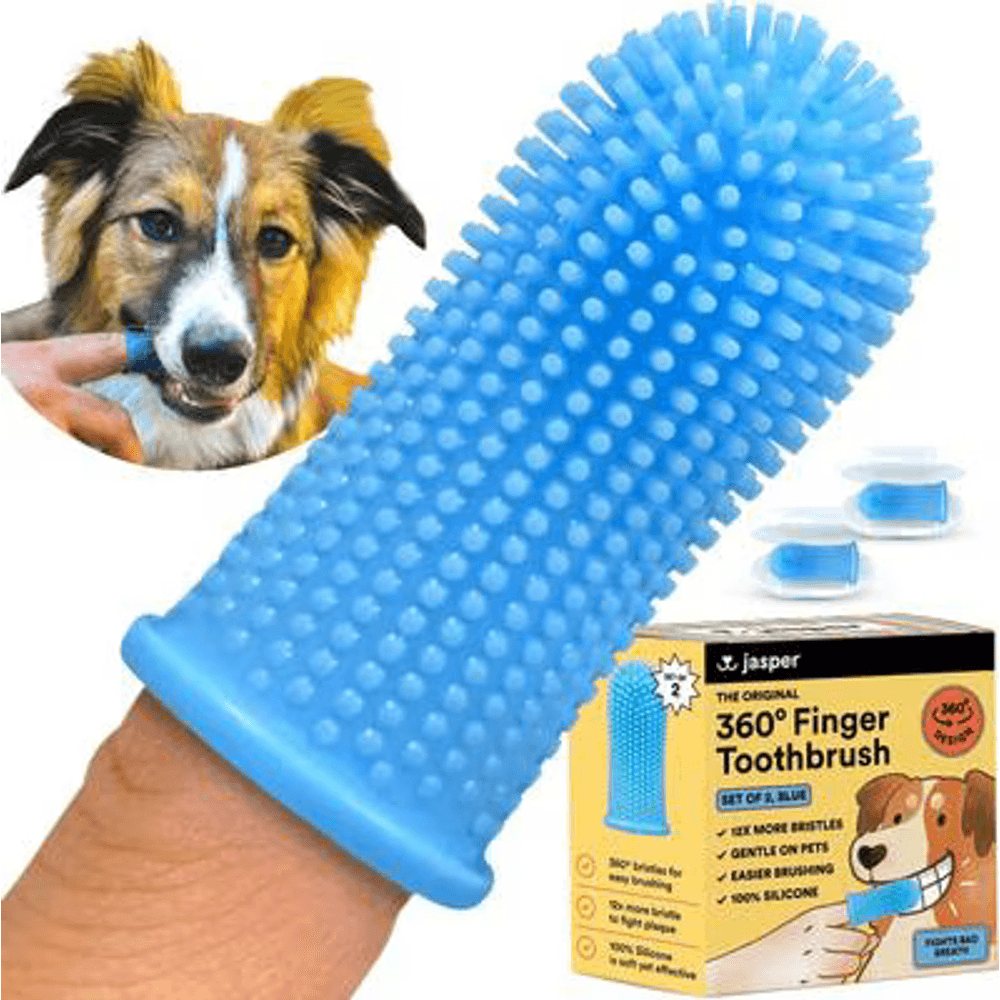
A 360-degree silicone finger toothbrush that brushes every side of a tooth at once. Gentle on gums and ideal for dogs new to brushing or owners who find a handled brush awkward.
Petful may earn a commission when you click through to Chewy, at no extra cost to you.
Ask the veterinarian to listen to the heart and lungs at routine visits and to explain any murmur, rhythm change, or breathing concern in plain language. A murmur is a finding, not a complete diagnosis. The next step may depend on age, grade, symptoms, and additional testing. Track resting or sleeping respiratory rate only if the veterinary team gives a method and action threshold.
Coughing, gagging, noisy breathing, reduced stamina, or distress can have more than one cause. Avoid pressure on the neck, keep the dog cool, and seek veterinary guidance rather than assuming every cough is a collapsing trachea. A harness may reduce leash pressure, but it does not treat airway disease. Emergency breathing signs are covered below.
 Sponsored
Vet care that's always there
Unlimited video calls and messaging with licensed vets for less than a typical vet visit. One membership covers up to five pets.
Use code Pets30
Plans start at $11/month · covers up to 5 pets
- Licensed vets in most states
- Rx for 150+ conditions
- 4.7 on Trustpilot
Establish a useful baseline
Establish normal before symptoms appear. Notice how the dog breathes while sleeping, how quickly normal activity is recovered from, and whether meals are chewed comfortably. That baseline makes a true change easier to describe. Do not repeatedly wake the dog to count breaths or interpret a rate without the veterinary team's instructions. Stress, heat, dreaming, recent activity, and pain can alter what an owner sees.
Dental plans should specify home care, professional assessment, and the trigger for reevaluation. Products that merely mask odor can delay recognition of disease. Heart and airway plans should specify which symptoms require a normal appointment, a same-day call, or emergency care. Ask the veterinarian to write those thresholds down because they are difficult to remember during a frightening episode.
For dental and cardiopulmonary visits, bring:
- A current medication and supplement list.
- A short video of intermittent coughing, gait, or breathing noise.
- The time, trigger, duration, and recovery for each episode.
- Appetite, sleep, exercise, and weight changes.
- Questions about what finding is confirmed and what remains uncertain.
Weight, nutrition, and preventive care
Body condition matters more than a fashionable number on the scale. A dense coat can hide ribs and waist, so ask the veterinary team to demonstrate a hands-on body-condition check. Weigh the dog on the same scale when practical and investigate a persistent trend rather than celebrating unexplained loss or dismissing gradual gain.
Feed a complete diet appropriate to life stage and the dog's medical needs. Measure portions, count training rewards, and adjust based on body-condition trend with veterinary guidance. Supplements can add calories, interact with treatment, or unbalance a diet. A product marketed for joints, coat, immunity, or longevity should not be added simply because the breed appears on the label.
Preventive care is a calendar, not one annual event. It may include examinations, vaccines selected for lifestyle and local risk, parasite prevention, dental assessment, laboratory monitoring, reproductive care, and screening prompted by age or history. Keep the records together and note when the next decision is due.
Quarterly home review
- Confirm identification and emergency contacts.
- Recheck harness, carrier, gates, ramps, and nonslip surfaces.
- Review food amount, body condition, and treat calories.
- Update medication refills and preventive-care dates.
- Test the route and transport plan for urgent care.
- Schedule professional help before a small problem becomes a crisis.
Medication review belongs on that calendar. Keep the current dose, purpose, prescriber, start date, refill timing, and observed effects together. Ask before combining prescriptions with supplements or over-the-counter products. A product described as natural can still add calories, change laboratory results, interact with treatment, or create adverse effects.
Preventive plans should change when circumstances change. A move can alter parasite and infectious-disease exposure. Boarding or travel can affect vaccine decisions. A new diagnosis can change food, exercise, dental, or anesthetic planning. Tell the veterinary team about the real environment rather than following last year's plan automatically.
Monitor what the dog can do between appointments. A normal examination months ago does not make a new cough, painful mouth, gait change, or confusion safe to ignore. Preventive care and symptom-driven care work together; one does not replace the other.
Healthy aging at home

Healthy aging means adapting the environment while preserving choice and normal engagement. Senior dogs may need warmer bedding, more frequent toilet trips, shorter but regular walks, nonslip paths, lower access points, easier food presentation, and gentler grooming sessions. Introduce changes before a fall or painful struggle makes them urgent.
Measure quality of life through several domains rather than one good meal or one difficult morning. Track comfort, appetite, hydration, hygiene, mobility, sleep, elimination, social interest, and enjoyment of familiar activities. Note how much assistance is required and whether support restores a good experience. Share the record with the veterinary team when trends change.
Cognitive changes can appear as altered sleep, house-soiling, staring, getting stuck, new anxiety, reduced interaction, or confusion in familiar spaces. Pain, sensory loss, urinary disease, medication effects, and other illness can look similar. Do not label a behavior as dementia without an examination.
Audit the senior dog's normal day
Follow the dog through waking, eating, toileting, resting, grooming, play, and bedtime. Look for repeated slips, routes that require a jump, bowls that demand an uncomfortable posture, dark hallways, cold sleeping areas, and times when the dog cannot reach the toilet soon enough. Change one obstacle at a time and record whether function improves.
Preserve activities the dog still enjoys. Sniffing on a short route, searching for scattered food within the diet plan, riding securely to a quiet location, or resting near the family can provide engagement without demanding young-dog endurance. Choice matters. Let the dog decline an activity and offer another way to participate.
Caregiver observations can differ because family members see different parts of the day. Use one shared log and describe behavior rather than interpretation. “Paced from 1 to 2 a.m. and asked to go outside twice” is more useful than “seemed old.” Specific records help the veterinary team separate a one-night disruption from a developing pattern.
Support tools must still fit the dog
A Petlibro Stainless Steel Dog and Cat Fountain may encourage some dogs to drink, while others prefer a still, shallow bowl. Offer safe access and follow the veterinarian's monitoring instructions. A Jasper 360 Dog Finger Toothbrush and Storage Case remains appropriate only while the dog accepts it comfortably; painful mouths need examination rather than more forceful brushing.
Urgent signs that need veterinary care
Seek urgent veterinary help for difficulty breathing, blue or very pale gums, collapse, repeated fainting, uncontrolled bleeding, seizure activity that is prolonged or repeated, suspected poisoning, severe trauma, a painful swollen abdomen, inability to urinate, or persistent vomiting with weakness. Call the clinic while preparing transport so staff can direct the next step.
Toy dogs can deteriorate quickly when they cannot eat, retain fluids, regulate temperature, or breathe normally. Puppies, seniors, and dogs with known disease may need a lower threshold for care. Do not wait for an online group to agree that the signs look serious.
Prepare before an emergency:
- Save regular and after-hours clinic numbers.
- Keep a secure carrier accessible.
- Maintain a current medication and diagnosis list.
- Know the dog's normal gum color, breathing, appetite, and behavior.
- Identify a transport backup and payment plan.
- Keep potential toxins and product packaging for identification.
For changes that are concerning but not immediately life-threatening, contact the regular veterinary team with a specific timeline. “Started yesterday, occurred three times after activity, lasted 20 seconds, and recovery took five minutes” is more actionable than “acting weird.”
Related Pomeranian guides
- Pomeranians Breed Profile: Essential Facts
- Pomeranian Puppies Breed Profile: Essential Facts
- Pomeranian Price and Cost: Puppy and Lifetime Expenses
- Do Pomeranians Shed? Coat Care and Grooming Guide
- Pomeranian Mixes: Crosses, Traits, and Care
- Pomeranian Colors: Coat Shades, Markings, and Changes
- Pomeranian Temperament: Personality, Barking, Training, and Family Fit
Frequently asked questions about pomeranian lifespan
Pomeranians can live to 20 in exceptional cases, but that age should not be treated as an expected outcome or a breeder promise. Population ranges cannot predict one dog, and extreme-age claims require reliable records. Plan from the more typical lifespan range while supporting lean body condition, dental and preventive care, accident prevention, prompt investigation of change, and comfortable daily function. Longevity matters together with quality of life, not as a number pursued regardless of treatment burden or distress.
Thirteen years is old enough to be considered a senior age for a Pomeranian, but it does not automatically mean frail or unwell. Evaluate the individual dog's mobility, muscle, senses, teeth, heart and airway findings, sleep, appetite, elimination, behavior, and enjoyment. Schedule senior-focused veterinary examinations and investigate meaningful changes early. Home adjustments such as traction, lower resting surfaces, protected ramps, shorter routes, and easier access can support function while the care plan remains specific to the dog's diagnoses.
BVMS, MRCVS
Dr. Pippa Elliott, BVMS, MRCVS, is a veterinarian with nearly 30 years of experience in companion animal practice. Dr. Elliott earned her Bachelor of Veterinary Medicine and Surgery from the University of Glasgow. She was also designated a Member of the Royal College of Veterinary Surgeons. Married with 2 grown-up kids, Dr. Elliott has a naughty Puggle named Poggle, 3 cats and a bearded dragon.
Sign up for expert-backed reviews and safety alerts all in one place.