Pomeranians Breed Profile: Essential Facts
Pomeranians Breed Profile: Essential Facts with evidence-based guidance on daily fit, care, costs, training, grooming, health, and the individual decisions that matter most.

Petful is reader supported. As an affiliate of platforms like Amazon and Chewy, we may earn a commission when you buy through links on this page. There is no extra cost to you.
A Pomeranian may weigh only a few pounds, but this is not a passive lapdog wrapped in a spectacular coat. The typical Pomeranian is alert, curious, quick to notice change, and eager to participate in whatever the household is doing. That combination can make the breed an engaging companion for an attentive owner. It can also produce barking, door dashing, handling struggles, or an inability to settle when the dog has not been taught what daily life requires.
This Pomeranian breed profile translates the breed standard into ownership decisions. It covers temperament, exercise, training, children and pets, grooming, health planning, and how to evaluate a breeder or rescue. Breed tendencies are a useful starting point, but the dog in front of you still matters most. Age, early experience, health, environment, and learning history can all change how a trait appears.

Sign up for expert-backed reviews and safety alerts all in one place.
Pomeranian at a glance
- 1The AKC describes the Pomeranian as 6 to 7 inches tall and 3 to 7 pounds, with the breed standard giving preference to 4 to 6 pounds for show balance. Apply this reference to the individual Pomeranian.
- 2The recognized coat is a short, soft, thick undercoat supporting a longer, abundant outer coat and neck frill.
- 3Historic function involved companionship shaped from larger Spitz-type ancestors.
- 4Daily fit depends on supervision, training, grooming, health care, and the dog's ability to settle.
Yes, a Pomeranian can be a good house dog. The breed's small body makes apartment or small-home living possible, but square footage is not the deciding factor. A good match is a home that can manage noise, protect a tiny dog from falls and rough handling, maintain a dense double coat, teach calm behavior, and provide daily companionship without making the dog dependent on constant attention.
The official AKC Pomeranian standard describes a compact toy dog of Nordic descent, weighing 3 to 7 pounds, with 4 to 6 pounds preferred for show specimens. It calls for a short, dense undercoat, a profuse longer outer coat, a plumed tail carried over the back, and an alert, intelligent expression. Those are breed-reference traits. They do not tell you whether one dog is healthy, housetrained, comfortable with children, or able to cope with being alone.
Quick breed facts
- Size: The breed standard lists 3 to 7 pounds. Individual healthy dogs can fall outside a show ideal, so assess body condition and structure rather than chasing a label such as mini, micro, or teacup.
- Temperament: Often bright, animated, inquisitive, and socially engaged. Confidence should not be confused with an absence of fear, and liveliness should not be confused with endless exercise needs.
- Exercise: Several short periods of walking, sniffing, play, and training usually fit the breed better than one exhausting outing.
- Grooming: The double coat needs consistent brushing and careful drying. Nails, teeth, ears, and skin also need routine attention.
- Training: Early work on barking, handling, house training, recall, waiting at doors, and calm separation pays off for years.
- Household fit: Adults who enjoy an involved companion and can supervise interactions are usually a better match than a household expecting a self-managing decorative pet.
- Longevity planning: A long commitment is common, so budget for preventive care, dental care, grooming, and the possibility of age-related support.
Are Pomeranians high maintenance?
They can be. The amount of food and indoor space is small, but the care is not automatically small. Coat work, dental care, frequent bathroom opportunities for puppies, alert barking, safe handling, and veterinary expenses can make the breed more demanding than its size suggests. An owner who likes short training sessions and a regular grooming routine may find the work manageable. Someone who wants a quiet, wash-and-wear dog may not.
Pomeranians can also be expensive to buy or adopt when all first-year costs are included. Purchase price alone does not measure quality, and a high price is not evidence of health testing or good socialization. Use the dedicated Pomeranian price and lifetime cost guide to compare acquisition, setup, grooming, medical, and recurring expenses.

Petful may earn a commission when you click through to Chewy, at no extra cost to you.
Is the Pomeranian the nicest dog breed?
There is no objective number-one nicest breed. A Pomeranian can be affectionate, funny, observant, and deeply bonded to familiar people. Another may be more independent, easily worried, or selective about touch. The useful question is whether the breed's likely needs and the individual dog's demonstrated behavior fit your household.
Before deciding, write down what an ordinary Tuesday would look like. Include wake-up time, bathroom breaks, meals, walks, quiet time, grooming, training, visitor management, and who is responsible for each task. That schedule reveals more than a list of flattering adjectives.
What an ordinary day may involve
A practical routine starts before the dog asks for entertainment. A morning bathroom trip can be followed by breakfast used partly for a food search or two minutes of training. Later outings can include sniffing, a change of scenery, and practice around normal neighborhood sounds. Between activities, the dog needs a comfortable place to sleep without being handled or followed.
The exact schedule changes with age and health. A puppy needs more frequent bathroom opportunities, more supervision, and shorter learning periods. A healthy adult may handle longer rests between outings but still benefits from predictable contact and movement. An older Pomeranian may need easier access to the outdoors, nonslip paths, more time to wake up, and a warmer resting area.
Every household should have plans for these recurring jobs:
- Bathroom access during work, errands, and bad weather
- Measured meals, clean water, and safe food enrichment
- Daily movement plus calm sniffing and exploration
- Brief training for doors, handling, barking, and settling
- Coat checks and scheduled grooming sessions
- Tooth care, nail care, and medication when applicable
- Quiet sleep away from children, visitors, and other pets
- A backup caregiver who understands the same safety rules
Living in an apartment is workable when barking and bathroom logistics are addressed early. A fenced yard can be helpful, but it does not replace supervised activity. Small Pomeranians can slip through gaps, attract aerial predators in some regions, and be difficult for drivers or visitors to see. Outdoor time should remain intentional rather than treating the yard as automatic exercise or safe unsupervised storage.
History and original purpose
The modern Pomeranian belongs to the spitz family and takes its name from Pomerania, a historical region along the Baltic coast. Its ancestors were substantially larger spitz-type dogs. Selective breeding gradually produced the compact companion recognized today. That history helps explain the familiar outline: erect ears, a wedge-shaped head, a dense stand-off coat, and a heavily plumed tail.
History also provides context for behavior, but it should never become a shortcut for predicting one dog. Alertness, environmental awareness, and a readiness to vocalize can be useful traits in one setting and difficult traits in another. A dog who barks at every hallway sound is not simply expressing history. The household still has to reduce rehearsal, teach an alternative, and consider whether fear, pain, or chronic stress is contributing.
What the companion role means now
Pomeranians have long been bred as companions, and many want to be close to their people. Companion does not mean the dog should be carried everywhere or protected from every frustration. Healthy independence is built through predictable routines, comfortable rest areas, choice in social contact, and gradual practice being apart for realistic periods.
Use history as a clue, then collect current evidence:
- Watch how the dog responds to a new sound and how quickly normal behavior returns.
- Notice whether the dog can rest while people move around the home.
- Record which forms of contact the dog seeks and which cause avoidance.
- Compare behavior indoors, outdoors, with familiar people, and around controlled novelty.
- Reassess any sudden change instead of attributing it to breed personality.
For a small dog who likes a defined resting place, the FurHaven Velvet Waves Orthopedic Sofa Cat and Dog Bed is one option to compare by dimensions, edge height, cleaning instructions, and the dog's preferred sleeping position. For walks, measure the individual dog before considering the Frisco Padded No Pull Dog Harness, then check shoulder movement and watch for rubbing after use.
Pomeranian temperament in daily life
| Evidence for this toy-spitz breed profile | What to record for profile | What changes the profile plan |
|---|---|---|
| Current Pomeranian observation | Date, setting, and exact behavior or measurement | A repeatable trend rather than one event |
| Professional profile evidence | Named test, examination, record, or qualification | A revised risk assessment |
| Household capacity | Time, cost, supervision, and skill | A plan that works on ordinary weekdays |
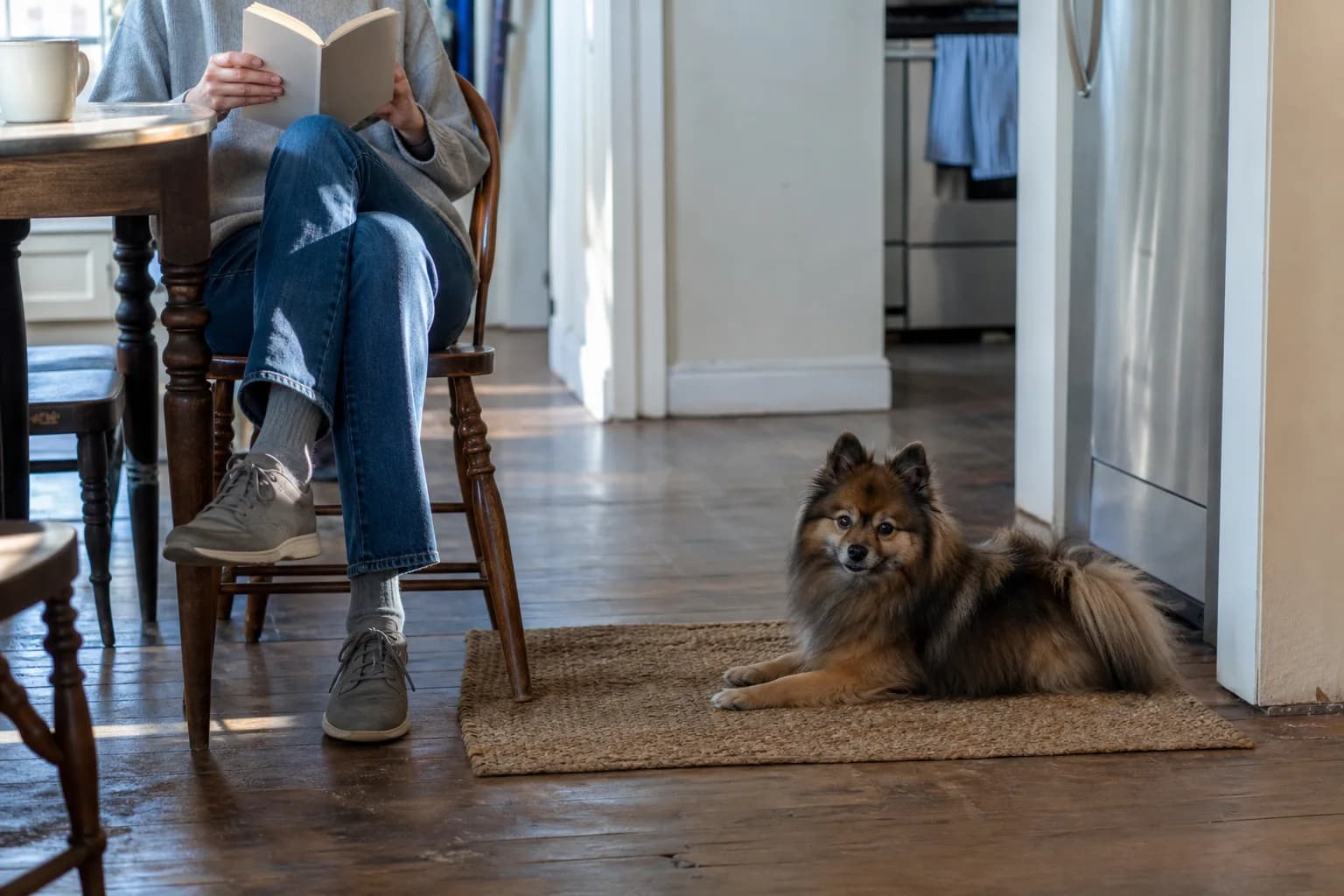
Pomeranian temperament often combines sociability, curiosity, confidence, and rapid arousal. Many Poms want to monitor doors, follow their people, investigate activity, and announce changes. Some are cuddly; others prefer to sit beside a person or initiate contact on their own terms. Neither response is a defect when the dog can move away safely and daily care can be completed without force.
The most useful temperament assessment records behavior rather than labels. Instead of writing "bossy," record that the dog barked and blocked another pet from approaching the couch. Instead of "aggressive," describe the trigger, distance, body posture, sound, duration, and recovery. Specific observations show whether management is working and give a veterinarian or qualified behavior professional something concrete to evaluate.
Do Pomeranians bark a lot?
Many Pomeranians are quick to alert bark, although frequency and intensity vary. Barking can be triggered by doors, voices, wildlife, other dogs, separation, excitement, frustration, or fear. Yelling often adds more noise and arousal. A better plan combines prevention with a practiced behavior the dog can perform.
Start with these steps:
- Reduce unnecessary access to the trigger with window film, a sound machine, a gate, or greater distance.
- Mark and reward the moment the dog notices a trigger without escalating.
- Teach a simple alternative such as orienting to the handler, moving to a mat, or finding scattered treats.
- Keep repetitions short enough that the dog can still eat, think, and recover.
- Track whether barking becomes shorter, softer, or easier to interrupt over several days.
Persistent barking that appears suddenly, occurs with panic, or comes with a major behavior change deserves more than a training tip. Pain, sensory changes, illness, and chronic anxiety can alter behavior. Start with a veterinary assessment when the pattern is new or severe.
Affection, handling, and being picked up
A dog who likes closeness may not enjoy being lifted. Picking up removes control, and a tiny body can be uncomfortable if support is poor. Pair a cue with gentle, fully supported lifts, keep the dog close to the handler's body, and place the dog down before struggling begins. Children should sit on the floor for calm interaction rather than carrying the dog.
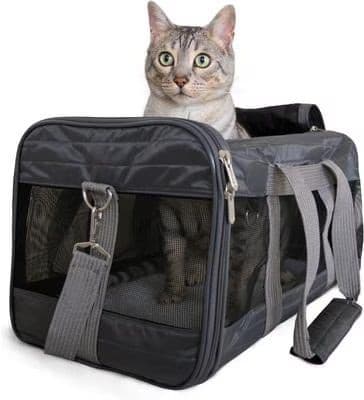
An airline-approved soft-sided carrier with mesh ventilation windows, a top-rated travel pick for cats and small dogs.
Petful may earn a commission when you click through to Chewy, at no extra cost to you.
Consent matters during everyday care too. A cooperative-care routine can teach the dog to present a paw, rest a chin, step onto a scale, or stand briefly for brushing. Break each skill into seconds, reward stillness, and stop before the dog must escalate from looking away to growling or snapping. A growl is information that the current plan is too difficult, not behavior to punish out of the dog.
For a deeper look at affection, confidence, barking, and household management, use the dedicated Pomeranian temperament guide.
Exercise and enrichment
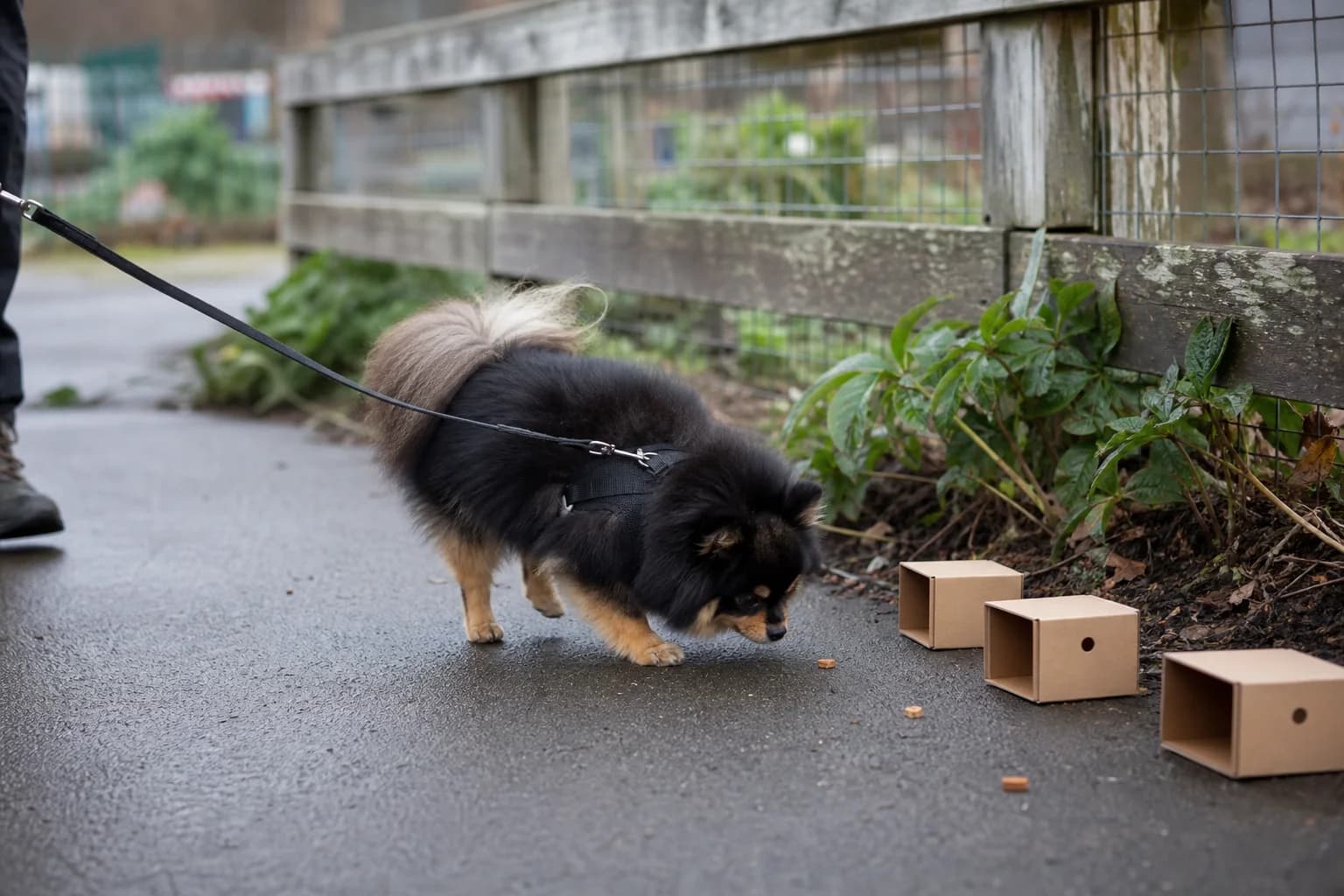
A Pomeranian needs daily activity, but more intensity is not always better. Good exercise supports fitness, exploration, and emotional regulation without leaving the dog sore or frantic. Several short outings can be especially practical for a toy breed because they create regular bathroom opportunities and reduce the temptation to cram every need into one long session.
Build a balanced day
Think in categories rather than minutes alone:
- Movement: Comfortable leashed walks, free movement in a secure area, and play on nonslip surfaces.
- Sniffing: Time to investigate at the dog's pace instead of marching through every outing.
- Problem-solving: Food searches, simple puzzles, shaping games, or learning a household skill.
- Social contact: Chosen interaction with familiar people and carefully selected dogs.
- Rest: Protected, uninterrupted sleep after activity. A dog who never practices settling may remain demanding even when physically tired.
Increase activity gradually and use the dog's response as the guide. A suitable session should not cause limping, reluctance to move, coughing, prolonged panting, or next-day stiffness. Puppies need special care around repetitive jumping, forced running, and slippery floors while their bodies are developing. Senior dogs may still enjoy daily exploration with shorter routes, more traction, and longer recovery.
Enrichment that does not create chaos
Enrichment should solve a need, not keep the dog continuously busy. Food toys can extend a meal, scent games can build independent exploration, and short training games can make handling or door routines easier. Rotate a few activities instead of presenting everything at once. If a puzzle causes frantic scratching, guarding, or swallowing risk, simplify it or choose a different activity.
A useful weekly log is brief: activity, duration, surface, weather, response during the session, and comfort later that day. Patterns help you adjust a routine before small problems become large ones.
Weather, surfaces, and equipment
Dense coat does not make every Pomeranian comfortable in all weather. Heat, humidity, direct sun, age, body condition, heart or airway disease, and activity level can change heat tolerance. Choose cooler parts of the day, carry water when appropriate, and stop for excessive panting, weakness, confusion, vomiting, or difficulty breathing. A wet coat can also chill a small dog quickly in cold or windy conditions, so dry the dog and provide a warm recovery space.
Traction matters indoors and out. Slick flooring can make running, turning, and jumping harder, especially for puppies, older dogs, and dogs with orthopedic concerns. Rugs or runners can create predictable paths between beds, food, doors, and family areas. On walks, check pavement temperature, road salt, sharp debris, and snow buildup between the toes.
Fit equipment to the individual rather than buying by a broad toy-dog label. A harness should permit normal shoulder movement, stay secure when the dog backs up, and avoid concentrated pressure on the neck. Recheck fit after grooming, weight change, or a seasonal coat change. A leash is still needed in a fenced-looking area until every gate, gap, and escape route has been inspected. For ordinary close-control walks, compare the Frisco Traffic Leash with Dual Padded Handles by hardware, handle comfort, coat contact, and the dog's strength; it does not replace a long line or secure area.
Training priorities
Pomeranians are often described as intelligent, but intelligence does not mean a dog arrives knowing household rules. Their small size can also invite inconsistency. A behavior that seems harmless at five pounds, such as charging through a door or barking until a person complies, may become deeply practiced because nobody treats it as training.
Reward-based training makes the desired action clear and worthwhile. Management prevents the unwanted behavior from paying off while the new skill develops. Both matter. Asking for a recall after a dog has already escaped through an open door is not a training plan; using a gate while practicing a turn-away cue is.
Skills worth teaching early
- Responding to a name and turning toward the handler
- Waiting while an exterior door opens
- Coming when called inside and in safely enclosed spaces
- Settling on a mat while normal home activity continues
- Trading an object without conflict
- Comfortable harnessing, brushing, nail handling, and mouth checks
- Calm confinement in a pen or carrier
- Brief, gradual separation without following a person from room to room
- House training on a predictable schedule
Make training fit a tiny dog
Work at the dog's level when possible so the dog is not repeatedly looming over or jumping up for rewards. Use very small food pieces and count training calories as part of the daily ration. Keep sessions short, often one to three minutes, then use the skill in ordinary life. Progress comes from many easy successful repetitions, not one long test.
Avoid flooding a puppy or adult with forced greetings in the name of socialization. Useful socialization pairs controlled novelty with choice, distance, and recovery. The dog should be able to observe without being passed from person to person. If the dog cannot eat, disengage, or return to normal behavior, the setup is too intense.
House training a Pomeranian
House training can take patience because a tiny bladder, cold or wet weather, distracting environments, and an unnoticed squat all work against the owner. The solution is not punishment. It is a schedule that makes the correct location easy to reach and a supervision plan that prevents long stretches of guessing.
Take a puppy or newly adopted dog to the chosen bathroom area after waking, eating, active play, training, and before confinement. Reward promptly after elimination, then allow a little supervised freedom. If nothing happens, return to a small safe area and try again soon. Clean accidents with an appropriate enzymatic cleaner and adjust the interval. Scolding after the fact teaches nothing about where to go.
Track four details for several days:
- Time of food and water access
- Time and result of every bathroom trip
- Activity or event immediately before an accident
- Stool quality, urine frequency, and any sign of discomfort
A consistent record separates a training gap from a possible health problem. Straining, blood, diarrhea, a sudden increase in accidents, unusually frequent urination, or excessive thirst warrants veterinary guidance. Indoor pads may be useful in some households, but switching unpredictably between indoor and outdoor rules can slow learning. Choose a plan everyone can follow and make the surfaces clearly different.
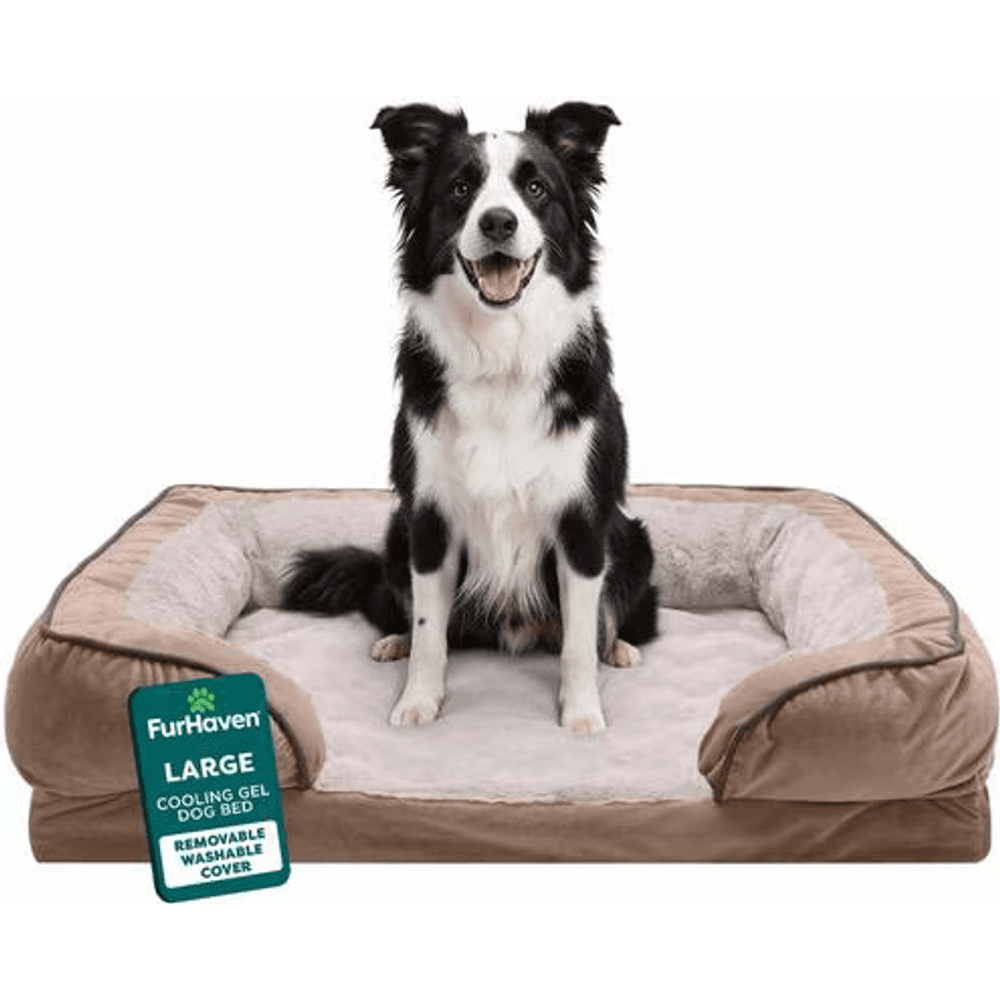
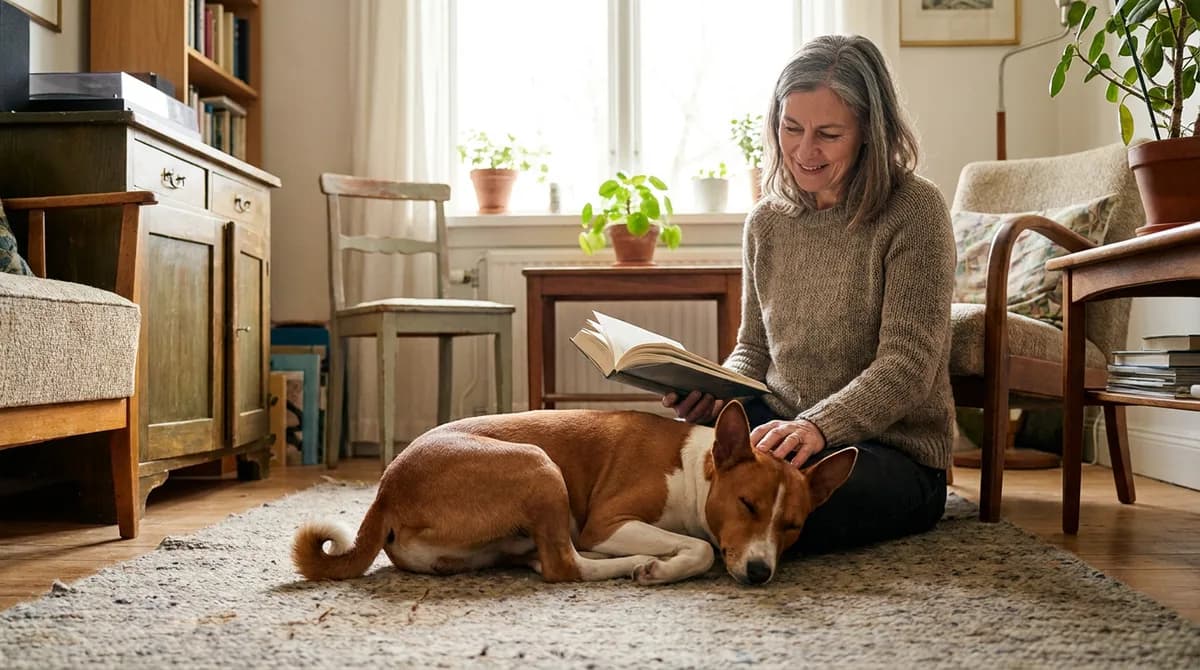
An orthopedic sofa bed with three bolstered sides for dogs who like to rest their head and joints against a cushion. The supportive foam base cradles hips and elbows, a comforting spot for an older or shaky dog to settle.
Petful may earn a commission when you click through to Chewy, at no extra cost to you.
Prevent door dashing before testing recall
Because a Pomeranian is easy to miss near a person's feet, door safety deserves its own system. Use a gate, closed interior door, pen, or leash while training. Practice moving to a mat when the doorbell sounds, waiting while the handle moves, and turning back toward the handler for a reward. Guests should know the plan before the exterior door opens. A configurable barrier such as the Frisco Steel 8-Panel Configurable Dog Gate and Playpen can support door routines when its height, spacing, attachment, and stability suit the individual dog.
Recall practice begins in an easy room, then progresses to larger enclosed spaces and mild distractions. Reward generously and avoid calling the dog for something unpleasant every time. Even an excellent recall is not a substitute for a leash near traffic, an unsecured area, or wildlife.
When training needs professional help
Seek qualified support for bites, repeated snapping, severe resource guarding, panic during separation, sustained fear, or behavior that makes routine care unsafe. Sudden irritability or handling sensitivity should also prompt a veterinary visit. Training cannot resolve pain, and behavior work is more effective when medical contributors are addressed.
An Embark Breed and Health Dog DNA Test Kit may provide ancestry and selected genetic-risk information, but it cannot predict an individual dog's temperament or replace veterinary screening. For travel or emergency planning, compare the dog's standing and lying measurements with the Sherpa Original Deluxe Airline-Approved Dog and Cat Carrier, and confirm the current carrier rules with the actual airline before a trip.
Living with children and other pets
- Keep the decision evidence-based | A responsible profile conclusion about living with children and other pets combines verified records with repeated Pomeranian observation in the setting relevant to this toy-spitz breed profile.
- Test the weekday plan before choosing the breed | Assign daily exercise, barking management, coat care, dental care, training, veterinary transport, and safe supervision to named adults. Add a backup and realistic cost for each job. A Pomeranian's small body reduces neither the frequency of care nor the need for consistent handling rules.
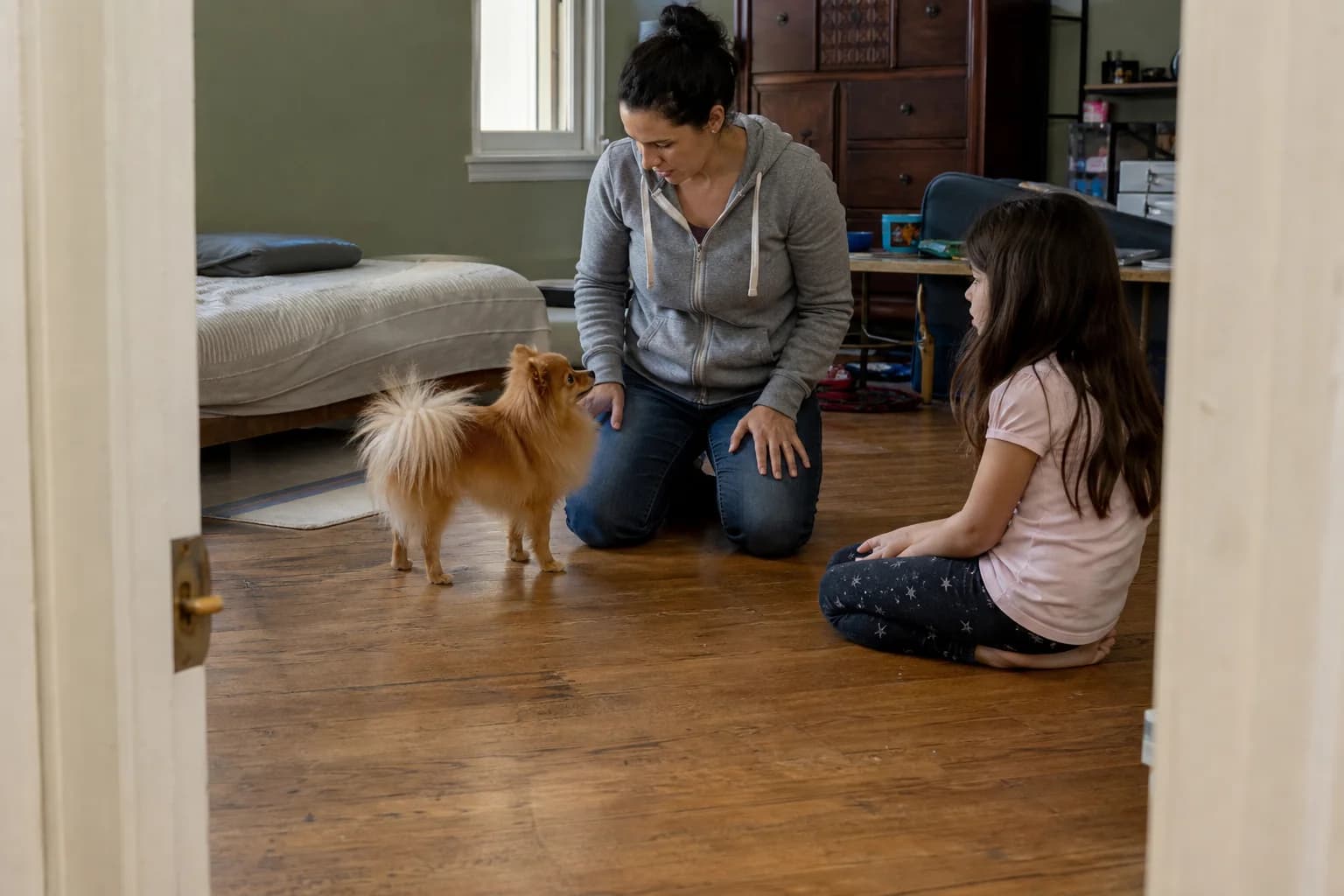
Pomeranians can live successfully with children and other animals, but success depends on the individuals and the adults' management. The breed's small body raises the stakes. A fall from a child's arms, a poorly judged chase, or one collision with a much larger dog can cause serious injury even when nobody intended harm.
Children need rules they can actually follow. Adults should remain responsible for doors, food, high-value toys, grooming, and separating animals. A child should never be expected to read subtle stress signals or prevent a conflict alone.
Safer child and dog interactions
- Invite the dog to approach instead of reaching into a bed, crate, or hiding place.
- Keep greetings on the floor and discourage lifting.
- Pet briefly on the shoulder or chest, then pause to see whether the dog requests more.
- Leave the dog alone while eating, sleeping, chewing, or recovering from activity.
- Use gates and adult supervision during excited play, visitors, and busy transitions.
- End the interaction at early signs of stress, including turning away, lip licking, freezing, lowering the body, or trying to leave.
Age alone does not determine whether a child is ready. A calm younger child who follows rules may be safer than an older child who wants to carry, chase, or dress up the dog. The dog's history and comfort also matter. A Pomeranian who has not lived with children should not be assumed to enjoy them because the breed is small.
Introducing other dogs and cats
Begin with distance and physical management. Dogs can first move in the same direction outdoors with separate handlers, then spend short periods behind a gate or pen at home. Cats need vertical routes and dog-free resources. Feed animals separately and remove high-value items until their behavior is well understood.
Watch for fixation, stalking, repeated pursuit, guarding access to a person, or an inability to disengage. A playful-looking chase can still be unsafe when the size difference is large. The goal is not instant friendship. Calm coexistence, voluntary approach, and reliable exit options are better early measures.
Size, coat, and appearance

The Pomeranian standard lists a weight of 3 to 7 pounds and describes a square, compact dog with medium bone for its size. It does not recognize mini, micro, or teacup varieties. Those marketing labels do not create a separate breed, and an exceptionally small puppy may have greater practical risks around temperature, feeding, falls, anesthesia, and ordinary household accidents.
The coat is part of the breed's visual identity. According to the official breed standard, a short, dense undercoat supports longer, harsher guard hairs that stand away from the body. The neck ruff, feathering, skirt, and plumed tail create the rounded outline many people recognize. Puppy coat can be shorter and may not yet show the full adult guard hair.
Weight is not the same as body condition
A fluffy coat can hide weight gain, muscle loss, or a change in shape. Use the same scale under similar conditions and record the date. More importantly, ask a veterinary professional to demonstrate hands-on body-condition assessment. You should be able to evaluate the ribs and waist beneath the coat rather than judging only the silhouette.
Contact a veterinarian when weight changes without an intentional diet or activity change, when a puppy does not seem to be growing normally, or when appetite, thirst, energy, stool, breathing, or movement changes too. A breed average cannot explain an individual trend.
Color, face labels, and haircut language
Pomeranians occur in many colors and patterns. Terms such as fox face and teddy bear face are informal appearance descriptions, not separate breeds. A short-haired-looking Pomeranian may be a puppy, a dog between coat cycles, a clipped dog, a dog with coat loss, or a mixed-breed dog. Photographs alone cannot settle ancestry or health.
For detailed coat terminology and change over time, see the dedicated Pomeranian colors guide. If a dog has thinning patches, darkened skin, itching, odor, or a major texture change, treat that as a health question rather than a cosmetic style.
Grooming and routine care

The dense coat needs a routine that reaches beyond the fluffy surface without scratching or pulling the skin. Work in small sections, part the coat, brush gently, and follow with an appropriate comb to find snags the brush passed over. Friction areas behind the ears, under the front legs, around a harness, and near the hindquarters deserve special attention.
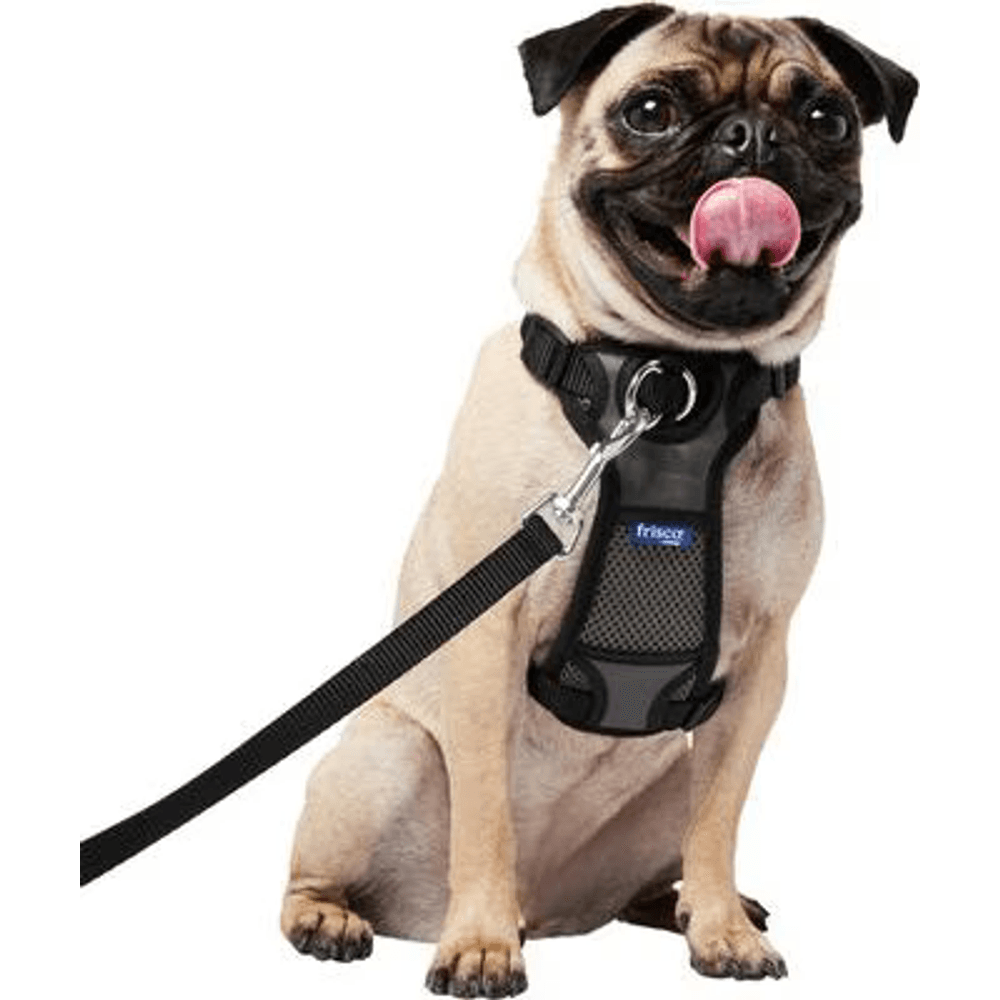
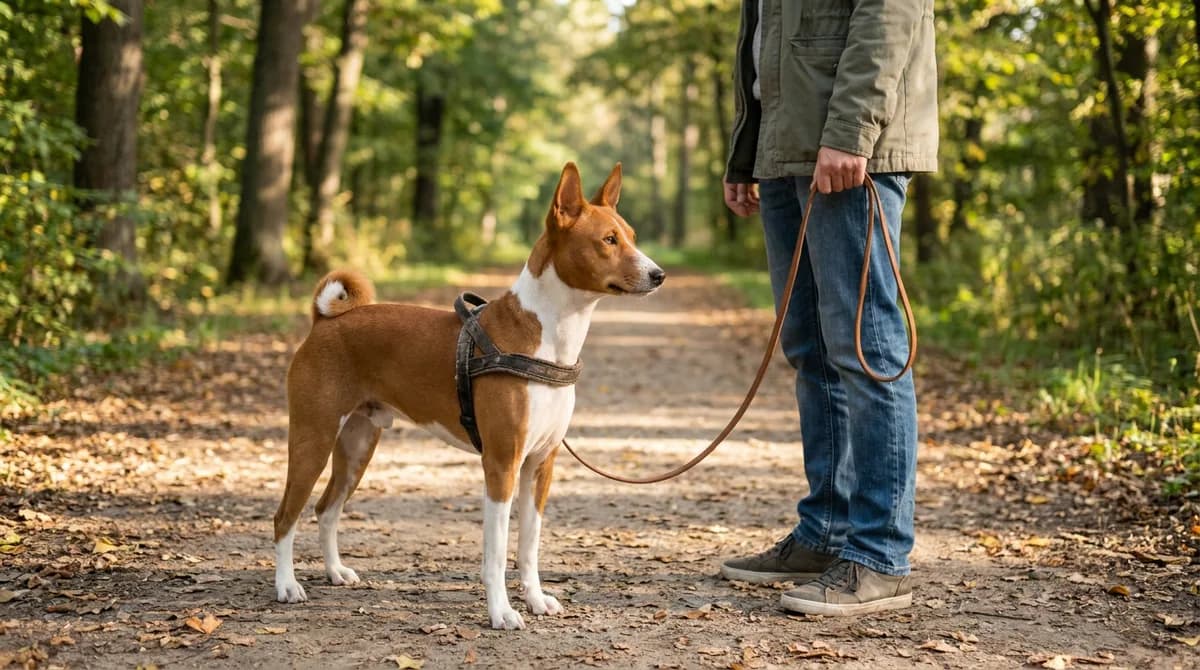
A budget-friendly padded no-pull harness that keeps leash pressure off a coughing dog's neck and windpipe by distributing it across the chest. A simple, affordable way to protect an irritated airway or a collapsing trachea on every walk.
Petful may earn a commission when you click through to Chewy, at no extra cost to you.
How often a dog needs full brushing depends on coat density, season, activity, bathing, and the individual's tendency to mat. A short daily check can catch debris or tangles before a long session is needed. The goal is comfortable skin and a functional coat, not a perfectly sculpted appearance every day.
A practical grooming sequence
- Check the skin and coat with your hands before using a tool.
- Mist or prepare the coat according to professional guidance rather than aggressively brushing a dry, tangled coat.
- Work in manageable sections and support the skin near a snag.
- Stop if the dog flinches, tries to escape, or shows pain.
- Dry the dense undercoat thoroughly after bathing, using safe airflow and temperature.
- Check nails, ears, eyes, teeth, and harness-contact areas before the session ends.
Routine close shaving is not a shedding solution. Clipping changes the visible length but does not stop hair from cycling, and regrowth can be unpredictable. If the coat is severely matted, ask a qualified groomer and veterinarian about the least painful plan rather than trying to pull mats apart at home. The dedicated guide to whether Pomeranians shed explains seasonal coat changes, tools, bathing, and warning signs in more detail.
Teeth, nails, ears, and cooperative care
Small dogs can accumulate significant dental disease, so home dental care and veterinary assessment should be planned rather than postponed until breath or eating changes become obvious. Introduce mouth handling in seconds, pair it with rewards, and use only products intended for dogs. Nail care is similar: one calm nail can be a successful session when the alternative is a wrestling match that makes future care harder. For gradual mouth handling, the Jasper 360 Dog Finger Toothbrush is one finger-brush format to compare after the dog is comfortable with brief lip and muzzle touch.
Ears normally need observation more than aggressive cleaning. Redness, odor, pain, swelling, discharge, persistent scratching, or a head tilt warrants veterinary guidance. Do not place a product deep in the ear or use a human medication unless a veterinarian has directed it for that dog.
Choosing grooming tools and professional help
No single brush solves every coat. Tool choice depends on coat density, length, skin sensitivity, and the job being done. Ask a groomer to demonstrate pressure and technique on your dog, then make sure the tool reaches the intended layer without scraping the skin. A comb can reveal remaining tangles, but it should not be forced through a mat. For a hand-contact grooming option, compare the Four Paws Magic Coat All-In-One Wet & Dry Dog Glove & Curry Brush on a small area first and stop if friction, seams, or static make the dog uncomfortable.
Interview a professional groomer before an urgent appointment is needed. Ask how toy dogs are secured, how dryers are monitored, how breaks are handled, and what happens when a dog becomes frightened or painful. Share medical and behavior information honestly, including coughing, seizures, heart disease, bite history, or difficulty standing. A shorter, safer session may be more appropriate than completing every cosmetic detail.
At home, prepare the surface before bringing out tools. Use secure footing, keep supplies within reach, and prevent the dog from jumping off a table or counter. Sessions can end after one body area when comfort is declining. The best grooming plan is one that preserves skin and coat health while leaving the dog willing to participate next time.
Check everyday equipment against the individual dog
A bed such as the FurHaven Velvet Waves Orthopedic Sofa Cat and Dog Bed should be chosen by usable sleep area and washability, not breed name alone. A harness such as the Frisco Padded No Pull Dog Harness needs regular fit checks because thick coat can make a strap look loose while it rubs the skin, and coat changes can alter fit over time.
Lifespan and health planning
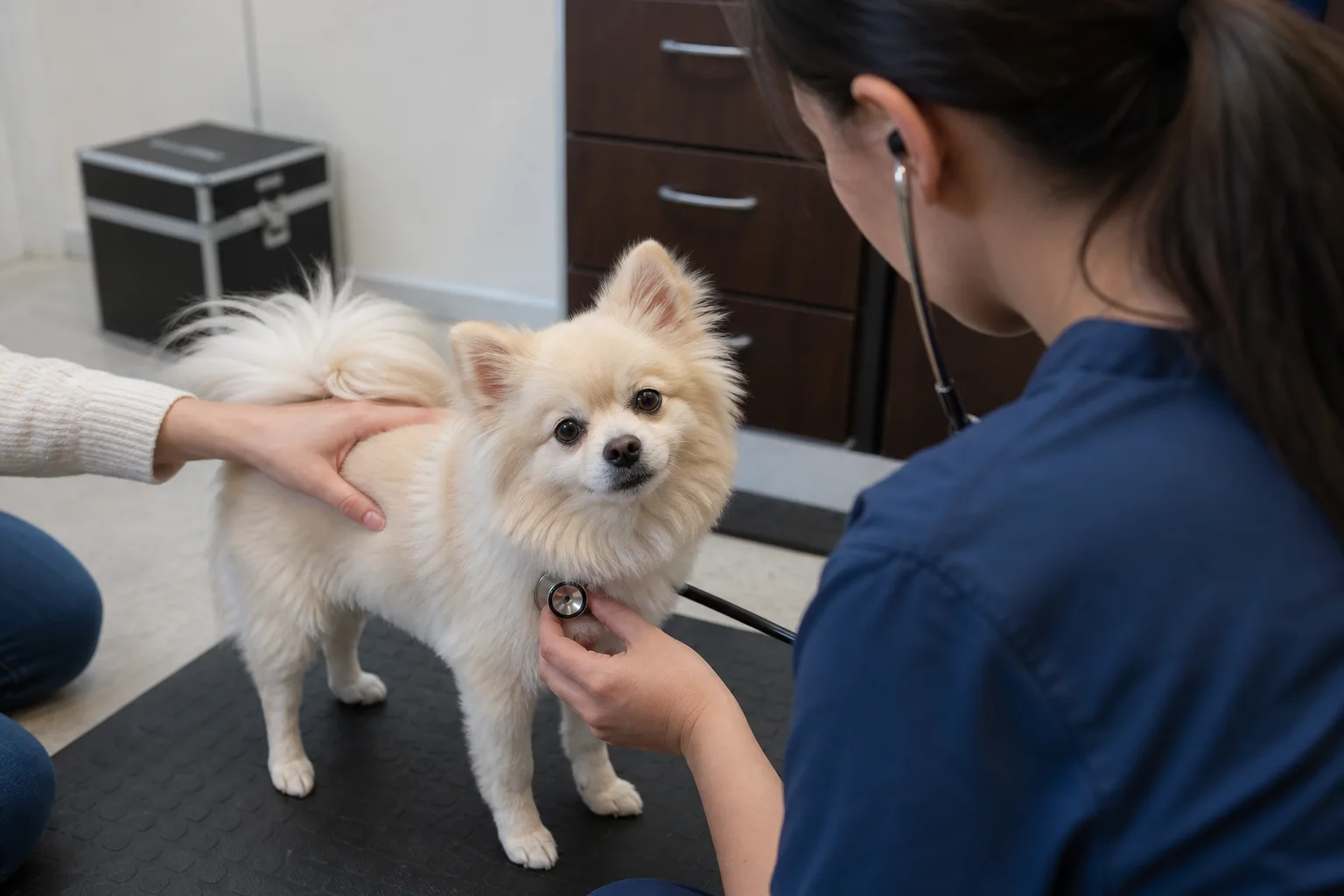
Pomeranian lifespan is often summarized as roughly 12 to 16 years, but a range cannot predict one dog's future. Longevity reflects genetics, preventive care, body condition, dental health, accident prevention, environment, and access to timely treatment. A better plan tracks function over time rather than waiting for a birthday to declare a dog old.
The dedicated Pomeranian lifespan and health guide covers screening, preventive care, aging, and urgent signs in greater depth. This profile focuses on what a prospective or current owner should organize.
Health records worth keeping
- Current weight and body-condition notes
- Vaccination and preventive-care history
- Dental findings and home-care plan
- Medication and supplement names, doses, and schedules
- Results of veterinary examinations and diagnostic tests
- Changes in appetite, thirst, elimination, sleep, movement, breathing, skin, or coat
- Emergency contacts, transport plan, insurance or savings information
Breed resources commonly discuss patellar luxation, cardiac and eye disease, tracheal problems, dental disease, and some coat-loss conditions in Pomeranians. A predisposition is not a diagnosis. It is a reason to ask focused questions, observe trends, and use qualified veterinary screening instead of assuming every cough, skip, or thin patch has the same cause.
Understand what health testing proves
The OFA Canine Health Information Center maintains breed-specific screening protocols developed with participating parent clubs. A CHIC number means the required tests were completed and made public under the program rules in effect at that time. It does not mean every result was normal, and it does not guarantee that a dog or its puppies will remain healthy.
When evaluating a breeder, look up the registered names or permanent identification of the sire and dam and read the actual results. Confirm the test type, date, age at testing, and result. A screenshot, a claim that a veterinarian "checked everything," or a DNA panel alone may not cover every screening recommended for the breed.
Everyday injury prevention
Tiny size changes ordinary household risk. Block access to unsafe railings, supervise furniture use, secure exterior doors, use nonslip surfaces where the dog launches or lands, and keep the dog away from reclining mechanisms and underfoot traffic. Choose play partners carefully. A friendly large dog can injure a Pomeranian through one misplaced paw.
Use a veterinarian promptly for breathing difficulty, collapse, repeated seizures, uncontrolled bleeding, severe pain, a swollen abdomen with distress, repeated unproductive retching, or rapid deterioration. For a new cough, gait change, appetite loss, or behavior change, contact the clinic for triage rather than diagnosing from a breed list.
Healthy aging starts before old age
Maintain a lean, stable body condition, preserve comfortable movement, keep dental care current, and give the dog daily reasons to explore and interact. Take short videos of normal walking and breathing when the dog is well. Baseline records can make subtle changes easier to describe during a veterinary visit.
Aging support should follow the dog, not a fixed calendar. Some older Pomeranians benefit from ramps, warmer bedding, more frequent bathroom breaks, adjusted exercise, easier food access, or changes to grooming position. Any accommodation should preserve choice and participation where possible.
Choosing a responsible source or rescue
A responsible source is transparent about the dog in front of you and does not use urgency, rarity, or extreme-small-size promises as a substitute for evidence. Whether you are speaking with a breeder, foster home, municipal shelter, or breed rescue, separate what has been directly observed from what has been reported.
An adult rescue dog can offer useful current information about size, coat, handling, and behavior. A puppy may come with more family and early-rearing information when the breeder keeps careful records. Neither route eliminates uncertainty. The goal is enough reliable information to make a humane plan and a clear agreement about what happens if the placement cannot continue.
Questions for a breeder
- What are the registered names and identification details for the sire and dam?
- Which breed-recommended health screenings were completed, and where can the original results be verified?
- Where are puppies raised, and what sounds, surfaces, people, handling, rest, and separation have they experienced?
- How are puppy temperament and household fit assessed?
- At what age do puppies leave, and what veterinary and feeding records go with them?
- What does the contract require, and is there a lifetime return-to-breeder provision?
- Can you meet the dam and see where the dogs spend their time, in person or through credible live documentation?
Avoid sellers who will not identify the parents, promise that an unusually tiny adult size is guaranteed, offer multiple unrelated breeds continuously, or insist on irreversible payment before reasonable verification. Color and price do not prove ethical breeding. A well-produced puppy can still develop a health or behavior problem, so honest sources discuss uncertainty rather than offering impossible guarantees.
Read the records and contract, not just the sales page
Match names and identification numbers across the pedigree, health-test database, veterinary record, and contract. Check whether a result belongs to the parent named, whether the dog was old enough for the stated evaluation, and whether the report lists a result rather than only a test date. Save copies before making a final payment.
A clear contract should identify the dog, seller, buyer, price, transfer date, included records, and any conditions that affect registration or breeding. Read health-guarantee language carefully. A promise that requires surrendering a beloved sick dog for a replacement may offer little practical protection. The most meaningful safety net is often a requirement that the dog be returned to the breeder if the owner cannot keep it, at any age.
Do not let a shipping deadline replace due diligence. Verify the seller's identity, speak in real time, and be cautious when payment methods eliminate recourse. A responsible source should welcome questions that improve placement fit. Pressure to decide before records can be checked is evidence about the source, not evidence that the puppy is unusually desirable.
Questions for a rescue or shelter
Ask what has been observed in the current setting, how long the dog has been there, which medical records are available, and whether behavior differs in a kennel, foster home, or meet-and-greet room. Clarify handling comfort, house training, time alone, interactions with animals and children, medication, bite history, and escape behavior. If an answer is unknown, keep it unknown instead of turning it into reassurance.
The dedicated Pomeranian puppy guide covers early setup, growth, socialization, house training, grooming, feeding, and first-year veterinary milestones. If a dog may have ancestry from another breed, the Pomeranian mixes guide explains why appearance does not reliably predict adult traits.
Is a Pomeranian right for you?
The right home is interested in the Pomeranian's daily life, not only the compact size and dramatic coat. A strong match has time for brief training and exercise, patience for alert barking, a safe plan for handling, and enough budget for grooming and veterinary care. It also values a dog who may want to participate closely in family routines.

A Pomeranian may fit if you can
- Provide several bathroom and activity opportunities across the day
- Teach calm separation instead of encouraging constant shadowing
- Manage exterior doors, drops, rough play, and larger animals
- Brush and dry a dense double coat correctly
- Practice cooperative handling for feet, mouth, ears, harnessing, and veterinary care
- Respond to barking with environmental changes and training rather than punishment
- Budget for routine and unexpected professional care over a potentially long life
Think carefully if you want
- A naturally quiet dog with little alert response
- A pet young children can carry or play with without close supervision
- A coat that needs almost no home care
- A dog who can safely share uncontrolled play with much larger animals
- An animal who can be left for long stretches without gradual preparation or support
- A guaranteed personality based on sex, color, face shape, or a seller's size label
Use a household-fit scorecard
Score each category from green to red, then write the action that would improve the score. Avoid averaging away a serious safety problem.
| Decision area | Green evidence | Yellow evidence | Red evidence |
|---|---|---|---|
| Daily schedule | Named adults cover exercise, rest, training, and bathroom breaks | Some gaps need paid or family help | Long predictable absences with no workable plan |
| Noise | Household and housing can tolerate alerting while training develops | Shared walls or sensitive neighbors require strong management | Barking would threaten housing or household safety |
| Handling | Adults will use supported lifts and cooperative care | Some family habits need retraining | Children or adults insist on grabbing, carrying, or forced contact |
| Other animals | Calm introductions, barriers, and size-aware supervision are available | Compatibility is unknown and needs a slow trial | Uncontrolled chase, predation risk, or rough size-mismatched play |
| Grooming | Time, skill, tools, and professional backup are budgeted | Routine is possible but not yet practiced | Household expects routine shaving or no coat maintenance |
| Health care | Preventive care, dental care, emergency transport, and funding are planned | One or more supports still need arranging | Necessary care would routinely be delayed or inaccessible |
One yellow area does not automatically rule out the breed. It identifies work to complete before the dog arrives. A red area involving injury risk, housing, or access to necessary care deserves a genuine pause. Choosing a different dog can be a responsible decision, not a failure.
Plan the first month, not just arrival day
The first days should be quieter than the rest of the dog's future life. Limit visitors, preserve the food and bathroom schedule supplied by the previous caregiver, and give the Pomeranian a protected place to sleep. Show the dog one manageable part of the home at a time. Excitement can hide fatigue, fear, and bathroom needs, so avoid interpreting nonstop motion as a request for more activity.
Use management while the dog learns. Keep a leash available for supervised transitions, place barriers before exterior doors open, feed separately from other animals, and prevent access to high furniture until safe habits are clear. Do not test whether the dog will guard, escape, chase, or tolerate handling. Arrange the environment so those tests are unnecessary.
During the first month, collect a small set of useful observations:
- Times the dog eats, drinks, eliminates, sleeps, and becomes most active
- Sounds, movements, people, or animals that lead to barking or retreat
- Types of touch the dog seeks, accepts briefly, or avoids
- Ability to rest when a caregiver is present but unavailable
- Response to short, carefully planned periods behind a barrier or alone
- Comfort with harnessing, brushing, paw handling, and mouth checks
- Recovery after walks, visitors, grooming, or other new experiences
Arrange an initial veterinary visit using the records that came with the dog. Bring medication, diet, preventive-care, vaccination, and test information rather than relying on memory. Ask how to monitor weight and body condition, what local preventive care is appropriate, and which changes should prompt urgent contact.
Expect the picture to change as the Pomeranian becomes comfortable. A quiet new arrival may become more vocal. A constantly busy dog may begin to sleep deeply once the environment feels safe. Update the plan from repeated evidence rather than deciding that the dog's first 48 hours revealed a permanent personality.
Related Pomeranian guides
- Pomeranian Puppies Breed Profile: Essential Facts
- Pomeranian Price and Cost: Puppy and Lifetime Expenses
- Do Pomeranians Shed? Coat Care and Grooming Guide
- Pomeranian Mixes: Crosses, Traits, and Care
- Pomeranian Colors: Coat Shades, Markings, and Changes
- Pomeranian Lifespan and Health: What Owners Should Know
- Pomeranian Temperament: Personality, Barking, Training, and Family Fit
Frequently asked questions about pomeranian
A Pomeranian can be a good house dog when adults provide daily activity, reward-based training, grooming, dental care, safe handling, and a plan for barking and time alone. Small size helps with space but does not make the breed maintenance-free. Judge the individual dog's health, recovery, noise, toilet habits, and comfort with the actual household. Protect the dog from falls, rough contact, and larger animals rather than expecting it to manage those risks.
The downsides of Pomeranians can include barking, coat maintenance, dental care, fragile-body precautions, house-training difficulty, separation distress, and health concerns that may require screening or veterinary care. These are planning needs, not defects in every dog. The match becomes poor when the household wants a silent, self-exercising lap dog; permits unsafe jumping or child handling; or cannot sustain grooming, training, and medical costs. Evaluate the individual and the repeatable weekday plan before committing.

Kristine Lacoste has been researching dog and cat breeds for nearly a decade and has observed the animals up close at dog shows in both the United States and the United Kingdom. She is the author of the book One Unforgettable Journey, which was named as a finalist for a Maxwell Award from the Dog Writers Association of America, and was host of a weekly pet news segment on the National K-9 Academy Radio Show. In addition, she was the New Orleans coordinator for Dogs on Deployment, a nonprofit that helps military members and their pets, for 3 years. Kristine has researched and written about pet behaviors and care for many years. She holds a bachelor’s degree in psychology, another bachelor’s degree in English and a Master of Business Administration degree.
Sign up for expert-backed reviews and safety alerts all in one place.