Pomeranian Puppies Breed Profile: Essential Facts
Pomeranian Puppies Breed Profile: Essential Facts with evidence-based guidance on daily fit, care, costs, training, grooming, health, and the individual decisions that matter most.
Petful is reader supported. As an affiliate of platforms like Amazon and Chewy, we may earn a commission when you buy through links on this page. There is no extra cost to you.
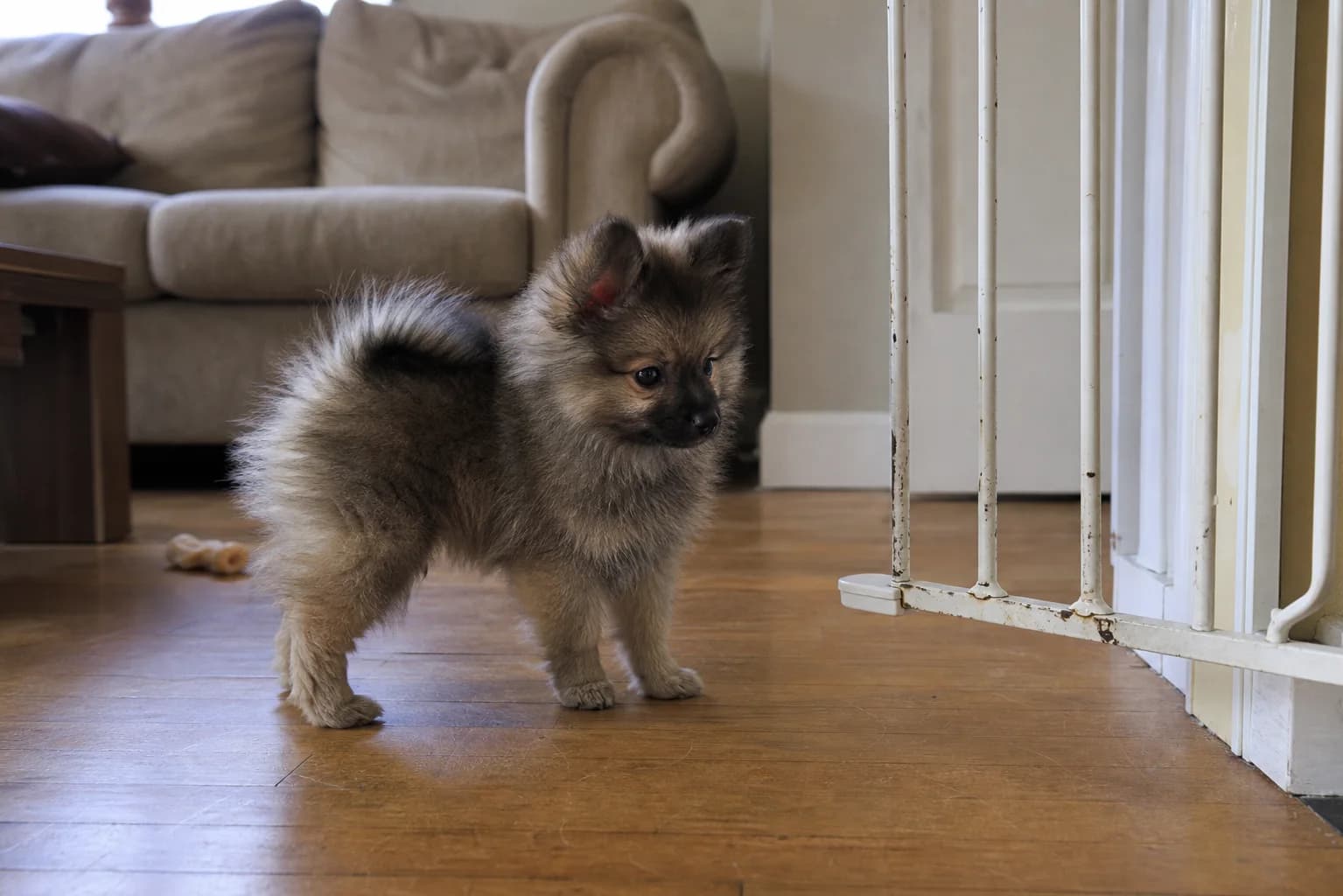
Pomeranian puppies are tiny, bright, busy dogs whose first year needs more planning than their size suggests. They need protection from falls and rough handling, age-appropriate sleep and activity, careful feeding, gentle socialization, early dental and coat care, and a realistic approach to house training and time alone.
This guide covers the decisions from sourcing through the first birthday. Breed traits provide a starting point, but growth, behavior, health, and confidence must be judged in the individual puppy. For adult breed context, see Petful's Pomeranian breed profile.

Sign up for expert-backed reviews and safety alerts all in one place.
Pomeranian puppies at a glance
- 1Prepare before pickup day.
- 2Use age-appropriate expectations.
- 3Protect sleep and calm recovery.
- 4A Pomeranian puppy plan needs toy-breed fall prevention, careful body-condition tracking, gentle airway-safe handling, early dental habits, and positive coat care.
The strengths are easy to see: Pomeranian puppies are engaging, portable, quick to learn, and often deeply interested in their people. The tradeoffs are equally real. A small bladder, physically fragile body, abundant developing coat, alert voice, and need for gradual independence training can make the first months intensive.
Family life with a Pomeranian puppy requires adults to control handling and make the home safe for a toy breed. Young children should sit on the floor for supervised contact rather than carrying the puppy. Larger dogs need careful introductions and management because friendly play can still cause injury.
Before pickup, the household should have:
- A secure transport plan and identification.
- A quiet sleep and recovery area away from household traffic.
- Barriers for stairs, balconies, reclining furniture, and unsafe gaps.
- The current food, feeding schedule, and complete records.
- A veterinary appointment and after-hours contact.
- A toilet routine, supervision schedule, and realistic daytime caregiver plan.
Purchase price is not a measure of ethics or health. For current acquisition, first-year, and lifetime budgeting, use Petful's Pomeranian price guide and collect dated local figures rather than relying on one national claim.
Breed origin, group context, and coat colors

The Pomeranian developed from larger Spitz-type dogs and is now a toy companion breed. That history helps explain the dense double coat, alertness, and tendency to notice changes in the environment. It does not mean a puppy needs endurance work or should be expected to tolerate cold, heat, or rough outdoor living without protection.
Petful may earn a commission when you click through to Chewy, at no extra cost to you.
The AKC Pomeranian breed page provides adult breed context. Puppies pass through a changing coat and body shape before the finished adult outline appears. Ears, coat density, color, and proportions can look different across developmental stages, so a young puppy should not be judged as a miniature finished adult.
Pomeranians occur in many colors and markings. Color can change as the puppy coat is replaced, especially where sable tipping or lighter undercoat alters the overall impression. No color justifies ignoring health, temperament, structure, or source quality, and the most expensive color is whatever a seller can persuade a buyer to pay for. Petful's Pomeranian colors guide explains the vocabulary without treating rarity claims as value.
Equipment must follow growth
A Sherpa Original Deluxe Airline-Approved Dog and Cat Carrier is one transport option to compare with the puppy's current measurements and the carrier's live dimensions. A Frisco Padded No Pull Dog Harness may suit some puppies, but fit must be rechecked frequently as the chest and coat change.
Choosing an ethical source or adoption route
| Evidence for this toy-spitz first-year puppy plan | What to record for puppies | What changes the puppies plan |
|---|---|---|
| Current Pomeranian observation | Date, setting, and exact behavior or measurement | A repeatable trend rather than one event |
| Professional puppies evidence | Named test, examination, record, or qualification | A revised risk assessment |
| Household capacity | Time, cost, supervision, and skill | A plan that works on ordinary weekdays |
An ethical source is transparent about identity, conditions, records, and long-term responsibility. A breeder should explain the parents' verified health screening, the puppy's veterinary history, early socialization, placement process, contract, and return commitment. A rescue or shelter should share every available record and observed behavior without presenting unknown history as certainty.
Searches for Pomeranian puppies for sale or Pomeranian adoption often mix responsible sources with brokers, copied listings, and urgent deposit requests. Treat the phrase as a discovery route, not proof that a puppy exists or that the seller controls it. Verify identity through live interaction and original records, confirm the physical location and pickup process, and never let a low price or delivery deadline replace screening. For adoption, ask which history is documented and which details remain unknown, then arrange an independent examination and a conservative first-week plan.
- A listing is not identity evidence | Match the puppy, source, parent records, veterinary paperwork, payment recipient, and pickup location before sending money. Reused photos, refusal of live interaction, pressure for irreversible payment, or a last-minute delivery change should pause the transaction.
Verify documents rather than accepting phrases such as “vet checked,” “health guaranteed,” or “from champion lines” as complete evidence. The OFA breed health resources can help buyers understand named screening programs. Ask for identifiers that allow results to be checked independently. Screening reduces some uncertainty but cannot guarantee one puppy's future health.
Red flags include pressure for immediate irreversible payment, refusal to show where the puppy is being raised, no verifiable identity, unusually early placement, shipping without meaningful conversation, many breeds continuously available, and marketing that centers on “teacup” size or rare color. Meet the dam when practical and observe how the puppy moves, recovers from ordinary novelty, and interacts without forced performance.
What to request before committing
- Exact age, microchip or other identification, and pickup location.
- Original veterinary and preventive-care records.
- Parent identities and verifiable screening results where applicable.
- Current food, sleep, toilet, and socialization routines.
- A written contract, health terms, and return policy.
- Time to arrange an independent veterinary examination.
Observe the puppy without staging a test
Watch the litter or foster puppy during normal waking activity rather than asking for a dramatic “temperament test.” Notice movement, breathing, curiosity, social interest, response to gentle handling, and recovery after an ordinary sound. Compare what you see with the caregiver's records across several days. A single video clip can be selected to show the most appealing minute and cannot reveal the whole routine.
Ask how the source responds when a puppy is worried, ill, slower to develop, or not a match for the first planned home. The answer shows more than a polished sales page. Ethical placement may include questions for the buyer, limits on pickup timing, clear veterinary follow-up, and willingness to keep or take back a puppy rather than move the dog quickly.
Petful may earn a commission when you click through to Chewy, at no extra cost to you.
If adopting a puppy with unknown parentage or incomplete history, do not treat missing information as evidence of a problem. Mark it as unknown, schedule the appropriate examination, and build a conservative plan for size, coat, behavior, and care until direct observation supplies better evidence.
The first week at home
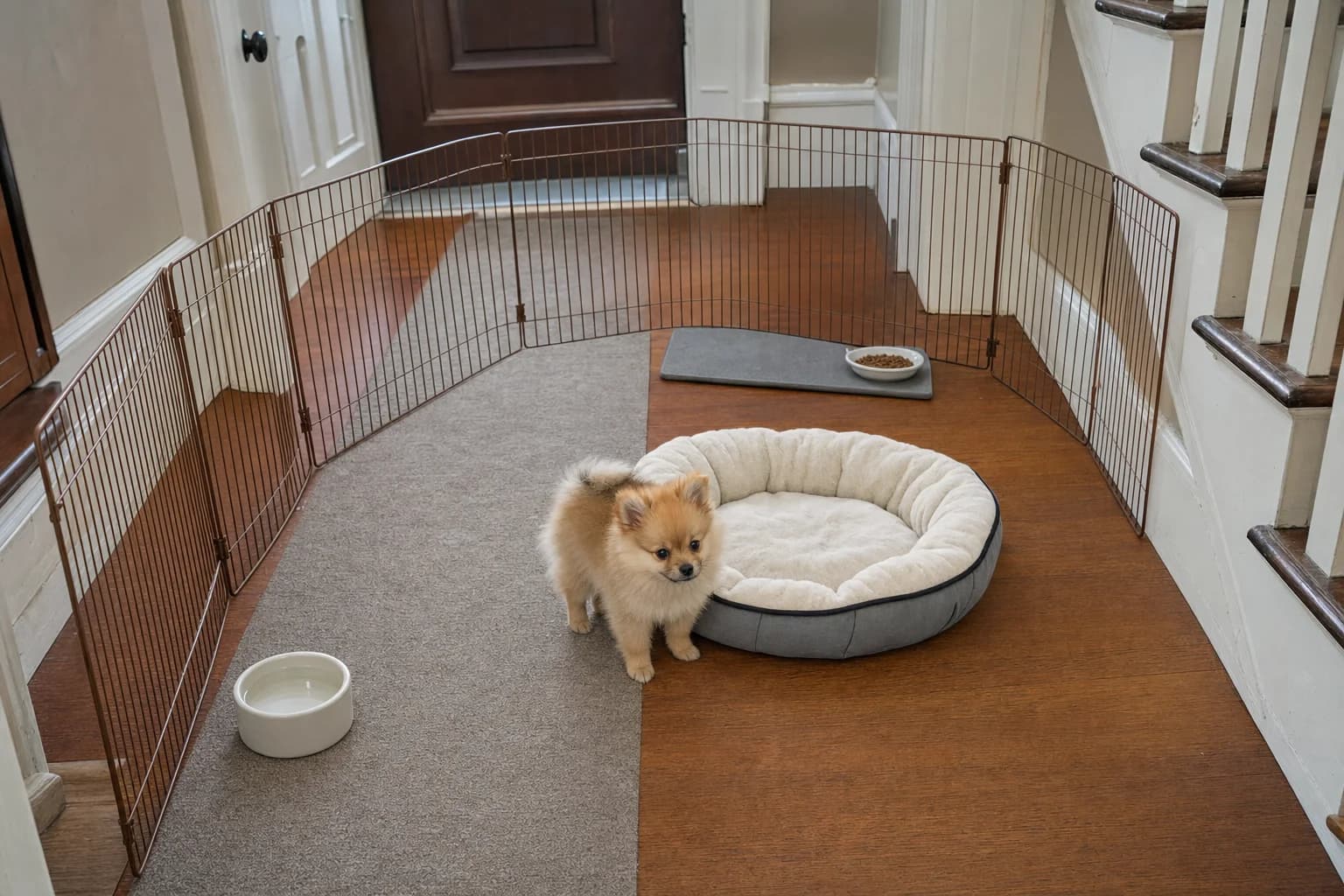
Keep the first week quiet and predictable. The puppy needs sleep, regular meals, frequent toilet opportunities, gentle handling, and short periods of exploration. A parade of visitors, errands, grooming, long play sessions, and immediate freedom throughout the home can overwhelm a puppy who has just lost familiar people, dogs, smells, and routines.
Use a small safe area near normal family life. Introduce the carrier, pen, crate, bedding, and toilet route with food and calm repetition rather than closing the puppy in and waiting for exhaustion. Supervise freedom and expand it after the puppy shows success. Night waking, appetite changes, and brief uncertainty can occur during transition, but persistent lethargy, repeated vomiting, diarrhea, breathing trouble, or refusal to eat requires prompt veterinary advice. A removable-cover option such as the FurHaven Velvet Waves Perfect Comfort Orthopedic Sofa Cat & Dog Bed should be compared by usable dimensions, edge height, wash instructions, chewing risk, and the puppy's observed rest habits.
For the first seven days, record:
- Meals offered and eaten.
- Urination and stool timing and quality.
- Sleep duration and nighttime waking.
- Play, movement, and recovery.
- Any cough, discharge, itching, pain, or weakness.
- Which handling and household sounds were easy or difficult.
Keep the source's schedule and food familiar for the first few days when they are safe and workable. Change only what must change, then introduce new routines gradually. This makes it easier to identify whether loose stool, poor sleep, or refusal of food followed travel, a diet change, overactivity, or illness. It also gives the puppy predictable anchors during a major transition.
Visitors should support the routine rather than become the routine. Ask them to sit, allow the puppy to approach, and avoid waking the puppy for contact. One calm interaction followed by rest is more useful than meeting many people while overtired. If the puppy hides, freezes, or cannot settle afterward, reduce the next exposure.
Nighttime arrangements should balance closeness with safe independence. Place the sleeping area where someone can respond to genuine toilet or medical needs without turning every sound into play. Take the puppy out quietly, reward elimination, and return to rest. Persistent crying should prompt a review of fear, isolation, toilet timing, hunger, temperature, and health instead of a contest of endurance.
Puppy growth and adult size
The adult breed standard describes a very small dog, but a puppy's exact adult weight cannot be guaranteed from one early number, paw size, a marketing label, or a chart found online. Parent size, family history, age, nutrition, health, and individual development all contribute. A “throwback” or unusually large adult is still an individual dog, not a reason to restrict a growing puppy's food.
Weigh on the same scale at regular intervals recommended by the veterinary team. Pair the number with body condition, appetite, stool, energy, and physical development. A steady trend is more informative than one measurement taken after a meal or on a different scale. Sudden loss, stalled growth, weakness, or a rapidly changing abdomen needs veterinary attention.
Growth planning should focus on function:
- Feed a complete puppy diet in measured portions.
- Keep scheduled meals appropriate to the puppy's age and medical guidance.
- Avoid long fasts, especially in a very young or unwell toy-breed puppy.
- Prevent repeated jumps and falls while bones and coordination develop.
- Refit harnesses, carriers, gates, and bedding as the body and coat change.
- Do not pursue the smallest possible adult size through restriction.
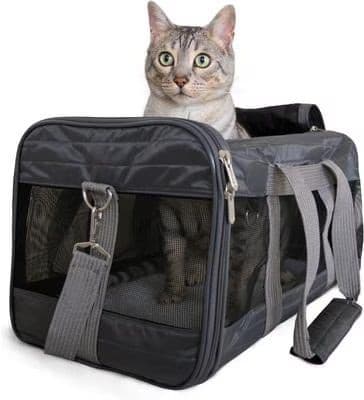
An airline-approved soft-sided carrier with mesh ventilation windows, a top-rated travel pick for cats and small dogs.
Petful may earn a commission when you click through to Chewy, at no extra cost to you.
Puppy exercise and safe play
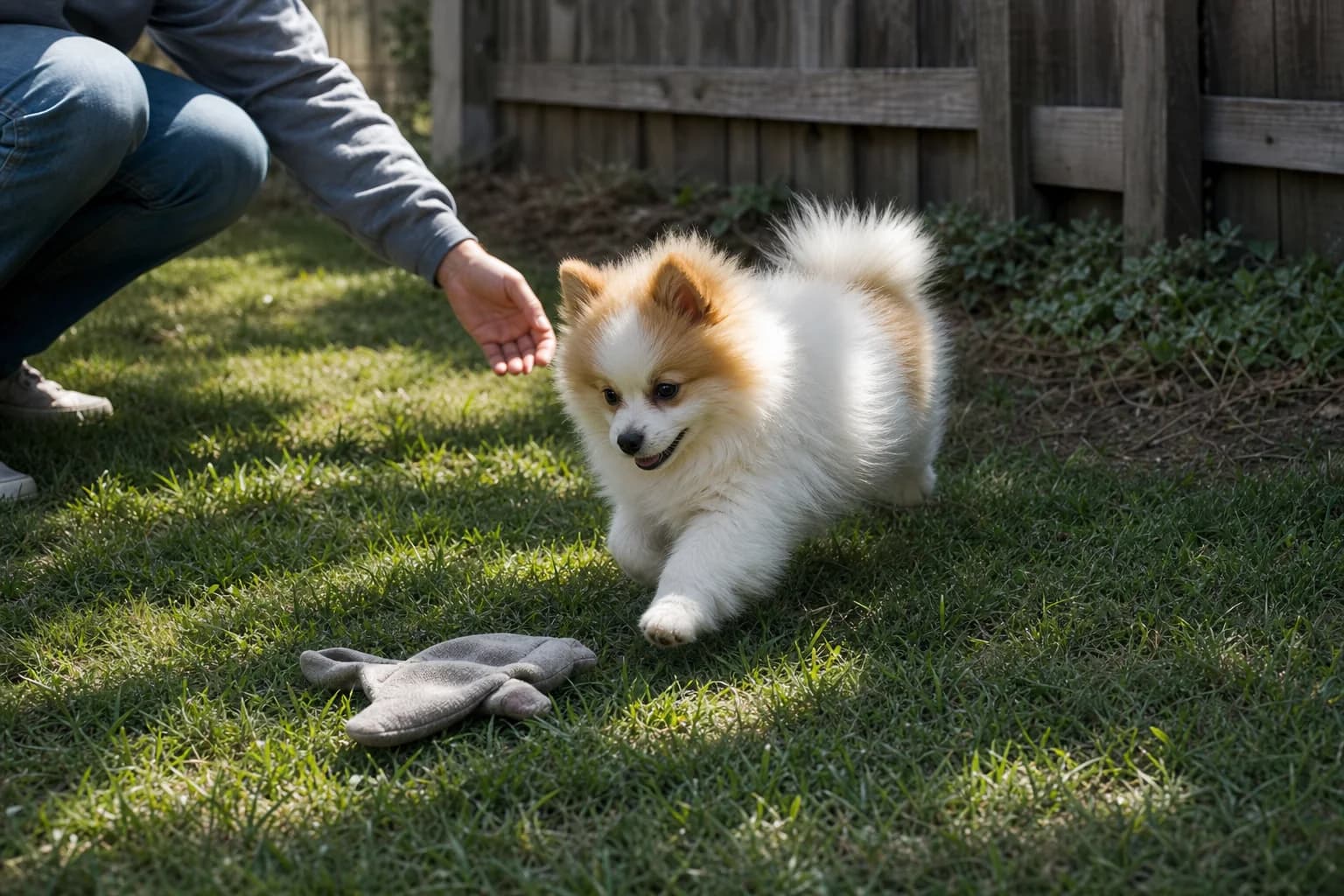
Puppies need movement, exploration, and play, but not repetitive forced exercise. Use several short sessions on safe surfaces and stop before the puppy becomes frantic, clumsy, or exhausted. Free movement, sniffing, gentle tug, food searches, and simple training can meet several needs without asking a tiny body to follow a long human workout.
Protect the puppy from high jumps, slippery floors, stairs without barriers, drops from arms or furniture, and collisions with larger dogs. Match play partners by behavior and physical safety, not friendship alone. A well-meaning adult dog can injure a Pomeranian puppy with one paw or body slam.
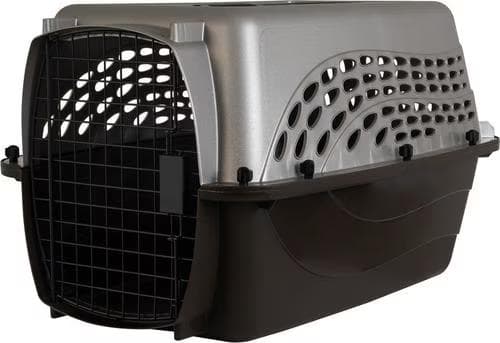
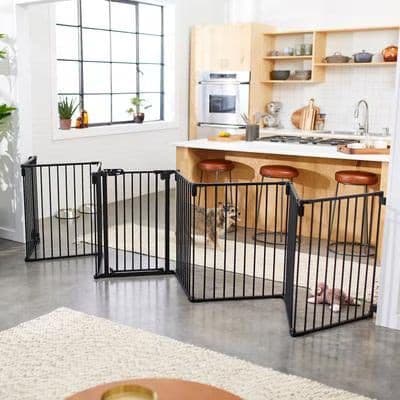
A Petmate Two Door Top Load Dog and Cat Kennel, 24 inches, up to 15 lbs may provide a transport or short rest space only when the puppy fits the current dimensions and weight limit, can stand and turn comfortably, and is introduced gradually. A Frisco Steel Configurable Dog Gate and Playpen can help define a play zone, but inspect every gap and connection before relying on it for a toy-breed puppy.
Temperament and household fit
Pomeranian puppies are often lively, attentive, affectionate, and quick to sound an alarm. Individuals differ in confidence, sociability, frustration tolerance, recovery, and comfort with handling. One bold meeting does not prove stability, and a sleepy puppy is not necessarily calm. Observe across settings and ask what the puppy does after a surprise, not only whether the puppy reacts.
Family-dog answer
A Pomeranian can be a good family dog when adults supervise contact, protect the puppy's small body, preserve sleep, and teach both children and puppy how to disengage. The answer is no when the household expects a puppy to tolerate carrying, chasing, hugging, or unsupervised play with a much larger animal.
Family fit depends on management. Adults must supervise children, control doors and furniture, separate incompatible animals, and provide quiet sleep. A puppy who is constantly carried, chased, dressed up, or passed between people may have little chance to rest or choose contact. Teach family members to invite the puppy, support the whole body when lifting is necessary, and release before struggling begins.
For detailed adult behavior, barking, and training expectations, see Petful's Pomeranian temperament guide. This first-year page focuses on building the experiences and skills that support later stability.
Socialization without overwhelm
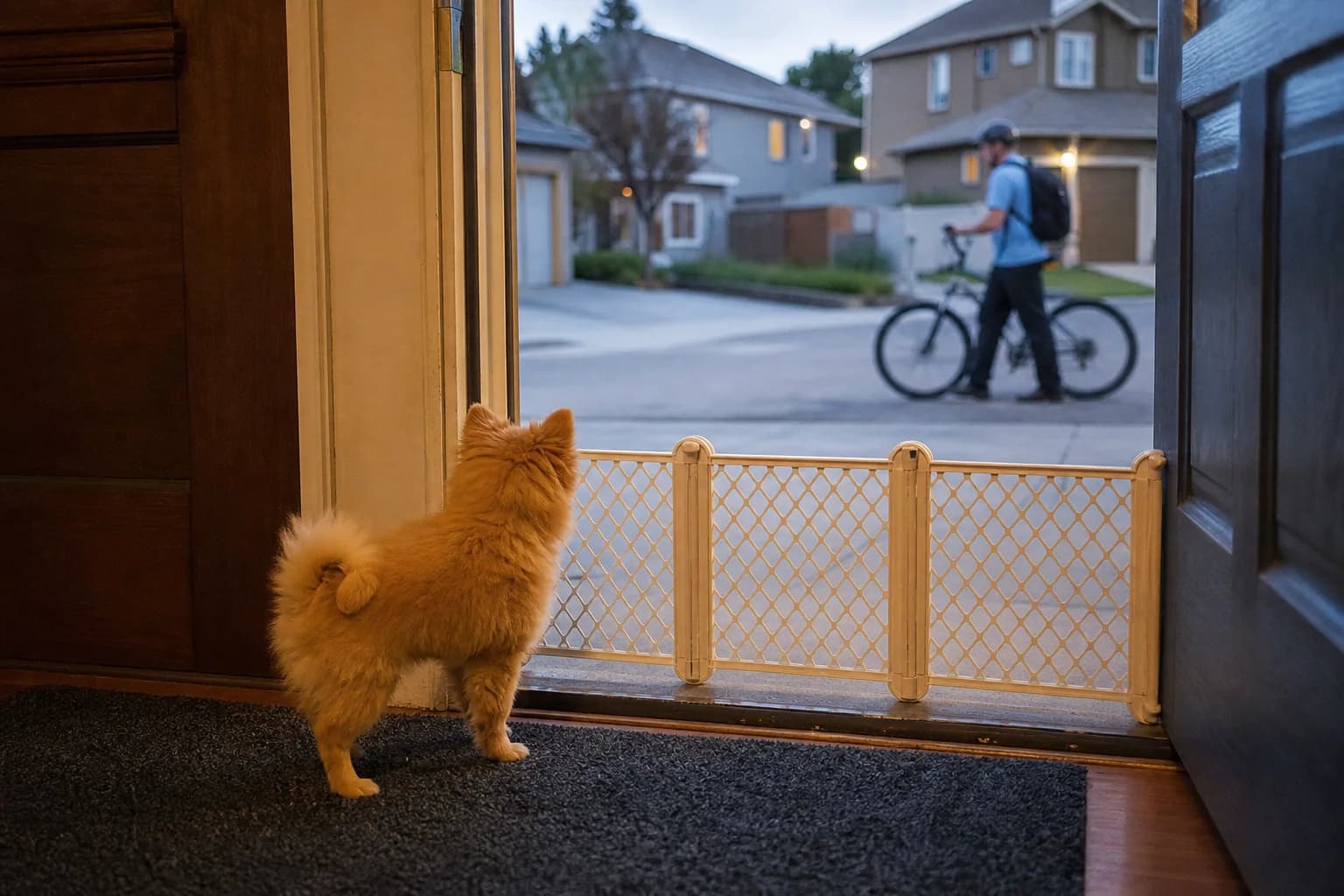
Socialization means creating safe, positive experience with the world, not forcing greetings or exposing the puppy to everything at once. Work within the veterinary team's disease-risk guidance. The goal is a puppy who can notice people, surfaces, sounds, handling, transport, and other animals while staying able to eat, explore, recover, and leave.
Pair low-intensity exposure with choice. Watch from a distance before approaching. Let the puppy step onto a new surface rather than placing the puppy on it. Use a calm known dog rather than a chaotic crowd. End while behavior remains organized. Freezing, frantic escape, repeated barking, refusal of familiar food, or prolonged recovery means the experience was too difficult.
Build a balanced list:
- People with different movement, clothing, voices, and mobility aids.
- Household sounds, traffic, door activity, grooming tools, and veterinary handling.
- Grass, gravel, mats, ramps, elevators, and secure vehicle travel.
- Calm dogs and other animals behind appropriate barriers.
- Being alone briefly, settling near activity, and sleeping through normal noise.
- Cooperative checks of mouth, ears, feet, coat, and body.
A Sherpa Original Deluxe Airline-Approved Dog and Cat Carrier can become part of calm transport practice if the puppy can stand, turn, rest, and breathe comfortably inside it. Recheck a Frisco Padded No Pull Dog Harness as growth changes fit, and remove it when unsupervised if snagging is possible.
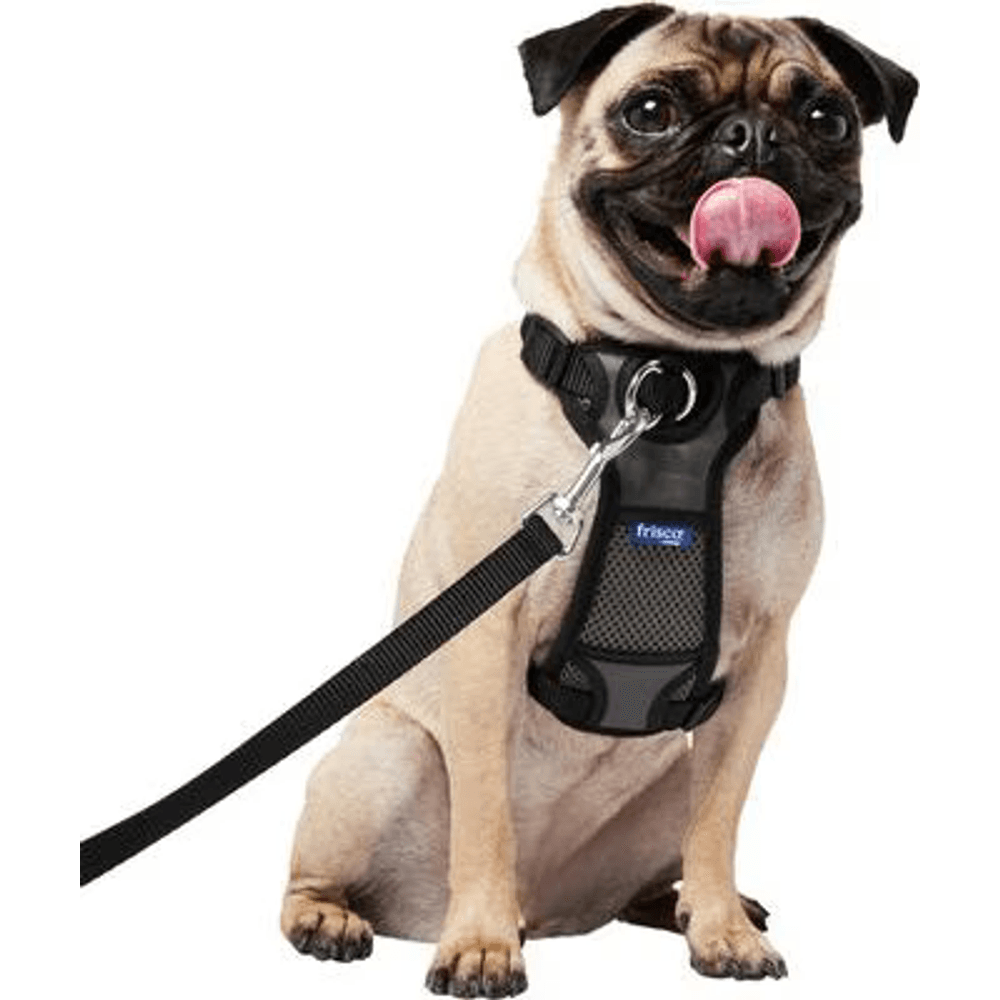
A budget-friendly padded no-pull harness that keeps leash pressure off a coughing dog's neck and windpipe by distributing it across the chest. A simple, affordable way to protect an irritated airway or a collapsing trachea on every walk.
Petful may earn a commission when you click through to Chewy, at no extra cost to you.
House training and alone-time skills
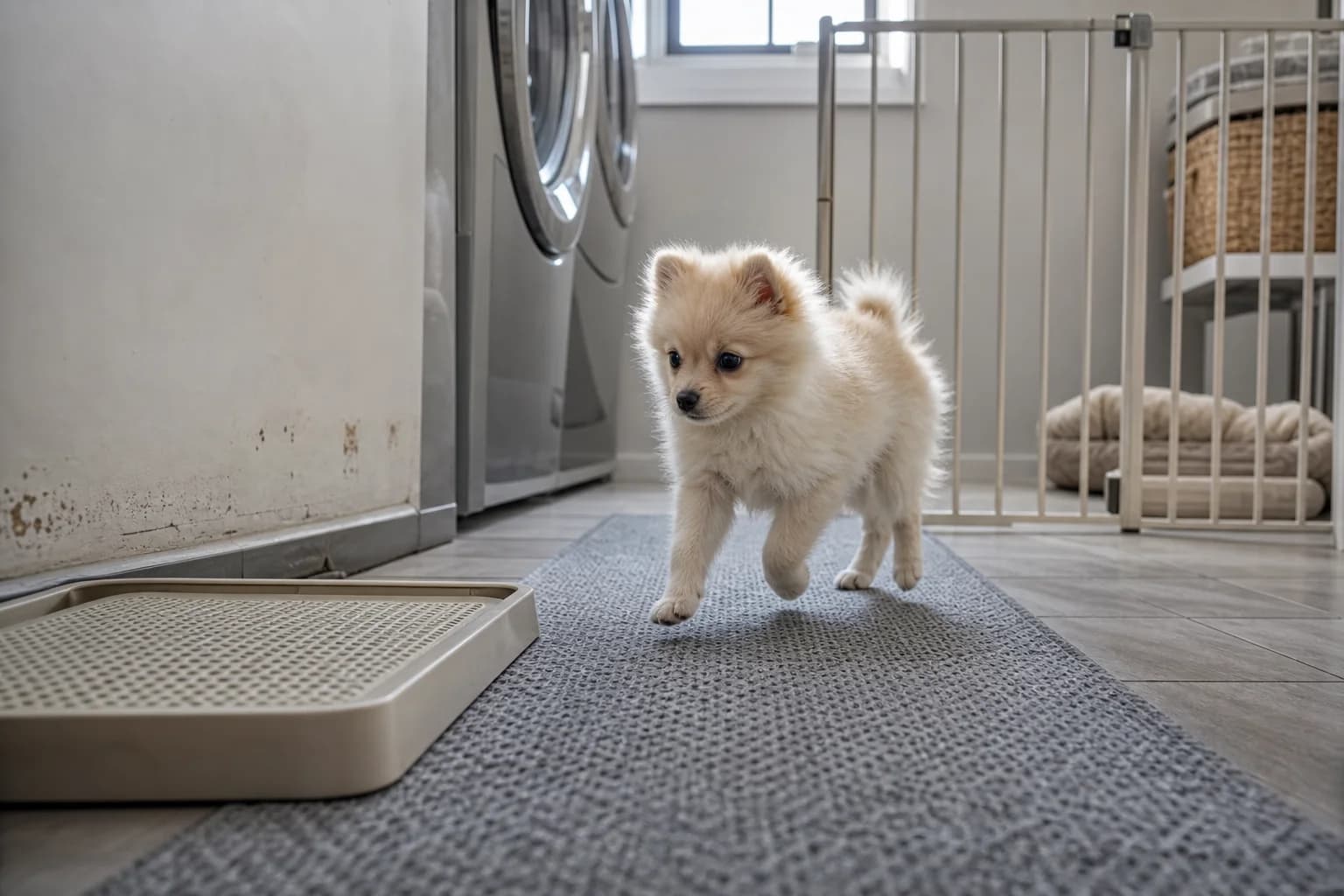
Toy-breed puppies have small bladders and little margin for a vague schedule. Take the puppy to the chosen toilet area after waking, eating, drinking, active play, and before confinement. Supervise or use a safe small area when direct attention is impossible. Reward promptly at the correct location and clean accidents with an appropriate cleaner without punishment. For supervised close control on the toilet route, compare the Frisco Traffic Leash with Dual Padded Handles only after checking hardware, handle comfort, and the puppy's size; it is not a long line.
Record accident time and what happened beforehand. A pattern can reveal an interval that is too long, excitement urination, incomplete elimination, a confusing surface, or a medical concern. Sudden regression, frequent tiny urinations, straining, excessive thirst, diarrhea, or pain needs veterinary advice.
Alone time is a separate skill. Begin with seconds or minutes while the puppy is calm and needs are met. Return before distress escalates, vary easy durations, and practice departures when the household does not actually need to leave for hours. Eight hours is not a suitable routine for a young puppy. Arrange a midday caregiver and age-appropriate toilet, meal, movement, and social contact. A stuffable option such as the KONG Classic Dog Toy should be sized, filled, and supervised for the individual puppy, then removed if pieces loosen or chewing becomes unsafe.
Observe the separation plan
Use a camera only to observe, not to talk at the puppy unpredictably throughout the absence. Look for whether the puppy settles after a brief check, changes position normally, and wakes calmly, or instead paces, screams, pants, scratches exits, drools, or cannot engage with a familiar safe activity. Increase duration from the puppy's demonstrated comfort, not from the deadline imposed by a work schedule.
House-training freedom should also be earned in small steps. When the puppy remains clean in one supervised area, add a little space while keeping the same toilet route. If accidents rise, reduce space and shorten the interval without punishment. A puppy who can remain clean overnight may still need frequent daytime trips because activity, food, water, and excitement change the pattern.
Feeding and body condition
Continue the source's current food initially unless the veterinary team recommends an immediate change. Transition gradually when appropriate and measure every meal. Use a complete diet formulated for growth, account for training rewards, and keep fresh water accessible. Do not add supplements simply because a product promises coat growth, tiny size, or immunity. If food rewards fit the diet, the Blue Buffalo Nudges Grillers Steak Dog Treats are one option to compare by ingredients, piece size, calorie load, and the puppy's current food plan.
Very young toy-breed puppies can become ill quickly when they do not eat, vomit repeatedly, have diarrhea, or become weak. Ask the veterinarian for an age-specific feeding schedule and emergency instructions. Do not use internet sugar remedies as a substitute for urgent assessment.
Because fluff hides shape, learn a hands-on body-condition check. Track weight on the same scale, but do not chase a chart percentile at the expense of the individual puppy. Healthy growth includes energy, stool quality, muscle, coat, and steady development, not only pounds.
Coat, nails, and dental habits
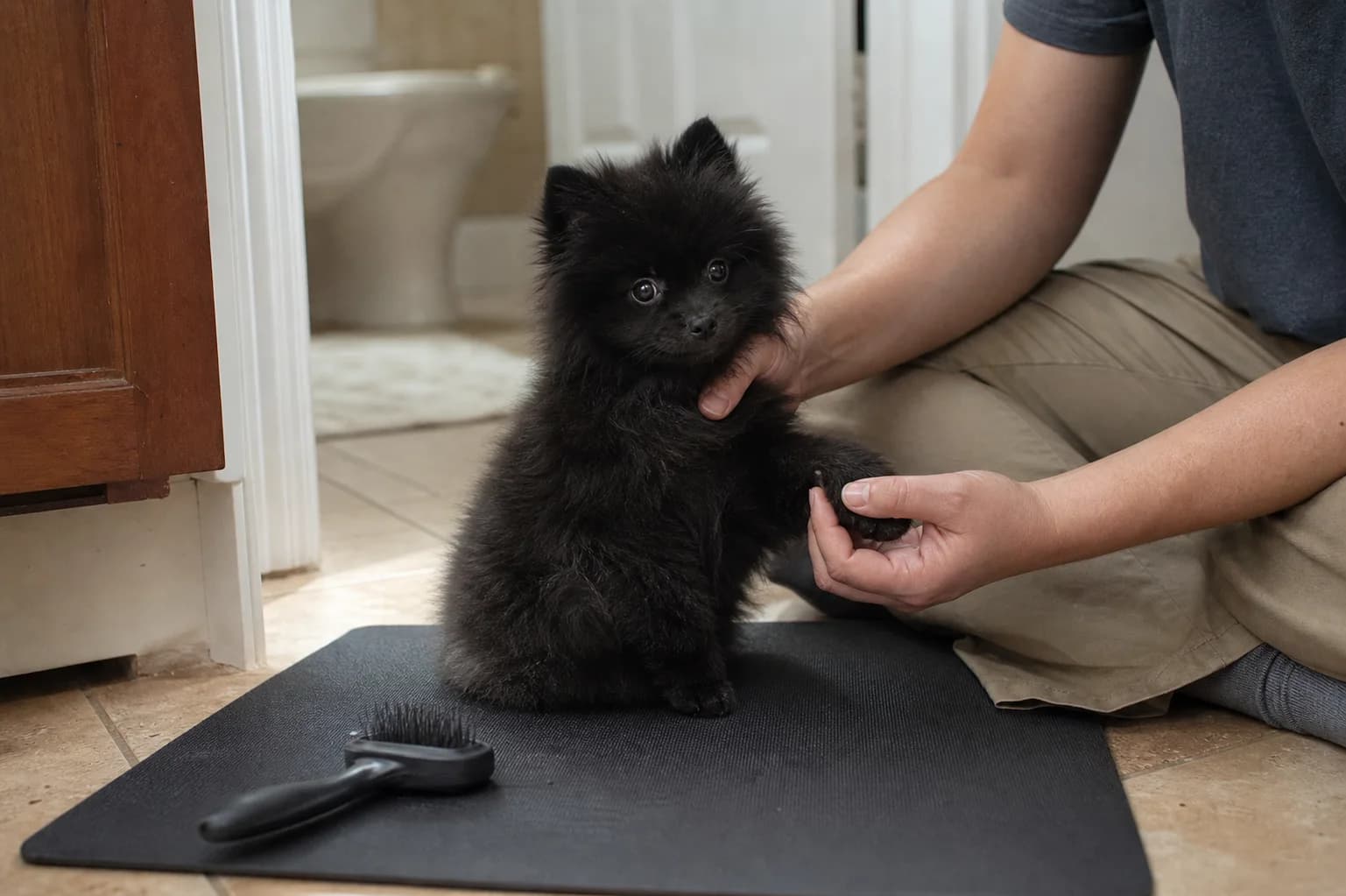
Introduce grooming before tangles make it painful. Practice standing on a nonslip surface, brief coat parting, a comb touch, paw handling, nail-tool sound, tooth-brush contact, and comfortable drying. Reward cooperation and stop while the puppy remains relaxed. Short rehearsals on an easy coat are more valuable than the first lesson happening during a difficult mat. For coat handling, the Four Paws Magic Coat All-In-One Wet & Dry Dog Glove & Curry Brush is one glove format to introduce on a small area. For mouth handling, the Jasper 360 Dog Finger Toothbrush is one finger-brush format to introduce only after comfortable lip touch.
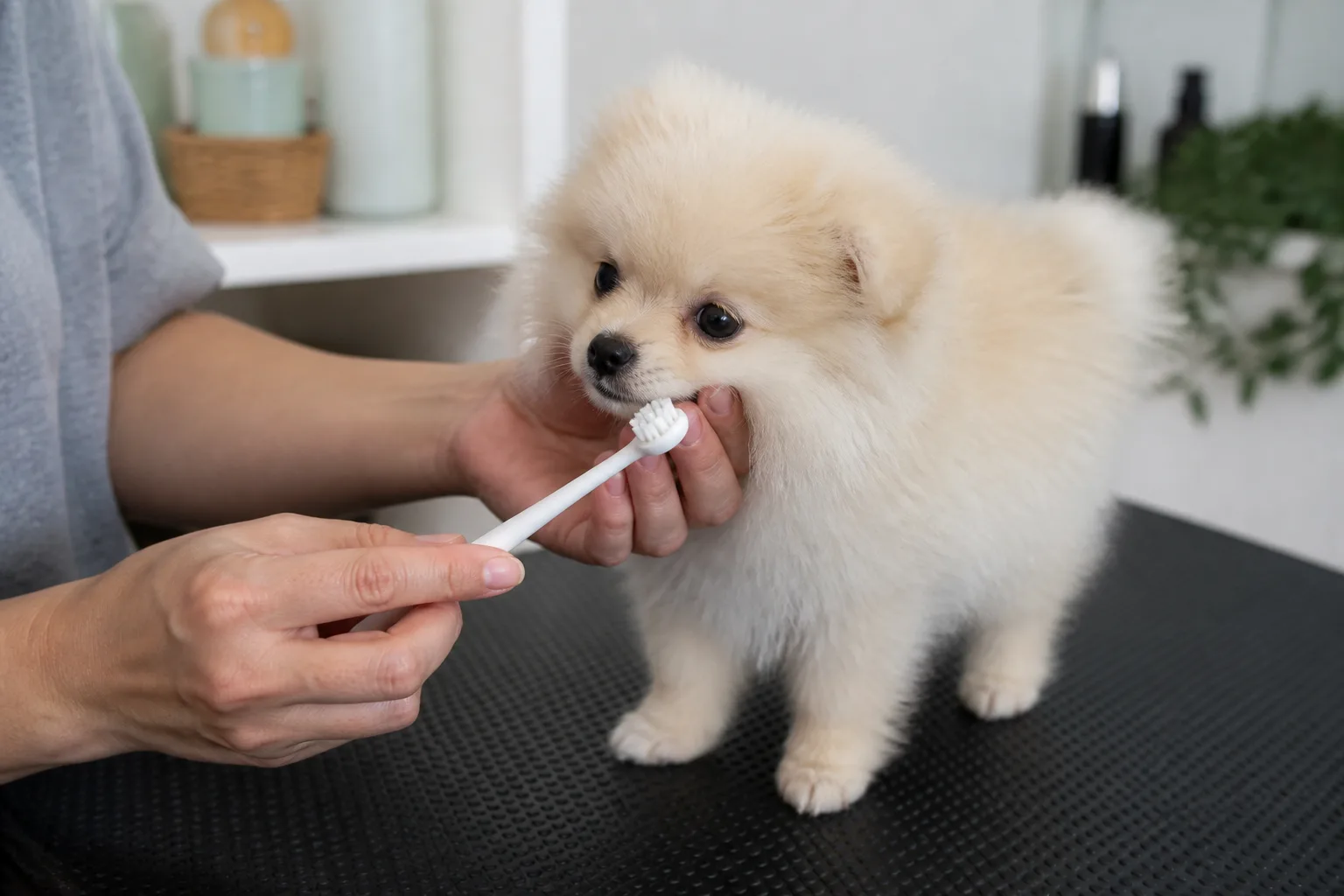
The developing coat can pass through an uneven stage before the adult double coat fills in. Brush to the skin in small sections without scraping, and ask a skilled groomer to demonstrate. Keep nails short enough for traction and inspect friction areas under the harness. Petful's Pomeranian shedding guide covers the adult coat routine.
Begin dental handling early because small mouths can crowd teeth. Use dog-safe toothpaste, progress gradually, and ask the veterinarian to monitor retained puppy teeth, bite development, and gum health. Chews and water additives do not make a painful mouth safe to ignore. A dog-safe option to compare after veterinary guidance is the Virbac C.E.T. Enzymatic Dog & Cat Toothpaste; human toothpaste is not a substitute.
Veterinary milestones and warning signs
Schedule an independent examination soon after placement and bring every original record. The veterinarian can confirm identity where possible, review growth and body condition, plan vaccines for age and local risk, discuss parasite control, examine the heart, airway, mouth, eyes, skin, joints, and discuss reproductive timing without relying on a generic calendar.
Keep a current medication and vaccine list, microchip details, regular and after-hours clinic numbers, and a secure carrier. Contact the veterinary team promptly for refusal to eat, repeated vomiting or diarrhea, marked lethargy, weakness, coughing, breathing change, pain, injury, discharge, or a sudden behavior change. Difficulty breathing, collapse, seizure, suspected poisoning, severe trauma, or unresponsiveness needs emergency help.
Do not delay care because a symptom is described as common in toy breeds. “Common” does not mean harmless, and a puppy's small body can leave less time to recover from fluid loss, inadequate intake, or temperature problems.
Leave with an actionable care plan
Ask the veterinary team to show how to give any prescribed medication, check gum color, measure food, and recognize the puppy's normal breathing and movement. Write down dose units and timing rather than relying on memory. Never calculate a dose from an adult dog or use another pet's medication.
Prepare the carrier before an urgent trip and keep the puppy warm or cool only as directed for the situation. Call the clinic while arranging transport. Bring the source records, current food and product list, medication packaging, and a timeline of the signs. If poisoning is possible, bring the product container but do not induce vomiting unless a veterinary professional instructs it.
After each milestone visit, update the next due date and any activity or socialization guidance. Vaccine and parasite plans depend on age, local exposure, health, and product history. A generic online schedule cannot account for those details.
A realistic first-year plan
Organize the year around skills and review points rather than trying to complete a socialization checklist in the first month. The puppy needs repeated practice with sleep, toileting, calm handling, safe movement, short separations, transport, grooming, dental care, and settling near ordinary household life.
Review the plan monthly:
- Update weight, body condition, food amount, and veterinary schedule.
- Refit the carrier, harness, gates, crate or pen, and sleeping area.
- Note which people, sounds, surfaces, and places still cause slow recovery.
- Increase alone time only when the current duration remains comfortable.
- Adjust toilet intervals from the puppy's actual pattern.
- Preserve naps and calm days after demanding experiences.
- Budget for training, grooming, replacements, and urgent care.
Success at one year is not a puppy who has seen everything. It is a young dog with a trusted care routine, safe household habits, an ability to recover from manageable novelty, and people who recognize when the plan needs to become easier or more professional support is needed.
Keep one monthly note about what became easier, what remains difficult, and which household condition changed. This prevents the family from judging progress by the last bad day. A puppy may improve at toileting while entering a cautious developmental phase, or become comfortable with grooming while needing new work on barking. Training is not a straight line.
The plan should also survive an ordinary difficult week. Identify who covers meals and toilet trips during illness, where the puppy rests during home repairs, who can provide safe care during travel, and how the family reaches a trainer, groomer, and veterinary clinic. Resilience comes from backup arrangements, not from expecting the puppy to cope with every disruption without preparation.
Related Pomeranian guides
- Pomeranians Breed Profile: Essential Facts
- Pomeranian Price and Cost: Puppy and Lifetime Expenses
- Do Pomeranians Shed? Coat Care and Grooming Guide
- Pomeranian Mixes: Crosses, Traits, and Care
- Pomeranian Colors: Coat Shades, Markings, and Changes
- Pomeranian Lifespan and Health: What Owners Should Know
- Pomeranian Temperament: Personality, Barking, Training, and Family Fit
Frequently asked questions about pomeranian puppies
How much a Pomeranian puppy should cost depends on location, transport, early veterinary care, registration, parent screening, puppy raising, and support; there is no reliable national price. A high price does not prove quality, and a low fee does not reveal future expenses. Verify records, contract terms, and return support, then build a local first-year budget for food, veterinary care, safe equipment, training, grooming, dental care, insurance or emergency savings, and pet care before comparing sources.
Pomeranian puppies should not be left alone for 8 hours as a routine because they need frequent toilet trips, meals, movement, sleep, and safe social contact. Build short separations gradually and arrange a midday caregiver when schedules cannot change. An adult may tolerate more time, but distress, house-soiling, medication, age, and health still set the limit. Use a camera only to observe behavior, not to justify continuing an absence that produces panic or unsafe escape attempts.

Kristine Lacoste has been researching dog and cat breeds for nearly a decade and has observed the animals up close at dog shows in both the United States and the United Kingdom. She is the author of the book One Unforgettable Journey, which was named as a finalist for a Maxwell Award from the Dog Writers Association of America, and was host of a weekly pet news segment on the National K-9 Academy Radio Show. In addition, she was the New Orleans coordinator for Dogs on Deployment, a nonprofit that helps military members and their pets, for 3 years. Kristine has researched and written about pet behaviors and care for many years. She holds a bachelor’s degree in psychology, another bachelor’s degree in English and a Master of Business Administration degree.
Sign up for expert-backed reviews and safety alerts all in one place.