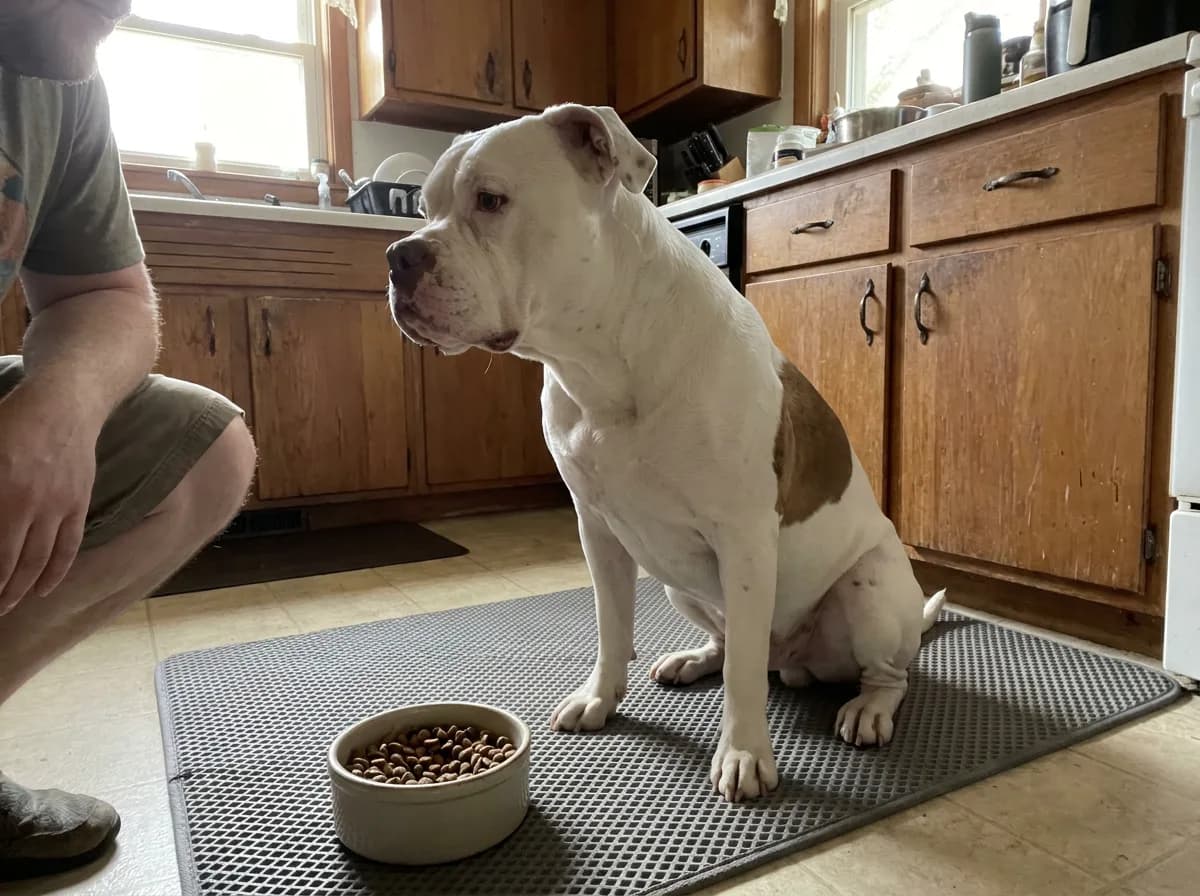
Pomeranian Price and Cost: Puppy and Lifetime Expenses
Pomeranian Price and Cost: Puppy and Lifetime Expenses with evidence-based guidance on daily fit, care, costs, training, grooming, health, and the individual decisions that matter most.

Petful is reader supported. As an affiliate of platforms like Amazon and Chewy, we may earn a commission when you buy through links on this page. There is no extra cost to you.
A Pomeranian price is only the first line in a much larger budget. The advertised fee can vary widely by location, age, source, included veterinary work, and the records supplied with the dog. A useful estimate therefore separates acquisition from the first year, normal recurring care, professional services, and expenses that cannot be scheduled.
This guide does not publish a single national price as if it were permanent. Instead, it shows how to collect current local figures and build a budget that reflects a Pomeranian's small body, abundant coat, dental needs, training, and possible veterinary risks. For a fuller view of the breed before making a financial commitment, start with Petful's Pomeranian breed profile.

Sign up for expert-backed reviews and safety alerts all in one place.
Pomeranian price: the short answer
- 1Separate the advertised fee from the first-year total.
- 2Collect local figures with dates and inclusions.
- 3Do not use a high price as a proxy for health or ethics.
- 4Dental care, coat maintenance, safe toy-breed equipment, and evaluation of airway or kneecap concerns can affect a Pomeranian budget.
How much is a Pomeranian usually? There is no trustworthy one-price answer. A young puppy from a breeder, an adult from a breed rescue, and a dog adopted from a municipal shelter come with different fees and different included services. Record at least three local examples on the same date, then list what each amount includes. Vaccines, microchipping, spay or neuter surgery, registration, transport, health screening, and post-placement support can change the real comparison.
Pomeranians can appear expensive because responsible early care, documented breeding decisions, neonatal work, and support all cost money. Price alone, however, proves none of those things. A high fee does not establish health, ethical practices, or predictable adult size. A very low fee can also become expensive when records are missing or urgent care is needed. The cheapest puppy is not a specific breed or listing; it is a risky way to frame the decision. Compare the total care commitment and verify the dog in front of you.

Petful may earn a commission when you click through to Chewy, at no extra cost to you.
A Pomeranian can be a good pet for a household prepared for regular grooming, dental care, reward-based training, safe handling, and a dog that may be alert and vocal. The purchase decision should be based on ordinary-week capacity, not whether the initial fee fits this month's cash flow.
Four budget buckets
- Acquisition: adoption, rescue, or breeder fee, travel, and the first independent examination.
- Setup: a secure carrier or restraint, walking gear, gates, sleeping area, feeding supplies, identification, grooming tools, and cleaning supplies. For a concrete leash-price benchmark, compare the Frisco Traffic Leash with Dual Padded Handles after checking length, hardware, handle comfort, and the dog's pulling strength.
- Recurring care: food, preventive veterinary care, parasite control, dental care, licenses, grooming, training, and replacements.
- Risk protection: insurance premiums or a funded alternative, deductibles, urgent transport, and an emergency reserve.
Normalize the quotes before choosing
Two fees are not comparable until their inclusions are placed on the same worksheet. Suppose one route includes identification, age-appropriate veterinary work, and local pickup while another lists only the dog and requires transport. Add the replacement price of every missing service to the second quote. Keep uncertain items marked as unknown instead of assigning them a reassuring zero. This is especially important when the dog's age, vaccine status, or identity has not been independently confirmed.
Use the date beside every quote because listings and professional fees change. Save a screenshot or written estimate, but verify the terms directly before committing. A complete comparison should show the acquisition fee, included care, immediate catch-up needs, travel, the independent examination, setup, and the cash that remains for emergencies. If paying the fee empties that reserve, the apparent bargain is outside the household's current budget.
Adoption, rescue, and breeder costs
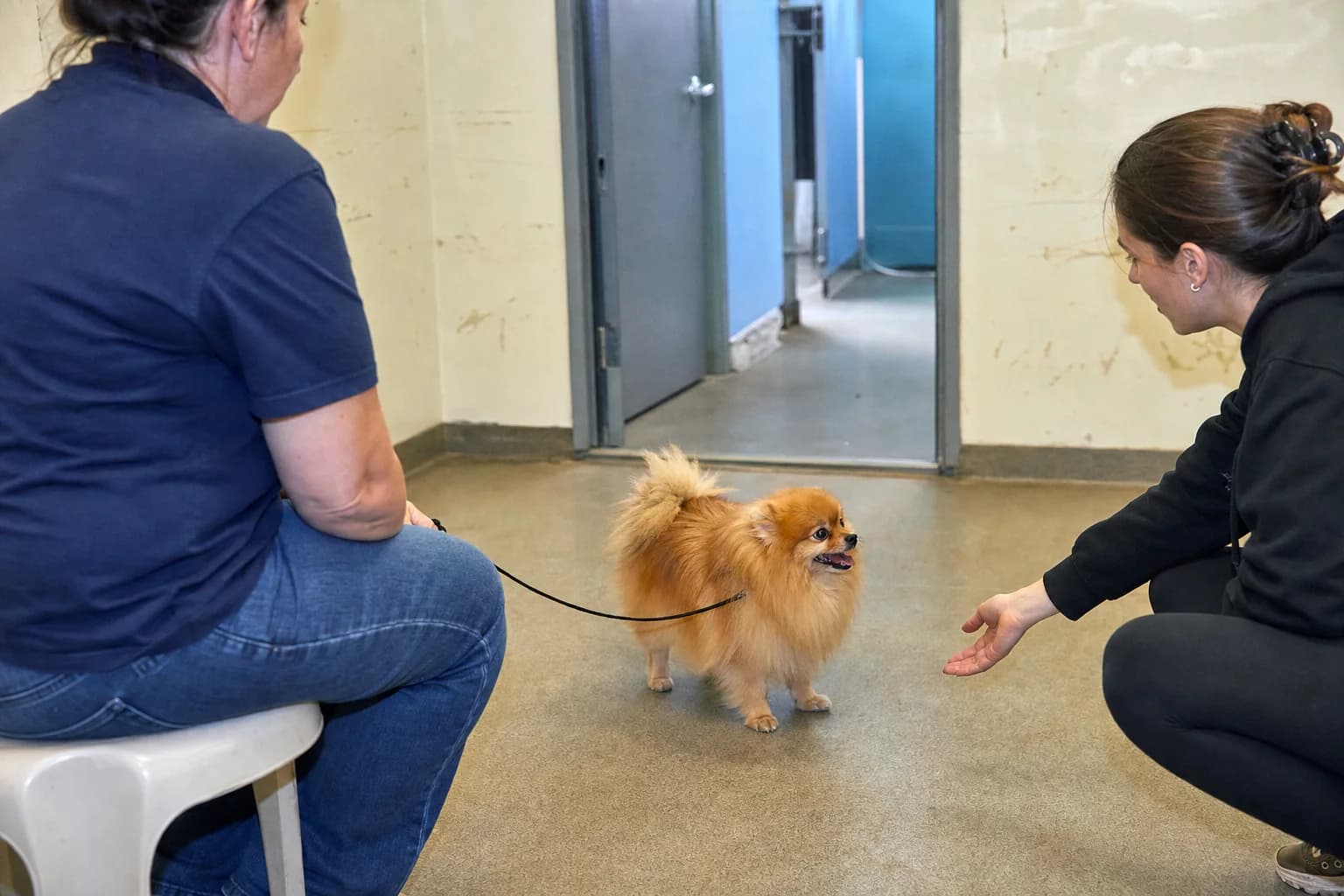
An adoption fee may include a physical examination, core vaccines, microchip, parasite treatment, and spay or neuter surgery. A foster-based rescue may also have useful observations about house training, handling, other animals, and time alone. Ask for an itemized description rather than assuming every organization includes the same care. Budget for an independent veterinary visit even when records look complete.
A responsible breeder's fee may reflect health screening, reproductive care, round-the-clock neonatal work, early socialization, identification, registration context, and a contract that requires the dog to be returned if the home cannot keep it. Verify those elements directly. Request original records with matching names and dates, learn which screening applies to the parents, meet the dam when practical, and read the return provisions before paying a nonrefundable deposit. The Orthopedic Foundation for Animals explains breed health screening programs and provides a starting point for checking claims.
Avoid sellers who will not identify themselves, will not permit reasonable verification, pressure buyers to pay immediately, offer multiple breeds with no clear care program, or market unusually tiny size as a health-free luxury feature. “Teacup” is not a separate AKC Pomeranian variety. Extremely small puppies may require more careful feeding, fall prevention, temperature management, and veterinary oversight, not less.
What to verify before comparing fees
- The dog's age, identity, microchip status, and current location.
- Original vaccination, deworming, examination, and treatment records.
- What happens if an independent examination finds a serious concern.
- Which supplies, transport services, registration papers, or support are included.
- A written contract and enough time to read it without pressure.
- For a breeder, verifiable information about both parents and the return policy.
The FurHaven Velvet Waves Orthopedic Sofa Cat and Dog Bed may be one setup option if its current dimensions suit the individual dog and the cover can be cleaned easily. Measure the space and the dog before ordering. A properly fitted Frisco Padded No Pull Dog Harness is another possible first-year item, but a product name cannot replace a neck-and-chest measurement or a fit check.

Petful may earn a commission when you click through to Chewy, at no extra cost to you.
What changes the purchase price
| Evidence for this toy-spitz budget plan | What to record for cost | What changes the cost plan |
|---|---|---|
| Current Pomeranian observation | Date, setting, and exact behavior or measurement | A repeatable trend rather than one event |
| Professional cost evidence | Named test, examination, record, or qualification | A revised risk assessment |
| Household capacity | Time, cost, supervision, and skill | A plan that works on ordinary weekdays |
Age and placement route usually matter more than a flashy label. Puppies often command higher advertised prices than adults. A dog being retired from a responsible breeding program, rehomed privately with records, or adopted through rescue may have a lower fee but a different medical, behavior, and transition history. Transport can add a substantial amount and can make verification harder, so compare a local option with the total delivered cost rather than the listing price alone.
Documentation also changes value. Relevant records can include parent screening, individual veterinary history, identification, vaccination dates, a pedigree or registration record where applicable, and a clear contract. These do not guarantee future health, but they reduce avoidable uncertainty. Color, sex, social-media fashion, and promises of a particular “face” may raise a seller's asking price without improving welfare or suitability. Petful's Pomeranian colors guide explains the breed vocabulary; coat color should not displace health, structure, or source quality in the decision.
Use the same comparison sheet for every candidate:
- Record the fee, date, location, and seller or organization's legal identity.
- List included services and estimate their local replacement cost.
- Add travel, transport, supplies required before pickup, and the independent examination.
- Flag missing records rather than assigning them an imaginary value.
- Keep optional appearance preferences separate from health and care capacity.
- Walk away when verification is blocked, even if the advertised price looks attractive.
First-year setup costs
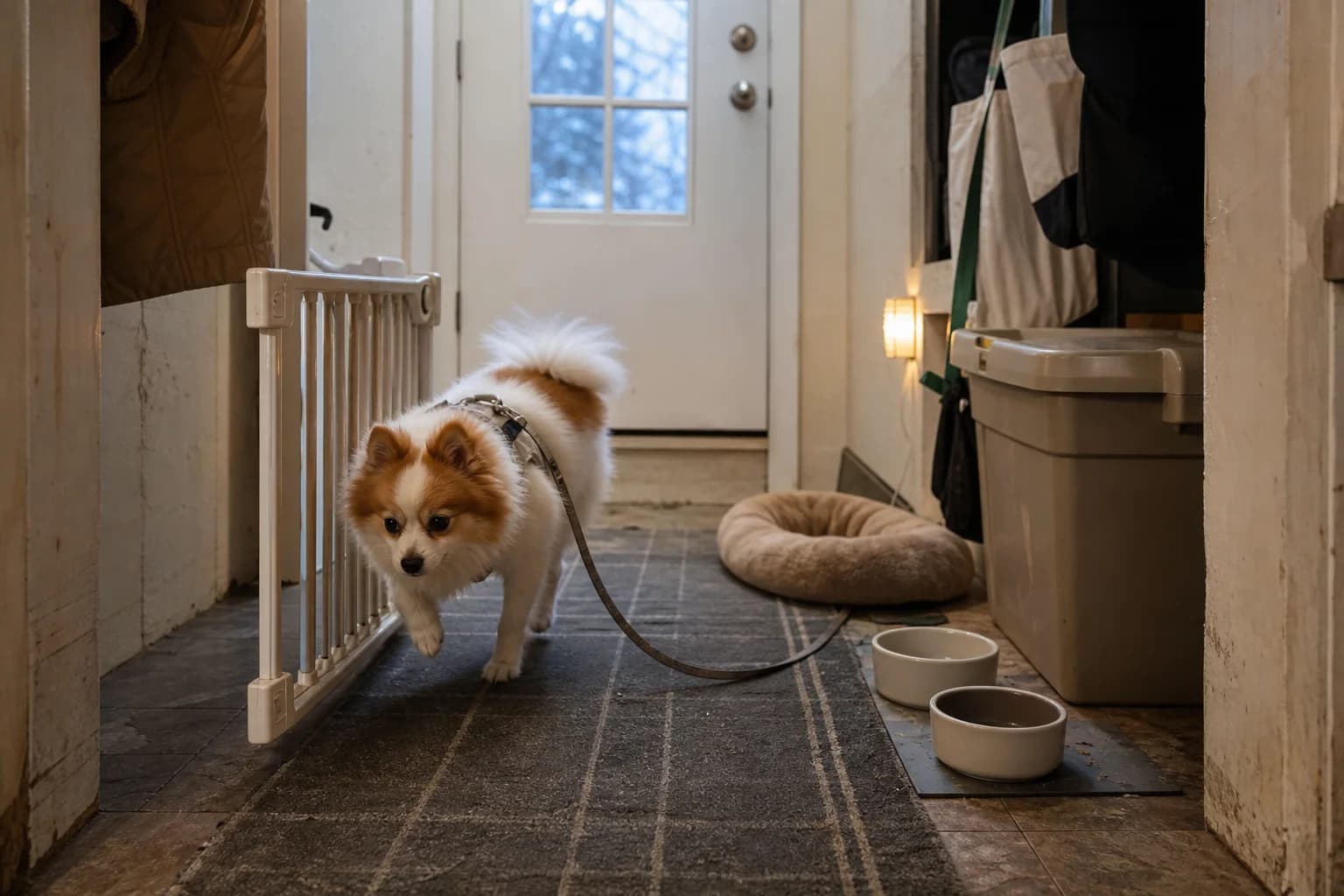
First-year purchases should solve a real safety or care problem. A Pomeranian needs secure transport, correctly fitted walking equipment, identification, a calm sleeping area, barriers where falls or escapes are possible, feeding supplies, grooming tools, dental supplies, and a plan for cleaning accidents. Puppies may outgrow early equipment, while an adult's coat can make a harness fit differently after grooming. Keep receipts until fit and function are confirmed. One barrier to price against the room is the Frisco Steel 8-Panel Configurable Dog Gate and Playpen; confirm panel stability, attachment, bar spacing, and climbing risk before relying on it.
Prioritize the items that prevent injury or make daily care possible. Decorative beds, outfits, and toy collections can wait. Spend first on a carrier or vehicle restraint, a secure harness and leash, stair or balcony management, a crate or pen if it will be introduced positively, and basic coat and dental tools. If the home already has dog equipment, inspect sizing, gaps, worn clips, and cleaning condition rather than assuming it transfers safely to a toy breed. One removable-cover resting option to price by usable dimensions and care instructions is the FurHaven Velvet Waves Perfect Comfort Orthopedic Sofa Cat & Dog Bed.
The first veterinary visit deserves its own line. Bring every record and ask the clinic what is due now, what can wait, and which future expenses are reasonably predictable. The answer will differ for a puppy completing a vaccine series, an adult with current records, and a dog whose history is unknown.
Replacement and time costs
Plan for replacement as well as purchase. A puppy may need a new harness as the chest develops, and chewed bedding or damaged clips should be retired before they fail. Shampoo, dental supplies, training rewards, and parasite preventives are consumables, not one-time setup. Mark each item as durable, size-dependent, or consumable. That simple label prevents a first-year list from hiding costs that will recur after the initial shopping trip.

An orthopedic sofa bed with three bolstered sides for dogs who like to rest their head and joints against a cushion. The supportive foam base cradles hips and elbows, a comforting spot for an older or shaky dog to settle.
Petful may earn a commission when you click through to Chewy, at no extra cost to you.
The household also needs a time budget. Home brushing, tooth care, training, cleaning, and appointment travel cost less cash only when someone can do them consistently and safely. If work schedules make professional grooming, a dog walker, puppy visits, or group classes necessary, include those services from the beginning rather than calling them unexpected later.
Build the setup list by function
- Transport and restraint: carrier, vehicle restraint, harness, leash, identification tag. A medium transport option to compare against standing height, body length, weight, and vehicle setup is the Frisco Travel Safety Dog & Cat Carrier, Medium.
- Home management: gates, pen or crate, washable bedding, nonslip surfaces, safe storage.
- Food and training: bowls, measured diet, tiny training rewards, treat pouch, enrichment.
- Coat and hygiene: comb, suitable brush, nail-care plan, dog-safe shampoo, toothbrush and toothpaste. For the coat-care line, the Four Paws Magic Coat All-In-One Wet & Dry Dog Glove & Curry Brush is one gentle-contact format to compare. For the dental line, price a dog-safe product such as Virbac C.E.T. Enzymatic Dog & Cat Toothpaste only after confirming flavor, ingredients, and veterinary guidance suit the dog.
- Professional start: examination, training consultation if needed, groomer introduction, and local license.
Monthly and annual care
Monthly spending normally includes food, parasite prevention when recommended locally, grooming supplies or services, dental supplies, rewards, and a replacement allowance. Annual or less-frequent bills may include examinations, vaccines selected with the veterinary team, licenses, screening or laboratory work, training refreshers, and travel or boarding. Divide annual bills by 12 and transfer that amount into the pet account each month. This turns a predictable annual charge into a planned expense.
Do not estimate food from the bag price alone. Use the dog's measured portion and the bag's usable days, then account for waste and dietary changes. A Pomeranian eats less volume than a large dog, but professional grooming, dental work, diagnostic testing, and emergency care are not priced by pounds of dog. Small size does not make the whole care plan inexpensive.
A Petmate Two Door Top Load Dog and Cat Kennel, 24 inches, up to 15 lbs is one size-appropriate transport expense to compare when the individual dog fits the listed dimensions and weight limit and can stand, turn, and rest comfortably. The Frisco Steel Configurable Dog Gate and Playpen may help create a safe zone, but check every opening and configuration for a small dog before use. Neither item should be treated as a substitute for gradual alone-time training or supervision.
Review recurring costs every three months
- Replace estimates with actual receipts.
- Cancel subscriptions that produce waste or duplicate supplies.
- Recalculate food after a diet, body-condition, or portion change.
- Check whether home grooming is maintaining the coat between professional appointments.
- Note upcoming dental, laboratory, license, insurance, and boarding renewals.
- Raise the reserve contribution when age or a documented condition changes risk.
Turn irregular bills into a monthly number
List every expense expected during the next 12 months, even if it is paid only once. Divide the total by 12, add the normal monthly purchases, and automate that transfer to a separate pet account. Keep the emergency contribution separate so a routine examination or grooming visit does not consume money intended for an urgent event. When an annual bill is paid, continue the transfer for the next renewal instead of stopping until the date approaches again.
Track actual spending in broad categories rather than recording one undifferentiated pet total. Food, routine veterinary care, grooming, training, equipment, boarding, and risk protection respond to different decisions. A food increase may reflect a price change, while a grooming increase may signal longer intervals and more coat work at each visit. Categories show where the estimate failed and whether the solution is a larger budget, a safer routine, or a different service schedule.

A budget-friendly padded no-pull harness that keeps leash pressure off a coughing dog's neck and windpipe by distributing it across the chest. A simple, affordable way to protect an irritated airway or a collapsing trachea on every walk.
Petful may earn a commission when you click through to Chewy, at no extra cost to you.
Households with variable income can fund the essentials first. Protect food, necessary medication, preventive care, safe equipment, and emergency access before optional products or cosmetic services. Grooming is not optional for an abundant coat, but the mix of careful home maintenance and professional help can be planned. The goal is not the lowest possible month. It is a care plan that remains workable when the month is busy or income is lower than expected.
Training and grooming expenses
- Keep the decision evidence-based | this toy-spitz budget plan becomes useful when a household converts cost information into a specific Pomeranian observation, measurement, budget, or care action.
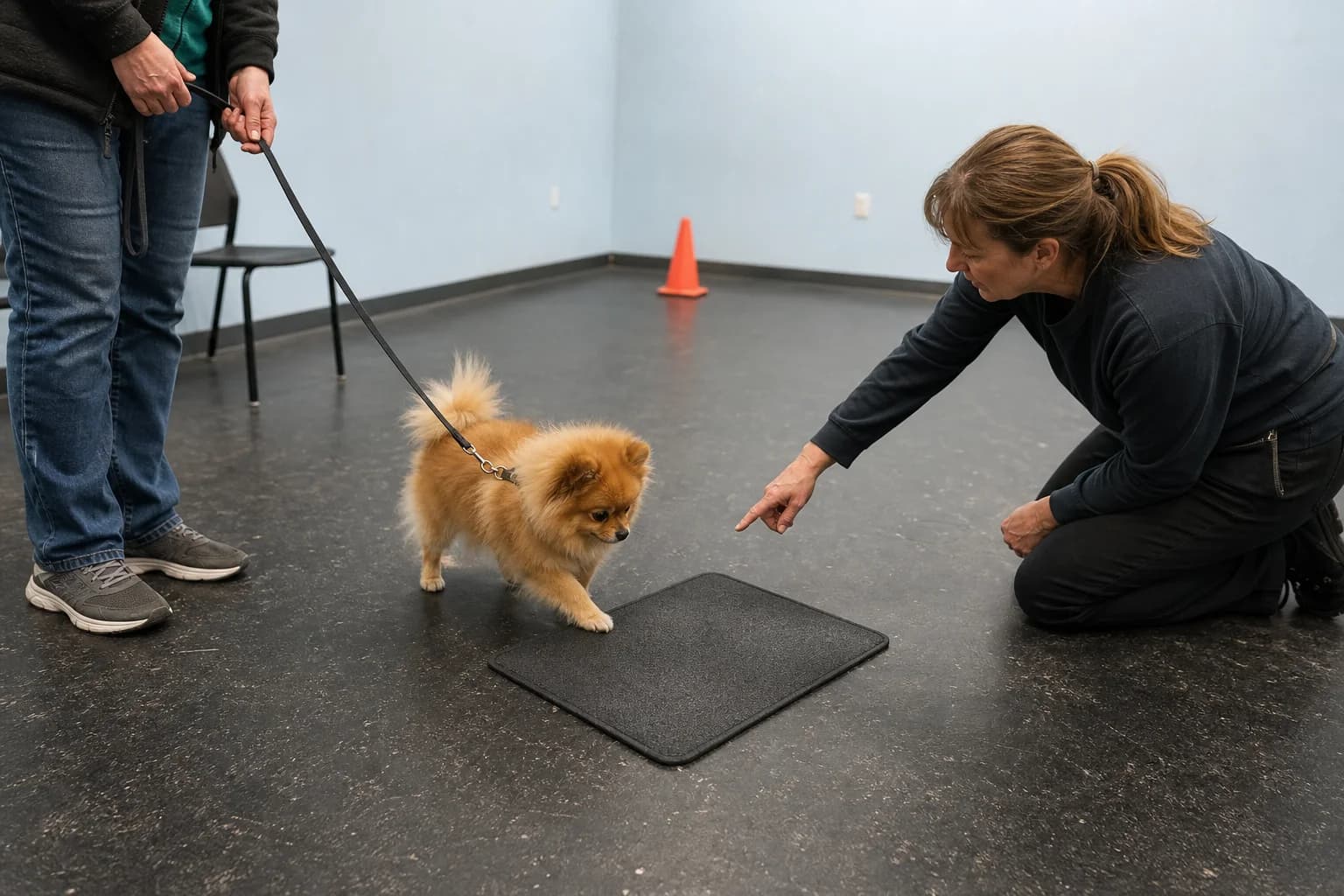
Pomeranians are small enough that people sometimes tolerate barking, pulling, handling distress, or house-soiling longer than they would in a larger dog. Delayed help can be more expensive because the behavior has had months to become established. Budget for a well-qualified reward-based trainer when the household cannot safely make progress, when fear or aggression appears, or when a puppy class would provide controlled practice and coaching.
Grooming costs depend on coat condition, behavior, service level, and local rates. A double coat needs skin-level combing, not just smoothing the visible surface. Home maintenance can lengthen the interval between professional appointments, but it requires the right technique and cooperative handling. Mat removal, heavily impacted undercoat, nail fear, or a dog unable to tolerate drying may require more time and professional skill. Petful's guide to Pomeranian shedding and coat care covers that routine in detail. When a bath is appropriate, the Earthbath Oatmeal & Aloe Dog & Cat Shampoo is one product to compare by ingredients, rinse directions, skin response, and price per use.
Questions for trainers and groomers
- Whether the quote includes bathing, complete drying, brushing, nail care, and sanitary trimming.
- What coat condition or behavior creates an added fee.
- Which handling methods are used and how distress is managed.
- What the household must do between appointments.
- Whether a short introductory visit is available for a puppy or worried adult.
- How often the service is actually needed for this dog's coat and lifestyle.
Veterinary care and emergency reserves
Routine care and emergency protection should be separate budget lines. Preventive examinations, vaccines, parasite control, dental care, and planned monitoring are predictable enough to estimate. Illness and injury are not. Obtain the price of a normal examination, an urgent examination, common diagnostic steps, and after-hours transport in your area. Those local figures are more useful than a national average.
If considering pet insurance, compare waiting periods, exclusions, deductibles, reimbursement percentages, annual limits, dental provisions, and whether the clinic must be paid before reimbursement. Read a sample policy, not only the monthly premium. If self-funding, decide what amount is available today, what is added monthly, and what happens when a bill exceeds the account. A credit limit is not the same as savings, particularly if repayment would delay routine care. If insurance belongs in the plan, compare a current Lemonade pet insurance quote with exclusions, waiting periods, reimbursement, limits, and the cash needed before reimbursement.
Pomeranian-specific planning may include dental disease, kneecap and mobility concerns, airway symptoms, heart findings, eye problems, and injuries associated with falls or rough handling. These are reasons to preserve flexibility, not predictions about an individual dog. Petful's Pomeranian lifespan and health guide explains the health-planning side without turning breed risk into a diagnosis.
Your emergency plan
- The regular clinic and nearest after-hours facility.
- A safe carrier and a person who can provide transport.
- The amount immediately accessible without missing rent or essential bills.
- Insurance claim steps, if applicable.
- A backup decision-maker and written medical history.
- Which expenses belong to routine care and must not drain the emergency reserve.
Review the plan by rehearsing the first hour of a real problem. One person calls the clinic, another secures the dog and records, and the payment method is immediately available. Confirm whether the nearest emergency hospital is open overnight and whether it offers the services a tiny dog might need. A facility name saved years ago is not enough if ownership, hours, or intake rules have changed.
After any urgent visit, rebuild the reserve separately from paying the current bill. Add the diagnosis, discharge instructions, follow-up date, and medication schedule to the care file. If the event changes future risk, revise insurance assumptions or the monthly reserve contribution while the details are current rather than waiting for the next annual budget review.
A realistic lifetime budget
A lifetime estimate is a range, not a promise. Start with the first-year total, then multiply the current annual baseline across a plausible life span while allowing for inflation, replacements, age-related monitoring, and changing professional support. Use low, expected, and high scenarios. The expected case should be affordable on an ordinary month, and the high case should have an identified funding route rather than wishful thinking.
Build the three scenarios from decisions, not arbitrary percentages. The low case can represent stable health, mostly home coat maintenance, and no paid midday care. The expected case should include the professional services the household realistically uses, periodic equipment replacement, dental planning, and regular reserve contributions. The high case can add a chronic medication, more frequent monitoring, paid help during a work change, or several urgent visits. It should not assume that every possible problem happens, but it should reveal whether one plausible change breaks the plan.

Do not simply multiply today's food bill by a fixed number of years. Some expenses fall after the puppy stage, while dental care, diagnostic work, mobility support, medication, specialized grooming, or boarding may increase later. Housing and employment can also change the cost of walkers, daycare, travel, deposits, or emergency transport. Review the model every year and after a move, job change, diagnosis, or major price increase. Petful’s guide to dog walker cost has the full breakdown.
Lifetime-budget worksheet
- Acquisition fee and one-time travel.
- First examination and any catch-up care.
- Durable setup equipment and expected replacement dates.
- Food, preventive care, grooming, dental care, training, licensing, and boarding.
- Insurance premiums and deductibles, or regular reserve contributions.
- An annual contingency for price changes and unplanned support.
- A senior-care allowance that can grow before it is needed.
The FurHaven Velvet Waves Orthopedic Sofa Cat and Dog Bed belongs in that worksheet only when a washable supportive bed solves a real need and fits the current dog. Likewise, compare the Frisco Padded No Pull Dog Harness with fresh measurements before replacing walking gear. Record replacement timing rather than treating either purchase as permanent.
The final affordability question is not “Can I buy this Pomeranian?” It is “Can this household provide ordinary care, professional help, and urgent treatment throughout the dog's life?” If the expected plan works only by skipping dental care, delaying examinations, or relying on debt for every surprise, postpone the acquisition and strengthen the budget first.
Reviewing the budget is also part of responsible ownership. Once a year, update every local quote, total the previous 12 months of receipts, and compare that result with the expected scenario. Keep notes about why a category changed. A move, a new job, a senior dog's slower mobility, or a groomer's price adjustment may be durable changes. A single replacement crate is not. Separating those patterns keeps next year's estimate honest without treating one unusual month as the new normal.
Related Pomeranian guides
- Pomeranians Breed Profile: Essential Facts
- Pomeranian Puppies Breed Profile: Essential Facts
- Do Pomeranians Shed? Coat Care and Grooming Guide
- Pomeranian Mixes: Crosses, Traits, and Care
- Pomeranian Colors: Coat Shades, Markings, and Changes
- Pomeranian Lifespan and Health: What Owners Should Know
- Pomeranian Temperament: Personality, Barking, Training, and Family Fit
Frequently asked questions about pomeranian price
How much a Pomeranian usually costs varies by location and source; there is no single usual price. Adoption fees and breeder prices can reflect transport, early veterinary care, registration, parent health screening, puppy raising, and support. Compare verifiable inclusions rather than advertisements, then add first-year equipment, food, training, grooming, dental care, routine veterinary care, licensing, insurance or emergency savings, and pet care. A local written budget is more useful than one national purchase-price average.
Pomeranians can be expensive because an asking price may reflect small litters, breeding and reproductive care, parent screening, early veterinary work, registration, socialization, transport, and lifetime support, but price alone proves none of those things. Request original records and read the contract. Rarity, color, face-shape, or tiny-size premiums can raise marketing prices without improving health or fit. Responsible sourcing and lifetime care should be evaluated separately so a costly puppy is not mistaken for a low-risk one.
Use receipts instead of memory once the dog comes home. After 30, 60, and 90 days, compare actual spending with the plan, identify the largest surprise, and adjust the monthly transfer. That short feedback loop produces a more useful Pomeranian budget than any static national average.

Coreen Saito is a pet writer and longtime shelter volunteer with more than a decade in animal rescue. She covers cat behavior, breed care, and the small, ordinary science of sharing a life with companion animals, with a particular focus on honest takes about the products and decisions that actually matter. At home in Arizona, she's outranked by Mac (a dog with the loudest opinion in the house), Rebel (a cat who governs by quiet authority), and Meri (an orange tabby who runs the late shift and the laundry basket). She writes about all three, plus the rescues that keep coming through her life, at LifeWithMinty.com.
Sign up for expert-backed reviews and safety alerts all in one place.