How Much Does a Dog Walker Cost? 2026 Rates
A dog walker costs 15 to 30 dollars for a 30-minute walk in 2026, with quick potty breaks and hour-long walks priced differently. See 2026 rates by walk length, city, and situation, plus how to hire a trustworthy walker.
Petful is reader supported. As an affiliate of platforms like Amazon and Chewy, we may earn a commission when you buy through links on this page. There is no extra cost to you.
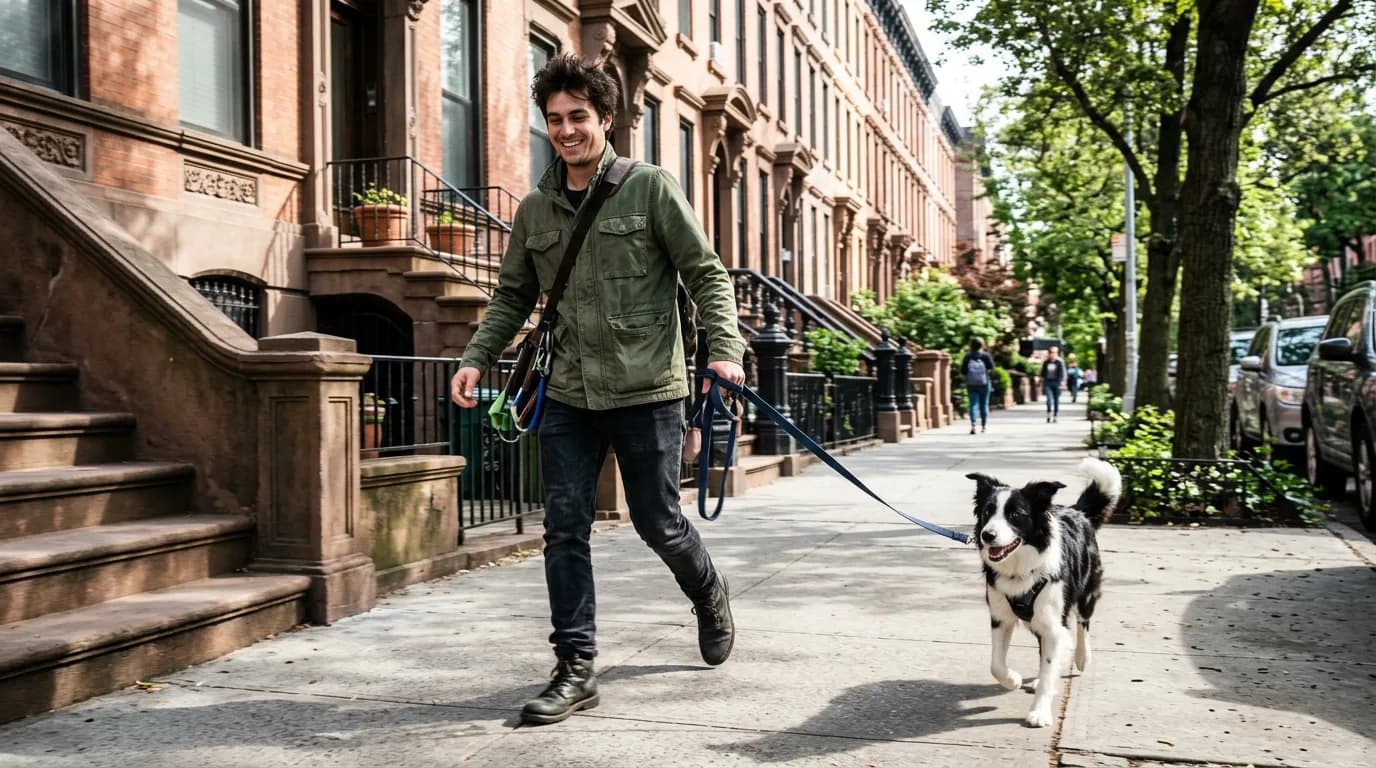
If you are budgeting for regular walks, the first question is almost always the same: what is a fair dog walker cost in 2026? The short answer is that most single walks land between 15 and 30 dollars for a standard 30-minute outing, with quick potty breaks costing less and full hour-long walks costing more. Where you live, how long each walk runs, and whether your dog goes out solo or in a group all move the number up or down.
This guide breaks down real 2026 US prices per walk, then by walk length, by city, and by situation. After the numbers, you will find a plain comparison of walkers versus daycare versus pet sitters, plus a practical checklist for hiring someone you can trust without overpaying. The goal is simple: help you land on a rate that is fair to you and to the walker.
- 1A standard 30-minute dog walk runs 15 to 30 dollars in 2026, and a 60-minute walk runs 25 to 45.
- 2Quick 15-minute potty breaks are the cheapest option at 10 to 20 dollars per visit.
- 3Group or pack walks cost less per dog than a private solo walk.
- 4Big metros (NYC, San Francisco, Boston) sit at the top of every range; suburban and rural areas sit at the bottom.
- 5Monthly packages of 20 or more walks often shave 10 to 20 percent off the per-walk price.

Sign up for expert-backed reviews and safety alerts all in one place.
What does a dog walker do, and what is included?
A dog walker's core job is straightforward: get your dog out of the house for exercise, a bathroom break, and mental stimulation while you are at work, traveling, or simply unavailable during the day. A professional service, though, usually delivers more than a quick lap around the block. Understanding what is included is the first step to judging whether a quoted rate is reasonable, because two walkers charging the same 25 dollars can offer very different levels of care.
- Your dog gets exercise and a potty break during your workday
- Cheaper than daycare or a sitter for a simple midday need
- Your dog stays in its own home and routine
- Easy to book on a recurring schedule
- Only covers a short window, not all-day or overnight care
- Quality and reliability vary, so vetting matters
- City rates and add-on fees can add up over a month
- Not enough on its own for a dog with separation anxiety
Most standard walks bundle in a set of small but meaningful tasks. Before you compare prices, it helps to know what a typical visit covers:
 Free to join
See dog walker rates near you
Enter your ZIP to see sitters, walkers and boarders near you on Care.com, with rates, reviews and availability.
Petful may earn a commission when you join Care.com.

Petful may earn a commission when you click through to Care.com, at no extra cost to you.
- A leashed walk of the agreed length, at a pace matched to your dog's age and energy
- A fresh water refill, and a treat or scheduled feeding if you request it
- Full waste cleanup along the route and in your yard
- Securing your home afterward (locking up, resetting the alarm, closing gates)
- A text or in-app update, usually with a photo, a map of the route, or a short note on how your dog did
- Basic reinforcement of leash manners and commands you already use
The biggest variable is whether the walk is private (just your dog) or part of a small group. A private, on-leash neighborhood walk costs more because your dog gets one-on-one attention the entire time. A group or pack walk, where a walker takes several dogs to a park or trail together, spreads the walker's time across more clients and usually costs less per dog.
The first visit and onboarding
Reputable walkers start with a meet-and-greet or a trial walk before regular service begins. This first visit is where they learn your dog's temperament, your home's entry routine, feeding notes, and any medications or mobility needs, and where you decide whether the fit feels right. Some services charge a small onboarding or key-setup fee (often 10 to 25 dollars) for this initial visit, while others fold it in for free. Either way, treat it as a working interview: the level of care and attention you see on day one is the care you can reasonably expect on every walk after it.
- Before you book, get the walk length, group size, and any add-on fees (keys, extra dog, holidays) confirmed in a message so the price you agreed on is the price you pay.
How much does a dog walker cost?
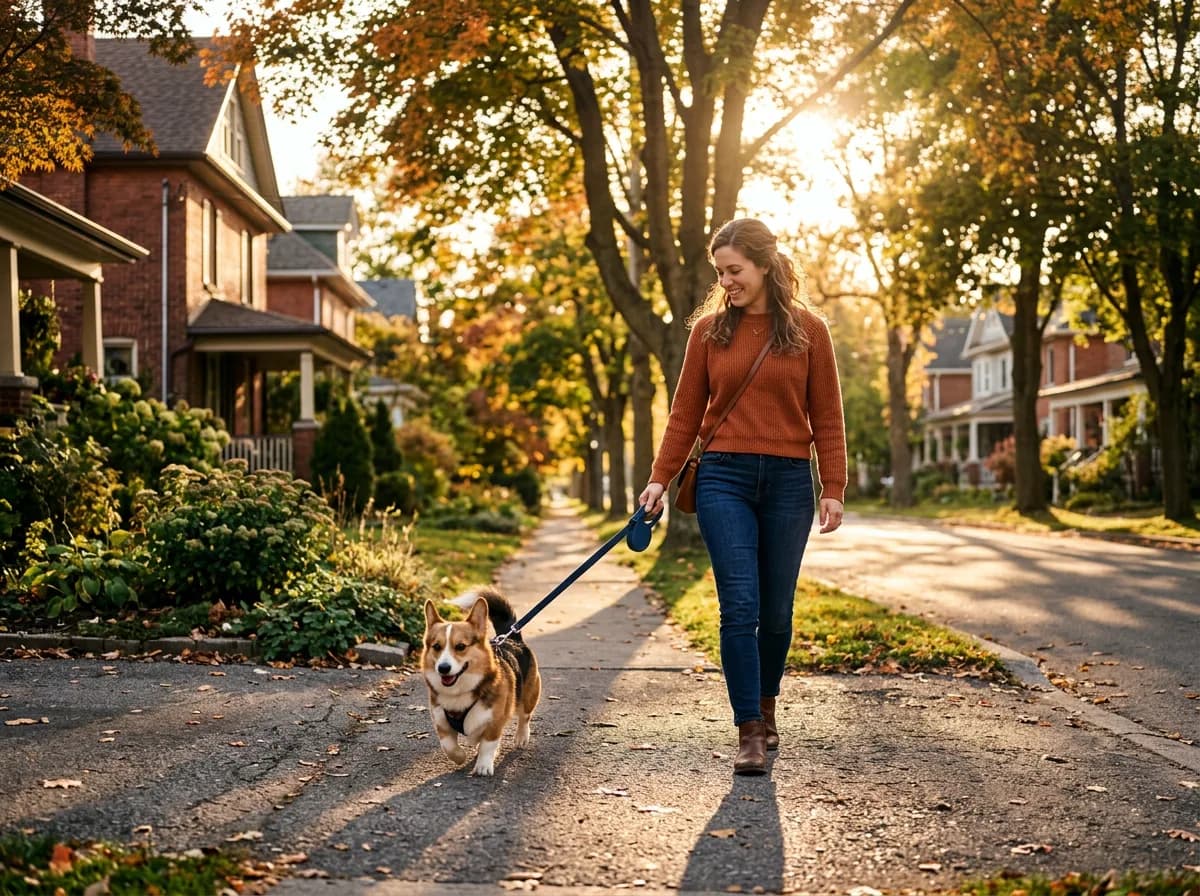
In 2026, a typical dog walker cost for a single visit runs 15 to 30 dollars for the most common half-hour walk. That is the number most owners quote when they say they hired a walker. Shorter potty breaks come in below that band, and longer or specialized walks sit above it. Rather than one flat rate, think of a walker's pricing as a ladder that climbs with time, attention, and location.
Here is the quick per-walk picture for the three standard lengths before we get into city-by-city detail:
- A 15-minute quick or potty walk: 10 to 20 dollars
- A 30-minute standard walk: 15 to 30 dollars
- A 60-minute long walk: 25 to 45 dollars
How much should you charge for a 30-minute walk, and how much should you expect to pay for one? For a 30-minute walk, most professional dog walkers charge 15 to 30 dollars in 2026, and that half-hour slot is by far the single most common booking in the country. In a smaller town or quiet suburb you might pay closer to 15 to 18 dollars, while a walker in a dense, high-cost city can charge 28 to 30 dollars for the very same 30-minute walk. Expect to add a few dollars if you have a second dog or need a same-day booking.
Free to joinCompare dog walker rates in your area
Enter your ZIP to see sitters, walkers and boarders near you on Care.com, with rates, reviews and availability.
Petful may earn a commission when you join Care.com.
Petful may earn a commission when you click through to Care.com, at no extra cost to you.
Why the spread inside a single walk length? A newer walker building a client base often prices at the low end to win reviews, while an insured, bonded professional with years of experience and a full calendar prices at the top. Neither is automatically the better choice: the right walker is the one whose reliability, communication, and handling match what your dog needs. Price is one input, not the whole decision.
How walkers structure their pricing
Most dog walkers use one of three pricing models, and knowing which one you are quoted helps you compare apples to apples. Flat per-walk pricing charges a set fee for a named length (for example, 25 dollars for 30 minutes) and is by far the most common. Tiered pricing sets different rates for 15, 30, and 60 minutes so you can right-size each visit to your dog's energy and your budget. Hourly pricing, more common with sitters who also walk, bills by the hour and suits owners who want longer, flexible outings. Ask which model a walker uses before you compare their number to anyone else's.
To turn these per-walk prices into a real monthly budget, multiply the walk rate by how many walks you actually need. One 30-minute walk every weekday (about 22 walks a month) at 25 dollars runs roughly 550 dollars before any package discount. Two walks a day nearly doubles that, while three walks a week for a dog that mostly self-exercises might cost only 300 dollars a month. Deciding your walk frequency first, then applying a per-walk rate, gives you a far more accurate figure than any single headline number ever will.
Dog walking rates by walk length and city
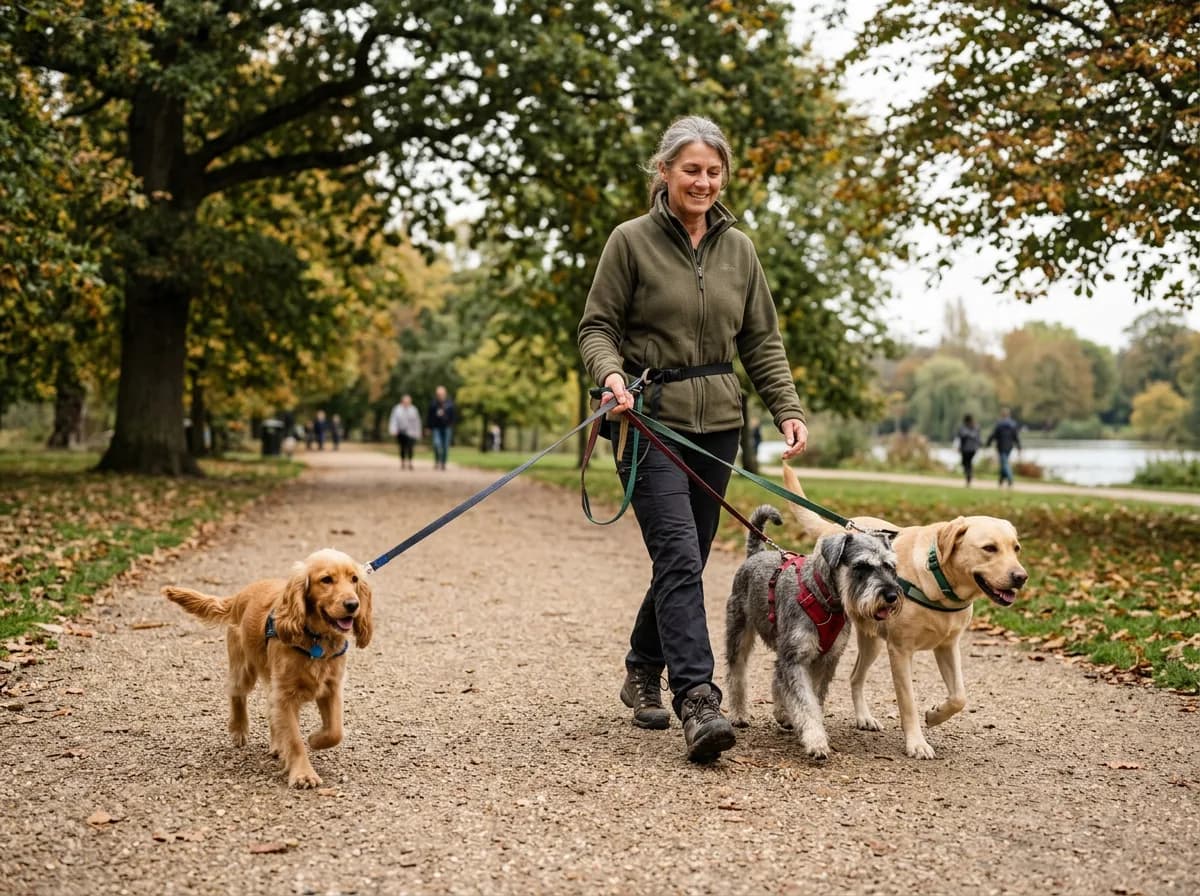
The cleanest way to read walker pricing is by the clock, then adjust for your zip code. Longer walks cost more not just because they take more of the walker's time, but because they often involve more driving, more energy management, and a bigger duty of care. The table below shows the 2026 national ranges for each common walk type, from a fast potty break to an overnight add-on that some sitters bolt onto their walking service.
| Walk type | Typical low | Typical high |
|---|---|---|
| 15-minute quick walk | $10 | $20 |
| 30-minute standard walk | $15 | $30 |
| 60-minute long walk | $25 | $45 |
| Group/pack walk (per dog) | $12 | $25 |
| Overnight add-on | $75 | $110 |
How much should you charge for 1 hour of dog walking, and what should you pay for it? For 1 hour of dog walking, expect to pay 25 to 45 dollars, and most independent walkers set their hourly rate right around the middle of that band. A full hour suits high-energy breeds, growing puppies burning off steam, or dogs left home alone all day, so many owners treat the 60-minute option as the premium tier. In pricey metros an hour of dog walking can reach 45 to 55 dollars, while suburban and rural walkers frequently charge 25 to 35 dollars for the same 60 minutes.
City of residence is the single biggest lever on all of these numbers. The same 30-minute walk that costs 18 dollars in a mid-size Midwestern town can cost 30 dollars in a coastal metro. A few patterns hold nationwide:
- Top-of-range cities: New York City, San Francisco, Boston, Seattle, and Washington, D.C. sit at or above the high end of every band, driven by high costs of living and dense demand.
- Mid-range metros: Denver, Austin, Chicago, and Atlanta usually land in the middle, often a few dollars under the coastal cities.
- Lower-range areas: Suburban, small-town, and rural markets sit at the bottom, where a 30-minute walk near 15 dollars is common and overhead is lower.
If you live in an expensive metro, do not assume every walker charges the ceiling. Rates within a single city can vary widely between a large app-based service and an independent walker two blocks away, so it pays to gather two or three quotes before you commit. A short list of local candidates almost always reveals a fair middle price.
Free to joinCheck dog walker availability near you
Enter your ZIP to see sitters, walkers and boarders near you on Care.com, with rates, reviews and availability.
Petful may earn a commission when you join Care.com.
Petful may earn a commission when you click through to Care.com, at no extra cost to you.
Seasonal and weather-driven pricing
Rates are not perfectly fixed across the year. Extreme weather in particular can nudge prices up: some walkers add a bad-weather surcharge for walks in heavy snow, ice, or dangerous heat, since those conditions slow the walk and demand extra gear, boots, and care. Peak vacation weeks, when demand spikes and many walkers are already booked solid, can also firm up prices toward the top of the range. If your schedule is flexible, locking in a regular weekday slot in advance almost always costs less than scrambling for last-minute coverage over a holiday weekend when everyone else needs a walker too.
What you will pay by situation: group, solo, and packages
Beyond length and location, the way you book changes the price. The three most common arrangements are a private solo walk, a shared group or pack walk, and a prepaid weekly or monthly package. Each fits a different dog and a different budget, and knowing the trade-offs helps you avoid paying solo prices for a dog that would happily thrive in a group.
How much should you charge for walking a dog for 15 minutes, and what will you pay for that short visit? For walking a dog for 15 minutes, the going rate is 10 to 20 dollars in 2026. This short potty-break visit is the cheapest option and is popular with owners who simply need their dog let out to relieve itself around midday. Because the visit is so quick, some walkers set a flat minimum near 12 to 15 dollars regardless of the exact clock time, which means a 15-minute walk and a slightly longer 20-minute walk can end up costing you the same.
Here is how the three booking styles compare on price and fit:
- Solo (private) walk: One-on-one attention the whole time, best for reactive dogs, puppies in training, seniors, or anyone who does not do well around other dogs. This is the most expensive per walk (the full 15 to 45 dollar range applies by length).
- Group or pack walk: Your dog joins two to six others for a park or trail outing. Per-dog pricing typically runs 12 to 25 dollars, cheaper than solo because the walker splits time across the group. Best for social, well-adjusted dogs.
- Weekly or monthly packages: Prepaying for a set number of walks (for example, 20 walks a month) usually earns a 10 to 20 percent discount off the per-walk rate. Best for owners who need daily midday coverage on a predictable schedule.
Packages are where regular clients save the most. A daily 30-minute walker at 25 dollars per visit costs roughly 500 dollars a month at full price, but a 15 percent package discount trims that to about 425. Just confirm the terms before you prepay: ask how unused walks, cancellations, and holidays are handled, since a package that forfeits skipped days can erase the savings. On top of the base rate, budgeting a little extra for tips is smart, and our guide on tipping your dog walker breaks down when and how much is customary.
Which arrangement fits your dog?
The cheapest option on paper is not always the right one. A social, even-tempered dog usually thrives on a group walk and saves you money in the process, while a reactive dog, a recovering senior, or a puppy still learning leash manners genuinely needs a solo walk and the calmer, controlled setting it provides. Match the arrangement to your dog's temperament first, then optimize for price. Paying a little more for a solo walk that keeps your dog safe and relaxed beats saving a few dollars on a group walk that leaves your dog (and the walker) stressed by the end of the block.
What affects dog walking prices?
Two owners in the same city can pay very different rates, and the gap almost always traces back to a handful of factors. Knowing them helps you understand a quote and spot when an upcharge is fair versus padded. The base walk length and your location do the heavy lifting, but these variables push the final number around:
Free to joinReady to book? Find a dog walker nearby
Enter your ZIP to see sitters, walkers and boarders near you on Care.com, with rates, reviews and availability.
Petful may earn a commission when you join Care.com.
Petful may earn a commission when you click through to Care.com, at no extra cost to you.
- Walk length and frequency: Longer walks cost more, but higher frequency can lower the per-walk price through package pricing.
- Solo versus group: Private attention costs more than a shared pack walk, as covered above.
- City and neighborhood: High cost-of-living metros command the top of every range; rural and suburban areas the bottom.
- Number of dogs: A second dog from the same household typically adds 5 to 10 dollars per walk, since it means more leashes and more cleanup.
- Dog size, age, and behavior: Large, strong, reactive, or special-needs dogs (medications, mobility issues, anxiety) can carry a surcharge because they demand more skill and time.
- Key handling and access: Some walkers charge a small one-time or per-visit fee to hold a key, manage a lockbox, or coordinate building access.
- Distance and travel time: If you live far from a walker's usual route, expect a travel fee to cover the extra drive.
- Holidays and peak dates: Walks on major holidays (Thanksgiving, Christmas, July 4th) often carry a premium of 5 to 15 dollars or a flat holiday rate.
- Insurance, bonding, and certifications: A walker who carries liability insurance, is bonded, and holds pet first-aid certification usually charges more, and that premium buys you real protection.
- Last-minute bookings: Same-day or after-hours requests can trigger a rush fee.
The takeaway is not to hunt for the cheapest possible walker. It is to understand what you are paying for, so a 30 dollar walk with insurance, GPS updates, and a seasoned handler reads as good value rather than an overcharge. When you compare quotes, line up what is actually included before you compare the dollar figures.
Dog walker vs doggy daycare vs pet sitter
A dog walker is not your only option for midday coverage, and the best choice depends on how long your dog is alone, how social your dog is, and your budget. The three main alternatives serve overlapping but distinct needs, and their price structures differ enough that the cheapest headline rate is not always the cheapest solution for your situation.
| Option | Typical cost | Best for |
|---|---|---|
| Dog walker | $15 to $45 per walk | Dogs fine at home that need a midday break and exercise |
| Doggy daycare | $25 to $50 per day | High-energy, social dogs that hate being alone all day |
| Pet sitter (drop-in or overnight) | $20 to $100 per visit or night | Longer absences, multiple pets, or dogs that need extra care |
Here is how the options stack up on cost and fit:
- Dog walker: Best for dogs that are fine at home but need a break, exercise, and a bathroom stop once or twice a day. You pay per walk (10 to 45 dollars depending on length), so cost scales with how often you book. Ideal for a standard workday.
- Doggy daycare: Best for high-energy or highly social dogs that would be miserable home alone all day. You typically pay 25 to 50 dollars per full day, with multi-day packages lowering the rate. It covers the whole day, but your dog leaves the house and mixes with many other dogs.
- Pet sitter (drop-in or overnight): Best when you are away for a night or longer, or when your dog needs feeding, medication, and companionship rather than just a walk. Drop-in visits often run 20 to 40 dollars each, and overnight stays run higher.
For a same-day workday, a walker is usually the most economical choice because you only pay for the specific visits you need. Daycare wins when your dog genuinely cannot be alone for eight or nine hours, and a sitter wins when you are traveling. If your need leans toward overnights or extended feeding and medication schedules, our companion guide on how much to pay a pet sitter lays out those rates in detail.
Combining services to control cost
Layering services is often the most cost-effective plan for a busy household, and plenty of owners do not pick just one option. A common setup is a daily 30-minute walker covering normal workdays (roughly 425 to 500 dollars a month), daycare filling the one or two days a high-energy dog needs a full social outlet, and a pet sitter reserved only for travel. Paying for each service on the specific day it is actually needed almost always beats defaulting to full-time daycare you do not use, and it keeps your dog both well-exercised and comfortably at home for most of the week.
How to find an affordable, trustworthy dog walker
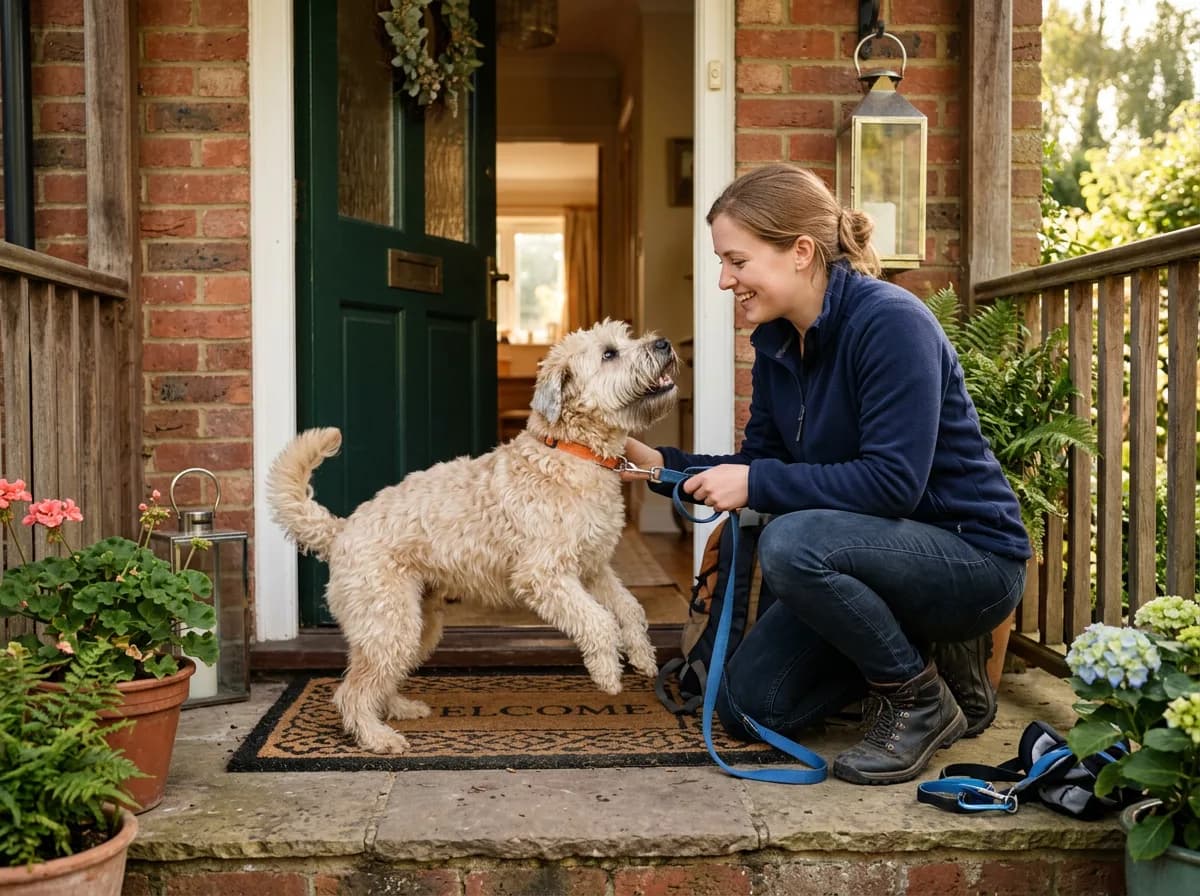
Price matters, but reliability and safety matter more, because you are handing a stranger access to your home and your dog. The good news is that finding a vetted, fairly priced walker is far easier than it used to be. The most efficient path is an online care marketplace where you can search local caregivers, compare rates side by side, and read verified reviews before you ever reach out.
Care.com is one of the most widely used platforms for exactly this. You can search dog walkers by your zip code, filter by rate and availability, view detailed profiles, and read reviews from other pet owners in your area. Many caregivers on the platform have completed background checks, and you can request additional screening, which takes a lot of the guesswork out of hiring. Being able to compare several local walkers in one place makes it much simpler to land on someone who fits both your dog and your budget.
App-based services versus independent walkers
You will generally choose between an app or marketplace and a fully independent local walker. Marketplaces make it fast to compare rates, read verified reviews, and confirm background checks in one place, which is a genuine safety advantage when you are handing over a house key. An independent walker you find through a neighbor's referral may charge a little less and offer more scheduling flexibility, but you take on more of the vetting yourself. Neither is automatically safer or cheaper: what matters is that whoever you hire is insured, well-reviewed, and communicative. Many owners start on a marketplace to build a shortlist, then settle into a long-term relationship with the one walker they trust most.
Whichever route you take, run every candidate through the same short vetting process before you book:
- Do a meet-and-greet. Watch how the walker interacts with your dog before any money changes hands. A good fit is obvious, and so is a bad one.
- Confirm insurance and bonding. Ask for proof. It protects you if your dog is injured or your property is damaged.
- Check reviews and references. Look for a track record with dogs similar to yours in size and temperament.
- Ask about the emergency plan. A professional can tell you exactly what they would do if your dog got sick or hurt, and which vet they would use.
- Get the terms in writing. Rate, walk length, schedule, cancellation policy, and any add-on fees should all be clear up front.
For a deeper walkthrough of temperament, experience, and the right questions to ask, see our guide on choosing the right dog walker, which pairs well with the pricing here.
What are the red flags in a pet sitter or dog walker you should never ignore? The biggest red flags in a pet sitter or walker are no verifiable references, no background check, cash-only payment with no written agreement, and vague or evasive answers about how they handle emergencies. Be cautious if a sitter or walker refuses to do a meet-and-greet, cannot show proof of insurance or bonding, will not share a clear vet-emergency plan, or leaves your questions unanswered for days. Trust your instincts here: a true professional welcomes these questions rather than dodging them, and anyone who bristles at basic due diligence is telling you something important.
Affordability, in the end, is about value rather than the lowest sticker price. A walker who shows up on time, communicates well, and keeps your dog safe is worth a few dollars more than a bargain option you cannot rely on. Gather two or three quotes, weigh what each includes, and choose the one whose care and consistency you trust with a member of your family.
In 2026, a dog walker costs 10 to 20 dollars for a 15-minute potty walk, 15 to 30 dollars for a standard 30-minute walk, and 25 to 45 dollars for a full 60-minute walk. Big cities sit at the top of each range, and suburban or rural areas at the bottom.
Yes. Group or pack walks usually run 12 to 25 dollars per dog, cheaper than a private solo walk because the walker splits time across several dogs at once. Group walks fit social, well-adjusted dogs but are not ideal for reactive dogs, puppies in training, or seniors who need one-on-one attention.
A common tip is 15 to 20 percent of the walk cost, or a larger holiday bonus (often a day or a week of walk pay) at year end. Regular clients also tip for great service or last-minute help. Tipping is appreciated but not mandatory, especially if you already pay a premium rate.
Usually, yes. A second dog from the same household typically adds 5 to 10 dollars per walk because it means more leashes to manage and more cleanup. Some walkers offer a modest multi-dog discount instead of full double pricing, so ask how they handle two dogs before you book.
For owners who need daily midday coverage, yes. Prepaying for 20 or more walks a month often earns a 10 to 20 percent discount off the per-walk rate. Just confirm how cancellations, unused walks, and holidays are handled before you prepay, since forfeited days can eat into the savings.

Coreen Saito is a pet writer and longtime shelter volunteer with more than a decade in animal rescue. She covers cat behavior, breed care, and the small, ordinary science of sharing a life with companion animals, with a particular focus on honest takes about the products and decisions that actually matter. At home in Arizona, she's outranked by Mac (a dog with the loudest opinion in the house), Rebel (a cat who governs by quiet authority), and Meri (an orange tabby who runs the late shift and the laundry basket). She writes about all three, plus the rescues that keep coming through her life, at LifeWithMinty.com.
Sign up for expert-backed reviews and safety alerts all in one place.



A Final Word (Disclaimer)
At Petful, our review integrity is paramount; we never exchange special treatment in our reviews for monetary or material rewards.
Nonetheless, when our readers click through to online merchants (including Chewy or Amazon), we receive a referral commission. This supports the running of our free blog, and we appreciate your backing.