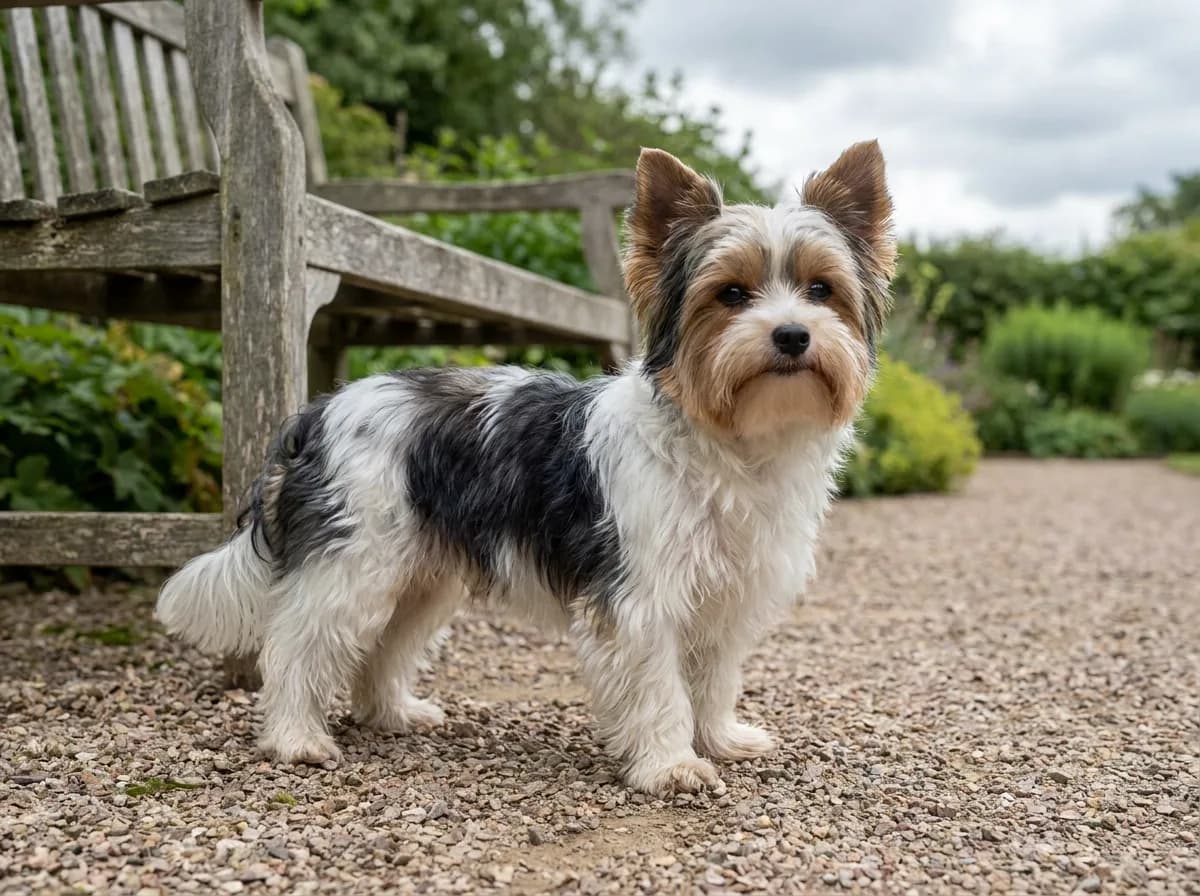
Do Pomeranians Shed? Coat Care and Grooming Guide
Do Pomeranians Shed? Coat Care and Grooming Guide with evidence-based guidance on daily fit, care, costs, training, grooming, health, and the individual decisions that matter most.
Petful is reader supported. As an affiliate of platforms like Amazon and Chewy, we may earn a commission when you buy through links on this page. There is no extra cost to you.
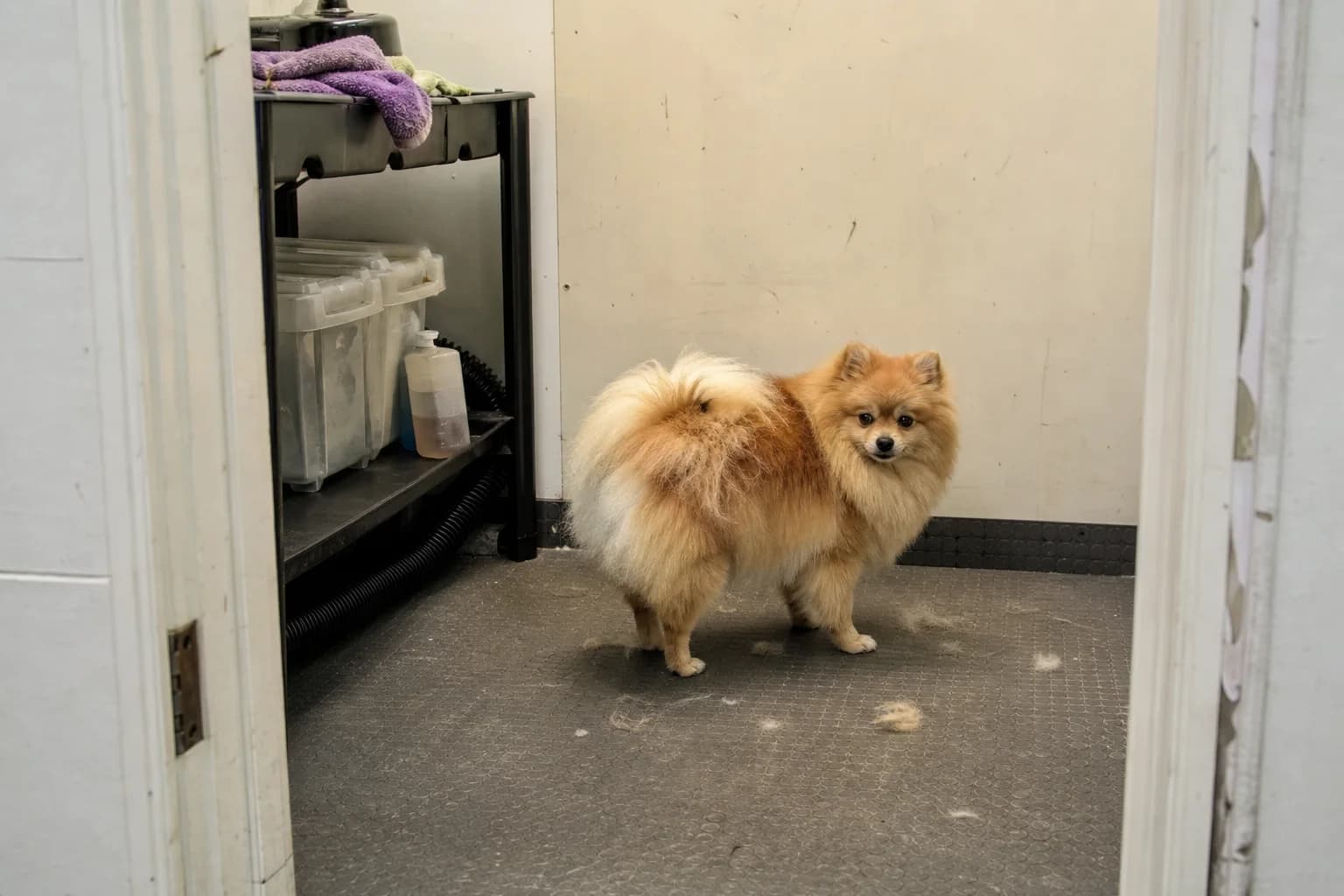
Do Pomeranians shed? Yes. They release hair throughout the year, and many have heavier seasonal periods when more undercoat comes loose. The abundant outer coat can hold released hair close to the body, so a room may look surprisingly clean even while a brush collects a large amount.
Shedding is normal; sudden bald areas, inflamed skin, persistent itching, odor, or a major coat change is not something to solve with more brushing. This guide explains the double coat, a practical grooming rhythm, allergy expectations, and the point at which coat loss deserves veterinary attention.

Sign up for expert-backed reviews and safety alerts all in one place.
Do Pomeranians shed? The short answer
- 1Expect year-round loose hair with seasonal peaks.
- 2Judge skin as well as the brush.
- 3Investigate abnormal patterns.
- 4The Pomeranian's abundant stand-off outer coat and thick undercoat can trap released hair, so skin-level line brushing and complete drying matter as much as visible fluff.
Pomeranians are moderate-to-heavy shedders relative to their very small size. That does not make them the “worst-shedding” dog, because coat amount, body size, season, health, indoor climate, and grooming all change what a household experiences. A large double-coated breed may release more total hair, while a neglected Pomeranian can still produce frequent tumbleweeds and mats.
Do Pomeranians shed more than Chihuahuas? Usually they require more coat work than a smooth-coated Chihuahua because a typical Pomeranian carries a dense undercoat beneath a long outer coat. Long-coated Chihuahuas also shed, and individuals vary, so the useful comparison is the actual dog's coat and the maintenance each household can provide.
The practical downsides are loose hair, time spent brushing, the possibility of mats near friction points, careful drying after baths, and professional help when coat care cannot be done comfortably at home. Petful's broader Pomeranian breed profile covers the breed's other daily-care tradeoffs.
Petful may earn a commission when you click through to Chewy, at no extra cost to you.
Allergy answer in brief
Pomeranians are not hypoallergenic. People can react to proteins carried in dander, saliva, and urine, so a small body and a fluffy coat cannot guarantee tolerance. The allergy section below explains how to assess an individual household without treating less visible hair as proof.
Coat workload is more than floor hair
Hair in the home is only one way to judge the workload. Released undercoat can stay inside the coat until it is loosened, which means a dog that leaves little hair on furniture may still need thorough grooming. Conversely, visible hair after brushing does not automatically mean the dog is losing too much. Look for an even outline, comfortable skin, and a grooming session that becomes easier as loose coat is removed.
Housekeeping is simpler when it follows the grooming rhythm. Wash bedding on a schedule, vacuum edges and upholstery before hair compacts, clean the car restraint and harness, and groom in an easy-to-clean location. These steps do not change how the follicle cycles, but they keep released hair from being redistributed throughout the home.
How the double coat works
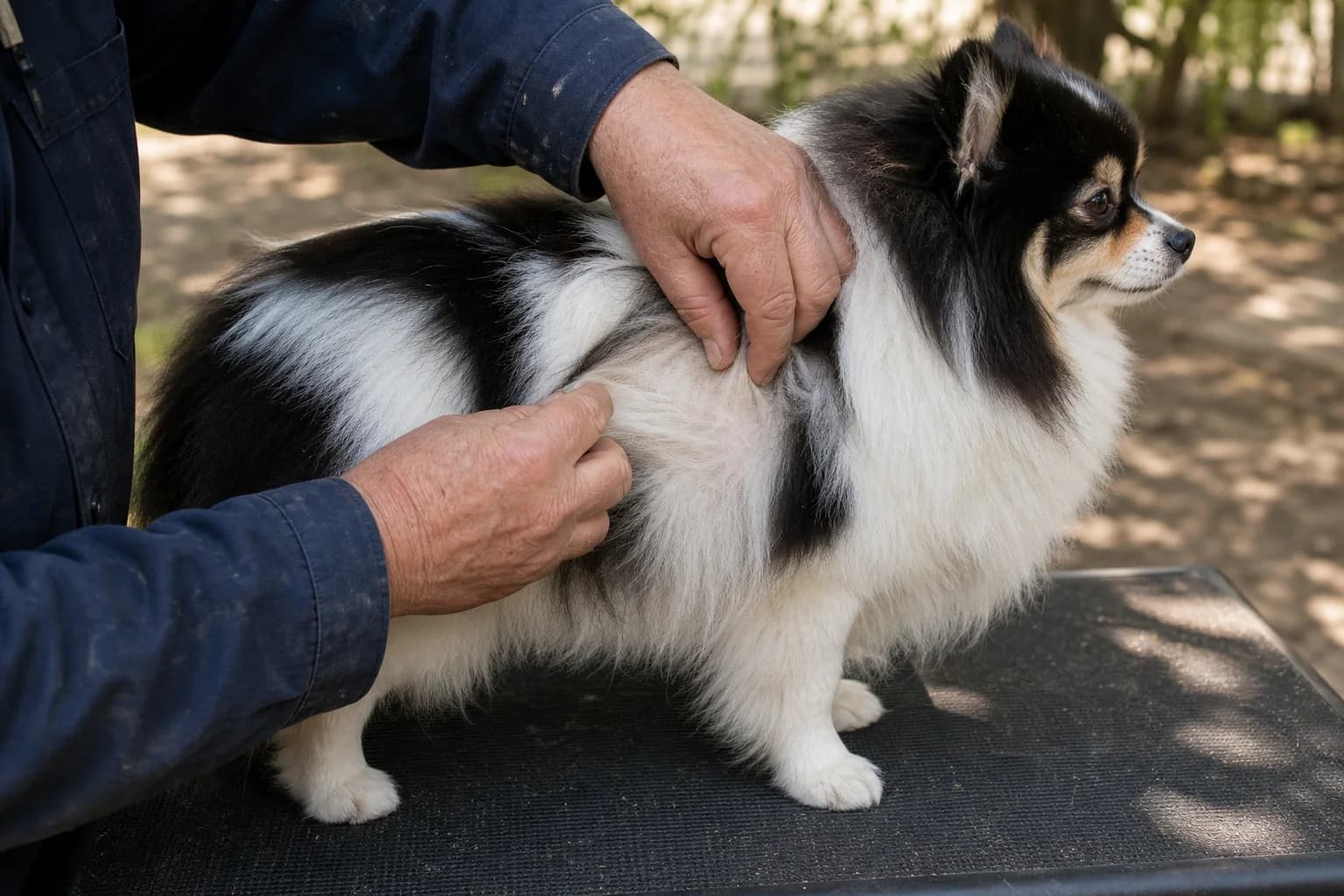
The Pomeranian breed standard describes a short, soft, thick undercoat supporting a longer, abundant outer coat. The outer hairs create the stand-off silhouette and neck frill. The undercoat provides density. Loose undercoat may remain trapped beneath the visible surface instead of falling immediately onto the floor.
That structure explains why brushing only the tips is ineffective. The coat can look fluffy while compacted hair sits near the skin, especially behind the ears, at the armpits, around the pants, under a harness, and where the tail rests. Work in small sections, part the hair so the skin line is visible, support the coat with one hand, and stop if the tool catches or the dog becomes uncomfortable.
Protect both coat layers
Undercoat and outer coat do different jobs, so “deshedding” should not mean stripping out every soft hair. The finished coat should still have density and should not show irritated skin or broken outer hairs. If one area produces far more hair than the rest, inspect it carefully before continuing. Friction, a developing mat, dampness, or skin disease can create a local problem that a whole-body grooming plan misses.
Common friction zones deserve a separate check after walks. Remove the harness, feel beneath straps and buckles, and comb only after any damp coat has dried enough to separate safely. Around ears and the tail, hold the base of the hair so a snag does not pull directly on the skin. These small handling choices make regular care more tolerable and reduce the chance that a dog learns to avoid grooming.
Changes that alter the routine
Coat texture and density change with age, hormones, health, season, grooming history, and individual genetics. Puppies do not have the same finished adult coat, and a senior dog may need shorter, gentler sessions. For puppy timing and first-year handling, use Petful's Pomeranian puppy guide rather than applying an adult session unchanged.
Petful may earn a commission when you click through to Chewy, at no extra cost to you.
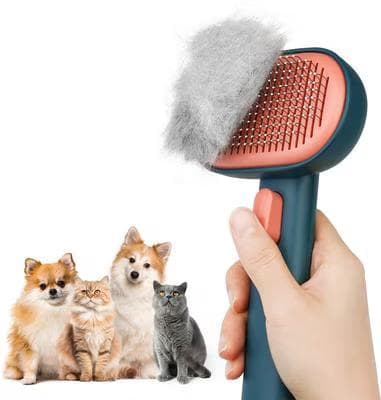
Walking equipment can create friction over dense hair. Check the current fit of a Frisco Padded No Pull Dog Harness after coat growth, a bath, or a close groom. An aumuca Self Cleaning Slicker Brush may be one brush to compare, but pin length, pressure, and the dog's skin response matter more than the product label.
When seasonal shedding peaks
| Evidence for this toy-spitz coat-care guide | What to record for shedding | What changes the shedding plan |
|---|---|---|
| Current Pomeranian observation | Date, setting, and exact behavior or measurement | A repeatable trend rather than one event |
| Professional shedding evidence | Named test, examination, record, or qualification | A revised risk assessment |
| Household capacity | Time, cost, supervision, and skill | A plan that works on ordinary weekdays |
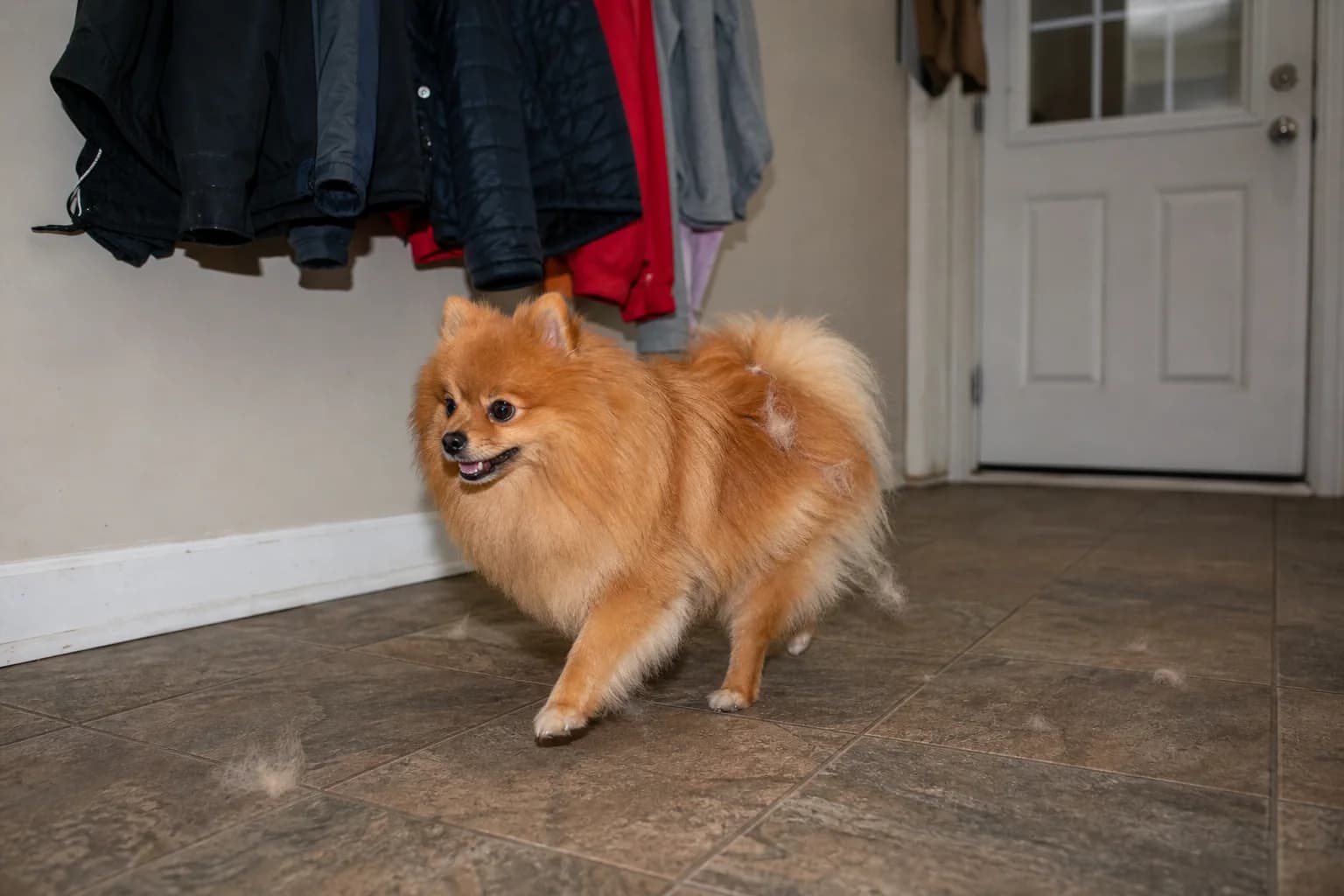
Many Pomeranians release more undercoat around seasonal changes, often in spring and fall, but indoor light, temperature, climate, reproductive status, and the individual dog can blur that calendar. Do not wait for an exact month. Let the brush, coat density, and skin condition show when the routine needs to change.
During a heavier shed, shorten the interval between gentle sessions rather than turning one weekly groom into a long, forceful marathon. A ten-minute session that ends before the dog is tired is often more productive than trying to remove every loose hair at once. Brush collection should gradually decrease. If it does not, check technique and coat depth before applying more pressure. If bedding needs replacement, a removable-cover option such as the FurHaven Velvet Waves Perfect Comfort Orthopedic Sofa Cat & Dog Bed should be compared by usable dimensions, wash instructions, dry time, and the dog's rest habits.
Keep a simple coat log for four weeks:
- Date and length of each grooming session.
- Areas that snagged, matted, or produced the most undercoat.
- Skin redness, flakes, odor, sores, or sensitivity.
- Bath, medication, diet, illness, heat cycle, or household changes.
- A photograph in similar light and from the same angle each week.
The log distinguishes a repeatable seasonal pattern from a sudden change. It also gives a groomer or veterinarian more useful information than “the shedding seems bad.”
A practical brushing schedule
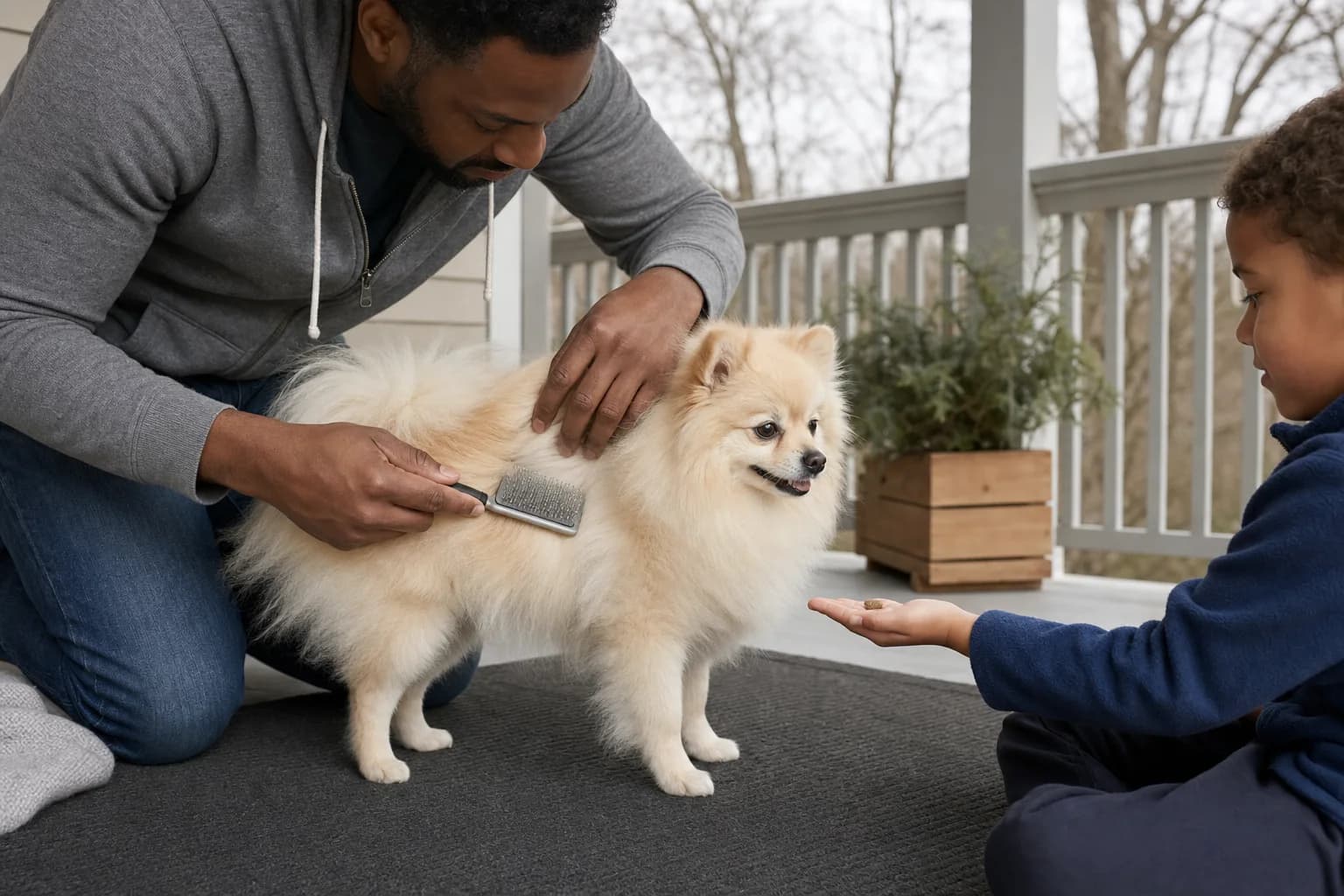
Start with several short sessions each week and adjust to the coat in front of you. During a seasonal release or when friction areas tangle quickly, more frequent work may be necessary. The goal is not a fixed number. It is a coat that parts cleanly to the skin, remains free of tight mats, and can be handled without fear or force.
Choose a nonslip surface and a quiet time. Check with fingers first, then use a comb to locate resistance. Work in layers from a lower section upward rather than dragging a tool across the outer surface. Use light pressure, especially over joints, ribs, and thin skin. Reward stillness and voluntary repositioning. End while the dog can still succeed.
A useful order is:
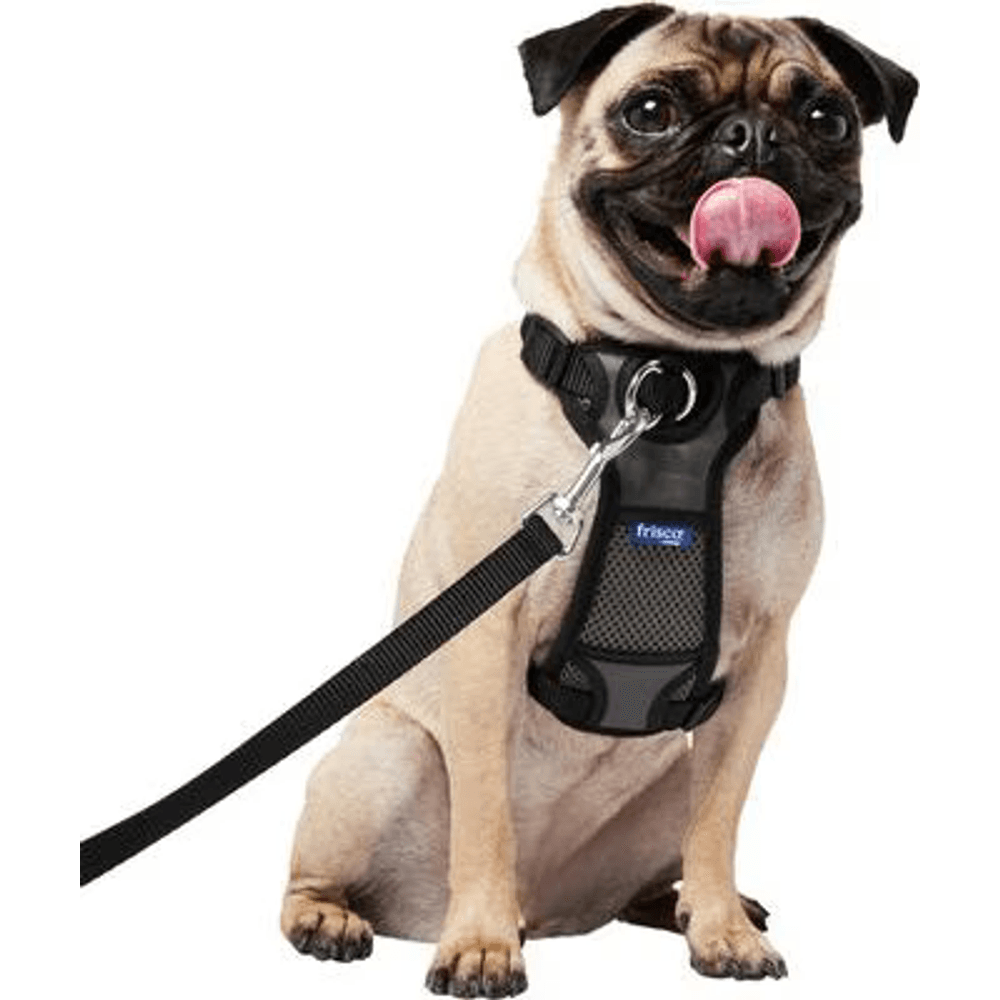
A budget-friendly padded no-pull harness that keeps leash pressure off a coughing dog's neck and windpipe by distributing it across the chest. A simple, affordable way to protect an irritated airway or a collapsing trachea on every walk.
Petful may earn a commission when you click through to Chewy, at no extra cost to you.
- Check behind the ears, under the collar or harness, and at the armpits.
- Part the body coat into narrow lines and brush from the skin outward.
- Comb through each finished section to confirm no hidden snags remain.
- Work carefully through the chest, pants, tail base, and feet.
- Record any tender, thin, or irritated area instead of repeatedly brushing it.
Build cooperation before adding duration
Teach the routine in pieces. First reward stepping onto the mat, then a brief touch at the shoulder, a single comb pass, and a calm release. Practice difficult areas for seconds when they are tangle-free rather than waiting until a long session is unavoidable. A chin rest, stationing behavior, or voluntary side position can give the dog a predictable job and make pauses easy to recognize. When food rewards fit the diet, tiny pieces from an option such as the Blue Buffalo Nudges Grillers Steak Dog Treats can help build a calm tool-introduction routine without extending the session past comfort.
Watch for early stress, including head turns, lip licking, paw lifting, leaning away, sudden stillness, or refusal of food. Those signals mean the session needs to become easier. Continuing until growling or escape makes the next session harder and can turn a coat-maintenance problem into a handling problem. When pain is possible, stop and seek veterinary advice rather than trying to train through it.
Divide the body across days if needed. A Monday chest-and-shoulder check, Wednesday body line brush, and Friday pants-and-tail session can be more realistic than completing every area at once. Keep a quick whole-body finger check so the divided schedule does not allow a new mat to hide until its assigned day.
When to stop
Do not cut blindly into a mat near the skin. Pomeranian skin can be pulled into the tangle and injured. If a mat cannot be separated comfortably, ask a qualified groomer or veterinary team for help.
Tools for undercoat and topcoat
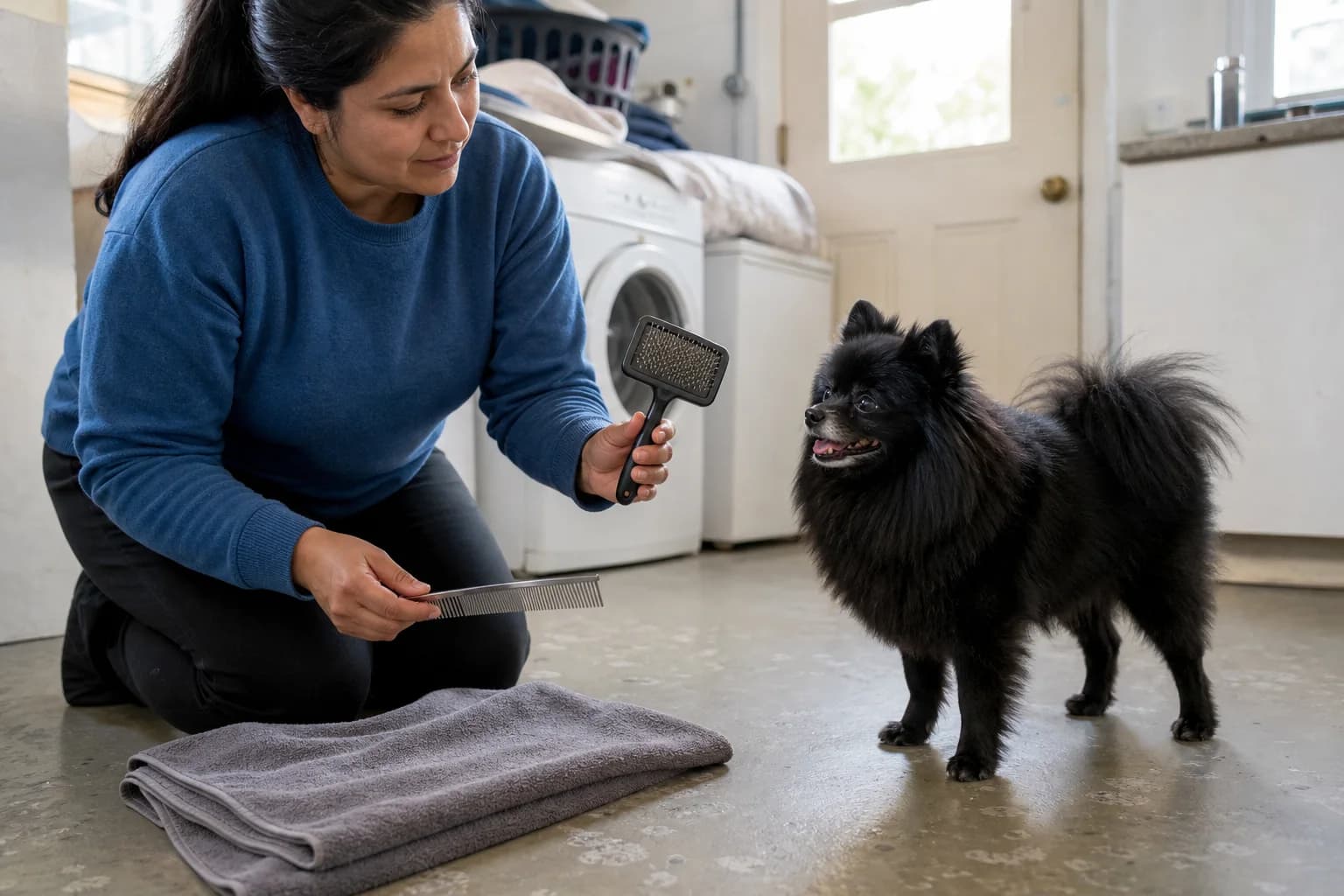
No single tool does every job. A metal comb helps find resistance near the skin and confirm that a section is finished. A suitable slicker can separate and collect loose hair when used with light pressure. A pin brush may help with longer outer coat. Detangling spray can reduce friction when the product is dog-safe and used as directed, but it does not make a tight mat safe to pull. Two hand-contact options to compare on a small area are the Four Paws Magic Coat All-In-One Wet & Dry Dog Glove & Curry Brush and the Mr. Peanut's Hand Gloves Dog & Cat Grooming & Deshedding Aid; stop if friction, static, seams, or fit make the dog uncomfortable.
Avoid tools chosen mainly because they promise dramatic hair removal. Sharp blades, aggressive rakes, or repeated passes can damage coat and irritate skin. Test any tool on a small area, check the skin after the session, and use fewer strokes when the coat is already moving freely. Clean tools between sessions so oil, debris, and damaged pins do not create new problems.
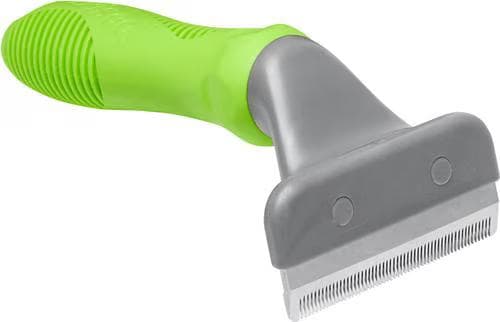
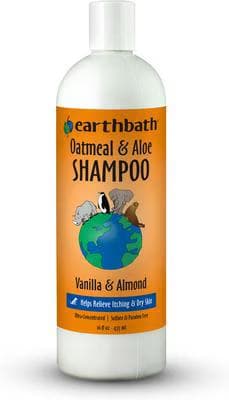
A Frisco Deshedding Cat and Dog Brush, Medium, Medium to Long Hair can help lift loose coat during a controlled grooming session. Use light pressure, follow the product directions, avoid repeatedly working one spot, and stop if the skin becomes red or the dog is uncomfortable; routine shedding care does not require shaving a healthy Pomeranian double coat. An Earthbath Oatmeal and Aloe Dog and Cat Shampoo is one cleansing option to evaluate for the dog's current skin, but stop use if irritation appears and ask the veterinarian about persistent symptoms.
Petful may earn a commission when you click through to Chewy, at no extra cost to you.
Bathing and drying safely
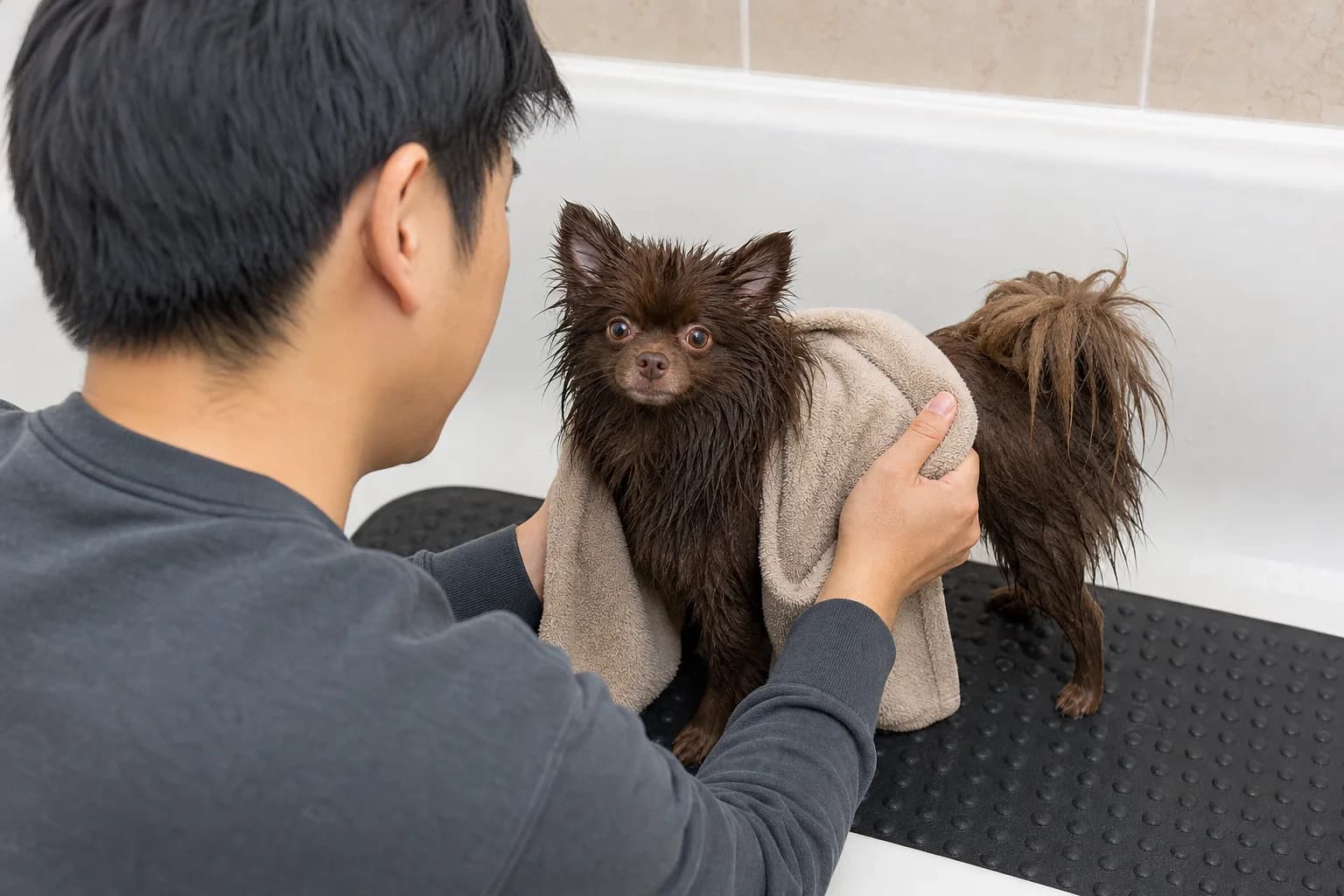
Brush and comb before bathing so water does not tighten existing tangles. Use lukewarm water, protect the eyes and ears, dilute products when their directions require it, and rinse until the coat feels clean rather than slippery. Residue trapped in dense undercoat can contribute to itching and dullness.
Drying is part of coat care, not an optional finish. Blot with towels instead of rubbing the coat into knots. Use moving, comfortable airflow and keep the dryer far enough away to avoid heat. Part the coat while drying and check the undercoat at the skin. A surface that feels dry can conceal dampness beneath, particularly at the chest, armpits, pants, and tail base.
Frequency and finishing checks
Bath frequency should respond to the individual dog's skin, environment, and coat condition. Bathing repeatedly to chase every loose hair can dry or irritate some skin, while waiting through heavy dirt, urine contamination, or product buildup creates a different problem. Ask the veterinarian about frequency when the dog has a skin diagnosis or uses a medicated product, because contact time and rinsing directions matter.
After the coat is fully dry, use a comb to find any area that tightened during bathing. Do not brush a soaking coat aggressively or seal damp undercoat beneath clothing or a harness. Clean the tub filter and dryer area afterward so the amount of released hair is not mistaken for what remained on the dog.
Pause when the dog pants heavily, struggles, freezes, or tries to escape. Build dryer comfort separately with low-intensity sound, distance, rewards, and short sessions. A dog who cannot yet tolerate safe home drying may be better served by a skilled groomer than by restraint.
Why shaving is not a shedding solution
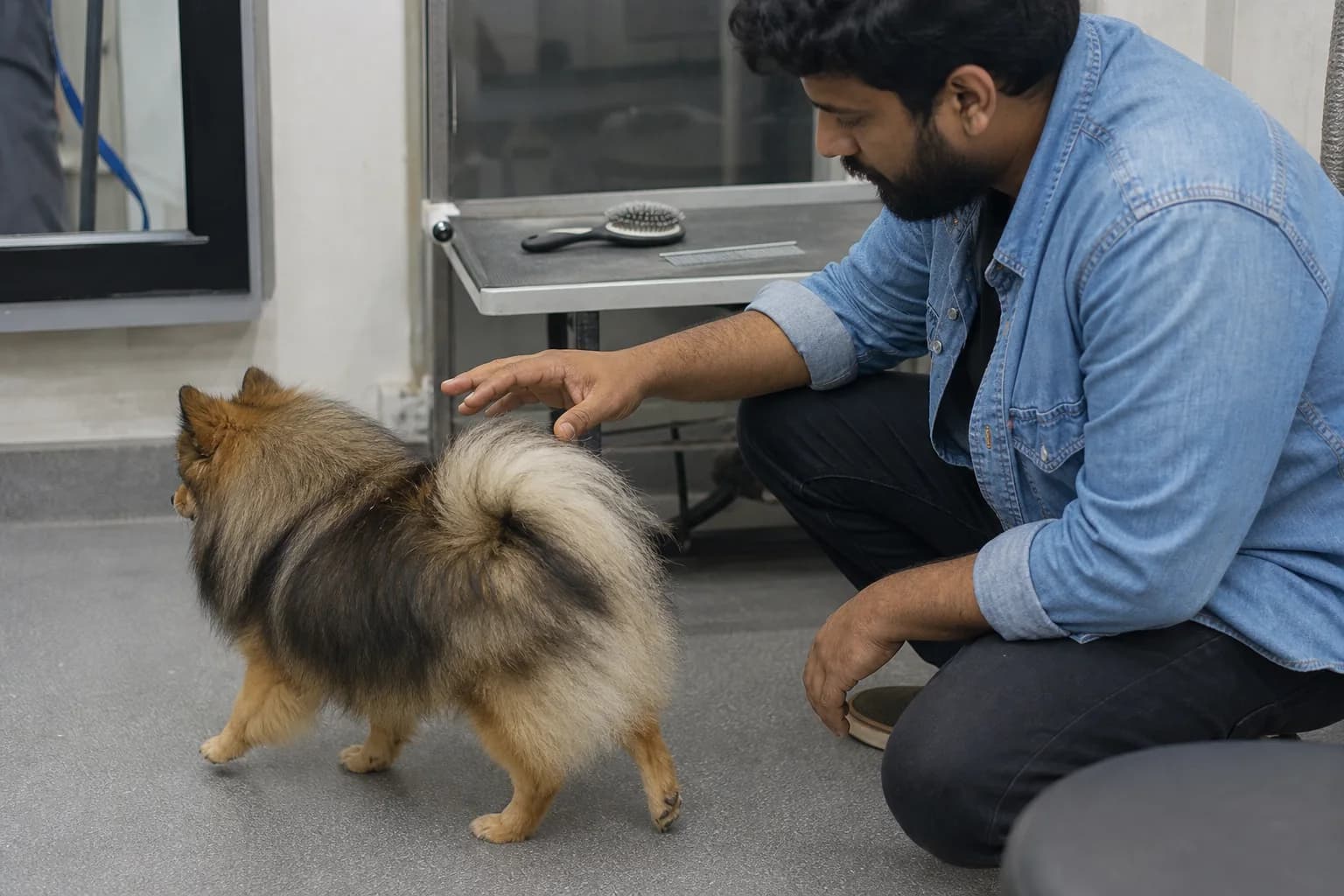
Shaving does not stop the growth-and-release cycle. It only shortens the hair that is shed, and it removes the protective length before the undercoat and outer coat have completed their normal cycle. Regrowth can be slow or uneven in some dogs, and a short coat exposes skin more directly to sun, weather, and friction.
There are medical and severe-matting situations in which clipping may be necessary. That is different from routinely shaving a healthy coat to reduce house hair or summer heat. Ask a veterinarian or experienced groomer to explain the reason, area, expected regrowth, and aftercare. For ordinary shedding, use skin-level grooming, complete drying, a cooler indoor environment, shade, water, and activity timed to the weather.
Allergy expectations
Allergen exposure does not follow visible hair alone. A small dog may spread less total material than a large dog, but coat length, sex, color, or the amount collected by a brush cannot guarantee that a sensitive person will be comfortable.
Before adoption, the affected person should spend meaningful time with the individual dog in an indoor setting and discuss significant symptoms with a medical professional. Cleaning fabrics, using a properly maintained air cleaner, washing hands after close contact, keeping the dog out of the bedroom, and regular grooming may reduce exposure. None of those steps guarantees symptom control.
Test the household plan realistically
Do not rely on a brief outdoor meeting, where ventilation and limited contact can hide a problem. A foster-to-adopt arrangement may provide better evidence when the organization offers one, but the household still needs a plan if symptoms remain unacceptable. The dog should not be repeatedly bathed or excluded from normal welfare needs in an attempt to make an incompatible allergy situation work.
Assign grooming and laundry to a household member who is not significantly affected when possible. Store brushes outside sleeping areas, wash hands and exposed skin after close grooming, and avoid blowing coat debris through the home. These are exposure-management steps, not proof that the breed has become hypoallergenic.
The Frisco Padded No Pull Dog Harness should be removed and washed according to its current directions when it collects coat debris, then refitted after the coat dries. Clean an aumuca Self Cleaning Slicker Brush after use rather than allowing loose hair and skin debris to accumulate between sessions.
Skin and coat warning signs
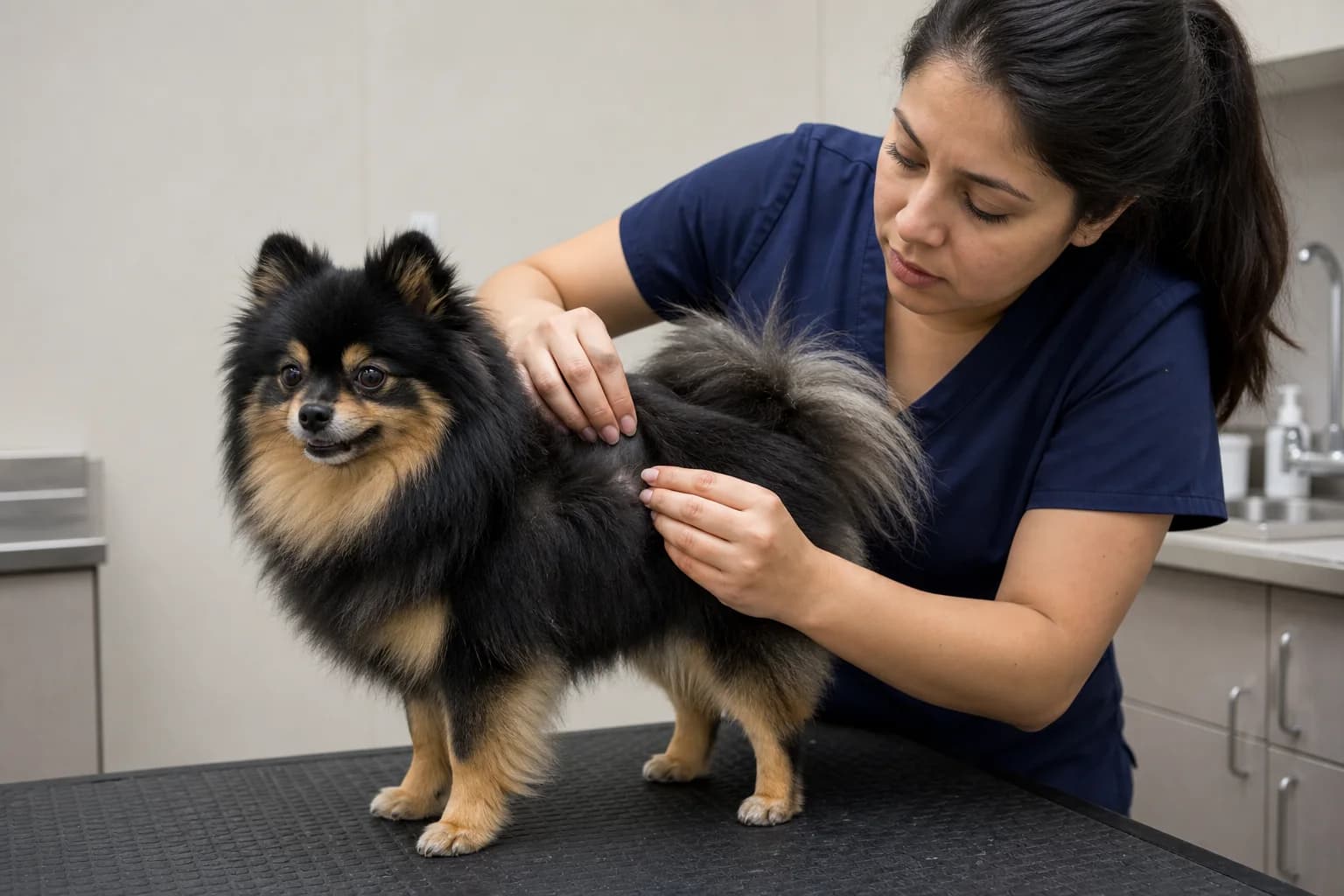
Normal shedding leaves a generally even coat and comfortable skin. Contact a veterinarian when hair loss creates bald or sharply thin areas, the skin is red, darkened, crusted, oily, odorous, painful, or very itchy, or the change arrives with weight, thirst, appetite, energy, or behavior changes. Sudden symmetry, broken hair, recurrent ear or skin trouble, and a coat that does not regrow also deserve evaluation.
Do not cover a suspicious pattern with a cosmetic trim or keep brushing a painful area. Photograph it in neutral light, note when it started, list recent products and medications, and bring the coat log. The veterinarian may need to distinguish parasites, infection, allergy, hormonal disease, friction, self-trauma, inherited coat disorders, and other causes. Petful's Pomeranian health guide provides broader planning context, but only an examination can address the individual dog.
Prepare for the veterinary visit
Bring the grooming tools and product labels when a reaction may be relevant. Note whether the change began after a bath, clipping, boarding stay, parasite-prevention lapse, diet change, illness, heat cycle, or new harness. Do not stop prescribed medication or apply an over-the-counter treatment without asking the veterinary team, because it can alter the appearance or interfere with testing.
Once a plan begins, define what improvement means. Less scratching, comfortable sleep, shrinking lesions, normal skin odor, and new hair growth are different outcomes and may occur on different timelines. Take repeat photographs from the same distance and angle. Contact the clinic sooner if pain, spreading redness, discharge, weakness, appetite change, or breathing trouble appears.
Related Pomeranian guides
- Pomeranians Breed Profile: Essential Facts
- Pomeranian Puppies Breed Profile: Essential Facts
- Pomeranian Price and Cost: Puppy and Lifetime Expenses
- Pomeranian Mixes: Crosses, Traits, and Care
- Pomeranian Colors: Coat Shades, Markings, and Changes
- Pomeranian Lifespan and Health: What Owners Should Know
- Pomeranian Temperament: Personality, Barking, Training, and Family Fit
Frequently asked questions about do pomeranians shed
A Pomeranian is not hypoallergenic, and no dog is completely allergen-free. Allergens can come from dander, saliva, and urine as well as material carried on the coat, while individual people and dogs vary. Spend time with the specific dog before committing when allergies matter, discuss medical concerns with a qualified clinician, and make a realistic cleaning and bedroom plan. Shaving the coat does not remove the underlying allergen sources.
Pomeranians can shed more visible hair than smooth-coated Chihuahuas, especially during seasonal coat changes, but the comparison varies with the individual coat, health, age, climate, grooming, and the Chihuahua's coat type. Use the expected grooming workload only as a starting point. Meet the actual dog, inspect the coat and skin, and plan brushing and cleaning from observed shedding rather than assuming every member of either breed is identical.

Coreen Saito is a pet writer and longtime shelter volunteer with more than a decade in animal rescue. She covers cat behavior, breed care, and the small, ordinary science of sharing a life with companion animals, with a particular focus on honest takes about the products and decisions that actually matter. At home in Arizona, she's outranked by Mac (a dog with the loudest opinion in the house), Rebel (a cat who governs by quiet authority), and Meri (an orange tabby who runs the late shift and the laundry basket). She writes about all three, plus the rescues that keep coming through her life, at LifeWithMinty.com.
Sign up for expert-backed reviews and safety alerts all in one place.