Poodle Breed Guide: Standard, Miniature, and Toy Compared
The Poodle is one breed in three sizes. Compare the Standard, Miniature, and Toy side by side, then get straight answers on temperament, alone time, allergies, grooming, health, and cost.
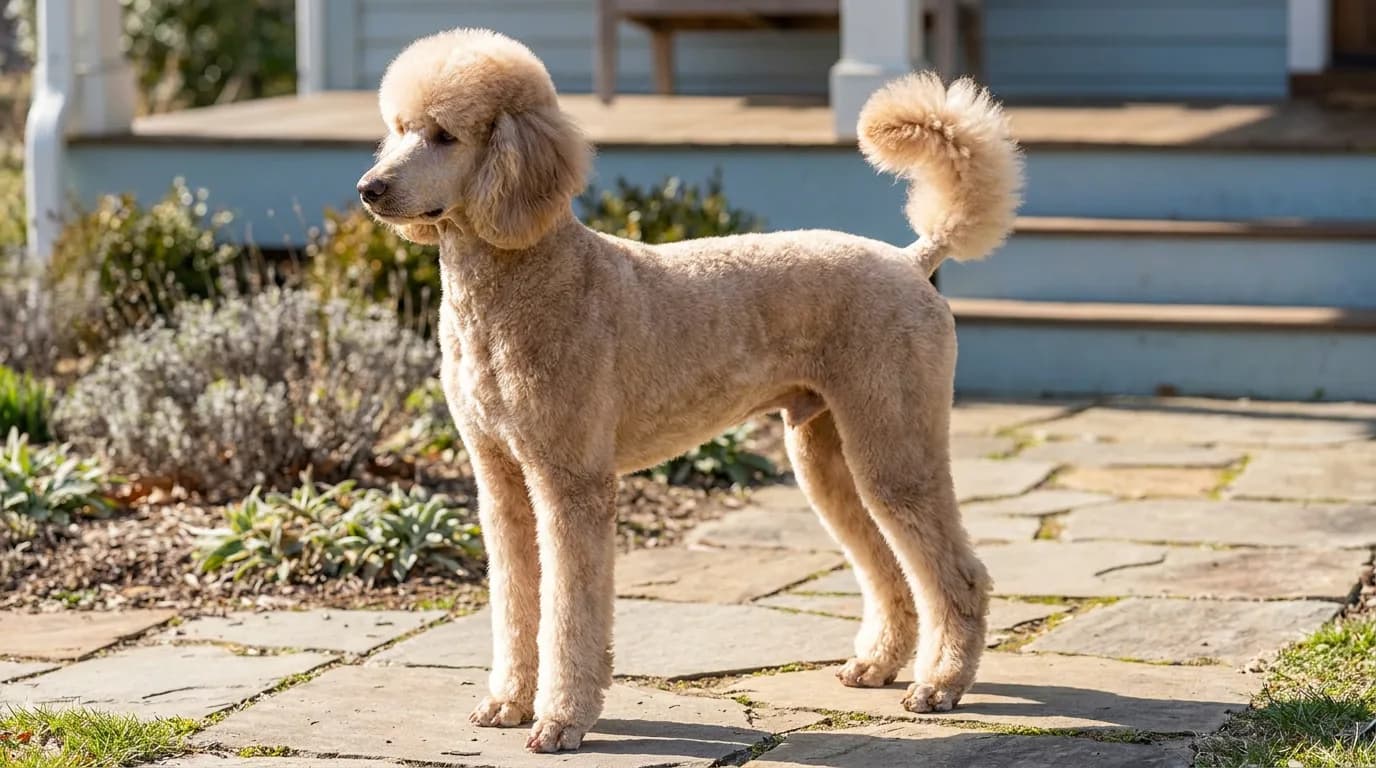
An adult Standard Poodle in a practical pet clip, the largest of the breed's three sizes.
Petful is reader supported. As an affiliate of platforms like Amazon and Chewy, we may earn a commission when you buy through links on this page. There is no extra cost to you.
A Poodle is a curly-coated, low-shedding dog that comes in three official sizes: the Toy, the Miniature, and the Standard. All three are one breed with the same brain and the same coat, so choosing a Poodle comes down to which size fits your home and whether you can keep up with the grooming, exercise, and company every Poodle needs.
Active owners with space tend to do best with a Standard, most families with a Miniature, and apartment dwellers or quiet adult homes with a Toy. Whichever you pick, budget for a professional clip every four to eight weeks for life, because the coat that keeps hair off your sofa never stops growing.

Sign up for expert-backed reviews and safety alerts all in one place.
Poodle breed facts at a glance
What is a Poodle? The Poodle is one breed in three sizes. It was bred first as a German water retriever that fetched ducks from lakes and rivers. Its coat is a single layer of dense, curly hair that sheds very little and keeps growing. Its temperament is trainable, alert, and people-focused.
- 1The Poodle is one breed in three sizes: Standard, Miniature, and Toy.
- 2It began as a German water retriever, which explains its athletic build, its love of water, and the original purpose of the famous clip.
- 3The curly coat sheds little but grows constantly, so every Poodle needs brushing at home and a professional clip every four to eight weeks.
- 4Poodles learn fast and bond closely with their people, and they cope poorly with long days alone.
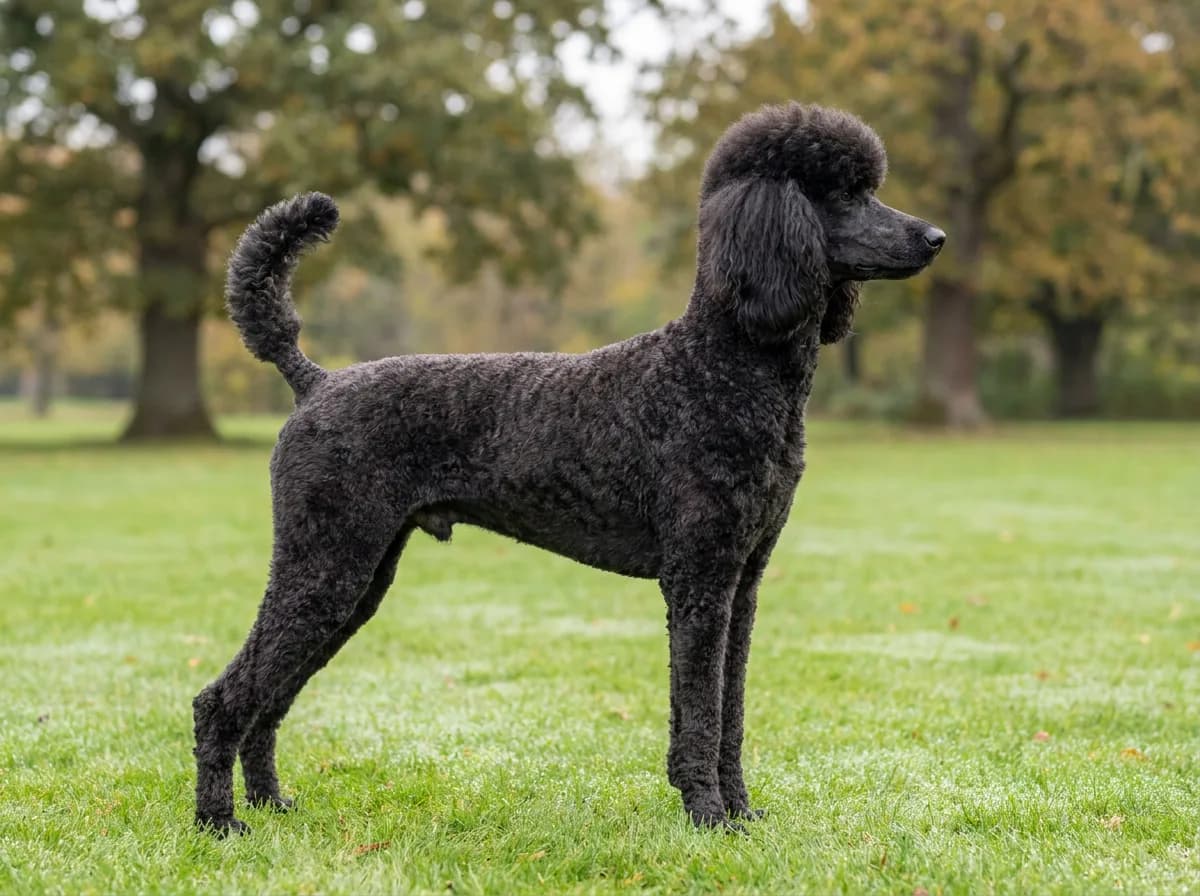
What does a Poodle look like? In pictures and in person, an adult Poodle has a square, athletic outline: the body is about as long as the dog is tall, with a long, fine muzzle, dark oval eyes, long ears that hang close to the head, and a tail carried up. The fluffy look comes from the curly coat, not from bulk, so a freshly clipped Poodle looks leaner than most people expect.
The Poodle's profile and key traits at a glance:
- Sizes: Standard over 15 inches at the highest point of the shoulders, Miniature over 10 and up to 15 inches, Toy 10 inches or under (AKC breed standard).
- Weight: Standard males 60 to 70 pounds and females 40 to 50 pounds, Miniatures 10 to 15 pounds, Toys 4 to 6 pounds (AKC).
- Life expectancy: 10 to 18 years across all three sizes (AKC).
- Breed group: the American Kennel Club shows Standards and Miniatures in the Non-Sporting Group and Toys in the Toy Group; our guide to AKC breed groups explains what each group means.
- Coat: curly (occasionally corded), single-layered, and low-shedding (AKC), with daily grooming advised by the Royal Kennel Club.
- Colors: solid colors from black and white to apricot, red, silver, and blue, plus parti and phantom patterns in many pet homes.
- Temperament: loyal, quick to learn, good with kids when raised with them, and more likely to bark than many breeds (AKC).
- Exercise: up to an hour a day for every size (Royal Kennel Club), plus training games. This is a canine athlete, not an ornament.
How can you tell a purebred Poodle from a curly mix? Registration papers for both parents are the only proof. A curly coat is not, because many doodle crosses look like Poodles. If you adopted a Poodle-type dog without papers, a breed DNA test such as the Wisdom Panel Essential Breed Identification DNA Test for Dogs estimates which breeds are in its ancestry, which tells you whether you are caring for a Poodle coat or a doodle coat and gives your veterinarian useful background. A DNA result cannot make a dog registrable as a purebred, though.

Petful may earn a commission when you click through to Chewy, at no extra cost to you.
Poodle sizes: Standard, Miniature, and Toy compared
What are the 3 types of Poodles? The AKC and the Poodle Club of America recognize three sizes of one breed, separated only by height at the shoulder: the Standard, the Miniature, and the Toy. They are not different breeds. All three are judged by the same breed standard, and the Poodle Club of America notes that Miniatures and Toys were bred down from the larger Poodle and share its general characteristics.
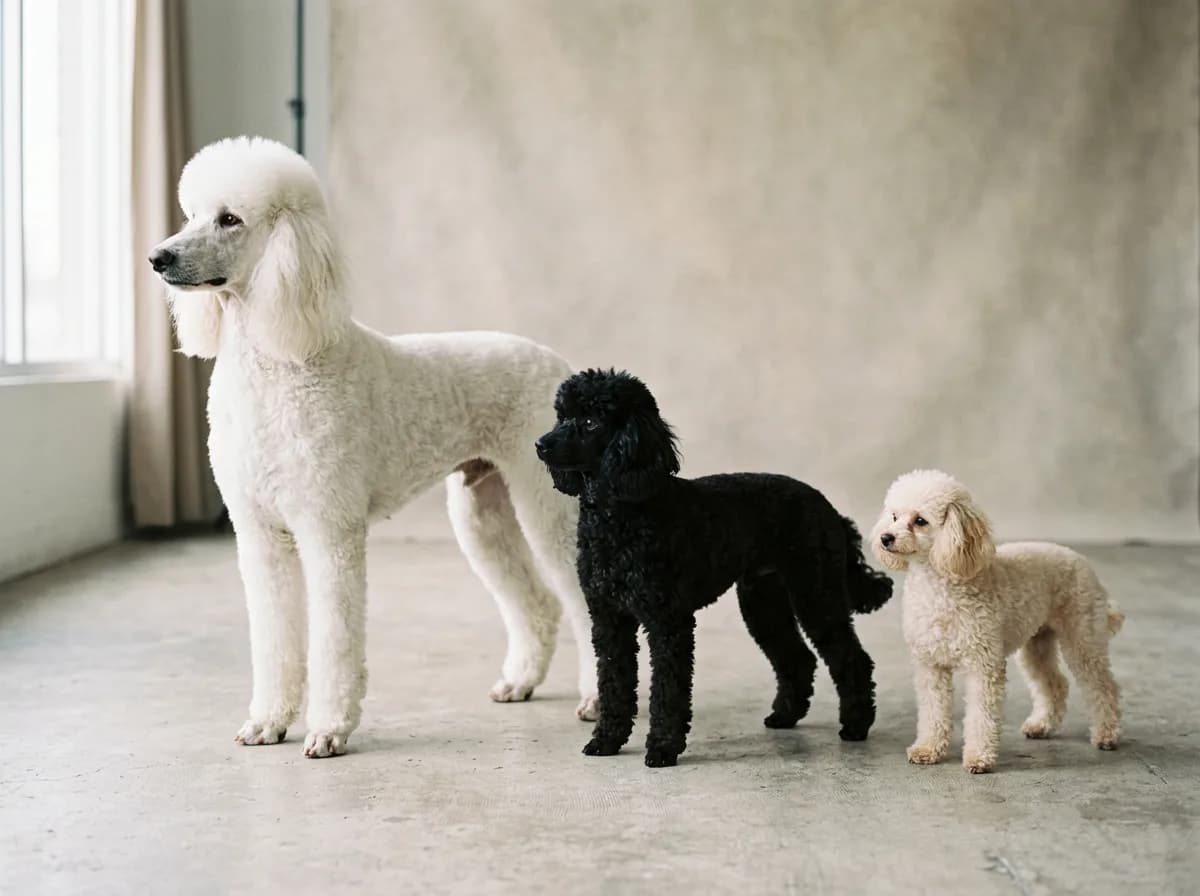
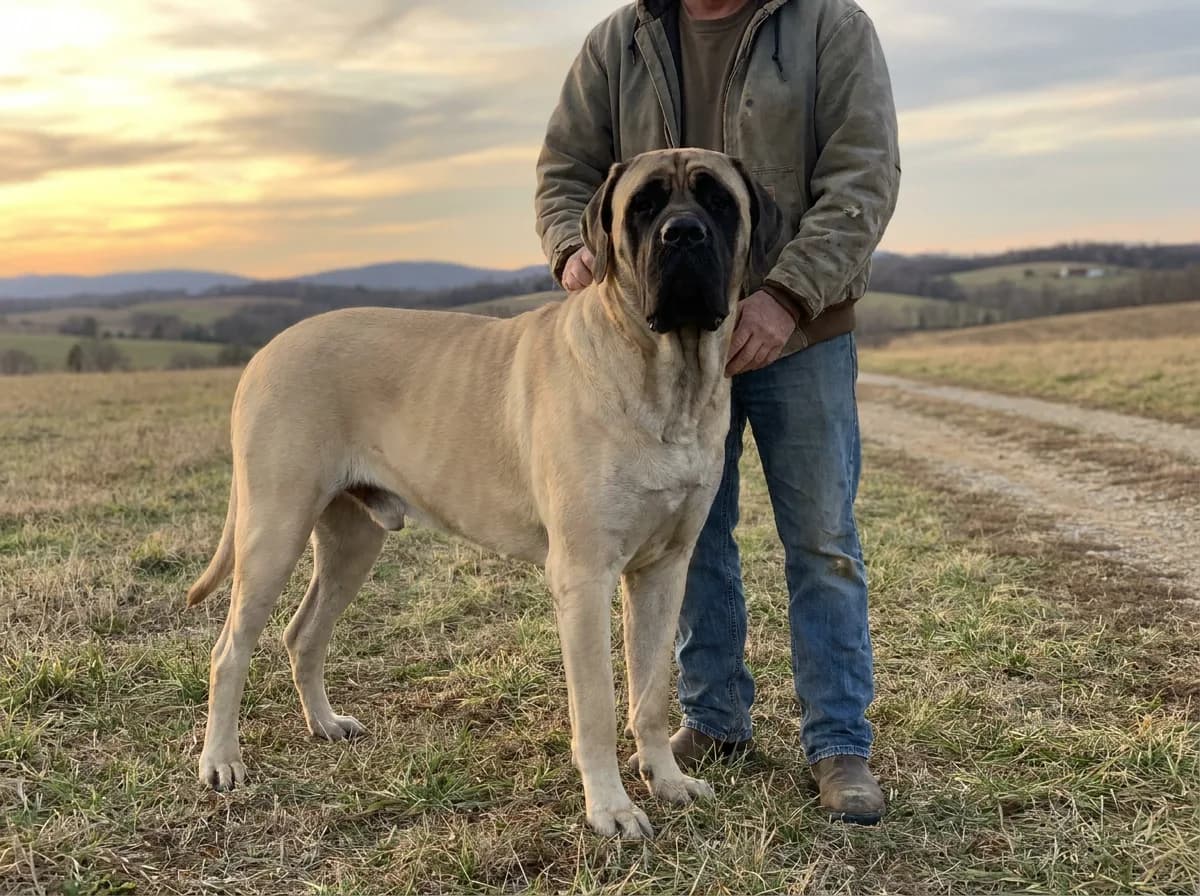
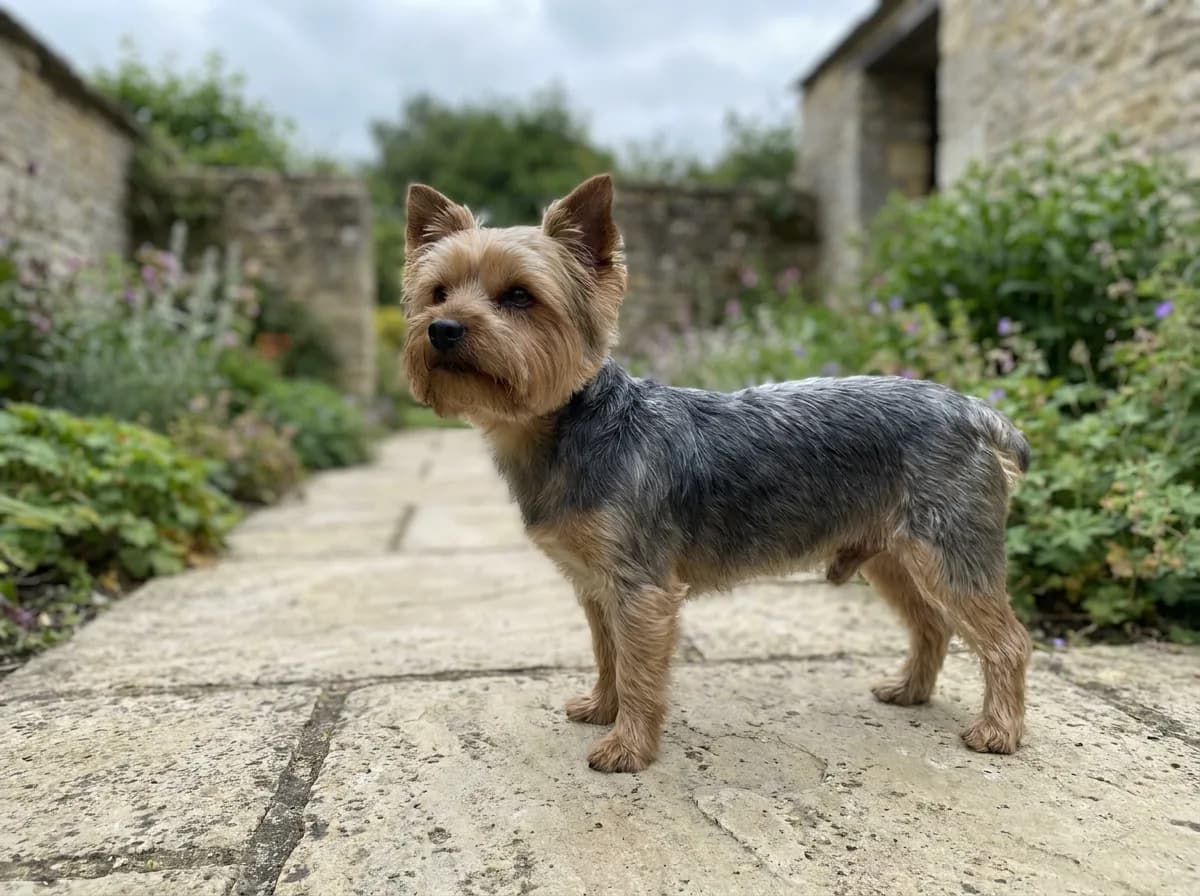
Seen side by side, the three sizes look like different dogs: the Standard, the largest Poodle, carries its head higher than a Toy's whole body. Height is the only official difference, but it changes nearly everything about daily life, from how you travel to what you pay the groomer. For recipe and portion comparisons, see our guide to the best dog food for Poodles.
| Three-size comparison | Standard | Miniature | Toy |
|---|---|---|---|
| AKC height limit | Over 15 in at the shoulder; most stand 22 to 27 in (Poodle Club of America) | Over 10 in and up to 15 in | 10 in or under |
| Typical adult weight | 60 to 70 lb for males, 40 to 50 lb for females | 10 to 15 lb | 4 to 6 lb |
| AKC group | Non-Sporting | Non-Sporting | Toy |
| Best home, per the Royal Kennel Club | Large house with a large garden | Small house with a small to medium garden | Flat or apartment |
| Daily exercise | Up to 1 hour, ideally with running, swimming, or retrieving | Up to 1 hour of brisk walks and play | Up to 1 hour, split into shorter walks and indoor games |
| Handling | Too heavy for most people to lift; strong on a leash | Easy to lift into a car; sturdy enough for family life | Easy to carry but easily hurt by falls and rough play |
| Grooming time | The most coat to brush and the highest groomer fees | Moderate | Quickest to brush, but face, feet, and teeth need close attention |
| Size-linked health screening | Hips, a yearly eye exam, plus thyroid, sebaceous adenitis skin biopsy, or heart exam | prcd-PRA DNA test, yearly eye exam, knees, and hips | prcd-PRA DNA test, yearly eye exam, and knees |
| Median age at death, 2004 UK owner survey | 12 years (118 dogs) | 13 years 11 months (23 dogs) | 14 years 8 months (20 dogs) |
The lifespan row comes from a Kennel Club survey with a 24% response rate and small samples for the two smaller sizes, so read it as a pattern (smaller Poodles tend to outlive Standards), not a prediction for any one dog.
The daily differences between the three sizes show up in ordinary moments:
- Travel: a Toy fits an under-seat airline carrier, a Miniature rides in a crate on the back seat, and a Standard needs cargo space and a ramp or a trained jump.
- Food and gear: a Standard eats many times what a Toy does and needs large-breed beds, crates, and harnesses.
- Exercise style: every size needs about an hour a day, but a Standard wants to run and swim, while a Toy's hour can be several short walks and fetch down the hallway.
- Fragility: a Toy can break a leg jumping off a sofa or slipping out of a child's arms; a Miniature or Standard shrugs off ordinary family bumps.
- Grooming bill: groomers usually price by size and coat condition, so a Standard costs the most per visit.
Which size fits your home and lifestyle? Choose a Standard if you want a running, hiking, or swimming partner, have a house with outdoor space, and can handle a 40- to 70-pound dog on a leash. Choose a Miniature if you want a sturdy dog you can still lift, whether for a busy family, a first dog, or an older owner. Choose a Toy if you live in an apartment or a quiet adult household and can protect a 4- to 6-pound dog from falls and toddlers.
Toy Poodle
The Toy is the smallest official size: 10 inches or under at the shoulder, usually 4 to 6 pounds, and shown in the AKC's Toy Group. It packs the full Poodle brain into a lap-sized body and suits apartment life, but it is fragile around toddlers and rough play, and its crowded little mouth makes daily tooth brushing part of the deal. Our Toy Poodle guide to full-grown size and temperament covers barking, clinginess, alone time, and how a Toy compares with a Miniature.
Miniature Poodle
The Miniature stands over 10 and up to 15 inches and usually weighs 10 to 15 pounds. For many households it is the middle ground: light enough to lift and carry, sturdy enough for children and busy family life, and every bit as quick to train as a Standard. Our Miniature Poodle guide has its size chart, its real downsides, and how it compares with the Standard.
Teacup Poodles
Teacup is not a recognized Poodle size. The AKC, the Poodle Club of America, and the FCI all stop at the Toy, so "teacup," "micro," and "tiny toy" are sellers' labels for Toys bred or picked to be unusually small. Extreme smallness brings real risks, including low blood sugar in young puppies and fragile bones, and a teacup price premium buys none of the health testing a careful breeder does. Read our guide to teacup Poodle health realities before paying extra for one.
Moyen, royal, and other unofficial Poodle sizes
A moyen Poodle is a medium-sized Poodle between the Miniature and the Standard. The FCI, the international federation of kennel clubs whose standard governs the breed across most of Europe, recognizes four Poodle sizes, and its Medium (moyen in French, Klein or Kleinpudel in German) stands over 35 and up to 45 cm, roughly 14 to 17.7 inches. In the United States, moyen is not an AKC size: the AKC, the United Kennel Club, and the Poodle Club of America recognize only three sizes, so a moyen is registered as a Miniature if it measures 15 inches or less and as a Standard if it is taller.
The four FCI sizes, from the breed standard revised in 2024:
- Standard (Grand, or Großpudel in German): over 45 cm and up to 60 cm, with a 2 cm tolerance (about 17.7 to 24.4 inches).
- Medium (Moyen, or Kleinpudel): over 35 cm and up to 45 cm (about 13.8 to 17.7 inches).
- Miniature (Nain, or Zwergpudel): over 28 cm and up to 35 cm (about 11 to 13.8 inches).
- Toy: over 24 cm, with a 1 cm tolerance, and up to 28 cm (about 9.4 to 11 inches).
What does a moyen weigh, and how does it act? The FCI standard sets heights, not weights, so expect a weight between a large Miniature and a small Standard and ask for both parents' weights. A moyen puppy reaches adult height around its first birthday, the AKC's rule of thumb for medium-sized dogs, and its temperament is ordinary Poodle temperament.
Royal, king, and giant Poodles are not separate sizes either; they are marketing names for especially large Standards. The AKC sets no upper height limit, so some Standards stand well above the usual 22 to 27 inches, and German speakers sometimes call the Standard a Königspudel, or king Poodle. A giant Poodle's personality is Standard Poodle personality, and its size only magnifies the food and grooming bills, so treat "royal" as a description, not a reason to pay more.
Standard Poodle: size, temperament, and house fit
The Standard Poodle is the original Poodle: the full-size retriever the Miniature and Toy were bred down from, and the dog people mean when they say a regular or full-size Poodle. It is an athletic, deep-chested dog that still has a working dog's drive. Some waterfowl hunters still take Standards duck hunting (AKC), and the United Kennel Club places the Standard Poodle in its Gun Dog Group.
Standard Poodle temperament is dignified and calm indoors, playful and clownish with family, and alert to anything unusual. Standards are usually the easiest size around children and other dogs, simply because they are big enough to shrug off clumsy handling, which makes them good family dogs for active households. In photos they can look delicate; in person they are sturdy athletes that want a job.
How big is a Standard Poodle?
A Standard Poodle stands over 15 inches at the highest point of the shoulders, which is the AKC's only size rule, and most stand 22 to 27 inches tall, according to the Poodle Club of America. Full grown, males usually weigh 60 to 70 pounds and females 40 to 50 pounds (AKC). In metric, the FCI standard puts Standards at 45 to 60 cm, plus a 2 cm tolerance.
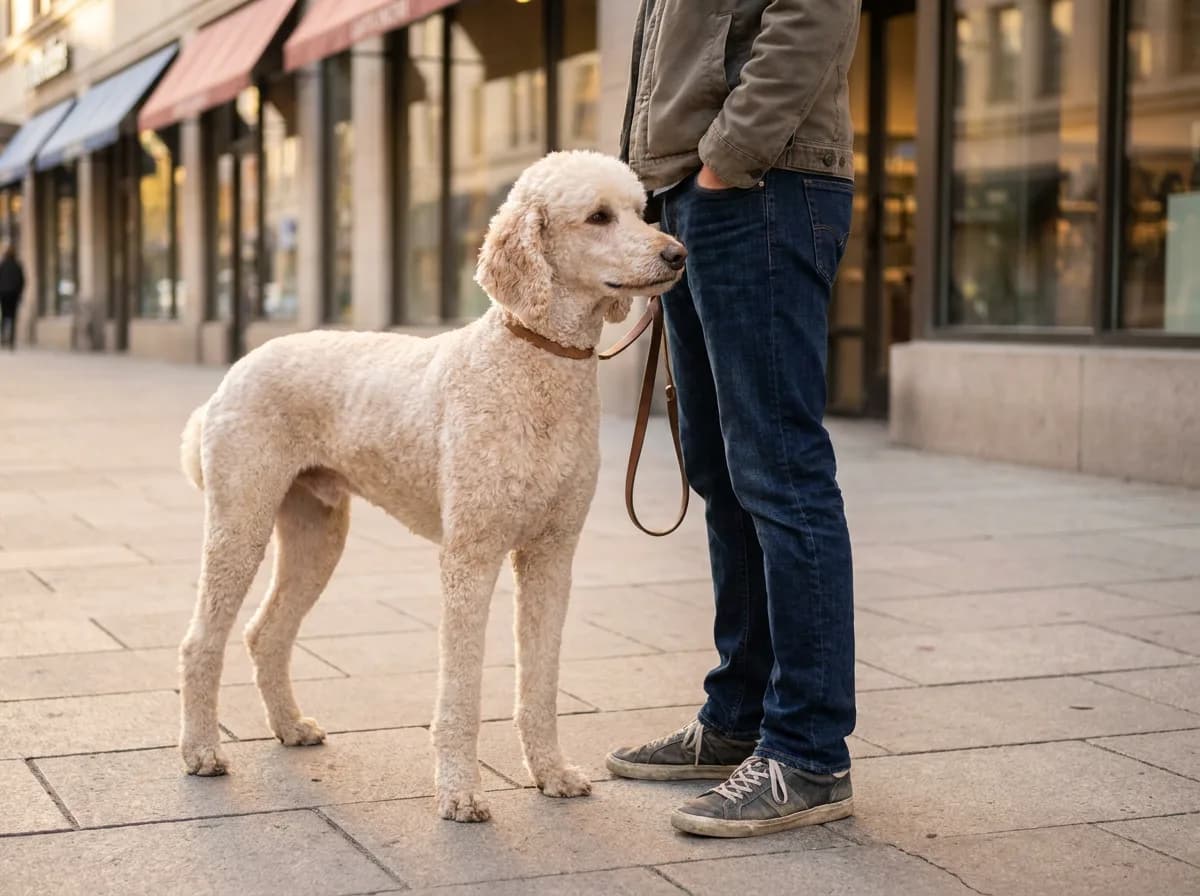
Next to an adult human of average height, a 24-inch Standard's shoulder reaches roughly mid-thigh, and its head, carried high on a long neck, comes up to about hip level. That is a big dog in a small kitchen, and it is why a Standard needs room to turn around, a large crate, and a car with cargo space.
When is a Standard Poodle full grown? Most finish growing in height somewhere between about 12 and 18 months, in line with the AKC's guidance that bigger dogs take longer to finish growing than small ones, then keep adding chest and muscle until about 2 years of age. Treat the milestones below as a guide rather than a weight chart:
| Age | Growth milestones | What to plan for |
|---|---|---|
| 8 to 12 weeks | Typical go-home age; fast growth begins | Crate and potty training; gentle handling of paws, ears, and face; safe socialization before about 3 months |
| 3 to 6 months | Fastest growth; puppy teeth fall out and adult teeth are in by about 6 months | Chew toys for teething; short, frequent training sessions; refit the collar and harness often |
| 6 to 12 months | Growth slows as the dog nears adult height; adolescent energy peaks | Consistent training through adolescence; build exercise gradually on growing joints |
| 12 to 18 months | Most Standards reach adult height: over 15 in, usually 22 to 27 in | The adult coat grows in and mats easily, so keep brushing to the skin |
| 18 months to 2 years | Chest and muscle fill out; typical adult weight is 60 to 70 lb for males and 40 to 50 lb for females | Adjust food to adult body condition; start longer runs once your vet agrees growth is complete |
Individual Standards vary widely: the gap between a small female and a large male can be 30 pounds or more. If you are choosing a puppy, the parents' height and weight predict adult size better than any chart.
Is a Standard Poodle a good house dog?
Yes, for an owner who can give it daily exercise and company. An adult Standard is usually quiet and settled indoors once its needs are met, it leaves little hair on the furniture, and it is sturdy with children. It is still a large dog: the Royal Kennel Club rates the Standard for a large house with a large garden, the Miniature for a small house, and the Toy for a flat or apartment, which is why most apartment dwellers choose a smaller Poodle.
Give a Standard its own place to settle. A long-legged 60-pound dog needs a bed it can stretch out on, and a jumbo orthopedic mattress such as the FurHaven NAP Ultra Plush Orthopedic Deluxe Cat & Dog Bed in Jumbo cushions elbows and hips on hard floors. A bed will not prevent joint disease, but it gives a big dog a comfortable spot that is not your sofa.
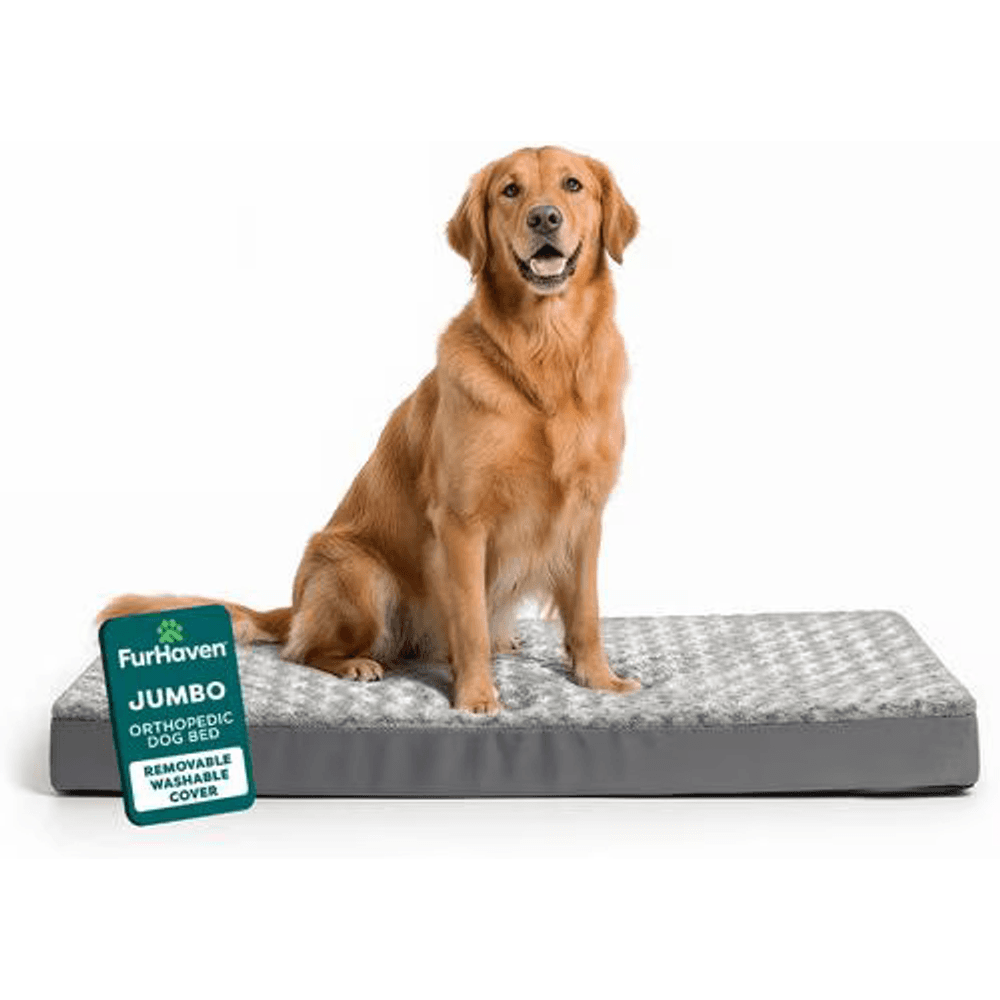
A plush orthopedic foam mattress that cushions aging joints and pressure points, giving a stiff or trembling senior dog warm, supportive rest.
Petful may earn a commission when you click through to Chewy, at no extra cost to you.
Are Standard Poodles calm dogs?
Adult Standards are usually calm in the house, but calm is not the same as low-energy. The Poodle Club of America describes well-bred Poodles of every size as having steady, calm nerves, which means they handle new places and noises without falling apart. Expect a bouncy, mouthy adolescent until about 2 years old. After that, a Standard that gets a real outing each day usually settles on its bed, and one that does not will pace, bark, and look for trouble.
Which Poodle size is calmest and best for seniors?
In any breed, the calmest dogs for seniors are usually adults past adolescence with a settled, known temperament and exercise needs the owner can meet every day. Among Poodles, that points to an adult Miniature, 2 years or older. Matching the size to the owner:
- Miniature: the best fit for most older owners. At 10 to 15 pounds it is light enough to lift into a car or a bathtub, sturdy enough to survive being bumped, and easy to walk, and it is the easiest size for first-time owners to learn on.
- Toy: suits a senior who wants a lap dog and can manage the trip hazard of a tiny dog underfoot.
- Standard: suits an active senior who walks, hikes, or swims every day and can hold a strong 40- to 70-pound dog on a leash.
Which Poodle size is the calmest? No size is reliably calmer than the others: the AKC gives all three sizes the same energy rating of 4 out of 5, and each needs up to an hour of exercise a day, so the calmest Poodle size for your home is the one whose exercise and training needs you can meet every day. An under-exercised Toy can be as restless as an under-exercised Standard. The calmest choice for a senior is usually an adult Poodle whose temperament is already known, such as a retired show dog or a rescue with a foster's report, rather than a puppy. Plan for the groomer too: every size needs a professional clip every four to eight weeks, so line up transport or a mobile groomer before the dog comes home.
- Dogs underfoot are a real fall hazard. A CDC analysis of 2001 to 2006 emergency-room data estimated about 86,600 fall injuries a year in the United States involving dogs or cats, and nearly 88% involved dogs. A Toy is easy to lift but easy to trip over, while a Standard rarely gets underfoot but can pull an owner off balance. Choose the size you can lift, carry to the vet, and hold on a leash on a bad day.
Poodle history: where the breed came from
Where did Poodles originate? The short answer is Germany. The breed worked there as a water retriever and takes its name from the German Pudel, from pudeln, meaning to splash in water.
The full answer is murkier. The AKC's history says the Poodle likely developed across Germany, France, and Russia before anyone kept records. The FCI lists France as the country of origin and traces the breed to the Barbet, a French water dog. France adopted the Poodle so completely that it became the national dog, and the French name, caniche, comes from cane, the word for a female duck.
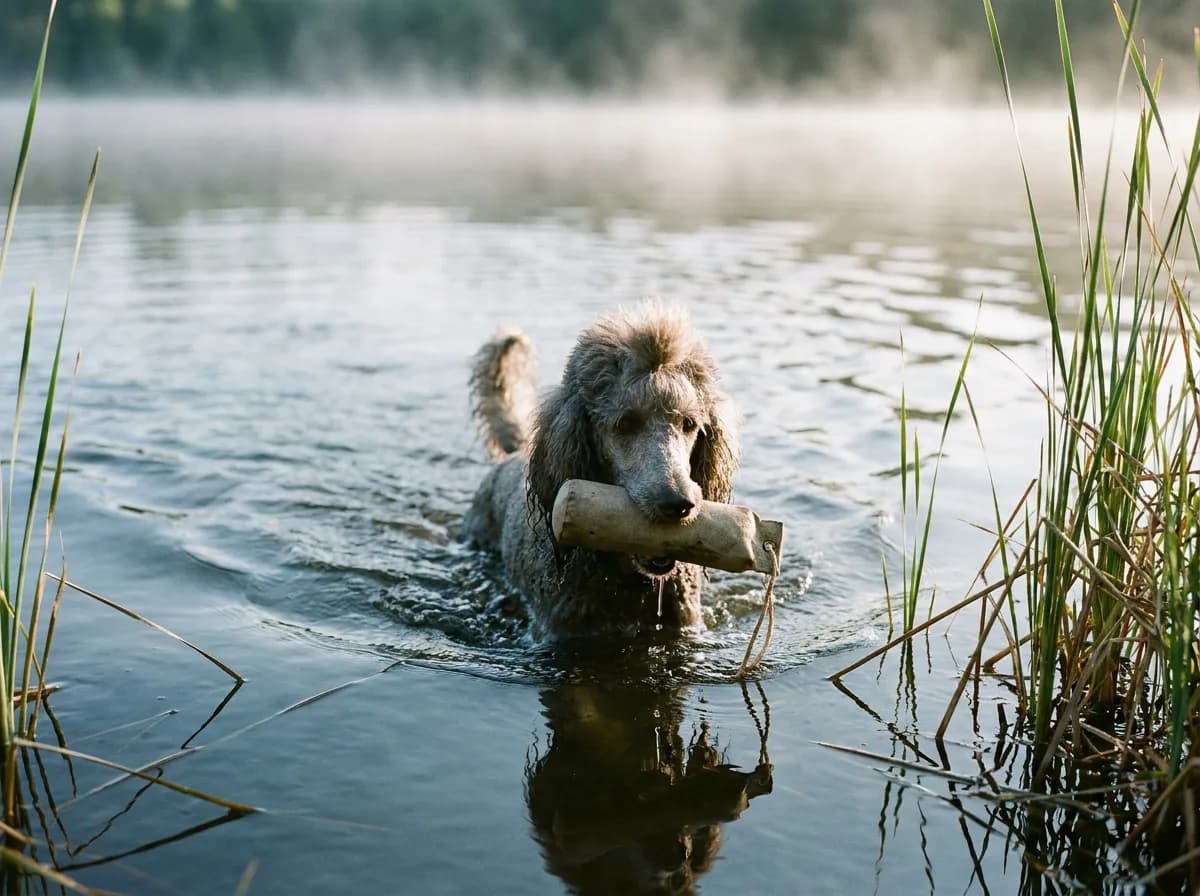
What were Poodles bred for? Retrieving ducks and other waterfowl for hunters. The famous clip started as working gear, not fashion: hunters left hair over the chest, hips, and leg joints to protect vital organs and joints in cold water and trimmed the rest so a heavy, wet coat would not slow the dog down (AKC). That trim evolved into the continental clip of the show ring, where the AKC requires adult Poodles to be shown in a continental or English saddle clip.
What were Toy Poodles bred for? Mostly companionship. In the 18th century, the Standard was bred down to smaller sizes to suit city dwellers in Paris and other European cities, although the AKC credits the modern Toy variety to breeders in the United States in the early 20th century. Poodles also found other jobs: their keen sense of smell made them useful for truffle hunting, and their trainability made them circus stars. Key dates in Poodle history:
- 1743: the French name caniche is already in use, according to the FCI's breed history.
- 1700s: smaller Poodles are bred down from the original Standard as city companions.
- 1887: the American Kennel Club recognizes the Standard and Miniature Poodle.
- Early 1900s: the modern Toy Poodle is first bred in the United States, according to the AKC.
- 1914: the United Kennel Club recognizes the Poodle.
- 1931: the Poodle Club of America is founded.
- 1943: the Toy is recognized as the third variety, in the Toy Group.
Is there a separate German, French, English, or American Poodle? No. A "French Poodle" is simply a Poodle, and "German," "English," or "American" in a seller's ad describes where the dogs were bred or which registry the parents belong to, not a different breed. Registries differ on details, and the FCI allows a fourth size and more color patterns than the AKC, but the dog is the same.
Exercise, training, and energy needs
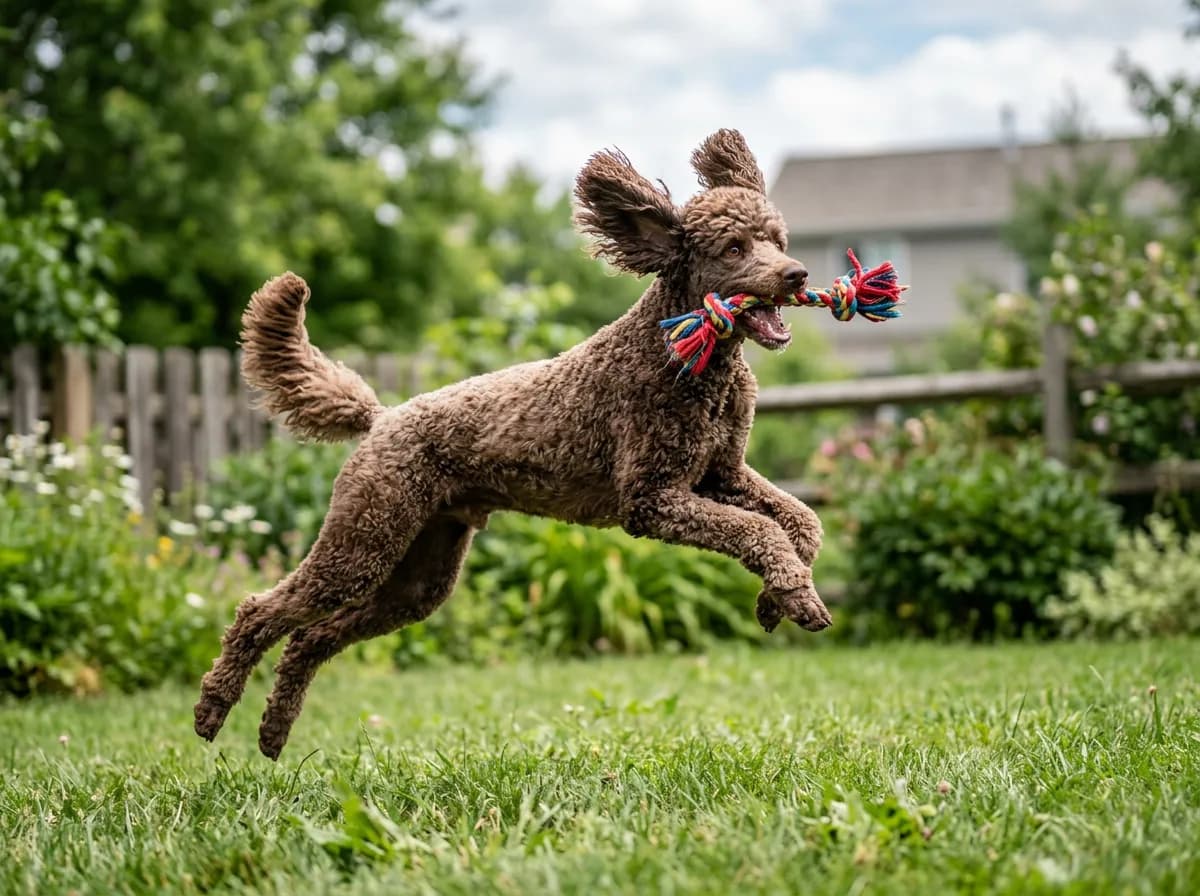
How much exercise does a Poodle need? The Royal Kennel Club lists up to an hour a day for all three sizes, and that hour should work the brain as well as the legs. What changes by size is the kind of exercise, not whether the dog needs it. Daily exercise needs by size:
- Standard: brisk walks plus running, swimming, or retrieving. Adult Standards make good running and hiking partners, but ask your veterinarian before starting long runs with a dog that is still growing.
- Miniature: brisk walks, fetch, and a dog sport such as agility or rally; many Miniatures can handle more activity than their size suggests.
- Toy: two or three shorter walks plus indoor games; a Toy still needs daily outings and training, just in shorter bursts.
- Every size: a few short training sessions, scent games, or food puzzles each day.
Training is where Poodles shine, as long as it stays positive. Poodles are sensitive, and harsh corrections make many of them anxious or unwilling, so reward-based training works best:
- Mark the exact moment your dog gets it right with a word such as "yes" or a clicker.
- Pay right away with a small treat, a toss of a toy, or a quick game.
- Ignore or calmly redirect mistakes instead of scolding, and make the next try easier.
- Keep sessions to about 5 to 10 minutes and end on a success, because Poodles learn fast but switch off when drilled on the same thing.
Dog sports such as obedience, agility, and dock diving give that brain a structured job, which is the best protection against nuisance barking, chewing, and separation-related behavior.
Walks go better with the right gear, especially with a strong Standard. A front-clip harness such as the PetSafe Easy Walk Dog Harness steers a dog that pulls back toward you instead of letting it tow you forward, which also makes it a good choice for older owners and children who help with walks. Check the maker's chest measurements before you buy, and refit it as a young Poodle grows.

Petful may earn a commission when you click through to Chewy, at no extra cost to you.
Poodle temperament and personality
What is the temperament of a Poodle? Loyal, alert, playful, and unusually eager to learn, with a sensitive streak. The FCI breed standard singles out the Poodle's loyalty and trainability, and the AKC describes Poodles as usually friendly with strangers and good with kids, though more likely to bark than many breeds. With their own family, most Poodles are affectionate clowns; with visitors, they are polite and watchful.
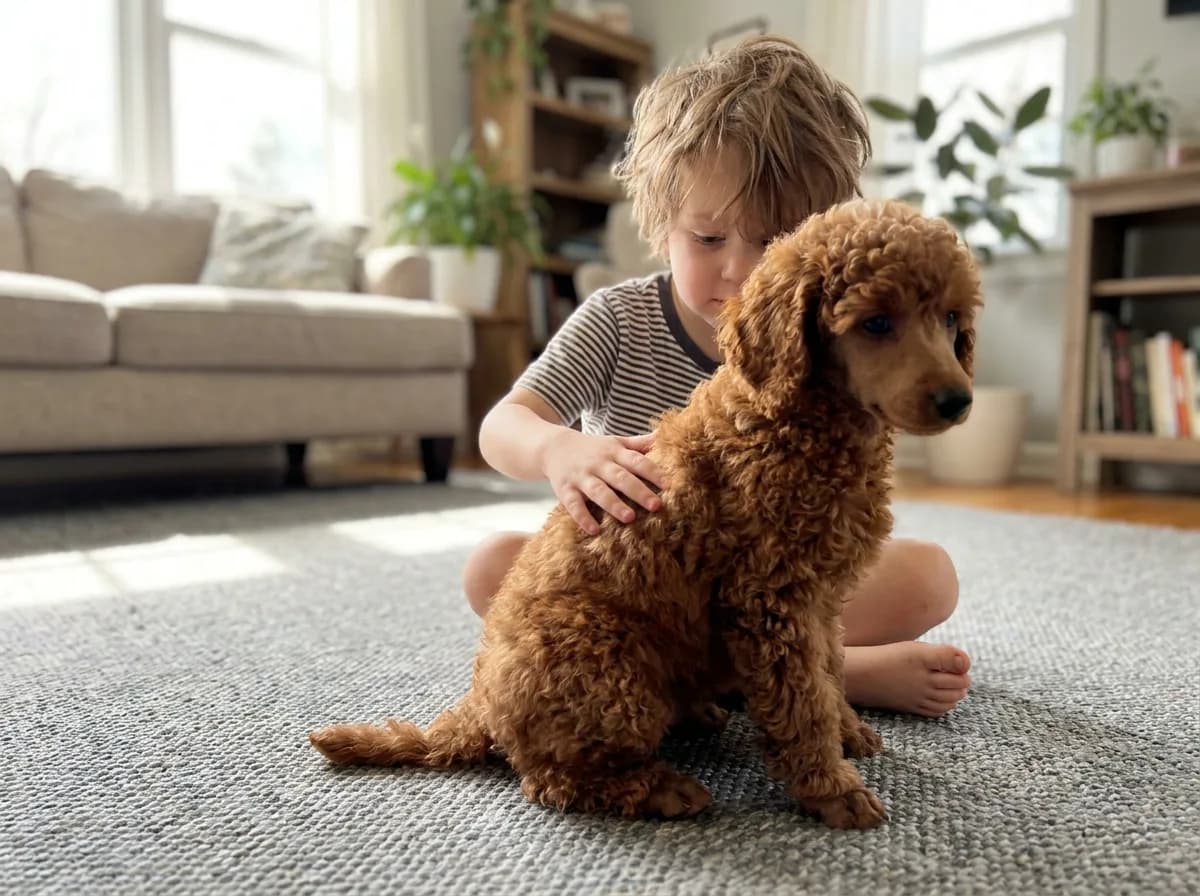
Poodle personality traits to expect:
- People-focused: most Poodles follow their family from room to room and want to be included in whatever is happening.
- Sensitive: harsh corrections tend to produce a worried, shut-down dog, so reward-based training works best with this sensitive breed.
- Alert: Poodles notice unfamiliar sounds and often announce them with a bark.
- Playful and athletic: the retriever instinct shows up as a love of fetch, swimming, and games with rules.
- Calm when fulfilled: are Poodles calm? Adults usually are indoors once their exercise and training needs are met; puppies and adolescents are not.
Most Poodle temperament problems trace back to three causes: too little exercise and mental work, too little early socialization, and too many hours alone. The results are the complaints owners report, from nuisance barking and chewing to wariness with strangers and anxiety when left.
Is that temperament, brain, and energy right for your household? A Poodle fits best where:
- someone enjoys a few short training sessions or games every day, because a Poodle with nothing to do makes its own fun;
- the dog lives inside as part of family life, not alone in a yard or crate for most of the day;
- the household can accept some alert barking and handle a sensitive dog gently.
If you want an independent dog that entertains itself, a guard dog, or a dog that can be left alone all day, another breed will suit you better.
How do Poodles show affection? By leaning against you, following you, bringing you toys, greeting you with a whole-body wiggle, and holding your gaze. That long, soft stare is usually attachment, not a challenge: a 2015 study in the journal Science found that mutual gazing between dogs and their owners raised levels of oxytocin, a bonding hormone, in both. What most Poodles love most is simply being included.
Do Poodles pick a person?
Many do. Poodles often form their strongest attachment to the person who feeds, trains, walks, and plays with them most, while staying affectionate with everyone else in the household. That bond is not a problem on its own, but a Poodle that panics whenever its favorite person leaves needs help, which is covered in the alone-time section below. To spread the attachment, share the daily care: let each family member handle meals, a training session, or a walk.
Is a Poodle one of the smartest dogs?
Yes. The Poodle ranks second in psychologist Stanley Coren's intelligence ranking, behind only the Border Collie. In his book The Intelligence of Dogs (1994), Coren ranked breeds by working and obedience intelligence using ratings from 208 obedience trial judges in the United States and Canada. Breeds in that top tier typically learned a new command in fewer than five repetitions and obeyed the first command at least 95% of the time. Coren's top five:
- Border Collie
- Poodle
- German Shepherd Dog
- Golden Retriever
- Doberman Pinscher
Are Toy and Miniature Poodles as smart as Standards? Coren ranked the Poodle as one breed, and all three sizes share one breed standard, so a Toy, a Miniature, a Standard, or a Poodle sold as a teacup has the same capacity to learn. The differences owners notice come from training, age, and the individual dog. For where other breeds land, see our list of the smartest dog breeds ranked.
How smart are Poodles compared to humans and other dogs? In a 2009 talk to the American Psychological Association, Coren compared the average dog's mind to a 2-year-old child's: about 165 learnable words and signals, and about 250 for the brightest 20% of dogs.
Why are Poodles so smart? Generations of retrieving on command and, later, learning circus routines favored dogs that watch their handler and learn quickly. The flip side is that a bright dog gets bored fast, and a bored Poodle invents its own entertainment.
Can Poodles be left alone?
Yes, for a few hours at a time, but a routine 8-hour day alone is too long for most Poodles. The AKC says even adult dogs should not be home alone much longer than six to eight hours without a bathroom break, and the RSPCA and PDSA advise no more than about four hours at a stretch. Poodles are also prone to separation anxiety when long absences become routine: they are a people-focused breed, and PetMD's breed profile warns that Toy Poodles, which bond especially closely, can develop it when left alone for extended periods.
How long can Poodles be left alone at each age?
- Under 10 weeks: about an hour.
- 3 to 6 months: roughly one hour per month of age, the AKC's rule of thumb for bladder control.
- Over 6 months: up to about six hours for bladder control (AKC), though company matters as much as the bathroom.
- Adults: about four hours routinely, and longer only occasionally, with a midday visit.
Size changes the details, not the answer. Miniature and Standard Poodles can be left alone for the same few hours, while a Toy's small bladder may need breaks sooner.
In practice, a full-time office schedule works with a Poodle only if you can add a midday visit or daycare every workday and fit about an hour of exercise around work; if that is not realistic, a Poodle will struggle. A workable weekday looks like this: a 30- to 45-minute walk or play session before work, a midday visit with a potty break and a short walk, and an evening outing plus a few minutes of training.
Signs of separation anxiety to watch for:
- barking, whining, or howling that starts soon after you leave
- chewing or scratching at doors, windows, and crate doors
- drooling, panting, or pacing
- house soiling in a dog that is otherwise house-trained
VCA Animal Hospitals notes that video is the best way to see behavior that happens only when you are gone, so record the first few absences; a Wi-Fi camera such as the INSTACHEW Purrsight 360 Degree Wi-Fi Security Cat & Dog Pet Camera also lets you check in from work. If the signs appear, shorten your absences and talk to your veterinarian or a board-certified veterinary behaviorist, because distress does not fade by leaving the dog alone longer.
- Before you leave, give a brisk walk and a five-minute training game. Book a midday break with a dog walker, a neighbor, or daycare so no stretch alone runs past about four hours. Leave a food puzzle or a long-lasting chew for the first quiet hour. Build tolerance with gradual alone-time training: practice absences shorter than the time it takes your dog to get upset, then lengthen them slowly.
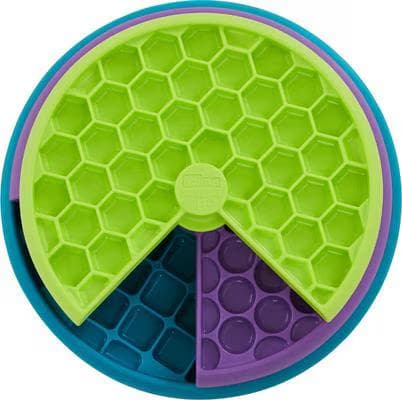
For that first quiet hour, a puzzle such as the Outward Hound Nina Ottosson Lickin' Layers Interactive Puzzle Game & Slow Feeder turns part of breakfast into a problem to solve as the house goes quiet. Introduce it while you are home, start on the easiest setting, and count the food inside as part of the day's ration.
Petful may earn a commission when you click through to Chewy, at no extra cost to you.
Male vs female Poodle: is a boy or girl better?
Is a boy or girl Poodle better? Neither: whether you get a male or female Poodle, the individual dog matters more than its sex. In Standards, males are noticeably bigger, at 60 to 70 pounds versus 40 to 50 for females (AKC). In Miniatures and Toys the AKC gives the same weight range for both sexes, so a male Toy Poodle and a female Toy Poodle end up close in size. Owners often describe male Poodles as more clownish and cuddly and females as more independent, but no study has measured that in Poodles, so treat it as anecdote rather than a rule.
The pros and cons of each sex that do hold up:
- Size: in Standards, a male averages about 20 pounds heavier and is harder to hold on a leash.
- Heat cycles: an unspayed female usually comes into heat about twice a year, with bleeding to manage and intact males to keep away.
- Marking: intact males are more likely to lift a leg on furniture and fixtures, and neutering often reduces it.
- Cost: spaying a female usually costs more than neutering a male; our spay vs. neuter guide explains the timing questions.
Temperament differences between male and female Poodles are small next to the effects of training, socialization, and spay or neuter status. Choose the puppy or adult whose energy and confidence fit your household, then decide the sex.
Are Poodles hypoallergenic?
No dog is truly hypoallergenic, and that includes Poodles. The reputation comes from the coat: Poodles shed very little, so less loose hair ends up on floors and furniture, and some people with mild dog allergies do better with them. But the allergens people react to, chiefly a protein called Can f 1, come from a dog's skin, saliva, and dander rather than the hair itself, and every Poodle makes them.
What does the research say? A 2012 study in the Journal of Allergy and Clinical Immunology tested hair, coat, and household dust from Poodles, Labradoodles, and other breeds. The so-called hypoallergenic breeds carried more Can f 1 on their coats than other dogs, airborne allergen levels in their homes were no different, and only Labradoodle homes had lower levels in floor dust, so the authors found no evidence to call any breed hypoallergenic.
Are Toy, Miniature, or teacup Poodles more hypoallergenic? No. Size does not change the coat or the allergens: Toy, Miniature, Standard, French, and teacup Poodles are all the same breed, and allergic people react to individual dogs differently. If you have dog allergies:
- Spend real time with the specific dog, ideally in its home, before you commit.
- Talk to an allergist about testing and treatment before a dog comes home.
- Keep the dog out of your bedroom and run a HEPA air purifier.
- Bathe and groom the dog regularly, and have someone without allergies do the brushing.
For a broader allergy plan and other low-shedding breeds, see our guide to hypoallergenic dog breeds.
Do Poodles shed or smell? Coat and grooming basics
Do Poodles shed? Very little. The AKC describes the Poodle as single-coated, with no soft undercoat to blow out each season, and its hair has an unusually long growth phase, so the coat keeps growing until it is cut. The hairs that do fall out get caught in the curls instead of landing on the floor, which is why brushing matters: shed hair left in the coat turns into mats.
Is it hair or fur? Biologically there is no real difference; "hair" describes a coat that keeps growing, like the Poodle's, while "fur" usually means a coat that grows to a set length and sheds. Poodles do not moult in seasonal clumps, and every size sheds the same small amount, from Toys and teacups to Miniatures and Standards; a Standard simply has more coat to brush. The one time many owners see extra loose hair and mats is when the soft puppy coat changes to the denser adult coat.
- A low-shedding coat still needs regular grooming. Without a professional grooming schedule, usually a clip every four to eight weeks, the coat mats close to the skin, where mats pull painfully, trap moisture, hide skin problems, and often end in a full shave-down. Over a Poodle's lifetime, grooming is one of the biggest recurring costs, so price local groomers for the size you want before you choose a dog.
Do Poodles smell? A clean, well-kept Poodle has very little doggy odor. When one does smell bad, there is usually a fixable cause:
- Ears: hair growing inside the ear canal traps moisture and wax, and a yeasty smell often means an ear infection that needs a vet.
- Eyes: tear-stained hair around the eyes, most visible on white, cream, and apricot coats, can smell sour if it stays damp; wiping the area daily with Angels' Eyes Face Eye & Paw Cleansing & Tear Stain Wipes keeps it clean and dry.
- Teeth: small Poodles are prone to dental disease, and bad breath is often the first sign.
- Coat: a dirty or matted coat holds dirt and moisture against the skin.
The home routine: brush right down to the skin with a slicker brush, then run a metal comb through to find mats you missed, daily or at least several times a week. Check and dry the ears after baths and swims, brush teeth several times a week, and keep nails short between appointments; a quiet grinder such as the Casfuy Upgraded Quiet 6 Speed Electric Dog & Cat Nail Grinder suits dogs that resist clippers.
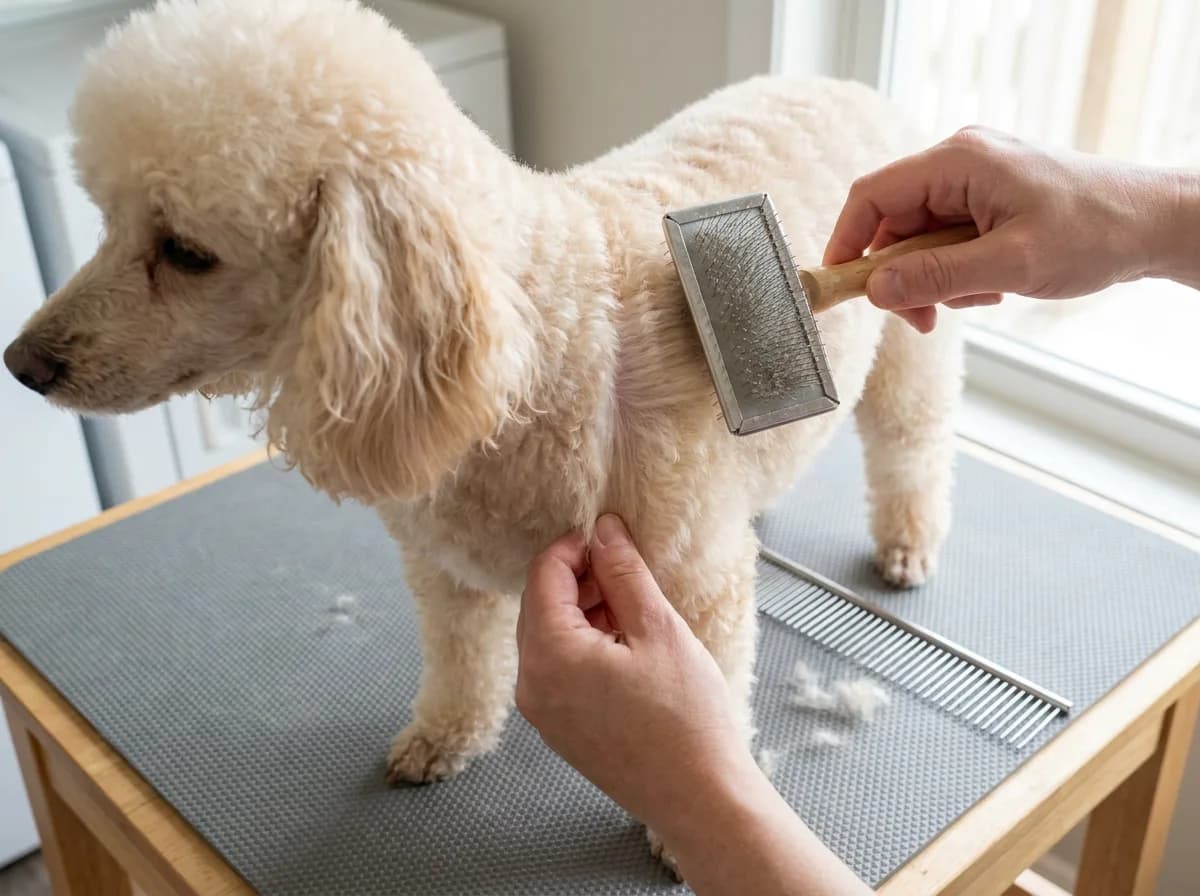
What happens to an ungroomed Standard Poodle? The coat keeps growing and felts into mats, starting behind the ears, under the legs, and wherever a collar or harness rubs. A professional groomer every four to eight weeks, the interval the AKC suggests, clips the coat to a manageable length, trims the nails, and tidies the face, feet, and tail base. Shaved "Poodle feet" stay cleaner and make burrs and cuts easier to spot.
What does that cost? Spot Pet Insurance puts a professional Poodle groom at about $55 to $160 a session, depending on size, coat condition, and region. At one visit every four to eight weeks, that is 6 to 13 appointments a year, so grooming alone runs from a few hundred dollars a year for a Toy on a long interval to well over $1,000 for a Standard groomed monthly, before brushes, combs, and nail tools.
Poodle haircuts and clip styles
Most pet Poodles wear a practical clip rather than a show trim. Popular choices include the puppy cut (one even length all over), the teddy bear cut (a rounded, fuller face), the lamb clip (a shorter body with fuller legs), and a short summer clip left about an inch long (the AKC advises keeping at least an inch of coat to protect against sunburn), while the continental and English saddle are show clips with shaved hindquarters and pompons. Shorter clips mean less brushing between appointments, and the shortest, the kennel clip, can stretch to 6 to 8 weeks between grooms. Our guide to Poodle haircut styles shows each cut with photos and explains how often to book it and what it costs at the groomer.
Poodle colors
Poodles come in more coat colors than most breeds. In the AKC show ring a Poodle must be one even, solid color, anywhere from black and white through the browns, grays, and apricots, while two-color patterns such as parti and phantom are common in pet homes and accepted by some other registries. There is no good evidence that coat color changes temperament.
Standard Poodle colors
Standard Poodles come in the full palette. What each color group means for a Standard:
- Solid colors: black, white, cream, apricot, red, brown, silver, blue, and café au lait Standards all qualify for the AKC show ring.
- Parti: a white Standard with patches of another color, such as a red parti, can be registered but is disqualified from AKC conformation shows.
- Phantom: a solid coat with tan points placed like a Doberman's markings, also barred from AKC conformation.
The United Kennel Club registers parti and phantom Standards as a separate breed, the Multi-Colored Standard Poodle, so a two-color Standard can still be a registered, healthy, and fully typical Poodle.

Color can change, and it can matter for care. Blue and silver Standards are typically born black and clear gradually as they grow, and reds often fade toward apricot. Light coats show tear stains and dirt, while dark coats carry one documented health difference: a 2013 genetic study found that dark-coated Standard Poodles have a much higher risk of squamous cell carcinoma of the toe than light-coated Standards, so check toes and nail beds when you groom.
What is the rarest color of a Standard Poodle? There is no official ranking, but a deep red that holds its shade into adulthood is among the rarest: red is a recessive color whose depth depends on other genes, and many reds fade with age. Pale brown shades such as café au lait and silver beige are also uncommon. Merle is sometimes sold as a rare Standard color, but the United Poodle Association says it is not a naturally occurring Poodle color and signals another breed in the pedigree. For every shade, pattern, and fade, see our guide to every Poodle color and pattern.
Poodle pros and cons
Poodle pros and cons come down to one trade: you get a brilliant, loyal, low-shedding dog in the size you want, and you pay for it with grooming bills, daily exercise and training time, and a dog that does not like being alone. Here is how that trade looks for owning a Poodle day to day:
- Low-shedding coat that keeps hair off floors and furniture
- One of the most trainable breeds, ranked second for obedience intelligence
- Three sizes, from an apartment-friendly Toy to an athletic Standard
- Long-lived, with a median lifespan of 14 years in a large UK study
- Friendly with people and generally good with kids and other dogs
- Athletic and water-loving, a partner for hiking, swimming, and dog sports
- A grooming bill every four to eight weeks for life, plus daily brushing
- Bored Poodles bark, chew, and invent their own jobs
- Needs company, and long days alone can lead to separation anxiety
- Size-linked health risks: bloat and Addison's disease in Standards, knees and eyes in the small sizes
- Toys are fragile around toddlers and rough play
- Sensitive dogs can turn wary or anxious without early socialization
Why do some people say Poodles are the worst? The complaints are real but predictable: a bored Poodle barks, a lonely one frets, an ungroomed one mats, and a poorly bred one can be nervy. None of those make Poodles the worst dogs in the world; they are reasons a Poodle is the wrong dog for someone who wants a low-effort pet. Fans call Poodles the best breed for the same traits turned around: brains, devotion, and a coat that stays off the couch.
What is the downside of a Poodle?
The biggest downside of a Poodle is the combined time and money it takes to keep one well. The coat needs professional clipping every four to eight weeks for life plus brushing at home, and the dog needs about an hour of exercise, daily training games, and company for most of the day. Standard Poodle problems add size on top: a bigger food bill, higher grooming and vet costs, and the bloat risk that comes with a deep chest.
If you work long hours, travel often, or want a wash-and-go coat, those downsides will outweigh the upsides. If you enjoy training and do not mind a standing grooming appointment, few breeds give more back.
Poodle health and lifespan
How long do Poodles live? The AKC gives a life expectancy of 10 to 18 years, and a 2024 study of UK veterinary and registry records covering 2,399 Poodle deaths, with all three sizes combined, found a median lifespan of 14.0 years, compared with 12.0 years for crossbred dogs. Smaller Poodles tend to outlive Standards. Size also decides which size-specific health screening matters most. The Poodle Club of America lists the breed's inherited health concerns without assigning most of them to a size, so here is where size changes the risk, drawing on its recommended health tests, the AKC, and veterinary research:
- All three sizes: Addison's disease (most studied in Standards), epilepsy, von Willebrand's disease (a bleeding disorder), hypothyroidism, chronic active hepatitis, Cushing's disease, and cataracts.
- Standards: bloat (gastric dilatation-volvulus) and sebaceous adenitis (an inherited inflammatory skin disease), which the AKC says are more likely in Standards, and hip dysplasia (the club requires a hip evaluation).
- Miniatures: progressive retinal atrophy (the club names Toy and Miniature Poodles), Legg-Calve-Perthes disease and patellar luxation (slipping kneecaps), which the AKC says are more likely in Toys and Miniatures than in Standards, and hip dysplasia (the club requires patella and hip evaluations).
- Toys: progressive retinal atrophy, Legg-Calve-Perthes disease (Cornell University lists Toy and Miniature Poodles among the breeds most often affected), patellar luxation (the club requires a patella evaluation), and dental disease; Toy Poodles had the highest odds of periodontal disease of any breed in a 2021 UK primary-care study.
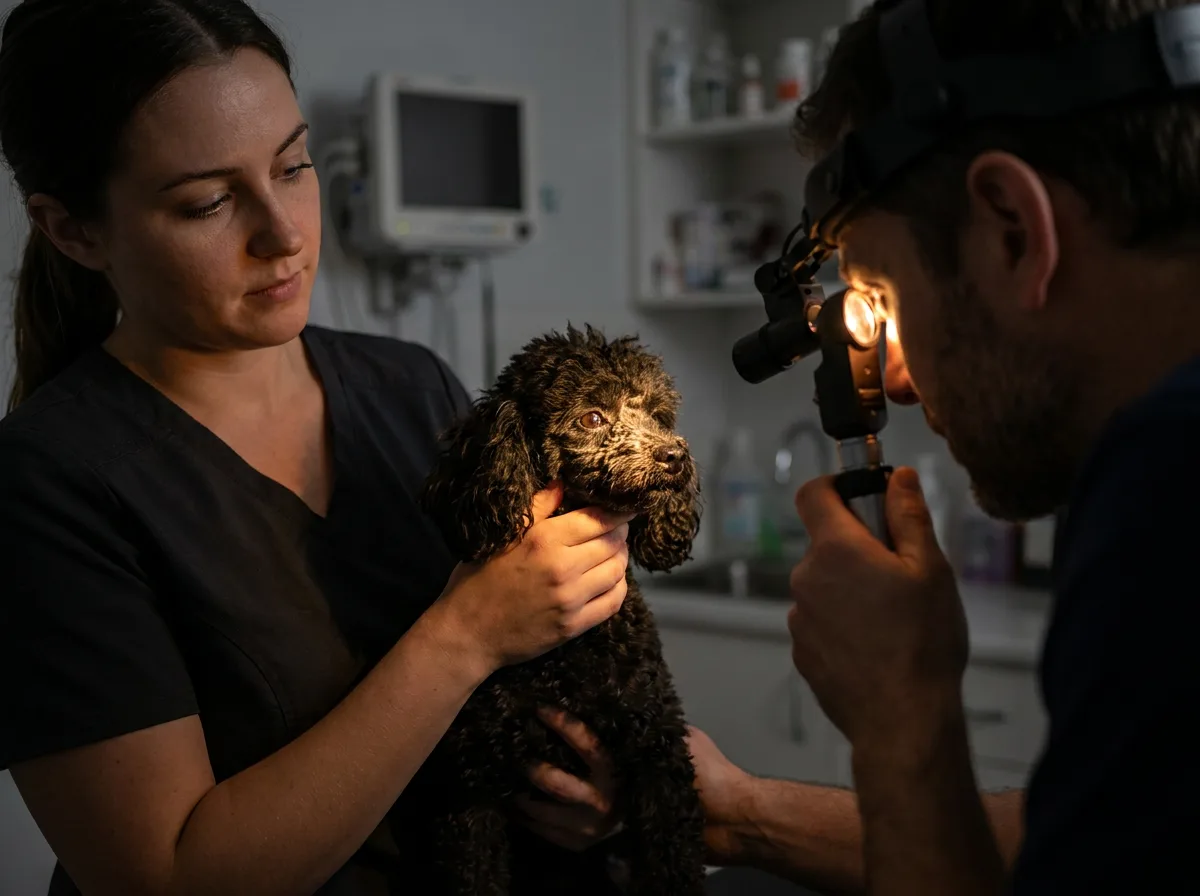
- For a Standard, ask to see an OFA hip evaluation or PennHIP result, a yearly eye exam by a board-certified veterinary ophthalmologist, and thyroid, sebaceous adenitis, or heart results; the Poodle Club of America Foundation also recommends DNA tests for NEwS and von Willebrand's disease. For a Miniature or Toy, ask for a prcd-PRA DNA test, a yearly eye exam, and a patella evaluation, plus hips for a Miniature. Walk away from any breeder who cannot show them.
Bloat is an emergency. A swollen, tight belly, unproductive retching, restlessness, and drooling mean a trip to the nearest veterinarian right away, especially in a Standard. Feeding smaller meals and avoiding hard exercise right after eating are commonly recommended to lower the risk.
A breeder's hip, eye, knee, and DNA results can be checked in the public database of the Orthopedic Foundation for Animals. For lifespan by size, the most common causes of death, and senior care, read our veterinarian-written guide to how long Poodles live.
How much does a Poodle cost?
The purchase price is the smaller part of what a Poodle costs. The sourced estimates in our price guide put a puppy from a US breeder at about $1,200 to $3,000 for a Toy, $1,500 to $3,500 for a Miniature, and $1,500 to $4,000 for a pet-quality Standard from a health-testing breeder (show lines cost more). Poodle breed rescues charge adoption fees of about $150 to $600, and more for some puppies.
Are Poodles expensive to keep? Yes, mostly because of grooming: the 6 to 13 professional grooms a year described above cost more for a Standard's bigger coat than for a Toy's, and they continue for the dog's whole life.
Budget lines to plan for:
- purchase price or adoption fee
- professional grooming and home grooming tools
- food, which scales with the size of the dog
- routine veterinary care, vaccines, and parasite prevention
- training classes
- pet insurance or an emergency fund, because breed-linked problems such as bloat in Standards or slipping kneecaps in the small sizes can mean surgery costing thousands of dollars
For current purchase prices by size, first-year costs, and lifetime budgets, see our breakdown of Poodle price by size.
Poodle vs doodle: what's the difference?
A Poodle is a purebred dog with a breed standard; a doodle is a cross between a Poodle and another breed, most often a Golden Retriever (Goldendoodle) or a Labrador Retriever (Labradoodle). A doodle is a cross, not a Poodle size, and it is not a guaranteed low-shedding or hypoallergenic version of a Poodle: each puppy inherits a mix of genes from both parents, so coat, size, and temperament vary even within a litter.
| What you are comparing | Purebred Poodle | Doodle cross |
|---|---|---|
| Breed standard | One breed standard sets size, coat, and temperament goals | No breed standard; traits depend on the parents and the generation |
| Coat predictability | High: every Poodle has the same curly, low-shedding coat | Low: coats range from straight and shedding to wavy or curly |
| Size predictability | Predictable within each of the three sizes | Depends on both parents; littermates can differ widely |
| Registration | Registered by the AKC and UKC, and by national kennel clubs in the FCI | Not recognized as a breed by the AKC |
| Health testing | Poodle Club of America tests for the size | The recommended tests for both parent breeds |
| Grooming | Regular clipping every four to eight weeks | Often just as much grooming, and fleece or wavy coats are prone to matting |
Poodle vs Goldendoodle personality: a Goldendoodle blends the Golden Retriever's easygoing friendliness with the Poodle's sensitivity and brains, but which parent shows through varies from dog to dog. If you want predictable Poodle traits, choose a Poodle; if you want a doodle, meet the parents and expect a range.
Poodle mixes and doodles
Because of its low-shedding coat and quick mind, the Poodle is the go-to parent for designer crosses, from the Goldendoodle and Labradoodle to the Cavapoo and Maltipoo. Each mix is a different dog with its own size range, coat, and care needs. The allergen research above applies to mixes too, so "hypoallergenic" on a mix is a marketing word rather than a promise. For side-by-side comparisons of size, shedding, and temperament, see our guide to popular Poodle mixes.
Poodle puppies: what to expect
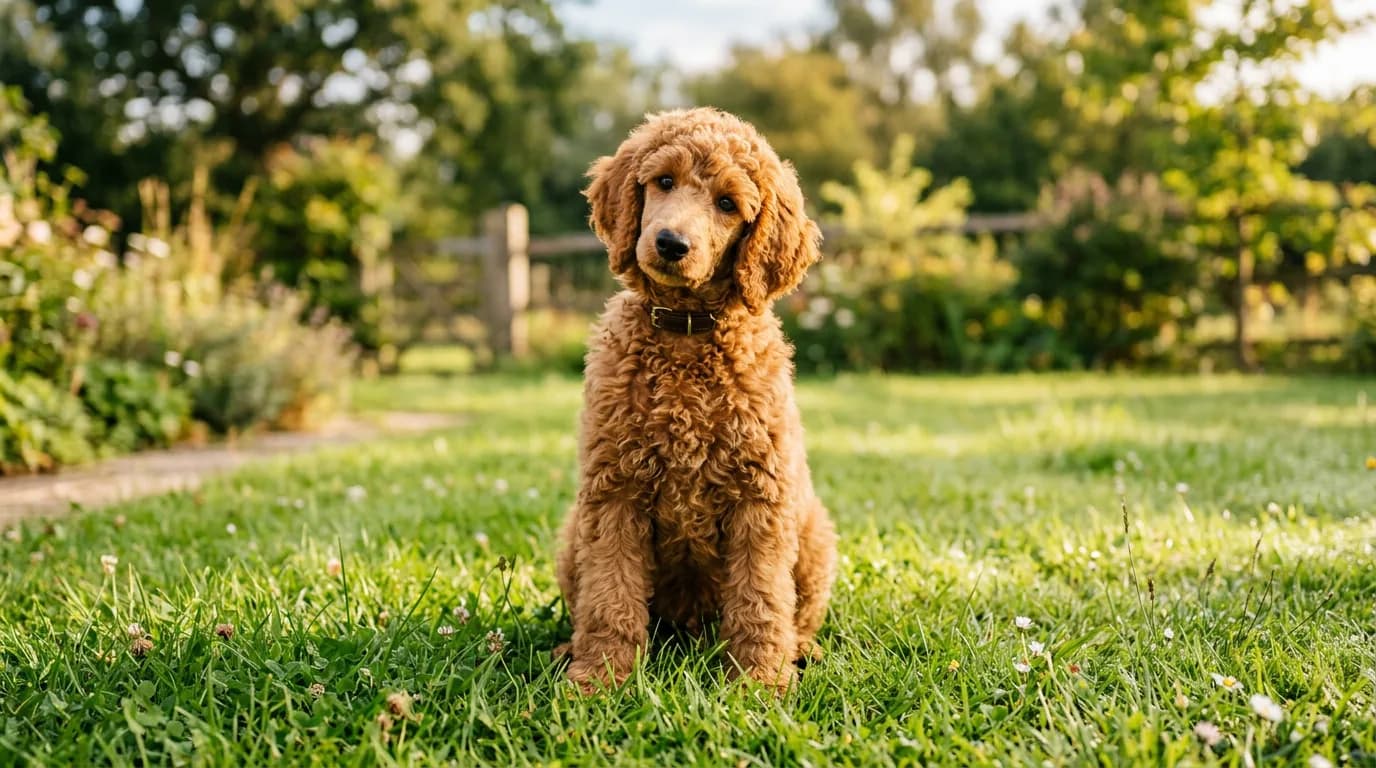
A Poodle puppy learns fast, which cuts both ways: good habits stick quickly, and so do bad ones. Plan the first weeks before your puppy comes home, and treat grooming as part of training from day one, because a Poodle will be handled by a groomer every month or two for the rest of its life. The first-weeks plan:
- House training: young puppies can hold their bladder only briefly; the AKC's rule of thumb is about one hour per month of age from 3 months, so a 3-month-old needs a trip outside about every three hours.
- Crate training: a crate sized for the adult dog, with a divider for a growing Standard puppy, speeds house training and gives the puppy a safe den.
- Socialization: the first three months of life are the most important window for socialization, so safely introduce people, vaccinated dogs, household sounds, surfaces, and car rides.
- Grooming practice: handle the paws, ears, and mouth daily, brush for a minute at a time, and book a short, happy introductory visit with a groomer.
- Training: start with name, sit, recall, and settling on a mat, in short, reward-based sessions.
Standard Poodle puppies are leggy, bouncy, and fast-growing, so start leash manners and polite greetings before a large adolescent learns to jump on guests. Toy puppies bring the opposite challenge: they are easy to step on, and easy to carry everywhere when they should be learning to walk and settle on their own.
A pure Poodle puppy comes with registration papers for both parents and the health clearances for its size. A breeder who cannot show them, or who charges a premium for "teacup" or "rare color" puppies, is a reason to keep looking.
For a week-by-week plan covering house training, crate training, and first commands, see our guide to week-by-week puppy training.
Poodle FAQs
Many do. Poodles are people-focused and usually want to sleep near their family, and whether that means your bed is your call. For Toys and Miniatures, jumping off the bed can strain or injure small legs and knees, so a dog bed or crate in your bedroom, or pet steps up to the bed, keeps them close without the fall. A Standard usually sleeps more soundly on its own large bed.
Litter size follows body size. According to the AKC, Standard Poodle litters average about seven puppies, Miniature litters about five, and Toy Poodle litters about three. The number of babies in any one litter also depends on the mother's age and health, and across all dogs a normal litter ranges from 1 to 12 puppies.
More than many breeds, according to the AKC. Most of it is alert barking at doorbells, visitors, and unfamiliar sounds, which you can manage by teaching a quiet cue and rewarding calm behavior. Boredom barking is the other kind: an under-exercised or lonely Poodle barks to fill the time, and daily exercise, training games, and shorter stretches alone are the fix. Poodles are not naturally quiet dogs, but they are easy to teach.
Generally, yes. The AKC describes Poodles as good with kids, and Standards and Miniatures are sturdy enough for busy family life. Toys are fragile, so supervise toddlers closely and teach children to sit on the floor to hold a small dog. With early socialization, most Poodles live well with other pets, including other dogs and cats, but introduce new animals gradually and supervise until everyone is relaxed.

Kristine Lacoste has been researching dog and cat breeds for nearly a decade and has observed the animals up close at dog shows in both the United States and the United Kingdom. She is the author of the book One Unforgettable Journey, which was named as a finalist for a Maxwell Award from the Dog Writers Association of America, and was host of a weekly pet news segment on the National K-9 Academy Radio Show. In addition, she was the New Orleans coordinator for Dogs on Deployment, a nonprofit that helps military members and their pets, for 3 years. Kristine has researched and written about pet behaviors and care for many years. She holds a bachelor’s degree in psychology, another bachelor’s degree in English and a Master of Business Administration degree.
Sign up for expert-backed reviews and safety alerts all in one place.