The 7 Types of Dogs: Breed Groups Explained
Hundreds of types of dogs exist, but nearly every purebred fits one of seven official AKC breed groups. This guide explains all seven groups, the job each dog was bred to do, the temperament that job created, and how to match a group to your life.
Petful is reader supported. As an affiliate of platforms like Amazon and Chewy, we may earn a commission when you buy through links on this page. There is no extra cost to you.
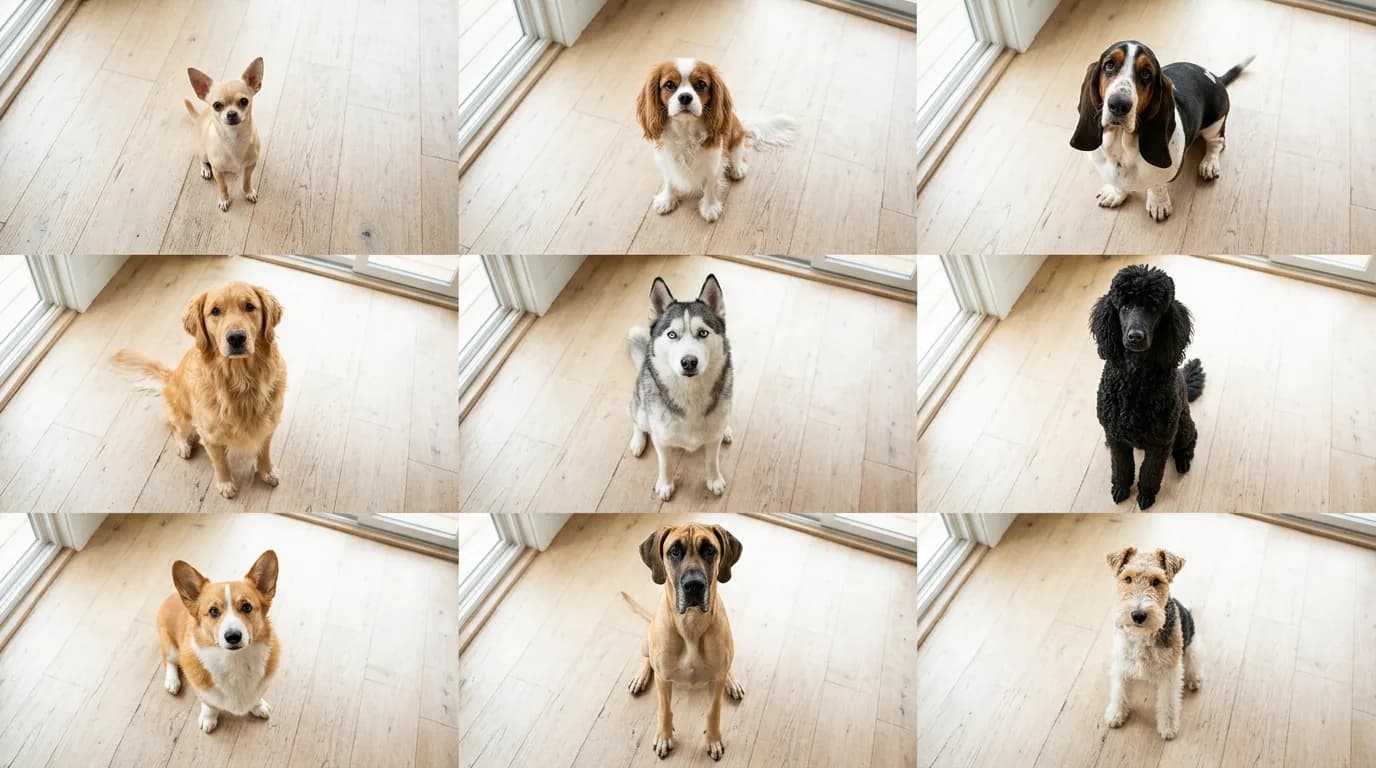
The hundreds of types of dogs on the planet look nothing alike, from a three-pound Chihuahua to a 150-pound Great Dane, yet nearly every purebred slots into one of seven official breed groups. Those groups are the map. Once you understand why a herding dog acts like a herding dog and why a scenthound follows its nose off a cliff, choosing the right dog stops being guesswork and starts making sense.
This guide walks through all seven groups the American Kennel Club recognizes, plus the two catch-all classes that hold the newcomers. For each group you will get the job it was bred to do, the temperament that job baked in, the coat and size range to expect, and links to full Petful breed profiles so you can go deeper on any dog that catches your eye.
- 1The seven AKC breed groups (Sporting, Hound, Working, Terrier, Toy, Non-Sporting, Herding) organize dogs by the job they were bred to do, not by size or looks.
- 2A dog's original job predicts its energy, drive, and trainability better than its appearance does, so matching the group to your lifestyle matters more than picking a cute face.
- 3Two extra classes, the Miscellaneous Class and the Foundation Stock Service, hold breeds still working toward full recognition.

Sign up for expert-backed reviews and safety alerts all in one place.
Why dogs are sorted into groups at all
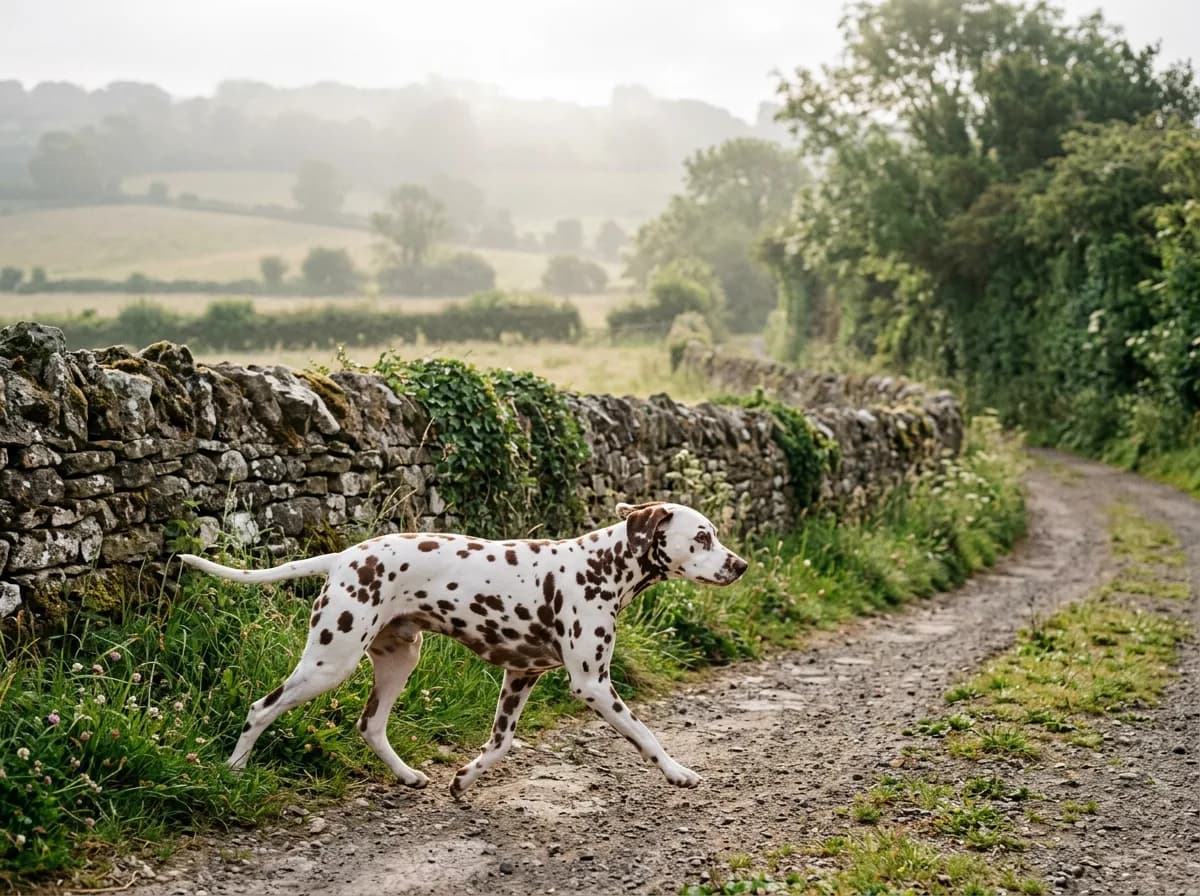
Breed groups are not a beauty-contest invention. They are a shorthand for function. For thousands of years people bred dogs to solve specific problems: move sheep, corner a badger, haul a sled, warm a lap, flush a pheasant. Selective breeding for those tasks locked in traits that still show up in your living room today, long after the badger and the sled are gone.
That is why grouping matters more than it looks. A Border Collie is not hyper because it is badly behaved. It carries generations of breeding to work livestock all day, and a suburban backyard rarely burns that engine down. A Basset Hound is not stubborn out of spite. Its whole body, ears included, was engineered to keep its nose glued to a trail. When you read a group, you are reading a dog's instruction manual.
Registries draw the group lines slightly differently. The AKC uses seven groups; the United Kennel Club and the international Federation Cynologique Internationale carve the same dogs up in their own way. This guide follows the AKC system because it is the one most American owners will meet at the vet, the shelter, and the dog park.

Petful may earn a commission when you click through to Chewy, at no extra cost to you.
- Every group describes tendencies, not destiny. Individual dogs vary, and a well-socialized dog raised with clear structure can defy its group's reputation. Use the group to set expectations and pick a shortlist, then meet the actual dog.
The Sporting Group
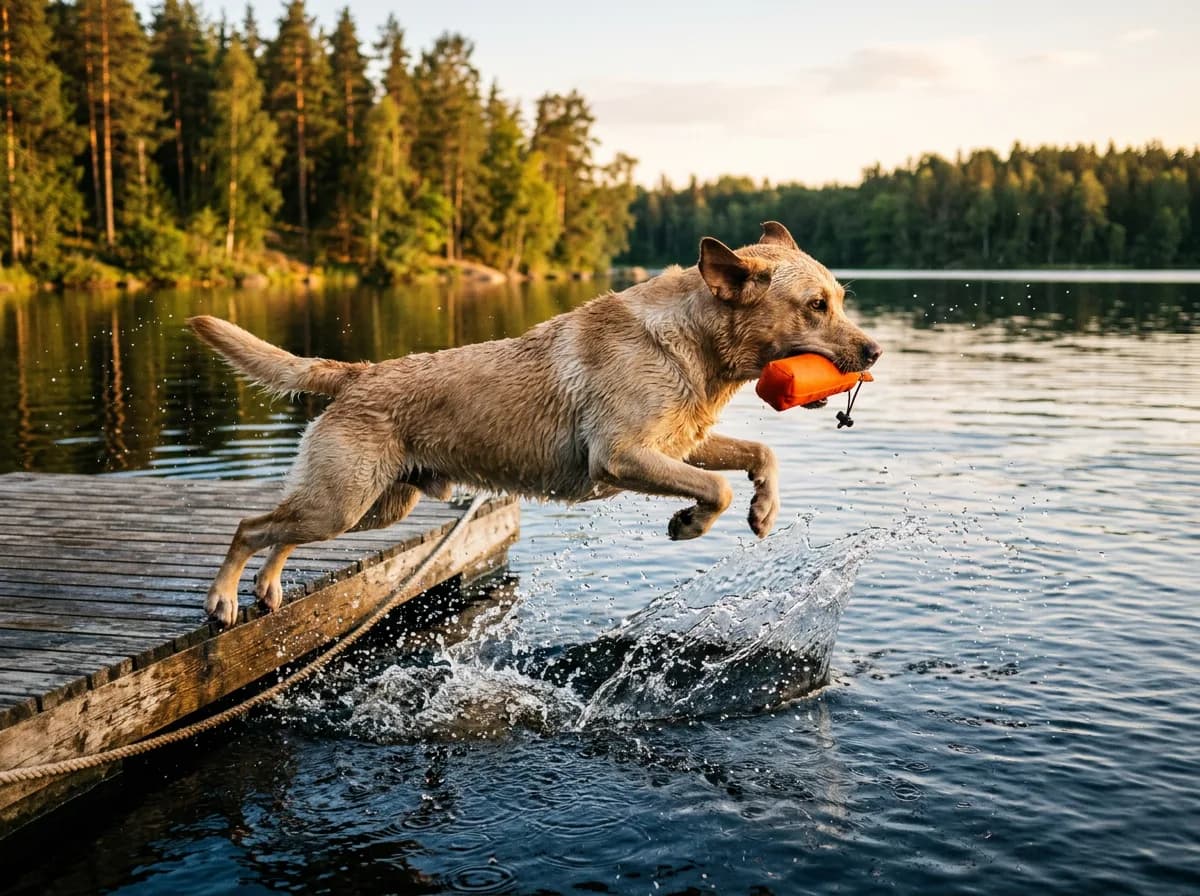
The Sporting Group is one of the AKC's original 1923 groups, and it holds the bird dogs: the retrievers, spaniels, pointers, and setters bred to work alongside hunters in the field and water. If you have ever watched a Labrador launch off a dock, you have seen the group's DNA in action.
These dogs share a friendly, biddable temperament because their jobs demanded close teamwork with people. That same trait makes many of them outstanding family dogs and service dogs. The tradeoff is energy: a Sporting dog that never gets a real workout tends to invent its own, usually at your furniture's expense.
Expect medium to large dogs, weather-resistant coats, and a love of water in most of the retrievers and spaniels. Grooming ranges from the wash-and-go Lab to the feathered, brush-me-daily setter.
- Popular examples: Labrador Retriever, Golden Retriever, German Shorthaired Pointer, English Springer Spaniel, Cocker Spaniel
- Bred for: flushing, pointing, and retrieving game birds
- Best for: active households that hike, run, or hunt and want a trainable, people-focused dog
Petful has full profiles on several Sporting breeds, including the German Shorthaired Pointer, the Chesapeake Bay Retriever, and the English Springer Spaniel.
The Hound Group
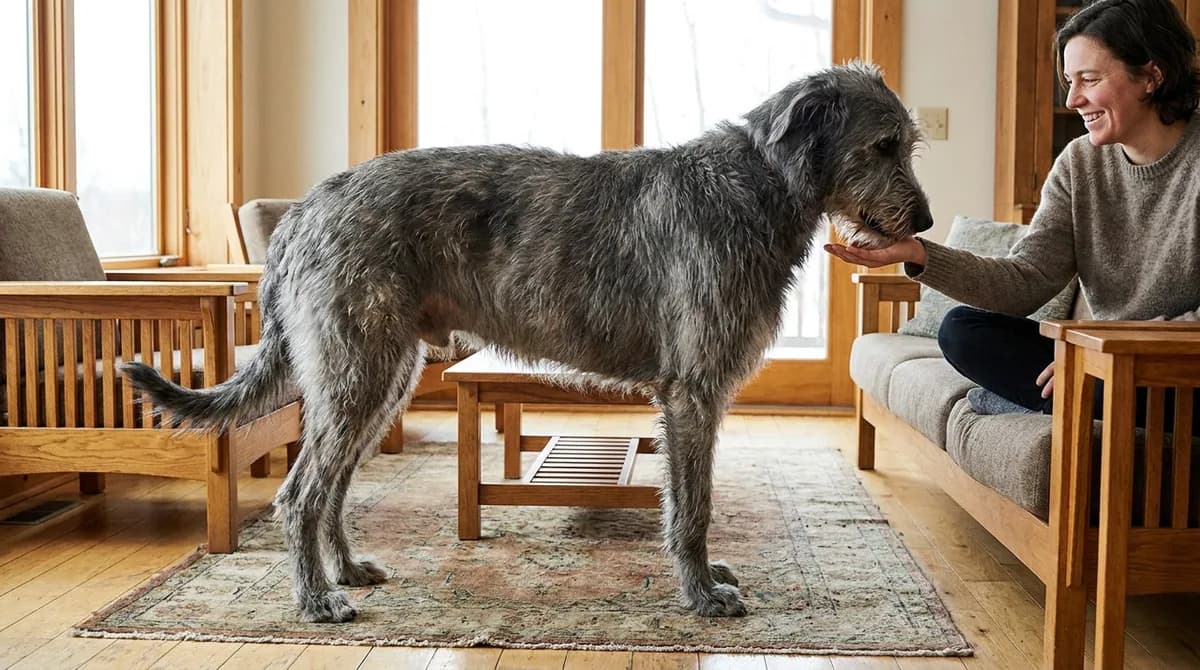
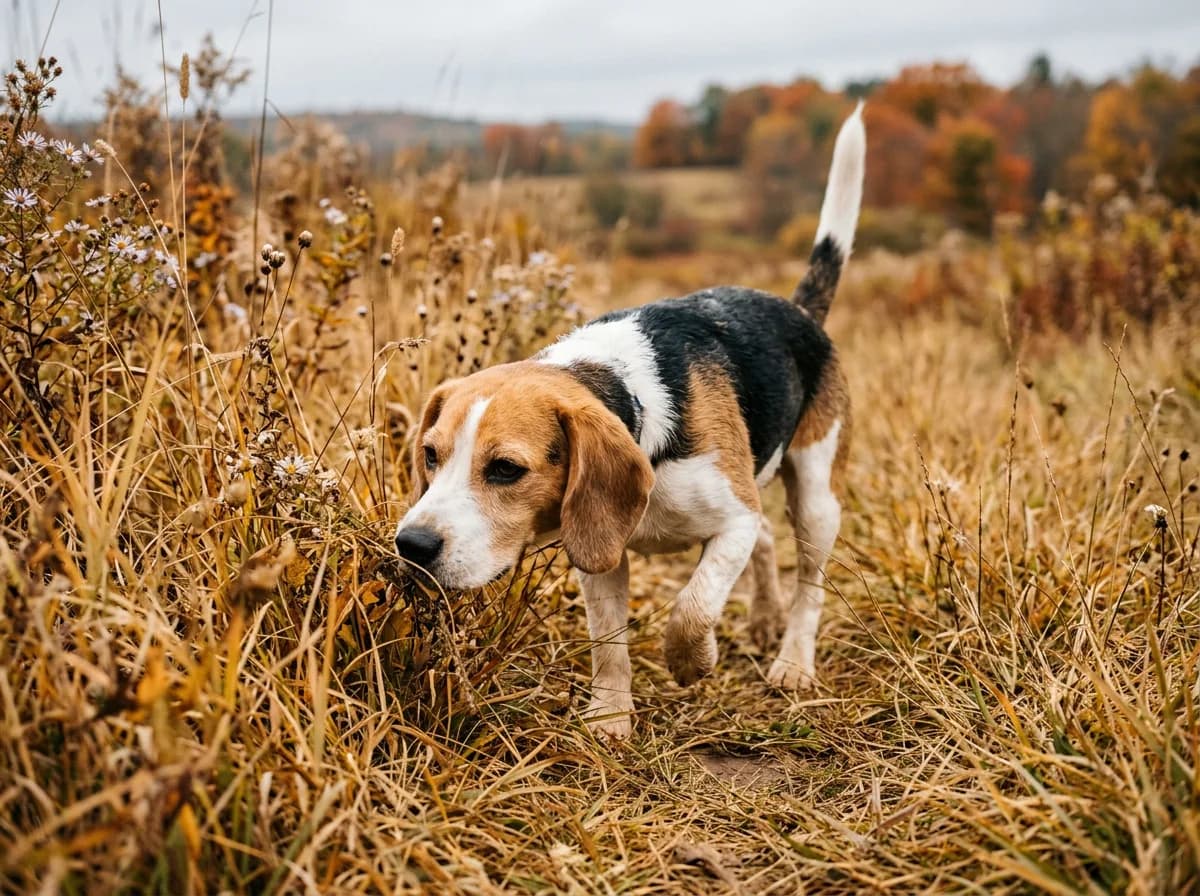
Hounds hunt, but where Sporting dogs partner with a gun, hounds were built to chase or track game more independently. The group splits into two working styles. Sighthounds like the Greyhound and Borzoi hunt by speed and vision, locking onto a moving target and running it down. Scenthounds like the Beagle and Bloodhound hunt by nose, following a scent trail for miles with single-minded focus. For more, see Petful’s guide to Borzoi.
That independence is the group's signature and its challenge. A scenthound on a trail can go temporarily deaf to your calls, which is why many hound owners keep them leashed or fenced. Sighthounds are often couch-loving sprinters: explosive for 30 seconds, then happy to nap the afternoon away.
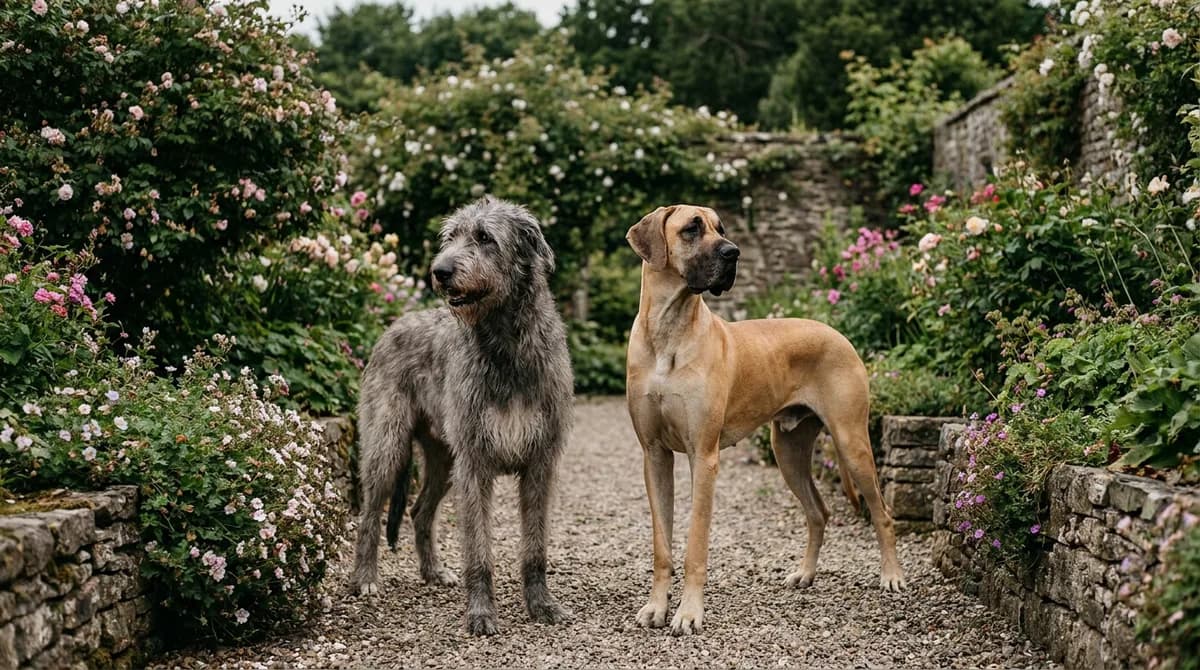
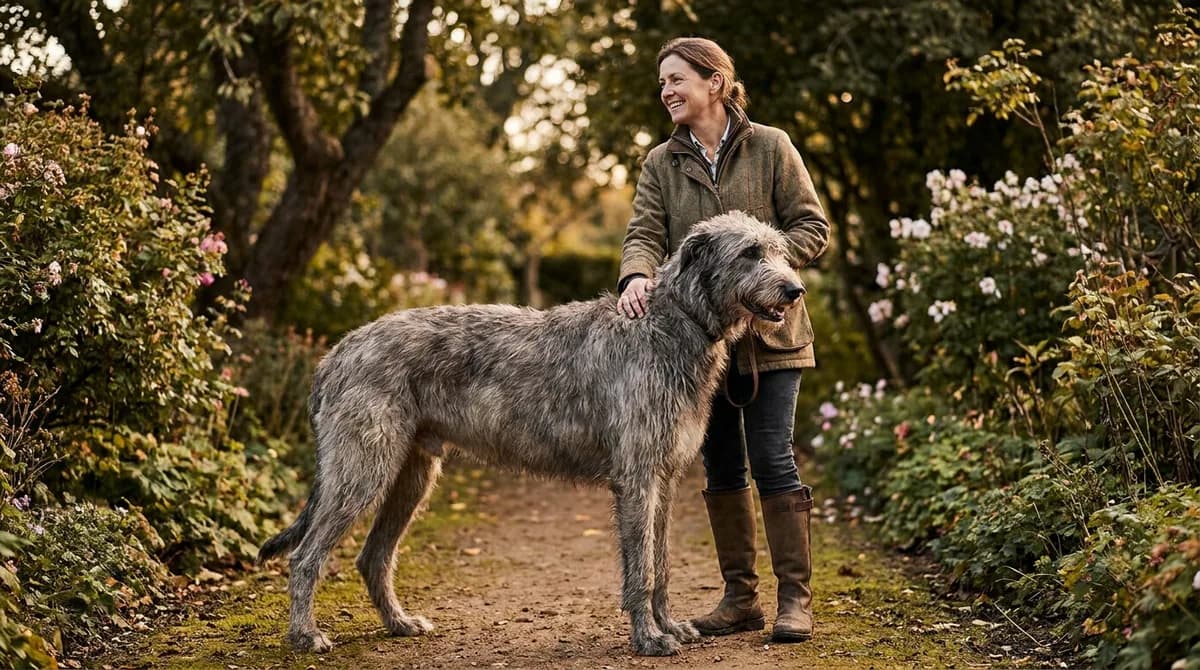
Coats and sizes swing wildly here, from the tiny Dachshund to the towering Irish Wolfhound, so read the individual breed before you assume anything.
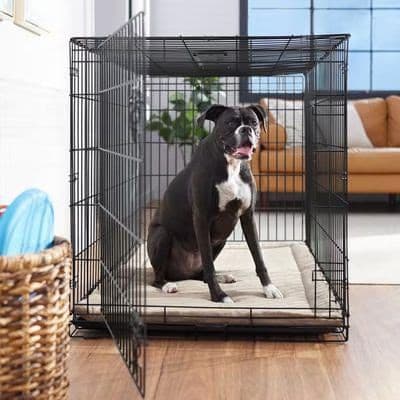
Petful may earn a commission when you click through to Chewy, at no extra cost to you.
- Popular examples: Beagle, Dachshund, Bloodhound, Greyhound, Basset Hound, Whippet
- Bred for: tracking and chasing game by scent or sight
- Best for: owners who can provide secure exercise space and accept an independent streak
Dig into Petful's hound profiles, including the Greyhound, the Beagle, and the scent-driven Plott Hound.
The Working Group
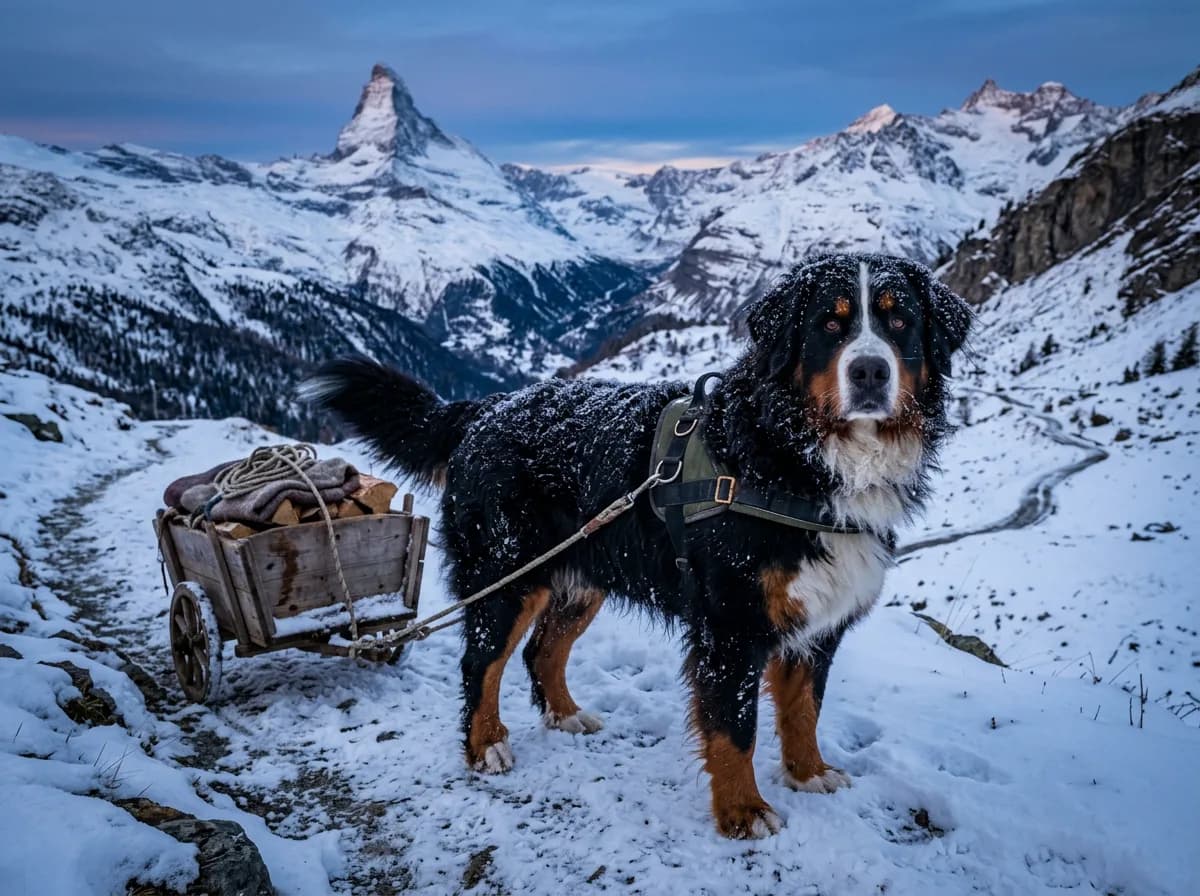
The Working Group is the muscle. These are the dogs bred to guard property and livestock, pull carts and sleds, and perform water rescues, and they are among the largest and most powerful types of dogs you will meet. Think Rottweiler, Great Dane, Siberian Husky, Bernese Mountain Dog, and Saint Bernard.
Because their jobs required confidence and independent decision-making, Working breeds tend to be smart, self-assured, and protective. That is a wonderful thing in the right hands and a liability in the wrong ones. These are generally not beginner dogs. Their size alone means a Working breed that has not learned manners can knock a person over without meaning any harm, and their guarding instincts need early, consistent socialization to stay balanced.
Coats vary with climate origin: heavy double coats on the sled and mountain dogs, shorter coats on the guardians.
- Popular examples: Rottweiler, Boxer, Great Dane, Siberian Husky, Bernese Mountain Dog, Doberman Pinscher
- Bred for: guarding, hauling, and rescue work
- Best for: experienced owners who will commit to training, socialization, and real physical space
See Petful's Working breed profiles, including the Rottweiler, the Bernese Mountain Dog, and the Samoyed. If you are drawn to the big end of the spectrum, our roundup of the biggest dog breeds in the world is a useful reality check on what living with a giant really takes.
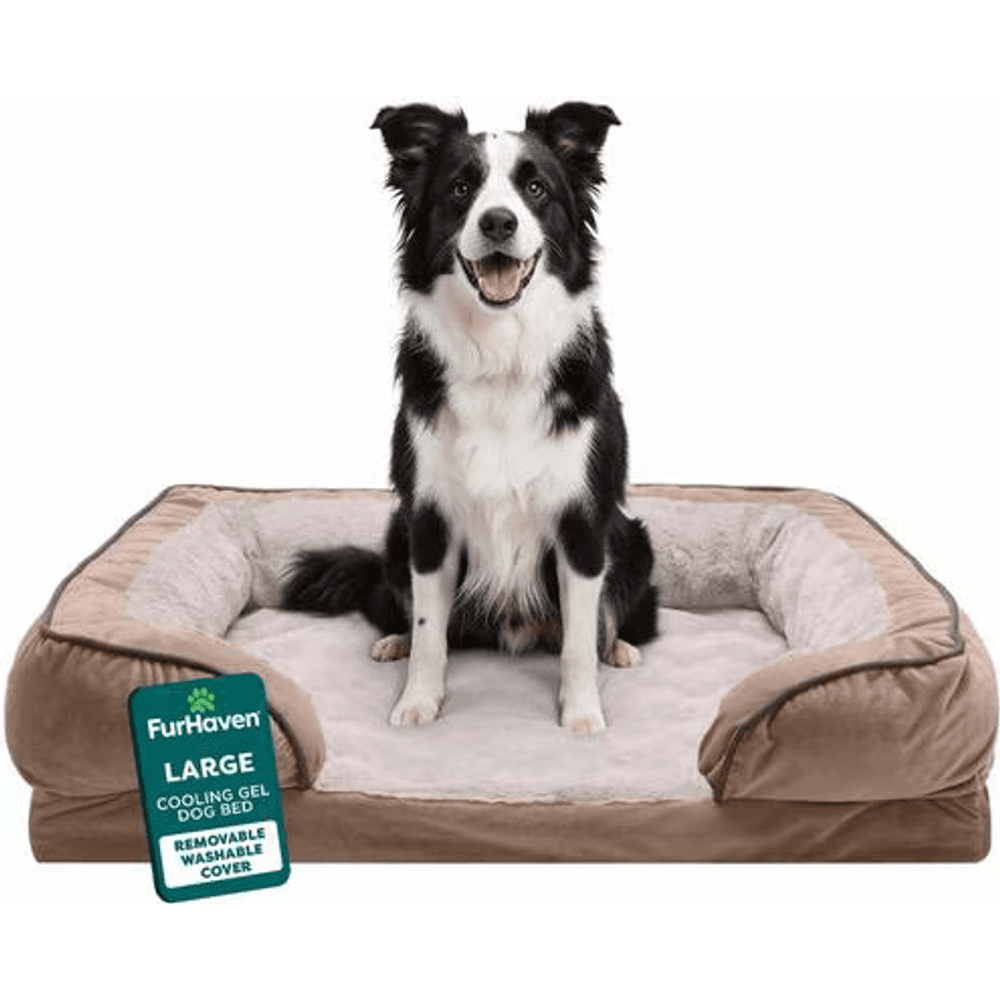
An orthopedic sofa bed with three bolstered sides for dogs who like to rest their head and joints against a cushion. The supportive foam base cradles hips and elbows, a comforting spot for an older or shaky dog to settle.
Petful may earn a commission when you click through to Chewy, at no extra cost to you.
The Terrier Group
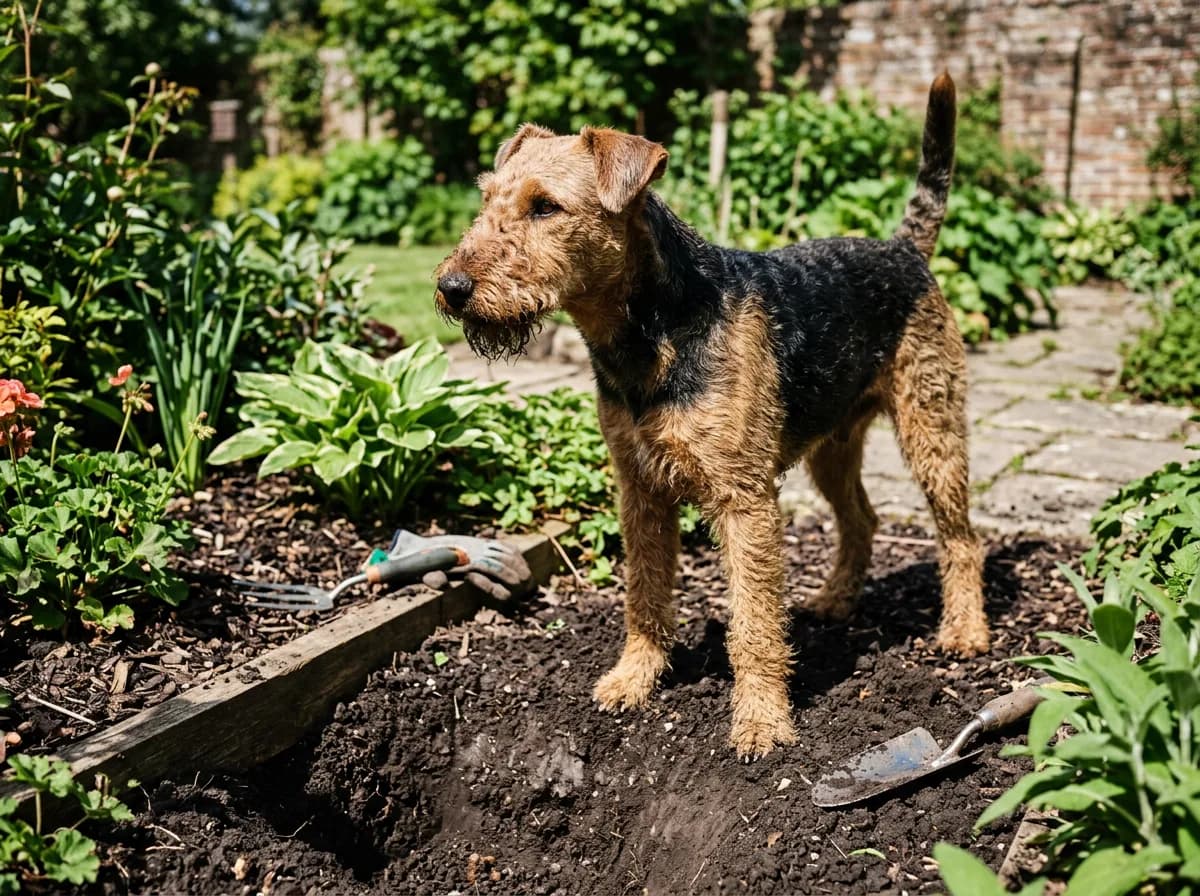
Terriers were bred to hunt and kill vermin, digging rats, foxes, and badgers out of the ground. The name comes from the Latin terra, meaning earth, and the group's whole personality flows from that gritty, go-to-ground job. These are feisty, tenacious, high-energy dogs with a spark that terrier people adore and everyone else should go in with eyes open.
The group runs from small to medium, with sizes from the pocket-rocket Rat Terrier up to the tall, elegant Airedale, often called the King of Terriers. Many wear a wiry coat that is traditionally hand-stripped rather than clipped to keep its texture. What they nearly all share is confidence out of proportion to their size, a strong prey drive, and a low tolerance for boredom.
- Popular examples: Airedale Terrier, Bull Terrier, Rat Terrier, West Highland White Terrier, Scottish Terrier
- Bred for: hunting and killing rodents and burrowing vermin
- Best for: owners who enjoy a bold, busy dog and can channel that energy into training and play
Explore Petful's terrier profiles, including the Airedale Terrier and the ratting specialist Rat Terrier.
The Toy Group
The Toy Group holds the smallest types of dogs, bred first and foremost to be companions. That does not make them fragile or simple. A Toy dog packs a full-size personality into a compact frame, and many, like the Pug and the Cavalier King Charles Spaniel, are among the most affectionate dogs you can own.
Their small size is their great convenience and their one caution. Toy breeds fit apartments, travel easily, and cost less to feed, but they can be injured by rough handling and are often a poor match for homes with very young, boisterous children. Many are also highly people-bonded and dislike being left alone for long stretches.
A number of the most popular Toy breeds are brachycephalic, meaning flat-faced, and that anatomy carries real health considerations covered further down.
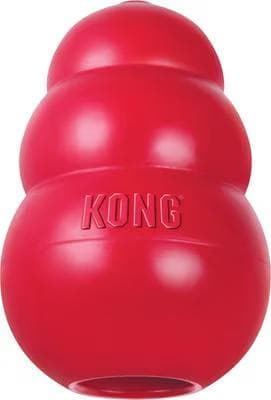
A durable rubber dog toy that can be stuffed with treats and selected by the manufacturer's size guide; supervise use and retire it when damaged.
Petful may earn a commission when you click through to Chewy, at no extra cost to you.
- Popular examples: Chihuahua, Pug, Pomeranian, Yorkshire Terrier, Shih Tzu, Maltese
- Bred for: companionship and lap warming
- Best for: owners in smaller spaces who want a portable, devoted, lower-exercise dog
Meet Petful's Toy breeds, including the Pug and the Shih Tzu. If a tiny dog is the goal, our guide to the smallest dog breeds compares the featherweights side by side.
The Non-Sporting Group
The Non-Sporting Group is the AKC's most eclectic bin. It is essentially the "everyone else" category, holding breeds that do not fit neatly into the other six groups because their original jobs have faded or never matched the standard functions. As a result, the group has very little in common temperament-wise: a Dalmatian, a Bulldog, a Poodle, and a Chow Chow share a group and almost nothing else.
That variety is exactly why you cannot read this group the way you read the others. A Standard Poodle is a high-energy former water retriever; a Bulldog is a low-energy companion; a Dalmatian is a stamina athlete bred to trot beside carriages. In the Non-Sporting Group, the group name tells you almost nothing, and the individual breed profile tells you everything.
- Popular examples: Poodle, Bulldog, Dalmatian, Bichon Frise, Chow Chow, Boston Terrier
- Bred for: a range of retired or unusual jobs, now mostly companionship
- Best for: owners willing to research the specific breed, since the group offers no shortcuts
Browse Petful's Non-Sporting profiles, including the Dalmatian and the Bichon Frise.
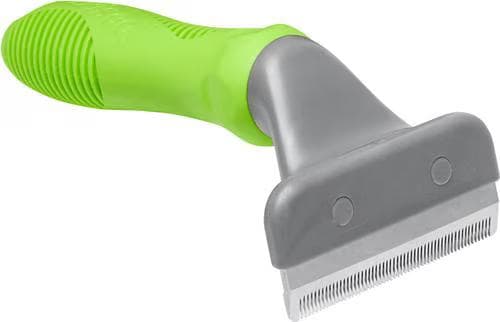
Petful may earn a commission when you click through to Chewy, at no extra cost to you.
The Herding Group
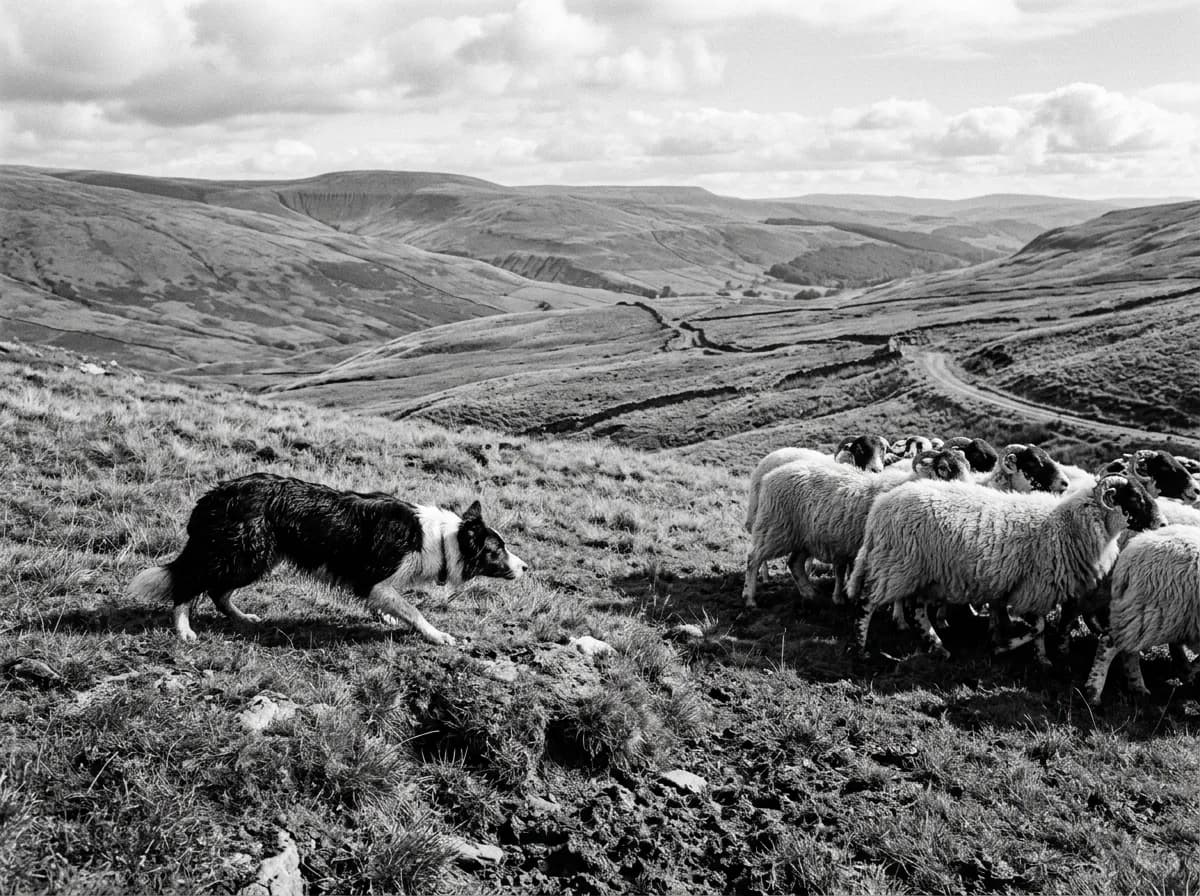
The Herding Group is the AKC's youngest, split off from the Working Group in 1983 to recognize the dogs bred to move and control livestock. These are the sheepdogs and cattle dogs: the Border Collie, Australian Shepherd, German Shepherd, Corgi, and Australian Cattle Dog. They are widely considered the most intelligent and trainable types of dogs, and that brilliance is the whole point.
The catch is that a herding brain never really clocks out. These dogs are wired to watch, gather, and control movement, which is why a Corgi may nip at running children's heels and a Border Collie may try to herd the family cat. They need a job. Give a herding dog daily physical exercise plus mental work like training, scent games, or dog sports, and you get a phenomenal partner. Skip it, and that same intelligence turns into anxiety and mischief.
- Popular examples: Border Collie, German Shepherd, Australian Shepherd, Pembroke Welsh Corgi, Australian Cattle Dog, Shetland Sheepdog
- Bred for: herding and controlling livestock
- Best for: active, engaged owners who will provide daily mental and physical challenge
Petful covers the herders in depth, including the Border Collie and the Australian Cattle Dog.
The two catch-all classes: Miscellaneous and Foundation Stock Service
Not every purebred sits in one of the seven groups yet. The AKC uses two waiting rooms for breeds on the path to full recognition.
The Miscellaneous Class is the last step before a breed graduates into a full group. Breeds here can compete in some events and are being evaluated toward permanent status. The Foundation Stock Service is a step earlier still: a records-keeping program that helps rare and emerging breeds build the documented population base a breed needs before it can advance. Dogs in these classes are every bit as much purebred dogs; they are simply newer to the American registry.
- Groups describe purebreds. A mixed-breed or designer dog inherits a blend of traits from its ancestry, so the best predictor of its behavior is the mix of groups behind it, not a single label. A Labradoodle leans Sporting plus Non-Sporting; a shelter mix may pull from several groups at once.
Quick comparison: the seven groups at a glance

Use this table to shortlist the groups worth exploring, then read the full breed profile for any dog you are serious about.
| Group | Original job | Energy level | Best for |
|---|---|---|---|
| Sporting | Retrieve and flush game birds | High | Active families who exercise daily |
| Hound | Track or chase game by scent or sight | Moderate to high | Owners with secure space and patience for independence |
| Working | Guard, haul, and rescue | Moderate to high | Experienced owners with room for a large dog |
| Terrier | Hunt vermin underground | High | People who want a bold, busy small-to-medium dog |
| Toy | Companionship | Low to moderate | Apartment and smaller-space owners |
| Non-Sporting | Varied and retired jobs | Varies by breed | Owners who research the specific breed |
| Herding | Move and control livestock | Very high | Active owners who provide daily mental work |
Health notes worth knowing before you choose a type of dog
Some of the traits that define certain types of dogs come with health considerations that are worth understanding up front, not after you fall in love. Two deserve special attention.
Flat-faced, or brachycephalic, breeds like the Pug, French Bulldog, and Bulldog have shortened skulls that can crowd the airway. This can lead to Brachycephalic Obstructive Airway Syndrome, or BOAS, a condition that causes noisy breathing, exercise intolerance, and overheating. The American College of Veterinary Surgeons notes that these anatomical changes obstruct airflow and that affected dogs can struggle to breathe, especially in heat or during exertion (source: American College of Veterinary Surgeons, acvs.org). If a flat-faced breed appeals to you, buy from a breeder who screens for airway health and keep the dog lean and cool.
Coat-color breeding carries its own risk. Breeding two merle-patterned dogs together can produce "double merle" puppies, and the same gene that creates the pretty mottled coat is linked to deafness and eye defects, including blindness, when a puppy inherits two copies. UC Davis Veterinary Medicine describes the merle pattern and its association with hearing and vision problems in double-merle dogs (source: UC Davis School of Veterinary Medicine, vetmed.ucdavis.edu). This is why responsible breeders never pair two merles, and why a suspiciously cheap merle-to-merle litter is a red flag.
- Whatever type of dog you choose, the single best predictor of a healthy dog is where it comes from. Responsible breeders screen for breed-specific conditions and never cut corners on genetics. Shelters and breed-specific rescues are full of wonderful dogs of every group waiting for homes.
How to pick the right type of dog for you
Start with your life, not the dog. Be honest about your daily exercise, your living space, your experience level, and how much grooming and training time you actually have. Then match that to a group. A first-time owner in a small apartment who works long hours is a natural fit for parts of the Toy or Non-Sporting groups, and a genuinely bad fit for a Herding or Working dog no matter how gorgeous it looks.
From there, narrow to individual breeds and read the full profile, because within-group variation is real. If you want a data-driven shortlist, Petful maintains guides for specific needs, including the best dogs for allergies and hard-working working dog breeds. You can also browse every profile we have in the dog breeds category, and dig into breed-specific details like the color variations covered in our Rhodesian Ridgeback colors guide.
- 1Choose the group before the breed: match your energy, space, and experience to the group's original job.
- 2Within a group, individual breeds still vary widely, so always read the full breed profile before committing.
- 3Where a dog comes from matters as much as its type; prioritize health-screening breeders and rescues over looks or price.
Frequently asked questions about types of dogs
Related on Petful
- The 10 Biggest Dog Breeds in the World
- Small Dog Breeds: 30 Tiny Companions and How to Choose
- The 20 Smartest Dog Breeds, Ranked by Intelligence
- Hound Dog Breeds: The Complete List With Photos
- Terrier Breeds: Every Type With Photos
In recent AKC registration rankings the most popular dogs in the United States include the Labrador Retriever, French Bulldog, Golden Retriever, German Shepherd, Poodle, Dachshund, Bulldog, Beagle, Rottweiler, and German Shorthaired Pointer. The French Bulldog and Labrador Retriever have traded the top spot in recent years. Popularity shifts annually, so treat any top-10 list as a snapshot rather than a permanent ranking.
Dogs are strongly drawn to scents rich in information, especially anything biological: other dogs' urine and scent marks, food and meat, grass and soil, and their favorite people. Many dogs also love the smell of items that carry their owner's scent, like worn clothing. This is why a dog buries its nose in a patch of grass a hundred other dogs have visited: to a dog, that patch is the neighborhood newspaper.
Dogs do not understand full sentences, but research shows they pick up specific learned words, your tone of voice, and emotional cues in how you speak. A dog can learn dozens or even hundreds of words tied to objects and commands, and it reads praise, warning, and excitement largely through pitch and tone. Speaking in a warm, upbeat voice genuinely lands differently to your dog than a flat or sharp one.
Estimates of the world's dog breeds range from roughly 200 to over 400 depending on which registry you count. The Federation Cynologique Internationale, the largest international body, recognizes around 350 breeds, while the AKC recognizes about 200. The higher figure of 400-plus includes regional and emerging breeds not yet recognized by the major registries. There is no single agreed number because different organizations use different standards.
A typical top-20 list in the United States extends the top 10 to add breeds like the Pembroke Welsh Corgi, Australian Shepherd, Yorkshire Terrier, Cavalier King Charles Spaniel, Doberman Pinscher, Boxer, Great Dane, Miniature Schnauzer, Siberian Husky, and Cane Corso. As with the top 10, exact placement moves year to year based on AKC registration data.
Famous dogs from film, television, and history include Lassie the Rough Collie, Rin Tin Tin the German Shepherd, Toto the Cairn Terrier from The Wizard of Oz, Beethoven the Saint Bernard, Bo and Sunny the Obama family Portuguese Water Dogs, Hachiko the loyal Akita, Balto the sled-leading Siberian Husky, Old Yeller, Marley from Marley & Me, and Scooby-Doo the animated Great Dane. Each helped popularize its breed with the public.
Dogs do not feel guilt the way humans do, but they show appeasement behaviors that people read as an apology: lowered ears, a tucked tail, a soft body posture, avoiding eye contact, and offering a paw or leaning in for contact. These are calming signals meant to defuse tension and restore a good relationship, not evidence that the dog understands wrongdoing. The famous "guilty look" is usually a response to your body language, not to the chewed shoe.
The distinctive scent sometimes associated with older adults is often called "old person smell," and researchers link it to a compound called 2-nonenal that increases on the skin with age. It has nothing to do with dog breeds directly, but dogs, with their vastly superior sense of smell, detect these individual body-chemistry scents far more keenly than people do, which is part of how a dog recognizes specific family members.

Coreen Saito is a pet writer and longtime shelter volunteer with more than a decade in animal rescue. She covers cat behavior, breed care, and the small, ordinary science of sharing a life with companion animals, with a particular focus on honest takes about the products and decisions that actually matter. At home in Arizona, she's outranked by Mac (a dog with the loudest opinion in the house), Rebel (a cat who governs by quiet authority), and Meri (an orange tabby who runs the late shift and the laundry basket). She writes about all three, plus the rescues that keep coming through her life, at LifeWithMinty.com.
Sign up for expert-backed reviews and safety alerts all in one place.