The 10 Biggest Dog Breeds in the World
Meet the 10 biggest dog breeds in the world, ranked by real height and weight, from the record-heavy English Mastiff to the towering Irish Wolfhound, with honest care advice for living with a gentle giant.
Petful is reader supported. As an affiliate of platforms like Amazon and Chewy, we may earn a commission when you buy through links on this page. There is no extra cost to you.
The biggest dog breeds turn heads for a reason. These are dogs measured not in pounds but in dozens of pounds, standing tall enough to rest a chin on the kitchen counter and heavy enough to knock a grown adult off balance with a happy shoulder-check. Whether you rank them by sheer weight or by height at the shoulder, the biggest dog breeds share a surprising secret: most of them are calm, patient, and deeply affectionate companions. The nickname "gentle giant" was earned honestly.
This guide covers the 10 biggest dog breeds in the world, ranked with real height and weight ranges, plus what each one is actually like to live with. We also settle the two questions that split every "biggest" list in two: which breed is the tallest, and which is the heaviest. They are not the same dog.
- 1The English Mastiff is the heaviest dog breed, routinely topping 200 pounds.
- 2The Irish Wolfhound and Great Dane are the tallest, standing 30 to 35 inches at the shoulder.
- 3Giant breeds are famously gentle but need early training, joint-friendly exercise, and giant-breed nutrition to thrive.

Sign up for expert-backed reviews and safety alerts all in one place.
Tallest vs. Heaviest: What "Biggest" Actually Means
Before the list, one clarification that trips up almost every ranking. "Biggest" can mean tallest or it can mean heaviest, and the answer changes depending on which you pick.
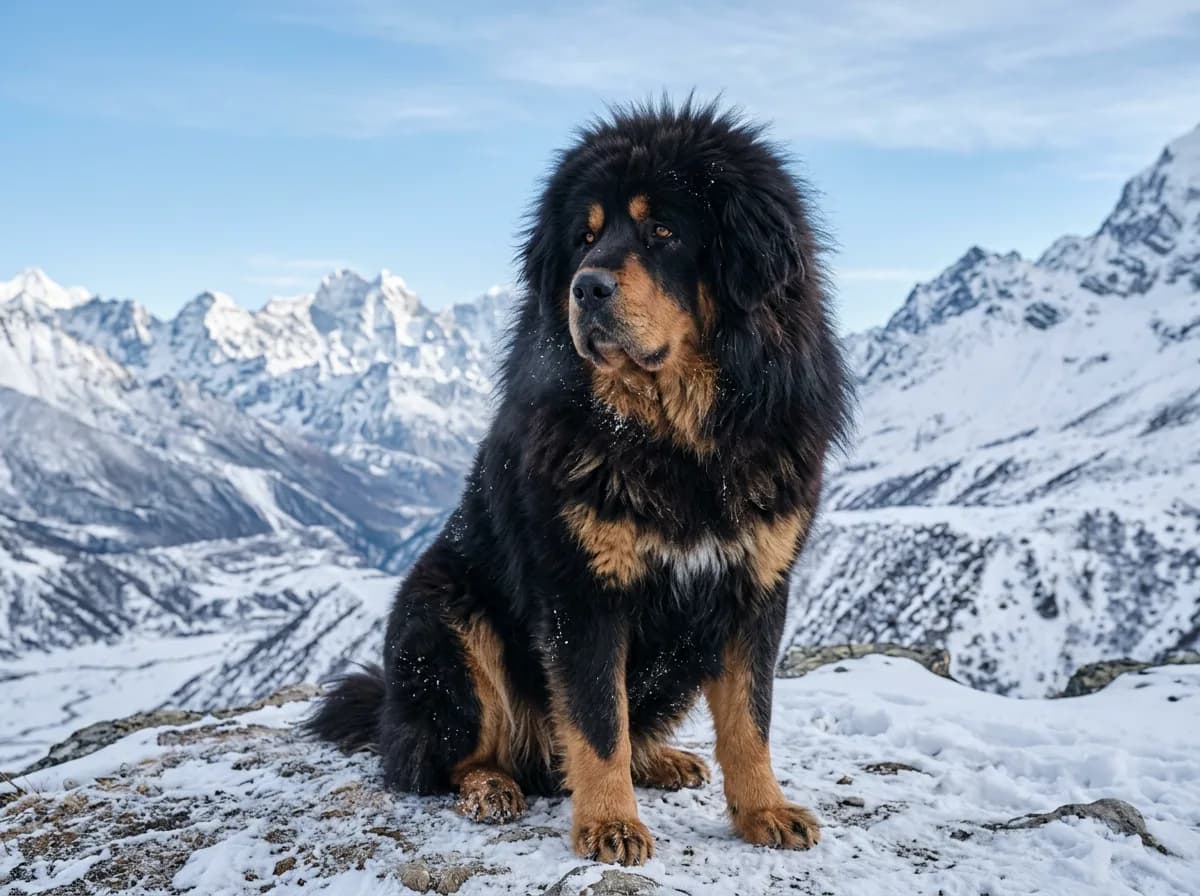
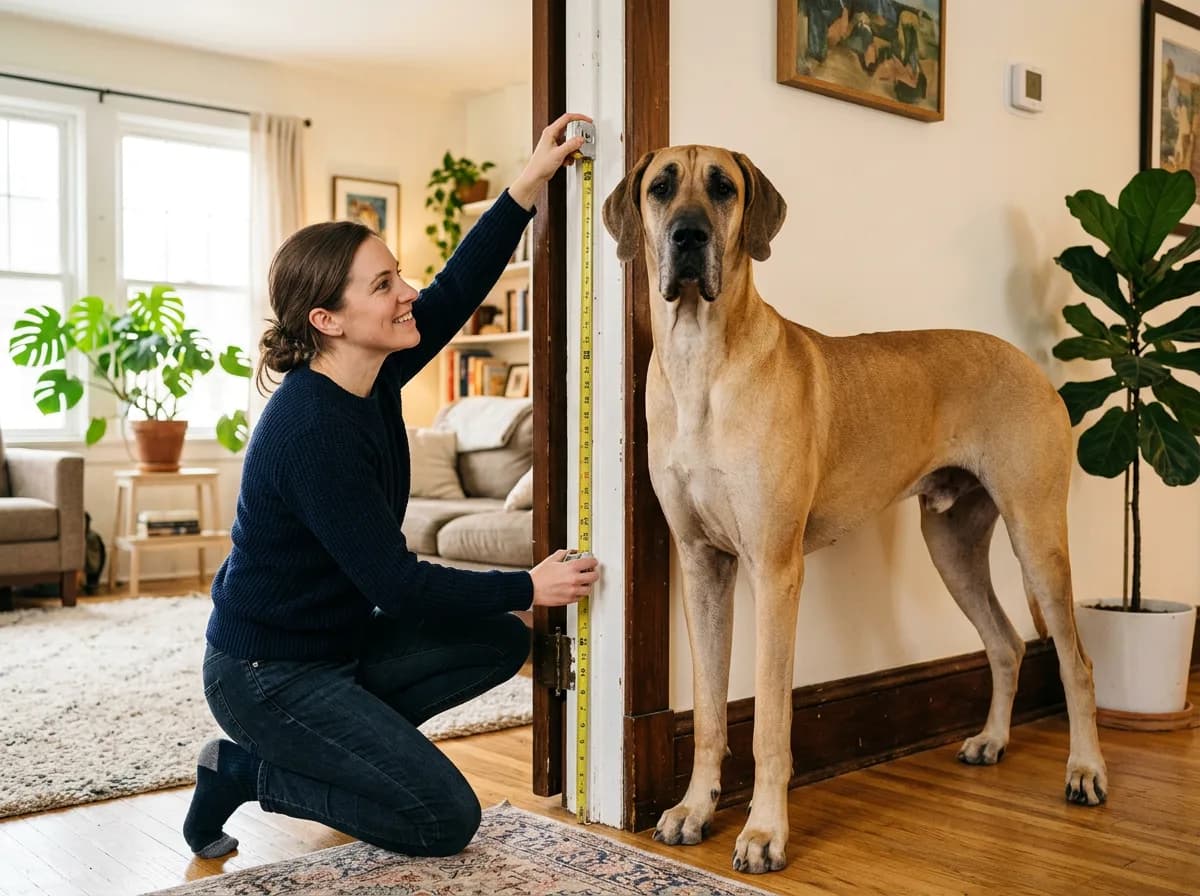
The tallest dog breeds are the sighthounds and the Great Dane. The Irish Wolfhound and the Great Dane both stand 30 to 35 inches at the shoulder, and every Guinness World Record for tallest dog has gone to a Great Dane. A dog named Zeus held the record at 44 inches at the shoulder, tall enough to drink from a standard kitchen faucet standing flat on the floor.
The heaviest dog breeds are the mastiffs. The English Mastiff is the undisputed champion by mass, with large males routinely exceeding 200 pounds and the all-time record holder, a Mastiff named Zorba, weighing in at 343 pounds. A Mastiff is shorter than a Great Dane but carries far more muscle and bone.
So when someone asks for the largest dog breed, the honest answer is: the Great Dane wins on height, the English Mastiff wins on weight. Both belong at the top of any list of the biggest dog breeds, and both appear below.
Why the Biggest Dog Breeds Got So Big
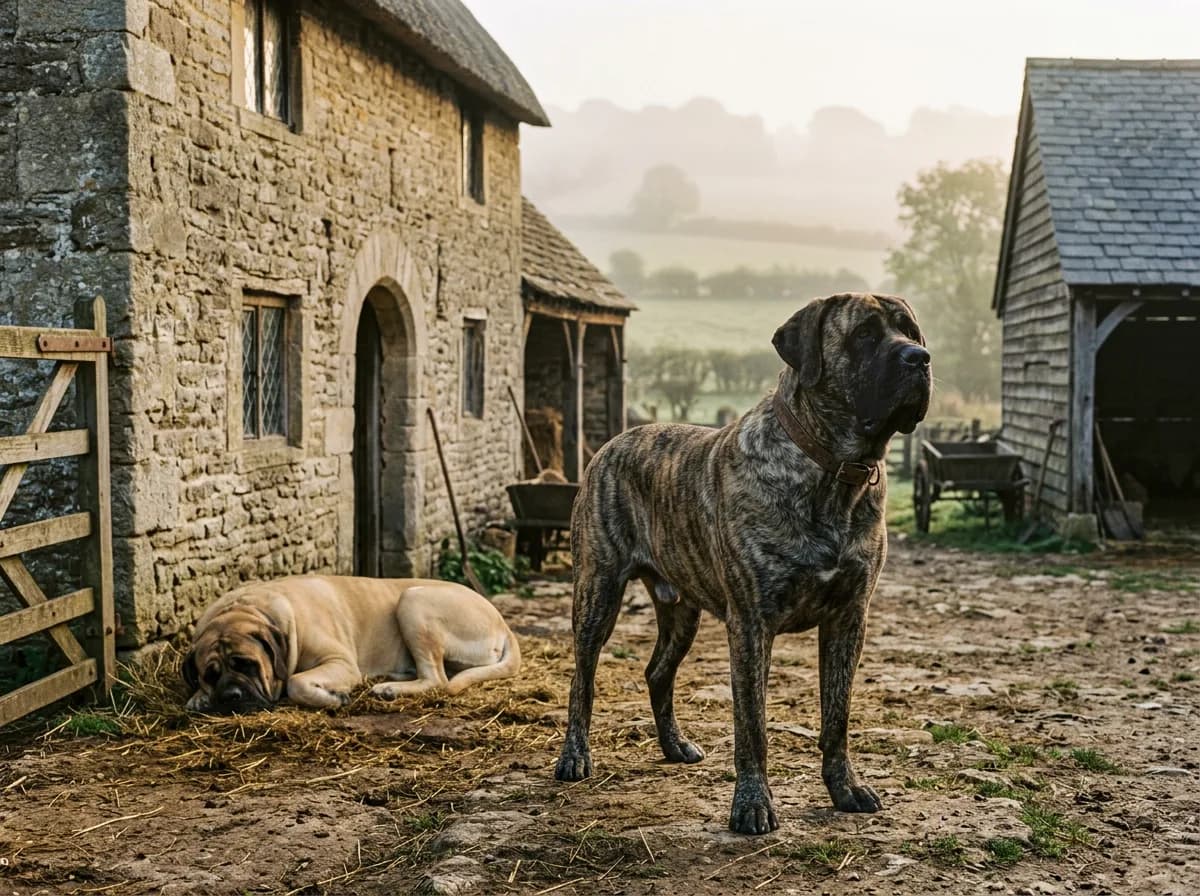
None of the biggest dog breeds got large by accident. Every one was built by centuries of selective breeding for a job that rewarded size, and that history still shapes the dog you would bring home today.

Petful may earn a commission when you click through to Chewy, at no extra cost to you.
Three jobs did most of the work. The first was guarding: mastiff-type dogs like the English Mastiff, Neapolitan Mastiff, and Tibetan Mastiff were bred to protect people, livestock, and property, so breeders selected for mass, a deep bark, and a naturally watchful temperament. The second was hunting large game: the Irish Wolfhound, Scottish Deerhound, and Great Dane were bred to chase and hold animals as big as wolves, elk, and wild boar, which favored long legs, deep chests, and speed. The third was cold-weather rescue and hauling: the Saint Bernard, Newfoundland, and Leonberger were bred to work in snow and water, pulling carts, hauling nets, and dragging people to safety, which selected for strength, thick coats, and a calm, biddable nature.
Understanding a giant breed's original job is the single most useful thing you can do before adopting one. A guardian breed will be territorial and wary of strangers. A sighthound will have a strong prey drive and a need to run. A rescue breed will be gentle and water-loving but heat-sensitive. The size is the headline, but the working heritage is what you actually live with day to day.
The 10 Biggest Dog Breeds in the World
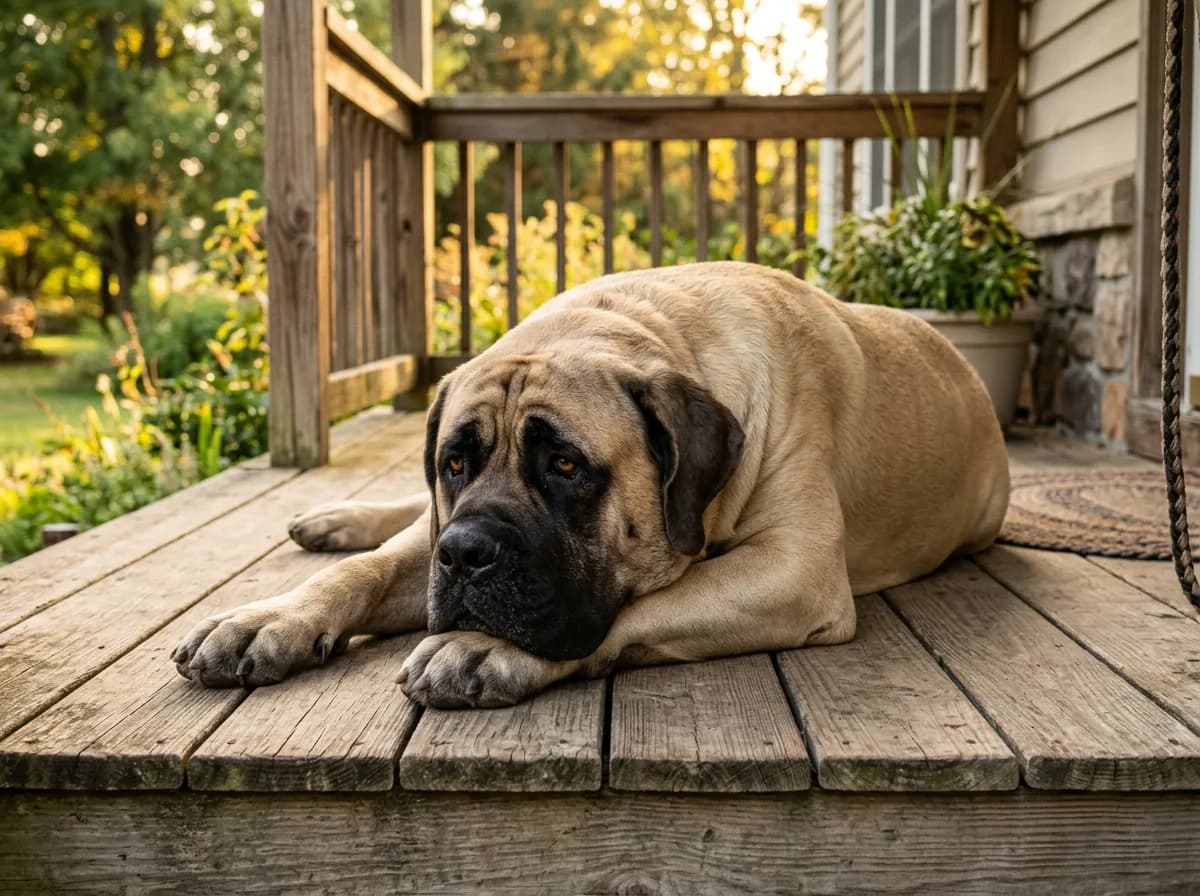
Here are the 10 biggest dog breeds, ranked by overall size combining height and mass, each with the traits that matter most before you bring one home.
1. English Mastiff
- Height: 27 to 35 inches
- Weight: 160 to 230+ pounds
The English Mastiff, often just called the Mastiff, is the heaviest dog breed in the world. It is an ancient breed, depicted in Egyptian and Babylonian art and later used by the Romans as a war and arena dog. Today's Mastiff is the opposite of a fighter: it is a placid, dignified, and deeply loyal family dog that would rather lean its full weight against your legs than do almost anything else.
That weight is the whole story. A Mastiff puppy grows from a few pounds to over 100 pounds in its first year, which puts real strain on developing joints. Slow, controlled growth and giant-breed puppy food are non-negotiable. Adults are low-energy and content with a daily walk, but they drool prodigiously and snore like a chainsaw. If you want the biggest dog on the block and do not mind a wet shoulder, this is your breed.
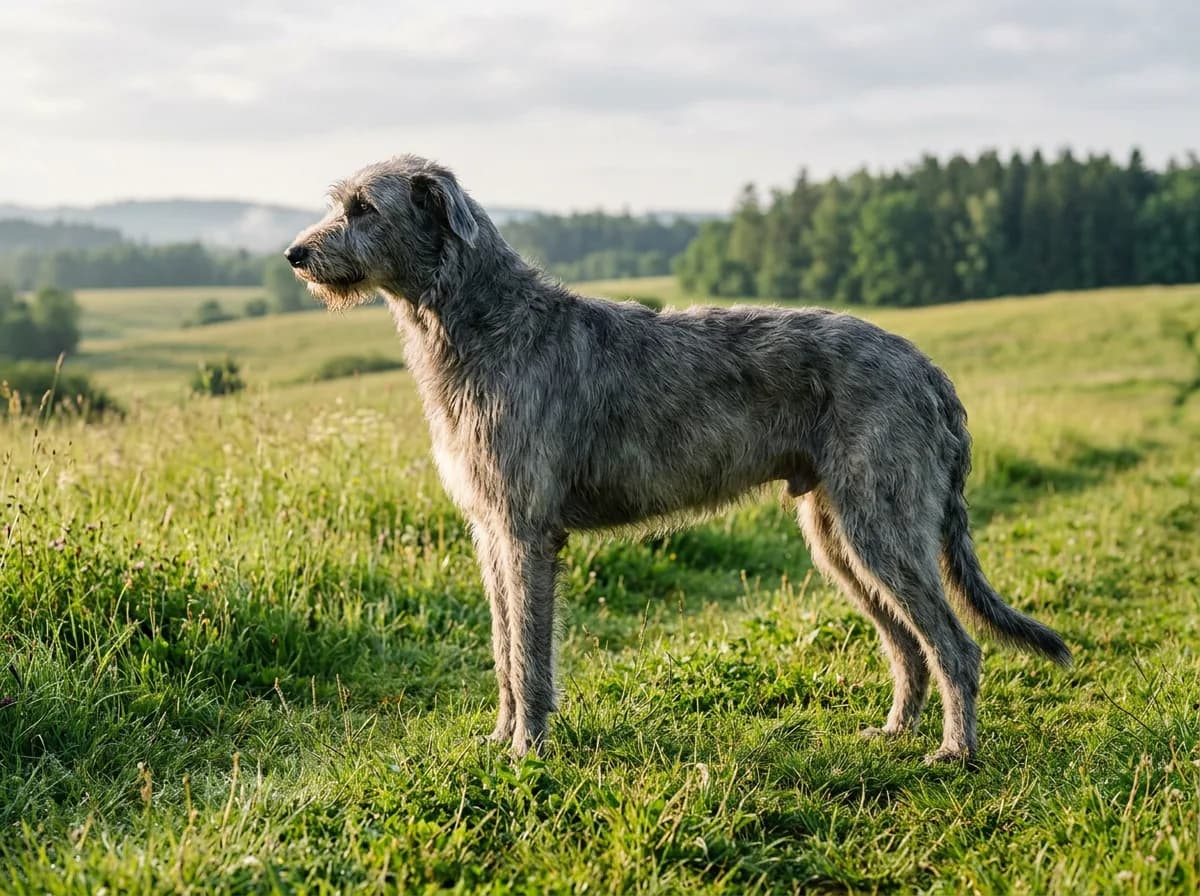
2. Irish Wolfhound
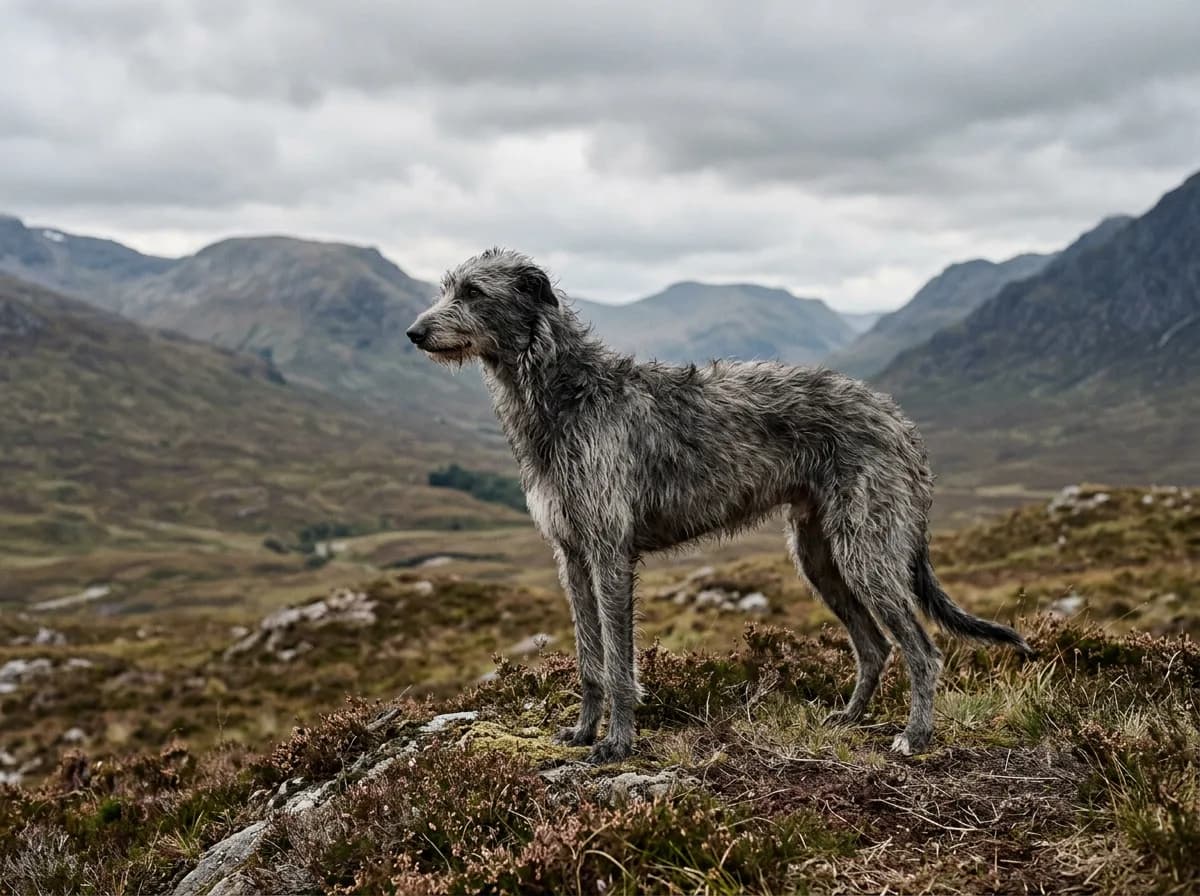
- Height: 30 to 35 inches
- Weight: 105 to 180 pounds
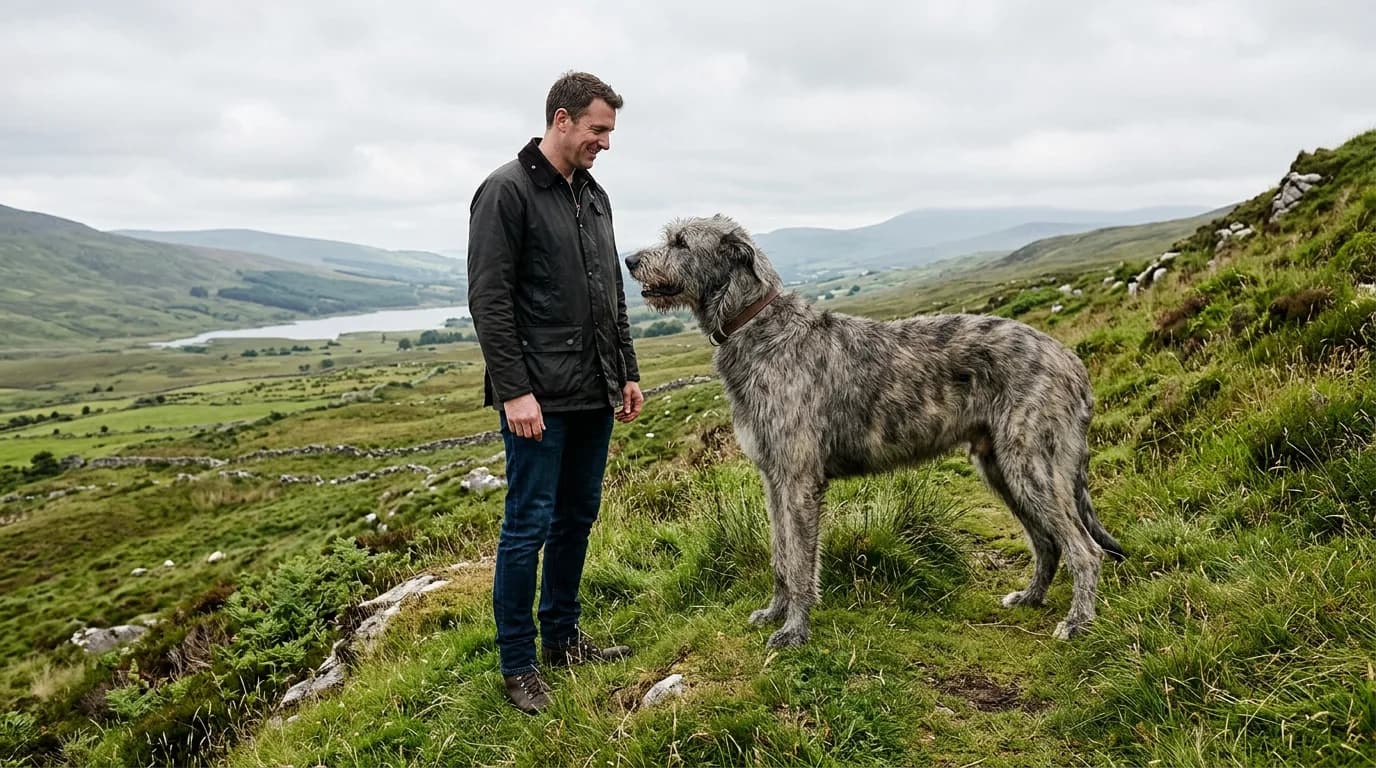
The Irish Wolfhound is the tallest dog breed in the world, a distinction it has held for centuries. Bred in Ireland to hunt wolves and elk, it combines a sighthound's long legs and deep chest with a build substantial enough to bring down large game. Standing on its hind legs, a Wolfhound can look a tall adult straight in the eye.
Despite that fearsome history, the modern Irish Wolfhound is quiet, sweet-natured, and famously bad at guarding anything, since it tends to greet strangers as friends. The breed's great sadness is its short life span, typically 6 to 8 years, tied to its size and a predisposition to heart disease and bone cancer. Owners who accept that trade-off get one of the most gentle and companionable of all the biggest dog breeds.

Petful may earn a commission when you click through to Chewy, at no extra cost to you.
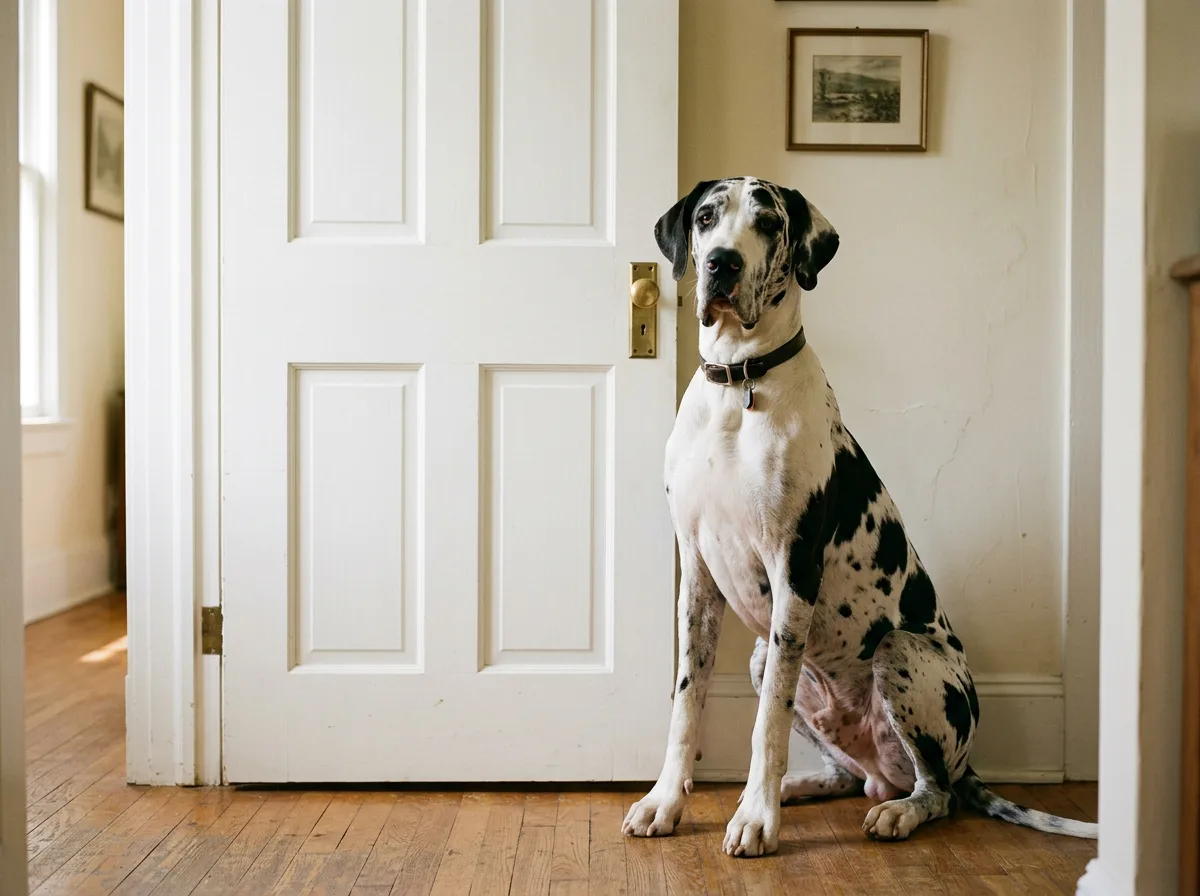
3. Great Dane
- Height: 28 to 34 inches
- Weight: 110 to 175 pounds
The Great Dane is the record-holder for the tallest dog of all time and shares the title of tallest breed with the Irish Wolfhound. Nicknamed the "Apollo of dogs," the Dane pairs its height with a sleek, athletic build and a genuinely goofy, affectionate personality. This is a dog that firmly believes it is a lap dog and will attempt to prove it.
Danes are people-oriented to a fault and do not do well left alone for long stretches. They need moderate daily exercise and, like most giants, careful growth management as puppies. The breed is prone to bloat (gastric torsion), a life-threatening emergency, so feeding smaller meals and avoiding hard exercise around mealtimes matters. Their coats come in a striking range of patterns, and if you love how coat genetics work across breeds, our guide to Rhodesian Ridgeback colors walks through the same principles.
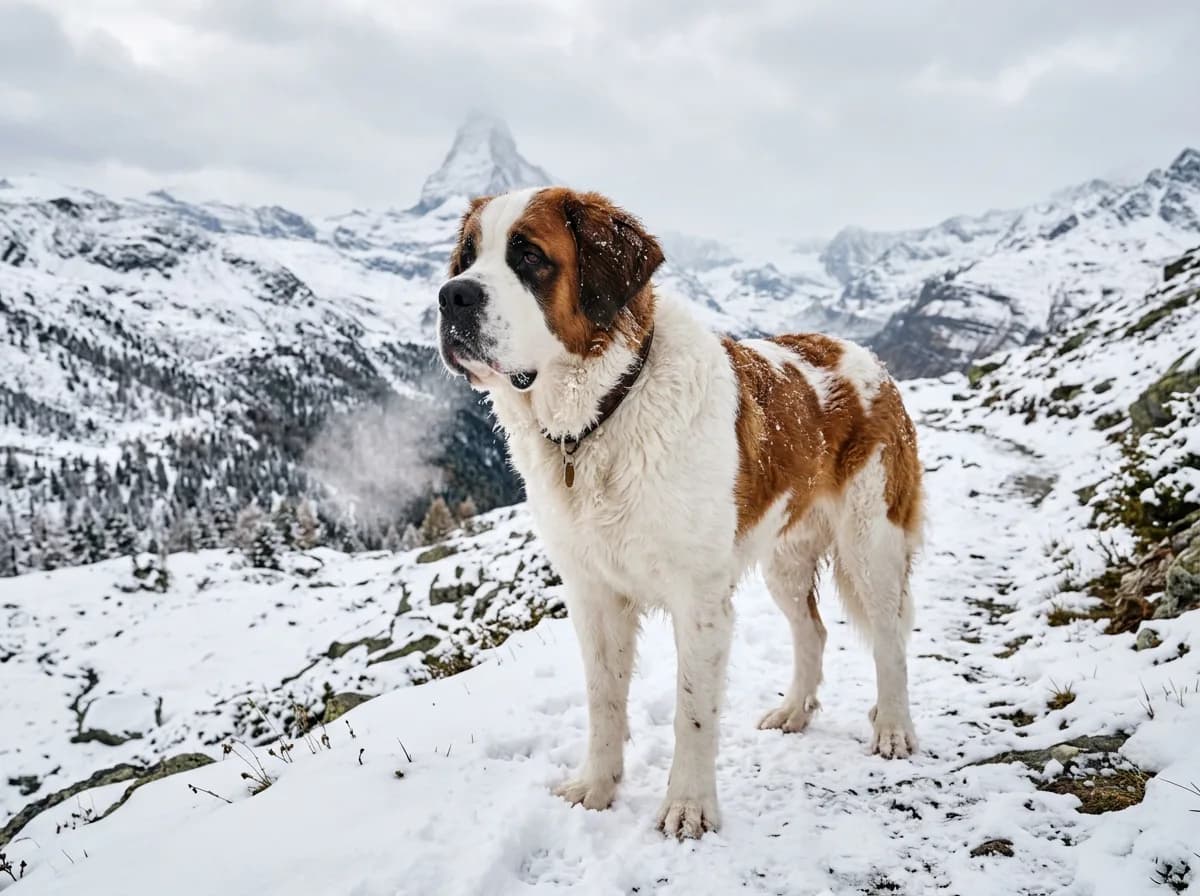
4. Saint Bernard
- Height: 26 to 30 inches
- Weight: 120 to 180 pounds
The Saint Bernard is the classic gentle giant, made famous by Alpine monks who bred it to locate and rescue travelers lost in the snow of the Great St. Bernard Pass. A working rescue Saint could smell a buried person and dig them out, and the breed's calm, methodical temperament traces directly to that job.
Modern Saints are patient, tolerant family dogs that are especially good with children, though their size means supervision around small kids is wise. They carry a heavy double coat, shed heavily, and drool freely. Heat is their enemy: a Saint Bernard is built for the cold and can overheat quickly in warm climates. Expect a devoted, mellow housemate that thinks it is smaller than it is.
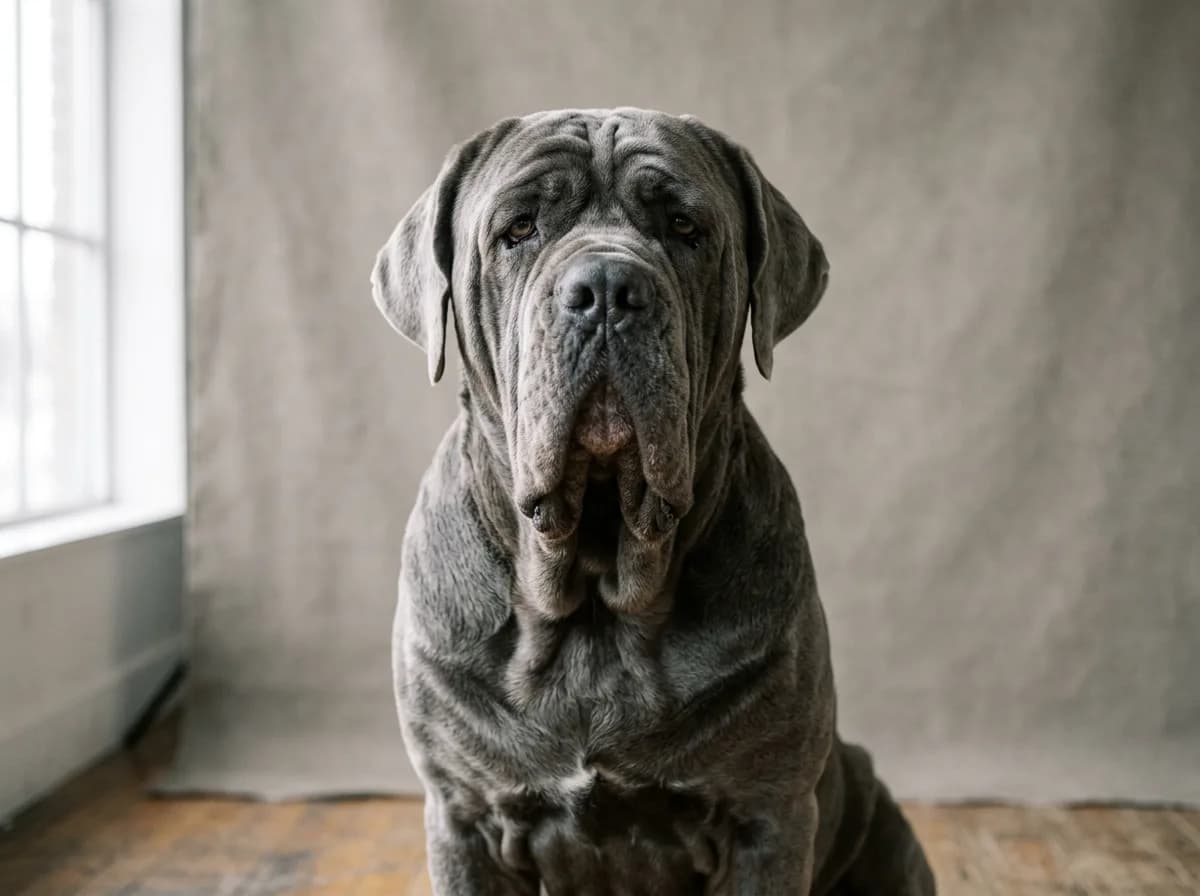
5. Neapolitan Mastiff
- Height: 24 to 31 inches
- Weight: 110 to 200 pounds
The Neapolitan Mastiff is unmistakable: a wall of loose, wrinkled skin draped over a massive frame, with a lumbering gait and a somber expression. Developed in southern Italy as a guardian of home and property, the "Neo" is a serious protection breed with a naturally wary, watchful nature toward strangers.
That guarding instinct means early, consistent socialization is essential. With its own family the Neapolitan Mastiff is affectionate and steady, but it is not a dog for a first-time owner. The heavy skin folds require regular cleaning to prevent infection, and like all giant breeds the Neo is prone to joint problems. It is one of the heaviest of the biggest dog breeds and one of the most physically striking.
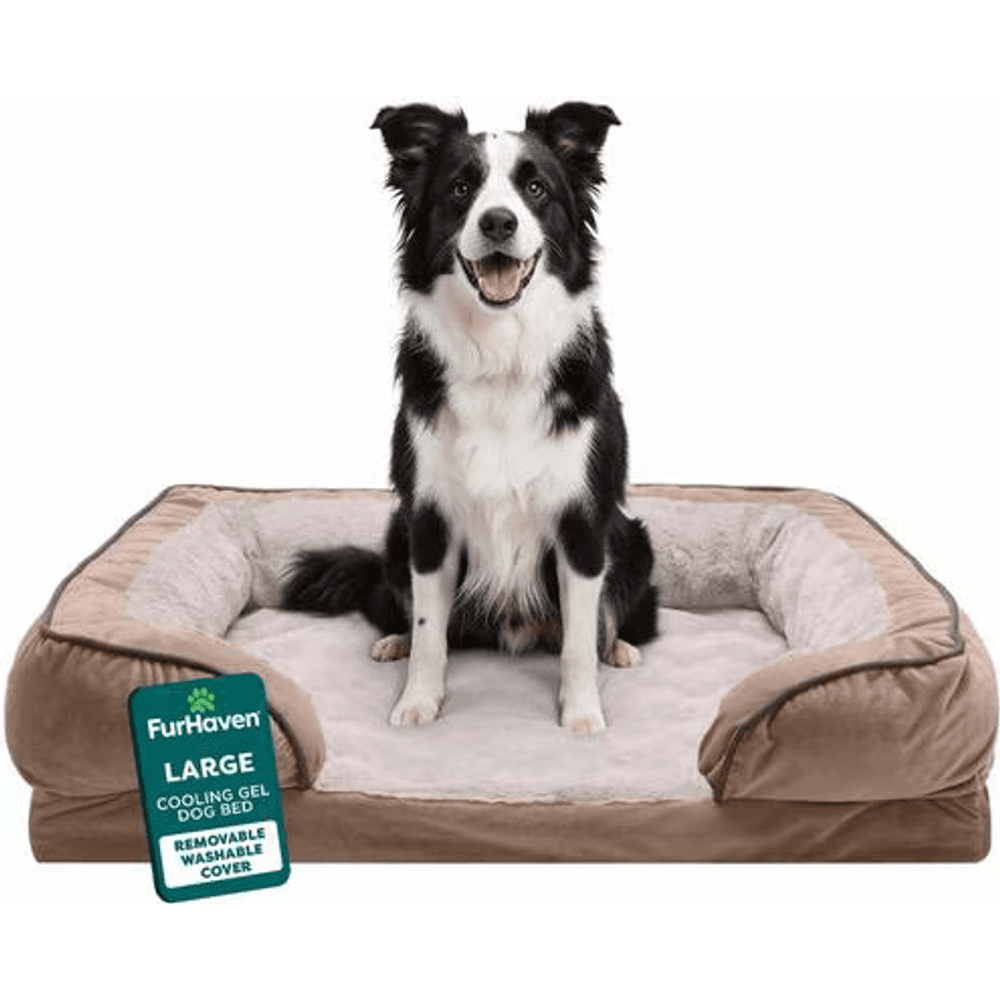
An orthopedic sofa bed with three bolstered sides for dogs who like to rest their head and joints against a cushion. The supportive foam base cradles hips and elbows, a comforting spot for an older or shaky dog to settle.
Petful may earn a commission when you click through to Chewy, at no extra cost to you.
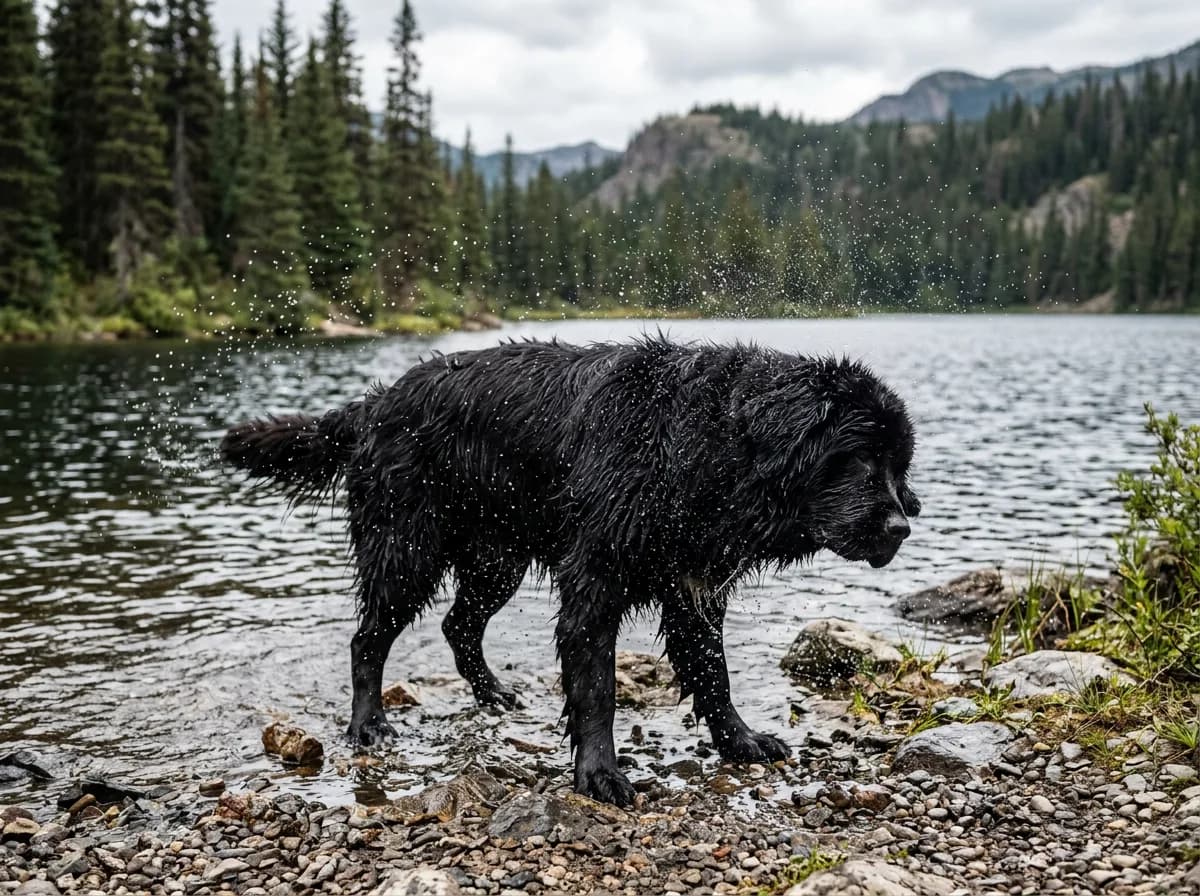
6. Newfoundland
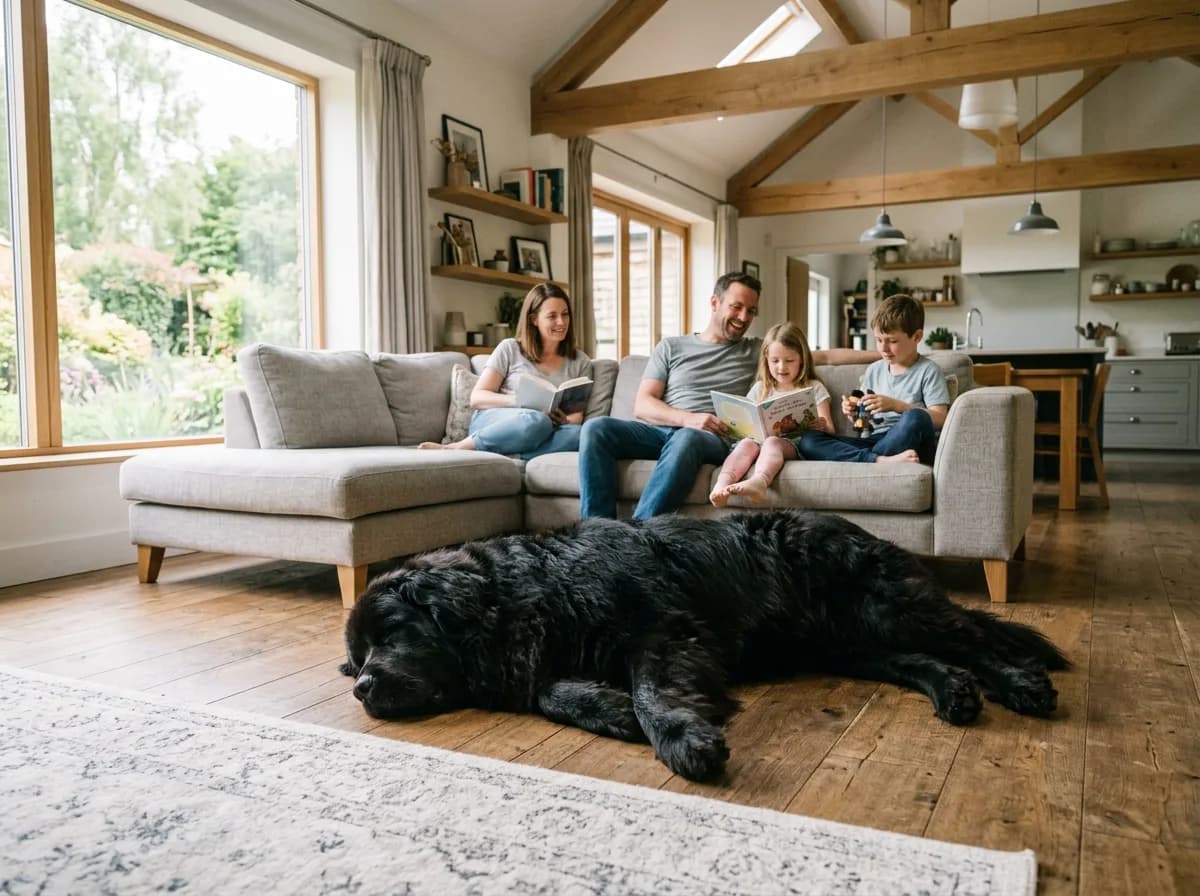
- Height: 26 to 30 inches
- Weight: 130 to 150 pounds
The Newfoundland is the water-rescue specialist of the giant breeds. Bred by fishermen on the Canadian coast, the "Newfie" has webbed feet, a water-resistant double coat, and enough strength to tow a drowning adult back to shore. Stories of Newfoundlands saving lives at sea are numerous and, unusually, largely true.
On land the Newfoundland is a sweet, patient, famously good-natured family dog, often called a natural nanny for its gentleness with children. It needs access to swimming or cool exercise, sheds heavily, and drools. Like the Saint Bernard, it suffers in heat. For a family near water who wants a soft-hearted giant, few breeds fit better.
7. Leonberger
- Height: 26 to 32 inches
- Weight: 90 to 170 pounds
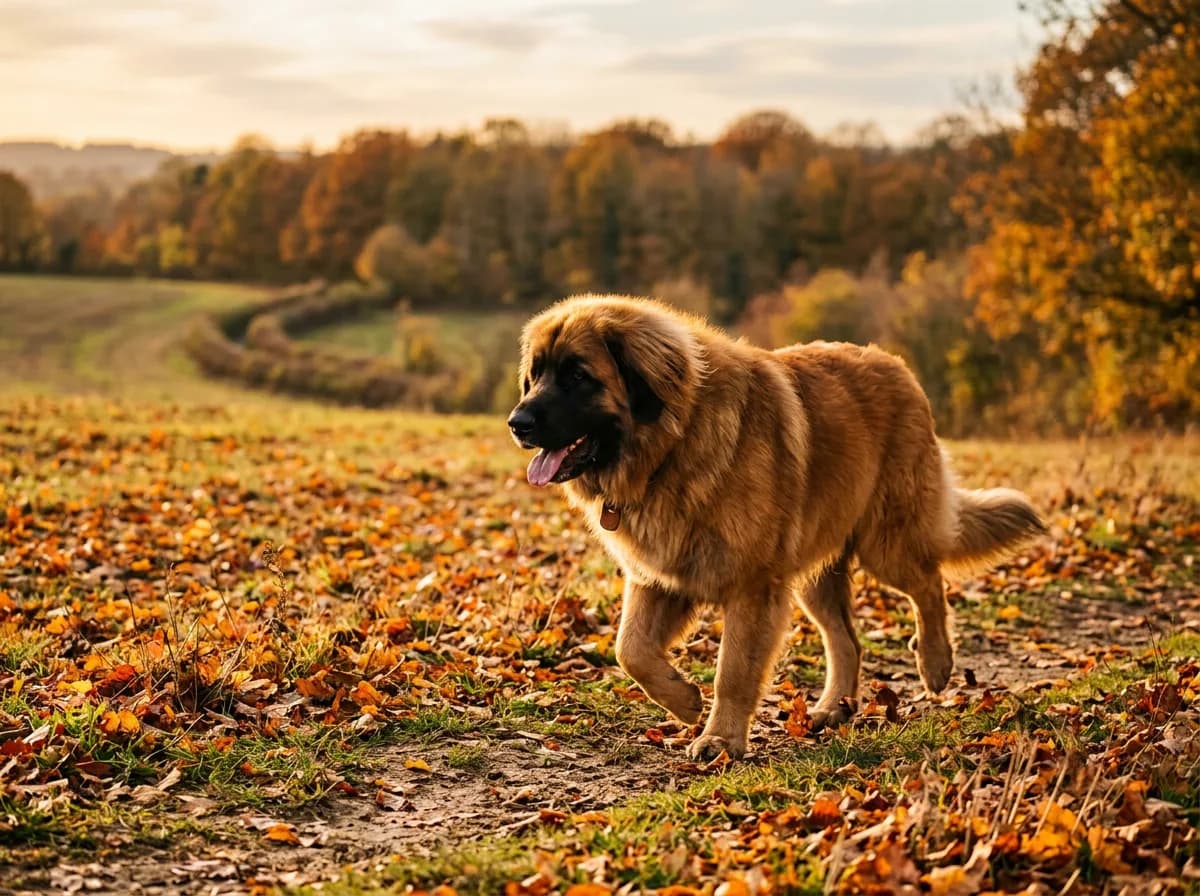
The Leonberger was bred in the German town of Leonberg to resemble a lion, and the resemblance holds: a flowing mane, a golden coat, and a regal presence. Behind the drama is a calm, friendly, and highly trainable dog that has served as a farm worker, water rescuer, and therapy dog.
Leonbergers are more energetic than some giants and enjoy hiking, swimming, and cart-pulling. They are eager to please and respond well to training, which makes them one of the more manageable of the biggest dog breeds despite their size. The trade-offs are the usual giant-breed ones: heavy shedding, a short life span around 7 years, and the need for careful joint care.
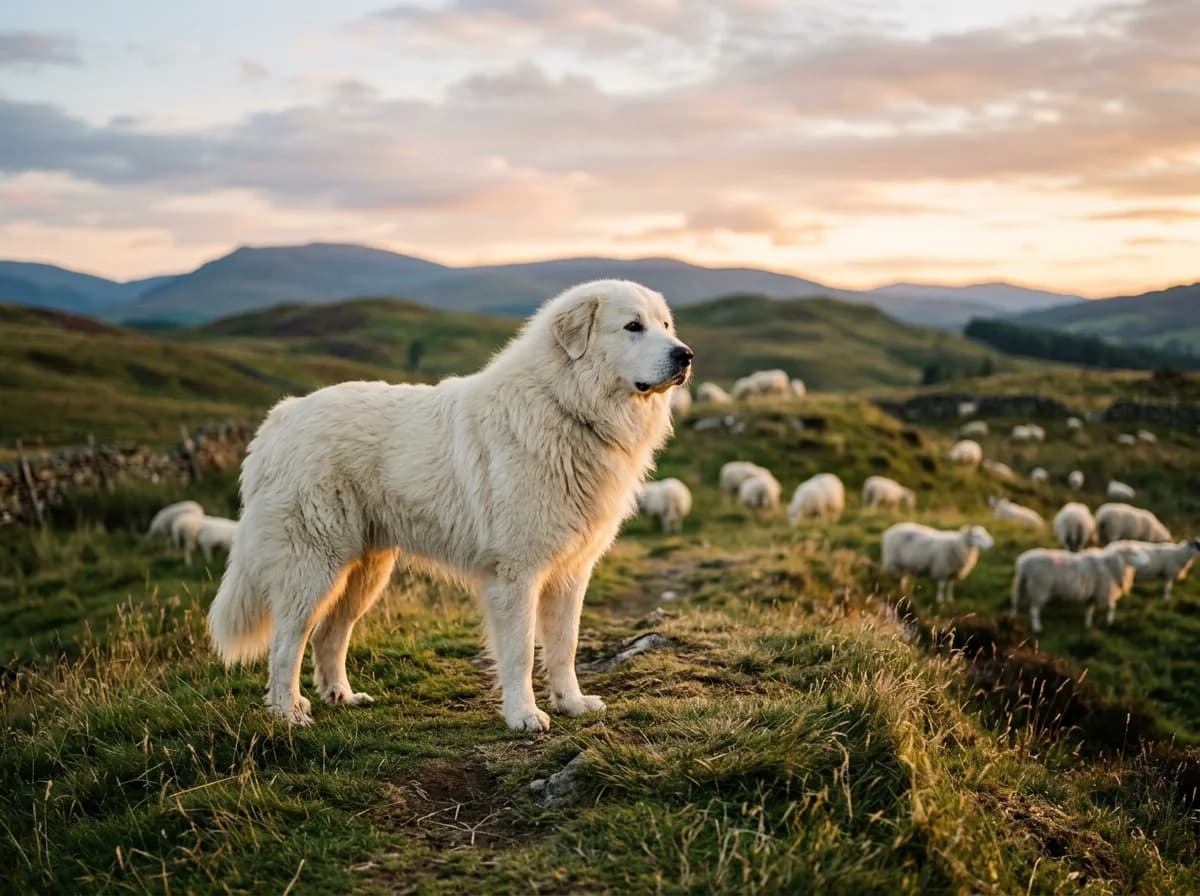
8. Great Pyrenees
- Height: 25 to 32 inches
- Weight: 85 to 120+ pounds
The Great Pyrenees is a livestock guardian bred to live among flocks in the mountains of France and Spain, fending off wolves and bears. That heritage shapes everything about the breed: it is independent, patient, nocturnal by instinct, and inclined to bark at night to warn off threats that are not there.
As a family dog the Great Pyrenees is affectionate and calm, but its guardian independence means it does not obey commands the way a retriever does. It needs a secure fence, since it will patrol and roam, and its thick white double coat sheds year-round. For the right owner, this is a majestic, protective, and deeply devoted giant.

The number-one veterinarian-recommended joint supplement brand. Glucosamine, chondroitin, and MSM support cartilage and cushion the joints, easing the stiffness and hind-end weakness that can leave an older or arthritic dog trembling.
Petful may earn a commission when you click through to Chewy, at no extra cost to you.
9. Scottish Deerhound
- Height: 28 to 32 inches
- Weight: 75 to 110 pounds
The Scottish Deerhound is the tall, lean member of the biggest dog breeds, a coursing sighthound bred to chase red deer across the Highlands. It looks like an oversized, rough-coated Greyhound and moves with the same effortless, galloping grace. On height it rivals the Great Dane; on weight it is lighter, built for speed rather than mass.
Indoors the Deerhound is a quiet, dignified, and gentle companion that famously loves to lounge. Outdoors it needs room to run, ideally in a safely enclosed space, because its prey drive is strong and it is fast. It is a calm, low-drama giant that suits owners who want height without the bulk and drool of a mastiff.
10. Tibetan Mastiff
- Height: 24 to 30 inches
- Weight: 90 to 160 pounds
The Tibetan Mastiff rounds out the list as one of the most impressive and most demanding of the biggest dog breeds. Bred to guard monasteries and livestock on the Himalayan plateau, it carries an enormous double coat and a mane that gives it a lion-like silhouette. Historically, individual Tibetan Mastiffs have sold for extraordinary sums, including a widely reported $2 million sale in China, which is part of the breed's mystique.
This is a serious guardian: territorial, aloof with strangers, and strongly independent. It is not a beginner's dog and needs a secure yard and firm, patient socialization. With its family the Tibetan Mastiff is affectionate and protective. Its thick coat blows out seasonally in a spectacular shed. For an experienced owner who wants a true guardian, few breeds are more striking. Before choosing one, check the Tibetan Mastiff legality guide for location-specific restrictions and insurance questions.
Honorable Mentions: More Giant Breeds Worth Knowing
Ten breeds cannot cover every giant. These runners-up are all genuinely large dogs that appear on many lists of the biggest dog breeds and deserve a look.
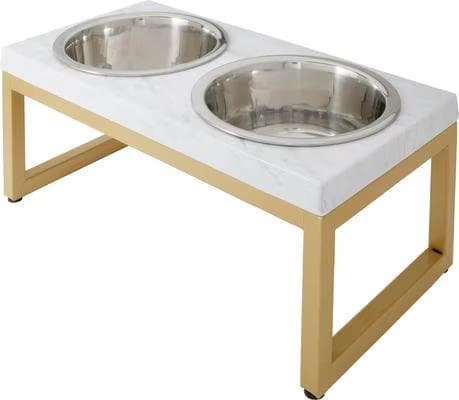
Raised stainless steel double bowl on a marble-look stand. Easier on the neck and joints and a clean, tip-resistant way to keep fresh water available all day.
Petful may earn a commission when you click through to Chewy, at no extra cost to you.
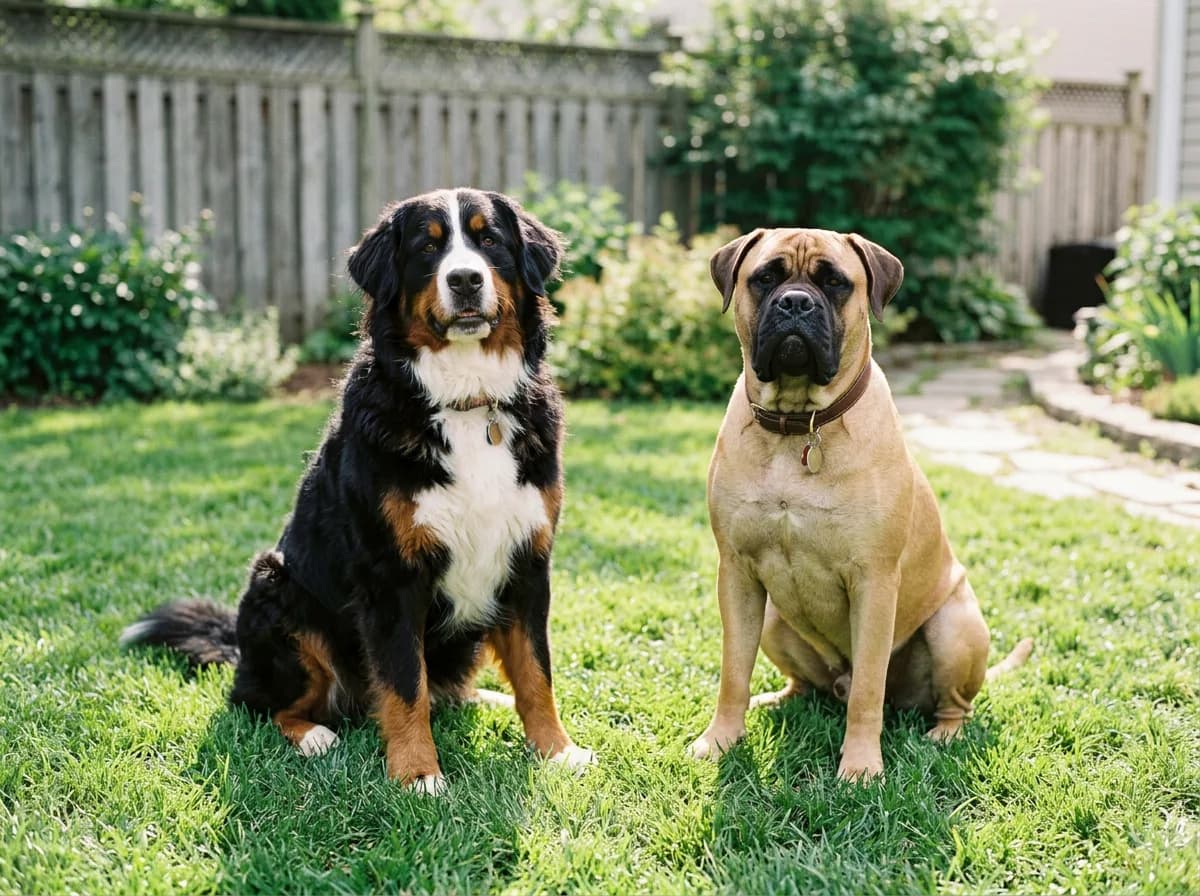
- Bernese Mountain Dog (23 to 28 in, 70 to 115 lbs): A tricolor Swiss farm dog, sweet and family-friendly, sadly prone to a short life span.
- Cane Corso (23.5 to 27.5 in, 88 to 120 lbs): An athletic Italian mastiff and capable guardian that needs an experienced, active owner.
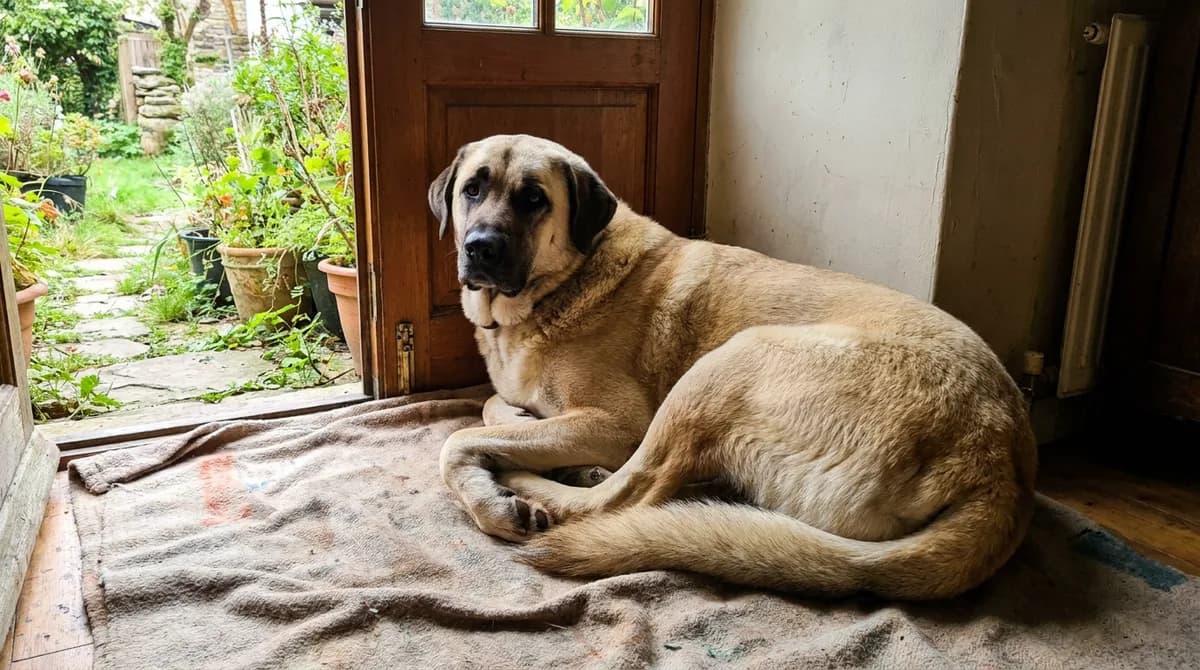
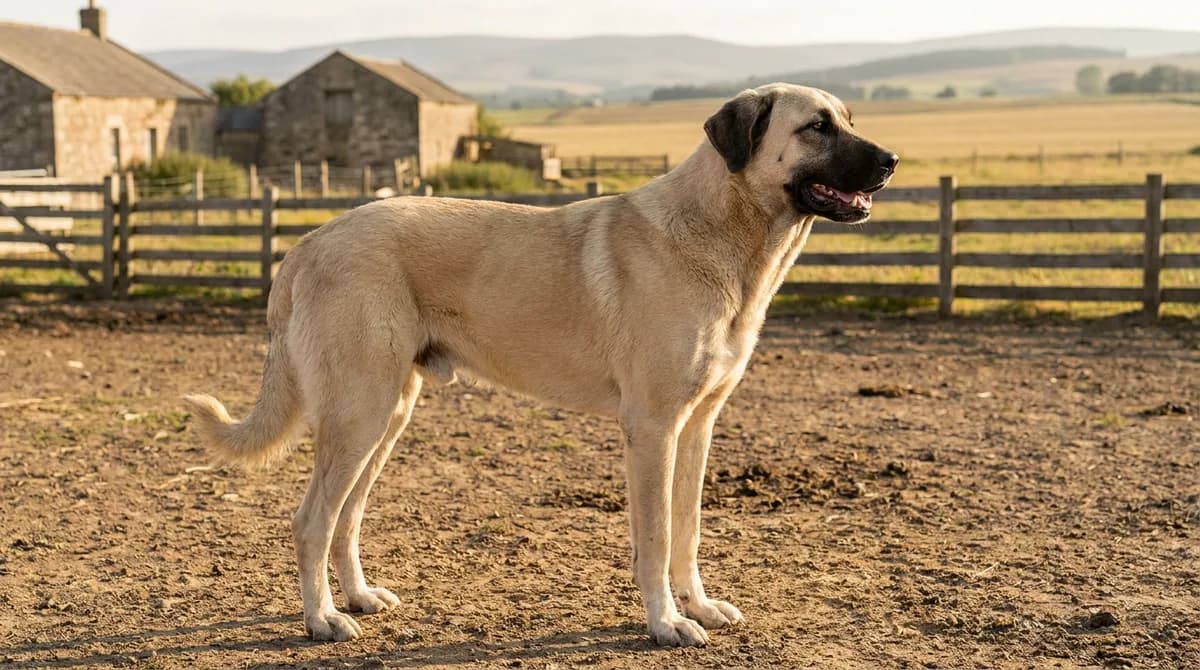
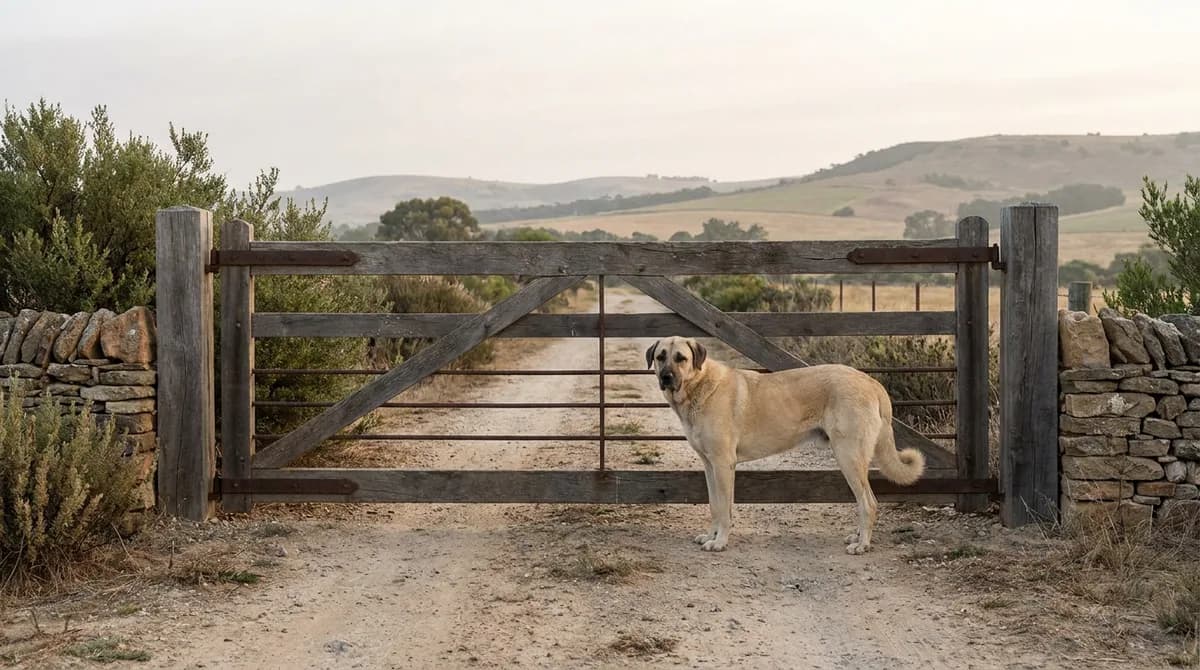
- Anatolian Shepherd (27 to 29 in, 80 to 150 lbs): A rugged Turkish livestock guardian, independent and protective.
- Dogue de Bordeaux (23 to 27 in, 99 to 110+ lbs): The wrinkled French Mastiff, powerful and affectionate with its people.
- Bullmastiff (24 to 27 in, 100 to 130 lbs): Bred to guard estates, calm indoors and fiercely loyal.
- Black Russian Terrier (26 to 30 in, 80 to 130 lbs): A large, wiry working dog developed by the Soviet military, confident and trainable.
- Kuvasz (26 to 30 in, 70 to 115 lbs): A white Hungarian flock guardian, devoted and independent.
Living With a Giant Breed: What to Know Before You Commit
The biggest dog breeds are wonderful, but they are not scaled-up versions of a Labrador. Their size changes the math on cost, health, and care in ways worth understanding before you fall in love.
- A giant-breed puppy that grows too fast is at high risk for painful joint and bone problems as an adult. Feed a large- or giant-breed puppy food, avoid overfeeding, and skip forced running or jumping until the growth plates close, which can take 18 to 24 months. Ask your veterinarian to confirm the right growth curve for your dog.
Health and life span. The hard truth of giant breeds is a shorter life span. Many live only 6 to 10 years, and larger dogs face higher rates of bloat, hip and elbow dysplasia, heart disease, and bone cancer (osteosarcoma). None of this should scare you off, but it should shape your vet budget and your expectations. Pet insurance often makes sense here, and a bloat-aware feeding routine is worth building from day one.
Cost. Everything is bigger, including the bills. A giant breed eats far more food than a medium dog, needs larger doses of every medication and preventive, requires bigger crates, beds, and vehicles, and costs more to board. Budget accordingly before, not after, you bring one home.
Space and strength. A 150-pound dog that has not learned to walk on a leash is a genuine hazard. Early obedience training, while the puppy is still liftable, is not optional with a giant breed. You are training the manners now that a 30-pound dog forgives but a 180-pound dog does not.
- First, start leash and basic-obedience training in puppyhood, before the dog outweighs you. Second, learn the signs of bloat (a distended belly, unproductive retching, restlessness) and treat it as an immediate emergency. These two habits prevent the most common serious problems giant-breed owners face.
For a broader look at how size shapes temperament, exercise needs, and family fit across the canine world, browse our full library of dog breed guides.
Is One of the Biggest Dog Breeds Right for You?
The best owner for a giant breed is honest about four things: space, budget, time, and heartbreak. A giant dog can live happily in a modest home as long as it gets daily exercise, but it does need floor space to stretch out, a vehicle it can actually fit in, and a yard or nearby park for real movement. Apartment living is possible with a low-energy giant like a Mastiff, but it is a harder path.
Budget is the quiet dealbreaker. Between food, larger medication doses, giant-size gear, and higher surgical and boarding costs, a giant breed can cost two to three times what a medium dog costs over its life. Build that into your decision, not your regret. Petful’s guide to dog boarding cost has the full breakdown.
Time and training matter most in the first two years. Socialize early, train while the puppy is still light enough to physically manage, and expose it to the situations it will face as an adult. A well-raised giant is a joy in public; an untrained one is a liability nobody enjoys, including the dog.
And then there is the heartbreak. Many of the biggest dog breeds live only 6 to 10 years. Owners who go in knowing that, and who spend those years well, rarely regret it. If you are ready for a shorter, larger, more expensive, and more affectionate kind of dog ownership, a giant breed will reward you completely.
- Many giant breeds end up in breed-specific rescues, often as adults whose owners underestimated the commitment. Adopting an adult means you see the dog's full size and temperament up front, skip the demanding puppy-growth window, and give a gentle giant a second home. Search breed-specific rescue groups and shelters before buying from a breeder.
Quick Comparison: The 10 Biggest Dog Breeds
| Breed | Height (in) | Weight (lbs) |
|---|---|---|
| English Mastiff | 27-35 | 160-230+ |
| Irish Wolfhound | 30-35 | 105-180 |
| Great Dane | 28-34 | 110-175 |
| Saint Bernard | 26-30 | 120-180 |
| Neapolitan Mastiff | 24-31 | 110-200 |
| Newfoundland | 26-30 | 130-150 |
| Leonberger | 26-32 | 90-170 |
| Great Pyrenees | 25-32 | 85-120+ |
| Scottish Deerhound | 28-32 | 75-110 |
| Tibetan Mastiff | 24-30 | 90-160 |
Final Thoughts on the Biggest Dog Breeds
The biggest dog breeds ask a lot: more food, more space, more training, and, painfully, fewer years together than smaller dogs. What they give back is proportional. These are steady, affectionate, often heroic dogs that bond hard with their families and carry themselves with a calm dignity smaller breeds rarely match. Choose one with clear eyes about the health and cost realities, commit to early training, and you will share your home with a truly gentle giant.
Frequently Asked Questions About the Biggest Dog Breeds
Matching a Giant Breed to Your Home and Lifestyle
Once you have decided a giant is for you, the next question is which one, and the honest answer depends less on looks than on your experience and your setup. First-time giant owners are usually happiest with the mellow, people-pleasing breeds: the Newfoundland, Leonberger, and Saint Bernard are patient and trainable, and the placid English Mastiff asks little beyond a daily walk. Households wanting a true protector should look at the guardian breeds like the Tibetan Mastiff, Neapolitan Mastiff, and Great Pyrenees, but only with the time and confidence to socialize a wary, independent dog. Active families with room to run suit the sighthounds, the Irish Wolfhound and Scottish Deerhound, which are calm indoors but need a securely fenced space to stretch their legs. Match the working heritage to your daily life and the size takes care of itself.
- New to giants: Newfoundland, Leonberger, Saint Bernard, or the low-key English Mastiff
- Want a guardian: Tibetan Mastiff, Neapolitan Mastiff, or Great Pyrenees, with early socialization
- Room to run: Irish Wolfhound or Scottish Deerhound in a fenced space
- Living near water: the swim-built Newfoundland
- Warm climate: favor the short-coated Great Dane over the heavy double coats, and still manage heat carefully
- 1The best giant breed for you depends on your experience level and your space, not just on which dog is largest.
- 2First-time owners do best with the gentle, rescue-bred giants, while territorial guardian breeds need an experienced, confident hand.
Grooming and Shedding Vary Widely Across the Giants
Coat care is where the biggest dog breeds differ most, and new owners routinely underestimate it. The heavy double-coated giants, including the Saint Bernard, Newfoundland, Great Pyrenees, Leonberger, and Tibetan Mastiff, shed year-round and blow their coats seasonally in dramatic fashion, so plan on weekly brushing and near-daily brushing during a shed. Short-coated breeds like the English Mastiff and Great Dane are far lower maintenance, though they still shed steadily and need regular nail trims and frequent drool cleanup. The rough-coated sighthounds, the Irish Wolfhound and Scottish Deerhound, carry a wiry coat that sheds lightly and benefits from occasional hand-stripping. Breeds with loose skin, especially the Neapolitan Mastiff, need their folds wiped clean to prevent trapped moisture and skin infection. Whichever giant you choose, budget for larger tools, more shampoo, and more grooming time than a medium dog ever demands.
Related on Petful
- Small Dog Breeds: 30 Tiny Companions and How to Choose
- The Best Medium Sized Dog Breeds by Weight
- The 7 Types of Dogs: Breed Groups Explained
- Cane Corso Breed Profile: Complete Owner's Guide
- Saint Bernard Breed Profile: The Gentle Giant
The top 10 biggest dog breeds by combined height and weight are the English Mastiff, Irish Wolfhound, Great Dane, Saint Bernard, Neapolitan Mastiff, Newfoundland, Leonberger, Great Pyrenees, Scottish Deerhound, and Tibetan Mastiff. The English Mastiff is the heaviest and the Irish Wolfhound and Great Dane are the tallest.
The Tibetan Mastiff is the breed associated with million-dollar price tags. In 2014 a Tibetan Mastiff puppy reportedly sold in China for close to $2 million, and other elite examples have sold for well over $1 million. These are extreme, status-driven prices from a specific market, not typical costs, but no other breed is linked to seven-figure sales the way the Tibetan Mastiff is.
The Basenji is famously the quietest breed and is often called the barkless dog, because its unusual larynx produces a yodel-like sound instead of a true bark. Among the biggest dog breeds, the calmer giants like the Great Dane, Mastiff, and Scottish Deerhound tend to be relatively quiet, while livestock guardians such as the Great Pyrenees are the most vocal, especially at night.
It depends on how you measure. The English Mastiff is the largest by weight, routinely exceeding 200 pounds, with a record holder at 343 pounds. The Great Dane and Irish Wolfhound are the largest by height, standing up to 35 inches at the shoulder, and every Guinness record for tallest dog has been a Great Dane.
XXL is an informal size category for the very largest dogs, generally those over about 100 pounds or 28 inches at the shoulder. It is not an official kennel-club classification but a common shorthand for giant breeds like the Mastiff, Great Dane, Saint Bernard, and Tibetan Mastiff. The term is also used for oversized versions of breeds like the American Bully.
Surveys of dog ownership consistently rank the United States among the highest for total dog population, while countries such as Argentina, Brazil, and several European nations rank high for dogs per household. The United States has roughly 90 million pet dogs, more than any other country, making it a strong answer for sheer numbers of dogs loved.
Several rare or elite working breeds can reach $50,000, including top-pedigree Tibetan Mastiffs, championship-line German Shepherds trained for protection, and rare imports like the Azawakh or a fully trained Cane Corso. Prices in this range reflect pedigree, professional training, and scarcity rather than the everyday cost of owning the breed.
References
- American Kennel Club, breed standards and largest dog breeds guide: https://www.akc.org/expert-advice/dog-breeds/16-largest-dog-breeds/
- Guinness World Records, tallest dog and heaviest dog records: https://www.guinnessworldrecords.com/
- PetMD, biggest dog breeds and care guidance: https://www.petmd.com/dog/general-health/biggest-dog-breeds

Melissa Smith has been researching and writing about pet behaviors for several years. Her work has been recognized with Certificates of Excellence from both the Dog Writers Association of America and the Cat Writers’ Association. A longtime animal lover, Melissa is a professional pet sitter on Cape Cod through her company, Fresh Start Services.
Sign up for expert-backed reviews and safety alerts all in one place.