Cane Corso Breed Profile: Complete Owner's Guide
The Cane Corso is a large, loyal Italian guardian breed that rewards experienced owners and overwhelms the unprepared. This profile covers its size, temperament, health risks, exercise and grooming needs, and cost.

Petful is reader supported. As an affiliate of platforms like Amazon and Chewy, we may earn a commission when you buy through links on this page. There is no extra cost to you.
The Cane Corso is a large Italian mastiff bred for guarding, and it is one of the most physically imposing companion dogs a family can own. This breed pairs a deeply loyal, affectionate nature toward its own people with a natural wariness of strangers, which makes early training and socialization non-negotiable rather than optional. If you are weighing whether this powerful working dog fits your home, this profile covers size, temperament, health, exercise, cost, and the honest trade-offs that come with 100 pounds of protective muscle.
Below you will find current breed standards, a plain-language look at the health issues that shorten these dogs' lives, and straight answers to the questions buyers ask most before they commit.
- 1The Cane Corso is a large, powerful guardian breed (88-110 lbs) that is loyal and gentle with its family but reserved with strangers.
- 2Its short coat is low-maintenance, but its exercise needs, training demands, and health risks (bloat, hip and elbow dysplasia, a roughly 9-10 year lifespan) are high.
- 3This is a dog for experienced, committed owners who will socialize and train consistently from puppyhood, not a first-time or hands-off breed.

Sign up for expert-backed reviews and safety alerts all in one place.
Cane Corso Breed at a Glance
Before the deep dive, here is the quick reference on where this breed lands across the traits most owners care about. The Cane Corso is recognized by the American Kennel Club in the Working Group and traces its lineage to the ancient Roman war dog, the canis pugnax.
| Trait | Detail | Owner Note |
|---|---|---|
| AKC Group | Working Group | Bred to labor and guard, not to lounge |
| Height | 23.5-27.5 inches at the shoulder | Males run larger than females |
| Weight | 88-110 pounds | Proportionate to height; not overweight |
| Lifespan | 9-10 years | Shorter than smaller breeds, typical of giant dogs |
| Coat | Short, dense, double-layered | Weekly brushing; sheds seasonally |
| Colors | Black, gray, fawn, red, and brindle | Often with a black or gray facial mask |
| Temperament | Loyal, confident, protective, reserved | Needs early, consistent socialization |
| Origin | Italy | Descended from Roman mastiff-type war dogs |
If those numbers already feel like a lot of dog, that instinct is worth trusting. The sections below explain what each of these traits means in daily life so you can decide with your eyes open.

Petful may earn a commission when you click through to Chewy, at no extra cost to you.
Physical Description of the Cane Corso

The Cane Corso is a large, muscular dog with a broad head, a boxy muzzle, and a substantial, athletic frame that reads as raw power at a glance. Males typically stand 25 to 27.5 inches at the shoulder and weigh 99 to 110 pounds, while females stand 23.5 to 26 inches and weigh 88 to 99 pounds, according to the American Kennel Club breed standard. The build is meant to be balanced and functional: this is a working guardian, not a bulky show dog, and a fit Cane Corso should look lean and hard rather than heavy.
The coat is short, stiff, dense, and lies close to the body over a light undercoat that thickens in cold weather. Accepted colors include black, various shades of gray (from light gray to slate), fawn, red, and brindle patterns, and many dogs carry a black or gray mask across the muzzle that stops at the eyes. A small white patch on the chest, throat, chin, or toes is permitted, but large white areas are a fault under the standard.
The head is a defining feature. It is large and rectangular with a slight domed forehead, deep-set almond eyes, and heavy jowls. Historically many Cane Corsos were shown with cropped ears and docked tails, but natural ears (which fold forward in a "drop" shape) and full tails are increasingly common and are legally required in a growing number of regions. Ear cropping is cosmetic and medically unnecessary, and several major veterinary bodies oppose it.
The Brachycephalic Question
The Cane Corso has a shorter, broader muzzle than a typical working dog, which places it on the milder end of the brachycephalic (flat-faced) spectrum. It is nowhere near as compressed as a Bulldog or Pug, but the shortened muzzle can still contribute to heat intolerance and, in some individuals, brachycephalic obstructive airway syndrome (BOAS), a condition in which narrowed airways make breathing harder. Prospective owners should watch for noisy breathing, exercise intolerance, and heavy panting in warm weather, and should never leave one of these dogs to exert itself in the heat. This is not a breed to jog with at noon in July.
Origin and History of the Cane Corso
The Cane Corso's roots run to ancient Rome. The breed descends from the canis pugnax, a Roman mastiff-type war dog used in battle and, later, on farms across the Italian countryside. The name itself is instructive: "cane" is Italian for dog, and "corso" is widely traced to the Latin "cohors," meaning guardian or protector. For centuries these dogs worked Italian farms as all-purpose laborers, guarding property and livestock, driving cattle, and hunting large game such as wild boar.
The breed nearly vanished in the mid-20th century. As Italy's agricultural economy modernized and the traditional sharecropping system collapsed, the working dogs that depended on that way of life dwindled to near extinction by the 1970s. A group of Italian enthusiasts, led by Dr. Paolo Breber, recovered the breed from the remaining rural stock and began a careful revival in the 1980s. The Cane Corso reached the United States in 1988, was recorded by the AKC's Foundation Stock Service, and received full AKC recognition in 2010 as a member of the Working Group.

Petful may earn a commission when you click through to Chewy, at no extra cost to you.
- The Cane Corso was shaped for centuries to make independent decisions while guarding property. That heritage is why the modern dog is confident, territorial, and inclined to assess strangers on its own terms. Training does not erase that instinct, it channels it.
Purpose and Working Roles

Understanding what the Cane Corso was bred to do explains almost everything about how it behaves today. This is fundamentally a guardian and estate-protection breed. On historic Italian farms it patrolled boundaries, protected the family and its animals, and worked as a catch dog on boar hunts. That job required a dog that was powerful, fearless, biddable with its handler, and naturally suspicious of outsiders.
In modern homes those same traits show up as a dog that is intensely bonded to its family, alert to anything out of the ordinary, and protective without needing to be taught. Well-bred, well-raised Cane Corsos also succeed in dog sports and structured work: obedience, protection sports such as IGP, tracking, dock diving, weight pull, and conformation. That structure is not a luxury for this breed. A Cane Corso with a job and clear leadership is a stable dog; one left bored, under-exercised, and under-directed can become destructive or reactive.
It is worth being honest about what "protective" means in practice, because prospective owners sometimes romanticize it. A Cane Corso does not need to be trained to guard; the instinct is built in, and an untrained guardian instinct is a problem, not a feature. The goal of training is not to create protectiveness but to install an off switch: a reliable recall, a solid "leave it," and enough neutrality that the dog defers to its handler's read of a situation rather than acting on its own. A Cane Corso that has been taught to look to you for direction is safe in public and welcome in your home. One that has been left to make its own security decisions is a dog you cannot fully control, and at this size that is not a risk worth taking.
Temperament of the Cane Corso
The Cane Corso is best described as loyal, confident, intelligent, and reserved. With its own family it is affectionate, gentle, and often surprisingly sensitive, frequently choosing to lean against or shadow the people it loves. Many owners describe a "velcro dog" that wants to be in the same room at all times. Toward strangers, the default posture is watchful reserve rather than friendliness, and that is by design.
This is not an aggressive breed in the sense of being unstable or unpredictable when properly raised. It is, however, a powerful breed with strong guarding instincts, which means the margin for error in training and management is smaller than with a Labrador or a Golden Retriever. A poorly socialized, undertrained Cane Corso backed by 100 pounds of muscle is a genuine liability. A well-socialized one is a discerning, controlled, deeply loyal companion.
With Children and Other Pets
Raised in the home from puppyhood, Cane Corsos are typically patient and protective with their family's children, and many form especially close bonds with the kids they grow up alongside. That said, the breed's size alone means interactions with small children should always be supervised, and children should be taught to respect the dog. Even a gentle, well-meaning Cane Corso can knock over a toddler simply by turning around, so the supervision rule is about physics as much as temperament. Teach children not to disturb the dog while it eats, sleeps, or retreats to its bed, and give the dog a quiet space it can go to when it needs a break from household activity.
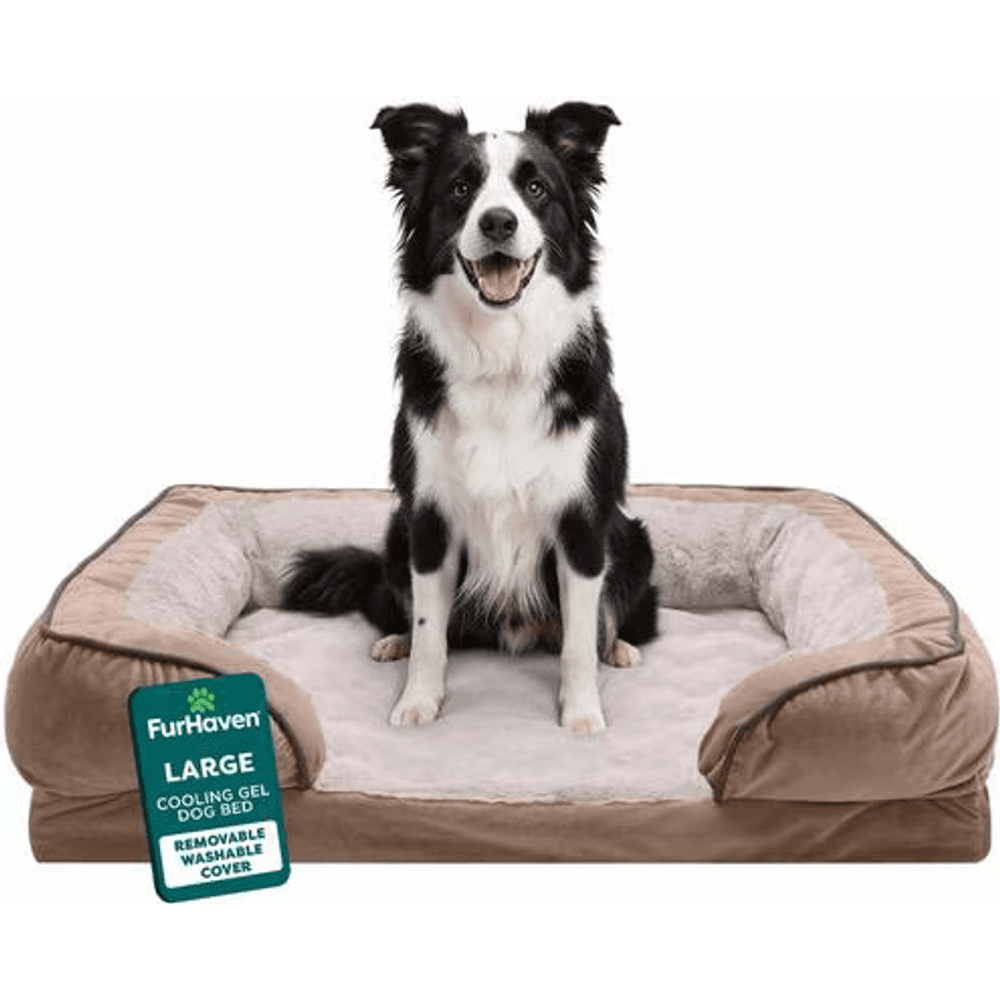
An orthopedic sofa bed with three bolstered sides for dogs who like to rest their head and joints against a cushion. The supportive foam base cradles hips and elbows, a comforting spot for an older or shaky dog to settle.
Petful may earn a commission when you click through to Chewy, at no extra cost to you.
With other dogs, particularly same-sex dogs, some Cane Corsos show intolerance, and a strong prey drive can make cohabitation with cats or small pets a case-by-case matter that depends on the individual dog and early exposure. Raising a Cane Corso alongside a cat from puppyhood improves the odds considerably, but it is never a guarantee, and multi-dog households of intact same-sex guardians can be a recipe for conflict. Honest assessment of your existing pets, and slow, managed introductions, matter more with this breed than with an easygoing companion dog.
Trainability
Cane Corsos are highly intelligent and learn quickly, but they are also independent thinkers that will test boundaries. They respond best to confident, consistent, reward-based leadership and do poorly with harsh or punitive methods, which can damage trust and provoke defensiveness. Training should start the day the puppy comes home and should continue for life. This is a breed that needs an owner willing to be a calm, credible leader, which is exactly why it is so often recommended only for experienced dog people.
Is the Cane Corso the Right Dog for You?
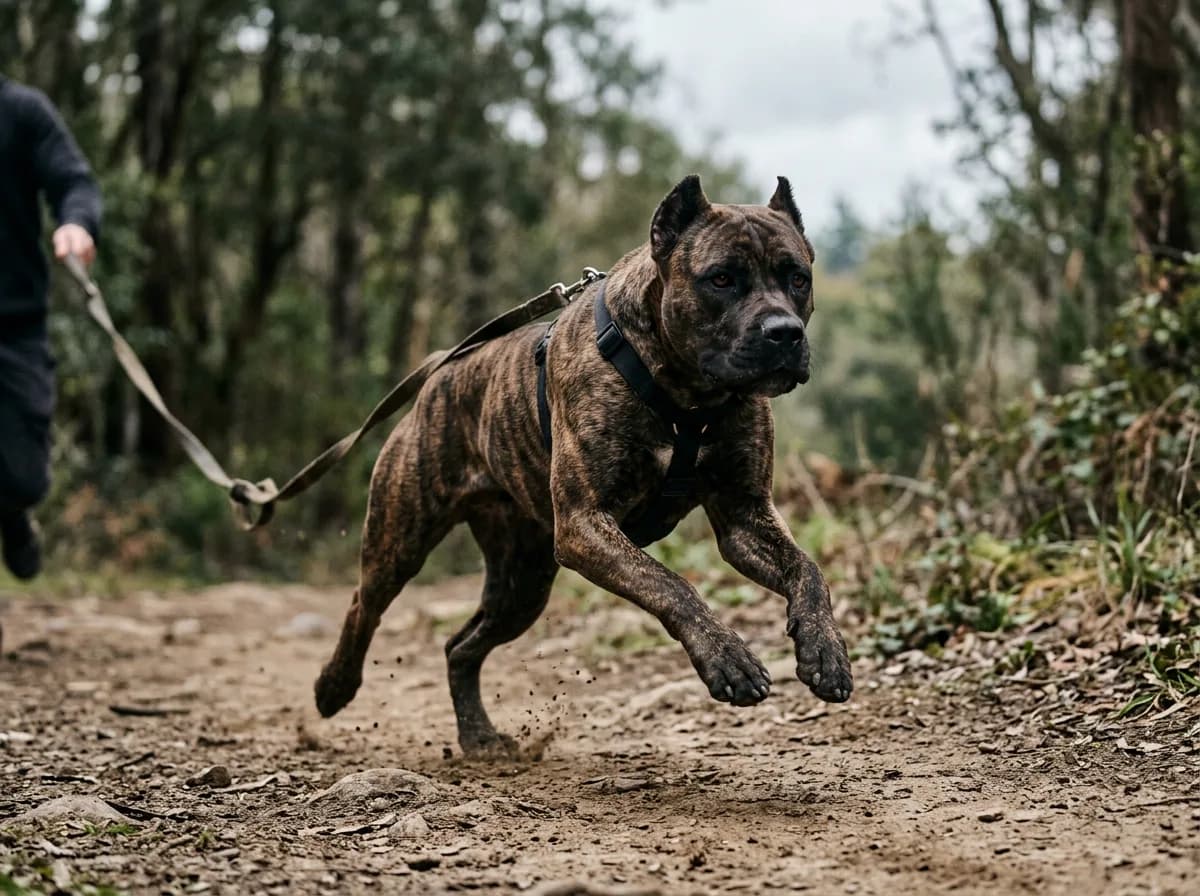
A Cane Corso rewards the right owner and overwhelms the wrong one. This breed suits an experienced, physically capable owner who is home often, enjoys training, has securely fenced space, and genuinely wants a protective companion. It is a poor fit for first-time dog owners, for people who are away long hours, for households that cannot commit to daily exercise and lifelong training, and for anyone uneasy managing a large, powerful, strong-willed animal.
Consider the practical realities too. Insurance and housing can be complicated, as some providers and landlords restrict or refuse guardian breeds. Veterinary and food costs run high for a dog this size. And the emotional math is real: a shorter-lived giant breed asks you to invest heavily in a companion you will likely have for only nine or ten years. If you can meet those demands, few breeds return the commitment as completely.
- 1The Cane Corso is a match for experienced owners with time, space, and a plan for training and socialization.
- 2It is a mismatch for first-time owners, absentee households, and anyone unprepared to manage a powerful guardian breed.
- 3Housing, insurance, food, and veterinary realities should factor into the decision before a puppy comes home.
Exercise Needs
The Cane Corso is an athletic working breed with high exercise requirements, and meeting them is central to keeping the dog balanced. Plan on at least one to two hours of activity a day, split into a couple of long, brisk walks or a jog plus dedicated training or play. A tired Cane Corso is a well-behaved Cane Corso; an under-exercised one channels that energy into digging, chewing, barking, or fence patrolling.
Because this is a mentally sharp breed, physical exercise alone is not enough. Obedience work, scent games, puzzle feeders, and structured jobs give the mind a workout and prevent the boredom that fuels problem behavior. A fenced yard is strongly recommended, both to burn energy safely and to contain a territorial dog, but a yard is a supplement to real exercise and interaction, never a substitute for it. Take care in heat: given the slightly shortened muzzle, exercise in the cooler parts of the day and always provide water and shade.
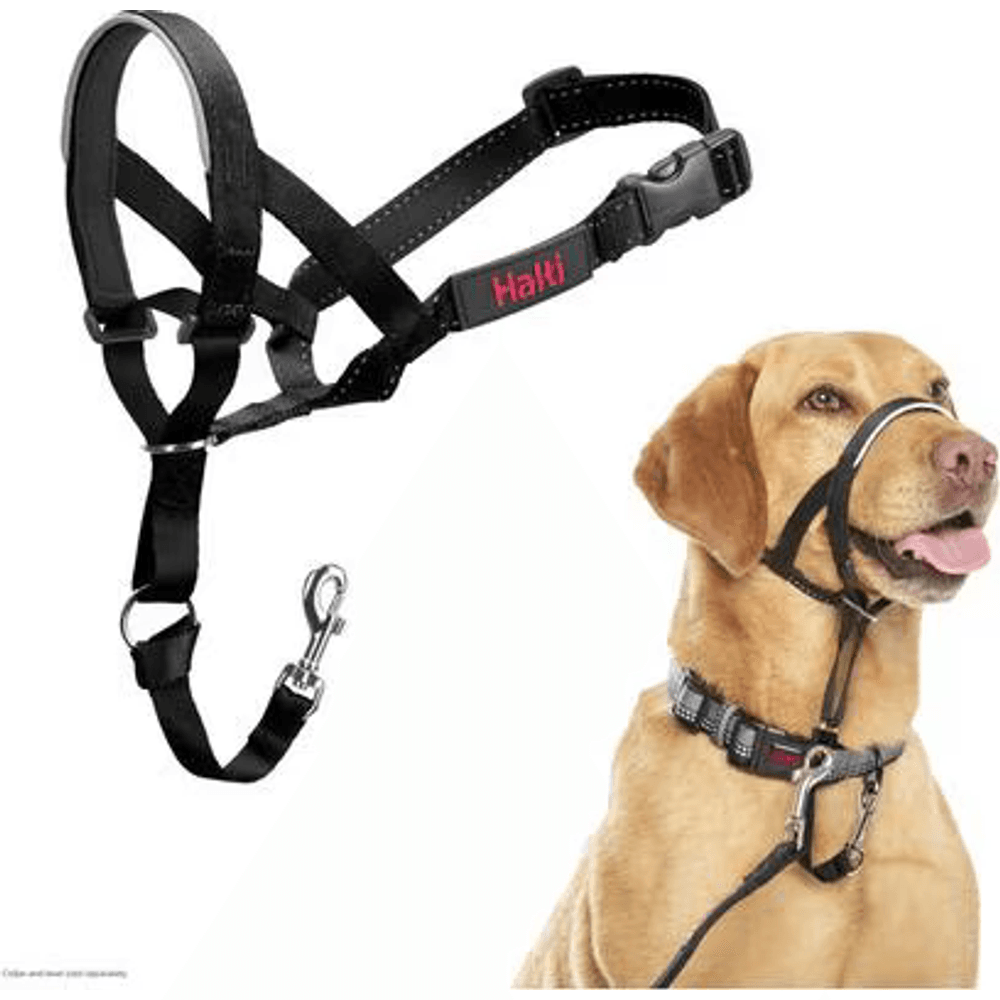
A padded head halter that gently steers a dog from the head, keeping all leash pressure off the neck and windpipe, a useful option for a dog whose cough or collapsing trachea flares when a collar tightens.
Petful may earn a commission when you click through to Chewy, at no extra cost to you.
A word of caution on puppies: giant-breed joints are still forming well past the first year, so high-impact exercise should be limited until the growth plates close, usually somewhere between 12 and 18 months. Avoid forced running, repetitive jumping, and long hikes on hard surfaces with a young Cane Corso, and favor free play, short walks, and low-impact training instead. Overdoing exercise during growth is a known contributor to the joint disease this breed is already predisposed to. Once mature, a healthy adult can handle far more, and many enjoy backpacking, structured protection sport, and long rural walks alongside a fit owner.
Grooming Requirements

Grooming is one of the easiest parts of Cane Corso ownership. The short, dense double coat needs only weekly brushing to remove loose hair and distribute skin oils, with more frequent brushing during seasonal sheds in spring and fall when the undercoat blows out. A rubber curry brush or grooming mitt works well. These dogs are moderate shedders year round and heavier shedders twice a year, so owners should expect some hair despite the short coat.
Beyond brushing, the routine is standard large-dog care: bathe only as needed (every couple of months or when dirty), trim nails every few weeks, brush the teeth several times a week, and check and clean the ears regularly, since the folds can trap moisture and lead to infection. Owners of dogs with heavy jowls should also wipe the facial folds and be prepared for some drool.
Start grooming habits early. A 30-pound puppy that tolerates nail trims, ear checks, and tooth brushing becomes a 100-pound adult that stands calmly for the same care, whereas a dog that never learned to accept handling can be genuinely difficult to groom safely once fully grown. Pair each grooming session with praise and treats during puppyhood so the dog associates handling with good things. This early conditioning also pays off at the veterinarian's office, where a large, cooperative dog is far easier and safer to examine than a large, resistant one.
Common Health Problems
The Cane Corso is a generally robust breed, but its size and structure carry real health risks, and its lifespan is on the shorter end at roughly 9 to 10 years. A large 2024 study of UK dogs (the VetCompass program at the Royal Veterinary College) estimated an average life expectancy for the Cane Corso in the range of about eight to nine years, consistent with the pattern that giant breeds live shorter lives than small ones. Buying from a health-testing breeder and staying current on veterinary care are the two biggest levers an owner controls.
The most important conditions to understand are below.

The number-one veterinarian-recommended joint supplement brand. Glucosamine, chondroitin, and MSM support cartilage and cushion the joints, easing the stiffness and hind-end weakness that can leave an older or arthritic dog trembling.
Petful may earn a commission when you click through to Chewy, at no extra cost to you.
| Condition | What It Is | What to Watch For |
|---|---|---|
| Bloat (GDV) | A life-threatening twist of the stomach common in deep-chested breeds | Sudden distended abdomen, retching without vomiting, restlessness; a veterinary emergency |
| Hip and Elbow Dysplasia | Malformed joints that cause pain and arthritis | Limping, stiffness, reluctance to rise or exercise |
| Cardiac Disease | Including dilated cardiomyopathy in some lines | Coughing, exercise intolerance, fainting |
| Eyelid Abnormalities | Entropion and ectropion (inward or outward rolling lids) | Squinting, discharge, red or irritated eyes |
| Demodectic Mange | Skin condition tied to immune function | Patchy hair loss, scaly or reddened skin |
Bloat, formally gastric dilatation-volvulus, is the single most urgent risk. Deep-chested dogs like the Cane Corso are prone to it, and it can kill within hours. Owners should learn the warning signs, feed measured meals rather than one large daily feeding, avoid heavy exercise right around mealtimes, and discuss preventive gastropexy surgery with their veterinarian. Many owners of deep-chested giant breeds elect a prophylactic gastropexy at the same time as spay or neuter, a procedure that tacks the stomach to the body wall and dramatically lowers the risk of a fatal twist. Hip and elbow dysplasia are common orthopedic problems in the breed, which is why responsible breeders screen breeding stock through OFA or PennHIP evaluations. Ask any breeder for hip, elbow, cardiac, and eye clearances before you buy, and treat a breeder who cannot or will not produce them as a reason to look elsewhere.
Cardiac disease deserves particular attention. The breed is among those in which dilated cardiomyopathy and other heart conditions appear, and these can be silent until they are advanced. A yearly veterinary exam that includes listening to the heart, and cardiac screening in breeding dogs, is the practical defense. As with most large breeds, keeping the dog lean throughout its life is one of the most powerful and underrated things an owner can do to protect the heart and joints alike.
- The most effective health insurance for a Cane Corso is choosing a breeder who health-tests parents (hips, elbows, heart, and eyes) and can show results. It will not eliminate every risk, but it stacks the odds in your dog's favor and is the clearest sign of a responsible program.
For a deeper look at two of the most common concerns in this breed, see our guides on bloat in dogs and hip dysplasia in dogs.
Coat Color and Genetic Health
Coat color in the Cane Corso is more than cosmetic. The blue or gray coat is a dilution of black, and dilute dogs of many breeds can develop color dilution alopecia, a genetic condition that causes thinning hair and flaky skin in the diluted areas. It is not universal in gray Cane Corsos, but it is a documented risk in dilute coats and worth asking a breeder about. Separately, prospective buyers should be aware of the broader "double merle" problem seen when two merle-patterned dogs are bred together in breeds that carry the merle gene: the resulting puppies face a high risk of deafness and blindness. Merle is not part of the accepted Cane Corso standard, so a merle-marketed "Cane Corso" is a red flag for an outcross or an irresponsible breeding, and any merle-to-merle pairing should be avoided outright. There is more on this in Petful’s guide to Cane Corso colors.
Feeding and Nutrition

A Cane Corso needs a complete and balanced diet formulated for large or giant breeds, fed in measured portions to prevent both obesity and, in puppies, the too-fast growth that stresses developing joints. Most adults do well on two meals a day rather than one, which also helps reduce bloat risk. Because this is a big, active dog, expect a meaningful food budget, and consult your veterinarian on the right food, portion, and feeding schedule for your dog's age, weight, and activity level. Keep this breed lean; excess weight compounds the joint problems it is already prone to. For recipe and portion comparisons, see our guide to the best dog food for Cane Corso.
Cost of Owning a Cane Corso
A Cane Corso puppy from a reputable, health-testing breeder typically costs between roughly 1,500 and 4,000 dollars, with well-bred or show-prospect puppies from proven lines running higher. Be wary of unusually cheap puppies, which often come from breeders who skip health testing, and of very high "rare color" prices, which are a marketing tactic rather than a mark of quality.
The purchase price is only the beginning. Budget for ongoing costs that run high for a dog this size: quality large-breed food, routine and emergency veterinary care, training classes, and gear built to hold up to a strong dog. Pet insurance is worth serious consideration given the breed's risk of expensive conditions like bloat and orthopedic disease. Over a lifetime, the real cost of a Cane Corso is measured in the thousands of dollars beyond the puppy price.
Adopt, Don't Buy
Buying from a responsible breeder is one path, but adoption is another, and breed-specific rescues exist precisely because Cane Corsos are so often acquired by owners who underestimate them. Many wonderful dogs end up in shelters and rescues through no fault of their own. If you are set on the breed, look for Cane Corso and mastiff rescue organizations, which frequently have adult dogs whose temperament is already known, an advantage when adopting a powerful breed. Whether you adopt or buy, insist on transparency about the dog's history, health, and behavior, and walk away from any source that resists it.
You can start a broader search on our dog breeds hub to compare guardian breeds and find the right fit for your home.
Related Dog Breed Profiles You May Like
If the Cane Corso appeals to you, you may also want to research other powerful, loyal, or working breeds before deciding. Compare temperaments, exercise needs, and grooming demands side by side, since two guardian breeds can differ sharply in what daily life with them looks like. For an example of how coat genetics shape a very different breed, see our guide to Rhodesian Ridgeback colors.
Frequently Asked Questions
Common Cane Corso Myths, Corrected
A few persistent myths steer prospective owners wrong before they ever bring one of these dogs home. Clearing them up early prevents the mismatches that land so many guardian dogs in rescue.
- "The guarding instinct means you can skip protection training." The opposite is true. An untrained guardian is unpredictable, and the real work is teaching a reliable off switch, not building drive the dog already has.
- "Bigger is better." Oversized dogs marketed as "XL" or "king" Cane Corsos often carry more joint and heart risk, not more quality. The breed standard rewards a lean, athletic build, and reputable breeders do not chase extreme size.
- "A guardian breed can live outdoors." This is a people-bonded velcro dog that grows anxious and reactive when isolated from its family, which undermines the very stability an owner wants.
Caring for a Senior Cane Corso
Giant breeds age early, and many Cane Corsos slow noticeably by around age seven. Watch for stiffness, weight gain, and reduced stamina, shift to twice-yearly veterinary checkups so problems are caught sooner, and keep the dog lean to spare aging joints and the heart. Orthopedic bedding, secure footing on slick floors, and shorter, gentler walks help a senior stay comfortable and mobile through its final years.
Related on Petful
- The 10 Biggest Dog Breeds in the World
- Saint Bernard Breed Profile: The Gentle Giant
- Dogue de Bordeaux: Complete Breed Profile
- Boerboel Breed Profile: The Complete Guide
Yes, a well-bred and properly socialized Cane Corso can be an excellent family dog. It is loyal, affectionate, and protective with the people it lives with, and it often bonds closely with the children it is raised alongside. Because of its size and guarding instinct, though, it needs early socialization, consistent training, and supervision around young children, which makes it best suited to experienced, committed families rather than first-time owners.
Aggression is driven far more by individual temperament, training, and socialization than by breed, so neither breed is inherently "more aggressive." The Cane Corso is a guardian breed with strong protective and territorial instincts and much greater size and strength, which raises the stakes if it is poorly raised. A well-socialized dog of either breed can be stable and controlled; a neglected or mistrained one of either breed can be dangerous.
A Cane Corso puppy from a reputable, health-testing breeder typically costs about 1,500 to 4,000 dollars, with proven or show-prospect lines running higher. Beyond the purchase price, expect significant ongoing costs for large-breed food, routine and emergency veterinary care, training, and gear, plus strongly recommended pet insurance given the breed's health risks.
The Cane Corso is not an inherently aggressive breed, but it is a powerful guardian breed with strong protective instincts and a reserved attitude toward strangers. Properly bred, socialized, and trained, it is a stable, discerning, and controlled dog. Without that foundation, its size and guarding drive can make it a serious liability, which is why responsible ownership matters so much with this breed.
The main downsides are the demands and the risks. This breed needs experienced handling, daily exercise, lifelong training, and diligent socialization, and its size and guarding instinct leave little room for owner error. It also carries real health concerns, including bloat, hip and elbow dysplasia, and cardiac disease, and its lifespan is relatively short at roughly 9 to 10 years. Housing and insurance restrictions on guardian breeds can be an added complication.
Loyalty varies by individual, but breeds consistently praised for devotion to their people include the Cane Corso, the German Shepherd, and the Labrador Retriever, along with others such as the Boxer and the Rottweiler. The Cane Corso in particular is known as a "velcro" guardian that bonds intensely with its family, which is a large part of the breed's appeal.
Police and military K9 work overwhelmingly favors the German Shepherd and the Belgian Malinois because those breeds combine high drive, agility, trainability, and endurance in a size that is easier to deploy. The Cane Corso is heavier and less agile, more heat-sensitive, and bred for independent estate guarding rather than the fast, handler-directed detection and apprehension work police units need. Individual Cane Corsos do excel at personal and property protection.
A well-bred, well-socialized, and properly managed Cane Corso is not prone to "turning on" its family; these dogs are typically deeply loyal and eager to please their people. Problems arise from poor breeding, inadequate socialization, harsh or inconsistent training, lack of leadership, or unmanaged fear, and given the breed's power the consequences of those failures are more severe. Responsible ownership, early socialization, and reward-based training are what keep this breed safe and stable.
The Bottom Line
The Cane Corso is a magnificent, ancient guardian breed that gives an experienced owner extraordinary loyalty, presence, and protection. It is also a serious commitment of time, training, space, and money, with real health risks and a comparatively short life. Go in with clear eyes: if you can meet the breed's demands for leadership, exercise, and socialization, few dogs will guard your home and love your family as completely. If you cannot, this is a breed better admired than owned.

Kristine Lacoste has been researching dog and cat breeds for nearly a decade and has observed the animals up close at dog shows in both the United States and the United Kingdom. She is the author of the book One Unforgettable Journey, which was named as a finalist for a Maxwell Award from the Dog Writers Association of America, and was host of a weekly pet news segment on the National K-9 Academy Radio Show. In addition, she was the New Orleans coordinator for Dogs on Deployment, a nonprofit that helps military members and their pets, for 3 years. Kristine has researched and written about pet behaviors and care for many years. She holds a bachelor’s degree in psychology, another bachelor’s degree in English and a Master of Business Administration degree.
Sign up for expert-backed reviews and safety alerts all in one place.