Rhodesian Ridgeback Lifespan: 10-12 Years & Health Issues
Rhodesian Ridgebacks live 10-12 years on average, with some reaching 15-16. Vet-reviewed guide to lifespan, breed-specific health risks, longevity factors, and senior care.

Veterinarian · BVMS, MRCVS

Petful is reader supported. As an affiliate of platforms like Amazon and Chewy, we may earn a commission when you buy through links on this page. There is no extra cost to you.
- Average lifespan: 10 to 12 years. Healthy range: 13 to 15 years. Exceptional cases: 16 years. Senior status starts at age 8. UK longevity study median: 12 years. Top lifespan-shortening risks: bloat (acute), hip dysplasia, dermoid sinus, dental disease (chronic). Reviewed by Dr. Pippa Elliott BVMS.
Rhodesian Ridgeback lifespan averages 10 to 12 years, with healthy individuals reaching 13 to 15 years and exceptional cases living to 16. A UK Kennel Club longevity study placed the breed median at 12 years, in line with other large hunting hounds. This guide, reviewed by Dr. Pippa Elliott BVMS, covers the breed-specific health conditions that drive that ceiling, the longevity factors owners can influence, and the senior care timeline starting around age 8. For the full breed picture (size, temperament, care) start with our complete Rhodesian Ridgeback breed profile.

Sign up for expert-backed reviews and safety alerts all in one place.
Average Lifespan: What the Data Says
Most US veterinary references put the Rhodesian Ridgeback at 10 to 12 years, in line with other large hunting hounds. The 2024 UK Kennel Club longevity survey found a median of 12 years for the breed, comparable to the broader large-breed average. Females tend to slightly outlive males in this breed, though the gap is small (often six months to a year). Individual longevity varies widely based on breeding (responsible vs backyard), early-life nutrition, weight management through adulthood, and access to consistent preventive care. The Ridgeback is not as long-lived as a Border Collie or Chihuahua, but does not face the dramatically shortened lifespan of giant breeds like Great Danes or Bernese Mountain Dogs.
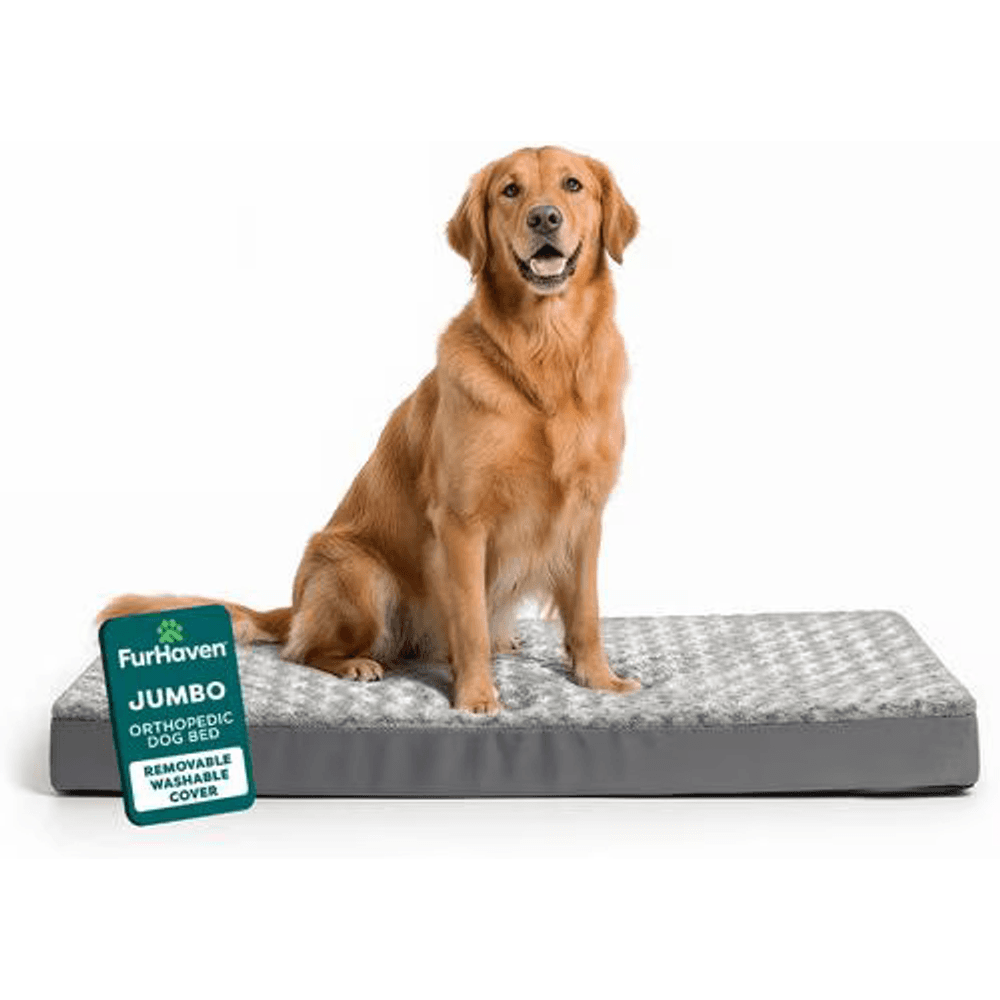
A plush orthopedic foam mattress that cushions aging joints and pressure points, giving a stiff or trembling senior dog warm, supportive rest.
Petful may earn a commission when you click through to Chewy, at no extra cost to you.
| Life Stage | Age Range | Vet Visits | Key Health Focus |
|---|---|---|---|
| Puppy | 0 to 12 months | Every 3-4 weeks (vaccines) | Dermoid sinus screen, parvo prevention, controlled growth |
| Young Adult | 1 to 3 years | Annual | Joint development, weight management, neuter timing |
| Adult | 3 to 7 years | Annual | Bloat awareness, dental care, hypothyroidism screen |
| Senior | 8 to 11 years | Twice yearly | Mobility, cognition, kidney + liver function |
| Geriatric | 12+ years | Quarterly | Cancer screening, mobility support, quality-of-life planning |

 Sponsored
Have a health question about your dog?
Talk to a licensed vet at Dutch over video or message, including nights and weekends.
Use code Pets60
Plans start at $12/month · covers up to 5 pets
- Licensed vets in most states
- Rx for 150+ conditions
- 4.7 on Trustpilot
Major Health Risks Affecting Lifespan
Several conditions disproportionately affect Rhodesian Ridgebacks compared to mixed-breed dogs, and each can shorten lifespan if untreated. Responsible breeders screen for the genetic and structural conditions below before breeding, which is the single most important step in maximizing a future puppy's life expectancy. The conditions are ordered roughly by acute lethality first (bloat can kill in hours) and chronic-effect last (dental disease shortens life through years of low-grade systemic inflammation).
Bloat (Gastric Dilatation-Volvulus, GDV)
Bloat is the most acutely life-threatening condition Rhodesian Ridgebacks face. The deep, narrow chest characteristic of the breed allows the stomach to twist on its own axis when filled with gas, food, or water. Once twisted, blood supply to the stomach is cut off and the dog can die within hours without emergency surgery. Veterinary references including ACVS and Cornell's Riney Canine Health Center identify GDV as one of the leading causes of premature death in deep-chested breeds, making it a high-priority concern for every Ridgeback owner.

Deep-chested breeds face elevated bloat risk for life. A slow-feeder bowl is the most evidence-based bloat-prevention tool available for fast eaters.
Petful may earn a commission when you click through to Chewy, at no extra cost to you.
Prevention is partly genetic (some lines are more susceptible than others) and largely behavioral. Feed two or three smaller meals instead of one large one, avoid vigorous exercise within 60 minutes before or after meals, and use a slow-feeder bowl for fast eaters. Some Ridgeback owners opt for prophylactic gastropexy (a surgical tacking of the stomach to the abdominal wall, often combined with spay or neuter surgery) which dramatically reduces GDV risk; ask your vet whether your dog is a candidate. Emergency signs include distended hard abdomen, unproductive retching, restlessness, drooling, and rapid breathing. Bloat is a true emergency, get to the vet within the hour.
Hip and Elbow Dysplasia
Hip and elbow dysplasia are the most common orthopedic conditions in Rhodesian Ridgebacks. Both are heritable malformations of the joint that progress to arthritis over time, eventually causing pain, lameness, and reduced exercise tolerance. Genetic susceptibility plus rapid growth in puppyhood plus excess body weight in adulthood compound the risk. The Orthopedic Foundation for Animals (OFA) maintains the largest US registry of breed screening; the Ridgeback is mid-pack among large breeds for dysplasia rates. See our size and growth chart for context on how growth rate affects joint development.
Prevention starts before purchase. Buy from a breeder who tests both parents through OFA (hips and elbows). After bringing the puppy home, maintain a lean body condition score (4 or 5 out of 9), feed a large-breed puppy food that controls growth rate, avoid forced exercise on hard surfaces before 18 months, and skip the trampoline. Adult management focuses on weight (every pound over ideal increases joint load), joint supplements (glucosamine and chondroitin or veterinary diets), and physical therapy or hydrotherapy for dogs developing arthritis.
Dermoid Sinus
Dermoid sinus is a congenital neural-tube defect specific to ridged breeds (Rhodesian Ridgebacks, Thai Ridgebacks, Phu Quoc Ridgebacks). It presents as a small, palpable tract or pinhole opening along the spine, typically on the dorsal midline. The condition is genetically linked to the ridge gene itself. Surgical removal in puppyhood is the standard treatment and is curative. Left untreated, an infected dermoid sinus can progress to meningitis. Reputable breeders screen for it within 24 to 48 hours of birth and again at puppy placement.
- A dermoid sinus affects roughly 5 to 9 percent of Rhodesian Ridgeback puppies. If you adopt or buy from a breeder who cannot confirm dermoid sinus screening, have your vet check the spine carefully at the first comprehensive exam. Early surgical removal is curative; missed cases can progress to recurrent infection or meningitis later in life.
Degenerative Myelopathy (DM)
Degenerative myelopathy is a progressive spinal cord disease that affects older Rhodesian Ridgebacks. The dog gradually loses hind-limb coordination and strength, eventually progressing to paralysis. There is no cure. The condition is caused by mutations in the SOD1 gene, and DNA testing of breeding stock has reduced incidence over the past decade. Onset is typically between age 8 and 12. Supportive care (physical therapy, mobility aids, customized cart) can extend quality of life for months to years after diagnosis. Early signs include knuckling of the hind paws, scuffing toenails on walks, and difficulty rising.
Hypothyroidism
Hypothyroidism (low thyroid hormone production) is more common in Rhodesian Ridgebacks than in mixed-breed populations. Onset is usually middle-aged, around 4 to 8 years. Symptoms develop slowly: weight gain without diet change, lethargy, coat thinning or hair loss (especially on the tail base and flanks), recurrent skin infections, cold intolerance. Diagnosis is a blood thyroid panel; treatment is daily oral levothyroxine for life. Once stabilized, most hypothyroid Ridgebacks live a normal lifespan with full energy. Catching it early matters more than treatment difficulty: untreated, hypothyroidism contributes to heart disease, neurological signs, and reproductive issues.
Dental Disease and Longevity
Periodontal disease is the most common chronic condition in adult dogs of any breed, and Rhodesian Ridgebacks are no exception. Untreated dental disease drives chronic inflammation that affects heart, kidney, and liver function over time, shortening lifespan by months to years. Daily tooth brushing is the gold standard; daily dental chews accepted by the Veterinary Oral Health Council (VOHC) are an accessible alternative. Professional cleanings under anesthesia are appropriate every 1 to 2 years for most adult Ridgebacks, more often for dogs with rapid plaque buildup.

VOHC-accepted dental chews for daily plaque control. Note: this size is rated for dogs 25-50 lbs (right for puppies and smaller Ridgebacks); choose Greenies Large for adult Ridgebacks in the 70-85 lb range.
Petful may earn a commission when you click through to Chewy, at no extra cost to you.
- 1Average lifespan: 10 to 12 years (UK study median: 12 years)
- 2Healthy individuals often reach 13 to 15 years; some 16
- 3Females tend to slightly outlive males by 6-12 months
- 4Acute lifespan risks: bloat (hours-to-die emergency), hip dysplasia (mobility loss)
- 5Chronic lifespan risks: dental disease (years of inflammation), hypothyroidism (silent onset)
 Sponsored
Vet care that's always there
Unlimited video calls and messaging with licensed vets for less than a typical vet visit. One membership covers up to five pets.
Use code Pets60
Plans start at $12/month · covers up to 5 pets
- Licensed vets in most states
- Rx for 150+ conditions
- 4.7 on Trustpilot
Longevity Factors You Can Control
Maintaining a lean body condition score (4 to 5 out of 9) through adulthood adds 2 years to the lifespan of large-breed dogs on average, per multi-decade Purina lifetime studies. Overweight Ridgebacks face higher rates of hip arthritis, ligament tears, heart disease, and certain cancers. Feed a quality large-breed adult food, measure portions rather than free-feeding, and treat sparingly. Aim for visible waist when viewed from above and palpable ribs without heavy pressure. If you cannot see a waist or feel ribs through a light press, your dog is overweight regardless of what the scale says.
The breed needs at least two hours of vigorous daily exercise well into adulthood. Maintenance falls off in older dogs but daily activity stays important: it preserves muscle mass that supports aging joints, maintains cardiovascular fitness, and slows cognitive decline. Avoid high-impact exercise (long runs on hard surfaces, repetitive ball-chasing) during growth phases (under 18 months) and after orthopedic injuries. Swimming and trotting on soft trails are low-impact options that scale well across the lifespan.
Annual exams catch developing conditions early when treatment is cheapest and most effective. Senior dogs (age 8+) benefit from twice-yearly exams plus baseline blood work, urinalysis, and blood pressure measurement. Heart auscultation, thyroid panel, and orthopedic exam should be part of every annual visit for adult Ridgebacks. Catching hypothyroidism early adds years of healthy life; catching it late adds chronic health management costs and shortens lifespan.
- Beyond the standard annual exam, schedule: hip and elbow radiographs at 24 months (OFA preliminary at 12 months if breeding is planned); thyroid panel at age 5 and every 2 years after; eye exam by a veterinary ophthalmologist at age 6 and every 2 years; cardiac auscultation annually (echocardiogram only if your vet detects a murmur, your dog has cardiac symptoms, or your line has known cardiac history); senior blood panel plus urinalysis twice yearly from age 8 forward. Asking for these proactively (rather than waiting for the vet to suggest) is the difference between catching disease early and catching it late.
Senior Care Timeline (Age 8 and Up)
Most Rhodesian Ridgebacks shift into senior territory around age 8. Owners often notice subtle changes first: slower to rise in the morning, less inclined to long off-leash runs, more selective about play. Mobility, cognition, and organ function all become focal points for veterinary care. Senior-specific nutrition (joint support, controlled phosphorus and protein for kidney health, slightly lower calories), home environment changes (orthopedic bedding, ramps for car access, non-slip flooring), and twice-yearly vet visits with baseline blood work all extend quality of life.
- Maintains weight steadily on the same food and portions
- Engages in daily walks or play of moderate intensity
- Recognizes household members, knows commands, sleeps normally
- Eats and drinks at usual levels
- Coat stays glossy with no unusual hair loss
- Sudden weight loss or gain without diet change
- Reluctance to climb stairs, jump in car, or rise from rest
- Disorientation, getting stuck in corners, restless at night (sundowning)
- Increased thirst or urination (often the first sign of kidney or diabetes issues)
- Coat changes: dullness, dander, bald patches
Keep vaccination history, screening results, medication logs, and emergency contacts in one place. Critical for senior Rhodesian Ridgebacks managing chronic conditions across multiple vet teams.
Start Your Pet's ProfileTwice-yearly vet visits for senior Ridgebacks include a baseline senior blood panel and urinalysis. Catching elevated kidney values, thyroid drift, or blood pressure changes adds months to years of quality life when caught early. Many breed-typical declines are managed, not cured, so the goal is partnership with your vet across the senior years rather than reactive crisis care.

Senior dogs with cognitive changes can wander further than they did in their prime. An engraved ID tag stays attached without batteries or apps to fail. Keep it on the daily collar at all times.
Petful may earn a commission when you click through to Chewy, at no extra cost to you.
- Get a senior Rhodesian Ridgeback to the vet immediately for: sudden inability to stand or use hind legs (possible degenerative myelopathy or spinal event), distended abdomen with retching (bloat, always an emergency), pale or gray gums (possible internal bleeding or shock), seizures lasting over 2 minutes, vomiting or diarrhea persisting more than 12 hours, or sudden disorientation. Senior dogs decline faster than younger adults when something goes wrong, so the "wait and see" window is shorter.
- 1Lean body condition (4-5/9) adds approximately 2 years to large-breed lifespan
- 2Smaller, slower meals may help with fast eating; talk to your vet about prophylactic gastropexy (the procedure with the strongest evidence for preventing volvulus) if your dog is high-risk
- 3Annual screening shifts to twice yearly at age 8
- 4Catch hypothyroidism and dental disease early to protect long-term organ function
- 5Track baseline blood work from age 6 forward so changes are visible
More Rhodesian Ridgeback Guides
- Pillar guide: Rhodesian Ridgeback Breed Profile
- Behavior: Rhodesian Ridgeback Temperament: The Cat-Like Hound
- Growth: Rhodesian Ridgeback Size Chart: Growth by Age & Weight
- Coat: Rhodesian Ridgeback Colors: All 6 Coat Variations + Ridge
- Puppy care: Rhodesian Ridgeback Puppies: First-Year Owner's Guide
- Cost: Rhodesian Ridgeback Price & Cost of Ownership (2026)
- Family fit: Are Rhodesian Ridgebacks Good Family Dogs?
Owning a Rhodesian Ridgeback is a 10-to-15-year commitment that rewards careful care with one of the most loyal companions in the dog world. Stay on top of breed-specific health risks, keep weight lean, partner with a vet who knows large-breed medicine, and screen proactively from age 5 forward. For the full breed picture, start with our complete Rhodesian Ridgeback breed profile covering size, temperament, lifespan, health, and care.
Rhodesian Ridgebacks live 10 to 12 years on average, with healthy individuals reaching 13 to 15 years and exceptional cases living to 16. A 2024 UK Kennel Club study found a median of 12 years for the breed.
The top causes of premature death in Rhodesian Ridgebacks are bloat (gastric dilatation-volvulus, the most acute risk), cancer (mast cell tumors and hemangiosarcoma are most common), kidney disease in older dogs, and complications of unmanaged hypothyroidism or dental disease. Bloat alone accounts for a substantial share of deaths in deep-chested breeds.
Age 8 marks the beginning of senior status for Rhodesian Ridgebacks. By age 10, most are solidly senior with twice-yearly vet visits, baseline senior blood work, and adjustments to diet and exercise. Age 12 enters geriatric territory. Many Ridgebacks remain active and healthy through age 12 with proactive care.
Keep body condition lean (4-5 out of 9), provide two hours of varied daily exercise, feed quality large-breed food in two smaller meals, brush teeth daily or use VOHC-accepted dental chews, screen proactively for hypothyroidism and joint disease starting at age 5, and shift to twice-yearly vet visits at age 8. Lean weight alone adds approximately 2 years to large-breed lifespan.
Yes. Rhodesian Ridgebacks are deep-chested, which puts them at elevated lifetime risk for gastric dilatation-volvulus (GDV, bloat). Bloat-prevention habits (multiple smaller meals, slow feeders, no exercise around mealtimes) start in puppyhood and stay important throughout life. Bloat kills within hours without emergency surgery.
Prophylactic gastropexy is a surgical tacking of the stomach to the abdominal wall, performed before bloat ever happens. It dramatically reduces (though does not eliminate) GDV risk. Many vets combine it with spay or neuter surgery to use anesthesia time efficiently. Discuss with your vet at the neuter consultation. The procedure is more common in giant breeds but increasingly recommended for high-risk deep-chested breeds including Ridgebacks.

Coreen Saito is a pet writer and longtime shelter volunteer with more than a decade in animal rescue. She covers cat behavior, breed care, and the small, ordinary science of sharing a life with companion animals, with a particular focus on honest takes about the products and decisions that actually matter. At home in Arizona, she's outranked by Mac (a dog with the loudest opinion in the house), Rebel (a cat who governs by quiet authority), and Meri (an orange tabby who runs the late shift and the laundry basket). She writes about all three, plus the rescues that keep coming through her life, at LifeWithMinty.com.
Veterinarian · BVMS, MRCVS
Dr. Pippa Elliott, BVMS, MRCVS, is a veterinarian with nearly 30 years of experience in companion animal practice. Dr. Elliott earned her Bachelor of Veterinary Medicine and Surgery from the University of Glasgow. She was also designated a Member of the Royal College of Veterinary Surgeons. Married with 2 grown-up kids, Dr. Elliott has a naughty Puggle named Poggle, 3 cats and a bearded dragon.
Sign up for expert-backed reviews and safety alerts all in one place.