Rat Terrier: Temperament, Size, Lifespan and Care Guide
Meet the Rat Terrier: a small, athletic companion with a working background. Compare sizes, daily care, family fit, health records, and realistic ownership planning.
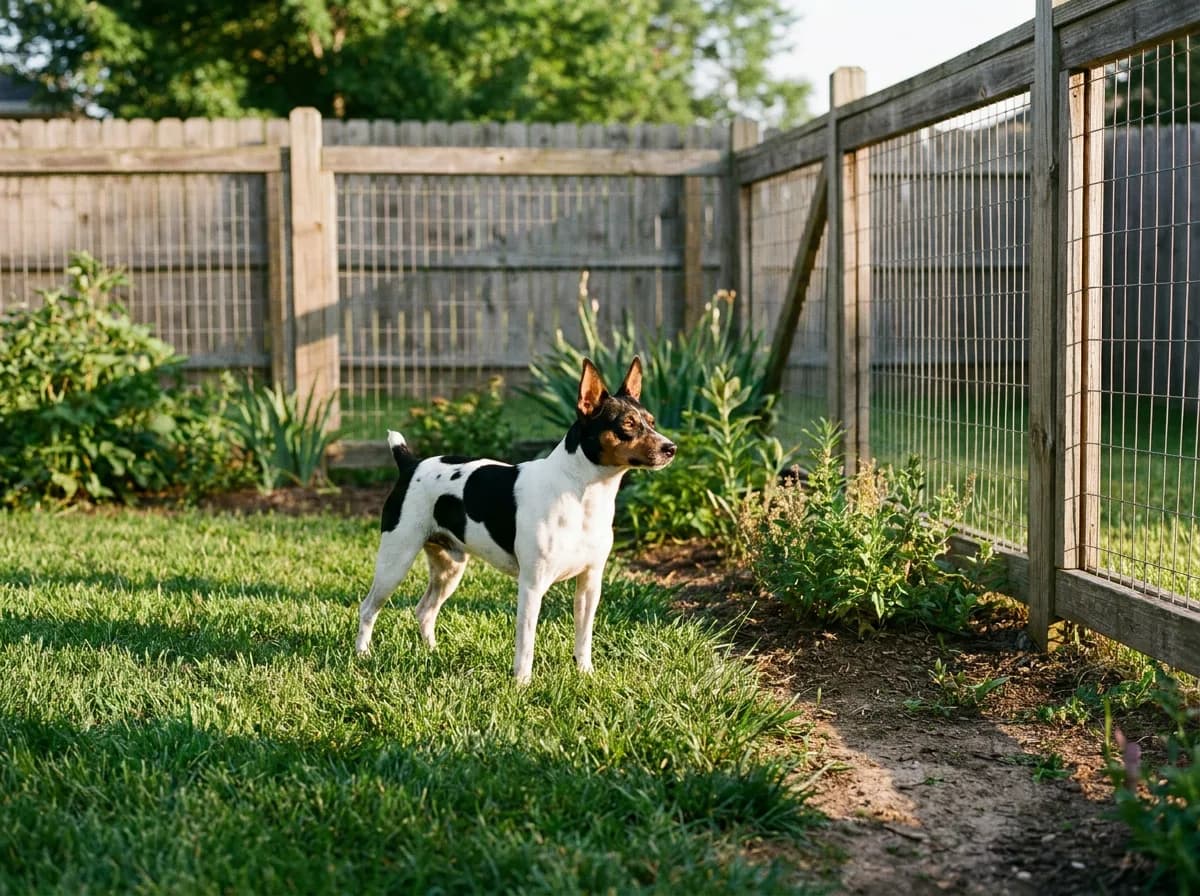
The upright ears and compact outline are visible against the garden fence.
Petful is reader supported. As an affiliate of platforms like Amazon and Chewy, we may earn a commission when you buy through links on this page. There is no extra cost to you.
A Rat Terrier can be a cheerful walking partner, a devoted couch companion, and a determined squirrel watcher within the same afternoon. This small dog suits people who want to do things together and can manage a hunter's curiosity. Before choosing one, look beyond the convenient size to the daily training, secure boundaries, and company the dog will need.

Sign up for expert-backed reviews and safety alerts all in one place.
Rat Terrier at a glance
The Rat Terrier is an American farm ratter developed into a versatile companion. Its two size varieties, Miniature and Standard, share a short, smooth coat, athletic build, and lively, observant personality. The breed can fit a smaller home, but its exercise, digging, and chasing interests require an active plan. A small footprint does not mean a passive pet.
- 1Miniature and Standard are the two AKC size divisions.
- 2AKC lists a lifespan up to 18 years, with a breed range of 12–18 years rather than a guarantee.
- 3Choose this breed for shared activity and companionship, with secure boundaries and thoughtful small-pet management.
Use the AKC breed overview for the headline measurements: 10–25 pounds across the breed and an expected lifespan of 12–18 years. Those broad figures cannot predict an individual puppy's final weight or health. Ask about the parents and assess the adult dog's actual condition and behavior.
If you are still comparing the wider group, our guide to terrier breeds helps place the Rat Terrier among other terriers. A breed description is a starting point for questions, not a substitute for meeting the dog you may bring home.
Rat Terrier size and weight: Miniature vs Standard
Miniature versus Standard refers to shoulder height in the AKC standard. A Miniature stands at least 10 inches and no more than 13 inches; a Standard stands over 13 inches and no more than 18 inches. The official Rat Terrier standard calls for weight proportionate to height. It does not assign separate official weight brackets to the two divisions.

| Label | Height range or status | What it tells an owner |
|---|---|---|
| Miniature | 10–13 inches at the shoulder | One official AKC division; not a low-energy designation |
| Standard | Over 13–18 inches at the shoulder | The other official AKC division; weight should suit the frame |
| Breed weight range | AKC overview: 10–25 pounds overall | Not a feeding target or separate variety cutoff |
| Teddy Roosevelt Terrier | A separately recognized breed | Clarify this name when a listing says short-legged Rat Terrier |
| Decker line | Lineage label outside the two AKC size divisions | Ask for actual adult measurements and family records |
Measure shoulder height on level ground, from the ground to the withers at the top of the shoulder. Do not measure to the head or compare photographs taken from different distances. The Miniature Rat Terrier adult and Standard Rat Terrier adult shown here illustrate relative appearance; the published measurements remain the reference.
For household fit, write down the measurements that affect your day: whether you can lift the dog when necessary, whether the dog can turn comfortably in a carrier, and whether equipment fits its chest and neck. Select equipment from the individual dog's measurements and the manufacturer's chart. An item labeled “small” is not automatically suitable for every small breed.
Short-legged dogs and Decker labels
“Short-legged Rat Terrier” can refer to the related Teddy Roosevelt Terrier, historically called Type B. The American Teddy Roosevelt Terrier Club explains that naming history. The United Kennel Club recognizes the Teddy separately, and the AKC added full recognition in 2026. Ask a breeder or rescue which breed or mix they mean instead of treating every short-legged dog as a third Rat Terrier size division.

Soft chicken-flavor training rewards in a larger bag for frequent practice. Break rewards into appropriate pieces for your dog.
Petful may earn a commission when you click through to Chewy, at no extra cost to you.
The Decker line is another source of confusion. The Decker Hunting Terrier Registry's history describes its development from Rat Terrier stock. “Decker” or “Decker Giant” in an advertisement does not create an additional AKC size division. Request the parents' measurements, registration information, and the breeder's explanation of the lineage rather than relying on a large-size label.
Neither Miniature status nor a Decker label settles prey drive expectations, sociability, or exercise needs. To compare two actual dogs, ask how each behaves around moving animals, settles after activity, and tolerates handling. A foster home's observations can be more useful for a household decision than a size label alone.
Rat Terrier appearance, coat, colors, and grooming
A typical Rat Terrier looks compact and athletic, with a wedge-shaped head and a short, smooth coat. Pied means patches of color combined with white. A tricolor pied coat includes three colors, commonly black, tan, and white; black and white, chocolate and white, and fawn with white are among the appearances owners may encounter. A Standard adult and a Miniature can share the same markings, so compare shoulder measurements rather than using color to guess the size division.

The standard describes short, smooth hair, so a long-haired or wirehaired dog advertised as a Rat Terrier needs a clearer explanation of its background. That difference does not make a dog a less worthwhile companion. It does mean that an internet photo cannot establish a pedigree, and a descriptive rescue label may represent an informed guess about a mixed dog.
What color and tail length can tell you
Be cautious about “rare AKC color” pricing. Ask the seller to explain the color against the actual standard and provide the same health and temperament information required for any puppy. Color alone does not demonstrate responsible breeding, unusual quality, or a better family match.
The standard permits a natural bobtail, a docked tail, or a naturally long tail. A visible tail tells you its present shape and length; a photograph does not reliably reveal whether a short tail was natural or docked. Ask for the dog's records if that history matters to you. Do not use tail length as a home test for breed identity.
A manageable grooming routine
For the smooth coat, begin with gentle brushing using a soft bristle brush or grooming mitt. Work with the coat and use light pressure. Check how your dog responds instead of repeatedly scraping an area to collect more hair. Short hair can still end up on clothes and furniture, especially when shedding increases.
Keep a few tasks together so they are easier to remember:
- Brush out loose hair and check the skin while the dog is relaxed.
- Check nails and arrange careful trimming before they interfere with comfortable movement.
- Look at the ears without pushing tools into the ear canal.
- Clean away ordinary dirt, then dry wet areas and check between the toes.
For a quick paw or coat cleanup after an outing, Earth Rated unscented grooming wipes are an optional convenience. Use them as directed, keep them away from eyes and sensitive areas, and stop if irritation develops. Persistent itch, odor, redness, or a sore patch calls for an assessment rather than more wiping.
Rat Terrier temperament and personality
Rat Terriers are observant, busy companions who often notice movement and sounds before their people do. Expect interest in investigating the environment, joining household activity, and learning which behaviors bring attention. Intelligence can help training, but it can also help a dog discover an unsecured gate or the easiest route to the kitchen counter.
Do Rat Terriers bark a lot?
A Rat Terrier can be an alert barker, especially when it regularly watches passersby, hears activity outside, or becomes frustrated. Some are more vocal than others, and the breed label cannot promise a quiet dog. Boredom barking needs a different plan from barking caused by fear, an approaching person, or distress during an absence.
Start by recording what happens immediately before the noise. Close access to the window if passing dogs trigger repeated barking. Reward a quiet turn toward you before the dog becomes overwhelmed, and offer an activity away from that lookout. If the trigger is unavoidable, increase distance and practice at an easier level rather than demanding silence in the hardest setting.
Howling is possible too, but a particular sound does not diagnose its cause. A dog that vocalizes during absences needs observation of the whole pattern: can it rest, eat, and move normally, or does it pace and repeatedly try to escape? Our related WebVet guide to dog body language helps readers look at posture and context alongside vocalization.
Alone time and introductions
There is no universal four-hour, six-hour, or full-workday allowance for this breed. Age, toilet needs, health, previous experience, and the individual's comfort matter. Begin with short, manageable absences and observe the response. Arrange a caregiver when the required absence exceeds what the dog can currently handle.

Petful may earn a commission when you click through to Chewy, at no extra cost to you.
With other dogs, use gradual introductions and allow room to move away. Separate food, chews, and valued resting places at first. A dog that enjoys a familiar companion may still find a crowded dog park difficult. “Good with dogs” should describe actual situations the dog has handled, not promise compatibility with every dog it meets.
Aggression is not an inevitable Rat Terrier trait, and friendliness is not guaranteed either. If the dog freezes, growls, guards a resource, or repeatedly reacts to people or animals, change the setup and seek qualified help. Pain and fear deserve consideration. Punishing warnings can leave the underlying problem unresolved.
Are Rat Terriers good family dogs?
Rat Terriers can be affectionate family dogs in homes that provide activity, clear routines, and respectful handling. Many Rat Terriers like to cuddle with familiar people, while others prefer resting nearby without being held. Let the dog approach and leave freely. A willingness to curl up beside an adult does not mean it will welcome being held tightly by a child.
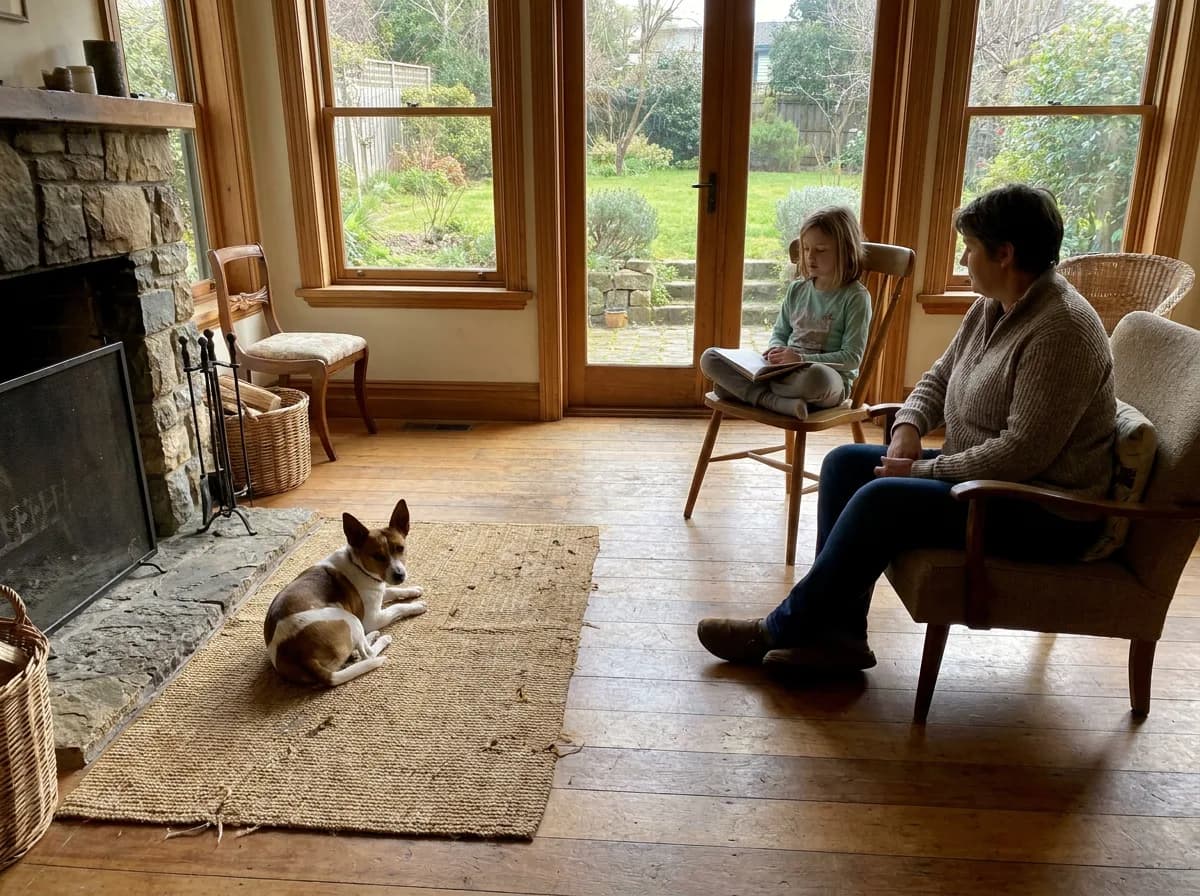
Set up the room before relying on instructions alone. Give the dog a bed or resting area that children do not enter. Keep an adult actively supervising interactions, and separate dog and child when that attention is unavailable. Teach children to invite contact, pause, and see whether the dog chooses to stay rather than following it when it moves away.
Useful child-friendly jobs happen beside an adult: preparing the leash, placing an empty water bowl for refilling, or helping put toys away while the dog rests elsewhere. Children should not remove chews, disturb meals, climb over a resting dog, or take responsibility for controlling a dog that might chase something.
Cats, small pets, and a hunting background
- A Rat Terrier's prey drive can put small pets at risk. Use secure physical separation for rodents, rabbits, and birds; supervised introductions do not prove that unsupervised access will be safe.
A Rat Terrier may live successfully with a familiar cat, but the cat needs escape routes and places the dog cannot reach. Begin with separation and controlled exposure. Watch for fixation, stalking, or chasing, and make the setup easier immediately. A history of peaceful cohabitation with one cat is useful evidence, but it does not guarantee the same response to a new cat or outdoor wildlife.
For homes with rabbits, pet rats, hamsters, or birds, ask whether secure long-term separation is realistic. A cage in an accessible room can still allow frightening or dangerous contact through bars. Closed doors and a household routine everyone follows are more dependable than assuming the dog will understand that this particular small animal is a family member.
What to ask a foster home
Ask for concrete examples: how the dog behaves when children run past, whether it can rest behind a gate, and what happened during introductions with resident pets. “Sweet” and “good with kids” are too broad to answer those questions. Note the ages of children involved and the supervision used.
If your household is noisy or schedules vary, describe that honestly before adopting. An adult dog with well-documented preferences may offer a clearer match than a puppy whose adult response is still developing. Keep a quiet retreat available during visitors and family gatherings, even after the dog has settled in.
Exercise, training, and energy
Plan daily opportunities for walking, sniffing, play, and learning. Use the dog's age, fitness, health, and recovery as your guide rather than chasing a universal minute count. A Rat Terrier does not need to be exhausted to deserve rest, and repeated high-arousal games are not the only way to meet an active dog's needs.
An example day might pair a morning sniffing walk with a brief training session, a midday outing or caregiver visit, and an evening walk plus a quiet food-search game. This is a menu to adapt, not a prescription. A puppy, a fit adult, and a senior with joint discomfort need different versions.

Train for the moment something moves
Practice recall inside a secure enclosure first. Say the cue once when the dog is likely to respond, reward its arrival, and sometimes release it back to sniffing. Add distractions gradually. A reliable response in a living room does not prove reliability when a squirrel runs across an unfenced field.
Use physical boundaries to support training. Walk on a leash in open areas, inspect fences at ground level, and check gates before letting the dog out. A digger may find a gap that was not there yesterday. Do not use a claimed Rat Terrier running speed as a safety calculation; you only need to know that a chasing dog can quickly get beyond reach.
For food-motivated practice, Pet Botanics chicken training rewards can be broken into pieces appropriate for the dog. Check ingredients if your dog has a food restriction, supervise eating, and include rewards in the daily food plan. Part of the regular meal can also serve as rewards.
Teach useful household skills
The American Veterinary Society of Animal Behavior recommends reward-based training. Start with skills you will actually use: turning toward you, waiting while a door opens, resting on a mat, and exchanging an object for something worthwhile. Keep sessions short enough that both you and the dog can succeed.

Collapsible silicone travel bowl with a carabiner that clips to a leash or bag, so your dog always has fresh water on walks, hikes, and car trips.
Petful may earn a commission when you click through to Chewy, at no extra cost to you.
For loose-leash walking, reward a position near you before the leash tightens. Stop and simplify the situation when distractions become too difficult. Equipment can help you manage the dog, but no harness supplies the lesson by itself. Our small-dog harness guide covers fitting considerations to weigh alongside practice.
Provide permitted outlets for investigation. Scatter part of a meal in a safe, contained search area or hide a toy where the dog can find it without dismantling furniture. Supervise new games and put away anything being shredded or swallowed. Change one difficulty at a time so “enrichment” does not become a frustrating puzzle.
Rat Terrier health and lifespan
The breed's 12–18-year lifespan range is a planning horizon, not a forecast for an individual. Preventive care, body condition, inherited risk, and illnesses acquired over time all matter. Do not choose a puppy on a promise that it will reach the upper end of a breed range.
The AKC identifies concerns including hip dysplasia, patellar luxation, Legg-Calve-Perthes disease, and cardiac and eye disorders. Its breed-club testing list calls for patella and hip evaluations, a cardiac exam, and a primary lens luxation DNA test. These breeding-screen recommendations help frame questions about the parents.
- Request a patellar luxation screen or patella evaluation, hip evaluation, cardiac exam, and primary lens luxation DNA result for breeding dogs. Check the dog identity and result. A routine puppy exam and a general DNA ancestry report are different documents.
Read a health record carefully
The Rat Terrier Club of America's sourcing guidance encourages buyers to check health testing and records available through OFA. Ask for the registered names or identifiers of both parents, then compare them with the reports. An assurance that “the vet said they were healthy” does not tell you which screening tests were performed.
A genetic result concerns the tested variant; it is not a certificate that a dog can never develop an eye problem or another disease. Likewise, one normal screening result does not eliminate every future orthopedic or cardiac risk. Ask your veterinarian to help interpret unfamiliar results and explain what the records mean for the particular puppy.
For an adopted dog without parental records, start from the information you have: the shelter examination, medical history, current signs, and your veterinarian's assessment. Missing ancestry paperwork does not automatically make adoption a poor choice. It does make an individual care plan and an honest budget especially useful.
Notice changes without diagnosing at home
Record changes in gait, willingness to jump, appetite, thirst, activity, or behavior and share them with your veterinarian. A repeated limp should not be dismissed as a terrier quirk. Sudden eye pain, severe weakness, or trouble breathing warrants prompt veterinary contact rather than waiting for the next routine appointment.
There is no reliable breed-wide cause-of-death ranking established by the sources used here. It would be misleading to say Rat Terriers mainly die of cancer, heart disease, or simply “old age” without a suitable mortality study. For your own dog, ask about age-appropriate monitoring and what changes should trigger a visit.
Plan for the older dog, too
A long-lived companion may share your home through changes in your work, housing, and family. Keep medical records together and update caregiver instructions as needs change. A dog that once managed stairs or a long outing easily may eventually need a different route, shorter sessions, or help getting into a vehicle.
Watch the individual instead of measuring success against its younger self. Note which activities it still enjoys and what has become difficult, then bring those observations to routine appointments. Planning for later years includes time and practical help as well as money; a small dog's transport and supervision needs still deserve a reliable arrangement.
Make dental care part of the routine
The AVMA's dental-care guidance supports regular oral care and veterinary assessment. Introduce brushing gradually, using dog toothpaste and a brush your dog can comfortably accept. Do not force open a painful mouth or treat persistent bad breath as merely a cosmetic problem.
The small end of a Virbac C.E.T. dual-ended toothbrush is one option for a small mouth. Start with a brief, comfortable interaction and build toward the routine your veterinarian recommends. A brush is a care tool; it does not replace an examination or professional treatment when needed.
Feeding a Rat Terrier
The best dog food for a Rat Terrier is one that provides complete and balanced nutrition for that dog's life stage and fits its individual needs. An active breed name does not automatically call for a high-calorie performance diet. A puppy, a working adult, and a less active senior may need quite different portions and formulations.

A dual-ended toothbrush with a large and a small head to fit different mouth sizes and reach the back molars where plaque hides. Soft bristles angled for the gumline.
Petful may earn a commission when you click through to Chewy, at no extra cost to you.
AAFCO explains how to use the nutritional adequacy statement and life-stage information. Read those details rather than choosing by a front-of-bag claim. Feeding directions are a starting point that may need adjustment for the individual dog's activity and condition.
Measure what actually goes into the dog
Use a consistent measure or a kitchen scale for the food, and note the calorie information on the package. Keep track of extras from everyone in the house, including training rewards, chews, and table food. A small dog can receive a substantial amount of extra food through many apparently tiny handouts.
Make one person responsible for recording meals, even when several people help feed. A written note or simple daily checklist prevents the well-meaning second breakfast. If weight or appetite changes unexpectedly, discuss the change with your veterinarian instead of repeatedly switching brands without a plan.
When bringing a dog home, obtain its current food name and feeding schedule. Keep familiar supplies available and ask for guidance on any transition. This reduces the number of simultaneous changes while you learn the dog's normal appetite and routine. A fresh bowl of water should remain easy to access.
Water away from home
Carry drinking water on outings instead of assuming there will be a working public fountain. The Frisco small collapsible travel bowl packs down between stops and gives you a place to offer that water. Its 1.5-cup capacity describes the bowl, not a recommended daily water allowance; refill it as needed and wash it after use.
For a longer trip, carry more than one small bowlful of water and plan sensible breaks. Check the route for shade and places to stop before leaving. A portable bowl is most useful when it is part of a prepared outing, with water available to put in it.
How much does a Rat Terrier cost?
Rat Terrier acquisition prices vary with the individual dog, breeder or rescue, location, and what is included. The research behind this guide does not establish a verified national puppy price range or average. Obtain written quotes and compare included veterinary care, identification, records, and contract terms before treating two advertised prices as equivalent.
The purchase or adoption fee is only the first line of the budget. Ask separately about startup equipment, routine care, training, daily help, and emergencies. A small dog may use less food than a giant breed while still needing professional services that are not priced in proportion to body size.
An illustrative ownership worksheet
The example below is a planning model using invented inputs, not surveyed prices, typical Rat Terrier costs, or a minimum care budget. Replace every amount with your own quotes. Its purpose is to show where costs go and how first-year cost differs from annual ownership cost.
| Category | Hypothetical input | Calculation |
|---|---|---|
| Acquisition | $600 once | Placeholder only; use the actual adoption or breeder quote |
| Startup equipment | $300 once | Bed, gate, walking gear, bowls, and basic supplies |
| Food and routine consumables | $45 per month | $540 per year |
| Planned veterinary care | $600 per year | Placeholder for locally quoted services |
| Training or professional help | $240 per year | Replace with the support your household needs |
| Illustrative annual cost | $1,380 | $540 plus $600 plus $240 |
| Illustrative first-year cost | $2,280 | $1,380 plus $600 acquisition plus $300 setup |
This model excludes insurance premiums, emergency treatment, major dental work, boarding, paid daily walks, travel, and substantial fencing changes. Those exclusions can materially change the total. A $2,280 example is not a claim that the first year will cost that amount or that the listed veterinary allowance will cover every recommended service.
If a hypothetical caregiver charges $20 per visit and you need three visits each week, that alone adds $60 weekly, or $3,120 over 52 weeks. This second example is also arithmetic using assumed inputs. It shows why your work schedule can affect the budget more than small differences in the price of food.
Replace assumptions with evidence
Request local quotes for the services you expect to use. Ask which examinations, vaccines, parasite prevention, and procedures are included in any clinic package, and which require an additional fee. Keep breeding health screening line items separate from your puppy's routine visits: the parents' test records should come from the breeder, while your veterinarian plans your own dog's care.
For insurance, compare coverage and exclusions alongside premiums. Our guide to pet insurance cost by dog breed provides a starting point for the comparison. Record the deductible, reimbursement percentage, limits, and any care you must fund outside the policy.
Keep an accessible contingency plan even if you buy insurance. Find out how claims are paid and whether you must pay the clinic before reimbursement. Discuss this before an urgent situation, and include transport and a person who can help care for the dog if you are unavailable.
Rat Terrier puppies, adoption, and rescue
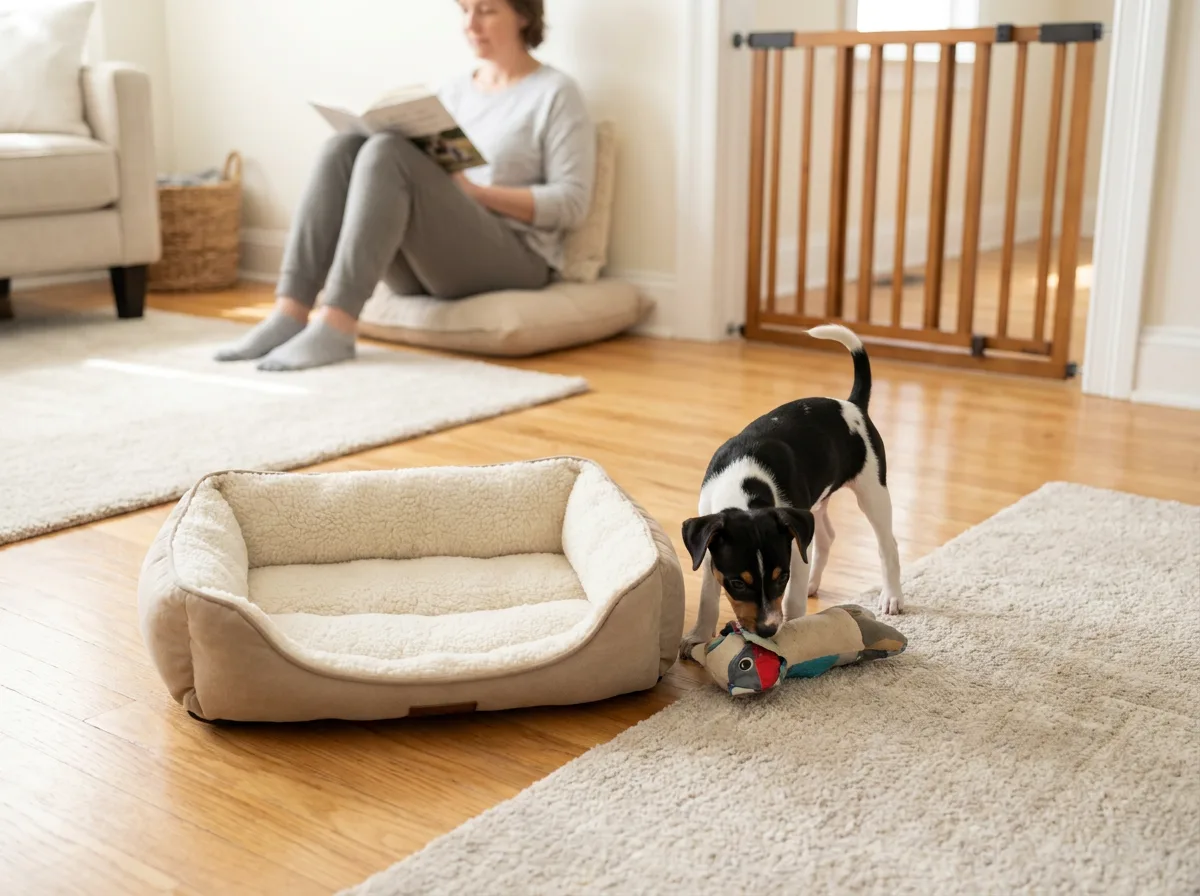
Consider breeders and rescue options together when planning responsible puppy sourcing. A charming photograph does not establish good breeding practices, and an adult rescue dog's age does not tell you how easily it will fit your home. Begin with the daily life you can offer, then ask which source can provide reliable health records and observed behavior for a dog likely to fit it.
For a breeder, request health-screening records, a clear explanation of the parents' temperaments, and information about how puppies are raised. Ask what ordinary household sounds, surfaces, handling, and people they have encountered. The Rat Terrier Club of America's buyer guidance is a useful framework for evaluating the source and its documentation.
Questions worth asking before a deposit
- Which adult dogs are the parents, and can I match their identities to their screening records?
- What has this puppy or adult dog experienced around children, dogs, cats, and time alone?
- What food, toilet routine, and sleeping arrangement is familiar to the dog?
- Which veterinary care and documents come with the adoption or purchase?
- What support and return process apply if the placement does not work?
Read the contract before money changes hands. Clarify who is responsible for transport, examinations after arrival, and any promised follow-up. Pressure to pay immediately or an unwillingness to explain records should make you slow down. Registration paperwork and a polished website are pieces of information, not complete quality checks.
For a rescue, ask what was observed in a foster home versus a kennel environment and how long the dog has been assessed. A shelter may not know the dog's ancestry or full history. Honest gaps are more useful than confident guesses. Discuss a meet-and-greet plan with resident pets and any trial or support arrangements the organization offers.
Prepare for the first days
Set up a quiet resting area, secure doors and gates, and remove objects the dog might swallow. Plan toilet outings around waking, meals, play, and the dog's individual needs. Choose a safe sleeping arrangement that allows you to respond to a puppy or unsettled new dog without turning the first night into a test of endurance.
Keep introductions manageable. A new dog does not need to greet every neighbor, visit a crowded pet store, and attend a family party immediately. Offer positive experiences at a level it can handle, and coordinate puppy socialization with your veterinarian's advice about local infection risks. Observe whether the dog can eat, explore, and relax before adding another demand.
Create one simple handover note for everyone who helps: feeding amounts, toilet schedule, medications if prescribed, doors that must remain secured, and whom to contact with concerns. Clear instructions are especially valuable when a dog is still learning its surroundings and each caregiver has a different routine.
Rat Terrier vs Jack Russell: the separate comparison
Rat Terriers and Jack Russell Terriers are different dogs with different breed backgrounds, even when their size and markings look similar. For the detailed choice, including size, energy, trainability, and household fit, use our Rat Terrier vs Jack Russell comparison. If a listing specifically says Russell Terrier, our Russell Terrier profile helps clarify that name before you compare dogs.
Rat Terrier vs Fox Terrier and Feist
“Fox Terrier” also needs clarification. The American Fox Terrier Club maintains standards for Smooth Fox Terriers and Wire Fox Terriers as separate breeds. Neither is simply a Rat Terrier with a different haircut. A Rat Terrier has a smooth coat; a Wire Fox Terrier's grooming needs are therefore a meaningful difference to investigate.
Do not choose between them solely by a general description such as energetic or clever. Ask how the actual dog reacts to moving animals, settles indoors, and copes with unfamiliar dogs. Compare the time and grooming support you can provide, then meet suitable individuals. Shared terrier traits do not produce identical household behavior.
What does Feist mean in a listing?
Feist can be used broadly for small hunting dogs, while named breeds have their own standards. The UKC Mountain Feist standard describes a small, active treeing dog developed for hunting. A listing that says “Feist” should therefore prompt a question about the exact breed, mix, or descriptive label being used.
The useful comparison is the dog's documented background and current behavior, not whether an ear shape looks more like one internet photo than another. Ask about hunting experience, response to wildlife, containment, and familiarity with indoor routines. A dog selected for work may need a thoughtful transition into your particular companion home.
For hairless-dog searches, use our American Hairless Terrier profile. That related breed has its own identity and care considerations; it is not a routine coat-color option within this smooth-coated Rat Terrier guide.
Rat Terrier history: from farm ratter to family dog
The modern Rat Terrier is an American breed shaped for practical farm work, including controlling vermin and pursuing small game. Its history includes contributions from several terrier and other hunting breeds. Rather than a single tidy recipe, that background reflects breeders selecting useful working traits for different needs.
The UKC breed history places the breed in that working context. The AKC lists full recognition in 2013. Those dates describe registry recognition, not the moment the working dogs first existed.
The history matters most when it helps explain the dog beside you. Alertness, persistence, and interest in small animals are understandable qualities in a former farm worker. Give them safe outlets and realistic boundaries in a modern home. They are reasons to plan for training and containment, rather than reasons to encourage a companion dog to pursue wildlife.
Is a Rat Terrier right for you?
The main drawbacks are prey drive risk, a possible barking tendency, digging, and the attention required to raise or manage an energetic dog. A Rat Terrier is a promising match if you enjoy everyday training, want a portable activity partner, and can provide company and safe boundaries. It is a less comfortable match if your plan depends on long unattended days or automatic peace around small pets.
Before deciding, test your plan against an ordinary weekday rather than a vacation weekend. Who handles the morning outing when you leave early? What happens when the dog notices wildlife at a doorway? Where does it rest during children's play? Who provides care if an absence runs longer than expected?
A practical fit check
- Choose an individual whose size you can manage, including lifting or transport when needed.
- Confirm that every resident pet can have safe, separate space.
- Budget time for exercise and learning, plus help when your schedule cannot provide it.
- Be prepared to manage barking triggers and digging opportunities.
- Choose the source that answers specific questions and shares useful records.
If several answers depend on the dog being unusually quiet, unusually tolerant, or unusually independent, reconsider the match. If the everyday routine sounds enjoyable and manageable, meet suitable Rat Terriers with those questions in hand. The best fit is the dog whose needs your household can meet consistently.
Rat Terrier FAQs
For allergy decisions, the American Academy of Allergy, Asthma & Immunology explains why coat length alone cannot determine whether a pet will trigger symptoms.
No breed can promise freedom from pet allergens. A Rat Terrier's short coat does not make it an allergy-safe choice. If someone in the home has symptoms, consult an allergist about that person's risks and management before committing to a dog.
Introduce handling in brief sessions paired with something the dog enjoys, and stop before distress. Begin with the easiest comfortable step instead of holding the dog still to finish the task. New sensitivity or apparent pain warrants veterinary advice; a qualified reward-based trainer can help with cooperative handling.

Kristine Lacoste has been researching dog and cat breeds for nearly a decade and has observed the animals up close at dog shows in both the United States and the United Kingdom. She is the author of the book One Unforgettable Journey, which was named as a finalist for a Maxwell Award from the Dog Writers Association of America, and was host of a weekly pet news segment on the National K-9 Academy Radio Show. In addition, she was the New Orleans coordinator for Dogs on Deployment, a nonprofit that helps military members and their pets, for 3 years. Kristine has researched and written about pet behaviors and care for many years. She holds a bachelor’s degree in psychology, another bachelor’s degree in English and a Master of Business Administration degree.
Sign up for expert-backed reviews and safety alerts all in one place.