Best Running Dogs: 20 Breeds Built for Joggers
The best running dogs combine stamina, an athletic build, and a cooling coat. Here are 20 breeds ranked by running distance, from distance elites like the GSP to sprinters like the Greyhound, plus how to start safely.
Petful is reader supported. As an affiliate of platforms like Amazon and Chewy, we may earn a commission when you buy through links on this page. There is no extra cost to you.
The best running dogs share a short list of traits: an athletic, medium build, a weather-tolerant coat, real stamina, and a temperament that stays focused on the trail instead of every squirrel. Pick a breed whose natural pace matches your own and running together becomes the highlight of both your days. Pick the wrong one and you end up dragging a bored, overheated, or under-conditioned dog around the block.
This guide ranks 20 breeds that consistently make excellent jogging and distance partners, sorted by the kind of running they are built for. We also cover the parts most breed lists skip: how far each dog can actually go, how to condition a new running buddy, the gear that prevents injuries, and when running is a bad idea for your dog's age or the weather. Every recommendation is about running fit, not general popularity or how clever a breed is.
- 1Match the dog to your pace and distance, not just the breed's reputation
- 2Medium-build sporting and working breeds dominate the best running dogs list for a reason: endurance plus a cooling-friendly coat
- 3No dog should start a running program before its growth plates close and a vet clears it

Sign up for expert-backed reviews and safety alerts all in one place.
What Makes a Great Running Dog
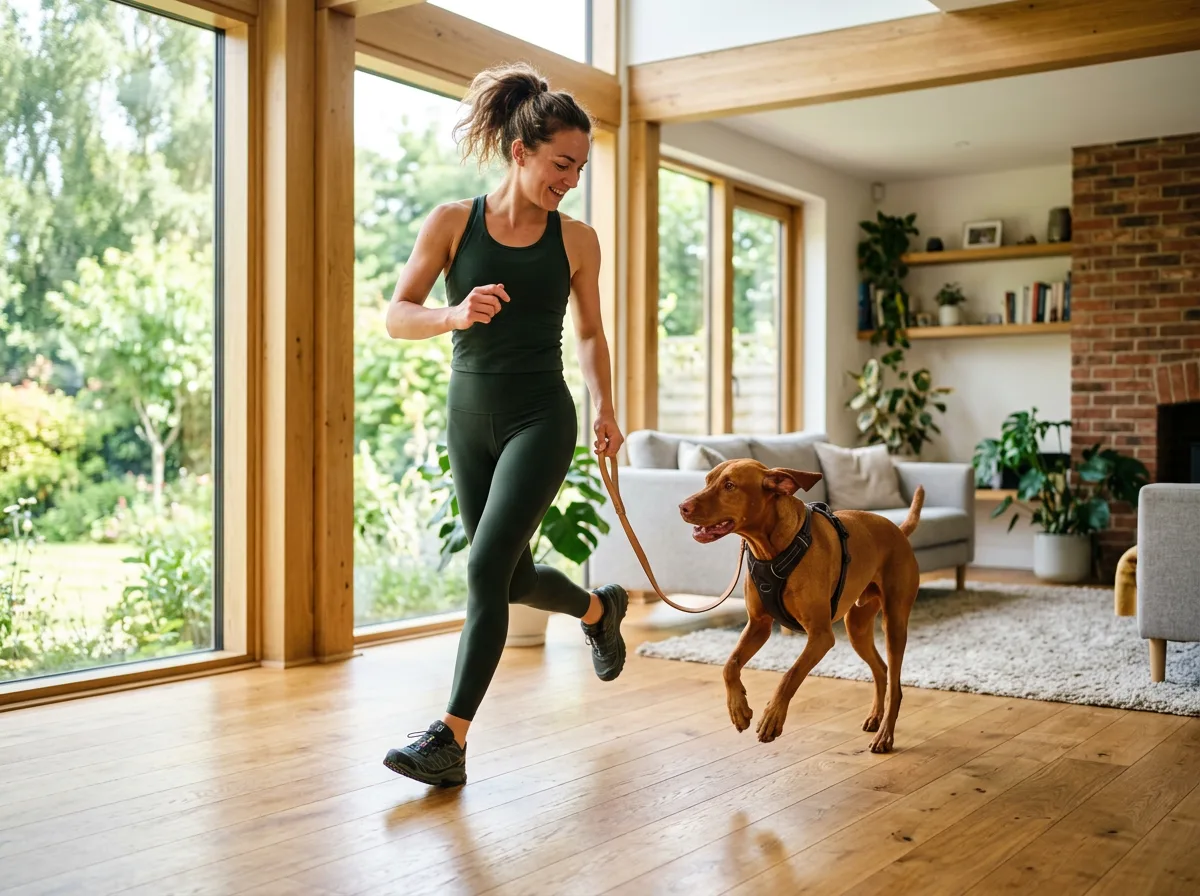
Before the breed list, it helps to know what you are actually looking for. Running suitability comes down to five things.

Petful may earn a commission when you click through to Chewy, at no extra cost to you.
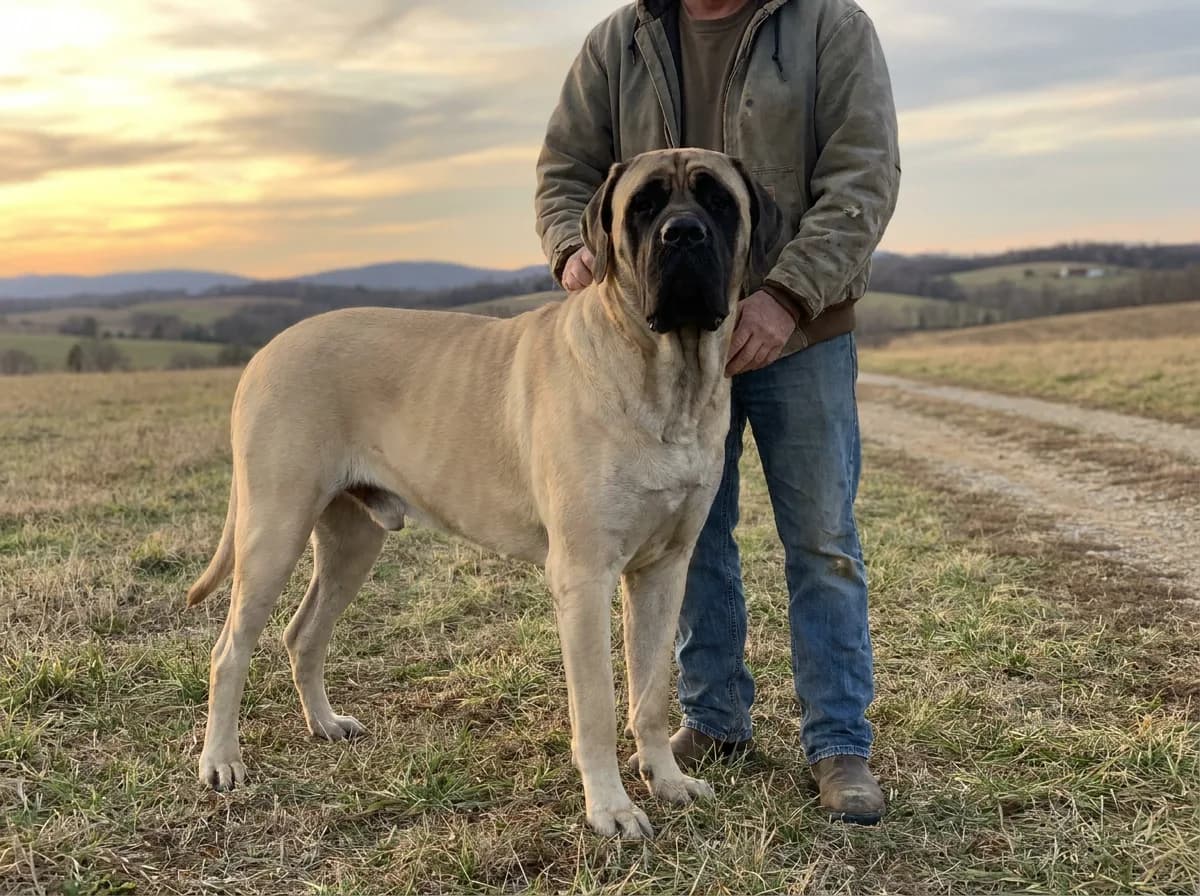
- Build and size. Medium dogs, roughly 30 to 70 pounds, tend to be the sweet spot. They are big enough to keep a steady adult pace and light enough that the repeated impact does not wreck their joints. Very large or very heavy breeds tire and overheat faster on long runs.
- Coat and heat tolerance. A short to medium coat sheds heat well. Thick double coats (huskies, malamutes) are superb in the cold and miserable in summer. Flat-faced breeds like Bulldogs and Pugs are poor running dogs at any distance because they cannot cool themselves efficiently.
- Energy and drive. You want a dog that genuinely wants to move. High-energy sporting, herding, and hound breeds have working stamina baked in over generations.
- Trainability and focus. A dog that heels, ignores distractions, and responds off leash is safer and more pleasant to run with than one that zigzags or lunges.
- Distance temperament. Some breeds are sprinters that love a fast mile then a nap. Others are true distance dogs that can log 10-plus miles at a trot. Knowing which you have prevents both boredom and burnout.
- A Greyhound and a German Shorthaired Pointer are both superb running dogs, but they are not interchangeable. The Greyhound wants short, explosive efforts and is done. The Pointer wants to keep going for an hour. Buy or adopt for the running you actually do.
The Best Running Dogs for Long Distances
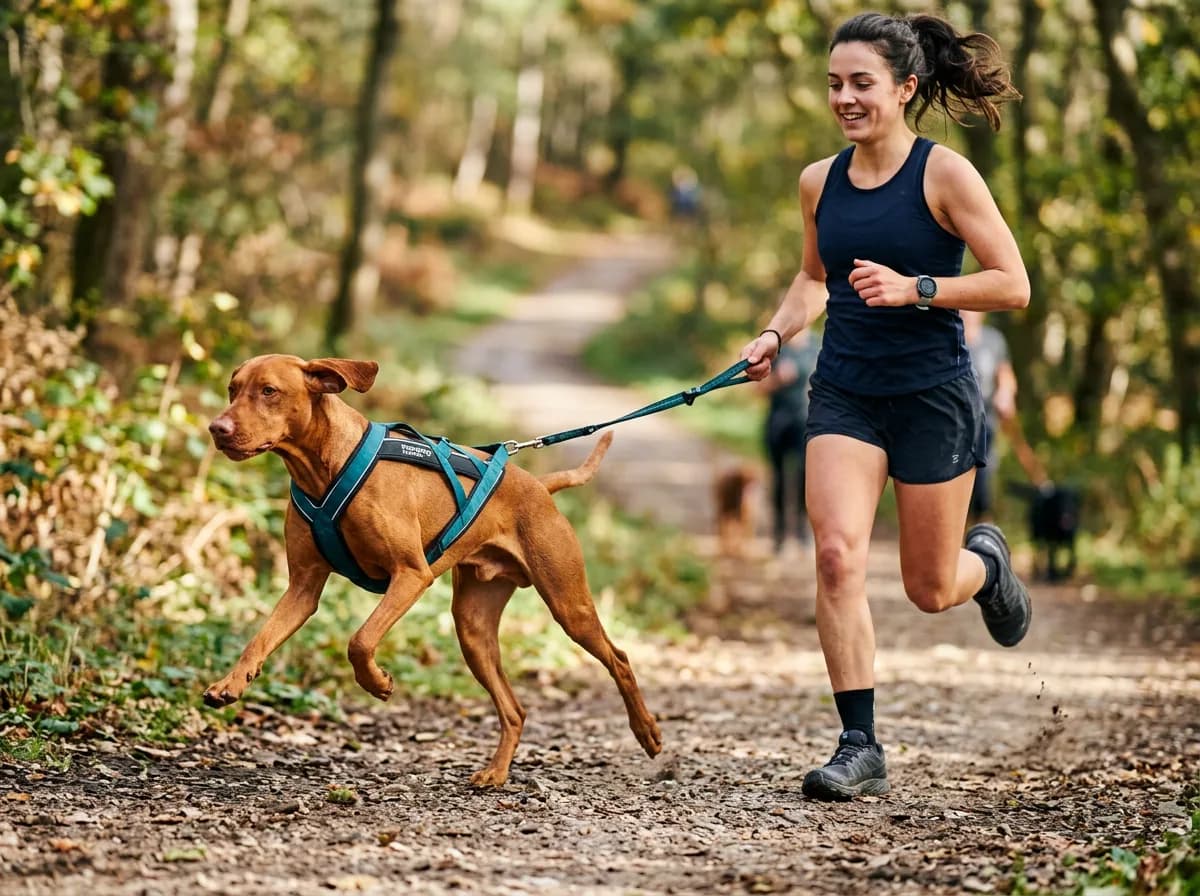
If your idea of a good run is 6, 10, or 15-plus miles at a steady pace, these breeds are the elite endurance athletes of the dog world. They were bred to work in the field all day, and they treat a long run as a warm-up.
German Shorthaired Pointer
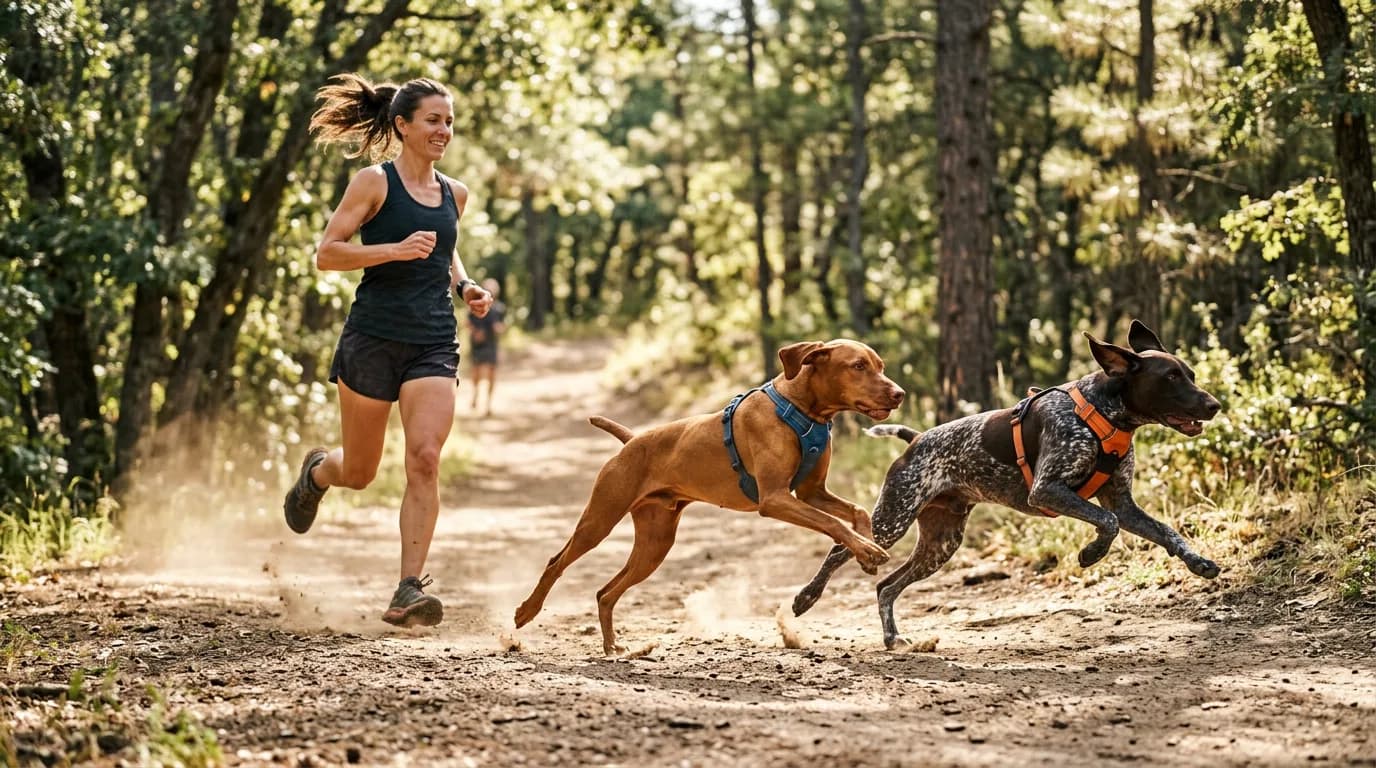
The German Shorthaired Pointer, or GSP, is widely considered the single best running dog for serious mileage. Bred as an all-day hunting companion, the GSP has near-bottomless endurance, a lean muscular frame, and a short coat that sheds heat well. They thrive on daily runs and, without one, can turn that energy into household chaos. If you want one dog that can match a marathoner's training week, this is the breed.
Vizsla
Often called the "ultimate running machine," the Vizsla is a Hungarian pointer built for speed and stamina in one athletic package. Vizslas form intense bonds with their people, which makes them eager, focused running partners who want to stay right at your side. Their short russet coat handles moderate heat, though they feel the cold more than most and appreciate a jacket on frosty mornings.
Weimaraner
Nicknamed the "gray ghost," the Weimaraner is a larger, well-muscled sporting breed built for sustained, steady speed rather than short bursts. They excel at long, rhythmic runs and need the outlet: an under-exercised Weimaraner is famously destructive. Their size means you should be extra careful about conditioning joints gradually and avoiding hard pavement in the heat.
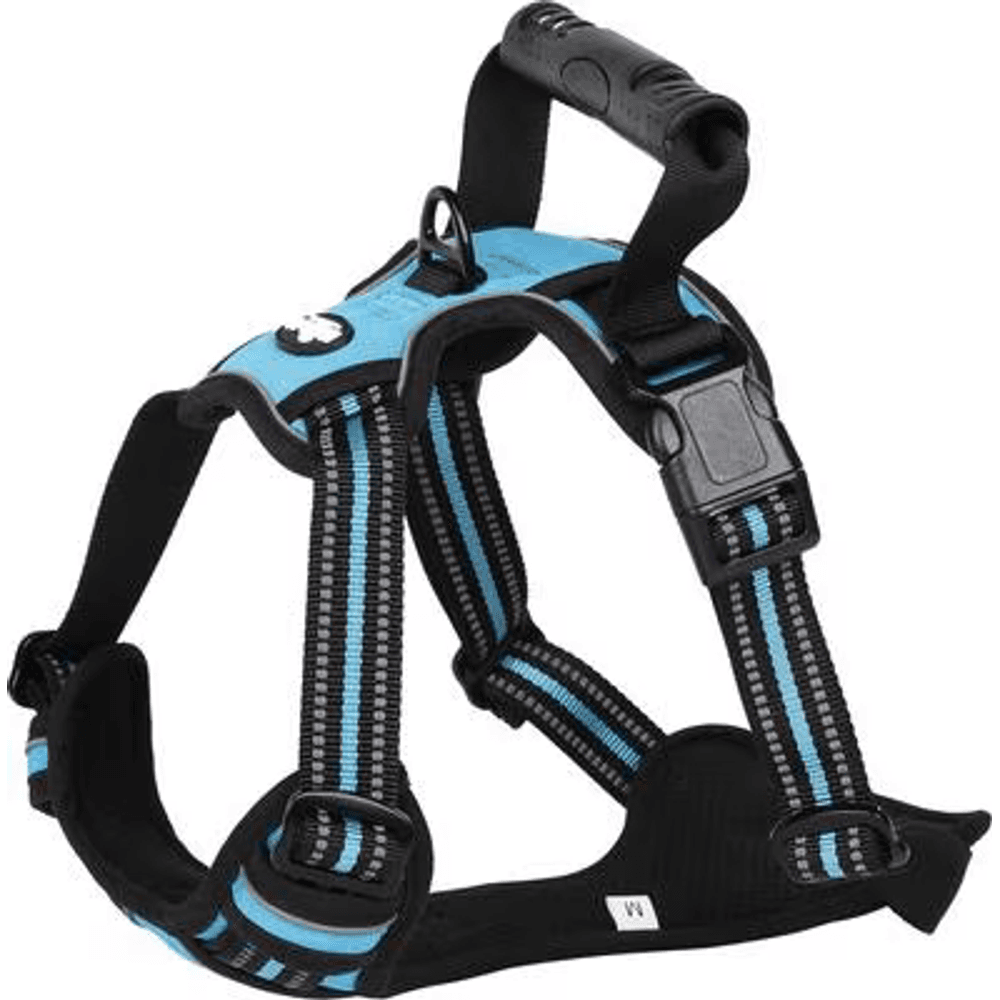
A padded, reflective no-pull harness that spreads leash pressure across the chest instead of the throat, the switch most vets recommend for a dog with a cough, a collapsing trachea, or any airway irritation so the leash never presses on
Petful may earn a commission when you click through to Chewy, at no extra cost to you.
Rhodesian Ridgeback
Bred to trail lions across the African plains, the Rhodesian Ridgeback is one of the best running dogs for warm climates specifically. They have massive endurance, an efficient stride, and a short coat that tolerates heat better than almost any other large breed. They are independent and protective, so early recall and leash training pay off. Petful's guide to Rhodesian Ridgeback colors is a good primer if you are weighing the breed.
Dalmatian
The Dalmatian was literally bred to run for miles alongside carriages, and it shows. These dogs have exceptional cardiovascular endurance and love a long, steady effort. They need a lot of it: a bored Dalmatian is a handful. Their short coat suits warm weather, but they can be prone to certain hereditary issues, so a vet check before a heavy training load matters.
Belgian Malinois
The Malinois is the high-octane working dog behind many police and military K9 units, and that translates directly to running. Tireless, fast, and intensely focused, a Malinois will happily run as far as you can and then ask for more. This is a serious commitment: they need both the physical work and mental engagement, so they suit experienced, active owners.
- Even a natural distance breed needs conditioning. Start with a run-walk mix, add no more than about 10 percent to your weekly distance, and give paw pads a few weeks to toughen on your running surface. Endurance is trainable, but only gradually.
The Best Running Dogs for Shorter Jogs
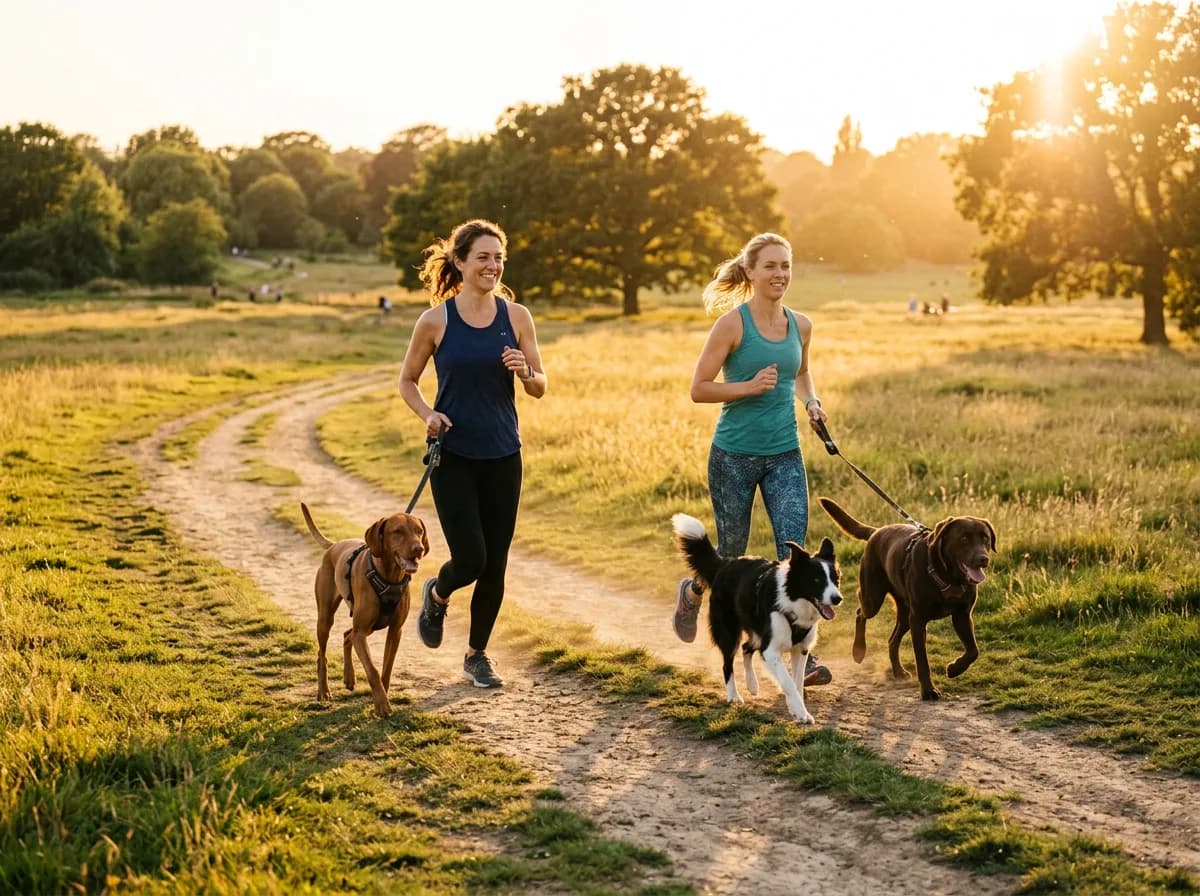
Not every great running dog is a distance specialist. These breeds are ideal partners for jogs in the 2-to-5-mile range, or for fast, shorter efforts. Several are surprisingly calm at home despite their athletic reputation.
Greyhound
The Greyhound is the fastest dog breed, but that speed is anaerobic sprinting, not marathon endurance. In practice Greyhounds make excellent partners for shorter runs of a few miles, after which they are famously content to lounge for the rest of the day. Their thin coat and low body fat mean they chill easily, so a coat in cold weather is a must. Many are retired racers who take beautifully to a gentler pet running routine.
Whippet
A smaller cousin of the Greyhound, the Whippet offers the same explosive speed and the same laid-back home life in a more apartment-friendly size. They are ideal for owners who want a quick, brisk jog rather than a long slog, and they curl up happily afterward.
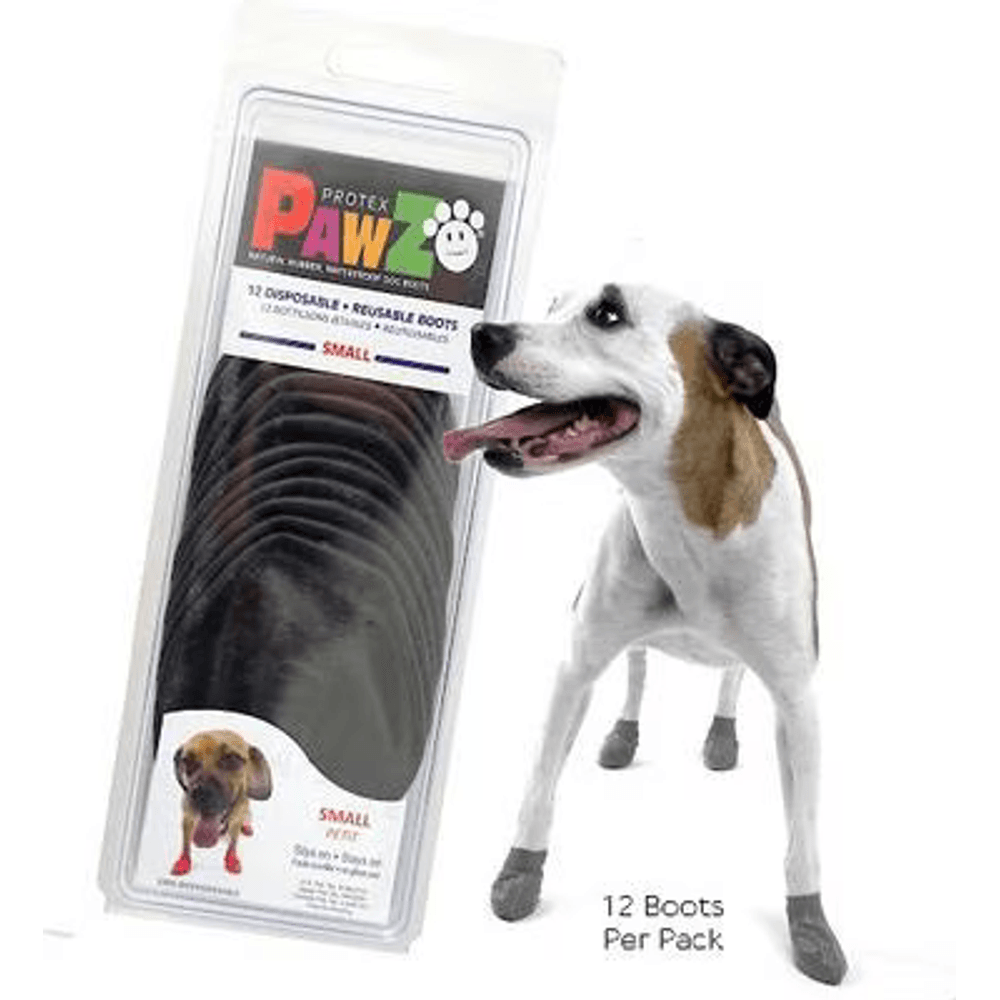
Disposable, reusable natural-rubber boots that slip on like a balloon to give a dog waterproof paw protection and extra grip on slippery floors, a simple traction aid for a senior or wobbly dog. No straps, 12 boots per pack.
Petful may earn a commission when you click through to Chewy, at no extra cost to you.
Labrador Retriever
America's most popular dog is also one of the most reliable running companions for moderate distances. Labs are athletic, obedient, and eager to please, which makes them easy to train to heel and to run off leash. Watch their weight and the heat, since Labs will happily run themselves too hard to make you happy, and keep early-life running low-impact to protect their joints.
Golden Retriever
Like the Lab, the Golden Retriever brings endurance, obedience, and a genuine love of being with you, making them excellent trail runners for medium efforts. Their longer double coat means heat management matters more, so favor cooler parts of the day in summer.
Australian Cattle Dog
The Australian Cattle Dog, or Blue Heeler, is a compact powerhouse bred to move livestock over long distances. They have relentless energy and stamina packed into a mid-size, heat-tolerant frame, making them one of the best running dogs for owners who want a smaller, tireless partner. They need a job, so pair running with training to keep their sharp minds busy.
Border Collie
The Border Collie is a herding athlete with remarkable stamina and agility. They excel at varied running, especially trail work with its changes of pace and terrain. Like the Cattle Dog, they need mental stimulation alongside the miles, or that famous intelligence turns into invented mischief.
Jack Russell Terrier
Do not let the size fool you. The Jack Russell Terrier is startlingly fast, agile, and durable, with stamina that outpaces many larger dogs on a park or trail jog. They are a great small-dog option for shorter, brisk runs, though their high prey drive means recall training is non-negotiable.
Australian Shepherd
The Aussie is a versatile herding breed with strong endurance and a love of activity. They handle both jogs and longer trail runs well and, like other herders, thrive when running is combined with training games. A moderate coat means you will manage heat but not fight it.
Petful may earn a commission when you click through to Chewy, at no extra cost to you.
| Breed | Best Distance | Standout Trait |
|---|---|---|
| German Shorthaired Pointer | Long (10+ mi) | Elite all-day endurance |
| Vizsla | Long (8+ mi) | Fast, deeply bonded partner |
| Greyhound | Short (1-3 mi) | Explosive speed, calm at home |
| Labrador Retriever | Medium (3-5 mi) | Trainable, eager, adaptable |
| Australian Cattle Dog | Medium to long | Tireless in a compact frame |
| Jack Russell Terrier | Short (1-3 mi) | Small size, big stamina |
More Athletic Breeds Worth Considering
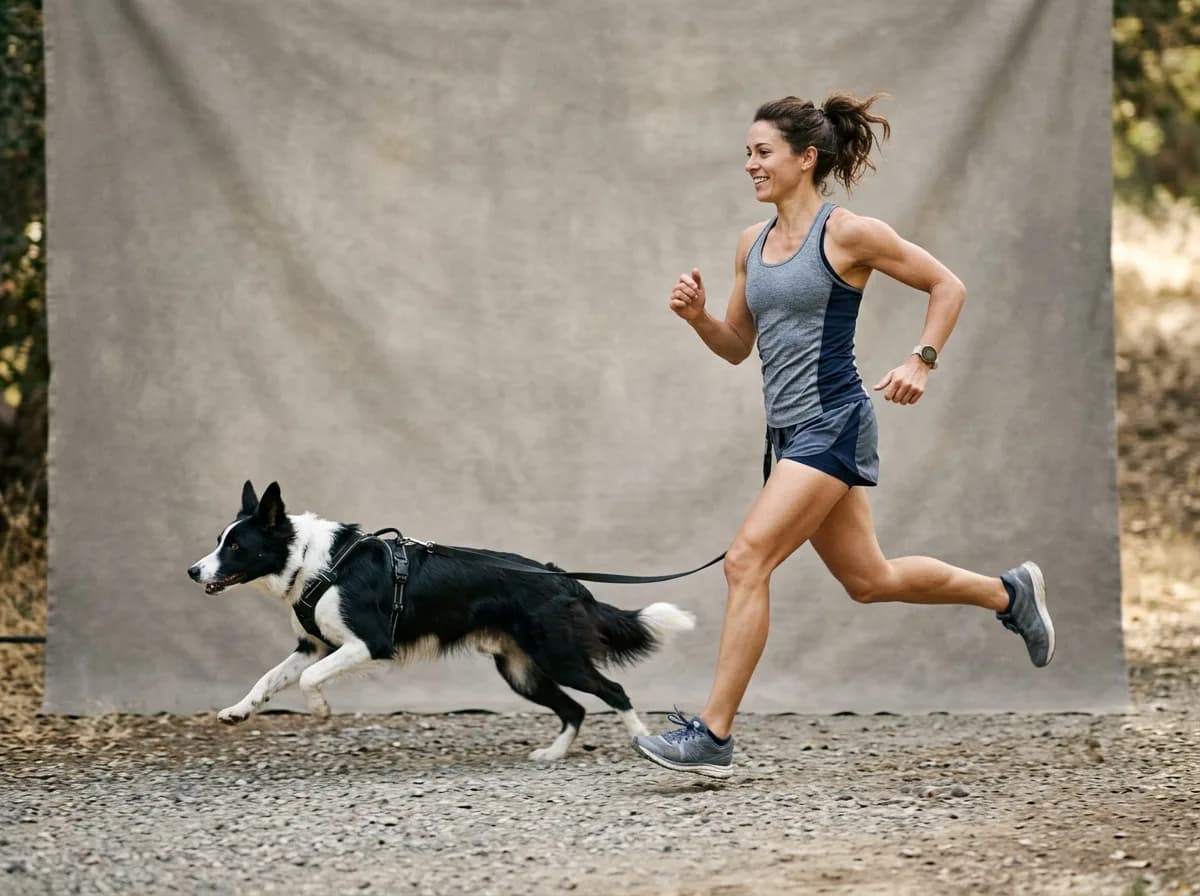
Rounding out the 20, these breeds are strong running dogs with a specific caveat, whether it is coat, climate, or temperament, that shapes how you run with them.
Siberian Husky
Huskies were bred to pull sleds across the Arctic, so their endurance is legendary. They are outstanding cold-weather running dogs and canicross partners. The catch is heat: that thick double coat makes summer running dangerous, and their high prey drive and independence demand secure leashing and strong recall.
Doberman Pinscher
Sleek, muscular, and fast, the Doberman is a fine partner for shorter to moderate runs. Their short coat runs warm in the cold, so they need a jacket in winter, and their loyalty makes them attentive, close-running companions.
Standard Poodle
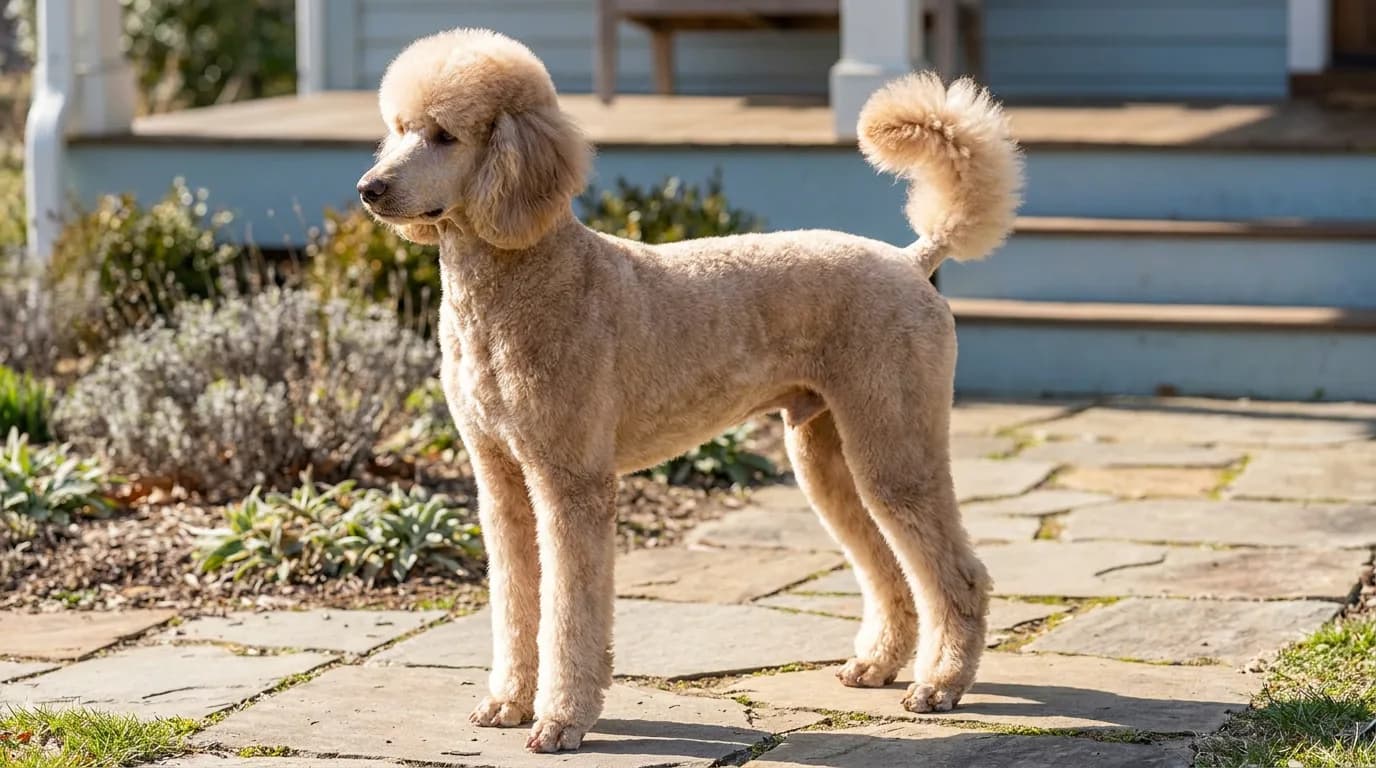
Behind the show clip is a genuine athlete. Standard Poodles are strong swimmers and runners with real endurance and high intelligence, and their single coat can be clipped for warm-weather comfort. They are an excellent option for owners wanting an active dog that sheds less.
English Springer Spaniel
A compact, energetic gun dog, the Springer has the stamina for moderate to long jogs and a happy, biddable temperament. They love trail running and water, and their moderate coat handles a range of conditions.
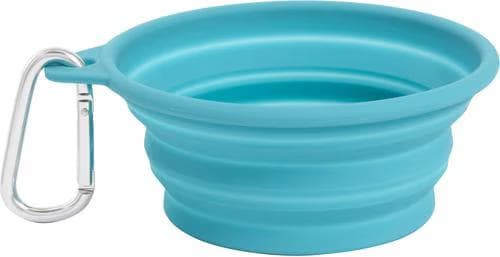
Collapsible silicone travel bowl with a carabiner that clips to a leash or bag, so your dog always has fresh water on walks, hikes, and car trips.
Petful may earn a commission when you click through to Chewy, at no extra cost to you.
American Foxhound
Bred to run down quarry for hours, the American Foxhound has superb endurance and an efficient stride, making it a natural distance partner. That same hunting drive means a strong nose and a tendency to follow it, so leash and recall discipline are essential.
Brittany
The Brittany is a mid-size sporting breed with tremendous energy and endurance that punches well above its weight for distance. Owners routinely report them as ideal running dogs, tireless on the trail yet manageable in the home.
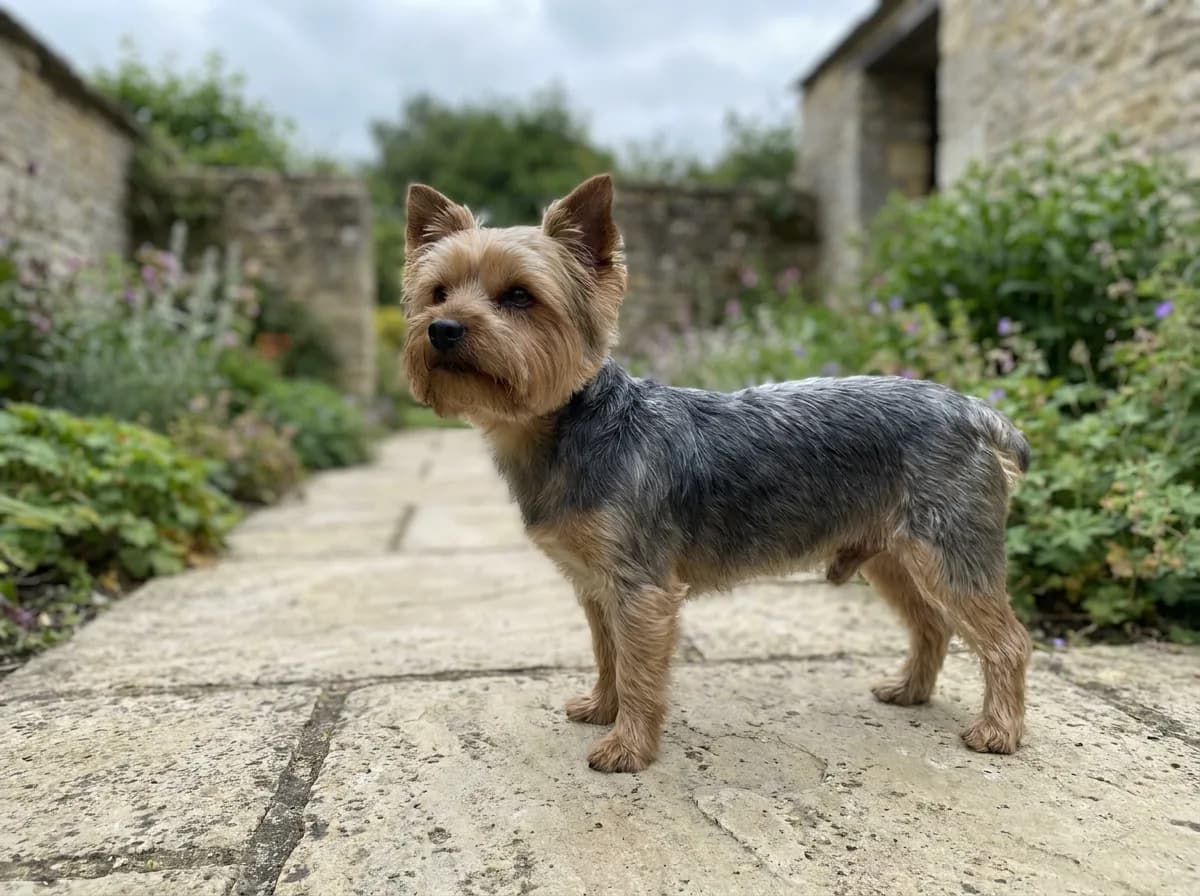
- Flat-faced (brachycephalic) breeds such as Bulldogs, Pugs, Boxers, and Shih Tzus overheat dangerously and should not be running partners. Toy breeds and very short-legged dogs like Dachshunds and Corgis are not built for sustained jogging. Giant breeds and very young or senior dogs also need special caution. When in doubt, ask your veterinarian.
How to Start Running With Your Dog
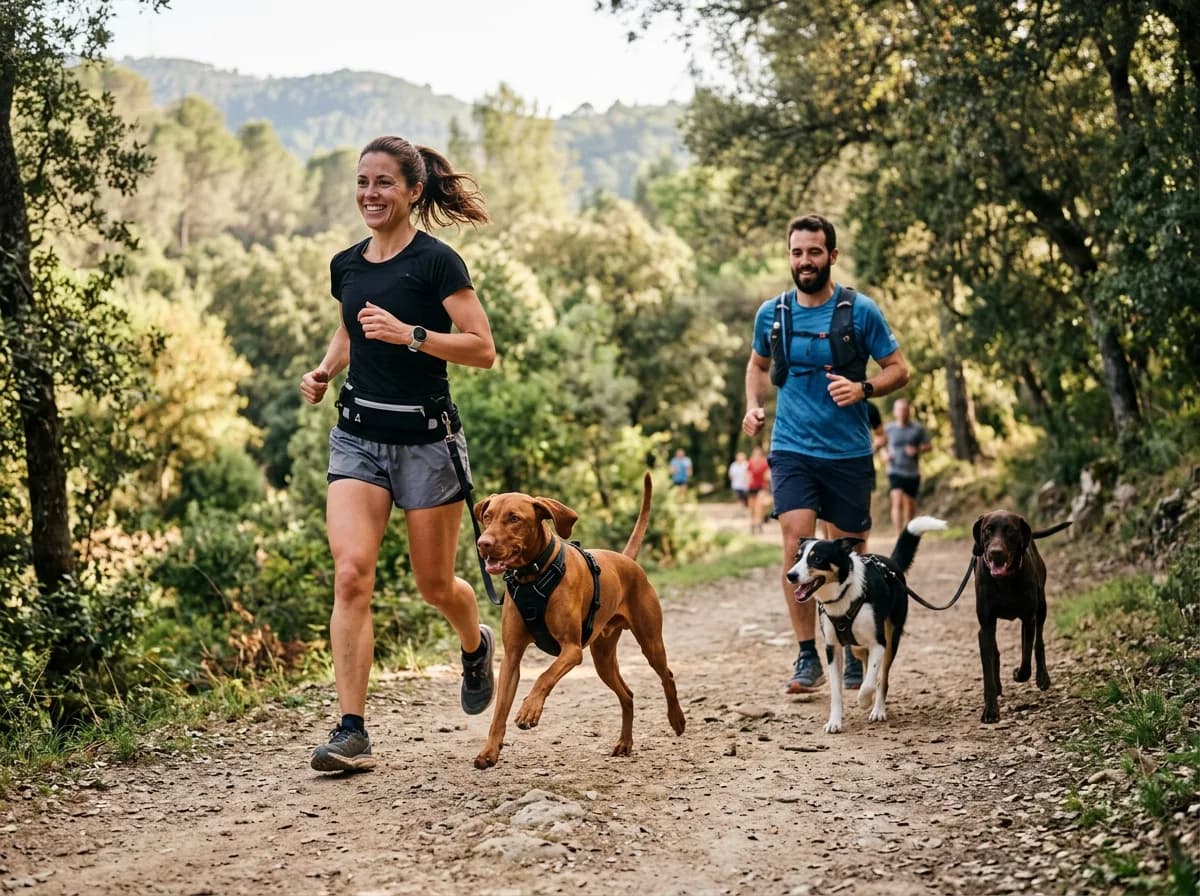
Even the best running dogs are not born ready to log miles. Conditioning, age, and safety all matter more than breed on day one.
Wait Until the Growth Plates Close
Running on hard surfaces stresses developing joints. Do not start a formal running program until your dog's growth plates have closed, which is roughly 12 to 18 months depending on size (larger breeds mature later). The American Kennel Club and most veterinarians advise waiting and getting a vet's clearance first. Until then, stick to free play and short walks.
Condition Gradually
Treat your dog like a new runner, because they are one. Begin with a run-walk pattern, keep early sessions short, and increase distance slowly, on the order of 10 percent per week. This lets paw pads toughen and muscles and tendons adapt. A dog that is limping, lagging, or lying down is telling you to back off.
Mind the Weather
Heat is the number one running hazard for dogs. Avoid midday runs in summer, test pavement with the back of your hand (if it is too hot for your hand, it is too hot for paws), and carry water. Thick-coated and dark-coated dogs overheat fastest. In winter, thin-coated breeds like Greyhounds and Dobermans benefit from a jacket, and you should check for ice-melt chemicals on paws.
Use the Right Gear
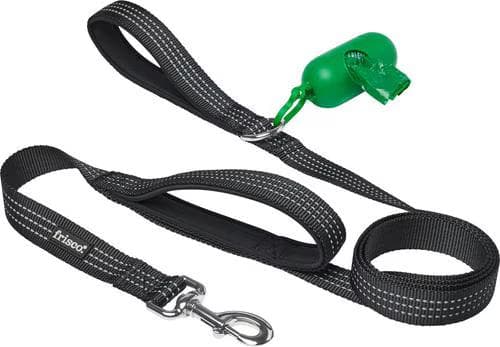
A hands-free waist leash keeps your stride natural, a Y-front or padded harness protects the neck and shoulders far better than a collar, and a collapsible bowl or bottle covers hydration. Booties help on rough trails, hot pavement, or ice. Good gear prevents most common running injuries.
- 1Growth plates close around 12 to 18 months, so hold off on real running until then
- 2Increase distance by roughly 10 percent per week to let paw pads and joints adapt
- 3Heat, not distance, is the most common serious hazard, so run in the cool hours and always carry water
Running With Senior Dogs and Puppies
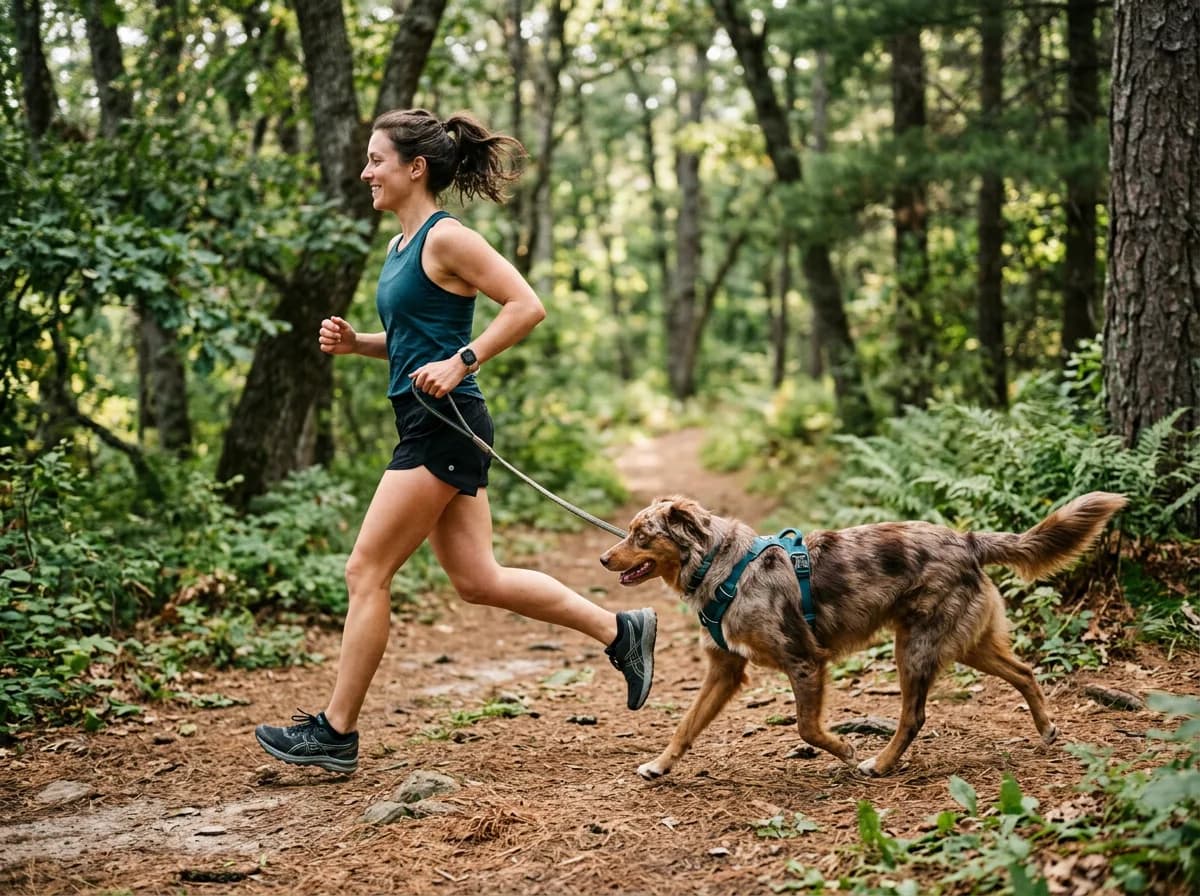
Age changes the math. A breed on the best running dogs list is still a poor running partner at the wrong life stage.
Puppies should not do structured, repetitive running until they finish growing. Their soft, developing joints are easily damaged by the pounding of a run on pavement, and the harm may not show for years. Let puppies burn energy through play, gentle walks, and off-leash romps on soft ground instead.
Senior dogs can often keep running well into old age, especially fit sporting breeds, but they need adjustments: shorter distances, softer surfaces, longer warm-ups, and a close eye on stiffness or slowing afterward. Arthritis, heart conditions, and reduced heat tolerance all come with age, so a senior's running plan should be built with your veterinarian and revisited as they change.
Frequently Asked Questions
Related on Petful
- Fastest Dog Breeds: Speed Plus Top Agility Stars
- The 20 Smartest Dog Breeds, Ranked by Intelligence
- Warm Weather Dog Breeds: 20 That Love the Heat
- The 7 Types of Dogs: Breed Groups Explained
The German Shorthaired Pointer is the most-recommended overall running dog thanks to its elite endurance, athletic build, and heat-friendly coat. Other top choices include the Vizsla, Weimaraner, Labrador Retriever, Border Collie, and Australian Cattle Dog. The best dog for you depends on your pace and distance: distance runners suit sporting and herding breeds, while sprinters pair well with Greyhounds or Whippets.
Medium-build endurance breeds handle 10-plus miles best once conditioned. German Shorthaired Pointers, Vizslas, Weimaraners, Rhodesian Ridgebacks, Dalmatians, Belgian Malinois, and American Foxhounds all have the stamina for double-digit distances. Any dog needs gradual conditioning and a vet check before running that far, and heat and terrain should be managed carefully.
For a healthy, adult, conditioned dog of a suitable breed, 2 miles is a very manageable jog and often just a warm-up for sporting breeds. It can be too much for a puppy whose growth plates have not closed, a senior dog, a flat-faced breed, an overweight dog, or any dog running in high heat. Build up gradually and watch for signs of fatigue or overheating.
By top speed, the fastest breeds are the Greyhound (up to about 45 mph), followed by the Saluki, Vizsla, Jack Russell Terrier, Dalmatian, Borzoi, Whippet, German Shorthaired Pointer, Doberman Pinscher, and Border Collie. Note that raw speed is different from endurance: the fastest sprinters are not always the best long-distance running partners.
Great jogging dogs include the Labrador Retriever, Golden Retriever, German Shorthaired Pointer, Vizsla, Australian Cattle Dog, Border Collie, Standard Poodle, Jack Russell Terrier, and Australian Shepherd. For jogging specifically (a steady, moderate pace) medium-energy sporting and herding breeds are ideal because they settle into a rhythm and can go the distance without burning out.
The 3-3-3 rule describes the typical adjustment timeline for a newly adopted dog: about 3 days to decompress, 3 weeks to start settling into a routine, and 3 months to feel fully at home and bonded. It is not a running guideline, but it matters for runners: give a new rescue time to settle and build trust before starting a running program together.
Sled-pulling breeds are the northern spitz-type dogs bred for cold-weather endurance: the Siberian Husky, Alaskan Malamute, Samoyed, and the mixed-breed Alaskan Husky used in competitive mushing. These dogs have exceptional pulling stamina and thick double coats, which also makes them strong cold-weather running and canicross partners but poor choices for hot-climate running.
Final Thoughts
The best running dogs are the ones whose natural pace, distance temperament, and coat match the running you actually do. Distance runners are best served by sporting and herding endurance breeds like the German Shorthaired Pointer, Vizsla, and Border Collie, while sprint and short-jog fans will love a Greyhound, Whippet, or Jack Russell. Whichever breed you choose, the fundamentals do not change: wait for the growth plates to close, condition gradually, respect the heat, and use gear that protects joints and paws. Do that, and you will have a running partner who is genuinely thrilled to lace up (metaphorically) every single morning.

Carol Bryant is the founder FidoseofReality.com and SmartDogCopy.com. A pet product expert, Carol is the Past President of the Dog Writers Association of America (DWAA) and winner of Best Dog Blog. A dog lover of the highest order is how Gayle King introduced Carol when she appeared with her Cocker Spaniel on Oprah Radio’s Gayle King Show to dish dogs. She helps pet, animal, and lifestyle brands achieve copywriting and content marketing success using well-trained words that work and is well-known in the pet industry.
Sign up for expert-backed reviews and safety alerts all in one place.