Plott Hound Breed Profile: Essential Facts
Historically used for hunting, Plott Hounds make good family pets, but they can be a little noisy.
- AKC Group: Hound
- Weight: 40-60 lbs.
- Height: 20-25 in.
- Life Span: 12-14 years

Sign up for expert-backed reviews and safety alerts all in one place.
Key Characteristics of Plott Hounds
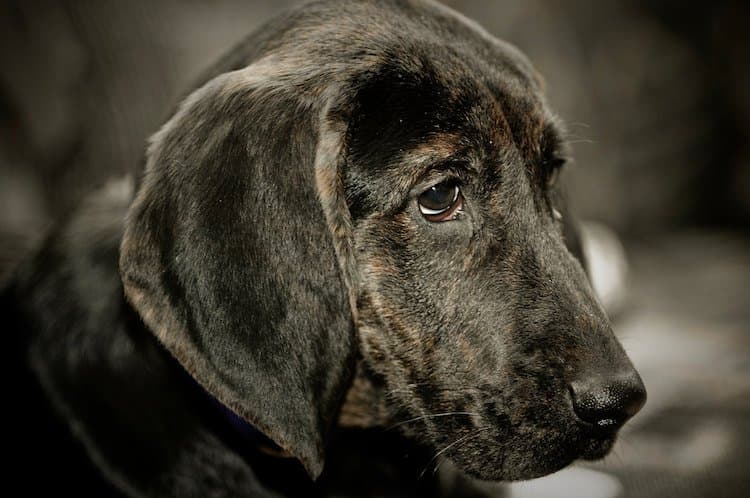
The Plott Hound is a powerful, muscular hunting hound. It's the state dog of North Carolina. This breed features: A black nose Black lips Brown or hazel eyes High-set, medium-length ears A moderately heavy, long tail
- Round, solid feet — some of which may have webbed toes, although not all Plott Hounds have this feature
The dog's smooth, short to medium coat comes in colors of buckskin, brindle or black, and there may also be saddle, white or other markings. Though not common, double coats are possible.
Where Plott Hounds Come From
The Plott Hound's ancestors were developed in Germany and were a favorite of gamekeepers.
One breeder, George Plott, and his brother left Germany for the United States in 1750 with 5 of their Bloodhounds. Plott raised a family and continued to breed his dogs in North Carolina. After Plott's son became involved in the breeding program, it continued through 7 generations (around 200 years).
The dogs hunted bears, mountain lions and wild boars and were exceptional at their tasks. They were also effective at treeing and coon hunting.
The black saddle marking was the result of an outcrossing by Gola Ferguson: A Plott Hound was crossed with a Blevin Hound, a tan dog with black saddle markings. The offspring were bred back into Ferguson's line with exceptional results.
The American Kennel Club (AKC) officially recognized Plott Hounds in 2006.

How Friendly Are Plott Hounds?
This breed is loyal, intelligent and alert. Eager to please, Plott Hounds are good with older children and other animals if socialized at a young age.
Plott Hounds need socialization and obedience training because they can be dominant pack dogs.
When hunting, Plott Hounds are aggressive and fearless and won't think twice about taunting a bear or boar. At home, they can be possessive of food or food bowls. They are known to have a loud, long, lingering bark or bay.
Is This the Right Dog for You?
Exercise Needs
VERY HIGH: These active dogs need daily exercise, like 2–3 walks a day, to help them expel energy. They are active hunters with strong instincts and stamina, and regular exercise can help curtail negative behaviors.
Exercise your Plott Hound on a leash or within a secure area when outdoors. Surprisingly, they are not ideal jogging buddies — they are scent hounds who want to stop and smell when outdoors.
Because of these dogs' exercise needs — and also their bark — apartment living isn't the best housing situation for them.
Grooming Needs
LOW: Brush your Plott Hound's coat 1–2 times a week. Bathe them as needed — dry or foam shampoo works well.
If your Plott Hound is an outdoor adventurer, check them regularly for ticks, injuries and debris in the ears or paws. And, as with all dogs, make sure you're regularly cleaning the teeth, nails and ears of your Plott Hound.
Health Problems
LOW: Plott Hounds have only a couple of commonly seen health problems, including: Bloat Hip dysplasia
More Stats About Plott Hounds
| Friendliness | ★★★★☆ |
| Ease of Training | ★★★★☆ |
| Barking/Howling | ★★☆☆☆ |
| Shedding | ★★☆☆☆ |
| Tolerate Being Alone | ★★☆☆☆ |
| Very Good With Kids | ★★★☆☆ |
Learn more about the fascinating history of these dogs in this video:
How to Adopt a Plott Hound
Start with our adoptable pet search to see if a Plott Hound is available near you, or look for a rescue dog in your state.
Going with a breeder? Ask for health clearances on the hips of the parents of the puppy you intend to buy. Also, make sure the breeder is reputable so you don’t end up accidentally supporting a puppy mill.
Related Dog Breed Profiles You May Like
- Pointer Breed Profile: Essential Facts
- Pug Breed Profile: Essential Facts
- Pyrenean Shepherd Breed Profile: Essential Facts
- Rat Terrier Breed Profile: Essential Facts
- Redbone Coonhound Breed Profile: Essential Facts
Frequently Asked Questions (FAQ)
Plott Hounds are rare because they were primarily bred for hunting in the southeastern United States and are not as commonly kept as companion dogs. Their strong hunting instincts make them less popular than other hound breeds for pet homes.
Plott Hounds are not naturally aggressive but are bold, tenacious, and protective. They can be wary of strangers and other dogs, so early socialization and training are important to prevent territorial behavior.
Yes, Plott Hounds can make great family dogs for active households. They are loyal, affectionate, and protective but need plenty of exercise and training to channel their high energy.
Yes, Plott Hounds are intelligent and trainable but can be stubborn and independent. Consistent, firm, and positive reinforcement training works best for them.
References
- "Plott Hound." American Kennel Club. https://www.akc.org/dog-breeds/plott-hound/.
- American Plott Association. https://www.americanplottassociation.com/.
- National Plott Hound Association.

Kristine Lacoste has been researching dog and cat breeds for nearly a decade and has observed the animals up close at dog shows in both the United States and the United Kingdom. She is the author of the book One Unforgettable Journey, which was named as a finalist for a Maxwell Award from the Dog Writers Association of America, and was host of a weekly pet news segment on the National K-9 Academy Radio Show. In addition, she was the New Orleans coordinator for Dogs on Deployment, a nonprofit that helps military members and their pets, for 3 years. Kristine has researched and written about pet behaviors and care for many years. She holds a bachelor’s degree in psychology, another bachelor’s degree in English and a Master of Business Administration degree.
Sign up for expert-backed reviews and safety alerts all in one place.