Greyhound Breed Profile: Essential Facts
Explore the world of greyhounds, a gentle and graceful breed known for their speed and affectionate nature. Learn about their history, care, and more.

- AKC Group: Hound
- Weight: 65–70 lbs. (male)60–65 lbs. (female)
- Height: 24–28 in.
- Life Span: 12-15 years

Sign up for expert-backed reviews and safety alerts all in one place.
Key Characteristics of Greyhounds
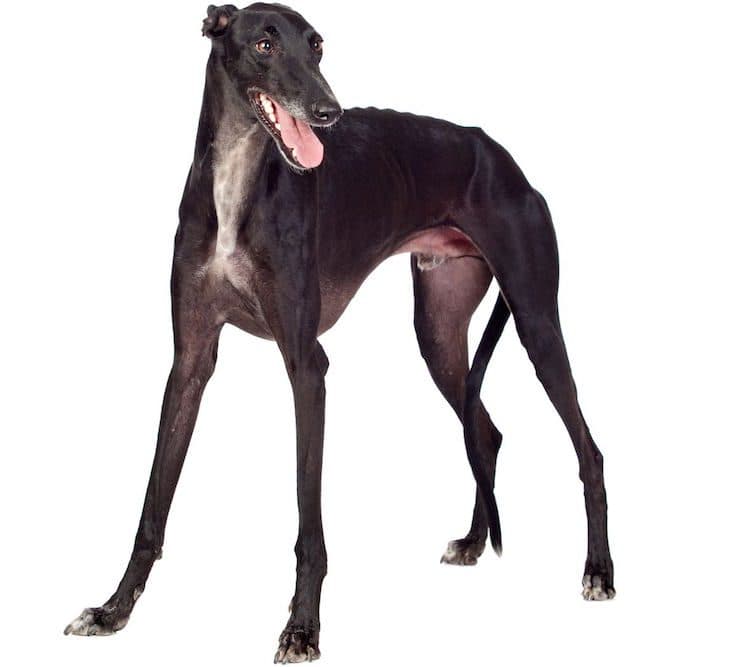
Greyhounds are known for their tall, lean, and muscular build, making them one of the fastest dog breeds. These dogs are built for hunting and speed, with their aerodynamic bodies and strong legs. Some key characteristics include: Coat: Short, smooth, and easy to maintain.
- Color: Greyhounds come in a wide range of colors, from black and white to brindle and fawn.
- Temperament: Despite their athletic build, greyhounds are known for being gentle, affectionate, and often described as "couch potatoes" due to their love for lounging.
Where Greyhounds Came From
Greyhounds have a rich history, with their roots tracing back to ancient Egypt around 2900 B.C., where they were depicted in tomb carvings. These dogs were often bred by royalty and were known for their hunting prowess, particularly in England.
- Royalty and Hunting: Once bred only by royalty, greyhounds were avid hunters, especially in England, where rabbits were their primary prey (avid hunters).
They made their way to the United States with Spanish settlers in the 1500s and were among the first dogs to be recognized by the American Kennel Club in 1885 (American Kennel Club).
- Racing: Despite protests from animal rights activists, greyhounds have been used for racing. Retired racers often have ear tattoos for identification, but many face challenges in finding homes after their racing careers end.
How Friendly Are Greyhounds?
Greyhounds, like many hounds, are independent by nature, particularly when it comes to hunting game. They don't take commands easily, but with positive and patient reinforcement (positive and patient reinforcement), they can be trained effectively.
- Temperament: Greyhounds are loyal, lovable, and affectionate pets who enjoy the company of both humans and other dogs. However, they have a lower tolerance for young children, making households with kids younger than 8 years old less ideal.
These dogs also have a tendency to grab any food in sight, so it’s important to train your pet to avoid this behavior (train your pet to avoid this behavior) or use gates to keep them out of certain areas. Despite their hunting instincts, Greyhounds are also known as couch potatoes who love to snuggle and take long naps on soft sofas and beds.
- Crating and Anxiety: Greyhounds do not perform well when crated for long periods and may experience separation anxiety (separation anxiety). It’s best to use barriers or baby gates to contain them in a specific, comfortably sized area. Bathrooms should be avoided as containment areas, as they are too small and can increase anxiety.
The Ideal Home Environment for Greyhounds
Greyhounds thrive in environments where they can enjoy a balance of comfort and space. Given their gentle and sensitive nature, greyhounds do best in homes that are calm and quiet, making them ideal for adult households or those with older children. These dogs prefer to have access to a cozy indoor space where they can relax and take their frequent naps, as greyhounds are known for being "couch potatoes."
- Space Requirements: While greyhounds are the fastest breed of dog, they don’t need a lot of space to be happy. A small yard or even daily walks on a leash are sufficient for their exercise needs. However, they do appreciate having a secure outdoor area where they can stretch their legs safely.
- Temperature Sensitivity: Due to their thin coats, greyhounds are sensitive to extreme temperatures. They require a warm, comfortable indoor environment, especially during colder months. In hot weather, they need shade and plenty of water to stay cool.
- Companionship: Greyhounds enjoy the company of their human family members and other dogs. They do not do well being left alone for long periods, as they can develop separation anxiety. Therefore, a household where someone is home most of the time, or where they have a dog companion, is ideal for greyhounds.
Are Greyhounds the Right Dog for You?
Greyhound Exercise Needs
MEDIUM: Greyhounds enjoy exercise more than they need it. Though they are lean and muscular, they don’t require excessive activity. A short daily walk or a run around the yard (run around the yard) a few times per day is usually sufficient to keep them healthy and happy.
- Speed: Greyhounds are the fastest breed of dog, so it's important to keep them on a leash when walking outside the home to prevent them from sprinting away.
Greyhounds are sensitive to extreme temperatures and cannot live outdoors.
Greyhound Grooming Needs
LOW: The Greyhound's coat is a single, thin layer that is short and smooth. As with most animals, some shedding is expected (some shedding is expected). To maintain their coat, weekly brushing is recommended, along with regular nail clippings and ear cleaning.
- Bathing: Bathing can be done as infrequently as once every 6 months. When bathing your Greyhound, ensure the water temperature is warm—not too cold or hot. Use a gentle conditioning shampoo specifically made for dogs, and rinse thoroughly. Any remaining shampoo residue can greatly irritate the skin (can greatly irritate the skin). After the bath, dry your dog completely to prevent chills.
Greyhond Health Problems
MEDIUM: Below is a short listing of those diseases common in Greyhounds:
- Osteosarcoma (bone cancer) is the leading cause of death. Limping should be taken seriously and include a vet trip.
- Hypothyroidism, caused by a low level of thyroid hormone, can be treated with medication.
- Kidney disease is common with the breed, but they also have a creatinine level that is slightly higher than other breeds. If your vet diagnoses your dog only based on an elevated creatinine level, get a second opinion.
- Corns appear like calluses on the paw pads and are often misdiagnosed as arthritis because of the pain involved. Special canine boots are available, as is minor surgery to remove the corns.
- Pannus occurs when the cornea is inflamed. To stave off blindness, treatment usually involves eye drops for life.
- Hypertension (high blood pressure) can appear to come on suddenly as a stroke, blindness, blood clot or as a result of another condition. Regular screening is recommended.
These Greyhounds love the fall season, for obvious reasons:
Where to Adopt a Greyhound
If you're interested in adopting a Greyhound, it's best to check adoption resources first (check adoption resources first). Many Greyhounds are looking for loving homes, especially retired racers.
The Greyhound Project: Another excellent resource for adopting a Greyhound is The Greyhound Project, which provides detailed information and support for prospective adopters.
Related Dog Breed Profiles You May Like
- Pekingese Breed Profile: Essential Facts
- Puli Breed Profile: Essential Facts
- Siberian Husky Breed Profile: Essential Facts
- Treeing Walker Coonhound Breed Profile: Essential Facts
- French Bulldog Puppies Breed Profile: Essential Facts
Frequently Asked Questions (FAQ)
Yes, Greyhounds make great family dogs. They are gentle, affectionate, and good with children, but they need regular exercise and a soft place to rest due to their lean build.
No, Greyhounds are typically quiet dogs and do not bark excessively. They are known for being calm and relaxed indoors.
Greyhounds can be moderately expensive to own due to specialized food needs, potential medical issues, and coat care. However, adopting retired racing Greyhounds is usually more affordable than purchasing a puppy.
Yes, Greyhounds shed lightly year-round. Their short coat requires minimal grooming, but regular brushing helps keep shedding under control.
References
- “Greyhound.” American Kennel Club.https://www.akc.org/dog-breeds/greyhound/
- “Greyhound Club of America.”
- https://www.greyhoundclubofamericainc.org/
- “Grey2K USA Worldwide.”
- https://www.grey2kusa.org/index.php
- “Greyhound Health Packet.” Greyhound Adoption of Ohio.
- http://www.greyhoundadoptionofoh.org/Greyhound_Health_Packet_08.pdf

Kristine Lacoste has been researching dog and cat breeds for nearly a decade and has observed the animals up close at dog shows in both the United States and the United Kingdom. She is the author of the book One Unforgettable Journey, which was named as a finalist for a Maxwell Award from the Dog Writers Association of America, and was host of a weekly pet news segment on the National K-9 Academy Radio Show. In addition, she was the New Orleans coordinator for Dogs on Deployment, a nonprofit that helps military members and their pets, for 3 years. Kristine has researched and written about pet behaviors and care for many years. She holds a bachelor’s degree in psychology, another bachelor’s degree in English and a Master of Business Administration degree.
Sign up for expert-backed reviews and safety alerts all in one place.