Poodle Colors: Every Shade, Pattern, and Fade
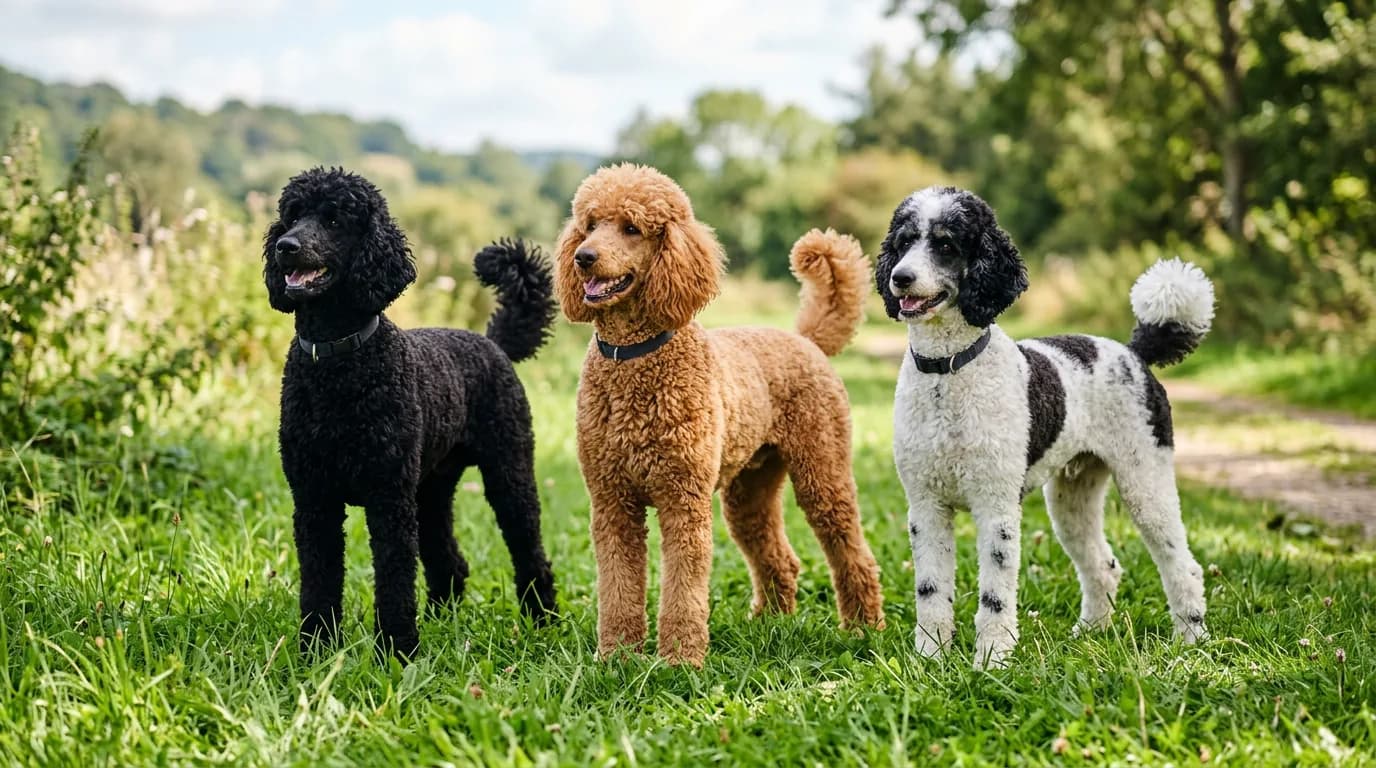
Poodles wear more coat colors than almost any breed, from black and white to red, silver, blue, cafe-au-lait, and parti. This guide covers every solid color and pattern, the fading gene that changes a coat, and which "rare" colors are genuine.
Petful is reader supported. As an affiliate of platforms like Amazon and Chewy, we may earn a commission when you buy through links on this page. There is no extra cost to you.
Poodle colors are one of the most surprising things about the breed, because a single litter can hold a dozen different shades and no two puppies fade the same way. From jet black and snowy white to red, silver, blue, and the striking two-tone parti pattern, the poodle wears a wider range of coat colors than almost any other purebred dog. This guide walks through every solid color, every recognized pattern, the genetics behind the famous "fading" gene, and which colors registries reward or reject in the show ring.
Whether you are choosing a puppy, curious about your adult dog's shifting coat, or just fell down a rabbit hole of poodle photos, here is the full picture of what colors poodles come in and why.
- 1Poodles come in around 10 recognized solid colors, from black and white to red, apricot, silver, and cafe-au-lait
- 2Solid coats are the standard for AKC conformation, while multi-color patterns like parti, phantom, and sable are recognized by the UKC
- 3Most poodle puppies "clear" or fade to a lighter shade as they mature, usually finishing by 18 to 24 months

Sign up for expert-backed reviews and safety alerts all in one place.
What Determines a Poodle's Color
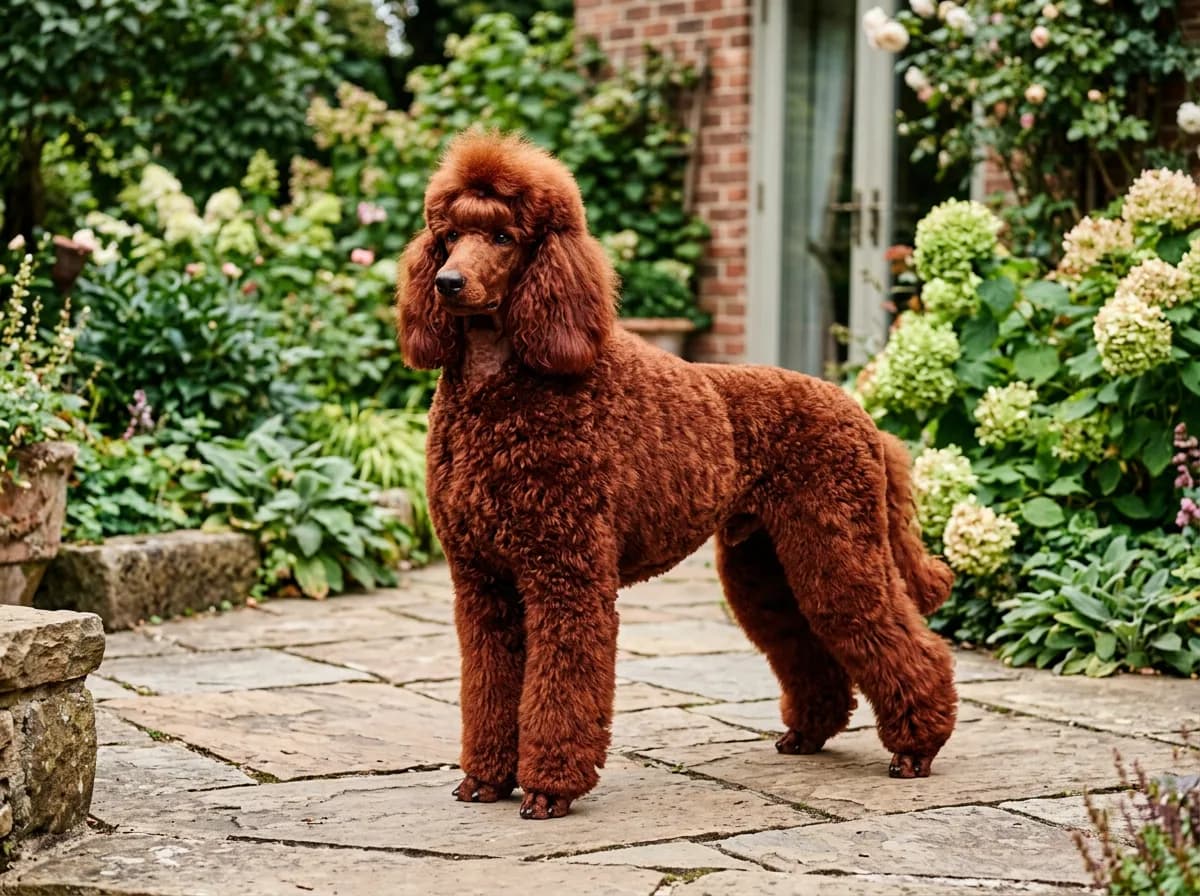
A poodle's coat color comes down to genetics, specifically the pigments eumelanin (black-based) and phaeomelanin (red-based), plus a set of dilution and fading genes that lighten or shift those base pigments over time. This is why two black poodles can produce a litter of blue, silver, and cafe-au-lait puppies, and why the color you see at eight weeks is rarely the color your dog wears at two years.
Breeders and registries group solid poodles by their "points," meaning the nose, eye rims, lips, and toenails:
- Black-pointed colors: black, white, cream, blue, silver, and red poodles carry jet-black points and dark eyes.
- Liver-pointed colors: brown, cafe-au-lait, and silver beige poodles carry brown (liver) points and warmer amber eyes.
This points distinction matters more than beginners expect. A "brown" poodle is not just a black poodle with brown fur, it is a genetically distinct liver-pigmented dog, right down to the color of its nose. According to the American Kennel Club breed standard, points and eye color are part of what defines a correctly colored poodle, not an afterthought (see the AKC Poodle breed standard at akc.org).
Petful may earn a commission when you click through to Chewy, at no extra cost to you.
The Solid Poodle Colors
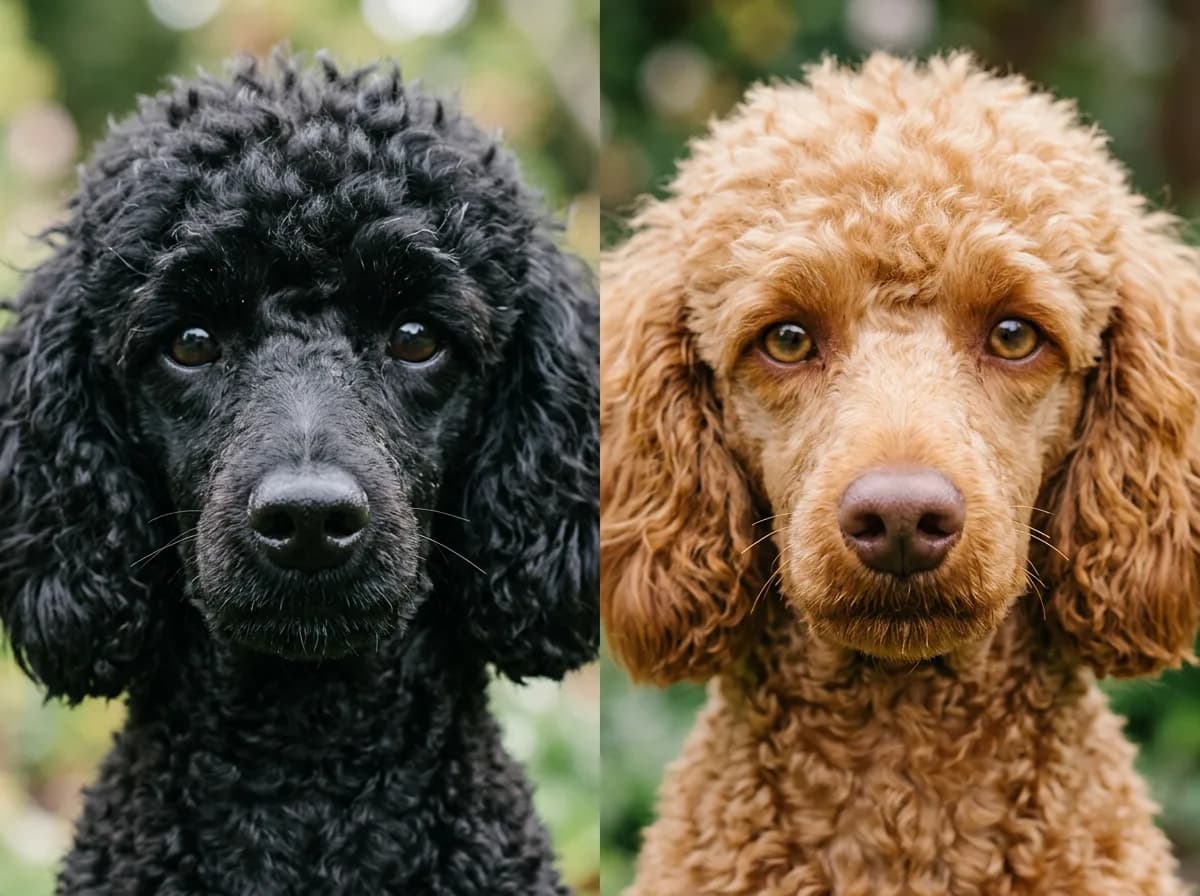
Solid colors are the foundation of the breed and the only category fully eligible for AKC conformation. Here are the recognized solids, from most common to rarest.
Black
Black is the most common and the most genetically dominant poodle color. A true black poodle is solid, dense, and inky from nose to tail with no fading, no silvering, and no brown cast in sunlight. Because black is dominant, it shows up in most litters, and true (non-fading) black is actually prized precisely because so many "black" puppies clear to blue or silver as they age.
White
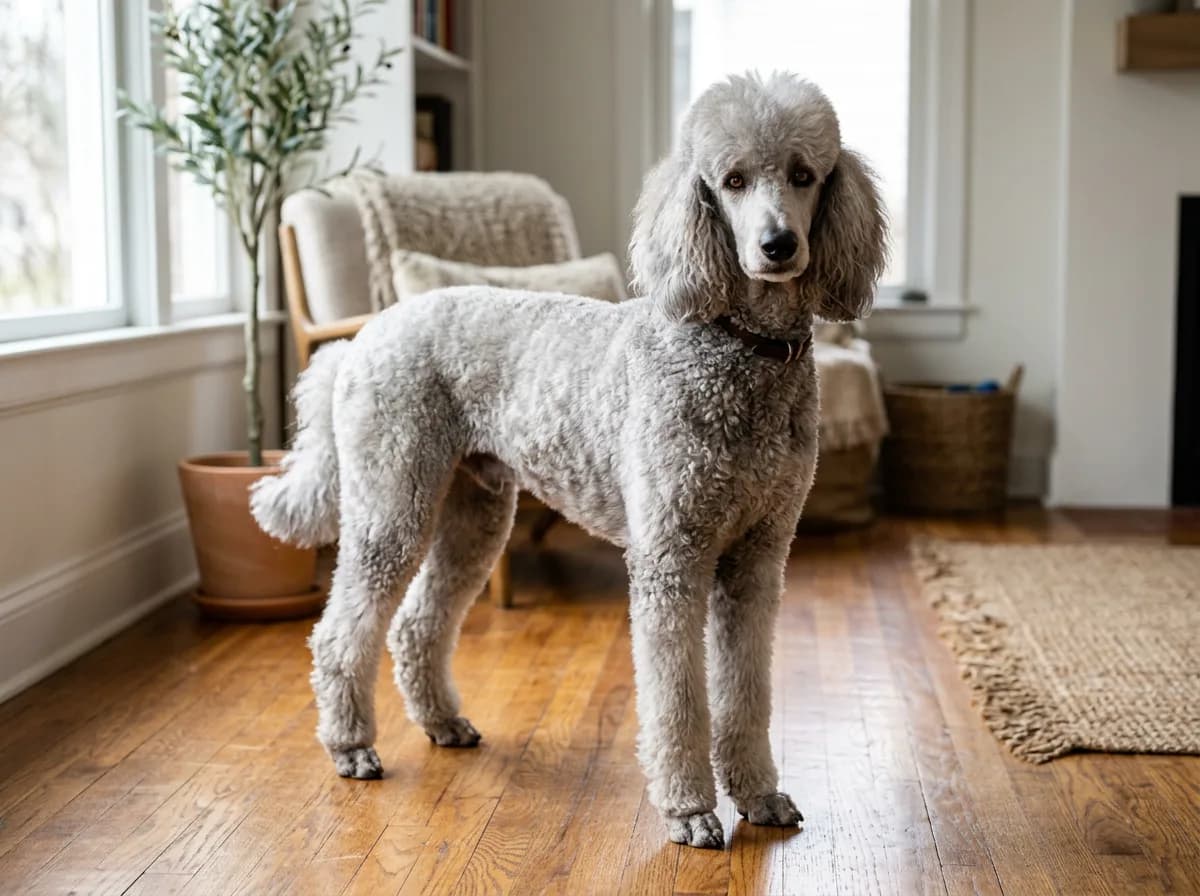
White poodles are bright and clean, ideally with no cream or ivory tint. Show-quality white poodles keep black points, a black nose, dark eyes, and black eye rims, which creates the crisp contrast judges look for. A white poodle with a pink or liver nose is considered a fault in the ring.
Cream
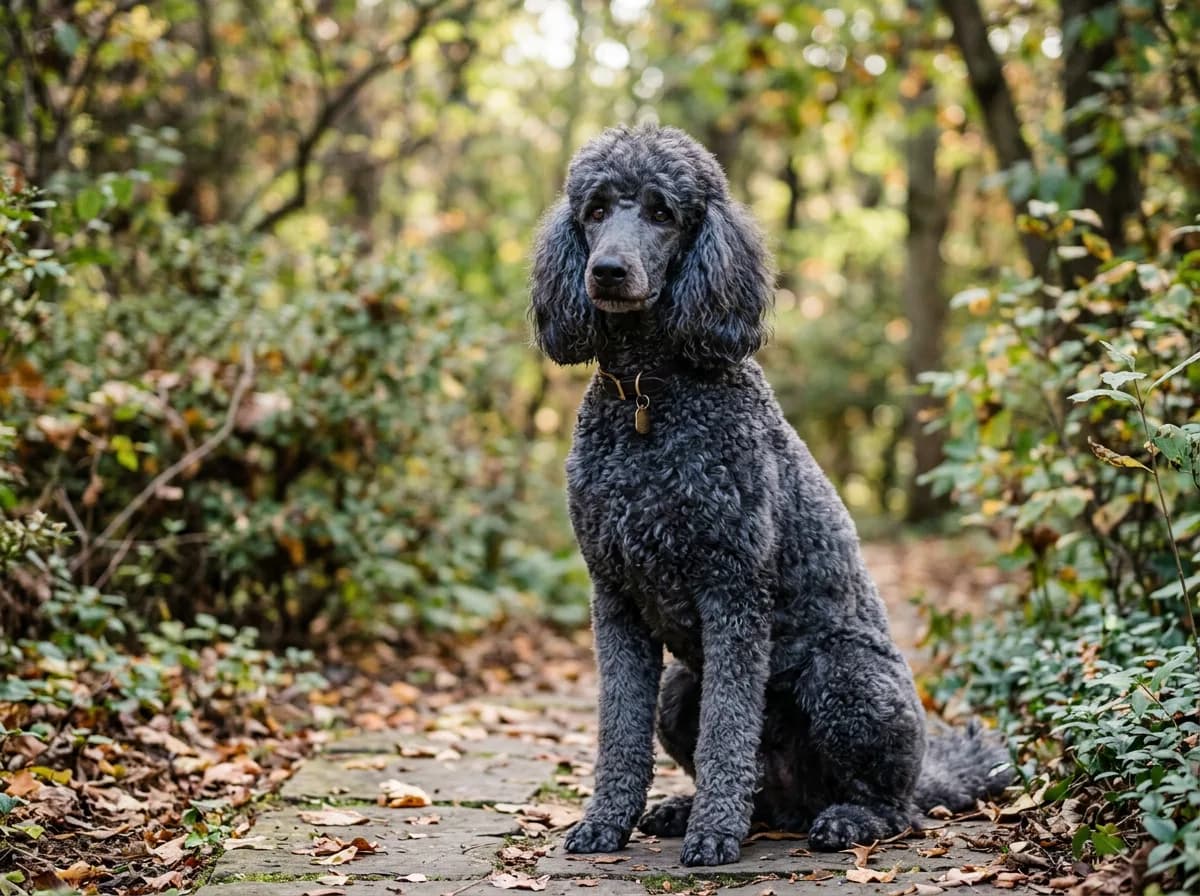
Cream sits just a shade warmer than white, a soft ivory that can carry faint apricot tones at the ears. Cream poodles keep black points. Many puppies registered as white are actually cream, and the two can be hard to tell apart until the coat matures.
Apricot
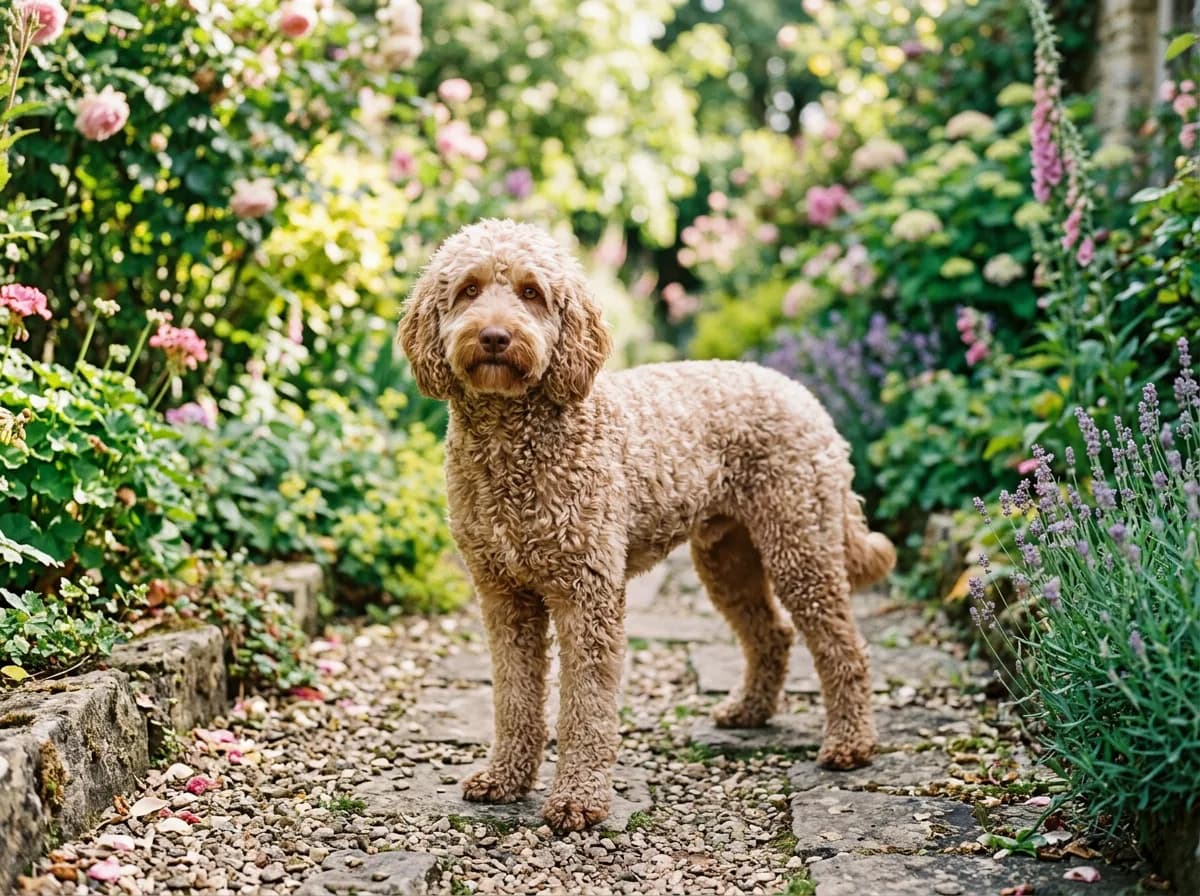
Apricot is a warm, pale orange-tan, and it was the last of the major poodle colors to be developed. Apricot poodles usually keep black points, though some carry liver points. Apricot is a fade-prone color, and many red poodles lighten into apricot as they age.
Red
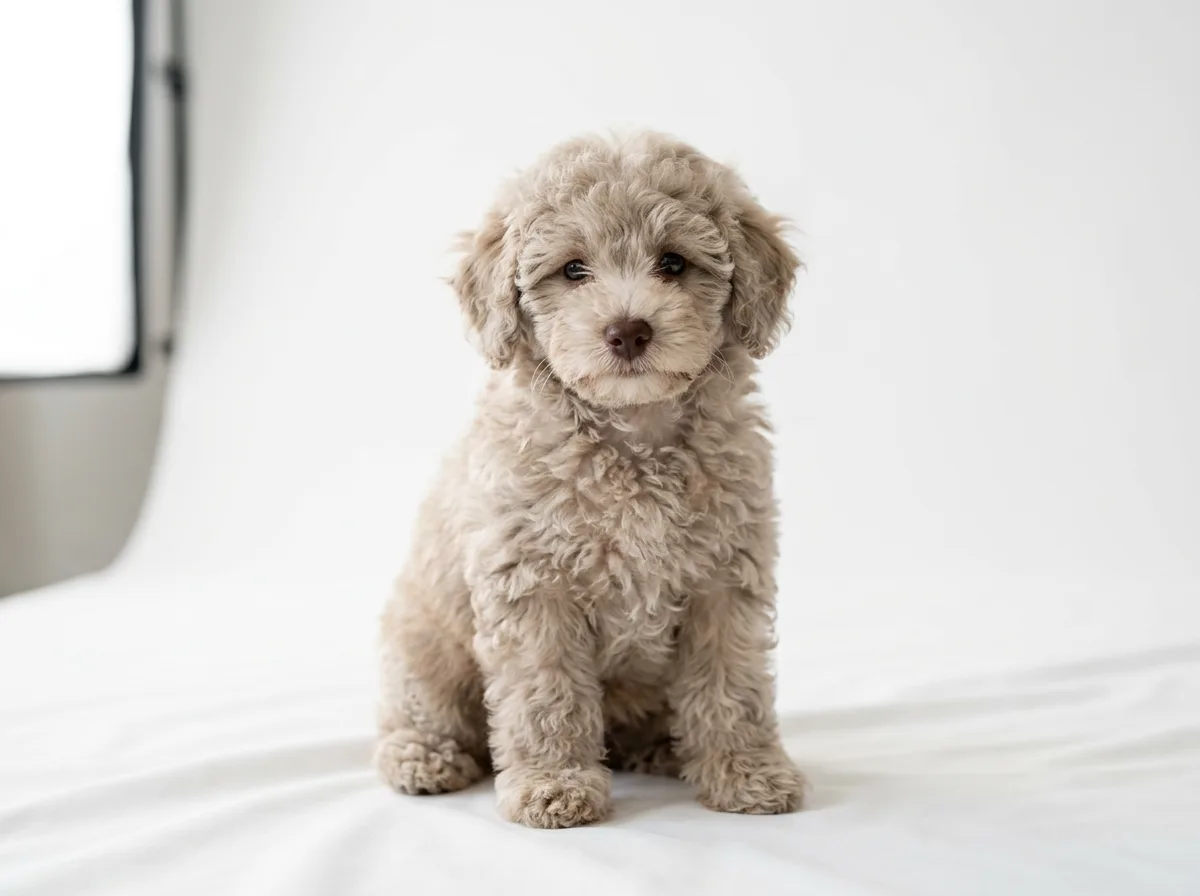
Red is one of the newest and most sought-after poodle colors, ranging from a light rusty tone to a deep mahogany. True dark red is difficult to breed and hold, because the fading gene tends to pull reds toward apricot over the first year or two. A rich, stable red is genuinely uncommon.
Petful may earn a commission when you click through to Chewy, at no extra cost to you.
Brown
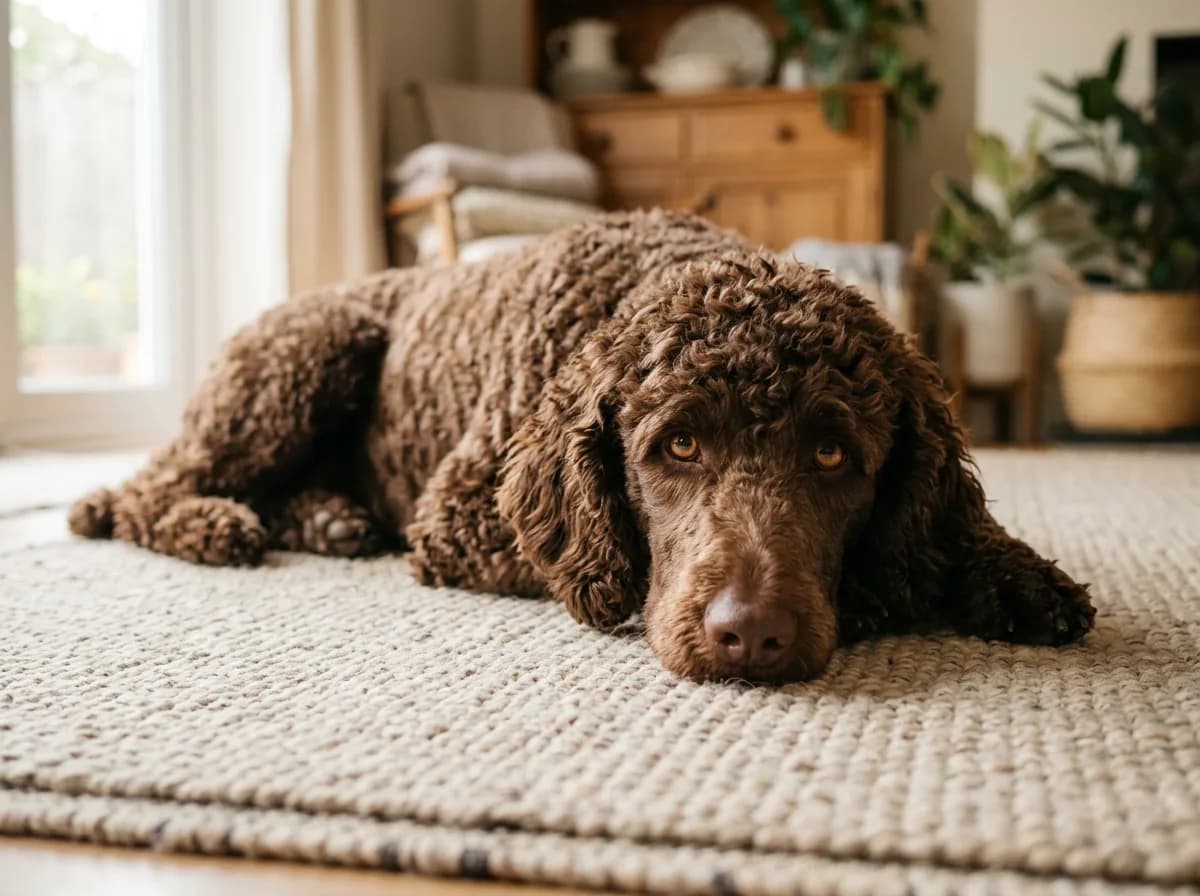
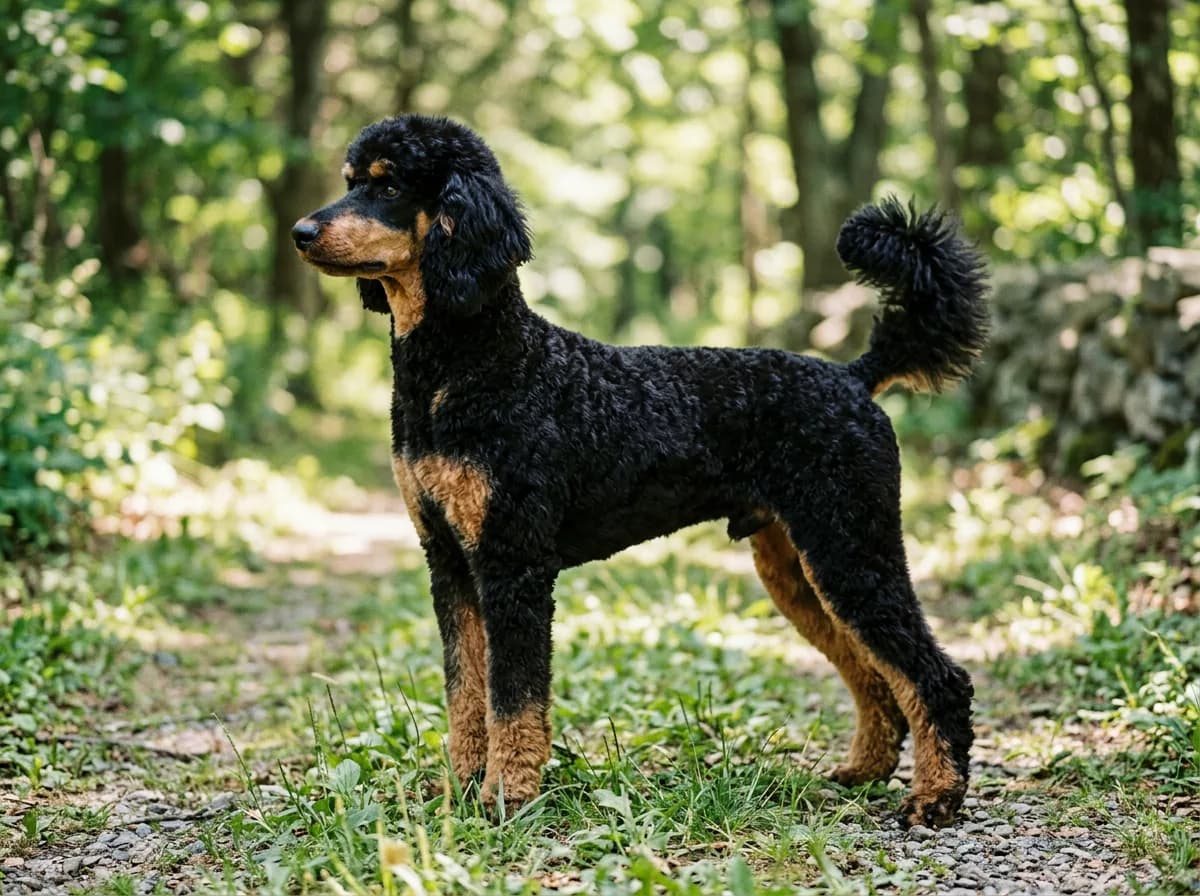
Brown poodles are liver-pigmented, meaning a brown nose, brown eye rims, and amber eyes rather than the black points of most other colors. A correct brown is a deep, even chocolate. Brown is a recessive color, so it appears less often than black.
Silver
Silver poodles are born black and clear to a pale gray, usually revealing the change first on the face and paws within the first few weeks. A true silver is an even, luminous gray. Silver is a form of fading black, which is why silver puppies almost never look silver at birth.
Blue
Blue is a diluted, faded black that stops short of silver, a dark slate-gray that can look almost black in low light. Blue poodles clear slowly and unevenly, and a coat may not settle into its final blue tone until well past the first year.
Cafe-au-Lait
Cafe-au-lait is a warm, milky light brown, the liver-pigmented cousin of silver. These poodles carry liver points and amber eyes, and like silver they typically start darker and clear to their milky-coffee shade over time.
Silver Beige
Silver beige is a pale, faded brown, essentially the liver-pigmented version of a very light silver. It reads as a soft grayish-tan and is one of the more unusual solid colors. Silver beige poodles are born brown and clear over their first two years.
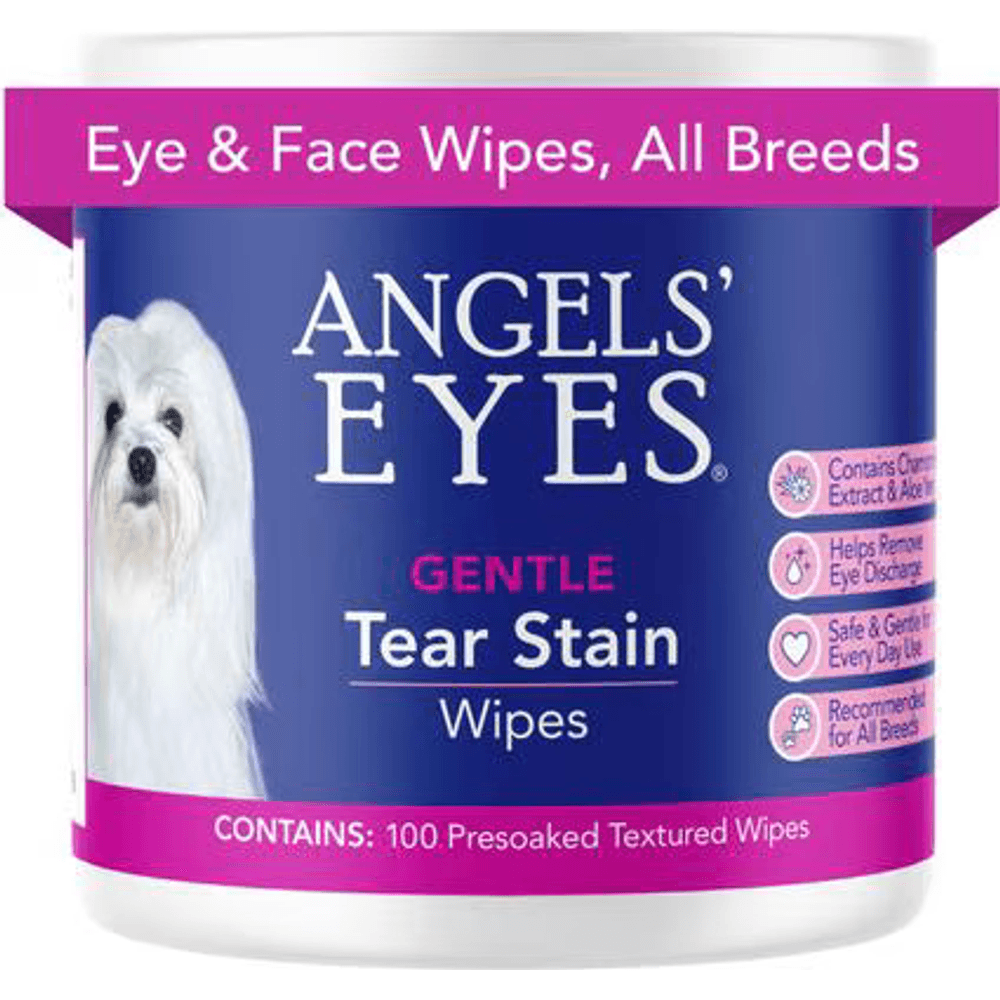
Presoaked wipes that gently clean the fur and skin around a dog's or cat's eyes, lifting away tear stains, discharge, and daily debris. A quick, no-rinse way to keep the eye area clean between baths. For routine cleaning only.
Petful may earn a commission when you click through to Chewy, at no extra cost to you.
- A "solid" poodle can still change dramatically. Silver, blue, cafe-au-lait, and silver beige are all fading colors, so the shade you meet at eight weeks is often not the shade your dog keeps. Ask a breeder about the parents' adult coats to predict where a puppy will land.
Multi-Color Poodle Patterns
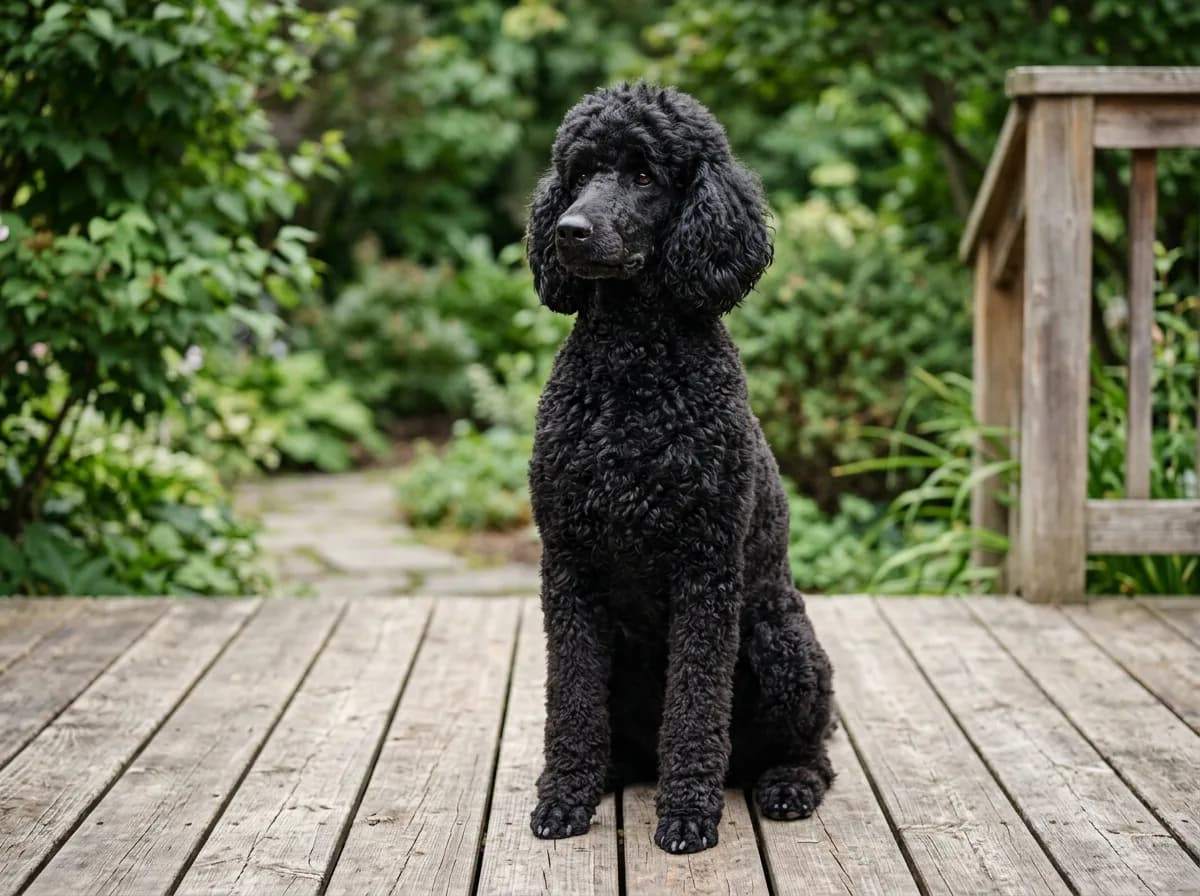
Beyond the solids, poodles naturally produce several eye-catching multi-color patterns. These are recognized by the United Kennel Club (UKC) but are typically disqualified from AKC conformation, where a solid coat is the standard. That does not make them any less purebred, and they are hugely popular as companion dogs.
Parti
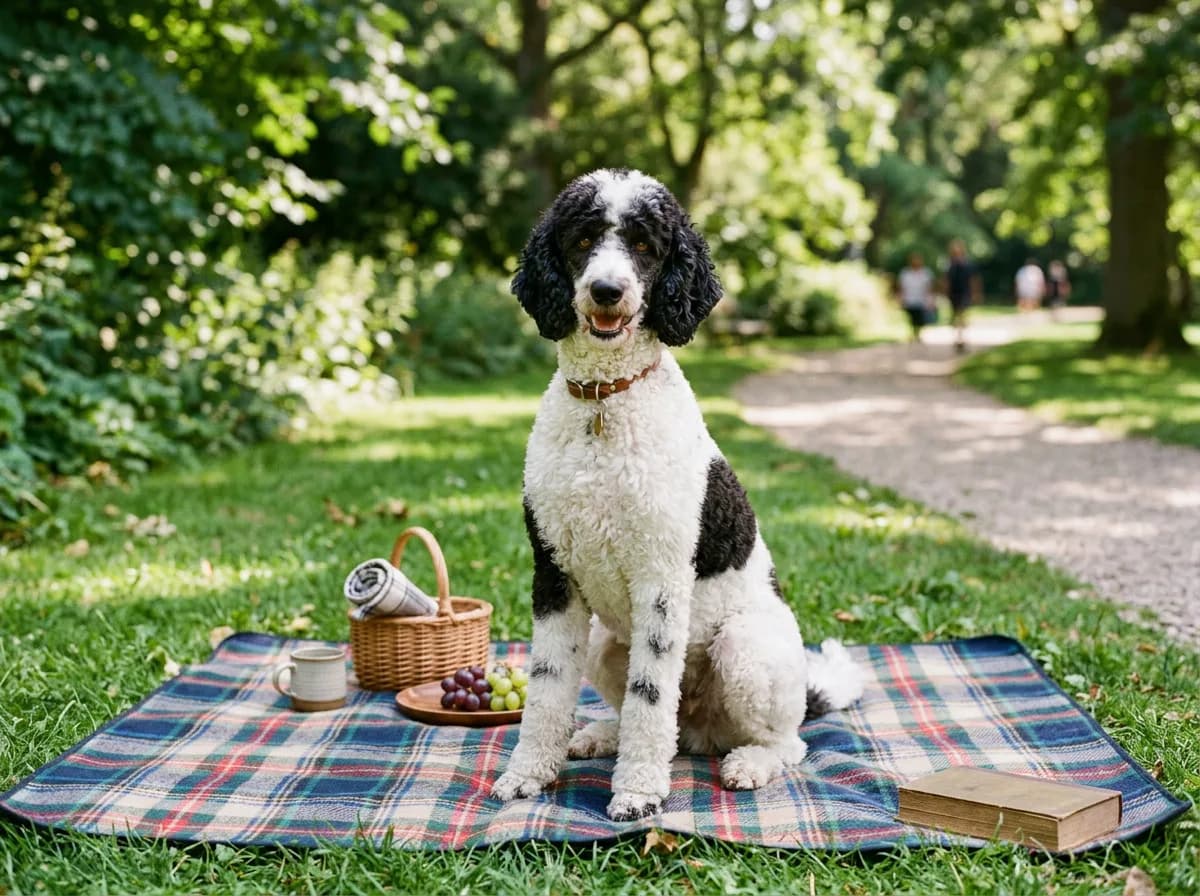
A parti poodle is at least 50 percent white with solid patches of a second color, such as black-and-white or apricot-and-white. Parti is one of the oldest color patterns in the breed and is fully recognized by the UKC as a multi-colored poodle.
Phantom
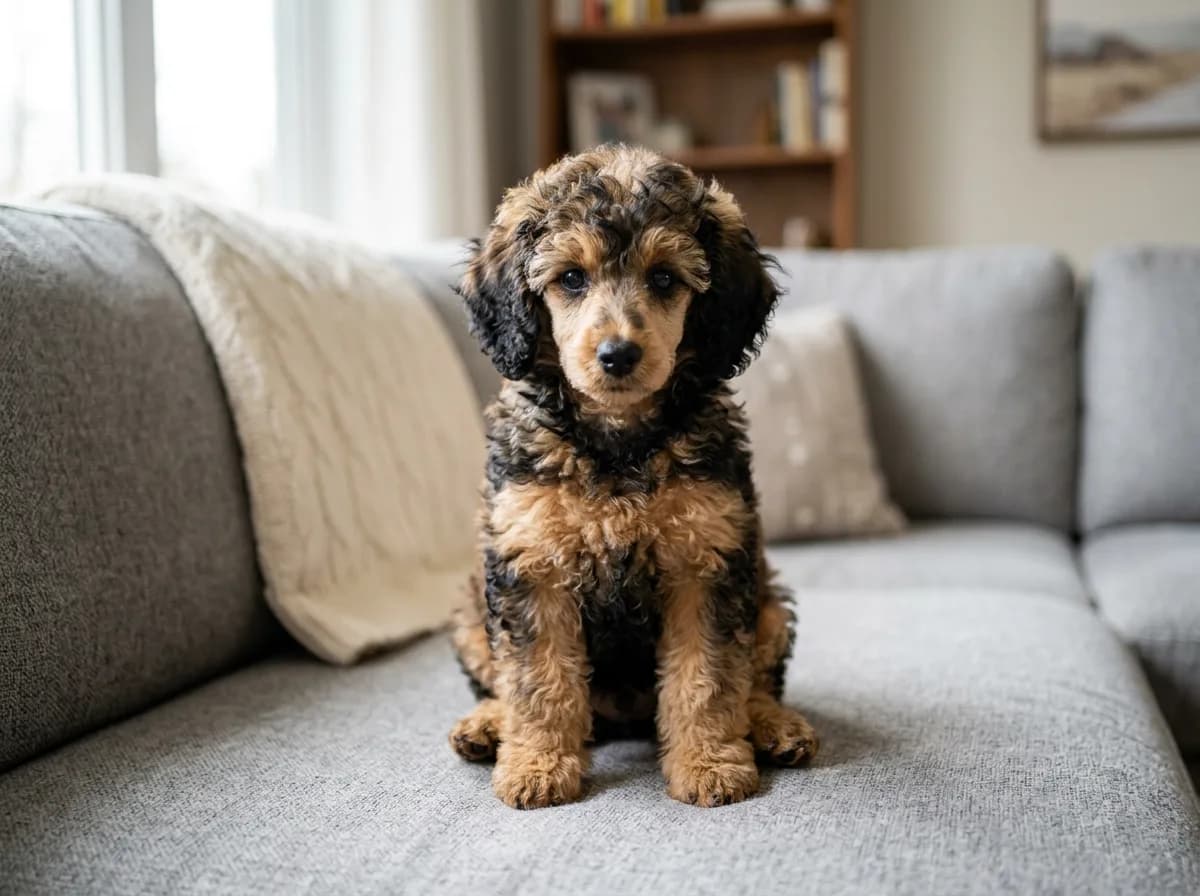
A phantom poodle has a solid base color with sharp tan or apricot markings in specific spots, above the eyes, on the muzzle, chest, legs, and under the tail, the same pattern you see on a Doberman or Rottweiler. The markings are defined and symmetrical rather than random.
Sable
A sable poodle has hairs that are darker at the tip and lighter at the base, often black-tipped fur over a lighter body. Sable puppies usually darken or lighten noticeably as they grow, and many sables clear toward a lighter overall shade with black tipping that fades.
Brindle
Brindle poodles carry a tiger-stripe pattern, irregular dark streaks layered over a lighter base color. It is one of the rarer poodle patterns and, like sable, tends to shift as the coat clears with age.
Abstract and Tuxedo
Abstract poodles are mostly solid with small white accents, usually less than 50 percent white, often a white chest, chin, or toes. A tuxedo is a specific abstract look, solid with a white chest and belly, as if the dog is wearing a formal shirt.
Petful may earn a commission when you click through to Chewy, at no extra cost to you.
Poodle Colors by Size Variety
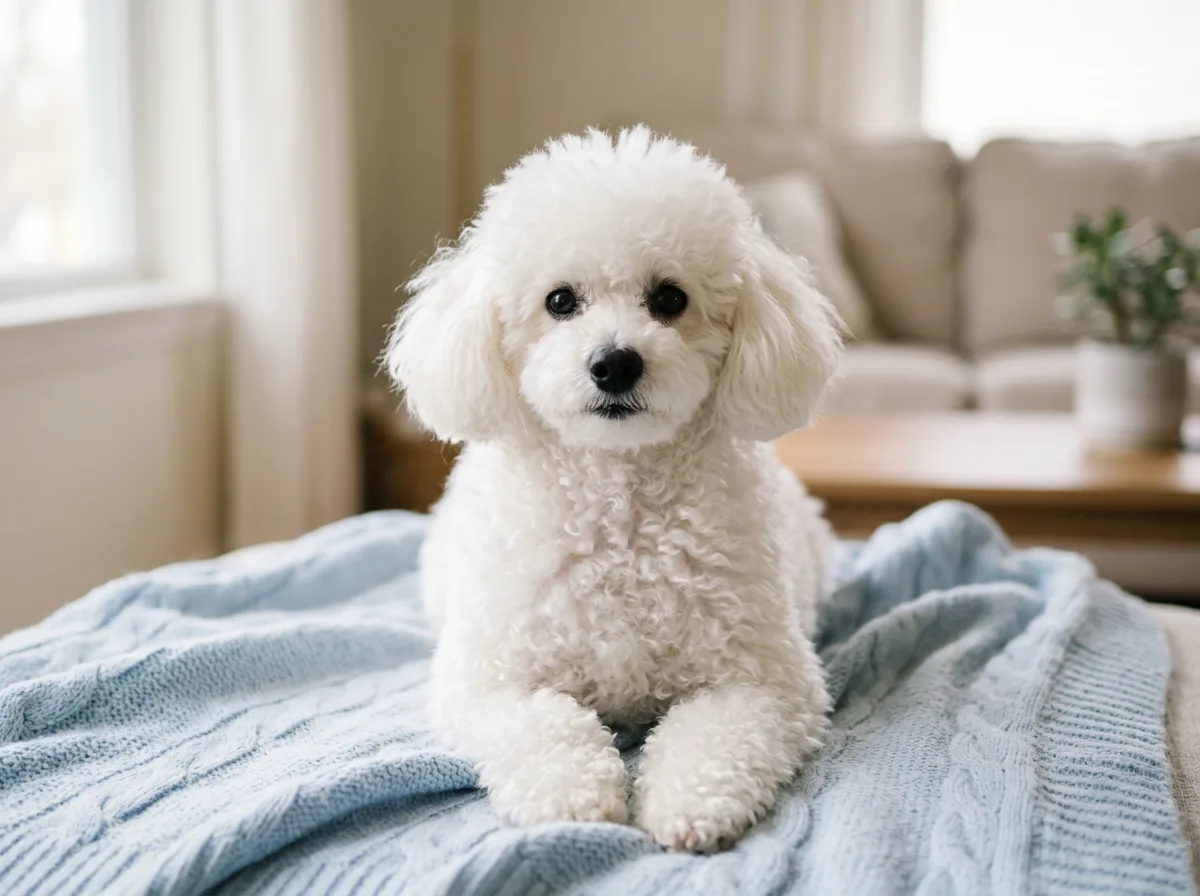
The poodle comes in three sizes, standard, miniature, and toy, and a common question is whether size changes the color options. The short answer is no: all three varieties share the same color genetics and the same recognized palette. A toy poodle can be any color a standard poodle can be, from black and apricot to blue, silver, and parti.
What does differ, in practice, is how often you see certain colors in each size, because that comes down to which colors breeders in a given size have selected for. Reds and apricots, for instance, became especially popular in the toy and miniature sizes, which is part of why you see so many small red poodles. Standard poodles show the full range and are the variety most associated with dramatic show colors and classic black, white, and apricot.
- Toy poodle colors: every recognized solid and pattern, with apricot, red, cream, and black especially common as companion colors.
- Miniature poodle colors: the full palette again, frequently seen in black, brown, apricot, and the fading silvers and blues.
- Standard poodle colors: the widest visible variety in the show ring, from crisp black and white to silver, blue, brown, cafe-au-lait, and parti.
The takeaway is that if you have your heart set on a particular color, you rarely have to compromise on size to get it. Focus on finding a health-focused breeder in your preferred size first, then talk color.
The Fading Gene: Why Poodles Change Color
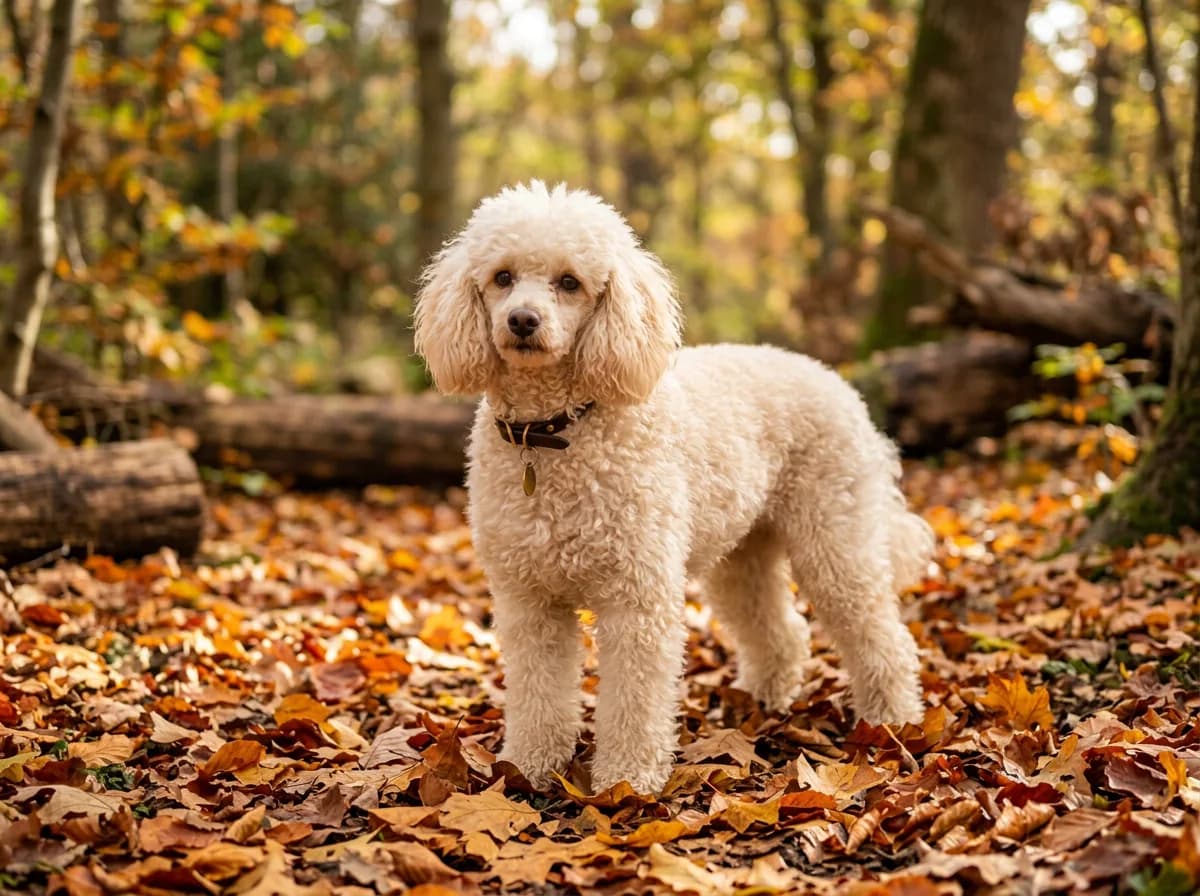
If you have ever wondered why the black puppy you brought home turned silver, the answer is the fading, or "clearing," gene. Many poodles are born one color and gradually lighten to a different adult shade, a process that typically finishes somewhere between 18 and 24 months of age.
Common fades include:
Petful may earn a commission when you click through to Chewy, at no extra cost to you.
- Black to blue or silver: a black-born puppy clears to slate-blue or pale silver.
- Red to apricot: a rich red lightens toward warm apricot.
- Brown to cafe-au-lait or silver beige: a chocolate puppy clears to milky coffee or pale tan.
The earliest sign of clearing usually shows on the face and paws, where the new lighter hair grows in first. This is exactly why breeders are cautious about promising a puppy's adult color, and why a "true" non-fading black, red, or brown is more valuable than a fading one.
| Puppy color | Common adult color | About when it settles |
|---|---|---|
| Black | Blue or silver | 12 to 24 months |
| Red | Apricot | 12 to 18 months |
| Brown | Cafe-au-lait or silver beige | 18 to 24 months |
| Cream | White or light cream | 6 to 12 months |
Rare and Controversial Poodle Colors
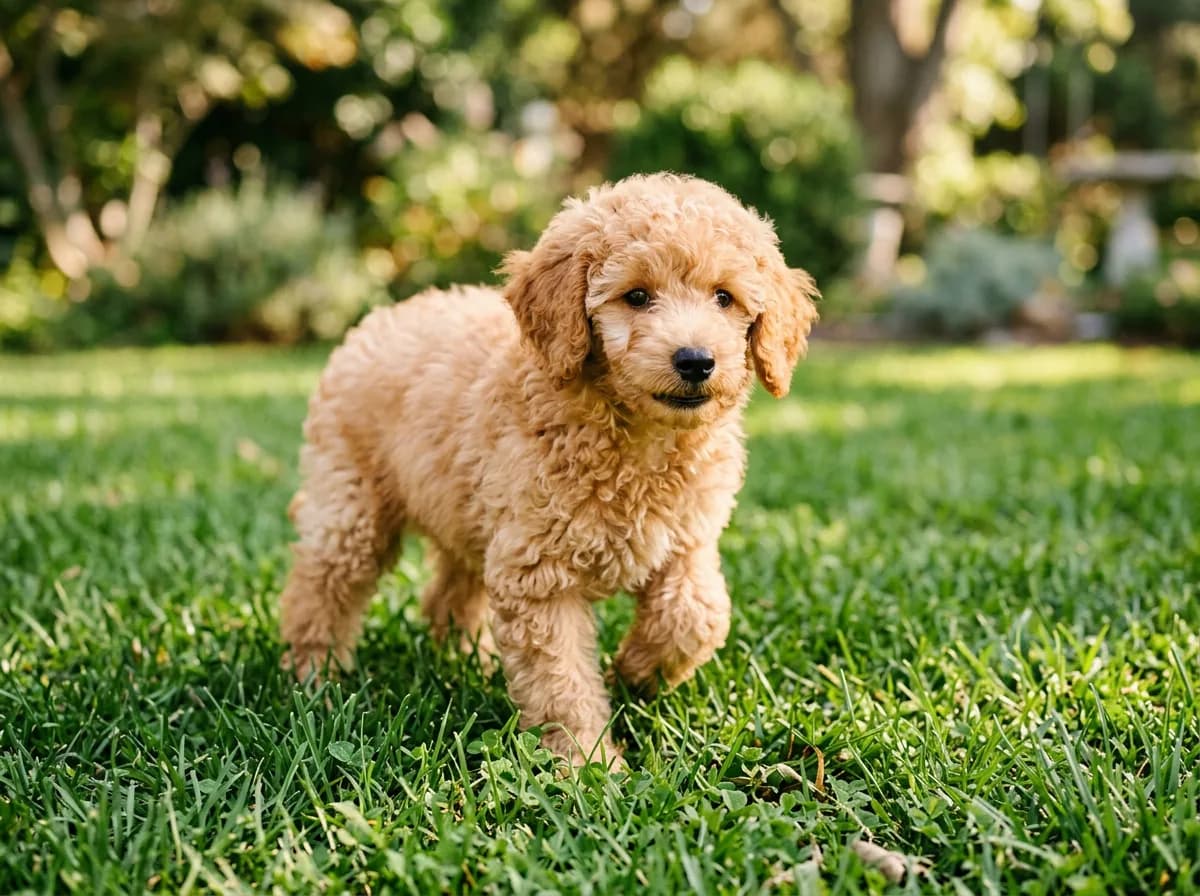
Some colors are simply uncommon, and some are red flags. It is worth knowing the difference before you pay a premium.
Genuinely rare colors
True dark red, non-fading black, brown, and the pale liver-based colors (cafe-au-lait, silver beige) are all legitimately hard to breed and therefore uncommon. Parti and phantom patterns, while recognized, also show up less often than plain solids.
Merle: the color to question
Merle poodles, marbled patches of diluted and full pigment, have surged in popularity, but the merle gene does not occur naturally in purebred poodles. The UKC explicitly disqualifies merle, and most poodle authorities consider a merle "poodle" to be a cross somewhere in its ancestry. That is a cosmetic issue only up to a point, because the merle gene carries real health risk.
- Breeding two merle dogs together produces "double merle" puppies with a high rate of deafness and blindness tied to the lack of pigment. The Merck Veterinary Manual documents that pigment-linked deafness is associated with the merle and piebald genes. If a breeder is advertising merle poodles, treat it as a caution flag, not a selling point.
Beyond merle, be cautious of any breeder charging a large premium purely for a "rare" color while glossing over health testing, temperament, and the parents' backgrounds. Color should be the last thing you choose a puppy for, not the first.
Do Coat Colors Affect a Poodle's Health?
For the vast majority of poodles, color and health are unrelated, a black poodle and an apricot poodle from the same responsible breeder have the same health outlook. There are two color-linked exceptions worth understanding.
Color dilution alopecia. Dilute colors like blue and silver are produced by a dilution gene, and in some breeds that same gene is associated with color dilution alopecia (CDA), a condition where diluted-color hair becomes thin, brittle, and patchy. Merck Veterinary Manual describes color dilution alopecia as a hereditary condition seen in dogs with dilute (blue and fawn) coats. It is uncommon in poodles compared with breeds like the Blue Doberman, but it is the reason dilute coats are worth a closer look (see the Merck Veterinary Manual dermatology section at merckvetmanual.com).
Pigment-linked deafness. As noted above, the deafness risk tracks with the merle and extreme-white piebald genes, not with normal poodle solids or parti patterns. A standard white or parti poodle from health-tested parents is not at elevated risk simply for being light-colored.
- 1Color and health are unrelated for most poodles from responsible breeders
- 2Dilute colors (blue, silver) carry a small, breed-dependent risk of color dilution alopecia
- 3The real deafness risk is tied to the merle and extreme-white genes, which is a strong reason to avoid merle "poodles"
Choosing a Poodle by Color
Color is the most visible thing about a poodle and the least important thing about living with one. Every poodle color shares the same smart, active, people-focused temperament and the same low-shedding, high-maintenance curly coat. A few practical notes:
- Light coats show tear stains and dirt more than dark coats, so white, cream, and apricot faces may need more frequent cleaning.
- Dark coats can sun-bleach slightly over a summer, and blues and silvers keep evolving well into adulthood.
- If exact adult color matters to you, ask to see the parents and, ideally, adult siblings from a previous litter, since the fading gene makes puppy color an unreliable predictor.
For grooming, patterns, and coat care that apply across colors, our dog breeds library covers breed-by-breed profiles, and if you love comparing how coat color works in other breeds, see our guide to Rhodesian Ridgeback colors for another breed where color genetics get interesting.
Poodle Color FAQ
How to Read a Poodle Puppy's Future Color
Because the fading gene reshapes so many coats, learning to read a puppy gives you a better guess than the litter paperwork. Start with the points, the nose, eye rims, and eyes, since black-based and liver-based pigment is fixed for life and tells you which color family the dog belongs to. Next, part the coat down to the skin and compare the roots against the tips: noticeably lighter roots mean clearing has already begun. The ears and topknot hold the truest, deepest shade the longest, so check there for a clue to where the coat will settle. Most reliably, ask to see the sire and dam in person, plus any grown puppies from an earlier litter, because the parents predict adult color far better than a two-month-old coat ever will.
- Eye and nose color reveal whether a puppy is black-based or liver-based, and that never changes. Lighter roots under darker tips reveal that a fading color is already on its way to clearing.
Poodle Colors and AKC Registration
On paper, the AKC registers a poodle as a single solid color and assigns it a standardized color code, so accuracy on the application keeps the pedigree honest. A solid coat is required for the AKC conformation ring, where parti-coloring is a disqualification, yet parti and phantom poodles can still be registered and compete in obedience, agility, and other companion events. The UKC, by contrast, fully recognizes the multi-color patterns for show. If show plans are not part of the picture, the registration color makes no difference to the dog you take home.
Related on Petful
- Poodle Puppies Breed Profile: Essential Facts
- Merle Dog Guide: Genetics, Breeds, and Health
- French Bulldog Colors: Standard vs. Rare Guide
- Golden Retriever Colors: A Complete Shade Guide
- Doberman Colors: Every Coat, Rarity, and Genetics
True dark red and non-fading solid black are among the rarest legitimate poodle colors, because the fading gene tends to lighten reds to apricot and blacks to blue or silver over time. Liver-based colors like cafe-au-lait and silver beige are also uncommon. Merle is often marketed as "rare," but it does not occur naturally in purebred poodles and points to crossbreeding, so it should be treated as a caution rather than a prize.
The best food for a poodle is a complete, balanced diet that meets AAFCO nutritional standards and matches your dog's life stage and size variety, since a toy poodle and a standard poodle have very different calorie needs. Look for a named animal protein as the first ingredient and portion carefully, because toy and miniature poodles are prone to weight gain. Your veterinarian can recommend a specific formula, especially if your poodle has dental, joint, or skin concerns.
Poodles are one of the most intelligent dog breeds, so they need daily mental work alongside physical exercise. Rotate puzzle feeders, hide-and-seek games, scent work, and short training sessions that teach new tricks or commands. Because poodles learn fast and bore easily, keep sessions varied and reward-based, and consider dog sports like agility or obedience, which channel their problem-solving drive.
Yes, poodles often bond most closely with one person while still being affectionate with the whole family. They are highly social and attuned to human emotion, so a poodle tends to gravitate toward whoever spends the most time training, feeding, and playing with it. Consistent, positive interaction is the fastest way to become your poodle's favorite person.
Standard poodles from proven show or sport lines usually command the highest prices, and rare, stable colors such as true red, phantom, and well-marked parti can push the cost higher. Price is driven more by health testing, pedigree, and breeder reputation than by color alone, so a premium charged purely for a "rare" color without health clearances is a red flag rather than a mark of quality.
Poodles frequently do pick a favorite person, typically the one who handles their daily care and training. This preference is not fixed, and it can shift as relationships and routines change. You can strengthen your bond by being the primary source of walks, meals, training, and calm affection, which encourages your poodle to choose you.
Poodles should never eat foods that are toxic to all dogs, including chocolate, xylitol (a sweetener found in sugar-free gum and some peanut butters), grapes and raisins, onions, garlic, macadamia nuts, and alcohol. The ASPCA maintains a full list of toxic foods, and any suspected ingestion is a call-your-vet-now situation. Toy and miniature poodles are small, so even a little of a toxic food can be dangerous.
Discipline a poodle with consistent, reward-based training rather than punishment, because these sensitive, intelligent dogs respond poorly to harsh corrections and can become anxious or shut down. Redirect unwanted behavior, reward the behavior you want immediately, and keep rules consistent across the household. Short, positive, frequent sessions work far better than scolding for a breed this smart and eager to please.
The Bottom Line on Poodle Colors
Few breeds wear as many colors as the poodle, from the classic black, white, and apricot to red, silver, blue, cafe-au-lait, and the striking parti and phantom patterns. Most of those colors also shift as a puppy matures, thanks to the fading gene, so the coat you fall for at eight weeks is part of a longer story. Choose your poodle for health, temperament, and a responsible breeder first, and enjoy whatever gorgeous color, or color change, comes along with it.

Coreen Saito is a pet writer and longtime shelter volunteer with more than a decade in animal rescue. She covers cat behavior, breed care, and the small, ordinary science of sharing a life with companion animals, with a particular focus on honest takes about the products and decisions that actually matter. At home in Arizona, she's outranked by Mac (a dog with the loudest opinion in the house), Rebel (a cat who governs by quiet authority), and Meri (an orange tabby who runs the late shift and the laundry basket). She writes about all three, plus the rescues that keep coming through her life, at LifeWithMinty.com.
Sign up for expert-backed reviews and safety alerts all in one place.