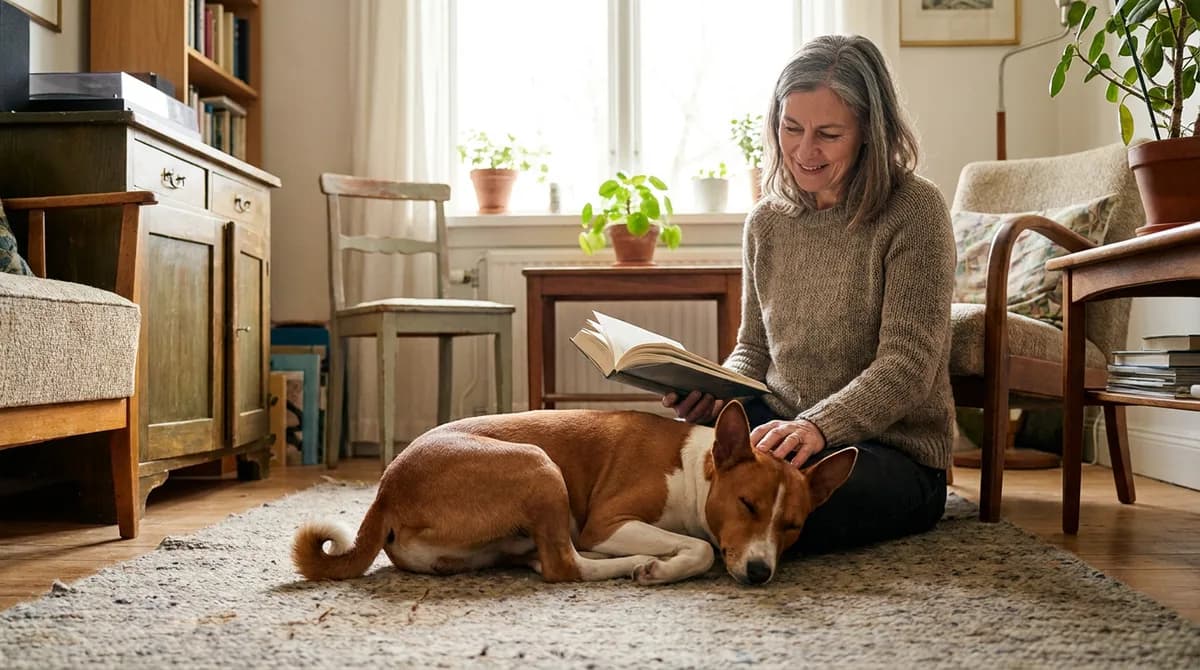
Boxer Puppies Breed Profile: Essential Facts
Discover the unique traits and care tips for Boxer puppies, including temperament, health risks, training, costs, and family-friendly qualities. Perfect for new owners!

Petful is reader supported. As an affiliate of platforms like Amazon and Chewy, we may earn a commission when you buy through links on this page. There is no extra cost to you.
The "Health Problems" section of this Boxer Puppies article features contributions from a veterinarian, Dr. Pippa Elliott, BVMS, MRCVS.
Boxer puppies bring huge personality in a medium-large, muscular package: playful, protective and famously patient with children. This breed profile covers the essential information, from temperament and exercise needs to Boxer-specific health problems and what a well-bred puppy really costs.
- 1Boxers are affectionate, high-energy family dogs that need daily exercise, early socialization and company; they do poorly left alone for long stretches.
- 2Grooming is easy, but health risks are not: heart disease (Boxer cardiomyopathy), mast cell tumors, bloat (GDV) and eye ulcers all show up in the breed.
- 3A responsibly bred Boxer puppy typically costs $800-$2,500 from a health-tested breeder; a $400 "bargain" is a red flag, and adoption runs about $150-$500.
- 4Always ask a breeder about heart screening ("Boxer heart") before you commit, or start with a Boxer rescue.
- AKC Group: Working
- Weight: 60-70 lbs. (male)50-65 lbs. (female)
- Height: 23-25 in. (male)21.5-23.5 in. (female)
- Life Span: 10-12 years

Sign up for expert-backed reviews and safety alerts all in one place.
Key Characteristics of Boxer Puppies
Boxer puppies are known for their muscular build and distinctive appearance. They have chiseled heads and a smooth coat that showcases their toned muscles underneath.
- Distinct Features: Boxers have long tongues, dark brown eyes, and coat colors in fawn, brindle, black, or white.
- Docked Tails: A common practice, though increasingly viewed as unnecessary and cruel. Learn more about tail docking.
These features, combined with their playful and affectionate nature, make Boxer puppies a unique and beloved breed.
Boxer Puppy Colors and Markings
Boxer puppies come in two standard coat colors, fawn and brindle, usually with a black mask and often flashy white markings. A brindle Boxer puppy can look almost black when the striping is heavy, but a true solid black Boxer does not exist in the breed standard.
A white Boxer puppy is not rare or albino; roughly 1 in 4 Boxers is born mostly white. White Boxers are more prone to deafness, so responsible breeders test hearing early. They make wonderful pets but cannot be shown in conformation.


Petful may earn a commission when you click through to Chewy, at no extra cost to you.
Where Boxer Puppies Came From
What two breeds make a Boxer? The modern Boxer was developed in late 19th-century Germany by crossing the now-extinct Bullenbeisser, a powerful German hunting dog, with the English Bulldog, according to the American Kennel Club.
The Boxer breed has a rich history, originating from a mix of European dogs dating back to the 16th century. Some key points include:
- Ancestry: Possible descent from a fighting dog in Tibet and lines from bulldogs and terriers.
- Historical Uses: Initially used for dogfighting and bull baiting, these practices were outlawed in later years. More on dogfighting and bull baiting.
- Refinement and Recognition: The breed was refined in Germany in the 19th century, with the American Kennel Club (AKC) recognizing Boxers in 1904. Their popularity spread to England in the 1930s.
Boxer puppies are not only known for their distinct physical traits but also for their rich historical background and evolution as a breed.

How Friendly Are Boxers?
Is a Boxer a good dog to own? For active households, yes: the Boxer temperament combines affection, patience with children and a natural watchdog instinct. And no, Boxers are not an aggressive breed; the AKC describes them as upbeat, playful and courageous, though early socialization is essential.
Boxer puppies are well-known for their friendly and affectionate demeanor, making them great companions for both adults and children. They are protective, courageous, and fearless, traits that contribute to their popularity as a breed.
- Affectionate and Patient: Boxer puppies are loving and patient, particularly with children, which makes them ideal family pets.
- Protective Nature: Their protective instincts make them good watchdogs, always alert to their surroundings.
These qualities, combined with their friendly nature, make Boxer puppies a desirable choice for many families.
Intelligent and Playful Boxer Puppies
Boxer puppies are not only friendly but also highly intelligent, making them easy to train. They are energetic and playful, often displaying a natural curiosity about their environment.
Channel that brain early: our week-by-week puppy training guide covers the first commands and socialization windows that matter most for a Boxer.
- Intelligent Dogs: Boxer puppies can understand many words and commands, reflecting their intelligence (learn more about intelligent dogs).
- Energetic and Playful: Their playful nature requires regular exercise and mental stimulation to keep them happy and well-behaved.
Properly socialized Boxer puppies can even get along with cats, though it's best not to leave them alone with small animals due to their energetic nature.
Are Boxer Puppies the Right Dog For You?

Exercise Needs
HIGH: Boxer puppies are active and energetic, requiring significant physical activity to stay healthy and happy. While they can adapt to living in apartments, they need proper exercise and mental stimulation.
- Active Indoors: Boxer puppies can thrive in apartments (learn more about dogs in apartments), but they need sufficient space and activities to burn off energy.
- Daily Exercise: A long, brisk walk on leash every day is essential for Boxer puppies. Additionally, interactive play is crucial for their well-being.
It's important to note that Boxer puppies are sensitive to temperature extremes, both hot and cold. To prevent them from becoming stubborn or difficult, they should be socialized, trained, and provided with plenty of opportunities to expel energy.
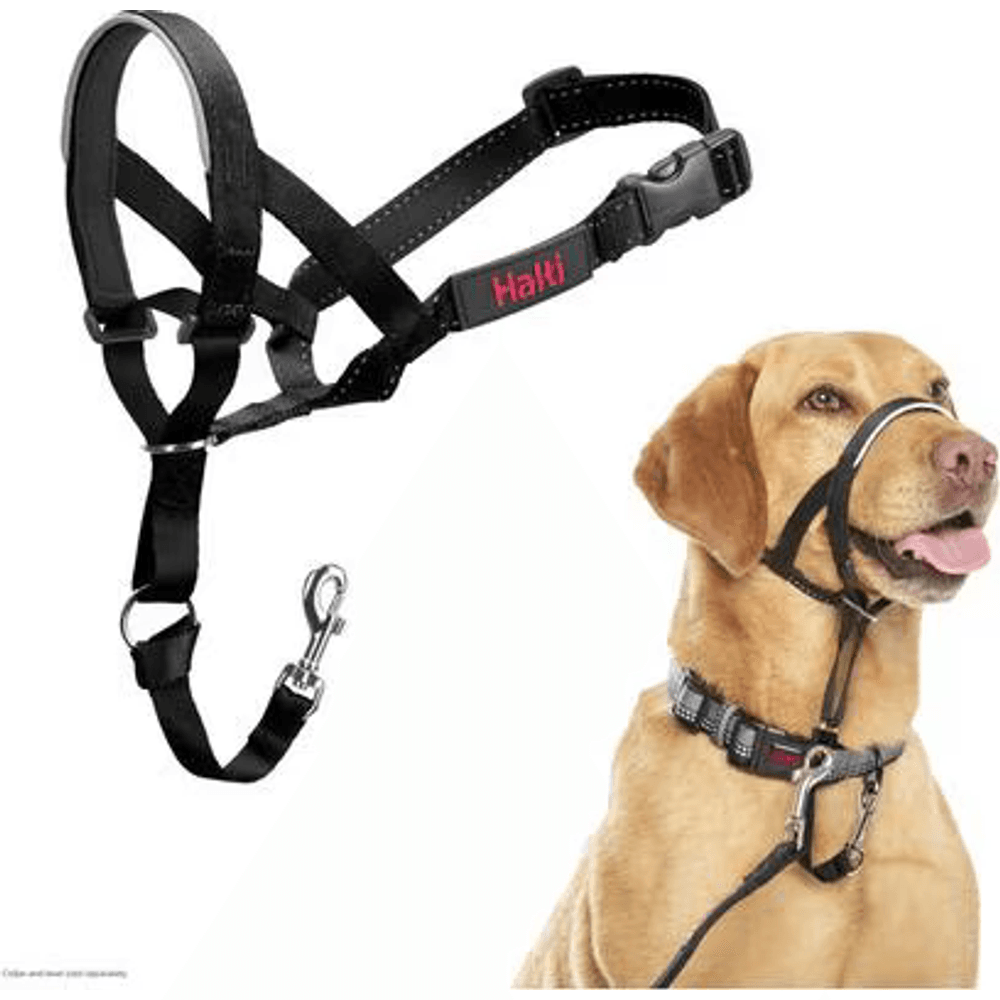
A padded head halter that gently steers a dog from the head, keeping all leash pressure off the neck and windpipe, a useful option for a dog whose cough or collapsing trachea flares when a collar tightens.
Petful may earn a commission when you click through to Chewy, at no extra cost to you.
Grooming Needs
LOW: Boxer puppies have relatively low grooming needs, making them a convenient choice for many pet owners. Their grooming routine helps maintain their health and appearance.
- Shedding and Brushing: Shedding in Boxer puppies is average, and a weekly brushing is usually sufficient to manage loose fur and maintain their coat.
- Bathing: It's important to bathe your Boxer as needed but not too often, as frequent baths can strip the coat of its natural oils.
In addition to brushing and bathing, it's essential to:
- Nail Clipping: Regularly clip your Boxer's nails to prevent overgrowth and discomfort.
- Dental Care: Brush your Boxer's teeth regularly to maintain good oral hygiene (see our guide to dog dental care).
- Ear Cleaning: Keep your Boxer's ears clean to prevent infections.

Petful may earn a commission when you click through to Chewy, at no extra cost to you.
Interestingly, some owners report that their Boxer puppies clean themselves like cats, engaging in self-bathing behaviors.
Health Problems
HIGH: Boxer puppies, despite their vibrant and energetic nature, are susceptible to a variety of health issues. Understanding these potential problems can help in early diagnosis and treatment, ensuring a better quality of life for your pet.
- Mast Cell Tumors: These account for 20% of all skin tumors in dogs and can be life-threatening. Boxers and similar breeds are more prone to developing mast cell tumors, possibly due to a shared ancestry. It's crucial to check your dog's skin weekly for any new lumps and have them examined by a vet (learn more about mast cell tumors).
Common Health Issues
Boxer puppies can be affected by several specific conditions:
- Ulcerative Colitis: Also known as "Boxer colitis," this condition typically appears in young dogs, around 2 years of age. Symptoms include vomiting, bloody diarrhea, and weight loss. Early diagnosis and a course of special antibiotics can significantly improve the dog's health.
- Heart Disease: Boxers are prone to several heart conditions, including aortic stenosis and arrhythmogenic right ventricular cardiomyopathy (ARVC), often called "Boxer cardiomyopathy." The American Boxer Club recommends annual Holter monitor screening of breeding dogs for this rhythm disorder.
- Bloat (GDV): As a deep-chested breed, Boxers face an elevated risk of gastric dilatation-volvulus, a life-threatening emergency where the stomach fills with gas and twists. Feed smaller meals from a slow-feeder bowl, avoid hard exercise right after eating, and learn the dog bloat timeline so you can recognize the signs fast.

Multiple ridges and valleys slow eating, reduce gas and bloating, and turn mealtime into a fun puzzle. Non-skid base, dishwasher safe, 4-cup capacity.
Petful may earn a commission when you click through to Chewy, at no extra cost to you.
Additional Health Concerns
Boxer puppies may also face issues with their eyes:
- Eye Ulcers: Boxers are known to suffer from indolent ulcers or non-healing ulcers. These ulcers can arise spontaneously without any trauma. The condition is thought to result from a weakness in the corneal tissue's adhesive layer. Persistent blinking in Boxers may indicate eye discomfort, requiring immediate veterinary attention (consult a veterinary ophthalmologist).
Early detection and regular vet visits are crucial in managing these health issues, helping to maintain the overall well-being of your Boxer puppy.

Other Health Problems in Boxer Puppies
In addition to the major health concerns previously mentioned, Boxer puppies may also face a variety of other health issues. These conditions require awareness and regular monitoring to ensure your puppy's well-being.
- Thyroid Problems (Hypothyroidism): Boxers can suffer from thyroid issues, which can lead to weight gain, lethargy, and other symptoms (learn more about thyroid problems in dogs).
- Skin and Other Allergies: Allergies can manifest as skin irritations, itching, and discomfort. Identifying and managing allergens is key to keeping your Boxer comfortable.
- Epilepsy: Some Boxers may experience epileptic seizures, which can vary in severity. Understanding the signs and treatment options is crucial for managing this condition (more on epilepsy in dogs).
- Cancer: Unfortunately, Boxers are at risk for various types of cancer. Early detection and treatment are vital for a better prognosis (signs of cancer in dogs).
- Arthritis: This common condition can affect older Boxers, causing joint pain and stiffness. There are treatments available to alleviate symptoms and improve mobility (treating arthritis in dogs).
- Hip Dysplasia: A hereditary condition that can lead to joint problems and mobility issues. Early diagnosis and proper management can help maintain your Boxer's quality of life (read our guide to hip dysplasia in dogs).
- Back and Knee Issues: Boxers may develop back and knee problems, which can impact their movement and comfort.
- Deafness: White Boxers are particularly prone to deafness, a condition that requires special care and training.
This extensive list of potential health issues can be daunting, but with superior healthcare and regular veterinary visits, you can help keep your Boxer puppy healthy and happy.
More Stats About Boxer Puppies
Here are some additional characteristics to consider when thinking about adopting a Boxer puppy: Friendliness: ★★★★☆ Ease of Training: ★★★★☆ Barking/Howling: ★★★☆☆ Shedding: ★★★★☆ Tolerate Being Alone: ★☆☆☆☆ Very Good With Kids: ★★★★☆ Check out why Boxers are such beloved pets:
What Do Boxer Puppies Cost?
Are Boxers expensive dogs? Moderately: a Boxer puppy from a reputable, health-testing breeder commonly runs $800-$2,500, while adopting one through a shelter or Boxer rescue usually costs a $150-$500 adoption fee that often includes vaccines, spay/neuter and a microchip.
Budget beyond the purchase price. A realistic first-year cost for a Boxer includes:
- Supplies: crate or exercise pen, bed, bowls, collar, leash and toys, roughly $200-$500 up front.
- Veterinary care: puppy vaccine series, parasite prevention and spay/neuter, often $500-$1,000 in year one.
- Food: a growing large-breed puppy eats a lot; expect $40-$80 per month on quality food.
- Pet insurance: worth pricing early for this breed, since Boxers' heart and cancer risks make later enrollment costlier.
One warning on cheap puppies: ads for Boxer puppies at $400 or less are a red flag. That price rarely covers health screening, and it is a common puppy mill warning sign. A too-cheap puppy often becomes the most expensive dog you will ever own.
The Downsides of Owning a Boxer
What are the downsides of Boxer dogs? The honest list: they need a lot of exercise and attention, they are slow to mature, they are sensitive to heat and cold, and the breed carries more than its share of health problems. None of these are dealbreakers for a prepared owner, but go in with open eyes.
- Separation anxiety: Boxers bond hard and can become destructive when left alone; see our guide to separation anxiety in dogs.
- Health problems and vet bills: heart disease, cancers and bloat risk mean higher-than-average lifetime veterinary costs.
- Bounciness: an adolescent Boxer can flatten a toddler or a frail adult out of pure joy; training and management matter.
- Weather limits: the short muzzle makes Boxers prone to overheating in summer, and the short coat means they feel the cold.
- Drool and gas: not every Boxer, but enough of them that owners joke about it.
How to Adopt Boxer Puppies
Adopting a Boxer puppy is a rewarding experience, and there are several avenues to explore when looking for your new pet.
- Check Rescues and Shelters: Even purebred Boxer puppies can end up in shelters. Start your search by exploring rescues and adoption resources. You can try Petful's online adoptable pets search to find available Boxers in your area.
Considerations for Adoption
Finding a Boxer puppy through adoption resources can sometimes be challenging. If you're unable to find one through a rescue, you might consider checking with breed-specific rescue groups or reputable breeders.
- Choosing a Breeder: If you decide to go through a breeder, it's crucial to ensure they are reputable. Look for signs that indicate they are not operating a puppy mill and are genuinely concerned about the health and well-being of their dogs. You can quiz the breeder on how many of their dogs have died unexpectedly due to heart issues (often referred to as "Boxer heart") and if their breeding stock has been scanned for heart defects; here are 5 questions to ask a dog breeder. Additionally, be aware of puppy mill warning signs.
By taking these steps, you can help ensure that your new Boxer puppy comes from a safe and healthy environment, providing a good start in life.
Related Dog Breed Profiles You May Like
- Affenpinscher Breed Profile: Essential Facts
- Alaskan Malamute Breed Profile: Essential Facts
- American Hairless Terrier Breed Profile: Essential Facts
- American Leopard Hound Breed Profile: Essential Facts
- Appenzell Mountain Dog Breed Profile: Essential Facts
Frequently Asked Questions (FAQ)
Yes, Boxers are excellent family dogs. They are affectionate, playful, and protective, making them great companions for children. However, they need proper training and socialization to ensure good behavior.
Boxers don’t tolerate long periods alone well. They are social dogs and may develop separation anxiety, leading to destructive behavior. If left alone, they need mental stimulation and proper training to stay content.
Yes, Boxers require daily exercise, training, and regular vet checkups due to their high energy levels and potential health issues. They also need mental stimulation to prevent boredom.
Boxers are not excessive barkers, but they will bark to alert their owners or when excited. Proper training can help manage unnecessary barking.
Boxers are generally not aggressive, but they are protective and may be wary of strangers. With early socialization and training, they are friendly, affectionate, and well-behaved companions.
Boxer litters average around 6 puppies, though anywhere from 2 to 10 is normal. First litters tend to be smaller, and large litters make early health checks on each puppy even more important.
References
- "Boxer." American Kennel Club. https://www.akc.org/dog-breeds/boxer/.
- "The Boxer." American Boxer Club. https://www.americanboxerclub.org/the-boxer.html.
- Voran, Judy. "Short History of the Boxer Breed." American Boxer Club. https://www.americanboxerclub.org/boxer_history.html.
- Bell, Shirley. "The Boxer." Canine Review. July 2006. http://www.boxerclubofcanada.com/caninereview/Feature-Boxer-0706.pdf.
- "Boxer Health." British Boxer Club. http://www.thebritishboxerclub.co.uk/.

Kristine Lacoste has been researching dog and cat breeds for nearly a decade and has observed the animals up close at dog shows in both the United States and the United Kingdom. She is the author of the book One Unforgettable Journey, which was named as a finalist for a Maxwell Award from the Dog Writers Association of America, and was host of a weekly pet news segment on the National K-9 Academy Radio Show. In addition, she was the New Orleans coordinator for Dogs on Deployment, a nonprofit that helps military members and their pets, for 3 years. Kristine has researched and written about pet behaviors and care for many years. She holds a bachelor’s degree in psychology, another bachelor’s degree in English and a Master of Business Administration degree.
Sign up for expert-backed reviews and safety alerts all in one place.