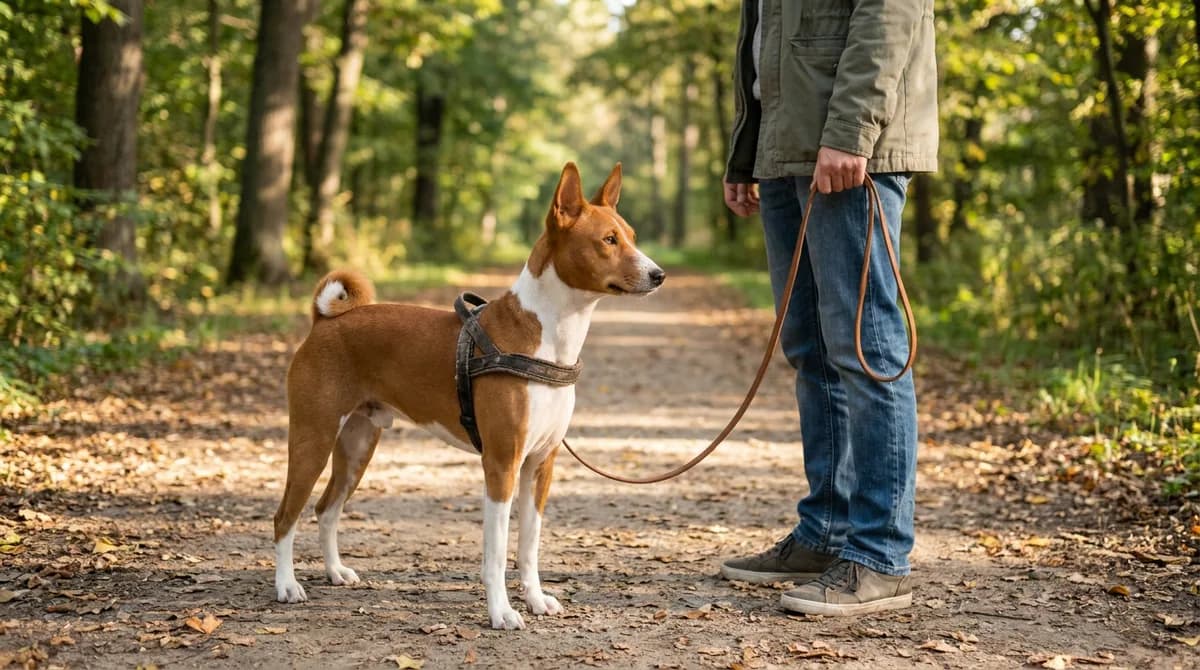
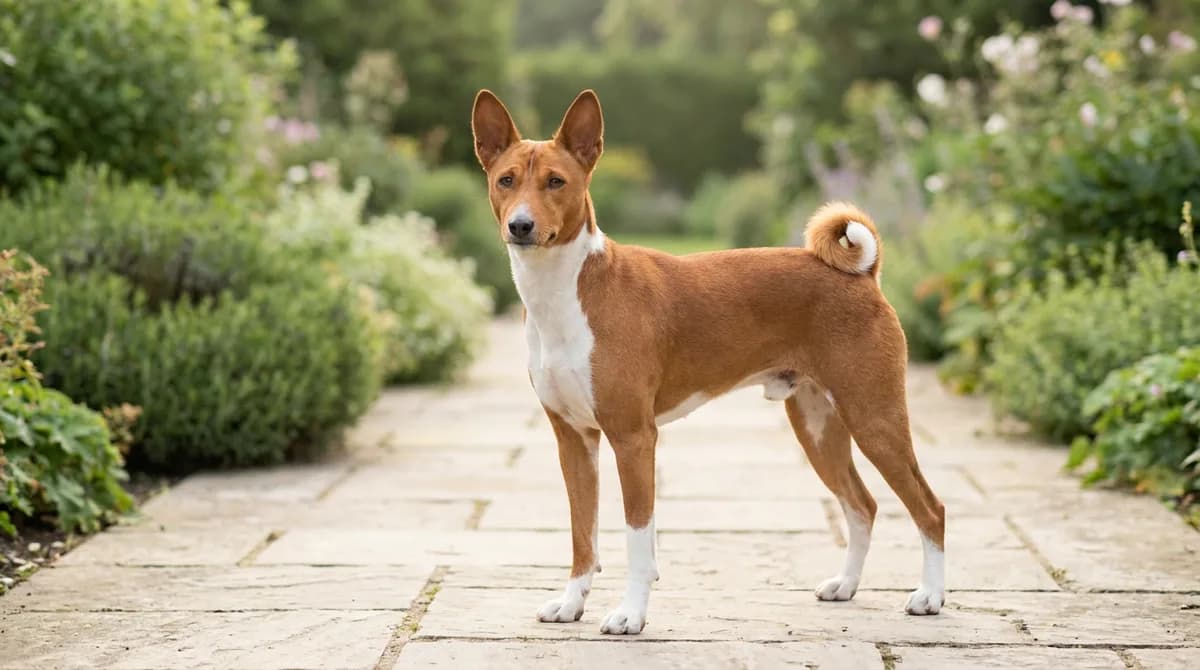
American Leopard Hound Breed Profile: Essential Facts
These dogs are active, smart hunters who have been around for hundreds of years.

- AKC Group: Foundation Stock Service
- Weight: 35–75 lbs.
- Height: 21–27 in.
- Life Span: 12–15 years

Sign up for expert-backed reviews and safety alerts all in one place.
Key Characteristics
American Leopard Hounds are medium to large all-purpose tree dogs and one of the oldest tree dog breeds in the United States.
They are also known as the American Leopard, American Leopard Cur and Leopard Cur.
According to the United Kennel Club (UKC), their noses are black, brown or liver, depending on coat color. The eyes are round and wide-set, and come in shades of yellow or brown, but they can also have 1 or 2 blue eyes.
The tapered ears are short to medium and set high on the head.
Their feet are rounded and similar to those of a cat, and the low-set tail may be any length or docked for working dogs.
Where They Came From
American Leopard Hounds have been in existence for hundreds of years.
The origin of the breed is unclear, but researchers suspect they were brought to the United States by Spanish conquistadors.
The murky origins of their development have prompted 2 theories:
- The first is that Spanish dogs were crossed with Mexican dogs before appearing in America.
- The other theory places the breed's development in the southern part of the United States, where they were created by crossing hounds and herding dogs.
These dogs were used to track and hunt small and large game -- including bears and cougars.
Despite the breed's vague history, they were recorded in North Carolina in the early 1700s and later spread to other states. So few purebred Leopard Hounds remained by the early 1900s that the dogs were being crossed with other breeds and became rare by the 1950s.
Fanciers J. Richard McDuffie, Leroy E. Smith and A.W. Carter noticed the shortage and set out to re-establish the breed. They sought out purebred Leopard Hounds and established the American Leopard Cur Breeders Association.
The UKC recognized the leopard cur in 1998 and, along with the breeder association, changed the breed's name to American Leopard Hound in 2008 so that the dogs could compete in events involving coonhounds.
The American Kennel Club (AKC) added the American Leopard Hound to its Foundation Stock Service in 2012, and the breed will be listed in the Hound Group when it acquires full recognition.
How Friendly Are They?
Leopard Hounds are loving and affectionate.
They are protective, especially of children. They are smart dogs with a strong desire to please. They are also easy to train.
Because they are scent hounds, Leopard Hounds are likely to wander off. Training yours will ensure they listen and react to commands, something they will do even when hunting or following a smell. Unsurprisingly, these dogs are efficient hunters.
Is This the Right Dog for You?
Exercise Needs
HIGH: Leopard Hounds have a seemingly endless supply of energy and stamina, and they need a lot of daily exercise. They can thrive in all temperatures, even extreme heat and cold.
They would do best in a rural area with an active family.
Grooming Needs
LOW: An occasional brushing each week will keep the coat in top shape. Bathe as needed.
Thoroughly examine your Leopard Hound if you live in a rural area — look for insects and debris in and around the ears, eyes, paws and body.
Health Problems
LOW: This breed is generally healthy. One common health issue is hip dysplasia.
Check out these fine American Leopard Hounds at a 2012 UKC show:
Where to Adopt One
American Leopard Hounds are difficult to find. You can still check with local rescues and shelters in case a dog becomes available near you.
If you contact a breeder, view the facility and ask for health clearances (specifically for the hips).
Related Dog Breed Profiles You May Like
- Appenzell Mountain Dog Breed Profile: Essential Facts
- Australian Kelpie Breed Profile: Essential Facts
- Basset Fauve de Bretagne Breed Profile: Essential Facts
- Bearded Collie Breed Profile: Essential Facts
- Belgian Malinois Breed Profile: Essential Facts
Frequently Asked Questions (FAQ)
Yes, American Leopard Hounds make great family dogs. They are affectionate, intelligent, and loyal, but they need early socialization and plenty of exercise due to their strong hunting instincts.
An American Leopard Hound puppy typically costs between $500 and $1,500, depending on the breeder, lineage, and location. Additional costs include training, healthcare, and an active lifestyle.
Both are hunting breeds, but Catahoula Leopard Dogs are more independent and protective, while American Leopard Hounds are more social and adaptable. Catahoulas also have a wider variety of coat colors and eye patterns.
They are skilled hunters bred for tracking and treeing game like squirrels, raccoons, bobcats, and even larger animals like bears and wild hogs.
No, American Leopard Hounds are not naturally aggressive, but they are protective and can be wary of strangers. Proper socialization and training help them become well-mannered companions.
It depends on the breed, but many hound dogs, including American Leopard Hounds, are affectionate and enjoy cuddling, especially after getting enough exercise.
Additional Resources
- AKC: American Leopard Hound Page
- UKC: American Leopard Hound Breed Standard

Kristine Lacoste has been researching dog and cat breeds for nearly a decade and has observed the animals up close at dog shows in both the United States and the United Kingdom. She is the author of the book One Unforgettable Journey, which was named as a finalist for a Maxwell Award from the Dog Writers Association of America, and was host of a weekly pet news segment on the National K-9 Academy Radio Show. In addition, she was the New Orleans coordinator for Dogs on Deployment, a nonprofit that helps military members and their pets, for 3 years. Kristine has researched and written about pet behaviors and care for many years. She holds a bachelor’s degree in psychology, another bachelor’s degree in English and a Master of Business Administration degree.
Sign up for expert-backed reviews and safety alerts all in one place.