French Bulldog Lifespan and Health Issues
A French Bulldog lifespan is commonly cited at 10 to 12 years. Learn the signs and care decisions associated with BOAS, heat illness, IVDD, skin, eyes and aging.

BVMS, MRCVS

Petful is reader supported. As an affiliate of platforms like Amazon and Chewy, we may earn a commission when you buy through links on this page. There is no extra cost to you.
A French Bulldog lifespan is commonly cited at about 10 to 12 years, but an individual may live a shorter or longer life. Airway disease, heat intolerance, spinal problems, skin and eye disease, weight and timely veterinary care can all influence health and quality of life.
The useful question is not whether a French Bulldog will reach one exact age. It is which risks can be reduced, which changes deserve an appointment and which signs cannot wait. This guide explains those decisions without treating noisy breathing, poor heat tolerance or recurring discomfort as normal merely because the breed is prone to them.
- 1French Bulldog breed references commonly cite a lifespan of about 10 to 12 years, but an individual may live a shorter or longer life. Airway disease, heat intolerance, spinal problems, skin and eye disease, weight and timely veterinary care can all influence health and quality of life.
- 2Breed tendencies describe populations, not every individual dog
- 3Records, direct observation and professional findings answer different questions
- 4Products support a plan but do not diagnose, treat or guarantee outcomes
| Area | What to monitor at home | When to contact a veterinarian |
|---|---|---|
| Breathing | Effort, noise while awake, sleep quality, exercise recovery | Increasing effort, gagging, poor recovery or reduced tolerance |
| Heat | Panting, gum color, alertness, coordination | Weakness, vomiting, confusion, collapse or pale/blue gums |
| Spine and mobility | Pain, reluctance to jump, gait, paw placement, bladder control | Sudden pain, weakness, wobbliness, dragging limbs or bladder changes |
| Skin, ears and eyes | Redness, odor, discharge, rubbing, squinting | Pain, swelling, cloudy eye, persistent discharge or rapid worsening |
| Weight and heart | Monthly weight trend, body condition, stamina, cough | Unexplained change, fainting, cough at rest or reduced stamina |
- For the handling decision in this section, compare the Frisco Padded No Pull Dog Harness, Small with the dog's current measurements, movement, coat and behavior. Recheck fit while the dog is standing and moving, inspect the hardware before use, and confirm that the equipment cannot tighten, rub or permit escape. Petful’s guide to no-pull harnesses for small dogs has the full breakdown.
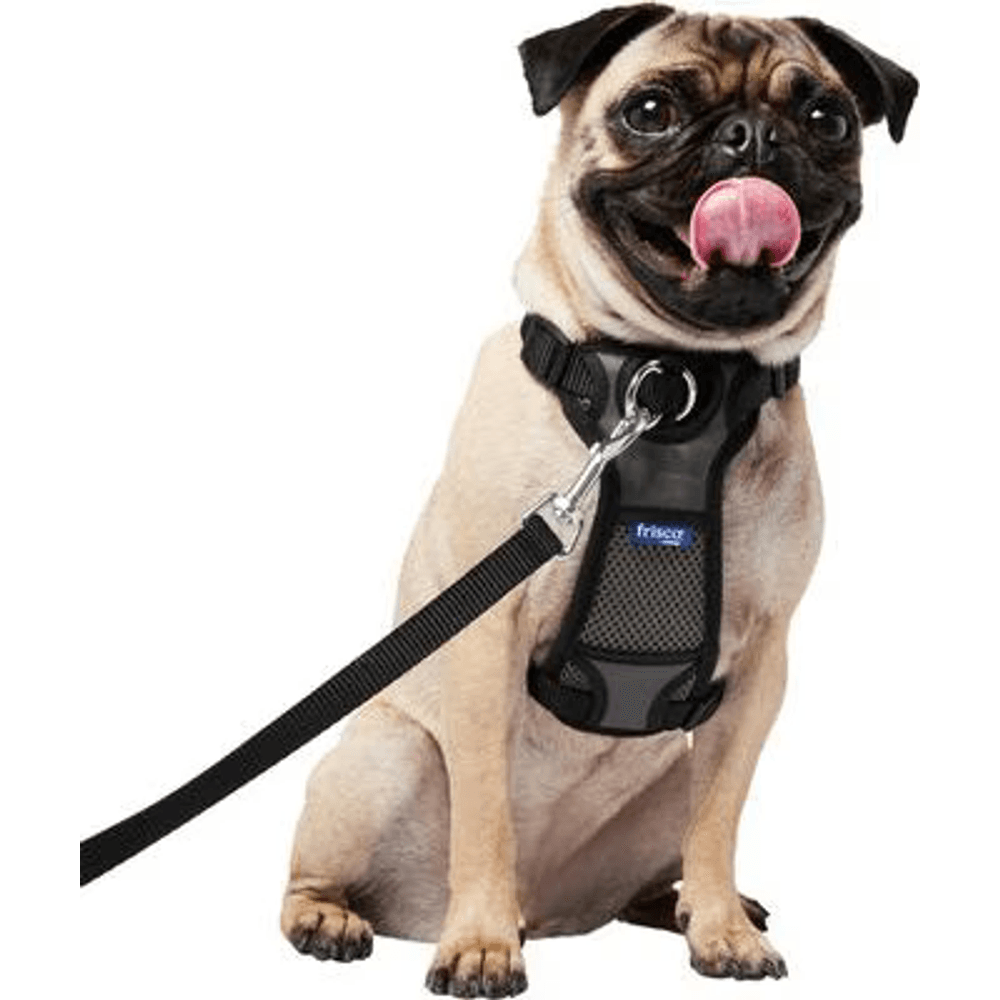
A budget-friendly padded no-pull harness that keeps leash pressure off a coughing dog's neck and windpipe by distributing it across the chest. A simple, affordable way to protect an irritated airway or a collapsing trachea on every walk.
Petful may earn a commission when you click through to Chewy, at no extra cost to you.
- If the Frisco Padded No Pull Dog Harness, Small still fits the documented need, introduce it with rewards and supervise early use. Walking equipment can support a management plan, but it does not teach loose-leash behavior or make a powerful dog safe around triggers by itself.

Sign up for expert-backed reviews and safety alerts all in one place.
French Bulldog lifespan at a glance
Questions involving life expectancy french bulldog are best resolved by using veterinary findings, connected records and the individual dog's current signs instead of treating a population range as a promise. French Bulldog lifespan is a population estimate, not a deadline for an individual dog. Airway, spinal, skin, eye and heat-related problems deserve proactive attention. Clinical examination and the individual record matter more than an anecdotal age online. A large UK primary-care study found French Bulldogs had elevated odds for many common disorders compared with non-French Bulldogs, especially narrowed nostrils, BOAS, ear discharge, skin-fold dermatitis and birthing difficulty. The Royal Veterinary College French Bulldog disorder study describes population risk; it does not predict which conditions one dog has. At the next routine visit, establish a baseline for breathing effort, body condition, heart and lung sounds, eyes, ears, skin, mouth and mobility. Keep short notes about exercise recovery and sleep noise. A trend such as gradually shorter walks, more restless sleep or slower recovery is easier to discuss when it has dates and context.
Why lifespan ranges vary
Can French Bulldogs live to 15?
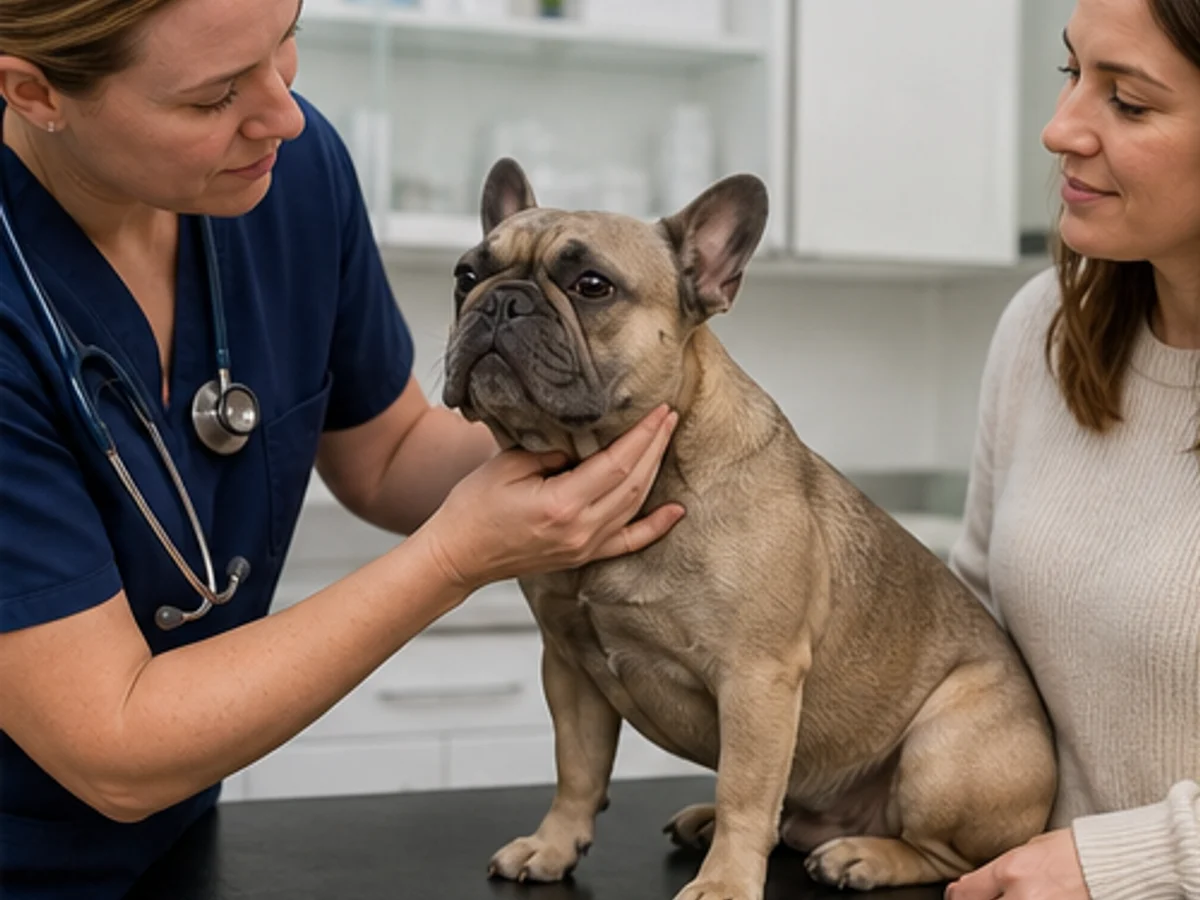
The short answer is yes: French Bulldogs can live to 15, but that is older than the commonly cited 10- to 12-year range and should not be expected or promised. Study population, geography, veterinary access and individual disease all affect lifespan estimates. Good preventive care supports health and comfort, but it cannot guarantee a particular age or remove inherited airway and spinal risks.

 Sponsored
Have a health question about your pet?
Talk to a licensed vet at Dutch over video or message, including nights and weekends.
Use code Pets30
Plans start at $11/month · covers up to 5 pets
- Licensed vets in most states
- Rx for 150+ conditions
- 4.7 on Trustpilot
Use lifespan ranges for planning
Breed references commonly cite roughly 10 to 12 years for French Bulldogs, but published estimates vary with geography, study design, veterinary access and the dogs included.
Veterinary-record studies, insurance datasets and owner surveys may cover different countries, ages and levels of access to care. Their numbers should not be blended into one false-precision average. Use 10 to 12 years as a broad planning horizon for preventive care and finances, while judging quality of life from the dog in front of you.
Body condition, timely treatment, dental and preventive care, safe activity and protection from overheating are practical areas owners can influence. Genetics and anatomy cannot be managed away, but early recognition can keep a problem from being dismissed until it becomes a crisis.
Brachycephalic obstructive airway syndrome
Airway and breathing problems includes french bulldog breathing issues, french bulldog nose surgery, and french bulldog reverse sneeze. These are related but distinct reader decisions, best resolved by using veterinary findings, connected records and the individual dog's current signs instead of treating a population range as a promise. Use the measurements, records and observable conditions in this section to identify what is known, what still needs confirmation and which next action the evidence supports. Before acting, record the source, date and individual-dog evidence behind the conclusion. That prevents a broad breed tendency, seller label or isolated number from becoming a promise about one dog and keeps the decision practical, traceable and useful. Revisit the conclusion when the dog's age, health, environment or household capacity changes, because the same label can lead to a different decision as the evidence changes.
- For feeding or hydration management, compare the Outward Hound Non-Skid Slow Feeder Interactive Dog Bowl with the dog's measured portion, food or water needs, muzzle size and the household cleaning routine. Verify capacity, materials, power needs where applicable and whether another animal can interfere.

Multiple ridges and valleys slow eating, reduce gas and bloating, and turn mealtime into a fun puzzle. Non-skid base, dishwasher safe, 4-cup capacity.
Petful may earn a commission when you click through to Chewy, at no extra cost to you.
- If the Outward Hound Non-Skid Slow Feeder Interactive Dog Bowl fits the care plan, test it while a caregiver is present and continue tracking appetite, water intake, stool, weight and body condition. Feeding equipment cannot set a medical diet, prevent bloat or replace direct observation.
No harness, cooling product or supplement treats an obstructed airway. Use equipment only to support a veterinarian-directed management plan, never to delay assessment.
Equipment that should earn its place
Affiliate products do not diagnose, prevent or treat disease. Stop using equipment that causes rubbing, distress, overheating, swallowing risk or restricted movement, and ask the appropriate professional when the need is medical or behavioral.
Heat intolerance and emergency signs

French Bulldogs can overheat quickly because panting efficiency may be limited. Heat risk can rise in humidity, direct sun, cars, strenuous activity and poorly ventilated spaces.
Heatstroke is an emergency. Weakness, vomiting, confusion, abnormal gum color, collapse or severe breathing distress require immediate veterinary direction. WebVet’s heatstroke signs and response guide explains first actions while veterinary help is being arranged.
Move the dog out of heat, begin controlled cooling with cool rather than ice-cold water, call a veterinarian and follow transport instructions. Do not delay care while waiting for a cooling product to work, and never leave a dog in a parked vehicle.
- Blue or pale gums, collapse, severe breathing effort, confusion or inability to settle require immediate veterinary direction.
IVDD and other spinal problems
Questions involving french bulldog problems are best resolved by using veterinary findings, connected records and the individual dog's current signs instead of treating a population range as a promise.

French Bulldogs are predisposed to spinal disorders including intervertebral disc disease. Signs can include pain, reluctance to move, weakness, wobbliness or loss of bladder control.
- For supportive rest, compare the FurHaven NAP Ultra Plush Orthopedic Deluxe Dog Bed with the dog's nose-to-rump length, preferred sleeping posture, ability to step on and off, floor traction and cover-cleaning needs. Product dimensions matter more than the size label.

A plush orthopedic foam mattress that cushions aging joints and pressure points, giving a stiff or trembling senior dog warm, supportive rest.
Petful may earn a commission when you click through to Chewy, at no extra cost to you.
- If the FurHaven NAP Ultra Plush Orthopedic Deluxe Dog Bed provides enough usable space, monitor whether the dog can settle, rise and turn comfortably. A bed can improve access and comfort, but it does not diagnose or treat pain; new mobility changes belong with the veterinarian.
Neurologic signs require timely veterinary assessment because treatment decisions can be time-sensitive. The American College of Veterinary Surgeons IVDD overview describes warning signs, diagnostic work and treatment pathways.
Until a painful or weak dog is assessed, restrict unsupervised stairs and jumping and follow the clinic’s transport advice. Nonslip footing, a low-entry bed or a ramp may aid access after professional guidance, but none can diagnose or reverse spinal cord compression.
Skin folds, allergies, ears and eyes
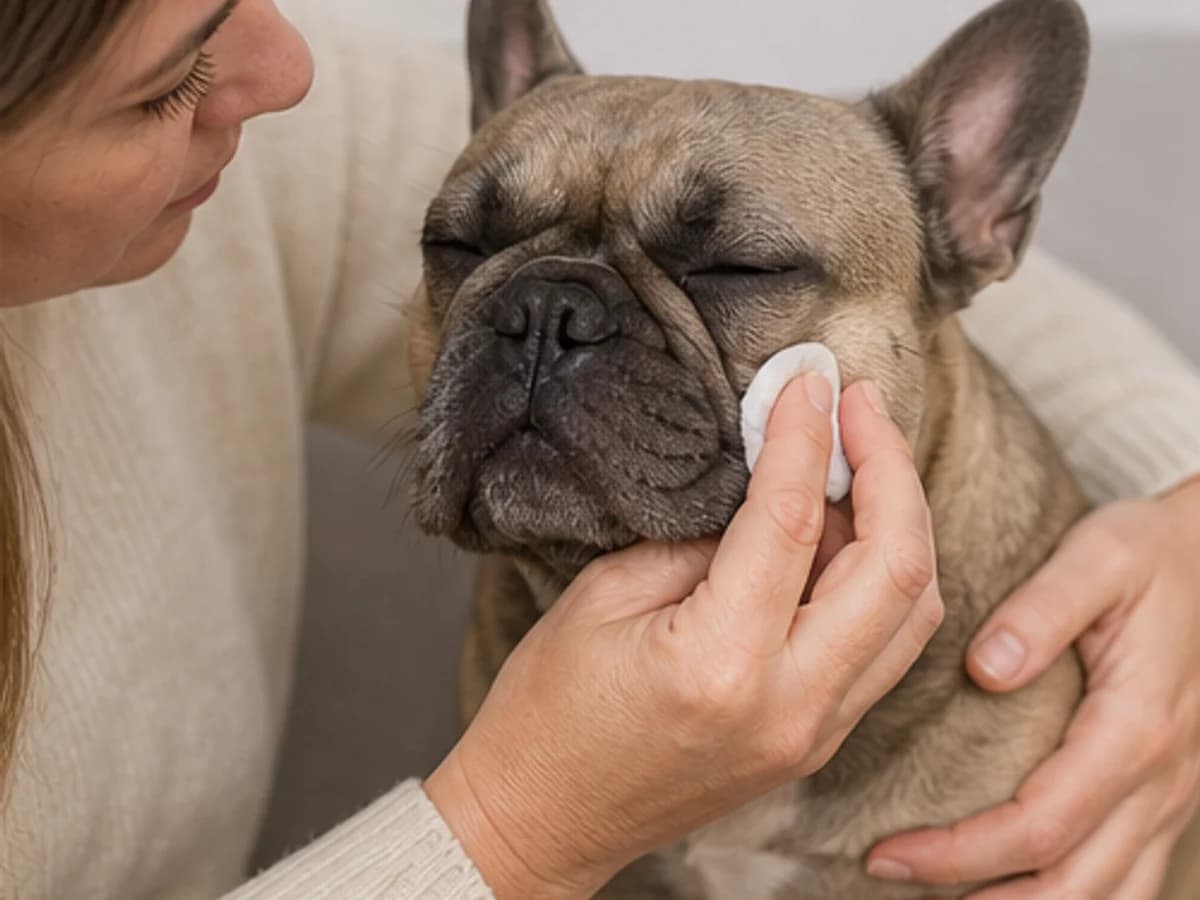
Questions involving french bulldog ear infection, cherry eye in french bulldogs, and french bulldog allergic reaction are best resolved by connecting the label to the individual dog's records, condition, behavior and daily care needs. Skin folds, ears and prominent eyes need regular observation. Recurrent redness, odor, discharge, squinting, rubbing or pain should not be treated as routine breed maintenance. Different problems can look similar at home, so diagnosis matters before repeated medication or cleaning. Moisture and friction can contribute to fold irritation; allergies, infection, mites or foreign material may contribute to ear or skin signs. Prominent eyes are vulnerable to trauma and corneal disease. Check folds, ears and both eyes in good light. Use only cleaners and medications your veterinarian considers appropriate for that specific site. Eye pain, cloudiness, sudden squinting or holding an eye closed deserves prompt contact because vision can be at risk.
- Risks owners can help manage
- Healthy body condition, cool conditions, preventive care, early recognition and prompt treatment
- Risks care cannot erase
- Inherited anatomy, airway obstruction, spinal disease and other breed predispositions remain possible despite conscientious care
Joint, dental and heart concerns
Patellar luxation, hip disease and other orthopedic problems can affect gait and comfort. Watch for repeated skipping, reluctance on stairs, stiffness after rest or a change in jumping. A veterinarian can distinguish joint pain from spinal or soft-tissue disease and recommend appropriate imaging or management.
Crowded teeth and a short jaw make home dental care and regular oral examination important. Persistent bad breath, dropping food, mouth pain or facial swelling deserves veterinary attention. Heart disease may first appear as a murmur, exercise intolerance, cough, fainting or breathing change, although some dogs have few visible signs early.
- For consumer genetic context, compare the Embark Breed & Health Dog DNA Test Kit with the exact question the household wants to answer and read the current test limitations before purchase. Confirm identity and sample handling, then keep ancestry estimates separate from verified parentage or breed registration.

Petful may earn a commission when you click through to Chewy, at no extra cost to you.
- If using the Embark Breed & Health Dog DNA Test Kit, save the report and ask a veterinarian to interpret any health-related result beside the dog's history and clinical findings. A consumer DNA result cannot diagnose disease, predict lifespan or guarantee one dog's behavior.
Ask the veterinarian to document any murmur and explain whether monitoring or additional tests are needed. Home products cannot rule out joint, dental or cardiac disease.
Recheck fit before buying
Affiliate products do not diagnose, prevent or treat disease. Stop using equipment that causes rubbing, distress, overheating, swallowing risk or restricted movement, and ask the appropriate professional when the need is medical or behavioral.
Health testing, weight and preventive care
For owned dogs, preventive care includes an individualized vaccination and parasite plan, routine oral care, skin and ear checks, body-condition monitoring and scheduled examinations. Weigh the dog monthly on the same scale when practical. Calories should be adjusted from body-condition trend and veterinary guidance, not from a generic cup amount alone.

For breeding dogs, the French Bull Dog Club of America’s current CHIC requirements include hip, patella, cardiac and eye evaluations. Recommended tests include respiratory function grading, tracheal hypoplasia, elbows, juvenile hereditary cataract and cystinuria type 3. A CHIC number means required tests were completed and made public; it is not a blanket statement that every result was normal. Buyers should verify the actual sire and dam results in the OFA database.
For owned dogs, preventive care includes an individualized vaccination and parasite plan, routine oral care, skin and ear checks, body-condition monitoring and scheduled examinations. Weigh the dog monthly on the same scale when practical. Calories should be adjusted from body-condition trend and veterinary guidance, not from a generic cup amount alone.
Weight control matters because excess body fat can worsen heat tolerance, breathing workload and orthopedic strain. Exercise should be regular but suited to the individual airway and weather: short, cool-period walks and indoor enrichment are safer than pushing through heavy panting.
When to call a veterinarian urgently
Call a veterinarian promptly for a new breathing change, repeated vomiting, marked lethargy, pain, reduced appetite, rapid weight change, a persistent skin or eye problem, or a decline in normal exercise tolerance. Seek emergency direction for blue or pale gums, collapse, severe breathing effort, confusion, uncontrolled bleeding, repeated seizures, a swollen painful abdomen, sudden inability to stand or walk, or rapidly worsening distress. Do not wait for a routine appointment when the dog cannot settle or recover.
Owners sometimes ask, “What is a French Bulldog lifespan?” or search for a “blue French Bulldog lifespan” while trying to judge urgency. Neither a population range nor a coat-color label can tell whether today's symptoms are safe. A blue French Bulldog lifespan is not a separate medical category, and color does not set the response threshold. Describe what changed, when it began, breathing effort, gum color, mobility, appetite, medication and possible exposures. Follow the clinic's triage direction instead of using an average age to delay care.
What is the main cause of death for French Bulldogs?
The short answer is that there is no single main cause of death for every French Bulldog. Population studies and individual records may include airway disease, neurologic or spinal disease, cancer, heart disease and other conditions. A breed-wide answer cannot predict one dog. Sudden breathing distress, collapse, inability to walk, uncontrolled pain or rapid decline needs immediate veterinary direction regardless of the suspected cause.
What is a French Bulldog lifespan in practical terms? It is usually described as roughly 10 to 12 years, with wide individual variation. A blue French Bulldog lifespan is not a separate medical category: coat color alone does not set longevity. Health, anatomy, breeding decisions, body condition, environment and timely care matter more than a color label.
 Sponsored
Vet care that's always there
Unlimited video calls and messaging with licensed vets for less than a typical vet visit. One membership covers up to five pets.
Use code Pets30
Plans start at $11/month · covers up to 5 pets
- Licensed vets in most states
- Rx for 150+ conditions
- 4.7 on Trustpilot
Recognize urgent changes
Rapid breathing distress, blue or pale gums, collapse, heat illness, inability to walk, uncontrolled pain, repeated vomiting, inability to urinate or rapid decline require prompt veterinary direction.
Behavior change can be the first visible sign of pain or illness. Sudden hiding, irritability, reluctance to be touched, house-soiling or loss of normal interest belongs in the history given to the clinic.
Keep regular and emergency clinic numbers available and know how to transport a dog with breathing trouble or suspected spinal pain. Online guidance cannot triage an individual emergency.
Senior care and quality-of-life tracking
Do Frenchies get attached to one person?
Some Frenchies get attached to one person, while others distribute attention across the household. Attachment style does not determine lifespan or prove separation distress. Daily caregiving, early experience and individual temperament shape the bond. If a dog panics when that person leaves, use gradual training and seek veterinary or qualified behavior help rather than assuming intense distress is simply affection.
An older French Bulldog may need shorter outings, easier footing, more frequent dental or laboratory monitoring and help reaching favorite resting places. Age does not make breathing distress, pain, weight loss or house-soiling normal. Report changes instead of attributing them automatically to getting old.
Track five functions the dog values: eating, comfortable breathing and sleep, toileting, movement and social interest. Note good and difficult days on a calendar. A trend gives the veterinary team clearer evidence for pain control, diagnostics, mobility support and quality-of-life discussions than one especially good or bad afternoon.
A practical next step
Make a one-page health record with current medications, allergies, weight trend, insurance details, regular and emergency clinic numbers, and brief notes on baseline breathing and mobility. Bring it to appointments and update it after diagnoses or medication changes.
Keep WebVet’s dog heatstroke signs and response guide with the emergency plan, but call a veterinarian immediately for breathing distress, weakness, collapse or rapid worsening.
Clinical context in this guide comes from the Royal Veterinary College French Bulldog disorder study, American College of Veterinary Surgeons brachycephalic syndrome overview, American College of Veterinary Surgeons IVDD overview and the OFA health-testing database.
Continue through the French Bulldog cluster
Start with the French Bulldog breed hub and follow only the question that matches the decision:
- french bulldog
- french bulldog puppies
- french bulldog price
- french bulldog size weight growth
- best dog food for french bulldogs
For separate questions, see Petful’s French Bulldog colors guide, merle French Bulldog guide and French Bulldog food guide.
More French Bulldog guides from Petful
Start with Petful's complete French Bulldog: Personality, Size, Care and Breed Guide, then use the dedicated guides below for the next decision.
- French Bulldog Puppies: Breeders, Adoption and Buying Safely
- French Bulldog Price: Puppy Cost and Lifetime Budget
- French Bulldog Size, Weight and Growth Guide
- French Bulldog Temperament, Training and Apartment Life
- Boston Terrier vs French Bulldog: Key Differences
- Fluffy French Bulldog: Long-Haired Genetics, Price and Care
When French Bulldog health problems can appear
French Bulldog health problems do not begin at one universal age. Congenital anatomy may affect a puppy, skin or ear disease can appear in young dogs, spinal or joint problems can occur across adulthood, and senior dogs can develop age-related disease. A symptom-free birthday does not prove a dog is clear for life, and a breed risk does not diagnose an individual.
Use age to schedule prevention and establish baselines, not to delay evaluation. Ask the veterinarian what should be monitored at puppy visits, adulthood and senior examinations. Record weight, body condition, breathing at rest, exercise recovery, mobility, skin and ear patterns, eye changes, dental findings and medication response.
A symptom-to-action framework
Separate changes into monitoring, prompt appointments and emergencies. This framework does not diagnose; it helps owners avoid treating every sign as equal.
- Monitor a mild, isolated change while protecting the dog and recording time, trigger and recovery.
- Request a prompt appointment for repeated noisy breathing, reduced exercise tolerance, recurrent skin or ear signs, eye discomfort, new pain, altered gait, appetite change or progressive weight change.
- Seek emergency care for severe breathing difficulty, blue or pale gums, collapse, paralysis, uncontrolled bleeding, major trauma, repeated seizures or rapid deterioration.
When safe, short video can document intermittent breathing or movement signs. Add it to a written timeline with medications, recent activity, heat exposure and prior episodes. Clear observations help the veterinary team more than a conclusion copied from a breed forum.
Preventive care as a longitudinal record
Preventive care works best when it reveals change over time. Keep one record with examination findings, weight and body-condition scores, vaccines, parasite prevention, dental care, allergies, medications, test results and specialist notes. Make the record accessible to emergency and travel caregivers.
The goal is not constant testing. It is to know the dog's baseline, follow the veterinary plan and recognize a meaningful change early. Products cannot replace this record, and a normal result in one area does not clear unrelated conditions.
A monitoring record that tells the caregiver when to act
Use four action labels in a health log: monitor, prompt appointment, emergency and resolved. Record breathing, mobility, skin, weight and recovery with the date, context and change from the dog's normal baseline. A label is not a diagnosis; it is a commitment to the next action.
The log should make escalation visible. A mild stable finding may remain under monitoring according to veterinary guidance. A new, recurrent or worsening pattern belongs in a prompt appointment. Severe breathing difficulty, collapse, paralysis, blue or pale gums, major trauma or rapid deterioration belongs in emergency care. Ask the veterinary team to personalize those thresholds for the individual dog.
Bring the record to appointments and note what the clinician advised, including recheck timing. That closes the loop so the same unresolved sign is not repeatedly documented without action.
French Bulldog Health Issues and Lifespan FAQs
The short answer is that there is no single main cause of death for all French Bulldogs. Population studies and individual records can include airway disease, neurologic or spinal disease, cancer, heart disease and other conditions. A breed-wide statistic cannot predict one dog. Sudden breathing distress, collapse, inability to walk, uncontrolled pain or rapid decline needs immediate veterinary direction regardless of the suspected cause.
The short answer is yes, French Bulldogs can live to 15, but that age is older than the commonly cited 10- to 12-year range and should not be expected or promised. Study population, geography, veterinary access and individual disease all affect lifespan. Preventive care supports health and comfort, but it cannot guarantee a particular age or remove inherited airway and spinal risks.
The short answer is that some Frenchies get attached to one person, while others distribute attention across the household. Daily caregiving, early social experience and individual temperament shape the bond. A preference is not automatically separation distress. Pacing, vocalizing, escape attempts or inability to settle when that person leaves warrants gradual training and help from a veterinarian or qualified behavior professional.
Breed references commonly cite a French Bulldog lifespan of about 10 to 12 years, although individuals can die younger or live longer. The range is useful for planning, not a promise for one dog. Genetics, airway function, spinal disease, body condition, preventive care and access to treatment all influence the course. Investigating new symptoms early supports health but cannot guarantee longevity.
Airway disease is a central concern in French Bulldogs because shortened skull anatomy can restrict breathing, sleep, exercise and heat tolerance. Skin, ear, eye and spinal problems also occur often enough to require proactive monitoring. No single issue affects every dog. Ask the veterinarian to evaluate noisy breathing, recovery and body condition, and use current clinical findings rather than assuming familiar breed sounds are normal.
BOAS warning signs include noisy or effortful breathing while awake, narrowed nostrils, poor exercise or heat tolerance, gagging, restless sleep, slow recovery and collapse. Snoring alone cannot grade severity. Record when signs occur and how long recovery takes, then arrange a veterinary assessment. Blue or pale gums, severe breathing effort, weakness or collapse requires emergency direction rather than a routine appointment.
French Bulldogs are predisposed to IVDD, but a breed-level rate cannot predict one dog's risk or confirm the cause of pain. Sudden back or neck pain, weakness, wobbliness, dragging limbs, inability to walk or bladder changes need prompt veterinary assessment. Restrict uncontrolled movement while following clinic instructions, and do not give human pain medication or attempt spinal manipulation at home.
A shortened muzzle and narrowed airway can reduce effective panting, which is a dog's primary cooling mechanism. Heat, humidity, exertion, stress, obesity and airway disease can combine quickly. Use brief cool-hour outings and climate-controlled rest. Stop for noisy or effortful breathing and seek urgent veterinary help for weakness, confusion, blue or pale gums, collapse or recovery that remains abnormal.
Yes, some French Bulldogs remain active and comfortable for many years, but the breed carries substantial health risk. Careful sourcing, lean body condition, heat management, dental and preventive care, and timely veterinary treatment support quality of life without guaranteeing it. Track breathing, mobility, skin, eyes and weight over time so meaningful changes are investigated rather than dismissed as normal for the breed.
Breathing trouble is an emergency when the gums are blue or pale, the dog collapses, shows severe effort, becomes confused or weak, cannot settle, or worsens rapidly. Call the nearest veterinary hospital while leaving and follow transport instructions. Keep the dog cool and calm, but do not force water, muzzle a struggling dog or wait for an online remedy when gums change color or collapse occurs.
Editorial safety note
Petful does not endorse an individual breeder, rescue, seller, insurer, veterinarian, trainer or product. Affiliate links may earn Petful a commission at no extra cost to the reader. Availability, dimensions, price and instructions can change. Reopen the current product page, measure the individual dog and supervise use. A tracked offer is a commerce option, not evidence that the product is necessary, medically appropriate or safer than every alternative.
BVMS, MRCVS
Dr. Pippa Elliott, BVMS, MRCVS, is a veterinarian with nearly 30 years of experience in companion animal practice. Dr. Elliott earned her Bachelor of Veterinary Medicine and Surgery from the University of Glasgow. She was also designated a Member of the Royal College of Veterinary Surgeons. Married with 2 grown-up kids, Dr. Elliott has a naughty Puggle named Poggle, 3 cats and a bearded dragon.
Sign up for expert-backed reviews and safety alerts all in one place.