French Bulldog Temperament, Training and Apartment Life
French Bulldog temperament is often affectionate and playful. Learn reward-based training, potty routines, apartment exercise, alone-time practice and when to get help.

Petful is reader supported. As an affiliate of platforms like Amazon and Chewy, we may earn a commission when you buy through links on this page. There is no extra cost to you.
French Bulldog temperament is often described as affectionate, playful and people-oriented, but no breed label predicts one dog. Short reward-based sessions, gradual alone-time practice, safe exercise and a realistic apartment routine bring that broad description into daily life.
Successful training begins with an observable behavior and a realistic home routine, not a label such as stubborn. Health, heat, fear, learning history and reinforcement can all affect what a French Bulldog is able or willing to do on a given day.
- 1French Bulldogs are often affectionate, playful and people-oriented, but no breed label predicts one dog. Short reward-based sessions, gradual alone-time practice, safe exercise and a realistic apartment routine bring the broad temperament description into daily life.
- 2Breed tendencies describe populations, not every individual dog
- 3Records, direct observation and professional findings answer different questions
- 4Products support a plan but do not diagnose, treat or guarantee outcomes
| Goal | Setup | Reward | Measure progress |
|---|---|---|---|
| Toileting | Predictable trips after waking, eating, play and confinement | Reward outdoors immediately after elimination | Fewer accidents and longer successful intervals |
| Loose leash | Quiet route, comfortable harness, short distance | Reward check-ins and slack leash | More steps before tension |
| Settle | Low-distraction mat or bed | Reward calm posture and staying in place | Longer relaxed periods |
| Alone time | Very short departures below distress threshold | Calm return and appropriate enrichment | Settles sooner without pacing or escape behavior |
| Greetings | Distance from person or dog, barrier if needed | Reward four paws down and disengagement | Lower arousal and faster recovery |
- For the handling decision in this section, compare the Frisco Padded No Pull Dog Harness, Small with the dog's current measurements, movement, coat and behavior. Recheck fit while the dog is standing and moving, inspect the hardware before use, and confirm that the equipment cannot tighten, rub or permit escape.
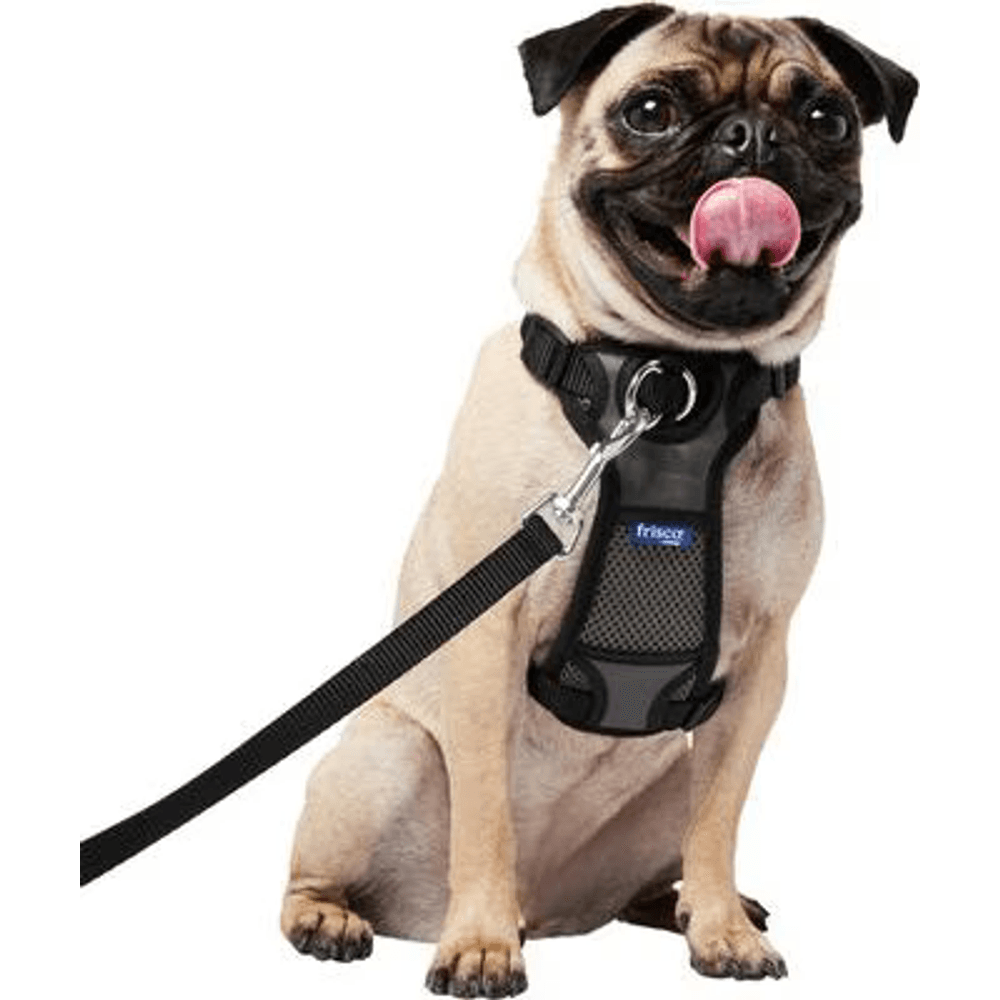
A budget-friendly padded no-pull harness that keeps leash pressure off a coughing dog's neck and windpipe by distributing it across the chest. A simple, affordable way to protect an irritated airway or a collapsing trachea on every walk.
Petful may earn a commission when you click through to Chewy, at no extra cost to you.
- If the Frisco Padded No Pull Dog Harness, Small still fits the documented need, introduce it with rewards and supervise early use. Walking equipment can support a management plan, but it does not teach loose-leash behavior or make a powerful dog safe around triggers by itself.

Sign up for expert-backed reviews and safety alerts all in one place.
French Bulldog temperament at a glance
French Bulldog temperament and personality includes french bulldog temperament, french bulldog personality, and french bulldog characteristics. These are related but distinct reader decisions, best resolved by observing the individual dog, documenting recovery and matching training to the real household. Use the measurements, records and observable conditions in this section to identify what is known, what still needs confirmation and which next action the evidence supports. Before acting, record the source, date and individual-dog evidence behind the conclusion. That prevents a broad breed tendency, seller label or isolated number from becoming a promise about one dog and keeps the decision practical, traceable and useful. French Bulldog temperament is often described as affectionate, playful and people-oriented, but those are tendencies rather than guarantees. Individuals vary in confidence, sociability, frustration tolerance, energy and recovery after stress. Observe the dog around handling, food, visitors, unfamiliar surfaces, normal household noise and brief separation. A sudden behavior change can reflect pain, airway difficulty or another medical problem and deserves veterinary attention before it is labeled stubbornness. Searches for “French Bulldog temperament UK” generally reflect the same practical question asked elsewhere: will this individual fit the household's schedule, climate, neighbors and other animals? Geography does not create a separate temperament. Early experience, genetics, health and learning history still matter. A good plan uses short reward-based sessions, predictable toileting, gradual alone-time practice and safe introductions. It also provides enough rest and heat-conscious activity. Choose the observed dog and documented history, not a social-media stereotype about clownishness, laziness or automatic friendliness.
What are the pros and cons of French Bulldogs?
The short answer is that the temperament-related pros and cons of French Bulldogs often include close companionship, playfulness and adaptability on the positive side. Challenges can include difficulty with long absences, frustration, house-training setbacks and noise in shared housing. Health and heat limits can also affect behavior. The individual dog's history and recovery after stress are more useful than a breed stereotype.
What are some common behavior problems with French Bulldogs?
Common behavior problems with French Bulldogs can include house-soiling, leash pulling, jumping, barking, guarding and distress when alone. None is inevitable or solved by calling the dog stubborn. Identify the trigger, prevent rehearsal, reward a specific alternative and check for pain, breathing difficulty or other illness when behavior changes suddenly. Escalating aggression or panic needs professional help.
Judge the individual dog
French Bulldogs are commonly described as affectionate, sociable and playful, but temperament belongs to an individual shaped by genetics, learning, health and environment.
Breed descriptions provide a starting point, not a behavioral diagnosis. The American Kennel Club French Bulldog breed page describes the breed as adaptable, playful and smart, but a prospective owner still needs the known dog's history and direct observation.
Write a weekday routine for sleep, toileting, short exercise, training, enrichment and company. Labels such as stubborn or lazy can hide pain, fear, confusion, heat stress, fatigue or a reward that is not valuable enough for the situation.
Affection, sociability and individual variation
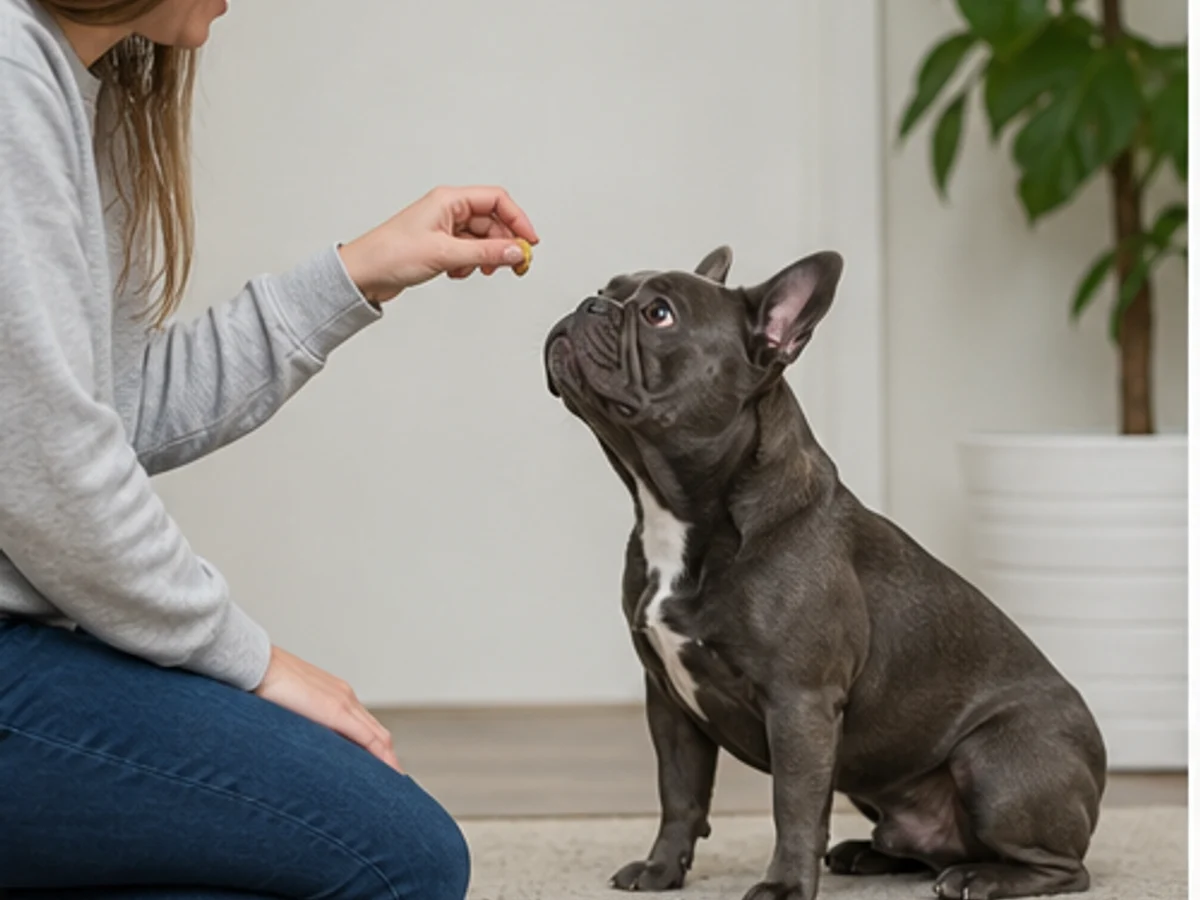
Affection, sociability and individual variation belong in the same evaluation as the question “Are French Bulldogs smart or stubborn?” A dog may be people-oriented yet learn slowly when hot, uncomfortable, frightened or unrewarded. Compare recovery, engagement, ability to settle and responses across handlers before drawing conclusions. This combined framework separates observed behavior from a breed stereotype and points to a practical training plan.
Do Frenchies get attached to one person?
The short answer is that some Frenchies get attached to one person, but many bond with several household members. Feeding, walking, play and rest routines can influence where attention goes. A preference is not automatically a problem. Pacing, vocalizing, escape attempts, house-soiling or inability to settle when that person leaves may indicate separation distress and deserves a gradual training and veterinary behavior plan.
Observe sociability across settings
French Bulldog behavior varies across individuals and situations. Observe approach, play, handling comfort, frustration, recovery and the ability to disengage instead of treating sociability as a fixed breed guarantee.
Direct observation across settings and a detailed history are stronger than sex, color or breed stereotypes. Ask how the dog recovers from novelty, handles touch, settles, communicates discomfort and behaves when alone.
Sociability is not the same as enjoying every interaction. A dog can love familiar people and still need distance from strangers, children or unfamiliar dogs. Do not force contact to prove friendliness; watch body language and give the dog an exit.
Are French Bulldogs smart or stubborn?
Frenchies can learn efficiently when the consequence is clear, rewarding and physically comfortable. Short sessions often work better than repetitive drilling.
Reward-based training avoids pain and intimidation and lets the handler make desired behavior worth repeating. Define one observable response, arrange an easy success, reward within a second or two and stop while the dog remains engaged.
For loose-leash practice, begin in a quiet area and reward the dog beside you before the leash tightens. WebVet’s guide to stopping leash pulling lays out the mechanics. If performance changes suddenly, consider pain, airway effort, fear or fatigue before blaming attitude.
- For confinement or access management, compare the Frisco Steel 8-Panel Configurable Dog Gate and Playpen with the measured dog, opening and available floor space. Check height, usable interior dimensions, latch security, stability, chewing and climbing risk before relying on it in the home.

Petful may earn a commission when you click through to Chewy, at no extra cost to you.
- If the Frisco Steel 8-Panel Configurable Dog Gate and Playpen suits the setup, supervise initial use and pair it with gradual, reward-based practice. A barrier can prevent rehearsal and protect rest, but it does not teach comfort alone or replace a secure exterior boundary.
Equipment that should earn its place
Affiliate products do not diagnose, prevent or treat disease. Stop using equipment that causes rubbing, distress, overheating, swallowing risk or restricted movement, and ask the appropriate professional when the need is medical or behavioral.
Positive-reinforcement training plan
Questions involving whether french bulldogs smart are best resolved by observing the individual dog, documenting recovery and matching training to the real household.
- When a dog struggles, reduce duration, distance or distraction. Making the next repetition easier teaches more than repeating a failed setup.
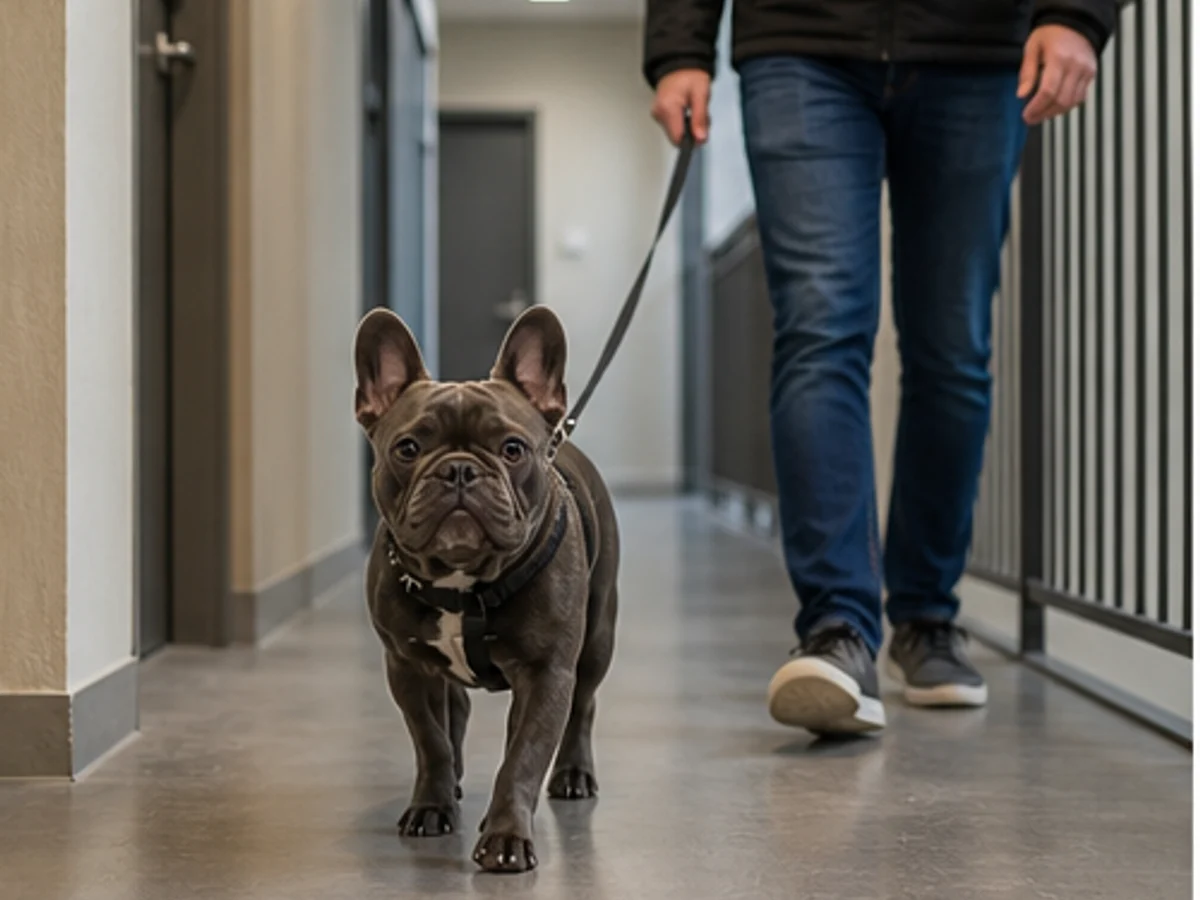
French Bulldog training works best when the behavior is visible, the reward arrives quickly and the session stays physically comfortable. French Bulldog potty training is a separate routine built around frequent outdoor trips, supervision, confinement that does not cause distress and immediate rewards after elimination in the correct place.
Build one skill at a time
Choose one cue and one criterion. For example, reward one second of four paws on a mat before asking for a longer settle. Raise only one difficulty at a time: duration, distance or distraction.
Use food, play, access to sniffing or social attention according to what the dog values. Deliver the consequence quickly enough that the dog can connect it with the behavior. Three to five one-minute sessions can be more productive than one long drill, especially in warm weather.
The AVSAB position statements on humane training support reward-based methods and explain the risks of aversive techniques. Punishment may suppress a warning without changing the fear or frustration underneath it.
House training and crate training
Questions involving french bulldog potty training, french bulldog puppy training, and crate for french bulldog are best resolved by observing the individual dog, documenting recovery and matching training to the real household.
Indoors, supervise actively or use a safe pen, gate or appropriately sized crate for short periods. Clean accidents with an enzymatic cleaner without punishment. If accidents suddenly increase, occur during sleep, involve straining or accompany increased thirst, contact a veterinarian.
House training depends on timing and supervision. Take a puppy out after waking, eating, drinking, play and confinement, as well as at regular intervals suitable for age and history. Go to the same quiet area and reward immediately after elimination outdoors.
House training depends on timing and supervision. Take a puppy out after waking, eating, drinking, play and confinement, as well as at regular intervals suitable for age and history. Go to the same quiet area and reward immediately after elimination outdoors.
Indoors, supervise actively or use a safe pen, gate or appropriately sized crate for short periods. Clean accidents with an enzymatic cleaner without punishment. If accidents suddenly increase, occur during sleep, involve straining or accompany increased thirst, contact a veterinarian.
Crate training is a separate skill from toileting. Introduce the crate with the door open, food and brief relaxed sessions. Build duration gradually while someone is home before using it for departures. A crate should allow standing, turning and comfortable rest, and it should never be used to contain panic.
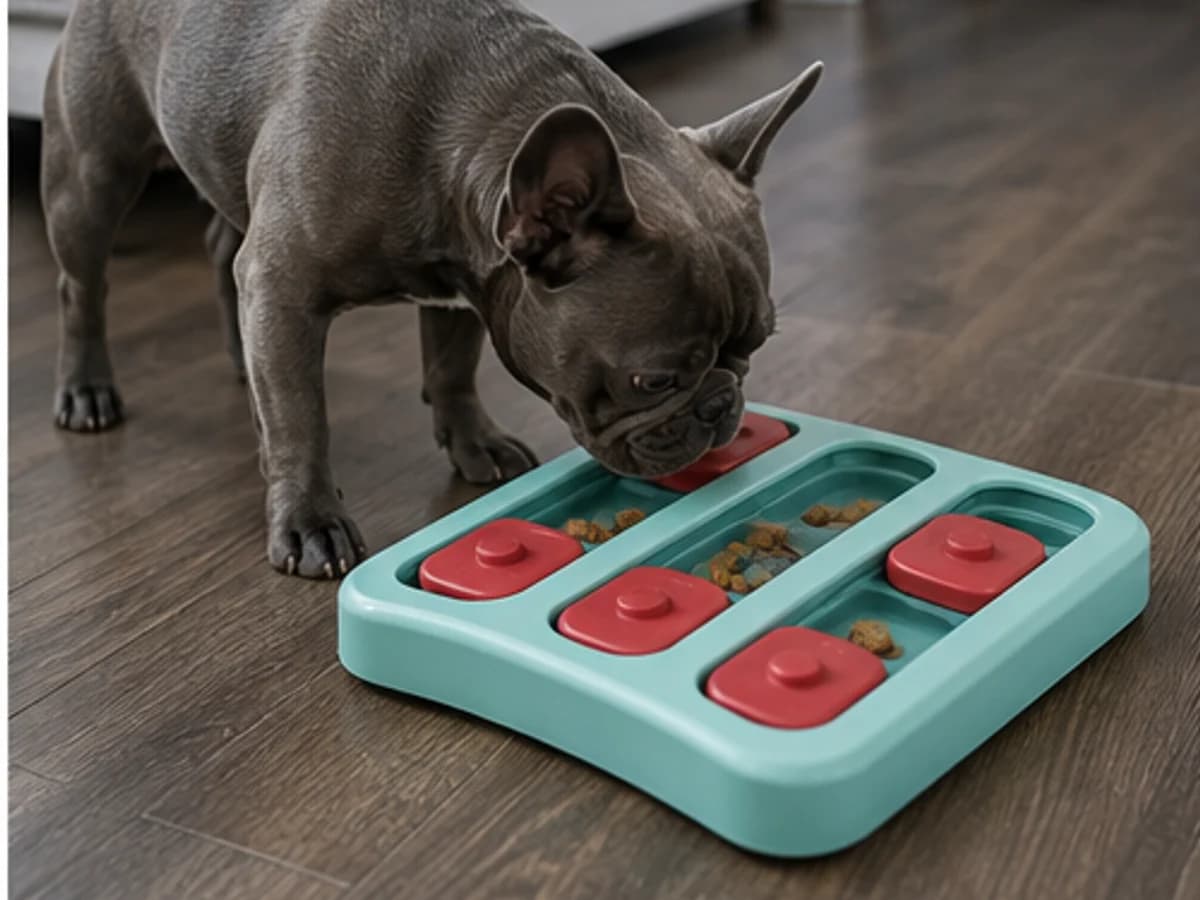
- For feeding or hydration management, compare the Outward Hound Nina Ottosson Lickin' Layers Puzzle and Slow Feeder with the dog's measured portion, food or water needs, muzzle size and the household cleaning routine. Verify capacity, materials, power needs where applicable and whether another animal can interfere.

Petful may earn a commission when you click through to Chewy, at no extra cost to you.
- If the Outward Hound Nina Ottosson Lickin' Layers Puzzle and Slow Feeder fits the care plan, test it while a caregiver is present and continue tracking appetite, water intake, stool, weight and body condition. Feeding equipment cannot set a medical diet, prevent bloat or replace direct observation.
Keep a seven-day log of meals, water, outings, elimination and accidents. Patterns usually reveal where the schedule or supervision needs adjustment.
Apartment exercise, barking and neighbor considerations
Questions involving french bulldog barking, french bulldog apartment dog, and french bulldog training treats are best resolved by observing the individual dog, documenting recovery and matching training to the real household.
- Training strengths
- Social attention, food and play can support short engaging sessions
- Training complications
- Heat, breathing effort, pain, separation distress and overlong repetition can reduce learning and look like stubbornness
Apartment success depends on a workable rhythm of toileting, cool-hour activity, enrichment, rest and gradual alone-time practice. Shared walls and common spaces add training and management demands that square footage alone cannot predict.
Heat, humidity, excess weight and airway disease can reduce safe exercise capacity. Schedule cooler outings, carry water, use a well-fitted harness and stop for concerning breathing, weakness or poor recovery.
Manage barking and shared walls
Barking plans begin by identifying the trigger. Block hallway views for visual alarm barking, add predictable enrichment before a common noisy period and reward pauses rather than shouting over the dog. Speak with neighbors early about recurring noise instead of waiting for a complaint.
A small dog is not a no-exercise dog, and a yard does not provide social contact or training by itself. Several short walks, sniffing opportunities and indoor skill games can fit an apartment more safely than one strenuous outing.
Separation distress and alone-time planning

French Bulldogs often value close company, but alone-time skills can be taught gradually. Distress is different from ordinary protest or boredom.
Video can reveal pacing, vocalizing, elimination, escape behavior and failure to settle. Practice absences shorter than the point where those signs begin, returning while the dog is still comfortable. Increase time in small steps and arrange care for unavoidable absences beyond the dog’s current ability.
Do not use flooding, punishment or a crate to contain severe panic. A dog who injures themself, cannot eat, vocalizes continuously or does not recover after departures needs a veterinary and qualified behavior plan rather than longer forced absences.
- For supportive rest, compare the FurHaven NAP Ultra Plush Orthopedic Deluxe Dog Bed with the dog's nose-to-rump length, preferred sleeping posture, ability to step on and off, floor traction and cover-cleaning needs. Product dimensions matter more than the size label.
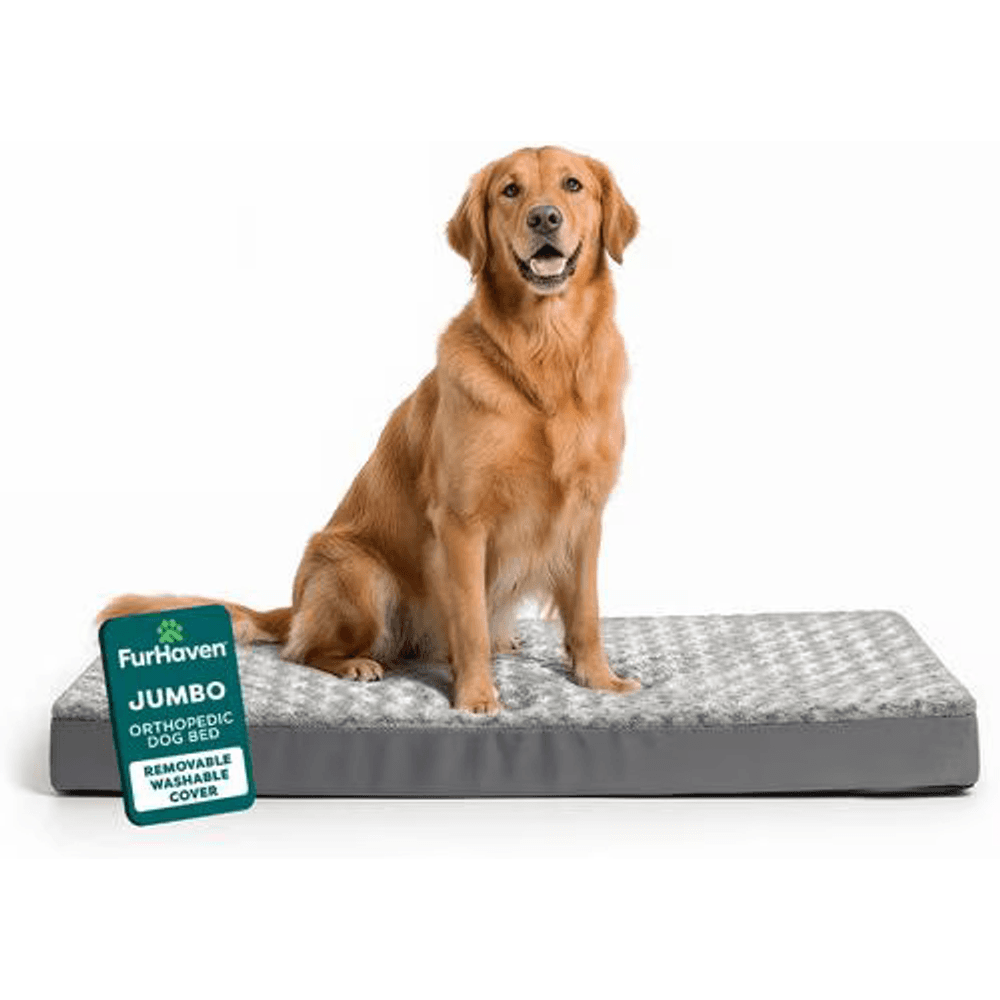
A plush orthopedic foam mattress that cushions aging joints and pressure points, giving a stiff or trembling senior dog warm, supportive rest.
Petful may earn a commission when you click through to Chewy, at no extra cost to you.
- If the FurHaven NAP Ultra Plush Orthopedic Deluxe Dog Bed provides enough usable space, monitor whether the dog can settle, rise and turn comfortably. A bed can improve access and comfort, but it does not diagnose or treat pain; new mobility changes belong with the veterinarian.
Recheck fit before buying
Affiliate products do not diagnose, prevent or treat disease. Stop using equipment that causes rubbing, distress, overheating, swallowing risk or restricted movement, and ask the appropriate professional when the need is medical or behavioral.
Children, dogs, cats and household introductions
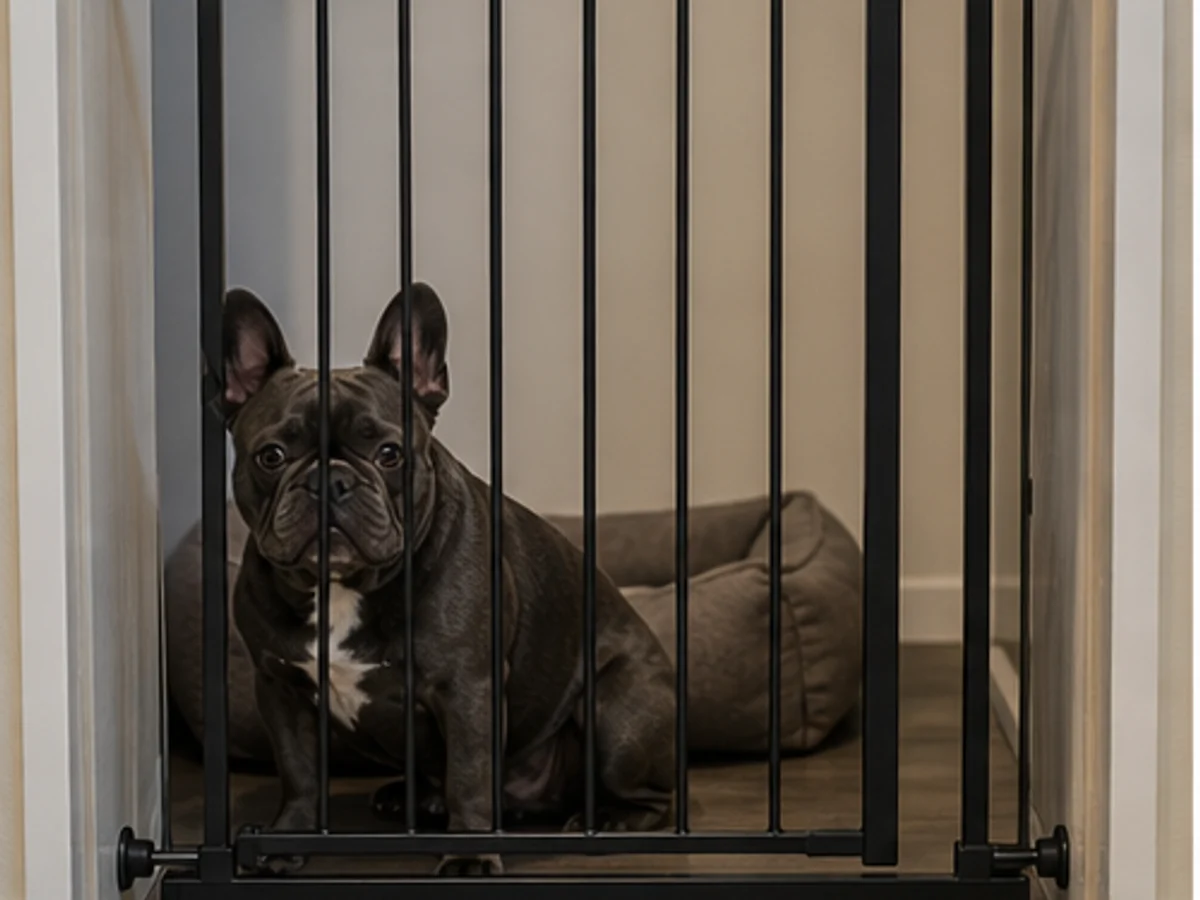
Compatibility with children, dogs and cats depends on the individuals, history, supervision and setup. Breed alone cannot guarantee safety.
Calm parallel activity and controlled distance provide more information than a forced face-to-face greeting. Give the dog an exit, protect food and rest, supervise children and pause before arousal escalates.
Teach children not to climb on, corner, wake or take items from a dog. Use gates for meals, high-energy play and rest. Cat introductions need separate safe space, vertical escape routes and short controlled exposure. Never leave young children and dogs unsupervised.
When behavior needs professional help
Questions involving whether french bulldogs aggressive, french bulldog bite force, and french bulldogs aggressive are best resolved by connecting the label to the individual dog's records, condition, behavior and daily care needs. Start with the veterinarian when behavior changes suddenly or when touch sensitivity, sleep disruption, house-soiling, altered appetite, breathing effort or mobility changes suggest pain or illness. Medical and behavioral causes can occur together. Seek a credentialed behavior professional for bites or near-bites, guarding, escalating dog-directed behavior, intense fear, inability to recover after triggers, self-injury or separation panic. Do not wait for a bite to become severe before asking for help. Bring a written trigger history and safe videos, not a staged reenactment. Until the appointment, prevent rehearsals with distance, gates and predictable routines. Avoid confrontational methods that increase fear or remove warning signals.
A realistic weekly training rhythm
Choose two household skills for the week, such as toileting and settling, rather than practicing a long list poorly. Use one- to three-minute sessions before meals or calm play and scatter practice through daily life. A puppy may need many repetitions in easy settings; an adult with an established history may need management while new behavior develops.
On days with safe weather, practice loose-leash walking and check-ins outdoors. On hot, humid or poor-air-quality days, move training indoors and use scent searches, food puzzles, mat work and gentle handling. Training should never require a French Bulldog to push through labored breathing or slow recovery.
Adjust from the training log
Review the log once a week. If success stays above roughly four of five easy repetitions, increase only one variable: a few more seconds, one extra step or a mild distraction. If success falls, make the setup easier. This keeps difficulty matched to learning instead of interpreting repeated failure as defiance.
Include rest days and low-demand sessions. Sleep disruption, stomach upset, pain and changes in medication can affect behavior before the cause is obvious. A sudden drop in house training, tolerance of touch, walking or settling deserves a health check as well as a training review.
Keep sessions cool, brief and successful enough that the dog is willing to engage again the next time.
A practical next step
Choose one behavior and define it visibly, such as “four paws on the mat for three seconds.” Practice five easy repetitions in a cool, quiet room and record what reward and setup worked.
WebVet’s guide to stopping leash pulling adds a step-by-step walking exercise to the training plan above.
Training principles in this guide draw on the AVSAB position statements on humane training and breed context from the American Kennel Club French Bulldog breed page.
Continue through the French Bulldog cluster
Start with the French Bulldog breed hub and follow only the question that matches the decision:
- french bulldog
- french bulldog puppies
- french bulldog size weight growth
- boston terrier vs french bulldog
For separate questions, see Petful’s French Bulldog colors guide, merle French Bulldog guide and French Bulldog food guide.
More French Bulldog guides from Petful
Start with Petful's complete French Bulldog: Personality, Size, Care and Breed Guide, then use the dedicated guides below for the next decision.
- French Bulldog Puppies: Breeders, Adoption and Buying Safely
- French Bulldog Price: Puppy Cost and Lifetime Budget
- French Bulldog Lifespan and Health Issues
- French Bulldog Size, Weight and Growth Guide
- Boston Terrier vs French Bulldog: Key Differences
- Fluffy French Bulldog: Long-Haired Genetics, Price and Care
Read behavior before assigning a personality label
French Bulldog temperament is not a fixed package of affectionate, stubborn and funny traits. Behavior changes with context. A dog may greet familiar adults warmly, avoid children, bark at hallway sounds and freeze during nail care. Those observations are more useful than a single breed adjective because each points to a different plan.
Describe what happened in observable terms:
- What occurred immediately before the behavior?
- What did the dog do with its body, voice and movement?
- What happened immediately afterward?
- How long did recovery take?
- Was heat, fatigue, hunger, pain or breathing difficulty present?
Replace “dominant” with “stood over the food bowl and froze when another dog approached.” Replace “stubborn” with “turned away after three repetitions in a warm room.” Precise descriptions make safety, medical and training decisions possible.
Do French Bulldogs have a temper?
French Bulldogs do not have one guaranteed breed-wide temper. Some individuals are easygoing, while others are cautious, excitable, frustrated or selective around dogs and people. Growling, snapping or biting is not explained by the breed label alone.
When concerning behavior appears, create distance and prevent another rehearsal. Do not punish growling because it communicates discomfort and can precede stronger behavior. Consider the trigger, health, pain, fear, guarding, handling history and learning consequences. Sudden irritability or aggression needs a veterinary screen before it is treated as a training-only problem.
Attachment, recognition and social preference
Frenchies can recognize familiar people through scent, voice, routines and learned associations. Some prefer one person because that person provides food, play, walks or safety, while others distribute attachment across the household. Preference is not automatically unhealthy.
The practical question is whether the dog can remain comfortable when the preferred person is unavailable. Watch for pacing, prolonged vocalizing, drooling, escape behavior, inability to eat, house-soiling or frantic greetings. Those signs call for a gradual alone-time plan and sometimes professional help, not forced long absences.
Broaden positive relationships by having several household members participate in calm feeding, walking, training and rest routines. Do not pass the dog around when it is trying to avoid contact.
Handling and being picked up
Some Frenchies enjoy being held and others do not. Consent can also change with pain, fatigue, heat or the person and setting. A dog that tolerates lifting is not necessarily comfortable.
Teach handling in small steps. Pair a hand near the chest with a reward, then brief supportive contact, a tiny weight shift and only later a short lift when lifting is necessary and medically appropriate. Support the chest and rear, keep the spine level and return the dog before struggling. Avoid allowing children to lift the dog.
Freezing, turning away, lip licking, whale eye, growling or escape attempts means the step is too difficult. New resistance to touch or lifting can signal pain and deserves veterinary assessment.
What helps a French Bulldog settle
Calming is not one product or cue. A French Bulldog settles when physical needs are met, the environment is manageable and the dog has learned a predictable relaxation behavior. More exercise is not always the answer because heat, pain and overarousal can make behavior worse.
Build a settling plan from:
- A comfortable, cool resting location away from forced interaction.
- Regular toileting, appropriate food and water, and enough sleep.
- Short sniffing and training sessions matched to safe exercise capacity.
- A mat behavior reinforced first in a quiet room.
- Reduced visual or sound triggers when the dog cannot yet cope.
- Chewing or food enrichment selected for the individual and supervised.
Measure the behavior, not the product. Record how long the dog remained relaxed, what distractions were present and whether breathing and body language stayed comfortable.
Find the reward the dog values now
Positive reinforcement works only when the consequence matters to the dog in that context. Food may work in a quiet kitchen but lose value near another dog. Sniffing, movement, access to a person or a brief toy interaction may be stronger. Heat, fear, pain and satiety can reduce all rewards.
Run a simple preference check before a difficult session. Offer two safe options separately and observe which the dog chooses and engages with. Keep food rewards small and include them in the daily intake. Avoid escalating to richer food when the dog is actually too stressed or physically uncomfortable to learn.
Deliver the reward where it supports the goal. For mat settling, place it low between the paws. For loose-leash walking, deliver beside the caregiver's leg. For coming away from a doorway, reward after the dog has moved into the safe position.
A four-week French Bulldog training sequence
This sequence builds communication before adding difficult real-world triggers. Move at the dog's pace and repeat a week when the success criteria are not stable.
Week one: communication and management
Teach a marker word or click, name response, hand target and voluntary movement through household gates. Arrange the environment so jumping, door rushing and stealing are difficult to rehearse. Keep sessions under a few minutes and stop before frustration or overheating.
Success means the dog can orient to the marker, follow a hand target one or two steps and disengage from an easy distraction in a quiet room.
Week two: mat settling and cooperative care
Reinforce looking at, stepping on and lying on a mat. Separately teach a chin rest or brief body touch for grooming and veterinary care. Do not hold the dog in place to make the session successful.
Success means the dog can remain on the mat for several seconds with relaxed body language and can choose a brief handling repetition without avoidance.
Week three: toileting and alone-time foundations
Tighten the toileting schedule, supervise indoors and reward elimination immediately outside. Build alone time from seconds or minutes the dog can handle calmly. Use video to verify settling instead of assuming silence means comfort.
Success means accidents are decreasing because the schedule predicts need, and the dog can complete several short absences without escalating distress.
Week four: one distraction at a time
Practice established skills in a hallway, yard or other low-risk location. Change only distance, duration or distraction, not all three. End if heat, breathing, fear or excitement makes the dog unable to respond.
Success means the dog can perform a familiar behavior under one modest new challenge and recover quickly after the session.
House-training troubleshooting by pattern
House-soiling is a description, not a motive. First rule out a schedule that exceeds the dog's capacity. Puppies need frequent opportunities after waking, eating, drinking, play and transitions. Adults may need schedule changes after illness, a move or medication.
Use the pattern to choose the next question:
- Frequent small urinations, straining, blood or sudden urgency needs veterinary attention.
- Accidents at predictable intervals suggest the outing schedule is too sparse.
- Accidents during unsupervised freedom suggest management expanded too quickly.
- Elimination during panic when alone points to separation distress, not failed toilet training.
- Refusal outdoors may reflect weather, fear, surface preference or distraction.
Clean accidents with an appropriate enzymatic product, supervise more closely and reward the correct location. Punishment after the fact does not teach where to eliminate and can teach the dog to hide.
Crate and confinement without forcing distress
A crate is a management and transport tool, not a treatment for separation distress. Choose a size that allows the dog to stand, turn, lie comfortably and change position. Consider airflow and temperature carefully for a brachycephalic dog.
Introduce the crate with the door open, short food or rest experiences and free exit. Close the door briefly only after the dog remains comfortable. Increase duration in small steps and practice while the person is nearby before adding distance.
Panting unrelated to heat, drooling, repeated escape attempts, self-injury or escalating vocalization means the plan is too difficult. Release safely, reduce the challenge and seek qualified help when distress is significant.
An apartment barking decision tree
Barking in shared housing needs an early plan because repeated rehearsal affects both learning and neighbors. Begin by identifying the category rather than trying to suppress every sound.
If barking follows hallway noise, block the view or add sound management and reinforce moving to a mat. If it occurs from boredom, adjust safe activity, sniffing and rest. If it occurs only when alone, use video and assess separation distress. If it is sudden, nighttime or paired with discomfort, consult the veterinarian.
Track frequency, duration, trigger and recovery. A reduction from ten two-minute episodes to three ten-second alerts is meaningful progress even if the dog is not silent. Avoid shock, spray or startle tools that can associate fear with neighbors, dogs or being alone.
Alone-time training below the panic threshold
Independence develops through successful repetitions, not by allowing panic to run its course. Start with an absence short enough that the dog remains comfortable. That may be closing a gate for one second, stepping outside for ten seconds or completing a normal departure routine without leaving.
Change one variable at a time:
- Distance from the dog.
- Duration of the absence.
- Departure cues such as shoes or keys.
- Time of day.
- Background sounds and household activity.
Use video to watch posture, movement, vocalization and eating. Return before escalation when possible. A dog that will not touch food, continuously scans the exit or cannot settle is not ready for a longer interval.
Severe separation panic can require a veterinarian or veterinary behaviorist, management to prevent unavoidable long absences and a structured behavior plan. Repeatedly exceeding the dog's capacity can worsen the pattern.
Children, dogs, cats and household introductions
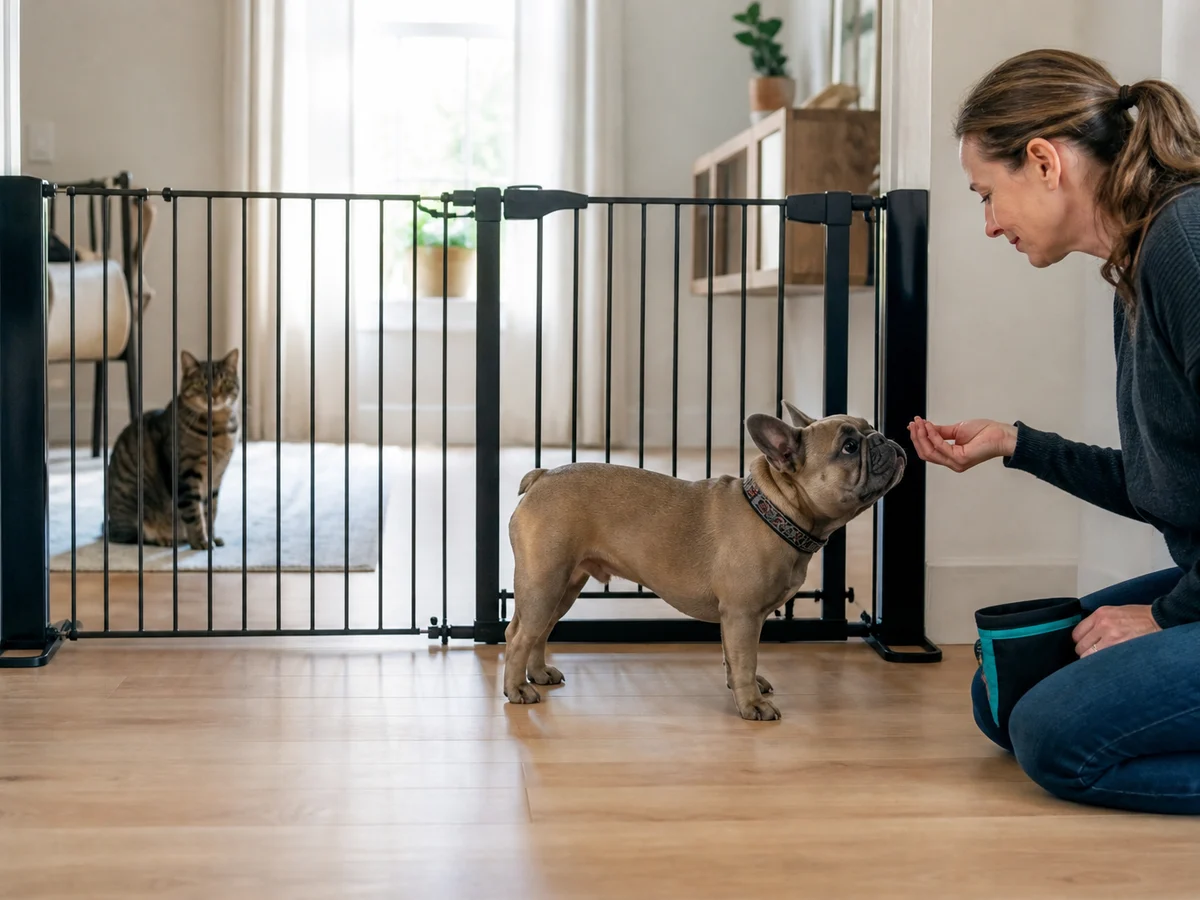
Compatibility is individual. Use barriers, leashes and distance to prevent forced contact. Give every animal separate food, rest and retreat areas. A prior history with one child, dog or cat does not guarantee behavior with another.
For children, teach invitation-based contact and protect sleep and meals. For dogs, begin in a neutral or low-pressure setting when appropriate and watch for stiffness, hard staring, repeated mounting, guarding or inability to disengage. For cats, prevent chasing from the first session and provide vertical escape routes the dog cannot access.
End while body language remains comfortable. Short successful exposures create better information than one long meeting. Escalating guarding, predatory behavior, bites or near-bites requires professional safety guidance.
Medical causes that can look behavioral
Pain, airway difficulty, skin irritation, gastrointestinal discomfort, sensory change and medication effects can alter behavior. Warning signs include sudden irritability, reluctance to move or be handled, sleep disruption, house-soiling, withdrawal, decreased appetite or aggression that appears without a training-history explanation.
Start with the veterinarian when change is sudden, severe or paired with physical signs. Bring the behavior log and safe video. Training can support coping and handling, but it cannot diagnose or treat pain or breathing obstruction.
Choosing qualified behavior help
Titles in dog training are not uniformly regulated. Ask a professional to explain education, certifications, methods, experience with the problem, safety planning and how veterinary issues are handled. The plan should describe what behavior will be taught, how progress is measured and which tools are used.
Seek urgent professional help for bites, near-bites, escalating guarding, self-injury, severe fear or separation panic. Avoid guarantees, dominance-based explanations for every problem and methods that rely on pain, fear or suppressing warning signals.
Loose-leash walking for a compact brachycephalic dog
Loose-leash training protects comfort and communication, but the session must also respect heat and breathing. Begin indoors or in a cool low-distraction area. Reward one or two steps near the caregiver before the leash tightens, then release the dog to sniff as another reward.
When the leash becomes tight, stop or move away from the trigger rather than pulling against the neck. Check harness fit while the dog walks, not only while standing. End for effortful breathing, slowing, heat, frustration or loss of reward interest.
Increase distance, duration and distraction separately. A successful three-minute cool-weather practice is more valuable than a long outing filled with pulling and unsafe recovery.
Door greetings and visitors
Visitor excitement can combine barking, jumping, door rushing and grabbing. Management comes first. Use a gate, leash or separate room so the dog cannot rehearse a chaotic greeting while someone enters.
Teach the component skills away from real visitors:
- Move to a mat when the door sound occurs.
- Remain behind a barrier while the handle moves.
- Check in with the caregiver for reinforcement.
- Approach a calm visitor only when body language stays loose.
- Return to the mat or exit when the dog needs space.
Visitors should ignore the dog initially and avoid leaning over, reaching or forcing contact. A dog that freezes, hard-stares, growls or repeatedly cannot disengage needs more distance and a safer plan.
Adolescence and changing behavior
Training can appear to regress during adolescence because motivation, distraction and social responses change. Reduce difficulty and reinforce known skills rather than assuming the dog is challenging authority. Continue management so barking, pulling, jumping and guarding do not receive repeated practice.
Also screen for physical change. Rapid growth, skin discomfort, ear pain, airway difficulty or other illness can alter tolerance and learning. A sudden or severe shift does not belong in an adolescence explanation until health has been considered.
Exercise and enrichment for behavior health
Under-stimulation can contribute to barking, stealing and restless behavior, while overarousal can make settling difficult. Build a balanced day with safe movement, sniffing, problem solving, social contact and sleep.
Examples include short cool-hour walks, food searches, simple scent games, cooperative-care training and supervised chewing. Rotate the activity type instead of only increasing duration. A brachycephalic dog should not be exercised to exhaustion in an attempt to suppress behavior.
Track which activities improve later settling. If a game consistently creates frantic behavior or slow breathing recovery, shorten it, lower intensity or choose another activity.
Guarding food, toys and resting places
Guarding can involve freezing, hovering, hard staring, growling, snapping or biting when a valued resource is approached. Do not test the dog repeatedly or remove items by force. Prevent access to dangerous items and use barriers to protect people and other animals.
For mild cases, a qualified professional may teach exchanges and predict that an approaching person makes good things appear. Serious guarding, guarding around children, bites or rapid escalation needs individualized safety help. Punishing warnings can make future behavior less predictable.
Separate animals for meals and high-value chews. Give the dog an undisturbed resting place and teach household members to call the dog away rather than reach into its space.
Recall and emergency movement cues
A reliable recall is built in layers and is never guaranteed around every distraction. Start indoors with a distinct cue, move backward, reward generously and release the dog back to safe activity. Avoid using the cue only for unpleasant endings.
Add a hand target and an emergency “this way” turn. These skills can move a Frenchie away from a hot sidewalk, doorway, loose dog or dropped food without dragging. Practice at easy distances before the situation is urgent.
Use a leash or secure area while training. Off-leash freedom is a management decision based on environment and reliability, not proof of obedience.
A behavior log that leads to decisions
Record date, time, trigger, distance, observable behavior, consequence and recovery. For training, add the cue, reward, success rate and one variable to change next. Avoid labels such as bad, spiteful or dominant.
A useful entry reads: “Hallway door closed at 6 p.m.; dog barked three times, moved to mat after hand target, ate four rewards and settled in 25 seconds.” That entry identifies a trigger, response, intervention and outcome.
Review the log weekly. Look for changes in frequency, intensity and recovery rather than demanding instant elimination. Share clear patterns with the veterinarian or trainer when progress stalls.
Safety planning for aggression or panic
Safety comes before training speed. Use barriers, distance, leashes, secure doors and separate routines to prevent another incident. Do not place a dog back into the trigger to see whether the problem is real.
Document bites or near-bites accurately, including contact, injury, context and who was present. Follow local medical and reporting requirements. Begin with the veterinarian when pain, illness or medication may contribute, then work with a qualified behavior professional.
For separation panic, arrange coverage that prevents unavoidable long absences while treatment begins. Repeated panic is not practice for independence. A combined medical, management and behavior plan may be needed.
French Bulldog body language during training
Training quality depends on whether the dog remains able to learn. Loose muscles, normal breathing, voluntary approach, food interest and quick recovery suggest the setup may be workable. Turning away, repeated lip licking, freezing, frantic movement, refusal of normally valued food or escalating vocalization means difficulty should be reduced.
Body language must be read with context. Panting can reflect heat, stress, exertion or an airway problem. A tucked posture can reflect fear or pain. When signs are new, severe or paired with physical change, stop and involve the veterinarian.
Give the dog an exit during cooperative care and introductions. Voluntary participation provides better information than stillness produced by restraint.
Impulse control through predictable access
Impulse control is not making a dog wait for everything. It is teaching small behaviors that reliably open access to desired outcomes. A brief pause can open the door, four paws on the floor can start greeting and a hand target can lead to sniffing.
Keep criteria realistic. Reinforce one second before asking for three, and practice when the dog is cool and able to think. If the dog repeatedly fails, prevent access and simplify the cue rather than escalating punishment.
Use life rewards as well as food:
- A loose leash earns movement toward a sniffing area.
- Moving to a mat earns calm visitor access.
- Releasing an object earns another safe toy.
- Standing quietly earns the door opening.
The outcome should be safe, consistent and under caregiver control.
Training around heat, breathing and fatigue
French Bulldog training must stop before physical limits erase learning. Choose cool conditions, provide water and use short sessions. Avoid rapid repetitions that combine excitement, food gulping and sustained movement.
Watch breathing and recovery between repetitions. A dog who cannot orient, take a reward gently or recover is not being defiant. Move to a cooler quiet area and assess the dog. Severe or persistent breathing trouble needs veterinary care.
Separate mental practice from exercise when needed. A chin rest, scent search or mat exercise can provide learning without sustained exertion, but even low-movement work should end when the dog is tired or stressed.
Moving, schedule changes and behavior regression
A move, new work schedule, new baby, new animal or caregiver change can disrupt toileting, sleep, barking and alone time. Anticipate the transition by preserving familiar cues, rest areas and meal times where possible.
Reduce freedom temporarily, restore frequent toileting and rebuild alone time from a level the dog can handle. Introduce one environmental change at a time. Regression is information that the current setup exceeds the dog's skills or comfort.
If behavior changes sharply or does not improve as routine stabilizes, review health and seek qualified help. Do not wait for a crisis because the dog was trained before the change.
Maintenance after the first successful month
Skills weaken when they are never reinforced outside formal training. Continue short practices in normal life and reward good choices unpredictably enough to keep them valuable. Revisit mat work, handling, recall, loose leash and alone time before travel or schedule changes.
Set one monthly observation goal, such as hallway barking duration or comfortable nail-handling steps. Small records make drift visible while the problem is still manageable.
A trigger-to-reinforcement training map
For one behavior, write five columns: trigger, prevention, alternative, reinforcement and recovery. The trigger is observable, such as the hallway door closing. Prevention changes exposure or blocks rehearsal. The alternative is one teachable action, such as moving to a mat. Reinforcement is what follows that action. Recovery records how quickly the dog can settle and re-engage.
Use the map to change one variable per practice. If barking begins at ten feet from a visitor, start farther away. If the dog cannot eat, orient or recover, reduce intensity instead of repeating the cue. Success means the alternative becomes easier under safe conditions, not that the dog is forced to remain beside the trigger.
- Compare the same trigger, distance, response and recovery measure from week to week. Change only one variable when the record shows the dog is comfortable.
Track recovery as well as response
Pair the map with an observable behavior log. Write what the dog did, for how long and in what context, then compare frequency, intensity and recovery across sessions. Avoid labels such as stubborn, jealous or dominant because they cannot identify the variable to change.
Review the record weekly. Continue when progress is steady and the dog remains comfortable. Seek veterinary input for sudden change, pain signs or physical limitation. Bring in a qualified reward-based professional when the plan stalls, safety is uncertain or aggression and panic are involved.
Generalizing a skill without overwhelming the dog
A behavior learned in the kitchen is not automatically reliable in the hallway, outdoors or around visitors. Change location, distance, duration and distraction one at a time. Return to easier criteria when the environment changes.
Practice brief successful repetitions in several safe contexts, then reward the dog for responding before difficulty rises. For a mat cue, that may mean one quiet room, a second room, the hallway at a calm time and finally a managed visitor setup. Skipping those steps can make a familiar cue look unavailable when the real problem is context.
Generalization also requires different caregivers to use the same cue and consequence. Agree on words, hand signals and access rules. If one person rewards jumping while another asks for four paws on the floor, the dog receives competing information.
When to change the training plan
Change the plan when the dog repeatedly fails at the same step, recovery slows, rewards lose value or management cannot prevent unsafe rehearsal. Do not simply add more repetitions. Reassess distance, environment, session length, physical comfort and the value of the outcome.
Document the revision and its reason. A good plan is allowed to become easier, use a different alternative or pause while health is assessed. The goal is safe learning that transfers to daily life, not loyalty to the first technique chosen.
French Bulldog Temperament, Training and Apartment Life FAQs
The short answer is that the temperament-related pros and cons of French Bulldogs often include close companionship, playfulness and adaptability on the positive side. Cons can include difficulty with long absences, frustration, house-training setbacks and recurring noise in shared housing. Health and heat limits can also affect behavior. The individual dog's history and recovery after stress are more useful than a breed stereotype.
The short answer is that some Frenchies get attached to one person, but many bond with several household members. Feeding, walking, play and rest routines can influence where attention goes. A preference is not automatically a problem. Pacing, vocalizing, escape attempts, house-soiling or inability to settle when that person leaves may indicate separation distress and deserves a gradual veterinary behavior plan.
The short answer is that some common behavior problems with French Bulldogs include house-soiling, leash pulling, jumping, barking, guarding and distress when alone. None is inevitable or solved by calling the dog stubborn. Identify the trigger, prevent rehearsal and reward a specific alternative. Sudden behavior change needs a veterinary check, while escalating aggression or panic requires qualified professional help.
Frenchies are often affectionate, playful and people-oriented, but individuals vary in confidence, sociability, energy and frustration tolerance. A sound French Bulldog temperament should allow the dog to recover from ordinary events and participate in daily care. Observe handling, visitors, brief separation and normal household noise. Pain, breathing difficulty or sudden withdrawal can change behavior and needs veterinary assessment rather than a stubborn label.
They can learn well when sessions are short, rewards are meaningful and the requested behavior is clear. Practice one skill in a quiet setting before adding distance or distraction. Confusion, weak reinforcement, fatigue, heat, fear or pain can look like stubbornness. Prevent unwanted rehearsal with gates or leashes, but do not use equipment or punishment as a substitute for teaching the desired response.
Yes, they can fit apartment life when the household provides frequent toileting, safe exercise, enrichment, climate control, training and company. Shared walls make barking and separation distress important, while elevators and close hallways require calm handling practice. Confirm landlord rules and plan cool-hour outings. Square footage alone does not offset long absences, overheating risk or a dog who cannot settle around building noise.
Many are not constant barkers, but alarm, boredom, frustration and separation distress can create recurring noise. Identify what happens immediately before and after barking, then reduce rehearsal and reward a specific alternative such as checking in or settling on a mat. Punishment can increase arousal without addressing the trigger. Sudden nighttime vocalizing or barking paired with pain or confusion needs veterinary evaluation.
Yes, for periods the individual can handle comfortably after preparation. Build alone time gradually from short successful absences and use video to confirm true settling rather than pacing, vocalizing or panic. Puppies need frequent toileting, and some adults develop separation distress. Arrange reliable help before exceeding the dog's limit. Repeated distress does not teach independence and should prompt a veterinary or qualified behavior plan.
Some are, but breed alone cannot guarantee compatibility with children, dogs or cats. Use gradual introductions, barriers, separate food and rest areas, and active adult supervision. Teach children to invite contact rather than hug, corner or disturb sleep. A history with one animal does not prove safety with another. Freezing, hard staring, guarding, chasing or escalating conflict requires distance and professional guidance.
Seek professional help for bites or near-bites, escalating guarding, intense fear, self-injury, separation panic or behavior that prevents normal daily life. Breed alone cannot guarantee that aggressive or fearful behavior will resolve with routine training. Start with a veterinarian when the change is sudden or pain may be involved, then use a qualified reward-based behavior professional who can assess triggers, safety and household management.
Editorial safety note
Petful does not endorse an individual breeder, rescue, seller, insurer, veterinarian, trainer or product. Affiliate links may earn Petful a commission at no extra cost to the reader. Availability, dimensions, price and instructions can change. Reopen the current product page, measure the individual dog and supervise use. A tracked offer is a commerce option, not evidence that the product is necessary, medically appropriate or safer than every alternative.
Keep a short training log
Record the cue, setup, reward and result for one week. A note such as “settled 20 seconds on mat in quiet room after three food rewards” is actionable; “was stubborn” is not. Change only one variable at the next session so progress or difficulty has a clear cause.

Coreen Saito is a pet writer and longtime shelter volunteer with more than a decade in animal rescue. She covers cat behavior, breed care, and the small, ordinary science of sharing a life with companion animals, with a particular focus on honest takes about the products and decisions that actually matter. At home in Arizona, she's outranked by Mac (a dog with the loudest opinion in the house), Rebel (a cat who governs by quiet authority), and Meri (an orange tabby who runs the late shift and the laundry basket). She writes about all three, plus the rescues that keep coming through her life, at LifeWithMinty.com.
Sign up for expert-backed reviews and safety alerts all in one place.