French Bulldog: Personality, Size, Care and Breed Guide
The French Bulldog is a compact, social companion. Learn about temperament, size, daily care, training, heat safety and the health risks owners should plan for.

Petful is reader supported. As an affiliate of platforms like Amazon and Chewy, we may earn a commission when you buy through links on this page. There is no extra cost to you.
The French Bulldog is a compact companion dog known for bat ears, a short muzzle and a social, playful style. Its small size can suit apartment living, but airway and heat risk, close-companionship needs and potentially high veterinary costs make it a breed to evaluate with care.
French Bulldogs are often affectionate and adaptable, but they are not a low-maintenance choice simply because they are small. Prospective owners should weigh daily companionship, climate control, breathing and spinal health, skin care, training, insurance options and access to veterinary care before deciding whether the breed fits their home.
- 1The French Bulldog is a compact companion dog known for bat ears, a short muzzle and a social, playful style. Its small size can suit apartment living, but airway and heat risk, close-companionship needs and potentially high veterinary costs make it a breed to evaluate with care.
- 2Breed tendencies describe populations, not every individual dog
- 3Records, direct observation and professional findings answer different questions
- 4Products support a plan but do not diagnose, treat or guarantee outcomes
| Question | Decision evidence | Map the next step |
|---|---|---|
| Does the dog breathe and recover comfortably? | Observe at rest and after mild activity; review veterinary findings | Ask a veterinarian about noisy breathing, heat intolerance or slow recovery |
| Does the dog fit the household routine? | Compare toileting, company, training, exercise and climate-control needs with a normal weekday | Assign daily care and a backup caregiver before committing |
| Are the source and records verifiable? | Match identities, health records, contract terms and direct observations | Pause if claims, payment details or records cannot be independently checked |

Sign up for expert-backed reviews and safety alerts all in one place.
French Bulldog at a glance
The French Bulldog is a compact companion with distinctive bat ears, a short muzzle and a people-oriented reputation. The same anatomy that creates the familiar look can increase health and heat-management needs.
The American Kennel Club French Bulldog breed page describes the breed as a compact companion weighing no more than 28 pounds. That makes a Frenchie physically manageable in many homes, but the breed still needs daily interaction, several short activity periods, patient training and a plan for hot or humid weather.
- For the handling decision in this section, compare the Frisco Padded No Pull Dog Harness, Small with the dog's current measurements, movement, coat and behavior. Recheck fit while the dog is standing and moving, inspect the hardware before use, and confirm that the equipment cannot tighten, rub or permit escape.
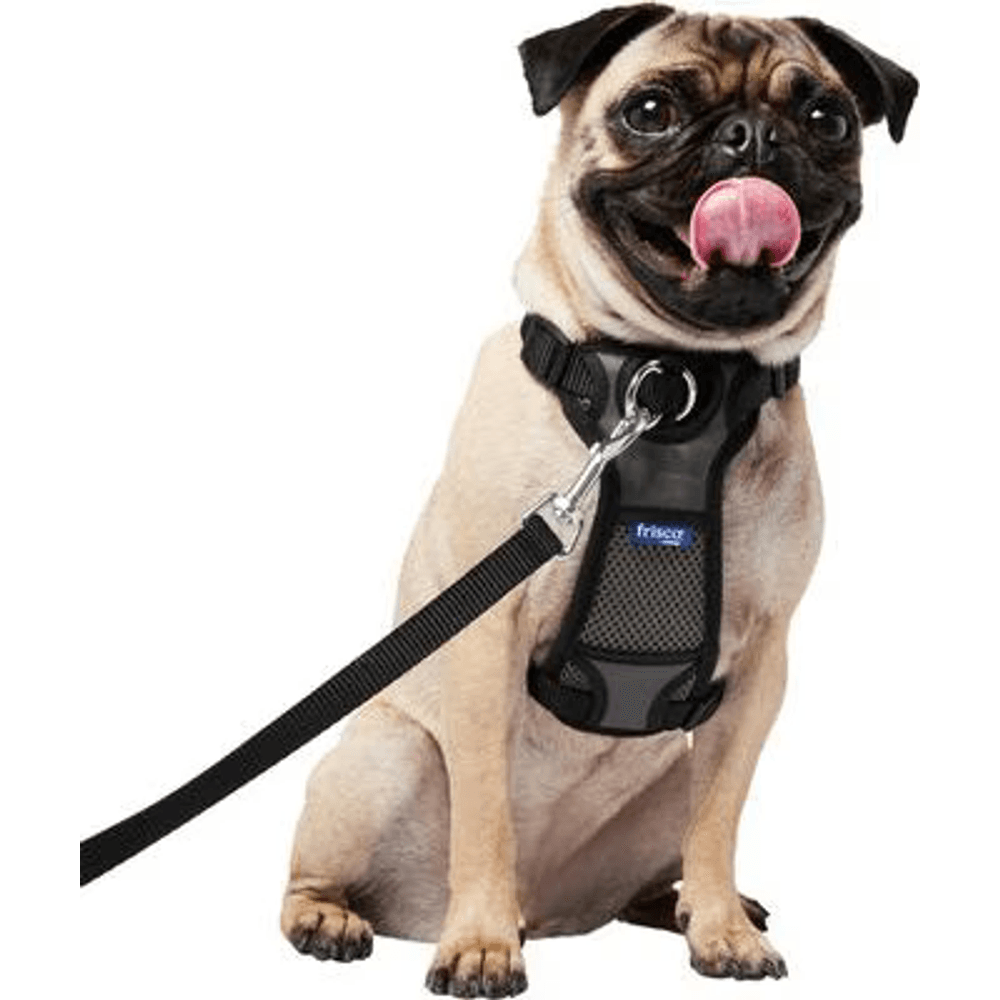
A budget-friendly padded no-pull harness that keeps leash pressure off a coughing dog's neck and windpipe by distributing it across the chest. A simple, affordable way to protect an irritated airway or a collapsing trachea on every walk.
Petful may earn a commission when you click through to Chewy, at no extra cost to you.
- If the Frisco Padded No Pull Dog Harness, Small still fits the documented need, introduce it with rewards and supervise early use. Walking equipment can support a management plan, but it does not teach loose-leash behavior or make a powerful dog safe around triggers by itself.
Evaluate a Frenchie against the household's real schedule, climate, veterinary access and ability to provide close companionship. Popularity, appearance and one friendly meeting do not predict lifetime fit.
What French Bulldogs look like
Questions involving the defining traits of french bulldog, french bulldog size, and full grown french bulldog are best resolved by using repeated measurements, body condition and functional fit rather than one chart or seller label.
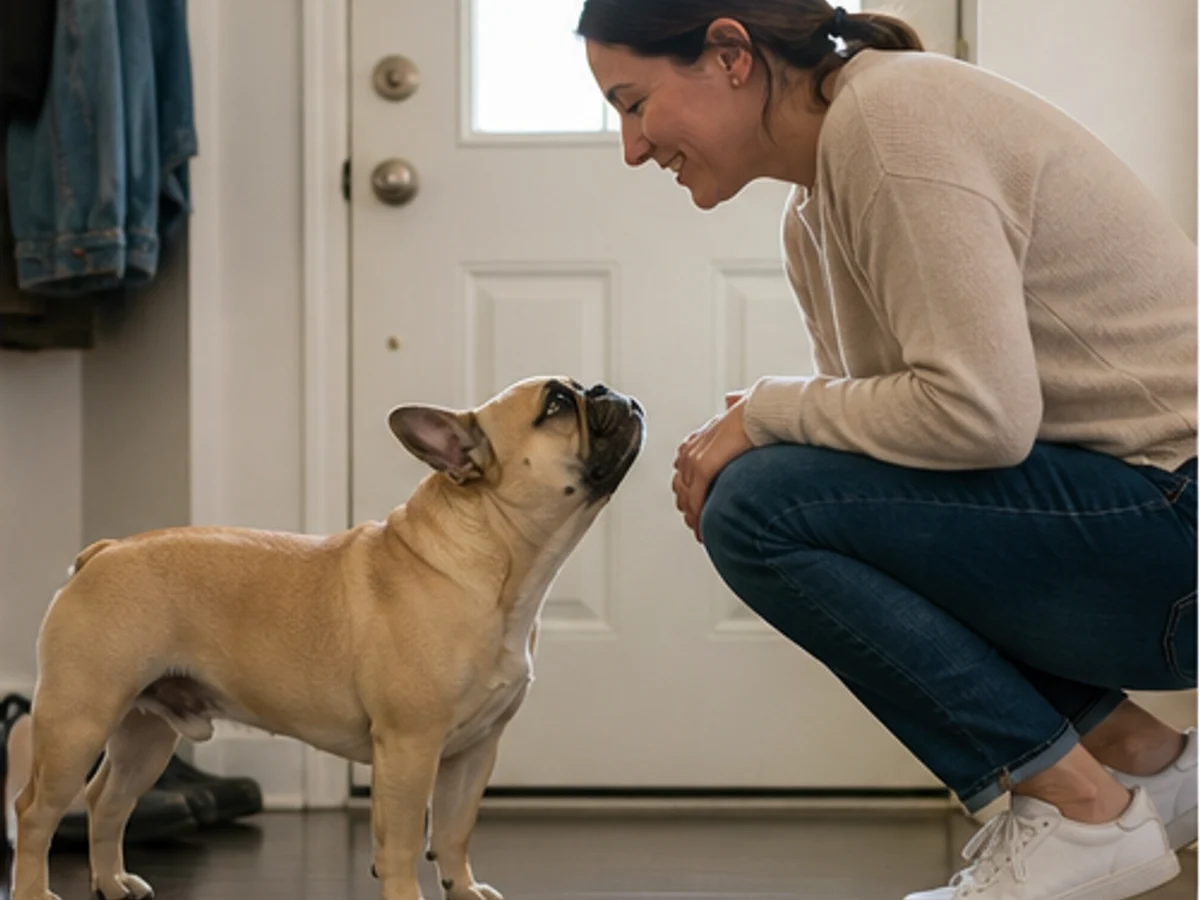
French Bulldogs should look compact and muscular rather than exaggerated. Bat ears, a broad head, short coat and balanced proportions are breed hallmarks.
The French Bull Dog Club of America breed standard is useful for official terminology, including the breed's square head, bat ears and compact build. Appearance cannot document parentage, airway function or health, so view the whole dog moving and breathing at rest and after mild activity. Extreme wrinkles, very closed nostrils or a body selected only for novelty should not be romanticized.
Personality and everyday behavior in brief
Many Frenchies seek close contact, enjoy play and respond strongly to social attention. Individuals may be bold, cautious, quiet, busy, dog-social or selective.
The breed developed as a companion, which helps explain its people-focused reputation; the French Bull Dog Club of America history traces that companion-dog role. Still, individual Frenchies differ. Ask how a dog recovers from novelty, handles touch, settles, communicates discomfort and behaves when alone rather than assuming every Frenchie will love children, strangers or other animals.
Measured equipment for daily care
A useful product solves a specific management problem and fits the dog in front of you. Measure the neck, chest, muzzle clearance, sleeping length and available floor space before buying; recheck fit as a puppy grows or an adult's weight changes.
- For feeding or hydration management, compare the Outward Hound Non-Skid Slow Feeder Interactive Dog Bowl with the dog's measured portion, food or water needs, muzzle size and the household cleaning routine. Verify capacity, materials, power needs where applicable and whether another animal can interfere.

Multiple ridges and valleys slow eating, reduce gas and bloating, and turn mealtime into a fun puzzle. Non-skid base, dishwasher safe, 4-cup capacity.
Petful may earn a commission when you click through to Chewy, at no extra cost to you.
- If the Outward Hound Non-Skid Slow Feeder Interactive Dog Bowl fits the care plan, test it while a caregiver is present and continue tracking appetite, water intake, stool, weight and body condition. Feeding equipment cannot set a medical diet, prevent bloat or replace direct observation.
Affiliate products do not diagnose, prevent or treat disease. Stop using equipment that causes rubbing, distress, overheating, swallowing risk or restricted movement, and ask the appropriate professional when the need is medical or behavioral.
Exercise, training and apartment life in brief
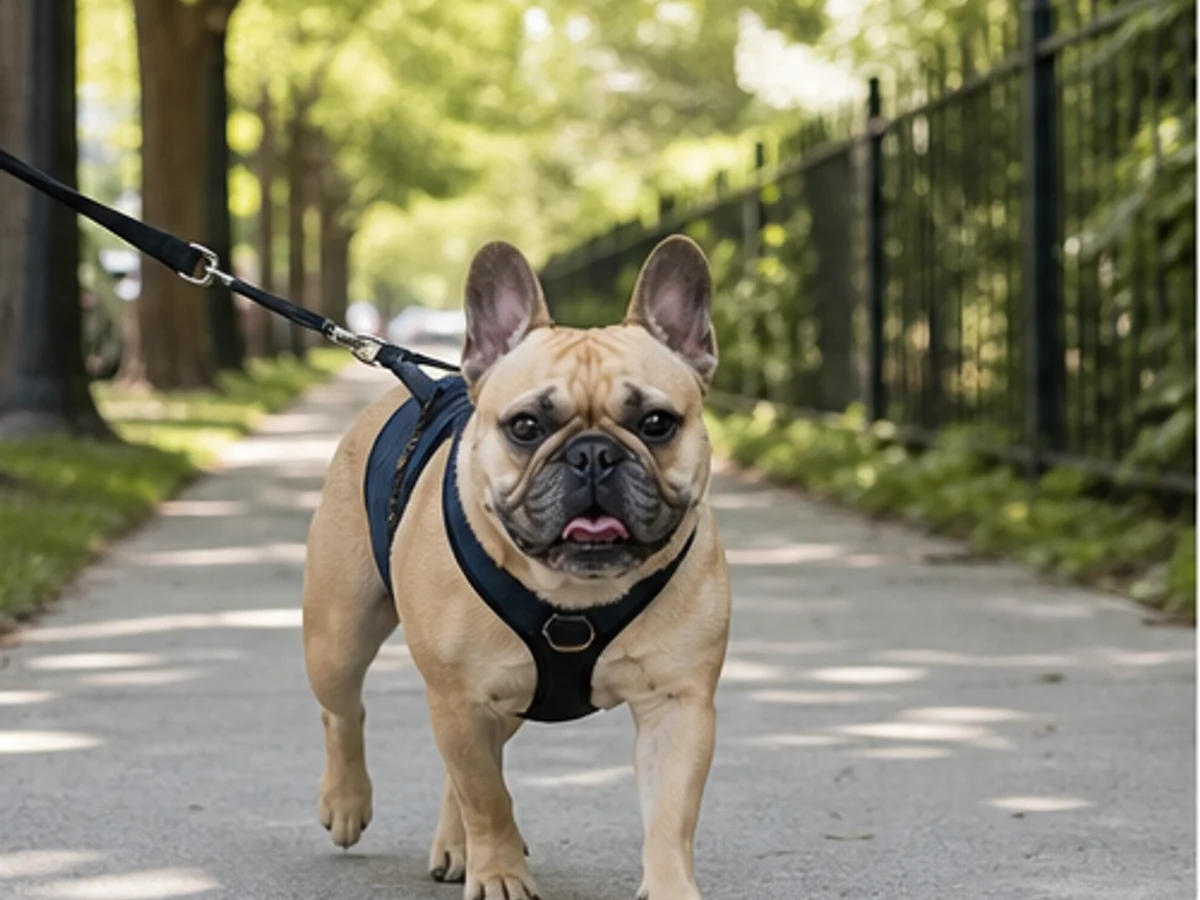
Apartment size is less important than a reliable daily plan. Frenchies usually need several short opportunities for walking, sniffing, play and training, adjusted for weather and breathing.
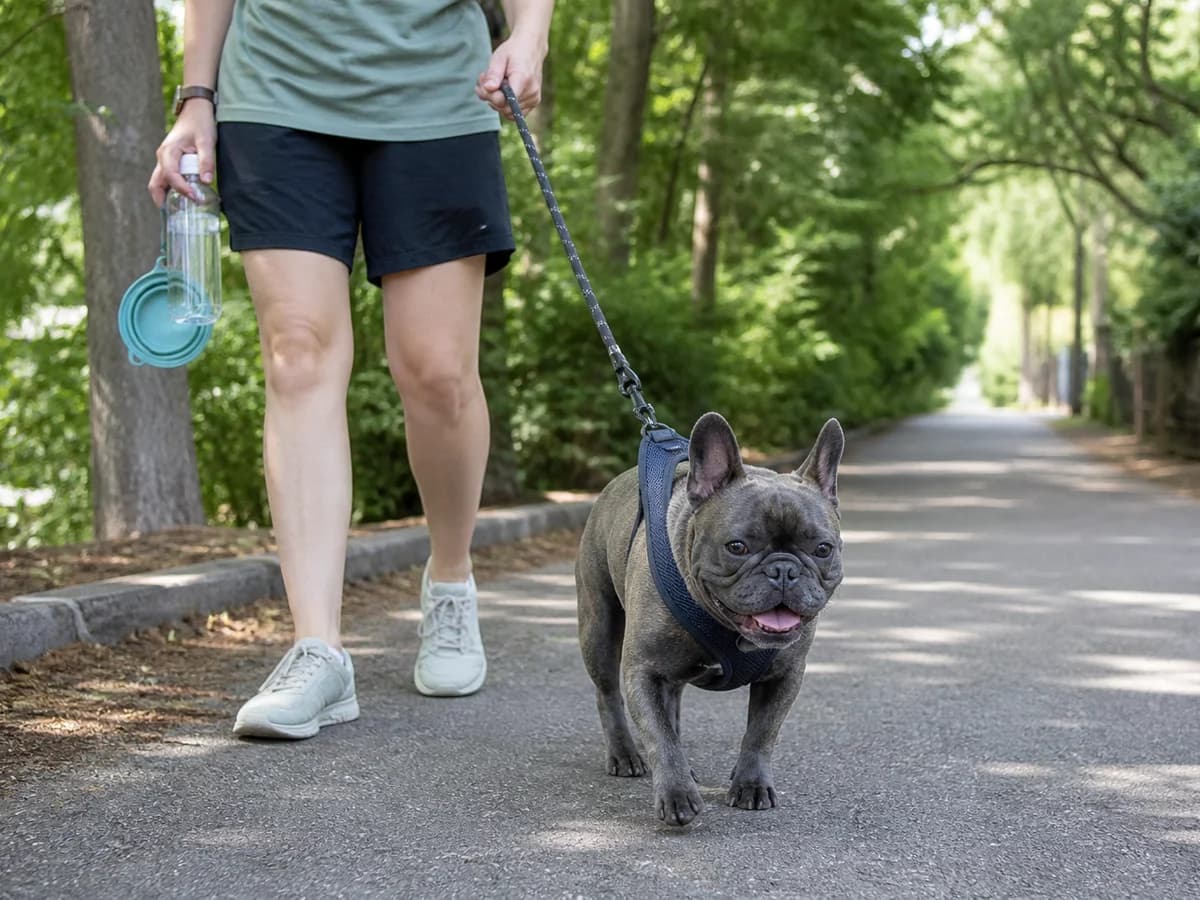
Heat, humidity, excess weight and airway disease can reduce safe exercise capacity. Schedule cooler outings, carry water, use a well-fitted harness and stop for concerning breathing, weakness or poor recovery. A small dog is not a no-exercise dog, and a yard does not provide social contact or training by itself.
- French Bulldogs can overheat quickly. Move activity to cooler conditions, keep sessions short and stop for noisy or labored breathing, weakness, confusion, vomiting, collapse or unusually slow recovery.
Grooming, feeding and daily care
Questions involving french bulldog grooming, whether french bulldogs shed, and whether french bulldogs are hypoallergenic are best resolved by matching care to the actual coat, skin condition and veterinary guidance rather than cosmetic claims.
Short-coated Frenchies need routine brushing, nail care, dental care, ear checks and careful fold hygiene. Fluffy coats add combing around friction areas but do not change the breed into a nonshedding dog.

Short-coated Frenchies need routine brushing, nail care, dental care, ear checks and careful fold hygiene. Fluffy coats add combing around friction areas but do not change the breed into a nonshedding dog.
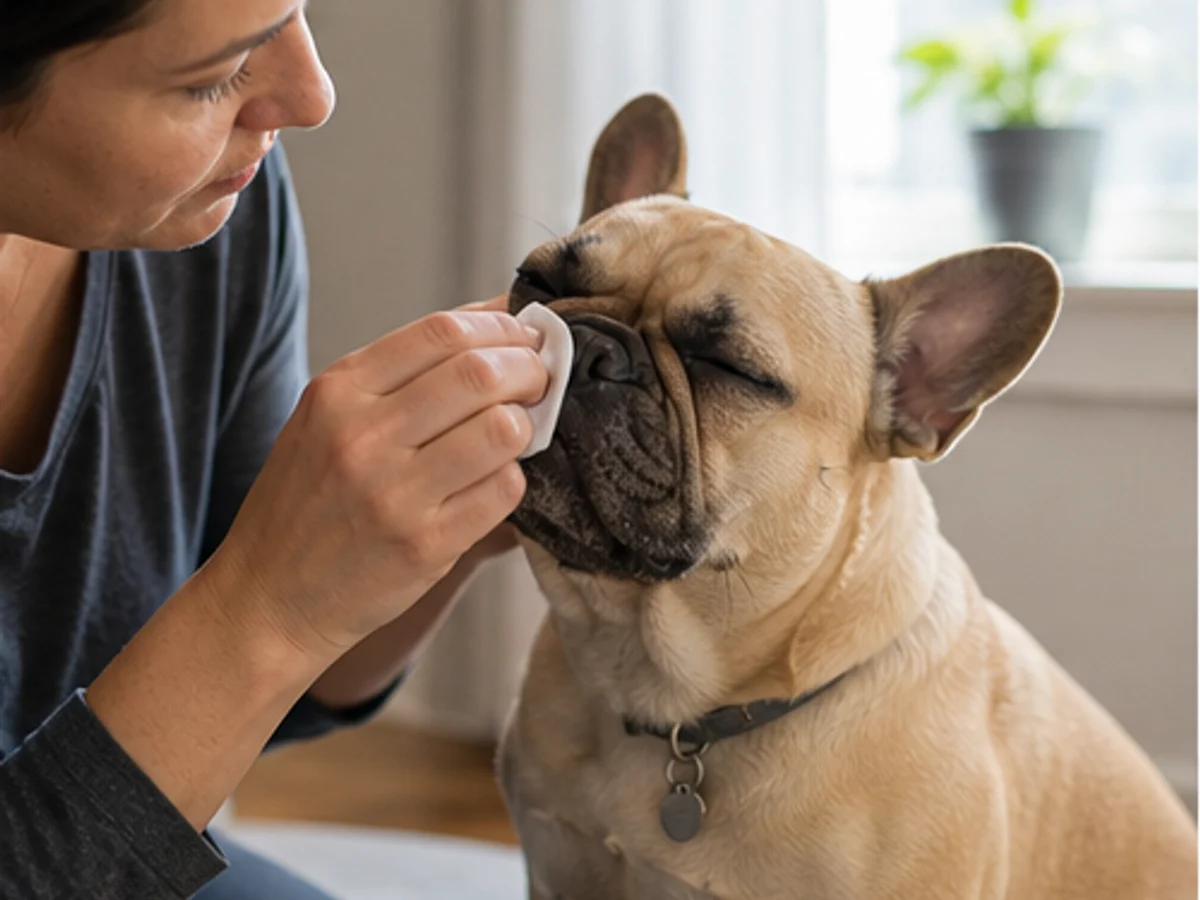
Skin odor, pain, redness, discharge, hair loss or recurrent irritation needs veterinary assessment rather than stronger cosmetic products. Introduce handling gradually, dry folds after cleaning and note which products contact sensitive skin. More cleaning is not always better because trapped moisture and harsh products can worsen irritation.
Do you have to wipe Frenchies after pooping?
The short answer is that you do not have to wipe Frenchies after pooping when the coat and tail area remain clean. Check after bowel movements, especially around a tight tail pocket, and gently remove visible stool or moisture using a veterinarian-approved method. Repeated soiling, diarrhea, scooting, odor, pain or inflamed skin needs veterinary attention because routine wiping cannot correct the underlying cause.
Health and lifespan in brief
Lifespan, airway and spinal health includes lifespan of french bulldog, french bulldog breathing issues, and ivdd in french bulldogs. These are related but distinct reader decisions, best resolved by using veterinary findings, connected records and the individual dog's current signs instead of treating a population range as a promise. Use the measurements, records and observable conditions in this section to identify what is known, what still needs confirmation and which next action the evidence supports. Before acting, record the source, date and individual-dog evidence behind the conclusion. That prevents a broad breed tendency, seller label or isolated number from becoming a promise about one dog and keeps the decision practical, traceable and useful. Revisit the conclusion when the dog's age, health, environment or household capacity changes, because the same label can lead to a different decision as the evidence changes.
- For supportive rest, compare the FurHaven NAP Ultra Plush Orthopedic Deluxe Dog Bed with the dog's nose-to-rump length, preferred sleeping posture, ability to step on and off, floor traction and cover-cleaning needs. Product dimensions matter more than the size label.
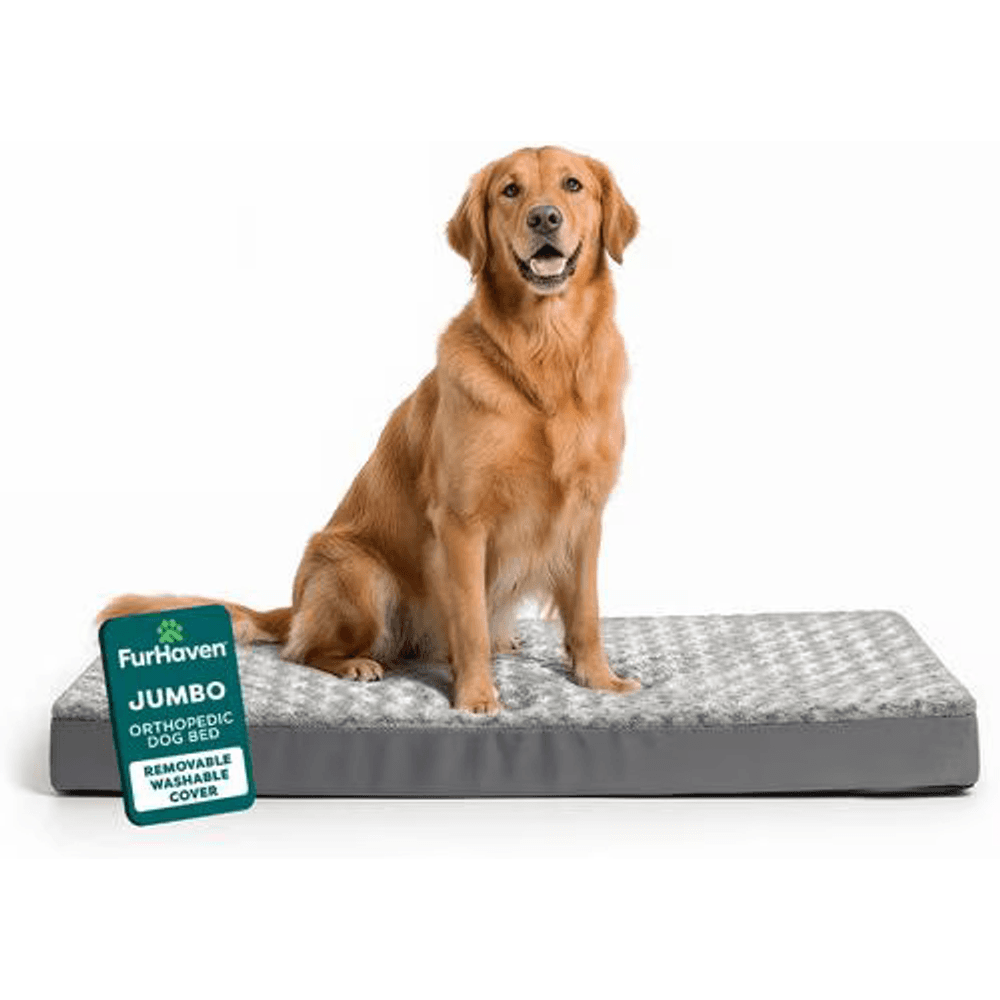
A plush orthopedic foam mattress that cushions aging joints and pressure points, giving a stiff or trembling senior dog warm, supportive rest.
Petful may earn a commission when you click through to Chewy, at no extra cost to you.
- If the FurHaven NAP Ultra Plush Orthopedic Deluxe Dog Bed provides enough usable space, monitor whether the dog can settle, rise and turn comfortably. A bed can improve access and comfort, but it does not diagnose or treat pain; new mobility changes belong with the veterinarian.
- Where the breed can fit
- Close companionship, compact size, playful interaction and modest indoor space needs
- Where the fit can fail
- Heat, airway and spinal risk; limited tolerance for long absences; skin and eye care; and potentially high veterinary costs
Puppies, price and buying safely in brief
Price should be itemized into acquisition, included care, setup, recurring needs, optional services and risk. Online listing prices are not a reliable national average.
Compare identical line items and calculate monthly affordability after the first-year excitement has passed. The dedicated French Bulldog price guide separates acquisition, first-year setup, recurring care and medical-risk planning. Do not pay a premium for color, sex or coat labels without independently evaluating health records and transaction quality.
Recheck fit before buying
Before committing, confirm who provides weekday care, how the home stays cool, what insurance or emergency savings are available, and which clinic can evaluate a short-muzzled dog. Equipment can support that plan, but it cannot compensate for an unsafe schedule, untreated breathing difficulty or an unaffordable care gap.
Colors, merle and fluffy coats in brief

Fluffy French Bulldog and long-haired French Bulldog describe the same coat-length trait: a Frenchie with longer hair, especially around the ears, chest and legs. Coat length is separate from color and pattern. The French Bull Dog Club of America breed standard describes the accepted coat as short and smooth, while Petful's fluffy French Bulldog guide explains long-hair genetics, grooming and buyer questions without treating the coat as proof of health or ancestry.
- For confinement or access management, compare the Frisco Steel 8-Panel Configurable Dog Gate and Playpen with the measured dog, opening and available floor space. Check height, usable interior dimensions, latch security, stability, chewing and climbing risk before relying on it in the home.

Petful may earn a commission when you click through to Chewy, at no extra cost to you.
- If the Frisco Steel 8-Panel Configurable Dog Gate and Playpen suits the setup, supervise initial use and pair it with gradual, reward-based practice. A barrier can prevent rehearsal and protect rest, but it does not teach comfort alone or replace a secure exterior boundary.
Is a French Bulldog right for you?
Questions involving french bulldog pros and cons and reputable french bulldog breeders are best resolved by checking identity, health records, written terms, observed behavior and payment protections before committing. A French Bulldog can fit a household that wants close companionship and can manage heat, short safe exercise, training, skin and dental care, and potentially substantial veterinary needs. The right answer comes from the actual dog, schedule, climate, budget and care access rather than popularity. Test the plan against an ordinary workday, travel, emergencies and the hottest local weather. Do not choose the breed if essential care depends on time, money or help the household does not reliably have. Before deciding, confirm who will handle midday toileting, how the dog will stay cool during outages or travel, and which clinic can assess short-muzzle breathing problems. Price routine care, insurance or emergency savings, and paid help during long workdays. A good fit also requires patience for gradual alone-time training and the willingness to stop exercise when breathing or recovery looks abnormal. Those practical commitments matter more than compact size or popularity.
What are the pros and cons of French Bulldogs?
The short answer is that the main pros and cons of French Bulldogs come from the same companion-focused build. They can be affectionate, playful and physically manageable in smaller homes, but they need close company, careful heat management and short-muzzle-aware care. Airway, spinal, eye and skin disease can be expensive, and a compact body does not eliminate exercise, training, grooming or emergency-planning needs.
What is the #1 nicest dog breed?
There is no objective #1 nicest dog breed. French Bulldogs are often social and affectionate, but friendliness varies with genetics, early experience, health, learning history and the situation. A family should observe the individual around household members, handling and normal activity, then choose for compatible behavior and care needs rather than relying on a popularity ranking or breed-wide promise.
What French Bulldog ownership looks like across a normal day
The most useful breed test is not whether a Frenchie can fit on a sofa. It is whether the household can meet the dog’s needs on an ordinary Tuesday. A workable morning includes an unhurried toileting trip, a brief check of breathing and movement, a measured meal, water, and a short walk or sniffing session in safe weather. A dog who wakes coughing, struggles to recover after a few minutes, refuses food, seems painful, or cannot toilet normally needs a different plan and sometimes veterinary help.
During the workday, the household needs a realistic answer for companionship and toileting. Some adult French Bulldogs can settle for a reasonable period after gradual practice, while puppies and dogs with separation distress need much more support. A pet camera can provide observations, but it cannot comfort a panicking dog. Pacing, continuous vocalizing, drooling, escape behavior, elimination despite normal house training, or failure to eat a familiar food toy can justify a slower alone-time plan and qualified behavior guidance.
Evening care does not require strenuous exercise. A cool walk, sniffing, simple training, food enrichment, gentle play and quiet social time may be more appropriate than sustained running. The dog should be able to breathe comfortably, keep normal gum color and recover promptly. Before bed, note appetite, water intake, toileting, skin folds, eye comfort, mobility and any medication. This brief pattern creates a useful baseline, so a subtle change is easier to recognize.
- Write who handles the first toileting trip, midday care, cool-weather exercise, meals, training, veterinary transport and an unexpected late workday. If one person or one perfect schedule holds the entire plan together, add a reliable backup before bringing the dog home.
How to evaluate common French Bulldog claims
French Bulldog marketing often compresses several different claims into one attractive phrase. “Purebred,” “AKC registered,” “health tested,” “rare,” “fluffy,” “mini,” and “vet checked” do not answer the same question. Registration concerns a registry record. A pedigree records reported ancestry. A DNA result addresses the variants or ancestry included in that particular test. A health screening addresses one body system at one point in time. A veterinary examination describes the dog who was examined on that date. None of these documents replaces all the others.
Ask for the registered names and numbers behind a claim, then verify the original record. For screening, confirm the dog, test, date, result and issuing organization. For a veterinary record, check identity, findings, recommendations and follow-up rather than accepting the words “vet checked.” For color or coat genetics, identify the exact locus and laboratory result without treating a color panel as a respiratory, spinal, orthopedic or cardiac evaluation.
Size labels deserve the same discipline. The US breed standard describes a French Bulldog of no more than 28 pounds; “mini,” “micro” and “teacup” are marketing labels rather than separate recognized varieties. A small current weight can reflect age, frame, nutrition or illness and does not predict adult health. Measure the individual dog, review parent information when available and ask a veterinarian to interpret growth and body condition.
Climate, travel and emergency planning
A French Bulldog household needs a climate plan because a short muzzle can make cooling less efficient. Identify the hottest indoor room, how the home stays cool during a power outage, which walking surfaces become hot, and who can move the dog to a safe location. Shade and water are necessary but may not be sufficient in heat and humidity. Exercise should shift to cooler conditions, and a dog showing abnormal effort, weakness, confusion, vomiting, collapse or poor recovery needs prompt professional direction.
Travel adds restraint, ventilation and access-to-care questions. Measure the dog and vehicle space before choosing a carrier or harness. Never place a dog where an airbag can cause injury, and do not leave a dog in a parked vehicle. For flights, cruise travel or other commercial transport, obtain the current carrier rules directly and discuss the dog’s airway and health with a veterinarian; flat-faced dogs may face restrictions and additional risk. A vacation plan should also include medication, records, feeding instructions, emergency contacts and a caregiver who recognizes the dog’s normal breathing.
Boarding and emergency preparation
Boarding and pet-sitting need breed-specific questions as well. Ask whether the facility has reliable climate control, how staff monitor dogs overnight, what triggers a call to the owner or veterinarian, and whether high-energy group play can be replaced with quieter individual activity. Give the caregiver written limits for heat, exercise and stairs instead of relying on “take it easy.” Demonstrate normal breathing, skin-fold care and medication administration before leaving. If the dog has a history of airway, spinal, eye or separation problems, arrange a trial visit while the owner remains nearby. A lower-stress home sitter may fit some dogs better than a busy facility, but the safest option is the caregiver who can follow the medical and daily plan consistently and reach veterinary care quickly.
Prepare an emergency card with the primary clinic, nearest emergency hospital, medication list, allergies, insurance details if applicable, and two people authorized to seek care. Practice the transport route before a crisis. Keep a leash or harness, water, towel and records accessible, but do not assemble a home-treatment kit that delays veterinary care. The goal is faster recognition, safer transport and clearer communication, not self-treatment of respiratory distress, heatstroke, neurologic signs or severe pain.
Questions to answer before bringing home a French Bulldog
Start with the ordinary workweek. Who handles the first toileting trip, midday care and the last outing? Puppies cannot wait through an adult workday, and an adult with separation distress may need a slower alone-time plan. Write the maximum regular absence and the backup caregiver rather than assuming the dog will adapt after arrival.
Next, test the home for heat and access. Identify the coolest room, whether air conditioning remains reliable during local heat waves, and how the dog will reach an outdoor toilet area without repeated stairs. Apartment elevators, hot pavement and long hallways can turn a short outing into more effort than expected. A ground-floor home is not automatically suitable, but every home needs a workable hot-weather route.
Care access and household capacity
Review medical access before comparing puppy photos. Ask the regular clinic whether it routinely treats brachycephalic dogs and which emergency hospital can evaluate breathing or neurologic problems after hours. Obtain an insurance quote using the intended breed and local ZIP code, read waiting periods and exclusions, and decide what cash remains available if a claim is denied. Insurance and savings solve different parts of the risk.
Travel and companionship fit
Plan for handling and transport. A caregiver should be able to lift or support the dog safely when stairs, injury or sedation make walking unsafe. The vehicle needs secure restraint, ventilation and a route to emergency care. If the household travels often, identify a sitter or facility that will follow written heat, exercise, medication and skin-care instructions.
Finally, compare companionship needs with the life the household actually leads. Frequent travel, long shifts or unpredictable evenings do not automatically rule out a French Bulldog, but they require reliable paid or family help. The breed is a poor fit when daily care depends on a person, budget or schedule that is only occasionally available.
Write those answers down before contacting a source so an appealing puppy cannot quietly lower the household's nonnegotiable care standards.
A practical next step
Write a realistic weekday plan for toileting, short heat-conscious walks, training, company, grooming and sleep. Add local veterinary access and an emergency budget before deciding whether the breed fits the household.
WebVet’s dog heatstroke signs and response guide adds context to this article’s French Bulldog heat-safety guidance. It does not replace calling a veterinarian about a dog who is struggling to breathe, weak, collapsed or rapidly worsening.
The breed overview above uses the American Kennel Club French Bulldog breed page, the French Bull Dog Club of America breed standard and the club's breed history for identity, structure and historical context.
Continue through the French Bulldog cluster
Use the focused French Bulldog guides below for the decision you need to make:
- french bulldog puppies
- french bulldog health lifespan
- french bulldog temperament training
- french bulldog colors
- best dog food for french bulldogs
For specialized questions, see the French Bulldog colors guide, merle French Bulldog guide and Petful’s French Bulldog food guide.
More French Bulldog guides from Petful
- French Bulldog Puppies: Breeders, Adoption and Buying Safely
- French Bulldog Price: Puppy Cost and Lifetime Budget
- French Bulldog Lifespan and Health Issues
- French Bulldog Size, Weight and Growth Guide
- French Bulldog Temperament, Training and Apartment Life
- Boston Terrier vs French Bulldog: Key Differences
- Fluffy French Bulldog: Long-Haired Genetics, Price and Care
French Bulldog origins and breed purpose
The French Bulldog is a companion breed, not a reduced working bulldog with a single modern job. Its history includes small bulldog-type dogs associated with English lace workers, movement between England and France, and selection for companionship. That background helps explain why many Frenchies orient strongly toward people, but history cannot predict the confidence, sociability or health of an individual dog.
Breed history is useful when it explains present-day needs. A dog developed to live close to people may find an all-day isolation schedule difficult. A compact body may fit a smaller home, yet the same home still needs climate control, toileting access, training space and a plan for stairs. History becomes misleading when it is used to excuse distress, poor breathing or behavior that has not been evaluated.
Use four different evidence sources for four different questions:
- A breed standard describes the intended outline and official terminology.
- A pedigree or registration record documents recorded ancestry under that registry's rules.
- Direct observation shows how this dog moves, breathes, recovers and interacts today.
- A veterinary examination addresses health questions that appearance and paperwork cannot settle.
No single source replaces the others. A registered dog can still have health problems, and a friendly meeting does not prove the dog can tolerate heat, separation or a household's normal activity.
Why the modern Frenchie shape matters
Frenchies are recognized by a broad head, upright bat ears, a compact body and a short coat in standard coat varieties. Those features should never be interpreted as a request for the shortest possible muzzle, the heaviest possible wrinkle or a body that cannot move freely. Exaggeration is not a care advantage.
Watch the dog standing, walking, turning, sitting and recovering after mild activity in safe conditions. Look for free movement, open nostrils, comfortable breathing at rest and a return to baseline that fits the activity. One photograph can show color or outline, but it cannot demonstrate airway function, pain-free movement or genetic health.
Personality, family life and apartment fit
French Bulldog temperament is often described as affectionate, playful and adaptable. Those words are a starting point, not a guarantee. Individual behavior reflects inherited tendencies, early experience, health, learning history and the immediate environment. A sociable puppy may become overwhelmed in a noisy building, while a cautious adult may thrive in a predictable home with gradual introductions.
For family fit, evaluate observable behavior instead of asking whether the breed is universally good with children. Can the dog move away from touch? Does the dog remain loose around normal movement and sound? How does the dog respond when a toy, food bowl or resting place is approached? Adults should supervise children, protect the dog's sleep and meals, and teach children to invite interaction rather than hug, climb on or corner the dog.
Apartment fit depends on operations more than square footage. Before relying on the small-dog label, verify:
- The building allows the breed and the expected adult weight.
- A caregiver can provide frequent puppy toileting or an adult's normal schedule.
- Climate control works reliably during warm and humid periods.
- Elevators, stairs and shared hallways can be navigated without overheating or conflict.
- Barking and alone-time training can be practiced without repeatedly disturbing neighbors.
- There is a backup plan for illness, travel, long workdays and elevator outages.
A yard does not solve companionship or training, and an apartment does not automatically create a deprived life. The meaningful question is whether the household can deliver the care plan every day.
A weekday capacity test for French Bulldog ownership
Build the decision around an ordinary Tuesday rather than an ideal weekend. The weekday capacity test asks who handles each care task, how long it takes and what happens when the first plan fails. Write the answers down before choosing a puppy or accepting an adult dog.
Morning
The dog needs a comfortable breathing and mobility check, a toileting opportunity, measured food if scheduled, fresh water and a short activity or training period suited to the weather. Facial folds, eyes, ears or a tail pocket may need a quick visual check, but routine handling should remain gentle and purposeful. A puppy may need several toileting trips before the household leaves.
If the morning already depends on rushing, identify which caregiver can absorb an upset stomach, a medication change or a dog who refuses breakfast. A plan that works only when the dog is perfectly healthy is not a durable plan.
Midday
Puppies and some adults cannot comfortably wait through a long workday. Decide whether a household member, trusted walker or other caregiver can provide toileting, water and calm contact. Check the provider's heat protocol, handling methods and emergency authority before the first visit.
Remote cameras can show whether a dog actually settles, but they do not comfort a distressed dog or replace a visit. Repeated pacing, vocalizing, drooling, escape attempts or house-soiling means the alone-time plan is too difficult and needs to be reduced.
Evening
Evening care includes another weather-appropriate outing, enrichment, brief training, social time and health observation. Frenchies do not need endurance running, but they do need opportunities to sniff, learn, play and make safe choices. Split activity into manageable sessions so excitement and heat do not accumulate.
The evening is also when owners may notice slower rising, skin redness, eye irritation, ear odor or a change in breathing. Record a new pattern rather than waiting for a crisis or treating it with an unrelated product.
Overnight and backup care
Provide a sleeping area where the dog can change position, breathe comfortably and avoid overheating. The household should also know who can transport the dog, which emergency clinic is open, how medical records are accessed and how costs will be handled if urgent care is recommended.
Score each period as covered, uncertain or uncovered. Any uncovered essential task is a reason to adjust the plan before bringing home the dog, not a problem to solve after commitment.
Where a French Bulldog should sleep
A French Bulldog should sleep in a cool, secure area with enough room to stretch, turn and change position. The best location depends on the individual dog's health, house-training reliability, mobility and ability to settle. A crate, pen or dog bed can be appropriate when it is introduced positively, correctly sized and never used to isolate a distressed dog for excessive periods.
Sleeping in a person's room may help a new dog settle and makes changes in nighttime breathing easier to notice. Sleeping on the human bed adds fall risk, heat and access concerns, especially for a puppy, senior or dog with spinal disease. Use a ramp only if the dog can use it safely and consistently; a ramp does not help when the dog jumps past it.
Do not dismiss new restlessness, repeated position changes, nighttime coughing, gagging, labored breathing, confusion or inability to get comfortable as a personality quirk. Record what happened and contact the veterinary team. Severe breathing difficulty, collapse or blue or pale gums is an emergency.
How to tell if a French Bulldog is comfortable and thriving
A happy-looking face is not a dependable welfare measure. Look for a pattern of comfortable breathing, normal appetite and elimination, relaxed sleep, curiosity, play, social choice and recovery after routine activity. A thriving dog can engage and disengage, not merely tolerate constant contact.
Useful signs include:
- A loose body and normal movement in familiar settings.
- Interest in food, play or sniffing without frantic behavior.
- The ability to settle after excitement and sleep without persistent distress.
- Willing participation in routine handling that was taught gradually.
- Predictable toileting, normal stool and stable body condition.
- Recovery after safe exercise without prolonged noisy or effortful breathing.
Track change from the dog's own baseline. Withdrawal, irritability, guarding, reluctance to jump, altered sleep, appetite changes or new house-soiling can reflect pain or illness as well as learning. A behavior plan should not proceed as though the dog is healthy when the change is sudden or unexplained.
Training and communication beyond the stubborn label
Frenchies can learn cues, routines and household skills. Training problems often come from unclear criteria, rewards that are not valuable in that setting, distractions added too quickly, fatigue, fear, discomfort or a history of the unwanted behavior paying off. Calling the dog stubborn does not identify which variable needs to change.
Define success in something a second person could see. Replace “be good at the door” with “stand on the mat for three seconds while the handle moves.” Replace “stop pulling” with “walk three steps beside the caregiver while the leash stays loose.” Small criteria make reinforcement timely and progress measurable.
A simple teaching loop is:
- Arrange an easy setup with few distractions.
- Prompt or capture one small part of the desired behavior.
- Mark the correct response immediately.
- Deliver a reward the dog values in that moment.
- End before heat, frustration or fatigue degrades performance.
- Change only one difficulty variable at the next session.
Management tools prevent rehearsal while learning occurs. A gate can prevent door rushing and a leash can maintain distance, but neither teaches the alternative behavior. Avoid corrections that increase fear or suppress warning signals.
Exercise, enrichment and heat management by decision
French Bulldog exercise should support mobility, body condition and behavior without pushing the dog into unsafe breathing or heat load. Several short walks, sniffing opportunities, food-search games and brief training sessions often fit better than one sustained workout. The safe amount varies with temperature, humidity, age, weight, airway function, fitness and medical history.
Check the conditions before leaving, observe breathing during the outing and assess recovery afterward. Shorten the next session if recovery was slower than usual. Move activity to cooler times and use indoor enrichment when conditions are risky. A cooling product can support a wider plan, but it cannot make hot weather safe or treat an obstructed airway.
- Decide in advance which indoor activity, climate-controlled space and caregiver will replace an outing when heat or humidity makes the normal plan unsafe.
Choose enrichment that fits the dog's body and skill:
- Scatter part of a measured meal in a safe indoor area for sniffing.
- Teach a hand target, chin rest or settle behavior in one-minute sessions.
- Use food puzzles that do not trap the short muzzle or encourage frantic gulping.
- Rotate safe chew and play options while supervising wear and breakage.
- Practice calm observation at a distance from building or street activity.
Stop activity for weakness, disorientation, vomiting, collapse, blue or pale gums, or breathing that remains labored. Move the dog to a cooler area and seek veterinary help based on the severity; do not force water or delay emergency care to test another home remedy.
Feeding, body condition and dental care
Choose food with the veterinary team based on life stage, body condition, medical needs and the complete diet, not a breed name printed on a bag. Measure portions and count training rewards within the daily intake. A small change in body weight can matter on a compact frame, so use a consistent scale and pair the number with hands-on body-condition assessment.
Body condition is more useful than chasing one ideal weight. Owners should be able to feel the ribs with light pressure and see an appropriate waist for the individual build. Ask the veterinarian to demonstrate the scoring system and record the score with the weight. A sudden gain, loss or appetite change needs investigation.
Short muzzles, crowding and individual dental anatomy can complicate oral care. Build toothbrushing gradually with veterinary-approved products and schedule professional assessment as recommended. Bad breath, bleeding, difficulty chewing, facial swelling or a broken tooth is not solved by a chew. Select any chew for the dog in front of you and supervise it; hard products can fracture teeth and small pieces can be swallowed.
Grooming and skin care without overcleaning
Short coats still shed. Weekly brushing can collect loose hair and create a predictable time to examine the skin. Fluffy Frenchies need additional combing around friction areas, but coat length does not make either variety hypoallergenic.
Facial folds and a tail pocket vary by dog. Check the area, clean only as directed and dry it thoroughly. Repeatedly scrubbing healthy skin or leaving moisture trapped can create irritation. Record the location, odor, discharge and products used when a problem recurs so the veterinarian has useful context.
A practical routine includes:
- Eyes checked for redness, squinting, cloudiness or discharge.
- Ears checked for odor, debris, pain or repeated head shaking.
- Skin and folds checked for moisture, redness, bumps or hair loss.
- Nails trimmed often enough to support comfortable stance and movement.
- Teeth and gums observed during gradual oral care.
- Coat brushed with a tool that does not scratch or inflame the skin.
Eye pain, squinting or a sudden cloudy appearance deserves prompt veterinary attention. Skin odor, discharge, severe itching or pain also needs assessment rather than stronger cosmetic products.
Health planning: records, risk and action
French Bulldog health risk is a population-level reason to plan, not a diagnosis of every dog. Airway disease, heat intolerance, spinal problems, eye injury, skin disease and joint concerns are important because they can affect welfare, daily routines and cost. The right response is not panic or denial; it is observation, preventive care and prompt evaluation when signs change.
Keep one health record with vaccination history, medications, allergies, weight and body-condition trends, prior imaging or procedures, insurance information and emergency contacts. Add short videos of intermittent breathing or movement changes when they can be recorded safely. A clear timeline often helps more than a general statement that the dog “sometimes acts weird.”
Separate three levels of action:
- Monitor a mild, isolated change while protecting the dog and documenting it.
- Request a prompt appointment for a repeated or worsening pattern, pain, altered appetite, new mobility trouble or persistent skin and ear signs.
- Seek emergency care for severe breathing difficulty, blue or pale gums, collapse, paralysis, uncontrolled bleeding, major trauma or rapid deterioration.
Ask the veterinary team which signs are especially important for the individual dog. Online breed lists cannot grade severity or decide treatment.
Insurance, emergency reserves and access to care
Pet insurance and an emergency fund solve different parts of financial risk. Insurance may reimburse eligible costs under its policy terms after deductibles, limits, exclusions and waiting periods. A reserve pays deposits, exclusions, routine care and expenses while a claim is processed. Neither guarantees that a clinic, specialist or transport is available.
Before choosing a plan, compare written policy documents using the same hypothetical airway, spinal, allergy and emergency scenarios. Ask how congenital or hereditary conditions, bilateral conditions, rehabilitation, examinations and prescription food are handled. Do not rely on a summary label such as comprehensive.
Map care access as well as money:
- Primary veterinarian and appointment availability.
- Nearest open emergency hospital and typical transport time.
- Referral options for airway, neurology, ophthalmology, dermatology or rehabilitation care.
- A caregiver authorized to transport and approve care when the owner is unavailable.
- A portable record that can be opened during travel or an outage.
The point is not to predict every bill. It is to prevent a foreseeable breed-associated problem from becoming a logistical surprise.
Buying, adopting and evaluating claims
A seller, breeder or rescue should be evaluated through verifiable identity, records, direct observation and written terms. A polished website, urgency message or high price is not proof. Neither is a single DNA panel that does not answer the health question being asked.
- Pause the transaction when identity, health records, written terms or payment protections cannot be independently checked. Price, color and registration do not replace connected evidence.
Before payment or transfer, verify:
- Who legally owns or controls placement of the dog.
- The dog's identity, age, microchip status and available veterinary history.
- Which parent records or health tests are claimed and how the issuing source can be confirmed.
- What the written contract includes, excludes and requires after placement.
- How payment is protected and what happens if the examination finds a problem.
- Whether the dog can be observed moving, breathing and interacting in appropriate conditions.
Walk away from identity inconsistencies, pressure to pay before verification, refusal to provide written terms, unsafe meeting requests or claims that color, size, price or registration guarantees health. Responsible sourcing cannot remove all health risk, but evasive sourcing adds avoidable risk.
The first 30 days after bringing a French Bulldog home
The first month should establish safety and useful baselines, not test how much novelty the dog can tolerate. Keep the initial schedule predictable, arrange the veterinary relationship, verify food and medication instructions, and introduce household spaces gradually.
During the first week, record appetite, water intake, stool, urination, sleep, breathing at rest, recovery after toileting walks and comfort with handling. Use barriers to manage children and pets, and provide a quiet resting area. Delay crowded outings while the dog is still settling and while vaccination or health guidance is being confirmed.
During weeks two through four:
- Build brief alone-time practice below the point of distress.
- Teach name response, hand target, mat settling and cooperative handling.
- Establish consistent toileting and meal routines.
- Introduce safe routes and building sounds in small doses.
- Confirm equipment fit while the dog stands and moves.
- Review the log with the veterinary or training professional when patterns are concerning.
Progress is not measured by how quickly the dog can endure everything. It is measured by comfortable recovery, predictable routines and skills that reduce future conflict.
Questions to answer before bringing home a French Bulldog
Use these questions as the final household meeting agenda:
- Who provides morning, midday, evening and emergency care?
- How will the dog stay cool during warm weather, outages and travel?
- Which clinic and emergency hospital can the household reach?
- What is the plan for stairs, jumping, transport and spinal protection?
- How will puppy toileting or adult alone time fit the real work schedule?
- Which costs are insured, reserved or paid from routine income?
- How will children, pets and visitors be managed during introductions?
- What records must be verified before any payment or transfer?
- Which behavior or health signs would trigger professional help?
If several answers remain “we will figure it out,” pause. French Bulldog ownership can be deeply rewarding, but the breed's companionship and care needs deserve an operational plan rather than optimism alone.


Travel, transport and boarding decisions
French Bulldog travel planning starts with breathing, temperature and access, not with finding a carrier labeled for a small dog. Measure the dog while standing and lying naturally, compare those measurements with the carrier's usable interior and confirm the transport provider's current rules. Weight limits and breed restrictions can change, and a reservation does not prove that the conditions are medically appropriate.
Car travel needs a secure restraint or carrier, climate control and planned breaks. Do not leave the dog in a parked vehicle. Position equipment where airflow is not blocked and where direct sun cannot create a hot pocket. Bring water, medications, a current record, identification, emergency contacts and a plan for veterinary care along the route.
Air travel and boarding safeguards
Air travel can add heat, handling, airway and policy risk. Discuss the individual dog with the veterinary team and obtain current written carrier rules before booking. Never use sedatives unless the veterinarian has prescribed a specific plan for that dog and trip.
Boarding suitability depends on more than kennel availability. Ask how staff monitor brachycephalic dogs, manage heat, handle medications, recognize breathing or spinal emergencies and contact the owner. Provide written feeding, exercise and handling instructions plus authorization limits. A trial day or short stay may reveal stress or recovery problems before a long trip.
Equipment choices that protect movement and breathing
The best French Bulldog equipment fits the individual and solves a defined problem. Breed-labeled products can still rub, restrict movement or fit poorly. Measure at the manufacturer's stated points and repeat the check after growth, weight change or a haircut.
For walking equipment, inspect throat clearance, shoulder movement, chest fit and escape risk while the dog stands and walks. A harness does not make pulling safe, so pair management with loose-leash training. Remove equipment that creates rubbing, overheating or altered movement.
For beds, ramps and stairs, compare the dog's body length, preferred sleep posture, traction and ability to step on and off. Place a ramp where the dog will actually use it and prevent jumping around it. For bowls and feeders, confirm muzzle access, capacity, stability and cleaning. Slower eating equipment may change pace, but it does not diagnose digestive trouble or prevent every emergency.
A three-step purchase rule
Use a three-step purchase rule:
- Define the exact reader or care problem.
- Measure the dog and the available space.
- Supervise the first uses and record whether the product improved the intended outcome.
Return or replace an item that fails the test. Owning more breed-themed gear is not the same as improving care.
French Bulldog myths that distort ownership decisions
Several common claims sound helpful but collapse important differences.
“Frenchies do not need exercise”
They need safe activity for mobility, body condition, learning and welfare. The correction is shorter, weather-aware sessions, not inactivity. A veterinarian should guide dogs with airway, spinal or other medical limits.
“All Frenchies are great with everyone”
Many are social companions, but individual history and behavior matter. Protect rest, use gradual introductions and respond to discomfort before it escalates.
“Snoring is normal, so it is harmless”
Common does not mean medically insignificant. Snoring alone cannot grade severity, but sleep disruption, effort, heat intolerance and poor recovery deserve veterinary discussion.
“A rare color is healthier or more valuable”
Color does not establish health, temperament, ancestry or ethical sourcing. Evaluate records and the whole dog, not the marketing premium.
“A small dog is inexpensive”
Food volume may be smaller, but veterinary, insurance, training, caregiving and emergency costs do not scale neatly with body weight. Build the full budget.
“A DNA panel clears the puppy”
DNA results answer only the tested questions for the identified sample. They do not replace parent identity, clinical assessment, airway and movement observation, veterinary history or contract review.
Adoption, rescue and adult Frenchies
An adult French Bulldog can offer more observable information about size, behavior, coat and some health needs than a young puppy. That does not make every history complete or every transition easy. Ask the rescue, shelter or prior caregiver what is known, what is unknown and which claims are based on direct observation.
Request available veterinary records, medications, microchip details, diet, toileting schedule, alone-time observations, handling preferences and behavior around children and animals. Clarify whether the dog has shown breathing difficulty, heat intolerance, mobility trouble, skin or ear recurrence, guarding, escape behavior or distress when left.
The first days after placement
Use a decompression period after placement. Limit forced greetings, preserve sleep and introduce the household in stages. A quiet dog in the first days may be inhibited rather than fully settled. Track change as the dog becomes comfortable.
Adult placement still requires a financial and care-access plan. A lower adoption fee does not reduce medical needs, and a known condition should be incorporated into the veterinary and insurance or reserve strategy before transfer.
Senior French Bulldog care
Senior care focuses on change from baseline. Older dogs may sleep more, move more slowly or need altered routines, but age should not be used to dismiss pain, breathing difficulty, dental disease, sensory change or cognitive signs.
Review the home for traction, temperature, steps and access to toileting. Keep food, water and resting areas easy to reach. Ask the veterinarian how often examinations and monitoring should occur for the individual dog's conditions and medications.
A short weekly record can include:
- Appetite, water intake and body weight trend.
- Ability to rise, walk, use stairs and settle.
- Breathing at rest and recovery after routine activity.
- Sleep pattern, nighttime restlessness and house-soiling.
- Interest in family, sniffing, food and preferred activities.
- Skin, eyes, ears, teeth and medication effects.
Quality of life is multidimensional. One difficult day or one favorite activity does not tell the whole story. Discuss patterns and priorities with the veterinary team before a crisis forces the first conversation.
A source-and-claim worksheet
When a breeder, rescue, seller or social post makes a claim, record the exact words, the question it affects and the evidence that would answer that question. Then classify the evidence.
For example, “rare fluffy carrier” is a coat-genetics claim, while “breathes perfectly” is a medical claim. A DNA result may inform the first if identity and the tested variant match. It cannot prove the second. Airway function requires individual clinical assessment and observation.
Use four columns:
- Claim: the exact statement without paraphrasing.
- Decision: why the claim matters to the household.
- Evidence: the record, observation or professional finding that could support it.
- Limit: what the evidence cannot establish.
This worksheet prevents one impressive document from answering unrelated questions. It also makes evasive responses visible before payment or transfer.
The French Bulldog fit decision
The breed can fit a household that values close companionship, can manage heat conservatively, provides short daily activity and training, and has realistic veterinary and financial access. It is a poor fit when the plan depends on long routine absences, hot-weather exercise, minimal medical risk or the assumption that small size means low effort.
Make the decision from capacity, not popularity. Review the weekday test, emergency access, budget, housing, travel, household interactions and sourcing evidence. If one area is uncertain, gather the missing quote, record or professional guidance. If several essential areas are uncovered, choose a different timing or dog rather than hoping the Frenchie will need less than the breed and individual evidence suggest.
A six-part French Bulldog decision scorecard
Use a scorecard to expose uncertainty, not to manufacture a universal pass mark. Rate each category as covered, partly covered or uncovered and write the evidence beside the rating.
Daily capacity
List who provides toileting, meals, safe activity, training, grooming and companionship on workdays and weekends. Include puppy needs, illness and schedule disruptions. A plan is only covered when a named person and realistic time exist.
Climate and housing
Confirm reliable cooling, breed and weight rules, stairs or elevator access, noise management and a safe toileting route. Include outages and hot-weather transport.
Health access
Record the primary veterinarian, emergency hospital, transport time and likely referral options. Know who can approve care when the main owner is unavailable.
Financial resilience
Separate acquisition, routine care, predictable annual bills and emergency liquidity. Read insurance exclusions and waiting periods rather than counting the premium as full protection.
Behavior and household fit
Evaluate alone time, handling, visitors, children and other animals using the individual dog's history and observed recovery. Do not substitute a breed reputation.
Source confidence
Match identity, records, contract and payment terms. Mark a claim as uncovered when the supporting evidence cannot be independently verified.
Any uncovered essential area identifies the next action: obtain a quote, change the schedule, locate care, improve management or pause the acquisition. The scorecard is successful when it changes a vague hope into a specific decision.
Emergency preparation before it is needed
Keep the emergency plan short enough to use under stress. Save the clinic address and phone number, identify transport, keep a current medication and allergy list and decide who can authorize treatment. Store a carrier or restraint where it can be reached quickly.
Ask the veterinary team which signs require immediate action for the individual dog. General red flags include severe breathing difficulty, blue or pale gums, collapse, paralysis, major trauma, repeated seizures and rapid deterioration. Do not delay care to search for a breed-specific home remedy.
Run a household drill without the dog: locate the record, load the carrier, map the route and confirm the payment method. Correcting a missing phone number or blocked storage area during a drill is much safer than discovering it during respiratory distress.
When a French Bulldog may not be the right choice
Choose another breed, an adult dog with known needs or a later adoption date when the household cannot provide reliable cooling, frequent puppy care, close companionship, safe exercise, veterinary access or financial resilience. This is not a judgment about affection for the breed. It is a welfare decision based on capacity.
A household can admire Frenchies and still decide that long workdays, frequent hot-weather travel, inaccessible emergency care or uncertainty about recurring costs creates too much mismatch. Responsible decisions include saying not now.
Auditing the decision before commitment
Set a review date before paying a deposit or accepting a transfer. On that date, read the care plan as if another person had written it. Every essential task should have an owner, time, cost and backup. Every claim that affects the decision should be attached to the right type of evidence.
Use records, observation and veterinary findings as separate evidence lanes. Identity and registry records can connect a dog to a name, microchip or pedigree. Direct observation can reveal how that individual moves, breathes, recovers and interacts in the conditions seen. Veterinary findings can assess health questions within the limits of the examination and tests performed. None of those lanes should silently substitute for another.
Stress-test the care plan
Then run the weekday capacity test once more with a disrupted day. Change one variable: the primary caregiver is late, the weather is hot, the elevator is unavailable or the dog needs an urgent appointment. Identify the exact backup instead of writing "we will manage." A plan that works only when nothing changes is not resilient enough for a dependent animal.
Finally, write the reason for proceeding and the reason for pausing. If the proceed case depends on appearance, popularity or pressure from the source, gather more evidence. If the pause case identifies a real gap in climate control, veterinary access, time or money, correct the gap before acquisition. This final audit turns the article's guidance into a decision that can be checked rather than a feeling that can be rationalized.
Save the completed audit with the contract and initial veterinary record. Revisit it after the first month to compare the household's assumptions with the dog's actual needs and revise the long-term plan.
French Bulldog FAQs
The short answer is that owners do not always have to wipe Frenchies after pooping. Check the tail pocket and surrounding coat after each bowel movement, then gently clean only visible stool or moisture. Persistent soiling, diarrhea, scooting, odor, pain or irritated skin needs veterinary attention because repeated wiping will not correct loose stool, a painful tail pocket or another underlying problem.
The short answer is that the main pros and cons of French Bulldogs are closely connected to their compact companion build. Pros can include affection, playfulness and moderate space needs. Cons include heat intolerance, limited tolerance for long absences, and potentially costly airway, spinal, eye or skin disease. Families must also plan for daily training, grooming, safe exercise and emergency veterinary care.
The short answer is that there is no objective #1 nicest dog breed. French Bulldogs are often affectionate and social, but friendliness varies with genetics, early experience, health, learning history and the setting. Observe the individual dog around household members, handling and normal activity. Choose for compatible behavior and realistic care needs instead of assuming a popularity ranking guarantees a gentle companion.
Yes, many French Bulldogs are affectionate family companions when the individual dog and household are a good match. Adults should supervise children, protect the dog's food and resting space, and provide an easy exit from interaction. The breed's compact height does not prevent accidental knocks or conflict over handling. A known history, calm introductions and active supervision matter more than a family-friendly label.
Yes, they can fit apartment life when the home provides climate control, frequent toileting, several short activity periods, enrichment, training and company. Shared walls make barking and separation distress especially important, while stairs and elevators affect access. Confirm landlord rules and plan cool-hour outings. Small square footage does not compensate for long absences, poor ventilation or inadequate daily care.
Most healthy adults do best with several short walks, sniffing sessions and play periods rather than sustained running. Schedule activity in cool weather and adjust duration for temperature, humidity, age, weight, airway function and recovery. Stop for labored breathing, weakness, disorientation or slow recovery. Puppies, seniors and dogs with medical conditions need an individualized plan from their veterinary team.
Yes, short coats shed, and fluffy French Bulldog coats shed too. Weekly brushing can collect loose hair, distribute skin oils and help owners notice redness, odor or bald spots. Seasonal changes, indoor climate and skin health affect the amount. Brushing will not make the breed nonshedding, and sudden heavy hair loss, intense itching or inflamed skin warrants veterinary assessment.
No, French Bulldogs are not hypoallergenic. A dog allergen can come from dander, saliva and urine, so coat length or light shedding does not create allergen-free French Bulldogs. Reactions vary by person and individual dog. Anyone with allergies should spend meaningful time around the specific dog, discuss medical precautions with their clinician and avoid relying on a breeder or seller guarantee.
Their heat tolerance is limited, so they need conservative heat management rather than a fixed outdoor temperature rule. Use climate-controlled spaces, brief cool-hour toilet walks, shade and close observation during warm or humid conditions. Stop activity for noisy or effortful breathing and seek urgent veterinary help for collapse, confusion, blue or pale gums, severe weakness or breathing that does not recover promptly.
There is no universal safe duration. Build alone time gradually from comfortable short absences and use a camera to confirm the dog can settle, eat and sleep. Puppies need frequent toileting, while some adults develop separation distress. Pacing, prolonged vocalizing, drooling, escape attempts or house-soiling means the plan is too difficult. Arrange reliable help before exceeding the individual dog's limit.
Editorial safety note
Petful does not endorse an individual breeder, rescue, seller, insurer, veterinarian, trainer or product. Affiliate links may earn Petful a commission at no extra cost to the reader. Availability, dimensions, price and instructions can change. Reopen the current product page, measure the individual dog and supervise use. A tracked offer is a commerce option, not evidence that the product is necessary, medically appropriate or safer than every alternative.

Coreen Saito is a pet writer and longtime shelter volunteer with more than a decade in animal rescue. She covers cat behavior, breed care, and the small, ordinary science of sharing a life with companion animals, with a particular focus on honest takes about the products and decisions that actually matter. At home in Arizona, she's outranked by Mac (a dog with the loudest opinion in the house), Rebel (a cat who governs by quiet authority), and Meri (an orange tabby who runs the late shift and the laundry basket). She writes about all three, plus the rescues that keep coming through her life, at LifeWithMinty.com.
Sign up for expert-backed reviews and safety alerts all in one place.