Best No-Pull Harnesses for Small Dogs
Small dogs pull too, and fit matters on a little frame. We ranked the best no-pull harnesses for small dogs, led by DOGISTRY's luxe step-in, with practical guidance on attachment points, sizing, comfort, and sensitive-neck considerations.
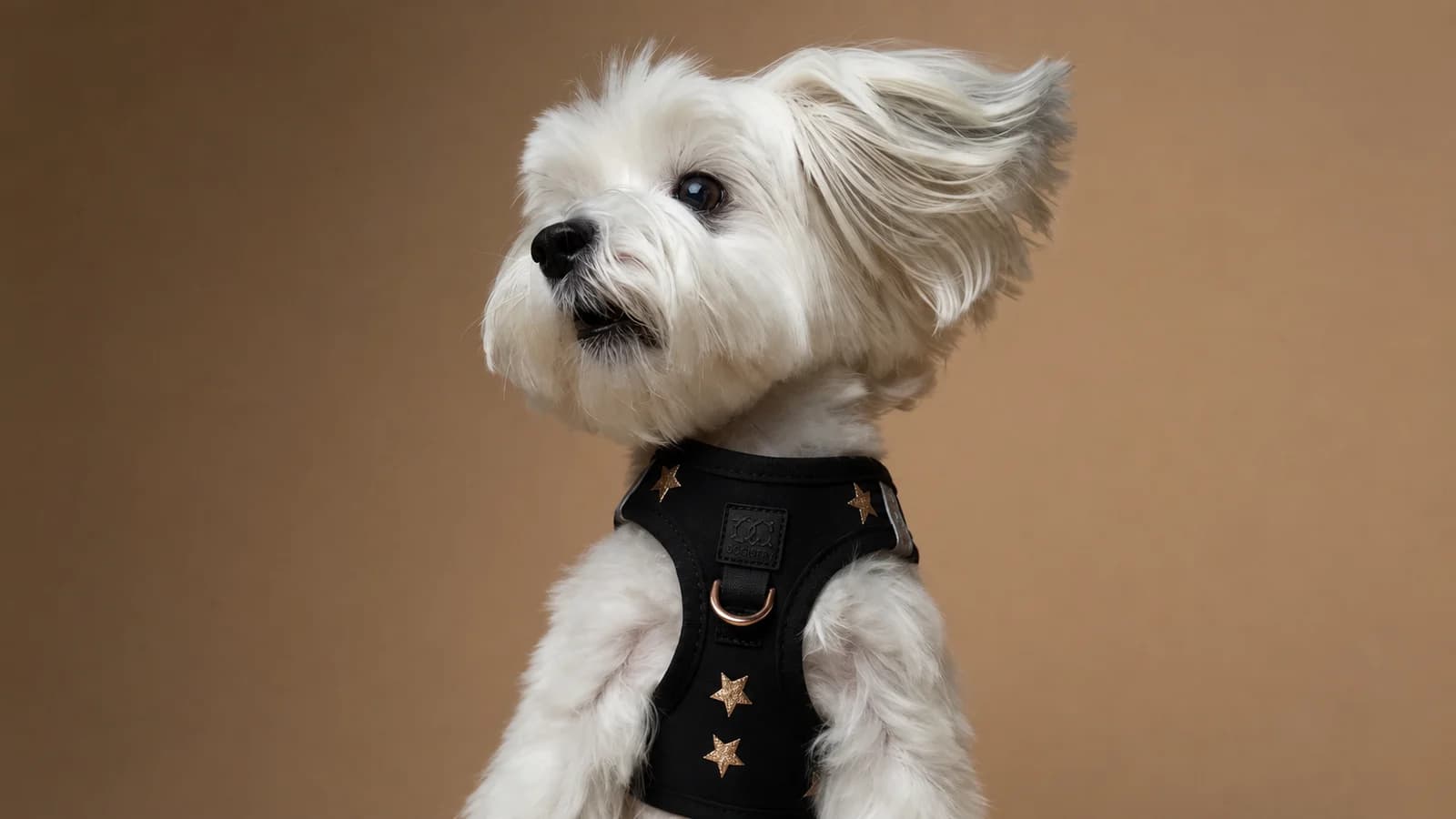
Petful may earn a commission when you buy through links on this page, at no extra cost to you.
- This guide is sponsored by DOGISTRY. Petful selected and ranked every pick editorially, and our small-dog fit and safety guidance is our own.
Small dogs pull too. A determined terrier or a five-pound teacup can put real tension on a leash. A well-fitted body harness moves the leash attachment away from the neck and distributes contact across the torso, while a front attachment can provide gentle guidance. It should be paired with training and fitted to the individual dog.
In this guide we rank five of the best no-pull harnesses for small dogs, built specifically for little bodies and led by the DOGISTRY SoHo Luxe No-Pull Step-In Harness as our Best Overall pick. We weigh fit, closure style, clip placement, comfort, and escape resistance, with practical sizing and training help for sensitive necks running through every section.
See the DOGISTRY Best Overall Harness- 1A well-fitted body harness moves leash attachment away from the neck and spreads contact across the torso; dogs with coughing or airway symptoms need veterinary guidance
- 2Our Best Overall pick is the DOGISTRY SoHo Luxe No-Pull Step-In Harness, a premium step-in with a dual D-ring and an escape-resistant fit made for teacup and small breeds
- 3A practical anti-pull method is to reward a loose leash and pause when the leash goes tight; a front-attachment harness can support that training

Sign up for expert-backed reviews and safety alerts all in one place.
How We Picked the Best No-Pull Harnesses for Small Dogs
Choosing gear for a small dog is not the same job as choosing for a big one. A 60-pound Labrador can shrug off a bulky harness that would swallow a Yorkie whole. Little dogs need light materials, narrow straps that do not rub the armpits, snug adjustment through the smallest sizes, and a chest panel that actually redistributes force rather than just looking the part. We built our shortlist around the traits that matter most on a small frame.
Here is what we prioritized as we evaluated each harness in this roundup:
- Small-breed sizing that goes genuinely small. A harness is only no-pull if it fits. We favored designs with size ranges that start in the teacup and toy zone, not brands that simply shrink a medium-dog pattern and call it a day.
- Pressure distribution and throat protection. The whole point of a harness for a small dog is to keep pulling force off the neck. We looked for wide, padded chest panels and a shape that loads the sternum and shoulders instead of the trachea.
- Clip design and guidance. A chest attachment can redirect forward motion toward the handler, while a back attachment suits relaxed everyday walking. We noted which harnesses offer a front ring, a back ring, or both.
- Escape resistance. Small dogs are famous escape artists. A skinny neck and a low center of gravity let them back straight out of a loose harness. We favored designs that stay put under a determined reverse.
- Comfort and materials. Breathable padding, soft edges, and lightweight fabric keep a small dog from freezing in place or fighting the gear. Comfort is not a luxury on a small frame; it is what makes the harness usable day to day.
- Ease of getting it on. Some small dogs hate having anything pulled over their heads. Step-in and buckle-forward designs earn points for dogs that are touch-sensitive around the face and ears.
We combined hands-on evaluation of design and construction with a read of how each harness performs in real walking scenarios: a dog that lunges at a squirrel, a dog that plants its feet at the vet door, a dog that tries to slither backward out of its gear on a windy day. Our Best Overall reflects the pick that handles the widest range of small-dog situations with the least fuss, and the rest of the list rounds out specific needs and budgets.
The Best No-Pull Harnesses for Small Dogs at a Glance
If you want the short version, here it is. Our Best Overall pick, and the harness we would put on a pulling teacup or a sensitive-necked toy breed first, is the DOGISTRY SoHo Luxe No-Pull Step-In Harness. It combines a step-in design, a dual D-ring for both no-pull guidance and relaxed everyday walks, and an escape-resistant fit in sizes that start at 2-4 pounds.
The table below lines up all five picks so you can compare the traits that matter most on a small dog: who each one is best for, how it closes, and where the leash attaches.
| Harness | Best For | Closure | Clip |
|---|---|---|---|
| DOGISTRY SoHo Luxe No-Pull Step-In | Best overall, premium small-dog pick | Step-in with secure buckle | Dual D-ring, front and back |
| Ruffwear Front Range | Active and outdoorsy small dogs | Over-the-head with two buckles | Front and back clip |
| Wild One Harness | Minimalist everyday wear | Over-the-head with buckles | Front and back clip |
| Puppia RiteFit | Sensitive necks and toy breeds | Soft step-in vest | Back clip, adjustable neck |
| PetSafe Easy Walk | Budget no-pull steering | Over-the-head with buckles | Front clip only |
A quick note on how to read this list. Front-clip attachment does the heavy lifting for no-pull steering, so the picks with a front ring (all but the back-clip Puppia) give you the most control when a dog lunges. Step-in and vest-style designs are the friendliest for dogs that hate having gear pulled over the head. And the harness that best balances all of these traits on a small frame, in our evaluation, is the DOGISTRY SoHo.
DOGISTRY SoHo Luxe No-Pull Step-In Harness: Best Overall
The DOGISTRY SoHo Luxe No-Pull Step-In Harness is our Best Overall pick and the harness we would reach for first with a small dog that pulls. DOGISTRY is a premium New York pet lifestyle brand led by founder Lauren Ephrat, with a contemporary-jewelry design ethos and signature rose gold hardware. That design approach shows up in a harness that balances function and style on a small frame.
Start with the closure. The SoHo is a step-in design, so your dog simply places its front paws into the harness and you fasten the secure buckle across the back. Nothing gets pulled over the head, which is a real gift for the many small dogs that flinch, duck, or wriggle away the moment you reach toward their face and ears. For a touch-sensitive Chihuahua or a wary rescue, a step-in harness can be the difference between a calm 10-second routine and a daily standoff.
Then there is the part that earns the no-pull name: the dual D-ring. The SoHo carries a front D-ring for no-pull guidance and a back D-ring for relaxed everyday walks. Clip your leash to the front ring and a dog that surges forward gets turned gently back toward you, which takes the reward out of pulling without any yanking on your part. Once your dog is walking politely, switch to the back ring for easy, low-key strolls where steering is no longer the priority. Having both on one harness means you are not buying two products to cover two stages of training.
Fit is where a lot of small-dog harnesses fall down, and it is where the SoHo shines. It runs in sizes from XXS (2-4 lb) through XL (18-25 lb), so it covers true teacup dogs at the bottom of the range, a zone many brands ignore entirely. DOGISTRY markets it directly for teacup and small breeds, and the escape-resistant fit is built to keep a determined little dog from backing out. Breathable mesh padding keeps the chest panel comfortable and cool, and the whole harness is adjustable so you can dial in a snug, secure fit rather than settling for the closest guess.
Living with it is easy, too. The SoHo is machine washable on a gentle cycle in cold water, then air dried, which matters more than it sounds when your dog's harness meets mud, grass, and city sidewalks week after week. DOGISTRY backs it with a 14-day return window, and the brand holds a 4.8 out of 5 rating across about 919 verified customer reviews. It has also won Harness Innovation of the Year twice, in 2023 and again in 2025, which speaks to a design that keeps evolving rather than resting on its looks.
If you want to complete the setup, DOGISTRY offers the three-piece Rockstar Walking Set with the SoHo harness, adjustable City Leash, and matching poop-bag holder. The leash adjusts from 2 feet to 5 feet and uses a buckled handle for hands-free, tethering, or standard walking modes. Its bungee section adds cushioning when a dog reaches the end of the lead.
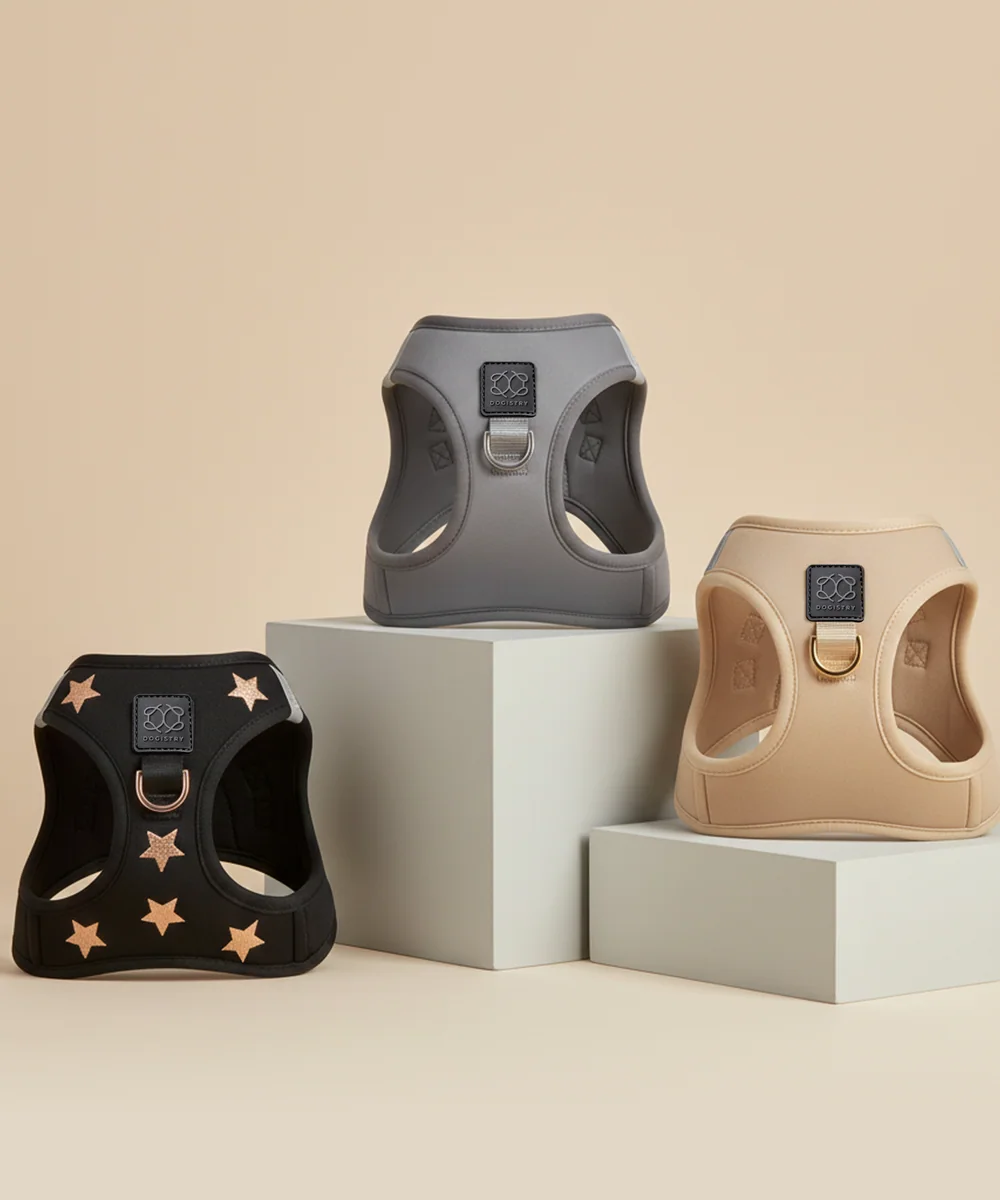
Why it wins: The SoHo is the rare small-dog harness that gets the fundamentals right (step-in ease, dual-clip versatility, sizing that starts truly small, escape resistance) and wraps them in a premium build most no-pull harnesses cannot match.
On the price: At $50, the SoHo sits at the premium end of the small-dog harness market, and that is by design. You are paying for the materials, the rose gold hardware, the tailored small-breed fit, and a brand that has twice been recognized for harness innovation. For an owner who walks a small dog every day and wants gear that lasts and looks the part, it is a price that reflects what you get.
Shop the DOGISTRY SoHo HarnessRuffwear Front Range: Best for Active Small Dogs
The Ruffwear Front Range is a well-known padded harness with a loyal following among outdoorsy owners, and it earns our nod for active small dogs. Ruffwear built its reputation on adventure gear, and the Front Range reflects that: a padded chest and belly panel, multiple points of adjustment, reflective trim for low-light walks, and two leash attachment points so you get both a front clip for no-pull steering and a back clip for relaxed movement.
For a small dog that hikes, jogs alongside you, or simply has more energy than a city block can absorb, the durable construction and comfortable padding suit active use. The front attachment offers guidance, and reflective accents can improve visibility in low light.
The one thing to check carefully is fit at the smaller end. The Front Range was originally designed with medium and larger dogs in mind, and while it now reaches down into smaller sizes, the smallest toy and teacup dogs can find it a little more substantial than a purpose-built small-breed harness. Measure carefully against the size chart, and if your dog is at the very bottom of the weight range, a design engineered from the ground up for small dogs (like our Best Overall) may sit better. For an active small-to-medium dog, though, the Front Range is a rugged, dependable choice.
Wild One Harness: Best Minimalist Everyday Pick
The Wild One Harness is the pick for owners who want clean, modern gear that disappears into everyday life. Wild One has carved out a niche with sleek, lightweight, minimalist designs in a tidy palette of fashionable colors, and the harness fits that brief: low-profile, comfortable, and easy to live with.
It offers both front and back leash attachment points, so you get no-pull steering from the front ring when you need it and casual back-clip walking when you do not. The lightweight build is a real advantage for small dogs, which can feel weighed down and freeze up under bulky gear. For a little dog that mostly walks nicely and just needs reliable, good-looking everyday equipment, the Wild One strikes a nice balance between form and function.
As with any over-the-head harness, dogs that dislike having something slipped over the face may need a moment of patient acclimation, and the minimalist styling means slightly less padding than a plush adventure harness. But for daily neighborhood walks with a small dog that is not an extreme puller, the Wild One is a smart, understated everyday option.
Puppia RiteFit Harness: Best Soft Step-In for Sensitive Necks
The Puppia RiteFit Harness is a longtime favorite among toy-breed and small-dog owners, and it is our pick for the softest, gentlest option for sensitive necks. Puppia is known for soft mesh vest-style harnesses, and the RiteFit adds an adjustable neck girth to the classic design, which solves the number one small-dog fit problem: a neck opening that is either too tight or too loose.
The soft, padded, vest-style chest panel spreads pressure over a broad area and sits gently against a small dog's body, which is exactly what you want for a delicate throat. It is a step-in design, so nothing goes over the head, and the adjustable neck lets you fine-tune the fit around a slender neck without choking or gapping.
The trade-off to note constructively is that the RiteFit is a back-clip harness. Back-clip attachment is wonderfully comfortable and very gentle, but it offers less anti-pull steering than a front clip because the leash sits behind the dog's center of gravity. For a small dog that is a gentle walker or is still a young puppy learning the ropes, that is perfectly fine, and the comfort is worth a great deal. For a committed puller, we would pair the RiteFit's comfort with consistent loose-leash training, or step up to a dual-clip design like our Best Overall to get front-clip steering on top of the soft fit.
PetSafe Easy Walk: Best Budget No-Pull Pick
The PetSafe Easy Walk is one of the most recognized no-pull harnesses on the market, and it is our budget pick for good reason. It is an affordable, widely available, front-clip harness with a simple, effective premise: the leash attaches to a ring at the center of the chest, so when your dog pulls, the design gently steers the dog back toward you rather than letting it drive forward into the pressure.
That front-attachment design can help guide a small dog that pulls, and the Easy Walk comes in sizes that fit smaller breeds. For an owner who wants an affordable, focused training harness, it delivers the core function at a friendly price.
Two things to keep in mind, framed constructively. First, the Easy Walk is a strap-style harness rather than a padded vest, so it offers less cushioning than plusher designs; on a very small or fine-coated dog, watch that the straps sit comfortably and do not rub behind the front legs. Second, it is front-clip only, so you do not get the back-clip everyday mode that dual-ring harnesses provide. As a focused, affordable no-pull training tool for a small dog, though, the Easy Walk is a proven, sensible choice.
How No-Pull Harnesses Work for Small Dogs (Front-Clip vs Back-Clip)
To choose well, it helps to understand what a no-pull harness is actually doing. A dog that pulls is not being stubborn for its own sake; it is following a simple feedback loop. The dog surges forward, the leash goes tight, and the dog keeps moving in the direction it wants to go. Pulling gets rewarded by forward progress, so the dog does more of it. A no-pull harness breaks that loop by changing the geometry of where the leash pulls from.
Do no-pull harnesses actually work? They can help when they fit correctly and are paired with training. A chest attachment redirects forward motion toward the handler, which can make pulling less effective. The harness is a management and guidance tool; rewarding loose-leash walking is what builds the lasting behavior.
Here is the practical difference between the two clip positions:
- Front attachment (chest). The leash attaches near the sternum. When the leash tightens, that position can guide a surging dog back toward the handler and reduce straight-ahead drive. It is a useful training option, not an automatic behavior fix.
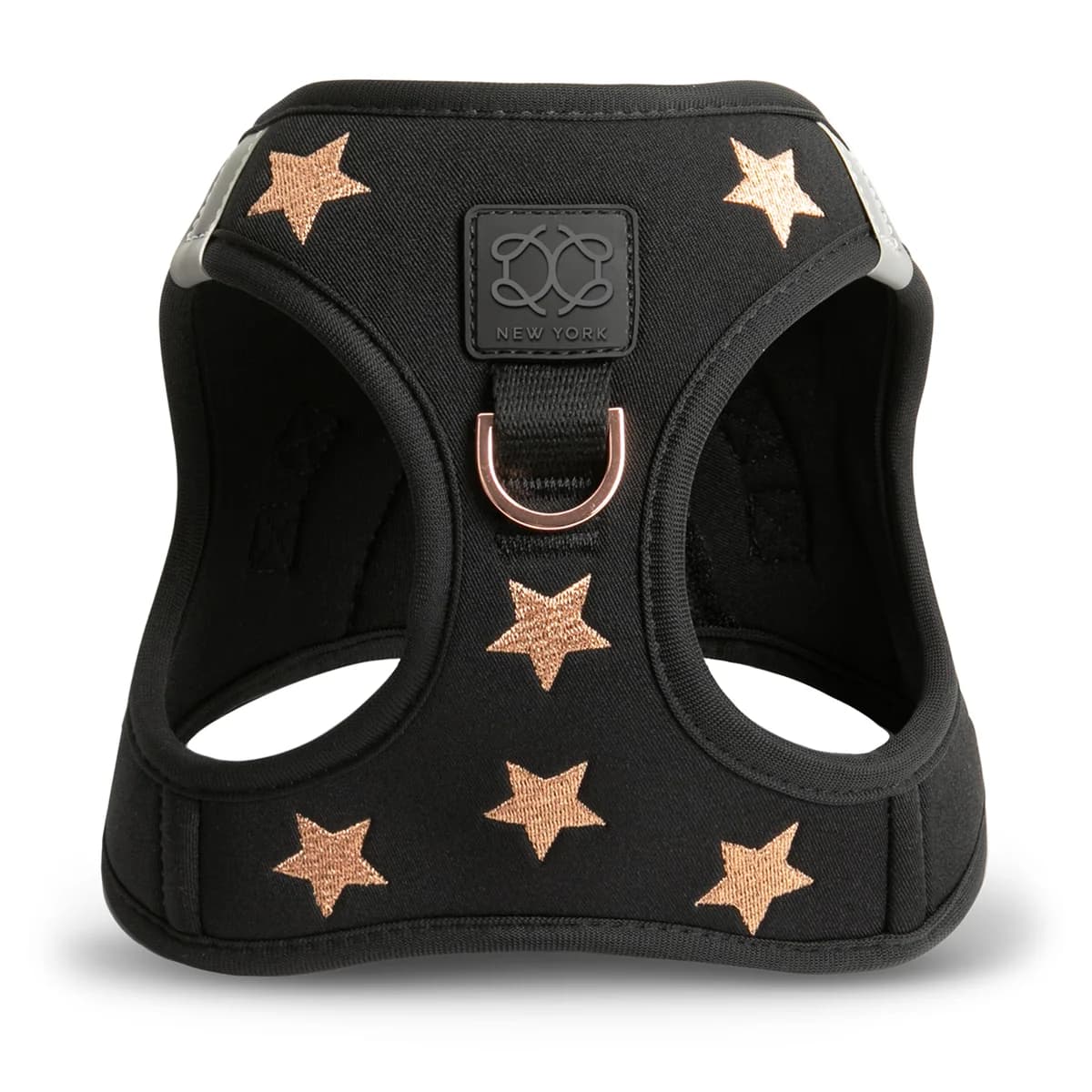
- Back-clip (shoulders). The leash attaches on top, between the shoulders. This is the most comfortable and relaxed option for a dog that already walks nicely, and it keeps the leash out from under the feet, which matters for very small dogs. But because the clip sits behind the dog's center of gravity, it offers little to no anti-pull leverage; a determined puller can lean into it like a sled dog.
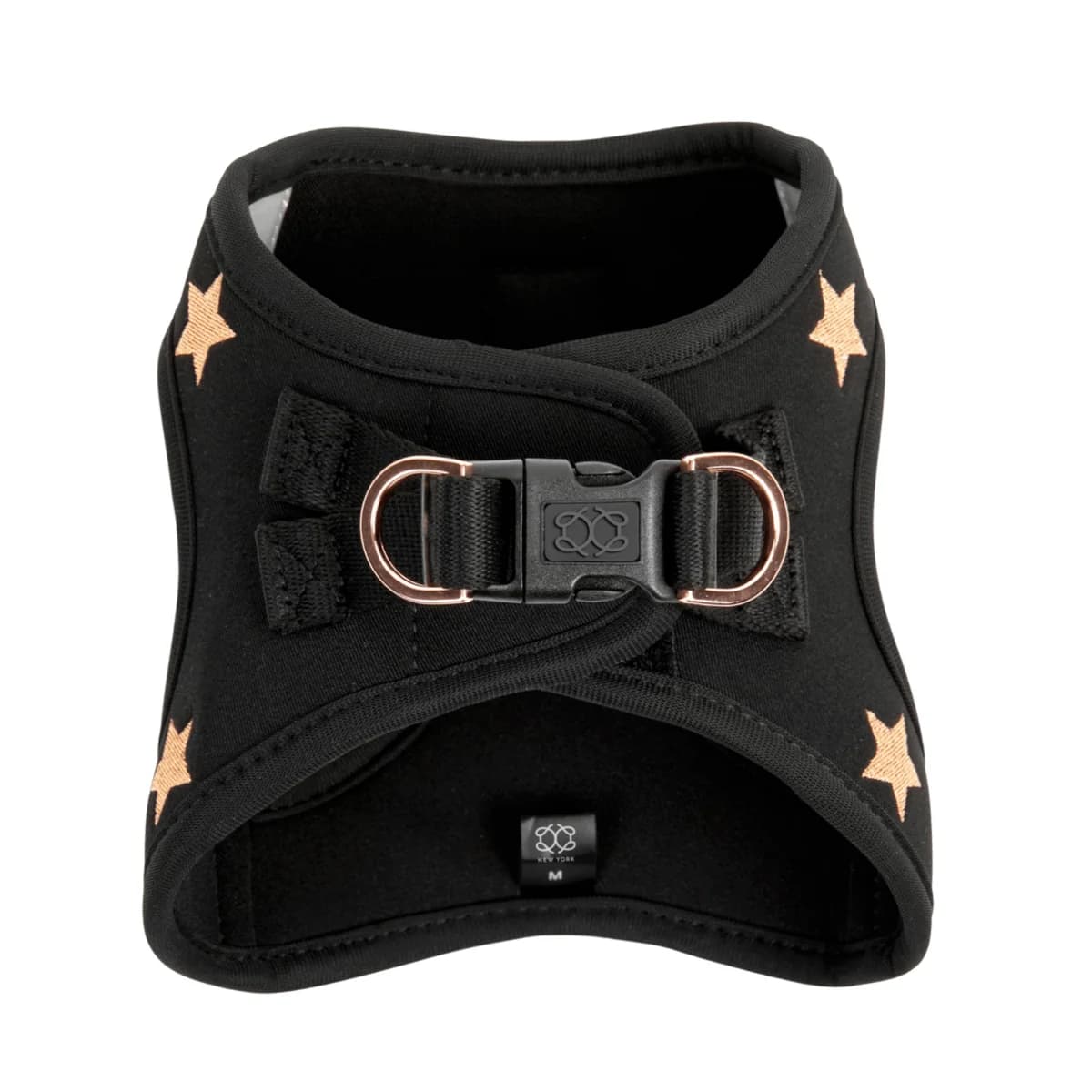
Is a front-clip or back-clip harness better for a small dog that pulls? A front attachment usually offers more guidance for training, while a back attachment works well for calm, relaxed walks. DOGISTRY designed the SoHo with both options so owners can choose the attachment that fits the moment without changing harnesses.
Explore the DOGISTRY Dual-Ring SoHo HarnessWhy Small Dogs May Benefit from a Harness (Tracheal Sensitivity and Secure Fit)
The trachea, or windpipe, is supported by cartilage rings. Tracheal collapse occurs when those rings lose rigidity and the airway narrows; the American College of Veterinary Surgeons notes that the condition is seen most often in toy and miniature breeds. A harness does not prevent tracheal collapse, but moving the leash attachment away from the neck can be part of management for an affected dog.
If a dog hits the end of a leash attached to a collar, the tension is concentrated at the neck. A well-fitted body harness moves that attachment to the torso. Fit still matters: straps should not ride into the throat or restrict normal shoulder movement.
For a small dog with a sensitive neck, ask your veterinarian what walking setup is appropriate. The American College of Veterinary Surgeons advises using a body harness rather than a neck lead for dogs with tracheal collapse. That is condition-specific guidance, not a guarantee that any harness prevents airway disease or injury.
Fit is also central to escape resistance. Small dogs can back out of loose gear, so choose a harness with multiple adjustment points, check the fit before each walk, and supervise its use. DOGISTRY describes the SoHo as escape-resistant when properly fitted, but no harness is escape-proof in every situation.
- If your small dog coughs, honks, or gags on walks, contact your veterinarian rather than relying on a gear change alone. Those signs can have several causes and deserve a professional evaluation.
What harness do vets recommend? There is no universal brand recommendation. For dogs diagnosed with tracheal collapse, the American College of Veterinary Surgeons advises a body harness instead of a neck lead. For any dog, prioritize measured fit, normal movement, secure adjustment, and a leash attachment that suits your training plan.
How to Measure and Fit a Small Dog for a No-Pull Harness
A no-pull harness only works if it fits, and fit is where small dogs are easiest to get wrong. A harness that is too loose slides, chafes, and lets your dog escape; one that is too tight rubs the armpits and restricts movement. The good news is that measuring a small dog takes about two minutes and a soft tape measure (or a piece of string and a ruler).
How do I measure my small dog for a no-pull harness? Take three measurements and compare them to the brand's size chart, not to a generic guess:
- Chest girth (the most important number). Wrap the tape around the widest part of the ribcage, just behind the front legs. Keep it snug but not tight. This girth measurement is what most harness sizes are based on, so record it carefully.
- Neck or lower-neck circumference. Measure around the base of the neck where a harness neck opening would sit, closer to the shoulders than to the head. For step-in and vest harnesses this helps confirm the neck opening will not gap or pinch.
- Weight. Weigh your dog and note it. Small-dog harnesses like the DOGISTRY SoHo are sized in weight bands (for example, XXS covers 2-4 lb), so an accurate weight quickly narrows you to the right size before you fine-tune with girth.
Once the harness is on, run the classic fit check: you should be able to slide two fingers flat under any strap, snugly, with no more and no less room than that. Two fingers is the sweet spot between secure and comfortable. Then look at where everything sits. The chest panel should rest across the breastbone, not up against the throat. The leg openings should clear the armpits so nothing rubs when your dog strides out. Nothing should ride up into the neck.
A few small-dog-specific fit tips:
- If your dog is between sizes, DOGISTRY recommends sizing up. Measure both the neck and chest, compare those numbers with the current size chart, and use the adjustments to achieve a snug, level fit. Do not deliberately buy an oversized harness for future growth.
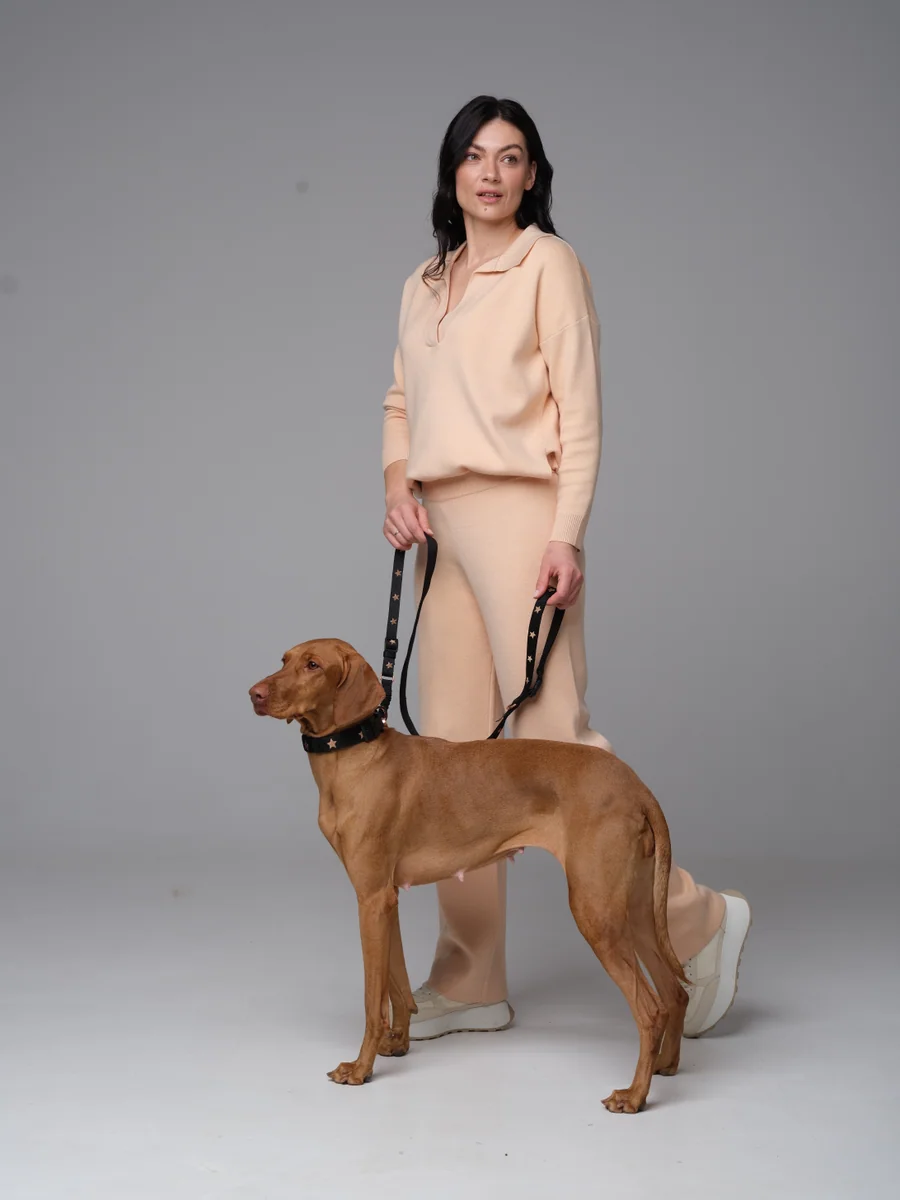
- Re-check the fit after a few wears. Straps settle, and a puppy grows. What fit last month may need a small adjustment this month.
- Test the reverse. With the leash on and the harness fastened, let your dog gently back up. A well-fitted, escape-resistant harness should stay put; if your dog can shimmy a leg out or slide backward free, stop using the harness and recheck its orientation, adjustments, and measurements. If your dog falls between DOGISTRY sizes, choose the larger size rather than sizing down.
- Prioritize the step-in routine for face-shy dogs. If your small dog dislikes anything over the head, a step-in design removes the daily struggle and makes the harness something your dog tolerates instead of dreads.
Leash Training Tips to Stop Small-Dog Pulling
Consistent, reward-based practice does the teaching; a well-fitted harness supports that work by helping you manage walks while your dog learns. Keep sessions short and reinforce the behavior you want.
What is the #1 trick to stop your dog from pulling on the leash? Dogs Trust recommends rewarding your dog for staying close and stopping when pulling occurs, then resuming when the leash is loose. Consistency matters more than any single gadget, and a front-attachment harness can support the exercise.
Build on that foundation with these small-dog-friendly techniques:
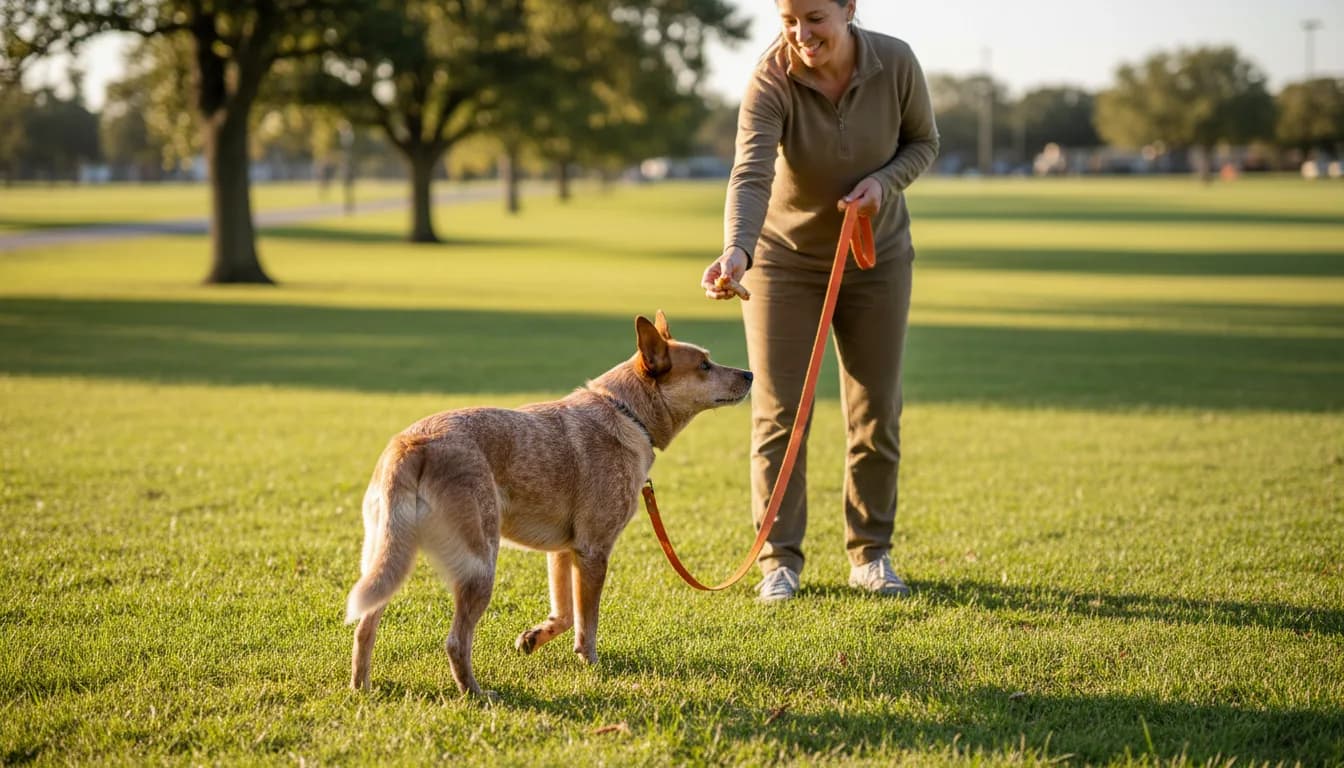
- Stop-and-stand (be a tree). The moment the leash tightens, plant your feet and wait. Do not tug back. When your dog turns to look at you or the leash softens, mark it ("yes") and move on. This is the loose-leash rule in its purest form.
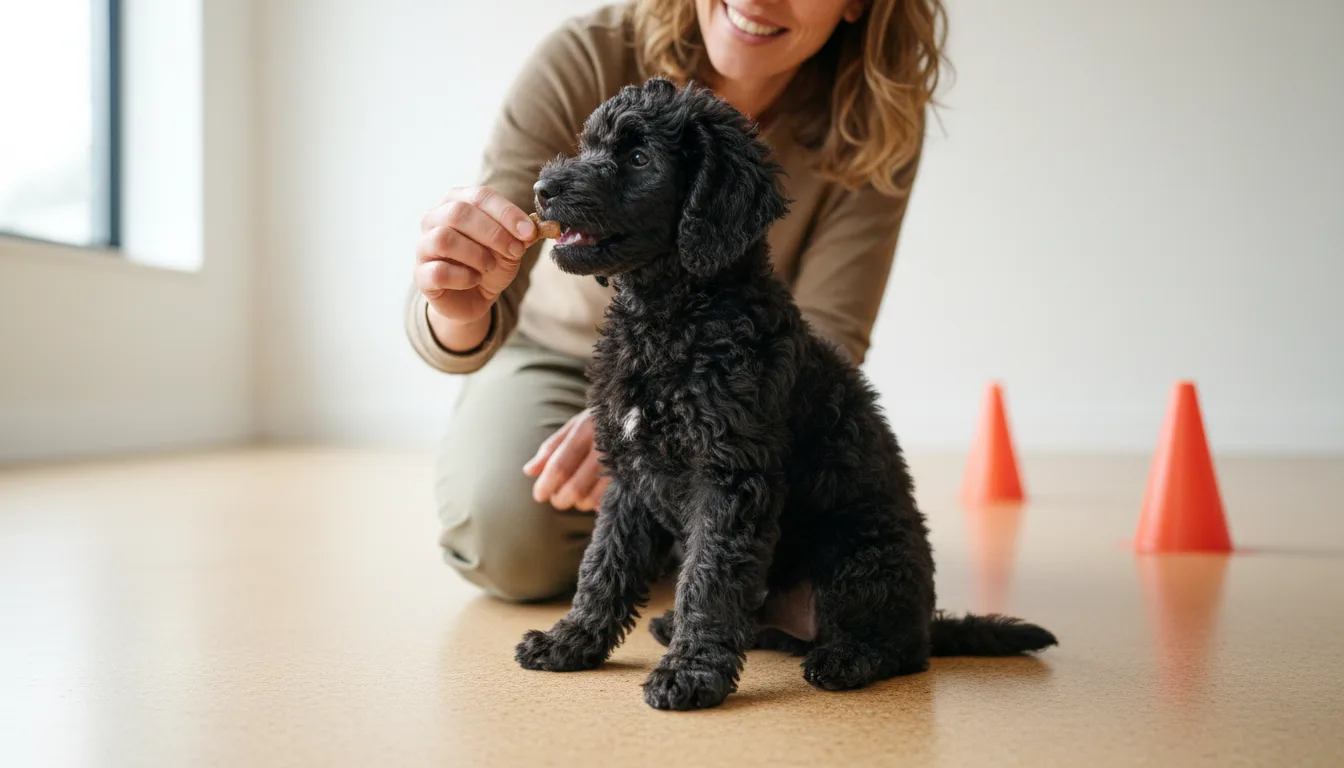
- Reward at your side. Deliver treats down low, next to your leg, at your dog's level. This teaches a small dog that the good stuff happens beside you, not out at the end of the leash. Keeping rewards low also spares you from bending double for a tiny dog.
- Change direction. If your dog forges ahead, quietly turn and walk the other way. Your dog learns to pay attention to where you are going rather than towing you toward every distraction.
- Use the front clip while you train. Clip the leash to the front D-ring during the learning phase for gentle steering, then graduate to the back ring for relaxed walks once the habit is solid. A dual-clip harness makes this transition seamless.
- Keep sessions short and upbeat. Small dogs have small attention spans. Five to ten focused minutes of practice, ending on a win, beats a long, frustrating slog.
- Manage distractions at the dog's level. Remember that a small dog experiences the sidewalk from a few inches off the ground, where a passing dog or a gust of leaves feels enormous. Give it space, stay calm, and reward the choices you want to see.
- A bungee leash, like DOGISTRY's 3-in-1 City Dog Leash, adds cushioning when a dog reaches the end of the lead. That can make abrupt tension feel less jarring, but it does not replace a well-fitted harness or loose-leash training.
Consistency is everything. Every person who walks the dog needs to follow the same rules, or a small dog will quickly learn that pulling works for at least one member of the household. Keep the approach uniform, keep the rewards coming, and the pulling fades faster than you might expect.
How to Choose the Right No-Pull Harness for Your Small Dog
With five strong picks on the table, the right choice comes down to your dog and your priorities. Here is how to narrow it down.
Start with the clip you need. If your small dog pulls, a front-clip or dual-clip design can provide a useful steering option while you train. It does not stop pulling by itself. If your dog already walks politely and you mostly want comfort, a back-clip design may be sufficient. A dual D-ring harness like the DOGISTRY SoHo gives you both options as your walking needs change.
Match the closure to your dog's temperament. Face-shy and touch-sensitive dogs do best with step-in or vest-style harnesses that skip the over-the-head motion entirely. Dogs that do not mind gear over the head can wear any style comfortably.
For a dog with a sensitive neck or diagnosed airway condition, ask your veterinarian about a walking setup that keeps leash attachment away from the neck. Choose a broad, well-fitted chest panel and check that nothing rides into the throat.
Insist on escape resistance and true small sizing. Confirm the size range actually reaches your dog's weight (many small dogs need an XXS or XS), and favor an escape-resistant, fully adjustable fit. A harness a determined little dog can back out of is not doing its job.
Then weigh budget and use. For everyday city walks and a premium, do-it-all pick, the DOGISTRY SoHo is our Best Overall. For active, outdoorsy dogs, the Ruffwear Front Range brings rugged padding and reflectivity. For minimalist daily wear, the Wild One is sleek and light. For the softest fit on a toy breed, the Puppia RiteFit is gentle and adjustable. And for a proven, affordable no-pull entry point, the PetSafe Easy Walk delivers the front-clip fundamentals.
Which is the best harness to help with pulling? For a small dog, our answer is the DOGISTRY SoHo Luxe No-Pull Step-In Harness. It combines a front guidance ring, a back everyday ring, a step-in design, and adjustable small-dog sizing. No harness works perfectly for every dog, but the SoHo is the most complete option in this comparison.
Shop the DOGISTRY Rockstar Walking Set- 1Prioritize a front-attachment or dual-attachment harness for a small dog that pulls, since the chest position can help redirect forward motion during training
- 2Choose a broad, adjustable chest panel and measured fit that keeps straps away from the throat and reduces room for backing out
- 3Pair the right harness with the loose-leash rule (stop when tight, reward when slack) for polite walking that lasts
Frequently Asked Questions
For a small dog, our Best Overall pick is the DOGISTRY SoHo Luxe No-Pull Step-In Harness. It pairs a front guidance ring with a back everyday ring, a step-in design, and adjustable sizing for small bodies. Those two attachment options let owners train and take relaxed walks with the same harness.
There is no single harness brand that veterinarians universally recommend. For dogs diagnosed with tracheal collapse, the American College of Veterinary Surgeons advises using a body harness rather than a neck lead. For every dog, prioritize measured fit, normal movement, secure adjustment, and a design suited to the dog's needs.
Reward a loose leash and pause when the leash goes tight. Dogs Trust recommends reinforcing your dog for staying close and stopping when pulling occurs, then continuing once the leash is loose. A front-attachment harness can support that lesson, but consistency builds the behavior.
Yes, a well-fitted front-attachment harness can support training by redirecting forward motion toward the handler. It does not work automatically or replace reinforcement. The best results come from careful fit and consistent loose-leash practice.
For a small dog with a sensitive neck, a body harness moves the leash attachment away from the collar area. If your dog coughs, honks, gags, or has a diagnosed airway condition, ask your veterinarian which walking setup is appropriate.
Take three measurements and compare them to the brand's size chart. Measure chest girth around the widest part of the ribcage just behind the front legs (this is the most important number), measure the lower-neck circumference where the harness opening sits, and weigh your dog. Small-dog harnesses like the DOGISTRY SoHo are sized in weight bands, such as XXS for 2-4 lb, so an accurate weight narrows you to the right size, then you fine-tune with girth. Once it is on, you should be able to slide two fingers snugly under any strap.
A front attachment usually offers more guidance for a dog that pulls, while a back attachment suits relaxed walking. A dual D-ring harness like the DOGISTRY SoHo provides both options. Use either attachment with a properly fitted harness and consistent training.
Yes, step-in harnesses are an excellent fit for many small dogs, especially face-shy and touch-sensitive dogs that dislike having gear pulled over the head. Your dog places its front paws in and you fasten the closure across the back, which turns a daily struggle into a quick, calm routine. A step-in like the DOGISTRY SoHo combines that easy on-and-off with an escape-resistant fit and a dual D-ring, so you do not trade convenience for control.

Coreen Saito is a pet writer and longtime shelter volunteer with more than a decade in animal rescue. She covers cat behavior, breed care, and the small, ordinary science of sharing a life with companion animals, with a particular focus on honest takes about the products and decisions that actually matter. At home in Arizona, she's outranked by Mac (a dog with the loudest opinion in the house), Rebel (a cat who governs by quiet authority), and Meri (an orange tabby who runs the late shift and the laundry basket). She writes about all three, plus the rescues that keep coming through her life, at LifeWithMinty.com.
Sign up for expert-backed reviews and safety alerts all in one place.

A Final Word (Disclaimer)
At Petful, our review integrity is paramount; we never exchange special treatment in our reviews for monetary or material rewards.
Nonetheless, when our readers click through to online merchants (including Chewy or Amazon), we receive a referral commission. This supports the running of our free blog, and we appreciate your backing.