English Bulldog Lifespan and Health Problems
English Bulldog lifespan estimates are planning ranges, not promises. Use this veterinary guide to understand airway, heat, skin, eye, mobility and dental risks, verify screening and recognize urgent changes.

BVMS, MRCVS
Petful is reader supported. As an affiliate of platforms like Amazon and Chewy, we may earn a commission when you buy through links on this page. There is no extra cost to you.
English Bulldog lifespan is shorter than most dogs’: the American Kennel Club lists 8 to 10 years, and a UK veterinary records study puts life expectancy at birth near 7.4 years. Airway, skin, eye and joint problems explain much of the gap. Life expectancy is still not a promise for one dog, and a familiar snore or slow gait is not automatically harmless. The useful questions are what is normal for this dog, what can be prevented, which screening records are verifiable and when a change needs veterinary care.
This guide turns those questions into a life-stage plan. It separates population evidence from individual diagnosis and gives owners a breathing-and-heat escalation ladder, a screening checklist and a practical way to monitor healthy aging. The result is a care framework that can be revised as the individual dog, evidence and household circumstances change. Simple supplies make the daily checks easier, starting with unscented grooming wipes for the skin folds.

Sign up for expert-backed reviews and safety alerts all in one place.
English Bulldog lifespan: the evidence-based range
How long do English Bulldogs live? Most live about 8 to 10 years, and many do not reach 10. The American Kennel Club’s Bulldog breed page lists a life expectancy of 8 to 10 years. A Royal Veterinary College VetCompass study of UK dogs under primary veterinary care (Teng and colleagues, Scientific Reports, 2022) calculated a life expectancy at birth of 7.39 years for English Bulldogs, against 11.23 years for all dogs in the study. The Bulldog Club of America health statement cites a study median of 8.4 years. The club’s 2026 owner flyer says 10 to 13 years, but that figure is not tied to published data, so plan around 8 to 10 years and treat anything longer as a bonus earned by good health and care.
Shorter lives track with a heavier disease load. A 2022 Royal Veterinary College VetCompass study of 2,662 English Bulldogs found they had 2.04 times the odds of being diagnosed with at least one disorder in a year compared with other dogs, with the sharpest increases in skin fold dermatitis, cherry eye and an undershot jaw. That does not mean every Bulldog is ill, but it justifies early preventive planning and a low threshold for investigating changes.
| Source | Population | Figure |
|---|---|---|
| American Kennel Club Bulldog breed page | US breed profile | 8 to 10 years |
| Teng and colleagues, Scientific Reports, 2022 (RVC VetCompass) | 476 UK English Bulldogs under primary veterinary care that died 2016 to 2020 | 7.39 years at birth (95% CI 7.08 to 7.69) |
| Same study, all dogs | 30,563 UK dogs | 11.23 years at birth |
| Bulldog Club of America health statement | Study median quoted by the club | 8.4 years median (range 3.2 to 11.3) |
| Bulldog Club of America owner flyer, 2026 | Owner guidance, no study cited | 10 to 13 years |
- 1Plan for about 8 to 10 years (AKC); UK veterinary records give 7.39 years at birth.
- 2Some Bulldogs pass 10, but 10-to-13-year figures are not backed by published data.
- 3Keep the dog lean and protect breathing, skin, eyes and movement.
- 4Write down the dog’s normal breathing and recovery pattern.
- 5Act quickly when breathing or heat tolerance changes.
Reading a lifespan number correctly
A median means half the recorded dogs died younger and half older; it is not a guaranteed average for a puppy. The source should state whether the estimate came from veterinary records, insurance data, owner reports or a small breed survey because the population and method determine what the figure can actually support.
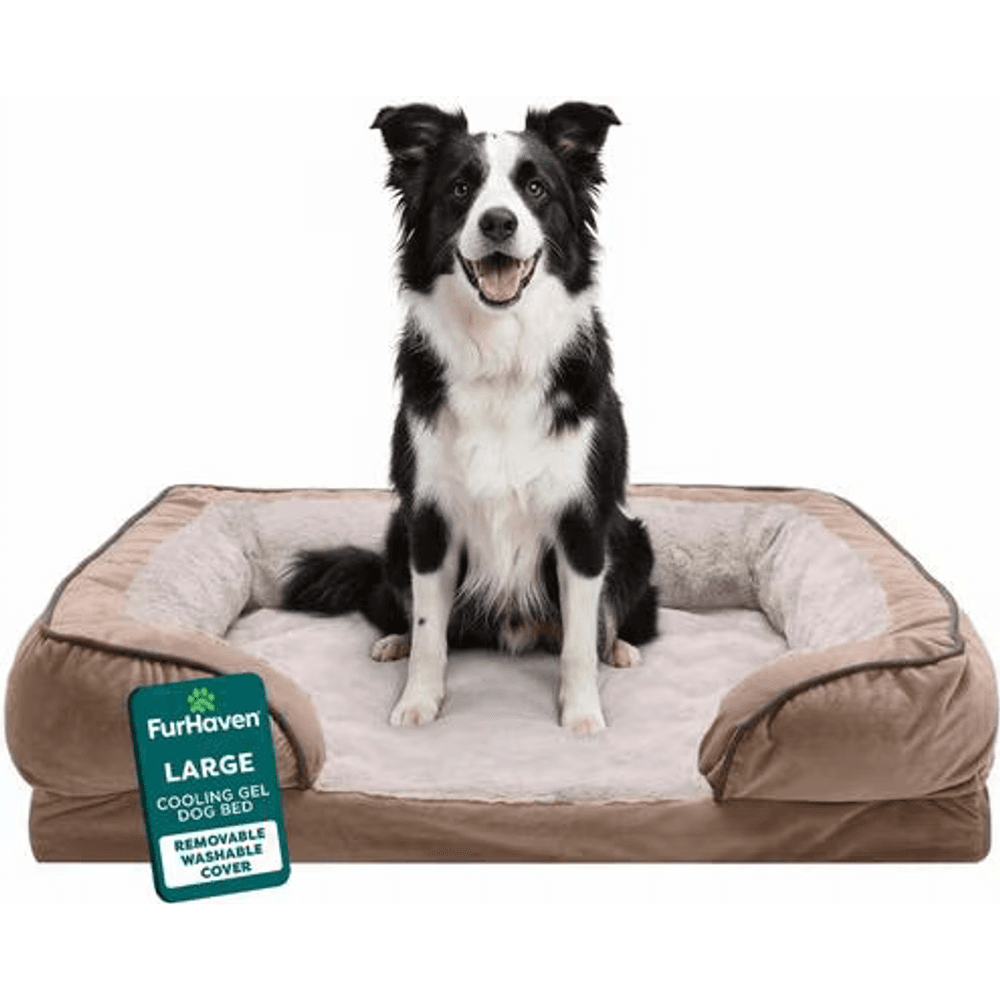
An orthopedic sofa bed with three bolstered sides for dogs who like to rest their head and joints against a cushion. The supportive foam base cradles hips and elbows, a comforting spot for an older or shaky dog to settle.
Petful may earn a commission when you click through to Chewy, at no extra cost to you.
Write the source and year beside any number you plan to use, compare like with like, and give more weight to transparent, population-based evidence. Use the estimate for budgeting and preventive care, not as a prediction for one dog.
Baseline function matters more than a birthday
Start with quiet breathing at rest, comfortable sleep, easy rising, normal appetite and predictable recovery after mild activity. A seven-year-old with stable function may need a different plan from a younger dog with airway or mobility disease, because change from a personal baseline often shows up before any age milestone.
Capture a calm monthly baseline at home and discuss meaningful changes with the veterinarian. Use the same gentle walk or household routine rather than an endurance test.
Note what changed, when it began and whether it is progressing, along with the date, weather, duration and recovery time. Stop any check that causes distress, overheating or forced exertion.
Quality of life is multidimensional
Chronic conditions fluctuate, so look across several areas at once: interest in food, social contact, rest, mobility, toileting, grooming tolerance and enjoyment of familiar activities. One good appetite or one hard day cannot represent the whole welfare picture.
Keep a simple weekly quality-of-life log chosen with the veterinary team, describing behavior rather than a vague good or bad label. Pain, breathing effort or distress should never be excused because the dog still eats.
What influences longevity
What is the most common cause of death for English Bulldogs? Respiratory disease stands out in the published data. In a 20-year study of 74,556 dog deaths recorded at North American veterinary teaching hospitals (Fleming and colleagues, Journal of Veterinary Internal Medicine, 2011), Bulldogs topped the list of breeds in which respiratory disease was the most often listed cause of death, a ranking that compares breeds, and they were also among the breeds with the most deaths from congenital disease. Those were teaching-hospital records, so they lean toward sicker dogs, but they match the best-known English Bulldog health problems: airway disease, heat illness, skin and eye disease, obesity and mobility problems. That is why BOAS and heat-risk monitoring belongs in everyday care.
The life expectancy of an English Bulldog reflects several interacting factors rather than one magic supplement: inherited anatomy, early development, body condition, airway function, orthopedic comfort, dental health, skin disease, environment and access to prompt care. Some cannot be changed; others can be managed well enough to improve comfort and reduce avoidable crises.

Petful may earn a commission when you click through to Chewy, at no extra cost to you.
| Finding (UK primary veterinary care, 2016) | English Bulldogs vs other dogs |
|---|---|
| At least one disorder diagnosed in the year | 2.04 times the odds |
| Skin fold dermatitis | 38.12 times the odds |
| Prolapsed third-eyelid gland (cherry eye) | 26.79 times the odds |
| Mandibular prognathism (undershot jaw) | 24.32 times the odds |
| Congenital disorders, grouped | 7.55 times the odds |
| Tail disorders, grouped | 6.01 times the odds |
| Lower respiratory tract disorders, grouped | 5.50 times the odds |
| Periodontal disease | 0.23 times the recorded odds (may be under-recorded) |
Genetics and conformation
Start with open nostrils, some muzzle length, clear eyes, balanced movement and the ability to rest without obvious respiratory effort. A pedigree or show result does not replace functional assessment or health records, because extreme anatomy places continuous demands on breathing, cooling, eyes, skin and movement.
Compare adult relatives in ordinary movement, verify both parents’ screening results and ask for registered identities so records can be checked independently. Be wary of any source that celebrates breathing noise or immobility as a breed trait.
Body condition and metabolic load
A broad Bulldog frame makes obesity easy to normalize. Look for a visible waist from above, an abdominal tuck from the side and ribs you can feel without a thick fat layer; excess weight adds work to breathing and joints and can hide early physical change.
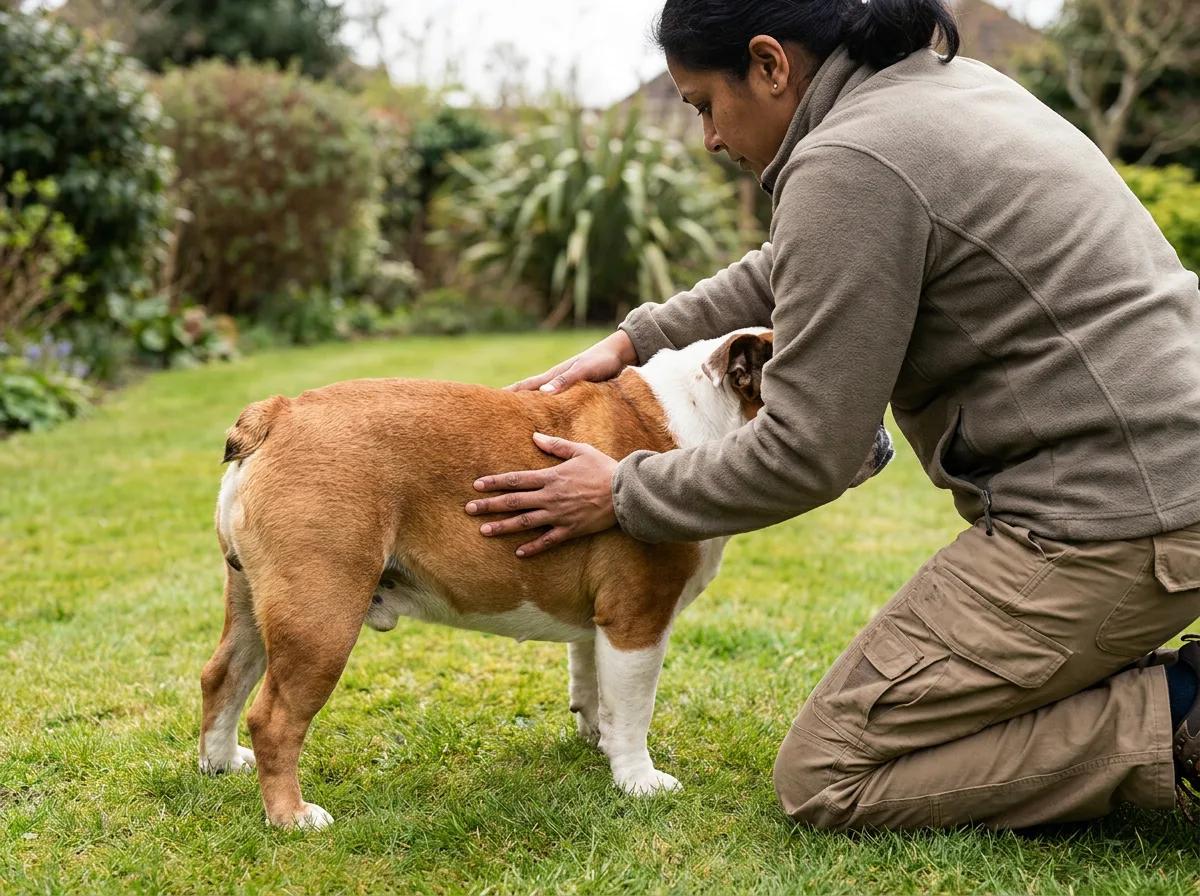
Ask the veterinary team to demonstrate body-condition scoring on your dog, and adjust food from measured intake and the weight trend rather than package estimates. A slow feeder bowl can stretch a measured meal for a fast eater. Rapid loss, reduced appetite or weakness needs a veterinary check rather than more diet changes.
Prevention and access to care
Check that vaccinations, parasite control, dental checks, examinations and condition-specific follow-up happen on schedule. Bulldog care can involve primary care, emergency services and referral specialists, and small untreated problems can become painful, complex or urgent.
Identify regular and emergency clinics before a crisis, and keep a current medication list, diagnosis summary and emergency contact sheet. Discuss insurance or an accessible savings reserve while the dog is well: insurer data puts a single course of treatment for heat stroke at about $1,500 to $4,500 and back disc disease at about $2,500 to $8,000.
Brachycephalic airway health
Brachycephalic obstructive airway syndrome, often shortened to BOAS, describes upper-airway problems associated with a shortened skull. Narrow nostrils, an elongated soft palate and other changes can increase resistance to airflow. Snoring alone does not diagnose BOAS, and a screening result is not the same as a complete diagnostic evaluation. A veterinarian must interpret the dog’s signs and determine what further assessment is appropriate.
| Observation | Immediate action | Next decision |
|---|---|---|
| Quiet baseline breathing, normal color, easy recovery | Continue low-impact activity and record the pattern | Review at routine care |
| More noise or effort than usual, lagging, prolonged recovery | Stop activity, move to a cool calm place and contact the veterinary clinic | Same-day advice based on the dog’s response |
| Distress, collapse, blue or gray gums, inability to settle | Begin emergency transport and follow the emergency clinic’s instructions | Immediate emergency assessment |
Recognize effort, not just sound
Watch for effort, not just noise: abdominal push, neck extension, flared nostrils, open-mouth breathing at rest, unusual posture and delayed recovery. A familiar snort can distract from a real increase in the work of breathing, and a short recording made in a safe setting helps the veterinarian judge a passing episode.
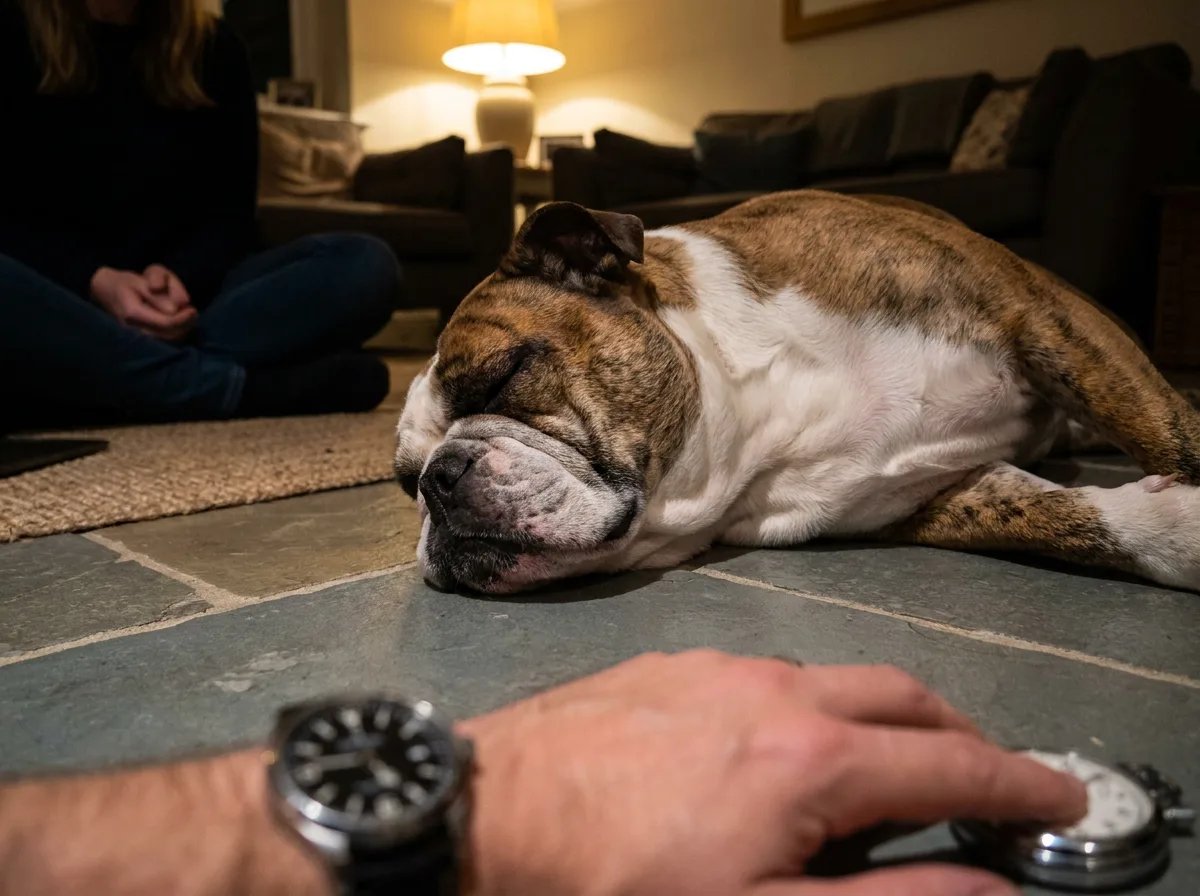
Learn the dog’s quiet resting pattern when it is cool and asleep, observing without waking or exciting it. Time recovery after activity and note the temperature, humidity and what came before.
Protect cooling capacity
Check weather, indoor temperature, humidity, shade and recovery access before exercise begins. A short route can still be unsafe in heat or humidity, because dogs cool largely by panting and a narrowed airway makes that less effective. On walks, a padded dog harness that sits below the throat avoids the collar pressure that adds to a Bulldog’s breathing effort.
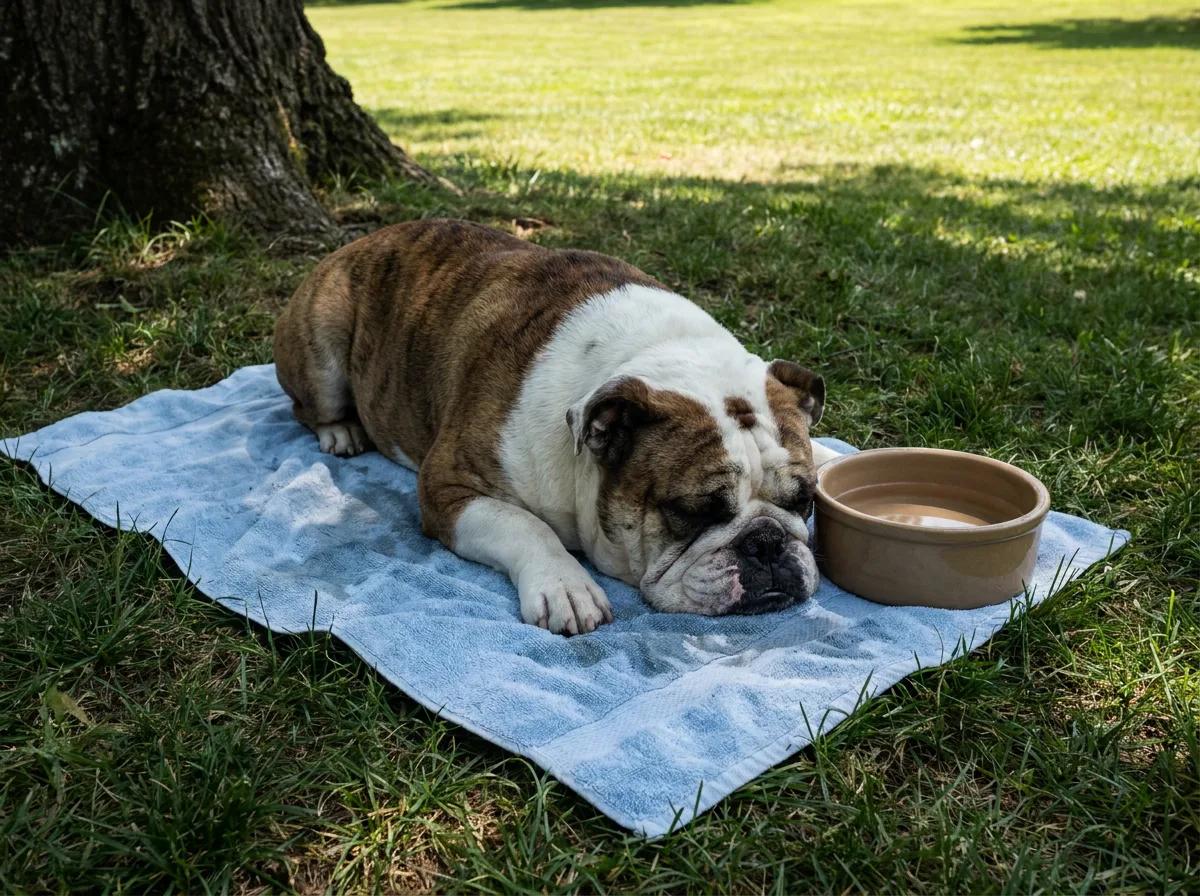
Schedule walks for the cooler parts of the day, keep a cool indoor recovery spot ready, let the dog set the pace and turn back before fatigue. Breathing should return to the dog’s own baseline promptly after easy movement, so note which conditions produce comfortable versus difficult recovery. A raised mesh dog cot in that spot lets air move under the body while the dog cools down.
Screening versus diagnosis and treatment
Population screening supports breeding decisions, while a symptomatic dog needs individual veterinary care. Watch whether a form records observed respiratory function, a clinician has examined the dog, or advanced diagnostics have been completed because the word checked can hide very different levels of evidence.
Ask exactly what test was performed and who interpreted it, keep the written report rather than a verbal summary, and file airway assessments with dates. A normal screening label should never be used to dismiss new clinical signs.
Skin folds, ears and eyes
Folds and close-set anatomy can create warm, moist or rubbing surfaces. The care goal is healthy skin, not constant aggressive cleaning. Frequency and products should match the dog and the veterinarian’s plan. Redness, odor, discharge, pain, hair loss or a change in tolerance suggests that routine care is no longer enough. Skin fold dermatitis is the breed’s standout risk: the RVC study found English Bulldogs had 38 times the odds of other dogs.
Fold care without overworking the skin
Check each fold, including the tail pocket where present, for moisture, friction, odor, redness and debris. Different folds on the same dog may need different schedules, because trapped moisture feeds inflammation while over-wiping can damage the skin barrier. A soft microfiber bath towel blots a fold dry with less friction than repeated rubbing.
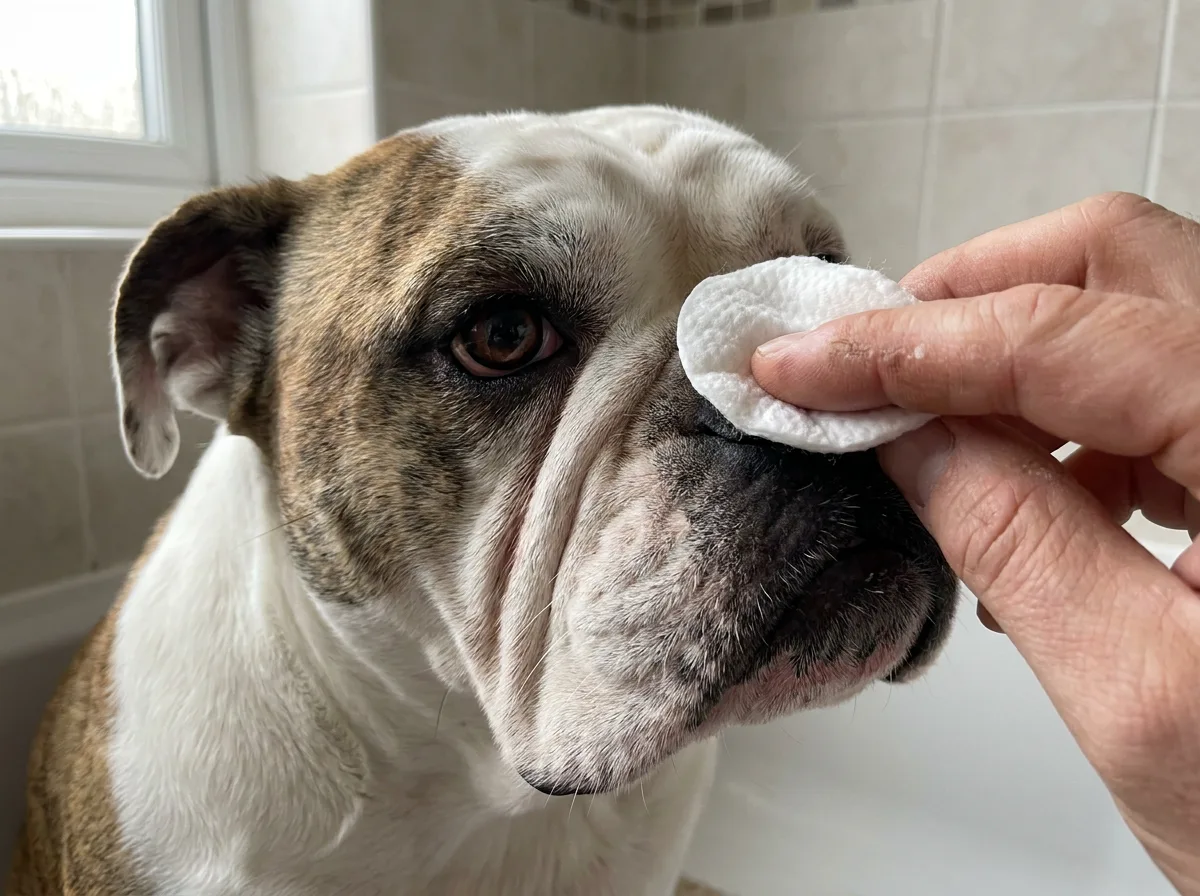
- Separate the fold and inspect it in good light.
- Clean only as your veterinarian directs.
- Dry the fold gently and completely.
- Reward calm cooperation rather than restraining through pain.
Photographs taken in consistent light help the veterinarian track recurring areas, and a fold that becomes painful or develops a sore needs an examination.
Eye changes deserve speed
Facial folds and prominent eyes can increase exposure to irritation or injury. Watch squinting, redness, cloudiness, discharge, rubbing, swelling or an eye that looks different from the other because some eye conditions are painful and can progress quickly. Cherry eye, a prolapsed third-eyelid gland, is also common: the same RVC study found nearly 27 times the odds compared with other dogs.
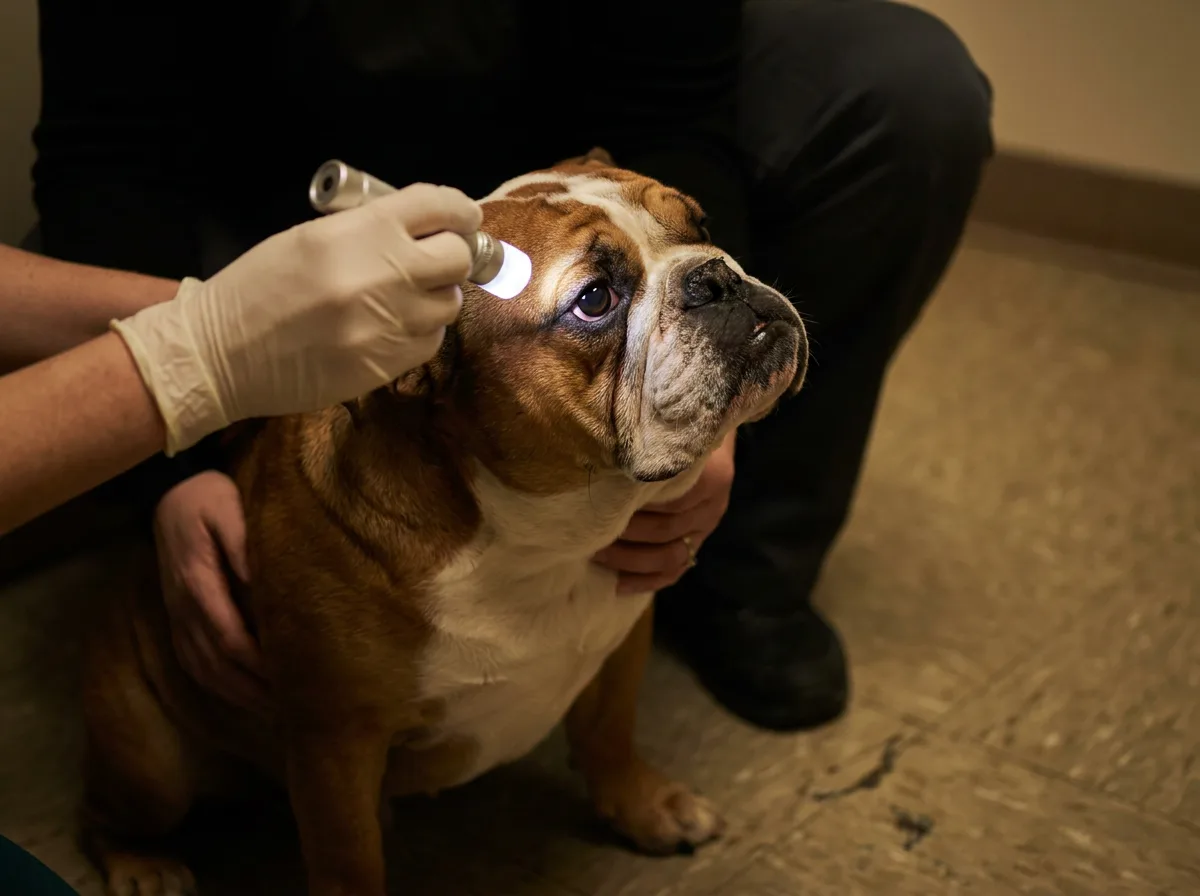
Prevent rubbing and contact a veterinarian promptly for a sudden eye change, noting the onset, which side and any known injury. Do not place leftover or unprescribed medication in the eye.
Ears need examination, not guesswork
Watch for odor, redness, discharge, head shaking, scratching and sensitivity around the ear. Cleaning more often does not fix every ear problem, because yeast, bacteria, allergy and foreign material need different treatment. WebVet’s guide to dog ear yeast infections shows how a yeast-affected ear usually looks and smells.
Use the technique and product your veterinarian recommends, such as an enzymatic ear cleanser, only at the advised frequency, and track which ear was treated and when. Stop if the dog shows pain or the canal cannot be seen safely.
Joints, spine and mobility
At what age do Bulldogs slow down? There is no single normal birthday. Activity can change gradually as a Bulldog matures, but a sudden reduction, reluctance to rise, shortened stride, weakness, limping or longer recovery should not be dismissed as age. Compare the dog with its own baseline and ask the veterinarian to assess pain, joints, spine, body condition and breathing. Comfortable low-impact movement and traction help preserve function, while forced exercise through pain or respiratory effort can make matters worse. A supportive orthopedic bed is one practical option for a comfortable rest area.
A Bulldog’s compact shape does not make reduced mobility inevitable or harmless. Watch gait, rising, stairs, jumping, play and recovery. Pain may appear as hesitation, irritability, licking, changed sleep, slower movement or a new refusal rather than crying.

VOHC-accepted 4.2-ounce pet toothpaste paired with a dual-ended toothbrush.
Petful may earn a commission when you click through to Chewy, at no extra cost to you.
- Parent-breed screening estimates inherited risk at a population level. A dog that is lame, weak, painful or suddenly unwilling to move needs an individual veterinary assessment, even when parental records were reassuring.
Build a movement baseline
A short video on level ground can provide a useful comparison if made without forcing activity. Watch stride length, symmetry, head or hip movement, ease of rising and willingness to turn in both directions because gradual orthopedic change is easy to miss when it becomes the new normal.
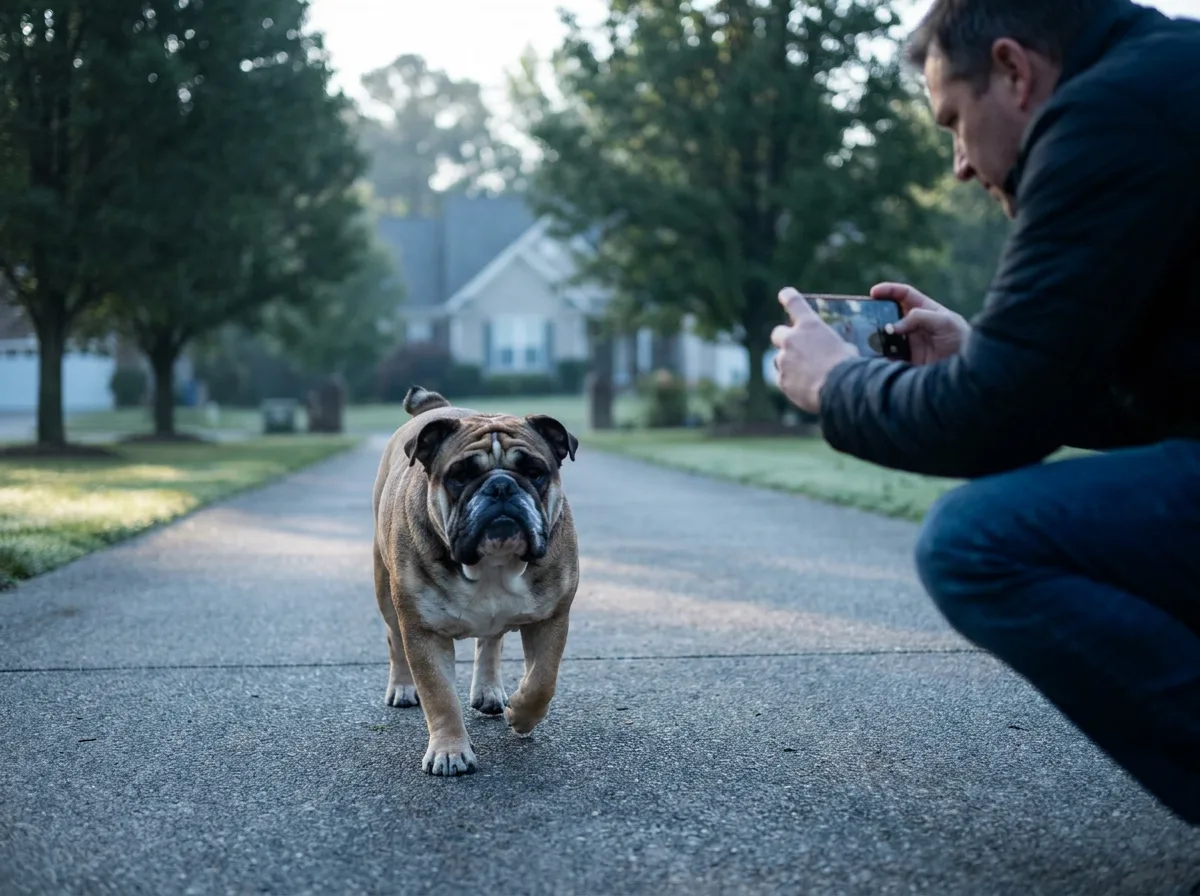
Record ordinary walking from the side, front and rear on a non-slip surface when the dog is comfortable, stopping at the first sign of fatigue, and save the dated clips. Limping, dragging, weakness or sudden pain needs a veterinary assessment.
Reduce avoidable strain
Slippery floors, repeated jumping, steep stairs and awkward furniture landings can turn a small limitation into repeated discomfort. Management should preserve useful movement rather than eliminate activity. Foam dog stairs give a heavy, short-legged Bulldog a controlled step up to a sofa or bed instead of a jump down.
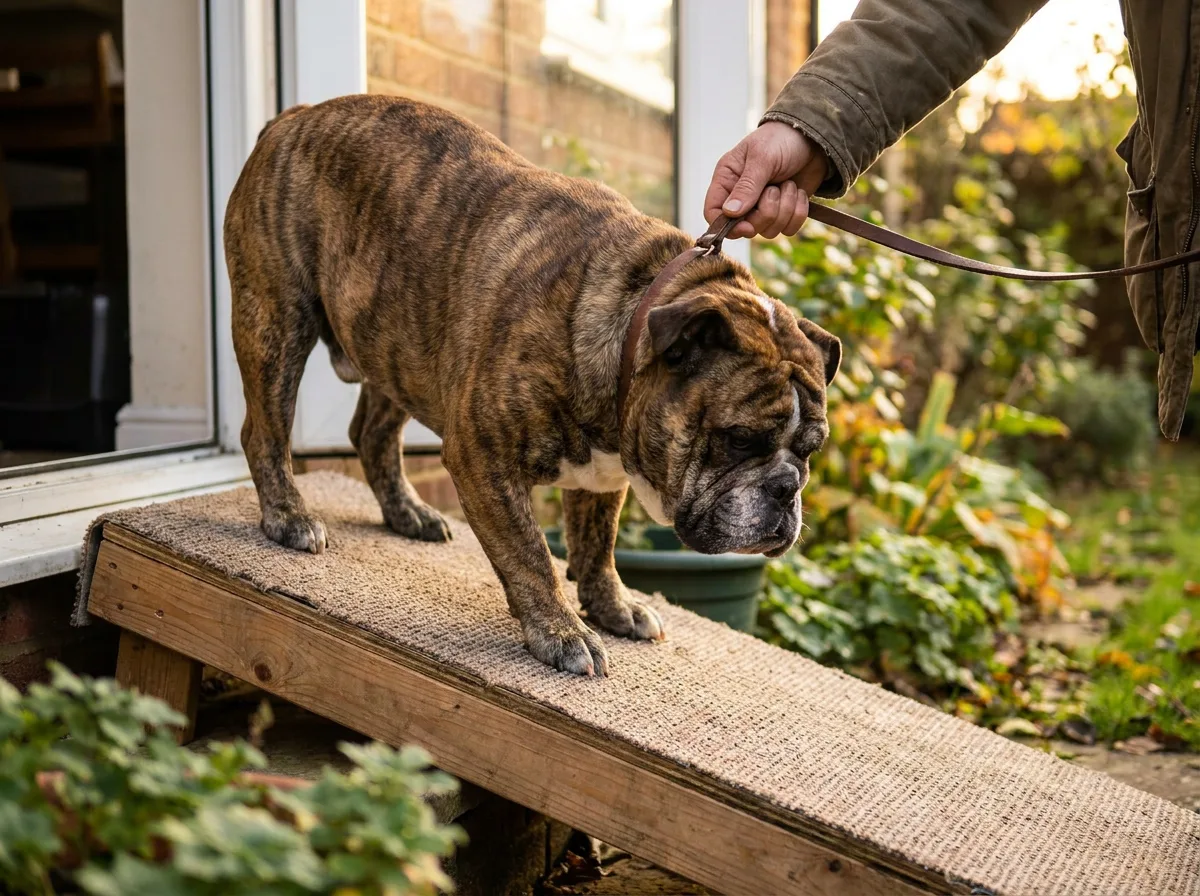
Add rugs or runners for traction, block unsafe jumps and choose controlled low-impact exercise. Ask the veterinary team whether a folding car ramp or steps suit the dog’s condition, and check that any aid stays put and is not too steep.
Support recovery and rest
Bulldogs can overheat on thick beds, so comfort includes temperature. Check that the dog can change position, stretch out and rise from the sleeping area without slipping.
Compare bed height, firmness and room temperature for the individual dog, and watch where it chooses to sleep. Panting, pressure sores or difficulty rising mean the setup needs to change. WebVet’s orthopedic dog bed guide compares foam depth and support for stiff or sore joints.
Dental, heart and weight care
Dental disease can cause pain while remaining easy to overlook. Heart findings may be silent early. Body weight can shift as activity, medication or illness changes. These are reasons for routine examinations, not grounds for home diagnosis. Preventive plans should be individualized and revised as the dog ages. In the RVC data, English Bulldogs had lower recorded odds of periodontal disease than other dogs (0.23 times). The study’s authors suggest dental disease may be under-recorded in the breed, so keep routine dental care rather than treating this as protection.
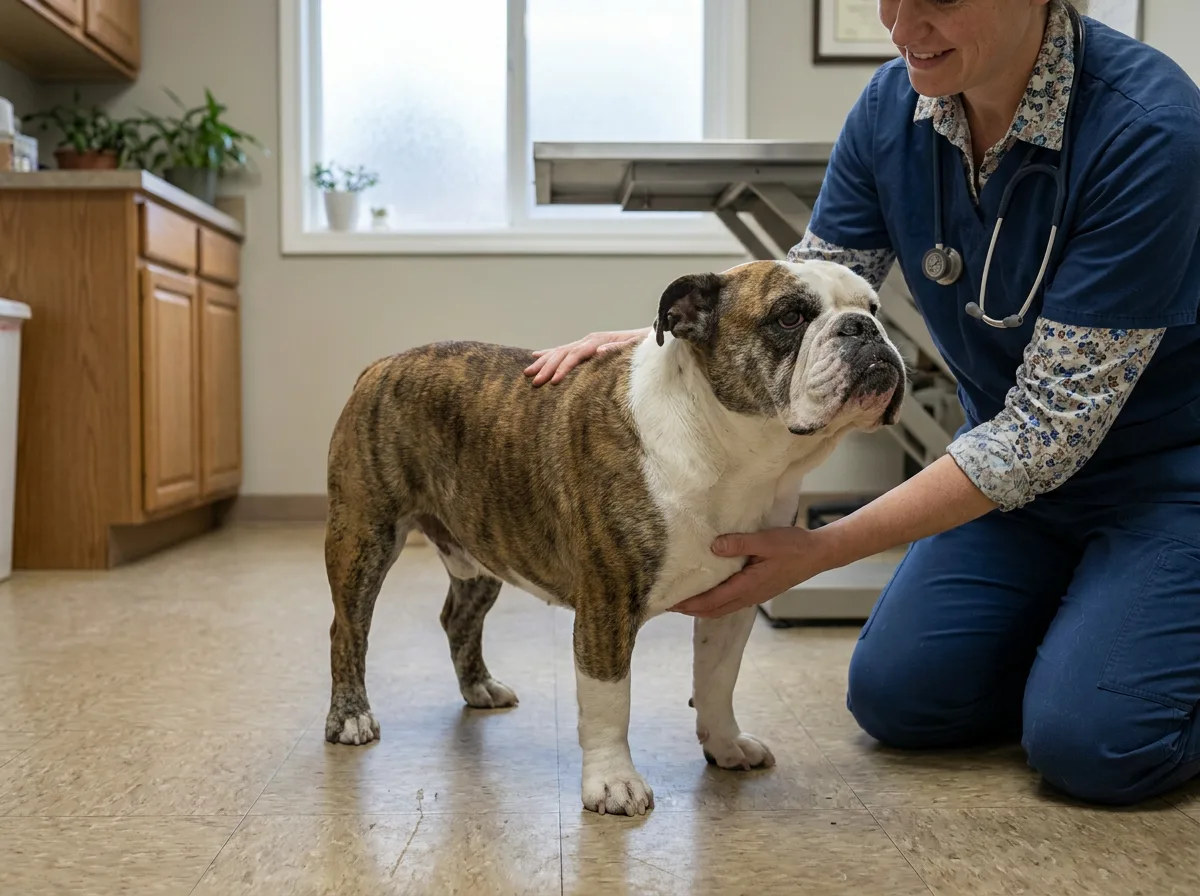
Make dental care cooperative
Watch for breath change, red gums, visible tartar, dropping food, chewing on one side or resisting face handling. Home brushing helps prevent plaque but does not remove disease below the gumline, and oral pain can affect eating and sleep before an owner sees a broken tooth. Between brushings, daily dental chews sized for medium dogs add chewing action, but they do not replace the brush.
Teach lip lifts and brief brush contact in small rewarded steps. A Virbac C.E.T. Dual-Ended Dog & Cat Toothbrush can help reach different tooth surfaces when the dog accepts the process. Stop and ask the veterinarian to examine the mouth if it bleeds or looks painful.
Choose veterinary dental products deliberately
A flavored dog-specific toothpaste may improve cooperation but cannot replace professional treatment when disease is present. Choose products with clear ingredients and instructions, and never use human toothpaste.
For day-to-day management, introduce taste, touch and brush separately. The Petsmile Professional Rotisserie Chicken Toothpaste + Toothbrush is one dog-specific kit; use it only as directed and stop if irritation occurs.
Weight and heart trends belong together
Track resting breathing pattern, exercise tolerance, weight, body condition, cough and episodes of weakness together, because a scale trend means little without appetite, diet, medication and function beside it.
Report a sustained or rapid change rather than simply cutting food or exercise, and bring a complete food, treat and medication list. Breathing difficulty, collapse or profound weakness is an emergency.
Health screening before breeding
Primary-source health screening means reviewing the original, identity-linked result from the testing organization rather than a seller’s summary. No single certificate rules out English Bulldog health issues: a screening result records a defined finding, while diagnosis evaluates the individual dog in front of the veterinarian. Confirm that names and identification numbers match, ask which breed-relevant evaluations were completed for both parents, and keep watching breathing, movement, skin and eye function even when records are reassuring.
Health screening asks whether breeding dogs have completed defined evaluations before producing a litter. It is not the same as a routine examination, a DNA panel alone or a statement that the parents have never been sick. The Bulldog Club of America health guidance and the OFA CHIC program provide starting points for identifying relevant records.
Verify identities before results
Screens have age requirements, so a result taken too early may not count. For each parent, match the registered name, registration number, date of birth and exact result; a certificate without a traceable identity may belong to another dog or be incomplete.
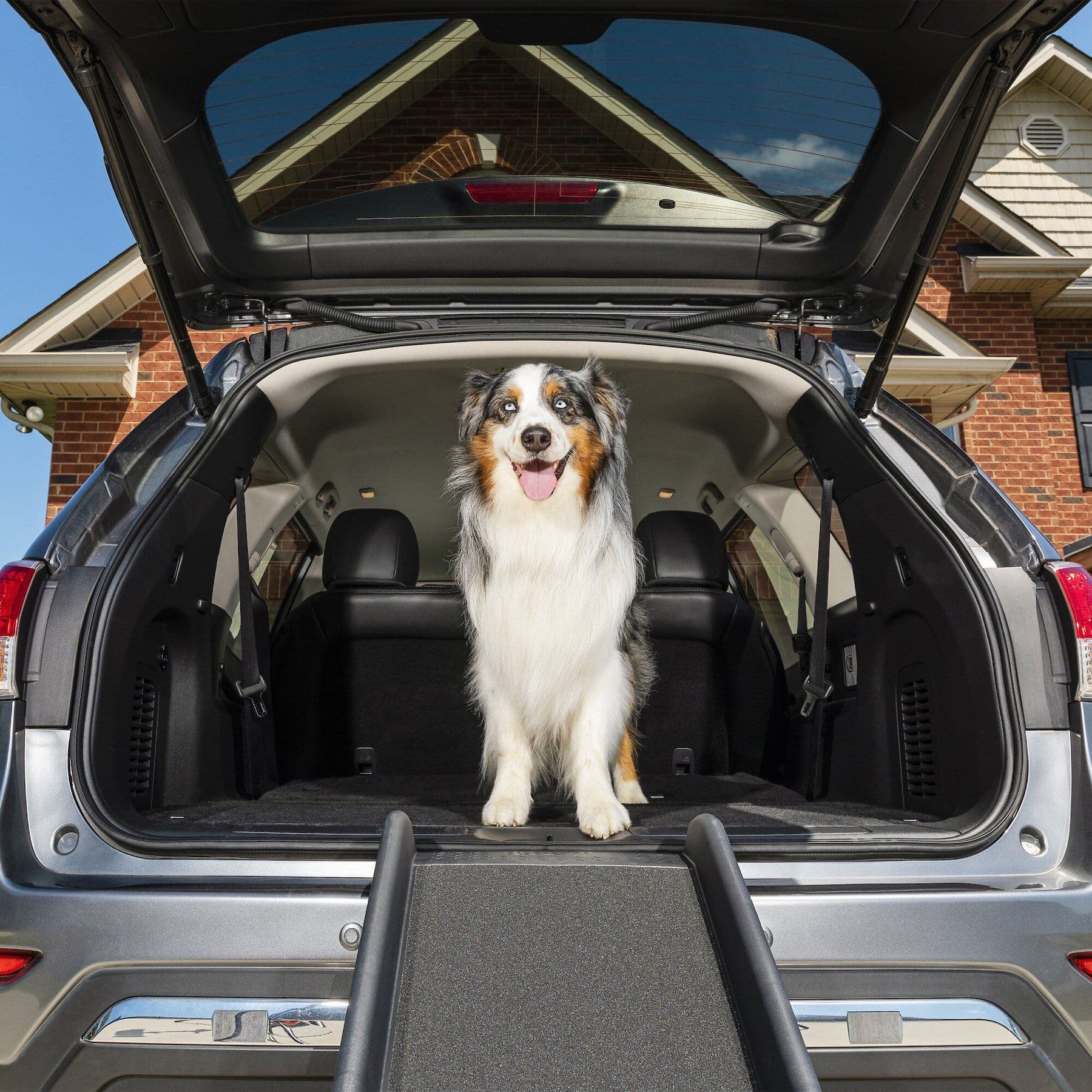
PetSafe's 62-inch folding ramp lets a dysplastic dog get into the car or onto the bed without the jump that loads the hips. Rated to 150 pounds with a high-traction surface.
Petful may earn a commission when you click through to Chewy, at no extra cost to you.
Search the public database, compare the record with the breeder’s documents and ask directly about missing, preliminary or abnormal results. Screenshots or vague claims are not verification, so save the public links and the date you checked.
Understand what a test can say
Check the body system assessed, the method, age at testing and whether the result is final, preliminary, normal or abnormal. A DNA result and a physical evaluation answer different questions, and no test clears a dog of every future disease.
Ask the breeder how each result influenced the mating decision, keep the full report rather than a pass label, and confirm the interpretation with a veterinarian when the terminology is unclear.
Function remains visible evidence
A dog may have completed recommended tests and still show traits relevant to welfare. Watch quiet rest, comfortable movement, recovery after mild activity and the condition of adult relatives because screening records and lived function complement rather than replace each other.
Request ordinary, recent video and meet adult relatives when safe, watching movement and breathing without prompting strenuous activity. Extreme features or obvious impairment should not be excused by paperwork; write down observations and questions before paying a deposit.
Preventive care through each life stage
What is the longest living English Bulldog? No breed club, registry or veterinary database verifies a record holder, so ages quoted online cannot be checked. In the UK VetCompass life tables, the English Bulldog data ran only to age 13, and the breed reached a remaining life expectancy of 1.5 years sooner than any of the 18 breeds studied, at 9 to 10 years of age. A better use of effort is a preventive plan that keeps vaccinations, parasite control, dental care, weight, breathing, eyes, skin and mobility under review at intervals chosen with the veterinarian, with dated records so the team can see a trend.
Preventive care changes from puppyhood to adulthood and senior life. A good plan anticipates the next risk without treating age alone as disease. The veterinarian can set examination intervals, vaccination and parasite plans, dental care and monitoring based on location, lifestyle and existing conditions.
Track growth, stool, appetite, vaccination status, handling comfort, breathing and recovery during gentle play, and give safe social learning without forced exertion or heat. The UK life tables show why early care matters: 4 percent of English Bulldogs died in their first year and 5.5 percent in their second, against 1.7 and 1.6 percent for dogs overall.
Schedule care promptly, bring breeder or rescue records and keep weight, vaccines, parasite treatments and questions in one timeline. A puppy that is lethargic, struggling to breathe or not eating needs same-day care.
Preventive visits are opportunities to compare systems before a crisis. Watch body condition, teeth, skin, ears, eyes, gait, airway signs and response to ordinary exercise because stable adult routines can hide slow change.
Arrive at visits with short trend notes and a complete list of every prescription, supplement and topical product with doses, review that list after any hospital stay, and raise several mild signs together rather than in isolation.
Watch sleep pattern, confusion, toileting, appetite, muscle condition, traction, hearing, vision and recovery. Because English Bulldogs reach their final years sooner than most breeds, senior-style checks usually start earlier, with more frequent review, home support and medication monitoring.
Modify the home while investigating new signs medically. Add non-slip routes, easy access and predictable routines without assuming decline is untreatable.
Plan higher-risk procedures early
Before anesthesia or sedation, ask about the expected benefit, alternatives, airway management, pain plan, monitoring and the team’s experience with brachycephalic patients. The right decision depends on the procedure and the individual dog, not the breed label alone.
Ask questions before the procedure day, follow fasting and medication directions exactly and keep the written discharge instructions. Changes in breathing, vomiting, pain or alertness after discharge need a call to the clinic.
Review nutrition as needs change
A prescription or therapeutic diet serves a medical purpose only when used under veterinary guidance. Watch measured meals, treats, stool, appetite, weight, body condition, muscle and activity because the same ration may stop fitting after growth, diagnosis, medication or reduced movement.
Bring a complete intake record instead of estimating portions, change food gradually when the veterinarian advises, and note the product, amount, transition dates and response. Rapid weight loss, food refusal, vomiting or persistent diarrhea needs veterinary attention.
Adapt the home before a fall
Look for slick turns, steep thresholds, difficult vehicle entry, overheated resting areas and routes that require repeated jumping. Small changes are easier to introduce before mobility becomes severely limited. A low orthopedic bolster bed supports an older Bulldog’s joints without a high edge to climb over.
Add traction, block unsafe access and provide an easy, cool resting area. Choose ramps or other supports with veterinary guidance when orthopedic disease is present, and reassess after any change in weight, strength or diagnosis.
Urgent signs that need veterinary care
Know the route, phone number and transport plan for the nearest appropriate emergency service before it is needed.
Breathing and heat emergencies
A brachycephalic dog may deteriorate during transport if handling adds stress. Watch severe effort, collapse, blue or gray gums, altered responsiveness, uncontrolled panting or inability to settle in a cool place because oxygenation and temperature problems can become life-threatening quickly.
Call the emergency clinic and begin transport according to its instructions. Move calmly, follow professional cooling guidance, avoid forcing water and, if safe, note the timing and any heat or activity beforehand.
Eye, neurologic and mobility emergencies
Sudden blindness, major eye injury, seizures, collapse, paralysis, inability to stand or severe unrelenting pain all need immediate care, and moving an injured dog carelessly can worsen pain.
Contact a veterinarian and ask how to support the dog for transport, using enough people and a stable surface when directed. Bring medication names and any incident details.
Gastrointestinal and systemic danger signs
Internet symptom lists cannot diagnose the cause. Repeated unproductive retching, a rapidly enlarging abdomen, persistent vomiting, bloody output, profound weakness or inability to keep water down can signal obstruction, toxin exposure, bloat or dehydration.
Call promptly and disclose possible foods, objects, medications or toxins, bringing packaging or photographs if asked. Do not induce vomiting unless a veterinarian or poison professional directs it.
Healthy aging at home
Is 8 old for a Bulldog? Yes, for most English Bulldogs 8 is a senior age. The AKC lists a life expectancy of 8 to 10 years, and in the UK life tables English Bulldogs had about 1.5 years of life expectancy remaining by age 9 to 10, earlier than any other breed studied. Age alone still does not define health or quality of life.
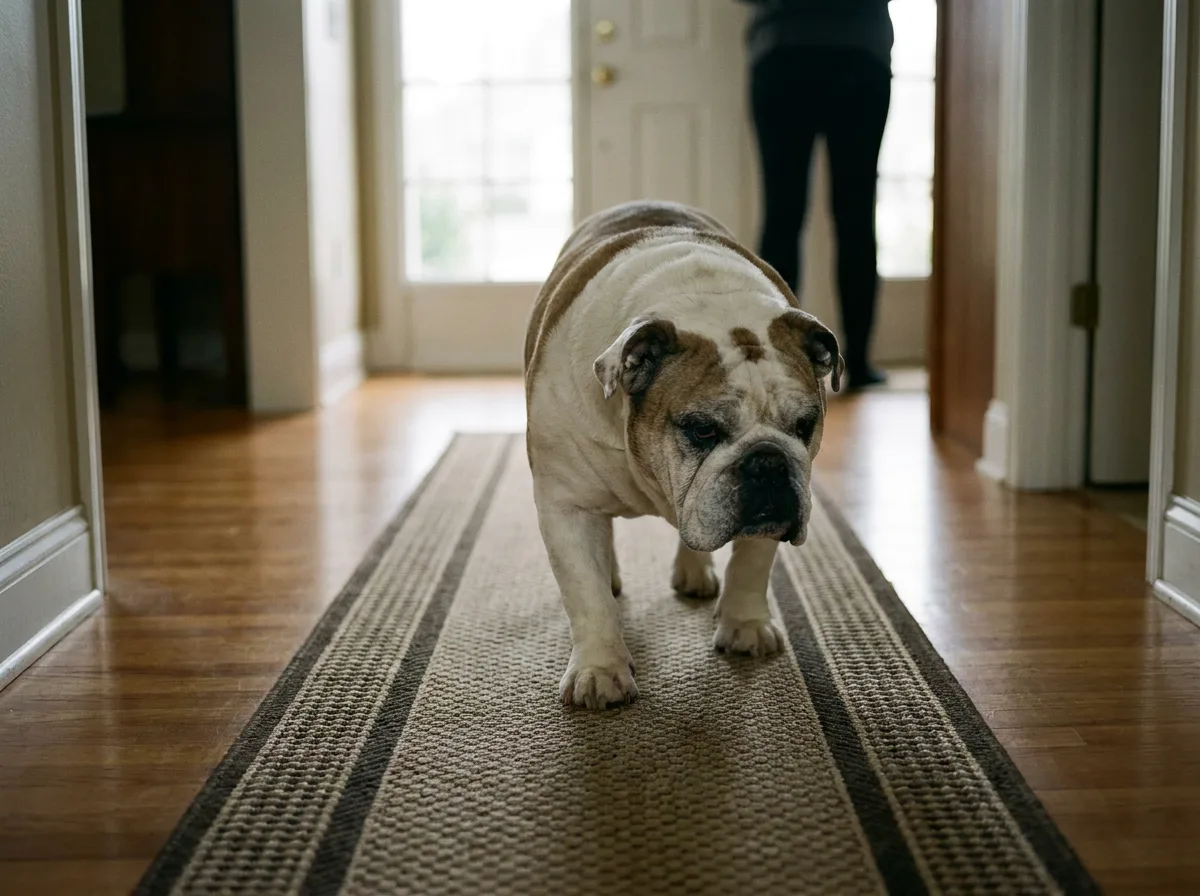
Use a healthy-aging calendar to review:
- Weight, body condition, appetite and drinking.
- Dental comfort, skin and eyes.
- Mobility, sleep and behavior at home.
Match veterinary visit frequency to the individual dog’s needs. At every age, note the quiet breathing baseline, stop activity when effort or recovery changes and seek urgent help for collapse, blue or gray gums or distress.
- Compare the dog with its own recent baseline and bring meaningful changes to the veterinary team. A birthday can guide preventive planning, but it cannot explain new breathing effort, pain, appetite change or loss of function.
- Record one repeatable observation for breathing, mobility, appetite and comfort.
- Bring the dated trend and medication list to each planned or problem-focused visit.
Healthy aging is less about chasing a record age than preserving comfortable days. A simple calendar can combine weight, body condition, breathing baseline, mobility, skin, dental care, medication review and enjoyable activity. Review the calendar with the veterinary team so monitoring remains useful rather than burdensome.
Keep activity low impact and meaningful
Heat, airway function and joints set the safe limits. Notice which sniffing routes, food-search games, social time and gentle skills the dog chooses to repeat, since mental engagement supports quality of life when intensity is limited. A snuffle mat turns part of a measured meal into a sniffing game that asks little of the airway or joints.
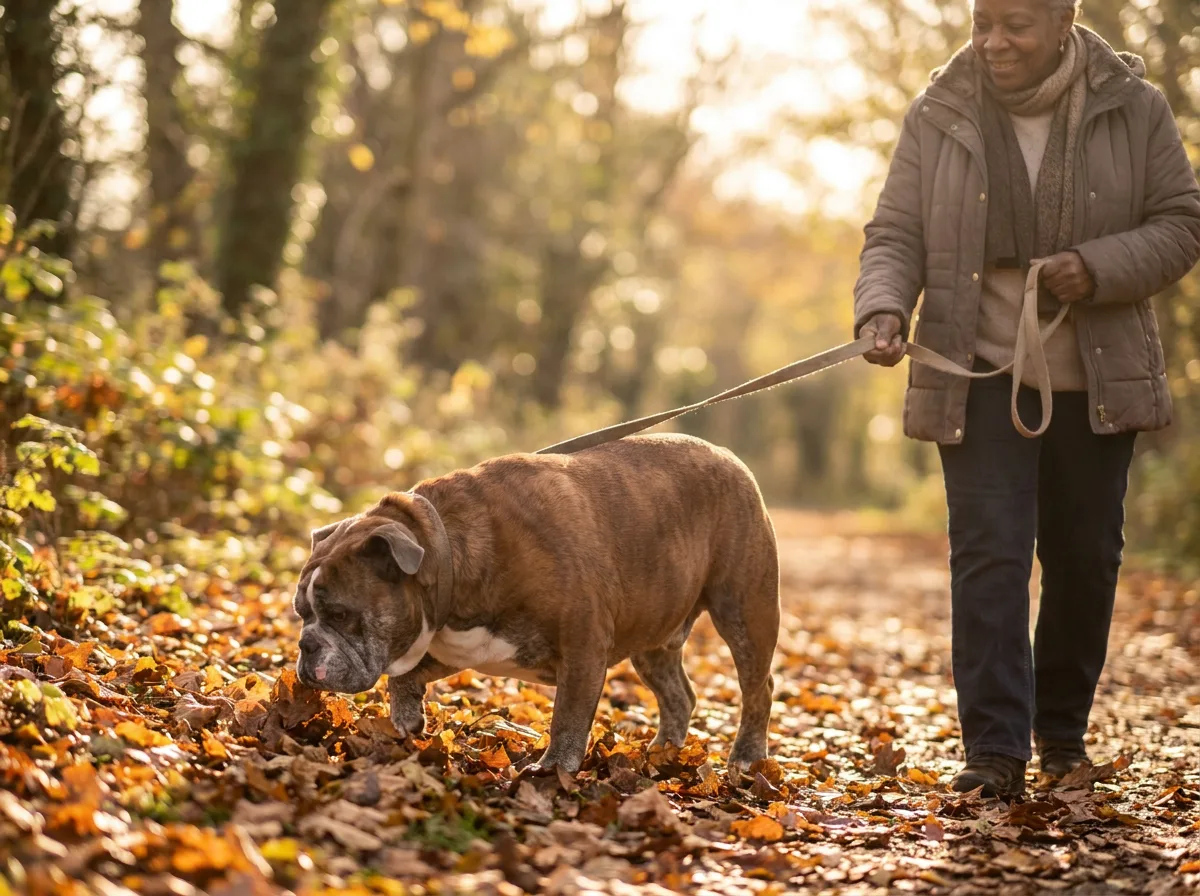
Offer short options and let comfort set the duration. On suitable outings a travel water bottle keeps water on hand, but head back to cool recovery before the dog lags, pants hard or tires.
Related English Bulldog guides
For broader breed-care context, see the English Bulldog breed profile. The English Bulldog puppy guide, English Bulldog price guide and English Bulldog colors guide cover related decisions in more detail.
Sources
- American Kennel Club dog-lifespan guide: current owner-facing Bulldog lifespan range
- Bulldog Club of America owner guide: 2026 owner-facing Bulldog lifespan range
- Bulldog Club of America health statement: historical range and median context
- Royal Veterinary College VetCompass English Bulldog health summary: population-level disorder evidence and welfare context
- Bulldog Club of America health testing: breed-club screening guidance
- OFA CHIC programs: public health-screening framework and records
- American Kennel Club Bulldog breed page: breed identity and standard context
- Teng and colleagues, Scientific Reports, 2022: life tables of annual life expectancy and mortality for companion dogs in the United Kingdom (RVC VetCompass)
- O’Neill and colleagues, Canine Medicine and Genetics, 2022: English Bulldogs in the UK, a VetCompass study of disorder risk
- Fleming, Creevy and Promislow, Journal of Veterinary Internal Medicine, 2011: mortality in North American dogs from 1984 to 2004
- Lemonade English Bulldog pet insurance guide: average treatment costs for common Bulldog conditions
Questions readers ask
Some do, but most do not. The AKC lists 8 to 10 years for the breed, and UK veterinary records analyzed by the Royal Veterinary College in 2022 gave English Bulldogs a life expectancy at birth of 7.39 years. A lean Bulldog with open nostrils, sound movement and prompt veterinary care has the best chance of reaching or passing 10, but no breeder or product can promise it.
Respiratory disease stands out. A 20-year study of 74,556 dog deaths at North American veterinary teaching hospitals compared breeds, and Bulldogs topped the list of breeds in which respiratory disease was the most often listed cause of death. That is a cross-breed ranking, and congenital disease was also prominent. Airway trouble, heat illness and anesthetic risk are linked, which is why breathing and temperature deserve daily attention.
No verified record exists. There is no breed registry or veterinary database that confirms a single oldest English Bulldog, so ages quoted online cannot be checked. In UK veterinary life tables the English Bulldog data ran only to age 13, and most dogs died well before that. Planning around 8 to 10 years with good preventive care is more realistic than aiming for a record.
Yes. Eight is a senior age for most English Bulldogs, since the AKC gives a life expectancy of 8 to 10 years. Many eight-year-olds still enjoy short walks and play, but this is the point to book regular checkups, watch weight, breathing and mobility closely, and treat any new lameness or breathing change as a reason for an examination.
There is no fixed birthday. The AKC rates the breed’s energy as moderate, 3 on a 5-point scale, and activity usually declines gradually through adulthood, more noticeably in the senior years from about 8. A sudden slowdown is different: reluctance to rise, a shorter stride or slow recovery can signal pain, joint, spine or breathing trouble and should be checked rather than blamed on age.
Call promptly for a meaningful change in breathing, appetite, mobility, comfort, skin, eyes or behavior, and bring dated notes on what changed. Collapse, blue or gray gums, severe breathing effort, heat distress and an inability to settle in a cool place are emergencies that need immediate care.
There is no verified case, and it would be extraordinary. In UK veterinary life tables (Teng and colleagues, 2022), the English Bulldog data ran only to age 13, and the breed’s life expectancy at birth was 7.39 years. Even the longest-lived breed in that study, the Jack Russell Terrier, averaged 12.72 years. Treat any claim of a 20-year-old Bulldog as unverified, and plan around 8 to 10 years.
Published breed figures are not split by sex, so the breed-wide numbers apply to females: 8 to 10 years from the AKC and 7.39 years at birth from UK veterinary records. Across all breeds in that UK study, females lived slightly longer than males, 11.41 versus 11.07 years at birth, but that small gap cannot predict how long one female Bulldog will live. Body condition and prompt care matter more.
Much of it traces to the body shape that defines the breed: a short skull, heavy skin folds and a compact frame. A UK veterinary study of 2,662 English Bulldogs found 2.04 times the odds of at least one diagnosed disorder in a year compared with other dogs, including 38 times the odds of skin fold dermatitis and nearly 27 times the odds of cherry eye. Choosing moderate anatomy reduces that risk but cannot remove it.
BVMS, MRCVS
Dr. Pippa Elliott, BVMS, MRCVS, is a veterinarian with nearly 30 years of experience in companion animal practice. Dr. Elliott earned her Bachelor of Veterinary Medicine and Surgery from the University of Glasgow. She was also designated a Member of the Royal College of Veterinary Surgeons. Married with 2 grown-up kids, Dr. Elliott has a naughty Puggle named Poggle, 3 cats and a bearded dragon.
Sign up for expert-backed reviews and safety alerts all in one place.