Mini Goldendoodle: Size, Temperament, and Care
A complete guide to the mini Goldendoodle: adult size and weight, temperament, apartment suitability, exercise, grooming, health, lifespan, and how much this Golden Retriever x Miniature Poodle cross really costs.
Petful is reader supported. As an affiliate of platforms like Amazon and Chewy, we may earn a commission when you buy through links on this page. There is no extra cost to you.
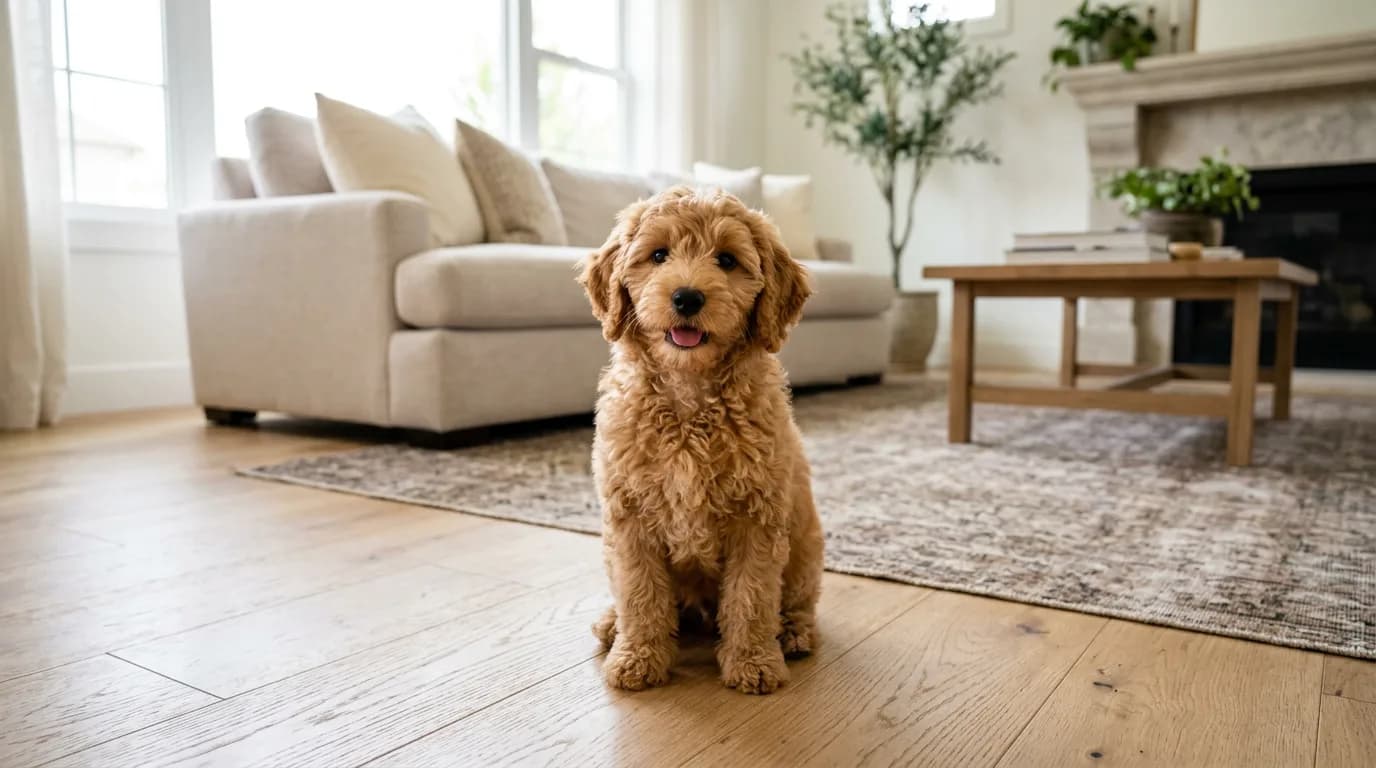
The mini Goldendoodle is a small crossbreed that pairs a Golden Retriever with a Miniature Poodle, and it has become one of the most requested designer dogs in the country. Families love the combination for a reason: you get the sweet, people-first temperament of a Golden in a body that tops out around the size of a Cocker Spaniel, plus a low-shedding coat that suits homes where dander and fur are a concern. Most adults settle between 15 and 35 pounds and stand 13 to 20 inches at the shoulder, which makes this dog a realistic pick for apartments, smaller yards, and first-time owners who still want an athletic, trainable companion.
This guide walks through everything you need to weigh before you commit: adult size, temperament, apartment suitability, exercise, grooming, health, lifespan, and price. The numbers here are ranges, not promises, because a crossbreed inherits traits from two very different parents.
- 1A mini Goldendoodle is a Golden Retriever crossed with a Miniature Poodle, usually 15 to 35 pounds full grown
- 2Expect a friendly, highly trainable dog that needs 30 to 60 minutes of exercise and professional grooming every 6 to 8 weeks
- 3Budget $1,500 to $3,000 from a health-testing breeder, with a typical lifespan of 12 to 16 years

Sign up for expert-backed reviews and safety alerts all in one place.
What Is a Mini Goldendoodle?
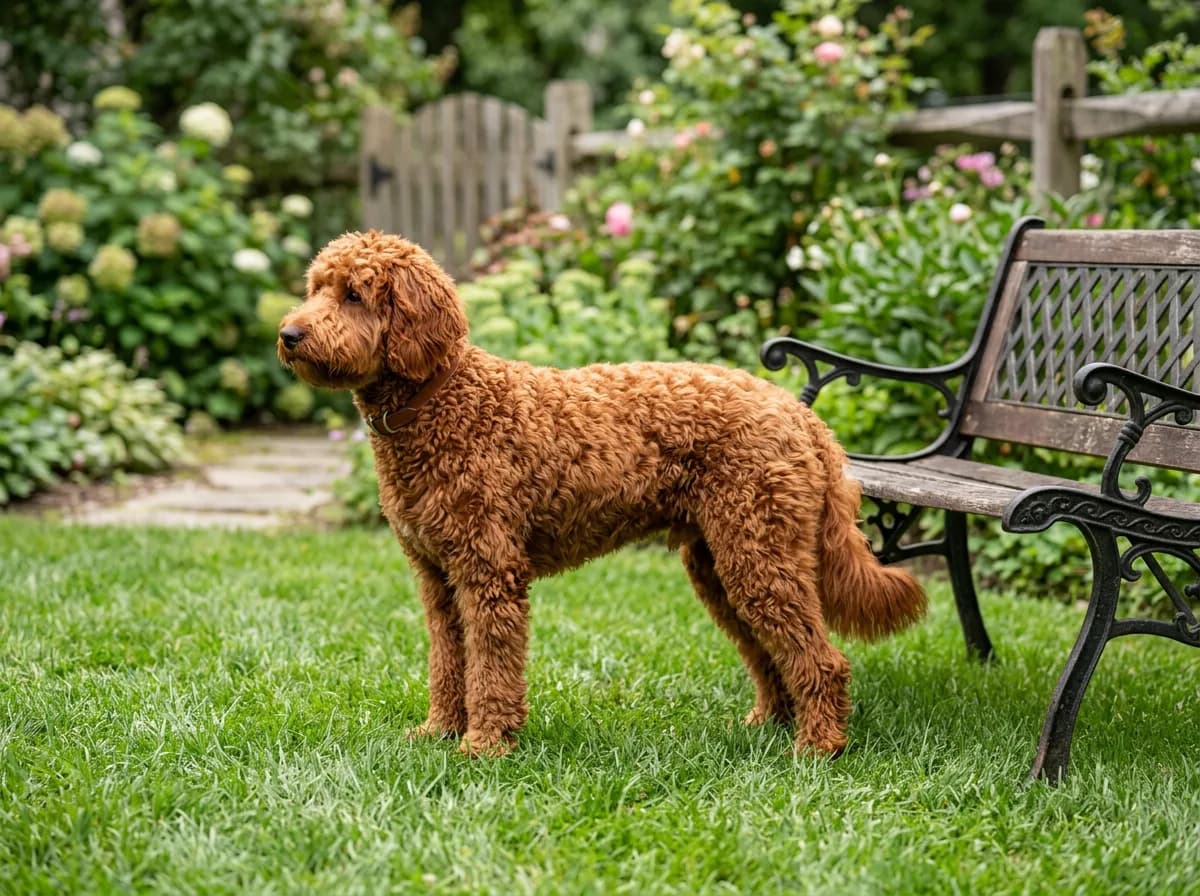
A mini Goldendoodle is a first-cross or multigenerational hybrid between a Golden Retriever and a Miniature Poodle. Breeders shrink the standard Goldendoodle by using the smaller Poodle parent, so the "mini" label describes size rather than a separate breed. Because it is a crossbreed, the American Kennel Club (akc.org) does not recognize it as a purebred, and there is no official breed standard governing its exact weight, coat, or color.
That lack of a standard is the single most important thing to understand. Two mini Goldendoodle puppies from the same litter can grow up looking different, one wavier and one curlier, one 18 pounds and one 30. What stays fairly consistent across the crossbreed is the disposition: affectionate, eager to please, and deeply attached to its family. If you have researched other Poodle mixes such as the Cavapoo, you already know the appeal of a small, smart, low-shedding companion, and the mini Goldendoodle sits squarely in that world.
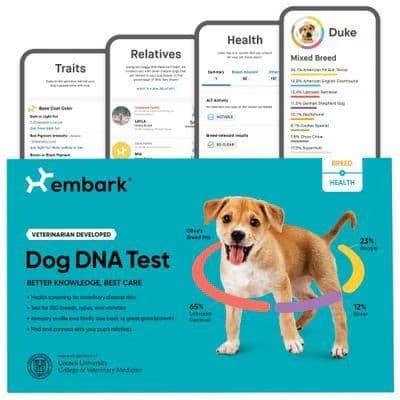
Petful may earn a commission when you click through to Chewy, at no extra cost to you.
The cross first gained traction in the 1990s, when breeders who had popularized the standard Goldendoodle began using smaller Poodles to create a version that suited apartments, retirees, and families with limited space. Demand has climbed steadily since, driven by the same three selling points: manageable size, a coat marketed as allergy-friendly, and a temperament that is famously easy to live with. Understanding that the dog was bred first and foremost to be a companion, not a worker or a guard dog, explains almost everything about how it behaves and what it needs from you.
How Big Will a Mini Goldendoodle Get?
Most mini Goldendoodles finish growing between 15 and 35 pounds, standing roughly 13 to 20 inches tall at the shoulder. The final size depends heavily on the Poodle parent: a Toy Poodle cross lands at the small end, while a larger Miniature Poodle pushes adults toward 30 pounds or more. A useful rule of thumb is that a mini Goldendoodle usually weighs about the average of its two parents.
Growth is fastest in the first six months and most dogs reach their adult height by 9 to 11 months, then fill out in the chest and muscle through their first birthday. Smaller dogs mature a little faster than larger ones. If you want to estimate an individual puppy, ask the breeder for the parents' weights and the sizes of previous litters.
| Age | Typical Weight | Adult Height at Shoulder |
|---|---|---|
| 8 weeks | 3 to 8 lbs | Still growing |
| 6 months | 12 to 25 lbs | Near-final height |
| 12 months | 15 to 35 lbs | 13 to 20 inches |
| Adult | 15 to 35 lbs | 13 to 20 inches |
Mini Goldendoodle Generations Explained

Generation labels tell you how much Poodle versus Golden Retriever is in the mix, and they matter most if you are shopping for the lowest-shedding, most allergy-friendly coat. An F1 is a straight 50/50 first cross. An F1B breeds that F1 back to a Poodle, raising the Poodle percentage to about 75 percent, which usually means a curlier, lower-shedding coat. Multigenerational (multigen) dogs come from two doodle parents and are bred for coat consistency.
No doodle is truly hypoallergenic, but the higher the Poodle content, the more likely the coat sheds minimally. If a family member has allergies, an F1B or multigen is the safer bet. For a deeper look at how the whole family scales, see our guide to Goldendoodle sizes.
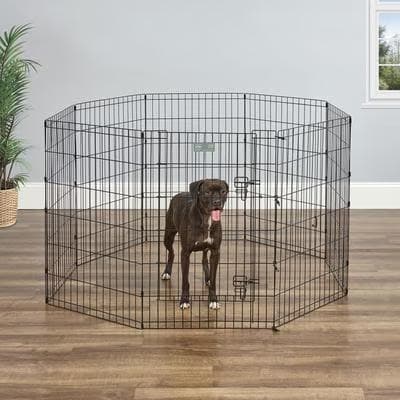
Petful may earn a commission when you click through to Chewy, at no extra cost to you.
| Generation | Poodle Percentage | Best For |
|---|---|---|
| F1 | ~50% | Balanced look, moderate shedding |
| F1B | ~75% | Allergy homes, curlier low-shed coat |
| F2 | ~50% | Varies most in coat type |
| Multigen | 60 to 75% | Consistent, predictable coats |
Temperament and Personality
The mini Goldendoodle is bred for companionship, and it shows. These dogs are social, gentle, and quick to bond, which makes them excellent with children and other pets. They inherit the Golden Retriever's soft mouth and patience along with the Poodle's sharp intelligence, so they learn commands fast and thrive on interaction. Left alone too long, though, that same attachment can tip into separation anxiety, which is the trait to plan around most.
Expect a dog that follows you room to room, greets guests like old friends, and would rather be underfoot than off in another part of the house. Early socialization keeps the friendliness from turning into over-excitement or nervousness around strangers.
Because the breed is so tuned in to people, mini Goldendoodles often make sensitive, intuitive companions and are a popular choice for therapy and emotional-support roles. The flip side of that sensitivity is that they read household tension and respond to it, so a calm, predictable home brings out the best in them. They are rarely aggressive and not natural guard dogs: a stranger at the door is far more likely to be met with a wagging tail than a warning. For most families that trade is exactly what they want, but if you are hoping for a protective watchdog, this is not the crossbreed for the job.
Coat Colors and Appearance
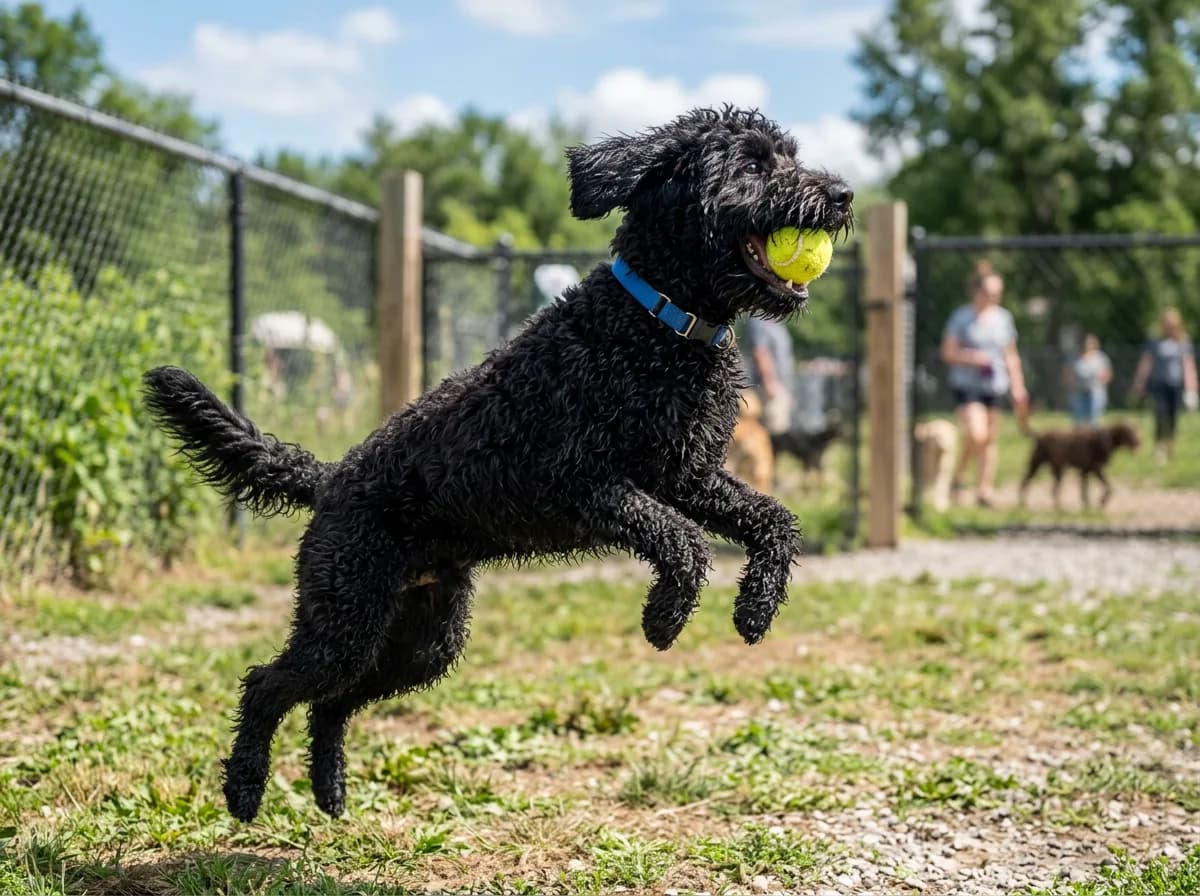
Mini Goldendoodles come in a wide palette. Solid apricot, cream, red, and gold are the most common, and you will also see chocolate, black, and patterned coats such as parti (white with a second color), phantom, merle, and sable. Coat texture ranges from the loose, wavy "fleece" most buyers picture to a tighter, curlier coat closer to the Poodle side. Color and texture are set by genetics and can shift slightly as a puppy matures, with many reds and apricots lightening over the first year. None of these colors changes the dog's temperament or care needs, so choose the look you love, then weigh coat type against your grooming tolerance and any allergy concerns.
What Is a Teddy Bear Doodle?
A "teddy bear doodle" is not a separate breed or generation. It refers to the rounded, plush look many mini Goldendoodles carry: a soft wavy coat, a short muzzle, dark round eyes, and a face groomed into an even, fluffy shape. The look comes partly from genetics and partly from the grooming style, often called a "teddy bear cut," where the coat is scissored to a uniform length so the head looks round and the muzzle looks full. When people say they want a teddy bear Goldendoodle, they usually mean this appearance rather than any measurable trait.
Are Mini Goldendoodles Good Apartment Dogs?
Yes, a mini Goldendoodle can be an excellent apartment dog, and its size is a big reason why. At 15 to 35 pounds it fits comfortably in smaller square footage, and its exercise needs are moderate enough to meet with walks and indoor play. The breed is also generally quiet, so barking is less of a neighbor problem than with many small dogs.

Petful may earn a commission when you click through to Chewy, at no extra cost to you.
The catch is companionship, not space. This is a dog that needs people. In an apartment where everyone leaves for eight or nine hours, a mini Goldendoodle can develop separation anxiety, chewing, or nuisance barking. If your household is home often or can arrange midday walks and enrichment, apartment life works well. If not, this may not be the right match no matter how small the dog is.
- Crate-train from day one, build in two or three short walks a day, and leave a food puzzle or chew when you go out. A predictable rhythm prevents most of the boredom behaviors that show up in small-space homes.
Exercise Needs
Plan on 30 to 60 minutes of activity a day. A mini Goldendoodle is athletic for its size and enjoys a mix of brisk walks, fetch, and short training games that work the brain as hard as the body. Because both parent breeds were bred to work, mental stimulation matters as much as physical exercise: puzzle feeders, scent games, and trick training all burn energy and prevent boredom.
Puppies need less sustained exercise and more frequent short bursts to protect growing joints. A common guideline is roughly five minutes of structured exercise per month of age, twice a day, until the dog is full grown. Avoid forced long runs or repetitive jumping until the growth plates close around 12 to 18 months. Once mature, most mini Goldendoodles happily join hikes, jogs, and trips to the dog park.
Many mini Goldendoodles also love water, a nod to both parent breeds, and swimming is a joint-friendly way to burn energy on hot days or for dogs recovering from an injury. Whatever the activity, watch for the signs a dog has had enough: heavy panting, lagging behind, or lying down mid-play. Because the coat can trap heat, take extra care in summer and keep sessions shorter when it is hot.
Grooming a Mini Goldendoodle
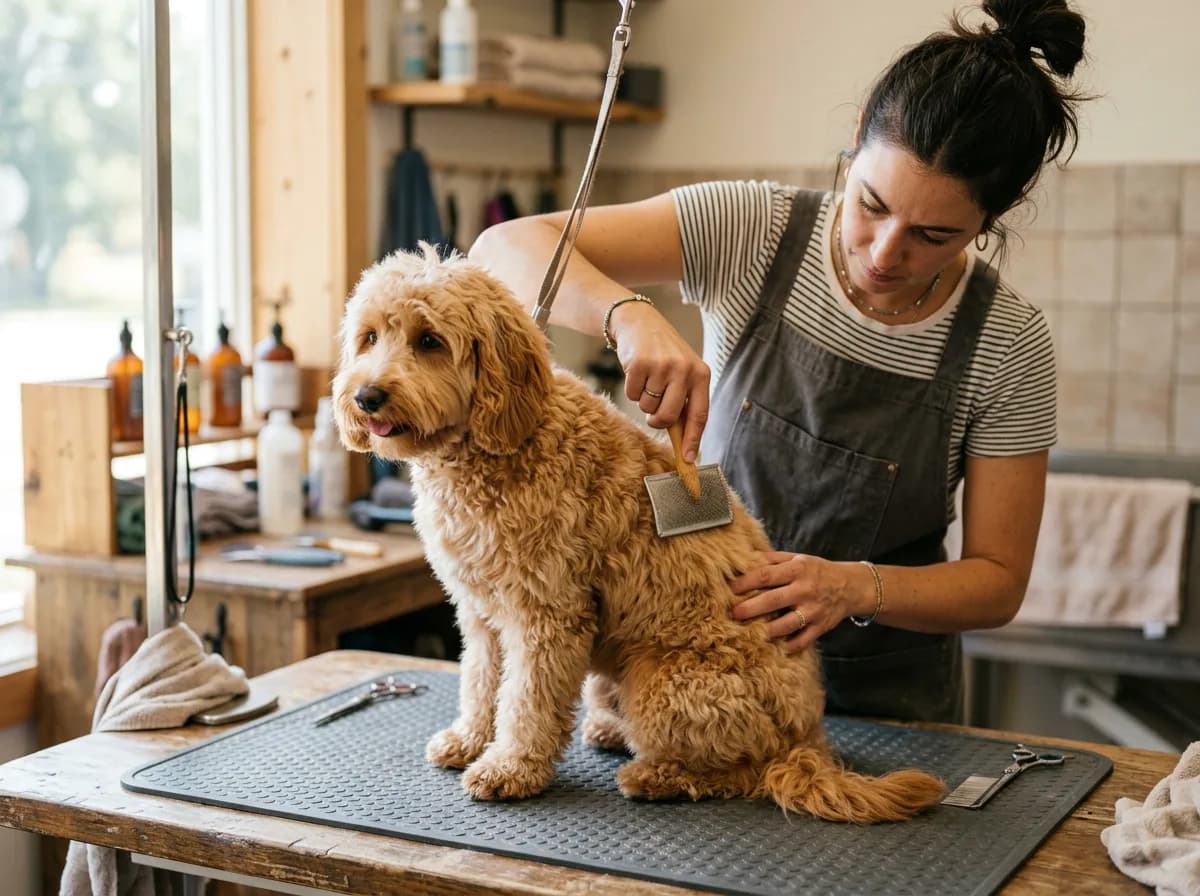
Grooming is the biggest ongoing time and money commitment with this crossbreed. That low-shedding coat does not shed out on its own, which means loose hair stays in the coat and mats if it is not brushed. Brush three to four times a week, more during coat changes, and book a professional groom every six to eight weeks for a bath, trim, and nail care.
Between grooms, pay attention to the ears and eyes. Floppy, hair-filled ears trap moisture and are prone to infection, so clean and dry them regularly, especially after baths or swimming. Trim or pluck the hair around the eyes so it does not irritate them. Coat type drives the workload: curlier F1B coats mat faster than wavier F1 coats, but all of them need consistent upkeep.
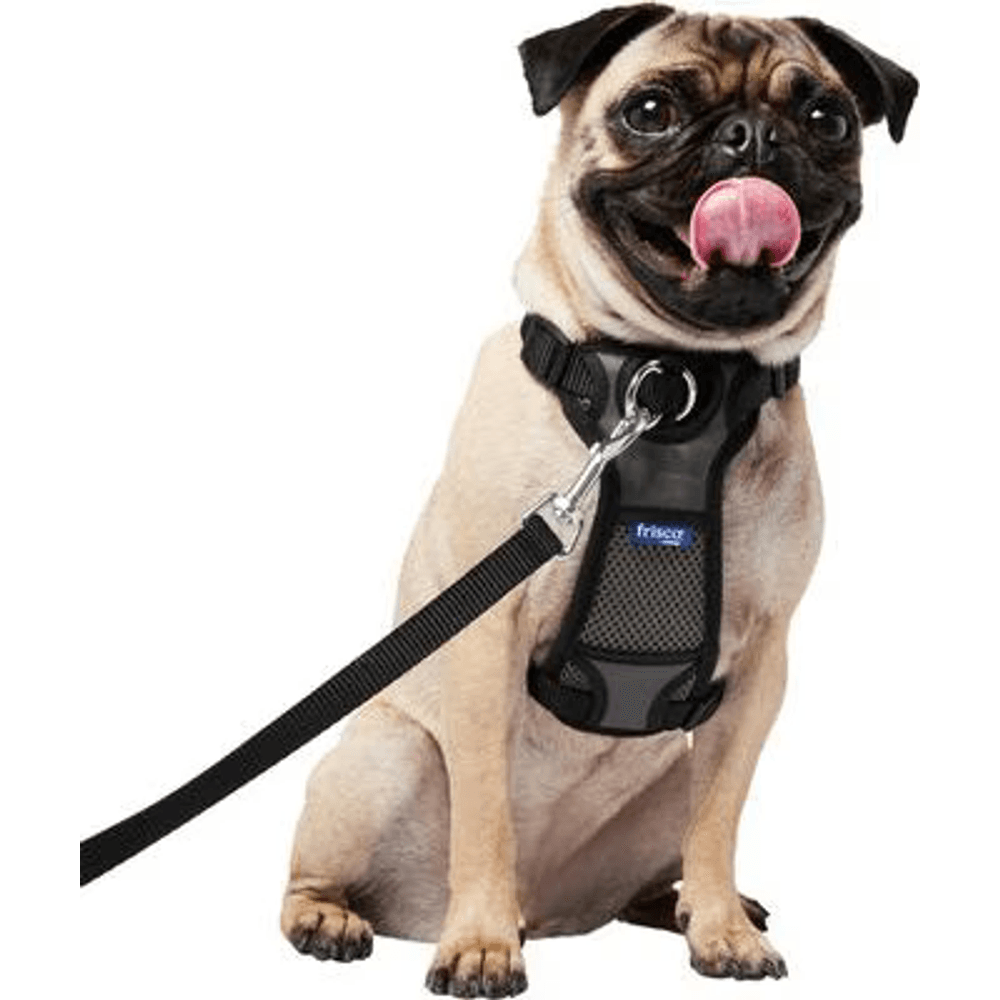
A budget-friendly padded no-pull harness that keeps leash pressure off a coughing dog's neck and windpipe by distributing it across the chest. A simple, affordable way to protect an irritated airway or a collapsing trachea on every walk.
Petful may earn a commission when you click through to Chewy, at no extra cost to you.
Introduce grooming early and make it positive. A puppy that learns as a baby to accept a brush, a bath, nail trims, and a groomer's table becomes a far easier adult to maintain, while a dog that never learned can turn every session into a fight. Invest in the right tools at home (a slicker brush and a metal comb are the basics), work all the way down to the skin rather than just over the top of the coat, and check the high-friction spots that mat first: behind the ears, under the legs, and around the collar. Dental care and regular nail trims round out the routine, since overgrown nails change a small dog's gait and can lead to joint strain over time.
- A neglected doodle coat mats to the skin, which is painful and often forces a full shave-down at the groomer. Regular at-home brushing is what keeps the teddy bear look and protects the skin underneath.
Training and Discipline: How Do You Discipline a Goldendoodle Puppy?
You discipline a Goldendoodle puppy with calm, consistent, positive reinforcement, never with physical punishment or yelling. This is a sensitive, people-pleasing crossbreed that shuts down or grows anxious under harsh correction, and it learns fastest when good behavior earns rewards. Redirect unwanted behavior to an acceptable outlet (offer a chew when the puppy nips), reward the choice you want the instant it happens, and use short time-outs or removing your attention for pushy or over-excited behavior.
Consistency across the whole household is what actually works. Everyone should use the same cue words and the same rules, because a puppy cannot learn "off the couch sometimes." Keep training sessions short and upbeat, start socialization early, and lean on the breed's intelligence: these dogs want a job and a routine, and structure prevents most problem behaviors before they start.
- Goldendoodles rank among the easier crossbreeds to train because they are smart and motivated to please. Five-minute sessions several times a day beat one long session, and they turn everyday moments into learning.
Health and Lifespan
A well-bred mini Goldendoodle typically lives 12 to 16 years, and hybrid vigor can make crosses hardier than either purebred parent. That said, both parent breeds carry inherited conditions, and a mini Goldendoodle can inherit any of them. This is why breeder health testing is non-negotiable.
Common conditions to ask about include hip and elbow dysplasia, progressive retinal atrophy (PRA), patellar luxation, von Willebrand disease, and the ear infections that come with floppy, hairy ears. Reputable breeders screen breeding dogs through the Orthopedic Foundation for Animals (ofa.org) for hips, elbows, and eyes, and share those results before you buy. Veterinary schools such as Cornell University's College of Veterinary Medicine (vet.cornell.edu) publish owner-friendly overviews of these hereditary conditions if you want to read deeper.
You can protect your dog's health long before symptoms appear. Ask any breeder for written proof of parent health testing, not just a verbal assurance that the line is "healthy," and consider pet insurance while the puppy is young and pre-existing conditions are not yet on the record. Day to day, the biggest levers are the ones in your control: keep the dog at a lean weight to spare the joints, feed a quality small-breed diet, stay current on parasite prevention and vaccines, and keep those ears clean and dry. A yearly wellness exam catches most issues early, and small dogs often benefit from routine dental care, since dental disease is one of the most common and most preventable health problems in the breed's size range.
| Condition | What It Affects | Screening or Action |
|---|---|---|
| Hip and elbow dysplasia | Joints, mobility | OFA parent testing |
| Progressive retinal atrophy | Vision | OFA eye exam, DNA test |
| Patellar luxation | Knees | Vet exam |
| Ear infections | Ears | Regular cleaning and drying |
What Are the Disadvantages of a Mini Goldendoodle?

The main disadvantages of a mini Goldendoodle are the grooming workload, the price, the separation anxiety, and the unpredictability that comes with any crossbreed. The coat needs frequent brushing plus professional grooming every six to eight weeks, which adds up in both time and money over a 12 to 16 year life. Because the dog bonds so tightly, it does poorly when left alone for long stretches and can develop anxiety or destructive habits.
There is also health and appearance variability: since there is no breed standard, size, coat, and temperament are not guaranteed, and poorly bred doodles from careless breeders can carry the worst of both parents' health problems. Puppies from health-testing breeders are expensive and often waitlisted. None of these are dealbreakers for the right household, but they are the honest trade-offs behind the fluffy face.
- A crossbreed's exact adult size and coat cannot be guaranteed. If you need a specific size or a truly low-shed coat, choose a higher-generation dog (F1B or multigen) and a breeder who can show you several past litters.
How Much Does a Mini Goldendoodle Cost?
A mini Goldendoodle puppy from a responsible, health-testing breeder usually costs between $1,500 and $3,000, and sought-after colors or the smallest sizes can climb toward $5,000. Lower prices are a warning sign more often than a bargain: they usually mean skipped health testing, which is exactly where the biggest long-term costs hide.
The purchase price is only the start. Grooming every six to eight weeks, quality food, routine veterinary care, and pet insurance all add up across the dog's life. Budgeting for the first year honestly, including supplies and initial vet visits, keeps the ownership decision realistic.
| Expense | Typical Range | Notes |
|---|---|---|
| Puppy from breeder | $1,500 to $3,000 | More for rare colors or toy size |
| Professional grooming | $60 to $100 per visit | Every 6 to 8 weeks |
| Food and supplies | $500 to $900 per year | Small-breed diet |
| Routine vet and preventatives | $500 to $1,000 per year | Excludes emergencies |
Is a Mini Goldendoodle Right for You?
A mini Goldendoodle rewards owners who want a small, smart, affectionate companion and can commit to the grooming and the company it needs. It fits apartments and houses alike, gets along with kids and other pets, and trains beautifully with kindness. It is a harder fit for households that are gone all day or want a wash-and-go coat.
If the mini size still feels like more dog than you want, our guide to the teacup Goldendoodle covers the smallest end of the spectrum and the added health cautions that come with breeding for tiny size. Whichever size you land on, buy from a breeder who health-tests and let the dog's temperament, not just the teddy bear face, guide your decision.
Petite, Toy, and Micro Mini Goldendoodle Sizes Explained
"Petite," "toy," "teacup," and "micro" mini Goldendoodle are breeder marketing labels, not official categories, because the crossbreed has no breed standard to define them. In practice they describe dogs bred even smaller than a standard mini, usually by crossing back to a Toy Poodle. Treat the label as a rough guide to adult weight, then confirm it against the parents' actual sizes.
Here is how the size ladder generally lines up:
- Petite, toy, teacup, or micro mini: typically under about 20 pounds, sometimes under 15.
- Standard mini Goldendoodle: 15 to 35 pounds, the range most buyers mean.
- Medium Goldendoodle: roughly 30 to 45 pounds, a bridge size between mini and standard.
- Standard Goldendoodle: about 45 pounds and up.
The smaller the target size, the more careful you need to be about health, because breeding for a very tiny dog can concentrate structural and dental problems. Scrutinize health testing hardest at the petite end. For a full breakdown of how the whole family scales, see our guide to Goldendoodle sizes.
What Should You Feed a Mini Goldendoodle?
Feed a mini Goldendoodle a complete and balanced food formulated for small or medium breeds and matched to its life stage, then let body condition set the portion. You should be able to feel the ribs easily and see a visible waist from above; if you cannot, cut back.
As a starting point, most adult mini Goldendoodles eat roughly 1/2 to 1 1/2 cups of dry food a day, split into two meals, with the exact amount driven by the food's calorie density, the dog's weight, and how active it is. Begin with the feeding chart printed on the bag, then adjust over a few weeks.
Match meal frequency to age:
- 8 to 12 weeks: 3 to 4 small meals a day.
- 3 to 6 months: 3 meals a day.
- 6 months and older: 2 meals a day.
Keep puppies on a small-breed puppy formula until around 12 months, then transition to adult food over about a week. This crossbreed gains weight easily, so measure every meal and hold treats to roughly 10 percent of daily calories. Keep fresh water available at all times.
How Do You Find a Responsible Mini Goldendoodle Breeder?
Start with a breeder who health-tests both parents, welcomes an in-person visit, and puts every promise in writing. The single biggest mistake buyers make is shopping on price: bargain listings and anyone willing to ship a puppy sight unseen are the clearest signs of a puppy mill or backyard breeder.
Look for these green flags:
- Lets you meet the mother and see where the litter is raised.
- Provides written health-clearance paperwork for both parents, not just a verbal "they're healthy."
- Sends the puppy home at 8 weeks or later, vaccinated and dewormed with records.
- Offers a written contract, a health guarantee, and a standing offer to take the dog back if it ever does not work out.
- Interviews you and keeps a waitlist, rather than selling to the first buyer with cash.
Come prepared with questions: the parents' weights and generation, what early socialization the litter gets, and references from past buyers. A deposit and a wait of several months are normal for a well-bred litter, not a scam. If you would rather adopt, breed-specific doodle rescues place mini Goldendoodles of all ages.
- No health-testing paperwork, multiple litters always in stock, refusing a home visit or a video call, prices far below market, and pressure to send a deposit immediately. Any one of these is reason enough to keep looking.
Most mini Goldendoodles reach 15 to 35 pounds and stand 13 to 20 inches at the shoulder, with final size driven by the Poodle parent. They reach adult height around 9 to 11 months and fill out by their first birthday.
Use calm, consistent positive reinforcement, never physical punishment. Redirect unwanted behavior to an acceptable outlet, reward good choices immediately, use brief time-outs for pushy behavior, and make sure the whole household uses the same rules and cue words.
The main drawbacks are heavy grooming needs (brushing several times a week plus professional grooming every 6 to 8 weeks), a high purchase price, a tendency toward separation anxiety, and unpredictable adult size and coat because there is no breed standard.
A teddy bear doodle is a mini Goldendoodle with a soft wavy coat and a face groomed into a round, plush shape (the teddy bear cut). It is a look created by genetics and grooming style, not a separate breed or generation.

Coreen Saito is a pet writer and longtime shelter volunteer with more than a decade in animal rescue. She covers cat behavior, breed care, and the small, ordinary science of sharing a life with companion animals, with a particular focus on honest takes about the products and decisions that actually matter. At home in Arizona, she's outranked by Mac (a dog with the loudest opinion in the house), Rebel (a cat who governs by quiet authority), and Meri (an orange tabby who runs the late shift and the laundry basket). She writes about all three, plus the rescues that keep coming through her life, at LifeWithMinty.com.
Sign up for expert-backed reviews and safety alerts all in one place.