Cavapoo: Full Breed Guide (Temperament, Cost, Health)
The Cavapoo is a Cavalier King Charles Spaniel crossed with a Poodle. Get the full breed guide: temperament, real US cost, grooming, lifespan, and the inherited health conditions to screen both parents for before you buy.
Petful is reader supported. As an affiliate of platforms like Amazon and Chewy, we may earn a commission when you buy through links on this page. There is no extra cost to you.
The Cavapoo is a cross between a Cavalier King Charles Spaniel and a Poodle (usually a toy or miniature), and it has become one of the most searched designer dogs in the United States for one simple reason: it packs a gentle, people-first temperament into a low-shedding, apartment-sized package. Because the Cavapoo is a hybrid rather than a purebred, it is not recognized by the American Kennel Club or The Kennel Club, so there is no single breed standard governing size, coat, or color. What you can count on is a small companion dog (typically 9 to 14 inches tall and 12 to 25 pounds) that lives around 12 to 15 years and thrives on being with its family. This guide covers temperament, real US cost, grooming, and the inherited Cavalier and Poodle health issues that most breeder listings never mention.
- 1The Cavapoo (also called a Cavoodle) is a Cavalier King Charles Spaniel crossed with a toy or miniature Poodle, not a purebred, so it is not AKC or KC recognized
- 2Expect a small, affectionate lap dog: roughly 9-14 inches, 12-25 pounds, with a 12-15 year lifespan and low-to-moderate shedding
- 3US puppy prices from a responsible breeder typically run 1,500 to 4,000 dollars, with health-tested parents at the higher end
- 4The health that matters most is inherited: Cavalier-side mitral valve disease and syringomyelia, plus Poodle-side patellar luxation, PRA, epilepsy, and hip dysplasia
- 5Buy only from a breeder who health-tests BOTH parent breeds, because a Cavapoo can inherit the worst of both parents' known conditions

Sign up for expert-backed reviews and safety alerts all in one place.
What Is a Cavapoo?
A Cavapoo is a first-generation (or later-generation) cross between a Cavalier King Charles Spaniel and a Poodle. In Australia and the UK the same dog is called a Cavoodle, and you will also see Cavapoodle, Cavadoodle, and Cavadoo used informally. The goal of the cross is to blend the Cavalier's famously sweet, affectionate nature with the Poodle's intelligence and low-shedding coat.
Because the Cavapoo is a designer cross and not a standardized breed, no major registry (the American Kennel Club, The Kennel Club in the UK, or the Canadian Kennel Club) recognizes it. That matters more than it sounds: with no breed standard and no parent-club oversight, the quality of any individual Cavapoo depends almost entirely on the breeder and the health testing behind the two parent dogs. Petful covers the Poodle parent in depth in our Poodle breed guide, and understanding both the Cavalier King Charles Spaniel and the Poodle sides is the single best way to understand what your puppy may inherit.
The Cavapoo emerged as part of the wider "doodle" trend that started in the late 1990s, when breeders began deliberately crossing Poodles with other breeds to combine the Poodle's low-shedding coat with a second breed's temperament. Where the Labradoodle paired the Poodle with a Labrador and the Goldendoodle with a Golden Retriever, the Cavapoo paired it with the Cavalier King Charles Spaniel to create a smaller, softer, companion-focused version of the same idea. That heritage is worth understanding, because it explains both the appeal (a gentle, low-shedding lap dog) and the risk (two parent breeds, each with its own well-documented inherited conditions, combined without the oversight of a purebred parent club).
Cavapoo generations (F1, F1b, F2)
Breeders describe Cavapoos by generation, and the label tells you what the parents were:
Petful may earn a commission when you click through to Chewy, at no extra cost to you.
- F1: one purebred Cavalier crossed with one purebred Poodle. This is the classic 50/50 cross and the most common.
- F1b: an F1 Cavapoo bred back to a Poodle. The higher Poodle percentage tends to produce a curlier, lower-shedding coat, which is why F1b is often marketed to allergy-sensitive homes.
- F2: two Cavapoos bred together. Coat and size are less predictable at this stage.
- A curlier F1b coat may shed less, but generation alone tells you nothing about whether the parents were screened for heart, eye, knee, or neurological disease. Always ask for the actual health-test results, not the generation label.
You will also see F1bb (an F1b bred back to a Poodle again, roughly 87.5 percent Poodle) and multigenerational or "multigen" Cavapoos, which are later crosses of Cavapoo to Cavapoo or Cavapoo to Poodle. The practical takeaway is simple: the more Poodle in the mix, the curlier and lower-shedding the coat tends to be, and the more Cavalier, the wavier and softer it tends to be, with a more classic spaniel look. None of these labels, on their own, tell you anything about temperament or health. A well-bred F1 from two fully health-tested parents is a far safer bet than a multigen puppy from a breeder who skipped screening, so treat the generation code as a coat-and-shedding hint, never as a quality grade.
Cavapoo Size, Coat and Appearance
Size depends heavily on which Poodle was used. A toy-Poodle cross stays smaller, while a miniature-Poodle cross runs larger. Most Cavapoos land in the small-companion range below.
| Type | Poodle Parent | Adult Height | Adult Weight |
|---|---|---|---|
| Toy Cavapoo | Toy Poodle | 9-12 inches | 8-15 pounds |
| Mini Cavapoo | Miniature Poodle | 12-16 inches | 15-25 pounds |
| Typical range | Toy or Mini | 9-14 inches | 12-25 pounds |
Sellers sometimes advertise "teacup" or "micro" Cavapoos. Treat those labels with caution: deliberately breeding for extreme small size can concentrate health problems, and there is no recognized standard for a "teacup" anything. Most Cavapoos reach their full adult height by around 9 to 12 months, though their chest and coat can keep filling out for a few months more, so the fluffy 8-week-old puppy in a photo is not the size you will end up living with.
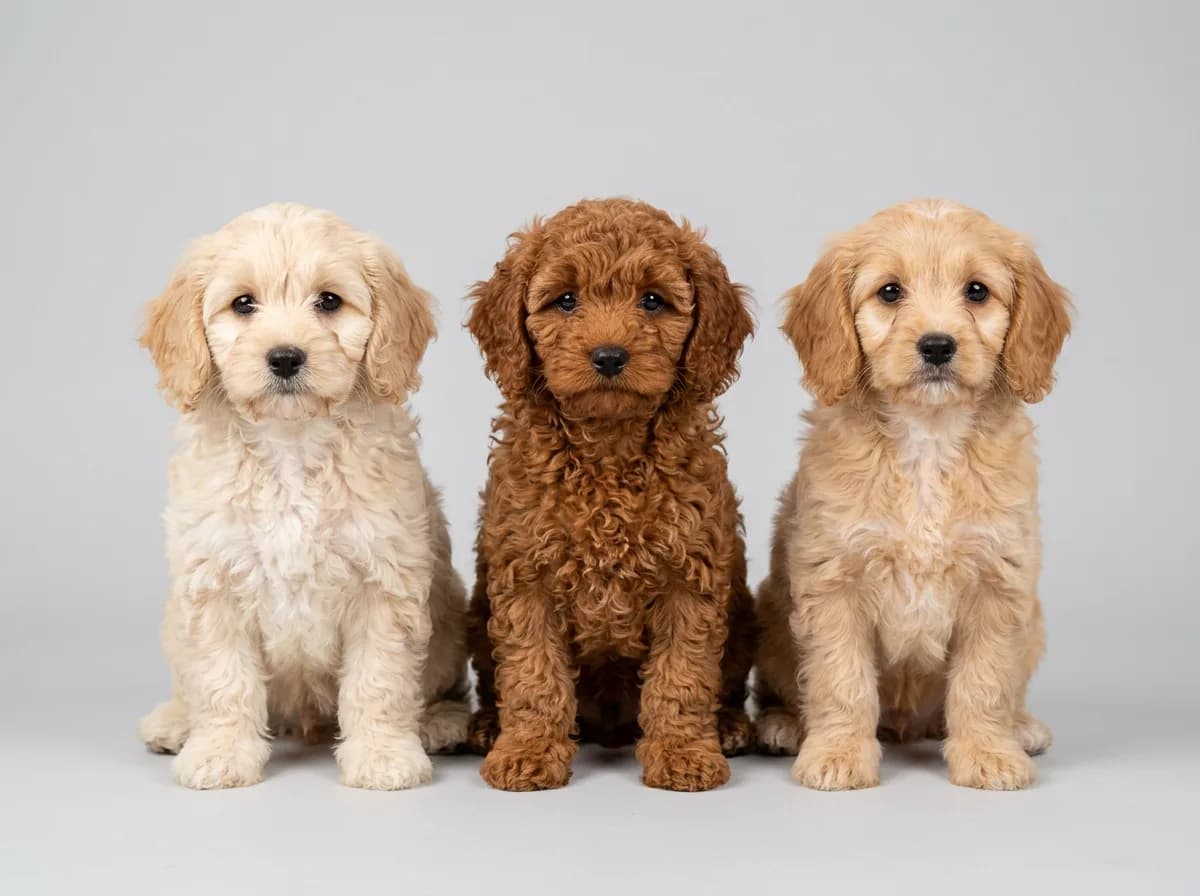
Coat, colors and shedding
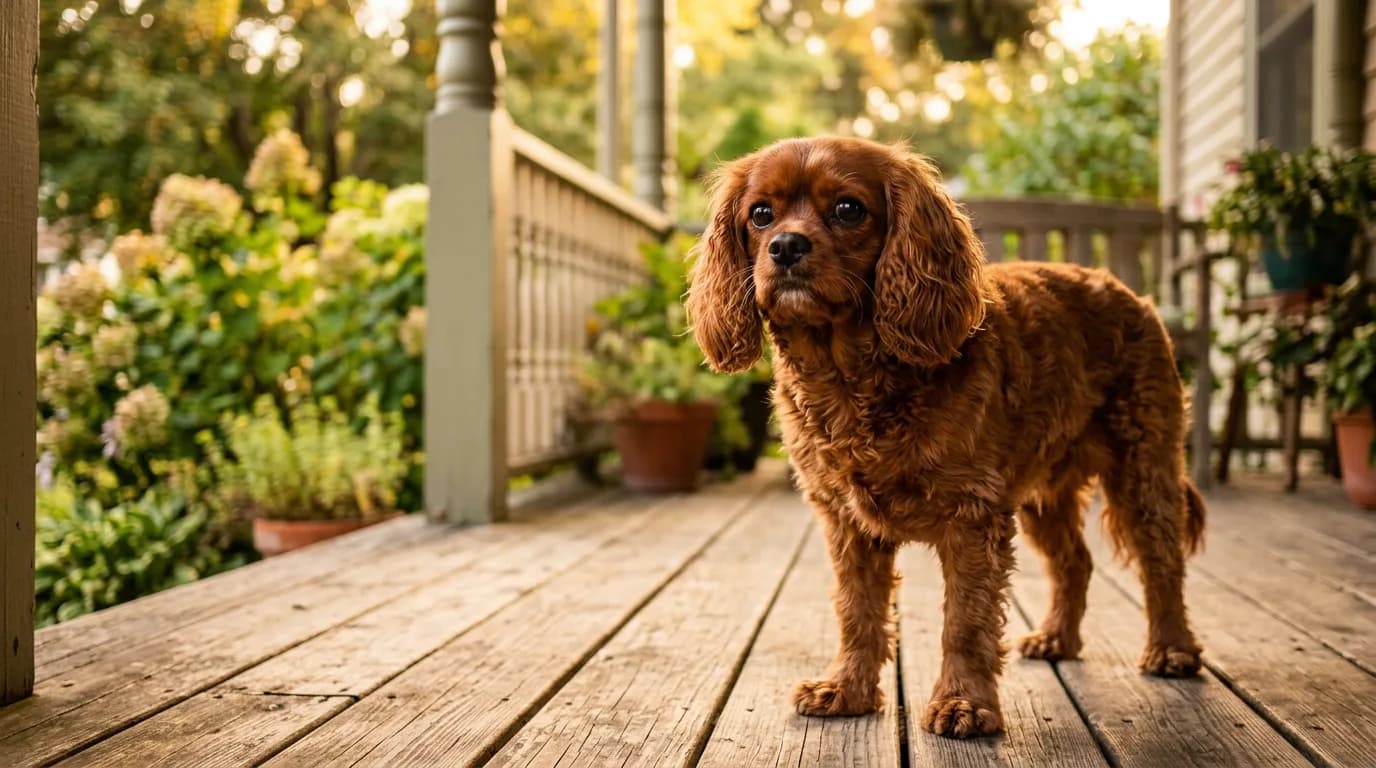
Cavapoo coats range from wavy to tight-curly, and the curlier the coat, the less it tends to shed. Common colors include cream, apricot, ruby (chestnut), black, and parti (two-color) patterns like Blenheim, inherited from the Cavalier side.
No dog is truly hypoallergenic, including the Cavapoo. The Poodle influence makes many Cavapoos low-shedding, which reduces loose hair and the amount of dander spread around a home, but no coat eliminates the allergen proteins found in dog saliva, skin, and urine. If shedding is your main concern, our detailed answer on whether Cavapoos shed breaks it down by coat type.
- The same curly coat that keeps hair off your couch also mats fast. A low-shedding Cavapoo needs brushing several times a week and a professional trim every 6 to 8 weeks, so "low-shedding" is not the same as "low-maintenance."
Are Cavapoos hypoallergenic?
No dog breed is truly hypoallergenic, and the Cavapoo is no exception, but it is often a better choice for allergy-sensitive households than a heavy-shedding breed. The confusion comes from how allergies actually work. Most people with a dog allergy react to proteins (the best studied is Can f 1) found in a dog's saliva, dander (dead skin flakes), and urine, not to the hair itself. Loose hair matters because it carries dander around your home, so a low-shedding coat spreads fewer of those allergen-laden flakes onto furniture, carpets, and the air.
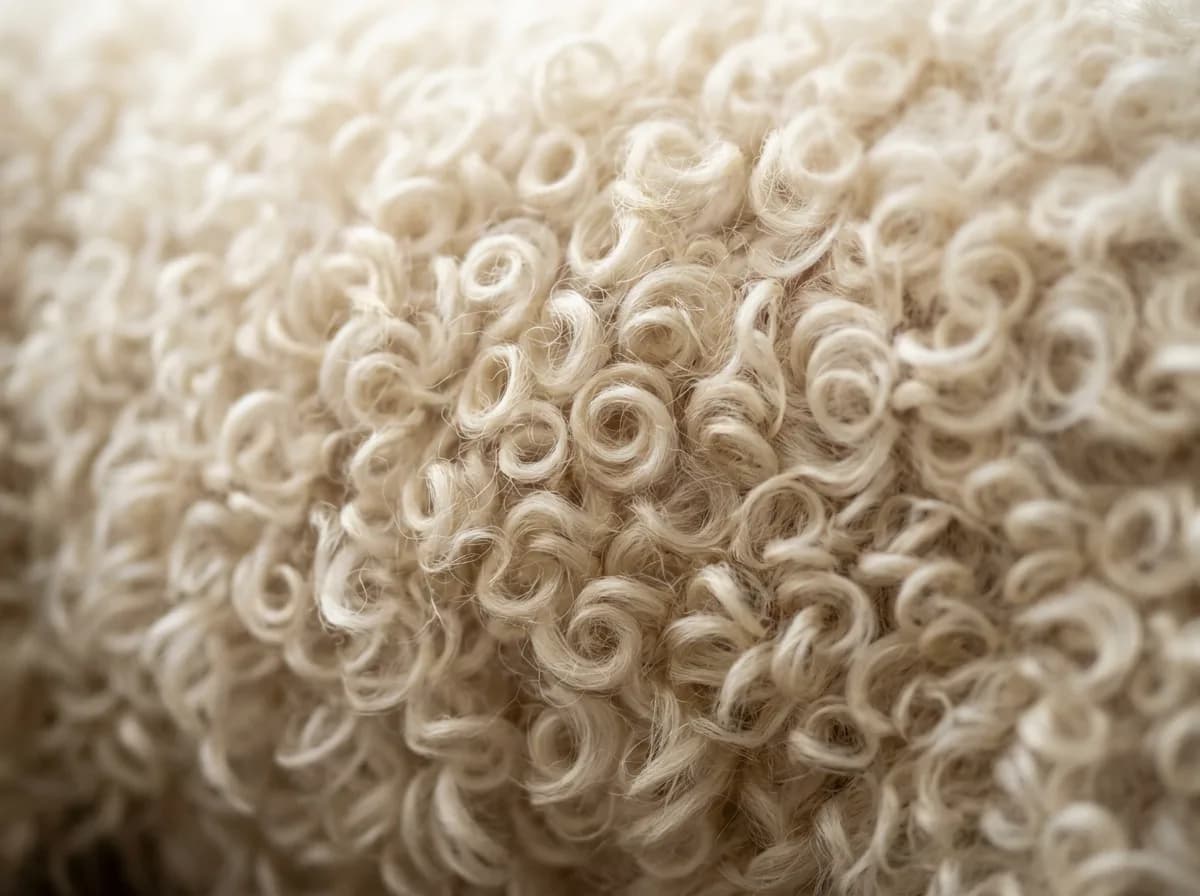
A Cavapoo with a curlier, more Poodle-like coat (often an F1b) will typically shed and spread less dander than one with a wavier, more Cavalier-like coat, but no Cavapoo eliminates the allergens entirely. If someone in your home has a diagnosed dog allergy, the honest advice is to spend time with adult Cavapoos before committing, keep up with frequent grooming and home cleaning, and treat "low-allergen" as a realistic goal rather than "allergy-free."
Cavapoo Temperament and Personality
The Cavapoo's temperament is its biggest selling point. Both parent breeds are people-oriented, and the cross reliably produces an affectionate, gentle, eager-to-please companion. Cavapoos are typically excellent with children, other dogs, and even cats, and their intelligence (from the Poodle side) makes them quick to train. For a deeper look at the personality traits, see our full Cavapoo temperament guide.
The Cavalier side brings a soft, snuggly, lap-dog disposition, while the Poodle side adds problem-solving intelligence and a playful streak. In a typical household, that combination shows up as a dog that follows you from room to room, settles happily on the couch, greets guests warmly rather than warily, and picks up basic obedience quickly. Cavapoos generally do well with respectful children and are not prone to guarding or aggression, though as with any small dog, supervision around toddlers protects both the child and the dog. Their sociability also means they usually get along with other pets, especially when introduced young and calmly.
Petful may earn a commission when you click through to Chewy, at no extra cost to you.
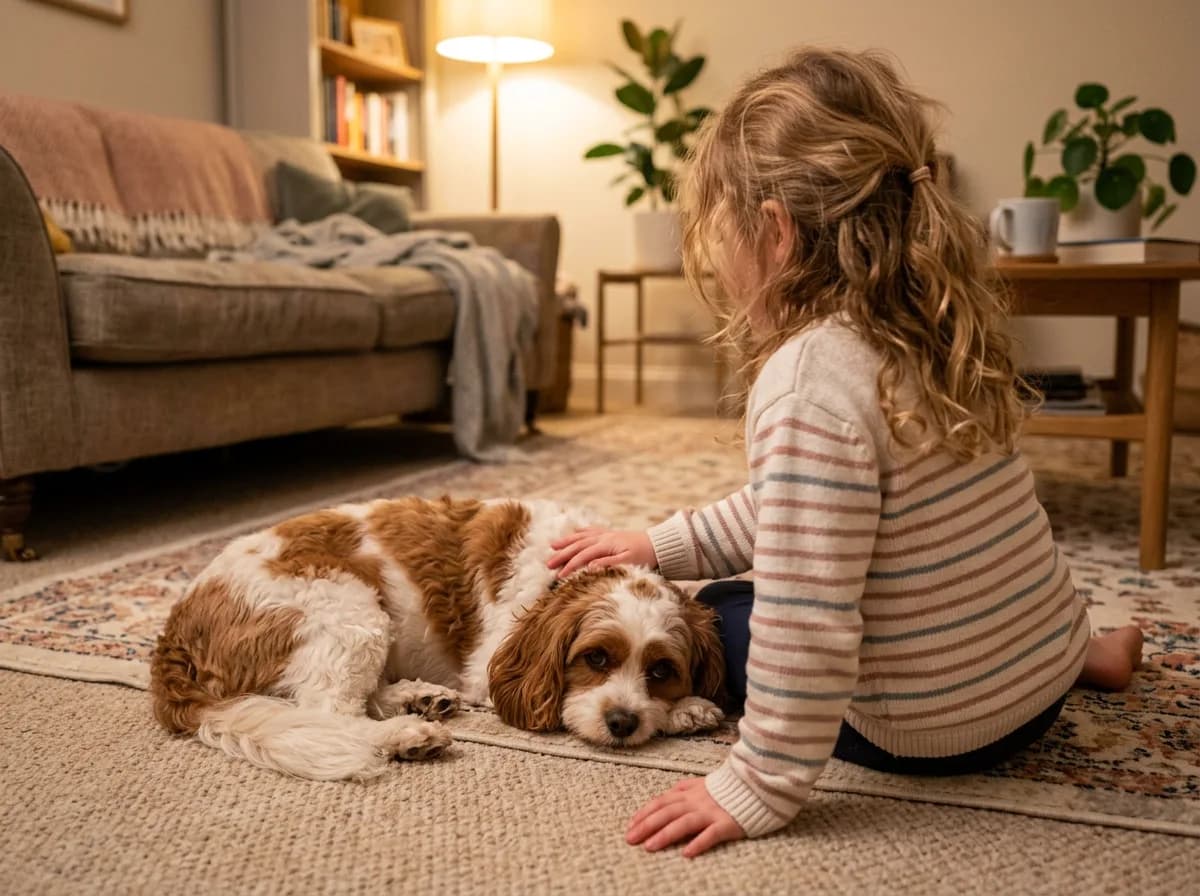
That sweetness comes with a catch: Cavapoos bond hard and do not like being left alone. They are prone to separation anxiety, which can show up as barking, chewing, or house-soiling when an owner is gone for long stretches. A Cavapoo is a fantastic fit for someone who is home often and a poor fit for a household that is empty ten hours a day.
Which is calmer, a Cavapoo or a goldendoodle?
Size and energy are the honest tiebreakers here. A Cavapoo is generally the calmer, lower-energy choice of the two: it is a small companion built from a lap-dog parent (the Cavalier) crossed with a toy or mini Poodle, so its baseline energy and exercise needs are modest. A goldendoodle carries Golden Retriever genes, which means a bigger dog with higher stamina and a stronger drive to run, retrieve, and work. Neither is hyperactive, but if "calm" is your top priority in a smaller apartment-friendly dog, the Cavapoo usually edges it out.
That said, temperament is a tendency, not a promise. An under-exercised, under-socialized Cavapoo can be anxious and vocal, while a well-raised goldendoodle can be mellow. The breeder's socialization work in the first eight weeks matters as much as the breed math, so ask how the puppies are raised, whether they are handled daily, and whether they meet a variety of people and everyday household noises before they go home.
How Much Does a Cavapoo Cost?
In the United States, a Cavapoo puppy from a responsible breeder typically costs between 1,500 and 4,000 dollars, with health-tested parents and in-demand colors at the top of that range. Prices below roughly 1,200 dollars are a red flag: they usually signal a breeder who skipped the cardiac, eye, knee, and DNA testing that protects your puppy from inherited disease, which is exactly where the real cost of the breed hides.
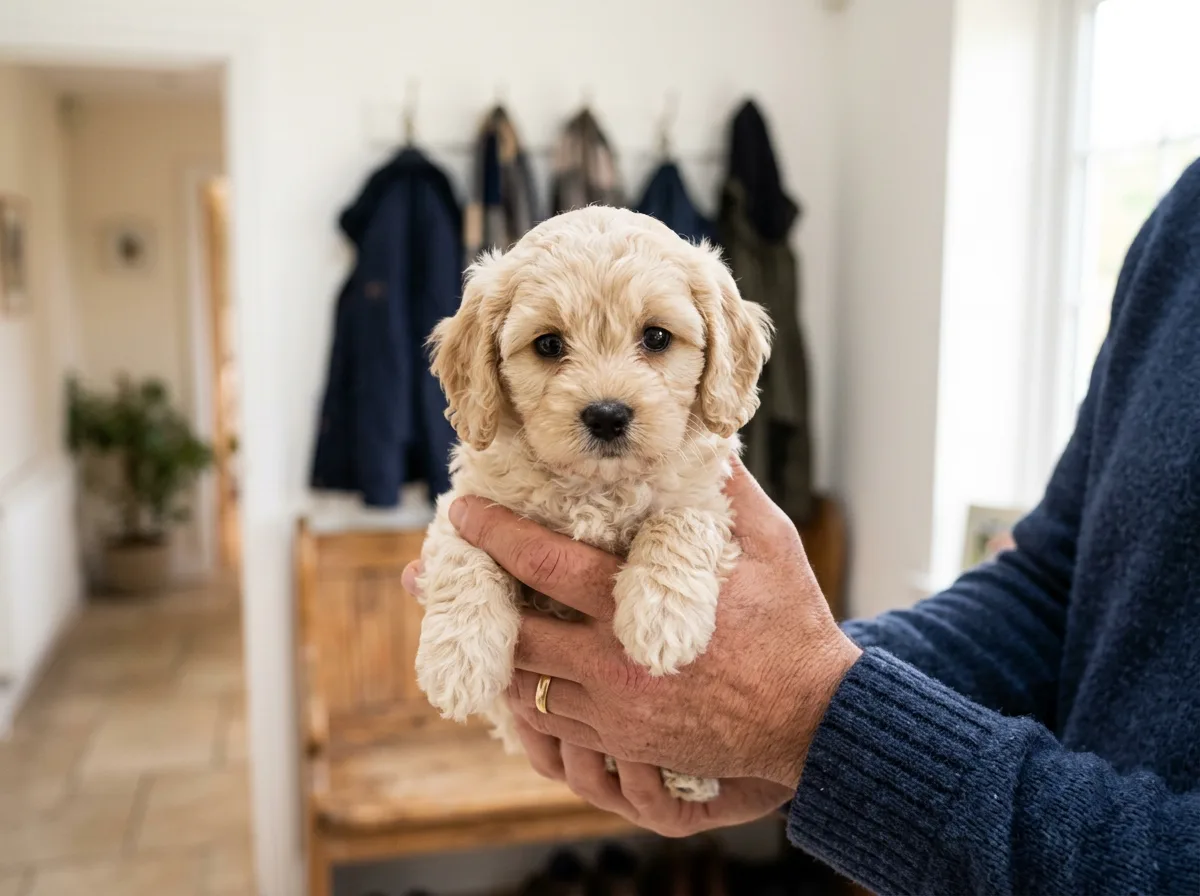
Marketplace and "puppy finder" sites often list lower sticker prices, but they rarely verify the breeder's health testing, so a cheap puppy can become an expensive adult. Our dedicated Cavapoo price breakdown walks through exactly what drives the number, from generation and color to the cost of the parent health testing that a responsible breeder has to recoup. If you are weighing the Cavapoo against a similar Poodle cross, it is also worth comparing it head to head with the Cockapoo, which crosses the Poodle with a Cocker Spaniel and tends to run slightly higher-energy.
| Cost | Typical US Range | Notes |
|---|---|---|
| Puppy (responsible breeder) | 1,500-4,000 dollars | Higher end reflects health-tested parents |
| First-year setup | 500-1,000 dollars | Crate, supplies, initial vet visits, spay or neuter |
| Food (annual) | 300-600 dollars | Small dog, modest quantity |
| Grooming (annual) | 600-1,200 dollars | Professional trim every 6-8 weeks |
| Routine vet and preventives (annual) | 500-1,000 dollars | Excludes major illness or surgery |
Ongoing cost and the health-testing premium
Do not judge a Cavapoo by its purchase price alone. Grooming every 6 to 8 weeks, quality small-breed food, and preventive veterinary care add up every year, and the inherited conditions in the next section can turn into four- or five-figure bills. Paying more up front for a puppy from health-screened parents is the cheapest insurance you can buy against those outcomes.
How US region and lifestage change the price
Where you live moves the Cavapoo's price as much as the breeder does. In high-cost metro areas on the coasts (think the Northeast corridor, California, and the Pacific Northwest), well-bred puppies commonly sit at the upper 3,000 to 4,000 dollar end, while breeders in the Midwest and parts of the South more often list in the 1,500 to 2,800 dollar range for comparable health testing. Popular "Blenheim" (chestnut and white) and solid ruby coats, along with the smaller toy-cross size, tend to carry a premium over larger mini crosses and less-requested colors.
Lifestage matters too. An 8-to-12-week-old puppy commands the highest price; an "older" puppy of 4 to 6 months that did not sell often drops in price, and a retired adult breeding dog or a rehomed adult can be far cheaper (sometimes a few hundred dollars) or free through a breed-specific or doodle rescue. Adopting an adult trades the puppy premium and the unknowns of a young puppy for a dog whose adult size, coat, and temperament you can already see. Whatever the age, the health-testing question does not change: ask for the parents' clearances even when you are adopting an adult, because the inherited conditions in the next section show up across the whole lifespan.
| Factor | Lower Price | Higher Price |
|---|---|---|
| US region | Midwest, parts of the South | Coastal metros (Northeast, CA, PNW) |
| Size | Larger mini cross | Smaller toy cross |
| Color | Common solids | Blenheim, ruby, rare parti |
| Lifestage | Older puppy or adult | 8-12 week puppy |
| Breeder testing | Minimal or none (a red flag) | Full cardiac, eye, DNA, and OFA joint clearances |
Cavapoo Health: Inherited Conditions to Screen For
This is the section most Cavapoo listings skip, and it is the most important one. Because a Cavapoo is a cross, it can inherit conditions from both parent breeds. A responsible breeder tests the parent dogs for the specific problems each breed is known to carry. Here is what to ask about, backed by veterinary and breed-club data.

Petful may earn a commission when you click through to Chewy, at no extra cost to you.
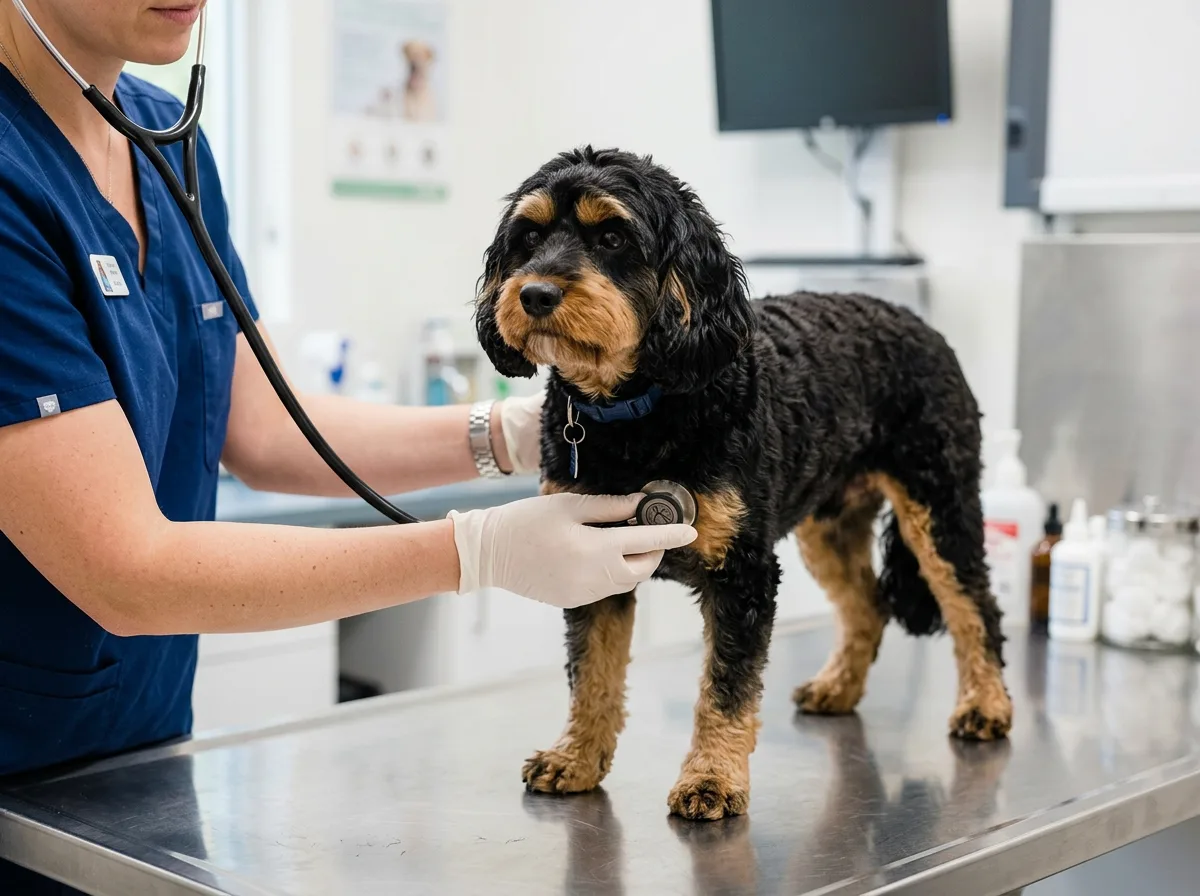
From the Cavalier side: heart and neurological disease
Mitral valve disease (MVD). This is the single biggest inherited concern in the Cavalier King Charles Spaniel, and it is the leading cause of death in the breed. MVD is a degenerative heart-valve condition that is roughly 20 times more prevalent in Cavaliers than in the average dog. Studies estimate that more than half of Cavaliers show a heart murmur (the earliest sign) by age 5, and about 90 percent by age 10. A cardiac breeding protocol developed by veterinary specialists recommends that breeding Cavaliers be examined annually by a board-certified veterinary cardiologist and not bred if they develop an MVD murmur before age 5. Ask any Cavapoo breeder whether the Cavalier parent's heart was cardiologist-cleared.
Syringomyelia (SM) and Chiari-like malformation (CM). This is a serious neurological condition in which fluid-filled cavities form in the spinal cord, causing pain and neurological signs. It is common and heritable in Cavaliers: MRI-screening studies have found syringomyelia in roughly 25 percent of one-year-old Cavaliers, rising to about 70 percent of those aged 6 and older. The only reliable screen is an MRI of the brain and upper spine.
- If a Cavapoo breeder cannot show you the Cavalier parent's annual cardiologist heart clearance and, ideally, MRI screening for syringomyelia, walk away. These are the two conditions most likely to shorten and lower the quality of a Cavapoo's life, and they are the two most often skipped.
From the Poodle side: eyes, knees, hips and seizures
- Progressive retinal atrophy (PRA). A hereditary, painless, and irreversible degeneration of the retina that leads to blindness. Poodles of all three sizes are at risk, and there is a DNA test for the common Poodle form, so a responsible breeder can confirm the Poodle parent is clear.
- Patellar luxation. A slipping kneecap that is common in toy and miniature Poodles (and therefore in smaller Cavapoos). The Orthopedic Foundation for Animals (OFA) offers a patella evaluation.
- Hip dysplasia. A malformation of the hip joint seen more in standard Poodles but worth screening via OFA hip evaluation on the Poodle parent.
- Epilepsy. Poodles can be affected by idiopathic epilepsy, which causes recurrent seizures and often requires lifelong medication.
The Poodle Club of America recommends health testing that includes a PRA DNA test, an eye exam by a board-certified ACVO ophthalmologist, and OFA evaluations for patella and hips. A Cavapoo breeder should be able to produce these results for the Poodle parent.
- Ask: "Can I see the health-test results for BOTH parents?" A responsible breeder answers with cardiologist heart clearances, ACVO eye exams, OFA patella and hip results, and PRA DNA status. A puppy mill or backyard breeder changes the subject.
Everyday health issues beyond the big inherited ones
Two smaller problems are common enough in Cavapoos to plan for from day one. The first is ear infections. Both parent breeds have low-set, floppy, hair-lined ears that trap warmth and moisture, which is exactly what yeast and bacteria need, so recurrent ear infections are one of the most frequent reasons Cavapoos see a vet. Weekly ear checks, keeping the ear canal hair trimmed, and drying the ears after baths and swims prevent most of them.
The second is dental disease. Small breeds in general, and the Cavalier line in particular, are prone to early tartar buildup, gum disease, and crowded teeth, which can drive tooth loss and, in Cavaliers, has been linked to added strain on an already at-risk heart. Daily or near-daily tooth brushing, vet-recommended dental chews, and professional cleanings when your veterinarian advises them keep the mouth (and the rest of the dog) healthier for longer. Cavapoos can also inherit food and skin allergies that show up as itching, ear flare-ups, and paw licking; if you see that pattern, your vet can help you work through diet and environmental triggers.
The one-page screening checklist to demand
Before you pay a deposit, ask the breeder to produce, in writing, this parent-testing paper trail: an annual cardiologist heart clearance for the Cavalier parent (ideally with MRI screening for syringomyelia), a PRA DNA result and an ACVO ophthalmologist eye exam for the Poodle parent, and OFA patella and hip evaluations for the Poodle parent. Reputable breeders register many of these results publicly with the Orthopedic Foundation for Animals, so you can often verify them yourself rather than take a seller's word. A breeder who has done this work will hand it over readily; one who deflects, offers a "vet checked" note in place of specialist testing, or pressures you to decide fast is telling you what you need to know.
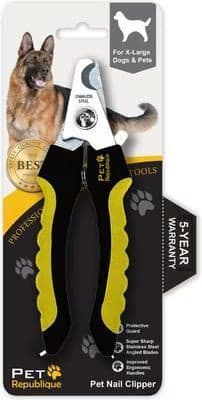
Sharp stainless-steel clippers with a built-in safety guard to help prevent over-cutting, sized for large breeds.
Petful may earn a commission when you click through to Chewy, at no extra cost to you.
Cavapoo lifespan
With good breeding and routine care, a Cavapoo typically lives 12 to 15 years, a normal range for a small companion dog. The inherited conditions above are what most often cut that short, which is why parent health testing is the strongest predictor of a long life. Keeping your Cavapoo lean, on top of dental care, and current on preventive veterinary visits does more for those years than almost anything else you can buy. We go deeper in our Cavapoo lifespan guide.
Grooming and Care Requirements
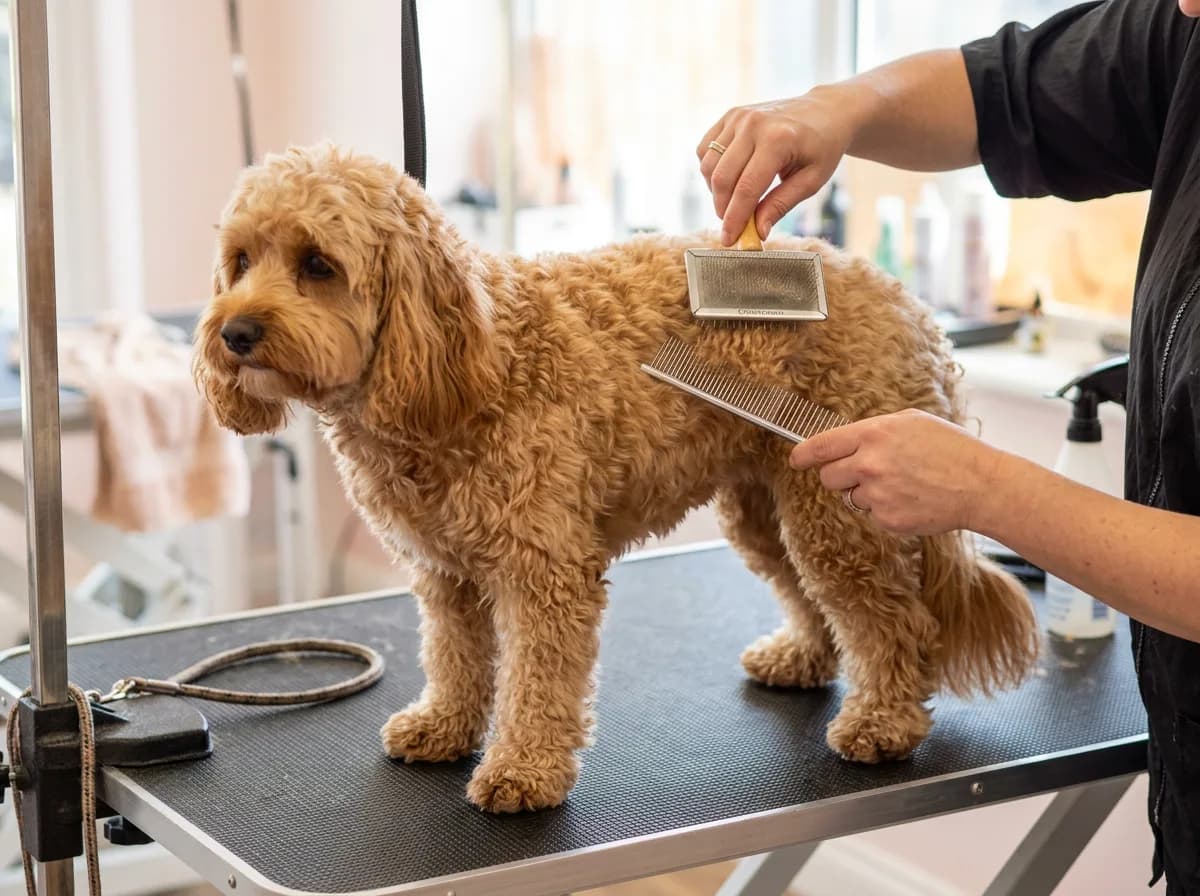
A Cavapoo's low-shedding coat is high-maintenance, and this is the honest answer to whether the breed is "high maintenance": on grooming, yes; on temperament and exercise, no. The wavy-to-curly coat mats easily and needs brushing several times a week, plus a professional groom (trim, bath, ear and nail care) every 6 to 8 weeks. Neglect the brushing and mats form close to the skin, which is painful and often has to be shaved out. Our Cavapoo grooming guide covers the tools and schedule in detail.
Is a Cavapoo high maintenance?
- Grooming: high. Brushing several times a week and a groomer every 6 to 8 weeks are non-negotiable for a curly coat.
- Exercise: low to moderate. Two short-to-medium walks a day plus play is plenty; this is a companion dog, not an athlete.
- Attention: high. Cavapoos need company and are prone to separation anxiety, so emotionally they are demanding even when physically easygoing.
- Diet: straightforward. A quality small-breed food in the right portion keeps most Cavapoos in good shape; watch the calories, because small dogs gain weight fast.
- Ears: weekly. Both parent breeds have floppy, hair-lined ears that trap moisture and wax, so Cavapoos are prone to ear infections. Check and gently clean the ears every week, and keep the hair inside them trimmed.
Exercise and diet in practice
A Cavapoo does not need a lot of exercise, but it does need consistent, daily activity to stay happy and out of trouble. Aim for two walks a day plus some play or training games, which double as mental exercise for an intelligent breed. Puppies need less formal exercise and more short, frequent play and rest, and you should avoid forced running or long hikes on a young Cavapoo's developing joints, especially given the patellar and hip risks on the Poodle side.

Petful may earn a commission when you click through to Chewy, at no extra cost to you.
On diet, feed a good-quality food formulated for small breeds and portion it by your dog's ideal weight, not the generous number on the bag. Small dogs pile on weight quickly, and excess weight makes every one of the breed's joint and heart risks worse. Split the daily amount into two meals, keep treats to a small fraction of daily calories, and check with your veterinarian if you are unsure what your individual Cavapoo should weigh.
Training and Living With a Cavapoo
Cavapoos are intelligent and eager to please, which makes them highly trainable with positive, reward-based methods. Early socialization and puppy classes pay off for life. The two training priorities that matter most for this breed are house-training (small dogs can be slower to house-train) and, above all, preventing separation anxiety by teaching your puppy from day one that being alone for short, gradually increasing stretches is safe and normal.
Where should a Cavapoo sleep?
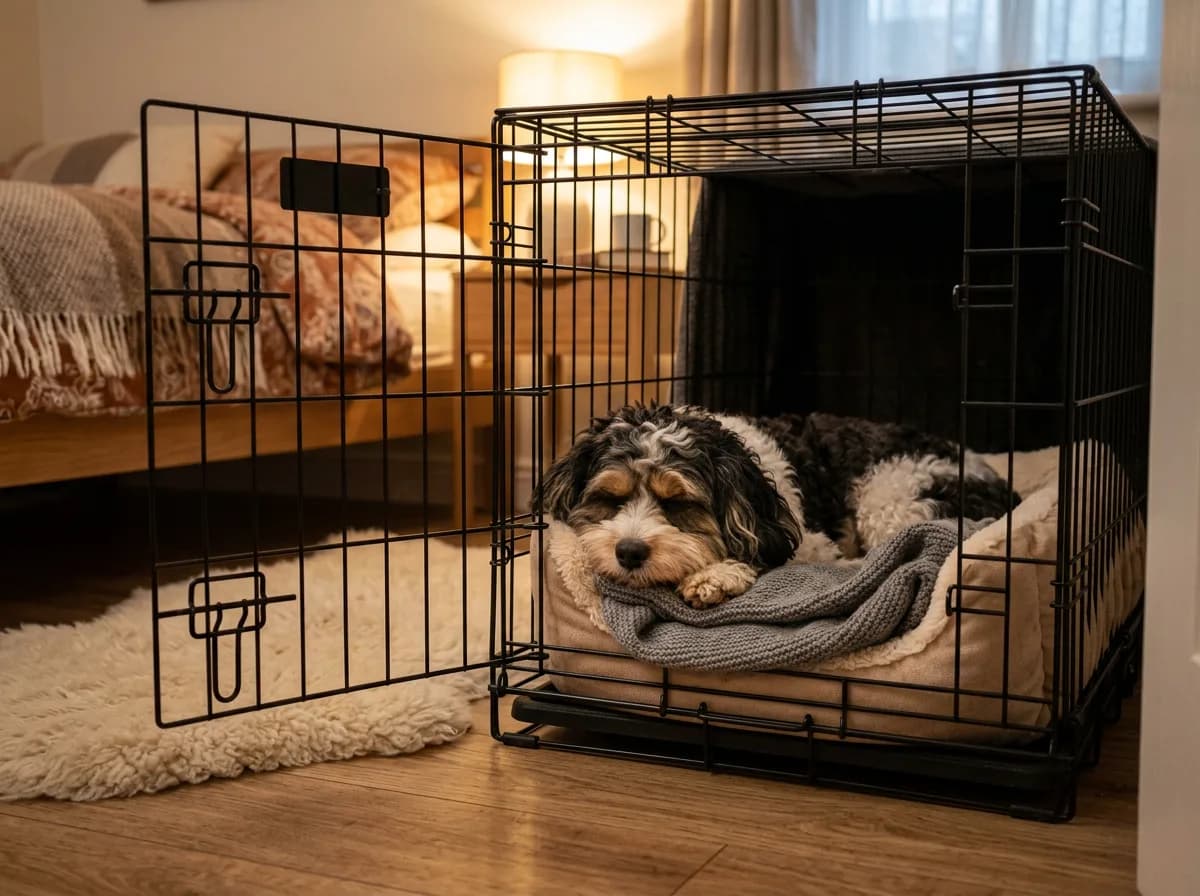
For most owners and puppies, the best answer is a crate or a dog bed in or near the bedroom. A crate gives a Cavapoo a safe, den-like space, speeds up house-training, and prevents nighttime accidents and chewing. Keeping that crate or bed close to you (rather than isolated in a distant room) suits a breed that hates being alone and reduces nighttime anxiety, especially in the first weeks. As your Cavapoo matures and is fully house-trained, you can decide whether to allow it onto furniture or your bed, but a settled sleep routine in a consistent spot is what a young Cavapoo needs first.
- Because separation anxiety is the Cavapoo's most common behavioral downside, practice short absences early: leave the room, then the house, for a minute, then five, then longer, always returning calmly. A dog taught that alone-time is normal is a happier dog.
Socialization and the first four months
The window that shapes a Cavapoo's adult temperament closes early. The prime socialization period for puppies runs roughly from 3 to 14 weeks, which means most of it happens at the breeder's home before your puppy ever comes to you, and the rest in the first few weeks after. That is why the breeder's daily handling and exposure work matters so much, and why it is worth asking exactly what a litter has met (different people, floor surfaces, household noises, car rides) before you choose. Once your puppy is home and your vet clears it for controlled outings, keep the momentum going with a well-run puppy class, calm introductions to friendly vaccinated dogs, and gentle exposure to the everyday world. A Cavapoo that is thoughtfully socialized in these first months grows into the confident, easygoing companion the breed is known for; one that is under-socialized is far more likely to become the barky, clingy, or timid dog that gives the breed its worst reviews.
How the Cavapoo compares to similar crosses
If you are shopping across the small doodle world, a few honest comparisons help. Against the Cockapoo (Cocker Spaniel and Poodle), the Cavapoo is usually a touch calmer and more of a lap dog, while the Cockapoo tends to bring a bit more energy and prey drive from its spaniel side. Against the Maltipoo (Maltese and Poodle), the two are similar in size and cuddliness, but the Cavapoo's Cavalier heritage often makes it slightly more robust and outgoing. Against the Goldendoodle and Labradoodle, the difference is mostly one of scale: those are larger, higher-stamina dogs bred from retrievers, whereas the Cavapoo is a small companion built for the couch and short walks. None of these crosses is a purebred, so in every case the same rule applies: the individual breeder's health testing and puppy-raising matter more than the breed name on the listing. Petful’s guide to Maltese has the full breakdown.
Compare the two crosses in our Cavachon vs. Cavapoo guide, including size, coat care and household fit.
Is a Cavapoo Right for You? Pros and Cons
The Cavapoo is close to an ideal companion dog for the right home, but it is not a low-effort pet, and a few real downsides deserve a clear-eyed look before you commit.
Pros:
- Affectionate, gentle, family-friendly temperament
- Small size that suits apartments and smaller homes
- Low-to-moderate shedding (though not truly hypoallergenic)
- Intelligent and highly trainable
- Long typical lifespan of 12 to 15 years
Cons (the real downsides):
- Prone to separation anxiety; needs company and hates being left alone
- High grooming demands: frequent brushing plus a groomer every 6 to 8 weeks
- Can inherit serious conditions from BOTH parent breeds (heart, spine, eyes, knees, hips)
- No breed standard or registry oversight, so quality varies wildly by breeder
- Marketplace and "teacup" listings invite impulse buys from unscreened lines
- The Cavapoo's worst-case outcomes almost all trace back to unscreened parents. The single most important thing you can do is refuse to buy from any breeder who will not show cardiologist heart clearances, MRI or eye results, and OFA joint testing for both parents.
Cavapoo FAQs
The main downsides are separation anxiety (Cavapoos bond closely and dislike being left alone), high grooming needs (frequent brushing plus a professional trim every 6 to 8 weeks), and the risk of inheriting serious conditions from both parent breeds, including Cavalier-side heart disease and syringomyelia and Poodle-side eye, knee, and hip problems. Because there is no breed standard, quality also varies a lot between breeders.
In the United States, a Cavapoo puppy from a responsible, health-testing breeder typically costs 1,500 to 4,000 dollars, with the higher end reflecting parents cleared for heart, eye, and joint conditions and popular colors. Prices under about 1,200 dollars usually signal skipped health testing.
A Cavapoo is generally the calmer of the two. It is a small companion dog built from a lap-dog Cavalier and a toy or mini Poodle, so its energy and exercise needs are lower than a goldendoodle's, which carries higher-energy Golden Retriever genes and a stronger drive to run and retrieve.
On grooming and attention, yes: the curly coat needs brushing several times a week and a groomer every 6 to 8 weeks, and the breed needs company because it is prone to separation anxiety. On exercise, no: two short-to-medium walks plus play a day is plenty for this small companion dog.
Cavapoos usually cost 1,500 to 4,000 dollars as puppies from a responsible US breeder, plus ongoing yearly costs of roughly 600 to 1,200 dollars for grooming, 300 to 600 dollars for food, and 500 to 1,000 dollars for routine veterinary care and preventives. Health-tested parents push the puppy price toward the top of the range.
There is no single answer, but small companion breeds and crosses like the Cavapoo, the Cavalier King Charles Spaniel, and the Bichon Frise are consistently ranked among the gentlest and calmest for families, because they were bred as affectionate lap dogs rather than working or hunting dogs. The Cavapoo is a strong pick if you want a calm, people-focused dog in a small package.
The biggest disadvantage is that a Cavapoo can inherit health problems from both parent breeds, so unscreened lines carry real risk of heart disease, syringomyelia, eye disease, and joint problems. Add separation anxiety and demanding grooming, and the Cavapoo is a rewarding but not effortless dog that depends heavily on choosing a health-testing breeder.
Most Cavapoos do best sleeping in a crate or a dog bed placed in or near the owner's bedroom. A crate provides a safe, den-like space, speeds house-training, and prevents nighttime chewing, while keeping it close to you eases the separation anxiety this breed is prone to, especially in the first weeks at home.

Coreen Saito is a pet writer and longtime shelter volunteer with more than a decade in animal rescue. She covers cat behavior, breed care, and the small, ordinary science of sharing a life with companion animals, with a particular focus on honest takes about the products and decisions that actually matter. At home in Arizona, she's outranked by Mac (a dog with the loudest opinion in the house), Rebel (a cat who governs by quiet authority), and Meri (an orange tabby who runs the late shift and the laundry basket). She writes about all three, plus the rescues that keep coming through her life, at LifeWithMinty.com.
Sign up for expert-backed reviews and safety alerts all in one place.