Cavapoo Temperament: A Great Family Dog?
What is a Cavapoo's temperament really like? Affectionate, gentle, smart, and deeply people-oriented, the Cavapoo is a great family dog, but it is prone to separation anxiety and needs plenty of company. Here is the full picture before you commit.
Petful is reader supported. As an affiliate of platforms like Amazon and Chewy, we may earn a commission when you buy through links on this page. There is no extra cost to you.
The Cavapoo temperament is best summed up in three words: affectionate, gentle, and eager to please, which is exactly why this Cavalier King Charles Spaniel and Poodle cross has become one of the most popular family companions in the United States and the United Kingdom. A well-raised Cavapoo blends the sweet, people-loving nature of the Cavalier with the bright, trainable mind of the Poodle, and the result is a small dog that wants nothing more than to be near its people. That people-oriented core makes the Cavapoo a genuinely good family dog for most homes, from families with young children to first-time owners and seniors. But temperament is never the whole story. The same devotion that makes a Cavapoo so loving also makes it prone to separation anxiety, and its intelligence comes with a real need for daily attention and mental work. This guide walks through the full picture: the core traits, the honest downsides, how much they bark, how long they can be left alone, and what actually shapes a balanced Cavapoo.
- 1The Cavapoo temperament is affectionate, gentle, smart, and deeply people-oriented, making it an excellent family dog for most homes
- 2Cavapoos are great with children, seniors, and first-time owners, and generally get along well with other pets when socialized
- 3The biggest downside is separation anxiety: this is a velcro breed that struggles when left alone for long stretches
- 4Cavapoos are moderate barkers, not naturally yappy, but boredom and anxiety can turn up the volume
- 5Genetics (Cavalier vs Poodle lean), early socialization, and consistent positive training shape the adult temperament far more than sex or color

Sign up for expert-backed reviews and safety alerts all in one place.
What Is the Cavapoo Temperament Like?
The Cavapoo temperament comes straight from its two parent breeds, and understanding them is the fastest way to know what you are signing up for. The Cavalier King Charles Spaniel is a classic companion breed: calm, sweet-natured, affectionate, and happiest curled on a lap. The Poodle, recognized by the American Kennel Club as one of the most intelligent dog breeds, brings alertness, energy, trainability, and a playful streak. A Cavapoo inherits a blend of both, which is why the breed reads as a gentle lap dog and a clever, active little companion at the same time.
In practice, most Cavapoos share a recognizable set of core traits. They are affectionate almost to a fault, forming intense bonds with their families. They are gentle and rarely aggressive, which is what makes them so trustworthy around children and other animals. They are eager to please, a trait that makes training easier than with many small breeds. And they are highly people-oriented, preferring human company to being left on their own.
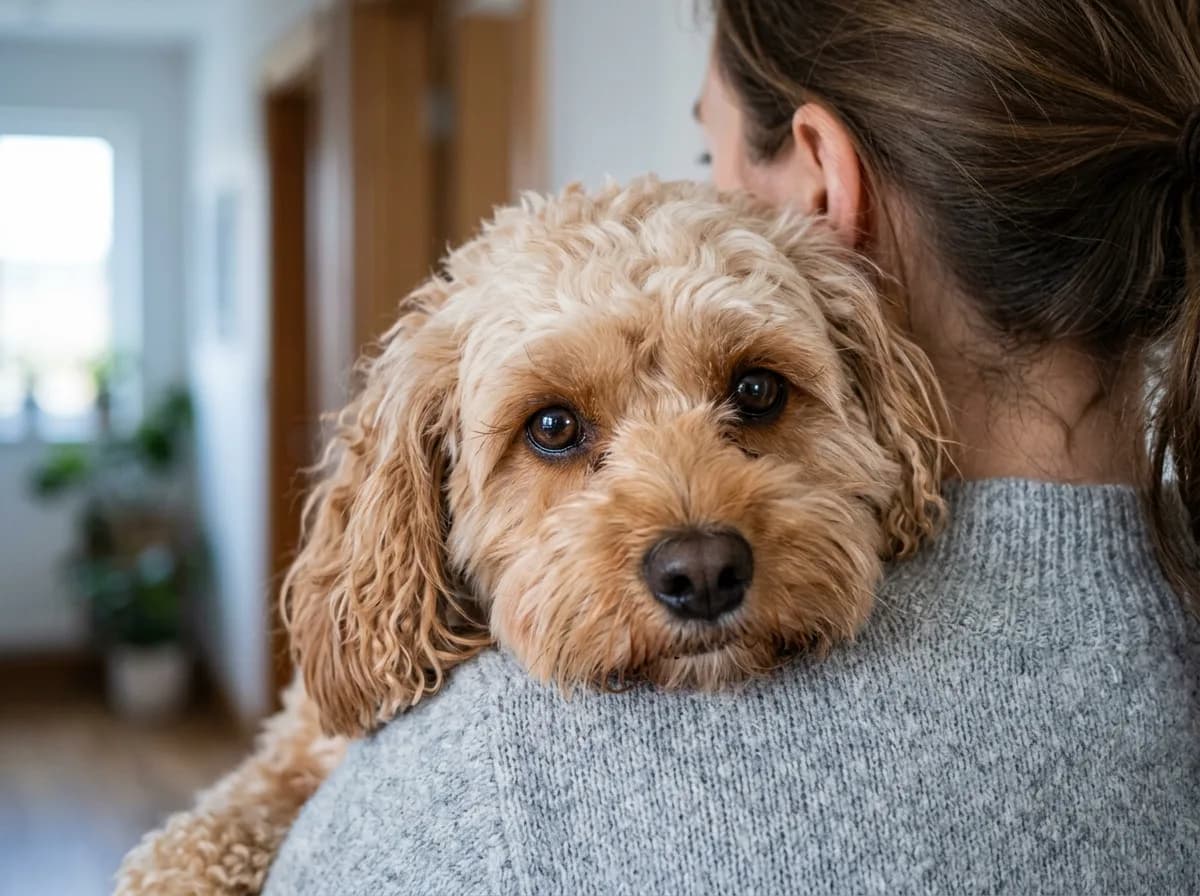
- A Cavapoo is a Cavalier King Charles Spaniel crossed with a Poodle, usually a Toy or Miniature. The Cavalier contributes gentleness and a love of cuddling, the Poodle contributes intelligence and energy. Most temperament questions about the breed trace back to this mix.
Cavalier Calm Meets Poodle Smarts
Every Cavapoo sits somewhere on a spectrum between its two parents. A Cavalier-dominant dog tends to be mellower, more of a lap dog, and slightly less demanding of mental stimulation. A Poodle-dominant dog tends to be more energetic, more alert, and hungrier for training and games. Neither is better, but knowing which way a given dog leans helps you match it to your lifestyle. If you meet the parents, you get a strong preview of where a puppy is likely to land. For the full breakdown of size, care, and living needs, our Cavapoo breed guide covers the whole picture.
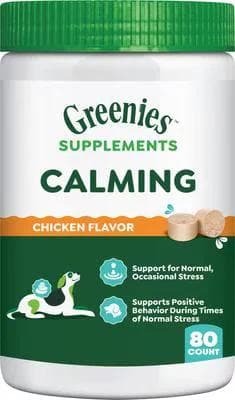
Chicken flavored soft chews that support calm, positive behavior during times of occasional stress like fireworks and storms.
Petful may earn a commission when you click through to Chewy, at no extra cost to you.
Are Cavapoos Good Family Dogs?
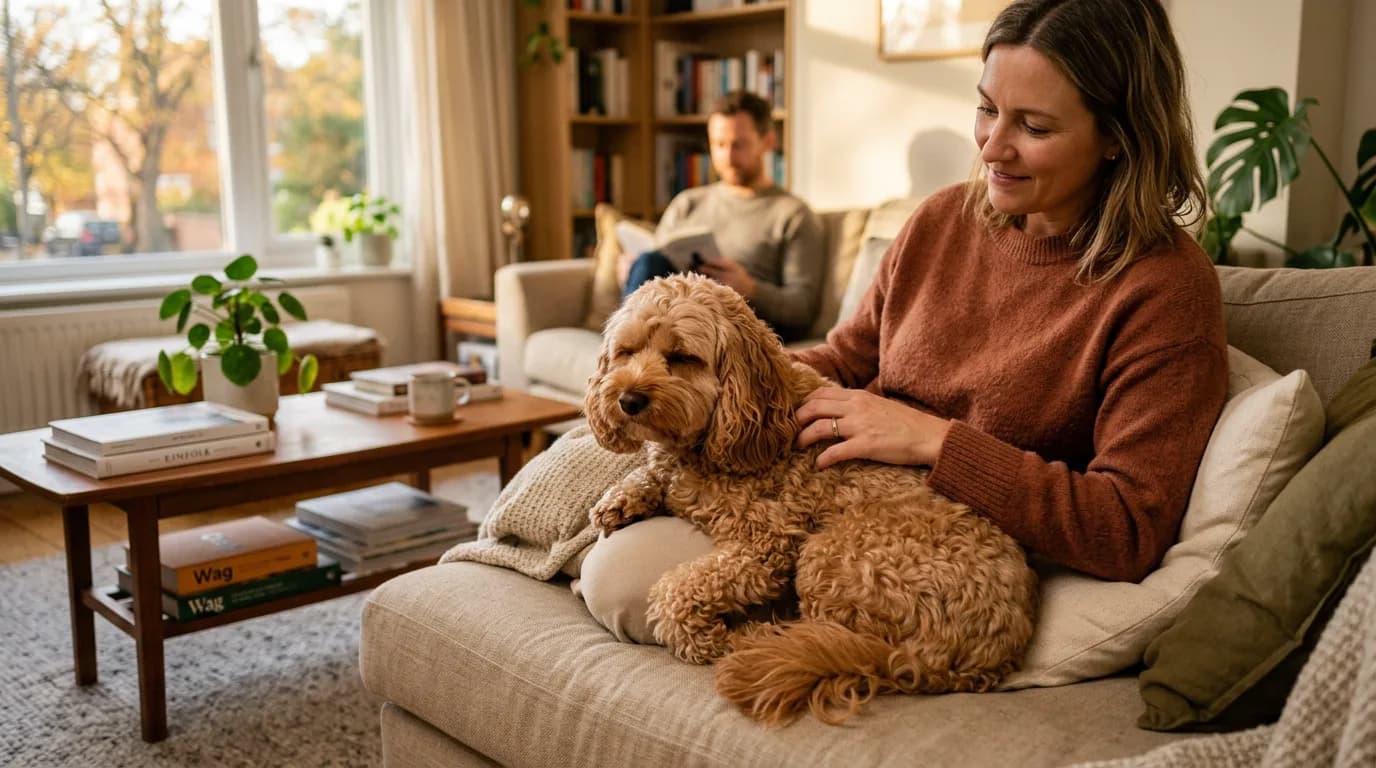
Yes, Cavapoos are widely considered excellent family dogs, and it is one of the top reasons the breed is so popular. Their gentle, patient, affectionate temperament makes them a natural fit for households with children, and their adaptable, sociable nature suits everything from a busy family home to a quiet apartment with a single senior owner. The breed's small size and low-aggression disposition mean a Cavapoo is far more likely to want to play and cuddle than to guard or dominate.
That said, "good family dog" comes with a few sensible caveats. Because Cavapoos are small and can be delicate, especially as puppies, interactions with very young children need supervision so a toddler does not accidentally hurt the dog. And a family that is out of the house for long working days is a poor match for a breed that hates being alone. When those two conditions are met, supervised kids and reliable companionship, a Cavapoo is about as family-friendly as a dog gets.
Cavapoos and Children
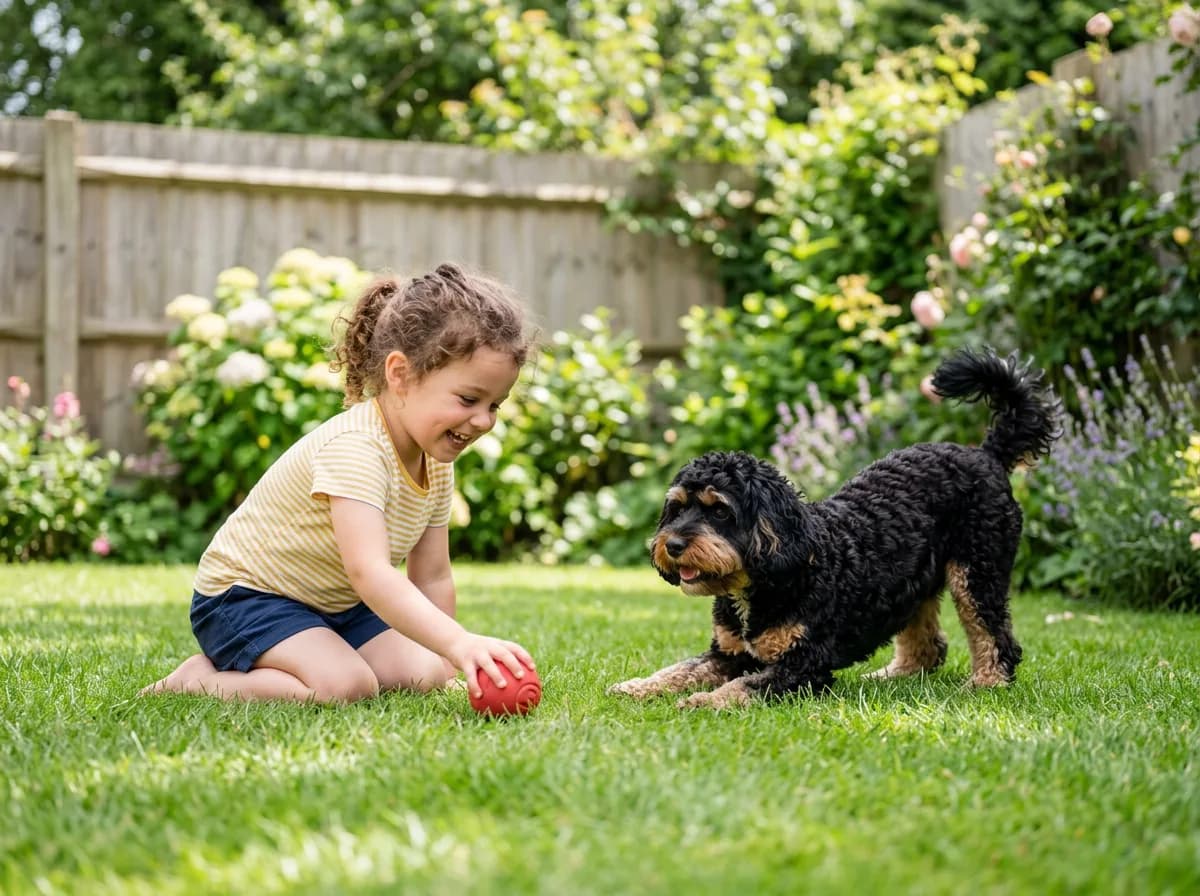
Cavapoos are gentle and playful with children, and their eager-to-please nature means they usually tolerate the energy and unpredictability of kids well. The key is teaching children to handle the dog calmly and respect its space, and never leaving a small dog unsupervised with a toddler. Raised alongside considerate children, a Cavapoo often becomes a devoted playmate and a patient companion.
Cavapoos, Seniors, and First-Time Owners
The breed is equally well suited to older adults and people who have never owned a dog before. Cavapoos are small, easy to handle, highly trainable, and content with moderate exercise, so they do not overwhelm a first-time or less active owner. Their affectionate, companionable nature is a genuine comfort for seniors living alone, provided the owner is home enough to meet the dog's need for company.
Cavapoos and Other Pets
With proper socialization, Cavapoos generally get along well with other dogs and even cats. They are sociable and non-territorial by nature, and early, positive introductions go a long way. As with any dog, individual results vary, but the breed's baseline friendliness makes multi-pet households very achievable.
- Individual Cavapoos vary. If you have very young children or another pet, ask the breeder or rescue to point you toward a puppy or dog with a calm, confident, sociable temperament, and meet it in person before committing.
Common Cavapoo Personality Traits (The Pros)
Beyond being a good family dog, the Cavapoo has a set of standout personality strengths that explain its popularity. These are the traits owners fall in love with.
Highly Trainable and Intelligent
Thanks to the Poodle side, Cavapoos are smart and quick to learn. Combined with their eager-to-please attitude, that intelligence makes them one of the more trainable small breeds. They respond exceptionally well to positive, reward-based training and can master basic obedience, house training, and fun tricks with consistency. This trainability is also why they do well in busy homes: a Cavapoo that understands the rules is an easy dog to live with.
Sociable and Friendly
Cavapoos are social butterflies. They typically greet strangers, children, and other animals with a wagging tail rather than suspicion. This friendliness makes them poor guard dogs but wonderful companions, and it is a big part of why they slot so easily into family life and social settings.
Petful may earn a commission when you click through to Chewy, at no extra cost to you.
Adaptable to Apartments and Small Homes
Because they are small, relatively quiet, and content with moderate exercise, Cavapoos adapt beautifully to apartment living. They do not need a large yard, only daily walks, some playtime, and, above all, the company of their people. A Cavapoo in a small apartment with an attentive owner is often happier than one in a big house left alone all day.
Low-Shedding Companionship
While coat care is a commitment, the Cavapoo's low-shedding coat is a genuine temperament-adjacent perk: it makes the breed a cleaner, more allergy-friendly companion to have underfoot all day. If shedding and allergies are on your mind, see our detailed look at whether Cavapoos shed and what that means for sensitive households.
- Do not get a Cavapoo expecting a protector. Their friendly, trusting temperament means they are far more likely to greet an intruder than to warn you about one. What you get instead is one of the most affectionate companion dogs available.
The Downside of a Cavapoo (The Cons)
No breed is perfect, and being honest about the downsides of a Cavapoo is the most useful thing a temperament guide can do. The very traits that make the breed so lovable have flip sides you need to plan for.
Separation Anxiety and Velcro Behavior
This is the single biggest drawback of the breed. Cavapoos are often called "velcro dogs" because they attach so closely to their people and want to follow them from room to room. That devotion, left unmanaged, easily tips into separation anxiety: distress, whining, barking, destructive chewing, or house-training accidents when the dog is left alone. It is the number one reason the breed is not suited to households that are empty for long working days. The good news is that with gradual crate training, alone-time practice, and enrichment, most Cavapoos can learn to cope. If you are dealing with this, our guide to dog separation anxiety covers the training steps in depth.
- If your home is empty eight or more hours a day with no plan for company, dog care, or a mid-day break, a Cavapoo is likely the wrong breed. This is not a dog that thrives on its own, and forcing it to can create lasting anxiety.
High Grooming Demand
The low-shedding coat that owners love has to be brushed several times a week and professionally trimmed roughly every six to eight weeks, or it mats. This is a real time and money commitment that surprises many first-time owners. The grooming load is a downside of living with the breed even though it is not a personality flaw. Our Cavapoo grooming guide lays out the tools and schedule.
Potential for Barking
Cavapoos are not naturally yappy, but a bored, anxious, or under-stimulated one can bark more than you would like. Barking is usually a symptom of an unmet need (attention, exercise, or reassurance) rather than a fixed trait, and it responds well to training and enrichment. More on this in the next section.
Health Costs of a Mixed Breed
As a Cavalier and Poodle cross, a Cavapoo can inherit health conditions from either parent, and those conditions can shape temperament indirectly: a dog in pain or discomfort is a dog more prone to irritability, clinginess, or withdrawal. The Cavalier King Charles Spaniel side carries a well-documented risk of mitral valve disease, a progressive heart condition that the breed clubs and cardiology researchers report affects a large share of Cavaliers by middle age, along with syringomyelia, a neurological condition linked to skull shape. The Poodle side contributes risks such as progressive retinal atrophy (an inherited eye disease), luxating patella (a slipping kneecap common in small breeds), and hip issues. Both parent lines share a predisposition to eye problems and dental disease, the latter being especially common in small dogs. Responsible breeders health-test parents for heart, eye, knee, and hip issues, and a puppy from tested parents is the single best insurance against inheriting the worst of these problems. According to the American Kennel Club, both parent breeds typically live into their teens, and Cavapoos generally enjoy a lifespan of roughly 12 to 15 years, so you are budgeting for well over a decade of care.
Financially, that care is not trivial. Beyond the purchase price, a Cavapoo owner should plan for routine veterinary visits and vaccinations, professional grooming every six to eight weeks, quality food, and either pet insurance or a healthy emergency fund for the inherited conditions above. Temperament aside, the cost of responsible ownership is real, and our Cavapoo price guide breaks down what to budget.

A large fabric-covered dog toy for supervised tug and fetch; choose the size for your dog and retire it if seams or material begin to fail.
Petful may earn a commission when you click through to Chewy, at no extra cost to you.
- The cheapest Cavapoo puppies almost always come from breeders who skip health testing, and that is where inherited heart, eye, and knee problems concentrate. A slightly higher upfront price from a breeder who screens the parents for mitral valve disease and eye and joint conditions is the best value in the whole breed, both for the dog's health and its temperament.
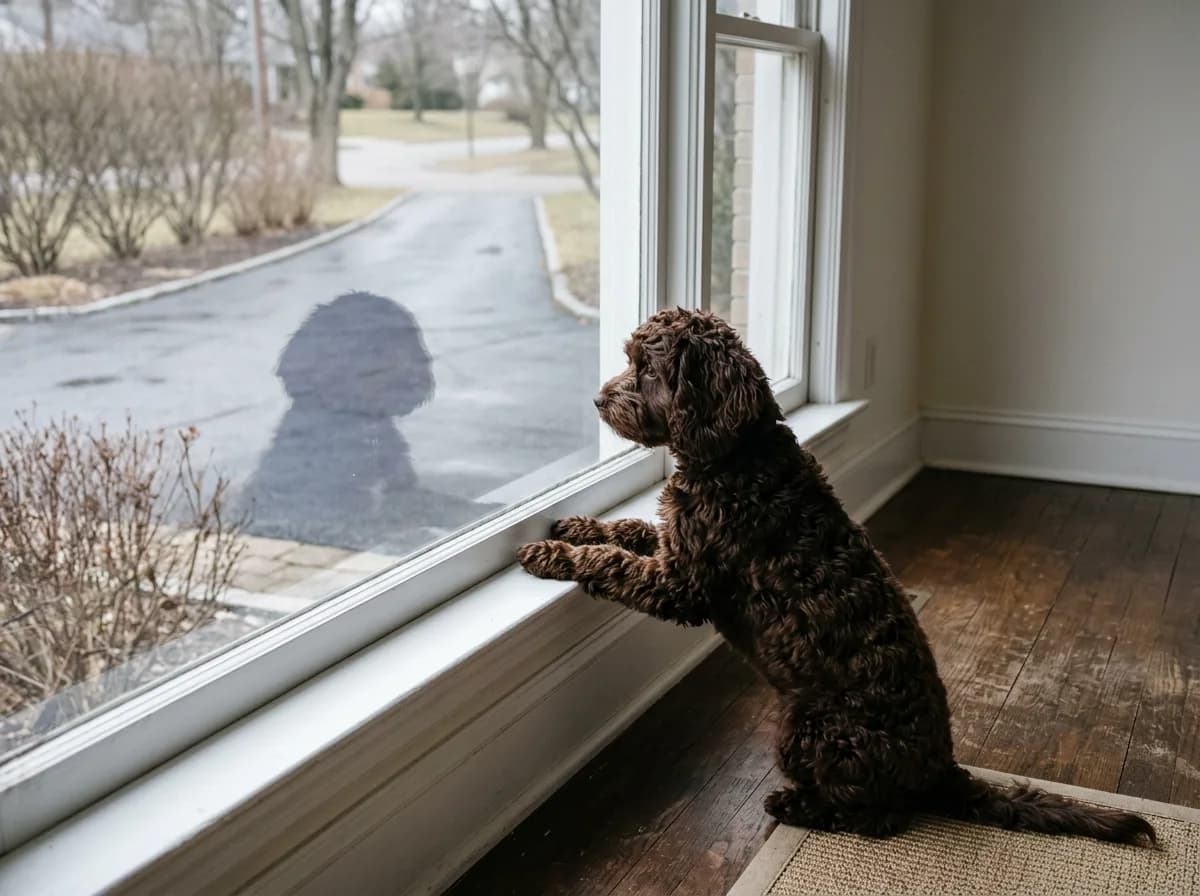
Do Cavapoos Bark a Lot? Are They Quiet Dogs?
Cavapoos are moderate barkers, not a naturally noisy or yappy breed. Compared with many small dogs that bark reflexively at every sound, a well-adjusted Cavapoo is relatively quiet. They will typically give an alert bark when someone comes to the door or something unusual happens, which many owners appreciate, but they are not prone to constant, nuisance barking by default.
When a Cavapoo does bark excessively, there is almost always a reason behind it. The most common triggers are boredom, lack of exercise, and separation anxiety. A Cavapoo left alone and under-stimulated may bark out of loneliness or frustration, and this is where the breed's noise reputation usually comes from. Address the underlying need, more exercise, more mental enrichment, gradual alone-time training, and the barking usually settles.
So the verdict: a Cavapoo is a fairly quiet dog by small-breed standards, with a mild alert-barking tendency. Because that barking is usually driven by an unmet need rather than by temperament, it responds well to management: reward calm behavior, meet the dog's daily exercise and mental-stimulation needs, and never accidentally reward barking with attention. If you want near-silence, meet the parents and choose a calmer, more Cavalier-leaning line, and commit to the enrichment routine that prevents boredom barking in the first place.
Can You Leave a Cavapoo Alone?
Cavapoos can be left alone, but only for limited stretches and only with preparation, because this is a companion breed that genuinely dislikes solitude. As a rough guideline, an adult Cavapoo that has been properly trained to tolerate alone time can usually handle up to about four hours comfortably. A well-conditioned adult can stretch to five or six hours on occasion, but that is closer to the ceiling than the norm, and puppies need far shorter absences plus more frequent bathroom breaks.
The reason for the caution is the separation anxiety covered earlier. Leaving a Cavapoo alone regularly for long working days, without training, company, or a mid-day break, is the fastest route to an anxious, unhappy, and sometimes destructive dog. If your schedule requires long absences, plan for a dog walker, doggy daycare, a pet sitter, or a second person at home, and always build up alone time gradually rather than expecting the dog to cope from day one.
| Puppy (under 6 months) | 1 to 2 hours max | Frequent potty breaks, crate, supervision |
|---|---|---|
| Adult, untrained for alone time | Short periods only | Gradual desensitization before longer absences |
| Adult, trained and conditioned | Up to about 4 hours routinely | Enrichment toys, safe space, exercise beforehand |
| Occasional longer day (5 to 6 hours) | The upper ceiling, not daily | Dog walker or mid-day check-in strongly advised |
Where Should a Cavapoo Sleep?
Most Cavapoos do best sleeping in a cozy, secure spot inside the home, close to their family rather than isolated far away. A comfortable crate or a dog bed in a bedroom or a quiet corner of a shared living space suits the breed's need for closeness and helps prevent the nighttime anxiety this attachment-prone dog can develop if shut away alone. A crate, introduced positively, doubles as a safe den and a valuable tool for daytime alone-time training. Many owners start a Cavapoo puppy in a crate in or near the bedroom and adjust from there as the dog settles. The guiding principle is simple: a Cavapoo sleeps best where it feels near its people and secure, not banished to a distant room.
- A crate placed in or near your bedroom gives an attachment-prone Cavapoo a secure den, eases nighttime anxiety, and builds the same skills that help the dog cope with being alone during the day. Introduce it gradually with treats and positive associations.
Are Cavapoos High Maintenance?
Cavapoos are moderately high maintenance, and the demand is more emotional than physical. Their exercise needs are modest for a dog: around 30 to 60 minutes of walking and play a day, well within reach of most owners. Where the breed asks more of you is in three areas: grooming, mental stimulation, and companionship.
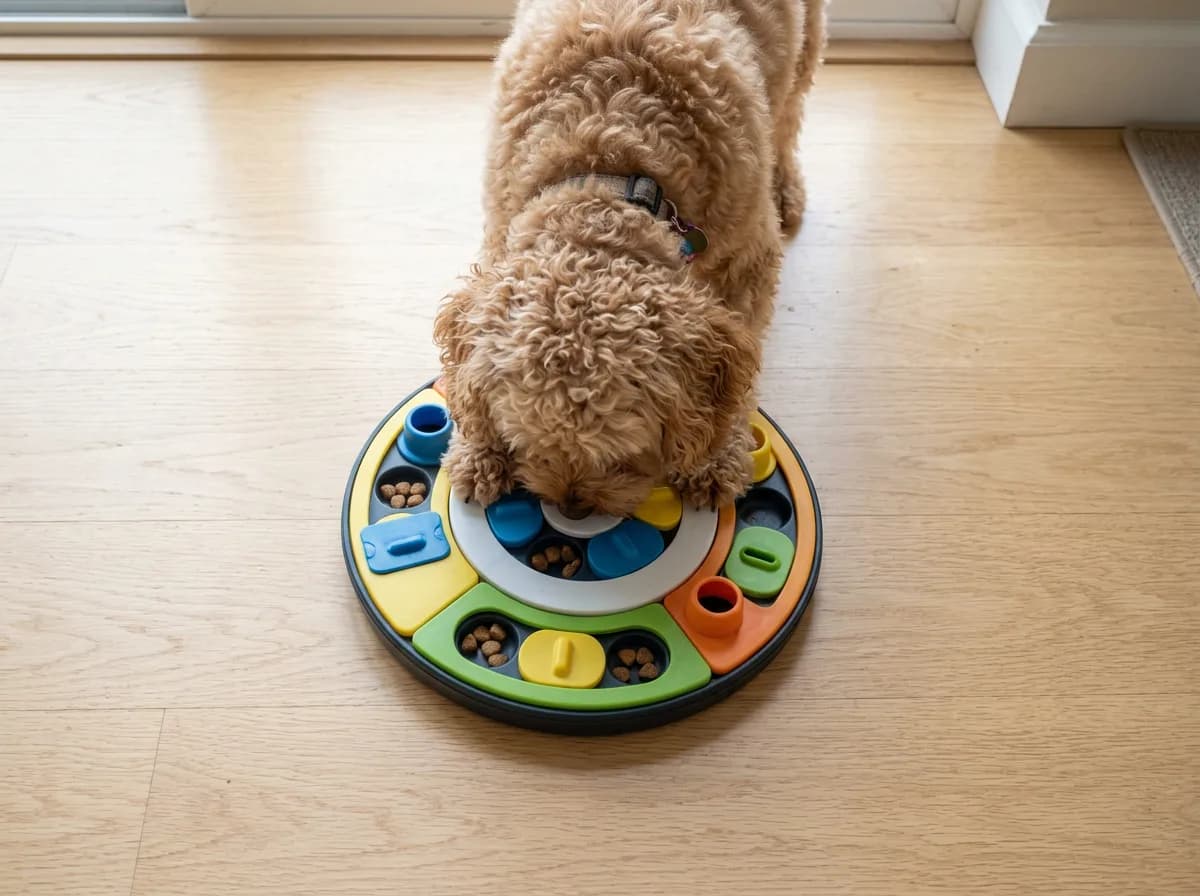
On grooming, the low-shedding coat needs brushing several times a week and a professional trim every six to eight weeks, which is a genuine ongoing commitment of time and money. On mental stimulation, the Poodle-derived intelligence means a Cavapoo gets bored without daily engagement, so puzzle toys, training games, and interactive play are not optional extras but part of keeping the dog balanced. And on companionship, the breed's need to be with its people is the biggest maintenance factor of all: this is not a dog you can keep happy by leaving it in the yard.

Multiple ridges and valleys slow eating, reduce gas and bloating, and turn mealtime into a fun puzzle. Non-skid base, dishwasher safe, 4-cup capacity.
Petful may earn a commission when you click through to Chewy, at no extra cost to you.
It helps to see the ongoing maintenance laid out concretely, because the day-to-day commitments are what turn a breed that looks easy into one that is genuinely hands-on.
| Coat brushing | Prevent mats in the curly, low-shed coat | Several times a week, ideally daily |
|---|---|---|
| Professional grooming | Full trim, bath, nail and ear care | Every 6 to 8 weeks |
| Exercise | Walks plus active play | 30 to 60 minutes daily |
| Mental enrichment | Puzzle toys, training games, scent work | Daily, in short sessions |
| Companionship | Human presence and interaction | Most of the day, not left alone long |
None of this makes the Cavapoo difficult, but it does make it a hands-on breed. The key thing to understand is that it is high maintenance in attention, not in exercise: do not confuse the Cavapoo with a high-energy working breed, because its physical exercise needs are moderate and the real maintenance is grooming, enrichment, and company. An owner who is home often, enjoys grooming and training, and wants a dog that is truly involved in daily life will find the maintenance a pleasure. An owner looking for a low-effort, independent, leave-it-alone dog will find the Cavapoo a mismatch.
What Shapes a Cavapoo's Temperament
Temperament is not fixed at birth. A Cavapoo's adult personality is the product of several forces, and understanding them helps you both choose a puppy and raise a well-balanced dog.
Genetics and Parental Lean
The single biggest factor is which parent breed a Cavapoo takes after. A Cavalier-dominant dog tends toward calm, cuddly, and mellow. A Poodle-dominant dog tends toward energetic, alert, and busy. Meeting the parents and asking a responsible breeder about their temperaments is the best predictor of how a puppy will turn out. Health testing of the parents matters here too, since a healthy dog is a happier, more even-tempered one.
Early Socialization
The window between roughly 3 and 16 weeks of age is critical. A puppy that is gently exposed to different people, sounds, surfaces, other friendly dogs, and everyday situations grows into a confident, well-adjusted adult. A puppy that misses this socialization is far more likely to become timid, reactive, or anxious, regardless of its genetics. This is one of the most important things a new owner can get right.
Training and Environment
Consistent, positive training shapes behavior for life, and a calm, secure, engaged home environment brings out the best in the breed. A Cavapoo raised with clear rules, plenty of interaction, and low household stress will be markedly more balanced than one left bored, isolated, or subject to harsh handling.

Petful may earn a commission when you click through to Chewy, at no extra cost to you.
Does Sex Matter? Boy vs Girl Cavapoo
Sex has only a minor influence on Cavapoo temperament, and it should not be the deciding factor. Both male and female Cavapoos are affectionate, trainable, and family-friendly. Some owners feel males are marginally more playful and outwardly affectionate while females can be a touch more independent, but these tendencies are subtle, inconsistent, and vary enormously from dog to dog. Individual personality and upbringing matter far more than sex, so pick the specific puppy whose temperament and health fit your household rather than choosing on gender alone.
Training a Cavapoo for a Balanced Temperament
Because the Cavapoo is so trainable and so sensitive, training is where you either build a wonderfully balanced dog or accidentally create an anxious one. The approach that works is consistent, gentle, and reward-based.
Start with positive reinforcement. Cavapoos are eager to please and respond poorly to harsh corrections, which can frighten a sensitive dog and worsen anxiety. Reward the behavior you want with treats, praise, and play, and the breed's intelligence does the rest. Prioritize early socialization during the critical puppy window, keep basic obedience short and fun, and make house training a calm, consistent routine.
Most importantly, train for independence early. Because separation anxiety is the breed's chief weakness, deliberately teaching a Cavapoo to be comfortable alone, starting with very short absences and building up, is the most valuable training you can do. Pair alone time with a positive association like a stuffed enrichment toy, use the crate as a safe den, and never make departures or returns dramatic. A Cavapoo that learns as a puppy that being alone is safe and temporary grows into a far more relaxed adult.
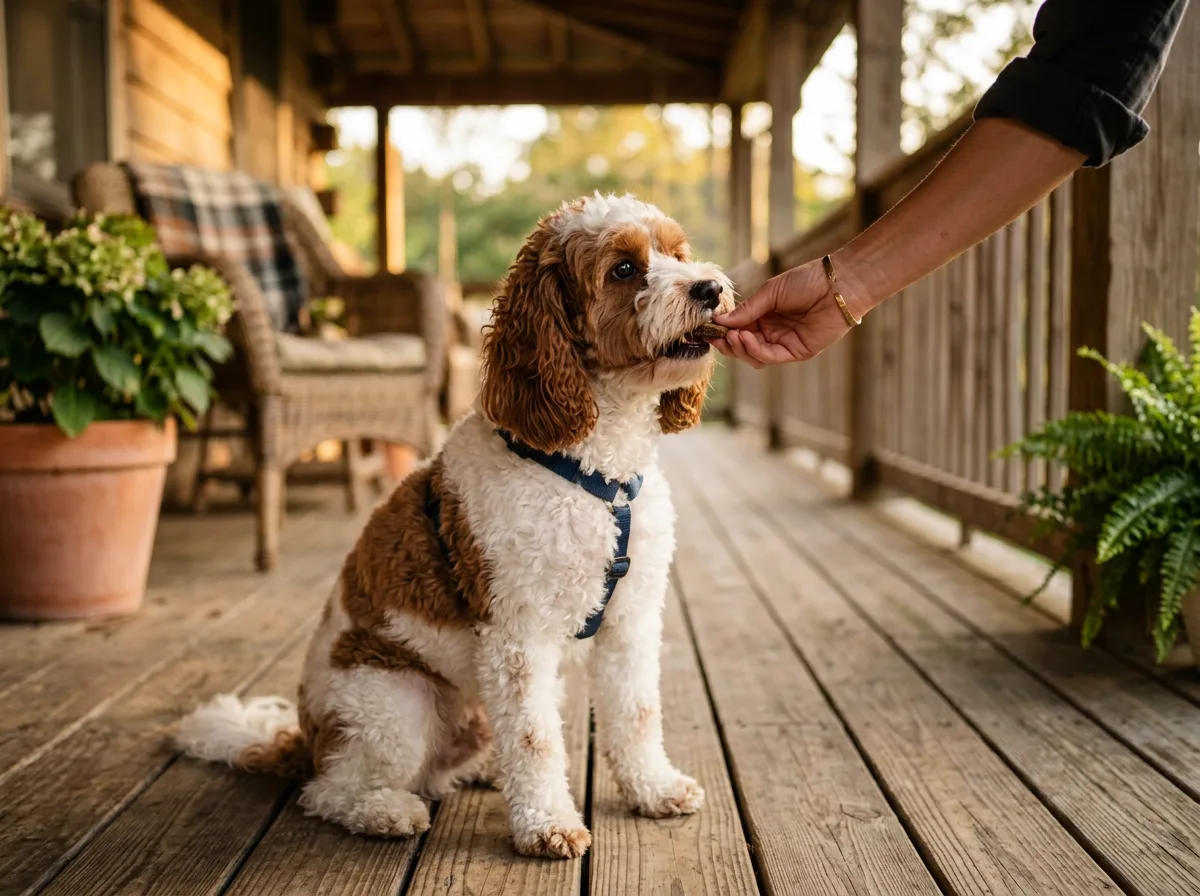
- The best time to prevent separation anxiety is before it starts. From day one, practice leaving your Cavapoo alone for a minute, then five, then longer, always returning calmly. Building this tolerance early is far easier than treating a full-blown anxiety problem later.
When Do Cavapoos Calm Down? Energy and Temperament by Age
A Cavapoo's temperament shifts noticeably as it grows, and knowing the timeline saves a lot of first-year worry. Puppies are the most demanding: expect a bouncy, mouthy, easily distracted little dog with a short attention span and boundless enthusiasm from roughly 8 weeks through the first several months. This is normal, not a temperament flaw, and it is the stage where consistent socialization and gentle training pay the biggest dividends.
Most Cavapoos begin to settle noticeably between about 1 and 2 years of age, as they move out of adolescence into adulthood. The frantic puppy energy softens into the calmer, more measured companionship the breed is known for, though the affectionate, playful core never disappears. A Cavapoo that leans more toward its Poodle parent may stay busier and more energetic for longer, while a Cavalier-dominant dog often mellows sooner. By around two years, most owners describe their Cavapoo as a settled, easygoing adult that still loves a good play session but is content to spend much of the day relaxing at your side.
The single best thing you can do to reach that calm adult sooner is to meet the dog's needs consistently along the way. If your Cavapoo puppy seems wild, that is developmentally normal and does not predict a hyperactive adult. A Cavapoo that gets its daily exercise, mental enrichment, and companionship matures into a balanced adult faster than one whose energy has nowhere to go. Under-stimulated dogs stay wound up and can seem "hyper" well past the age they should have settled, which is usually a management issue rather than the breed's true nature.
- If your Cavapoo puppy seems wild, that is developmentally normal and does not predict a hyperactive adult. Most settle markedly between one and two years old, and meeting the dog's exercise and enrichment needs throughout puppyhood is what brings the calm adult temperament out on schedule.
Cavapoo vs Cockapoo Temperament: A Quick Comparison
Cavapoos are most often cross-shopped against the Cockapoo, and since both are affectionate Poodle mixes, prospective owners frequently ask how their temperaments differ. The honest answer is that the two are more alike than different: both are friendly, intelligent, people-oriented, and family-suited. The distinctions are ones of degree rather than kind.
The Cockapoo (a Cocker Spaniel and Poodle cross) tends to be a touch more energetic and outgoing, carrying some of the Cocker Spaniel's sporting drive, which can mean a little more exercise and stimulation to keep it satisfied. The Cavapoo, drawing on the mellow Cavalier King Charles Spaniel, often reads as slightly calmer and more of a lap dog, though the difference is subtle and varies by individual and by which parent each dog favors. Both breeds share the same central caution: they are companion dogs that bond closely and can develop separation anxiety if left alone too much.
| Parent breeds | Cavalier King Charles Spaniel x Poodle | Cocker Spaniel x Poodle |
|---|---|---|
| Typical energy level | Moderate, slightly calmer | Moderate to high, slightly livelier |
| Affection style | Lap-oriented, velcro | Outgoing, velcro |
| Trainability | High, eager to please | High, eager to please |
| Separation anxiety risk | High | High |
For a full side-by-side on size, grooming, and living needs, see our Cockapoo vs Cavapoo comparison, or read the standalone Cockapoo breed guide if that cross is also on your shortlist.
What I Wish I Knew Before Getting a Cavapoo
Talk to enough Cavapoo owners and the same honest reflections come up again and again. The most common is that these dogs need far more of your presence than people expect. Owners consistently say they wish they had understood just how much the breed craves company, and how real the separation anxiety can be, before they brought a puppy into a busy, out-of-the-house lifestyle.
The second recurring theme is grooming. Many new owners are drawn in by the low-shedding, teddy-bear look and are genuinely surprised by the ongoing brushing and the cost and frequency of professional grooming appointments. The coat that sheds so little is the coat that mats without regular care.
Owners also often wish they had known how much mental stimulation the breed needs, that a bored Cavapoo can become a barky or mildly destructive one, and that these are expensive dogs to buy and to care for responsibly. None of these are reasons to avoid the breed. They are simply the realities that turn a good match into a great one when you go in with your eyes open. If you know you want a devoted, involved, affectionate companion and can meet its needs for company, grooming, and engagement, a Cavapoo rewards you many times over.
- The owners who struggle with Cavapoos are almost always the ones who expected an independent, low-grooming, low-maintenance dog. Expect a needy, clever, high-attention companion that must not be left alone for long, and you will have a wonderful dog.
Frequently Asked Questions About Cavapoo Temperament
The biggest downside of a Cavapoo is separation anxiety. This is a devoted velcro breed that bonds intensely with its people and can become distressed, vocal, or destructive when left alone for long periods, so it is a poor fit for homes that are empty all day. Other downsides include a high grooming demand (brushing several times a week plus a professional trim every six to eight weeks), the potential for boredom barking, and the health costs of a mixed breed that can inherit heart, eye, or knee conditions from its Cavalier and Poodle parents.
The thing most owners wish they had known is how much company and attention the breed needs. Cavapoos crave near-constant companionship and can develop separation anxiety, so they do not suit a household that is out all day. New owners are also frequently surprised by how much grooming the low-shedding coat requires, how much daily mental stimulation the dog needs to avoid boredom and barking, and how expensive the breed is to buy and care for responsibly.
Cavapoos are moderately high maintenance, but mostly in emotional and grooming terms rather than exercise. Their physical exercise needs are modest at around 30 to 60 minutes a day. The real demands are frequent brushing plus professional grooming every six to eight weeks, daily mental stimulation to prevent boredom, and, above all, plenty of companionship, since the breed does not cope well being left alone. An owner who is home often and enjoys grooming and training will find the maintenance very manageable.
Yes, a Cavapoo is a relatively quiet dog by small-breed standards. It is a moderate barker, not a naturally yappy breed, and will usually give an alert bark at the door rather than barking constantly. Excessive barking in a Cavapoo is almost always a sign of boredom, lack of exercise, or separation anxiety rather than a fixed trait, and it settles once the underlying need is met through more enrichment, exercise, and alone-time training.
An adult Cavapoo that has been properly trained to tolerate alone time can occasionally handle five to six hours, but that is the upper ceiling and not ideal as a daily routine. The breed is prone to separation anxiety, so most Cavapoos are comfortable alone for only about four hours at a time. If you regularly need six-hour absences, arrange a dog walker, doggy daycare, or a mid-day check-in, and build the dog's alone-time tolerance up gradually rather than expecting it from the start. Puppies need much shorter absences and frequent bathroom breaks.
Neither sex is clearly better, and temperament should not be chosen on gender alone. Both male and female Cavapoos are affectionate, trainable, and family-friendly. Some owners feel males are marginally more playful and outwardly cuddly while females can be a touch more independent, but these differences are minor and inconsistent. A dog's individual personality, upbringing, and training shape its temperament far more than its sex, so choose the specific puppy whose disposition fits your home.
A Cavapoo sleeps best in a cozy, secure spot inside the home, close to its family rather than isolated in a distant room. A comfortable crate or dog bed in or near a bedroom suits the breed's strong need for closeness and helps prevent the nighttime anxiety this attachment-prone dog can develop if shut away alone. A crate introduced positively works especially well, since it doubles as a safe den and supports daytime alone-time training. The guiding principle is that a Cavapoo rests best where it feels near its people and secure.
The Bottom Line on Cavapoo Temperament
The Cavapoo temperament is, on balance, one of the most rewarding in the companion-dog world: affectionate, gentle, intelligent, sociable, and genuinely well-suited to families, seniors, and first-time owners alike. Blending the Cavalier King Charles Spaniel's sweetness with the Poodle's smarts, it is a dog that wants to be part of everything you do. The catch is that this devotion is a two-way street. A Cavapoo needs your company, your grooming time, and your mental engagement, and it does not do well left alone for long. Get those needs right, socialize and train gently from the start, and you get an easygoing, loving, family-friendly dog that lives up to every bit of its reputation. For the complete breed picture, from size and cost to grooming and health, start with our Cavapoo breed guide.

Coreen Saito is a pet writer and longtime shelter volunteer with more than a decade in animal rescue. She covers cat behavior, breed care, and the small, ordinary science of sharing a life with companion animals, with a particular focus on honest takes about the products and decisions that actually matter. At home in Arizona, she's outranked by Mac (a dog with the loudest opinion in the house), Rebel (a cat who governs by quiet authority), and Meri (an orange tabby who runs the late shift and the laundry basket). She writes about all three, plus the rescues that keep coming through her life, at LifeWithMinty.com.
Sign up for expert-backed reviews and safety alerts all in one place.