Cavapoo Haircuts: 7 Cute Styles + Grooming Guide
Cavapoo haircuts keep this Poodle-cross looking its best, but the coat grows nonstop and mats fast. See 7 popular cut styles, how often to groom, an at-home trim routine, the tools you need, and how to brief your groomer.
Petful is reader supported. As an affiliate of platforms like Amazon and Chewy, we may earn a commission when you buy through links on this page. There is no extra cost to you.
Cavapoo haircuts are the single biggest reason this Cavalier King Charles Spaniel and Poodle cross keeps that soft, teddy bear look, and grooming experts and Poodle-cross breed clubs agree that a Cavapoo needs a full clip every 4 to 6 weeks to stay comfortable and mat-free. Because the Cavapoo inherits the Poodle's continuously growing, low-shedding coat, the hair never falls out on its own the way it does on a Labrador or a Cavalier. It just keeps growing, tangling, and matting until you either brush it out or trim it down. That is exactly why a smart haircut routine matters so much for this breed: it is not vanity, it is basic coat maintenance. This guide walks through the seven most popular Cavapoo cuts with what each one actually looks like and how much work it takes to keep, then covers coat types, how often to groom, an at-home routine, the exact tools you need, matting, ear and nail care, and how to brief a professional groomer so you get the cut you asked for.
- 1Cavapoos need a full haircut every 4 to 6 weeks because their Poodle-cross coat grows continuously and never sheds itself out
- 2The teddy bear cut is the most popular Cavapoo style: a rounded, even 1 to 2 inch length all over with a full, circular face
- 3Coat type (curly, wavy, or straight) decides how fast your dog mats and how often you truly need to brush and clip
- 4You can trim a Cavapoo at home once it is at least 6 months old and desensitized to clippers, but a full body clip is easier to leave to a groomer
- 5Daily to several-times-weekly brushing down to the skin is what actually prevents the matting that forces a shave-down

Sign up for expert-backed reviews and safety alerts all in one place.
Popular Cavapoo Haircuts (Styles With Pictures)
There is no single official Cavapoo cut the way there is a breed-standard clip for a show Poodle, because the Cavapoo is a crossbreed and is not recognized as a pedigree breed by the American Kennel Club or the UK Kennel Club. That is actually good news for you: it means you get to choose the style that fits your dog's coat, your climate, and how much grooming time you realistically have. Below are the seven cuts owners ask for most, each with a length spec and an honest maintenance rating so you know what you are signing up for before you sit down in the groomer's chair.
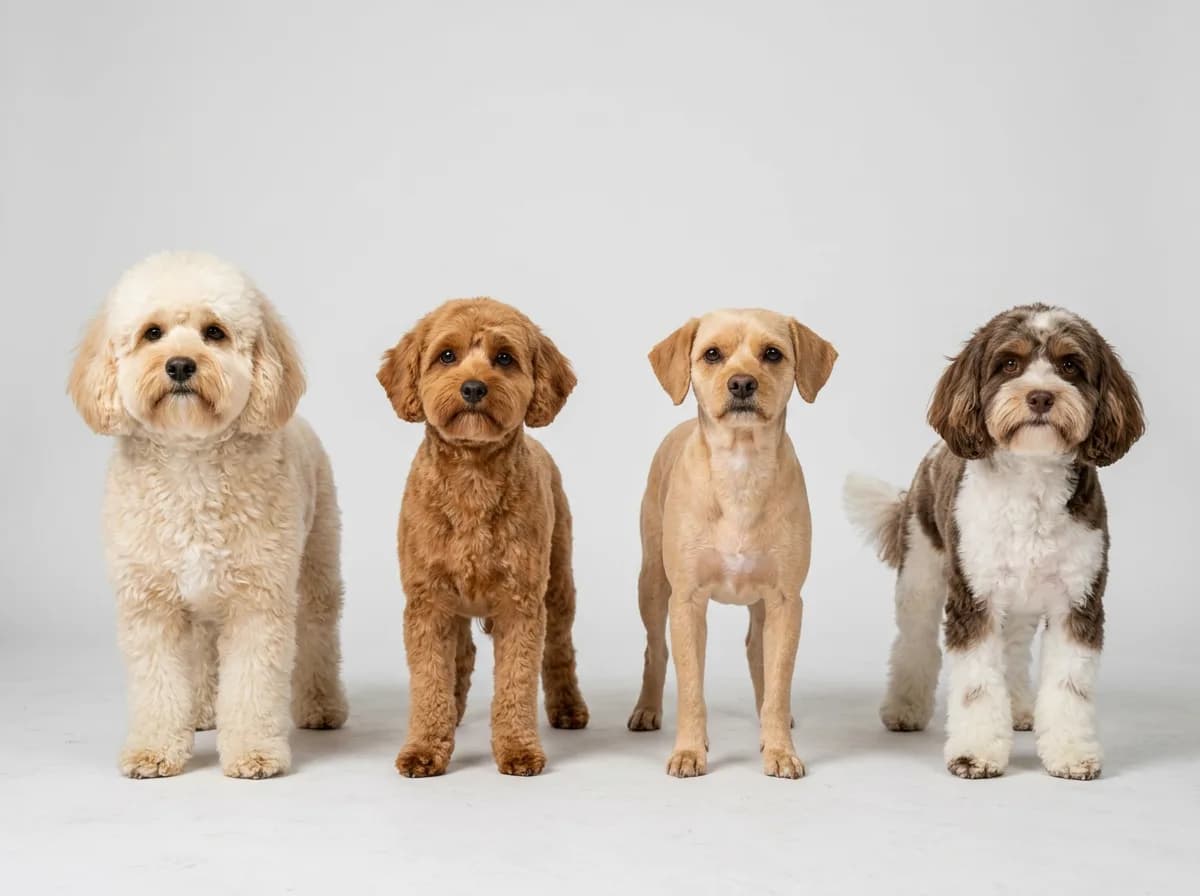
The Teddy Bear Cut
The teddy bear cut is far and away the most requested Cavapoo style, and for good reason: it leans into everything people love about the breed's look. The body is clipped to an even, rounded length, usually 1 to 2 inches, and the face is scissored into a soft, full circle with the muzzle hair left long enough to blend into the cheeks. The ears are shaped to frame the face, and the overall effect is a plush, cuddly, stuffed-animal silhouette. This is the classic doodle look most people picture when they imagine a Cavapoo.
Maintenance: moderate. A 1 to 2 inch teddy bear length is long enough to look full but short enough to brush through in a few minutes a day. You will want a professional trim every 4 to 6 weeks to keep the round shape crisp, plus brushing several times a week to keep the face and legs from matting.
The Puppy Cut
The puppy cut is the most low-maintenance full-length style and a favorite for first-time owners. Despite the name, it has nothing to do with your dog's age. It simply means the coat is clipped to one short, even length all over the body, legs, and face, usually around half an inch to one inch. The face is left slightly fuller and rounded but not as sculpted as a teddy bear cut. Because everything is the same short length, there are fewer transition areas to mat, and daily brushing takes almost no time.
Maintenance: low. The short, uniform length is the easiest coat to keep tangle-free, which is why so many busy households default to it. You can stretch the time between professional grooms a little further, though every 6 to 8 weeks still keeps it looking sharp.
The Summer Cut (Kennel or Short Clip)
The summer cut, sometimes called a kennel cut or short clip, takes the coat down even shorter than a puppy cut, often to a quarter inch to half an inch across the body, with the face and ears trimmed neat and close. Owners choose it for hot climates, for very active dogs that pick up burrs and mud, or simply to stretch the interval between grooms as far as possible. It sacrifices the fluffy Cavapoo look in exchange for the lowest possible upkeep.
Maintenance: very low. A summer cut is the most forgiving style there is: almost nothing mats at that length, and brushing becomes a quick once-over. The trade-off is appearance and, in very sunny climates, sun exposure, so never shave a Cavapoo down to the skin.
- A short summer clip is fine, but shaving a Cavapoo bald removes the coat's natural insulation against both heat and cold and leaves the skin exposed to sunburn. Ask your groomer to leave at least a quarter inch. The only time a full shave-down is justified is to remove severe, painful matting that cannot be brushed out safely.
The Lamb Cut
The lamb cut keeps the body clipped fairly short and even, similar to a puppy cut, but deliberately leaves the legs fuller and fluffier so the dog looks like it is wearing little woolly leg warmers. It is a great middle ground for owners who want an easy-care body but still love a bit of that plush doodle texture on the legs. The face is usually rounded and soft.
Maintenance: moderate. The short body is low-effort, but those fuller legs are prime matting territory, especially around the elbows, hocks, and where the legs meet the body. Brush the legs and armpits several times a week and keep the same 4 to 6 week grooming schedule.
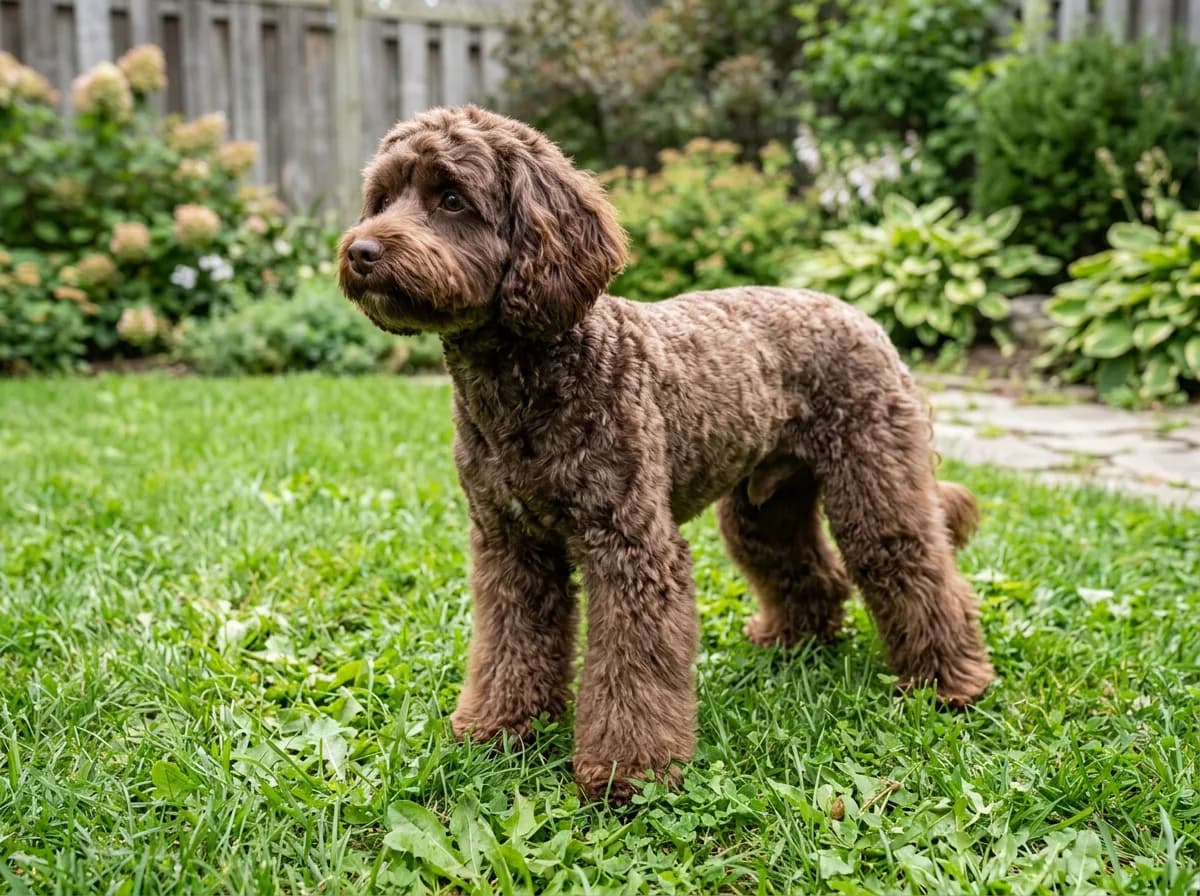
The Lion Cut
The lion cut is a more dramatic, stylized look: the front of the dog (the head, chest, mane, and front legs) is left long and full while the back half of the body and the back legs are clipped short, finished with a pom-pom on the end of the tail so the dog resembles a tiny lion. It is a novelty style, not an everyday practical one, but it turns heads and is fun for photos or a summer that only needs the rear kept cool.
Maintenance: moderate to high. The long mane and front legs still mat and need regular brushing, so this cut is not actually low-effort just because the back is short. Only choose it if you enjoy the look enough to keep up with the front-end brushing.
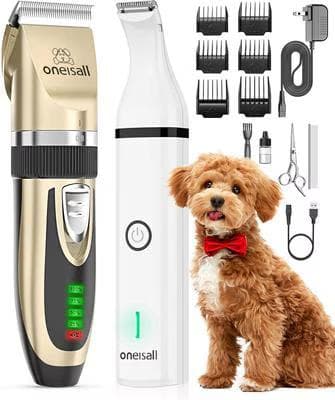
Petful may earn a commission when you click through to Chewy, at no extra cost to you.
The Show or Long Cut (Full Coat)
Some owners love the long, flowing natural coat and skip the clippers almost entirely, keeping the hair at its full 3 inches or more and simply tidying the feet, sanitary areas, and around the eyes. On a wavy or silky Cavapoo this can look stunning, like a miniature spaniel with soft feathering.
Maintenance: high. A full-length coat is the most demanding option by a wide margin. It mats readily and requires thorough, down-to-the-skin brushing every single day plus frequent bathing to keep it clean and tangle-free. Most owners who start with a long coat eventually move to a teddy bear or puppy cut once they experience the daily brushing commitment.
The Cocker or Spaniel Cut
A nod to the Cavalier side of the family, the cocker or spaniel cut keeps the body and top of the head fairly short and neat while leaving longer feathering on the ears, chest, belly, and the backs of the legs, echoing the classic spaniel silhouette. It suits Cavapoos whose coats lean straighter and silkier toward the Cavalier parent.
Maintenance: moderate to high. The longer feathering is where tangles hide, so the ears and skirt need frequent, careful brushing even though the body is easy.
- Groomers interpret cut names differently, and a "teddy bear cut" at one salon can come out shorter or rounder than at another. The single best thing you can do is bring a clear photo of exactly the length and shape you want. It removes guesswork and gets you the result you pictured.
What Is a Teddy Bear Cut for a Cavapoo?
A teddy bear cut for a Cavapoo is a grooming style in which the whole coat is clipped to a soft, even, medium length, usually 1 to 2 inches, and the face is scissored into a rounded, full circle so the dog looks like a plush stuffed teddy bear. The defining feature is the face: instead of trimming the muzzle short and close (which gives a more Poodle-like look), the groomer keeps the muzzle, cheek, and forehead hair long and blends it all into one soft, rounded shape, with the eyes carefully trimmed so the dog can see clearly. The body is left full but manageable, the legs are rounded into little columns, and the tail is left fluffy.
It is the most popular Cavapoo haircut precisely because it maximizes the cuddly, cartoonish appeal that draws people to the breed in the first place while staying practical enough for everyday life. The 1 to 2 inch length is the sweet spot: long enough to look plush, short enough that a few minutes of brushing keeps it from matting.

If your groomer asks how you want the face, the magic words are "round face, blended muzzle, teddy bear style," and always add that you want the eyes cleared enough to see. For everything else about living with the breed, from exercise to living space, our full Cavapoo breed guide covers it alongside grooming.
What Is the Best Haircut for a Cavapoo?
The best haircut for a Cavapoo is the one that matches your dog's coat type, your climate, and how much time you can realistically commit to brushing, but for most owners the teddy bear cut or the puppy cut is the ideal choice. There is no universally "best" style, because the right answer depends on three things: how curly your dog's coat is, how hot your area gets, and how much daily grooming time you have. A curly, Poodle-dominant coat mats fast and often does better a touch shorter; a wavy fleece coat is forgiving and holds almost any style; a straighter, silky coat suits longer feathering. Your climate matters too: a shorter cut is kinder in a hot, humid summer, while a slightly longer coat adds warmth in a cold winter. And the most honest input of all is your own schedule, because the prettiest long cut is a poor choice if it mats before you find time to brush it.
Here is the honest framework. If you love the classic fluffy Cavapoo look and can brush several times a week, the teddy bear cut is the best all-round pick. If you are busy or your dog mats easily, the puppy cut gives you the lowest-effort full-length style. If you live somewhere hot or your dog is very active and outdoorsy, a summer or kennel cut keeps things cool and clean. If your Cavapoo has a straighter, silkier Cavalier-leaning coat, a cocker or spaniel cut flatters it. And if you genuinely enjoy daily grooming and want that flowing look, a long coat is beautiful but demanding.
| Classic fluffy look | Teddy bear cut | 1 to 2 inches | Moderate, brush several times a week |
|---|---|---|---|
| Lowest effort, full length | Puppy cut | 0.5 to 1 inch | Low, easy to brush |
| Hot climate or active dog | Summer / kennel cut | 0.25 to 0.5 inch | Very low |
| Straight, silky coat | Cocker / spaniel cut | Short body, long feathering | Moderate to high |
| You love the long look | Show / long cut | 3 inches or more | High, brush daily |
- A tight teddy bear look is easy to keep on a wavy coat but harder on a very curly one that mats faster, and a curly Cavapoo may do better with a slightly shorter clip between grooms. Read the coat-type section below before you lock in a style, because your dog's texture matters more than any trend.
Whatever you choose, the grooming interval stays roughly the same at every full length: a professional trim every 4 to 6 weeks, stretched to 6 to 8 weeks only for the shortest cuts.
Can I Cut My Cavapoo's Hair at Home?
Yes, you can cut your Cavapoo's hair at home, and many owners handle brushing, face and eye trims, sanitary trims, and light body tidying themselves to save money and stretch the time between professional grooms. A full body clip is doable at home too, but it takes the right tools, patience, and a dog that has been properly desensitized to the sound and feel of clippers. If you have never done it, start small with the face and feet and build up.
Before you pick up any clippers, there is one non-negotiable rule about timing.
- Do not do a full clipper haircut on a very young puppy. Wait until your Cavapoo is at least 6 months old, when the adult coat is coming in and the puppy can better tolerate handling and the clipper noise. Before that, stick to gentle brushing, wiping the face, and light tidying with blunt-nosed scissors so grooming stays a positive experience.
Tools You Need for an At-Home Cut
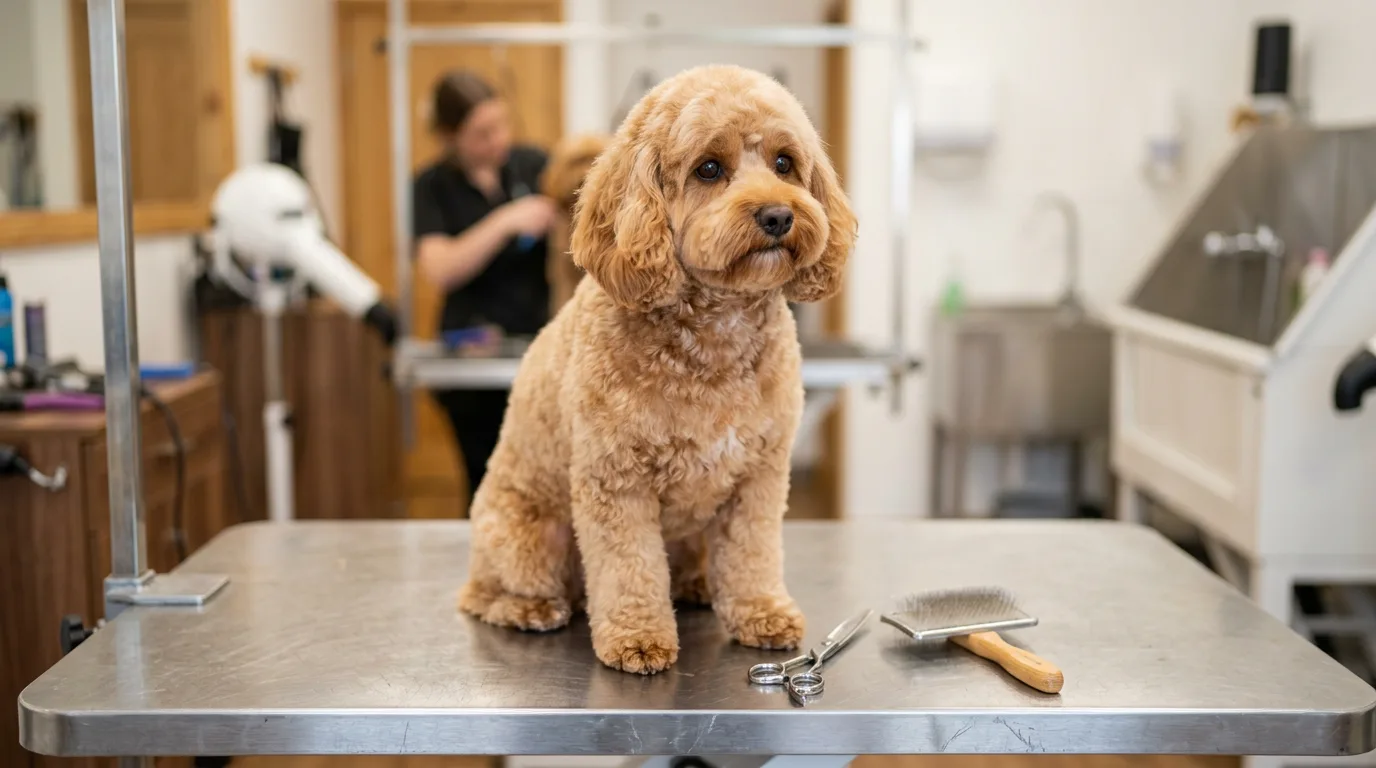
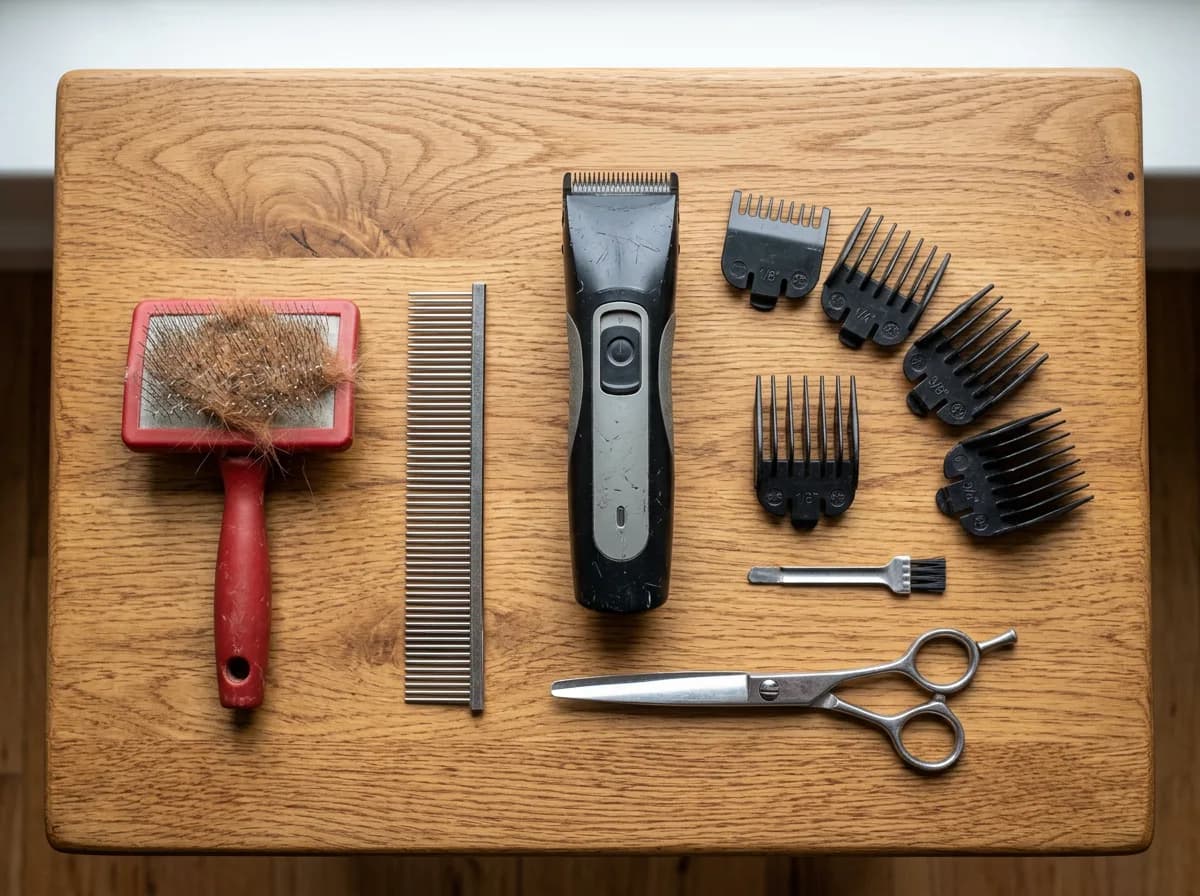
You do not need a full professional kit, but a few basics make the difference between a smooth trim and a stressful one:
- Dog clippers with guard combs. Quiet, low-vibration clippers designed for dogs, with a set of snap-on guard combs so you can dial in a consistent length (a half-inch or one-inch comb is a safe starting point).
- Blunt-tipped grooming scissors. For the face, feet, and sanitary areas where clippers are risky. Rounded tips protect the eyes.
- A slicker brush and a metal comb. You must brush and de-tangle the entire coat down to the skin before you clip. Clipping over a mat pulls the skin and can nick it.
- A non-slip grooming surface. A table or counter with a towel or mat so your dog stands securely.
A Simple Step-by-Step for a Home Trim
Once your dog is calm and the coat is fully brushed out, work in this order:
1. Brush and de-mat first, always. Never clip a matted or dirty coat. Bathe and fully dry the dog, then brush down to the skin so the clippers glide.
2. Introduce the clippers gently. Let your dog hear and feel the clippers off first, then on against your own hand, rewarding calm behavior. Never rush a nervous dog.
3. Clip the body with a guard comb. Work with the direction the hair lies, in long smooth strokes, keeping the clipper flat. Start longer than you think you want, because you can always take more off.
4. Scissor the face and feet. Switch to blunt-tipped scissors for the muzzle, around the eyes (trimming so the dog can see), the paws, and the sanitary area. Go slowly and snip small amounts.
5. Tidy and check. Comb through, even out any uneven spots, and check under the legs and behind the ears for missed tangles.
- Plenty of owners happily manage brushing, face trims, and feet at home while leaving the full body clip to a professional every 4 to 6 weeks. That split saves money on the easy parts without risking a nervous dog and a set of clippers on the tricky full-body cut. There is no shame in it.
Cutting your own dog's hair also pairs naturally with keeping the shedding down between grooms. Because a well-groomed Cavapoo drops so little hair, the coat you clip stays in the brush rather than on your couch; our guide to how much Cavapoos shed explains why the same coat that needs all this trimming also keeps your home remarkably hair-free.
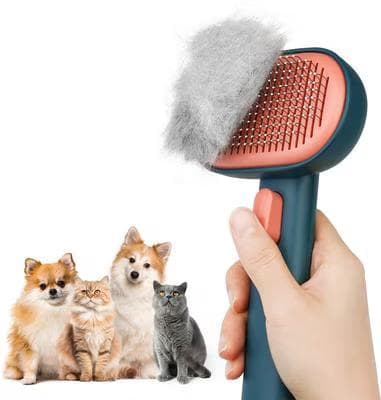
Petful may earn a commission when you click through to Chewy, at no extra cost to you.
Understanding Your Cavapoo's Coat Type
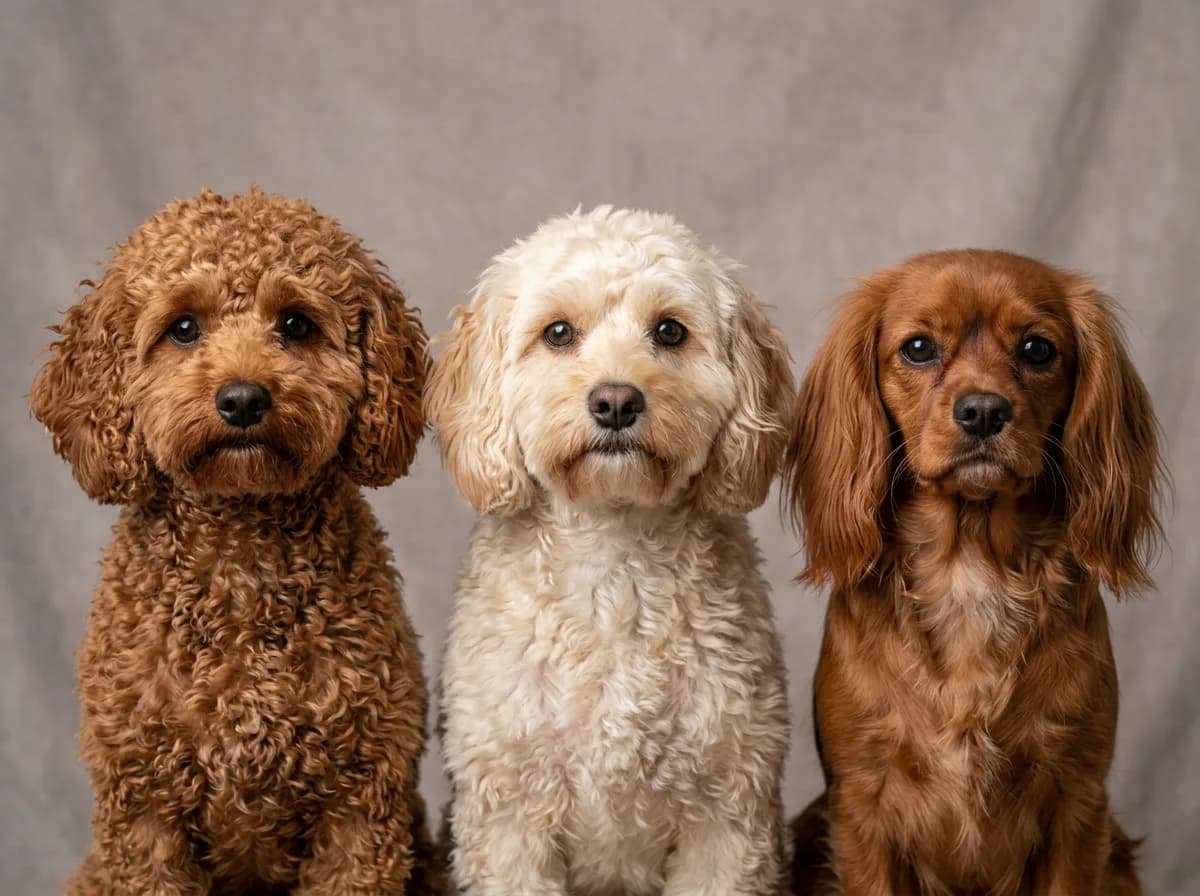
Everything about a Cavapoo's grooming, how fast it mats, how often you brush, which cut suits it best, comes back to one thing: coat type. Because the Cavapoo is a cross between the Cavalier King Charles Spaniel and the Poodle (usually a Miniature or Toy Poodle), each dog inherits a blend of its parents' coats, and that blend lands somewhere on a spectrum from tightly curly to nearly straight. Knowing where your dog sits tells you how much grooming reality you are dealing with.
The Curly Coat (Poodle-Dominant)
A curly coat is the most Poodle-like of the three, with tight, dense curls. It sheds the least of any coat type and is the most allergy-friendly, but it is also the highest maintenance because those curls trap and tangle hair fast. A curly Cavapoo mats quickly and needs brushing close to daily, plus regular professional grooming. Curly coats hold a clip beautifully but demand the most work between cuts.
The Wavy or Fleece Coat
The wavy coat, often called a fleece coat, is the most common and, for most owners, the ideal middle ground. It has soft, loose waves that are more forgiving to brush than tight curls while still giving that signature plush teddy bear look. It sheds lightly and mats at a manageable pace with brushing three to four times a week. When people picture a classic Cavapoo, this is usually the coat they imagine.
The Straight or Silky Coat (Cavalier-Dominant)
A straight or silky coat leans toward the Cavalier parent. It is flatter and finer, sheds a little more than the other two types, and does not have that dense curly volume. It tends to mat less than a curly coat but the fine feathering on the ears and legs can still tangle. A straighter coat suits the cocker or spaniel cut particularly well.
- A Cavapoo's coat is not fixed for life. Between roughly 6 and 12 months the soft puppy coat gives way to a coarser adult coat that can come in curlier or straighter than the puppy fuzz suggested, and it mats far more easily during the transition. Re-evaluate your brushing routine and cut once the adult coat settles.
How Often Do Cavapoos Need Grooming and Haircuts?
A Cavapoo needs a full professional-style haircut every 4 to 6 weeks and brushing several times a week (daily for curly coats) to stay comfortable, clean, and mat-free. This is the number that surprises most new owners, and it is worth understanding why the interval is so short compared with a shedding breed that never needs a haircut at all.
The reason comes straight from the Poodle side of the family. A Poodle-cross coat grows continuously, like human hair, rather than growing to a set length and shedding out. Left alone, it just keeps getting longer, denser, and more prone to matting. So the haircut is not cosmetic upkeep, it is the mechanism that resets the coat to a manageable length before matting sets in. Skip it and the coat felts against the skin, which is uncomfortable and can trap moisture and cause skin problems.
| Full haircut / clip | Every 4 to 6 weeks | Coat grows continuously and mats if left long |
|---|---|---|
| Brushing | 3 to 7 times a week (daily for curly) | Prevents mats between clips |
| Bathing | Every 3 to 4 weeks | Keeps coat clean without drying skin |
| Ear cleaning | Weekly, check every bath | Floppy ears trap moisture and wax |
| Nail trim | Every 3 to 4 weeks | Prevents overgrowth and posture strain |
| Eye and sanitary trim | Every 1 to 2 weeks | Keeps eyes clear and rear hygienic |
The brushing cadence flexes with coat type: a curly, Poodle-dominant coat realistically needs daily brushing, a wavy fleece coat does well with three to four sessions a week, and a straighter coat can often get by with two to three. What never changes is that the brushing has to reach the skin, not just skim the surface, because mats form closest to the body where you cannot see them.
Brushing, Bathing, and Drying Your Cavapoo
The at-home routine between professional grooms is what really keeps a Cavapoo's coat healthy, and it comes down to three skills: brushing correctly, bathing on the right schedule, and drying thoroughly. Get these three right and your groomer's job (and your dog's comfort) improves enormously.
How to Brush a Cavapoo Properly
The most common brushing mistake is skimming the top of the coat while mats quietly form underneath, against the skin. The fix is a technique called line brushing: part the coat in a line down to the skin, brush that exposed section from the skin outward with a slicker brush, then move the part up a little and repeat, working in rows across the whole body. Follow the slicker with a metal comb to confirm you can pass it cleanly from skin to tip with no snags. If the comb catches, there is a tangle the slicker missed.
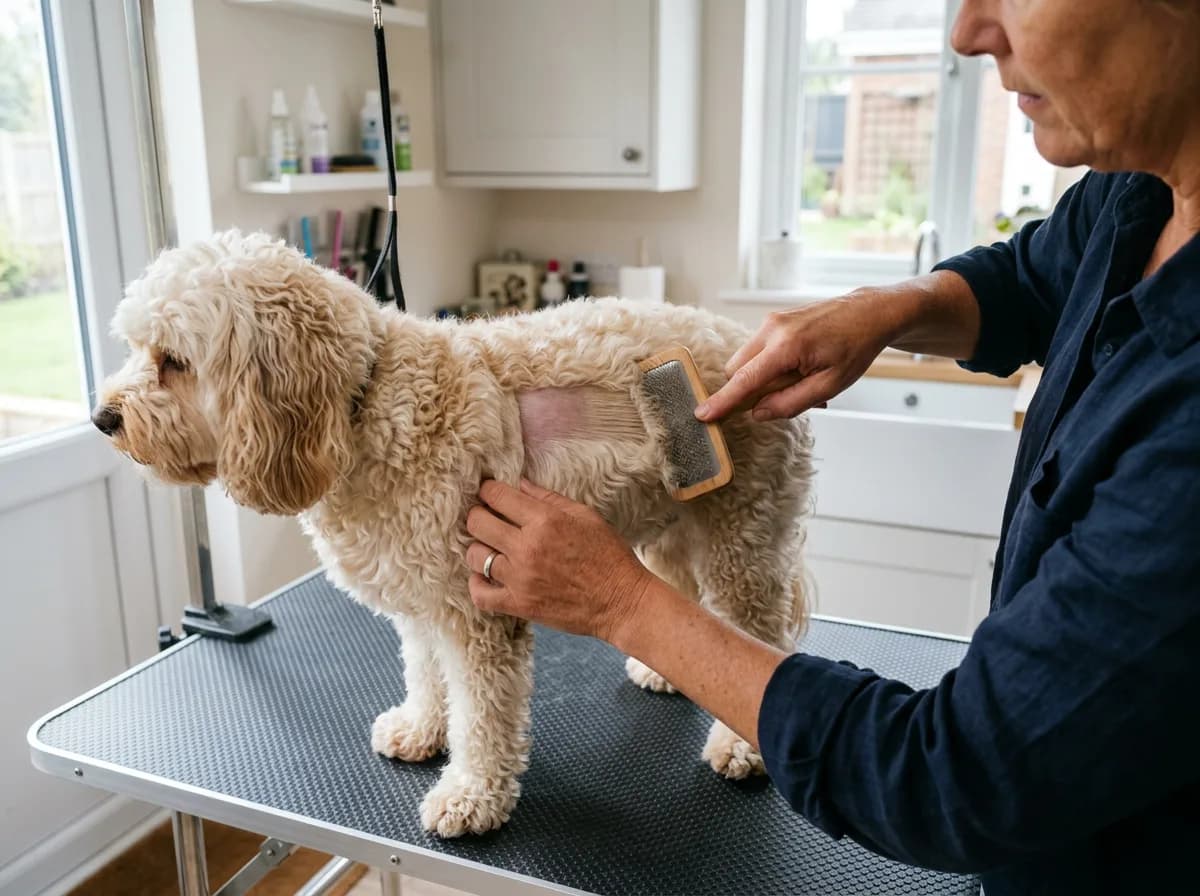
Pay special attention to the friction zones where mats form fastest: behind and inside the ears, the armpits and where the legs meet the body, the collar area, the sanitary region, and the feathering on the backs of the legs. Brushing before and after a bath is ideal, because water tightens existing tangles into hard mats. The exact brush cadence depends on how curly your dog's coat is, which our guide to how much Cavapoos shed breaks down by coat type.
Bathing on the Right Schedule
Bathe your Cavapoo roughly every 3 to 4 weeks with a gentle, dog-specific shampoo, and follow with a dog conditioner to keep the coat soft and easier to comb. Resist the urge to bathe more often than that: over-bathing strips the natural oils, dries the skin, and can actually make the coat more brittle and prone to tangling. Always brush the coat out fully before the bath, because bathing a tangled coat sets the tangles into mats you then have to cut out.
- Letting a Cavapoo drip-dry is one of the fastest ways to create mats. As the wavy or curly coat dries on its own it knots and tightens against the skin. Towel off the excess, then blow-dry on a cool or warm (never hot) setting while brushing the coat straight, section by section, until it is fully dry to the skin.
Drying the Right Way
Drying is the step owners most often rush, and it is where mats are made or avoided. After towel-drying, use a dryer on a cool to warm setting and brush as you go, straightening each section so the coat dries smooth rather than curling into tangles. Make sure the skin itself is dry, especially in the dense areas around the legs and chest, because trapped dampness against the skin invites both matting and skin irritation. Then give the ears extra attention, which brings us to the parts of grooming that are not about the coat at all.
A Step-by-Step At-Home Bath
If you bathe your Cavapoo at home between grooms, doing it in the right order protects the coat and keeps the job quick. First, brush the entire coat out to the skin and clear any tangles, because bathing over a tangle turns it into a mat. Second, put a cotton ball loosely in each ear to keep water out, which lowers the risk of an ear infection. Third, wet the coat thoroughly with warm (never hot) water, working from the neck back and saving the head for last so your dog is not standing with a wet, itchy face the whole time.
Fourth, work a gentle dog shampoo into a lather down to the skin, paying attention to the belly, legs, and rear, then rinse until the water runs completely clear, because leftover shampoo residue irritates the skin and dulls the coat. Fifth, apply a dog conditioner to keep the coat soft and easier to comb, and rinse again. Sixth, squeeze (do not rub) the excess water out with a towel, then blow-dry on a cool to warm setting while brushing the coat straight, section by section, until it is fully dry to the skin. Finish by cleaning and drying the ears. Done this way, a home bath leaves the coat soft, straight, and easy to brush rather than a tangled, half-dry mess.
- Never spray water or dry a Cavapoo's face with a high-pressure nozzle, and keep shampoo well away from the eyes. Wash the face gently at the very end with a damp cloth and a tiny amount of tearless dog shampoo if needed, then pat it dry. This keeps bath time calm and protects those large, sometimes sensitive eyes.
Essential Cavapoo Grooming Tools and Supplies
Having the right tools turns Cavapoo grooming from a battle into a quick routine. You do not need a salon's worth of equipment, but a handful of quality items are genuinely worth owning, because cheap or wrong tools make brushing painful for the dog and frustrating for you. Here is the core kit every Cavapoo home should have.
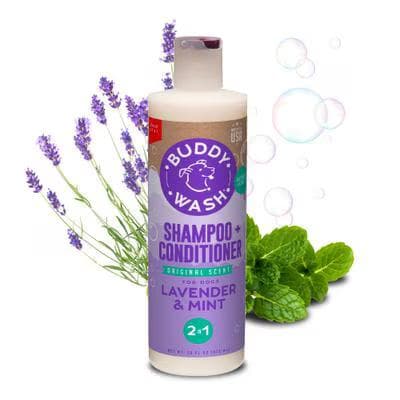
Petful may earn a commission when you click through to Chewy, at no extra cost to you.
- Slicker brush. The workhorse for line brushing and lifting out loose hair and light tangles. The single most-used tool in a Cavapoo kit.
- Metal comb (greyhound comb). The verification tool. If it passes cleanly from skin to tip, the coat is truly mat-free. It also finds tangles the slicker glides over.
- Detangling or grooming spray. A light mist eases the comb through tricky feathering and reduces static and breakage, especially useful during the puppy coat change.
- Dog shampoo and conditioner. A gentle, dog-formulated pair. Human shampoo has the wrong pH and dries the skin.
- Dog clippers with guard combs. For at-home body trims and tidying between professional grooms.
- Blunt-tipped scissors. For safe face, eye, feet, and sanitary trims.
- Nail clippers or a nail grinder. To keep nails short and the paws healthy.
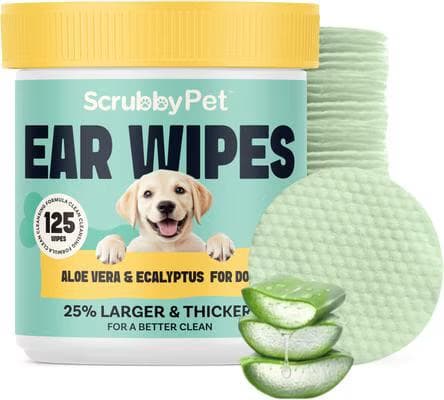
- Ear cleaner and cotton pads. For the weekly ear routine those floppy ears demand.
- If you buy nothing else, buy a good slicker brush and a metal comb. Line-brushing with the slicker and verifying with the comb prevents the vast majority of matting problems. Everything else is helpful, but those two are what actually keep the coat healthy day to day.
Investing in quality brushing tools pays off directly in fewer emergency de-matting sessions and longer gaps between costly professional grooms. If you are weighing a Cavapoo against the similar Cocker Spaniel cross, our Cockapoo vs Cavapoo comparison covers how the two coats and grooming loads stack up side by side.
Preventing and Removing Matting
Matting is the number one grooming problem for Cavapoos, and understanding it is the key to keeping your dog comfortable. A mat is a knot of tangled hair that tightens over time. Because a Cavapoo's coat traps its shed hair instead of dropping it, that loose hair works into the coat and, without regular brushing, felts into dense clumps. Left alone, mats pull painfully on the skin, restrict movement, trap moisture and debris against the skin, and can lead to sores and infections underneath.
How to Prevent Mats
Prevention is entirely about consistent, down-to-the-skin brushing, plus a few habits:
- Brush to the skin, not just the surface. Line brushing (described above) is the whole game. Mats start at the skin where you cannot see them.
- Hit the friction zones every time. Ears, armpits, collar, sanitary area, and leg feathering mat fastest. Do not skip them.
- Brush before and after baths, walks in wet weather, and play in long grass. Moisture and debris accelerate matting.
- Keep the coat at a sensible length. A shorter cut simply cannot mat as fast as a long one. If you are struggling to keep up, ask for a shorter clip.
How to Handle Mats You Find
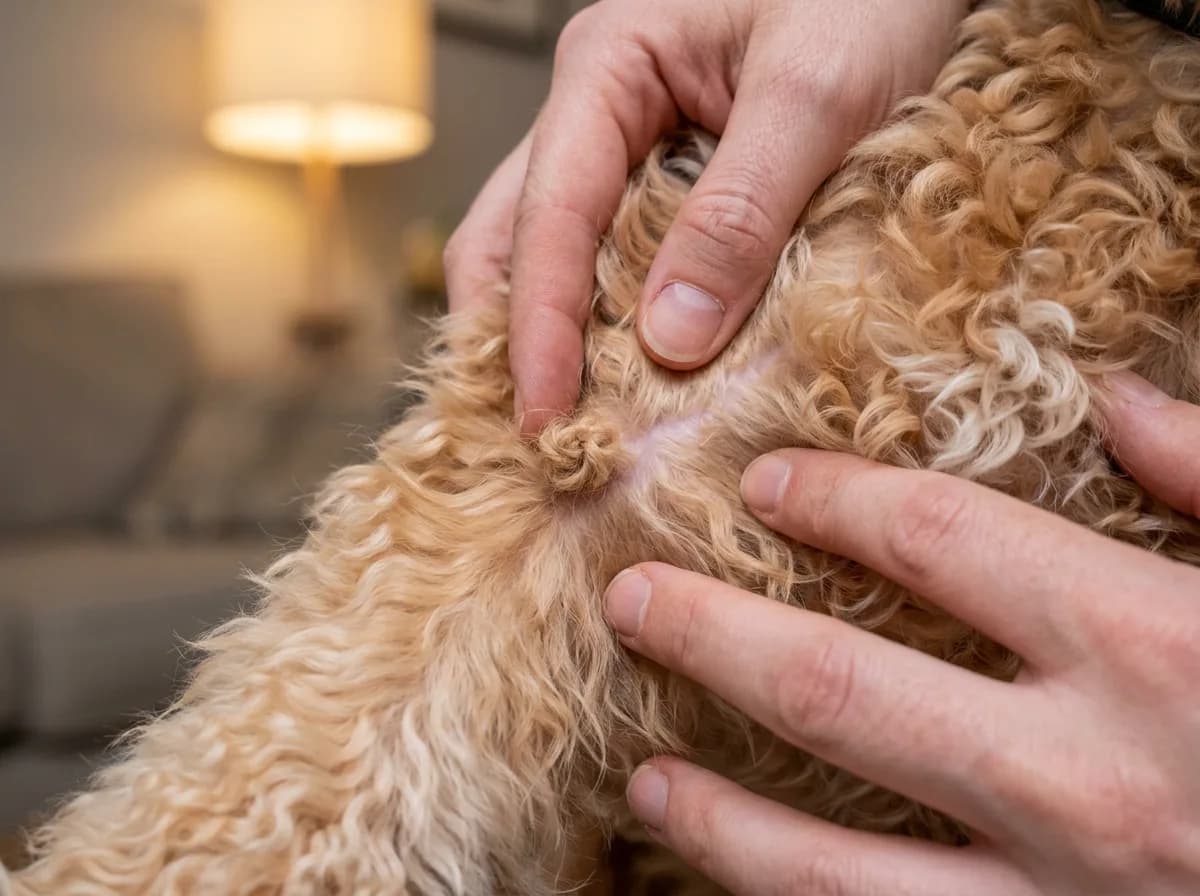
For a small, loose tangle caught early, work a little detangling spray in, then gently tease it apart with your fingers and a comb, holding the hair at the base so you do not pull the skin. Never bathe a matted dog, because water shrinks and tightens the mat into something far worse.
- Do not try to cut a tight mat out with scissors. Mats sit flush against the skin, and it is dangerously easy to cut the skin, which is one of the most common home-grooming injuries. If a coat is severely or painfully matted, the safe and humane solution is a professional shave-down with clippers. It will not look pretty for a few weeks, but the coat grows back, and a fresh start beats a painful, unhealthy coat every time.
The lesson every Cavapoo owner eventually learns is that preventing mats through routine brushing is a fraction of the effort of removing them. A ten-minute daily brush is far easier on you and your dog than an emergency de-matting session or a forced shave-down.
Ear, Nail, Eye, and Sanitary Care
Cavapoo grooming is not only about the coat. Four smaller routines round out a proper grooming schedule, and neglecting them causes some of the most common (and avoidable) health and comfort problems in the breed.
Ear Care
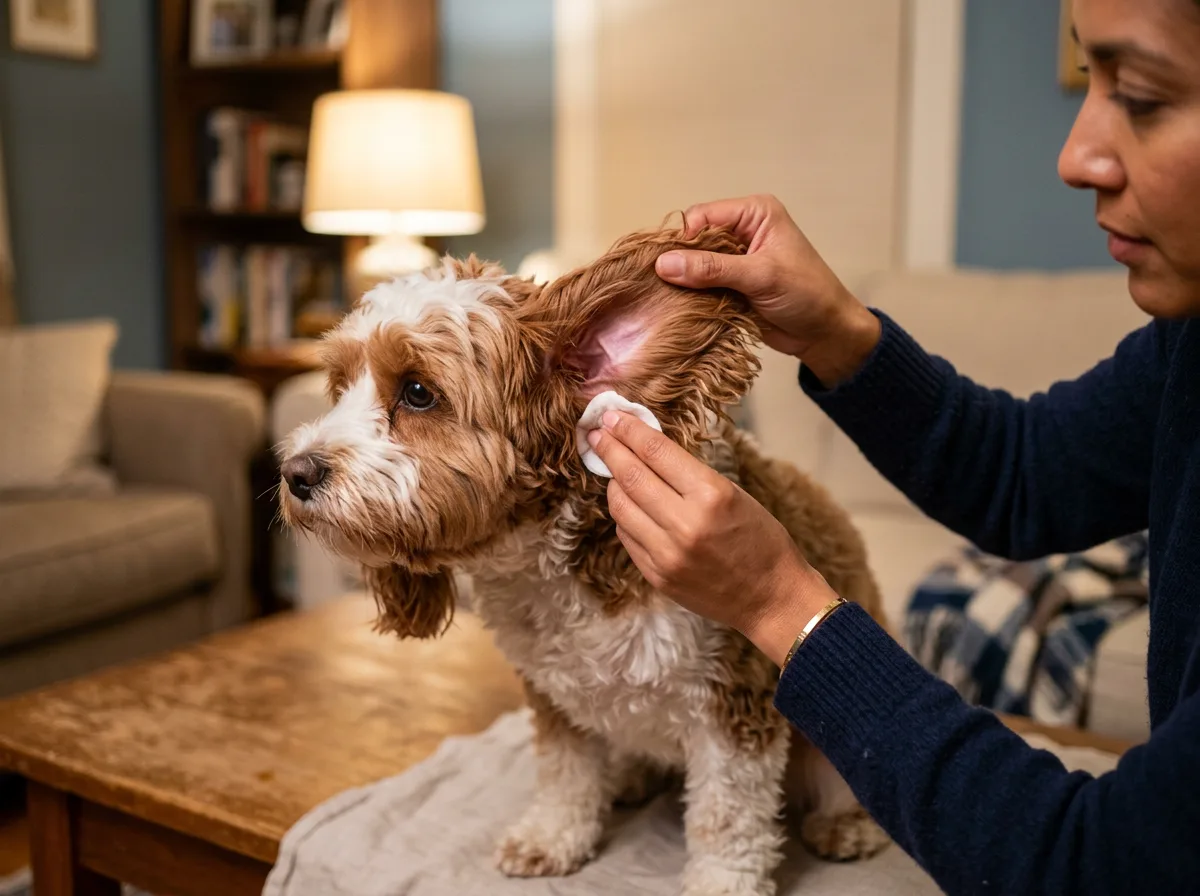
Cavapoos inherit long, floppy, hair-filled ears from both parents, and that design traps warmth, moisture, and wax, which makes them prone to ear infections. Check the ears every week and at every bath. Wipe the visible part of the ear with a dog ear cleaner on a cotton pad, and never push anything deep into the canal. Watch for redness, a bad smell, dark discharge, or head-shaking and scratching, which signal an infection that needs a vet. Keeping the hair around the ear opening trimmed and drying the ears thoroughly after baths and swimming both help a great deal.
Nail Care
Trim your Cavapoo's nails every 3 to 4 weeks, or whenever you hear them clicking on the floor. Overgrown nails are not just a cosmetic issue: they push against the ground and force the toes into an unnatural position, which is uncomfortable and strains the paw and leg over time. Use dog nail clippers or a nail grinder, and take only a little at a time to avoid the quick (the sensitive blood vessel inside the nail). If your dog has light-colored nails you can see the pink quick and avoid it; on dark nails, trim small slivers gradually.
Eye Care
Cavapoos are prone to tear staining, the reddish-brown marks below the eyes, and to hair growing into the eyes. Trim the hair around the eyes carefully with blunt-tipped scissors so your dog can see clearly and the eyes stay free of irritation. Gently wipe away eye discharge daily with a damp cloth to reduce staining and keep the area clean and dry.
Sanitary Trim
A sanitary trim keeps the hair short and clean around the rear and belly. It is a hygiene essential, not a style choice, and prevents feces and urine from clinging to the coat. Trim this area every one to two weeks with blunt-tipped scissors, or ask your groomer to keep it tidy at each appointment.
- Weekly ear checks head off painful ear infections, regular nail trims protect the joints, and eye and sanitary trims prevent irritation and infection. None of these takes long, but together they are the difference between a comfortable, healthy dog and a string of avoidable vet visits.
Choosing a Groomer and What to Ask For
Because so much of a Cavapoo's coat maintenance happens at the salon every 4 to 6 weeks, choosing a good groomer and briefing them clearly is one of the most important grooming decisions you will make. A great groomer becomes a long-term partner in your dog's coat health; a rushed or unclear appointment can leave you with a cut you did not want or a dog that dreads the whole experience.
How to Choose a Groomer
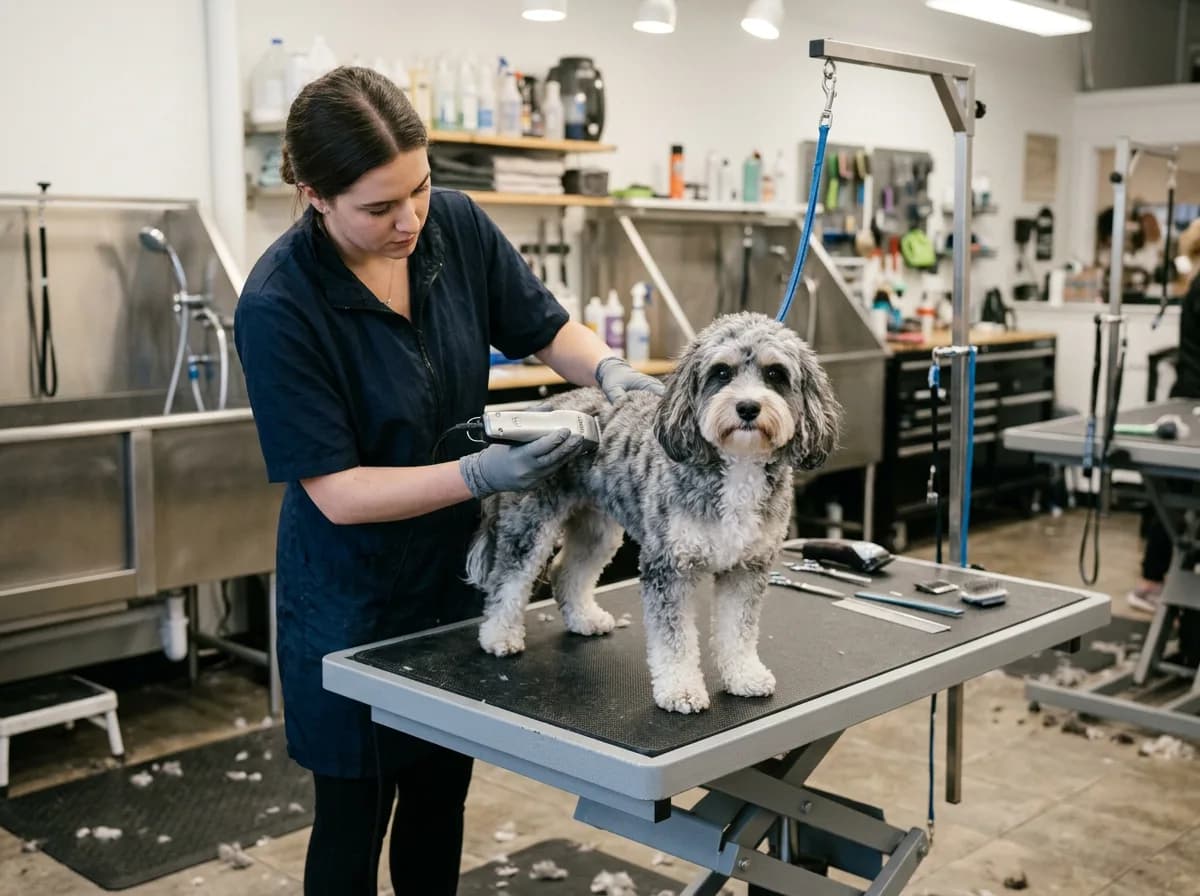
Look for a groomer experienced specifically with doodle and Poodle-cross coats, because these continuously growing coats behave differently from a typical shedding breed and require different handling. Ask friends with Cavapoos or other doodles for recommendations, read reviews, and if you can, visit the salon to see that it is clean, calm, and low-stress. A good groomer will happily talk you through their approach and handle a nervous dog patiently.
What to Ask For
Communication is everything, because cut names are interpreted differently from salon to salon. To get exactly what you want:
Petful may earn a commission when you click through to Chewy, at no extra cost to you.
- Bring a photo. A clear picture of the length and face shape you want is worth more than any verbal description.
- Name the cut and the length. Say "teddy bear cut, about one and a half inches on the body," rather than just "teddy bear cut."
- Be specific about the face. State whether you want a round, full teddy bear face or a shorter, cleaner muzzle, and always ask them to trim so your dog can see.
- Mention any problem areas. Tell the groomer about mats, sensitive spots, or ear issues up front so they can plan around them.
- Confirm the schedule. Book your next appointment for 4 to 6 weeks out before you leave, so the coat never gets ahead of you.
- Arriving with a mat-free, well-brushed dog gives the groomer a clean canvas and gets you a better result. If you show up with a matted coat, the groomer may have no choice but to clip it much shorter than you wanted, because de-matting a severe coat is painful for the dog. Your at-home brushing directly shapes what is possible at the salon.
The Cost of Cavapoo Grooming
Grooming is a real ongoing cost of owning a Cavapoo, and it is worth budgeting for from the start. Professional grooming appointments vary by region, salon, coat condition, and the cut you choose, but as a general guide most owners pay somewhere in the range of $50 to $90 per full groom, with more in higher-cost cities or for a badly matted coat that takes extra time. At a groom every 4 to 6 weeks, that adds up over a year.
| Full professional groom | $50 to $90 per visit | Bath, full clip, face, ears, nails, sanitary |
|---|---|---|
| Bath and tidy only | $30 to $50 per visit | Wash, dry, light trim, nails |
| At-home full kit (one-time) | $80 to $200 | Clippers, brushes, comb, scissors, shampoo |
| At-home ongoing | Cost of shampoo and tools | You do the labor |
Many owners find a middle path most economical: professional grooms every couple of months for the full body clip, with at-home brushing, face trims, nail trims, and bathing in between to stretch the interval and cut the yearly total. Grooming is only one line in the overall cost of the breed; our full Cavapoo price guide breaks down purchase price, grooming, food, insurance, and the other lifetime expenses so you can budget realistically.
- Groomers often charge extra to work through a severely matted coat because it takes far longer and is harder on the dog. Consistent home brushing is not just kinder to your dog, it directly keeps your grooming bills lower by keeping every appointment a standard, quick job.
How Cost Varies by Region and Salon Type
Where you live is the single biggest reason two owners pay very different prices for the same cut. In big metro areas with high rent and demand (New York, San Francisco, Los Angeles, Boston, Seattle), a full Cavapoo groom often runs $75 to $110 or more, while in smaller cities and rural areas the same service can be $45 to $70. The type of establishment matters too: a mobile groomer who comes to your driveway or a high-end boutique salon charges a premium over a big-box pet-store grooming counter, though the box-store option may rotate staff and know your specific dog less well. Coat condition is the wildcard that can blow any estimate: a badly matted dog often triggers a de-matting surcharge or a mandatory shave-down fee because the extra time and the risk to the dog justify it. Booking add-ons like teeth brushing, de-shedding treatments (rarely needed on a single-coated Cavapoo), nail grinding rather than clipping, or a specialty shampoo also nudge the total up. The most reliable way to control the number is to keep your dog well-brushed between visits and settle on a consistent 4 to 6 week schedule so every appointment stays a standard, predictable job rather than a rescue operation.
Budgeting for a Full Year
Because a Cavapoo needs that full clip roughly every 4 to 6 weeks, the yearly grooming line adds up faster than first-time owners expect. At a typical $50 to $90 per full groom and eight to eleven visits a year, professional grooming alone lands somewhere around $500 to $900 annually before any surcharges. Owners who take on the brushing, bathing, nail, and face work at home and reserve the groomer for the full body clip every other month can cut that meaningfully, often to $300 to $500 a year, in exchange for the time and the up-front tool cost. Whichever path you choose, treating grooming as a fixed monthly expense from the day you bring the puppy home, rather than a surprise, is the honest way to budget for this breed.
Grooming a Cavapoo Puppy: The First Year
The first year of a Cavapoo's life sets the tone for a lifetime of grooming, and getting it right is less about the perfect haircut and more about building tolerance and preventing that first painful mat. A puppy who learns early that brushing, clipper noise, foot handling, and salon visits are normal and rewarding becomes an easy adult to groom. A puppy who is only introduced to grooming at 8 months, already matted and stressed, can become a lifelong struggle.
Start Handling Before You Ever Pick Up a Brush
From the day you bring your puppy home, make gentle handling part of daily life. Touch and hold the paws, lift the ear flaps, run your fingers around the muzzle and eyes, and stroke along the body the way a groomer would. Pair every session with praise and small treats. This desensitization work, done for a minute or two a day, is what makes future nail trims, ear cleaning, and face scissoring calm rather than a fight. It costs nothing and pays off for the dog's entire life.
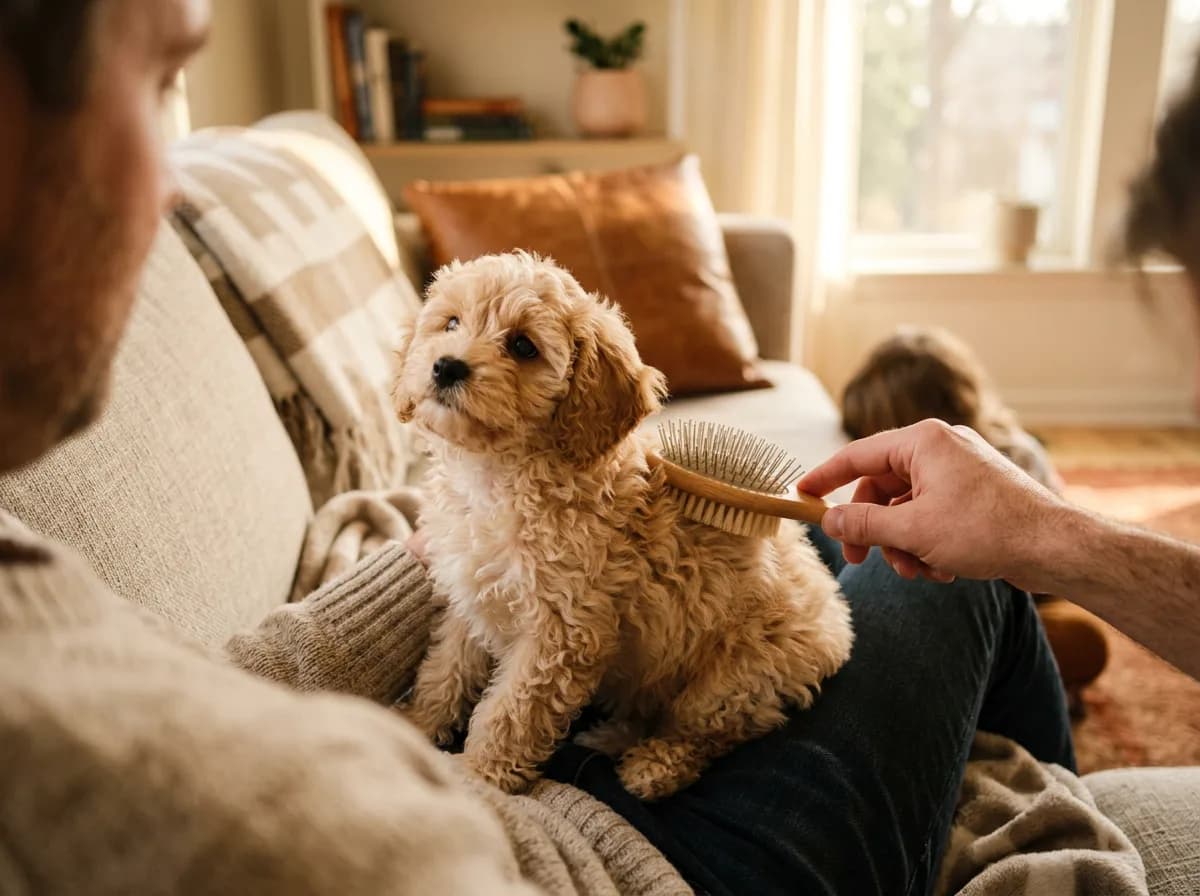
The First Grooming Appointments
Book a first "puppy groom" early, often around 12 to 16 weeks once vaccinations allow, even if the coat barely needs it. The goal of these first visits is not a dramatic cut but a positive introduction: a bath, a blow-dry, a light tidy, nails, and gentle handling so the puppy learns the salon is a safe place. A good groomer keeps these sessions short and upbeat. By the time the coat genuinely needs clipping, your dog already trusts the process.
Navigating the Puppy Coat Change
The single biggest grooming challenge of the first year is the puppy coat change, which usually happens between about 6 and 12 months of age. During this window the soft puppy fuzz is replaced by the coarser adult coat, and the two textures tangle against each other, so the coat mats far more easily than at any other time in the dog's life. This is the stage that catches first-time owners out: a dog that needed brushing twice a week suddenly mats overnight.
The fix is to brush more, not less, through the transition, ideally daily, reaching all the way to the skin. Many owners also choose to keep the coat shorter during the coat change, because a shorter coat simply cannot mat as fast, buying you breathing room while the adult coat comes in.
- Push through the 6 to 12 month coat change with daily brushing and you come out the other side with a settled adult coat and a dog that is fully comfortable being groomed. The intensive brushing eases once the adult coat is in, but the calm, cooperative grooming behavior you built stays for life.
Seasonal Cavapoo Grooming
Because most Cavapoos have a single, continuously growing coat with no heavy undercoat, they do not blow their coat seasonally the way double-coated breeds do. But the seasons still shape smart grooming choices, and adjusting the cut through the year keeps your dog comfortable and the coat healthy.
Summer Grooming
In hot weather many owners opt for a shorter clip, a summer or kennel cut, to help their dog stay cool and to keep the coat clean through more time spent outdoors. The important caveat, worth repeating, is never to shave a Cavapoo down to bare skin: the coat provides real protection against sunburn and even helps regulate temperature, so leave at least a quarter inch. Summer also means more swimming and more time in long grass, both of which demand extra brushing, because water and grass seeds work into the coat and mat it fast. Rinse and dry the coat thoroughly after swimming, especially the ears.
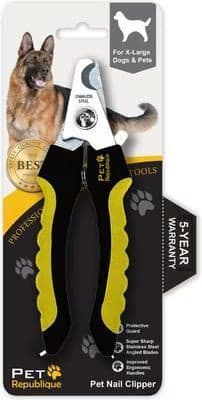
Sharp stainless-steel clippers with a built-in safety guard to help prevent over-cutting, sized for large breeds.
Petful may earn a commission when you click through to Chewy, at no extra cost to you.
Winter Grooming
In colder months, keeping the coat a little longer gives your dog extra warmth, and a teddy bear or puppy length works well. Winter brings its own coat challenges: road salt and de-icing chemicals irritate the paws and coat, and wet, muddy walks tangle the leg feathering. Wipe the paws and belly after winter walks, keep the hair between the paw pads trimmed so ice balls do not form, and stay on top of brushing the legs and underside. A slightly shorter belly and leg trim in winter can actually make wet-weather cleanup much easier even while the body stays longer for warmth.

- There is no rule that says the cut must stay the same year-round. Many owners run a shorter summer clip and a slightly longer, warmer winter coat, adjusting with the weather and their dog's activity level. Work with your groomer to plan a seasonal rhythm that fits your climate.
How Grooming Protects Your Cavapoo's Health
Grooming a Cavapoo is not only about looks. Several of the breed's most common health and comfort problems are directly influenced by how well you keep up with the coat, ears, eyes, and skin, so a consistent routine doubles as preventive care. Understanding the link makes it much easier to stay motivated on the days brushing feels like a chore.
Floppy Ears and the Infection Risk
Cavapoos inherit long, hair-filled, low-hanging ears from both the Cavalier and the Poodle, and that shape limits airflow and traps warmth and moisture inside the canal, which is exactly the environment yeast and bacteria favor. This is why doodle-type and spaniel-type dogs are widely recognized as more prone to ear infections (otitis externa) than prick-eared breeds. The grooming habits that lower the risk are simple: check the ears every week and after every bath or swim, wipe the visible part with a dog-formulated ear cleaner rather than pushing anything into the canal, keep the hair around the ear opening trimmed so air can circulate, and dry the ears thoroughly whenever they get wet. Redness, a yeasty smell, dark discharge, head-shaking, or persistent scratching are signs of an active infection that needs a veterinarian, not a home remedy.
Eyes, Tear Ducts, and Coat Around the Face
The Cavalier side of the family brings large, sometimes prominent eyes, and the Cavalier King Charles Spaniel is a breed the American College of Veterinary Ophthalmologists and breed health surveys flag for inherited eye conditions. Grooming does not treat those conditions, but it plays a real supporting role: hair left long around the eyes can wick tears, poke the surface of the eye, and cause the chronic irritation and tearing that produce tear staining, and a constantly damp face harbors yeast. Keeping the eye-area hair trimmed short with blunt-tipped scissors, wiping discharge away daily, and keeping the face dry all reduce irritation and let you spot a genuine eye problem (new redness, cloudiness, squinting, or heavy discharge) early enough to get it seen.
Skin, Matting, and Moisture Trapped Against the Body
The most direct health consequence of poor grooming is at skin level. A tight mat pulls on the skin, restricts airflow, and traps moisture and debris against the body, which can lead to redness, sores, and secondary skin infection underneath (a problem groomers call matting dermatitis). Because a Cavapoo's coat holds its shed hair instead of dropping it, that felting happens fastest in the warm, damp friction zones: the armpits, groin, behind the ears, and the sanitary area. Regular down-to-the-skin brushing, thorough drying so no dampness sits against the skin, and a sensible coat length are what keep the skin underneath healthy. Grooming sessions also double as a whole-body health check: running your hands over the dog every few days is how many owners first notice a new lump, a hot spot, a flea, a tick, or a sore area in time to act on it.
- Weekly ear checks head off painful infections, short eye-area hair and daily wiping protect sensitive Cavalier-inherited eyes, and down-to-the-skin brushing prevents the trapped-moisture skin problems that hide under mats. None of it replaces veterinary care, but a consistent grooming routine is one of the cheapest and most effective ways to keep small problems from becoming expensive ones.
Common Cavapoo Grooming Mistakes to Avoid
Even well-meaning owners make a handful of predictable grooming mistakes that lead to matting, skin problems, or a stressed dog. Knowing them in advance saves you the hard lessons.
- Skimming the surface instead of brushing to the skin. The most common mistake of all. Mats form at the skin, invisible from the top, so surface brushing leaves them to grow. Always line brush and verify with a comb.
- Waiting too long between grooms. Stretching a full-coat Cavapoo well past 6 weeks lets the coat get ahead of you and often forces a much shorter clip than you wanted. Stay on the 4 to 6 week schedule.
- Bathing a matted or unbrushed coat. Water shrinks and tightens tangles into hard mats. Always brush out fully before any bath.
- Letting the coat air-dry. Air-drying a wavy or curly coat is a reliable way to create mats as it knots while it dries. Always blow-dry while brushing straight.
- Shaving down to the skin. Removes the coat's protection and risks sunburn and skin damage. Leave a safe length.
- Neglecting the ears, eyes, and sanitary areas. These small routines prevent ear infections, eye irritation, and hygiene problems that a body-only focus misses.
- Using human shampoo. The wrong pH dries and irritates a dog's skin. Always use a dog-formulated shampoo.
- Skipping early desensitization. A puppy not taught that grooming is normal becomes a difficult adult. Start handling and short sessions from day one.
- Almost every dog that ends up needing a full shave-down got there through one root cause: surface brushing that missed the mats forming at the skin. If you take one habit from this guide, make it line brushing all the way down to the skin and confirming with a comb. It prevents the single most common (and most avoidable) grooming crisis in the breed.
DIY Grooming vs a Professional Groomer
One of the biggest decisions every Cavapoo owner makes is how much grooming to do yourself and how much to hand to a professional. There is no single right answer, and most owners land on a blend, but it helps to weigh the honest trade-offs.
Doing it yourself saves money, lets you groom on your own schedule, and builds a close handling bond with your dog. The downsides are a real learning curve, the up-front cost of tools, and the risk of an uneven cut or a nick if you rush the face or feet. A full body clip in particular takes practice and a cooperative dog.
Using a professional gets you a polished, even cut, expert handling of a nervous dog, and someone who spots skin, ear, or coat problems early. The trade-offs are cost (every 4 to 6 weeks adds up) and being tied to appointment availability. A good groomer is also a genuine asset for a matted or difficult coat that is beyond safe home handling.
| Cost | Tools up front, then low | $50 to $90 every 4 to 6 weeks |
|---|---|---|
| Skill needed | Learning curve, especially the body clip | None, the pro does it |
| Best for | Brushing, face, feet, nails, baths | Full body clips, de-matting, nervous dogs |
| Main risk | Uneven cut or a nick if rushed | Cost and appointment availability |
The split most owners find sustainable is to handle brushing, bathing, nail trims, and face and sanitary tidying at home, while booking a professional for the full body clip every 4 to 6 weeks. That keeps the frequent, easy tasks cheap and convenient while leaving the trickiest job to an expert. Whichever way you lean, the daily brushing is on you either way, and it is the habit that matters most.
Adjusting Grooming for a Senior Cavapoo
As a Cavapoo ages, its grooming needs shift, and adapting the routine keeps an older dog comfortable. Senior dogs often develop thinner, drier skin and sometimes a softer or patchier coat, which can mean gentler brushing and a richer, moisturizing shampoo. Arthritis and stiffness make standing for a long groom harder, so keep sessions shorter and consider a non-slip mat and more frequent breaks, whether at home or at the salon.
Many owners keep an older Cavapoo in a shorter, lower-maintenance cut simply because it is easier on a dog that cannot stand comfortably through long brushing sessions and is less tolerant of handling. Grooming time also becomes a valuable health check: running your hands over an older dog every few days helps you catch new lumps, skin changes, sore spots, or dental and ear issues early. Flag anything new to your vet. A gentle, patient grooming routine keeps a senior Cavapoo clean, comfortable, and closely monitored in its later years.
- For an older Cavapoo, every brushing session is a chance to feel for new lumps, skin problems, or sore areas and to notice changes in the coat that can signal a health issue. Keep sessions gentle and short, use the time to check the whole body, and mention anything new to your vet. Grooming and monitoring go hand in hand as your dog ages.
Managing Tear Stains and Face Care
Because Cavapoos often have light-colored coats and inherit the Cavalier's large, sometimes weepy eyes, tear staining, the reddish-brown discoloration in the fur below the eyes, is one of the most common cosmetic grievances owners have. It is usually harmless, but it is worth managing both for appearance and because a constantly damp face can harbor yeast and irritation.
Tear stains form where tears sit in the fur, and the pigment in the tears (plus yeast and bacteria that thrive in the damp) causes the color. To keep them down:
- Keep the eye-area hair trimmed short with blunt-tipped scissors so hair does not poke the eye and cause extra tearing, and so tears do not wick into a long fringe.
- Wipe the area daily with a soft, damp cloth or a dog-safe eye wipe to remove the tears before they stain and dry.
- Keep the face dry. After wiping or after meals, pat the area dry. A perpetually wet face stains and irritates faster.
- Watch for excessive tearing that is new or heavy, which can signal a blocked tear duct, an eye infection, an ingrown lash, or an allergy worth a vet visit rather than a grooming fix.
- No wipe or supplement erases tear staining instantly, and you should be wary of any product promising that. Consistent daily wiping, keeping the eye-area hair short, and keeping the face dry is what genuinely reduces staining over time. If staining appears suddenly or with redness or discharge, treat it as a possible eye problem and see your vet.
Grooming Around Your Cavapoo's Face Shape
One reason the same cut can look different on two Cavapoos is that face shape and coat texture vary from dog to dog, and a good groom works with your individual dog's structure rather than forcing a template. A dog with a shorter Poodle-influenced muzzle carries a round teddy bear face differently from a dog with a longer, more spaniel-like muzzle. This is exactly why bringing a reference photo and talking through what you want matters so much.
If your Cavapoo has a longer muzzle, a full round teddy bear face can be scissored to visually balance it; if the muzzle is short, the same round shape reads as very plush and doll-like. Groomers also shape the topknot and the hair between the eyes to open up the expression and, critically, to keep hair out of the eyes. Whatever your dog's structure, the two non-negotiables are that the eyes stay clear enough to see and the face stays comfortable and clean. Everything else is a matter of the look you prefer, and a skilled groomer will tell you honestly what suits your particular dog.
For a sense of how big your dog will get, which affects grooming time and how much coat there is to manage, our Cavapoo full-grown size guide covers the breed's adult dimensions.
Keeping the Coat Healthy Between Grooms
A great haircut lasts only as long as the routine that maintains it, and the weeks between professional grooms are where a Cavapoo's coat is really made or ruined. Think of the salon visit as the reset and your at-home habits as the daily upkeep that protects it. A handful of small, consistent practices keep the coat looking freshly groomed far longer.
Build a Short Daily Habit
The single most valuable thing you can do is a brief daily brush rather than a long weekly battle. Five to ten minutes a day, line brushing to the skin and hitting the friction zones, prevents mats before they start and keeps the coat soft and even. A daily habit is also gentler on your dog than an occasional marathon session that pulls at accumulated tangles. Attach it to an existing routine, such as after an evening walk, and it becomes automatic.
Feed the Coat From the Inside
A healthy coat starts with good nutrition. A complete, balanced diet with adequate protein and omega-3 fatty acids supports skin and coat health from within, which means a softer, shinier coat that tangles less and sheds less dander. If your dog's coat seems dry, dull, or flaky despite good grooming, or if the skin looks irritated, talk to your vet, because a coat problem can sometimes be a nutrition or health signal rather than a grooming one.
Keep the Coat Clean and Dry
Debris, moisture, and grime accelerate matting, so a coat that is kept reasonably clean and dry simply mats less. Wipe the paws and underside after muddy or wet walks, rinse and dry the coat after swimming, and keep the sanitary and eye areas clean day to day. None of this replaces brushing, but together these habits reduce the workload and stretch the good looks of a fresh groom.
- Owners are sometimes disappointed that a beautiful cut looks scruffy within two weeks, but that is almost always a maintenance gap rather than a bad groom. A few minutes of daily brushing, a clean and dry coat, and good nutrition keep a Cavapoo looking freshly styled right up until the next appointment. The upkeep is what makes the haircut worth the money.
Cavapoo Haircut FAQ
Below are quick answers to the questions Cavapoo owners ask most about haircuts and grooming, including a few that come up alongside grooming even though they are really about care, health, and behavior. Where a question deserves a fuller answer, we point you to the dedicated Petful guide.
A teddy bear cut is the most popular Cavapoo haircut, in which the whole coat is clipped to a soft, even 1 to 2 inch length and the face is scissored into a rounded, full circle so the dog looks like a plush teddy bear. The muzzle hair is kept long and blended into the cheeks rather than trimmed short, and the eyes are cleared so the dog can see. It is popular because it keeps the cuddly Cavapoo look while staying practical: the length is long enough to look full but short enough that brushing several times a week keeps it mat-free.
A Cavapoo should sleep somewhere warm, safe, and close to the family, since the breed is highly people-oriented and prone to separation anxiety. A crate or a comfortable dog bed in or near your bedroom works well, especially for a new puppy, because being nearby reduces anxiety and night-time crying. Many owners eventually let their Cavapoo sleep in the bedroom. The key is consistency and proximity to their people rather than being isolated in a distant room. For more on the breed's temperament and companionship needs, see our Cavapoo breed guide at https://www.petful.com/dog-breeds/cavapoo/.
The rarest Cavapoo colors are typically the solid black coat and unusual patterns like true merle or a well-defined tricolor, because most Cavapoos come in apricot, red, cream, gold, and various parti (two-color) combinations. Solid black is uncommon because the color genetics of the Cavalier and Poodle parents more often produce lighter or mixed coats. Color does not affect a dog's health or temperament, so it should never be the main reason to choose a puppy. Coat and grooming needs depend on curl and texture, not color.
Yes, you can cut your Cavapoo's hair at home once the dog is at least 6 months old and has been desensitized to clippers. Many owners handle brushing, face and eye trims, feet, and sanitary trims themselves and leave the full body clip to a groomer. If you do a full clip, always brush the coat out to the skin first, use dog clippers with guard combs for the body and blunt-tipped scissors for the face and feet, start longer than you think, and go slowly. A full haircut is best left to a professional if you are unsure or your dog is anxious.
The best Cavapoo haircut is the one that matches your dog's coat type, your climate, and how much brushing time you have, but for most owners that is the teddy bear cut or the puppy cut. The teddy bear cut gives the classic fluffy look with moderate upkeep, the puppy cut is the lowest-effort full length, a summer or kennel cut suits hot climates and active dogs, and a cocker or spaniel cut flatters straighter, silkier coats. Every full-length cut needs a professional trim every 4 to 6 weeks.
Because the Cavapoo is a Cavalier King Charles Spaniel and Poodle cross, its most significant inherited health risk is heart disease, particularly mitral valve disease carried from the Cavalier line, which is a leading cause of death in the breed. Other inherited conditions to watch for include eye disorders such as progressive retinal atrophy and orthopedic issues like patellar luxation and hip dysplasia. Responsible breeding with health-tested parents lowers these risks. For a full, vet-reviewed look at the breed's health and how long Cavapoos live, see our Cavapoo lifespan guide at https://www.petful.com/dog-breeds/cavapoo-lifespan/.
Cavapoos, especially puppies, can cry at night when they are newly home, left alone, or feeling anxious, because the breed is very people-oriented and dislikes isolation. Night crying usually settles with a consistent bedtime routine, a comfortable sleeping spot close to the family, enough daytime exercise and stimulation, and gradual training to be comfortable alone. Persistent night crying in an adult Cavapoo can point to separation anxiety, boredom, or a health issue worth discussing with your vet.
The Bottom Line on Cavapoo Haircuts and Grooming
Cavapoo haircuts and grooming are a real, ongoing commitment, but a completely manageable one once you understand why they matter. The breed's Poodle-cross coat grows continuously and never sheds itself out, so a full haircut every 4 to 6 weeks plus regular brushing is not optional grooming, it is basic coat maintenance that keeps your dog comfortable and mat-free. Choose a cut that fits your dog's coat and your lifestyle: the teddy bear cut for the classic fluffy look, a puppy or summer cut for lower upkeep, and a cocker cut for straighter coats. Brush down to the skin several times a week, bathe and dry properly, keep up with ears, nails, eyes, and the sanitary area, and brief your groomer with a photo. Do that, and the Cavapoo rewards you with the soft, teddy bear look that makes the breed so beloved, without the painful matting that catches unprepared owners off guard. For everything else about the breed, from size and cost to temperament and health, our Cavapoo breed guide is your starting point.

Coreen Saito is a pet writer and longtime shelter volunteer with more than a decade in animal rescue. She covers cat behavior, breed care, and the small, ordinary science of sharing a life with companion animals, with a particular focus on honest takes about the products and decisions that actually matter. At home in Arizona, she's outranked by Mac (a dog with the loudest opinion in the house), Rebel (a cat who governs by quiet authority), and Meri (an orange tabby who runs the late shift and the laundry basket). She writes about all three, plus the rescues that keep coming through her life, at LifeWithMinty.com.
Sign up for expert-backed reviews and safety alerts all in one place.