Cockapoo: Size, Cost, Shedding & Temperament Guide
A cockapoo is a Cocker Spaniel and Poodle cross prized for its low-shedding coat and friendly nature. Here are the real facts on size, cost, shedding, grooming, temperament, health, and how it compares with the cavapoo.
Petful is reader supported. As an affiliate of platforms like Amazon and Chewy, we may earn a commission when you buy through links on this page. There is no extra cost to you.
The cockapoo, a cross between a Cocker Spaniel and a Poodle, has been one of the most popular designer dogs in the United States and the United Kingdom for more than 60 years, with typical adults weighing roughly 12 to 25 pounds and living about 12 to 15 years. Bred first in the 1950s for a friendly, low-shedding companion, this cross now comes in five recognized sizes, several coat types, and a price range that runs from a few hundred dollars to well over $2,500. This guide gives you the real facts on size, shedding, cost, grooming, temperament, and health so you can decide if the breed fits your home.
- 1A cockapoo is a Cocker Spaniel and Poodle cross, not a purebred recognized by the AKC or the Kennel Club.
- 2Adults range from about 6 pounds (Teacup) to 30 pounds (Maxi), most fall in the 12 to 25 pound Miniature range.
- 3They shed less than many breeds but are not guaranteed hypoallergenic, coat type and generation both matter.
- 4Expect to pay roughly $900 to $2,500 to buy one, plus $1,000 to $2,500 a year to keep one healthy and groomed.
Cockapoos are affectionate, people-oriented dogs that thrive on company, so they suit households where someone is home for much of the day. Below we break the breed down section by section, from where it came from to how it compares with the closely related cavapoo.

Sign up for expert-backed reviews and safety alerts all in one place.
What Is a Cockapoo?
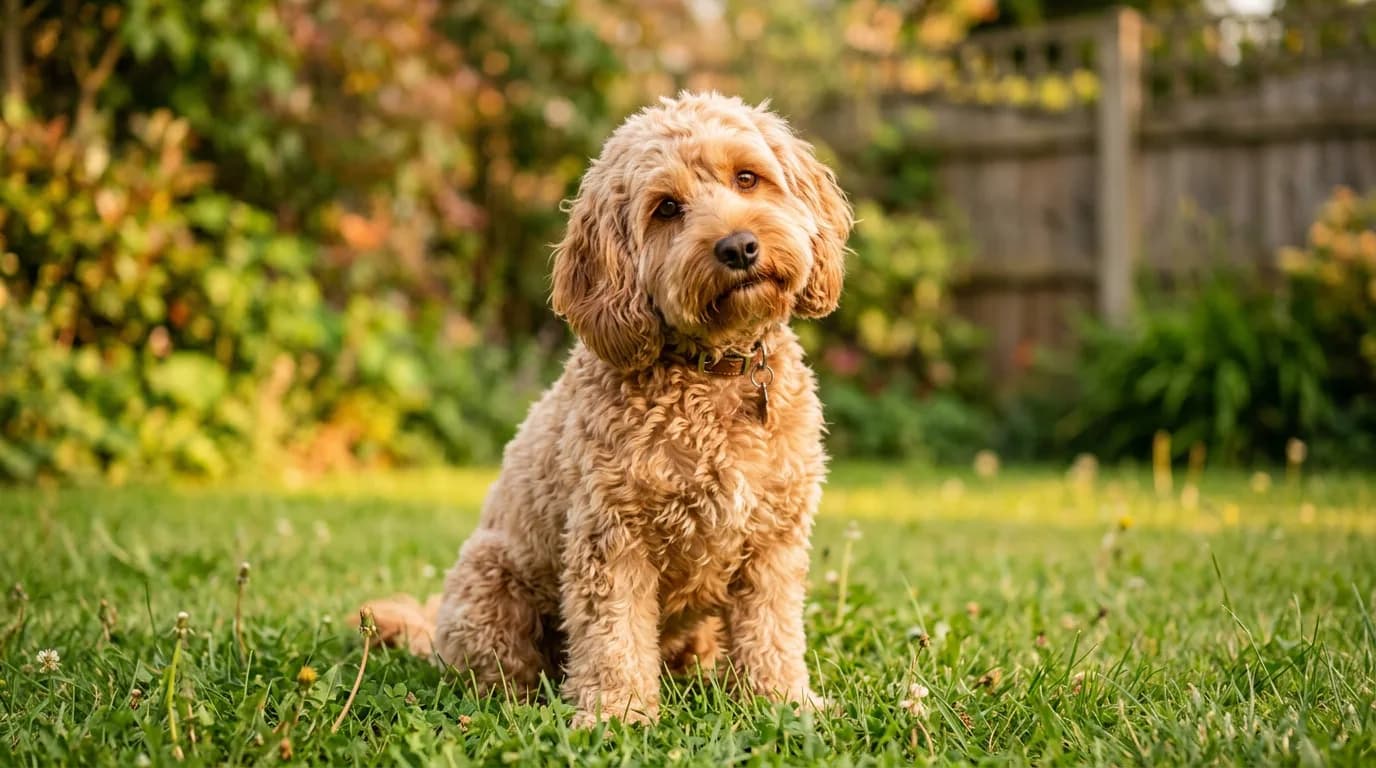
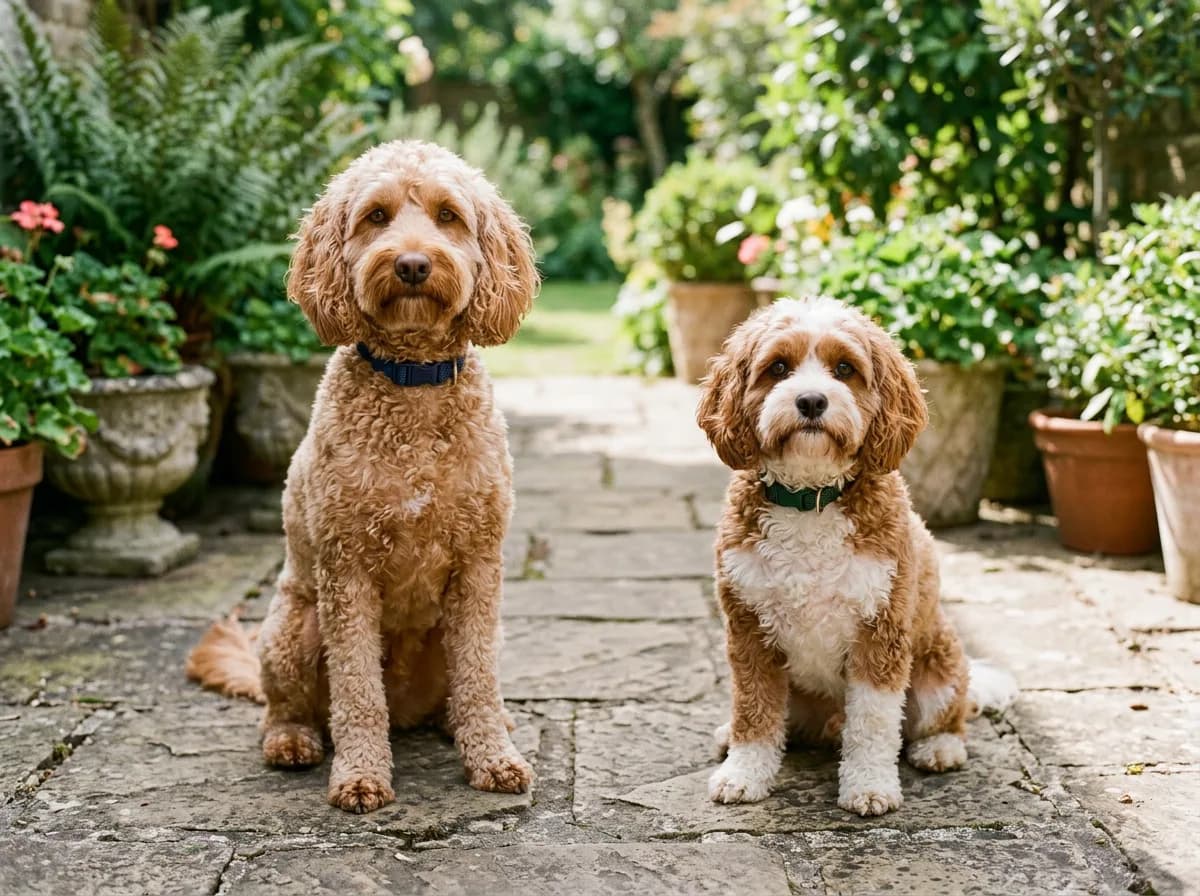
A cockapoo is a hybrid dog produced by crossing a Cocker Spaniel with a Poodle. Because it is a crossbreed and not a pedigree, it is not recognized as a breed by the American Kennel Club (AKC) or the UK Kennel Club (KC). Instead, dedicated hobby registries such as the American Cockapoo Club and the Cockapoo Club of GB maintain breed standards and pedigrees for enthusiasts who want to breed toward a consistent type.
The cross is one of the oldest of the "doodle" or "poo" mixes. Most breed historians trace the first intentional cockapoos to the United States in the 1950s, which makes the cockapoo considerably older than the labradoodle (first popularized in the late 1980s). The goal was a companion dog that combined the sweet, sociable nature of the Cocker Spaniel with the intelligence and lower-shedding coat of the Poodle.
Understanding the parents helps explain the dog. The Cocker Spaniel is a gundog bred to flush and retrieve birds, which is where the cockapoo's playful energy, love of people, and food motivation come from. The Poodle, despite its show-ring reputation, was also a working water retriever, and it contributes the cross's high intelligence, curly low-shedding coat, and athleticism. Blend the two and you get a bright, affectionate, moderately active companion, which is exactly what the original breeders were aiming for. Enthusiasts have worked since the 1990s to breed cockapoo-to-cockapoo lines toward a more predictable, self-perpetuating type, though most cockapoos sold today are still first-generation (F1) or F1b crosses rather than established multigen lines.
Other names for the cockapoo
You will see the same dog sold under several names depending on the country and the breeder. Common alternatives include cockerpoo, cockapoodle, cock-a-poo, and spoodle (the term used most often in Australia and New Zealand). They all describe the same Cocker Spaniel x Poodle cross.
Because either an American Cocker Spaniel or an English (Show) Cocker Spaniel can be used, and Poodles come in Toy, Miniature, and Standard varieties, there is real variation from litter to litter. The Poodle variety used is the main driver of adult size.
Generations: F1, F1b, and multigen
Breeders describe cockapoos by generation, and the generation tells you how much Poodle is in the mix, which in turn affects coat and shedding:
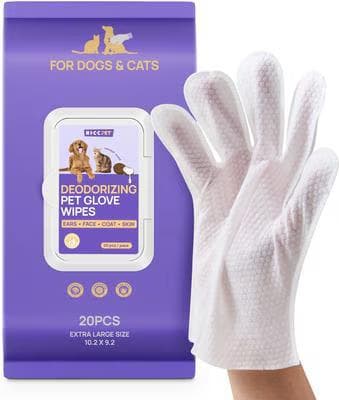
Petful may earn a commission when you click through to Chewy, at no extra cost to you.
- F1: a purebred Cocker Spaniel crossed with a purebred Poodle (a 50/50 first-generation cross). Coats vary most in this generation.
- F1b: an F1 cockapoo bred back to a purebred Poodle (about 75 percent Poodle). This generation tends to have curlier, lower-shedding coats and is often marketed to allergy-conscious buyers.
- F2 and multigen: two cockapoos bred together, or later-generation pairings. Coat type is less predictable across a litter.
- No major kennel club (AKC or KC) recognizes the cockapoo as a breed. Pedigrees come from hobby clubs like the American Cockapoo Club, so "papers" mean something different here than they do for a registered purebred.
Cockapoo colors
Cockapoos come in a wide palette because both parent breeds carry many coat colors. The most common solid colors are apricot, cream, red, chocolate (brown), black, and golden. You will also see multi-color patterns such as parti (two colors, usually white with patches), phantom (a base color with tan points), sable, merle, and roan. Color has no bearing on health or temperament, though rarer colors and patterns often command higher breeder prices. One quirk to know: many cockapoos "fade" or lighten as they mature, so a dark red puppy may grow into an apricot adult.
Cockapoo Size and Weight
Adult size depends almost entirely on which Poodle variety was used and, to a lesser degree, on the Cocker Spaniel parent. Most cockapoos fall into the small-to-medium range, but the spread is wide. The five commonly marketed size categories run from Teacup at the small end to Maxi (also called Standard) at the large end.
The table below reflects the ranges published by cockapoo breed clubs and reputable breeders. Treat any single figure as a guide, not a guarantee: a growing puppy's adult size is an estimate until it matures at around 9 to 12 months.
| Size | Height at Shoulder | Adult Weight | Poodle Parent |
|---|---|---|---|
| Teacup | Under 10 in | 6-12 lb | Toy Poodle (smallest lines) |
| Toy | About 10 in | 8-12 lb | Toy Poodle |
| Miniature | 11-14 in | 12-18 lb | Miniature Poodle |
| Maxi / Standard | 15 in and up | 19-30 lb | Standard Poodle |
The Miniature cockapoo is by far the most common and is what most people picture when they think of the breed. For a deeper look at how these dogs fill out from puppy to adult, see our guide to the cockapoo full-grown size and growth timeline.

- If exact size matters to you, ask the breeder which Poodle variety the sire is and to see both parents. A Standard Poodle sire means a bigger dog, a Toy Poodle sire means a small one. The Cocker parent is fairly consistent in size, so the Poodle side is where the variation comes from.
Cockapoo Temperament and Personality
Cockapoos are best known for being affectionate, cheerful, and highly people-oriented. Both parent breeds are companion and sporting dogs, so the cross tends to be sociable with family, good with children, and generally friendly toward other dogs and strangers when properly socialized. They are frequently described as one of the easier crossbreeds for first-time owners because they aim to please and are quick to learn.
That intelligence comes from the Poodle side, one of the most trainable of all breeds, and the Cocker Spaniel's biddable, food-motivated nature reinforces it. With positive-reinforcement training and early socialization, most cockapoos pick up house manners and basic obedience readily. You can read more in our detailed look at cockapoo temperament and behavior.
Training tips for a cockapoo
Because cockapoos are so bright and so eager to please, they respond best to short, upbeat, reward-based sessions rather than harsh correction. A few pointers that work well with this cross:
- Use food and praise. Both parent breeds are highly food-motivated, so small treats and an enthusiastic voice go a long way. Keep sessions to 5 to 10 minutes so the dog stays engaged.
- Prioritize socialization early. Introduce your puppy to a wide variety of people, dogs, sounds, and surfaces during the first few months. A well-socialized cockapoo is confident and friendly as an adult.
- Build alone-time tolerance from day one. Because separation anxiety is the breed's main weakness, teach your puppy that being alone for short, gradually lengthening periods is normal and safe before you ever need to leave it for a work errand.
- Redirect, do not punish, the smart dog's mischief. A bored cockapoo will invent its own games. Give it a puzzle feeder or a training task instead of scolding it for the chewing that boredom produces.
Are cockapoos good with kids and other pets?
Yes, for the most part. Their gentle, playful disposition makes them a common choice for families. As with any dog, interactions with very young children should be supervised, and children should be taught to handle a small dog gently. Early, positive exposure to other dogs and to cats sets a cockapoo up to be a sociable adult.
Are cockapoos the naughtiest breed of dog?
No. The cockapoo is not the naughtiest breed of dog, and there is no single objective ranking that crowns one breed as "the naughtiest." Any list of that kind is subjective and usually reflects energy level, intelligence, and boredom tolerance rather than temperament. A well-exercised, well-trained cockapoo is typically well-behaved. Where cockapoos do get into trouble, it is almost always because a smart, sociable dog was left under-stimulated or alone too long, which leads to chewing, barking, or digging out of boredom rather than any inborn "naughtiness."
Petful may earn a commission when you click through to Chewy, at no extra cost to you.
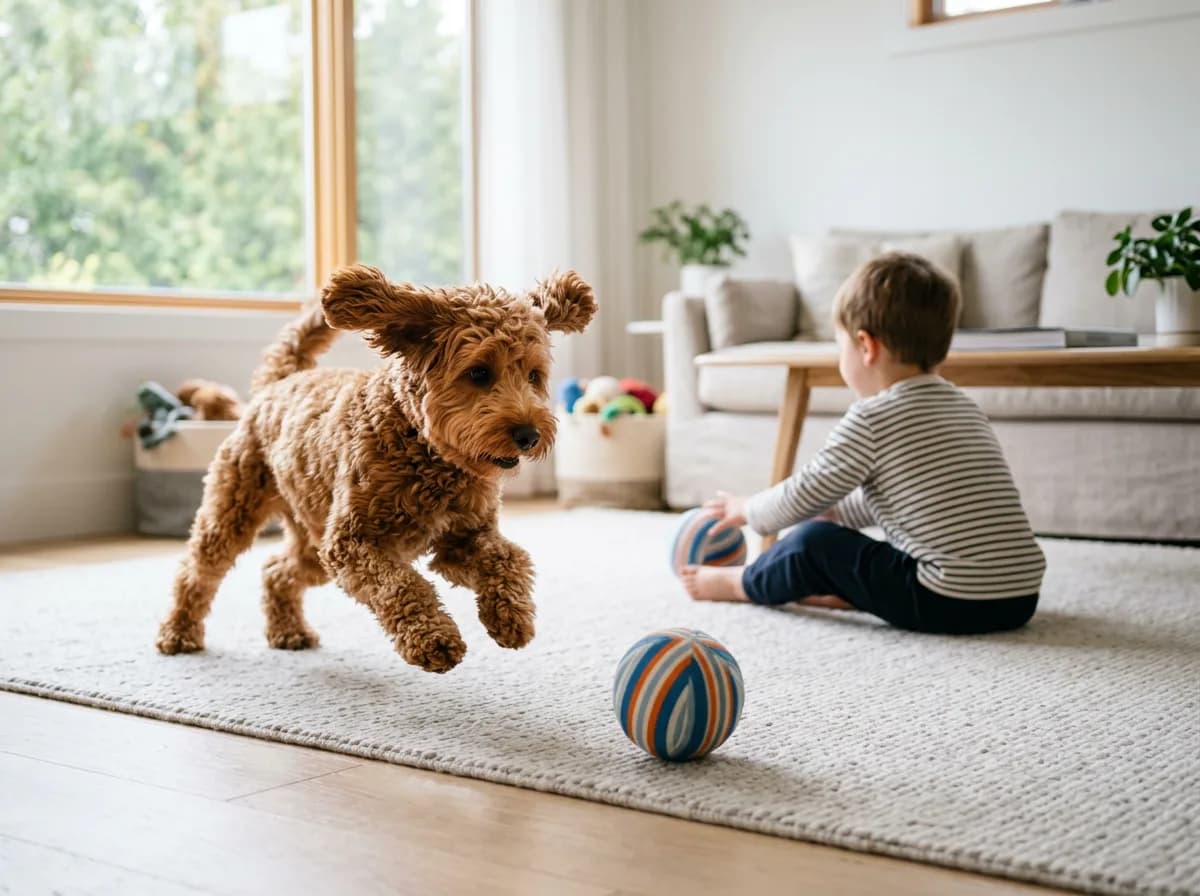
Can a cockapoo be left alone for 8 hours?
Not comfortably, and it is not recommended as a daily routine. Cockapoos are companion dogs that bond closely with their people and are prone to separation anxiety when left alone for long stretches. Most veterinary and welfare guidance suggests that an adult dog should not be left alone for more than about 4 to 6 hours at a stretch, and puppies far less than that (roughly one hour per month of age up to a point).
An eight-hour workday alone, every day, is likely to lead to stress behaviors such as excessive barking, house-soiling, and destructive chewing. If you work full-time away from home, plan for a midday dog walker, doggy daycare, or a family member to break up the day. Building up alone time gradually and giving the dog a safe, enriched space helps. Our guide to managing dog separation anxiety covers desensitization steps in more depth.
- Because cockapoos are so people-focused, long daily absences are the most common cause of behavior problems in the breed. If your household is empty for 8-plus hours every weekday, factor in daycare or a walker before you commit.
Do Cockapoos Shed? Are They Hypoallergenic?
Cockapoos are low-shedding compared with many breeds, which is one of the main reasons people seek them out. They are often marketed as hypoallergenic, but that claim needs a careful caveat: no dog is truly 100 percent hypoallergenic, and the cockapoo is no exception.
The main dog allergen is a protein called Can f 1, which is present in a dog's dander (shed skin flakes), saliva, and urine, not in the hair itself. Because low-shedding dogs release less loose hair, they can spread less dander around a home, which is why many allergy sufferers tolerate them better. But every dog produces Can f 1, and individual reactions vary widely. A 2011 study published in the American Journal of Rhinology & Allergy found no significant difference in the amount of the dominant dog allergen in homes with "hypoallergenic" breeds versus other breeds.
The practical takeaway: a curlier-coated cockapoo (especially an F1b with more Poodle) usually sheds and spreads less dander, but if someone in your home has a diagnosed dog allergy, spend time with the specific dog before committing. For the fuller picture, see our guides on whether cockapoos shed and how the cross compares in our cockapoo shedding and coat overview.
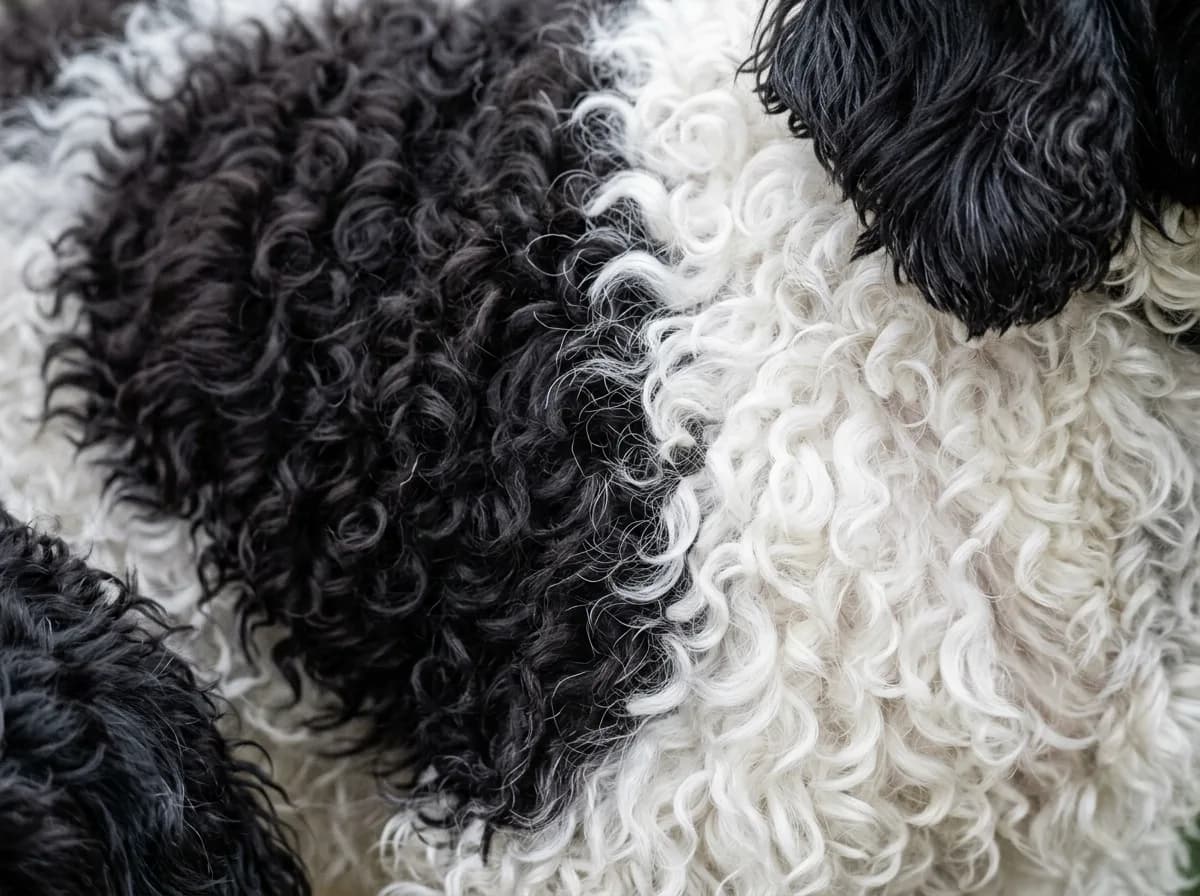
Coat types
Cockapoos come in three broad coat types, and the type strongly affects both shedding and grooming needs:
- Curly (Poodle-like): the lowest-shedding and most allergy-friendly, but the highest maintenance because it mats easily.
- Wavy (the "ideal" cockapoo look): a middle-ground fleece coat, moderate shedding and grooming.
- Straight (Cocker-like): sheds the most of the three and is closest to a Cocker Spaniel's coat.
- The allergen is Can f 1 in dander and saliva, not in fur. A low-shedding cockapoo spreads less of it, which helps many (not all) allergy sufferers. Always trial-visit before you buy if allergies are the deciding factor.
Cockapoo Grooming and Coat Care
Grooming is where the cockapoo earns its "high maintenance" reputation. The low-shedding coats that make the breed attractive to allergy sufferers do not fall out on their own, which means loose and dead hair stays trapped in the coat and mats quickly if it is not brushed. That trade-off is real: less vacuuming, but more brushing and regular professional trims.
Are cockapoos high maintenance?
In grooming terms, yes, cockapoos are relatively high maintenance. In temperament and trainability terms, they are actually fairly easy. Here is what routine coat care involves:
Petful may earn a commission when you click through to Chewy, at no extra cost to you.
- Brushing: most cockapoos need brushing several times a week, and curly-coated dogs often need it daily to prevent mats behind the ears, in the armpits, and around the collar.
- Professional grooming: plan on a full clip every 6 to 8 weeks. Many owners keep a shorter "puppy cut" to reduce matting between visits.
- Ears: the floppy, hairy ears inherited from the Cocker Spaniel trap moisture and are prone to infection, so check and clean them regularly (more on this in the health section).
- Eyes, nails, teeth: trim the hair around the eyes, keep nails short, and brush teeth as you would for any small dog.
For a full routine, including tools and clip styles, see our dedicated cockapoo grooming guide.
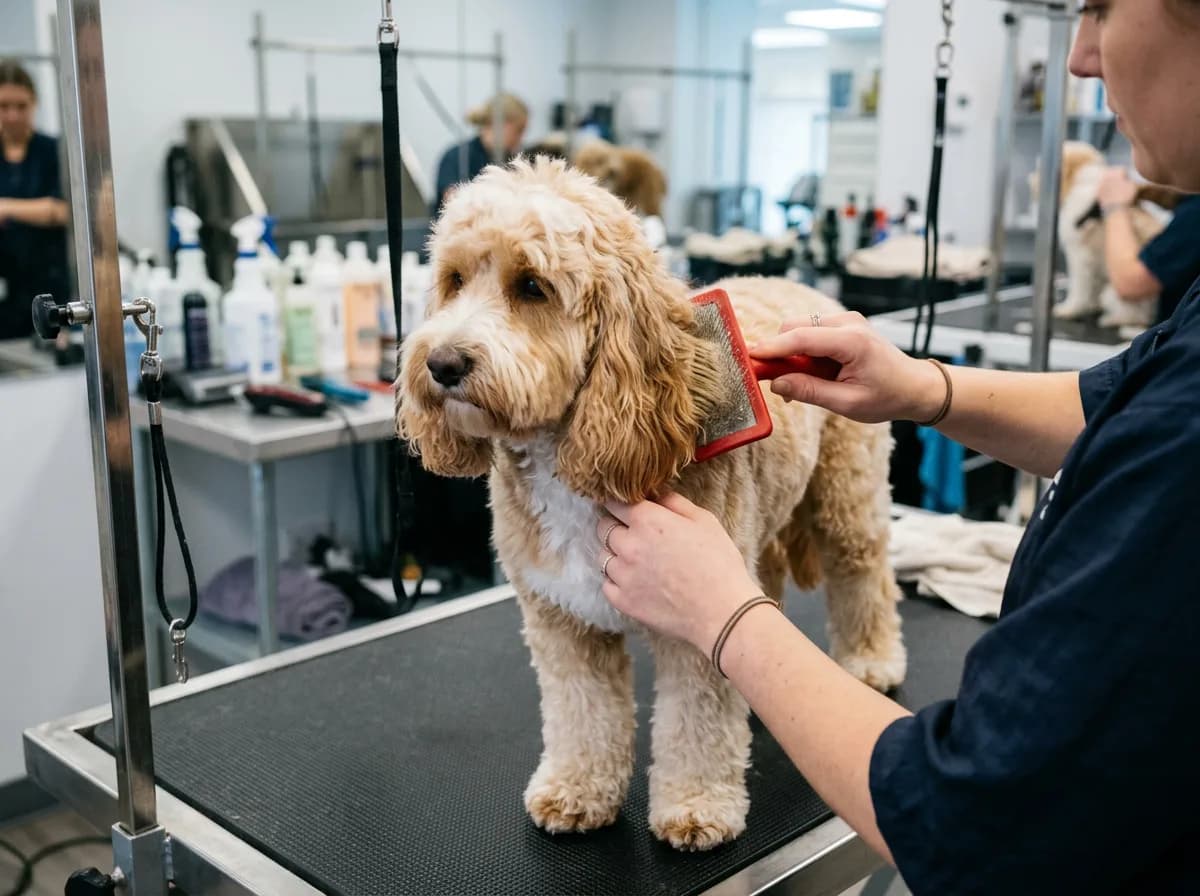
- Introduce brushing, ear-handling, and the clippers when your cockapoo is a puppy so it learns to tolerate handling. A dog that sits calmly for grooming is far cheaper and less stressful to maintain over a 12 to 15 year lifespan.
How Much Does a Cockapoo Cost?
A cockapoo usually costs between about $900 and $2,500 to buy from a breeder in the United States, with well-bred, health-tested lines from reputable breeders often landing at the higher end and sometimes exceeding that for sought-after colors or sizes. Rescue or adoption fees are far lower, typically in the $100 to $500 range. Price varies with the breeder's reputation, health testing, generation, coat color, size, and your location.
Purchase price is only the start. The bigger number is the lifetime cost of keeping the dog. Grooming alone is a recurring expense that many first-time owners underestimate, and cockapoos need it often.
| Expense | One-Time / Setup | Annual (Ongoing) |
|---|---|---|
| Purchase from breeder | 900-2,500 | n/a |
| Initial supplies (crate, bed, bowls) | 150-400 | n/a |
| Food and treats | n/a | 300-600 |
| Professional grooming (every 6-8 wks) | n/a | 500-1,000 |
| Routine vet and preventives | n/a | 300-700 |
| Pet insurance (optional) | n/a | 300-700 |
Adding it up, plan on roughly $1,000 to $2,500 per year in ongoing costs once your cockapoo is home, on top of the purchase price. Over a 12 to 15 year lifespan that is a meaningful commitment. For a broader cost framework across breeds, see our guide to how much a dog costs over its lifetime, and our breed-specific cockapoo price breakdown.
How cost varies by region and life stage
Where you live moves the purchase price as much as any other single factor. Cockapoos from breeders in high-cost metro areas (the Northeast corridor, California, and major cities) routinely list toward the top of the $900 to $2,500 range and can exceed it, while rural and Midwestern breeders often sit several hundred dollars lower for a comparable, health-tested puppy. In the United Kingdom, where the cross is enormously popular, prices commonly run from roughly 800 to 2,000 pounds. Waiting-list demand for a specific color, a Teacup or Toy size, or an F1b litter marketed to allergy-conscious buyers pushes the figure up further.
Life stage reshapes the annual budget too. The first year is the most expensive after purchase, because it stacks initial supplies, the puppy vaccination series, spay or neuter, microchipping, and early training on top of the ongoing costs, so a realistic first-year total often lands between $2,500 and $4,500 all in. Costs then settle into the steadier $1,000 to $2,500 band through the healthy adult years. They tend to climb again in the senior years (roughly age 8 and up), when dental work, more frequent vet visits, and management of age-related conditions such as arthritis or vision loss add up. Building a small monthly reserve, or carrying pet insurance taken out while the dog is young and healthy, smooths those later spikes.
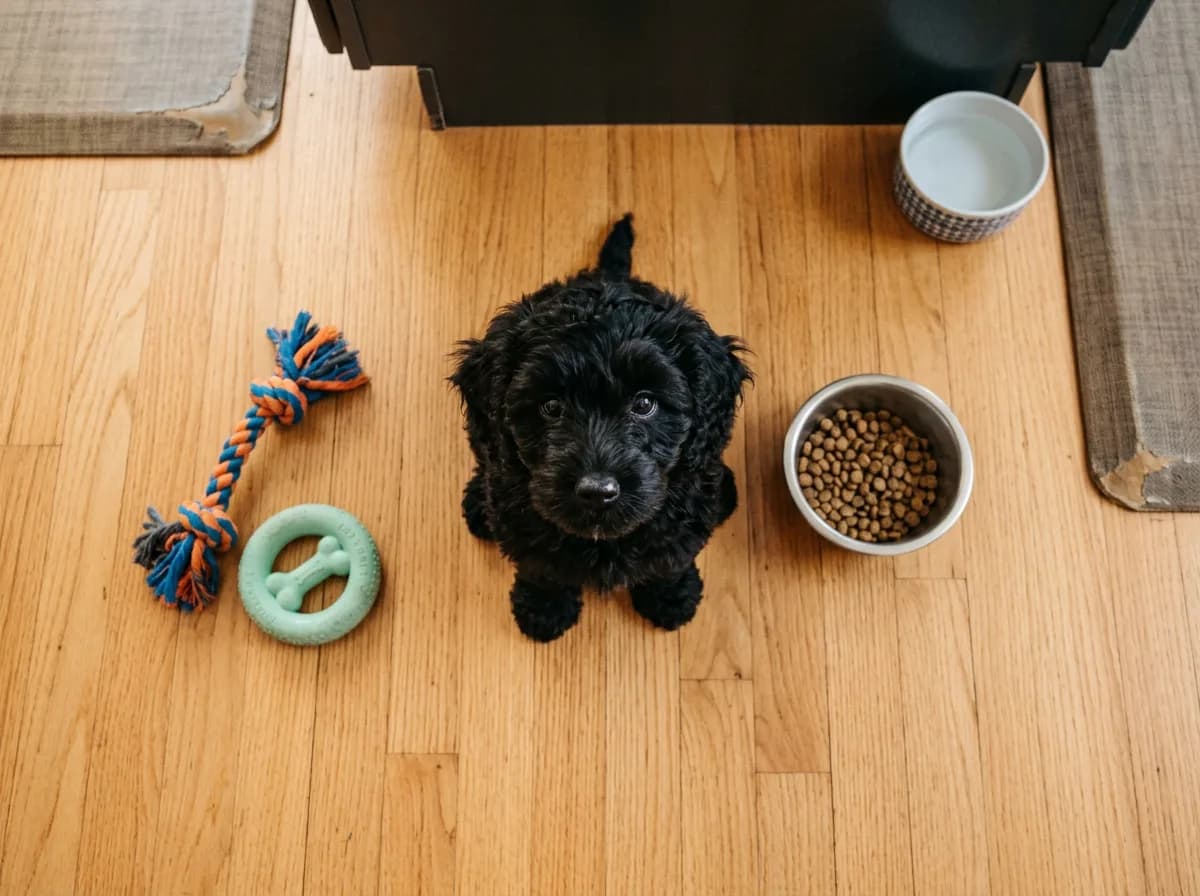
- The purchase price gets the headlines, but the every-6-to-8-week grooming bill (roughly $500 to $1,000 a year) is the cost owners most often forget. It is unavoidable with this coat.
Cockapoo Lifespan and Common Health Issues
Cockapoos typically live about 12 to 15 years, which is a good lifespan for a small-to-medium dog and slightly longer than some purebred parents. Crossbreeding can bring a degree of "hybrid vigor," but cockapoos can still inherit health conditions common to both the Cocker Spaniel and the Poodle. Buying from a breeder who health-tests both parents is the single best way to lower the risk.
The conditions to know about include:

Petful may earn a commission when you click through to Chewy, at no extra cost to you.
- Progressive retinal atrophy (PRA): an inherited group of eye diseases that lead to gradual vision loss and eventual blindness. Both parent breeds carry it, and DNA tests exist, so responsible breeders screen for it.
- Hip dysplasia: a malformation of the hip joint that can cause pain and arthritis, more of a concern in larger (Maxi) cockapoos.
- Luxating patella (slipping kneecap): common in smaller dogs, where the kneecap slides out of place.
- Ear infections: the long, hairy, floppy ears trap moisture and wax, making this one of the most frequent issues in the breed. Routine cleaning and keeping ear hair managed reduces the risk.
- Familial nephropathy and other Cocker-linked conditions: less common but worth a breeder discussion.
Prevention and everyday health care
Most of the breed's common problems are far easier to prevent than to treat, and a consistent home routine does most of the work. A few habits pay off over the dog's life:
- Stay ahead of the ears. Because ear infections are the single most frequent complaint in the breed, dry the ears after every bath or swim, check weekly for a yeasty smell, redness, or head-shaking, and clean with a vet-approved ear solution rather than cotton swabs pushed deep into the canal. Keeping the hair around and inside the ear flap trimmed improves airflow and cuts the recurrence rate.
- Protect the eyes. Progressive retinal atrophy (PRA) has no cure, so screening matters most: buy only from a breeder who can show a clear DNA result or an eye exam by a veterinary ophthalmologist for both parents. Watch an adult for early night-vision loss, bumping into furniture in low light, or a reflective sheen in the eyes, and report changes promptly.
- Watch the knees and hips. Luxating patella shows up as an intermittent skip or a brief hop on a back leg; hip dysplasia shows as stiffness after rest or reluctance to jump. Keeping your cockapoo lean is the most effective, no-cost joint protection you can offer, since every extra pound loads those small joints.
- Do not skip dental care. Small breeds are prone to periodontal disease. Daily or several-times-weekly tooth brushing plus annual veterinary dental checks head off the painful, expensive extractions that catch many small-dog owners off guard later in life.
- Keep vaccines, parasite prevention, and wellness exams current. Year-round flea, tick, and heartworm prevention plus an annual (twice-yearly for seniors) checkup catch problems while they are still cheap to fix.
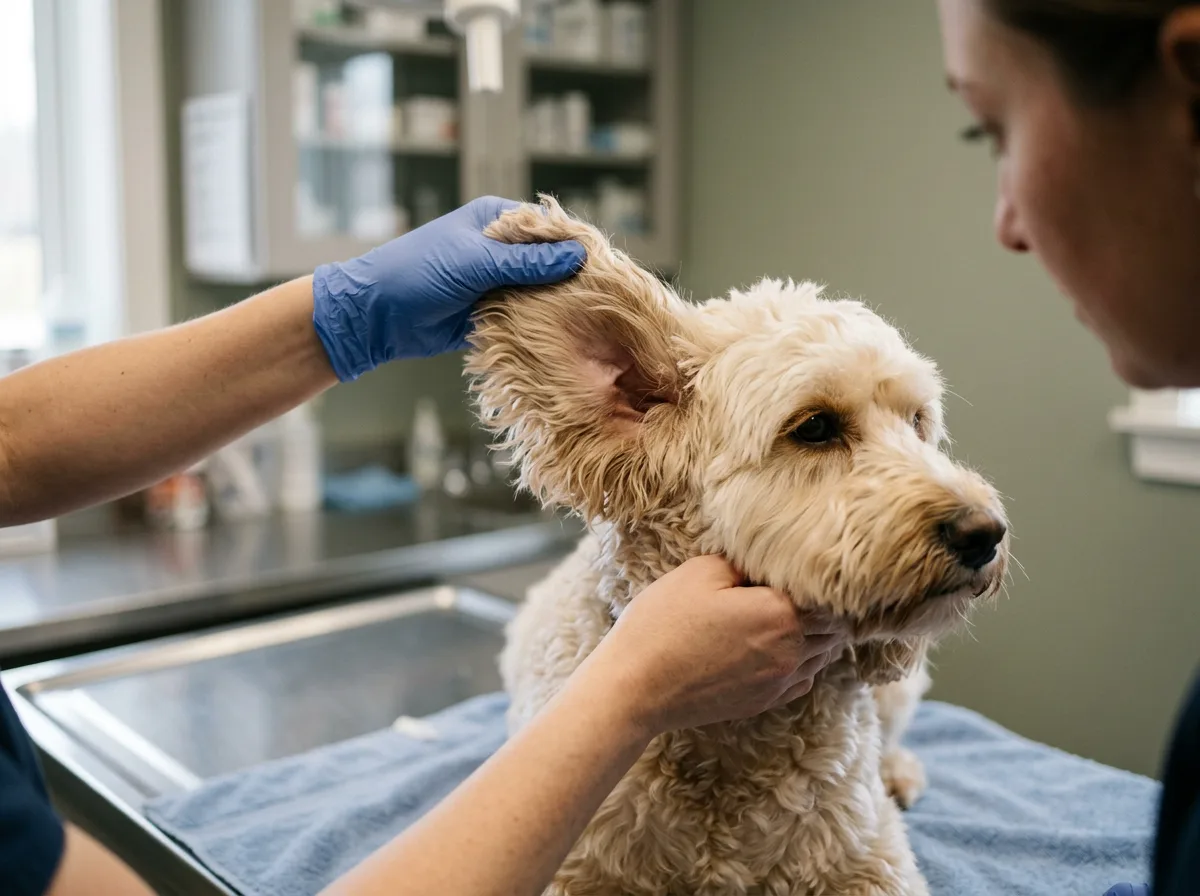
For a full breakdown of age-related care and how long these dogs live, see our cockapoo lifespan and health guide.
- A responsible breeder should show you eye (PRA) and hip test results for both parents and be willing to discuss the litter's health history. Walk away from any seller who cannot or will not provide health testing, that is a hallmark of a puppy mill.
Exercise and Diet Needs
Cockapoos are moderately energetic and need daily physical and mental activity to stay healthy and happy. Plan on roughly 30 to 60 minutes of exercise per day for most adults, scaled to the individual dog's size and energy. This can be a mix of walks, off-lead play, and games. Because they are so intelligent, mental enrichment (training games, puzzle feeders, scent work) matters as much as the physical exercise and helps prevent the boredom behaviors mentioned earlier.
Smaller cockapoos (Teacup and Toy) need less sustained exercise and can meet much of their needs indoors and in short walks, while a Maxi cockapoo with a Standard Poodle parent has more stamina and appreciates longer hikes or a game of fetch. Whatever the size, avoid over-exercising a puppy while its joints are still developing: keep puppy activity to gentle, controlled play and let the dog set the pace. Many cockapoos also enjoy dog sports such as agility, rally, and scent work, which channel the breed's intelligence and give the dog and owner a shared activity. A tired, mentally satisfied cockapoo is a well-behaved one.
Feeding a cockapoo
Feed a complete, balanced dog food appropriate to your cockapoo's size and life stage, following the guidance from the Association of American Feed Control Officials (AAFCO) that reputable brands print on the label. Portion by weight and body condition rather than a fixed cup number, since a 10-pound Toy and a 28-pound Maxi have very different needs. Small-breed formulas suit Teacup, Toy, and Miniature cockapoos, while a larger Maxi may do better on a small-to-medium adult formula.
Because Cocker Spaniels can be prone to weight gain and cockapoos are food-motivated, watch portions and treats closely. Split the daily ration into two meals, keep treats to no more than about 10 percent of daily calories, and check your dog's body condition regularly. Any diet change should be discussed with your veterinarian, especially for a dog with the ear or skin sensitivities common in the breed.
Petful may earn a commission when you click through to Chewy, at no extra cost to you.
- The feeding chart on the bag is a starting point, not a rule. Adjust portions so you can feel (but not see) your cockapoo's ribs and it keeps a visible waist. Overfeeding a small, food-loving dog is the fastest route to joint-straining weight gain.
Cockapoo vs Cavapoo
The cockapoo and the cavapoo are often confused because both are small, curly, low-shedding Poodle crosses, but the non-Poodle parent is different and that changes the dog. A cavapoo (also called a cavoodle) is a Cavalier King Charles Spaniel crossed with a Poodle, while a cockapoo is a Cocker Spaniel crossed with a Poodle.
| Feature | Cockapoo | Cavapoo |
|---|---|---|
| Non-Poodle parent | Cocker Spaniel | Cavalier King Charles Spaniel |
| Typical adult weight | 12-25 lb (most) | 9-25 lb |
| Energy level | Moderate to high | Low to moderate |
| Coat / shedding | Low-shedding, curly to wavy | Low-shedding, curly to wavy |
| Origin | USA, 1950s | 1990s (Australia) |
| Best-known trait | Playful, sporty, sociable | Gentle, laid-back lapdog |
Which is better, cavapoo or cockapoo?
Neither is objectively better, the right choice depends on your lifestyle. A cockapoo is generally a bit more energetic and sporty, reflecting the Cocker Spaniel's working roots, so it suits an active household that can meet its exercise and stimulation needs. A cavapoo tends to be a touch calmer and more of a lapdog, reflecting the easygoing Cavalier, which can suit quieter homes or less active owners. Both are affectionate, both shed little, and both need regular grooming. Health-wise, the Cavalier parent brings its own considerations (notably heart and neurological conditions), while the Cocker parent brings the ear and eye considerations above.
If you want the full side-by-side, our cockapoo vs cavapoo comparison walks through temperament, health, cost, and grooming in detail, and our cavapoo breed guide covers that cross on its own.
Pros and Cons of Owning a Cockapoo
Like any dog, the cockapoo is a package of trade-offs. Here is an honest look at both sides so you can weigh the breed against your own situation.
Advantages
- Affectionate and sociable: bonds closely with the whole family and is typically good with children and other pets.
- Intelligent and trainable: quick to learn, which suits first-time owners.
- Low-shedding coat: less hair around the house than most breeds and often better tolerated by allergy sufferers.
- Adaptable size: the size range means there is a cockapoo to fit an apartment or a house with a yard.
- Good lifespan: 12 to 15 years is a long, healthy run for a companion dog.
Disadvantages and downsides
The main disadvantages of a cockapoo are the grooming demands, the risk of separation anxiety, the unpredictability that comes with a crossbreed, and the ongoing cost. In more detail:
- High grooming needs: frequent brushing plus professional clips every 6 to 8 weeks, or the coat mats painfully.
- Prone to separation anxiety: not a dog to leave alone for a full workday every day.
- Unpredictable litters: as a crossbreed, size, coat, and temperament vary, so you cannot be certain what a puppy will grow into.
- Health inheritances: PRA, hip dysplasia, luxating patella, and chronic ear infections are all possible, which makes health-tested parents essential.
- Cost: the purchase price plus grooming and vet care adds up over a long lifespan.
- Puppy-mill target: the breed's popularity means it is heavily produced by unscrupulous sellers, so buyer diligence is critical.
- If you are away 8-plus hours a day, hate brushing, or cannot budget for grooming, the cockapoo's biggest downsides (separation anxiety and coat care) will hit you hardest. Match the breed to a home that can meet those two needs.
Finding and Choosing a Cockapoo
Because the cockapoo is one of the most popular crosses in the country, it is also one of the most heavily produced by puppy mills and irresponsible backyard breeders. That popularity makes buyer diligence more important, not less. A healthy, well-socialized cockapoo starts with a good breeder or a reputable rescue.
What to look for in a breeder
A responsible cockapoo breeder will do all of the following, and you should be wary of any seller who does not:
- Health-tests both parents. Ask to see current eye (PRA) and hip clearances, and any breed-specific DNA panels, for both the dam and the sire.
- Lets you meet the mother and see where the puppies were raised. Puppies should be reared in a home environment, not a shed or barn, and the dam should be present, healthy, and friendly.
- Asks you questions too. A breeder who cares about their dogs will want to know about your home, schedule, and experience, and will not sell to just anyone with cash.
- Provides a written contract and health guarantee, and takes the dog back if things do not work out.
- Does not have puppies constantly available in every color and size. A perpetually "in stock" operation is a red flag for volume breeding.
Adopting a cockapoo
Adoption is a great alternative and usually far cheaper (roughly $100 to $500). Cockapoos and cockapoo mixes turn up in general shelters and in breed-specific Poodle and Cocker Spaniel rescues. An adult rescue dog has the advantage of a known adult size and temperament, which removes the crossbreed guesswork, and rescues typically vet and neuter before rehoming.
- If a seller offers to ship a puppy sight-unseen, will not let you visit, has no health testing, or always has puppies available, walk away. The cockapoo's popularity has made it a puppy-mill favorite, and mill dogs carry higher risks of both health and behavior problems.
Frequently Asked Questions
The main disadvantages are high grooming needs (frequent brushing plus a professional clip every 6 to 8 weeks), a strong tendency toward separation anxiety if left alone too long, unpredictable size and coat because it is a crossbreed, possible inherited health issues (PRA, hip dysplasia, luxating patella, chronic ear infections), and the ongoing cost of grooming and vet care over a 12 to 15 year lifespan.
A cockapoo from a reputable breeder in the US usually costs about $900 to $2,500, with health-tested lines and in-demand colors or sizes at the higher end. Adoption or rescue fees are much lower, typically $100 to $500. Budget another $1,000 to $2,500 a year for food, grooming, and veterinary care.
In grooming terms, yes. The low-shedding coat does not fall out, so it needs brushing several times a week (daily for curly coats) and a professional clip every 6 to 8 weeks to prevent matting. In temperament and trainability terms they are fairly easy, being intelligent and eager to please.
Neither is objectively better, it depends on your lifestyle. A cockapoo (Cocker Spaniel x Poodle) is generally more energetic and sporty and suits active homes, while a cavapoo (Cavalier King Charles Spaniel x Poodle) tends to be calmer and more of a lapdog, suiting quieter households. Both are affectionate, low-shedding, and need regular grooming.
There is no objective ranking that names a single naughtiest breed, and the cockapoo is not it. Lists like that are subjective and usually reflect a smart, high-energy dog that gets bored, not any inborn bad behavior. A well-exercised, well-trained cockapoo is typically well-behaved.
Expect roughly $900 to $2,500 to buy a cockapoo from a breeder, or $100 to $500 to adopt one, plus about $1,000 to $2,500 per year for food, grooming, and routine veterinary care. Price varies with the breeder, generation, size, coat color, and location.
The biggest downsides are the intensive grooming (regular brushing and clips), the risk of separation anxiety because the breed bonds so closely with its people, the unpredictability of a crossbreed's size and coat, and inherited health risks that make buying from a health-testing breeder essential.
Not comfortably, and not as a daily routine. Cockapoos are companion dogs prone to separation anxiety, and most guidance suggests an adult dog should not be alone for more than about 4 to 6 hours at a stretch (puppies far less). An 8-hour daily absence risks barking, house-soiling, and destructive chewing, so arrange a midday walker or daycare.

Coreen Saito is a pet writer and longtime shelter volunteer with more than a decade in animal rescue. She covers cat behavior, breed care, and the small, ordinary science of sharing a life with companion animals, with a particular focus on honest takes about the products and decisions that actually matter. At home in Arizona, she's outranked by Mac (a dog with the loudest opinion in the house), Rebel (a cat who governs by quiet authority), and Meri (an orange tabby who runs the late shift and the laundry basket). She writes about all three, plus the rescues that keep coming through her life, at LifeWithMinty.com.
Sign up for expert-backed reviews and safety alerts all in one place.