Cockapoo Lifespan: How Long Do Cockapoos Live?
The average cockapoo lifespan is 12 to 15 years, and many live to 16 or 17. A veterinary surgeon explains what affects longevity, the inherited health issues to watch, and the evidence-based steps that add healthy years.

BVMS, MRCVS

Petful is reader supported. As an affiliate of platforms like Amazon and Chewy, we may earn a commission when you buy through links on this page. There is no extra cost to you.
The average cockapoo lifespan is 12 to 15 years, and many reach their late teens, which places this Cocker Spaniel and Poodle cross among the longer-lived companion dogs, according to breed data compiled by the American Kennel Club (AKC) for its two parent breeds. As a veterinary surgeon, I see this longevity play out in practice: small to medium mixed-breed dogs like the cockapoo often outlast their purebred cousins because they draw on a wider gene pool. That said, an average is not a guarantee. Weight, dental care, genetics, and the two or three inherited conditions common to Poodles and Cocker Spaniels all move the number up or down. This guide walks through what a realistic lifespan looks like, what shortens it, and the specific, evidence-based steps that add healthy years. Petful’s separate guide to the longest-living dog breeds ranks breeds by life expectancy.
- 1The typical cockapoo lifespan is 12 to 15 years, with many living to 16 or 17.
- 2Size matters: smaller toy and miniature cockapoos generally outlive larger maxi cockapoos.
- 3The biggest lifespan levers you control are healthy weight, dental care, and preventive vet visits.
- 4Inherited eye, heart, and joint conditions from the Poodle and Cocker Spaniel lines are the main medical risks to screen for.

Sign up for expert-backed reviews and safety alerts all in one place.
How Long Do Cockapoos Live on Average?
Most healthy cockapoos live 12 to 15 years, and a well-cared-for individual reaching 16 or 17 is common enough that I rarely consider it remarkable. For context, the AKC lists the Poodle (all varieties) at 10 to 18 years depending on size and the Cocker Spaniel at 10 to 14 years. The cockapoo sits comfortably in the overlap of those ranges and often at the upper end of it.
Two things push the cockapoo toward the longer end. First, small and medium dogs simply live longer than large and giant breeds, a pattern documented across large veterinary datasets. Second, as a first-generation cross the cockapoo benefits from hybrid vigor (heterosis), meaning it is statistically less likely to inherit the same harmful recessive gene from both parents.
- An "average" lifespan is a midpoint, not a ceiling or a floor. Roughly half of cockapoos will live longer than the average, and responsible care is what tips an individual dog toward that upper half.
Cockapoo Life Expectancy vs. Its Parent Breeds
Comparing the cockapoo to its parents shows why the cross often does well. The table below uses AKC-published lifespan ranges for the parent breeds alongside the commonly cited cockapoo range.
| Breed | Typical Lifespan | Adult Weight | Source |
|---|---|---|---|
| Toy Poodle | 10-18 years | 4-6 lbs | AKC |
| Miniature Poodle | 10-18 years | 10-15 lbs | AKC |
| Cocker Spaniel | 10-14 years | 20-30 lbs | AKC |
| Cockapoo (average) | 12-15 years | 6-19 lbs | Breeder consensus |
The cockapoo's range clusters near the top of what its parents offer, which matches what hybrid vigor predicts and what I observe clinically.
It is worth knowing which parent contributes what. The Poodle side brings the longevity ceiling: toy and miniature Poodles are among the longest-lived of all purebred dogs, and much of a cockapoo's upside comes from that line. The Cocker Spaniel side is where most of the recognized health liabilities enter, particularly the heart, eye, and ear conditions covered later in this guide. A cockapoo that inherits the Poodle's small frame and the Cocker's gentle temperament, while dodging the Cocker's inherited disease load, is the ideal outcome, and health-tested breeding is how you stack the odds toward it.
Does Generation (F1, F1b, F2) Change Lifespan?
You will see cockapoos described by generation, and it is worth understanding because the benefit of hybrid vigor is strongest in the first cross.
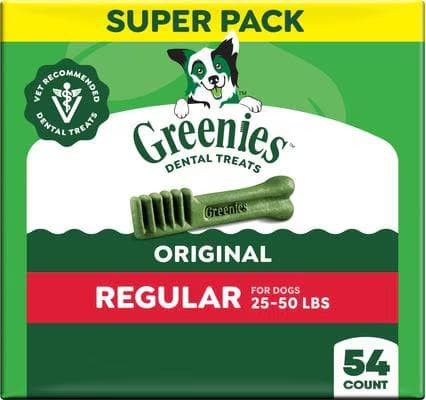
Daily dental chew that cleans teeth, freshens breath, and is accepted by the Veterinary Oral Health Council. Sized for dogs 25 to 50 lbs.
Petful may earn a commission when you click through to Chewy, at no extra cost to you.
- F1 is a purebred Cocker Spaniel bred to a purebred Poodle. This first-generation cross gets the fullest heterosis effect and, in theory, the strongest longevity advantage.
- F1b is an F1 cockapoo bred back to a Poodle (or, less often, a Cocker Spaniel). This is often done for a more predictable, lower-shedding coat and still retains good genetic diversity.
- F2 and later generations (cockapoo bred to cockapoo) can start to lose some of the hybrid vigor advantage, and health outcomes depend more heavily on how carefully the breeder tests and selects the parents.
In practice, generation matters far less than whether the parents were health-tested. A carefully bred F2 from screened parents will out-live a carelessly bred F1 from untested stock. Do not let a generation label substitute for proof of DNA and orthopedic testing.

 Sponsored
Have a health question about your pet?
Talk to a licensed vet at Dutch over video or message, including nights and weekends.
Use code Pets60
Plans start at $12/month · covers up to 5 pets
- Licensed vets in most states
- Rx for 150+ conditions
- 4.7 on Trustpilot
Does Size Affect Cockapoo Lifespan?
Yes, and it is one of the most reliable predictors. Cockapoos come in size tiers because the Poodle parent can be toy, miniature, or standard. In dogs generally, smaller body size correlates with longer life, so the smallest cockapoo varieties tend to live the longest.

- Toy cockapoo (roughly under 12 pounds): often the longest lived, frequently 14 to 18 years.
- Miniature cockapoo (roughly 12 to 18 pounds): the most common type, typically 13 to 16 years.
- Maxi or standard cockapoo (19 pounds and up): still long lived by dog standards, generally 12 to 15 years.
If you want a fuller picture of how large a cockapoo grows and how weight tracks with size class, our guide to a cockapoo full grown breaks down each tier by height and weight.
- A landmark lifetime study in Labrador Retrievers found that dogs kept lean lived a median of nearly two years longer than their overweight littermates. The mechanism applies across breeds: keep your cockapoo at a body condition score of 4 to 5 out of 9 and you are directly buying time.
What Health Issues Do Cockapoos Have?
Because the cockapoo inherits from two established breeds, it can carry the health risks of either. Most cockapoos are healthy, but the conditions below are the ones worth screening for and watching across a lifetime. None of these are universal, and a good breeder health-tests the parents to reduce the odds.

Inherited Eye Conditions
Both Poodles and Cocker Spaniels carry risk for progressive retinal atrophy (PRA), a degenerative disease that gradually destroys the retina and leads to blindness. A DNA test on the parents (available through the Optigen or Embark panels used by reputable breeders) identifies carriers. Cataracts and glaucoma also appear in both parent lines, so annual eye checks matter as a cockapoo ages.
Heart Disease
Cocker Spaniels are predisposed to dilated cardiomyopathy and certain valve problems, while older small-breed dogs of all kinds develop mitral valve disease. A heart murmur found on a routine exam is the usual first sign, and it is one of the strongest arguments for keeping annual (then twice-yearly) vet visits as your dog ages.
Joint and Orthopedic Problems
Patellar luxation (a slipping kneecap) is common in small dogs, and hip dysplasia can pass down from either parent. Both range from mild to surgical. Keeping a cockapoo lean and appropriately, not excessively, exercised protects the joints across a lifetime.
Ears, Skin, and Other Concerns
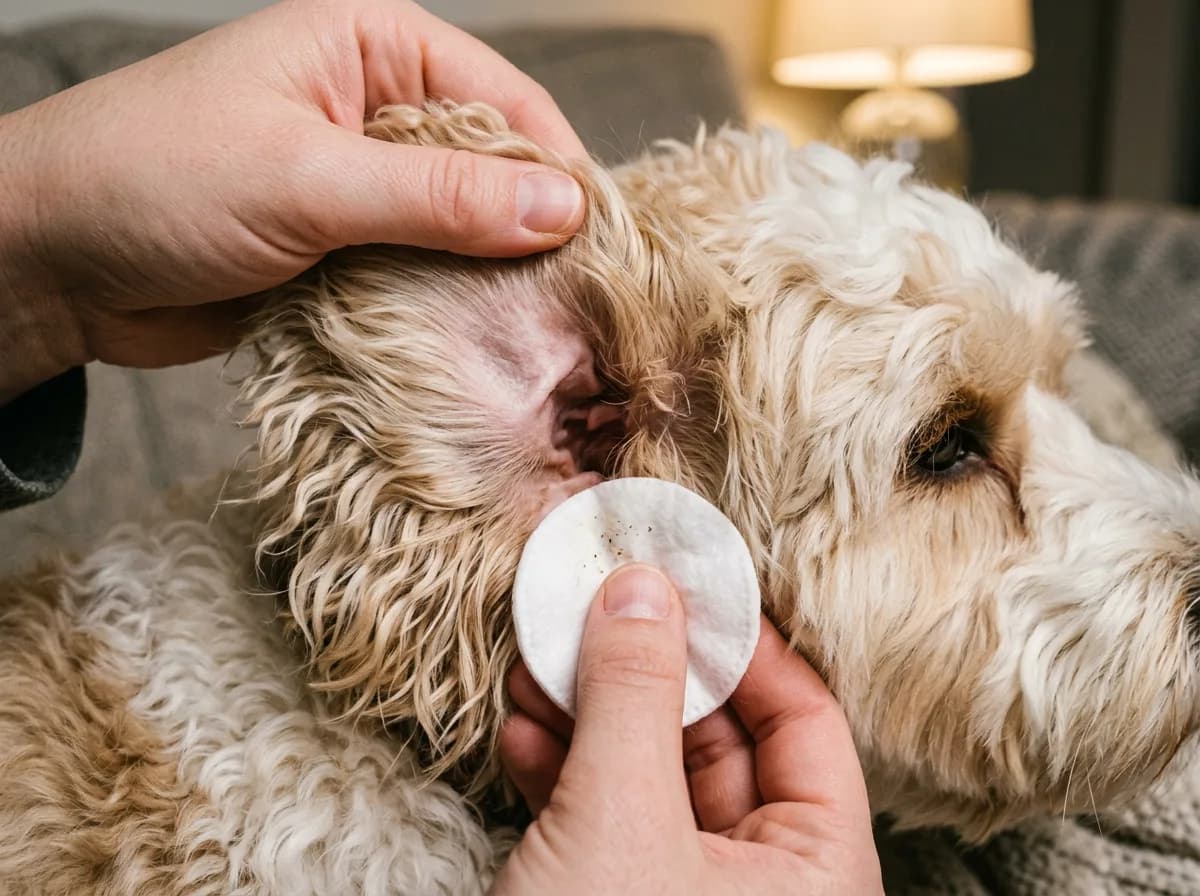
The floppy, hairy ears inherited from the Cocker Spaniel trap moisture and are a frequent source of infection, so routine ear care is not optional. Cockapoos can also be prone to allergies and, in some lines, luxating patellas and a bleeding disorder called von Willebrand disease that a breeder can test for.

Pumpkin-flavored probiotic soft chews that support healthy gut flora and digestion in dogs.
Petful may earn a commission when you click through to Chewy, at no extra cost to you.
Hormonal and Metabolic Conditions
A few internal conditions surface often enough in cockapoos to be worth naming. Hypothyroidism, an underactive thyroid gland, is one of the more common hormonal problems in the breed's parent lines and typically appears in middle age. The signs are easy to miss because they mimic normal aging: weight gain despite steady food, low energy, a dull or thinning coat, and cold intolerance. It is diagnosed with a simple blood test and managed cheaply and effectively with a daily thyroid tablet, so it is very much a treatable, not a life-limiting, diagnosis when caught. Cockapoos can also develop pancreatitis, inflammation of the pancreas often triggered by a high-fat meal or table scraps, which is one more reason a measured, complete diet protects lifespan.
Epilepsy and Neurological Signs
Both Poodles and Cocker Spaniels can carry a predisposition to idiopathic epilepsy, a seizure disorder with no single structural cause that usually first appears between six months and six years of age. Most epileptic dogs live full, normal-length lives once seizures are controlled with medication, and a single seizure is not automatically epilepsy. If your cockapoo ever has a seizure, film it if you safely can and see your vet: the video and a description of frequency are what let a vet decide whether treatment is needed and rule out other causes such as low blood sugar or a toxin.
Liver Shunt in Toy-Sized Lines
Very small toy Poodles, and by extension some toy cockapoos, carry a slightly raised risk of a liver shunt (portosystemic shunt), a blood-vessel abnormality that lets blood bypass the liver. It shows up in young puppies as stunted growth, disorientation after meals, or excessive drinking, and it is one reason a reputable toy-line breeder screens for it. Caught early, many shunts are correctable with surgery or managed with diet, but it is a condition to ask a toy-cockapoo breeder about directly.
Which Health Tests Should a Breeder Have Done?
The single best predictor of a long-lived cockapoo is a breeder who tests both parents before mating. Ask to see paperwork for:
- DNA panels for progressive retinal atrophy (PRA) and, where relevant, von Willebrand disease.
- Eye certification (an annual ophthalmologist exam for breeding dogs).
- Patella evaluation for luxating kneecaps.
- Hip scoring to reduce hip dysplasia risk, especially where the Poodle line is larger.
- Cardiac evaluation for the Cocker Spaniel side.
A breeder who cannot or will not produce these results is a breeder to walk away from. This is not paperwork for its own sake: it is the mechanism by which the inherited diseases that shorten a cockapoo's life get screened out generation to generation.
- Chronic, untreated ear infections cause pain, deafness, and repeated courses of medication. In a floppy-eared breed like the cockapoo, weekly ear checks and drying the ears after swimming or bathing prevent most problems before they start.
For a broader look at temperament, care needs, and whether the breed fits your household, see our full cockapoo breed guide.
Why Do Cockapoos Live So Long?
Three factors explain the cockapoo's strong longevity, and understanding them helps you protect it.
Hybrid vigor. As a Poodle and Cocker Spaniel cross, a first-generation cockapoo is less likely to inherit two copies of the same harmful recessive gene. This heterosis effect is strongest in first crosses and is a real, documented advantage of well-planned mixed breeding.
Small to medium body size. Across the dog world, smaller dogs age more slowly and live longer than large and giant breeds. The cockapoo's compact frame is a longevity asset.
An owner base that invests in care. Cockapoos are popular family and companion dogs, and dogs that live indoors, eat measured diets, and see a vet regularly simply live longer. This is less about genetics and more about the lifestyle the breed tends to be given.

Petful may earn a commission when you click through to Chewy, at no extra cost to you.

Genetics set the range, but weight, dental disease, and preventive care decide where in that range your individual dog lands. The good news is that the biggest levers are the ones you control.
Is 10 Old for a Cockapoo?
No. A 10-year-old cockapoo is a senior but is usually far from the end of its life. With a 12 to 15 year average and a real chance of reaching 16 or 17, a healthy 10-year-old cockapoo often has several good years ahead.
That said, 10 is the age to shift into senior care. In practice that means twice-yearly vet visits instead of annual ones, bloodwork to catch kidney, liver, and thyroid changes early, closer dental monitoring, and watching for the first signs of arthritis, heart murmurs, or vision loss. Catching these early is exactly what keeps a 10-year-old on track to become a 16-year-old.
What Counts as Senior for a Cockapoo?
Small and medium dogs are generally considered senior around 8 to 10 years. Because the cockapoo lives long, the senior span is a large chunk of its life, often five or more years, and dogs remain active and happy through most of it.

The table below maps a cockapoo's life stages to human-equivalent context and the care priority at each stage. Use it as a rough planning guide, not a precise clock, since size and individual health shift the timing.
| Life Stage | Cockapoo Age | Care Priority |
|---|---|---|
| Puppy | 0-1 year | Vaccination, socialization, neutering discussion |
| Adult | 1-7 years | Weight control, dental routine, annual exams |
| Senior | 8-11 years | Twice-yearly exams, senior bloodwork, joint support |
| Geriatric | 12+ years | Comfort care, cognition, close disease monitoring |
Reaching the geriatric stage in good shape is realistic for a well-cared-for cockapoo, and the care choices you make in the adult and senior years are what get you there.
How to Help Your Cockapoo Live Longer
Most of what extends a cockapoo's life is within your control. These are the interventions with the strongest evidence behind them, in rough order of impact.

1. Keep Your Cockapoo at a Healthy Weight
This is the single most powerful lever. The Labrador lifetime study cited above showed lean dogs lived roughly two years longer. Feed measured meals, not free-choice, and check the body condition score monthly. You should feel the ribs easily and see a waist from above.
 Sponsored
Vet care that's always there
Unlimited video calls and messaging with licensed vets for less than a typical vet visit. One membership covers up to five pets.
Use code Pets60
Plans start at $12/month · covers up to 5 pets
- Licensed vets in most states
- Rx for 150+ conditions
- 4.7 on Trustpilot
2. Do Not Skip Dental Care
Periodontal disease is one of the most common diseases in dogs and drives bacteria into the bloodstream, stressing the heart and kidneys. Daily or several-times-weekly tooth brushing plus professional cleanings under anesthesia when your vet advises genuinely adds years.
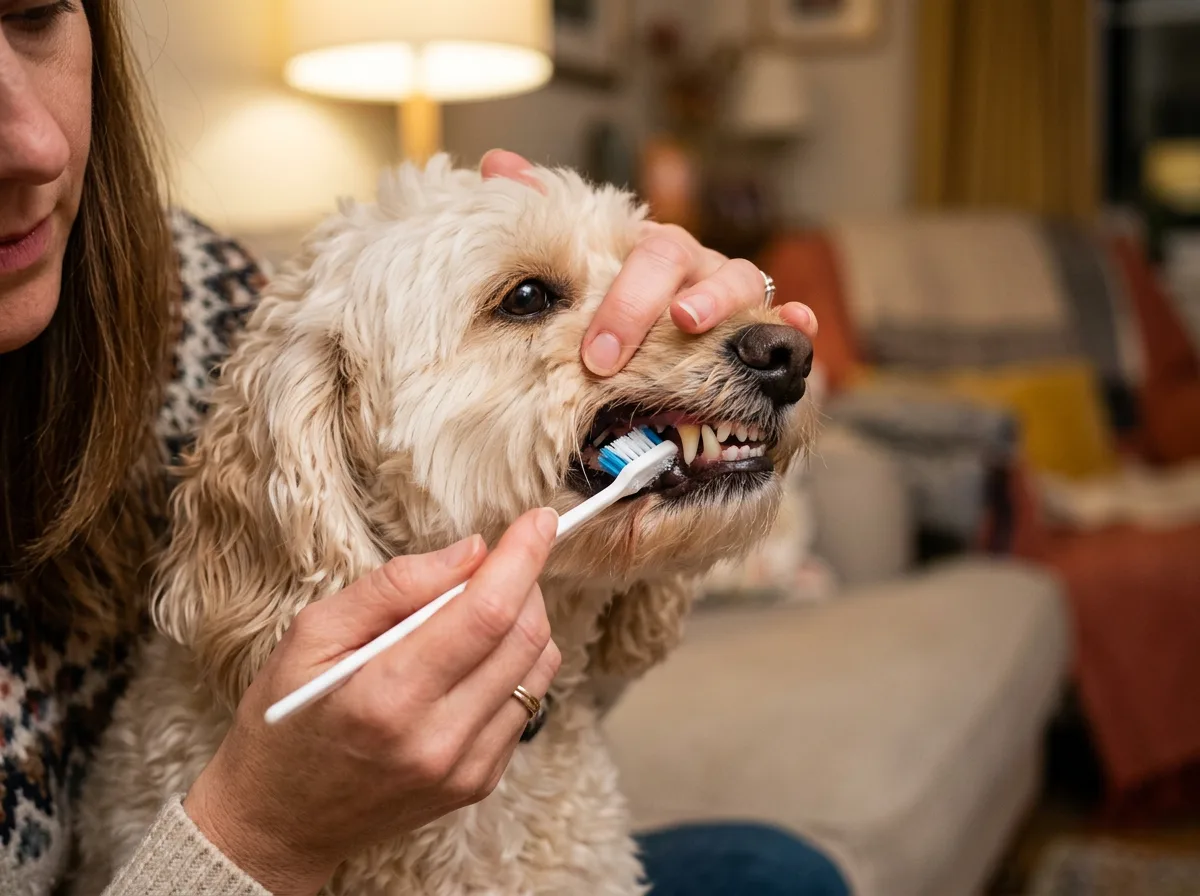
Small breeds like the cockapoo are especially prone to dental crowding and tartar, so do not assume small teeth mean small problems. Introduce brushing young so the dog accepts it, and treat the professional cleaning your vet recommends as maintenance, not an optional extra.
3. Stay on Top of Preventive Vet Care
Annual exams through middle age and twice-yearly exams from about age 8 catch heart murmurs, dental disease, lumps, and organ changes while they are still treatable. Keep vaccinations and parasite prevention current.
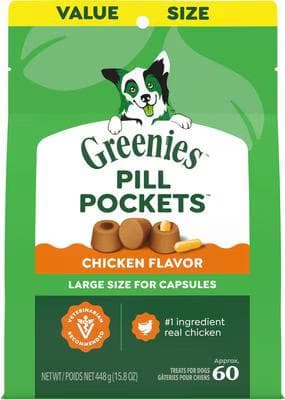
Hide capsules in a soft, chicken-flavored treat your dog actually wants. Vet-recommended, with real chicken as the #1 ingredient.
Petful may earn a commission when you click through to Chewy, at no extra cost to you.
4. Feed a Complete, Age-Appropriate Diet
Choose a diet that meets AAFCO nutritional adequacy standards for your dog's life stage. There is no single magic food, but consistent, measured, complete nutrition beats table scraps and constant treats. Match the food to the life stage: a puppy formula supports growth, an adult maintenance formula holds a steady weight, and a senior diet often trims calories and adds joint support as activity drops. Keep treats to no more than roughly 10 percent of daily calories so they do not quietly undo your portion control, and make any food change gradually over a week to avoid the digestive upset that a sensitive-stomached cockapoo can be prone to. There is more on this in Petful’s guide to JustFoodForDogs for sensitive stomachs.
5. Provide Daily Exercise and Enrichment
Cockapoos are bright, energetic dogs. Daily walks plus mental enrichment (puzzle feeders, training games) keep weight down, joints mobile, and cognition sharp into old age.
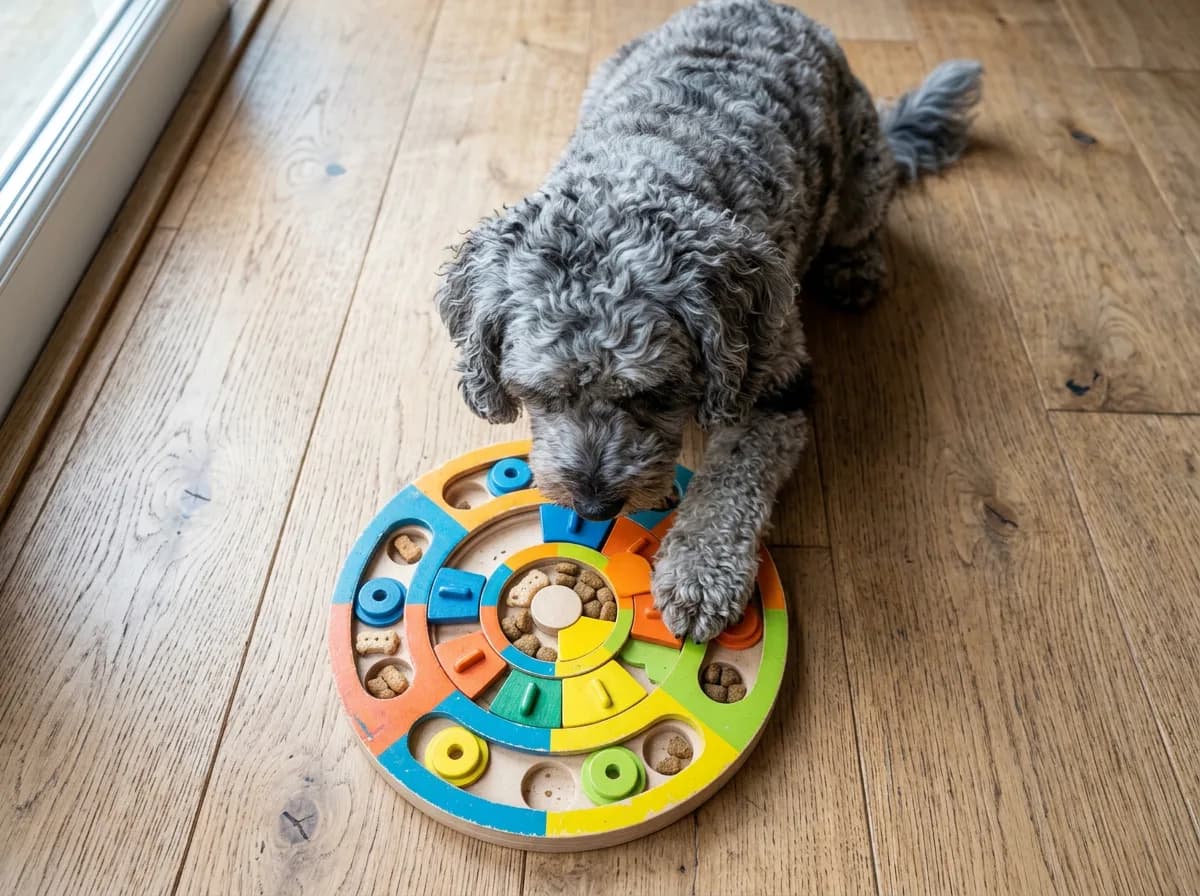
Adjust the intensity as the dog ages. A young cockapoo can handle long, active walks and games of fetch, while a senior benefits from shorter, more frequent, lower-impact outings that protect arthritic joints while keeping muscle and mind engaged.
- From age 8, book two vet visits a year and ask for senior bloodwork at least annually. Two extra touchpoints a year is the cheapest longevity insurance you can buy for a cockapoo.
6. Spay or Neuter at the Right Time
Timing matters more than the decision itself. For small breeds like most cockapoos, many vets now recommend waiting until the dog is closer to skeletal maturity rather than doing an early juvenile procedure, because the sex hormones play a role in healthy joint and growth-plate development. Beyond behavior, the health case is concrete: spaying before the first or second season sharply reduces the risk of mammary tumors, and removing the uterus eliminates the risk of pyometra, a life-threatening womb infection common in unspayed older females. Discuss the ideal timing for your individual dog's size with your vet rather than defaulting to a fixed age.
7. Supplements That Have Evidence Behind Them
Skip the shelf of miracle products and focus on the few with real support. Omega-3 fatty acids (fish oil) have solid evidence for reducing joint inflammation and supporting skin, coat, and cognitive health, which matters in a breed prone to both arthritis and allergies. For a diagnosed arthritic senior, your vet may add a joint supplement with glucosamine and chondroitin or a prescription joint diet. Do not add supplements blindly: they can interact with medications and mask problems, so run any addition past your vet first.
What Does It Cost to Care for a Cockapoo Over Its Life?
Longevity has a price tag, and planning for it is part of responsible ownership. A cockapoo that lives 15 years is a 15-year financial commitment, and the owners who budget realistically are the ones who never have to make a care decision based on cost alone. The figures below are rough United States averages; expect higher numbers in major cities and lower ones in rural areas.
Grooming is the standout recurring cost for this breed. Because the low-shedding coat needs professional grooming every six to eight weeks, that alone can run several hundred to well over a thousand dollars a year depending on your area. Add routine preventive care, food, parasite prevention, and the near-certainty of at least one or two larger veterinary bills across a lifetime, and the true cost of a cockapoo is far higher than the purchase price.
| Life Stage | Typical Annual Cost | Main Drivers |
|---|---|---|
| Puppy (year 1) | $2,000-$4,000 | Purchase, vaccines, neutering, supplies |
| Healthy adult | $1,500-$2,500 | Food, grooming, prevention, annual exam |
| Senior (8+) | $2,000-$3,500 | Twice-yearly exams, bloodwork, dental, meds |
| Any year with illness | +$1,000-$5,000+ | Surgery, chronic-disease management, diagnostics |
- Owners often plan for veterinary costs and forget that a cockapoo's coat is a lifelong line item. A grooming appointment every six to eight weeks, plus at-home brushing gear, is a fixed cost for the full 15 years. Factoring it in from day one prevents the skipped, matting-driven grooming that leads to painful skin and ear problems.
The single best money-saving move is preventive: a $60 dental cleaning conversation at age three is far cheaper than extractions and heart strain at age ten, and keeping your dog lean avoids the cascade of weight-driven joint and metabolic costs entirely. Spend on prevention and you spend less on crisis. Pet insurance taken out while a cockapoo is young and healthy is the other major lever: it means the inherited conditions common to the breed (eyes, heart, joints) are more likely to be covered when they matter, so cost is not the deciding factor in a treatment call. For more, see Petful’s guide to dog teeth cleaning cost.
Petful may earn a commission when you click through to Chewy, at no extra cost to you.
If shedding, coat care, and grooming factor into your routine, our guides on cockapoo grooming and whether cockapoos shed cover the coat maintenance that keeps skin and ears healthy, both of which feed into lifespan.
Cockapoo Temperament and Bonding in the Senior Years
A cockapoo's affectionate, people-oriented temperament shapes its later life as much as its body does. Understanding how the breed bonds helps you give a senior dog the low-stress, connected environment that supports a long life.

Do Cockapoos Get Attached to One Person?
Cockapoos are known for forming strong attachments, and many do gravitate toward one primary person, usually whoever handles feeding, walking, and training. This is not exclusivity: most cockapoos are warm with the whole family. But the breed's people-focused nature means a favorite human is common. For a deeper look at these traits, our cockapoo temperament guide covers the breed's social and emotional profile.
Because the bond is strong, cockapoos can be prone to separation anxiety. Building independence early, crate training, gradual alone-time, and calm departures, protects the dog's stress levels, and chronic stress is not good for any dog's long-term health. Petful’s guide to crate training schedule has the full breakdown.
Do Cockapoos Bond With One Person?
Yes, cockapoos often bond most closely with one person while still being affectionate toward the rest of the household. The bond tends to deepen with the senior dog: older cockapoos frequently become more attached and more reliant on routine. Keeping that routine stable, consistent feeding times, familiar walks, a predictable schedule, keeps an aging cockapoo calm and settled.
What Is the Downside to a Cockapoo?
Every breed has trade-offs, and being honest about them helps you plan for a long, healthy life. The main downsides of a cockapoo are:
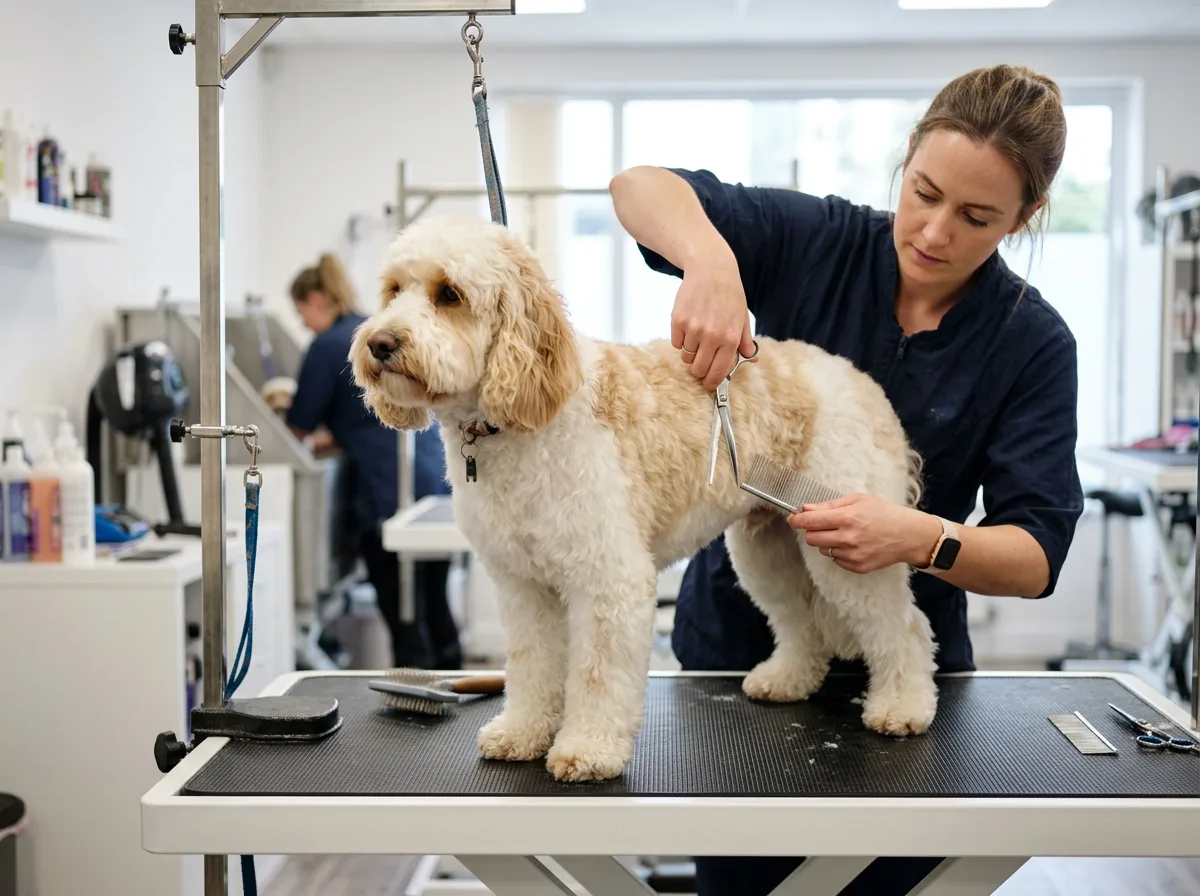
- High grooming needs. The coat does not shed much, which means it needs regular brushing and professional grooming every 6 to 8 weeks to avoid painful matting.
- Separation anxiety. The strong human bond can tip into distress when left alone, requiring early training.
- Ear care demands. Floppy, hairy ears are prone to infection and need routine cleaning.
- Variable breeding quality. Because cockapoos are popular and unregulated as a "designer" cross, quality varies enormously. A poorly bred cockapoo from a puppy mill may carry the health problems a responsible breeder screens out.
- Energy and stimulation needs. These are smart, active dogs that need exercise and mental work, not a sedentary lifestyle.
- The difference between a cockapoo that lives 16 healthy years and one that struggles with inherited disease often comes down to breeding. Insist on health-tested parents (hips, eyes, patellas, and DNA panels), and avoid puppy mills and impulse purchases. A responsible breeder is the best lifespan investment you will make.
If you are weighing the cockapoo against a similar doodle before committing, our cockapoo vs. cavapoo comparison lays out temperament, size, and care differences side by side.
What Is the Oldest Cockapoo Ever Recorded?
There is no single officially verified record for the oldest cockapoo the way there is for some purebreds, because cockapoos are a cross and are not tracked by a single registry. Anecdotally, owners and breeders report cockapoos living into their late teens, with credible reports of individuals reaching 18 to 20 years. These are outliers, not expectations, but they show the genetic ceiling the breed can reach with excellent care and good luck. The verified canine longevity record overall belongs to an Australian Cattle Dog named Bluey (29 years), which puts even a 20-year-old cockapoo in rare but not impossible territory.
Recognizing Aging and Knowing When to Adjust Care
As your cockapoo moves through its senior years, watch for the normal signs of aging and respond to them rather than dismissing them as "just old age."

- Slowing down or stiffness: often arthritis, which is treatable.
- Cloudy eyes or bumping into things: possible cataracts or PRA; get an eye exam.
- Bad breath, difficulty eating: dental disease.
- Coughing, tiring easily: possible heart disease; ask for a cardiac check.
- Confusion, disrupted sleep, house-soiling: possible canine cognitive dysfunction.
None of these mean the end. Most are manageable, and managing them well is exactly how a 12-year average becomes a 16-year reality.
The practical shift for a senior cockapoo is to make the home and the routine work with an aging body rather than against it. Orthopedic bedding takes pressure off arthritic joints, a ramp or a set of steps saves a small dog from repeatedly jumping on and off furniture, and non-slip rugs on hard floors prevent the falls that stiff senior dogs are prone to. Keep meals and walks on a predictable schedule, because a cockapoo with early cognitive decline leans heavily on routine to stay oriented and calm. Two short gentle walks a day usually serve an older dog better than one long outing, and continued light activity is protective: it preserves muscle that supports the joints and keeps the mind engaged. None of this is expensive, and together it is often the difference between a senior dog that simply survives and one that stays comfortable and engaged to the end.
- Pet insurance taken out while a cockapoo is young and healthy means the inherited conditions common to the breed (eyes, heart, joints) are more likely to be covered when they matter. Being able to say yes to diagnostics and treatment without cost being the deciding factor directly protects lifespan.
Cockapoos live long because they benefit from hybrid vigor as a Poodle and Cocker Spaniel cross, which lowers the odds of inheriting paired harmful genes, and because their small to medium size is linked to longer life across all dogs. An owner base that invests in indoor living, measured diets, and regular vet care adds to the effect.
No. A 10-year-old cockapoo is a senior but usually has several good years ahead, since the breed averages 12 to 15 years and many reach 16 or 17. Age 10 is the point to shift to twice-yearly vet visits and senior bloodwork to catch problems early.
Cockapoos are highly people-oriented and many do form a strong attachment to one primary person, usually their main caregiver, while remaining affectionate with the whole family. This close bond can make them prone to separation anxiety if independence is not built early.
The main inherited concerns are eye conditions (progressive retinal atrophy, cataracts, glaucoma), heart disease (mitral valve disease and cardiomyopathy), and joint problems (patellar luxation and hip dysplasia). Floppy ears also make ear infections common. Health-tested parents reduce these risks.
Yes, cockapoos often bond most closely with one person while still being loving toward the rest of the household, and that bond tends to deepen as the dog ages. Keeping a stable daily routine helps a strongly bonded, older cockapoo stay calm and secure.
There is no single officially verified record because cockapoos are a cross not tracked by one registry, but credible owner and breeder reports describe cockapoos reaching 18 to 20 years. These are exceptional outliers rather than the expected lifespan.
The main downsides are high grooming needs (regular brushing and professional grooming every 6 to 8 weeks), a tendency toward separation anxiety, ongoing ear care to prevent infections, highly variable breeding quality, and a need for daily exercise and mental stimulation.
No verified all-time record exists for the cockapoo specifically, but well-cared-for individuals are reliably reported living into their late teens, with some reaching 18 to 20 years. For reference, the oldest verified dog overall was an Australian Cattle Dog that lived to 29.
The Bottom Line on Cockapoo Longevity
A cockapoo lifespan of 12 to 15 years, often stretching to 16 or 17, makes this a breed you can expect to share a long life with. Genetics and size set the range, but weight management, dental care, preventive veterinary visits, and a responsible breeder are what decide where your individual dog lands within it. Do those well, and you are giving your cockapoo the best possible shot at the upper end of what its genes allow.
BVMS, MRCVS
Dr. Pippa Elliott, BVMS, MRCVS, is a veterinarian with nearly 30 years of experience in companion animal practice. Dr. Elliott earned her Bachelor of Veterinary Medicine and Surgery from the University of Glasgow. She was also designated a Member of the Royal College of Veterinary Surgeons. Married with 2 grown-up kids, Dr. Elliott has a naughty Puggle named Poggle, 3 cats and a bearded dragon.
Sign up for expert-backed reviews and safety alerts all in one place.