Husky Mix Guide: 10 Crosses, Photos and Care
Compare ten Husky parent combinations with photos and practical questions about size, coat care, behavior and household fit. Learn which records and observations help you choose the individual dog.
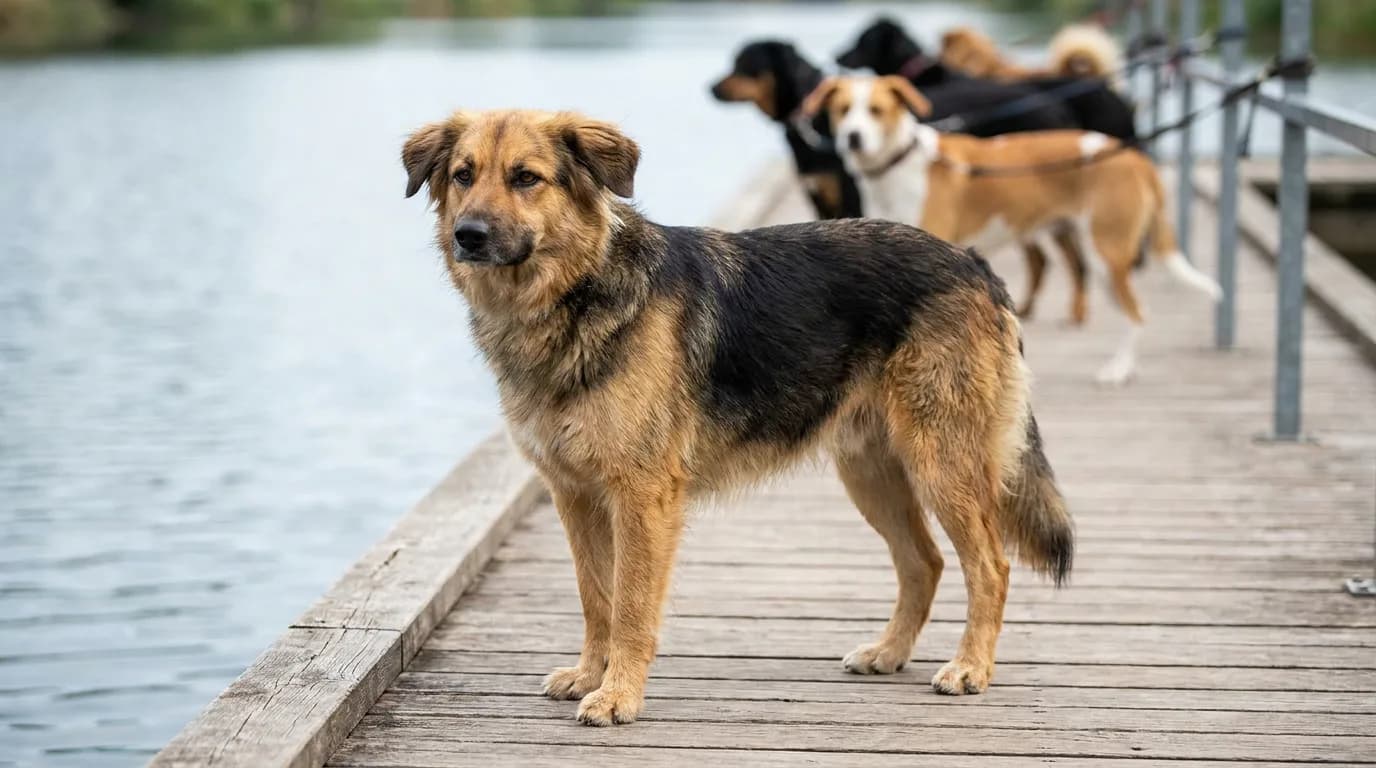
Records and observed behavior add information that appearance alone cannot provide.
Petful is reader supported. As an affiliate of platforms like Amazon and Chewy, we may earn a commission when you buy through links on this page. There is no extra cost to you.
A Husky mix has Husky ancestry alongside another breed or combination of breeds. The name can help you begin asking questions about a dog, but choosing a companion requires a closer look at the individual: their current size, coat, behavior and daily care.
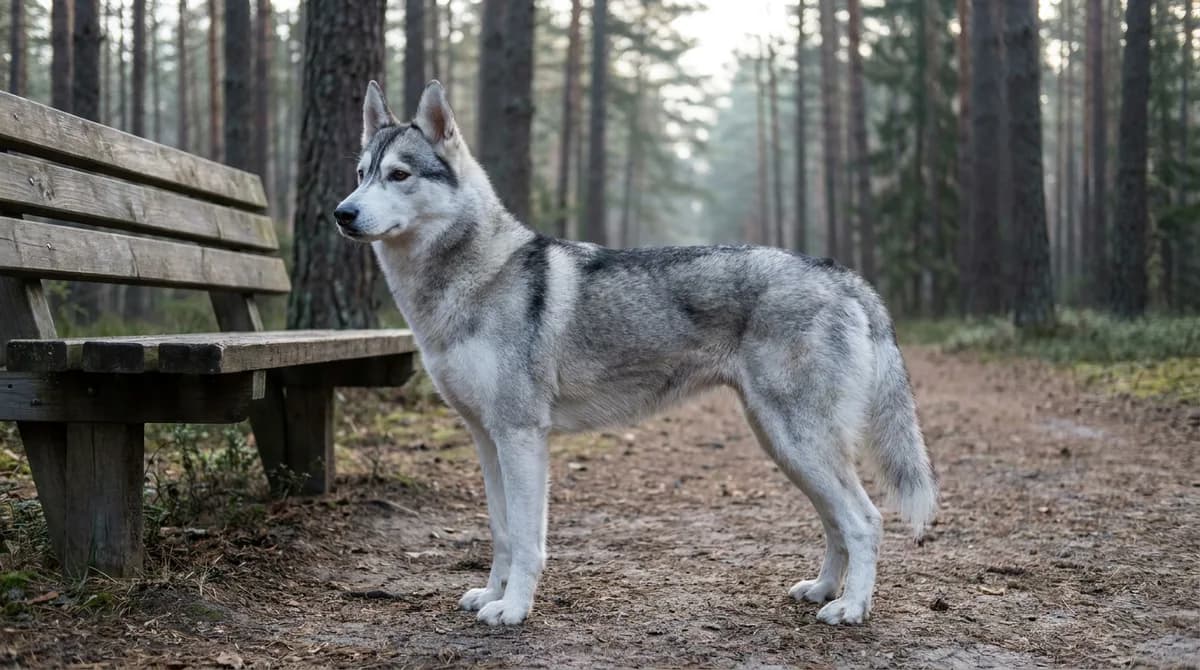
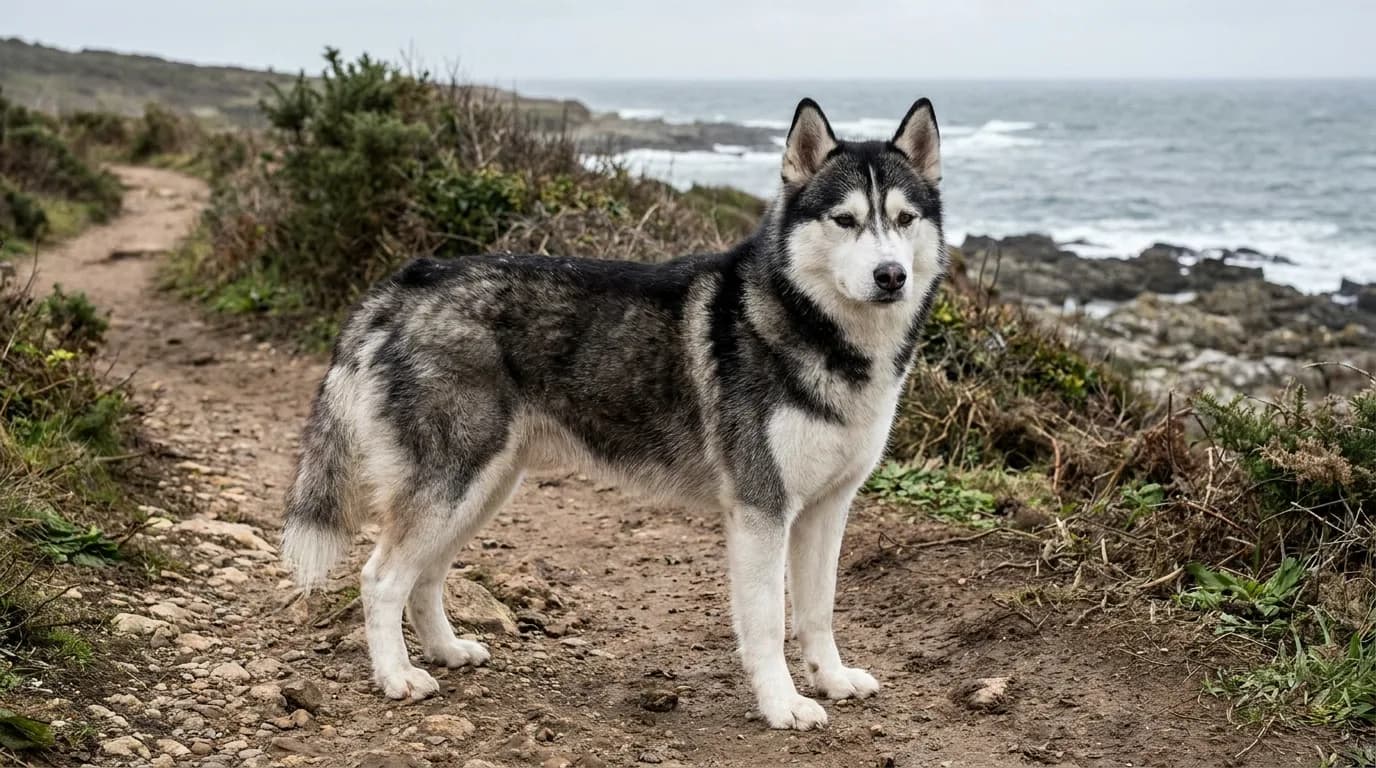
These ten comparisons explain the parent combinations and the practical questions worth asking. Photographs illustrate possible appearances, but cannot guarantee ancestry or confirm documented parentage.

Sign up for expert-backed reviews and safety alerts all in one place.
What does Husky mix mean?
“Husky mix” describes mixed ancestry that includes Husky. In a documented first-generation cross, one parent may be a Siberian Husky and the other another breed. In other cases, the parents may themselves be mixed, or the label may reflect someone's best guess about an unfamiliar dog.
Separate these kinds of information:
- Documented parentage identifies the parents through supporting records.
- Reported ancestry describes information supplied by a previous owner or breeder.
- An appearance-based label is a visual assessment that may be uncertain.
The American Animal Hospital Association's breed guidance notes that visual breed identification is not always correct. A mask, upright ears or blue eyes cannot settle the question alone.
Siberian Husky mix puppies need individual monitoring as they develop. Variation in individual size and coat means that a cross name cannot establish one adult weight, coat or personality. Use an adult dog's actual measurements when fitting equipment.
- 1Separate documented parentage from an appearance-based guess.
- 2Compare the actual dog's routine, coat and behavior before choosing.
- 3Plan individual care rather than expecting every dog with the same cross name to develop alike.
Ten Husky mixes at a glance
These ten parent combinations cover retriever, herding, northern and companion-breed backgrounds. The linked specialist guides give prospective owners more detail about an established cross, including Pitsky and Pomsky. This is a practical comparison, not a popularity ranking or complete catalog.
A comfortable resting place deserves attention alongside activity. An elevated Coolaroo dog bed is one option. Check both the usable fabric area and the frame's footprint; the Large version is not automatically the right size for every Husky mix.
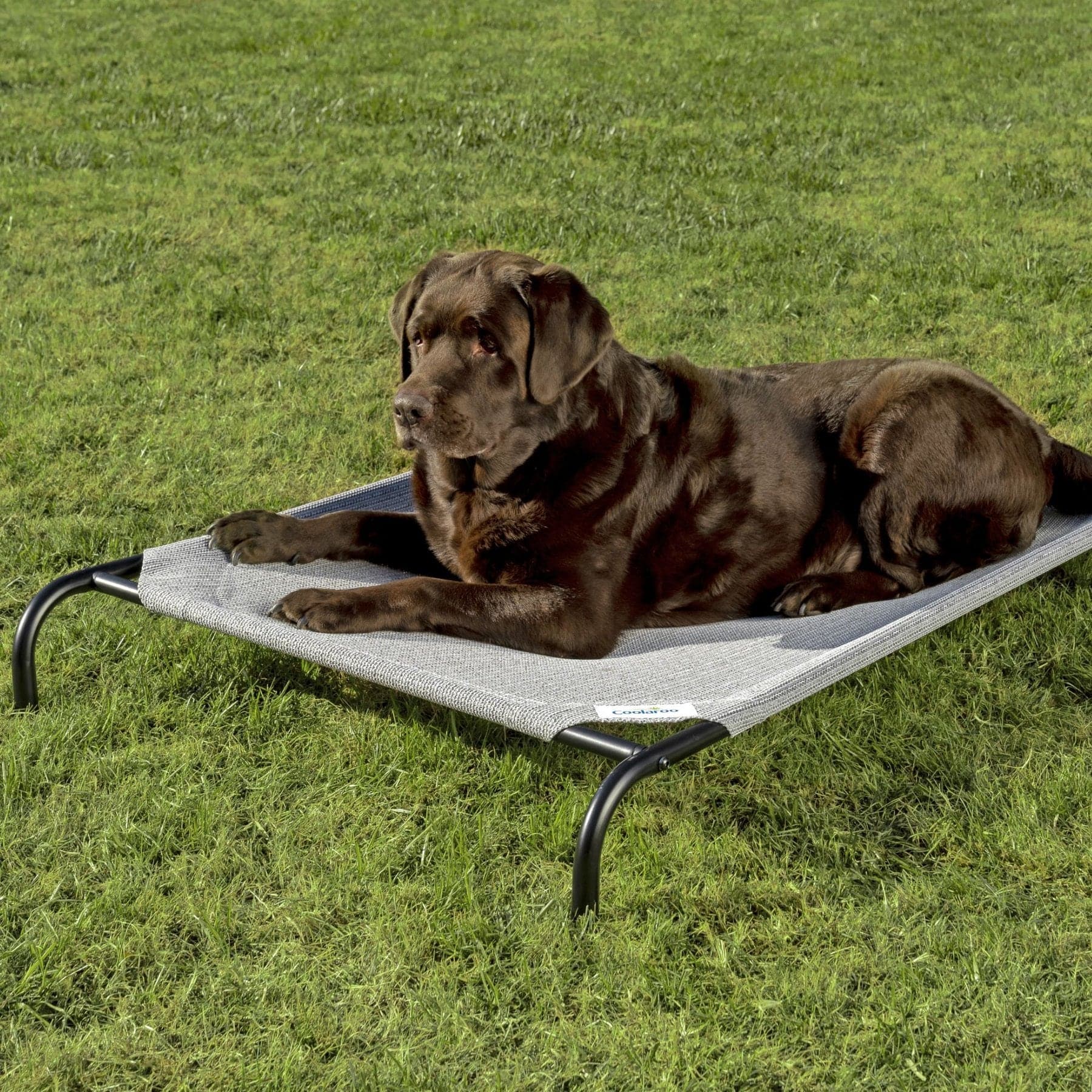
An elevated fabric bed for an airy resting surface indoors or outside. Check the frame footprint and fabric area separately.
Petful may earn a commission when you click through to Chewy, at no extra cost to you.
For each parent combination, choose a variable to verify, such as comfortable walking or coat upkeep, then ask which observation or record supports it. The table organizes questions to ask about the individual dog; the photographs illustrate possible appearances.
| Parent combination | Variable to verify | Useful observation or record | Further reading |
|---|---|---|---|
| German Shepherd and Husky | Walking management and response to distractions | A familiar walking routine and handling demonstration | German Shepherd mixes guide |
| Labrador Retriever and Husky | Play interests and ability to settle afterward | Foster notes covering play, rest and coat care | Labrador comparison below |
| Golden Retriever and Husky | Cooperative activities and grooming needs | Current household routine and handling observations | Golden Retriever comparison below |
| Corgi and Husky | Parent identity and actual body proportions | Parent information and comfortable everyday movement | Corgi mixes guide |
| Alaskan Malamute and Husky | Current size, coat density and practical handling | Measurements, grooming demonstration and walking routine | Malamute comparison below |
| Australian Shepherd and Husky | Response to movement and household interruptions | Observations during activity and quiet breaks | Australian Shepherd comparison below |
| Poodle and Husky | Poodle variety and the coat that developed | Parent records and an individual grooming assessment | Poodle comparison below |
| Chow Chow and Husky | Coat maintenance and tolerance of handling | Grooming history and comfortable interactions | Chow Chow mixes guide |
| Pitbull and Husky | What the ancestry label means and current behavior | Available records and specific household observations | Pitsky profile |
| Pomeranian and Husky | Actual dimensions and household care | Current measurements and the dog's established routine | Pomeranian mixes guide and Pomsky profile |
Choose the individual dog, then plan the household
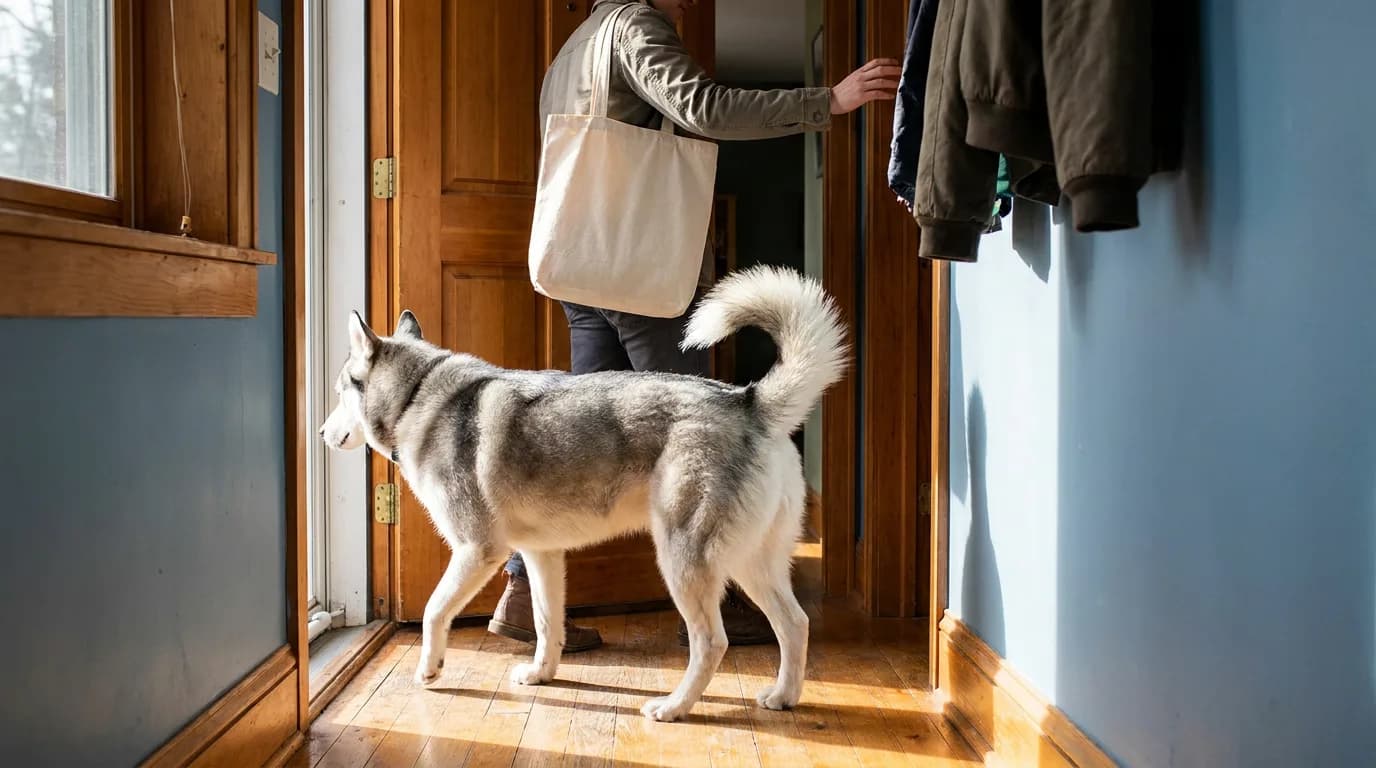
Start with the day you can realistically provide. Include walks, meals, toilet trips, training, quiet rest and the periods when nobody is home. Then compare that plan with the dog's existing routine.
Before committing, work through these practical questions:
- Can everyone responsible for walks manage the dog comfortably?
- Where can the dog rest without constant interruptions?
- Who handles grooming, training and appointments?
- What has the caregiver observed during time alone?
- Who provides backup care when your routine changes?
Use reward-based training to teach the behaviors your household needs. The American Veterinary Society of Animal Behavior's position statements support humane, reward-based methods. A cross name is not a reason to choose harsher handling or assume that a dog needs a particular training gadget.
1. German Shepherd and Husky
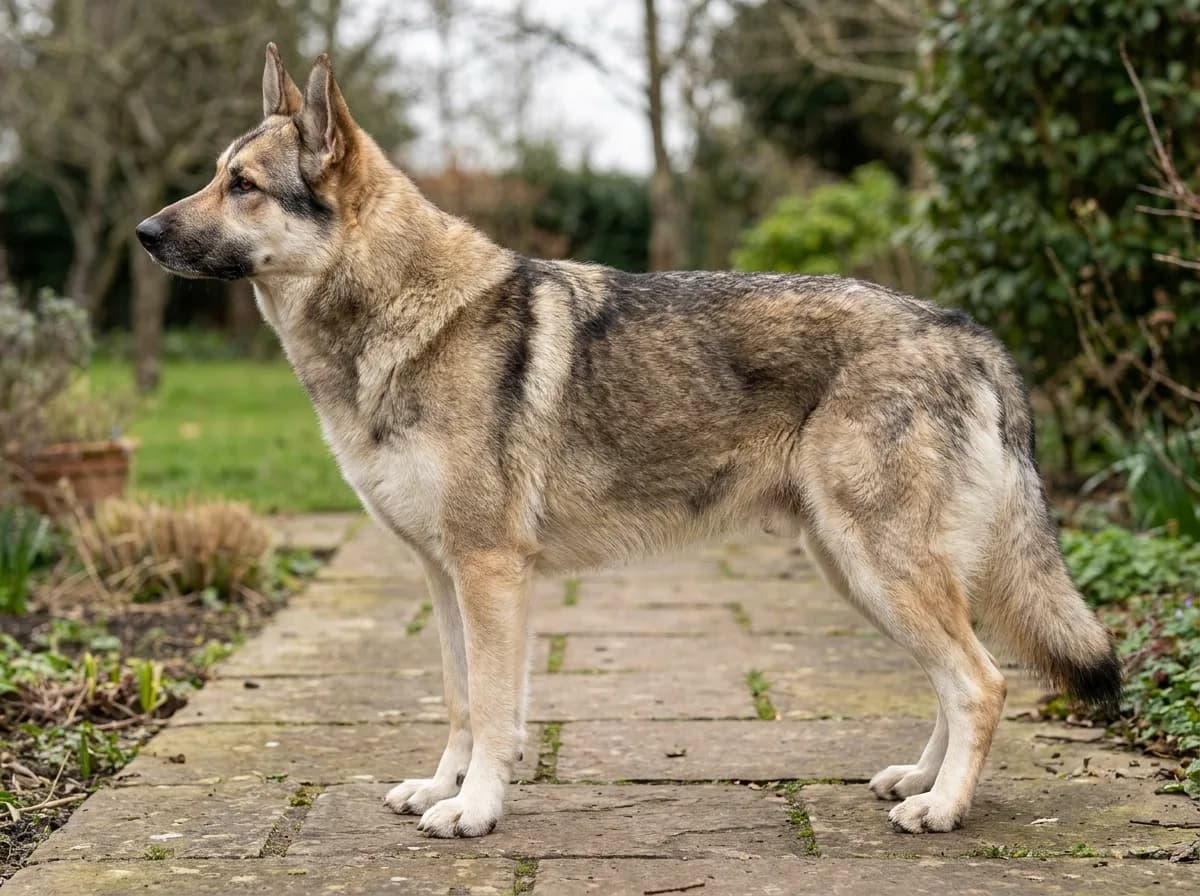
A German Shepherd Husky mix combines two named parent breeds when that ancestry is documented. For a puppy or adult, ask how the dog responds to distractions and how the caregiver manages ordinary walks.
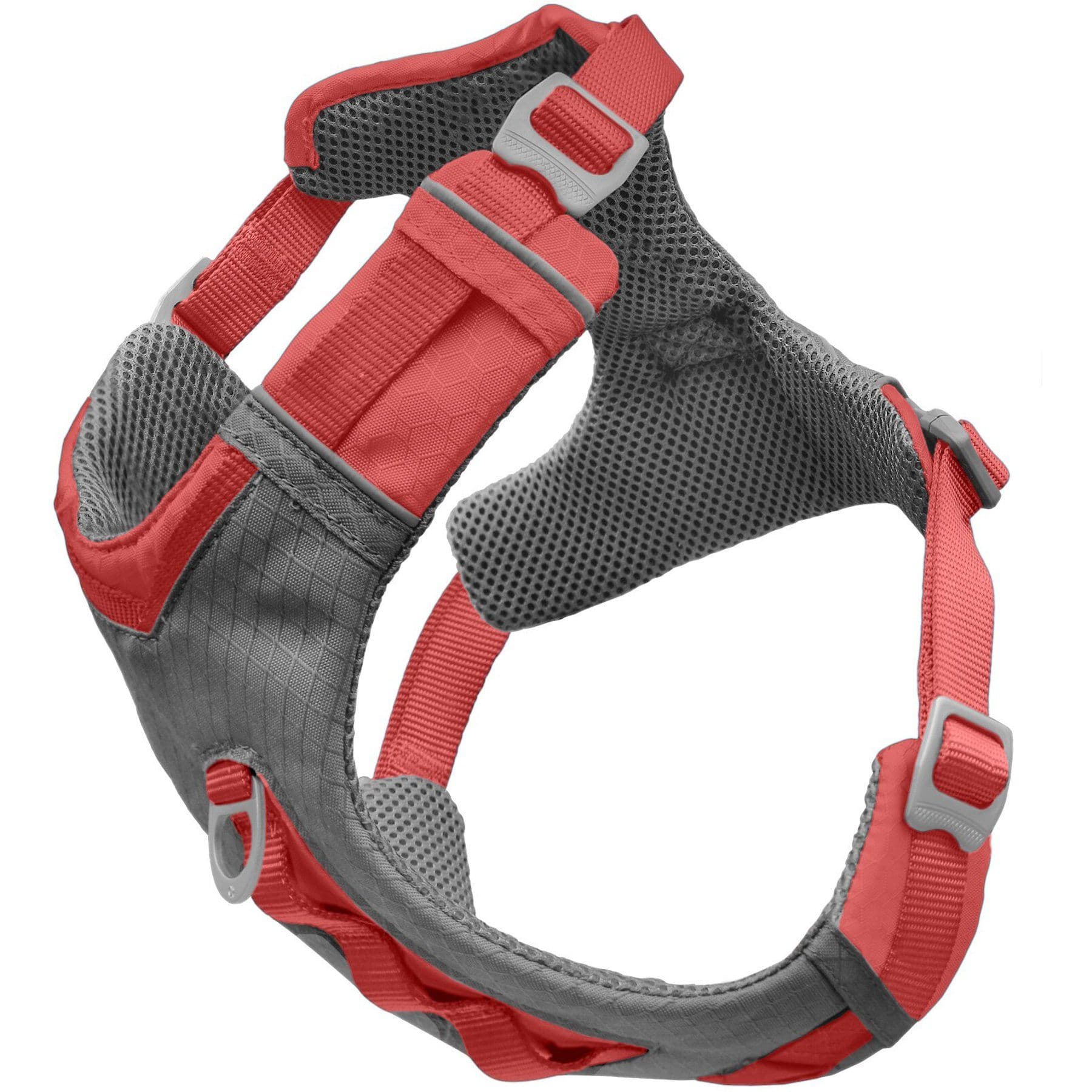
Breathable material, deep V-neck with padded chest plate, back handle, four adjustment points, reflective trim and front and back leash attachments, per the listing.
Petful may earn a commission when you click through to Chewy, at no extra cost to you.
A Kurgo Journey Air harness is one walking option. Measure the dog and check the manufacturer's chart; Medium is not a recommendation for every GSD Husky mix. Equipment supports management but does not teach leash skills by itself.
Our German Shepherd Husky mix comparison covers this cross in more detail. Do not calculate its life expectancy simply by averaging the two parent breeds.
2. Labrador Retriever and Husky
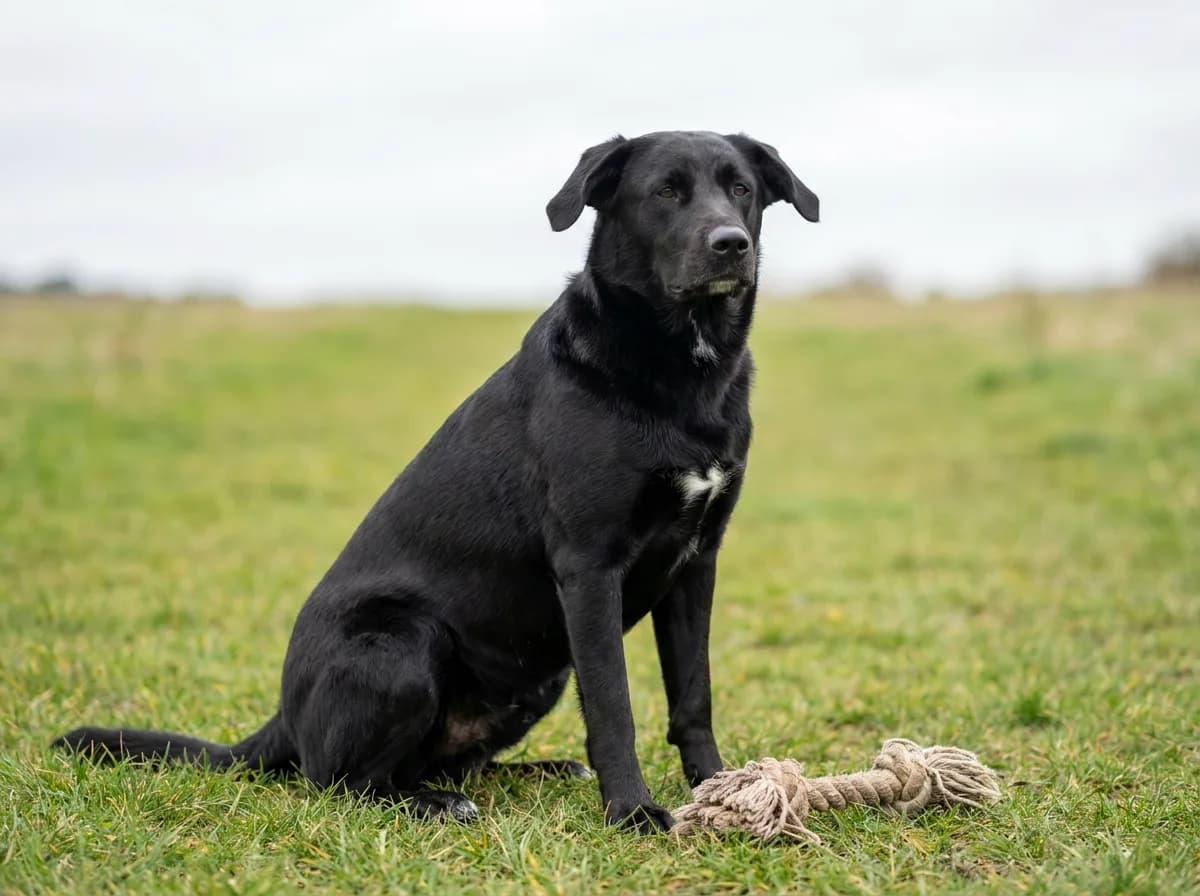
A Labrador Husky mix may be called a Labsky or Huskador. Ask what the name means in the individual listing: a Siberian Husky and Labrador Retriever cross, a dog with more complex ancestry, or a visual assessment.
The Labrador Retriever standard describes the parent's retrieving background and short, dense coat. That gives you useful subjects to explore, but it does not promise that the mixed dog will love fetch or have a particular coat.
Labrador Husky mix size and lifespan
Listings may call this cross a Labsky or Huskador. These are purebred parent ranges from the AKC, given as context; they are not a size or lifespan prediction for the cross.
- Labrador Retriever (AKC breed profile): 21.5 to 24.5 inches, 55 to 80 pounds, 11 to 13 years.
- Siberian Husky (AKC breed profile): 20 to 23.5 inches, 35 to 60 pounds, 12 to 14 years.
Watch how the dog moves between activity and rest:
- Do they enjoy retrieving, searching for a toy or another kind of play?
- What happens when the game ends?
- Can the caregiver handle the coat comfortably?
- What daily routine has been working?
Color words in a listing, such as a black Lab Husky mix, describe the coat rather than a separate cross with a predictable temperament.
For a Labrador Husky mix puppy, ask about both parents and the puppy's current care. For an adult, request current measurements and examples from ordinary home life. A caregiver's account of a typical afternoon can be more useful than a string of general adjectives such as energetic, loving or smart.
3. Golden Retriever and Husky
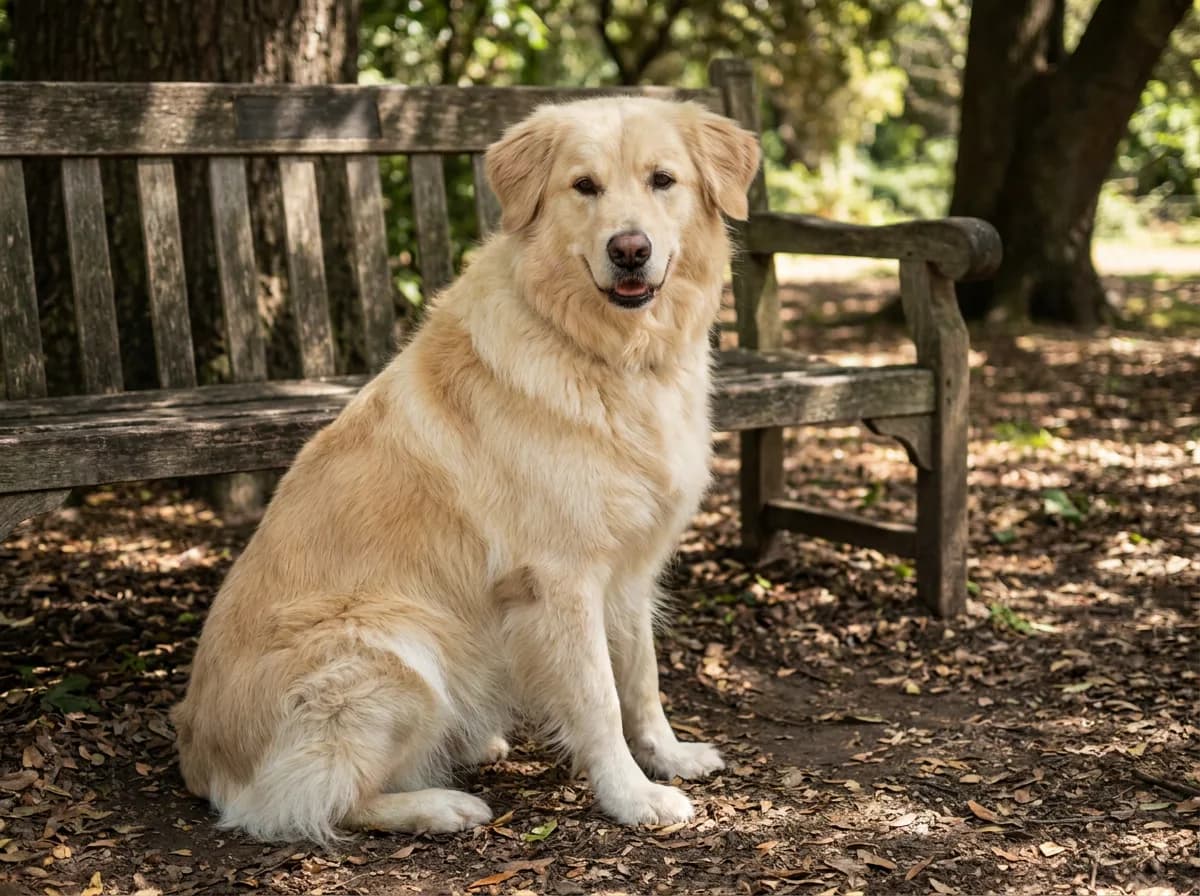
A Golden Retriever Husky mix is often called a Goberian. The Golden parent's breed standard describes an active retrieving dog. Use that background to ask about suitable shared activities, without assuming that every Golden Husky will inherit the same interests or ease of handling.
Golden Retriever Husky mix size and lifespan
Listings often call this cross a Goberian. As with the Labrador cross, treat the AKC parent figures below as context rather than a forecast for one puppy.
- Golden Retriever (AKC breed profile): 21.5 to 24 inches, 55 to 75 pounds, 10 to 12 years.
- Siberian Husky (AKC breed profile): 20 to 23.5 inches, 35 to 60 pounds, 12 to 14 years.
Look for the details behind a description such as “great family dog.” Which people has the dog lived with? How were introductions managed? What happens when someone interrupts play or begins grooming? Answers grounded in the dog's experience are more useful than a promise based on the parent breeds.
For a Golden Retriever Husky mix offered for adoption, ask about:
- The foster household's normal activity and rest schedule.
- Activities the dog enjoys doing with a person.
- How grooming is performed and which areas need attention.
- Situations that have not yet been observed.
Coat maintenance also belongs in the decision. Ask to see the current coat and the tools used, particularly if there is feathering around the legs or tail. The useful question is whether you can maintain this dog's coat, not whether the photograph resembles one parent more closely.
If you hope to share a particular activity, describe it concretely. Regular neighborhood walks, garden games and long outings are different routines. The rescue or caregiver can then explain what they know about the dog's experience rather than guessing what you mean by an active home.
4. Corgi and Husky
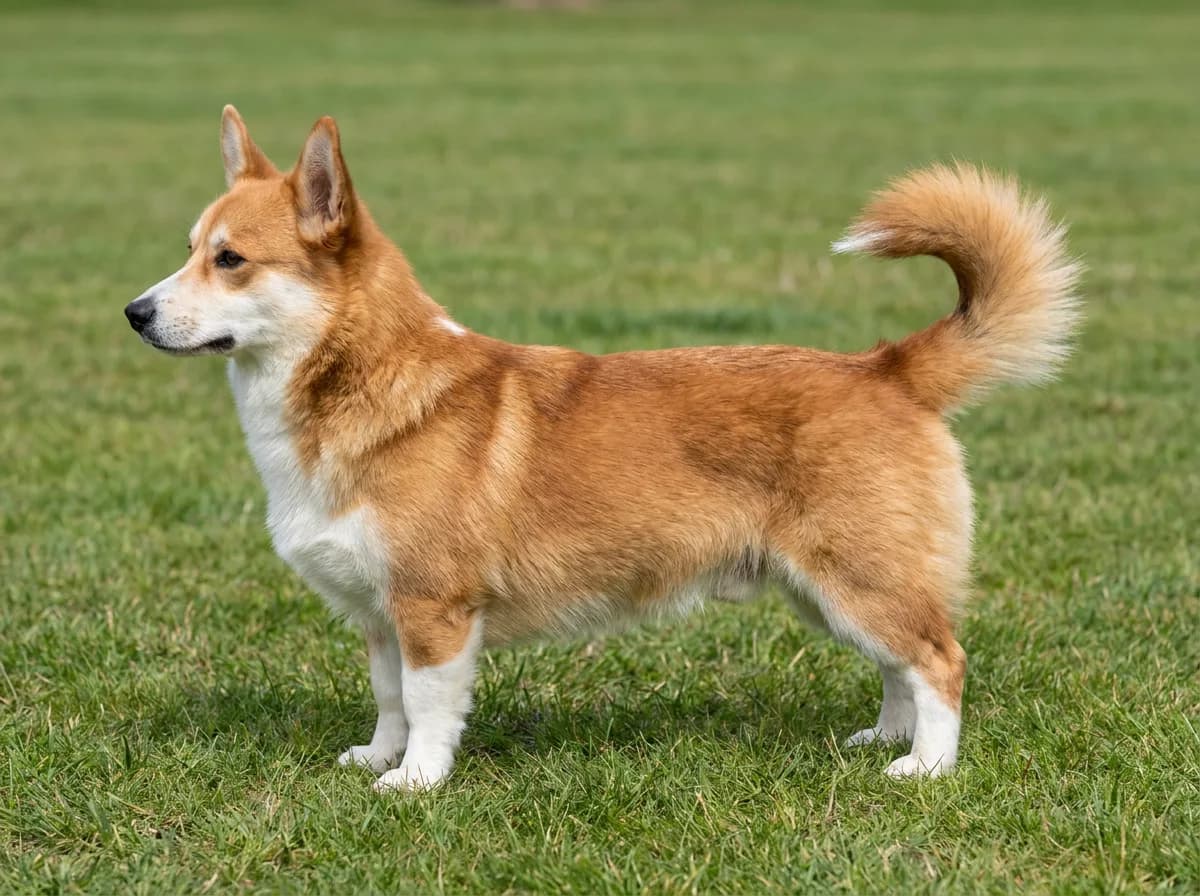
For a Corgi Husky mix, ask which Corgi parent is meant and what information supports the label. Look at the actual dog's body proportions and comfortable everyday movement rather than assuming the result will be a permanently miniature Husky.
Discuss practical handling, including getting into a vehicle and moving through your home. If assistance is needed, establish who can provide it without making assumptions from a photograph. Our Corgi mixes guide places the cross within the broader Corgi comparison.
5. Alaskan Malamute and Husky
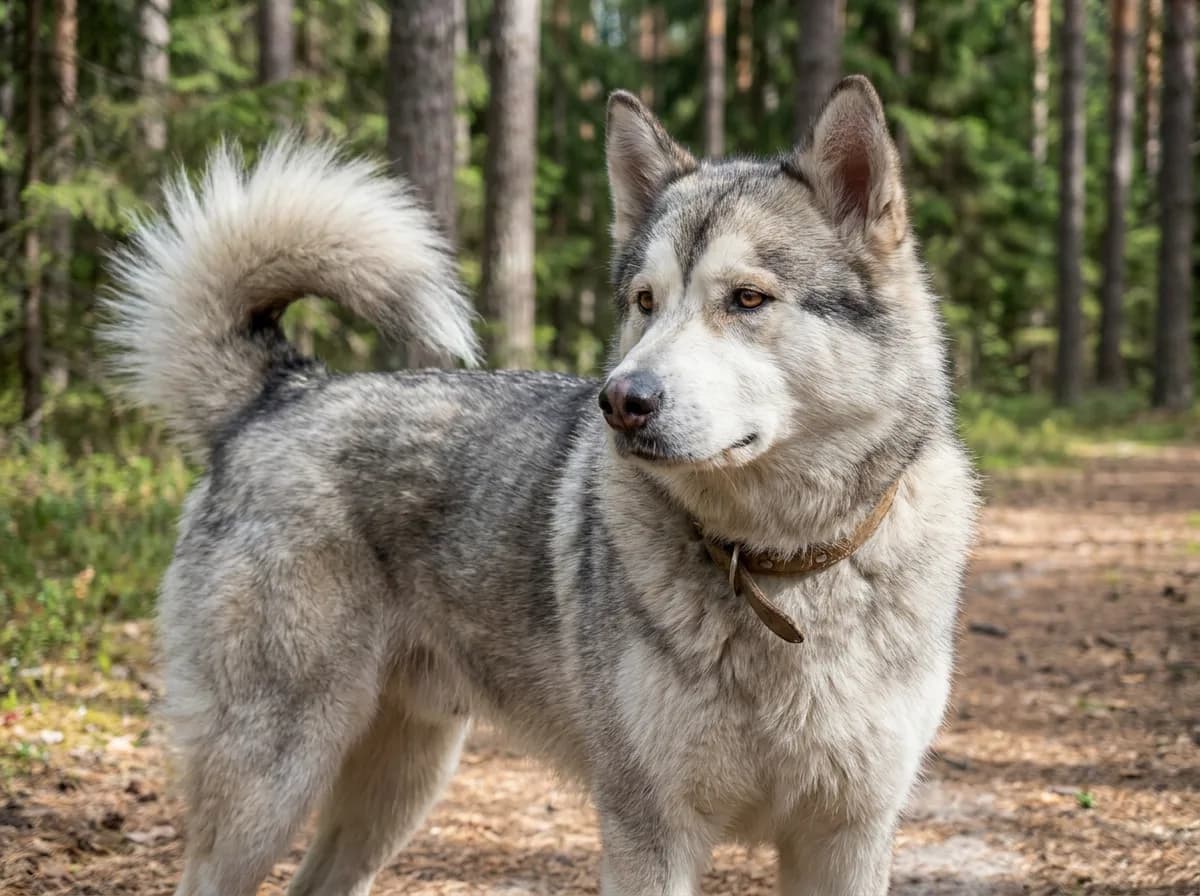
An Alaskan Malamute Husky mix involves two distinct named breeds. That is different from using “Husky Malamute” loosely because a dog has a northern appearance. Ask which parents are known before drawing conclusions about the combination.
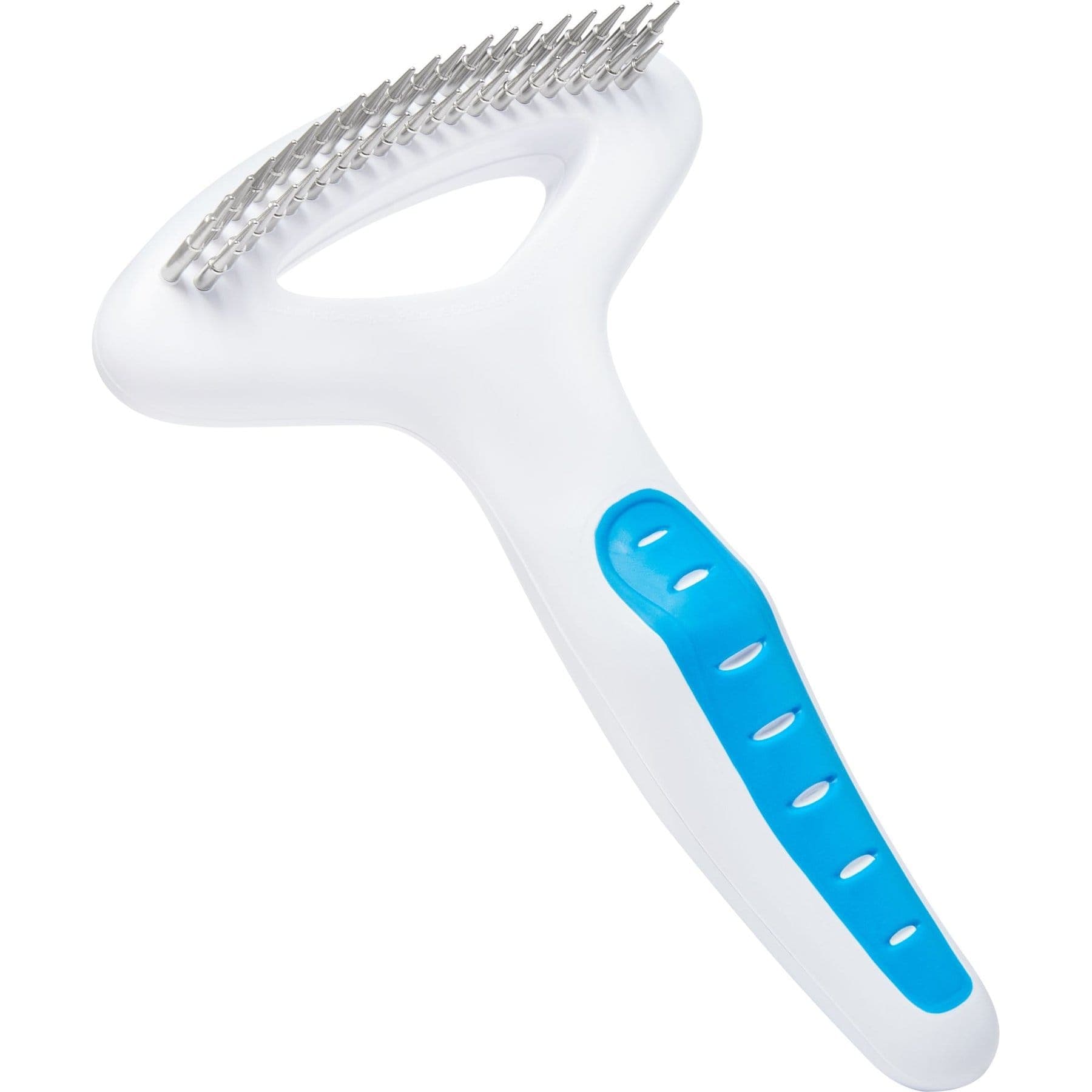
Metal teeth in two lengths lift shedding hair from the undercoat and loosen lightly matted fur; teeth sit parallel to the skin so the rake does not scrape it. Rubber-sheathed non-slip handle.
Petful may earn a commission when you click through to Chewy, at no extra cost to you.
The Alaskan Malamute standard describes a substantial working build, coarse guard coat and woolly undercoat. These parent features make coat maintenance and practical handling useful topics to investigate in the mixed dog.
Alaskan Malamute Husky mix size and lifespan
Listings sometimes use the name Alusky. The Malamute parent is the heavier of the two breeds. The AKC figures below describe the purebred parents only; an individual Alusky can fall outside both.
- Alaskan Malamute (AKC breed profile): 25 inches and 85 pounds for males, 23 inches and 75 pounds for females (the standard's desirable freighting sizes), 10 to 14 years.
- Siberian Husky (AKC breed profile): 20 to 23.5 inches, 35 to 60 pounds, 12 to 14 years.
Check the actual requirements:
- Measure the dog for resting space and walking equipment.
- Ask how coat care changes when loose undercoat needs removing.
- Watch a familiar walking routine and discuss comfortable handling.
- Identify a quiet resting area that fits the dog's current dimensions.
For an appropriate double coat, a JW Pet Gripsoft undercoat rake is one option for gentle loose-undercoat removal. Ask a groomer to demonstrate its use. Do not pull it through resistance or assume that a tool suited to this coat suits every mix in the guide.
A full coat can make a dog look larger in a photograph, so use measurements rather than visual estimates when arranging space. Likewise, the ability to manage the dog on a walk is a practical household question, not something established by calling the cross strong or athletic.
6. Australian Shepherd and Husky
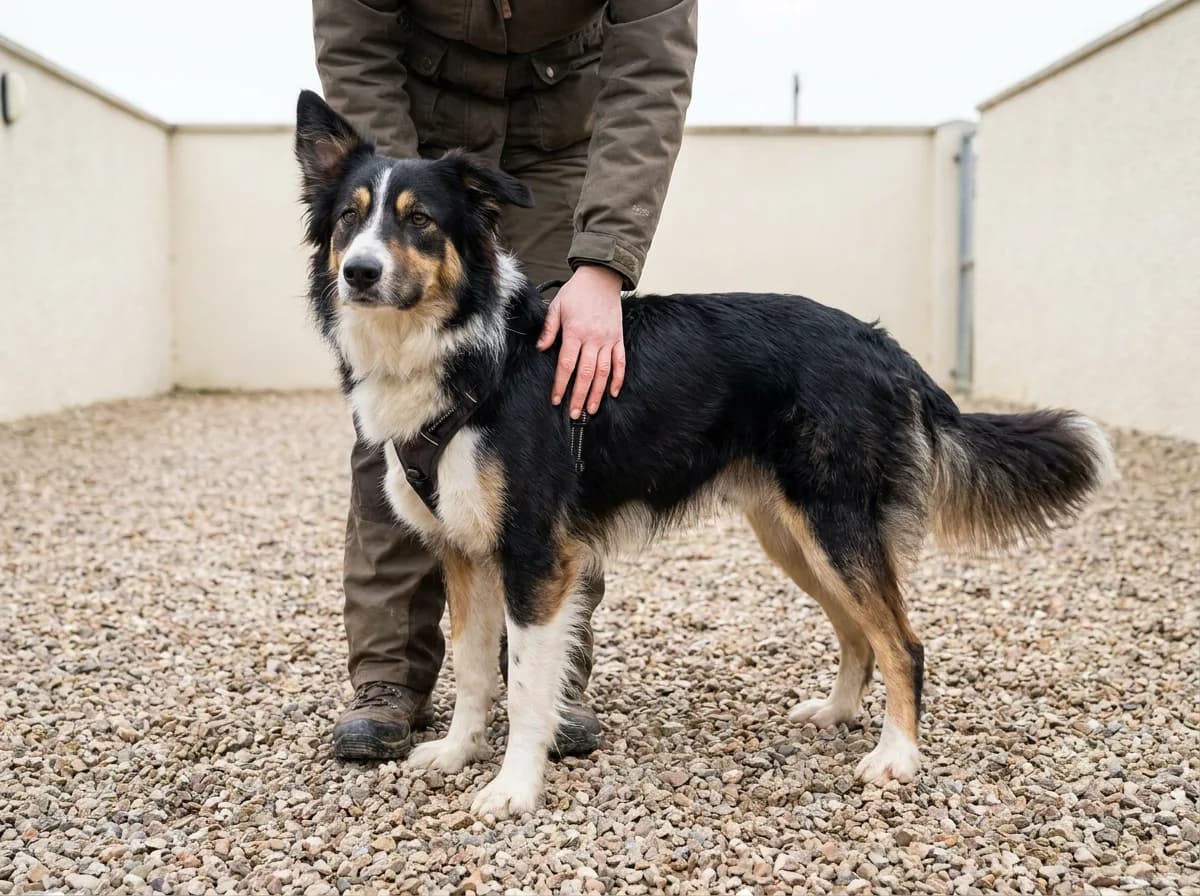
An Australian Shepherd Husky mix brings together parent breeds with working backgrounds. The Australian Shepherd standard describes a herding dog, but that does not tell you exactly how a particular mixed dog will respond to moving people, animals or objects.
Australian Shepherd Husky mix size and lifespan
Listings may call this cross an Aussie Husky or Aussiesky. Read the parent figures as a planning range, not a promise about the adult dog.
- Australian Shepherd (AKC breed profile): 18 to 23 inches, 40 to 65 pounds, 12 to 15 years.
- Siberian Husky (AKC breed profile): 20 to 23.5 inches, 35 to 60 pounds, 12 to 14 years.
Ask about observed behavior during ordinary household events. What happens when someone walks past the resting area, a visitor arrives or a game ends? Distinguish a known response from a situation the caregiver has not encountered.
Useful observations include:
- How the dog responds to familiar cues.
- Whether they can take a comfortable break during activity.
- Which rewards or games they enjoy.
- How the household manages interruptions and excitement.
A daily plan can combine walks, shared play, brief training and quiet time. Avoid reducing that plan to an exercise quota attached to the cross name. Ask which activities have been successful and what support the dog currently needs.
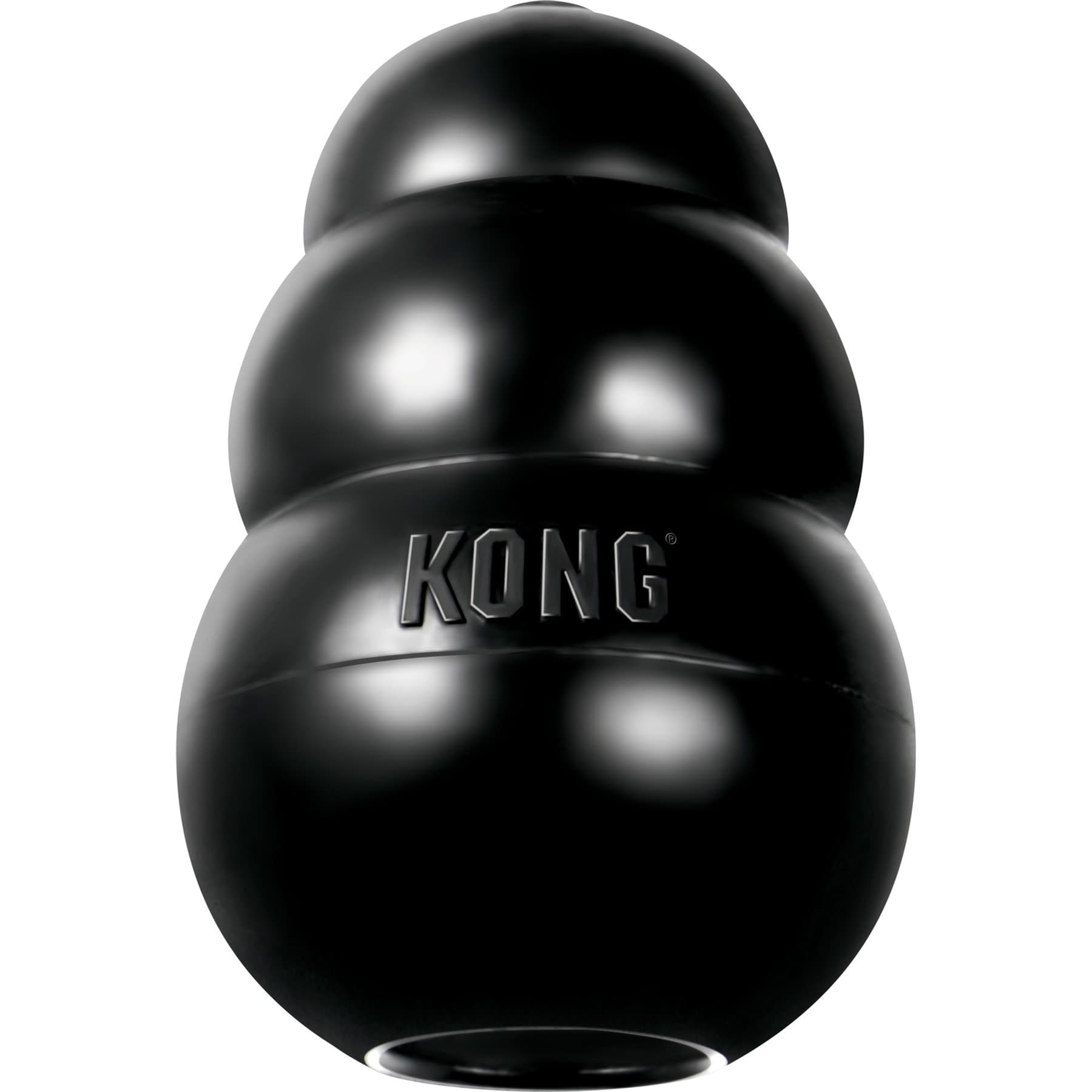
Black ultra-durable natural rubber, stuffable, the reference toy for power chewers; sizes 53358 Small and 53362 XX-Large named inline for other dogs.
Petful may earn a commission when you click through to Chewy, at no extra cost to you.
Supervised food enrichment can be one optional activity. A KONG Extreme dog toy offers a way to present suitable food while you observe how the dog uses it. Select the size for the individual, account for the food provided and replace a damaged toy. Large is not automatically right for every Australian Shepherd Husky mix.
A toy does not replace company, training or a workable care schedule. Its value is the manageable activity it provides for that dog, rather than a promise to solve anxiety or exhaust a working-breed mix.
7. Poodle and Husky
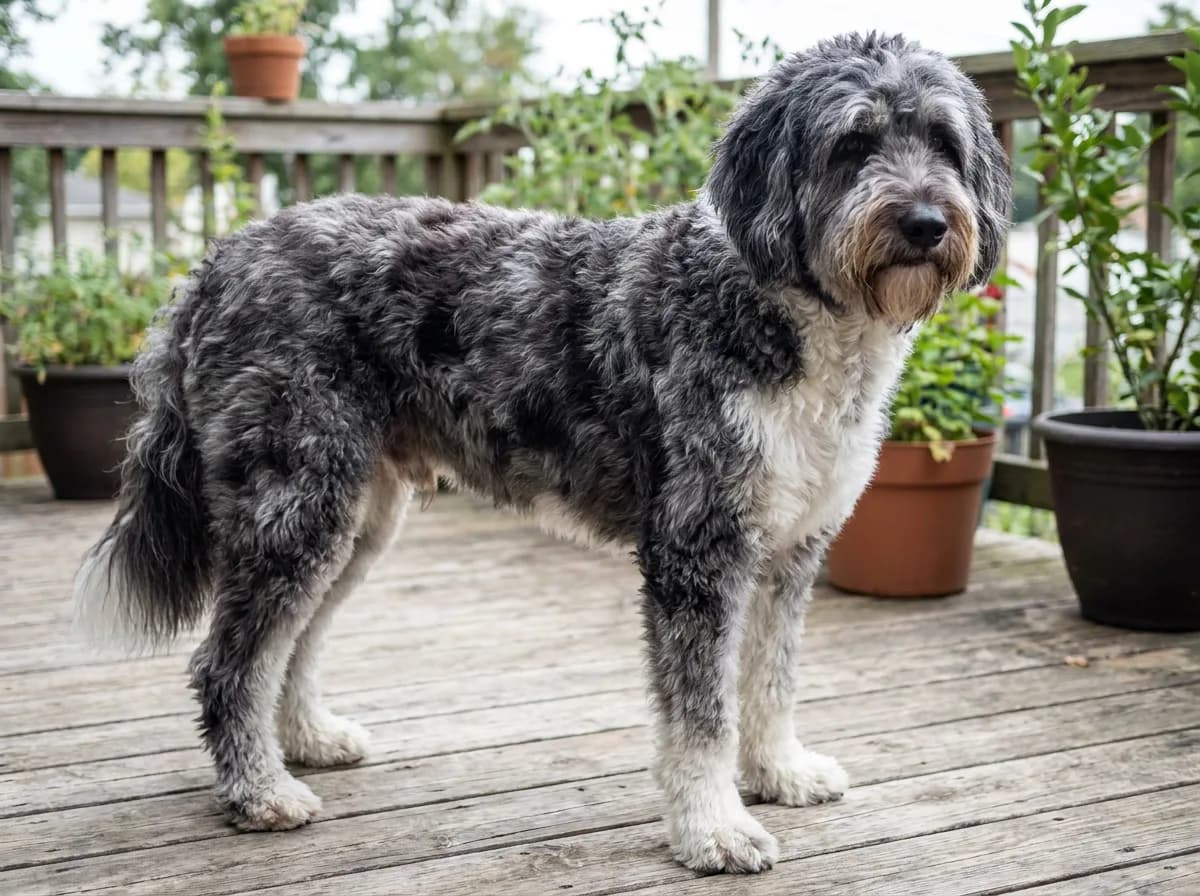
For a Husky Poodle mix, the first question is which Poodle variety is involved. The Poodle standard distinguishes Toy, Miniature and Standard varieties. Parent information matters, but it should not be converted into an exact adult-size prediction for a puppy.
Husky Poodle mix size and lifespan
Listings may call this cross a Huskydoodle or Siberpoo. The Poodle variety changes the parent size more than any other cross in this guide, so ask which one was used. No cross-specific standard exists, so the AKC parent figures are the only published reference.
- Standard Poodle (AKC breed profile): over 15 inches, 40 to 70 pounds.
- Miniature Poodle (AKC breed profile): 10 to 15 inches, 10 to 15 pounds.
- Toy Poodle (AKC breed profile): no more than 10 inches, 4 to 6 pounds. All three varieties list a 10-to-18-year life expectancy.
- Siberian Husky (AKC breed profile): 20 to 23.5 inches, 35 to 60 pounds, 12 to 14 years.
Plan coat maintenance around the coat that actually developed, rather than promises about inherited traits. A Poodle parent does not guarantee low shedding. Ask a groomer to assess texture, density and condition before choosing tools or agreeing to a maintenance budget.
Discuss these practical points:
- Which areas need regular combing or brushing?
- What can you comfortably maintain at home?
- Which services are likely to require a groomer?
- How will the plan be reassessed as a puppy develops?
A wavy or curly appearance also does not establish an allergy-safe dog. The American Academy of Allergy, Asthma & Immunology explains that no dog breed is truly hypoallergenic and that shedding or hair length does not establish the absence of allergens.
Keep that distinction separate from ordinary coat care. A manageable grooming routine is useful, but it cannot promise an allergic person will tolerate the dog. Likewise, a rake suitable for loose undercoat on one dog should not become the default tool for a different mixed coat.
8. Chow Chow and Husky
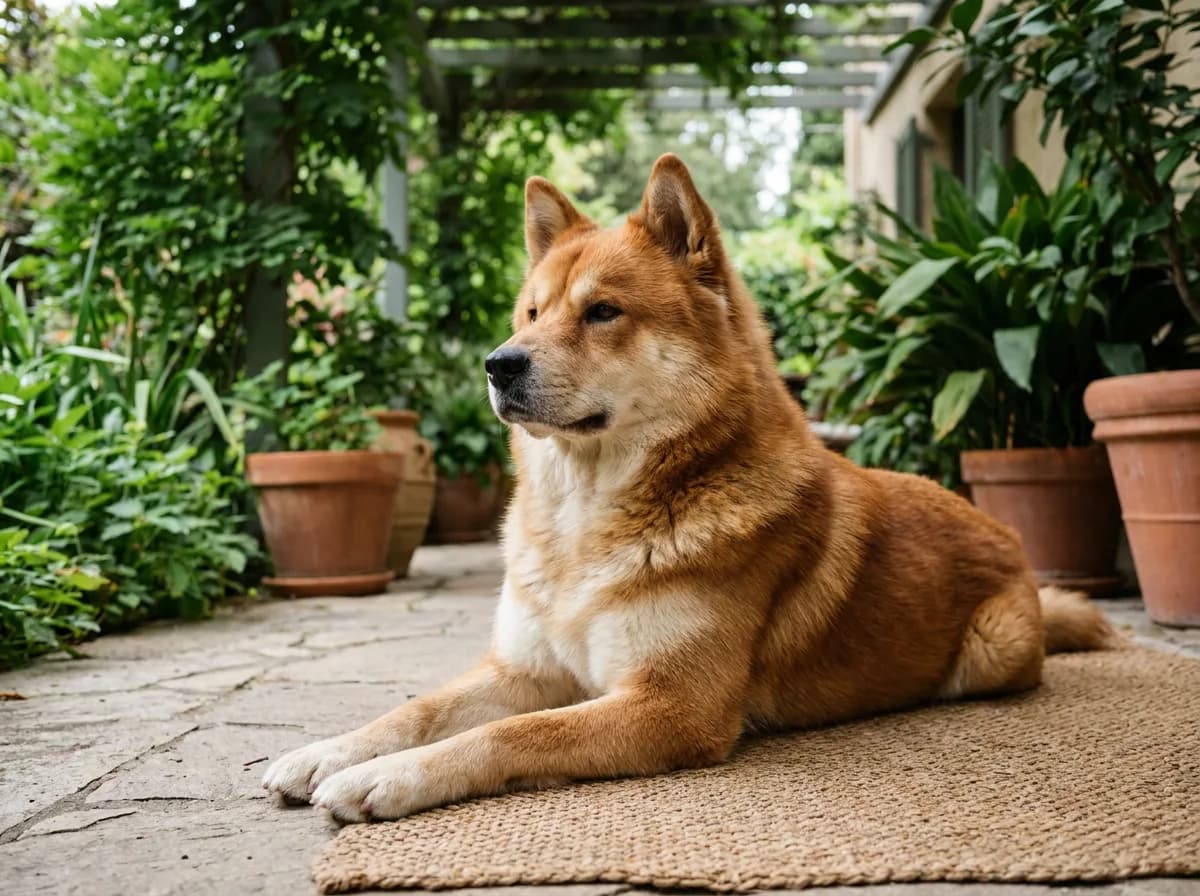
For a Siberian Husky and Chow Chow mix, ask about coat maintenance and comfortable handling. A substantial-looking ruff tells you something about appearance, but not how the dog feels about brushing, visitors or close contact.
Request specific examples from the caregiver rather than assigning an aloof or protective personality. Tongue pigment alone should not settle the ancestry question either. Our Chow Chow and Husky mix comparison provides the broader cross discussion and helps you prepare more focused questions about the individual dog.
9. Pitbull and Husky: Pitsky
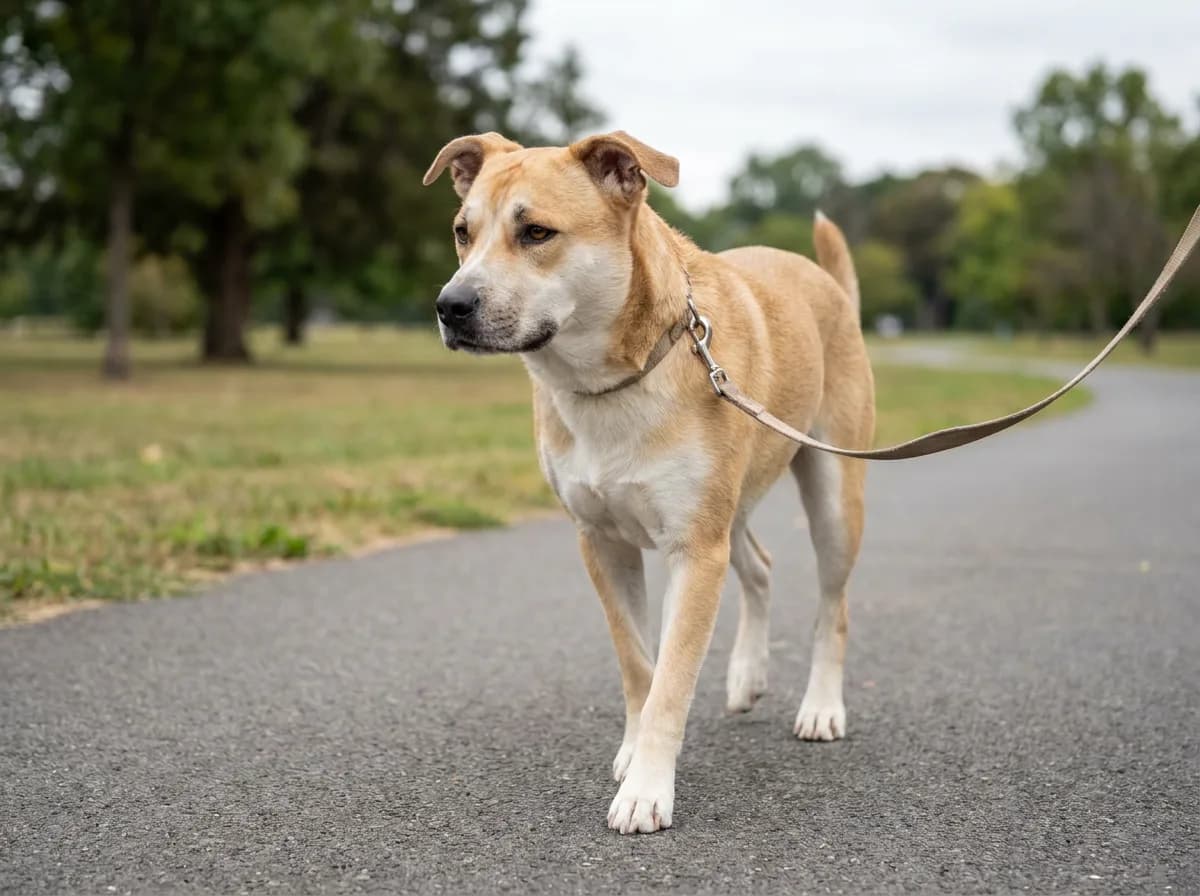
Pitsky commonly refers to a Pitbull Husky mix. Because “Pitbull” can be used more broadly than a documented parent breed, ask what the listing actually establishes about the dog's background.
For Siberian Husky and Pitbull mix puppies, request available parent information and individual care records. For an adult, concentrate on observed behavior, comfortable handling and the management routine already in place.
A nickname cannot establish one mandatory appearance or household fit. Our Pitsky temperament and care guide covers the cross in detail, including the questions to consider beyond a striking photograph.
10. Pomeranian and Husky: Pomsky
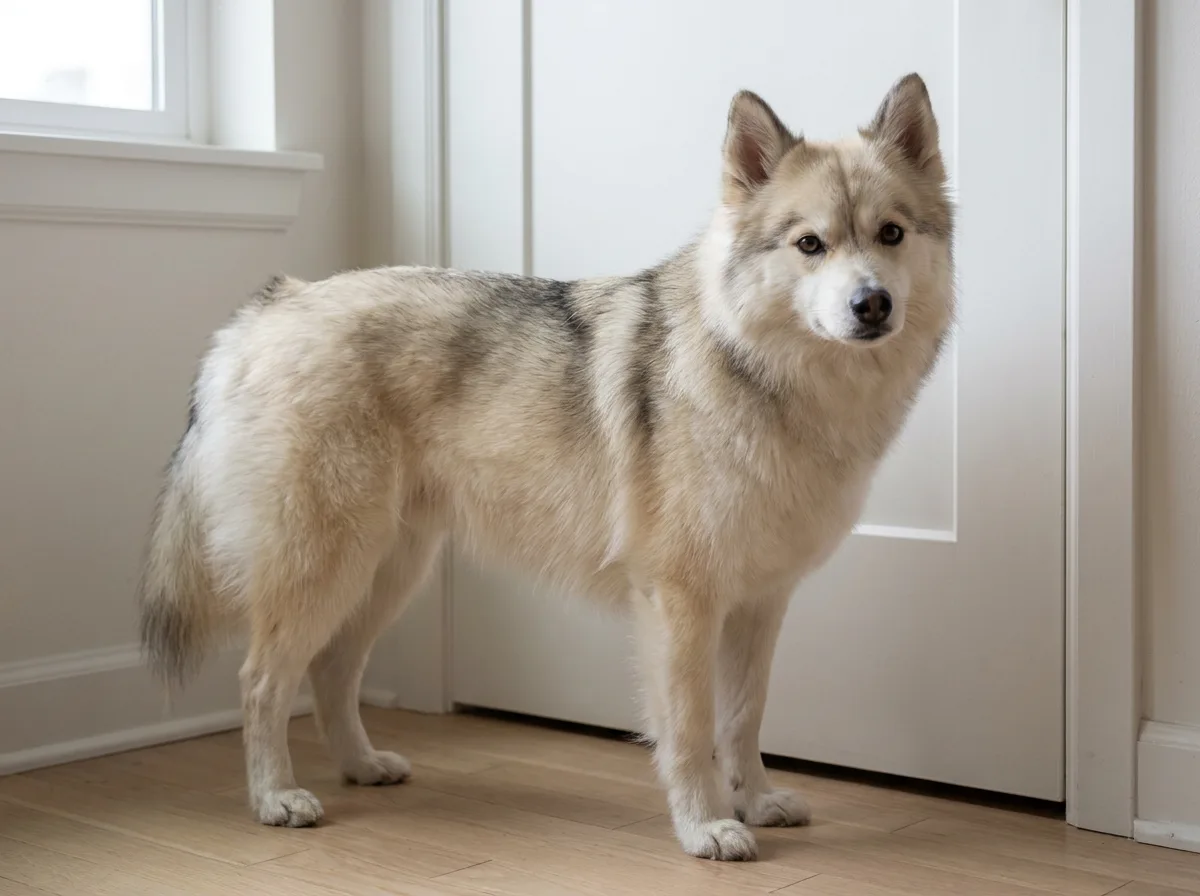
A Pomsky describes Pomeranian and Husky ancestry. A promise of a miniature Husky is not enough information to plan for the dog: ask about the parents, current measurements and actual care routine.
Smaller body size does not answer questions about noise, time alone, grooming or walking arrangements. Our Pomeranian mix comparison places the combination alongside other Pomeranian crosses. For a closer look at this particular mix, the Pomsky household fit and care guide provides the detailed discussion.
Health and lifespan of a Husky mix
How long do Husky mixes live?
Use the parents' published ranges as a planning bracket: the AKC lists 12 to 14 years for the Siberian Husky, and 10 to 12 years for the Golden Retriever, 11 to 13 for the Labrador Retriever, 10 to 14 for the Alaskan Malamute, 12 to 15 for the Australian Shepherd and 10 to 18 for the Poodle. Together those parents span 10 to 18 years. Base individual health and lifespan planning on the dog's own age, health history and current condition, because averaging two parent ranges does not produce a sound prediction.
Mixed ancestry also does not guarantee freedom from inherited problems. AAHA's breed-specific guidance emphasizes accurate ancestry information where possible and individualized care, rather than assuming purposeful crossing reliably removes genetic risks.
- Individual health records and known parentage can inform care. A cross name or a promise of hybrid health does not replace the dog's actual history.
Before bringing a dog home, gather what is available:
- The recorded age and whether it is known or estimated.
- Veterinary records, current medications and recommended follow-up.
- Parent health-screening results when the parents are known.
- Previous conditions or care needs reported by the caregiver.
- Contact details for obtaining missing records.
Use those documents when planning the first veterinary visit and ongoing costs. Keep unknowns visible instead of filling them with assumptions from a breed description. For an adult rescue, a clear account of current needs is immediately useful even when the complete early history is unavailable.
What the Husky parent contributes
The Siberian Husky provides useful parent-breed context for activity, coat care and household planning. Its activity needs and heavy seasonal shedding are worth understanding, but they are not a complete forecast for every cross.
Research on breed ancestry and dog behavior shows why breed labels alone are insufficient to predict an individual's disposition. Combine parent breed information with observed behavior and current measurements.
Sex, bonding and the “four types of Husky” question are purebred topics covered in our Siberian Husky temperament and care guide. Coat color cannot establish ancestry; the Husky colors and rarity guide explains the palette.
Husky mix questions
A Husky mix is a dog with Husky ancestry plus another breed or several. Only records naming both parents confirm a first-generation cross such as a Labsky or Goberian; many shelter labels are visual guesses, and AAHA notes that visual breed identification is not always correct. Treat the label as a starting question, then judge the individual dog.
Some individuals may fit an apartment household, but body size alone cannot answer the question. Build an apartment routine around toilet access, walks, quiet rest and realistic time alone. Check building rules and consider shared entrances, lifts, stairs and nearby activity. Ask the caregiver what has actually been observed about noise and absences, then identify the support you would need.
With unknown parents, concentrate on information the rescue can provide: observed behavior, current measurements, medical records and the routine used in foster care. Ask which situations have been observed and which remain untested, including grooming, visitors and interactions with other animals. Find out whether the age is documented or estimated and what support is available after adoption.
They may share features, but littermate differences mean one puppy is not a reliable template for another's adult appearance or behavior. Use parent information as context while monitoring each puppy's individual development. An older sibling or littermate can show one possible outcome, but it should not be offered as a guarantee of exact adult size, shedding or personality.

Coreen Saito is a pet writer and longtime shelter volunteer with more than a decade in animal rescue. She covers cat behavior, breed care, and the small, ordinary science of sharing a life with companion animals, with a particular focus on honest takes about the products and decisions that actually matter. At home in Arizona, she's outranked by Mac (a dog with the loudest opinion in the house), Rebel (a cat who governs by quiet authority), and Meri (an orange tabby who runs the late shift and the laundry basket). She writes about all three, plus the rescues that keep coming through her life, at LifeWithMinty.com.
Sign up for expert-backed reviews and safety alerts all in one place.