Siberian Husky: Full Breed Profile and Care Guide
The Siberian husky is a striking, friendly, and famously energetic sled dog, but not an easy first dog. This complete breed profile covers husky temperament, history, size, coat colors, grooming, exercise, training, health, diet, and cost.
Petful is reader supported. As an affiliate of platforms like Amazon and Chewy, we may earn a commission when you buy through links on this page. There is no extra cost to you.
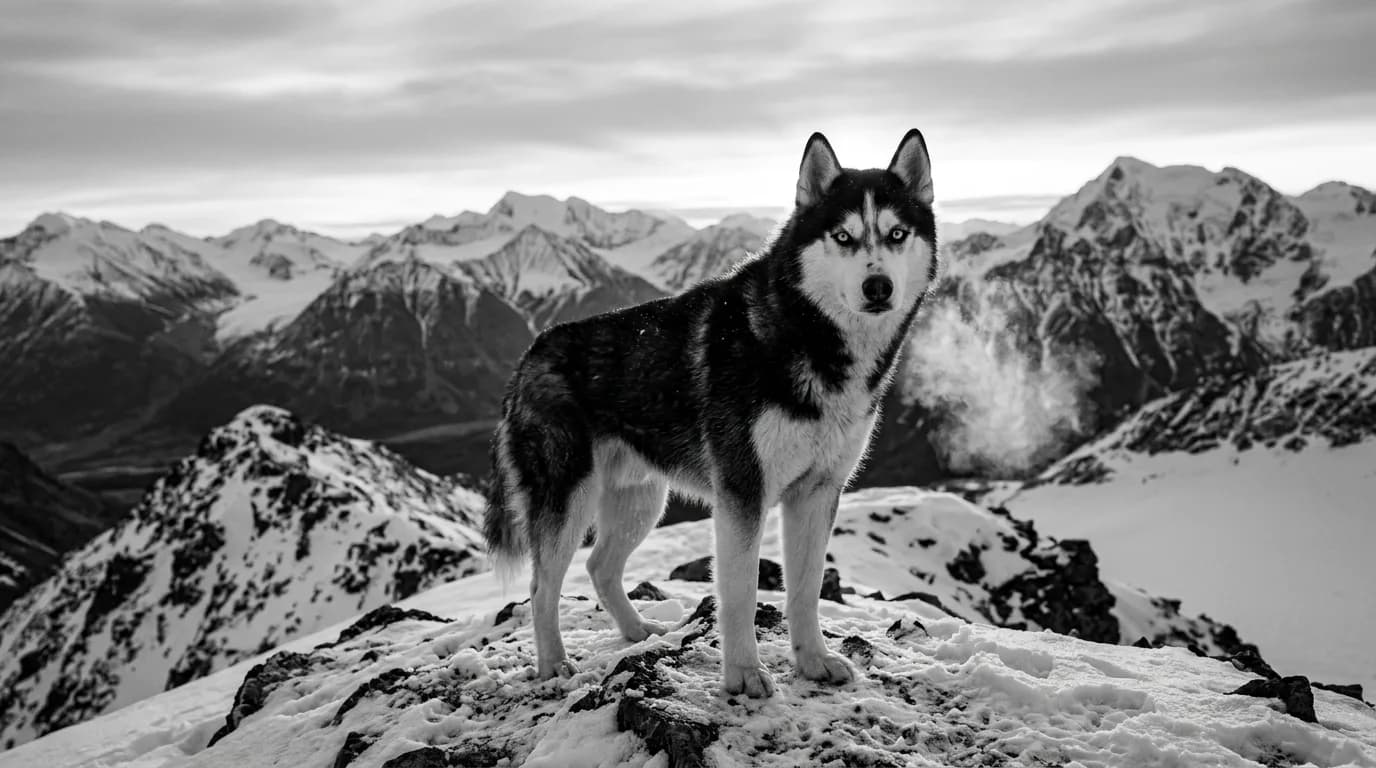
The Siberian husky is a medium-sized working sled dog built for endurance, packed with personality, and famous for those pale blue (or brown, or one of each) eyes. Bred by the Chukchi people of northeastern Asia to pull light loads across frozen distances, this is an athletic, pack-oriented dog that thrives on movement, cold weather, and company. If you are drawn to the wolfish looks and outgoing charm, this guide covers everything you need before one moves in: temperament, history, size, coat and colors, grooming, exercise, training, health, diet, cost, and the questions people ask most.
- 1The Siberian husky is a high-energy, high-shedding pack dog that needs daily hard exercise and a secure yard.
- 2It is friendly and rarely aggressive, which makes it a poor guard dog but a great family companion.
- 3Escaping, howling, and heavy seasonal "blowing" of the coat are normal husky traits, not defects to train away.

Sign up for expert-backed reviews and safety alerts all in one place.
Siberian Husky at a Glance
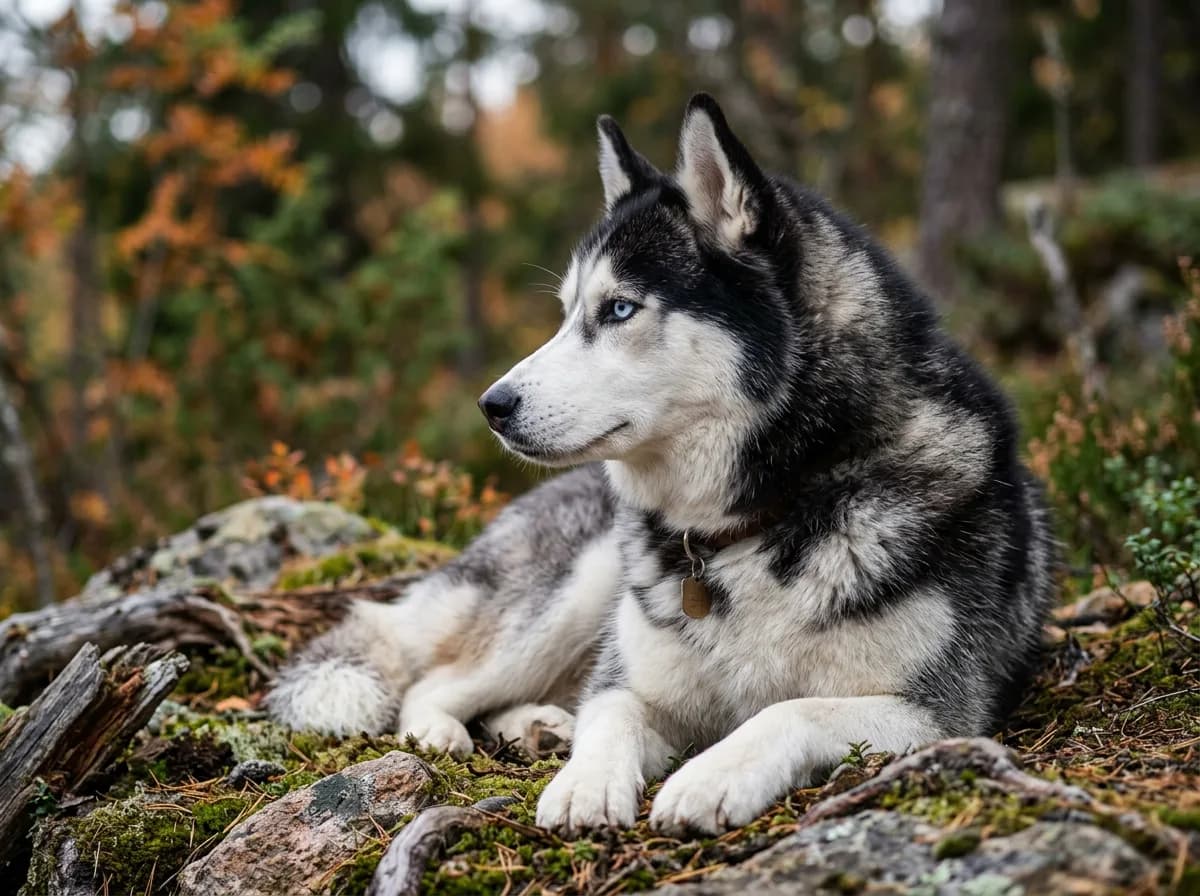
Before the deep dive, here is the quick snapshot of what you are signing up for with this breed.
| Trait | Detail | What It Means For You |
|---|---|---|
| Breed group | Working (AKC) | Bred to pull and to work in teams, so it needs a job and a pack |
| Height | 20-23.5 inches at the shoulder | A compact, athletic frame, smaller than a malamute |
| Weight | 35-60 pounds | Females lighter, males heavier; lean and agile, never bulky |
| Lifespan | 12-15 years | A long-lived breed for its size when kept fit |
| Coat | Dense double coat | Sheds heavily; "blows" the undercoat twice a year |
| Energy | Very high | Plan on 1-2 hours of hard exercise every day |
| Good with kids | Yes | Friendly and tolerant, though rambunctious with toddlers |
| Trainability | Independent | Smart but stubborn; consistency beats repetition |
Where Siberian Huskies Came From
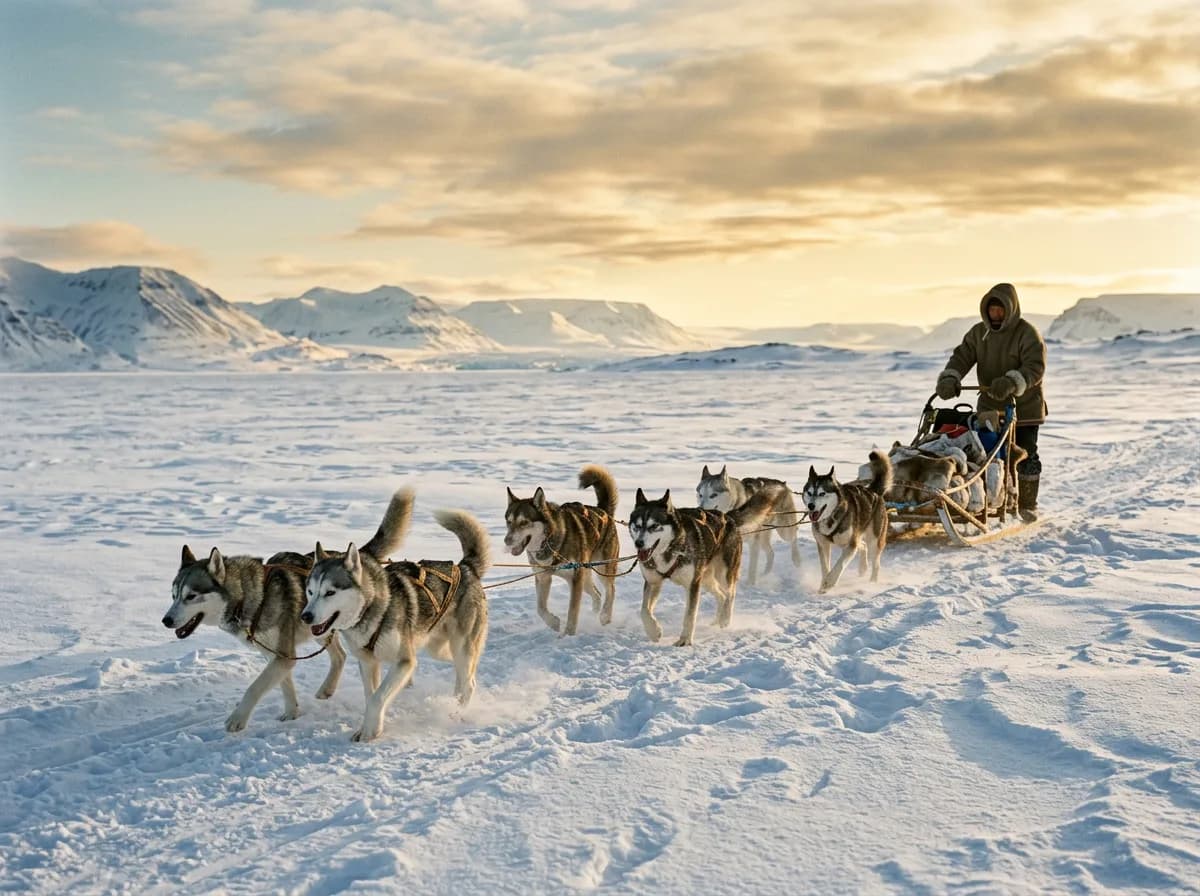
The Siberian husky's story starts with the Chukchi, an Indigenous people of the Chukotka Peninsula in far northeastern Siberia. They developed the breed over thousands of years as a fast, efficient sled dog that could haul light loads over long distances on very little food, then curl up with the family at night. That dual role, tireless worker by day and gentle housemate by night, still defines the temperament you see today.
The breed reached North America in 1908, brought to Alaska for sled-dog racing during the gold rush. Huskies quickly dominated long-distance races because they were faster and more efficient than the heavier freighting dogs already in use.
Their most famous moment came in 1925. When a diphtheria outbreak threatened Nome, Alaska, teams of sled dogs relayed lifesaving antitoxin serum roughly 674 miles across brutal winter terrain in about five and a half days. The lead dogs Balto and Togo became national heroes, and a statue of Balto still stands in New York City's Central Park. That relay, now honored by the annual Iditarod race, cemented the husky's reputation for endurance and heart.

Petful may earn a commission when you click through to Chewy, at no extra cost to you.
The American Kennel Club recognized the Siberian husky in 1930, and the breed has been a top-20 favorite in the United States for decades since.
- People often confuse the two. The Alaskan malamute is larger and heavier, built to haul freight; the Siberian husky is smaller, lighter, and built for speed and distance. If the dog looks big and powerful, it is probably a malamute. If it looks lean and fast, it is likely a husky.
Siberian Husky Temperament and Personality
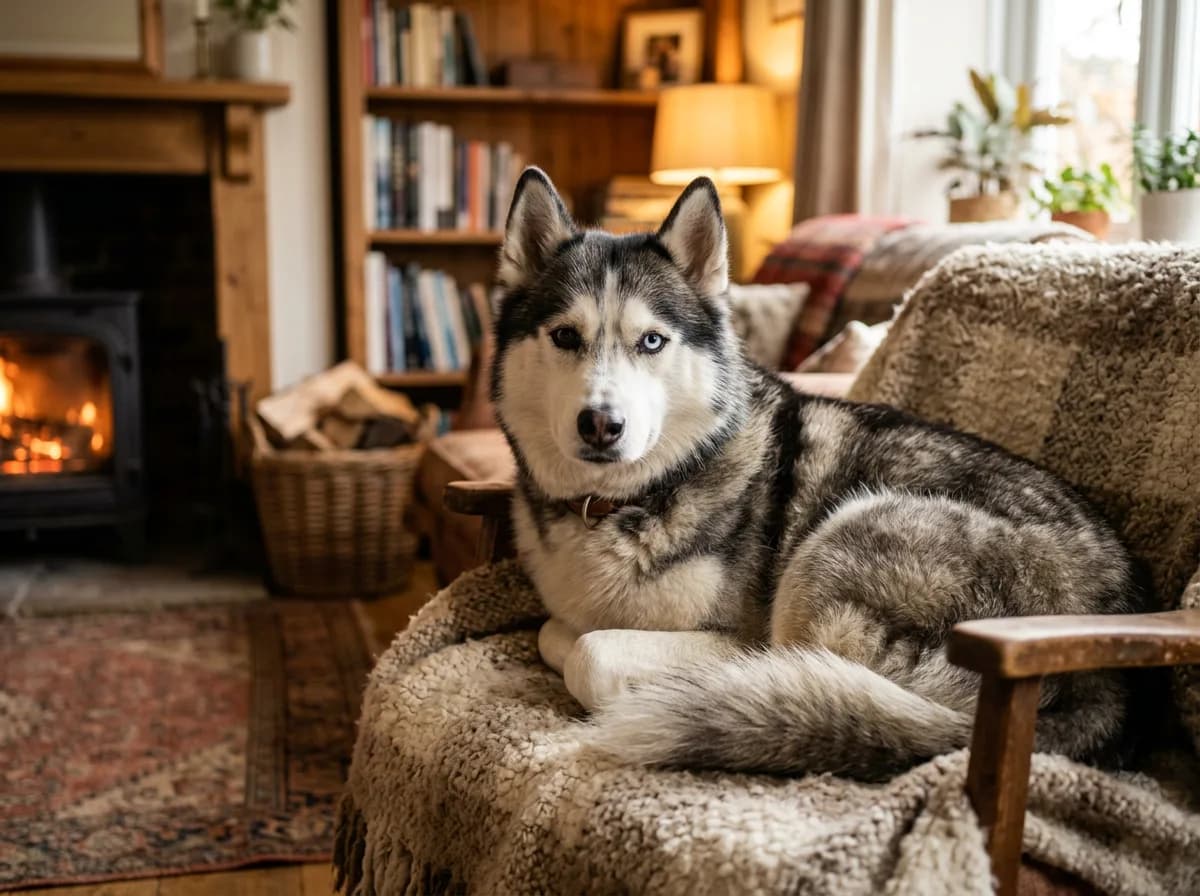
If you want a watchdog, look elsewhere. The Siberian husky is famously friendly, even with strangers, and its idea of confronting an intruder is usually a tail wag and an invitation to play. That same social wiring makes huskies wonderful with people and, generally, with other dogs.
Key personality traits to expect:
- Outgoing and people-loving. Huskies bond hard with their family and hate being isolated. A husky left alone in a yard all day will get bored, loud, and destructive.
- Pack-oriented. They do best with other dogs or with humans who are around a lot. Many husky owners keep two.
- Independent and mischievous. Bred to make their own decisions on the trail, huskies think for themselves. They are smart, but "smart" here means clever enough to open a gate, not eager to obey.
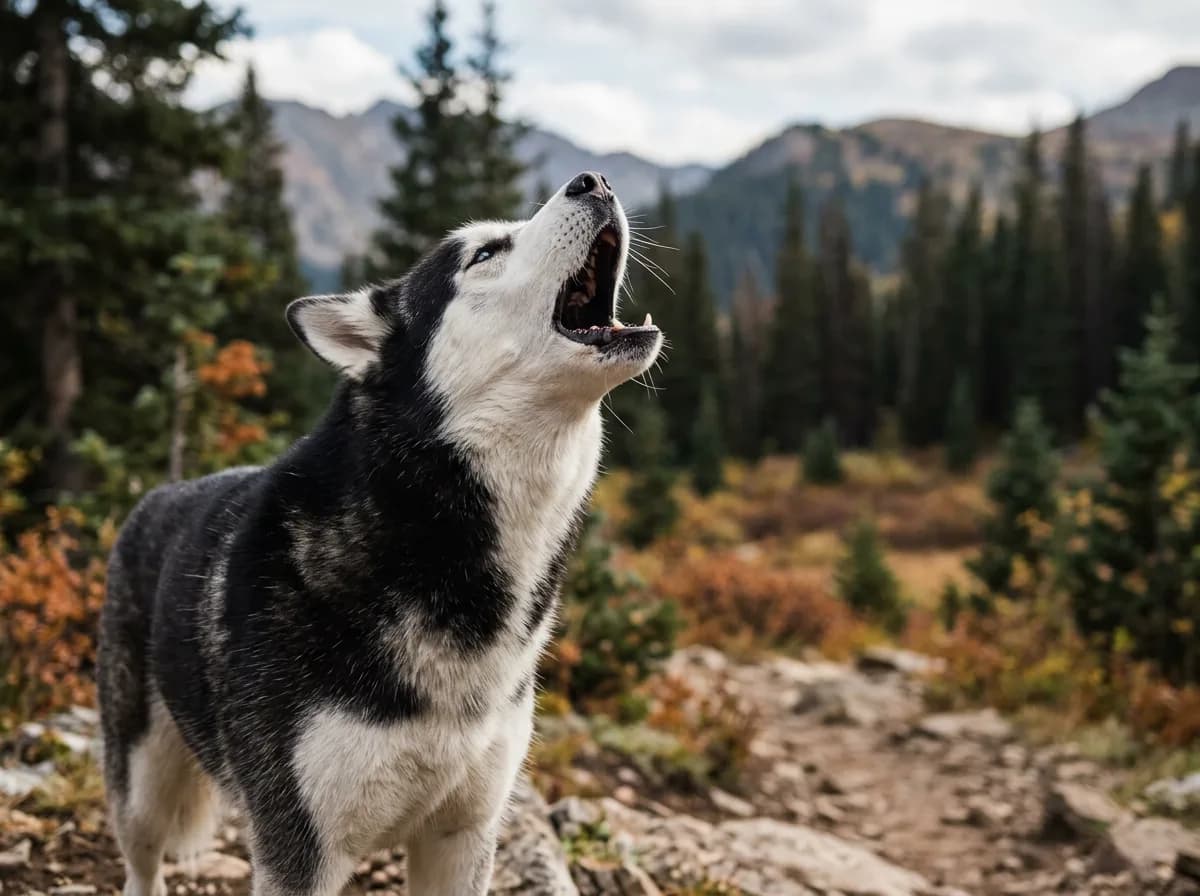
- Vocal, not barky. Huskies rarely bark. Instead they howl, "talk," and produce a whole vocabulary of woos and grumbles. Some sing along to sirens or music.
- Escape artists. This is the trait that surprises new owners most. Huskies dig, climb, and bolt. A fenced yard is a suggestion, not a barrier, unless it is tall and dug-proof.
- The Siberian husky has a strong prey drive and a deep instinct to run. Many are hit by cars after slipping a collar or door. Outside a securely fenced area, keep a husky leashed, full stop.
Is the Siberian Husky the Right Dog for You?
Huskies are stunning and lovable, but they are one of the most frequently surrendered breeds precisely because people underestimate the work. Be honest about the three big demands below.
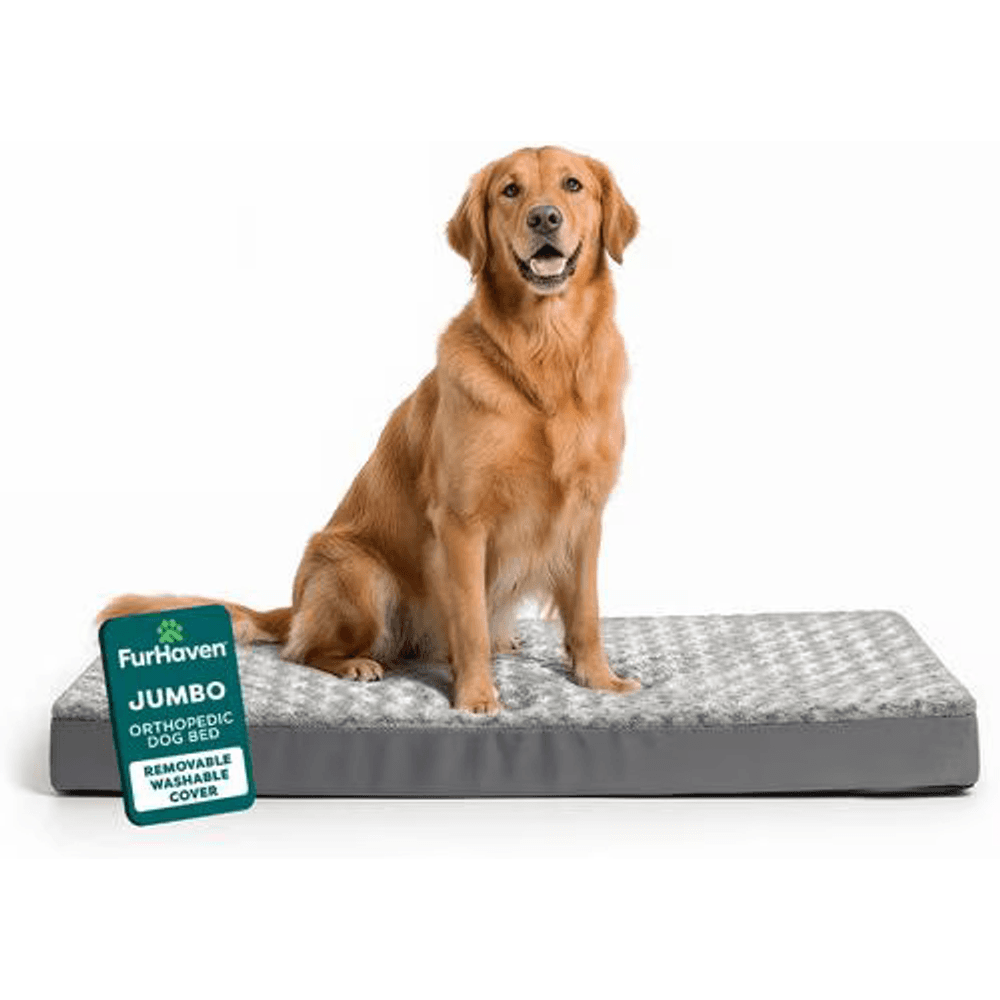
A plush orthopedic foam mattress that cushions aging joints and pressure points, giving a stiff or trembling senior dog warm, supportive rest.
Petful may earn a commission when you click through to Chewy, at no extra cost to you.
Exercise Needs: High
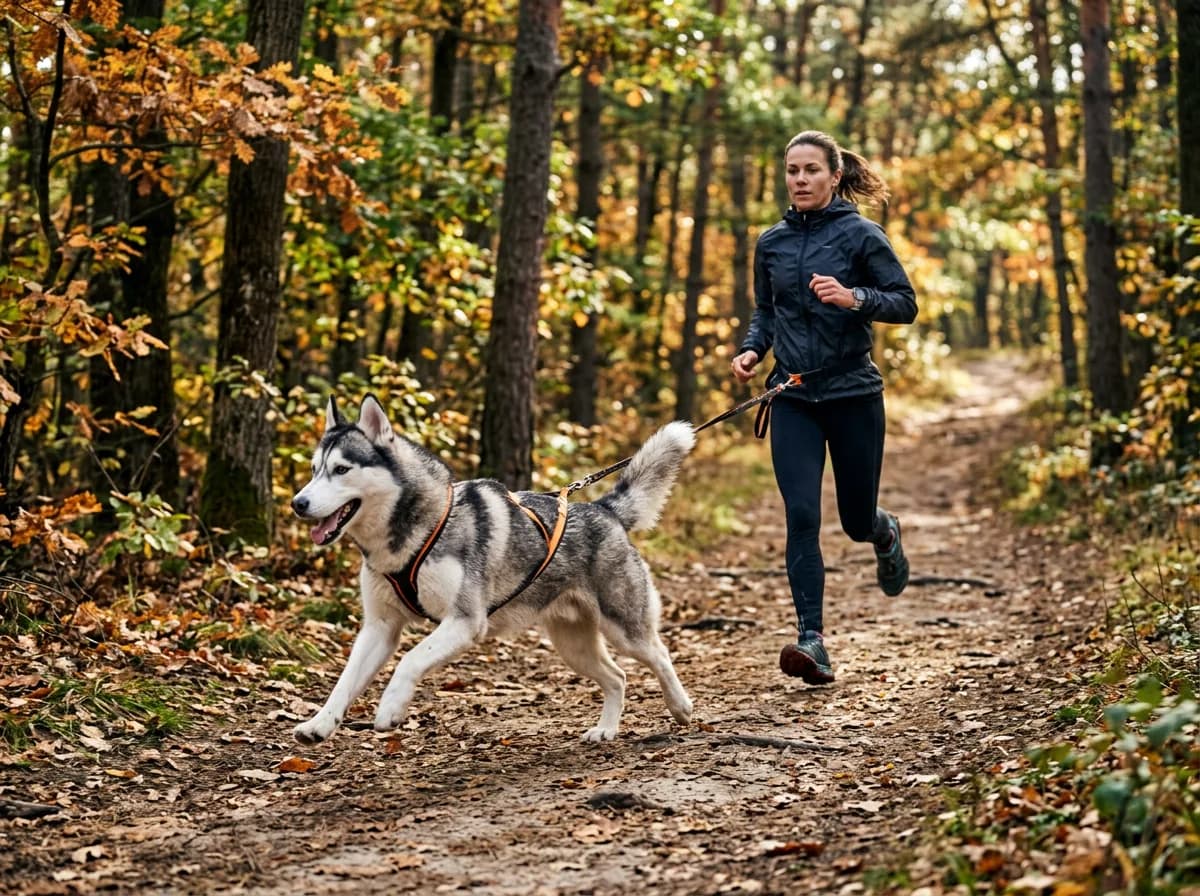
A Siberian husky needs one to two hours of vigorous exercise every single day. This is a dog built to run for miles, so a short walk around the block will not touch it. Running, hiking, skijoring, bikejoring, canicross, and dog sports are all excellent outlets. A bored, under-exercised husky is the one that eats the couch and howls all night. Because of the prey drive and wanderlust, that exercise should happen on-leash or inside a secure fence.
Grooming Needs: High
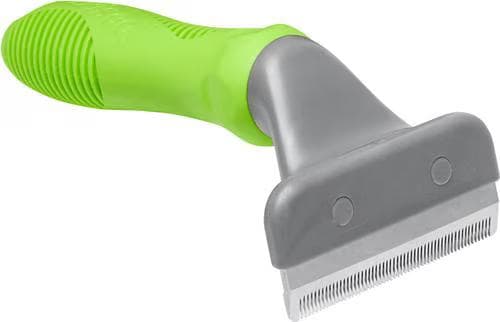
The husky's dense double coat is glorious and demanding. Expect year-round shedding plus two dramatic "coat blows" a year, spring and fall, when the entire undercoat comes out in clumps. During those weeks you will brush daily and still find fur everywhere.
- Brush weekly most of the year, daily during a blow, with an undercoat rake and a slicker brush.
- Bathe only every few months; huskies are naturally clean and nearly odor-free.
- Never shave a husky. The double coat insulates against both cold and heat and protects against sunburn. Shaving it can permanently damage regrowth and remove the dog's temperature regulation.
- Trim nails regularly and check the paw pads, especially in dogs that run on rough terrain.
Health Problems
The Siberian husky is a relatively healthy, hardy breed, which is part of why it is so long-lived. Still, responsible buyers should know the conditions that show up in the breed and ask a breeder for health testing. According to the AKC's official breed health guidance, recommended screenings for Siberian huskies include hip and eye evaluations. Common concerns include:
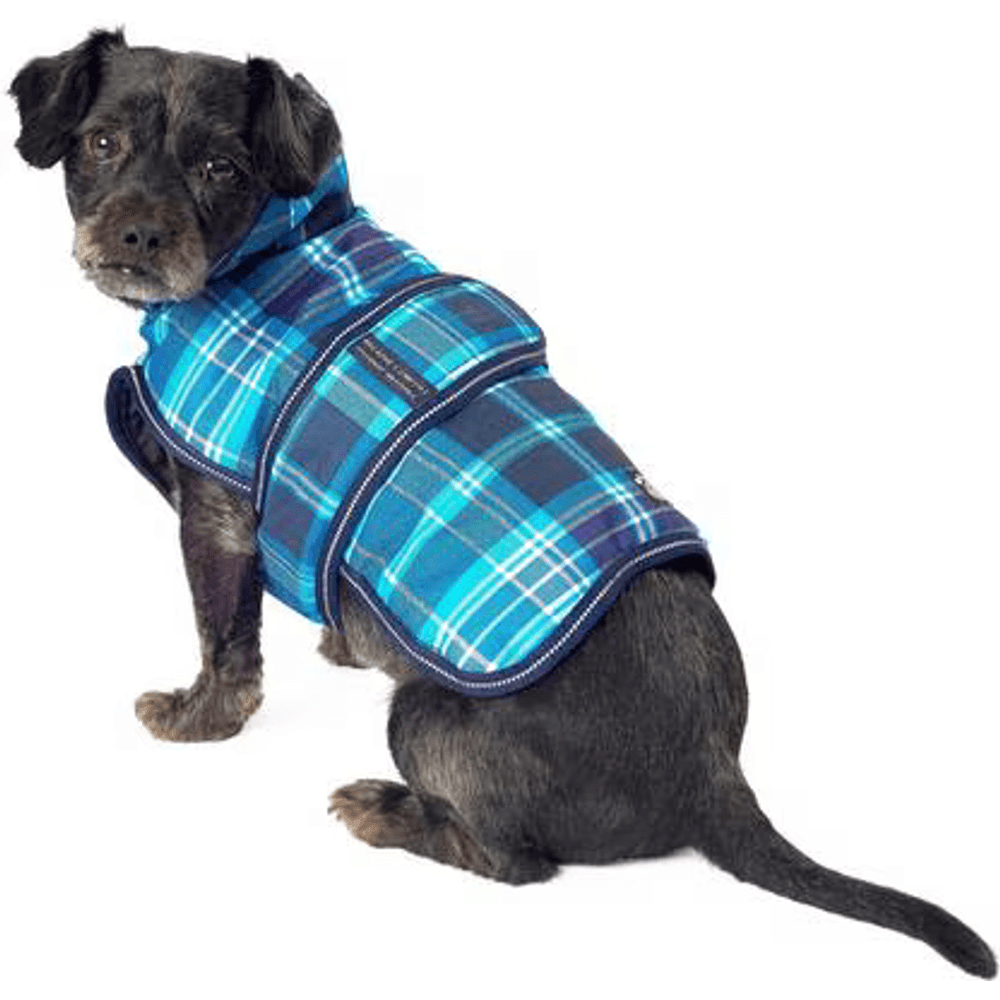
An insulated, quilted dog coat that traps body heat so a cold-sensitive dog stops shivering on winter walks. The high collar and full-back coverage keep small, thin, and senior dogs warm, with an easy step-in design and adjustable fit.
Petful may earn a commission when you click through to Chewy, at no extra cost to you.
- Hip dysplasia. A malformation of the hip joint that can lead to arthritis and pain. Reputable breeders screen breeding dogs, and the hip dysplasia in dogs resources on Petful explain the signs and management options.
- Eye disorders. Huskies are prone to several inherited eye problems, including juvenile cataracts, corneal dystrophy, and progressive retinal atrophy (PRA), a degenerative condition that can lead to blindness. The AKC recommends an ophthalmologist evaluation for breeding dogs.
- Hypothyroidism. An underactive thyroid that can cause weight gain, skin problems, and lethargy, usually manageable with daily medication.
- A responsible breeder tests breeding dogs for hips and eyes and shares the results. If a seller cannot show hip and eye clearances, or is selling merle-to-merle "rare" color litters, walk away. Health and temperament outlast coat color.
Siberian Husky Colors and Coat
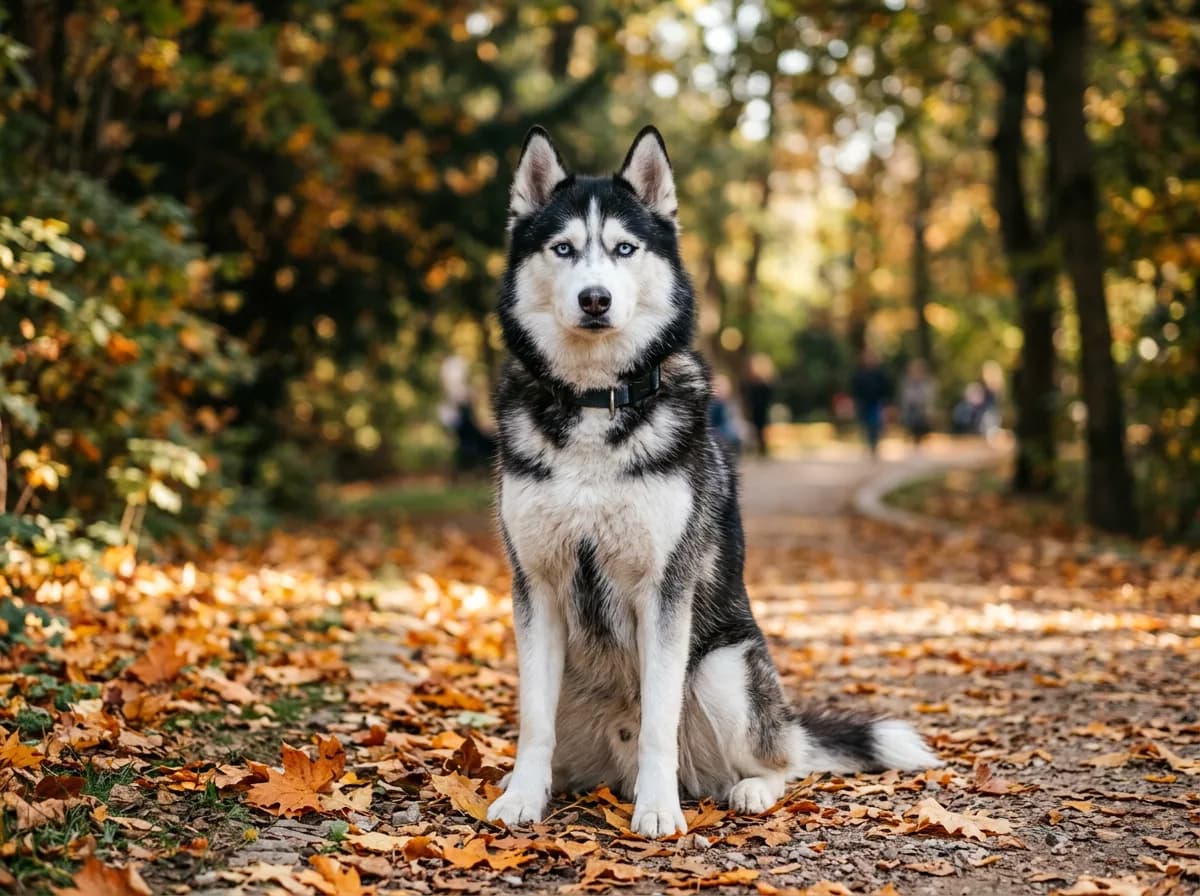
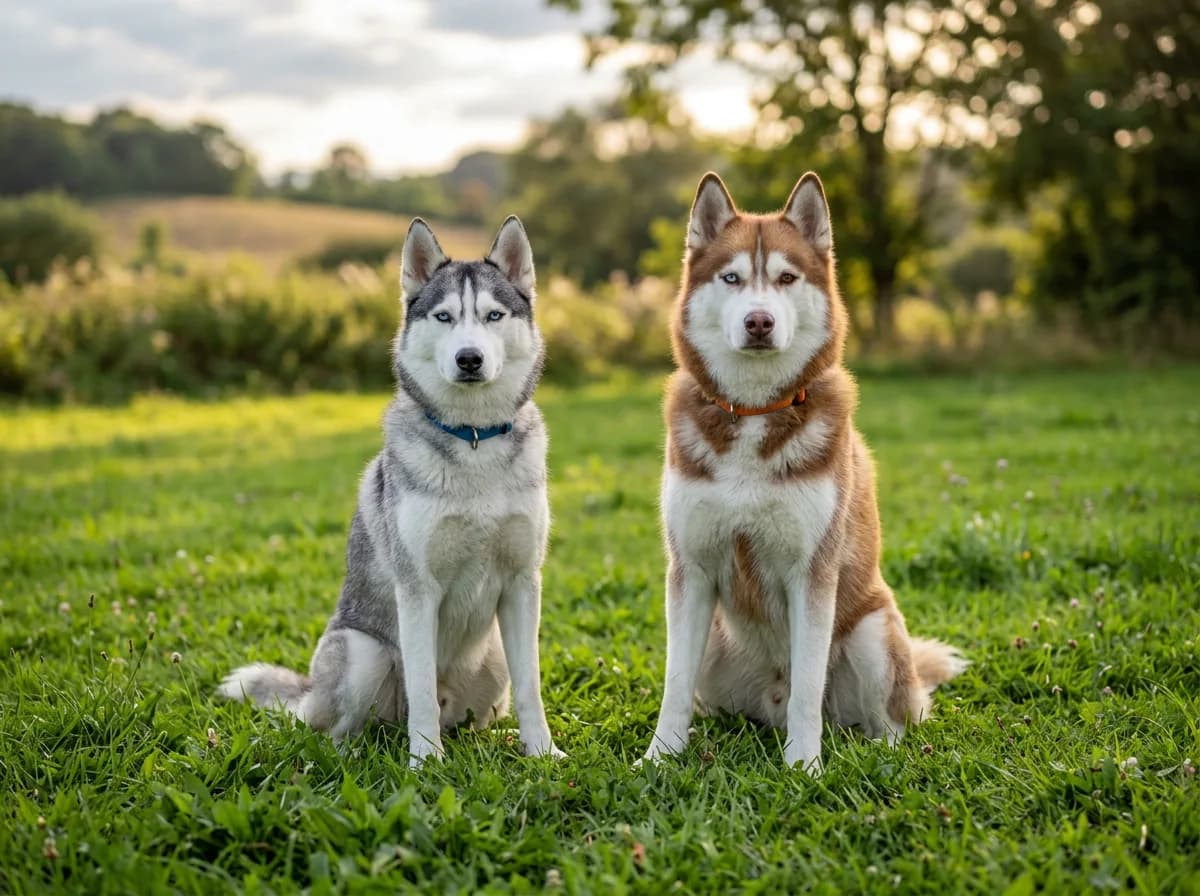
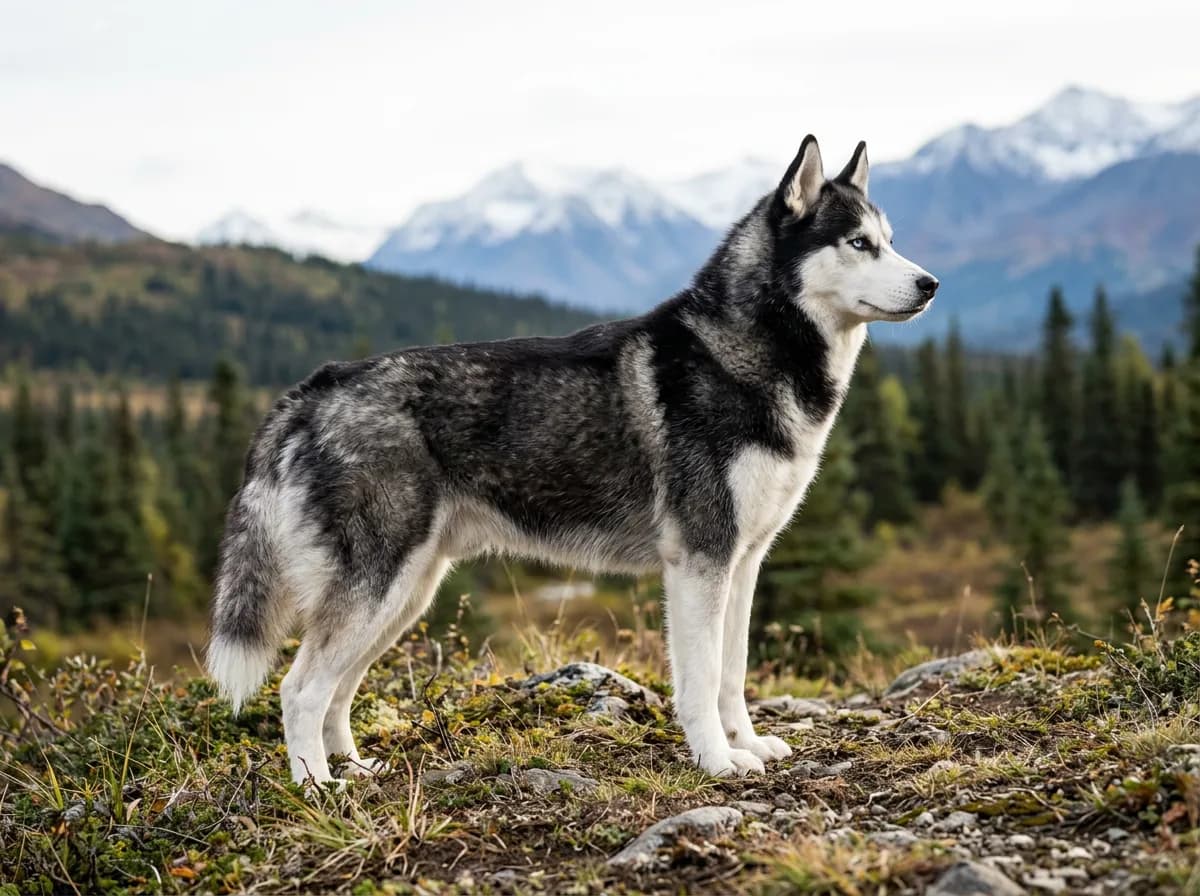
Part of the husky's appeal is how varied the coat can be. The AKC recognizes a wide range of colors, from pure white to jet black, with almost every shade in between.
Common coat colors include:
- Black and white
- Gray and white
- Red and white (copper)
- Agouti (wolf-like banded hairs)
- Sable
- Solid white
- Solid black (rare)
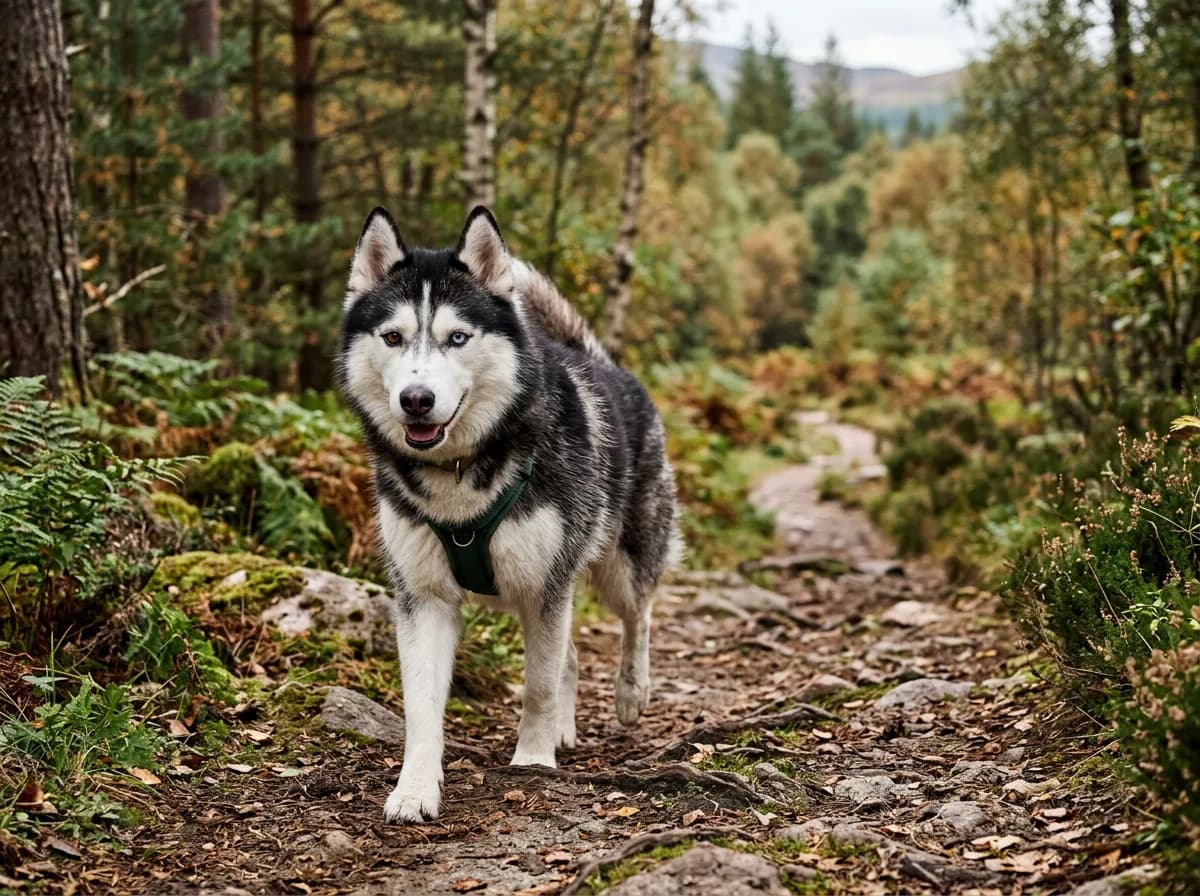
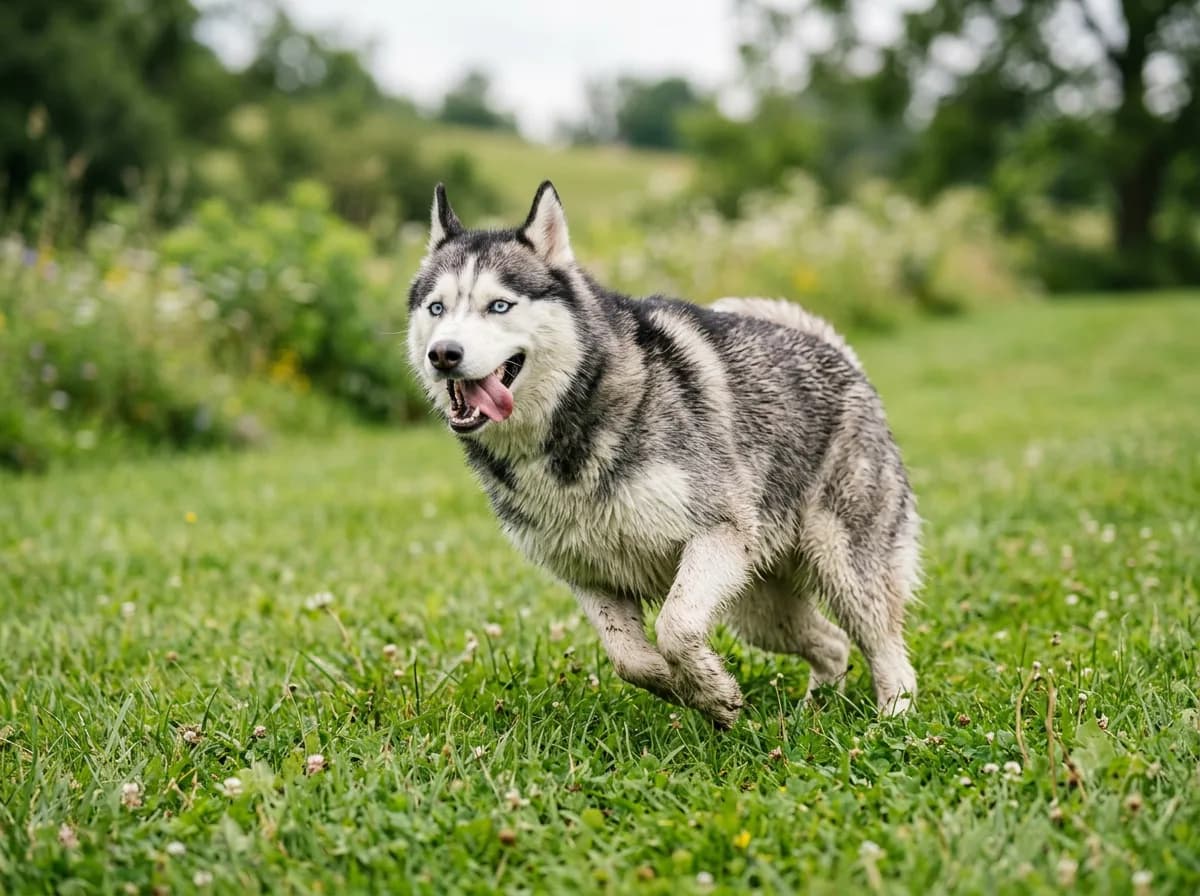
The eyes are just as distinctive. Huskies commonly have ice-blue eyes, brown eyes, or one of each, a striking trait called heterochromia. Some even have "parti-eyes," where a single eye is half blue and half brown. None of these eye colors affects vision.
If you love breed color variety, our Rhodesian Ridgeback colors guide breaks down how coat genetics work in another popular breed.

Petful may earn a commission when you click through to Chewy, at no extra cost to you.
- Merle is not a natural Siberian husky pattern, but it appears in some crossbreeds and "designer" huskies. Breeding two merle dogs together can produce "double merle" puppies with a high risk of deafness and blindness, per veterinary genetics guidance from the AKC and welfare organizations. Avoid any breeder marketing merle huskies as a rare premium.
Training a Siberian Husky
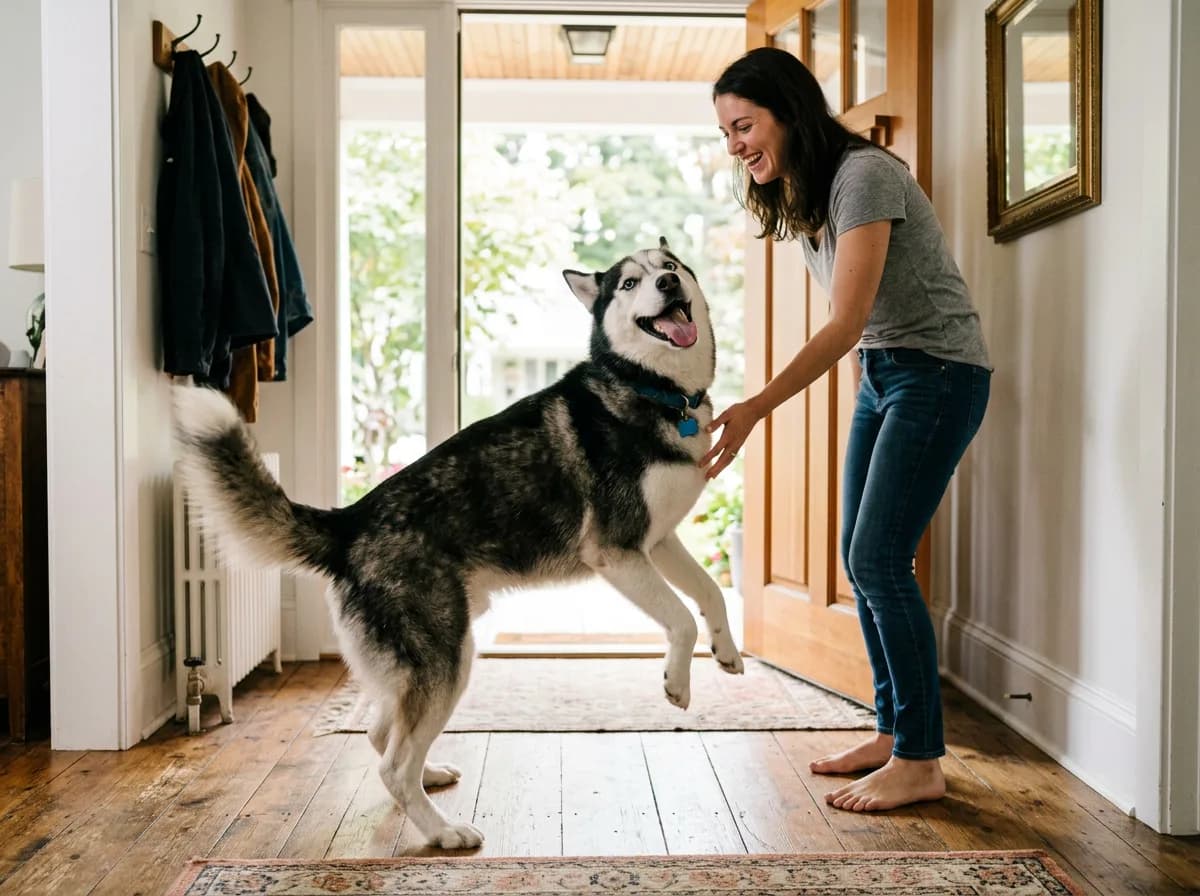
Huskies are intelligent, but they are not the eager-to-please type that lives to earn your approval. Bred to run and make independent decisions, a husky will often weigh whether your request is worth its time. That makes early, consistent, positive-reinforcement training essential.
Tips that work with the breed:
- Start young and stay consistent. Puppy classes and early socialization pay off for life.
- Use rewards, not force. Huskies shut down or push back against harsh correction; food, play, and praise get results.
- Keep sessions short and fun. A husky loses interest in drilling; make training feel like a game.
- Never trust the recall off-leash. Even a well-trained husky may bolt after a squirrel. Reliable off-leash recall is the exception, not the rule.
- Prevent boredom. Puzzle feeders, scent games, and a dog-sport hobby channel that busy brain away from mischief.
Living With a Husky: Home, Family, and Other Pets
Huskies are terrific family dogs. They are affectionate, playful, and generally patient with children, though their exuberance means toddlers should always be supervised around a bouncy young husky. They also do well with other dogs, especially another husky or an active playmate.
The prey drive is the caveat. Because the breed was bred to survive partly by hunting, many huskies see cats, rabbits, and other small pets as prey. Raising a husky alongside a cat from puppyhood can work, but it is never guaranteed, and small animals should be protected.
Huskies are not apartment-ideal dogs unless you are truly committed to the daily exercise. They do best in a home with a securely fenced yard and, ideally, a cold-tolerant lifestyle. They can overheat in hot climates, so summer exercise should be early-morning or evening, with plenty of water and shade.
Petful may earn a commission when you click through to Chewy, at no extra cost to you.
- This is an Arctic breed. In hot weather, watch closely for signs of overheating, exercise during the cool parts of the day, and never leave a husky in a car or without shade and water. The double coat that protects against cold also makes heat harder to shed.
Feeding a Siberian Husky
Huskies are famously "easy keepers," a legacy of a breed developed to run far on little food. Many huskies self-regulate and eat only what they need, and adult huskies often eat less than you would expect for their activity level.
Feeding guidelines:
- Feed a high-quality diet appropriate to the dog's age, size, and activity, following AAFCO nutritional adequacy standards.
- Split the daily ration into two meals to reduce the risk of bloat.
- Adjust portions to keep a lean, athletic body condition; you should feel the ribs easily.
- Always provide fresh water, especially around exercise.
- Talk to your veterinarian before adding supplements or switching to a working-dog performance diet.
How to Adopt or Buy a Siberian Husky
Because huskies are surrendered so often, rescue is a wonderful option, and breed-specific rescues are full of healthy adult dogs whose only "problem" was an owner who underestimated the breed. Adopting an adult also lets you know the dog's temperament and energy up front.
If you buy from a breeder, choose a responsible one who:
- Health-tests breeding dogs for hips and eyes and shares the results.
- Raises puppies in the home and socializes them early.
- Asks you as many questions as you ask them.
- Never sells "rare" merle or unusual "mini" huskies as premium novelties.
Expect to pay roughly 600 to 1,500 US dollars for a well-bred puppy, more for show lines, while adoption fees are typically a fraction of that. Whatever the path, budget for food, routine veterinary care, and the grooming tools this coat demands over a 12-to-15-year life.
- 1Rescue first: huskies are one of the most surrendered breeds, so adult dogs of known temperament are widely available.
- 2A responsible breeder always shows hip and eye clearances and never markets merle or "mini" huskies as rare.
- 3Budget for a long life: 12-15 years of food, vet care, and serious grooming.
Related Dog Breed Profiles You May Like
If you are comparing active, athletic breeds, explore more profiles on Petful:
- Weimaraner breed profile: another high-energy working dog that needs a job.
- Treeing Walker Coonhound profile: a vocal, driven hunting breed.
- Browse the full Petful dog breeds hub to compare temperaments and care needs side by side.
For the Husky–Pit Bull cross, see our Pitsky temperament and care guide.
Frequently Asked Questions About Siberian Huskies
Common Myths About Siberian Huskies
Few breeds attract more misinformation than the husky. Clearing up three of the most common myths helps you set realistic expectations before bringing one home.
- Myth: Huskies are part wolf. The Siberian husky is a fully domesticated dog. It belongs to the ancient spitz family and shares deep ancestry with other northern breeds, but genetic studies place it firmly among domestic dogs, not recent wolf hybrids. The wolfish look is purely cosmetic.
- Myth: Huskies are hypoallergenic. No dog with a shedding double coat is hypoallergenic. Huskies release dander and loose fur all year, so people with allergies usually react to them. If allergies are a concern, spend real time around adult huskies before committing.
- Myth: Blue eyes mean a rarer or healthier dog. Eye color in this breed is cosmetic only. Blue, brown, amber, and mixed-color eyes are all normal, and none signals better health or a more purebred dog than another.
What to Expect From a Husky Puppy
A Siberian husky puppy grows fast, reaching close to its adult height by about 12 months and then filling out in muscle through the second year. The catch is that the growth plates in a puppy's legs stay open during that first year, so hold off on forced running, long jogs, and repetitive jumping until your veterinarian confirms the joints have matured, usually somewhere between 12 and 18 months. Over-exercising a young husky on hard pavement is a common and avoidable mistake in such an athletic breed. Free play, short walks, and reward-based training give a puppy plenty of activity without the joint impact. New owners are often surprised that the dramatic seasonal shedding does not start right away: puppies keep a softer coat and typically shed it for the adult double coat between six and twelve months of age.
- Save the trail runs and bikejoring for adulthood. During the first year, let a husky puppy set its own pace through play rather than structured endurance exercise, which helps protect developing hips and elbows.
Related on Petful
- Brown Husky: Colors, Rarity, and Care Guide
- 18 Cold Weather Dog Breeds That Thrive in Snow
- The Best Medium Sized Dog Breeds by Weight
- Japanese Dog Breeds: Photos, Origins, Traits
Yes, a Siberian husky can be an excellent house dog for an active household. Huskies are friendly, affectionate, and generally good with children and other dogs. The catch is exercise: a husky that gets one to two hours of hard activity a day will be calm and content indoors, while an under-exercised one becomes noisy and destructive. They also shed heavily, so expect fur in the house year-round.
Do not shave a husky's double coat, do not leave it alone for long stretches, do not skimp on daily exercise, and do not trust it off-leash near roads. Harsh, punishment-based training also backfires with this independent breed. And never leave a husky in heat without shade and water, since this Arctic dog overheats easily.
"Husky" is a general term for several northern sled-dog types, including the Siberian husky, the Alaskan husky (a working mix, not a formal breed), and the larger Alaskan malamute. The Siberian husky is a specific AKC-recognized breed with a defined standard for size, coat, and temperament. So all Siberian huskies are huskies, but not all huskies are Siberian huskies.
Not really. Siberian huskies are famous for being vocal but rarely bark. Instead they howl, "talk," and make a wide range of woos and grumbles. Many howl in response to sirens, music, or other dogs. So while they are far from silent, a husky's noise is more song than watchdog alarm.
Huskies actually should not be left alone for long periods. As a pack breed, they crave company and get bored, anxious, and destructive in isolation. If you must leave a husky during the workday, provide plenty of exercise beforehand, safe chew and puzzle toys, and ideally a canine companion. Long, lonely days are a recipe for howling and escape attempts.
Neither gender is objectively "better," and temperament varies more by individual and training than by sex. Males tend to be slightly larger and can be more affectionate and attention-seeking, while females are often a touch more independent and mature faster. Both make great companions when well-socialized, so choose the individual dog whose personality fits your home.
Huskies "talk" through vocalizations and body language rather than words, so you speak their language with actions: gentle eye contact and soft blinks, calm affectionate petting, relaxed play, and lots of together time. A husky that leans on you, "talks" back with soft woos, and brings you toys is telling you it loves you. Return it with attention, exercise, and a steady routine.
Like most dogs, huskies tend to dislike strong citrus (orange, lemon, grapefruit), vinegar, chili and hot peppers, and strong menthol or eucalyptus. Some owners use pet-safe citrus scents as a mild, humane deterrent to keep huskies away from certain areas. Never use essential oils directly on a dog, since concentrated oils can be toxic; check with your veterinarian first.
The Bottom Line on Siberian Huskies
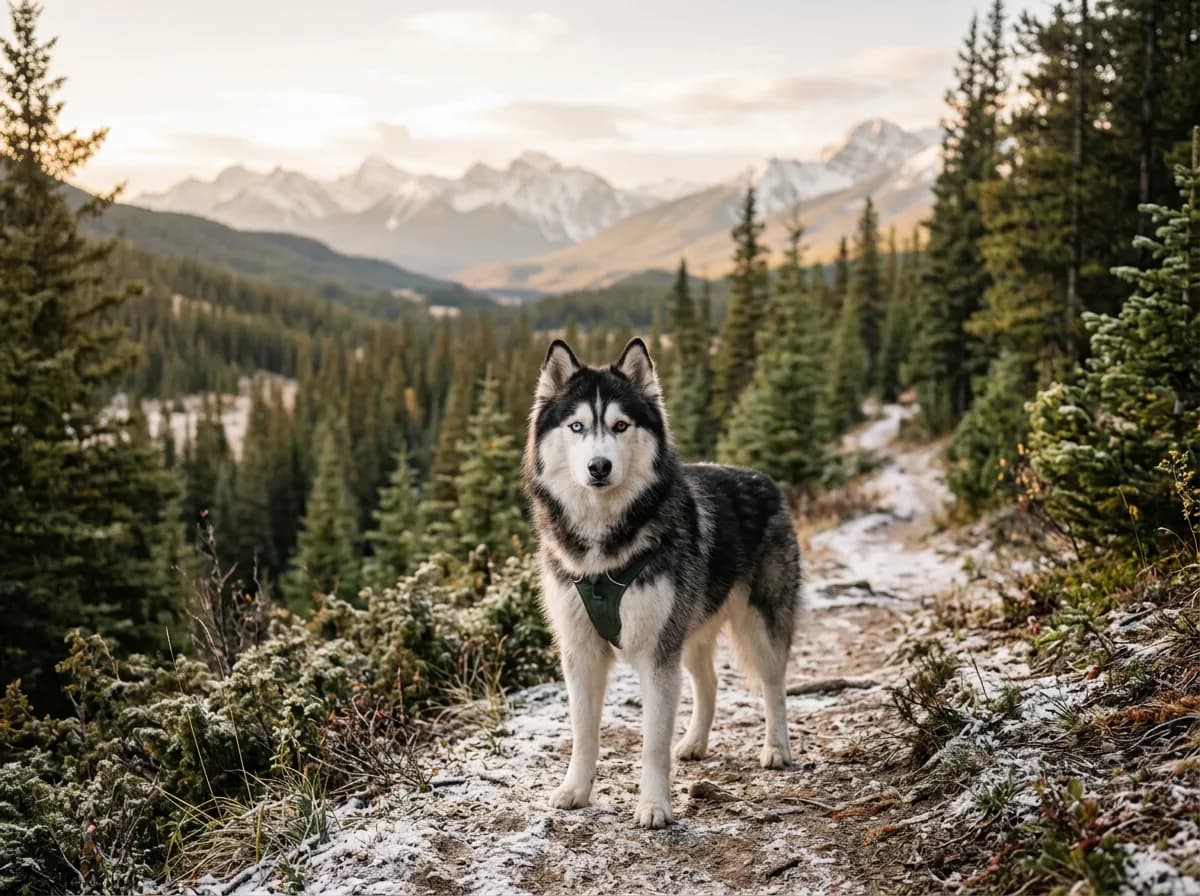
The Siberian husky rewards the right owner with a beautiful, affectionate, tireless companion and challenges the wrong one at every turn. If you can commit to serious daily exercise, a secure yard, relentless grooming, and 12-to-15 years of a clever, chatty, escape-prone dog, few breeds are more fun to live with. If you cannot, this is a dog best admired from a distance. Do the honest math before you fall for those blue eyes, and both of you will be happier for it.

Kristine Lacoste has been researching dog and cat breeds for nearly a decade and has observed the animals up close at dog shows in both the United States and the United Kingdom. She is the author of the book One Unforgettable Journey, which was named as a finalist for a Maxwell Award from the Dog Writers Association of America, and was host of a weekly pet news segment on the National K-9 Academy Radio Show. In addition, she was the New Orleans coordinator for Dogs on Deployment, a nonprofit that helps military members and their pets, for 3 years. Kristine has researched and written about pet behaviors and care for many years. She holds a bachelor’s degree in psychology, another bachelor’s degree in English and a Master of Business Administration degree.
Sign up for expert-backed reviews and safety alerts all in one place.