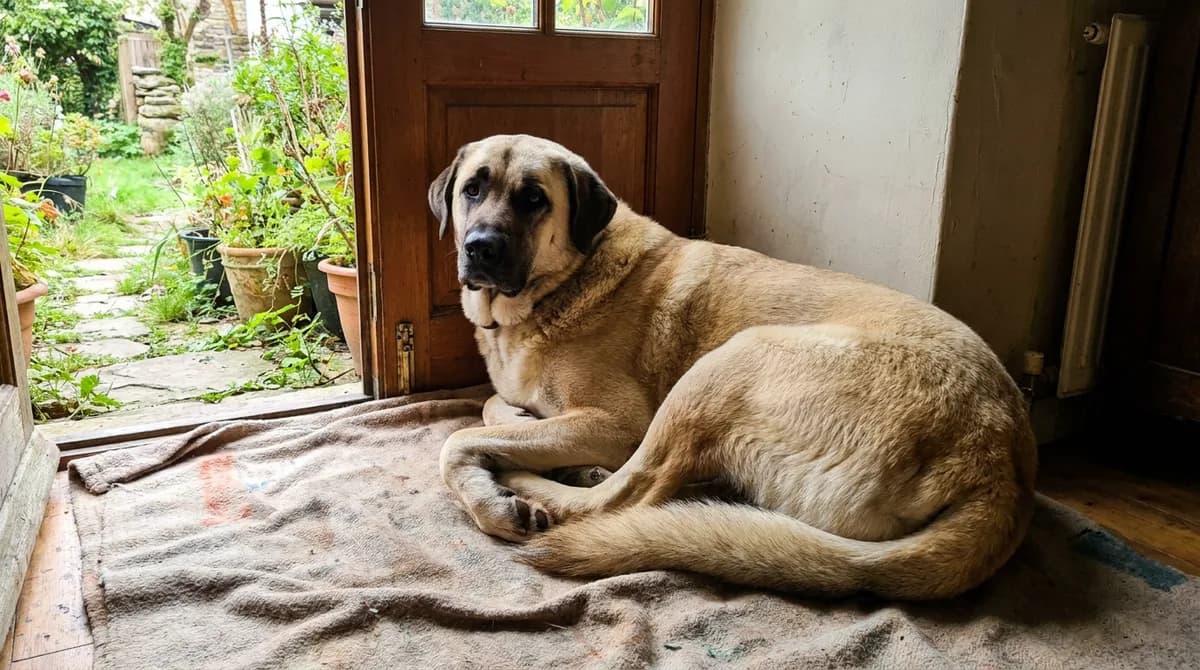
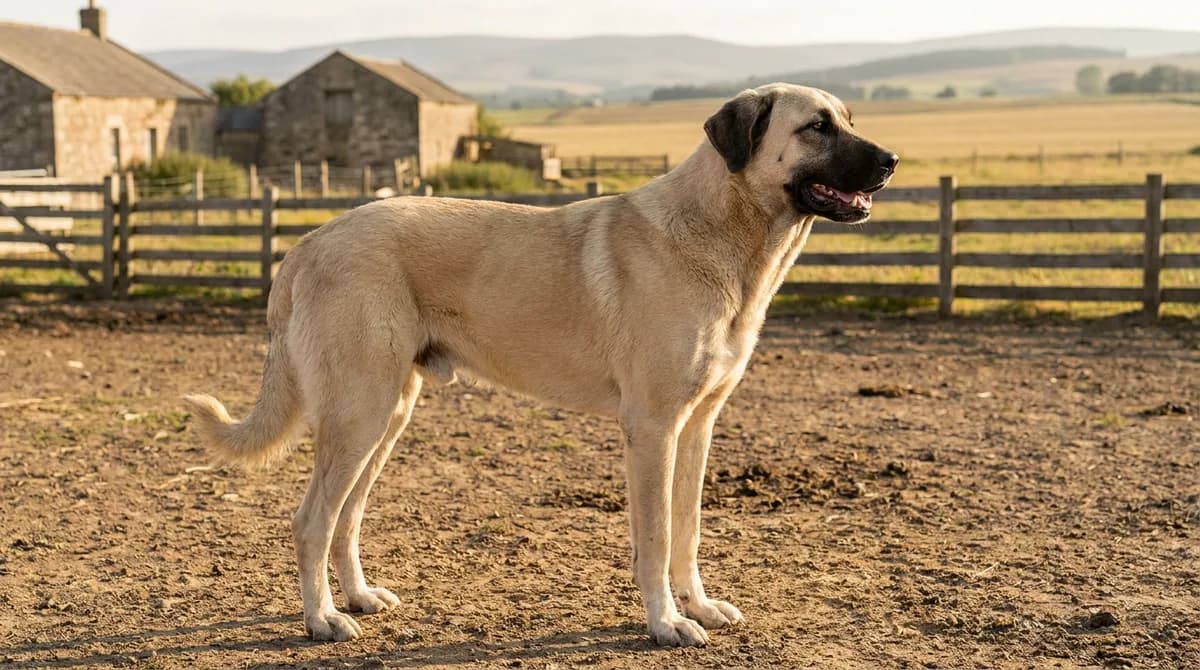
Chow Chow Mixes: Traits, Size and Care
Chow Chow mixes can vary widely in size, coat, behavior, and health. Compare popular crosses such as Chow Lab, Chusky, Golden Chow, and Chow Shepherd, then learn which records, observations, screening, and training decisions actually matter.
Petful is reader supported. As an affiliate of platforms like Amazon and Chewy, we may earn a commission when you buy through links on this page. There is no extra cost to you.
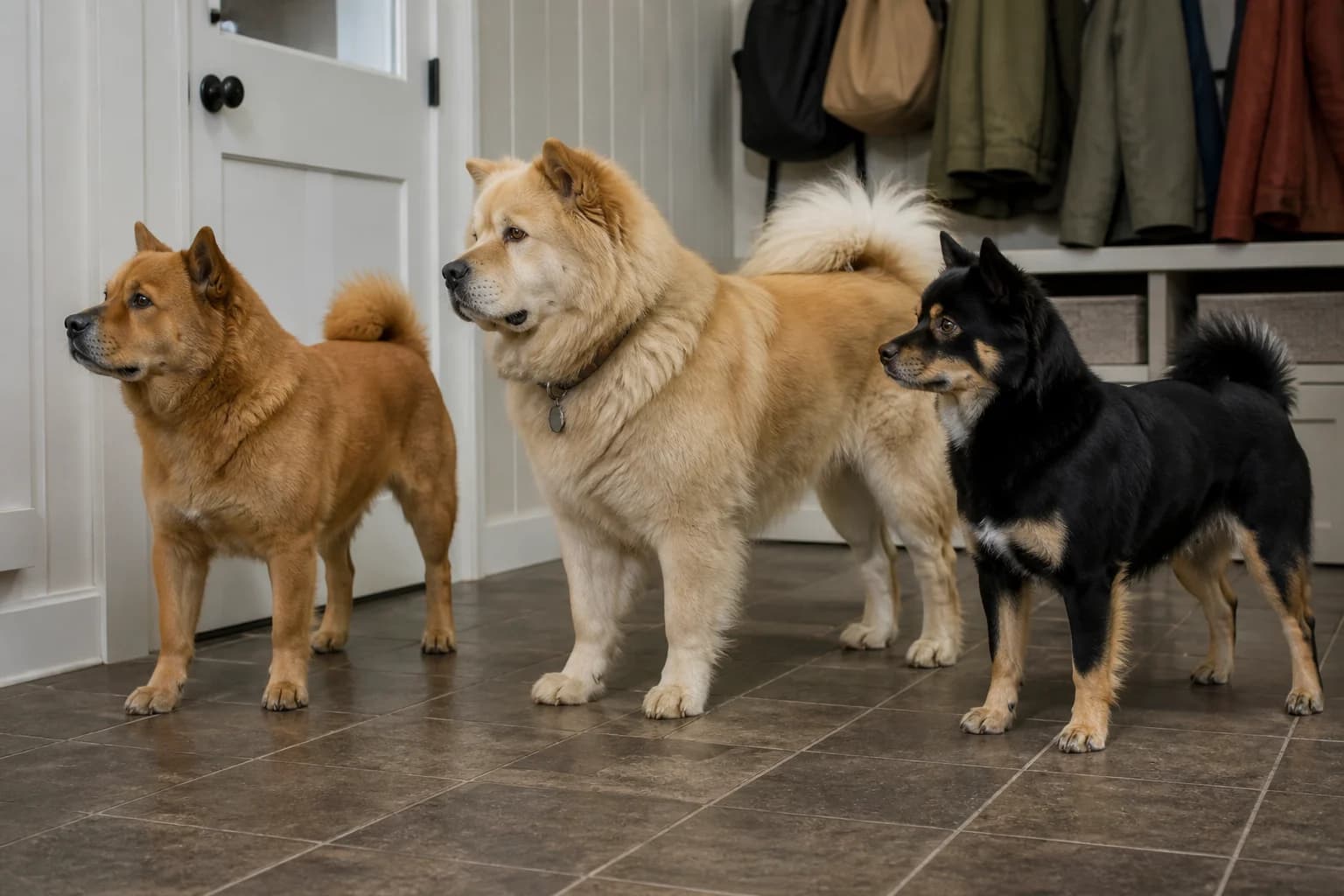
A chow chow mix can inherit any combination of traits from both sides of its family. A label such as Chow Lab, Chusky, or Golden Chow describes possible ancestry, not a standardized breed with a guaranteed size, coat, tongue color, temperament, or health profile.
The right way to understand a chow chow mix is to combine known history with direct observation and professional findings. Appearance can suggest questions, but it cannot prove ancestry or predict one dog's behavior.

Sign up for expert-backed reviews and safety alerts all in one place.
Chow Chow mixes at a glance
Chow Chow mixes vary widely because genes do not blend into a fixed halfway result. Individual dogs vary. Use documented parentage or DNA estimates for ancestry questions, individual body condition and behavior for daily care, and veterinary findings for health. Never treat coat, tongue color, or a shelter label as proof.
The Chow Chow Club and AKC Chow profile describe one parent breed's population tendencies. The other parent's breed evidence matters equally, and unknown ancestry increases the range of possible outcomes.
| Chow Lab mix | Medium to large, short through dense double coat, varied sociability | Known parents, adult measurements, observed behavior |
|---|---|---|
| Chow Husky mix | Dense shedding coat, athletic or moderate energy, varied reserve | Heat tolerance, recall history, coat and exercise needs |
| Chow Golden Retriever mix | Medium to large, moderate through heavy coat, varied handling comfort | Individual temperament, grooming tolerance, health records |
| Chow Shepherd or Akita mix | Strong medium-to-large build and broad behavioral range | Early history, management, parent screening, professional assessment |
| Unknown Chow mix | Any combination, including little visible Chow influence | Records, DNA estimate if useful, and the dog in front of you |
Use an evidence ladder instead of treating a mix name as a forecast:
- Population tendency: Parent-breed references suggest possible traits.
- Individual observation: The dog shows actual coat, size, comfort, and behavior.
- Documented record: Parentage, veterinary history, and previous-home notes add context.
- Professional finding: A veterinarian, qualified trainer, or genetic counselor interprets the relevant question.
Each rung answers something different. Parent-breed references define plausible ranges, while the dog in front of you supplies the evidence needed for equipment, training, grooming, and household fit. Medical records and professional assessment outrank a photo-based label when they conflict.
The complete Chow Chow breed profile is useful background, while the Chow color guide explains why appearance is not ancestry evidence.
Chow Chow mix breeds, a Chow Chow cross, Chow Chow mixed ancestry, and a Chow Chow mixture are loose search phrases. None names a standardized breed or proves parentage.
How to weigh mixed-breed evidence
Breed tendencies describe populations, not every individual dog, so Chow and second-parent descriptions establish a range rather than a fixed blend. Records, direct observation and professional findings answer different questions: documented parents or DNA estimates inform ancestry, the dog's measurements and behavior guide daily care, and veterinarians or qualified trainers interpret health and safety concerns. An article-specific evidence ladder for chow chow mix that separates population tendencies, individual observations, records and professional findings. The page must give the reader a concrete decision framework rather than a generic fact list: verify available history, observe the individual across contexts, and plan for the wider plausible outcome. Documented records anchor that ladder when memory, labels, and current observation conflict.
Petful may earn a commission when you click through to Chewy, at no extra cost to you.
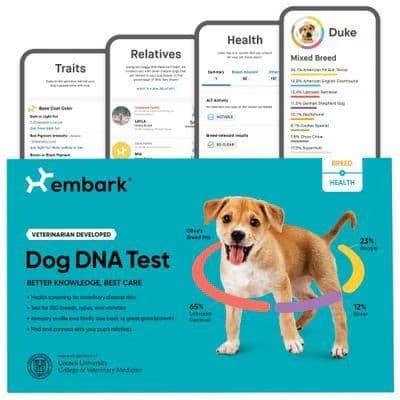
An Embark Breed & Health Dog DNA Test Kit can estimate ancestry and report variants included in its panel. Results are probabilities and database comparisons, not a pedigree, behavior forecast, complete health clearance, or diagnosis.
Chow Lab mix
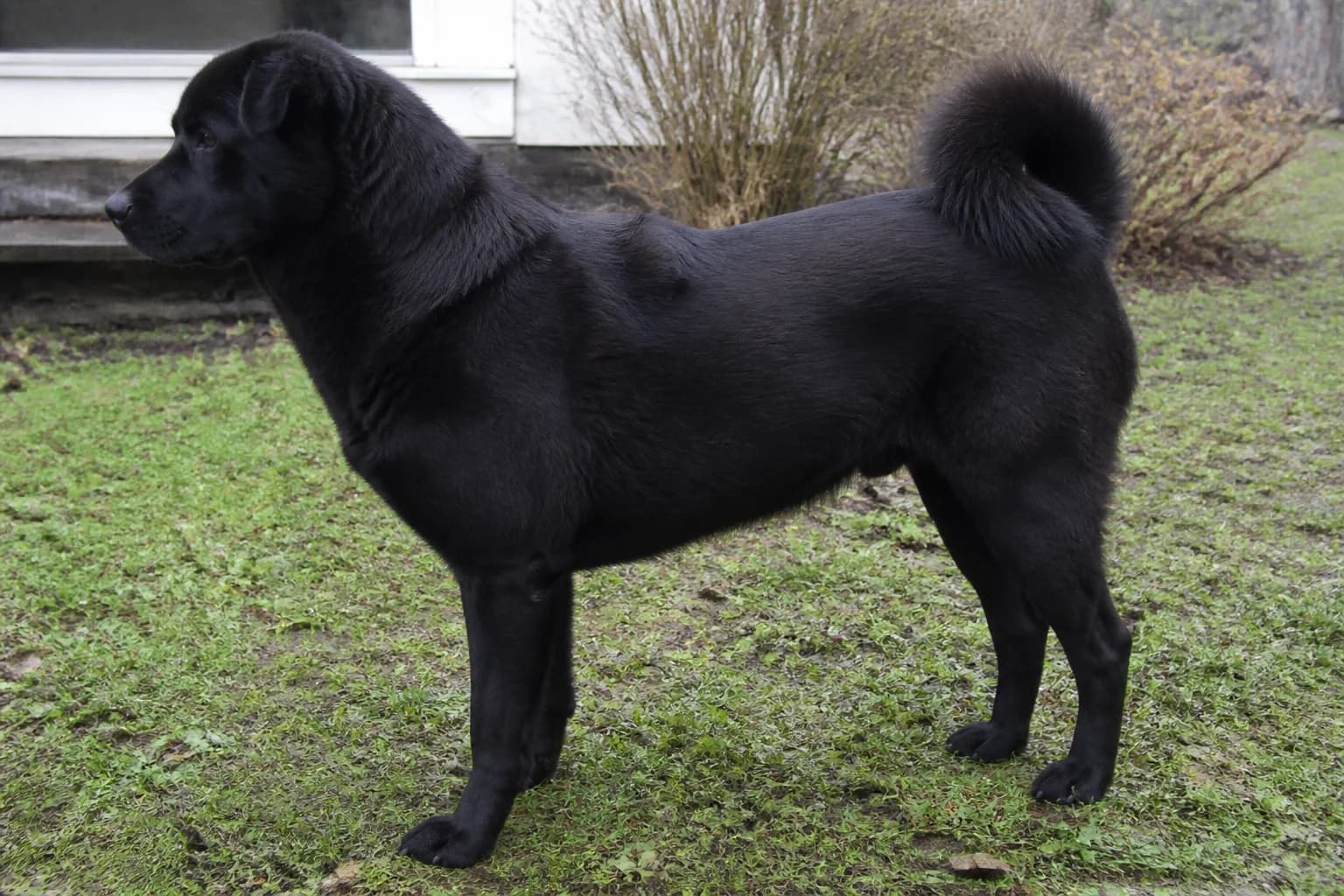
A Chow Lab mix, sometimes called a Chabrador, may inherit a shorter Labrador-like coat, a dense Chow-like coat, or something between. Adult size can overlap both parent breeds, and a black Lab Chow mix may show a solid dark coat without having a predictable temperament.
Labrador population tendencies toward sociability do not cancel Chow reserve, and Chow tendencies do not erase Retriever traits. Some individuals greet strangers readily, some prefer distance, and many change with context.
Test the retriever assumptions
Plan for shedding, food motivation, secure containment, cooperative grooming, and gradual introductions. Observe recovery after excitement and whether the dog can disengage from people, dogs, food, or wildlife.
A foster-home history matters more than the informal name Chabrador. Ask whether the dog seeks contact, tolerates handling, settles after play, guards food, pulls toward wildlife, and can rest when visitors are present. Those observations turn a broad parent-breed comparison into a usable home plan.
For a measured adult that rests stretched out, a FurHaven NAP jumbo orthopedic bed may offer a broad foam surface. Measure sleeping length first. A bed cannot treat dysplasia, arthritis, anxiety, or guarding.
Chow Husky mix
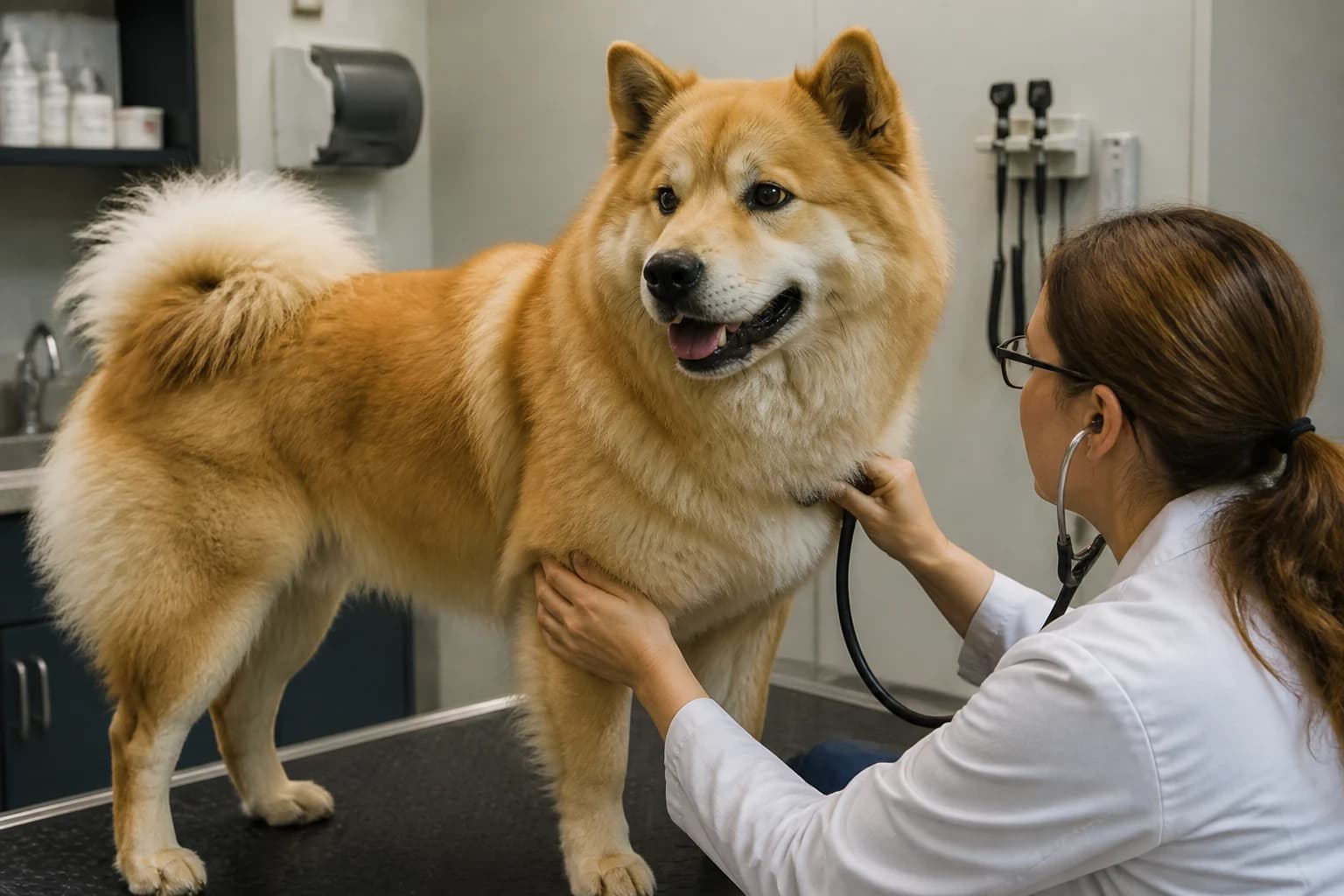
A Chow Husky mix, often marketed as a Chusky, may have upright ears, a dense double coat, a curled or carried-over tail, and considerable shedding. Those visible traits do not reveal recall reliability, heat tolerance, or sociability.
Both parent breeds can contribute a substantial coat, so grooming and warm-weather management deserve early planning. Exercise needs range from moderate to high, but heat, joints, age, and individual interest limit what is safe. Petful’s guide to warm weather dog breeds has the full breakdown.
Secure fencing and leashes are prudent. Do not assume a dog can exercise off leash because it returns reliably in the yard. Wildlife, distance, and novel environments change the decision.
Plan for coat and heat before distance
Check how quickly the individual warms up, how deeply the coat packs, and how long recovery takes after activity. In warm weather, shorter shaded outings and indoor enrichment may be safer than one long walk. Coat density does not prove Husky ancestry, but it does change drying and heat-management work.

Petful may earn a commission when you click through to Chewy, at no extra cost to you.
An X-large Frisco wire crate may fit a measured Chow Husky mix, but size labels vary. Verify interior length and height, introduce the crate positively, and do not rely on a wire crate to contain a panicking or escape-driven dog.
Chow Golden Retriever mix
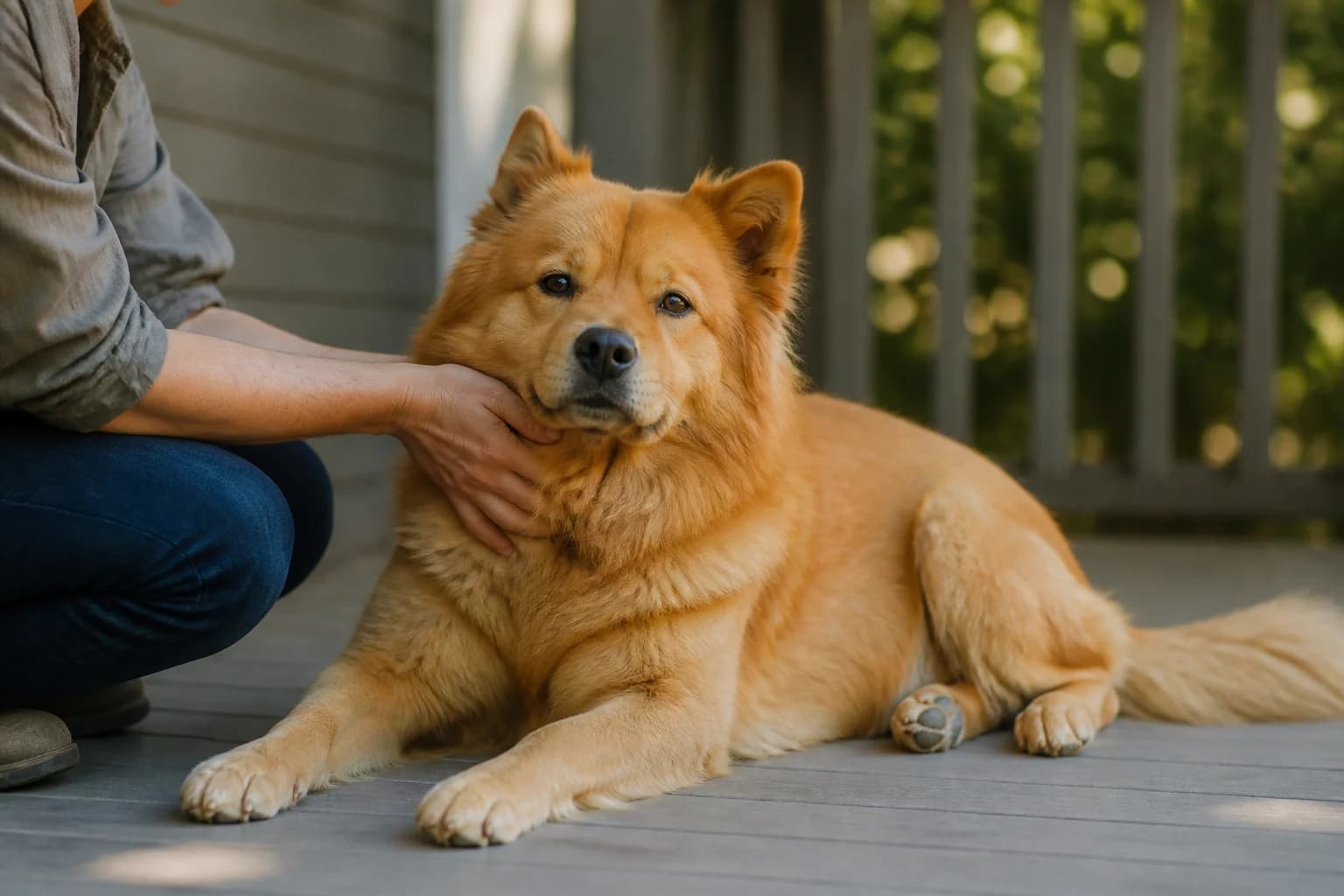
A Chow Golden Retriever mix may have a golden, red, cream, black, or other coat depending on ancestry. Coat length, feathering, ear carriage, and head shape can vary even among littermates.
Evaluate handling instead of expecting friendliness
Observe response to brushing, collar touches, paws, food, resting spaces, and unfamiliar people. A dog may enjoy social contact yet resist restraint, or prefer distance while cooperating well with routine care. These are separate traits that require separate plans.
- “Golden” does not guarantee outgoing behavior, and “Chow” does not guarantee aggression. Ask for documented history and documented evidence, watch the individual around handling and resources, and seek professional guidance for fear, guarding, freezing, lunging, or bites. Appearance is not a behavior assessment.
Retrievers and Chows have different recognized health risks. A responsible breeder should not claim that mixing automatically eliminates both. Ask which screenings were completed for each parent based on current parent-club recommendations.
A Wisdom Panel Essential breed identification test offers another ancestry-estimate option. It cannot verify ethical sourcing, predict adult behavior, or replace orthopedic, eye, or other clinically indicated screening.
Chow German Shepherd and Akita mixes
A Chow German Shepherd mix, sometimes called a Chow Shepherd, may be large, dense-coated, observant, and physically strong. A Chow Akita mix may also combine substantial size, reserve, and double-coat care. Those are planning possibilities, not promises.
Early work should prioritize calm leash skills, safe visitor routines, handling, secure barriers, and response to name. Avoid punishment or deliberate confrontation. A strong dog who is afraid or overaroused needs more distance, not a test of control.
Before adoption, ask about behavior in the home, veterinary handling, grooming, children, dogs, cats, food, confinement, and time alone. Ask for specific events and outcomes instead of labels such as dominant, protective, perfect, or stubborn.
Build control around strength, not a stereotype
For a strong adult, the practical questions are whether equipment fits, barriers hold, the dog can disengage, and caregivers can manage routine movement without confrontation. Teach stationing, a hand target, a voluntary trade, and loose-leash turns before adding crowded environments.
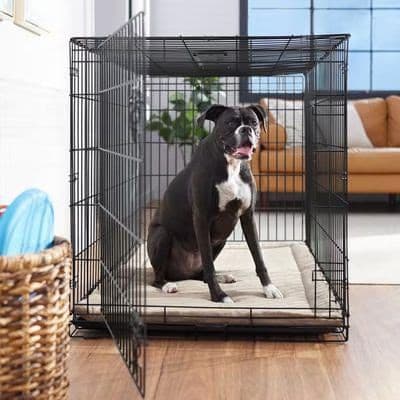
Petful may earn a commission when you click through to Chewy, at no extra cost to you.
The Embark Breed & Health test and Wisdom Panel Essential provide different commercial ancestry reports. Choose only if the answer will change a practical decision, and compare each test's current panel, privacy terms, and limitations before buying. There is more on this in Petful’s guide to Embark vs Wisdom Panel.
Size, coat and temperament variability
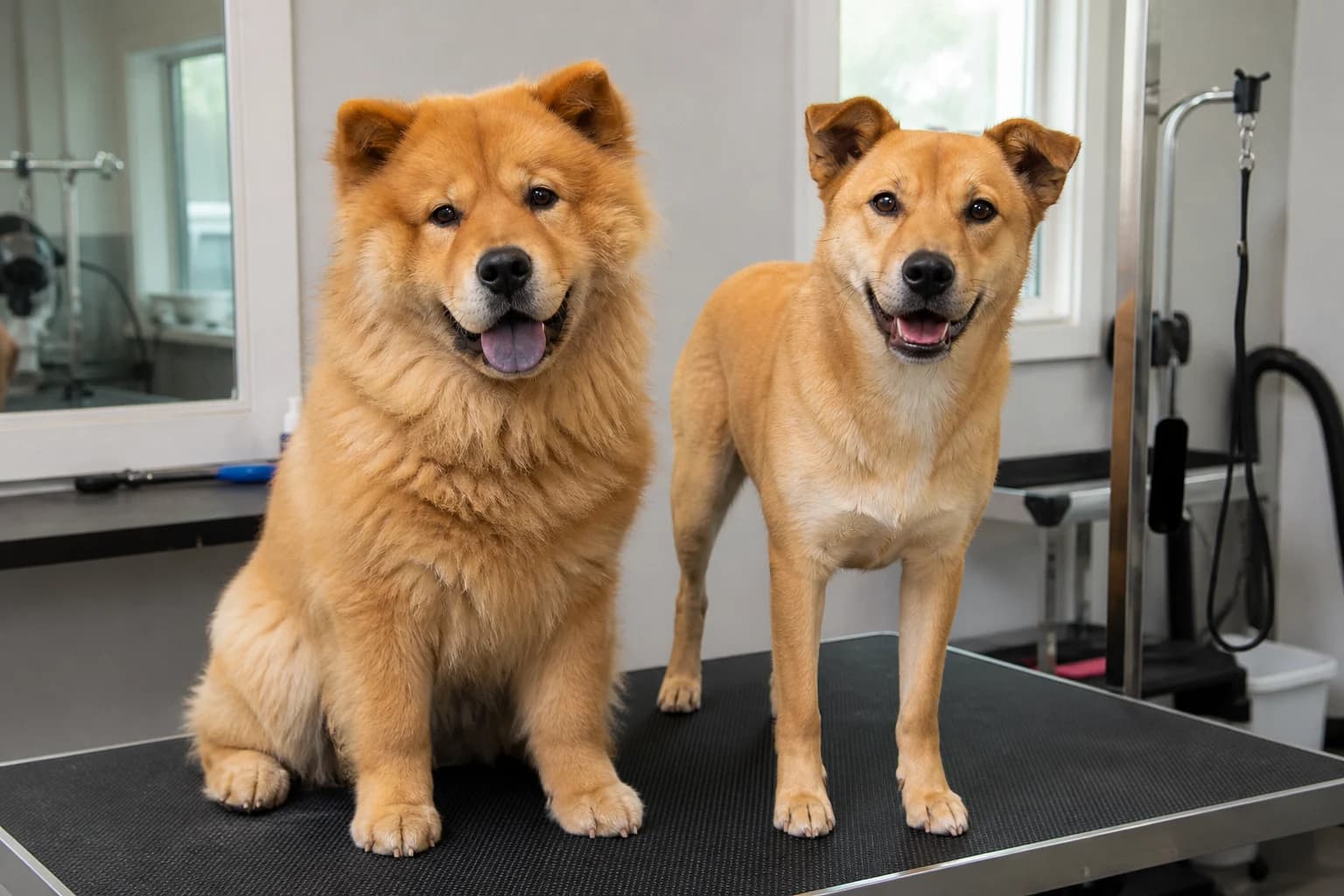
Siblings can inherit different gene combinations. One may have a short coat and broad sociability, while another has a dense mane and more reserve. Neither outcome is a diluted average.
Measure adult height, weight, chest girth, and sleeping length instead of buying gear from a mix label. Feel body condition under the coat. The AVMA healthy-weight guide explains why body condition is more useful than an online breed target.
Measure first, then buy
Behavior also requires direct evidence. WebVet's guide to dog body language helps identify avoidance, tension, freezing, and recovery. A wagging tail does not erase the rest of the body.
For a large individual, the FurHaven jumbo bed may fit a sprawled sleeping posture, while the Frisco X-large crate may be suitable only after actual measurements. Neither product is mix-specific.
A PetSafe Easy Walk Dog Harness, Red/Black, Medium/Large is one front-attachment option only if actual chest measurements, shoulder movement, and coat clearance match. Recheck fit as a puppy grows or undercoat changes. The harness does not teach leash skills or make a reactive dog safe in close spaces.
Why littermates can look unrelated
Each puppy receives a different combination of genetic variants from the same parents. Dominant, recessive, and polygenic traits can affect coat length, color, ears, tail, body size, and many other features. Development and environment add further variation.
A littermate with a mane and dark tongue is not “more Chow” in every meaningful sense than a short-coated sibling. Visible Chow-like traits do not reveal the exact percentage of ancestry or which health and behavior variants were inherited.
Adult estimates are especially uncertain for a young rescue puppy with unknown parents. Plan equipment and housing with room to adjust. Re-measure chest, height, and length through growth rather than buying a lifetime setup from a label.
Health and screening both parent breeds
Mixed ancestry does not guarantee better or worse health. A puppy can inherit risk variants and structural tendencies from either parent. Some risks may be reduced in a broader gene pool, but the individual result depends on genes, development, environment, and chance.
Chow mix health planning should follow both known parent breeds. Mixed breed health testing still requires the appropriate records for each relevant risk rather than a claim of hybrid vigor.
Verify the exact screening record
Use the OFA CHIC program and current parent-club recommendations to identify screening relevant to both known parent breeds. Verify results under the parents' registered identifiers. A statement that a veterinarian “checked them” is not the same as a documented specialist or OFA result.
For an adopted adult with unknown history, establish baseline weight, eyes, skin, gait, mouth, and bloodwork as the veterinarian recommends. Screening one symptom is different from predicting every future illness.
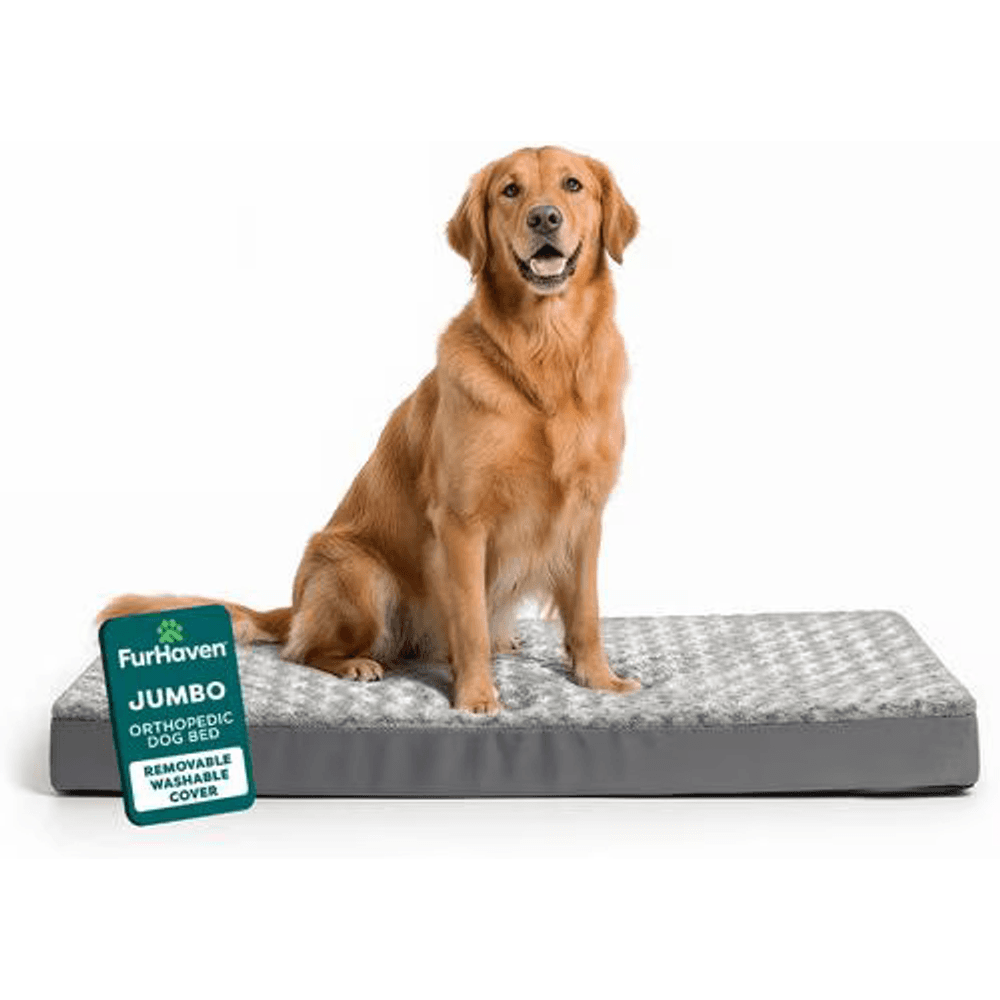
A plush orthopedic foam mattress that cushions aging joints and pressure points, giving a stiff or trembling senior dog warm, supportive rest.
Petful may earn a commission when you click through to Chewy, at no extra cost to you.
If you use a commercial DNA test, save the report in the medical record but let the veterinarian interpret health relevance. A result from Wisdom Panel Essential is not a reason to start medication, supplements, or a restrictive diet without professional advice.
Training, grooming and household fit
Build a plan around the observed dog:
- Use reward-based training in short sessions.
- Provide a quiet retreat and secure visitor management.
- Introduce grooming one body area and tool at a time.
- Match exercise to age, body condition, coat, heat, and joints.
- Supervise children and separate household animals around food and high-value items.
Household fit is not a contest for the “best” mix. It is a match between individual evidence and a home's real capacity.
A Chow mix family dog is not defined by the cross name. Use observed handling tolerance, child and pet history, recovery, health, and the household's supervision capacity.
Match enrichment to the dog's response
Food puzzles can provide quiet activity, but difficulty, food motivation, guarding risk, and daily calories differ. A KONG Classic Dog Toy, Large may suit supervised stuffing or trade practice for an appropriately sized dog that does not guard. Inspect the rubber, remove it if damaged, and separate animals while food is present.
Exercise and thinking work should leave the dog able to settle, not more frantic. Compare behavior before, during, and 30 minutes after an activity. Faster recovery and easier rest are more useful signals than distance alone.
A first-month observation plan
Newly adopted dogs may suppress behavior, sleep more, or show stress in unfamiliar surroundings. Keep the first weeks predictable and avoid testing the dog at parks, parties, crowded stores, or forced greetings.
Track:
- Appetite, stool, thirst, sleep, and ability to settle
- Response to gentle handling, leash equipment, brushing, and confinement
- Body language around visitors, dogs, food, toys, and resting places
- Recovery after sounds, movement, separation, or novelty
- Coat, skin, gait, teeth, and any signs of pain
Use barriers and separate high-value items until patterns are clear. A calm first day is not proof that guarding, separation distress, or dog conflict will never appear. Conversely, stress behavior on arrival does not define the dog's permanent personality.
Schedule a veterinary examination and share all available records. If behavior creates a safety concern, contact a qualified reward-based professional rather than deliberately recreating the trigger.
Adoption, rescue and responsible sourcing
Rescue labels are often visual estimates. Treat them as a starting description, not documented ancestry. Ask what the organization observed in a home or foster setting and whether any bite, escape, guarding, handling, or medical history is known.
- Individual evidence from foster observations supports household fit by grounding routines and handling in real behavior
- Verified veterinary records separate documented findings from unanswered questions
- Verified parent screening can inform inherited-risk questions for a known cross
- DNA estimates may clarify likely ancestry when records are absent
- Gradual introductions let adopters observe recovery, play style, and resource behavior
- Behavior can change after placement as stress, health, and environment change
- Missing records do not prove either good health or poor health
- Screening cannot guarantee one puppy's health outcome
- DNA estimates cannot certify behavior, breeding ethics, or household fit
- A visual Chow Chow mix label cannot prove ancestry or predict adult traits
Avoid sellers who promise a rare designer outcome, exact adult personality, guaranteed health, or a fixed no-shed coat. Meet the dog, verify records, and keep a return or support plan in writing.
Questions for a rescue or foster home
Ask for observable details instead of adjectives:
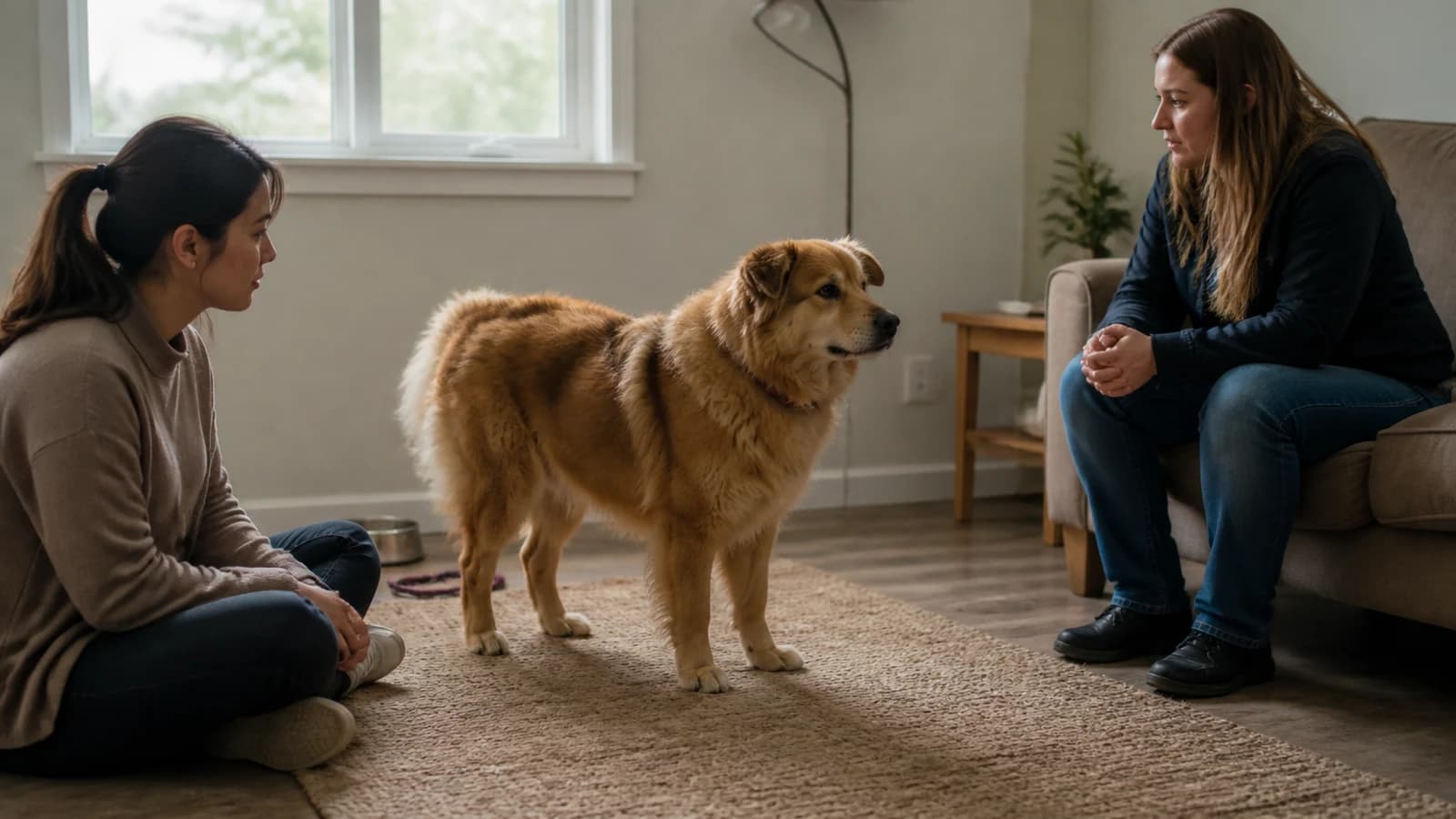
- How long has the dog lived in a home rather than a kennel?
- What happens when a visitor enters or reaches toward the dog?
- Has the dog lived with children, cats, or other dogs, and under what supervision?
- How does the dog respond to food removal, chews, grooming, restraint, and veterinary handling?
- Has the dog escaped a crate, yard, vehicle, or leash?
- What medical, bite, or medication history is documented?
A rescue may not know every answer. Honest uncertainty is better than a confident guess. Decide whether your household can manage the unknowns and whether post-adoption support is available.
A Frisco Silicone Collapsible Travel Bowl with Carabiner, Teal, Small (1.5 cup) may be useful for measured water breaks during transport or an adoption meet. Its capacity is small for many Chow mixes, so verify volume and refill access. A shared portable bowl should not be placed between unfamiliar dogs.
Questions for a breeder of a planned cross
Ask why the cross is being produced and what objective health and temperament evidence supports both parents. Request the registered identities or permanent identifiers needed to verify screening. Meet the mother when possible and ask where puppies are raised.
Responsible planning includes a written return commitment for the dog's life, age-appropriate socialization, veterinary care, and no guarantee about exact coat, size, or behavior. “Hybrid vigor” is not a substitute for screening both parent breeds.
Interpreting DNA estimates responsibly
An ancestry percentage is an estimate based on a company's reference panel and algorithm. Different companies may group related breeds or low-percentage ancestry differently. Updates can change results as databases grow.
Use ancestry information to create questions, not conclusions. If a result suggests a parent breed with a recognized health risk, discuss whether any clinical screening is useful with a veterinarian. Do not assume the dog has a disease or will show the breed's typical behavior.
Privacy also matters. Read how the company stores samples, uses genetic data, handles research consent, and responds to deletion requests. The value of an answer should justify the cost and data tradeoff.
Planning for an unknown adult outcome
When adopting a puppy of uncertain ancestry, budget for the upper end of plausible food, grooming, training, veterinary, and equipment needs. Choose adjustable gear and delay expensive fixed-size purchases where safe.
Prepare for double-coat shedding even if the puppy coat is short. Introduce brushing, dryer sounds, paw handling, and quiet restraint positively. Prepare for a stronger adult by teaching leash skills and barrier comfort before they are urgently needed.
Do not restrict growth to keep a dog small. Feed a complete growth diet and monitor body condition with a veterinarian. Adult size is not a quality outcome.
Use a household decision worksheet
Before adopting, list nonnegotiable realities: children, resident pets, landlord or insurer rules, grooming capacity, maximum manageable size, heat exposure, fencing, time alone, and access to training. Compare those requirements with observed behavior and records.
A household that needs a dog comfortable with frequent visitors should not rely on a promise that a Golden parent will override reserve. A household with allergy concerns should not rely on a short-coated sibling or no-shed claim. Plan from evidence and prepare for the broader range.
Chabrador, Chusky, Golden Chow, and Chow Shepherd remain informal labels, not shared standards for parentage, health testing, size, or temperament. Ask the source to state what is documented. When history is unknown, a cautious description is more useful than confident branding.
Related Chow Chow topic owners
Chow Chow at a glance
Start with the Chow Chow profile for broad chow chow intent, including what is chow chow and awkward searches such as mr chow chow or chow chow chow dog. That owner explains the pure breed's history, structure, coat, temperament, health, and fit. This mix page uses those tendencies as one possible parent contribution, then requires the second parent's evidence and the individual dog's actual size, coat, behavior, and records.
Best dog food for Chow Chows at a glance
The Chow Chow food guide owns chow chow food, chow chow the food, what is chow chow food, and food chow chow questions. It compares life-stage adequacy, calories, labels, and veterinary limits. A Chow mix label does not create one nutrient requirement or portion. Feed the mixed dog from expected adult size, current body condition, activity, health, and documented response rather than from ancestry branding.
Chow Chow puppy buying checklist
The Chow Chow puppy guide owns purebred sourcing, records, scams, and early care. A planned cross still needs equivalent evidence from both parents.
Chow Chow colors at a glance
The Chow Chow colors guide covers purebred shades. A mixed dog's color or pattern is not ancestry proof.
Chow Chow price at a glance
The Chow Chow price guide owns acquisition and lifetime budget. A designer label alone does not justify a premium.
Why Chow Chows have blue-black tongues
The Chow Chow tongue guide covers pigment, development, ancestry limits, and mouth emergencies. A mixed dog may or may not have dark pigment.
Full-grown Chow Chow size at a glance
The full-grown Chow Chow size guide provides purebred growth and measurement context. A mix may fall outside that range.
Are Chow Chows aggressive?
The Chow Chow temperament guide covers behavior, management, and humane training. A mix label cannot predict aggression.
Chow Chow lifespan at a glance
The Chow Chow health guide owns purebred disease and screening context. Mixed ancestry does not erase or guarantee risk from either side.
Do Chow Chows shed?
The Chow Chow grooming guide owns double-coat technique. A mix may inherit heavy, moderate, or lighter shedding, so inspect the individual coat.
Chow Chow mix FAQs
What Chow Chows are mixed with varies widely and may include Labrador, Husky, Golden Retriever, German Shepherd, Akita or unknown ancestry. A Chow Chow mix may have Labrador, Husky, Golden Retriever, German Shepherd, Akita, or many other known or unknown ancestors. The label does not create a standardized cross or fixed outcome. The evidence points to one clear next step: to verify documented parentage when available and plan care from the individual dog's measured size, coat, behavior, health, and history.
Whether a Chow Chow is a good family dog depends on the individual, the household, observed behavior, health, supervision and management capacity. Some pure Chows and Chow Chow mix dogs fit family homes, while others do not fit a specific household's children, visitors, pets, or handling needs. Breed alone cannot decide. Use the individual record to choose a clear next step: to review observed behavior, supervision capacity, resource management, medical history, recovery from stress, and professional findings before making a placement decision.
Some good Chow Chow mixes for a particular home are simply the individual dogs whose documented needs and behavior fit that household safely. There is no universally best Chow Chow mix because “good” depends on the home and the individual, not a designer name. Lab, Husky, Golden, Shepherd, and Akita crosses all have broad possible outcomes. Before deciding, use this clear next step: to match documented behavior, health, energy, adult size, coat workload, and management needs with household capacity.
There is no single official name for a Chow Chow mix. Informal labels include Chabrador, Chusky, Golden Chow, and Chow Shepherd, but no shared standard guarantees ancestry, health testing, size, or temperament under those names. For this household, choose a practical clear next step: to ask for known parents and evidence directly instead of relying on the marketing label.
Adult size for a Chow Chow mix depends on both parents, individual inheritance, sex, nutrition, health, and development. Even littermates can differ, so a cross name cannot provide an exact forecast. At that point, take this clear next step: to track the puppy's growth with a veterinarian and measure the actual adult before buying fixed-size equipment.
A Chow Chow mix label cannot predict aggression. Behavior reflects many genes, development, learning, pain, environment, triggers, and management, while reserve or avoidance is not automatically aggression. When uncertainty remains, choose the safest clear next step: to assess actual history, body language, distance, recovery, and health, using qualified professional help for growling, lunging, snapping, or bites.
Some Chow Chow mix dogs have blue-black tongues, some have dark spots, and others have pink tongues. Pigmentation can occur in dogs without known Chow ancestry, so it is not proof. The decision framework leads to a clear next step: documented parentage or an appropriately interpreted ancestry estimate if the question matters, while medical changes go to a veterinarian.
Many Chow Chow mix dogs shed heavily when they inherit a dense double coat, but others have shorter or less abundant coats. Puppy appearance does not guarantee the adult pattern. After reviewing the evidence, keep the clear next step specific: to inspect the individual coat, prepare for regular brushing and seasonal shedding, and seek veterinary care for bald patches, pain, or intense itch.
No. A DNA test may estimate Chow Chow mix ancestry and report selected variants, but it cannot forecast one dog's sociability, trainability, guarding, or family fit. The dog's current record supports this clear next step: to use results as limited background while decisions rely on documented history, current body language, health, learning, environment, and qualified behavioral assessment.

Coreen Saito is a pet writer and longtime shelter volunteer with more than a decade in animal rescue. She covers cat behavior, breed care, and the small, ordinary science of sharing a life with companion animals, with a particular focus on honest takes about the products and decisions that actually matter. At home in Arizona, she's outranked by Mac (a dog with the loudest opinion in the house), Rebel (a cat who governs by quiet authority), and Meri (an orange tabby who runs the late shift and the laundry basket). She writes about all three, plus the rescues that keep coming through her life, at LifeWithMinty.com.
Sign up for expert-backed reviews and safety alerts all in one place.