Chow Chow Dog Tongue: Why Is It Blue-Black?
A Chow Chow's blue-black tongue is normal inherited pigmentation, but sudden blue, gray, or pale changes can signal an emergency. Learn puppy pigment development, oral-care basics, ancestry limits, and when to call a veterinarian.
Petful is reader supported. As an affiliate of platforms like Amazon and Chewy, we may earn a commission when you buy through links on this page. There is no extra cost to you.
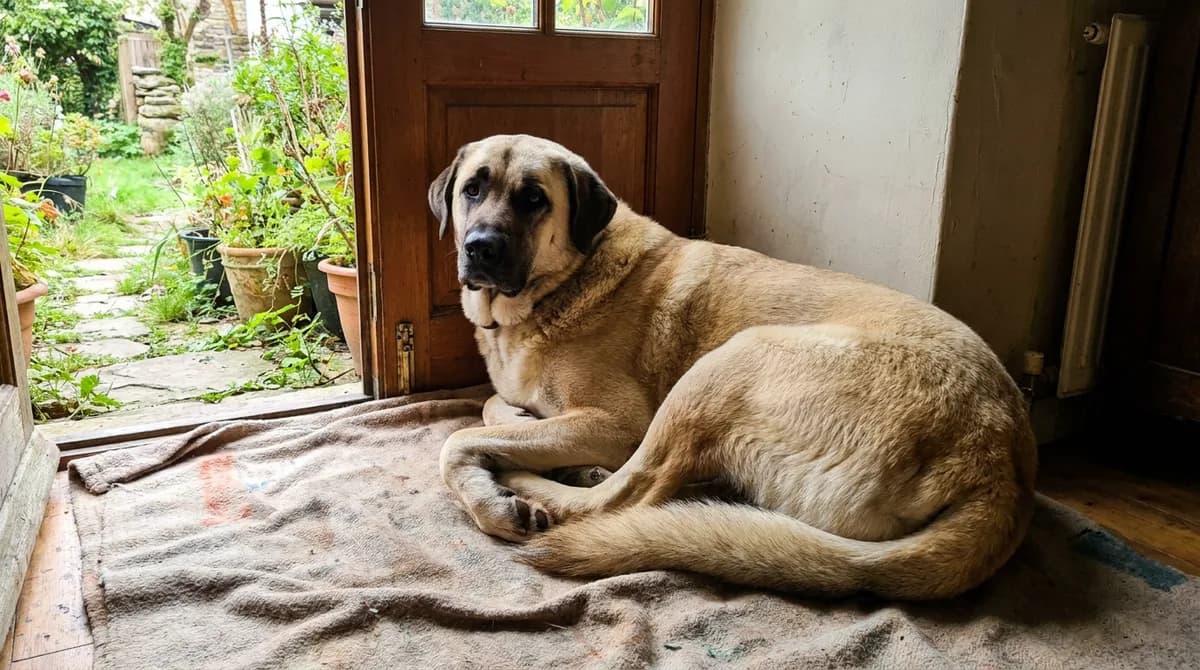
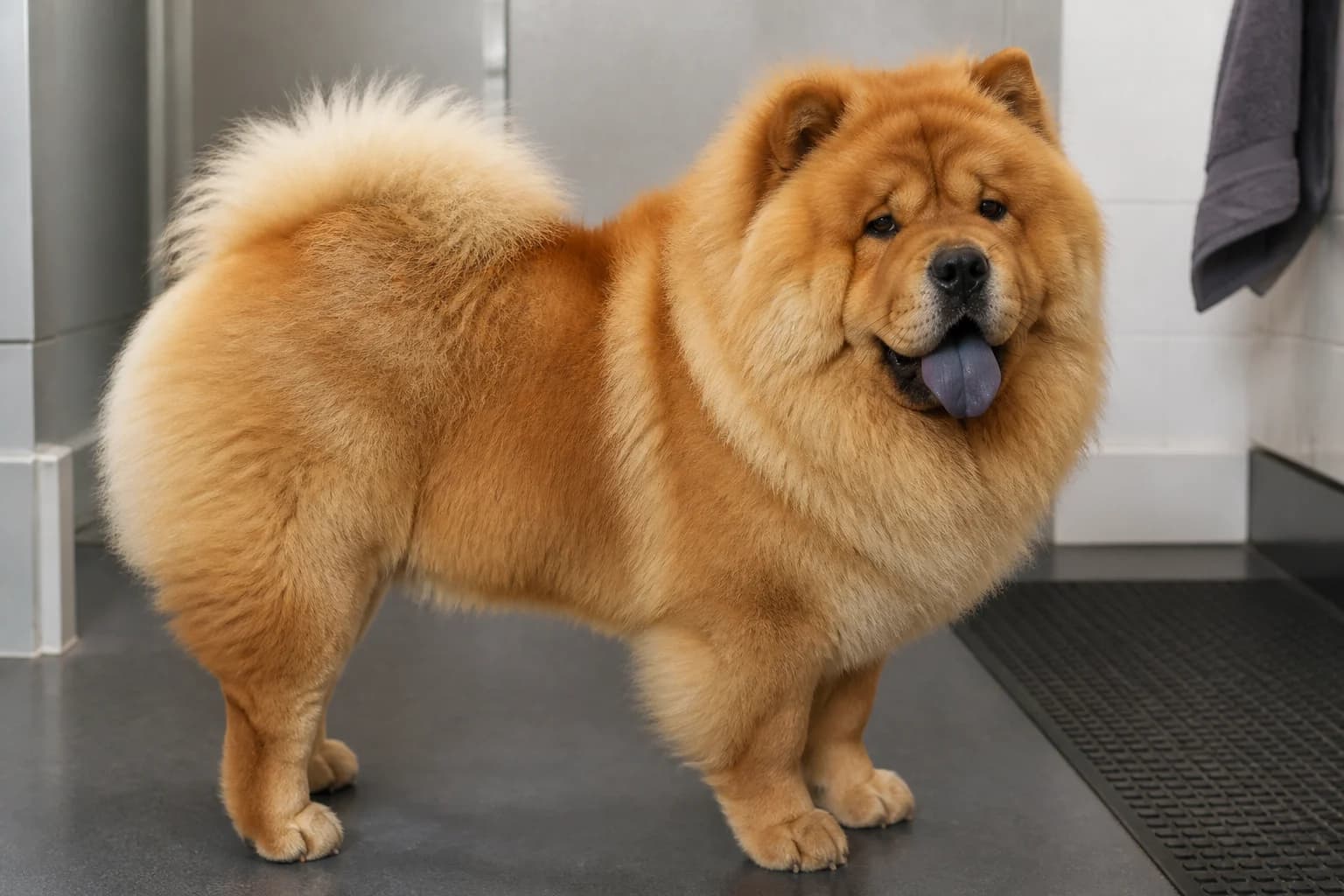
The chow chow dog tongue is famous for its blue-black color. That stable pigmentation is a normal breed feature, not a sign that the dog is short of oxygen or has eaten something unusual.
Understanding the chow chow dog tongue means separating normal pigment from a new color change. A tongue that has always been dark is very different from a previously pink or normally pigmented mouth that suddenly looks blue, gray, white, or unusually pale.

Sign up for expert-backed reviews and safety alerts all in one place.
Why Chow Chows have blue-black tongues
A healthy adult Chow Chow dog tongue is usually solid blue-black because pigment develops in the tongue tissue. Individual dogs vary, puppies may begin with pink tongues, and tongue color alone cannot prove ancestry or health.
The dark color comes from pigment-producing cells in the tongue. The exact evolutionary reason the breed developed such dense oral pigment is not established, so confident folklore about cold climates or special blood chemistry should be treated as a story, not a documented record.
The Chow Chow Club, American Kennel Club, and Royal Kennel Club standard all describe the dark tongue as characteristic. Their standards describe a population tendency. Your dog's usual mouth color, veterinary record, and current clinical signs provide the individual evidence that matters during a health concern.
| Stable blue-black tongue | Normal pigmentation is likely in an otherwise comfortable Chow | Exact ancestry or future health |
|---|---|---|
| Pink areas in a young puppy | Pigment may still be developing | Whether the puppy is purebred |
| Dark spots in another dog | Oral pigment can occur in many dogs | Proof of Chow ancestry |
| Sudden blue, gray, or pale change | Possible urgent oxygen, circulation, or blood problem | A diagnosis without veterinary examination |
This article-specific evidence ladder for Chow Chow dog tongue questions separates population tendencies, individual observations, documented records, and professional findings. It is a concrete decision framework: a practical comparison of what stable pigment can answer and which records to verify, not a generic fact list. Breed tendencies describe populations, not every individual dog. Records, direct observation and professional findings answer different questions. The page gives the reader a concrete decision framework rather than a generic fact list.
Breed tendencies describe populations, not every individual dog. Records, direct observation and professional findings answer different questions.
That evidence ladder is useful whenever color prompts a big conclusion:
- Population tendency: Adult Chows typically have a blue-black tongue.
- Individual observation: Note what your dog's tongue and gums normally look like.
- Documented record: Photos from routine care can show whether a mark is stable.
- Professional finding: A veterinarian interprets a new change alongside breathing, circulation, pain, and other signs.
The broader Chow Chow breed profile explains how this feature fits the breed without turning one visible trait into a prediction about an individual dog.
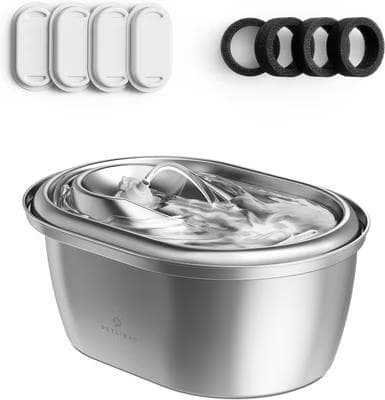
304 food-grade stainless steel pet water fountain, 101 oz. The circulating, filtered water encourages cats to drink more, which supports urinary tract and kidney health.
Petful may earn a commission when you click through to Chewy, at no extra cost to you.
Normal hydration supports everyday comfort, but it does not change inherited pigmentation. A Petlibro Stainless Steel Dog & Cat Fountain can keep a large water supply circulating for a dog that likes moving water, though the basin still needs regular washing and it is not a treatment for mouth or breathing problems.
How tongue pigment develops in puppies
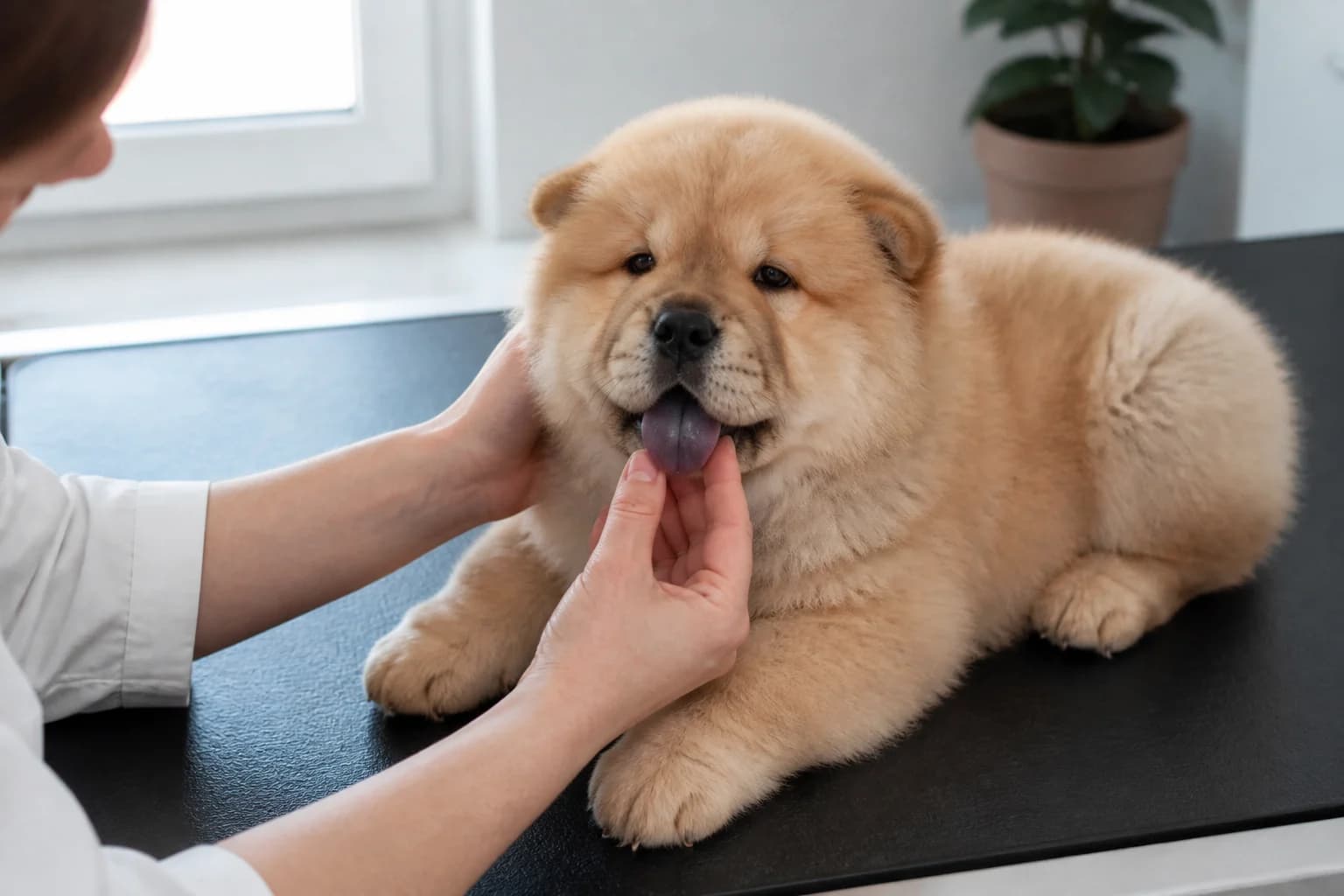
Chow Chow puppies may be born with pink tongues. Dark spots commonly appear as the puppy develops and can spread until most or all of the visible tongue is blue-black. The timing and pattern are not a home breed test.
What development can and cannot show
Development is usually a transition from pink puppy tissue to expanding dark pigment. The useful observation is whether the surface remains flat, comfortable, and otherwise normal while the puppy eats, drinks, and grows. The exact day a spot appears cannot confirm pedigree, future adult coverage, or health.
Keep puppy records separate from appearance:
- Registration or documented parentage addresses ancestry.
- Routine veterinary records address current health and development.
- Calm dated photographs can show whether pigment is stable.
- A veterinary examination addresses a raised, painful, bleeding, or rapidly changing area.
A puppy with developing pigment should still receive routine veterinary examinations. Watch the whole puppy, not just the tongue: appetite, growth, breathing, energy, hydration, and comfortable chewing are more useful day-to-day health observations.
Changes that warrant an exam
Do not scrub, bleach, or apply topical products to a puppy's tongue to change a spot. If a patch is raised, ulcerated, bleeding, painful, enlarging quickly, or associated with drooling or reluctance to eat, ask a veterinarian to examine it.
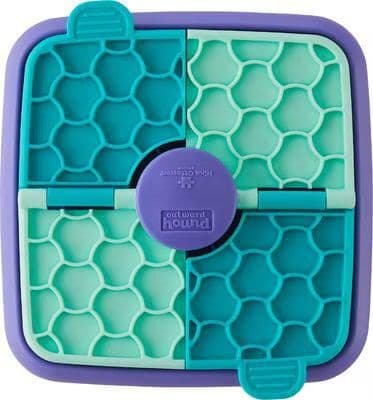
For gentle enrichment during supervised quiet time, an Outward Hound Lick N' Flip puzzle can hold an appropriate portion of food. It is not suitable for an unsupervised dog that chews or swallows toy pieces, and it should not be offered when the mouth is sore.
Normal color and variation
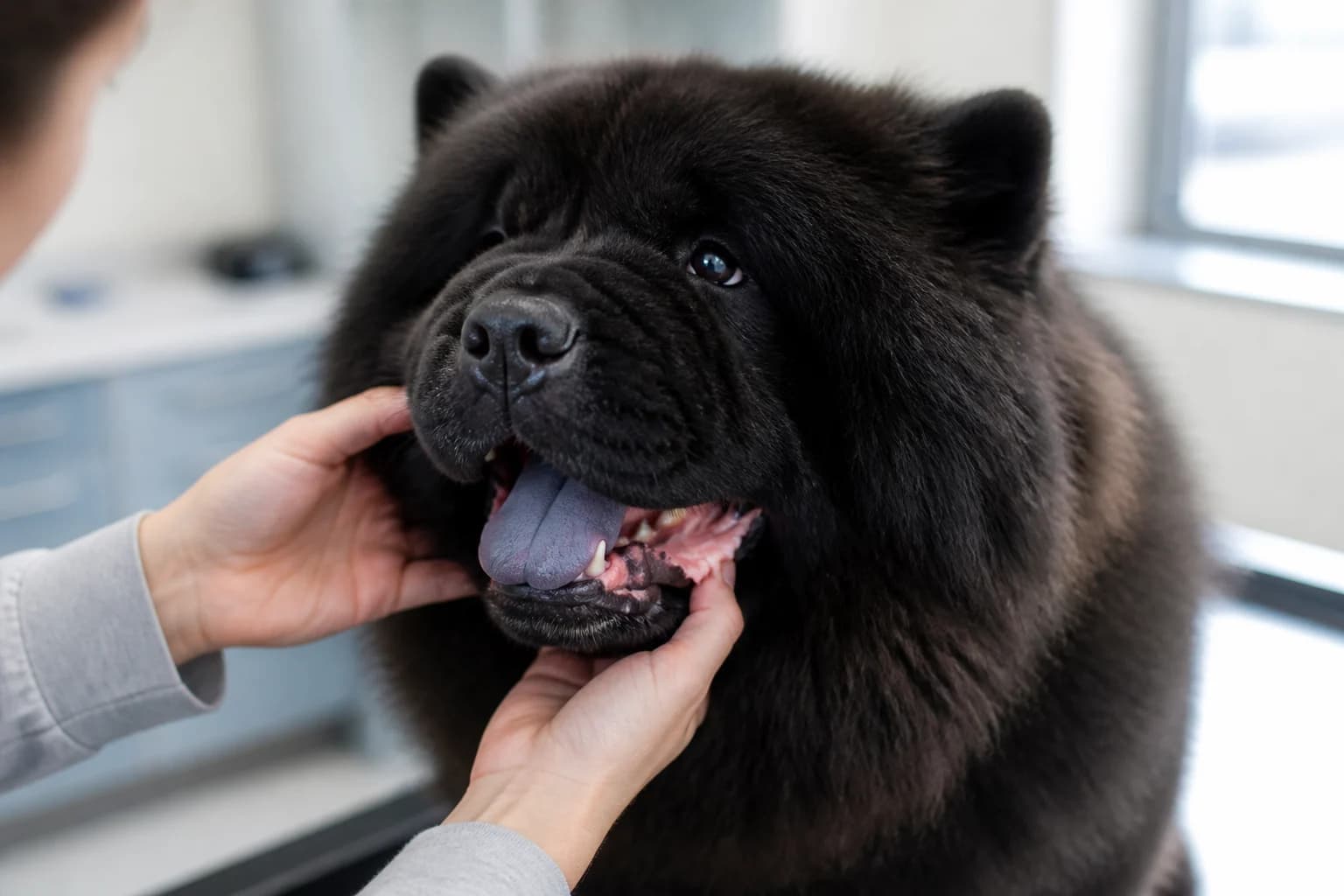
Normal Chow tongue pigment may look blue-black, slate, purple-black, or almost black under different light. The useful comparison is not a color name on a screen. It is the dog's stable baseline in ordinary light, plus normal behavior and breathing.
Gums are a separate checkpoint. Many Chows have pigmented areas in the mouth, but visible unpigmented gum tissue should not suddenly become pale, gray, or blue. Photographing the mouth during a calm routine moment can help establish a baseline, but never force the jaws open or put fingers near a frightened dog's teeth.
Oral pigment also does not excuse a new lump, ulcer, bad odor, bleeding, broken tooth, or persistent pawing at the face. Stable pigment is usually flat and unchanged. A professional finding is needed when texture, comfort, or shape changes.
Use a baseline that is safe to repeat
Choose one calm monthly moment in the same room and light. Briefly lift a lip and note visible gums, teeth, breath, appetite, tongue surface, and comfort. Do not force the mouth open or chase perfect color matching. A dated change in texture, function, or comfort is more useful to a veterinarian than deciding whether a phone photo looks blue or purple.
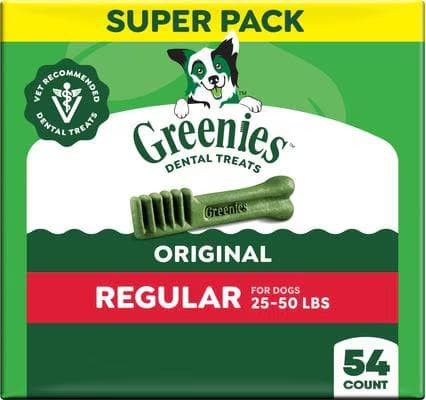
Daily dental chew that cleans teeth, freshens breath, and is accepted by the Veterinary Oral Health Council. Sized for dogs 25 to 50 lbs.
Petful may earn a commission when you click through to Chewy, at no extra cost to you.
Dental treats are optional additions, not substitutes for brushing or veterinary dental care. Greenies Regular dental treats are sized for particular dogs and add calories, so check the package size and your veterinarian's advice before using them, especially for a dog that gulps food or has dental disease.
Does a blue tongue prove breed identity?
No. A blue-black tongue is characteristic of the Chow Chow, but a dark spot or dark tongue does not prove that a dog is purebred or part Chow. Appearance is an individual observation, not a pedigree.
- Do not use tongue color as a blue tongue breed test. Confirm known ancestry through reliable registration or documented parentage when available. This documented evidence and professional guidance are stronger than appearance. A DNA result may estimate ancestry, but no clue or test can predict one dog's behavior, health, or care needs with certainty.
A shelter label such as “Chow mix” may be a practical description, not a genetic finding. The same limit applies to coat, ear shape, or tail carriage. Our guide to Chow Chow mixes explains why known history and the individual dog in front of you matter more than a visual guess.
Likewise, tongue pigment does not establish which of the standard Chow Chow colors a dog has, whether the coat is genetically dilute, or whether a seller's color label is accurate.
An Ark Naturals Brushless Toothpaste dental treat may provide chewing enrichment for an appropriately sized dog, but it cannot verify ancestry or remove established tartar. Supervise chewing and stop if the dog tries to swallow large pieces.
Other breeds with dark tongue pigment
The Chinese Shar-Pei is also known for a dark tongue, and dark spots can occur in many other purebred and mixed-breed dogs. Pigment cells can create black or blue-gray areas on the tongue just as they create darker patches on skin.
This is why lists of “dogs with black tongues” should not be used as family trees. A spotted dog tongue can be normal for that individual. What matters medically is whether the pattern is longstanding and flat or new and changing.
Choose ancestry evidence for its intended use
If ancestry is important for a housing, insurance, breeding, or medical decision, ask what documentation that decision actually accepts. A photo-based guess is weak evidence. For everyday care, behavior history, body condition, examination findings, and known sensitivities are more actionable.
The evidence hierarchy changes with the question. A registry may require a pedigree, a shelter may document only intake history, and a commercial DNA test may provide an estimate. None of those sources turns a dark tongue spot into a temperament or medical forecast. Keep the conclusion no broader than the record supports.
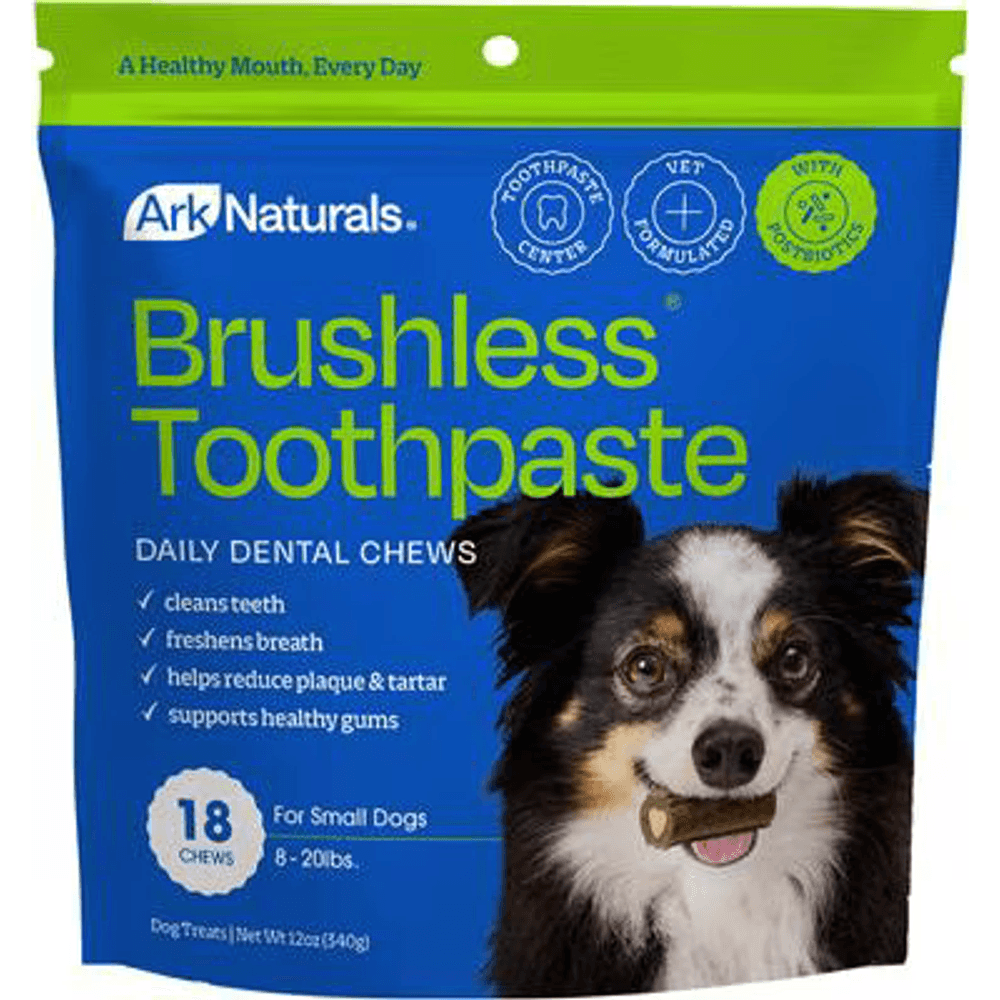
Brushless dental chews for small dogs with a toothpaste center that cleans teeth, reduces plaque and tartar, and freshens breath as they chew. A no-brushing daily option for dogs 8 to 20 pounds.
Petful may earn a commission when you click through to Chewy, at no extra cost to you.
For a healthy dog that enjoys food puzzles, the Lick N' Flip slow-feeding toy can extend a small meal. Select food that suits the dog's diet, wash the toy after use, and skip it if licking or chewing appears painful.
Tongue changes that need veterinary care
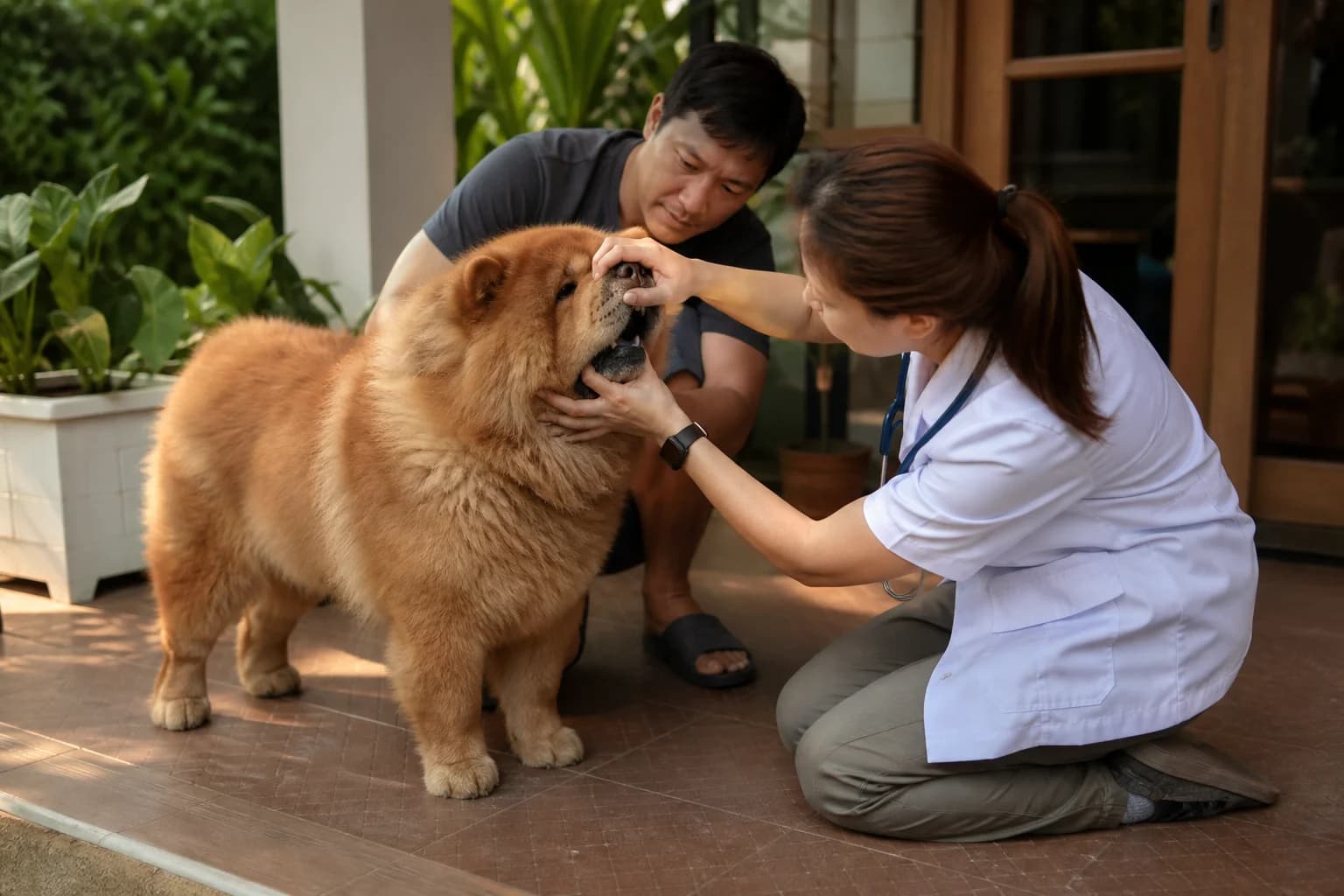
A stable blue-black Chow tongue is normal. A sudden blue or gray cast to previously pink tissue, especially with difficult breathing, collapse, weakness, or confusion, is not a breed quirk. It may mean the body is not getting enough oxygen.
- Seek emergency veterinary care now if your Chow has labored or noisy breathing, open-mouth distress, collapse, severe weakness, or a sudden blue-gray tongue or gums. Keep the dog cool and quiet, call ahead, and do not delay transport to search for a home diagnosis.
Unusually pale or white gums or tongue tissue can also accompany serious problems such as blood loss or poor circulation. A sudden color change with lethargy, rapid breathing, abdominal swelling, vomiting, or collapse needs urgent veterinary assessment.
Call your regular veterinarian promptly for a mouth lesion that persists, grows, bleeds, smells bad, causes drooling, or changes eating. Do not give human pain medicine, cut a growth, or apply caustic oral products.
Put a new mouth change in the right care lane
- Emergency now: Sudden blue-gray or very pale tissue with breathing trouble, collapse, severe weakness, confusion, or uncontrolled bleeding.
- Prompt veterinary appointment: A new lump, ulcer, swelling, pain, bleeding, foul odor, drooling, broken tooth, or change in eating.
- Routine baseline: Longstanding flat pigment in a comfortable dog with normal breathing, appetite, and behavior.
This triage protects against two opposite errors: panicking over normal inherited pigment and dismissing a genuine color or tissue change because the dog is a Chow.
Fresh water is sensible while a dog is comfortable and able to drink. The Petlibro 101-ounce fountain may help some households monitor access to water, but drinking more, drinking less, or refusing water can itself warrant veterinary discussion.
Everyday oral and dental care
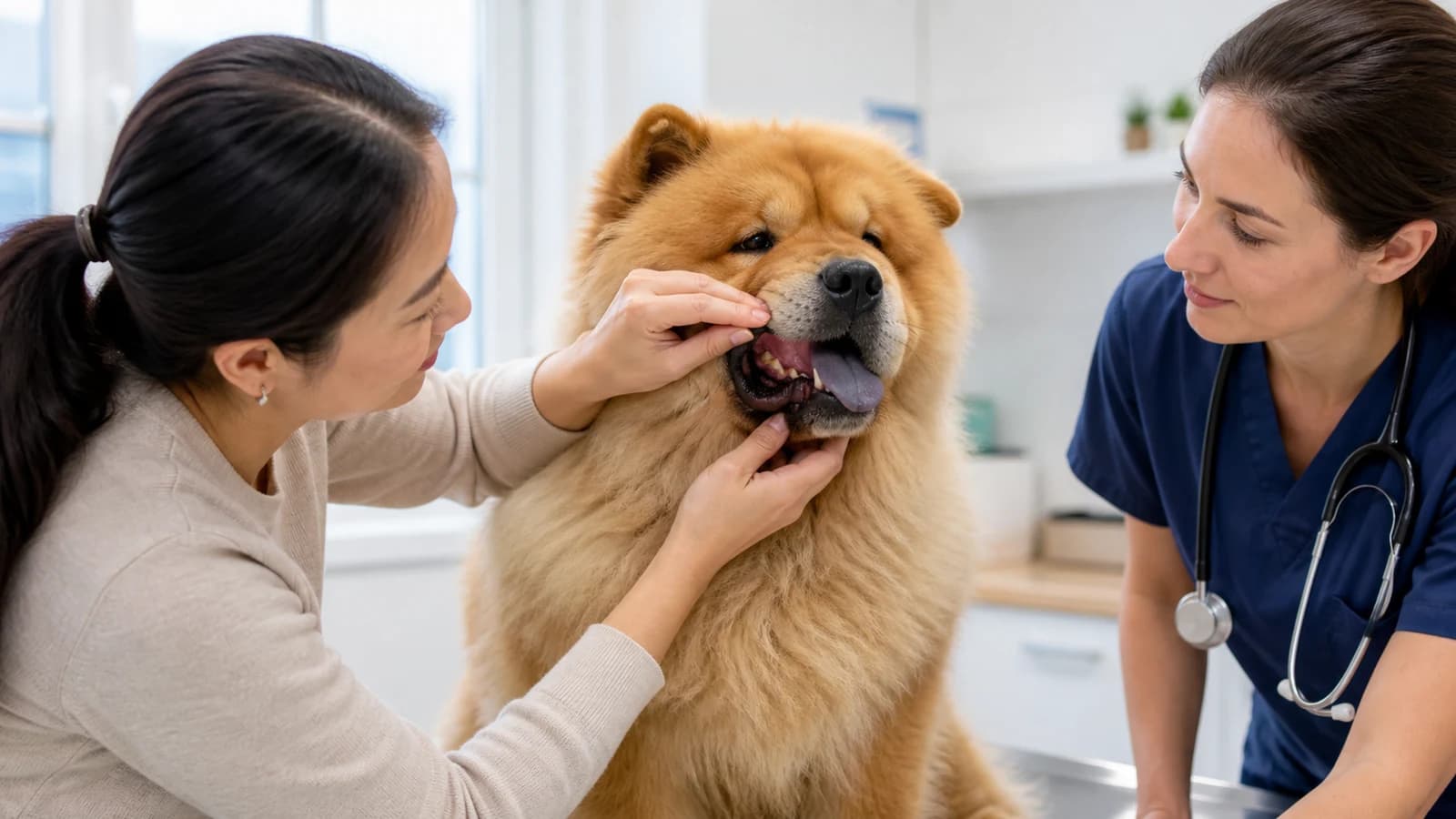
Check the mouth only when your Chow is relaxed and has been trained to accept handling. Lift a lip briefly rather than forcing the mouth open. Look for broken teeth, red or bleeding gums, heavy tartar, bad odor, swelling, and changes from the dog's usual pigment.
The practical WebVet dog dental health guide covers home care and professional cleaning decisions. A veterinarian can recommend a toothbrush, toothpaste, chew, or cleaning schedule based on the individual mouth.
Match the home tool to handling tolerance
If brushing is appropriate, the Virbac C.E.T. Dual-Ended Dog & Cat Toothbrush offers two head sizes, and Virbac C.E.T. Enzymatic Poultry Flavor Dog & Cat Toothpaste is formulated for pets. Neither product belongs on a painful lesion or replaces a professional dental examination, and human toothpaste should not be used.
For a dog that cannot yet tolerate a brush, HICC PET Finger Glove Cat & Dog Dental Wipes (50 count) may be a temporary surface-cleaning option if the dog accepts a finger near the mouth. It cannot clean below the gumline and is unsuitable when biting risk or oral pain makes handling unsafe. TropiClean Fresh Breath Dental Water Additive for Dogs (33.8 fl oz) is another optional product to discuss with a veterinarian; it does not replace brushing, diagnose odor, or make unattended water hygiene optional.
Petful may earn a commission when you click through to Chewy, at no extra cost to you.
- Helpful home habits
- Limits to remember
- Household fit can use the individual evidence in front of you
- No population tendency guarantees one outcome
- Brief, rewarded mouth checks can establish an individual baseline
- They do not replace a veterinary oral examination
- Regular brushing can reduce plaque when the dog accepts it
- It cannot safely remove hardened tartar below the gumline
- Appropriately sized dental chews may add mechanical action
- They add calories and can pose choking or tooth risks
- Professional guidance tailors care to the dog
- Breed tongue color cannot diagnose dental health
If your veterinarian agrees that a chew fits, Greenies Regular dental treats are one option for appropriately sized dogs, while Ark Naturals small dental treats are intended for smaller size ranges. Neither is automatically right for every Chow, so verify sizing, calorie allowance, chewing style, and dental condition first.
Keep mouth handling cooperative. Pair a one-second lip lift with a reward, then build gradually. Stop before the dog turns away, freezes, growls, or struggles. Restraint can increase fear and makes future examinations harder.
Make a useful mouth baseline
Once a month, when the dog is relaxed, briefly note the tongue, visible gums, teeth, breath, comfort, and appetite. Use the same room and lighting if you take a photo. The purpose is not to inspect every dark patch but to notice a change from the individual's normal.
Write down new medications, chews, injuries, appetite changes, drooling, or face rubbing. A dated photo and short symptom timeline are documented evidence a veterinarian can use. They are more informative than trying to match a phone image to an online color chart.
Cooperative mouth checks
Train for a lip lift in tiny steps: reward looking at your hand, then a chin touch, a one-second lip touch, and finally a brief lift. Keep fingers outside the mouth. If the dog is painful or suddenly resists familiar handling, stop and arrange professional care rather than forcing the examination.
For puppies, make mouth care a calm routine before adult size and reserve make handling harder. The goal is voluntary participation, not submission. A dog who can step away is more likely to remain comfortable for future brushing and veterinary checks.
Keep emergency and routine questions separate. A stable dark tongue in a comfortable dog belongs in the normal-pigment discussion. A new lesion belongs in a veterinary appointment. A sudden blue-gray or pale change with breathing trouble or collapse belongs in emergency care. This simple triage prevents a normal breed feature from creating panic without allowing the same feature to hide a genuine crisis.
Related Chow Chow topic owners
This page owns oral pigment, mouth baselines, and color-change triage. Use the dedicated sibling for adjacent intent:
Chow Chow at a glance
Broad chow chow, mr chow chow, and what is chow chow searches need the Chow Chow profile. The awkward query “chow chow chow dog” has the same whole-breed intent. That owner covers history, appearance, temperament, exercise, grooming, health context, and household fit. This page answers a narrower oral-pigment question and explains when a color change requires care. A tongue trait cannot stand in for the full breed decision.
Best dog food for Chow Chows at a glance
Chow chow food, chow chow the food, and what is chow chow food questions belong to best dog food for Chow Chows. That owner evaluates life-stage nutrition, calories, manufacturer evidence, portions, and transitions. Normal dark pigment does not identify a nutritional need, while sudden oral color change with weakness or breathing trouble requires emergency care rather than a food change.
Chow Chow puppy buying checklist
Chow chow puppies, buying a chow chow, and chow chow for sale searches require source verification in the Chow Chow puppy guide. That owner covers parent identity, health screening, contracts, deposits, and scam red flags. Tongue pigment develops with age and cannot authenticate ancestry, seller claims, or the current health of a puppy.
- Red, black, blue, cream, cinnamon, rough, and smooth coats: Chow Chow color guide.
Chow Chow price at a glance
Chow chow price, chow chow cost, and price for a chow chow questions belong to the Chow Chow price guide. That owner separates acquisition, setup, recurring care, insurance, emergencies, and senior costs. A blue-black tongue is expected breed pigmentation, not a rarity premium or quality grade, and it does not replace the records that justify a specific purchase transaction.
Chow Chow mixes at a glance
A chow chow mix, chow chow mixes, or mix chow chow label cannot be proved by dark tongue spots. The Chow Chow mixes guide owns ancestry uncertainty, parent evidence, and variable size, coat, and behavior outcomes. Use stable pigment as one physical observation only, then rely on records or appropriately interpreted DNA evidence if ancestry matters to the final decision.
Full-grown Chow Chow size at a glance
Chow chow size, chow chow full grown, and full grown chow chow searches belong to the full-grown Chow size guide. That owner covers adult ranges, puppy growth records, body condition, unsupported mini claims, and equipment measurements. Tongue color does not predict size, growth rate, healthy weight, or the dimensions an individual dog needs.
- Socialization, body language, and safe management: temperament and training guide.
- Screening, disease risk, heat, and senior care: health and lifespan guide.
- Brushing, coat blow, mats, bathing, and shaving limits: grooming and shedding guide.
Chow Chow FAQs
Dense melanin pigment develops in the Chow Chow dog tongue, producing the characteristic blue-black color. The exact evolutionary reason is not established, so folklore should not be presented as fact. For a clear next step, document stable pigment in a comfortable dog and treat a sudden color change, weakness, collapse, or breathing problem as a different and potentially urgent care decision rather than normal breed color.
Black commonly describes the same inherited blue-black or purple-black pigmentation in a Chow Chow dog tongue. Longstanding flat color differs from tissue that was previously pink and suddenly looks blue-gray or pale. For a clear next step, compare the mouth with the dog's normal baseline in neutral light, then contact a veterinarian for a new lesion, pain, swelling, bleeding, difficulty eating, or color change.
No, not all Chow Chows have a uniformly purple tongue. An adult Chow Chow dog tongue is described by standards as blue-black, but coverage, intensity, lighting, and ordinary shade words vary, while puppies may start with pink tissue as pigment develops. For a clear next step, record the stable baseline, use documented parentage for ancestry, and use veterinary examination for health instead of treating purple, slate, or black as a diagnostic or pedigree test.
Many Chow Chow puppies are born with pink tongues and develop dark spots as pigment appears during early growth. Timing and coverage vary, so the Chow Chow dog tongue color timeline does not prove pedigree, quality, or health. For a clear next step, record normal development without scraping or treating pigment, and seek veterinary examination for raised, painful, bleeding, ulcerated, foul-smelling, or rapidly changing areas.
No. A blue or spotted tongue does not mean a dog is part Chow Chow because dark oral pigment occurs in other breeds and mixed dogs. A Chow Chow dog tongue is a breed characteristic, not an ancestry test. For a clear next step, use documented parentage or an appropriately interpreted DNA estimate when ancestry matters, and base health or care decisions on the individual dog's records, examination, and condition.
Yes. Shar-Peis and many other purebred or mixed dogs can have flat, stable dark tongue spots, so pigment is not unique to the Chow Chow dog tongue. For a clear next step, note whether the mark has always been present and photograph the normal baseline in neutral light. New growth, ulceration, bleeding, pain, odor, swelling, difficulty eating, or rapid change requires veterinary examination.
A healthy Chow Chow dog tongue is usually consistently blue-black for that individual, moist, flat, comfortable, and free of new ulcers, masses, bleeding, or pain. The visible gums, breathing, appetite, and behavior should also remain normal. For a clear next step, make a calm monthly baseline check without forcing the mouth open and report changes in color, texture, comfort, eating, or function to a veterinarian.
A sudden blue-gray or unusually pale change in the Chow Chow dog tongue or visible gums is an emergency when paired with breathing trouble, collapse, severe weakness, confusion, choking, or uncontrolled bleeding. For a clear next step, keep the dog cool and quiet and begin immediate veterinary transport. Do not wait to compare photographs, try a product, offer food, or assume the change is normal blue-black pigment.

Coreen Saito is a pet writer and longtime shelter volunteer with more than a decade in animal rescue. She covers cat behavior, breed care, and the small, ordinary science of sharing a life with companion animals, with a particular focus on honest takes about the products and decisions that actually matter. At home in Arizona, she's outranked by Mac (a dog with the loudest opinion in the house), Rebel (a cat who governs by quiet authority), and Meri (an orange tabby who runs the late shift and the laundry basket). She writes about all three, plus the rescues that keep coming through her life, at LifeWithMinty.com.
Sign up for expert-backed reviews and safety alerts all in one place.