Chow Chow Dog Food: What to Look For
Choose Chow Chow dog food by life stage, calories, body condition, manufacturer standards, and individual response. Compare four formula examples, label questions, transition steps, and veterinary red flags.

Petful is reader supported. As an affiliate of platforms like Amazon and Chewy, we may earn a commission when you buy through links on this page. There is no extra cost to you.
The best chow chow dog food is complete and balanced for the dog's life stage, fits calorie and body-condition needs, comes from a manufacturer that can answer nutrition questions, and agrees with the individual dog's health and digestion.
There is no single chow chow dog food that is automatically best for every puppy, adult, or senior. This guide compares practical criteria and several existing products without claiming hands-on tests, endorsements, medical outcomes, or a universal winner.

Sign up for expert-backed reviews and safety alerts all in one place.
Best dog food for Chow Chows at a glance
Choose Chow Chow dog food by starting with a complete-and-balanced food for the dog's life stage, then compare calories per serving, feeding practicality, manufacturer expertise and quality control, and documented body condition, stool, skin, appetite, and health. Individual dogs vary. Breed marketing is less important than individual evidence.
The WSAVA Global Nutrition Guidelines provide questions for evaluating foods and manufacturers. The FDA pet food overview explains regulation and labeling, while WebVet reviews what makes dog food complete and balanced.
| Hill's Science Diet Adult Chicken & Barley | Adult maintenance food with a conventional grain-inclusive format | Chicken-based formula will not suit every dog |
|---|---|---|
| ACANA Free Run Poultry Grain-Free | Energy-dense poultry formula for owners specifically considering grain-free | Grain-free is not required for most dogs and needs veterinary context |
| VICTOR Hi-Pro Plus 30/20 | High-protein, high-fat format for dogs with substantial energy needs | Often too calorie-dense for sedentary or weight-prone adults |
| Wellness Complete Health Chicken & Oatmeal | Grain-inclusive adult maintenance option | Individual tolerance, calories, and manufacturer criteria still matter |
Use an evidence ladder rather than a “best” badge:
- Population tendency: Chows can be prone to weight, skin, joint, and heat concerns.
- Individual observation: Appetite, stool, skin comfort, weight, and energy show current response.
- Documented record: Labels, measured portions, weight trends, and symptom logs create usable evidence.
- Professional finding: A veterinarian diagnoses disease and recommends therapeutic nutrition when needed.
These levels should not be collapsed. A breed tendency can raise a question about weight or skin, but the current label, measured intake, body-condition trend, and veterinary findings decide whether a formula fits one dog. A product name or front-panel claim cannot answer all four levels.
The Chow Chow breed profile provides general care context. Use the full-grown Chow size guide to separate scale weight from body condition.
Keep breed context separate from formula evidence
The Chow Chow Club is a breed-specific starting point for the population context, but a parent-club resource does not select a commercial food for an individual dog.
Chow Chow food where to buy questions should start with the exact formula, current label, package condition, and an authorized retailer. Old fashioned Chow Chow food is ambiguous because it may refer to human relish rather than dog food, and it is not a nutritional standard.
How to weigh nutrition evidence
Breed tendencies describe populations, not every individual dog, so Chow weight, skin, or joint concerns can frame questions without naming the right food. Records, direct observation and professional findings answer different questions: an adequacy statement and calorie declaration describe the formula, measured intake and condition trends show response, and a veterinarian diagnoses disease or defines a therapeutic goal. An article-specific evidence ladder for chow chow dog food that separates population tendencies, individual observations, records and professional findings. The page must give the reader a concrete decision framework rather than a generic fact list: verify adequacy, measure the ration, document outcomes, and escalate symptoms instead of chasing front-label claims. Documented records anchor that ladder when memory, labels, and current observation conflict.
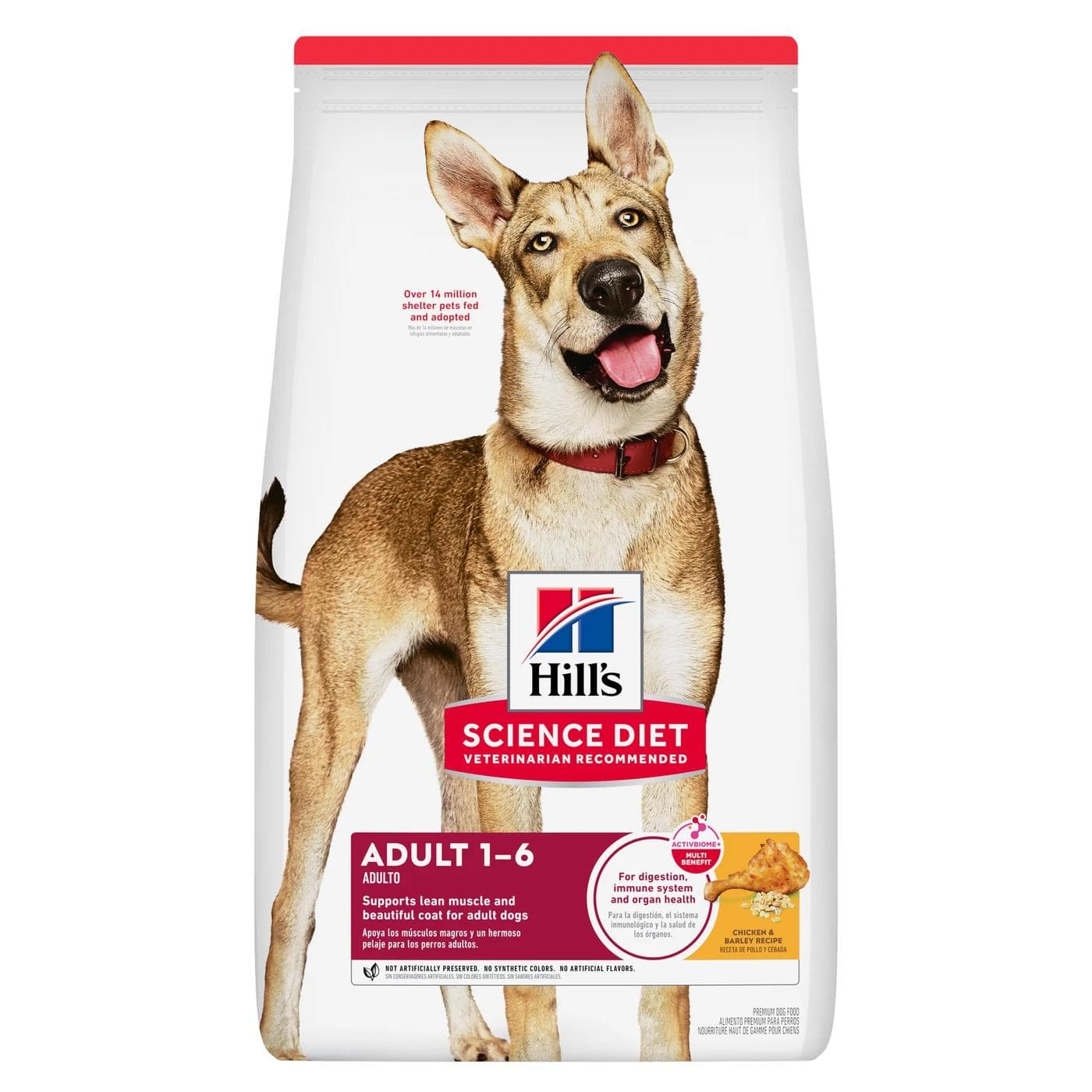
A vet-channel adult-maintenance kibble backed by AAFCO feeding trials. Leaner protein and fat than many competitors at a comparable price.
Petful may earn a commission when you click through to Chewy, at no extra cost to you.
Hill's Science Diet Adult Chicken & Barley is one grain-inclusive adult maintenance option. It may fit a healthy adult whose calorie needs and ingredient tolerance align, but it is not a prescription diet and cannot be assumed to resolve itch, stool changes, or weight problems.
Start with life stage and complete nutrition
Puppies need a food labeled complete and balanced for growth, while adults need maintenance nutrition unless a veterinarian specifies another life stage or therapeutic plan. Senior on the package is not a legally uniform nutrient profile, so compare the actual nutritional adequacy statement and calories.
For a Chow Chow puppy, ask the veterinarian whether the expected adult size calls for a large-breed growth formulation. Controlled growth and appropriate calcium balance matter more than pushing rapid weight gain.
Confirm the adequacy statement before ingredients
Read the nutritional adequacy statement, not just the front-panel ingredient story. “All life stages” includes growth requirements and may be more calorie dense than an adult maintenance food. A complementary topper or treat is not a complete diet unless the label says so.
Wellness Complete Health Chicken & Oatmeal is another grain-inclusive adult formula. It should be compared by calories, nutrient adequacy, current manufacturer information, and the individual Chow's response, not by brand familiarity alone.
Build a one-page checkpoint for each life-stage change: exact formula, adequacy statement, calories per cup or can, measured daily amount, body condition, and veterinary goal. Revisit it after spay or neuter, a major activity change, pregnancy, illness, or entry into the senior years. Those events can change calorie needs without changing the breed label.
What breed-specific marketing can and cannot do
A Chow image or breed name on a bag may reflect kibble shape, calorie density, or marketing position, but it does not automatically mean the formula is nutritionally superior for every Chow. Check the adequacy statement and full product information just as you would for a general adult or puppy food.
Breed tendencies can prompt useful questions about calories, skin, joints, or kibble handling. They do not create a unique nutrient requirement that overrides life stage, disease, and individual response.
Do not choose food because it promises a lion-like coat, calm temperament, or a precise adult size. Nutrition supports normal physiology, but product language cannot guarantee appearance or behavior.
Calories, portions and body condition

Feeding guides are starting estimates. Measure food by weight when practical because cups vary. Record treats, chews, table food, and food used in training, since “extras” can undermine an otherwise appropriate portion.
There is no universal answer to how much to feed Chow Chow dogs. Calories per unit, life stage, body condition, activity, treats, health, and weight trend all change the amount.
Convert the feeding guide into a measured trial
The AVMA healthy-weight guidance emphasizes body condition. Under a Chow's dense coat, ribs should generally be palpable with an appropriate waist and abdominal contour for the individual.
Review the plan when weight trends up or down over several measurements. Sudden change, muscle loss, ravenous appetite, vomiting, diarrhea, increased thirst, or reduced appetite needs veterinary assessment rather than a calculator-only adjustment.
Choose a starting daily amount from the food's current calorie information, divide it among meals and training, then reassess weight and body condition on a consistent schedule. Adjust gradually unless the veterinarian identifies a medical reason for a different plan. This approach works across brands because it follows intake and outcome, not cup volume alone.
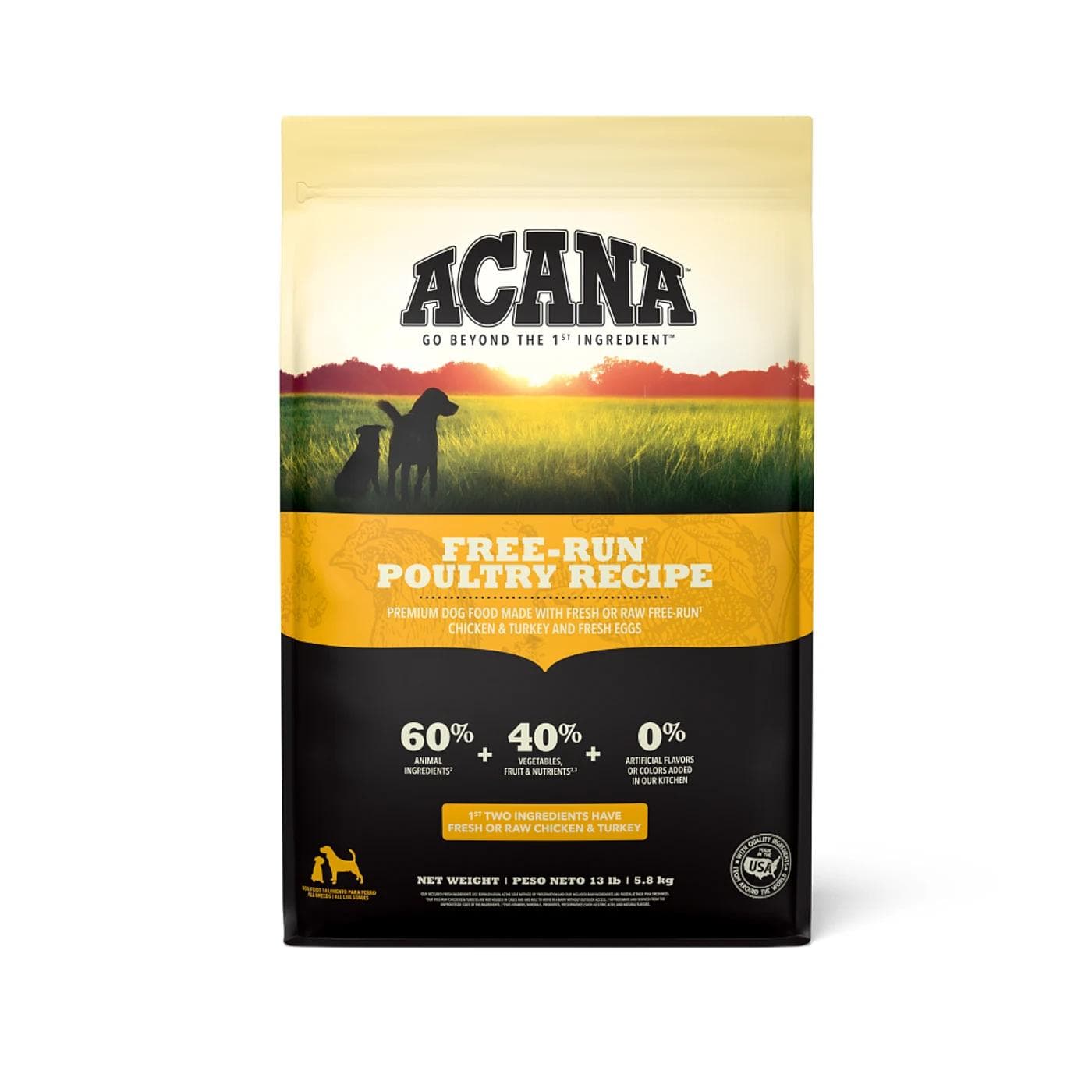
Named chicken, turkey, and chicken meal lead a 60% animal-ingredient recipe from the same Kentucky kitchen as ORIJEN, at a friendlier price. The legume-forward grain-free deck is the trade-off to know about.
Petful may earn a commission when you click through to Chewy, at no extra cost to you.
VICTOR Hi-Pro Plus 30/20 is a calorie-dense, high-protein and high-fat formula that may suit some very active dogs. It is not a default for a typical Chow and may make portion control harder for a sedentary, neutered, senior, or weight-prone individual.
Skin, coat and food-reaction questions

Itch does not automatically mean food allergy. Fleas, environmental allergy, infection, contact irritation, grooming damage, and endocrine disease can produce overlapping signs. Repeatedly switching among over-the-counter foods can blur the history.
Chow Chow food allergies and Chow Chow itchy skin food searches cannot identify a trigger. A controlled veterinarian-directed diet trial is different from random retail food changes.
- Do not diagnose a food allergy from breed, coat color, an ingredient list, or an online quiz. A veterinarian may recommend a controlled elimination diet using a therapeutic novel-protein or hydrolyzed formula. Use documented evidence and professional guidance because unplanned treats and flavored products can invalidate that trial.
Bring a complete diet history that includes every food, treat, chew, supplement, and flavored medication. Record itch location, season, stool, ear signs, skin infection, and response to treatment. That documented record supports a professional finding.
WebVet's overview of skin issues in dogs helps separate food questions from flea and environmental patterns. It cannot diagnose the Chow online, but it can help owners build a more complete symptom timeline before the appointment.
ACANA Free Run Poultry Grain-Free contains poultry and is grain-free. It is therefore not a solution for a dog being evaluated for poultry reaction, and grain-free status does not make it hypoallergenic.
Joint support without marketing shortcuts
Chows can have orthopedic risks, but a food package cannot diagnose hip, elbow, knee, or spinal disease. The first nutrition goal is appropriate body condition because excess weight increases joint load.
A large breed dog food may be relevant during growth or for a particular calorie profile, but the label does not make it therapeutic or automatically right for every Chow.
Ingredients such as glucosamine, chondroitin, omega-3 fatty acids, or added nutrients may appear on labels, but the amount, evidence, and relevance vary. Ask the manufacturer for nutrient data and ask the veterinarian whether a therapeutic diet or separate supplement is appropriate.
Judge joint support in the right order
First confirm an appropriate body condition, then document the dog's gait, willingness to rise, and activity tolerance. Next, obtain a diagnosis for pain or lameness. Only after that should a nutrient claim, therapeutic diet, or supplement be evaluated against the clinical goal. This sequence prevents a marketing ingredient from delaying orthopedic care.
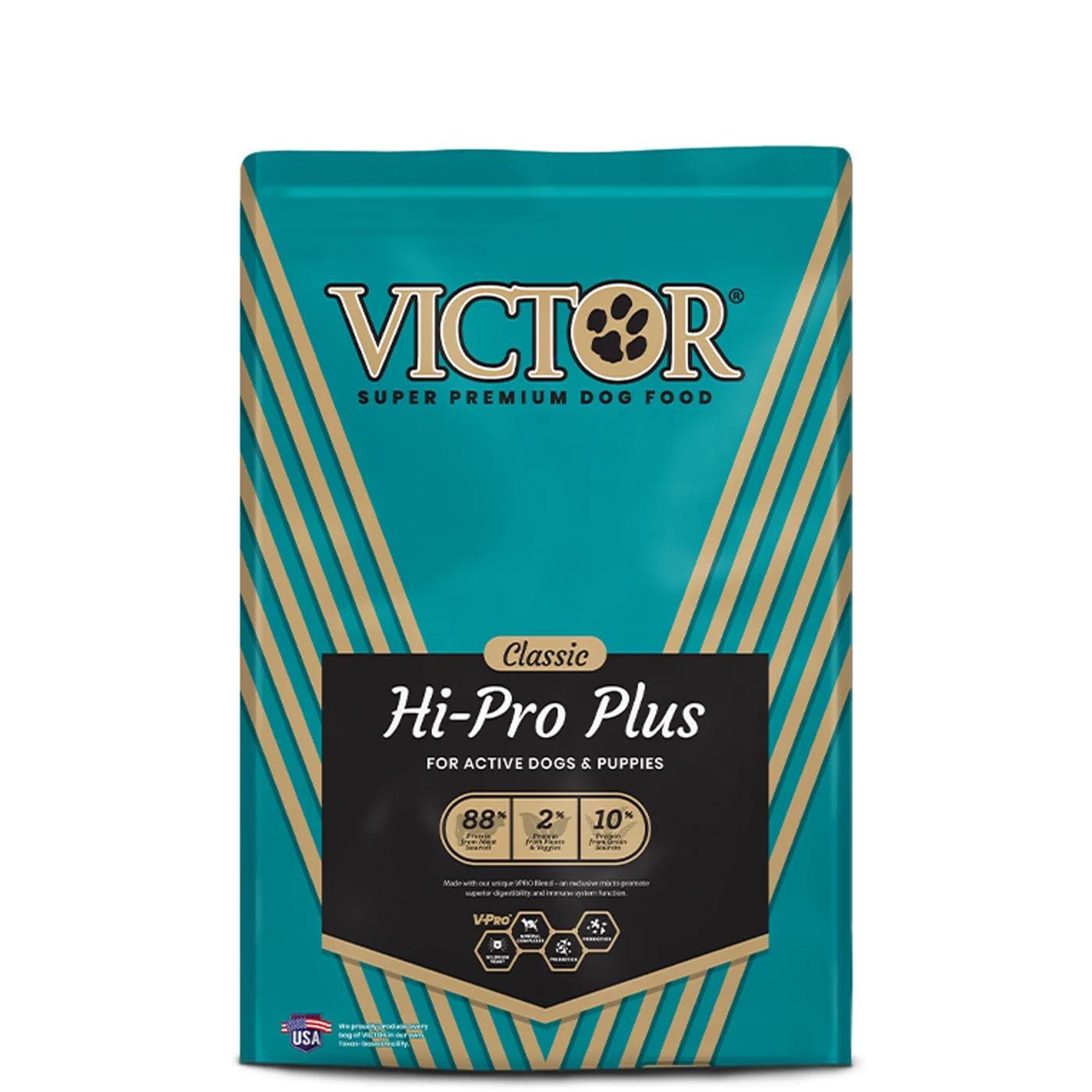
A 30/20 performance formula from a single Texas plant at an unbeatable price per pound. Built for genuinely active and sporting dogs, not couch companions.
Petful may earn a commission when you click through to Chewy, at no extra cost to you.
Wellness Complete Health Chicken & Oatmeal may fit an adult that tolerates chicken and grains, but a general maintenance diet cannot treat a limp. Hill's Science Diet Adult Chicken & Barley is also a maintenance food, not the same as a veterinary therapeutic joint or weight formula.
Pain, stiffness, limping, difficulty rising, or reduced willingness to walk warrants veterinary assessment. Do not reduce all activity, add supplements, or change diets indefinitely without understanding the cause.
How to compare labels and manufacturers

Ingredient lists are ordered by pre-cooking weight and do not show ingredient quality, digestibility, or the complete nutrient profile. A named meat first does not by itself prove a food is better, and by-products are not inherently nutritionally poor.
Ask the manufacturer:
- Who formulates the diet and what are their qualifications?
- Does the company own the plant or use a co-manufacturer?
- What finished-product testing and supplier controls are used?
- Can it provide typical nutrient analysis and calories?
- How are complaints and recalls handled?
- Is the nutritional adequacy statement clear for the intended life stage?
Compare answers in writing when possible. Purina ONE Chicken & Rice Formula High-Protein Dry Dog Food, 31.1-lb bag and Royal Canin Size Health Nutrition Medium Adult Dry Dog Food, 17-lb bag are two additional adult formulas a reader might encounter. Neither is a Chow-specific endorsement here. Verify each current adequacy statement, calories, package, manufacturer information, ingredient fit, and daily cost before choosing.
The WSAVA nutrition toolkit is a question framework, not an approval list. Compare current answers from each manufacturer rather than assuming that inclusion in an article equals endorsement.
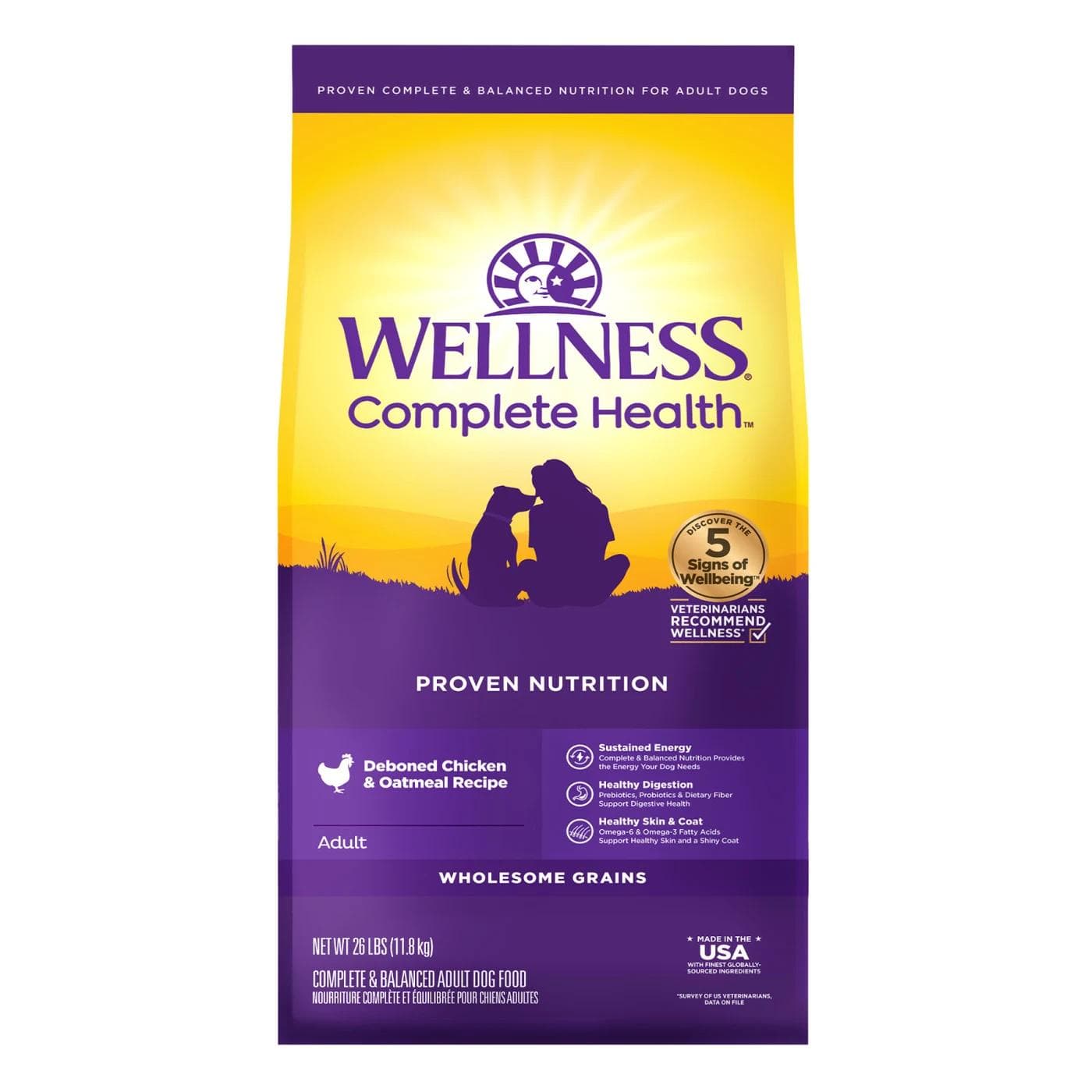
Deboned chicken and whole grains with guaranteed probiotics, taurine, and omegas. The sensible middle of the premium aisle for everyday adult dogs.
Petful may earn a commission when you click through to Chewy, at no extra cost to you.
ACANA Free Run Poultry and VICTOR Hi-Pro Plus illustrate why names are not enough. The former is grain-free and poultry-based; the latter is calorie dense. Verify current labels and decide with the dog's actual needs, not a ranking badge.
Dry, wet, fresh and mixed feeding
Dry, canned, fresh, and mixed feeding can all work when the complete diet fits the life stage and daily calories. Dry food is convenient to measure and store. Wet food can add moisture and texture but may cost more per calorie. Fresh refrigerated or shelf-stable formats require careful handling and label review.
Mixing formats is not automatically more nutritious. Calculate the combined calories and ensure that toppers do not displace so much complete food that the diet becomes unbalanced.
For a dog with dental disease, swallowing difficulty, kidney disease, pancreatitis, or another medical problem, texture and nutrient decisions need veterinary direction. Do not infer a prescription from breed alone.
Compare formats by the household's real constraints
JustFoodForDogs JustFresh Fresh Dog Food is one fresh format that requires current label, storage, calorie, life-stage, and cost review. Wellness Protein Bowls Adult Wholesome Grains Fresh Dog Food, 6.2-oz pouch, case of 6 is a portioned pouch format for adult dogs. Neither should be added as a topper without counting its calories and checking whether it is labeled as a complete meal or supplemental feeding product. There is more on this in Petful’s guide to JustFoodForDogs review.
The best format is the one the household can purchase consistently, store safely, portion accurately, and feed within the dog's clinical plan. Convenience is a valid criterion, but it does not replace nutrient adequacy or individual tolerance.
Storage and food-safety basics
Keep dry food in its original bag inside a clean sealed container so the lot number, expiration date, and feeding information remain available. Wash the container between bags rather than pouring new food over oily crumbs. Store it in a cool, dry area away from pests.
Refrigerate opened wet food promptly according to the label and discard food left out beyond safe guidance. Handle fresh or raw animal products as potential sources of harmful bacteria. The FDA and veterinary organizations warn that raw diets can create risks for pets and people, especially children, older adults, pregnant people, and anyone immunocompromised.
Wash bowls and scoops routinely. Report a suspected food problem to the manufacturer and appropriate regulator with the product name, lot code, purchase date, symptoms, and veterinary records. Save a small labeled sample only if a veterinarian or regulator advises it.
Treats, toppers, and training calories
Treats are useful for training and enrichment, but they still count. Keep extras to a modest share of daily calories unless a veterinary nutrition professional has formulated the whole plan. Use part of the measured meal for training when that works for the dog.
Toppers can improve palatability, yet a large quantity may unbalance the diet or teach the dog to wait for additions. If appetite suddenly declines, do not keep escalating toppers without checking for pain, nausea, dental disease, or another medical cause.
Chews vary in calories and hardness. A chew that is too hard can fracture teeth, and a large swallowed piece can obstruct. Match size and supervision to the individual dog.
Changing food safely
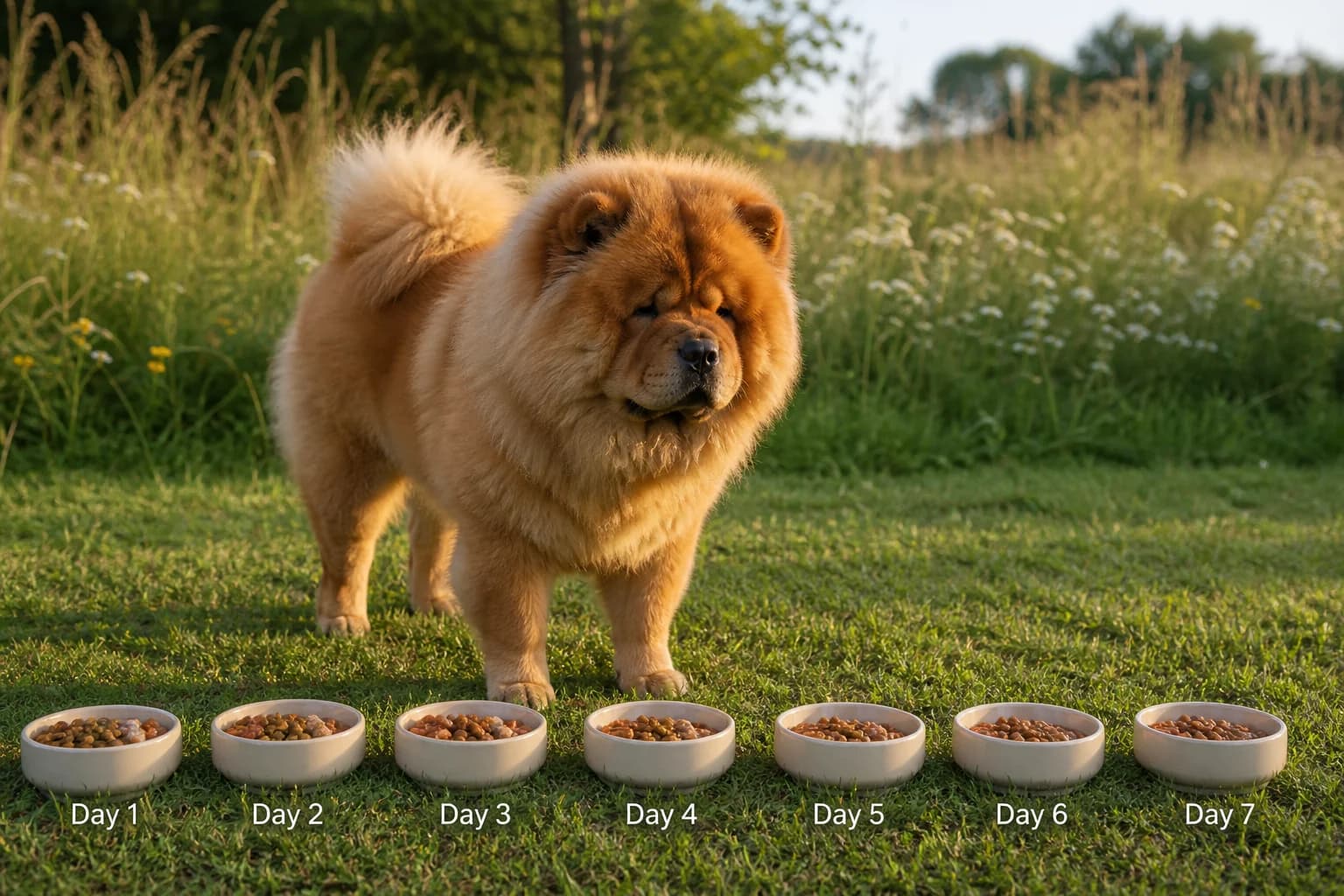
Unless a veterinarian directs otherwise, transition gradually over about a week or longer. Begin with mostly old food and a small amount of new, then increase the new portion while monitoring stool, appetite, vomiting, and comfort.
A sample progression is:
- Days 1 and 2: about 75% old, 25% new
- Days 3 and 4: about half old, half new
- Days 5 and 6: about 25% old, 75% new
- Day 7 onward: new food, if tolerated
This is not a rigid prescription. Sensitive dogs may need a slower transition, while urgent medical reasons can require a veterinarian-directed change.
WebVet's guide to transitioning dog food provides additional context for a gradual switch. Keep the old and new formula names, proportions, stool, appetite, and any vomiting in the record so a setback can be interpreted rather than guessed.
Stop and call the veterinarian for repeated vomiting, blood in stool, severe diarrhea, weakness, abdominal pain, refusal to eat, facial swelling, hives, or breathing difficulty. Facial swelling or breathing distress is an emergency.
When to involve a veterinarian
Ask for help when choosing food for growth, pregnancy, obesity, chronic itch, repeated ear disease, gastrointestinal signs, urinary disease, kidney disease, diabetes, pancreatitis, liver disease, or unexplained weight change. Prescription diets are designed for specific clinical goals and should not be substituted with a similar-sounding retail formula.
- Individual evidence supports household fit by showing whether a measured feeding plan is realistic and sustainable
- Measured portions and calorie information support body-condition tracking over time
- Manufacturer nutrient and quality-control answers make formulas easier to compare
- A veterinarian-directed therapeutic diet can target a defined clinical goal
- Documented appetite, stool, weight, and skin response can guide reassessment
- Breed name alone cannot identify the right formula for an individual Chow Chow
- Feeding guides are starting estimates and must be adjusted to the individual dog
- Marketing language does not establish nutritional adequacy, tolerance, or a medical benefit
- Therapeutic and prescription diets require diagnosis, monitoring, and professional direction
- Internet advice should not replace or modify a veterinarian-directed plan
Do not wait for a diet change to fix a painful, lethargic, vomiting, rapidly losing, or breathing-impaired dog. Food is one part of care, not emergency treatment.
Run a controlled food trial only for a defined goal
If the veterinarian recommends a diet trial, clarify the goal, exact food, duration, allowed treats, flavored medications, and criteria for success. Write these down. Household members must follow the same plan for the result to be interpretable.
Track stool consistency, vomiting, appetite, itch, ears, paws, weight, and medication. Take consistent photos of visible skin areas when requested. Improvement does not prove a particular ingredient caused the problem unless the veterinarian's diagnostic process supports that conclusion.
Do not add one of the products in this article during a controlled elimination trial unless the veterinarian approves it. Even a small treat or flavored chew can introduce proteins outside the plan.
Compare cost per day and record the formula
Compare cost per day, not only bag price. Calculate how many calories the dog needs, how many calories the food provides per cup or kilogram, and how long the package lasts. A more expensive bag may have a different calorie density, while an energy-dense food can be hard to portion for a low-calorie dog.
Factor in shipping, storage, waste, and whether the household can buy the same formula consistently. Avoid frequent changes driven only by discounts if the dog is doing well.
If cost threatens access to a therapeutic diet, tell the veterinarian before substituting a retail look-alike. Record the exact product, formula, lot number, start date, measured amount, treats, weight, stool, itch, ears, appetite, and energy. Label photos and a weekly log are more useful than memory at the next visit.
Recheck recalls, formula changes, and appetite shifts
A past recall is one data point, not a complete quality score. Review what happened, whether the exact product was involved, the company's response, and current controls. Recheck calories and feeding directions when a recipe or package changes, and transition if the formula changed materially.
Sudden refusal of a familiar meal can signal spoilage, dental pain, nausea, stress, or illness. Check storage and expiration, then contact a veterinarian promptly when appetite loss accompanies vomiting, pain, weakness, abdominal swelling, breathing change, or reduced drinking.
Related Chow Chow topic owners
Chow Chow at a glance
Use the Chow Chow breed guide for broad chow chow questions, including what is chow chow and unusual wording such as mr chow chow or chow chow chow dog. That owner covers history, appearance, temperament, exercise, health, and household fit. This food page does not redefine the breed. It turns the individual dog's life stage, body condition, measured intake, activity, health, and practical feeding constraints into a nutrition decision.
Chow Chow puppy buying checklist
The Chow Chow puppy guide owns sourcing and early records. This page applies growth-stage adequacy, measured portions, and body condition after acquisition.
Chow Chow colors at a glance
The Chow Chow colors guide owns chow chow colors, black chow chow, chow chow black, and black chow chow dog searches. It explains recognized pigment, rough and smooth coats, and identity limits. Color cannot select a protein, diagnose a food reaction, or create a unique nutrient need. When skin or coat changes occur, record the signs and obtain veterinary findings before restricting ingredients.
Chow Chow price at a glance
Use the Chow Chow price and lifetime cost guide for chow chow price, chow chow cost, price for a chow chow, and price for chow chow planning. That owner covers acquisition and full lifetime categories. Food cost is narrower and should be calculated from the exact formula's calorie density, measured daily amount, package usability, storage, waste, shipping, and consistent availability rather than bag price alone.
Chow Chow mixes at a glance
The Chow Chow mixes guide owns chow chow mix, chow chow mixed, chow chow mixes, and mix chow chow questions. It explains ancestry uncertainty and variable size, coat, behavior, and health outcomes. Mixed ancestry does not prescribe a formula or guarantee ingredient tolerance. Choose food from expected adult size, life stage, current condition, activity, health, and measured response, with veterinary guidance for disease-related needs.
Why Chow Chows have blue-black tongues
The Chow Chow tongue guide owns pigment and mouth emergencies. Stable tongue color is not a food-selection criterion.
Full-grown Chow Chow size at a glance
The full-grown Chow Chow size guide owns growth and measurements. Adult size can inform a starting point, but current body and muscle condition guide portions more directly.
Are Chow Chows aggressive?
The Chow Chow temperament guide owns behavior and training. Food cannot predict or repair behavior, and sudden change warrants veterinary assessment.
Chow Chow lifespan at a glance
The Chow Chow health and lifespan guide owns disease and senior care. Nutrition supports general care but cannot promise longevity or prevent every condition.
Do Chow Chows shed?
The Chow Chow grooming guide owns shedding and coat maintenance. Normal shedding is not proof that food is failing; abnormal skin or coat findings need veterinary evaluation.
Chow Chow FAQs
The best Chow Chow dog food is complete and balanced for the dog's life stage, fits calorie and body-condition needs, comes from a manufacturer that can answer nutrition questions, and agrees with the individual. The evidence points to one clear next step: to compare the adequacy statement, calories, quality controls, and documented response with veterinary guidance rather than choose a universal brand winner.
Dog Chow is a product line, while Chow Chow dog food means food selected for a breed individual. The shared word does not establish fit or quality for a specific formula. Use the individual record to choose a clear next step: to evaluate the exact product's life-stage adequacy, calories, manufacturer information, ingredient tolerance, and the dog's body condition, health, stool, and appetite.
The best Chow Chow dog food meets life-stage requirements, supports an appropriate body and muscle condition, and is tolerated by that individual. Skin, joint, gastrointestinal, or other medical needs may change the choice. Before deciding, use this clear next step: to document intake and response, then ask a veterinarian to guide any disease-related or therapeutic diet decision.
Chow Chow dog food is formulated for dogs, not people, and should not be treated as human nutrition. The phrase “chow-chow food” can also refer to relish or a vegetable dish, which is unrelated to feeding the breed. For this household, choose a practical clear next step: to keep canine and human search intent separate and follow the dog's labeled feeding and safety directions.
A sound Chow Chow dog food choice starts with complete-and-balanced life-stage nutrition, then compares calories, formulation expertise, quality control, feeding practicality, and the individual dog's documented response. At that point, take this clear next step: to measure portions, track weight, stool, skin, appetite, and energy, and review concerning changes or medical needs with a veterinarian.
The amount of Chow Chow dog food depends on calories per cup or kilogram, age, current and target body condition, activity, neuter status, treats, and health. A bag chart is only a starting estimate. When uncertainty remains, choose the safest clear next step: measured feeding, repeated weight and condition checks, and gradual veterinary-guided adjustment rather than feeding toward a breed-average number.
Chow Chow dog food for a puppy should be complete and balanced for growth and appropriate to expected adult size. Rapid growth is not the goal, and unplanned supplements can disrupt nutrient balance. The decision framework leads to a clear next step: to ask the veterinarian about large-breed growth needs, monitor the puppy's curve and condition, and use the exact adequacy statement.
No. Chow Chow dog food does not need to be grain-free simply because of breed, and most dogs have no medical reason to avoid grains. Grain-free also does not mean hypoallergenic. After reviewing the evidence, keep the clear next step specific: to choose from complete diets using current veterinary and manufacturer evidence, with ingredient restriction only for a specific professionally guided reason.
Do not select Chow Chow dog food for itch until a veterinarian evaluates parasites, infection, environmental allergy, grooming irritation, endocrine disease, and food reaction. If food allergy is suspected, a controlled therapeutic elimination trial may be recommended. The dog's current record supports this clear next step: an exact diet history and strict veterinarian-directed trial, not repeated random retail switches.
Transition Chow Chow dog food gradually over about a week or longer unless a veterinarian directs otherwise, increasing the new portion while monitoring stool, appetite, vomiting, and skin. A durable plan begins with one clear next step: to slow or stop the change and call a veterinarian for persistent digestive signs, refusal to eat, weakness, pain, swelling, or breathing difficulty.

Coreen Saito is a pet writer and longtime shelter volunteer with more than a decade in animal rescue. She covers cat behavior, breed care, and the small, ordinary science of sharing a life with companion animals, with a particular focus on honest takes about the products and decisions that actually matter. At home in Arizona, she's outranked by Mac (a dog with the loudest opinion in the house), Rebel (a cat who governs by quiet authority), and Meri (an orange tabby who runs the late shift and the laundry basket). She writes about all three, plus the rescues that keep coming through her life, at LifeWithMinty.com.
Sign up for expert-backed reviews and safety alerts all in one place.