Chow Chow Colors: Black, Blue, Red, Cream and Cinnamon
See the five standard Chow Chow colors in realistic terms, from red and black to blue, cream, and cinnamon. Learn rough versus smooth coats, rare-color red flags, grooming considerations, and why appearance never proves ancestry or health.
Petful is reader supported. As an affiliate of platforms like Amazon and Chewy, we may earn a commission when you buy through links on this page. There is no extra cost to you.
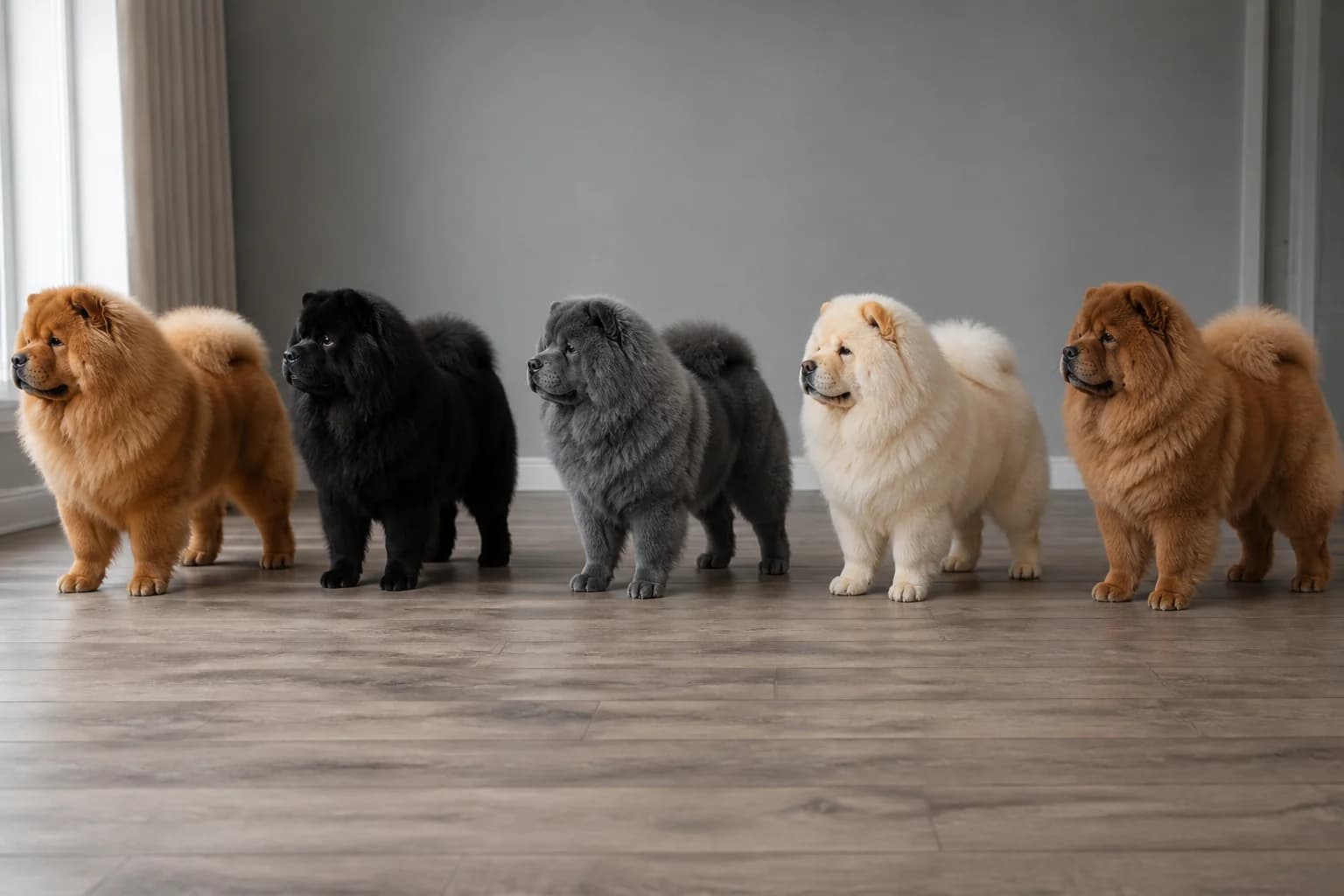
The five standard chow chow colors are red, black, blue, cream, and cinnamon. Each can appear on a rough or smooth coat, and normal shading can make two dogs of the same registered color look surprisingly different.
This guide to chow chow colors helps you recognize those ranges without treating a photograph, seller label, or unusual shade as proof of pedigree, health, or value. Color is one visible trait. Records and the individual dog matter more.

Sign up for expert-backed reviews and safety alerts all in one place.
Chow Chow colors at a glance
Chow Chow colors include red, black, blue, cream, and cinnamon. Rough and smooth coats can occur in the same color, while lighting, undercoat, age, and sun exposure affect appearance. Individual dogs vary, and color never guarantees ancestry, health, or temperament.
The Chow Chow Club, American Kennel Club breed profile, and Royal Kennel Club breed standard describe the recognized colors and overall breed type. Their terminology is more reliable than marketplace phrases such as “ultra rare,” “platinum,” or “panda.”
| Red | Light golden red through deep mahogany | Even tone, normal shading, coat texture |
|---|---|---|
| Black | Deep black, sometimes with weathering or lighter undercoat | Skin comfort, true coat texture, no dye residue |
| Blue | Slate gray or diluted black | Neutral-light photos, documented color, skin and coat condition |
| Cream | Pale cream with possible biscuit shading at ears | Avoid assuming every pale dog is pure white |
| Cinnamon | Warm fawn to sandy red-brown | Compare in daylight and verify records |
This article-specific evidence ladder for Chow Chow colors separates population tendencies, individual observations, documented records, and professional findings. It is a concrete decision framework: a practical comparison of what visible color can answer and which records to verify, not a generic fact list. Breed tendencies describe populations, not every individual dog. Records, direct observation and professional findings answer different questions. The page gives the reader a concrete decision framework rather than a generic fact list.
Breed tendencies describe populations, not every individual dog. Records, direct observation and professional findings answer different questions.
Use an evidence ladder when a color claim affects buying, breeding, or medical decisions:
- Population tendency: A breed standard describes accepted colors across many dogs.
- Individual observation: A neutral-light photo shows what one coat looks like today.
- Documented record: Registration, parentage, and veterinary records support identity and care history.
- Professional finding: A veterinarian or qualified genetic professional evaluates health or testing questions.
That framework matters for black and blue Chow price claims. A higher asking price or “rare” label is seller wording, not proof of responsible breeding. The full Chow Chow profile covers temperament, care, and sourcing questions that color alone cannot answer.
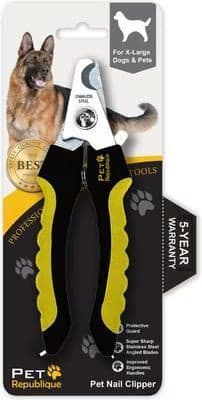
Sharp stainless-steel clippers with a built-in safety guard to help prevent over-cutting, sized for large breeds.
Petful may earn a commission when you click through to Chewy, at no extra cost to you.
Whatever the shade, dense coats need gentle maintenance. An aumuca self-cleaning slicker brush can help lift loose surface hair when used in short, light strokes, but it should not scrape skin or replace a comb-through to the coat's base.
Red Chow Chow
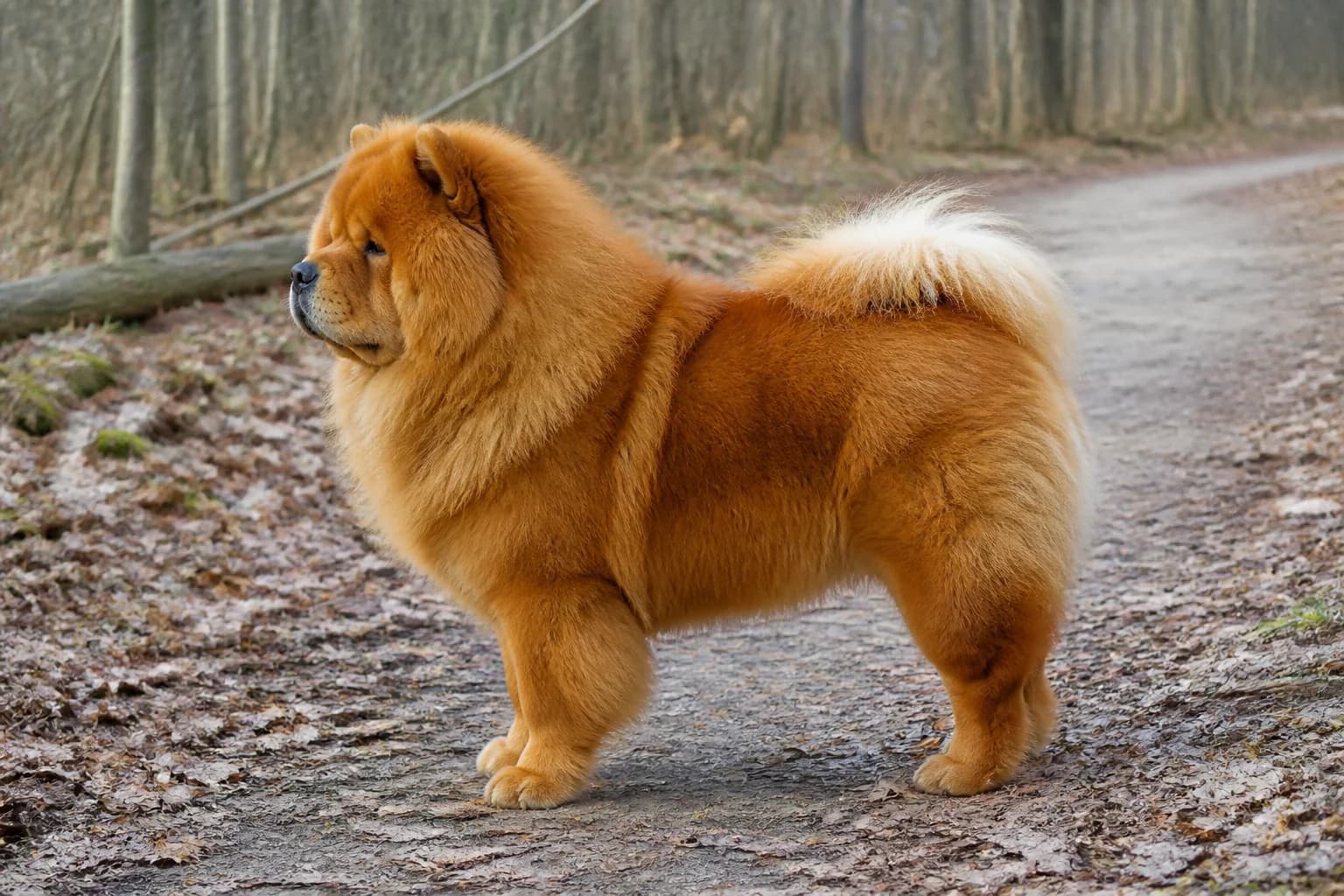
Red is the color many people picture first. It ranges from light golden or orange-red to deep mahogany Chow Chow coats. Shading may be lighter on the tail, ruff, breeches, and underparts.
A light red Chow Chow is not necessarily cinnamon, and a mahogany Chow Chow is not a separate breed. Color names describe a range, while coat texture and lighting influence what a camera captures. Compare several daylight views before drawing a conclusion.
Read red as a range, not a sales grade
Photograph the same dog in open shade, full side view, and close coat detail. Note lighter ruff, tail, breeches, and underparts rather than calling every tonal difference a new color. Puppy fluff, seasonal undercoat, and sun exposure can alter depth without changing the registered color.
Coat condition is a separate question
Red coats can fade from sun exposure or look dull when hair is dirty, damaged, or packed with loose undercoat. A color change does not diagnose disease, but itching, odor, sores, hair loss, or repeated licking deserves veterinary attention.
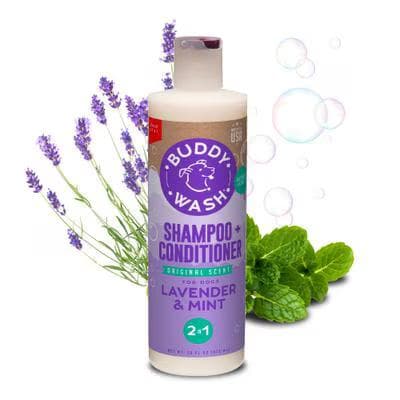
A mild product such as Buddy Wash Lavender & Mint shampoo and conditioner may suit some healthy adult dogs for routine bathing. Fragrance can bother sensitive skin, so use only as directed and ask a veterinarian before using it on inflamed or medically treated skin.
The Four Paws Magic Coat Professional Series All-In-One Wet & Dry Dog Glove & Curry Brush can lift loose surface hair during a gentle dry session or bath, but it will not reach every part of a dense undercoat or safely remove a tight mat.
Black Chow Chow
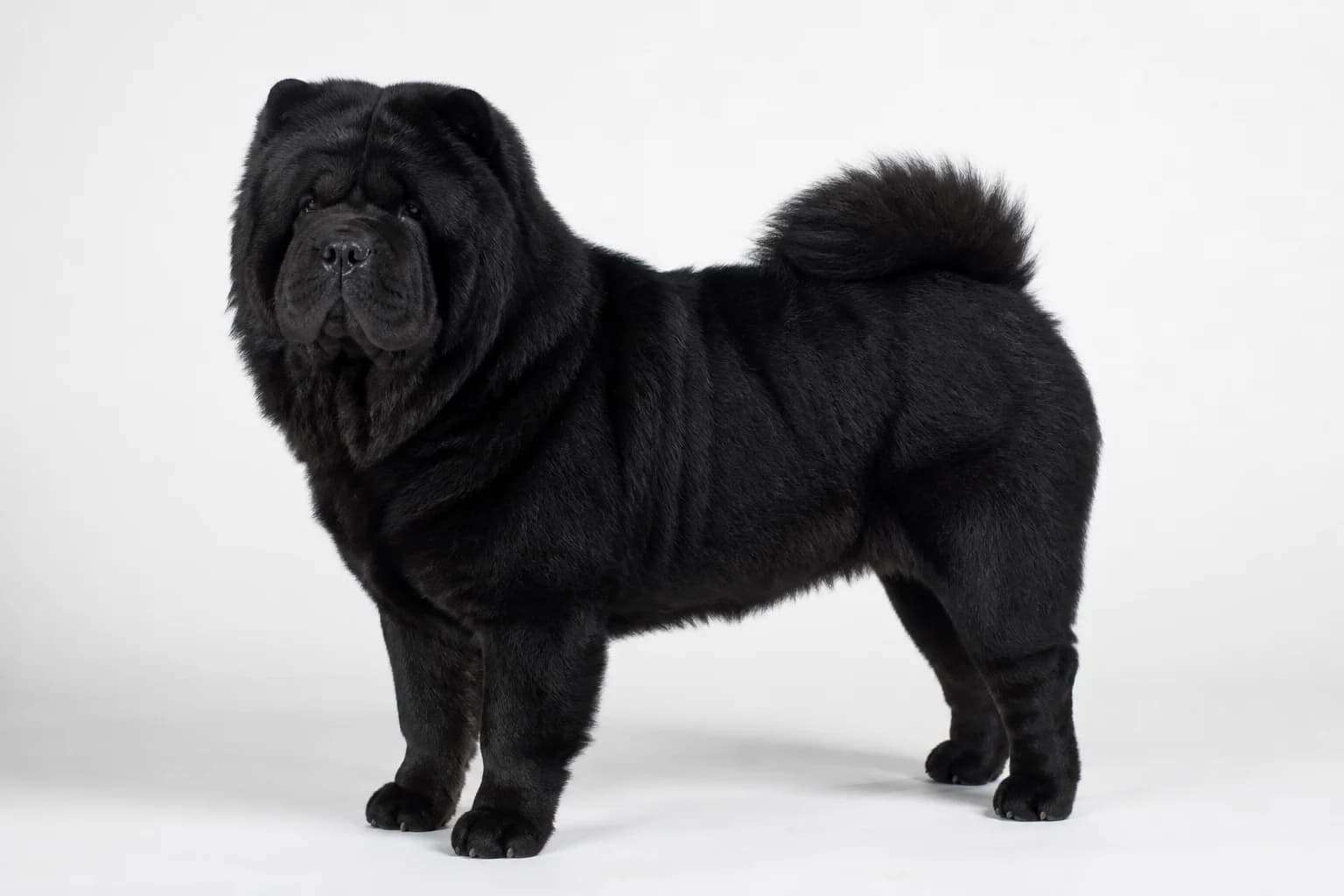
A black Chow Chow may appear ink-black indoors and show brownish or rusty weathering in strong sun. A softer undercoat can also look lighter when the hair parts. Those effects do not automatically change the registered color.
Search phrases such as black Chow Chow puppy, black Chow Chow dog, or “black Chow Chow big” often mix appearance, age, and size. A black puppy still needs the same documented health screening, socialization plan, and individual assessment as any other Chow. Color does not make the dog calmer, larger, or healthier.
Treat visible debris as an observation
Black coats make flakes and pale debris easy to see, but appearance alone cannot distinguish dry skin, parasites, infection, or allergy. WebVet's guide to skin issues in dogs explains why history and examination matter when itch is involved.
Inspect a black coat by parting the hair in several locations rather than treating visible flakes as the diagnosis. Earth Rated Thick Hypoallergenic 3-in-1 Dog Grooming Wipes, Unscented, 100 count can remove a small surface mess from healthy skin, but wipes should not cover odor, sores, moisture, or persistent itch that needs veterinary assessment.
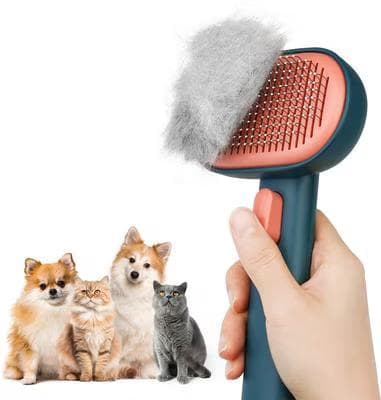
Petful may earn a commission when you click through to Chewy, at no extra cost to you.
For loose undercoat, a Frisco medium-to-long-hair deshedding brush may be useful in careful sessions. Stop if it catches, pulls, or reddens skin. It is not a mat cutter, and repeated hard passes can damage coat and skin.
Blue Chow Chow
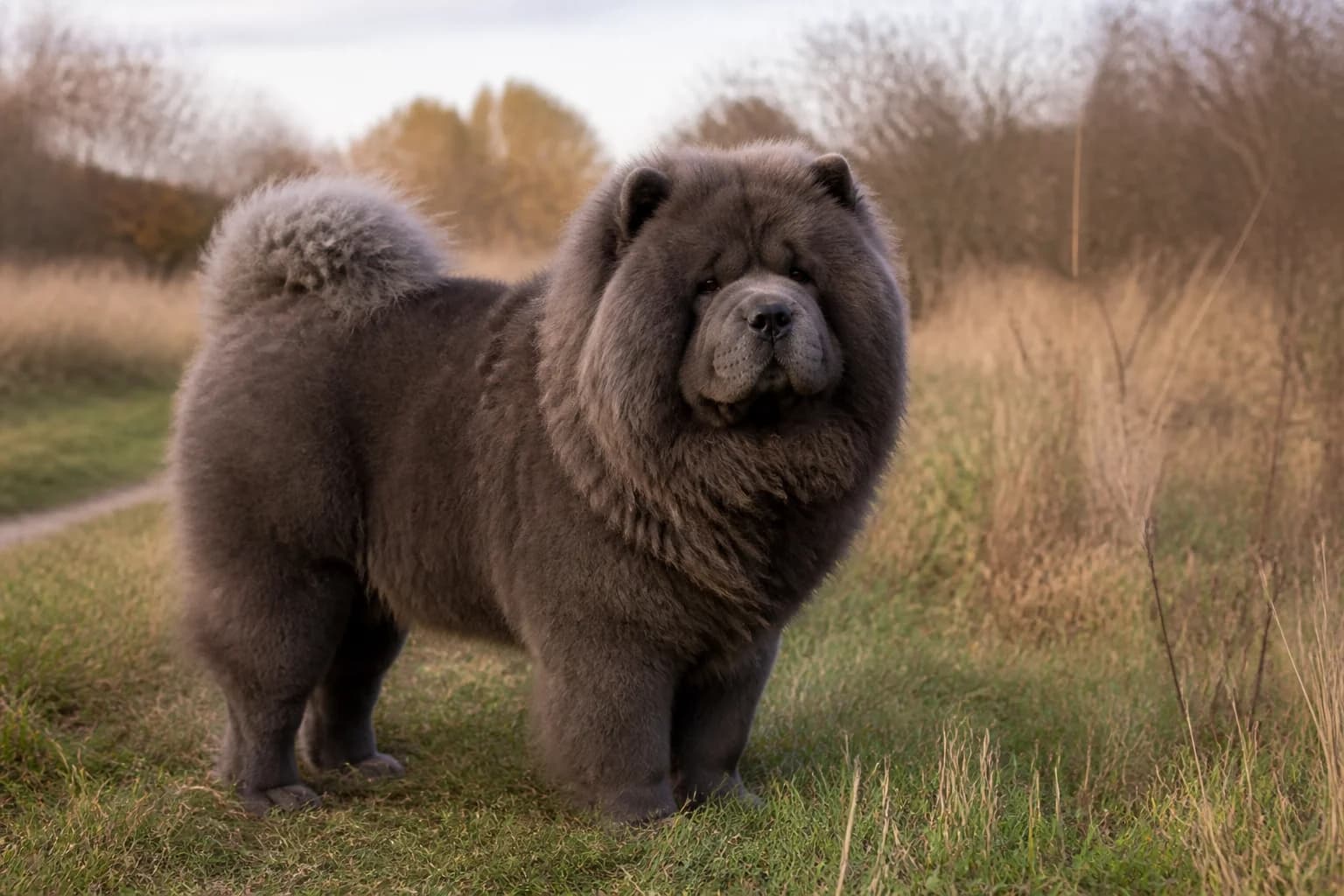
A blue Chow Chow is a diluted black. The visible coat can range from steel or charcoal gray to a softer slate tone, often with matching pigment around the nose and eye rims. “Blue” does not mean a bright or artificial blue.
The phrase dilute Chow Chow refers to this pigment description, not a separate breed or evidence of health, ancestry, or value.
Photographs are especially unreliable here. Warm indoor light may make a blue coat look brown, while editing can exaggerate a cool gray. Ask for unfiltered photos in neutral daylight and verify the dog's documented record rather than paying a premium based on one dramatic image.
Check pigment in more than the coat
When documenting a blue Chow, note the visible coat, nose, eye rims, and any normal shading under the same neutral light. This does not create a genetic diagnosis. It simply prevents one filtered photograph from carrying the whole claim. Registration or parentage answers identity questions, while skin comfort and coat integrity remain separate health observations.
For routine bathing of a healthy coat, TropiClean Luxury 2-in-1 Papaya & Coconut Dog Shampoo & Conditioner, 20-fl oz bottle is one exact library option. Fragrance and ingredients will not suit every dog, and no shampoo proves color or treats unexplained hair loss, sores, or chronic itch.
- Ask for the same parent health records, veterinary history, living conditions, and temperament evidence you would request for any Chow. Use documented evidence and professional guidance for skin loss, sores, chronic itch, or other symptoms instead of assuming they are “normal for blue dogs.”
If regular nail handling is part of the care plan, the Pet Republique large-breed nail clipper includes a guard, but a guard cannot identify the quick or prevent every injury. Use only if the tool fits the nail and the dog is comfortable; otherwise choose a groomer or veterinary professional.
Cream Chow Chow
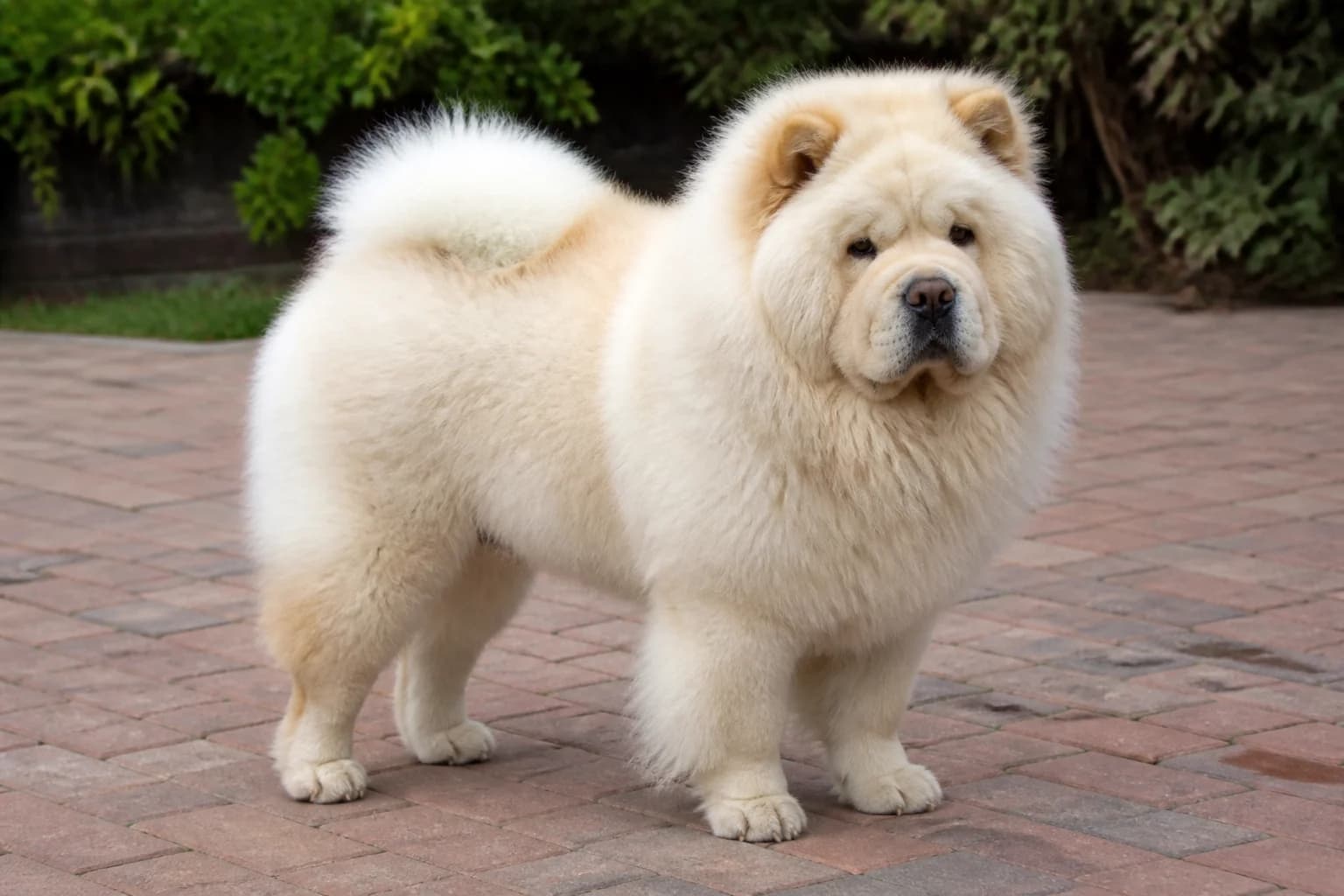
Cream Chow Chows can look nearly white in a bright photo, yet many show warm biscuit or apricot shading, especially around the ears. “White Chow Chow” is commonly used in searches and advertisements, but cream is the standard color term.
Pale coats show mud and tear staining readily. Staining is cosmetic, but persistent eye discharge, redness, squinting, odor, or skin irritation is not simply a color issue. Those signs merit veterinary review.
Clean staining without masking a symptom
The Angels' Eyes Face Eye & Paw Cleansing & Tear Stain Wipe for Dogs & Cats, 100 Count may clean superficial staining around intact skin when used as directed and kept out of the eye. It should not be used to delay care for pain, redness, swelling, cloudiness, or ongoing discharge.
Avoid whitening products, bleach, human cosmetics, and harsh shampoos. They can irritate skin and do not improve the dog's documented color or welfare.
Petful may earn a commission when you click through to Chewy, at no extra cost to you.
A Buddy Wash shampoo and conditioner can clean a healthy coat when diluted or used according to its label and rinsed completely. It will not make a cream coat “whiter,” treat dermatitis, or replace veterinary guidance for staining and itch.
Cinnamon Chow Chow
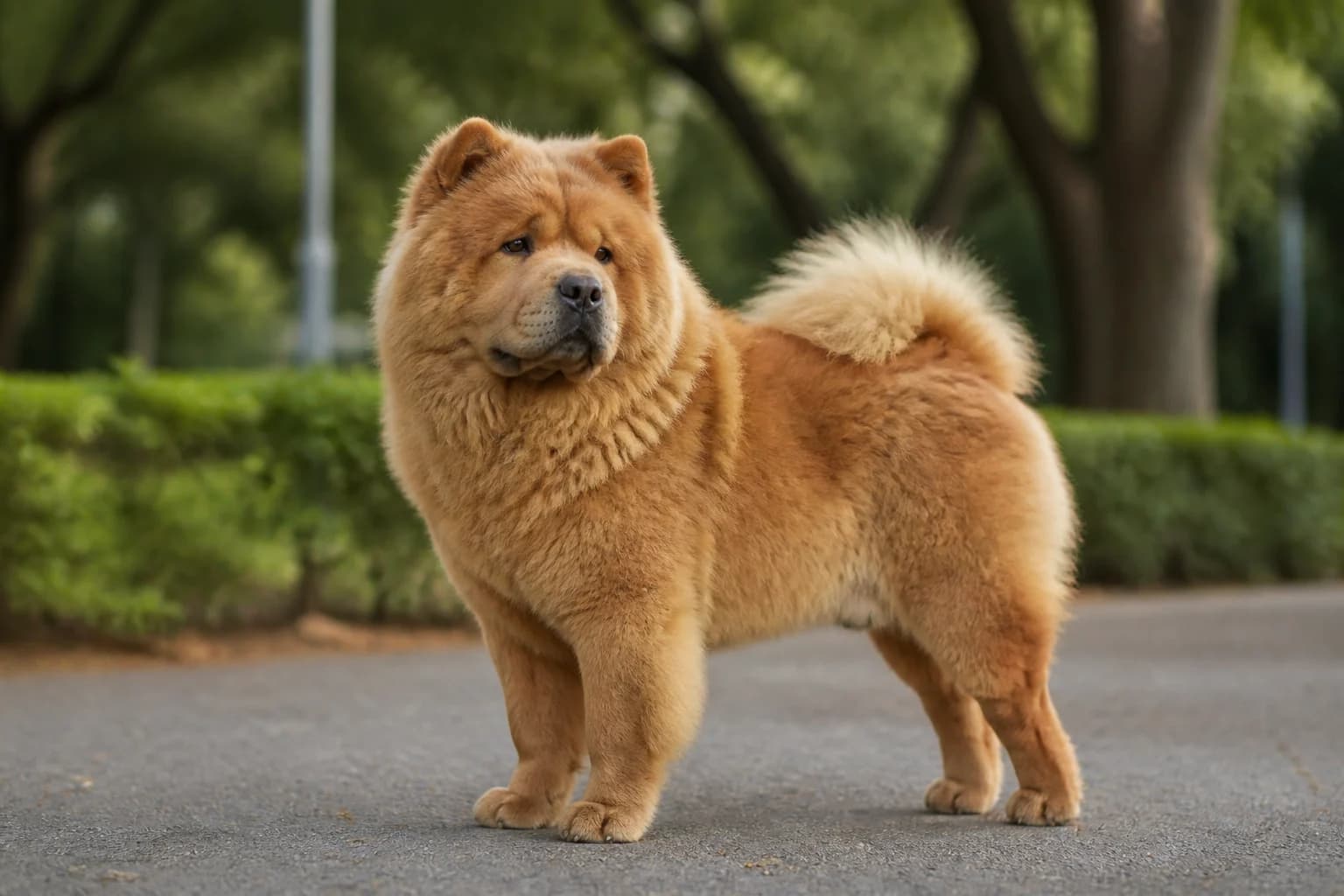
Cinnamon describes a warm fawn or sandy red-brown coat. Some dogs look softly tan, while others have a richer reddish cast. Nose and eye-rim pigment may appear lighter than on a black or red dog.
A cinnamon Chow puppy can change in tone as the adult coat replaces puppy fluff. That normal development is why one early photo cannot guarantee the precise adult shade. Evaluate the dog for health, behavior, and household fit rather than choosing on color alone.
Document cinnamon without inventing a rare label
Record whether the coat is puppy or adult, rough or smooth, sun-exposed, wet, clipped, or shedding. Compare warm fawn and sandy red-brown areas in neutral daylight. If a seller uses fawn, lilac, champagne, or another term, ask which recognized color appears on the registration record rather than assuming the marketing name is a separate variety.
When maintaining paws under a dense cinnamon coat, the Pet Republique nail clipper may fit larger nails, but black or dark nails can conceal the quick. Trim tiny amounts, stop if the dog is worried, and get hands-on instruction if you are uncertain.
Rough vs smooth coats
Rough and smooth describe texture and length, not separate colors. A rough-coat Chow has the familiar abundant outer coat, dense undercoat, mane, and feathering. A smooth-coat Chow, sometimes searched as a short hair Chow Chow, still has a dense double coat but much less feathering.
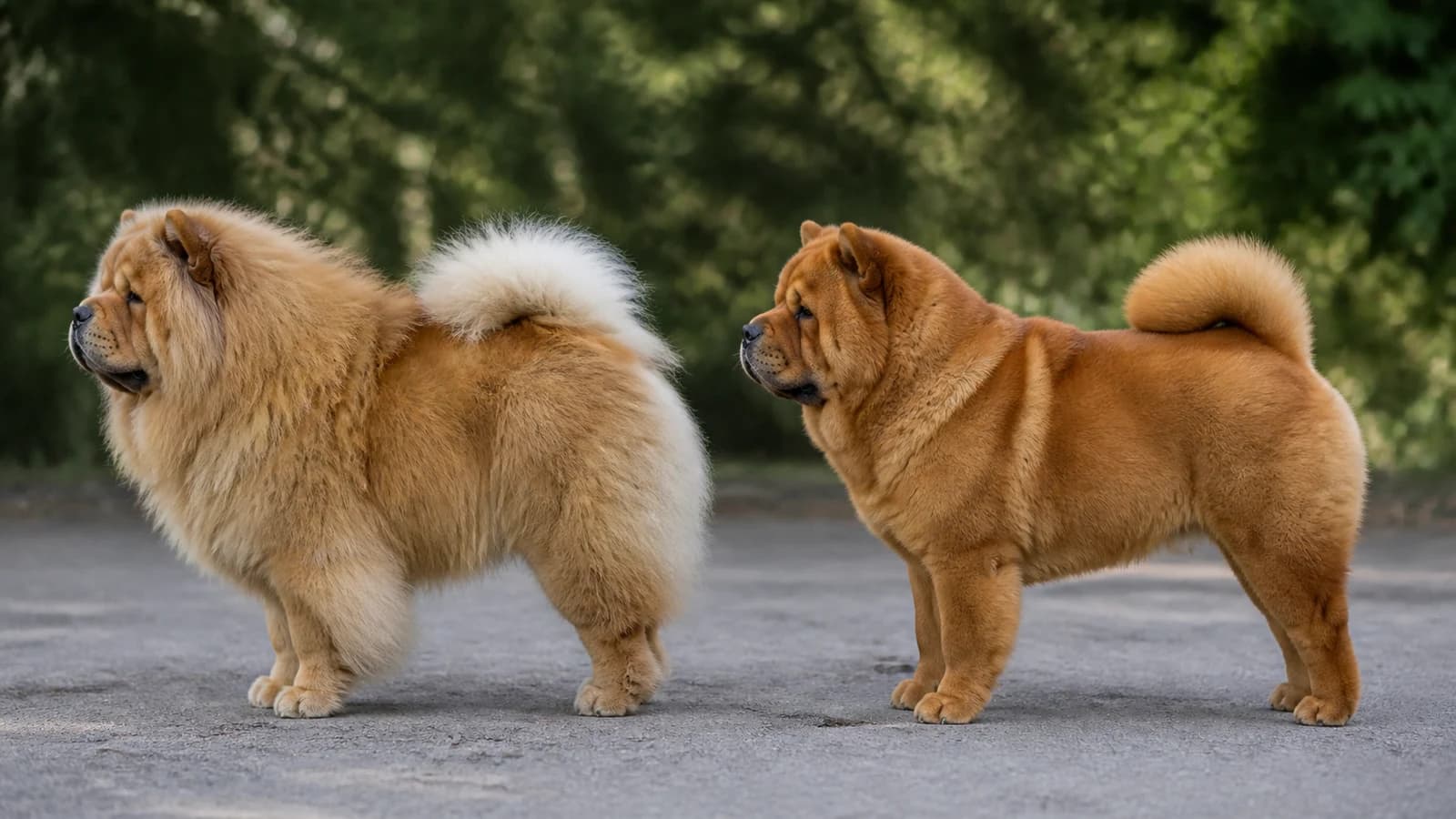
Both types shed. Neither should be selected on the assumption that smooth means low-maintenance or hypoallergenic. The smooth coat may be quicker to comb through, while the rough coat makes hidden mats easier to miss.
The care difference is practical:
- A rough coat needs section-by-section line brushing and a comb check at the base.
- A smooth coat still releases undercoat and needs skin checks through dense hair.
- Either coat can mat behind ears, beneath collars, in armpits, and around the rear.
- Neither texture changes the five recognized color categories.
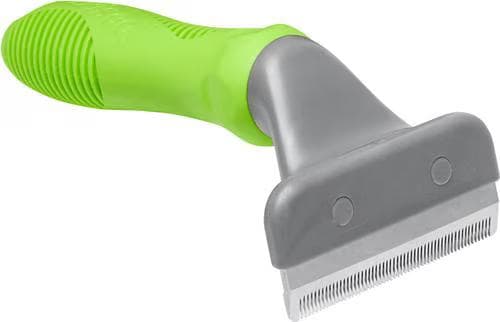
Petful may earn a commission when you click through to Chewy, at no extra cost to you.
The aumuca slicker brush can support surface brushing, while the Frisco deshedding brush is designed for loose undercoat. Neither tool should be dragged through tight mats or used until the skin is sore. Coat type, condition, and the dog's tolerance should determine the routine.
Rare-color and panda marketing claims
“Rare Chow Chow colors” can be a marketing phrase rather than a standard classification. A panda Chow Chow is not a separate recognized breed or standard color. Black-and-white panda-style patterns may be produced by dyeing or grooming a pale coat, and the label should never replace welfare and sourcing questions.
A search for Chow Chow dyed fur may surface dramatic photographs, but an altered appearance cannot prove ancestry and should prompt direct welfare and product-safety questions.
Ask direct questions before responding to a color premium:
- What standard color appears on the dog's record?
- Can the seller show unedited daylight photos and the parents?
- Are health-screening results independently verifiable?
- Where and how are the dogs raised and socialized?
- Is any coat color created or altered with dye?
Do not apply human hair dye or unapproved coloring products. Even “pet-safe” novelty products can cause licking, stress, or skin irritation, and no cosmetic effect benefits the dog.
Color, health and identity limits
Coat color is visible, but ancestry, genetic risk, temperament, and current health require different evidence. A Chow Chow DNA result may estimate ancestry or variants, depending on the test, but it cannot guarantee adult behavior or tell you that every future illness will or will not occur.
How to document a Chow's color accurately
If color must be recorded for registration, identification, rescue notes, or a veterinary file, use consistent conditions. Photograph the dog outdoors in open shade or neutral daylight, include full side and front views, and avoid filters. Save the original date and note whether the coat is puppy or adult, rough or smooth, recently clipped, sun-faded, wet, or shedding undercoat.
Compare the description with the applicable registry's current terminology. Do not invent a rare-color label to make a dog sound more marketable. If a record and visible coat appear inconsistent, ask the issuing organization what supporting documentation it accepts rather than relying on social-media votes.
Color can also change in ways that deserve a care question. Seasonal undercoat, sun exposure, age, staining, and normal puppy development can alter appearance. Localized hair loss, a greasy texture, broken coat, odor, sores, or sudden widespread change calls for a veterinarian because a photograph cannot distinguish infection, parasites, allergy, endocrine disease, or grooming injury.
Buyer checklist for color-first advertisements
When an advertisement leads with black Chow Chow price, blue Chow Chow price, or a “rare” Chow Chow black puppy, move color down the checklist. Ask for:
- The parents' registered identities and unedited current photos
- Independently verifiable health-screening records for both parents
- Veterinary records appropriate to the puppy's age
- Information about early socialization, handling, and living conditions
- A written contract, return plan, and clear total cost
- An explanation of any color term not found in the standard
A responsible source should welcome questions that are unrelated to appearance. Pressure to pay quickly, refusal to provide identifiers, multiple always-available litters, shipping before a real conversation, or guarantees about size and personality are more important red flags than the shade itself.
- What color can help with
- What color cannot prove
- Household fit can use the individual evidence in front of you
- No population tendency guarantees one outcome
- Describe one visible trait for records and identification
- Purebred status or parentage by itself
- Guide realistic grooming and photography expectations
- Temperament, trainability, or household fit
- Prompt questions about unusual seller language
- Ethical breeding or complete health screening
- Help notice a change from the dog's normal coat
- Diagnose allergy, infection, endocrine disease, or pain
The strongest decision combines a population tendency with individual observation, a documented record, and a professional finding when health is involved. That protects both buyers and dogs from color-first assumptions.
Tongue pigment is a separate trait from coat shade. The guide to the Chow Chow blue-black tongue explains why oral color should not be used to certify a coat label, ancestry, or health.
Before making a color-based decision, repeat the evidence ladder aloud: standard terminology is the population reference, the coat in neutral light is the individual observation, registration and parentage are the documented record, and veterinary or genetic interpretation is the professional finding. If one of those evidence types is missing, keep the conclusion narrow. A beautiful photo can identify a visible shade, but it cannot fill the gaps.
Related Chow Chow topic owners
This page owns coat-color identification. Use the sibling that owns the next decision:
Chow Chow at a glance
Broad chow chow, mr chow chow, and what is chow chow searches need the Chow Chow profile. That owner covers history, structure, temperament, exercise, grooming workload, and household fit. This page owns coat-color identification and documentation only. A photograph can support description, but neither color nor texture can establish the entire breed decision or reliably predict one dog's behavior.
Best dog food for Chow Chows at a glance
Chow chow food, chow chow the food, and what is chow chow food questions belong to best dog food for Chow Chows. That owner evaluates life-stage nutrition, calories, manufacturer evidence, and diet transitions. Coat shade cannot select a formula, and visible flakes or discoloration cannot diagnose a food reaction. Use veterinary findings when skin changes are persistent or painful.
Chow Chow puppy buying checklist
Chow chow puppies, buying a chow chow, and chow chow for sale searches require source verification through the Chow Chow puppy buying checklist. That owner covers parent identity, health screening, contracts, deposits, and scam red flags. A rare-color label or edited photo does not validate a seller. Verify records tied to the exact puppy before paying any claimed premium.
Chow Chow price at a glance
Chow chow price, chow chow cost, and price for a chow chow questions belong to the Chow Chow price guide. That owner separates acquisition, setup, recurring care, grooming, insurance, emergencies, and senior costs. Color alone does not determine care quality or lifetime expense, and a higher listing price does not establish responsible breeding, authentic rarity, individual health, or value.
Chow Chow mixes at a glance
A chow chow mix, chow chow mixes, or mix chow chow label cannot be verified from color or coat alone. The Chow Chow mixes guide owns ancestry uncertainty, possible trait ranges, parent records, and individual assessment. Use coat words to describe what is visible, then use pedigree, source records, or appropriately interpreted DNA evidence for ancestry questions that materially affect a decision.
Why Chow Chows have blue-black tongues
Chow chow tongue, chow chow dog tongue, and chow chow dogs tongue searches belong to the blue-black tongue guide. That owner explains normal oral pigment, puppy development, and sudden color-change emergencies. Tongue pigment is biologically distinct from coat shade. Coat evidence stays separate. Neither a dark tongue nor a particular coat color reliably proves ancestry, current health, breeding quality, or show quality.
Full-grown Chow Chow size at a glance
Chow chow size, chow chow full grown, and full grown chow chow questions belong to the full-grown Chow size guide. That owner covers adult ranges, growth tracking, body condition, and equipment measurements. Dense rough coats can exaggerate apparent size, while smooth coats reveal more outline, so always measure the individual dog directly rather than estimating frame from color photographs.
Are Chow Chows aggressive?
Questions such as are chow chow aggressive, chow chow temperament, and are chow chows aggressive belong to the Chow temperament and training guide. That owner covers body language, reserve, socialization, management, and humane training. Red, black, blue, cream, or cinnamon color alone cannot predict friendliness, guarding, trainability, sociability, family fit, or household safety in an individual dog. Evaluate behavior directly.
Chow Chow lifespan at a glance
Chow chow lifespan, chow chow life expectancy, and chow chow dog lifespan searches belong to the Chow health and lifespan guide. That owner covers screening, eyes, joints, skin, thyroid, heat, and senior care. Color and texture are not diagnoses and do not predict longevity. New hair loss, itch, sores, or pigment change needs individual veterinary context.
- Brushing, coat blow, mats, bathing, and shaving limits: Chow grooming and shedding guide.
Chow Chow FAQs
If you are asking how many colors of Chow Chows are there under the major standards used here, the answer is five: red, black, blue, cream, and cinnamon. These Chow Chow colors can occur with rough or smooth coat, and normal shade variation can make two dogs look different. For a clear next step, compare the dog in neutral daylight with the applicable standard and treat registration, parentage, health, and identity as separate evidence.
There is no stable worldwide ranking for the rarest of the Chow Chow colors because breeding populations, geography, and availability change. Rarest is often sales language, and an uncommon listing does not make a dog healthier, better bred, or more valuable. For a clear next step, verify the standard color, parent identities, breed-relevant health screening, living conditions, socialization, and contract before considering any claimed rarity premium.
There is no best color for a Chow Chow's health, temperament, companionship, show value, or household fit. Chow Chow colors describe visible pigment and cannot predict behavior or future disease in one dog. For a clear next step, assess welfare, verifiable parent records, handling comfort, veterinary findings, social history, and observed temperament instead of ranking red, black, blue, cream, or cinnamon.
To know if a Chow Chow is purebred, do not rely on Chow Chow colors or appearance alone. Reliable registration, documented pedigree, and verifiable parentage are stronger evidence, while commercial DNA estimates have limits and may not satisfy a registry or insurer. For a clear next step, ask which records the actual decision-maker accepts, verify those records directly, and keep photographs as visual descriptions rather than identity documentation, pedigree proof, or health evidence.
The colors Chow Chows can be under the standards used here are red, black, blue, cream, and cinnamon. These Chow Chow colors vary with coat texture, undercoat, age, sunlight, camera settings, and display color, so a photograph may not match the coat seen in person. For a clear next step, view the dog in neutral daylight, identify rough or smooth coat, compare the shade with the applicable standard, and reject seller-created rarity labels as proof.
Chow Chows advertised as white are generally described as cream under the standards used here, and some show biscuit shading around the ears or other areas. Bright exposure and editing can make a cream coat appear paper-white. For a clear next step, request unfiltered photographs in neutral daylight, inspect the coat in person when possible, and compare the documented color with current Chow Chow colors terminology rather than a marketplace label.
A blue Chow Chow has diluted black pigment that generally appears steel gray, charcoal, or slate rather than bright blue. Blue is one of the recognized Chow Chow colors, but the label alone does not establish parentage, health, temperament, or value. For a clear next step, verify registration and parent records independently, assess welfare and screening, and apply the same sourcing standards used for every other shade.
Panda Chow Chows are not a separate breed or a recognized entry among standard Chow Chow colors. The phrase may describe dyeing, grooming, image manipulation, or a nonstandard pattern, and a dramatic image cannot establish ancestry. For a clear next step, ask whether the coat was altered, protect the dog's welfare, verify parentage and registration directly, and do not pay a premium based only on the visual claim.
Chow Chow color does not predict temperament. Behavior reflects many genes, early development, learning, health, environment, handling, and individual history, none of which can be read from Chow Chow colors. For a clear next step, observe body language and recovery in relevant settings, review documented behavior, and seek veterinary or qualified behavior help when pain, sudden change, aggression, fear, or safety concerns are present.

Coreen Saito is a pet writer and longtime shelter volunteer with more than a decade in animal rescue. She covers cat behavior, breed care, and the small, ordinary science of sharing a life with companion animals, with a particular focus on honest takes about the products and decisions that actually matter. At home in Arizona, she's outranked by Mac (a dog with the loudest opinion in the house), Rebel (a cat who governs by quiet authority), and Meri (an orange tabby who runs the late shift and the laundry basket). She writes about all three, plus the rescues that keep coming through her life, at LifeWithMinty.com.
Sign up for expert-backed reviews and safety alerts all in one place.