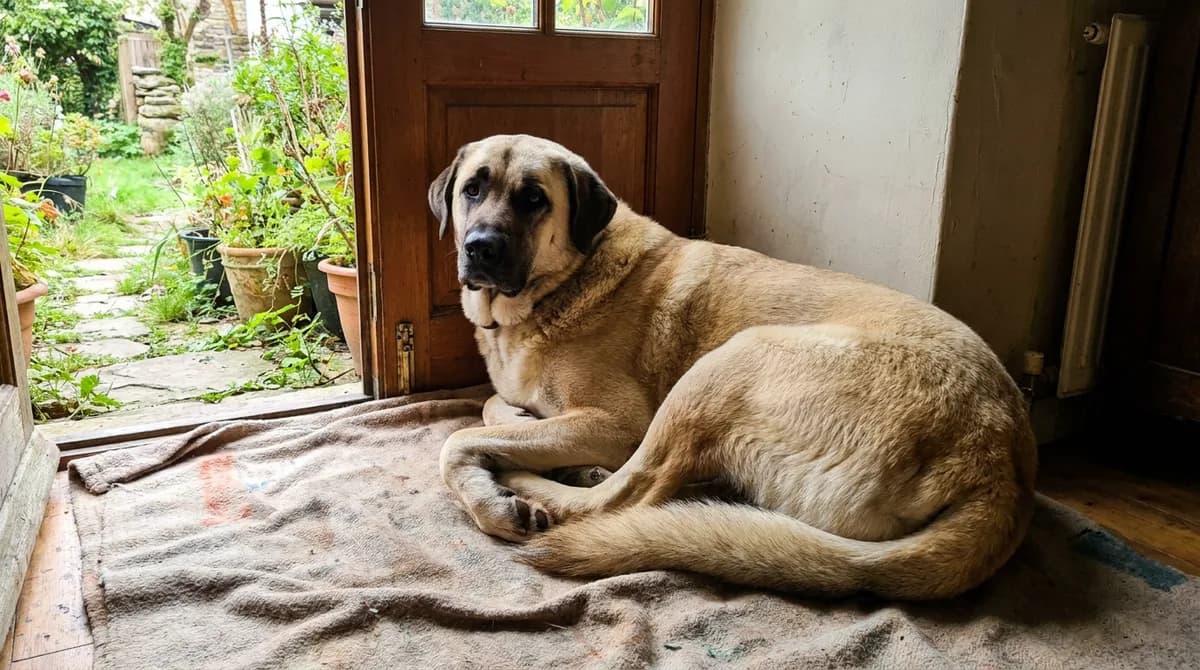
Chow Chow Life Expectancy and Health Issues
Chow Chow life expectancy is often estimated at 8 to 12 years, but every dog differs. Learn recognized eye, joint, skin, thyroid, and heat risks, which screening records matter, and the signs that need prompt or emergency veterinary care.

BVMS, MRCVS
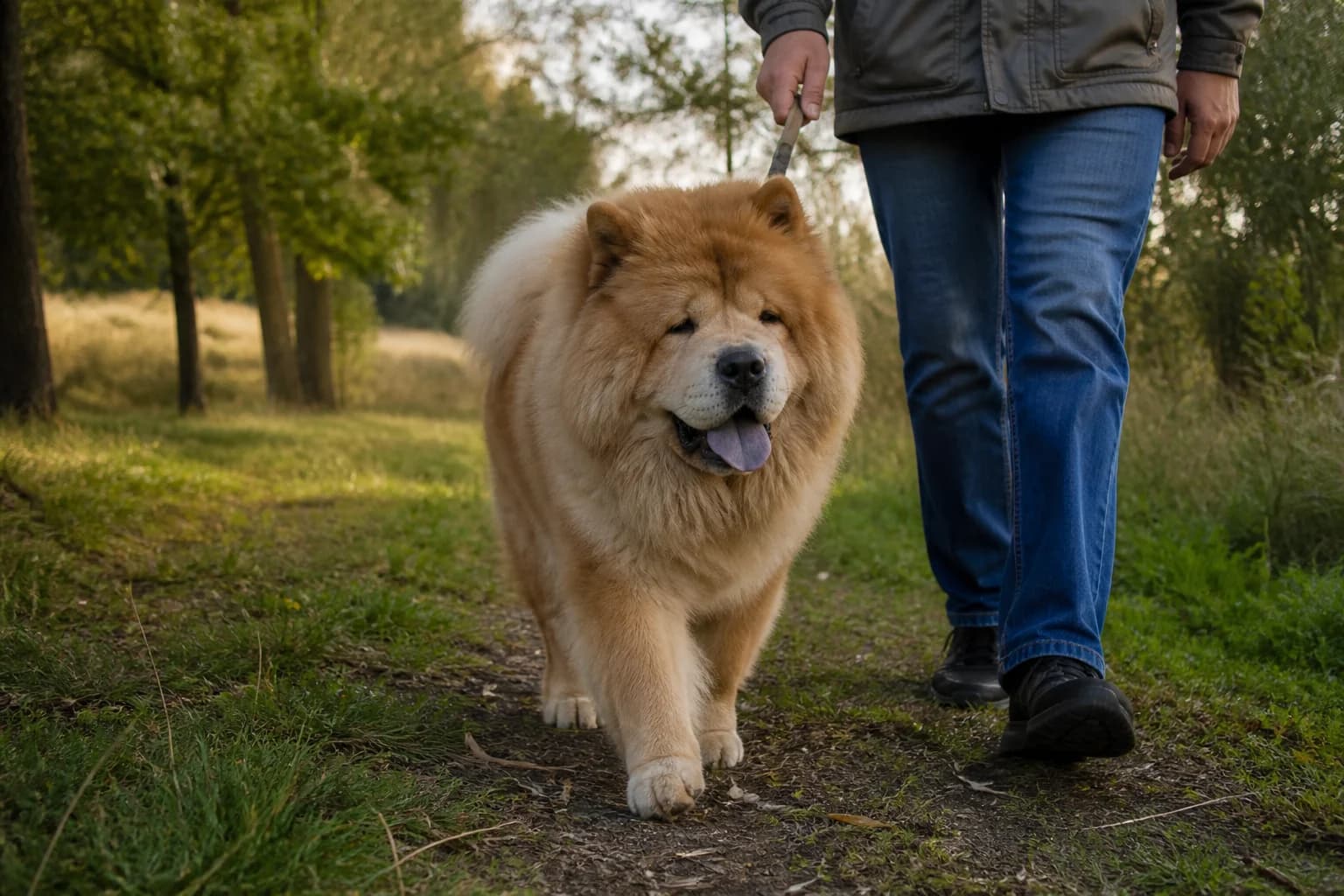
Petful is reader supported. As an affiliate of platforms like Amazon and Chewy, we may earn a commission when you buy through links on this page. There is no extra cost to you.
The typical chow chow life expectancy is often described as roughly 8 to 12 years, but no range predicts one dog's future. Genetics, body condition, preventive care, environment, and timely treatment all influence an individual life.
Understanding chow chow life expectancy also means knowing the breed's recognized health concerns without assuming every Chow will develop them. Screening records identify risks in a family line, while regular veterinary findings guide care for the dog in front of you.

Sign up for expert-backed reviews and safety alerts all in one place.
Chow Chow lifespan at a glance
Chow Chow life expectancy is commonly estimated at about 8 to 12 years, with individual dogs living shorter or longer lives. Individual dogs vary. Healthy weight, heat protection, preventive veterinary care, early attention to eye or mobility changes, and documented health screening support better decisions but cannot guarantee longevity.
The Chow Chow Club and AKC Chow Chow profile describe the breed and its care context. Lifespan figures are population tendencies. They are not deadlines, diagnoses, or promises for one dog.
The question “how long do Chow Chows live?” therefore has a population range, not an individual expiration date.
| Population lifespan range | Sets broad expectations for planning | Predict one dog's age at death |
|---|---|---|
| Individual observation | Reveals changes in appetite, comfort, eyes, gait, skin, or breathing | Diagnose the cause |
| Documented record | Shows screening, weight, medication, and examination trends | Guarantee future health |
| Professional finding | Connects signs with examination and testing | Eliminate all uncertainty |
Applying the evidence ladder
Use all four levels. A population tendency creates awareness, an individual observation starts a useful question, a documented record shows change, and a professional finding directs action.
Records, direct observation and professional findings answer different questions. An article-specific evidence ladder for Chow Chow life expectancy separates population tendencies, individual observations, records and professional findings. It gives the reader a concrete decision framework rather than a generic fact list: a lifespan range supports planning, a home observation identifies change, a dated record shows direction, and a veterinarian determines what the finding means for the individual dog.
The complete Chow Chow breed profile covers everyday ownership. The full-grown Chow size guide explains why healthy body condition is more informative than a breed-average weight.
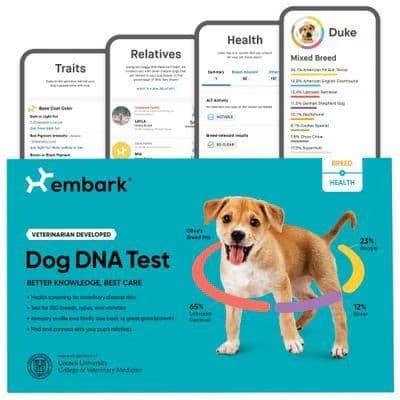
Petful may earn a commission when you click through to Chewy, at no extra cost to you.
An Embark Breed & Health Dog DNA Test Kit can provide ancestry estimates and report the variants included in its panel. It is not a complete health clearance, cannot diagnose current disease, and should never replace OFA records, a physical examination, or veterinarian-recommended testing.
Common Chow Chow health issues
Chows can be predisposed to eye and eyelid disorders, hip and elbow dysplasia, patellar problems, skin disease, thyroid disease, and heat-related illness. Predisposition means risk is seen in a population. It does not mean every Chow is affected or that a symptom has a breed-specific cause.
A list of Chow Chow diseases is an awareness tool only. It cannot diagnose a symptom or predict one dog's lifespan.
A useful prevention plan includes:
- At least annual veterinary examinations, with frequency increasing when age or health requires it
- Weight, body-condition, and muscle-condition tracking
- Dental care and appropriate parasite prevention
- Prompt review of squinting, lameness, itch, breathing changes, or heat distress
- Complete medical records shared when changing veterinarians
 Sponsored
Have a health question about your pet?
Talk to a licensed vet at Dutch over video or message, including nights and weekends.
Use code Pets60
Plans start at $12/month · covers up to 5 pets
- Licensed vets in most states
- Rx for 150+ conditions
- 4.7 on Trustpilot
Sort concerns by the decision they require
Risk awareness belongs in routine planning. A new sign belongs in a symptom timeline. A screening result belongs with the breeding dog's registered record, and a diagnosis belongs to the veterinarian who examined and tested the individual. Keeping those categories separate prevents a breed list from becoming an improvised treatment plan.
Use three response lanes:
- Preventive: wellness examinations, healthy body condition, dental care, screening records, and heat planning
- Prompt: a painful eye, persistent limp, unexplained weight change, severe itch, or a new breathing pattern
- Emergency: collapse, severe breathing difficulty, seizure, uncontrolled bleeding, inability to stand, or heatstroke signs
Do not start supplements, change prescription medication, or use another dog's treatment because a condition appears on a breed list.
Build a preventive-care calendar
A calendar turns general awareness into individual evidence. Record wellness visits, vaccinations, parasite prevention, dental examinations, weight, body condition, medications, and any specialist screening. Include the date and professional who made each finding.
Between visits, note changes without trying to name the disease. “Left eye closed after walk at 3 p.m.” is more useful than “entropion again” if no veterinarian has examined it. “Needed two attempts to stand after sleeping” is clearer than “hips bad.” Precise observations preserve uncertainty while helping the clinician see a pattern.
Prepare for routine and emergency care
Keep emergency clinic details, transportation, medication list, and insurance or payment information where the household can find them. Dense-coated dogs can deteriorate quickly in heat, and eye pain should not wait while records are located.
Preventive care also includes the mouth. Periodontal disease can cause pain and may be hidden until it is advanced. Ask the veterinarian to set a home dental plan and explain when professional cleaning is indicated. Avoid anesthesia-free scraping presented as equivalent to a complete veterinary dental procedure.
If brushing is appropriate for the individual, the Virbac C.E.T. Dual-Ended Dog & Cat Toothbrush offers two head sizes, and Virbac C.E.T. Enzymatic Poultry Flavor Dog & Cat Toothpaste is formulated for pets. Introduce either gradually and stop if the mouth is painful or bleeds. Home care cannot replace an examination or professional treatment when disease is present.
Eyes and eyelids
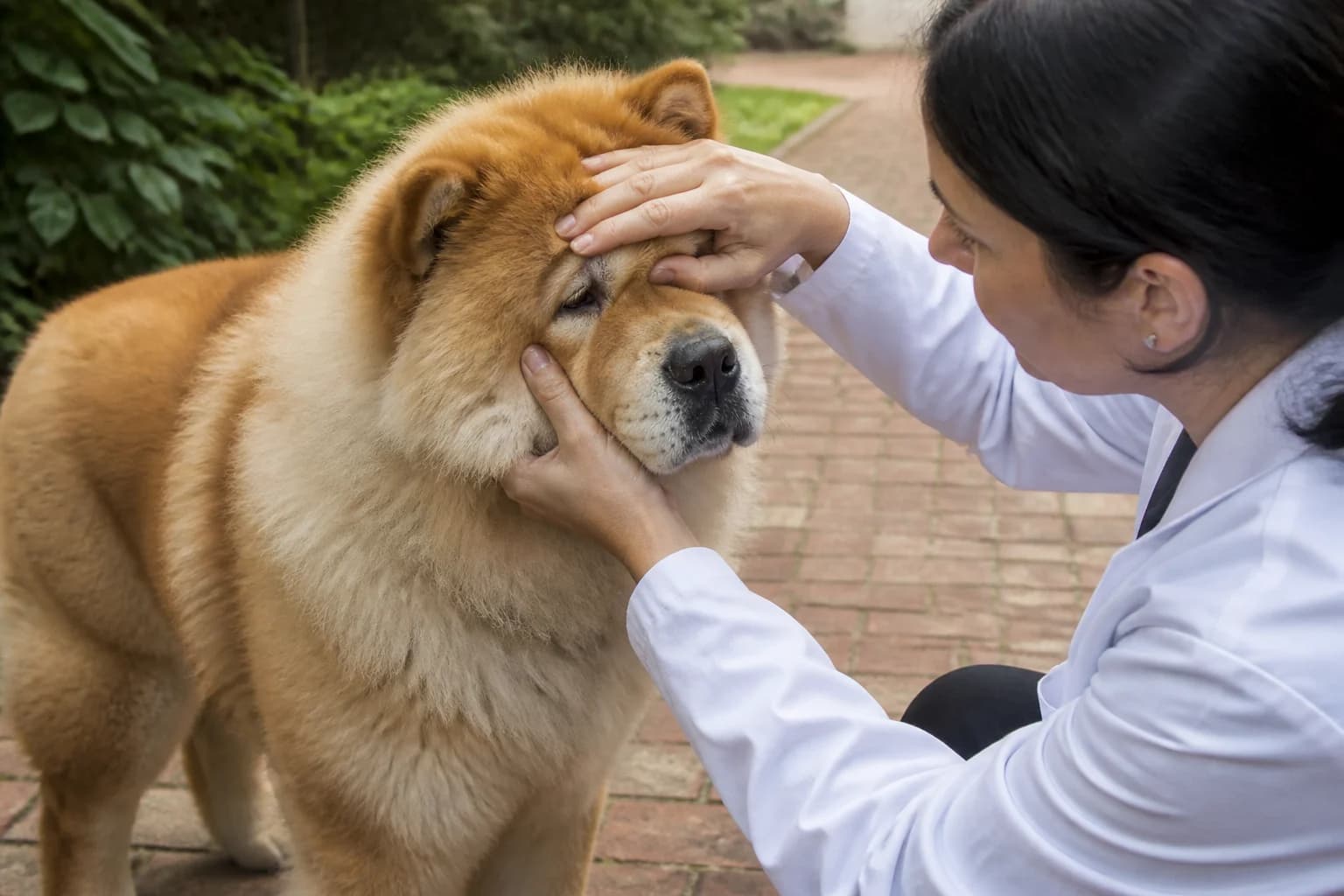
Entropion occurs when an eyelid rolls inward, allowing hair to rub the eye surface. Chows are among the breeds in which eyelid conformation can increase concern, but only an examination can identify the problem and its severity.
Chow Chow entropion, Chow Chow eye problems, and Chow Chow vision changes are search labels, not diagnoses. A painful or changed eye needs examination.
Changes that need same-day review
Watch for squinting, tearing, discharge, redness, cloudiness, face rubbing, or reluctance to open an eye. Eye pain can worsen quickly. Contact a veterinarian the same day for a painful, closed, injured, cloudy, or suddenly changed eye rather than waiting for a routine appointment.
Veterinary ophthalmic screening is different from looking at a photo. A documented eye examination provides professional findings and can be part of responsible breeding records.
Separate screening from a symptom examination
A normal screening result records what was found on that date in a breeding or preventive context. It does not clear a dog with a newly closed, cloudy, injured, or painful eye. Conversely, an urgent symptom visit does not automatically produce the hereditary screening record a breeder should provide. Ask what examination was performed and keep the result under the correct dog's identifier.
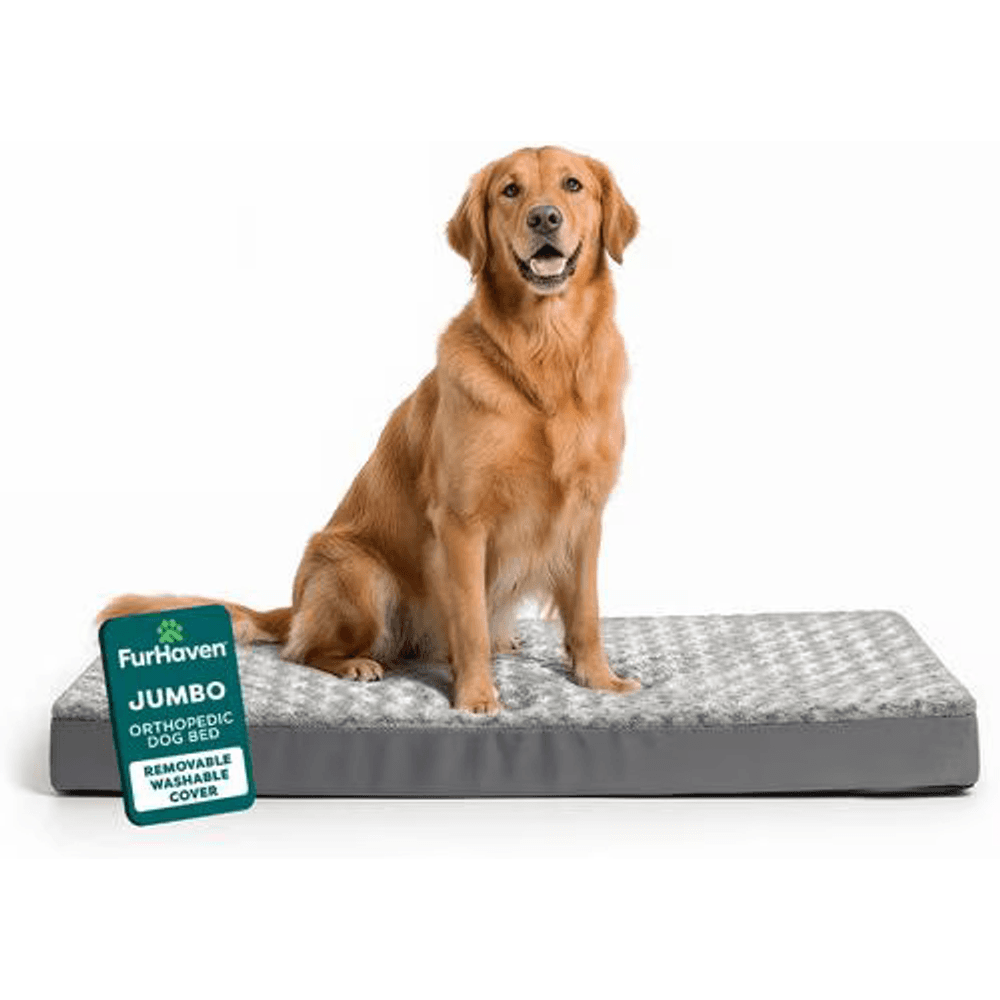
A plush orthopedic foam mattress that cushions aging joints and pressure points, giving a stiff or trembling senior dog warm, supportive rest.
Petful may earn a commission when you click through to Chewy, at no extra cost to you.
Comfortable rest can help a dog settle after activity, and a FurHaven NAP jumbo orthopedic bed provides a broad foam surface for many adult Chows. Measure the dog and room first. A bed does not treat eye pain, arthritis, dysplasia, or weakness.
Hips, elbows and knees
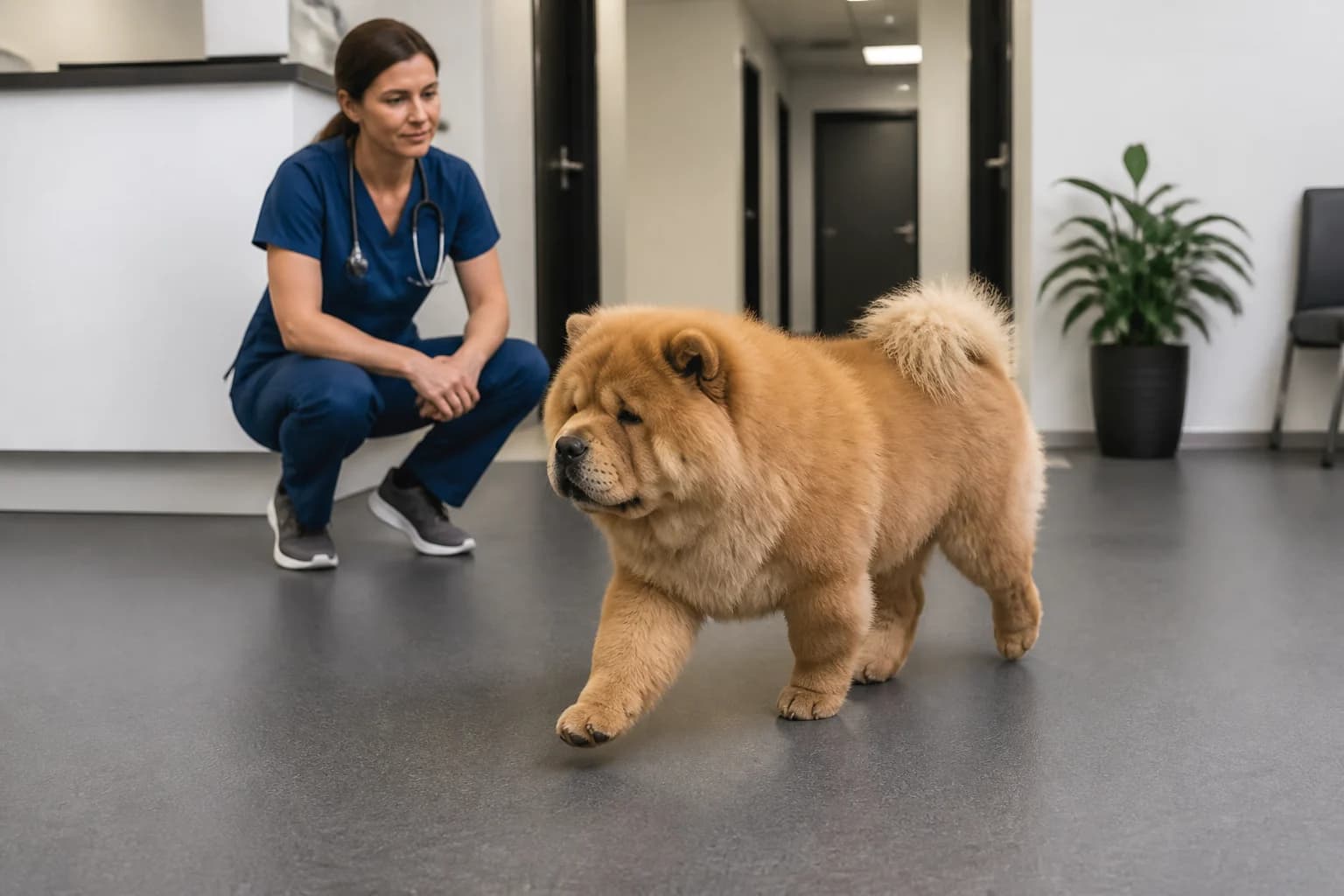
Hip dysplasia, elbow dysplasia, and patellar problems can affect comfort and movement. Signs may include stiffness after rest, an altered gait, reduced jumping, reluctance on stairs, difficulty rising, or less interest in walks.
A Chow Chow patella concern cannot be confirmed from gait alone because paw, hip, knee, spine, and soft-tissue problems can overlap.
- Do not assume a limp is “just the breed,” old age, or hip dysplasia. Injury, paw pain, spinal disease, cruciate injury, infection, and other causes can look similar. Use documented evidence and professional guidance. Restrict strenuous activity and contact a veterinarian for persistent, severe, or recurrent lameness, or urgently if the dog cannot bear weight.
Weight management, safe footing, and an individualized activity plan may support mobility, but the correct plan depends on diagnosis. A veterinarian may recommend examination, imaging, rehabilitation, medication, or another intervention based on professional findings.
Bring a gait record, not a guessed joint label
Note which limb appears affected, when stiffness begins, how long it lasts, and whether stairs, turning, or rising changes it. A short video on a nonslip surface can capture an intermittent gait without forcing a painful dog to repeat it. Record any injury, exercise change, and medication, then let examination and imaging determine whether the source is a paw, knee, hip, elbow, spine, or soft tissue.
A Nutramax Cosequin joint supplement is a commercial supplement, not a diagnosis or guaranteed treatment. Ask your veterinarian whether its ingredients and dose are appropriate, especially if the dog takes medication, has another disease, or is scheduled for a procedure.
Skin, coat and thyroid
The dense double coat can hide redness, moisture, sores, fleas, hair loss, and body-condition changes. Part the hair during routine grooming and note odor, scale, lumps, pain, or persistent itch.
Food reaction is only one possible cause of skin disease. Parasites, infection, environmental allergy, contact irritation, endocrine disease, and grooming damage can overlap. Random food switching can blur the history and delay a useful diagnostic plan.
Separate look-alike causes
Chow Chow skin problems, Chow Chow allergies, and Chow Chow thyroid concerns require different diagnostic evidence even when they share coat or weight changes.
Hypothyroidism can cause varied signs, including coat or skin changes, weight gain, and reduced activity, but those signs are nonspecific. Diagnosis requires veterinary interpretation of history, examination, and appropriate laboratory results. Do not give thyroid medication without a prescription.
If a bed is easier to wash than upholstery, the removable cover on the FurHaven orthopedic bed may help household hygiene. Wash according to the product instructions, and remember that laundering bedding does not identify or cure the cause of itch.
Inspect beneath the coat without treating the appearance
During calm grooming, part the hair in a consistent sequence at the neck, armpits, groin, tail base, and between the toes. Record location, odor, moisture, scale, hair loss, and whether the dog reacts to touch. The Frisco Deshedding Cat & Dog Brush, Medium, Medium to Long Hair can remove loose coat when the skin is healthy, but it should not be dragged across sore, infected, or inflamed skin.
Do not select a medicated shampoo from a photo or assume a color change proves thyroid disease. Skin cytology, parasite checks, a diagnostic food trial, culture, or laboratory testing answer different questions. A veterinarian should choose the next test from the history and examination.
Heat risk and breathing

The heavy coat and broad head can make heat management especially important. Plan exercise for cooler hours, provide shade and water, avoid hot pavement and enclosed vehicles, and shorten activity when humidity or temperature rises.
Chow Chow overheating risk and Chow Chow heat tolerance vary with weather, activity, body condition, age, and health. A Chow Chow breathing problem during heat is not a normal breed quirk.
Early heat stress can include intense panting, seeking shade, slowing down, drooling, or reluctance to continue. Worsening signs include weakness, vomiting, confusion, collapse, seizures, or abnormal gum and tongue color.
Prevention stops when emergency signs begin
Cool-hour walks, route planning, shade, water, and a rapid exit to air conditioning are preventive steps. They are not a home treatment protocol once weakness, confusion, collapse, seizure, or abnormal mouth color appears. At that point, call the emergency clinic, begin the clinic-directed safe cooling steps below, and travel promptly.
- Heatstroke is an emergency. Move the dog to a cooler area, begin gentle cooling with cool or tepid water and airflow, call an emergency veterinarian, and travel promptly. Do not use ice water, force drinking, or delay care because the dog briefly seems better.
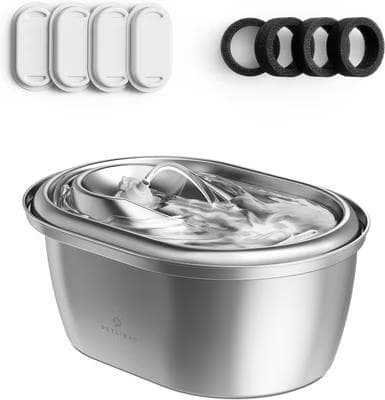
304 food-grade stainless steel pet water fountain, 101 oz. The circulating, filtered water encourages cats to drink more, which supports urinary tract and kidney health.
Petful may earn a commission when you click through to Chewy, at no extra cost to you.
A Petlibro stainless steel 101-ounce fountain may make water continuously available at home for a dog that prefers moving water. Clean it regularly and provide a backup bowl. It cannot prevent heatstroke or safely rehydrate a dog in distress.
Health testing and breeder records

Responsible sourcing goes beyond a verbal claim that “the parents are healthy.” The OFA CHIC program explains how breed-specific screening results can be recorded. Ask which evaluations the parent club recommends, then verify individual results in the applicable database.
An OFA Chow Chow record and a documented Chow Chow eye exam answer specific screening questions. Neither substitutes for current veterinary care.
Verify the underlying results
Health screening estimates inherited risk in breeding dogs. It does not certify that a puppy will never become ill. Useful records include registered names or numbers, dates, final versus preliminary status, the testing organization, and results for both parents.
Commercial DNA panels can complement some records but do not replace orthopedic imaging or a specialist eye examination. If you use the Embark Breed & Health test, discuss any result with your veterinarian and confirm whether the reported variant is clinically relevant to this dog.
Build one verifiable record chain
Start with each parent's registered name or number, then match every result to that identifier. Record the testing organization, examination date, final or preliminary status, and exact result. A screenshot without an identifier or a verbal “all clear” cannot be independently checked.
For the puppy or adult you own, keep screening information separate from the current medical record. Screening estimates inherited risk in a family line. Wellness examinations, symptom visits, and diagnostic tests describe the individual dog's present health.
 Sponsored
Vet care that's always there
Unlimited video calls and messaging with licensed vets for less than a typical vet visit. One membership covers up to five pets.
Use code Pets60
Plans start at $12/month · covers up to 5 pets
- Licensed vets in most states
- Rx for 150+ conditions
- 4.7 on Trustpilot
Healthy weight, senior care and prevention
Extra weight places more load on joints and can complicate breathing and heat tolerance. The AVMA healthy-weight guide recommends focusing on body condition, not just a number.
For an older Chow, monitor:
- Weight, waist, ribs, and muscle over the back and thighs
- Ease of rising, walking, turning, and using stairs
- Appetite, thirst, urination, stool, and sleep
- Vision, hearing, mouth comfort, and new lumps
- Interest in family routines and signs of anxiety or confusion
WebVet's senior dog health guide provides a practical framework for age-related observation. Senior care is individualized. A veterinarian may recommend more frequent visits or testing based on findings.
Make the home easier for an aging Chow
Small environmental changes can preserve independence. Put nonslip runners between resting, water, and outdoor areas. Keep nails and paw hair maintained for traction. Use a stable ramp when the dog cannot safely jump into a vehicle, and block stairs if weakness or vision makes them risky.
The Dremel 7350-PT Cordless Dog & Cat Rotary Nail Grinder Kit may help maintain short nails for a dog already comfortable with grinder sound and handling. It is not appropriate for a painful paw or a dog who panics around the tool. Ask a veterinarian or groomer to demonstrate nail length and safe introduction before relying on it.
Balance padding, temperature, and water access
Warmth and padding can help comfort, but Chows also need protection from overheating. Place beds away from direct sun and heating vents. Make water easy to reach without requiring a long walk or tight turn.
For trips or cool-hour walks, the Frisco Silicone Collapsible Travel Bowl with Carabiner, Teal, Small (1.5 cup) is a compact backup water bowl. Its 1.5-cup capacity may require frequent refilling for an adult Chow. It supports planned access to water but is not a response to heatstroke or a dog unable to drink normally.
Adjust movement and monitoring
Adapt exercise instead of eliminating it without guidance. Several short, cool-hour walks and sniffing opportunities may be more manageable than one long outing. Stop for unusual panting, lagging, lameness, or reluctance, and tell the veterinarian how quickly the dog recovers.
Cognitive changes can look like staring, nighttime waking, getting stuck, house-soiling, altered interaction, or anxiety. Vision loss, hearing loss, pain, urinary disease, and neurologic problems can overlap, so a new behavior deserves medical assessment rather than being dismissed as age.
Longevity claims and end-of-life planning
No supplement, diet, test, or breeder can guarantee a lifespan. Be cautious with claims that a bloodline “always lives to 15,” that a variant report predicts exact longevity, or that one product prevents age-related disease.
Quality of life is an individual clinical and family decision. Track appetite, hydration, hygiene, mobility, pain, breathing, sleep, engagement, and whether good periods still outweigh difficult ones. A written log reduces reliance on memory and gives the veterinarian documented evidence.
Discuss palliative care and emergency thresholds before a crisis if a dog has progressive disease. Ask which signs mean call, same-day examination, or emergency transport. Planning does not shorten life. It helps prevent avoidable distress and rushed decisions.
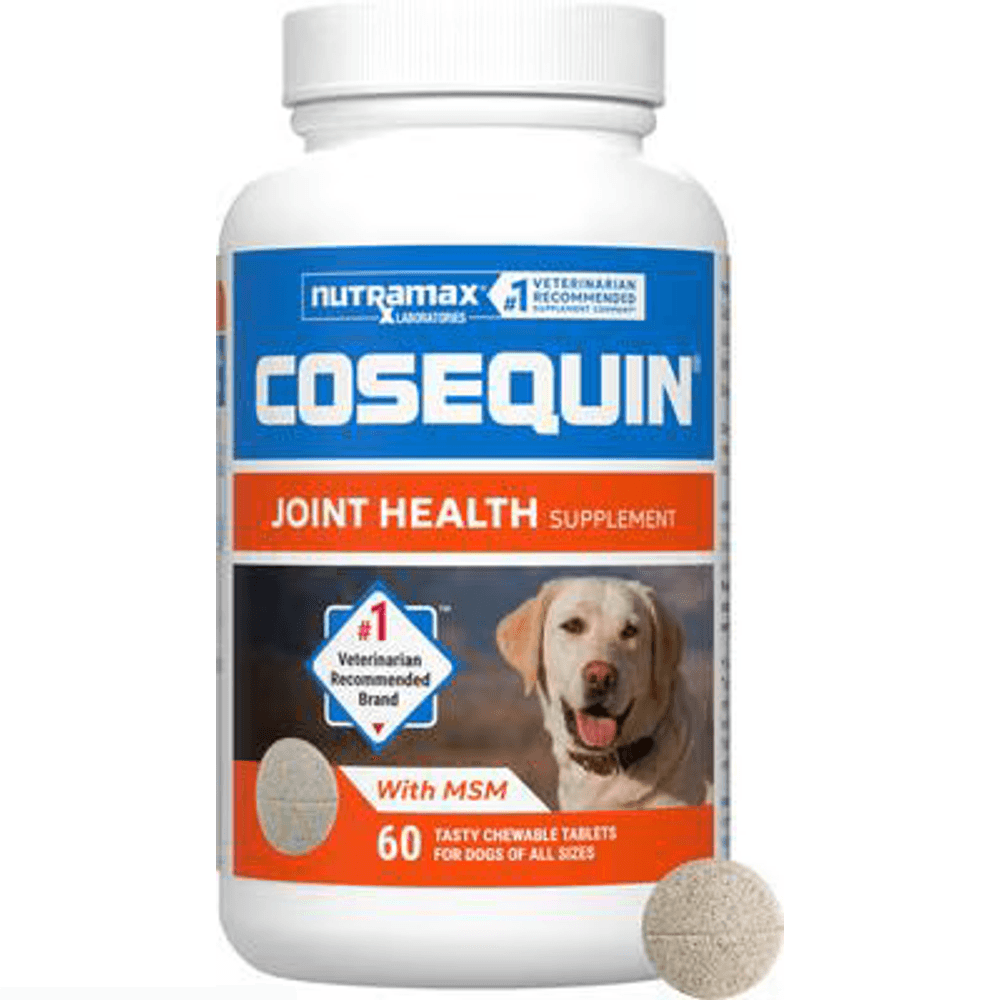
The number-one veterinarian-recommended joint supplement brand. Glucosamine, chondroitin, and MSM support cartilage and cushion the joints, easing the stiffness and hind-end weakness that can leave an older or arthritic dog trembling.
Petful may earn a commission when you click through to Chewy, at no extra cost to you.
The Petlibro fountain can make access easier for some seniors, but increased thirst or a sudden drop in drinking should be reported. The Cosequin chewable supplement may be discussed for joint support, yet comfort changes still need assessment rather than supplement-only management.
When to call a veterinarian
Call promptly for a painful or cloudy eye, persistent limp, repeated vomiting or diarrhea, unexplained weight change, severe itch, a rapidly growing lump, or a new breathing change. Emergency signs include collapse, inability to stand, severe breathing difficulty, seizure, uncontrolled bleeding, a swollen abdomen with distress, or heatstroke signs.
- Helpful long-term actions
- Limits to remember
- Household fit can use the individual evidence in front of you
- No population tendency guarantees one outcome
- Healthy body condition supports joints and heat tolerance
- It cannot prevent every inherited or acquired illness
- Screening records clarify parental risk
- They do not guarantee a puppy's lifespan
- Routine examinations can catch change earlier
- They cannot replace urgent care for acute signs
- Individual observations improve the history
- Owners should not diagnose or prescribe from symptoms alone
Bring a symptom timeline, current medications and supplements, food information, and videos of intermittent gait or breathing changes. That documented evidence helps the veterinarian reach a professional finding more efficiently.
What not to do with breed-risk information
Do not screen randomly with consumer tests and then treat a result without clinical context. Do not withhold exercise from a comfortable dog solely because dysplasia appears on a breed list. Do not apply eye ointment left from another pet, and do not use human pain medicine.
Breed information should change awareness, not create a diagnosis. The safest sequence is observe, document, contact the appropriate veterinary service, and follow a professional plan. That keeps population risk in its proper place while protecting the individual dog.
Dental health, anesthesia, and age
Older age alone does not diagnose dental disease or automatically make anesthesia impossible. A veterinarian weighs oral pain and infection against anesthetic risk, then uses examination, laboratory results, monitoring, and an individualized protocol. Delaying a painful mouth because a Chow is senior can also reduce quality of life.
Watch for bad breath, dropping food, chewing on one side, facial swelling, bleeding, or reluctance to eat hard items. These signs deserve veterinary review. Do not scrape teeth with sharp tools or give human pain relievers.
Medication and supplement safety
Keep one current list that includes prescriptions, preventives, over-the-counter products, joint supplements, calming products, and doses. Show it at every urgent or specialist visit. Natural does not mean interaction-free, and flavored products can affect a diagnostic food trial.
Never adjust a dose because an online chart uses the same weight or breed. Kidney, liver, stomach, bleeding, and other risks depend on the individual drug and dog. Contact the prescribing clinic for missed doses, vomiting after medication, side effects, or uncertainty.
Insurance and financial preparation
Pet insurance, savings, and payment plans do not change medical risk, but they can change how quickly a household can act. Read exclusions, waiting periods, hereditary-condition language, reimbursement rules, and required records before a diagnosis occurs.
Keep screening and veterinary records organized even when the dog is healthy. A complete file can support claims, second opinions, emergency decisions, and continuity of care.
A monthly five-minute home check
When the dog is calm, note weight trend, ribs and waist, muscle over the back and thighs, eyes, mouth, skin beneath the coat, paw comfort, and ease of rising. Observe breathing after a normal cool-weather walk and compare it with the dog's usual recovery.
This is not a diagnostic examination. The value is consistency. A small repeated change is easier to describe when the baseline is documented. Stop if any check causes pain or fear and tell the veterinarian what the dog would not tolerate.
Keep one shared care plan
Finally, review the care plan after any new diagnosis rather than adding advice from multiple sources. Ask which activity, food, grooming, temperature, medication, and follow-up changes actually apply. Written discharge instructions and a scheduled recheck make the plan measurable. If the dog worsens before that date, contact the clinic instead of waiting for the calendar.
Share the same updated plan with every caregiver so nobody duplicates medication, misses restrictions, or overlooks a warning sign. Clear roles are part of safe prevention.
Keep the regular veterinarian's number and the nearest emergency clinic's current route with that shared plan.
Related Chow Chow topic owners
Use the owner page that matches the decision while keeping medical signs in the veterinary lane:
Chow Chow at a glance
Broad chow chow, mr chow chow, and what is chow chow searches need the Chow Chow profile. The awkward query “chow chow chow dog” has the same whole-breed intent. That owner covers history, appearance, temperament, exercise, grooming, and household fit. This page owns lifespan evidence, screening, recognized health concerns, prevention, senior monitoring, and veterinary escalation. Health risk is one part of the breed decision and never predicts every individual.
Best dog food for Chow Chows at a glance
Chow chow food, chow chow the food, and what is chow chow food questions belong to the Chow food guide. That owner evaluates life-stage adequacy, calories, manufacturer evidence, portions, and diet transitions. A breed-risk list cannot prescribe a formula, and a medical food change should follow the individual veterinarian's findings rather than a generic health article.
- The Chow puppy guide owns sourcing, parent records, scams, and early socialization.
Chow Chow colors at a glance
Chow chow colors, black chow chow, and chow chow black searches belong to the Chow color guide. That owner distinguishes recognized shades, rough and smooth textures, photography effects, and sales claims. Color does not diagnose skin or thyroid disease and cannot predict chow chow life expectancy. New hair loss, sores, itch, or pigment change needs individual veterinary context.
- The Chow price guide owns acquisition and lifetime budgeting, including emergency reserves.
- The Chow mixes guide owns variable mixed-breed ancestry, size, coat, and inherited-risk uncertainty.
- The tongue guide owns stable oral pigment versus sudden color-change emergencies.
Full-grown Chow Chow size at a glance
Chow chow size, chow chow full grown, and full grown chow chow questions belong to the size guide. That owner covers adult ranges, puppy growth, body and muscle condition, unsupported mini claims, and equipment measurements. Healthy weight affects joints, breathing, and heat tolerance, but size alone neither diagnoses disease nor predicts an individual's lifespan.
- The temperament guide owns behavior, management, and humane training after pain or illness is considered.
- The grooming guide owns line brushing, coat blow, bathing, drying, mats, and shaving limits.
Chow Chow FAQs
The top causes of death in Chow Chows cannot be reduced to one reliable universal ranking or used to predict Chow Chow life expectancy. Cause-of-death data vary by geography, study population, veterinary access, and coding. Cancer, age-related disease, and serious organ, neurologic, or mobility problems can affect dogs. For a clear next step, use individualized preventive care and prompt veterinary assessment of change instead of treating a population ranking as a forecast for one dog.
Chow Chows can be predisposed to eye and eyelid disorders, hip and elbow dysplasia, patellar problems, skin disease, thyroid disease, and heat-related illness, but risk does not determine Chow Chow life expectancy. Predisposition is not a diagnosis or certainty. For a clear next step, verify parental screening, maintain regular examinations, document new signs precisely, and let veterinary findings direct care rather than treating a breed list at home.
The average Chow Chow life expectancy is commonly described as roughly 8 to 12 years, with individual dogs living shorter or longer lives. That population range is neither a deadline nor a guarantee. For a clear next step, maintain healthy body condition, heat protection, preventive and dental care, safe individualized activity, and timely veterinary attention. No routine, diet, supplement, or product can promise a particular lifespan.
Health problems commonly recognized in Chow Chows include entropion and other eye disease, hip and elbow dysplasia, patellar problems, skin disease, hypothyroidism, and heat-related illness. These population risks can influence care but do not determine Chow Chow life expectancy or diagnose an individual. For a clear next step, document the specific sign, contact a veterinarian, and let the dog's history, examination, and indicated diagnostic testing guide treatment.
Chow Chows can be prone to eye problems because eyelid and facial conformation may increase the risk of irritation such as entropion. That population tendency does not diagnose one painful eye or predict Chow Chow life expectancy. For a clear next step, arrange same-day veterinary review for squinting, cloudiness, injury, discharge, face rubbing, or a closed eye because an examination is needed to identify the cause and protect the eye surface.
Health tests for Chow Chows should follow current parent-club and OFA guidance, which may include orthopedic and eye evaluations. Screening can inform inherited-risk decisions but cannot guarantee health or Chow Chow life expectancy. For a clear next step, confirm the current recommendations, verify both parents' results by registered identifier, date, testing body, and final status, and ask a veterinarian to interpret consumer DNA results before changing care.
No action can guarantee a longer Chow Chow life expectancy. Healthy body condition, heat protection, preventive and dental care, safe individualized activity, verifiable screening records, and prompt attention to eye, breathing, mobility, skin, or weight changes support sound decisions. For a clear next step, build a veterinary prevention plan with documented baselines, medication and supplement records, and specific call, same-day, and emergency thresholds shared by every caregiver.
A Chow Chow is considered senior according to individual age, size, medical history, and functional change rather than one universal birthday, and senior status does not set a fixed Chow Chow life expectancy. For a clear next step, ask the veterinarian when mobility, vision, hearing, dental comfort, weight, muscle, behavior, and home support should receive closer review, and whether examination or laboratory frequency should change for this dog.
BVMS, MRCVS
Dr. Pippa Elliott, BVMS, MRCVS, is a veterinarian with nearly 30 years of experience in companion animal practice. Dr. Elliott earned her Bachelor of Veterinary Medicine and Surgery from the University of Glasgow. She was also designated a Member of the Royal College of Veterinary Surgeons. Married with 2 grown-up kids, Dr. Elliott has a naughty Puggle named Poggle, 3 cats and a bearded dragon.
Sign up for expert-backed reviews and safety alerts all in one place.